

Industry Briefing
A single destination for timely, editor-curated robotics news from around the world.

AI Job Interviews Now Commonly Scheduled Between 10 PM and 2 AM, Applicants Dislike Robot Chats
In 2026, the landscape of job interviews has shifted dramatically, with 24% now occurring between 10 p.m. and 2 a.m. This change is largely attributed to the rise of remote work and the integration of AI in recruitment processes. As a result, candidates are often engaging with AI chatbots instead of human recruiters, leading to a growing dissatisfaction among applicants. The reliance on AI in recruitment has transformed how companies, particularly 99% of Fortune 500 firms, source and vet candidates. This automation has streamlined hiring processes, reduced the size of HR teams, and altered the nature of job applications, pushing candidates to adapt by optimizing their resumes for AI systems. The shift to non-traditional interview hours reflects a broader trend of blurred boundaries between work and personal time. Looking ahead, job seekers may need to brace for continued reliance on AI in recruitment, including automated interviews. As companies seek efficiency, the human element in hiring could diminish further, prompting candidates to find new strategies to navigate this evolving landscape. No further timeline was disclosed at the time of publication.

The Escalating AI Arms Race in Software Engineering Technical Interviews
The landscape of software engineering job interviews is rapidly evolving due to the increasing use of AI by both candidates and employers. Applicants are employing AI assistants to enhance their performance during remote technical interviews, while companies are countering with AI tools designed to detect such assistance. This dynamic creates a competitive environment where the human element of hiring remains crucial despite the technological advancements. The rise of AI in hiring processes is largely driven by the current job market, which is characterized by a surplus of applicants and ongoing tech layoffs. Experts like AI hiring strategist Tatiana Teppoeva highlight that candidates often resort to AI tools as a response to automated hiring practices that may not favor them. This situation leads to a cycle where both parties leverage AI, potentially shifting the focus from genuine capability to algorithm optimization. As AI tools become more prevalent, concerns regarding their effectiveness and fairness have emerged. While some companies are embracing AI in interviews, others warn of the risks associated with bias and privacy. The need for human oversight in the hiring process is emphasized, as relying solely on AI could result in the exclusion of qualified candidates. No further timeline was disclosed at the time of publication.
Hiring-trends Interviews Ai-bias Software-engineering
Interview with José António Bernardo on Physical AI and Robotics Challenges
José António Bernardo, R&D project manager at ABMI Groupe, discusses the transition from laboratory to real-world applications in robotics, AI, and embedded systems. He emphasizes that a robot's performance is not defined by demonstration quality but by its reliability, repeatability, and safety in real-world conditions. Bernardo highlights the significance of Physical AI and adaptive robots, noting that the convergence of AI, embedded systems, and robotics is crucial for success. He shares a specific example where a positioning function showed a 24 mm error, which was corrected to 1.8 mm through their own inverse kinematics, illustrating the importance of accurate measurement and validation. Looking ahead, Bernardo points out that the main challenges lie in data and validation methods. He stresses that without a way to prove a system's functionality outside its training domain, the industry risks producing mere demonstrations rather than viable products. The conversation underscores the need for robust validation processes to ensure industrial robots can operate effectively in dynamic environments.
À la une Industrie Interview Robotique
Founders of MAESTRO Discuss the Consortium's Goals at Inria and CNRS
The MAESTRO project aims to bridge the gap between French and European robotics and artificial intelligence research and industrial needs. By focusing on software that models, simulates, and controls robot movements, the consortium seeks to provide a sustainable and high-performance common resource for the industry. Founded by Inria and CNRS, MAESTRO builds on software developed for scientific challenges in robotic locomotion and manipulation, now utilized globally across various sectors. This initiative is significant as it consolidates research efforts and strengthens ties between academia and industry. Industrial partners contribute their use cases and operational constraints, shaping the technical and scientific roadmap. This collaboration accelerates the transition of software from laboratory settings to industrial deployment, fostering a sustainable ecosystem around the MAESTRO software suite. Looking ahead, the goal is to ensure the ongoing maintenance and evolution of MAESTRO while integrating advancements from research. The project emphasizes the importance of combining traditional control methods with artificial intelligence to enhance robotic capabilities, addressing the challenges of data collection and the sim-to-real gap in robotics.
À la une Industrie Interview Robotique Apprentissage par imitation apprentissage par renforcement
Inspired Flight's Open Platform Strategy Enhances Flexibility in U.S. Drone Market
Inspired Flight, a U.S. drone manufacturer, is adapting to new restrictions on foreign technology by implementing an open aircraft platform strategy. Co-founder Adam Bilmes emphasized the importance of flexibility, allowing operators to utilize various payloads without being limited to proprietary systems. This approach supports over 20 payloads, enabling operators to switch between missions like LiDAR and thermal imaging seamlessly. The significance of this strategy lies in its ability to accommodate the rapid evolution of payload technology, which can outpace the aircraft itself. By focusing on an open system, Inspired Flight ensures that its drones remain relevant and capable of integrating new capabilities as they emerge. Bilmes highlighted that the true value of their aircraft lies in its reliability and ease of use, which enhances operators' workflows in data collection. Looking ahead, Inspired Flight's open platform may set a precedent for future drone development, encouraging collaboration with technology partners. The company provides resources for third parties to innovate around its aircraft, fostering a more dynamic ecosystem. No further timeline was disclosed at the time of publication.
Blue UAS DL Exclusive Drone Manufacturing Drone News Dual Use Feature 1
Mi Longfeng Discusses Robotics Development Initiatives in Suzhou at WRC 2026
At the 2026 World Robotics Conference in Beijing, Mi Longfeng, Vice President of China-Singapore Group, highlighted the evolving landscape of robotics in Suzhou. Notably, leading exhibitors showcased 'real scenario delivery' across various sectors, including manufacturing and healthcare, emphasizing the importance of reliable data and operational environments for robotics deployment. This shift underscores the necessity for collaborative efforts beyond robotics companies, as industrial parks and operators play a crucial role in facilitating the ecosystem. Mi Longfeng shared insights on the China-Singapore Group's extensive research and development initiatives, which include establishing a dedicated intelligent robotics park and data collection centers in Suzhou. Looking ahead, the focus on embodied intelligence as a key industry trend suggests that the China-Singapore Group will continue to drive research and development efforts in Suzhou's robotics sector. No further timeline was disclosed at the time of publication.
Robotics Industry Research Smart Manufacturing Data Collection Industrial Parks
Lattice Semiconductor's Karl Wachswender Discusses Edge AI and FPGA Innovations
Lattice Semiconductor, founded in 1983 and based in Oregon, is advancing technology for the robotics stack, focusing on low-power field programmable gate arrays (FPGAs). These FPGAs are crucial for applications in industrial robots and autonomous mobile robots, enabling real-time control and power efficiency while supporting complex workloads like sensor fusion and motor control. The significance of Lattice's work lies in its contribution to the evolving landscape of robotics, where edge processing is becoming essential. As robots increasingly rely on onboard processing rather than cloud solutions, the flexibility of FPGAs allows for adaptability post-deployment, ensuring machines remain relevant as requirements change. Looking ahead, the discussion highlights the growing semiconductor opportunities in sectors such as humanoid robotics, industrial automation, and healthcare. As intelligent machines become more prevalent, the need for robust security measures, starting at the hardware level, is emphasized, with FPGAs potentially serving as a hardware root of trust.
Computing Features Manufacturing Technology autonomous mobile robots cybersecurity
Dai Weijin Discusses Collaborative Efficiency as Key to Robot Chip Development
Dai Weijin, Chief Strategy Officer of Chipone Technology, highlighted the critical issue of collaborative efficiency in robot chip development. While the industry focuses on TOPS performance metrics, he emphasized that the real challenge lies in ensuring system efficiency aligns with computational power. He pointed out that while automotive chips may have excess computational capacity, robots require low-latency perception capabilities that are currently insufficient. Dai noted that reusing automotive chips was a necessary early choice for the industry, but the fundamental logic differs between automotive and robotics. Robots demand precise interactions in complex environments, which cannot be achieved by simply repurposing automotive technology. He explained that robot chips typically utilize a layered computing architecture, where the 'brain' handles decision-making and planning, while the 'small brain' manages perception and real-time control. Looking ahead, Dai believes that industrial applications, particularly in logistics and material handling, will lead the way in adopting these technologies. Chipone's strategy focuses on scalable architecture and providing clients with the most suitable configurations to quickly develop their products, emphasizing that collaborative efficiency is the true competitive advantage in the market.
Robot Chips Collaborative Efficiency Layered Computing Industrial Automation
IEEE's Dejan Milojicic Discusses 30 Technology Megatrends Shaping 2030
The IEEE's Technology Megatrends 2030 report highlights physical AI and robotics as key areas for technological advancement in the next four years. This report identifies 30 breakthrough technologies across five sectors, including artificial intelligence and physical AI, which are expected to significantly reshape industries and daily life by 2030. The importance of human-AI interaction is emphasized, as interfaces evolve from text-based to more natural forms, enhancing machines' understanding of human intentions. This evolution is poised to improve the supervision and collaboration of industrial robots and autonomous machines, enabling greater autonomy in sectors like manufacturing and healthcare. Challenges remain, particularly regarding reliability, cybersecurity, and safety as AI systems begin making impactful decisions. Dejan Milojicic, chair of the IEEE Future Directions Committee, discusses these advancements and the implications for the future of work, indicating that physical AI is expected to progress rapidly toward 2030. No further timeline was disclosed at the time of publication.
Features Technology ai robotics artificial intelligence Autonomous robots cybersecurity
Maximo's Nick Hegeman Discusses 180,000 Solar Panel Installations and Automation Challenges
AES has successfully deployed its AI-powered robotic system, Maximo, on utility-scale solar construction sites, achieving over 180,000 solar module installations. This innovative technology automates the physically demanding task of lifting and installing photovoltaic modules, operating effectively in dynamic environments where conditions frequently change. The system has demonstrated impressive performance, with robots completing more than 500 installations daily and crews installing up to 24 modules per person per shift hour. The significance of Maximo lies in its ability to address labor shortages and the increasing weight of solar modules, which makes automation essential in the construction sector. Developed through AES Next, the platform provided unique access to live solar construction projects, enabling real-world testing and refinement of the technology. Nick Hegeman, the chief commercial officer for Maximo, emphasizes the importance of field validation and integration with existing processes to ensure the technology's success in the industry. Looking ahead, AES is exploring further automation opportunities in renewable energy construction and site logistics. As customer attitudes shift positively towards robotics, the potential for broader commercial adoption of Maximo appears promising. No further timeline was disclosed at the time of publication.
Construction Features aes aes next Autonomous robots construction automation
Icarus Robotics Co-Founder Jamie Palmer Discusses Robotic Labor Force for Space
Icarus Robotics, founded in 2024, is developing a robotic labor force for space, integrating embodied artificial intelligence with human-in-the-loop control. The aim is to automate routine tasks in orbit, enhancing astronauts' efficiency by allowing them to focus on scientific research rather than repetitive jobs like cargo handling and equipment inspection. This initiative is significant as it addresses the growing need for labor in commercial space stations and lunar infrastructure, where intelligent robotic workers could play a crucial role. By automating essential tasks, Icarus Robotics not only improves operational efficiency but also supports the broader commercial space economy, including future missions to the Moon and Mars. Looking ahead, Icarus Robotics plans to test its technology aboard the International Space Station, with co-founder Jamie Palmer emphasizing the importance of real-world testing over simulation. The company is focused on overcoming technical challenges to achieve fully autonomous operations in space, which will be vital for the future of space exploration and commercial endeavors.
Features Space artificial intelligence astronaut assistance Autonomous robots autonomous systems
Xianglu Robotics and Haier Collaborate to Launch CR3, a Fully Automated Home AI Cooking Robot
On July 29, 2026, Xianglu Robotics and Haier Robotics signed a strategic cooperation agreement to jointly launch the CR3, the world's first fully automated home AI cooking robot. This collaboration marks a significant step into the consumer market for AI cooking robots, transitioning from commercial kitchens to home kitchens. The introduction of the CR3 is crucial as it addresses the long-standing barriers that have kept AI cooking robots confined to commercial settings. These barriers include technological advancements, user perception, and cost control. With rapid breakthroughs in AI technology and the robotics industry, Xianglu Robotics aims to evolve the role of cooking robots from assistants to replacements in home kitchens. Looking ahead, the partnership between Xianglu and Haier will focus on enhancing the cooking robot ecosystem, leveraging their respective strengths in technology and market reach. As consumer awareness grows and production costs decrease, the CR3 could become a leading product in the home appliance market, potentially transforming how cooking is approached in households across China.
AI Cooking Robots Home Appliances Robotics Automation Technology
Arduino's Marcello Majonchi Discusses Qualcomm Acquisition and Future of Robotics
Arduino has transitioned into a new era following its acquisition by Qualcomm, which aims to integrate advanced AI and computing technologies with Arduino's open-source tools. This partnership is expected to enhance the development of intelligent machines, particularly in robotics and edge AI applications. The significance of this acquisition lies in its potential to lower barriers for developers in creating innovative robotics solutions. Marcello Majonchi, Arduino’s chief product officer, emphasizes that this collaboration marks a pivotal moment for robotics, akin to the early days of the Internet of Things, and aims to accelerate the journey from prototype to production. Looking forward, Majonchi identifies robotics, industrial automation, and building and home automation as key growth opportunities for Arduino. He reaffirms the company's commitment to open standards and making advanced technology accessible to a broader community of developers, ensuring that Arduino continues to play a vital role in the evolution of technology.
Computing Design Engineering Features arduino automation
Inteq's Jon Roberts Discusses Strategic Shift in Warehouse Automation Investment
Warehouse automation is evolving from a mere operational efficiency tool to a strategic priority for organizations, driven by ongoing labor shortages and rising fulfillment expectations. Inteq, a UK-based warehouse automation specialist, emphasizes the importance of integrating robotics and software to create flexible, hardware-agnostic solutions that adapt to changing operational needs. Jon Roberts, sales director at Inteq, highlights that software, particularly Warehouse Execution Systems, is now the critical component of successful automation projects. These systems serve as the central hub connecting robotics, equipment, and personnel, enabling more efficient operations. The shift towards software-first strategies reflects a broader trend where businesses recognize the risks of inaction in the face of increasing competition and complexity in supply chains. Looking ahead, companies investing in integrated automation platforms are likely to gain a competitive edge in logistics and fulfillment. The conversation also touches on the growing role of AI in predictive operations and the transition of autonomous mobile robots into essential warehouse infrastructure, supported by innovative commercial models like Robotics-as-a-Service. No further timeline was disclosed at the time of publication.
Features Logistics Supply chain Warehouse robots amrs artificial intelligence
Panasonic Connect's Scott Zerkle Discusses AI's Role in Smart Manufacturing Transformation
Panasonic Connect is at the forefront of transforming manufacturing systems as electronics become smaller and more complex. The company offers smart manufacturing solutions that integrate surface-mount technology (SMT), robotics, AI analytics, and connected factory platforms. Through its Gemba Process Innovation strategy, Panasonic Connect aims to enhance productivity and operational resilience in factories. The increasing complexity of electronics, particularly in vehicles and industrial systems, is reshaping production line design and operations. Scott Zerkle, associate director of technical operations at Panasonic Connect North America, emphasizes that AI's primary value lies in supporting factory workers through predictive maintenance and defect detection, rather than replacing them. He highlights the need for manufacturers to connect data across various production elements to foster continuous improvement. Looking ahead, Zerkle predicts that the next significant advancement in smart manufacturing will involve integrating AI tools with data from machines and materials. This integration will enable factories to learn from their production history, ultimately enhancing efficiency and adaptability in high-mix production environments. No further timeline was disclosed at the time of publication.
Communications Computing Digital Automation Features Manufacturing ai
Interview with Meitu CEO Wu Xinhong: Creating AI products is an unpredictable game.
As of mid-June 2026, Meitu's founder and CEO, Wu Xinhong, has logged over 230,000 kilometers and nearly 300 hours of flight time, traversing continents from Asia to South America, including Brazil and Argentina. This extensive travel reflects Meitu's strategic expansion into international markets driven by its AI products, which have significantly boosted its user base and revenue. The company reported a revenue of 3.858 billion yuan and a net profit of 965 million yuan in 2025, marking a 64.7% year-on-year increase. AI-driven tools like Wink and Agent RoboNeo have gained immense popularity, particularly in Southeast Asia and Latin America, contributing to a resurgence in overseas monthly active users, which reached 100 million. To adapt to the AI era, Meitu has implemented organizational changes, establishing small innovation studios and providing substantial funding for AI projects. The company has also streamlined its product development process, aiming to reduce the time from concept to market launch to just one month. During the recent Meitu Imaging Festival, four new AI products were unveiled, including Picchi, an AI portrait retouching tool, which emerged from user behavior insights. Wu emphasizes the importance of rapid product development and market adaptability, stating that success often comes from exploring uncompetitive niches. As Meitu continues to focus on markets like Brazil and Mexico, it aims to leverage user feedback to identify new growth opportunities while maintaining a balance between innovation and profitability.

Interview with Pony.ai's Peng Jun: A "Dissenting Consensus" Autonomous Driving Company
In 2016, Peng Jun founded Pony.ai with the foresight that the widespread implementation of Robotaxi services would require at least a decade of effort, considering technological advancements, legal frameworks, and societal acceptance. Today, companies like Waymo in San Francisco and Pony.ai in Shenzhen have successfully integrated autonomous vehicles into commercial operations. However, Peng noted that the absence of human drivers has created challenges in operational logistics, such as vehicle maintenance and customer assistance, which were previously managed by drivers. In a recent interview, Peng discussed Pony.ai's strategies for supporting its autonomous fleet, including the establishment of an operations team to create logistics standards that encompass remote safety personnel and ground support staff. He emphasized that even as the fleet expands, the ratio of personnel to vehicles will not significantly increase, a factor often overlooked by traditional ride-hailing companies entering the Robotaxi market. Despite the challenges, Pony.ai's seventh-generation vehicles have achieved profitability in cities like Guangzhou and Shenzhen, with plans to scale the fleet to 3,500 vehicles this year. Peng expressed skepticism about the ability of traditional automakers and ride-hailing platforms to transition into the Robotaxi space, highlighting the complexities involved in achieving Level 4 autonomy. While competitors are rapidly announcing their own Robotaxi initiatives, Peng cautioned that execution is far more challenging than mere declarations. He believes that operational efficiency, rather than manufacturing capability, will be the key determinant of success in the Robotaxi sector. As the industry evolves, Pony.ai remains focused on refining its business model while navigating the complexities of autonomous vehicle operations.

Fika Jobs raises $4M to build a video-first hiring platform where AI agents interview candidates
Fika Jobs, a startup based in Stockholm, is developing an innovative hiring platform that leverages video technology to enhance the recruitment process. This platform integrates AI interview agents with short-form video profiles, aiming to create a user experience reminiscent of both LinkedIn and TikTok. By focusing on video-first interactions, Fika Jobs seeks to streamline hiring and make it more engaging for both employers and job seekers. The initiative is part of a growing trend to utilize advanced technology in recruitment, responding to the increasing demand for more dynamic and effective hiring solutions.
AI Enterprise Fundraising Startups AI agents hiring
Interview with MTC’s Mike Wilson: ‘Automation is not optional if the UK wants to rebuild manufacturing’
During the 1980s, the UK underwent a significant economic transformation, often associated with the policies of then-Prime Minister Margaret Thatcher. This period marked a decisive shift from a manufacturing-based economy to one increasingly dominated by services, finance, retail, and consumer spending. As the country embraced these changes, the manufacturing sector diminished in importance, reflecting broader trends seen in other Western economies, particularly the United States. This evolution was driven by a combination of government policies aimed at deregulation and privatization, which sought to stimulate economic growth and enhance competitiveness in a rapidly changing global market. The lasting impact of this transition continues to shape the UK’s economic landscape today.
Economy Features Manufacturing Technology automation news British manufacturing
Interview with Olo Robotics COO Eleanor Tang-Smith: Making robot programming accessible to everyone
Recent advancements in robotics hardware have led to the emergence of highly capable autonomous mobile robots, quadrupeds, robotic arms, and humanoid robots, which are now more commercially available than ever. However, many organizations face significant challenges in adopting these technologies due to the complexities associated with software development. Creating robotic applications often necessitates specialized knowledge in platforms like ROS 2 (Robot Operating System 2). This gap in expertise hinders the widespread implementation of robotic solutions in various sectors, despite the promising capabilities of the hardware. As the industry continues to evolve, addressing the software barriers will be crucial for facilitating broader adoption and maximizing the potential of robotic innovations.
Computing Design Features Robot simulation ai robotics automation news
Interview with Digid’s Nils Könne and Christian Kreil: Nanoscale sensors could help solve robotics’ tactile sensing challenge
The swift advancement of artificial intelligence and robotics is drawing significant attention to software and powerful processors, particularly large language models. However, experts emphasize that for robots to function effectively in real-world settings, they require a fundamental capability: advanced environmental sensing and understanding. This necessity is driving increased interest and investment in cutting-edge sensing technologies, as researchers and developers seek to enhance robots' interaction with their surroundings. The push for these innovations is becoming more pronounced as industries recognize the potential of robots to perform complex tasks in various environments, highlighting the importance of integrating sophisticated sensory systems into robotic designs.
Features Science Sensors Technology AI infrastructure automation news
Interview with Clearpath Robotics co-founder Ryan Gariepy: ‘Most industries in Canada are under-automated’
Canada is acknowledged for its significant contributions to robotics research, boasting prestigious universities, groundbreaking startups, and advanced technologies utilized in various sectors such as manufacturing, logistics, agriculture, mining, and defense. However, despite this robust technical foundation, experts suggest that the country has struggled to effectively translate its research capabilities into widespread industrial applications. This gap raises concerns about the potential for Canada to fully leverage its innovations in the competitive global robotics landscape.
Automation Economy Features Industry amrs automation news
Interview with Paul Dawalibi: Can Ras Al Khaimah become the Silicon Valley of the Middle East?
In recent years, the focus of technology companies aiming to establish a foothold in the Middle East has shifted from the traditional hubs of Dubai and Abu Dhabi to emerging innovation centers. As competition for investment in artificial intelligence, robotics, and deep technology escalates globally, smaller cities are increasingly positioning themselves as viable alternatives. These agile hubs are actively working to attract tech firms by offering unique advantages and fostering an environment conducive to innovation. This shift reflects a broader trend in the region, where diverse locations are striving to enhance their appeal in the rapidly evolving tech landscape.
Business Economy Features Technology AI infrastructure artificial intelligence
Interview with Sharpa’s Alicia Veneziani: ‘Dexterous manipulation is the key to useful humanoid robots’
Recent advancements in humanoid robotics have captivated audiences with remarkable demonstrations of walking, running, jumping, and balancing. However, experts in the field caution that while locomotion is a significant aspect, it is not the only challenge facing the development of practical humanoid robots. Many robotics specialists emphasize that the greater hurdle lies in replicating human-like cognitive abilities and social interactions, which are essential for these machines to be genuinely useful in everyday environments. As researchers continue to push the boundaries of technology, the focus is shifting towards enhancing the cognitive and emotional intelligence of robots, which could ultimately determine their effectiveness in real-world applications.
Design Features Humanoids ai robotics Alicia Veneziani automation news
From audio tapes to AI: Interview with TDK investment director Ankur Saxena
Artificial intelligence has emerged as a leading focus in technology investment, yet some investors caution that the robotics sector may misinterpret the implications of recent advancements in large language models and generative AI. Ankur Saxena, the investment director at TDK Ventures, the corporate venture capital division of TDK, has voiced concerns regarding this trend. He emphasizes the need for a more nuanced understanding of how these AI breakthroughs can be effectively integrated into robotics, suggesting that a simplistic application of AI principles could lead to misguided strategies in the industry. Saxena's insights reflect a broader debate among investors about the future direction of robotics in light of AI developments, highlighting the importance of critical evaluation in investment decisions.
Features Financials & Investments Technology ai hardware ai robotics Ankur Saxena
Interview with Luo Jianlan: The true scaling law of robots occurs in real deployment loops.
In the past six months, the focus of the domestic embodied intelligence sector has shifted from hardware competition to the deeper challenges that define the intelligence limits of robots. Luo Jianlan, an associate professor at Shanghai Chuangzhi Academy and chief scientist at Zhiyuan Robotics, argues against the prevailing notion that robots can replicate large language models through sheer data accumulation. He emphasizes that the core issue in embodied intelligence is not about breakthroughs in isolated components but rather the ability to create a closed-loop system in real-world deployments. Luo, who has a background in both academia and industry, including roles at Google X and DeepMind, believes that many teams in the sector are not genuinely pre-training models but are instead engaged in mid-training or fine-tuning due to the scarcity of high-quality interaction data. He asserts that true embodied intelligence requires a scalable closed-loop system, where deployment leads to data collection, which in turn enhances model capabilities. His current focus includes developing scalable online post-training infrastructure, enabling robots to learn continuously in real-world environments, and creating a world model that predicts the consequences of actions rather than merely generating video. Luo suggests that the future of embodied intelligence hinges on successfully integrating these elements into a cohesive system, with significant advancements expected in the next 12 to 18 months. He believes that the first team to effectively implement a "deployment-data-iteration" cycle in semi-structured environments like convenience stores will gain a substantial competitive edge.

Interview with Wang Zhongyuan: VLA will survive, but world models are the future.
In recent months, the concept of "World Model" has gained significant traction within the AI and robotics sectors, driven by underlying industry anxieties. As AI technology has rapidly evolved over the past two years, limitations in embodied intelligence have become apparent, revealing that while robots can recognize objects, they struggle to understand physical interactions and causal relationships. The World Model aims to bridge this gap by enabling robots to learn the laws of the physical world. At the forefront of this exploration is Wang Zhongyuan, the director of the Beijing Academy of Artificial Intelligence, who identifies four distinct paths in the development of World Models. These include language-centered models, pixel-centered models, 3D structure-centered models, and visual representation-centered models. The Beijing Academy is pioneering a fifth approach that integrates language and visual data into a unified latent space representation, allowing for more complex interactions and predictions. Wang emphasizes that the World Model's potential lies in its ability to enhance embodied intelligence, enabling robots to understand and predict physical interactions over time. He envisions a future where World Models serve as the foundational brain for robots, capable of complex reasoning and decision-making in real-world scenarios. However, he cautions that achieving this goal will require significant advancements in data collection and model training, with a timeline of three to five years anticipated for substantial progress. As the field continues to evolve, the competition will focus on the ability to create models that accurately reflect the complexities of the physical world.
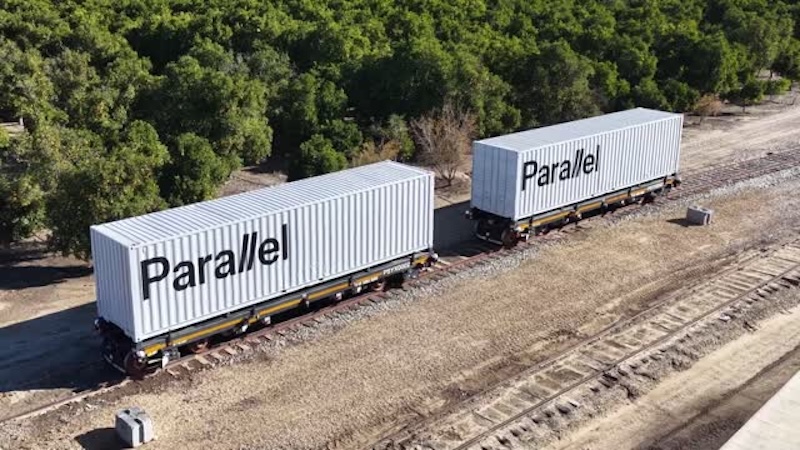
Interview: Parallel Systems CEO Matt Soule on building ‘the world’s first autonomous freight rail system’
In recent years, autonomous trucks have captured significant attention and investment in the freight transportation sector. However, freight rail is also experiencing a transformative shift, as highlighted by Matt Soule, founder and CEO of Parallel Systems. He asserts that autonomous rail technology could revolutionize the industry, offering a promising alternative to traditional freight methods. This development comes at a time when the logistics sector is increasingly seeking innovative solutions to enhance efficiency and reduce costs. As the demand for sustainable and automated transport solutions grows, the freight rail industry is positioning itself to leverage advancements in technology, potentially reshaping the future of cargo movement across the country.
Engineering Features Logistics Transportation ai logistics automation news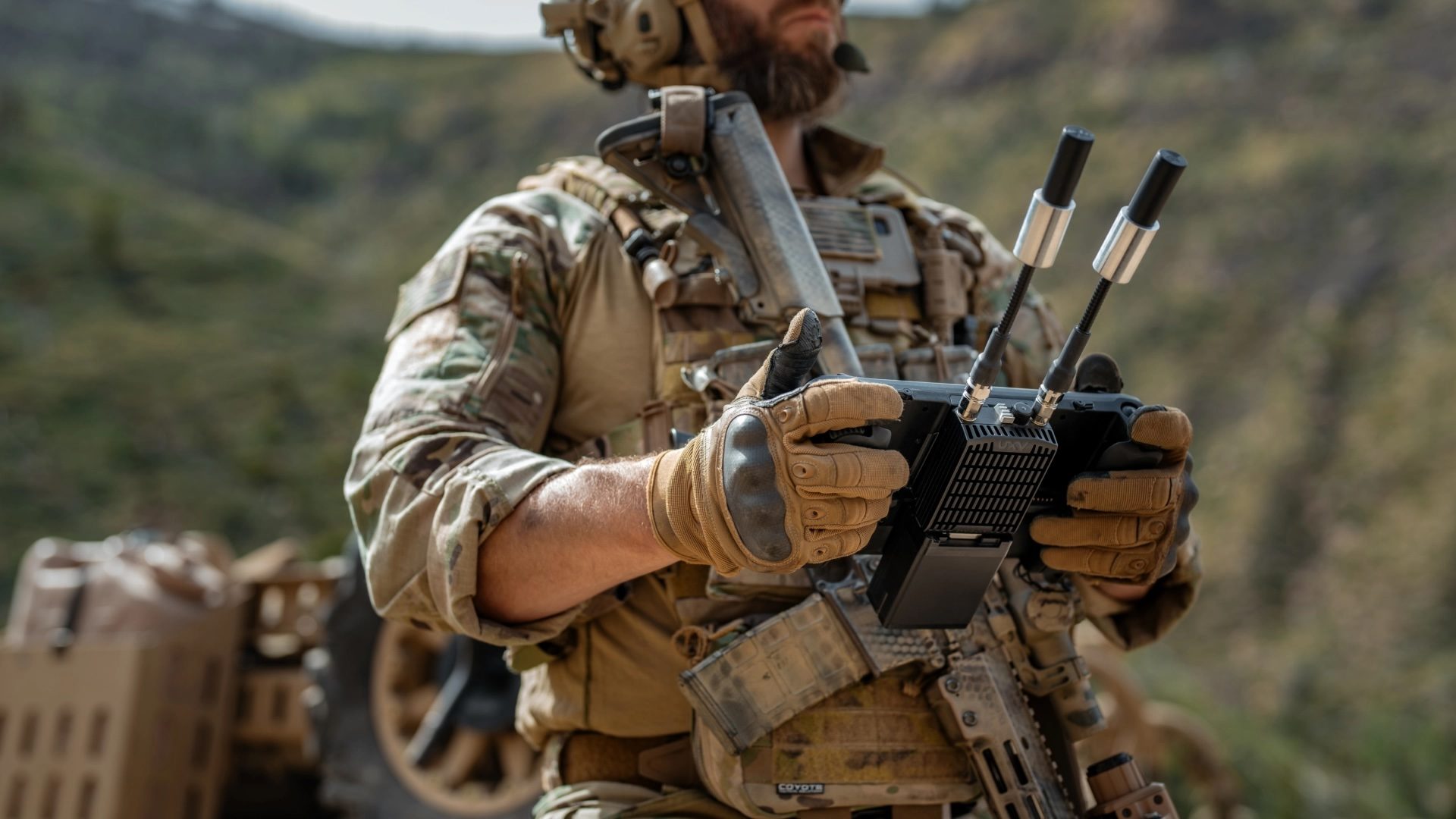
DRONELIFE Exclusive Interview: Inside PDW’s Strategy to Build Drones That Can Operate When GPS and Communications Fail
PDW is advancing the development of sophisticated drone communication systems to enhance military operations in environments where traditional communication methods may fail. As global militaries increasingly depend on drones for surveillance and combat, the need for reliable communication links has become critical, especially in areas with contested communication. The company's strategy focuses on creating drones capable of functioning effectively even when GPS and standard communication systems are compromised. This initiative highlights the growing recognition of the importance of resilient drone technology in modern warfare.
Applications Defense defense Drone News Drone News Feeds Dual Use
DRONELIFE Exclusive Interview: Andrew Giuliani on the Race to Secure the 2026 World Cup
Andrew Giuliani has praised the significant efforts being made to develop counter-unmanned aerial systems (UAS) aimed at safeguarding high-profile events and critical infrastructure from drone-related threats. In an exclusive interview, Giuliani discussed the ongoing initiatives to enhance security measures ahead of the 2026 World Cup, emphasizing the importance of these advancements in protecting both attendees and venues. The conversation highlighted the urgency of implementing robust protocols to mitigate risks associated with drones, particularly in light of their potential misuse by careless or hostile operators. As preparations for the World Cup continue, the focus remains on ensuring a safe environment for all participants and spectators.
Anti-drone technology C-UAS defense DL Exclusive Drone News Featured – Safety and Security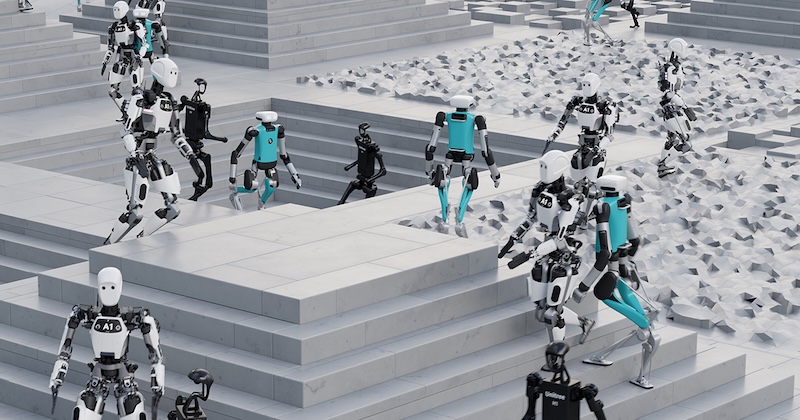
Interview with Columbia professor and co-founder of SceniX Yunzhu Li: ‘Simulation is central’
The robotics industry is currently experiencing a significant influx of investment and media coverage, driven by ambitious projections regarding the future of humanoid machines. Numerous companies have unveiled plans to produce thousands of robots, leveraging recent advancements in artificial intelligence that have heightened expectations for the integration of general-purpose robots into various environments, including factories, warehouses, workplaces, and homes. This surge in interest reflects a growing belief that robots could soon become a standard presence in everyday life. However, amidst the enthusiasm, there are underlying challenges and considerations that the industry must address to realize these ambitious goals.
Artificial Intelligence Features Robotics ai robotics artificial intelligence automation news
Interview with Jun Wu of GMEX Robotics: ‘We provide an integrated terminal + brain closed-loop system’
As artificial intelligence continues to capture public attention, experts emphasize that the future of robotics hinges on more than just advanced software. While numerous companies are focused on creating sophisticated AI systems and foundation models, there is a growing consensus that the true challenge lies in integrating this intelligence with reliable hardware capable of functioning effectively in the physical environment. This perspective highlights the need for a holistic approach to robotics, where both software and hardware advancements are essential for achieving practical and efficient robotic solutions.
Features Robotics AI platforms ai robotics artificial intelligence automation news
Interview with GFT Technologies’ Brandon Speweik: Moving AI from detection to action on the factory floor
Manufacturers are increasingly shifting their focus from the theoretical applications of artificial intelligence to practical solutions that address real-world challenges. While discussions around AI have primarily centered on software tools such as dashboards, analytics, and predictive models, industry leaders are now seeking ways for AI to not only identify problems but also actively contribute to solving them. This evolution in perspective reflects a growing recognition of AI's potential to enhance operational efficiency and drive innovation within the manufacturing sector. As companies explore these advancements, the emphasis is on integrating AI technologies that can deliver tangible results and improve decision-making processes on the shop floor.
Components Features Manufacturing ai robotics artificial intelligence automation news
Interview with CreateMe CEO Campbell Myers: From stitching to bonding – physical AI could transform the way clothes are made
Apparel manufacturing continues to be one of the most labor-intensive sectors globally, despite advancements in automation in other industries such as automotive and electronics. The difficulty in automating textile production arises from the unique properties of fabric, which can stretch, wrinkle, and shift unpredictably. This complexity has hindered the development of effective robotic solutions for handling soft materials, leaving the apparel industry largely reliant on human labor. As manufacturers seek to improve efficiency and reduce costs, the challenge of integrating automation into textile production remains a significant hurdle.
Engineering Features Manufacturing adhesive bonding apparel automation apparel industry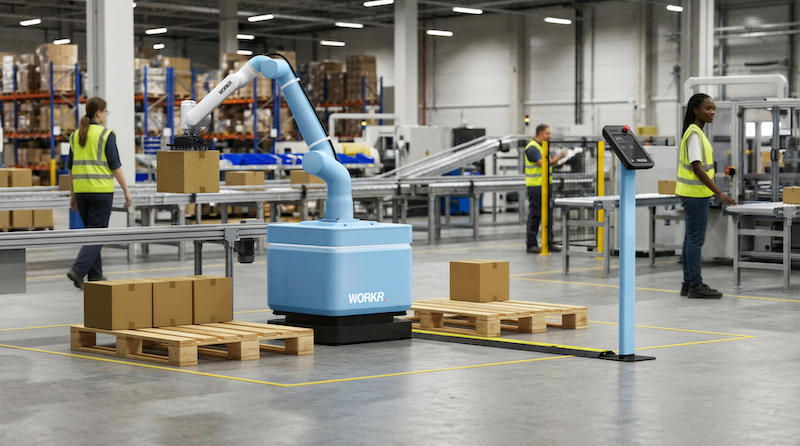
Interview with Workr Robotics CEO Ken Macken: ‘Paying for automation by the hour’
Industrial robotics is undergoing a significant transformation, driven by advancements in artificial intelligence, large language models, and embodied AI. This evolution has generated renewed interest in the development of robots capable of understanding, reasoning, and interacting with their physical environments. Notable partnerships, including collaborations between Google DeepMind and Boston Dynamics, have intensified discussions surrounding the potential for more sophisticated general-purpose robots. As these technologies continue to evolve, the industry anticipates a future where robots can perform a wider array of tasks, enhancing their utility across various sectors. The ongoing innovations suggest a promising trajectory for the integration of robotics into everyday life, potentially reshaping industries and improving operational efficiencies.
Features Industrial robots Robotics Software automation news automation roi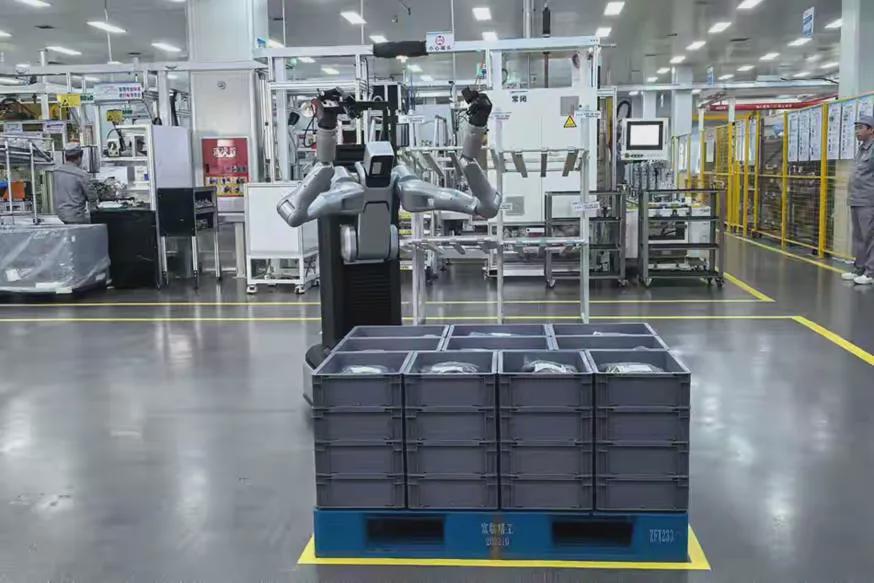
Interview with Oakfruit: Moving Beyond VLA to Instinct-Driven Intelligence
In a recent interview, Oakfruit Robotics addressed the significant challenges confronting the embodied intelligence sector, particularly highlighting the constraints of the Visual-Language-Action (VLA) model. The company introduced an innovative approach known as 'Instinct-Driven' technology, which seeks to improve robotic autonomy and operational intelligence. This advancement is expected to facilitate mass production and expand the application of robotics across various industries, potentially transforming how robots interact with their environments and perform tasks. The insights shared by Oakfruit Robotics underscore the need for evolution in robotic technology to meet growing demands and enhance functionality.
Embodied Intelligence Robotics AI Technology Automation
Physical AI’s looming data rights battle: Interview with Kate Shen of Anaxi Labs
As artificial intelligence technology advances and integrates more into everyday life, industry experts are shifting their focus from the capabilities of robots and AI models to the ownership of the data that powers these innovations. This growing concern has emerged as a critical topic among stakeholders, prompting discussions about data rights and the implications for both developers and users. The conversation is gaining momentum as the demand for vast datasets to train AI systems increases, raising questions about privacy, consent, and the ethical use of information. As the AI landscape evolves, understanding data ownership will be essential for shaping future regulations and ensuring fair practices in the burgeoning field of physical AI.
Artificial Intelligence Features AI compliance ai governance AI infrastructure AI regulation
Interview with Yoshike: Honda's robotic research continues with a new multi-fingered hand surpassing human dexterity.
Honda Research Institute showcased its latest multi-fingered robotic hand at the Humanoids Summit Tokyo 2026, held in Takanawa, Tokyo. This event highlighted the ongoing evolution of Honda's humanoid robotics, continuing the legacy of its renowned ASIMO robot. The demonstration aimed to illustrate Honda's commitment to advancing robotics technology and exploring future possibilities in human-robot interaction. The innovative design of the robotic hand is expected to enhance the functionality and versatility of humanoid robots, marking a significant step in the company's research and development efforts.

Interview with Christina Gomez-Terry of Plus One Robotics: Why warehouse robotics succeeds or fails at scale
Warehouse automation is evolving as logistics operators increasingly focus on scaling robotic systems. While the effectiveness of robotics in tasks like parcel picking, depalletizing, sorting, and palletizing has been demonstrated through various pilot projects and controlled deployments, the industry now faces the challenge of implementing these technologies on a larger scale. This shift comes as companies seek to enhance efficiency and productivity in their operations, responding to growing demands for faster and more reliable logistics solutions. As the sector moves forward, the emphasis will be on integrating robotics into existing workflows and expanding their capabilities across multiple facilities.
Computing Features Material handling Software automation news depalletizing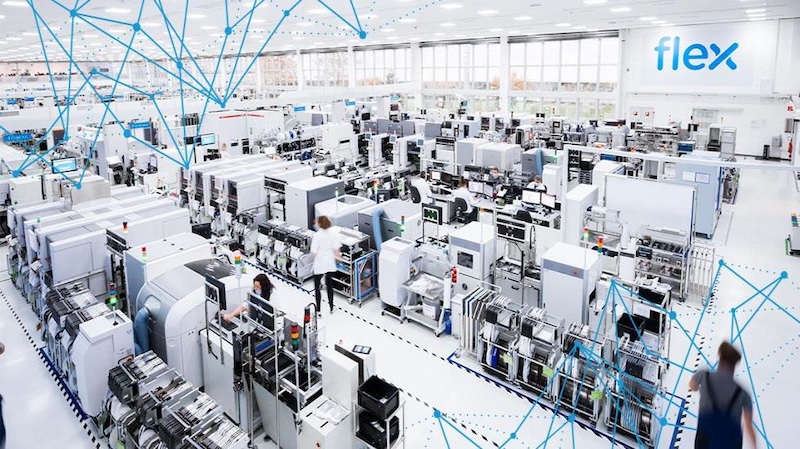
Scaling automation in contract manufacturing: Interview with Rodrigo DallOglio of Flex
Manufacturers are increasingly turning to automation to enhance productivity, quality, and resilience amid rising product complexity. This shift is evident as technologies like collaborative robots, autonomous mobile robots (AMRs), and advanced physical AI are transitioning from experimental stages to widespread implementation in large-scale production settings. The move towards automation is driven by the need to streamline operations and meet the demands of modern manufacturing. As companies adapt to these technological advancements, they are finding new ways to optimize their processes and improve overall efficiency in the factory environment.
Features Manufacturing amrs automation news autonomous mobile robots cobots
'For All Mankind' star Wrenn Schmidt on her character's journey from NASA's mission control to the slammer (interview)
A recent report highlights the transformative experiences of inmates in correctional facilities, particularly focusing on one individual who has developed a newfound appreciation for Dolly Parton's music. The report suggests that the extended time spent in jail has allowed her to explore various forms of entertainment and self-reflection, leading to significant personal growth. This change is emblematic of how incarceration can provide individuals with the opportunity to engage with different cultural influences and reassess their lives. The insights were shared in a discussion about the broader implications of prison life on personal development, emphasizing the potential for rehabilitation through exposure to diverse experiences.
Space Movies & Shows Entertainment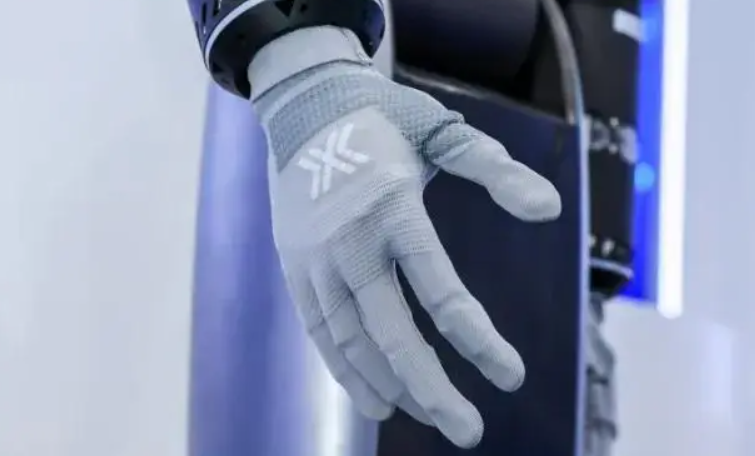
Interview with Yuquan Biomimetic's Hu Zheqi: Deeply Engaging in the Dexterous Hand Sector to Reshape the Humanoid Robot Industry with Core Technology
In a significant development for the humanoid robot industry, Hu Zheqi of Yuquan Biomimetic has unveiled advancements in dexterous hand technology, which are crucial for the commercial success of robotic systems. During a recent presentation, he highlighted the capabilities of the Y-Hand M2 and W-Bot 2.0, both of which feature cutting-edge designs that closely mimic human biomechanics. These innovations aim to improve the performance and reliability of robots in practical applications, addressing a key challenge in the field. The breakthroughs are expected to enhance the functionality of humanoid robots, making them more adaptable for various tasks in everyday environments.
Humanoid Robots Dexterous Hands Biomimetic Technology Robotics Innovation
Interview de Lucas GOUMARRE , CEO Korben For People
Service robotics is undergoing a significant transformation, evolving from a mere automation tool to a strategic infrastructure across various sectors, including cleaning, logistics, and retail. This shift is driven by the increasing need for effective software management of robotic fleets, which is becoming a crucial factor in optimizing operations. Lucas Goumarre, CEO of Korben For People, discusses these developments and their implications for the future of service robotics. The insights were shared in an interview featured in Robot Magazine.
À la une Actualités Interview Robotique automatisation nettoyage cybersécurité robotique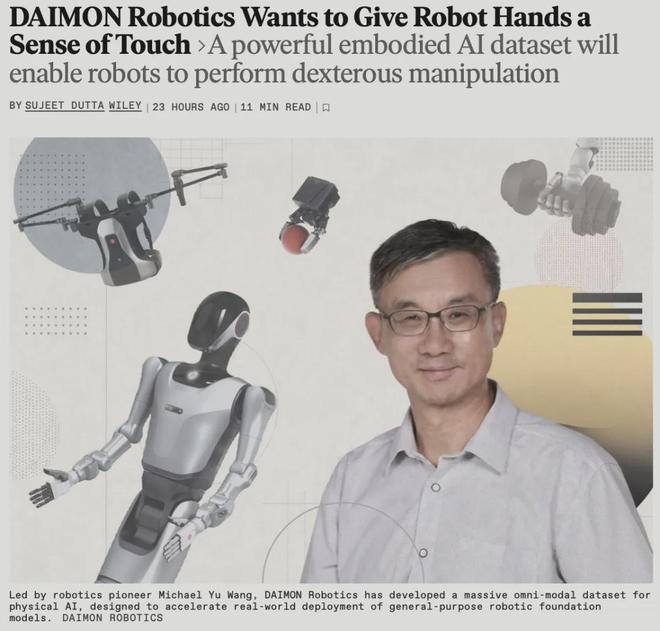
IEEE Interview with Wang Yu: Daimon Aims to Give Robots a Sense of Touch
Wang Yu, co-founder and chief scientist of Daimon Robotics, recently unveiled the Daimon-Infinity dataset during an exclusive interview with IEEE Spectrum. This dataset, recognized as the largest multimodal tactile dataset to date, is designed to significantly improve robotic manipulation capabilities. Wang highlighted the critical role of tactile feedback in enabling robots to perform dexterous tasks, underscoring its potential to advance the field of robotics. The launch of this dataset marks a pivotal step towards more sophisticated and responsive robotic systems, aiming to bridge the gap between human-like dexterity and robotic efficiency.
Tactile Robotics Robotic Manipulation AI Data Sets Embodied Intelligence
Interview with 'Bean Foot' Creator Tongji Zihao: Why Does the Humanoid Industry Still Need Abstraction?
In a recent interview, Tongji Zihao shared insights into the viral phenomenon of his humanoid robot, 'Bean Foot,' which gained widespread attention during a marathon event. The robot's unique design and engaging presence captivated spectators, showcasing the potential of robotics to connect with the public. Zihao emphasized the significance of creativity and abstraction in the field, noting that even simple concepts can resonate deeply with audiences and foster a better understanding of technology. His remarks highlight the evolving relationship between innovative robotics and societal engagement, illustrating how imaginative ideas can bridge the gap between complex technology and everyday experiences.
Humanoid Robots Robotics Innovation 3D Printing AI Public Engagement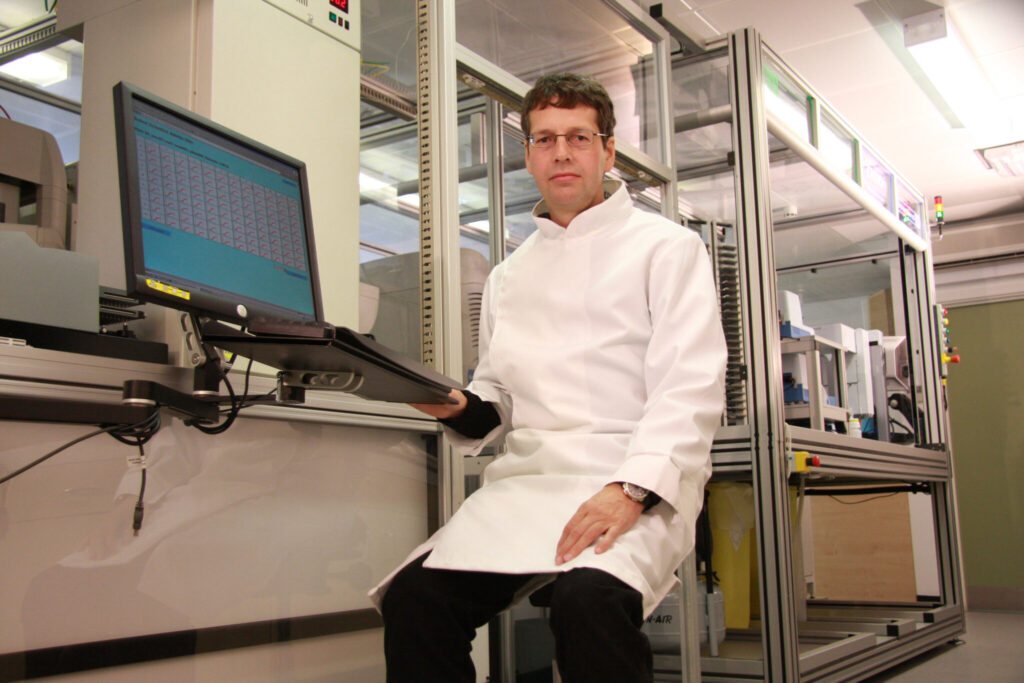
What I’ve learned from 25 years of automated science, and what the future holds: an interview with Ross King
A new series has been launched to delve into the advancements in artificial intelligence, featuring interviews with prominent researchers in the field. The inaugural episode highlights Ross King, the pioneer behind the first robot scientist developed in 2009. In this interview, King shares insights on the significant breakthroughs in AI and discusses the tangible implications of these developments for the future. The series aims to provide audiences with an in-depth understanding of the current landscape of AI research and its potential impact on society.

Aniket Roy Discusses Resource-Constrained Image Generation and Visual Understanding Research
In an interview, Aniket Roy shared insights from his PhD research at Johns Hopkins University, focusing on resource-constrained image generation and visual understanding. His work, supervised by Professor Rama Chellappa, aimed to enhance the efficiency and adaptability of generative models in computer vision tasks, particularly under limited data conditions. Roy's research included the development of several innovative frameworks, such as FeLMi for few-shot learning and Cap2Aug for caption-guided multimodal augmentation. These methods address challenges like data scarcity and aim to improve the quality of generated images while maintaining high visual fidelity. His work on diffusion models, particularly the introduction of DiffNat, seeks to enhance the perceptual realism of generated images, which is crucial for practical applications. Looking ahead, the advancements in generative AI that Roy has contributed to could significantly impact various fields requiring efficient and adaptable visual systems. No further timeline was disclosed at the time of publication.
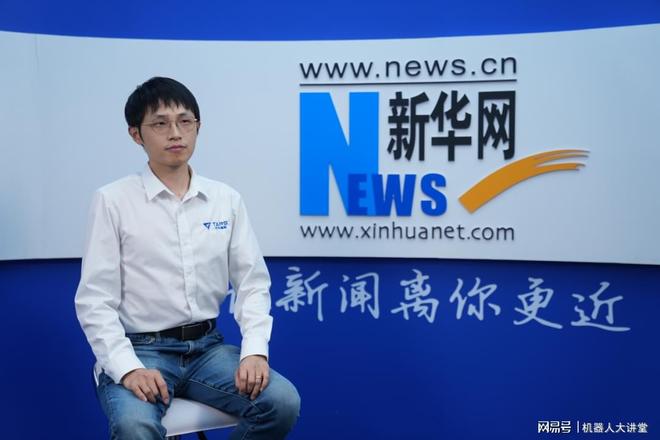
Interview with Ding Wenchao of Itstone: No VLA, No Simulation, No Remote Control - Itstone's Embodied Brain Has No Plan B
Itstone made headlines at AWE 2026 with the unveiling of its A1 robot, which set a Guinness World Record for sub-millimeter flexible wiring assembly. The company, recognized for tackling complex challenges in robotics, showcased its latest innovation, AWE 3.0, an advanced embodied AI model designed to perform effectively in real-world industrial environments. Unlike previous models, AWE 3.0 operates independently without the need for remote operation data, marking a significant advancement in autonomous robotics. This debut not only highlights Itstone's commitment to pushing the boundaries of technology but also positions the A1 robot as a leading solution in the field of industrial automation.
Embodied Intelligence Industrial Automation Robotics AI Technology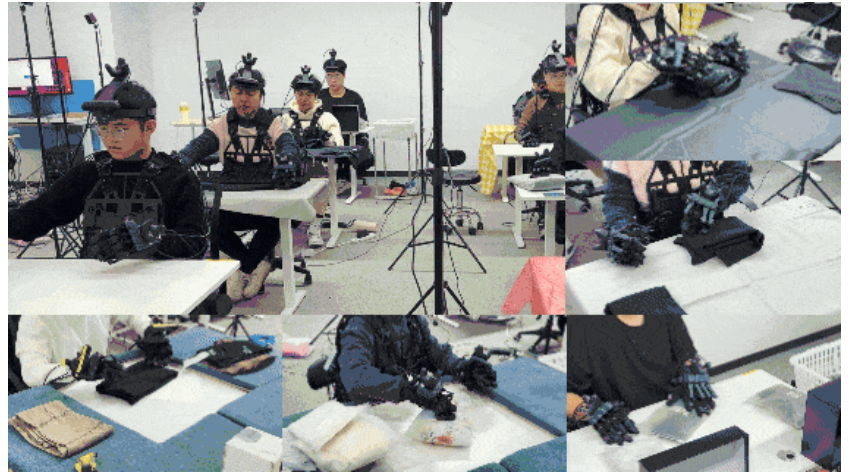
Interview with Lingchu Intelligent CEO Wang Qibin: Reducing Data Costs is More Important than Competing in Humanoid Robots
Lingchu Intelligent has successfully raised 2 billion yuan in angel and Pre-A round financing, marking a significant step in its mission to enhance data collection and operational capabilities. The company, led by CEO Wang Qibin, aims to shift the focus away from traditional hardware solutions, emphasizing the critical role of high-quality, low-cost human operation data. This strategic direction is intended to address and overcome existing challenges within the field of embodied intelligence. The funding will enable Lingchu Intelligent to further develop its innovative approaches and strengthen its position in the industry.
Data Collection Logistics Automation Robotics AI Operational Efficiency
Bhoomika Gandhi Discusses Optical Tactile Sensor for Head Motion Tracking in Radiotherapy
Bhoomika Gandhi's PhD research focuses on developing an optical tactile sensor designed to track head motion during radiotherapy. This innovation addresses significant challenges faced by patients undergoing treatment for head and neck cancers, who are often immobilized using thermoplastic masks or stereotactic frames. Current systems struggle with occlusion and limited motion tracking, which can compromise treatment accuracy. The optical tactile sensor, embedded in a Motion Capture Pillow, aims to enhance patient comfort while providing real-time feedback on both translational and rotational movements. This system is non-ferromagnetic, making it compatible with radiotherapy environments, and it eliminates occlusion issues by maintaining direct contact with the patient's head. The research emphasizes the importance of accurate tracking to improve treatment outcomes and patient experience. Looking ahead, the integration of this technology into clinical workflows will be crucial. Gandhi's work includes contributions such as optimizing marker density and sensor fusion with gyroscopic data to enhance reliability. No further timeline was disclosed at the time of publication.
Robotics needs a service framework.
RSF defines a common language for robot service capability, lifecycle operations, certification pathways, and service-provider networks.
Join the RobotToday community on LinkedIn
Daily robotics news, in-depth analysis, conference highlights, and discussions with professionals worldwide.







