

Industry Briefing
A single destination for timely, editor-curated robotics news from around the world.
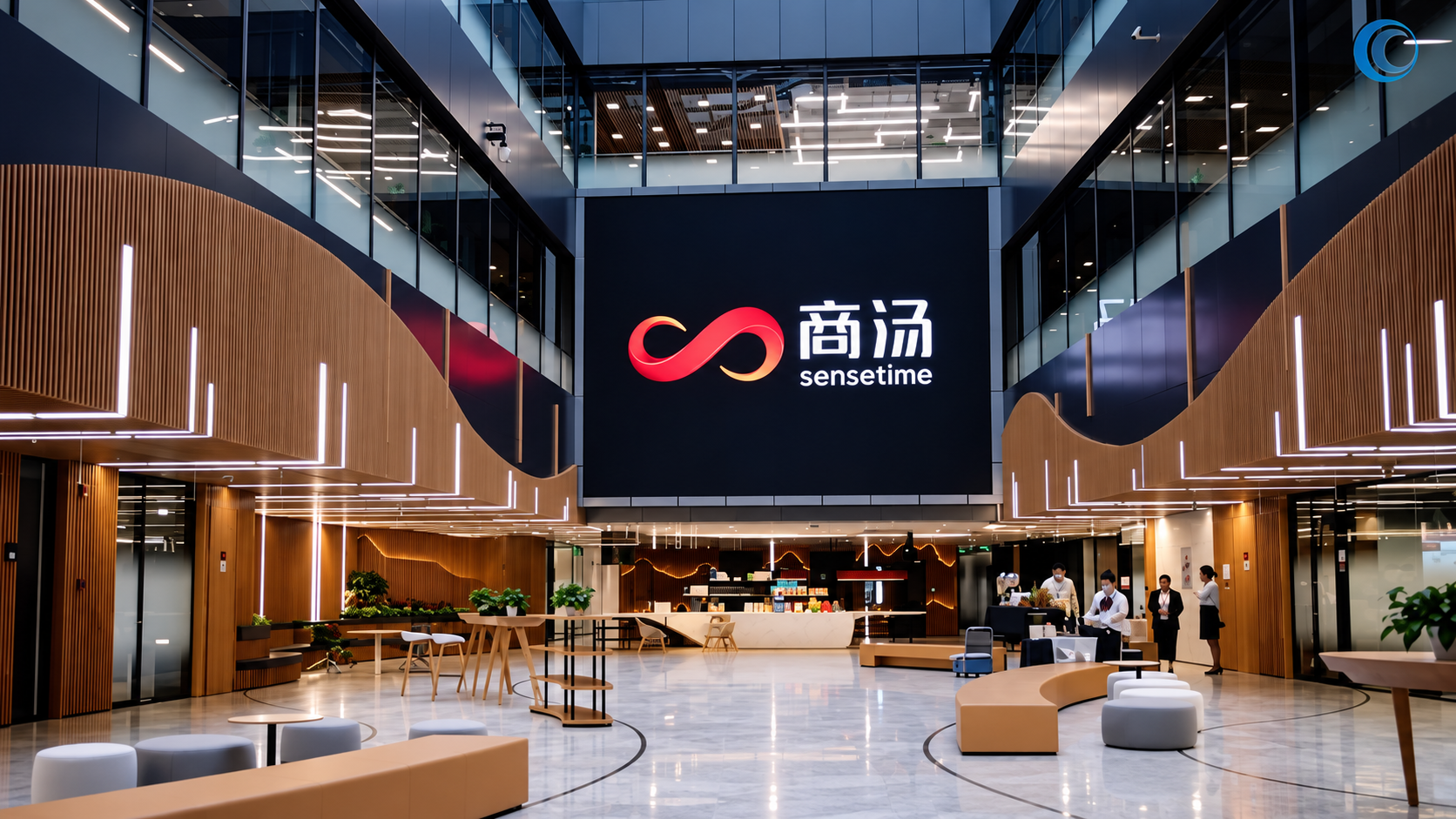
SenseTime Unveils SenseMart OS to Enhance Retail with Embodied Intelligence
On September 23, SenseTime introduced SenseMart OS at its Shanghai headquarters, designed as a physical operating system for the retail sector. This innovative system integrates various robots, retail equipment, and commercial operations, providing a deployable and replicable solution for operators, brands, and venues. The launch event featured the SenseMart Go robotic store, showcasing the OS's capability to coordinate multiple components in a real-world retail environment. The significance of SenseMart OS lies in its potential to transition embodied intelligence from theoretical demonstrations to practical applications in everyday commercial settings. With years of experience in retail, SenseTime has developed product-recognition systems that handle millions of orders daily and maintain a database of over 300,000 distinct product types. According to Dr. Yi Shuai, co-founder and chief scientist of SenseTime Smart Retail, the OS emphasizes perception, interaction, decision-making, and execution, aiming to extend its functionality beyond retail into other offline service industries. Looking ahead, SenseMart OS targets key business metrics such as customer satisfaction, repeat purchases, and transaction completion, rather than solely focusing on robot task success. The system is compatible with various robot types, including wheeled dual-arm robots and humanoids, depending on specific tasks. Currently, SenseMart Go operates in over 20 locations across cities like Shanghai, Hefei, and Shenzhen, with speakers at the launch event highlighting potential future developments in embodied intelligence.
Heavy Hitters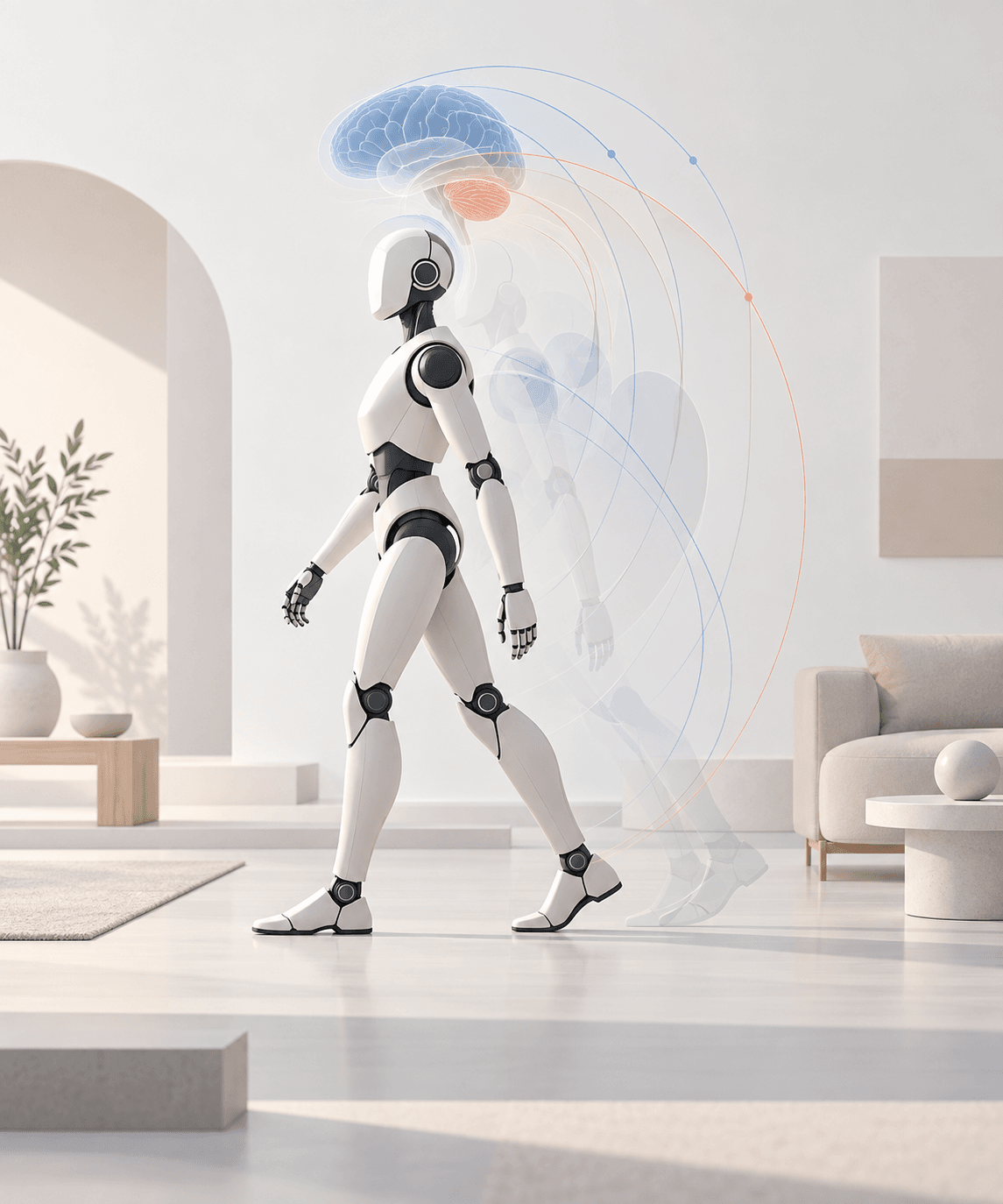
Delta Intelligence Launches Delta-0 Humanoid Foundation Model with Advanced Capabilities
On September 28, 2026, Delta Intelligence introduced Delta-0, a humanoid foundation model designed for advanced loco-manipulation. The model successfully demonstrated 32 planned steps and completed nine household tasks within approximately 210 seconds of continuous operation. The launch of Delta-0 is significant as it showcases Delta Intelligence's commitment to developing sophisticated humanoid models capable of performing complex tasks in real-world environments. This advancement could enhance automation in various sectors, particularly in domestic settings where humanoid robots can assist with everyday chores. Looking ahead, the industry will be keen to observe how Delta-0 performs in practical applications and whether it can meet the expectations set by its demonstration. No further timeline was disclosed at the time of publication.
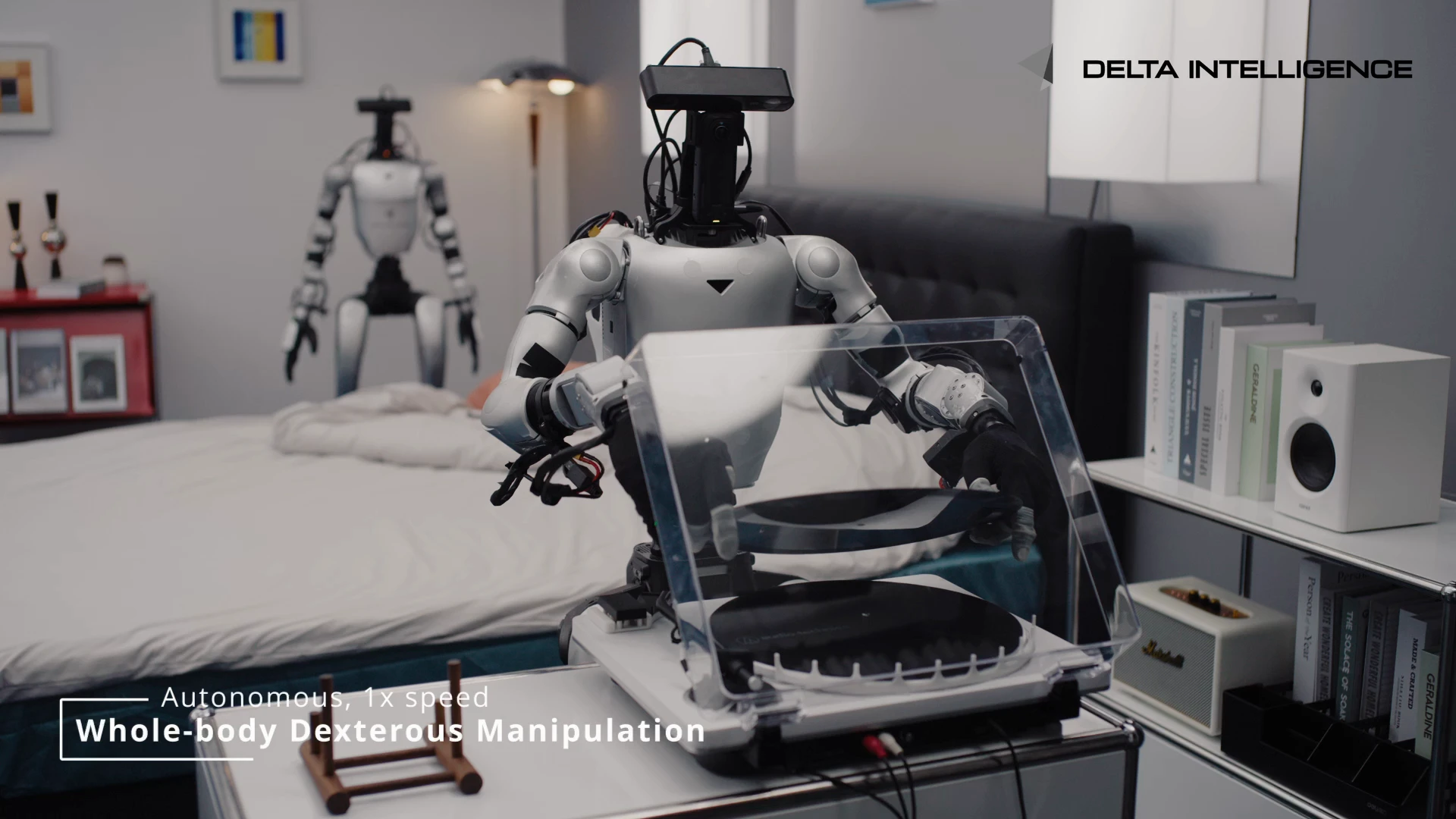
Delta Intelligence Focuses on Energy and Infrastructure with New Humanoid Robot Demo
Delta Intelligence has unveiled a new humanoid robot demo, the Δ₀, showcasing familiar household tasks. However, founder Xiaojian Ma indicates that the company's immediate commercial focus will be on sectors where human labor is less desirable, specifically energy and infrastructure. While household applications are seen as a long-term goal, the pressing needs in these sectors present a more viable opportunity for deployment. The emphasis on energy and infrastructure highlights Delta's strategy to address environments that are often challenging for human workers. Ma describes these target areas as 'Mars on Earth,' including underground facilities, offshore sites, and regions with extreme weather conditions. This approach suggests a market demand for robotic solutions that can operate in hazardous or uncomfortable settings, where companies may be more willing to invest in automation. Looking ahead, Delta Intelligence is developing a hardware configuration that includes a camera-equipped head and a backpack with computing resources, which can be integrated into various humanoid platforms. The company is also collaborating with unnamed robotics and automotive partners to create complete bipedal humanoids, with model development being a current priority. No further timeline was disclosed at the time of publication.
Delta Intelligence China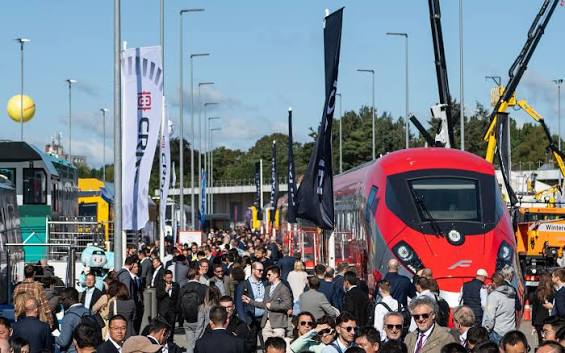
China CNR Unveils Advanced Smart Integrated Subway Featuring Embodied Intelligence in Berlin
China CNR has introduced a new generation of smart integrated subway systems in Berlin, marking a significant advancement in rail transit technology. This subway features embodied intelligence, which enhances operational efficiency and passenger experience through advanced AI capabilities. The introduction of this technology is crucial as it represents a shift towards smarter urban transportation solutions, addressing the growing demand for efficient and sustainable public transit systems. By integrating embodied intelligence, CNR aims to set a new standard in rail transit, potentially influencing global trends in smart city infrastructure. Looking ahead, industry observers will be keen to see how this technology performs in real-world applications and its impact on future subway systems. No further timeline was disclosed at the time of publication.
Robotics Automation AI
World's First Intelligent Robot with Domestic Electronics Launches in Yichang
The world's first embodied intelligent robot, featuring fully domestically produced electronic architecture, made its debut in Yichang. This milestone represents a significant advancement in robotics technology, showcasing the capabilities of local manufacturing and innovation. The introduction of this robot is crucial as it highlights the growing trend of self-sufficiency in technology, particularly in the robotics sector. By utilizing domestically produced components, the robot aims to reduce reliance on foreign technology and enhance local expertise in robotics development. Looking ahead, the implications of this launch could influence future robotics projects and investments in China. As the industry evolves, stakeholders will be keen to observe how this robot performs in real-world applications and its potential impact on the global robotics market. No further timeline was disclosed at the time of publication.
Robotics Automation AI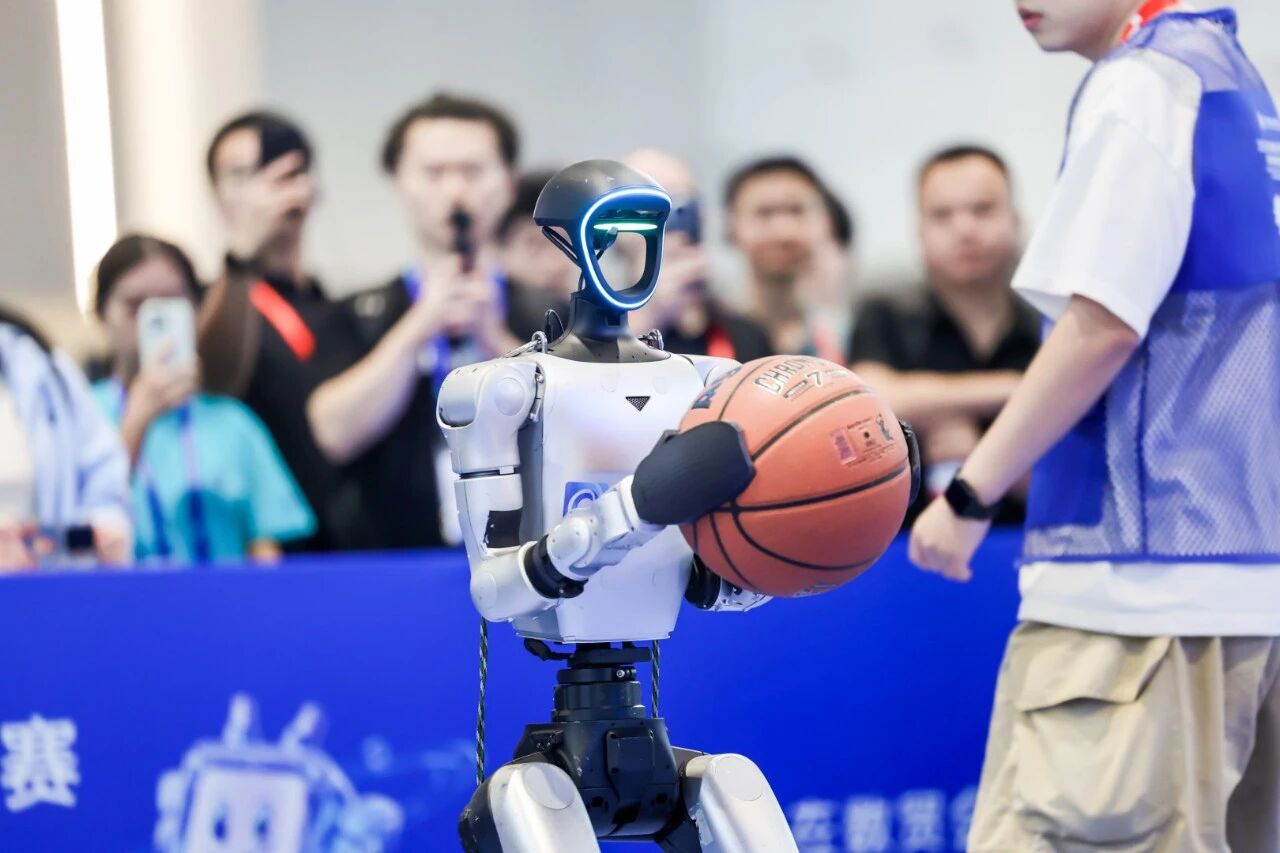
Embodied Intelligent Robot Challenge Enters Hardcore Competition Phase with Multi-Scene Interaction
The Embodied Intelligent Robot Challenge has entered a critical phase of competition, emphasizing multiple events and multi-scene interaction. This development highlights the increasing complexity and capabilities required in robotic systems, pushing the boundaries of current technology. This challenge is significant as it reflects the industry's shift towards more sophisticated and interactive robotic solutions. The integration of multi-scene interaction is crucial for advancing robotics in various applications, from entertainment to industrial automation, showcasing the potential for enhanced human-robot collaboration. Looking ahead, stakeholders should monitor the outcomes of this challenge, as it may set new benchmarks for robotic performance and interaction. No further timeline was disclosed at the time of publication.
Robotics Automation AI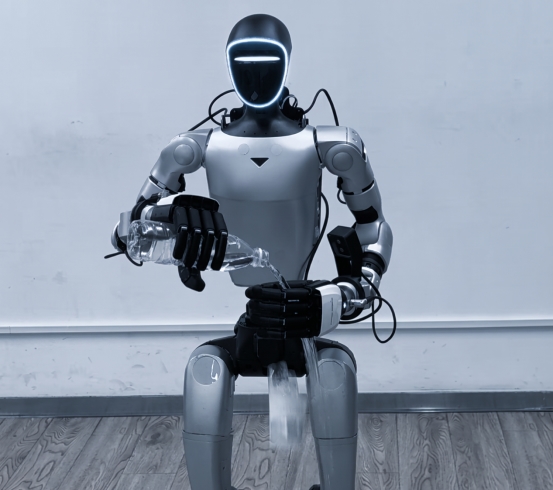
Memo Unveils Physical-WAM to Enhance Embodied Intelligence at Global Digital Trade Expo
At the Global Digital Trade Expo on September 24, Memo introduced the Physical-WAM, the world's first physical-world action model equipped with physical perception capabilities. This innovation aims to address the challenges faced by robots in understanding and interacting with the physical world, which has hindered the widespread adoption of embodied intelligence. The significance of this development lies in its potential to bridge the data gap that currently limits robots' physical interactions. Memo's CEO, Li Minghao, highlighted that the lack of foundational physical understanding in robots stems from insufficient real-world interaction data and inadequate evaluation metrics. The Physical-WAM model is designed to enhance robots' predictive capabilities and real-time adjustments in physical tasks. Looking ahead, the demand for embodied intelligence is surging, with significant investments in the sector. However, challenges remain in aligning order fulfillment with funding growth. As the industry evolves, the effectiveness of solutions like Physical-WAM will be crucial in overcoming existing barriers to practical implementation.
Embodied Intelligence Physical AI Robotics Machine Learning
Li Zexiang and Yao Qizhi Secure $300 Million for Waterborne Intelligent Driving Initiative
Li Zexiang and Yao Qizhi have successfully raised $300 million in funding over the past six months for their venture focused on waterborne intelligent driving technology. This significant investment underscores the growing interest and potential in the development of autonomous systems for aquatic environments. The funding highlights the importance of innovation in the field of intelligent transportation, particularly as industries seek to enhance efficiency and safety in waterborne operations. The initiative aims to bridge the gap between traditional maritime practices and advanced technological solutions, positioning itself as a leader in this emerging market. Looking ahead, stakeholders will be keen to observe the progress of this initiative and its impact on the broader landscape of intelligent transportation. No further timeline was disclosed at the time of publication.
Robotics Automation AI
Tutor Intelligence Launches Advanced Cassie and Sonny Robots for Industrial Applications
Tutor Intelligence has introduced the next-generation Cassie and Sonny robots, enhancing their capabilities for material handling and e-commerce fulfillment. The new Cassie robot is fully autonomously mobile, enabling it to navigate between workstations and perform various tasks in factories and warehouses. It has already been utilized for applications such as depalletization and palletization, completing millions of bulk picks across the United States. The advancements in Cassie are significant as they allow for seamless integration into existing facilities without requiring major infrastructure changes. Powered by Tutor's Turing 200-million-parameter foundation model, Cassie can perceive its environment and execute tasks autonomously. The robot is equipped with a four-wheel mobile base, onboard vacuum generation, and multiple LiDAR units for navigation and human detection. Additionally, Tutor has unveiled a new version of Sonny, designed for tasks requiring higher dexterity, particularly in e-commerce fulfillment. Sonny will be the first platform powered by the Ti0 4.5-billion-parameter vision-language-action model, allowing it to autonomously navigate warehouses and manage order fulfillment. No further timeline was disclosed at the time of publication.

General Robotics Focuses on Modular Intelligence Over Centralized Robot Brain
In a recent episode of The Robot Report Podcast, Sai Vemprala, the CTO and co-founder of General Robotics, discussed the company's innovative approach to robotics. Vemprala emphasized the importance of modular intelligence in their systems, diverging from the traditional concept of a single robot brain. This approach is significant as it allows for more scalable and adaptable robotic solutions, leveraging simulation-based robotics and physical AI systems. Vemprala's expertise, gained from his previous role at Microsoft Research and his academic background with a PhD in robotics from Texas A&M, underpins this strategic direction. Looking ahead, the industry will be watching how General Robotics implements this modular intelligence in their products and the potential impact on the robotics landscape. No further timeline was disclosed at the time of publication.
Artificial Intelligence Markets / Industries News Opinion Podcast Software
Qiteng Robotics Unveils 'Yuan Yu Zhi Xun' Intelligent Platform with 10,000 Solutions Deployed
Qiteng Robotics recently launched its industrial intelligent platform, 'Yuan Yu Zhi Xun', at an event in Chongqing. This platform, developed by Qiteng Robotics' parent company, Shengtong Energy, integrates advanced technologies to create a closed-loop system that enhances operational efficiency through environmental modeling, simulation, and real-time data feedback. The significance of this launch lies in its potential to revolutionize industrial applications by providing over 10,000 deployed solutions across various sectors. The platform's capabilities include 3D modeling, task planning, and risk assessment, which are crucial for optimizing operations in complex environments. The introduction of new robotic products, such as the X5 and L3, further demonstrates Qiteng's commitment to innovation in industrial robotics. Looking ahead, Qiteng Robotics aims to expand the platform's capabilities and open-source development to the industry. The company has set an ambitious goal to implement specialized safety inspection solutions in 100 countries and 60 industrial safety scenarios by 2030, reflecting its long-term vision for global industrial safety enhancement.
Industrial Robotics Intelligent Automation Robotic Solutions AI Technology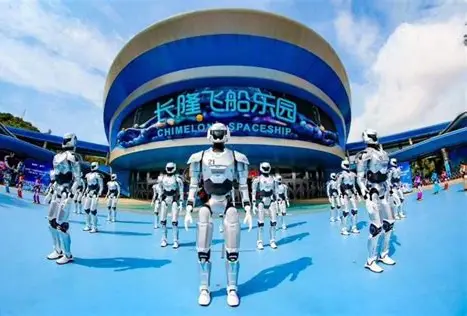
First Large-Scale Embodied Intelligence Theme Park Launches with Over 300 Robots
On September 24, Zhiyuan officially announced the opening of the world's first large-scale embodied intelligence theme park, developed in collaboration with Chimelong Group. This park features over 300 robots across seven distinct scenarios, including entertainment, education, guided tours, retail services, and more, enabling deep interactions with visitors at over 100 interactive experience points. The significance of this theme park lies in its advanced technology and the unique requirements of operating robots in high-traffic, unpredictable environments. Unlike factory settings, the park demands robots that can navigate, avoid obstacles, and interact effectively with guests, showcasing the transition from single-point trials to large-scale operations. Looking ahead, the focus will be on the operational sustainability of these 300 robots and their ability to deliver real service value. Additionally, the potential for replicating this model in other parks will be closely monitored, as Zhiyuan aims to expand its robotic offerings from six prototypes in 2023 to 20,000 units by 2026.
Embodied Intelligence Theme Park Technology Robotics Visitor Engagement AI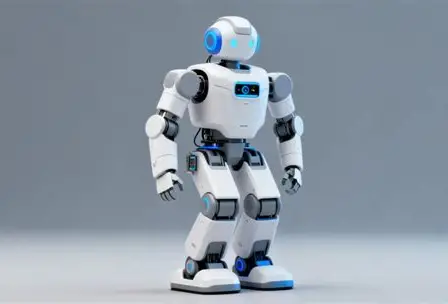
Mianbi Intelligent's Zou Zhensheng Highlights Reliability for Embodied Intelligence Success
On September 23, a seminar on the high-quality development of embodied intelligence was held in Beijing, organized by the Digital Economy Research Center of the China Economic Information Service. Zou Zhensheng, Vice President of Engineering at Mianbi Intelligent Technology Co., Ltd., emphasized that embodied intelligence is not a solitary endeavor but requires ecosystem collaboration. He stated that the final mile for scaling embodied intelligence is not about impressive demonstrations but rather about reliability and ensuring economic feasibility for clients. Mianbi Intelligent, established in 2022 from the technology transfer of Tsinghua University's Natural Language Processing Laboratory, focuses on the importance of different data ratio strategies at various training stages as a key to model evolution. Zou pointed out that human-first perspective data is currently the only supply capable of scaling to tens of millions of hours, making it a potential foundation for pre-training in embodied scaling laws, despite lacking action labels and ontology perception. Zou identified three dimensions that determine the pace of embodied intelligence implementation: task definability, the cost of failure, and the ease of data feedback. He categorized application scenarios into four tiers, with automotive and logistics sorting at the forefront due to their high standardization and smooth data feedback. He noted that the core constraints on large-scale commercial use are not only model capabilities but also reliability and system engineering, stressing the need for economic viability for clients.
Embodied Intelligence Data Strategy Robotics AI Industrial Automation
Intel and Keton Introduce FoxJack X1, Merging Robot Brain and Control in a Single Chip
Intel and Keton have launched the FoxJack X1, a development kit designed to address the challenges in embodied intelligence robotics. This kit integrates the decision-making capabilities of the robot's brain with real-time control functions, utilizing the Intel Core Ultra 300 series processor. The compact design measures 125×125×57.5 mm and operates at a power consumption of 65W, providing a complete heterogeneous computing platform for humanoid robots, mobile robots, and industrial autonomous devices. The significance of the FoxJack X1 lies in its ability to streamline the robotics architecture by combining the brain and control systems into a single chip. This integration reduces costs associated with separate computing platforms and minimizes data transmission delays. The kit supports a wide range of applications, offering high energy efficiency and reliability for continuous operation in various environments, with embedded and industrial-grade certifications expected by January 2026. Looking ahead, the FoxJack X1's modular deployment system allows for tailored solutions in humanoid robotics, enhancing development efficiency and reducing overall system costs. The pre-installed Intel software development kit and support for both Windows and Linux operating systems further enhance its versatility. No further timeline was disclosed at the time of publication.
Embodied Intelligence Robotics AI Computing Development Kits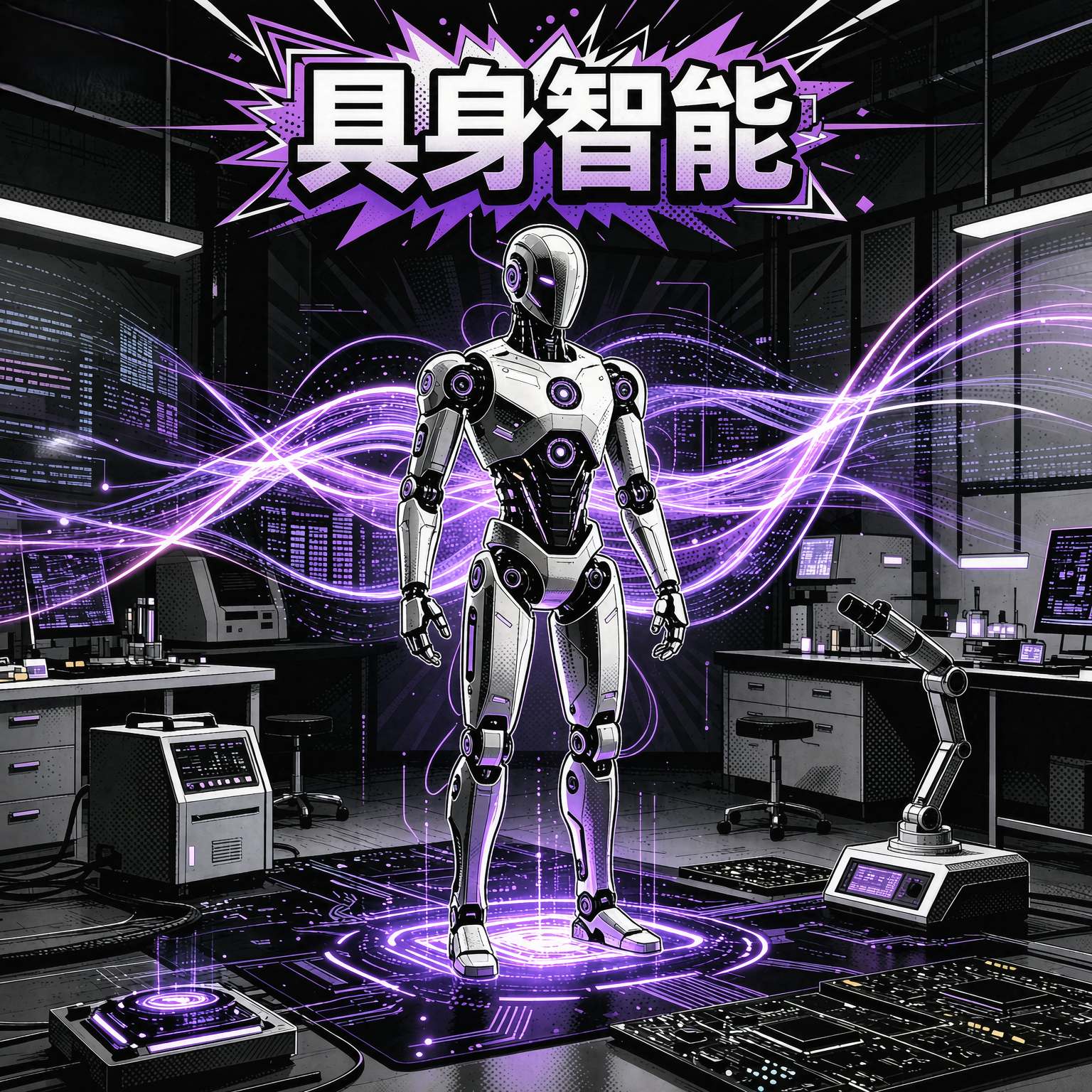
Academician Zheng Nanning Discusses Embodied Intelligence Beyond Humanoid Robots
Academician Zheng Nanning, Director of the Artificial Intelligence and Robotics Institute at Xi'an Jiaotong University, published an article discussing the growth of embodied intelligence in the physical world. He emphasized that a key direction for artificial intelligence is enabling machines to not only process information but also to flexibly perform various tasks in dynamic environments. This includes precise operations on industrial production lines, autonomous navigation in complex terrains, and dynamic movements in exhibition settings. Zheng clarified that embodied intelligence is not synonymous with humanoid robots; rather, it focuses on whether intelligent systems can truly engage with real-world environments, forming a closed loop of perception, cognition, decision-making, action, and feedback. The evaluation of embodied intelligence should be based on its ability to solve real-world problems, not merely its physical form. He likened understanding embodied intelligence to an infant's process of learning about the world through interaction with their environment. To enable machines to act in the world, embodied intelligence requires various capabilities, including the formation of world models, multimodal representation, causal reasoning, and the integration of generation and action. The development of embodied intelligence relies on high-quality multimodal data and realistic simulation environments. Current limitations include the black box problem, computational constraints, and an immature industrial ecosystem. In sectors like industrial manufacturing, healthcare, and urban governance, intelligent systems are evolving from mere tools to proactive systems capable of continuous learning and adaptation.
Embodied Intelligence Artificial Intelligence Robotics Machine Learning
Guangdong's Embodied Intelligence Tech Company Secures Investment and Expands Shareholder Base
Guangdong Embodied Intelligence Technology Co., Ltd. recently underwent a business change, adding several shareholders including Yuejiang, Fantuo Digital Creation, and Zhongjin Lingnan, while increasing its registered capital to 300 million yuan. Founded in 2025, the company focuses on the development of artificial intelligence application software, foundational software, algorithms, and internet data services. The involvement of these diverse companies indicates a strategic provincial-level coordination in Guangdong's embodied intelligence sector. Yuejiang specializes in collaborative and embodied intelligent robots, Fantuo Digital Creation focuses on digital creativity and digital twins, and Zhongjin Lingnan operates in the non-ferrous metals industry. This collaboration suggests that the company may serve broader public service functions rather than just producing a specific robot product. With the registered capital raised to 300 million yuan, Guangdong Embodied Intelligence Technology Co., Ltd. is positioned as a mid-to-high scale provincial industrial platform. This investment reflects a significant commitment to the development of embodied intelligence in the region, emphasizing the importance of collaborative efforts across various sectors.
Embodied Intelligence AI Software Development Collaborative Robotics Digital Twin Technology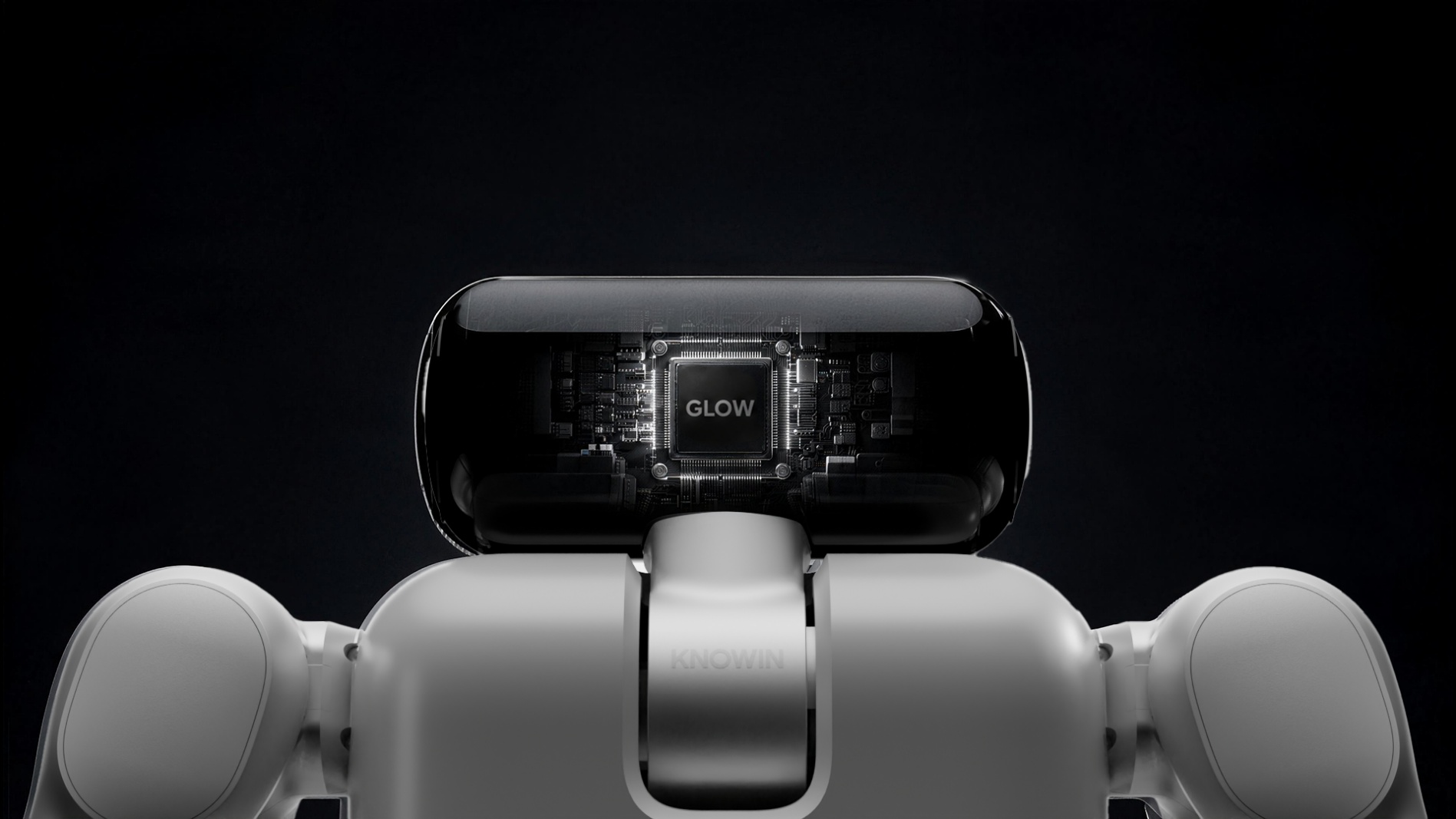
Knowin Unveils GLOW Technology for Enhanced Embodied Intelligence Post-GPT-6
Knowin has introduced its GLOW technology report, which outlines a new generative learning architecture aimed at advancing embodied intelligence. This development follows the release of the GPT-6 Astra model, prompting discussions on the future of robotics and embodied intelligence. GLOW aims to enable robots to learn tasks through a single demonstration, integrating human actions, environmental context, and the robot's state into a cohesive learning process. The significance of GLOW lies in its potential to revolutionize how robots acquire new skills, moving beyond traditional methods that require extensive retraining for each task. By capturing the nuances of human actions and adapting to various objects and environments, GLOW allows for a more versatile and efficient approach to robotic learning. This technology could lead to robots that can perform a wide range of household tasks without needing separate training for each one. Looking ahead, GLOW's ability to generalize across tasks and environments could reshape the landscape of robotics. With its focus on a unified architecture that integrates visual understanding, spatial reasoning, and action generation, GLOW sets a new standard for embodied intelligence. No further timeline was disclosed at the time of publication.
Embodied Intelligence Generative Learning Robotics AI Task Automation
Sen. Bernie Sanders Advocates for Federal Ban on Superintelligence and AI Development Freeze
Senator Bernie Sanders and Representative Greg Casar are advancing a significant legislative proposal aimed at imposing strict regulations on artificial intelligence. Their bill seeks to permanently ban artificial superintelligence and temporarily halt the development of advanced AI systems, establishing a new Department of Artificial Intelligence to oversee these technologies. This legislation is crucial as it addresses growing concerns within the technology sector regarding the control of increasingly powerful AI systems. The proposed rules would pause the development of AI systems trained with at least 10^25 floating-point operations until safety requirements are established by the new federal agency, which would also require government approval for deploying advanced models. Looking ahead, the establishment of the Department of Artificial Intelligence as a cabinet-level agency will be pivotal in monitoring and regulating AI development. The bill emphasizes the need for oversight on systems that exhibit dangerous capabilities, raising fundamental questions about the ethical implications of creating AI that could operate beyond human control. No further timeline was disclosed at the time of publication.
AI and Robotics Culture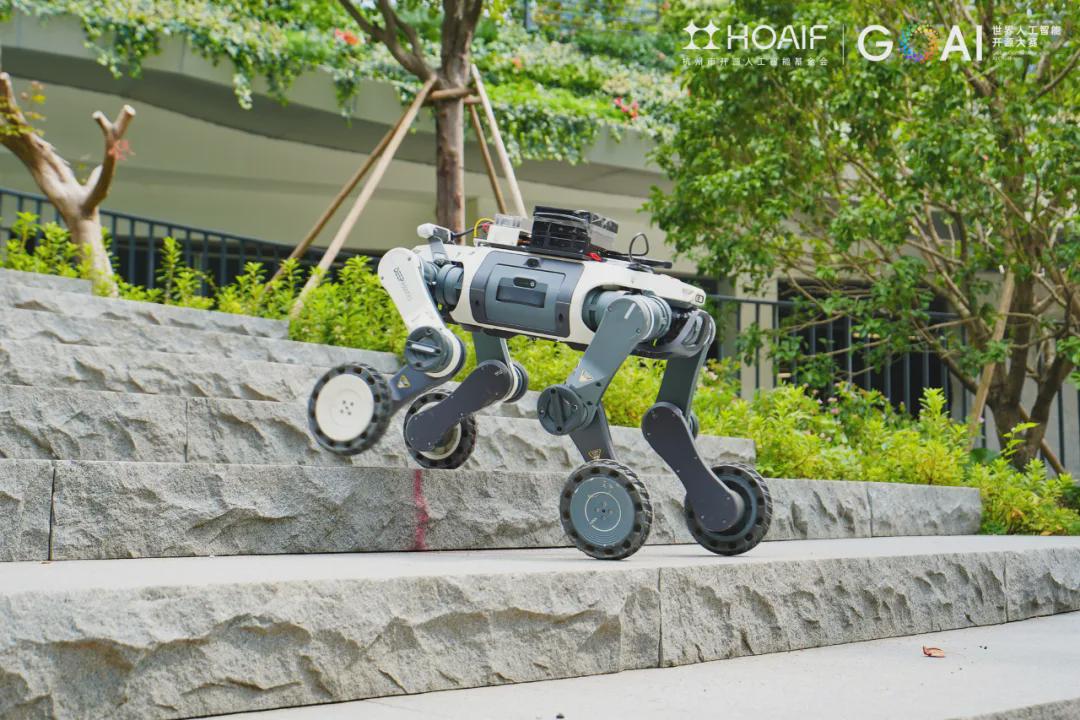
Competition in Embodied Intelligence: Openness Drives Innovation with Cloud Deep Technology's Robot
The GOAI World AI Open Source Competition featured teams using the Cloud Deep Technology's Cat S10 robot to tackle real-world terrain challenges. The competition emphasized practical problem-solving over theoretical presentations, allowing diverse teams to develop algorithms and deploy solutions on the same robotic platform. This approach highlights the importance of collaboration and openness in advancing embodied intelligence. By providing access to their mature product, Cloud Deep Technology encourages innovation and collective progress in the industry, moving from individual success to broader possibilities for all participants. Looking ahead, the competition showcased various strategies, including autonomous navigation and reinforcement learning, emphasizing the need for reliable solutions in real-world applications. No further timeline was disclosed at the time of publication.
Embodied Intelligence Robot Competitions Algorithm Development Real-World Applications
Arm Introduces Robotics Capability Framework for Intelligent Robot Descriptions
Arm, a semiconductor and software design company, has launched a Robotics Capability Framework aimed at providing a standardized language for the robotics industry. This initiative seeks to clarify ambiguous terms like 'autonomous' and 'intelligent' as AI becomes more integrated into robotic systems. The framework is designed to address the challenges posed by inconsistent terminology, which complicates the comparison and integration of robotic systems. As robots expand their roles beyond industrial settings into areas such as healthcare and agriculture, a common language is essential for developers, regulators, and users to assess capabilities and risks effectively. Arm's proposed framework outlines levels of robotic intelligence and the contexts in which these capabilities are applied. This dual approach allows for a more nuanced understanding of a robot's abilities, facilitating better differentiation between various types of robots, such as fixed industrial units and mobile manipulators that require advanced contextual awareness.
Computing Design Engineering Features arm arm total design
CRRC Launches First Subway Train Featuring Embodied Intelligence Technology at Berlin Expo
On September 22, CRRC unveiled the world's first subway train equipped with embodied intelligence technology at the 15th Berlin International Rail Transport Technology Expo. This train, developed on the VELLINK urban rail vehicle platform, incorporates multiple sensors to create an autonomous perception system capable of real-time condition recognition, anomaly detection, and fault warning. The significance of this innovation lies in its ability to enhance safety and efficiency in urban rail systems. Unlike traditional trains that rely on periodic inspections, this new model reduces weight by approximately 18% and lowers overall energy consumption by over 10%. The embodied intelligence technology allows the train to autonomously perceive and make decisions, marking a significant advancement in rail transport technology. Looking ahead, CRRC also introduced the VELFORCE 2000 kW hydrogen fuel cell hybrid locomotive and the MAGIX intelligent flat car. As artificial intelligence increasingly integrates into vehicle perception and decision-making, the importance of safety assessments will grow. No further timeline was disclosed at the time of publication.
Subway Technology Embodied Intelligence Railway Innovation Hydrogen Fuel Cells Smart Transportation
Atomica Launches MEMS Optical Control Platform to Enhance Intelligent Device Development
Atomica has introduced its new MEMS Optical Control Platform, which integrates established microfabrication modules with customizable design options. This innovation aims to assist customers in accelerating the market introduction of optical and sensing products. The platform is significant as it meets the growing demand for precise light control within AI infrastructure and optical applications. By providing a flexible solution, Atomica enables developers to create advanced intelligent devices that leverage optical technologies effectively. Looking ahead, industry stakeholders should monitor how Atomica's platform influences the development timelines of optical and sensing products. No further timeline was disclosed at the time of publication.
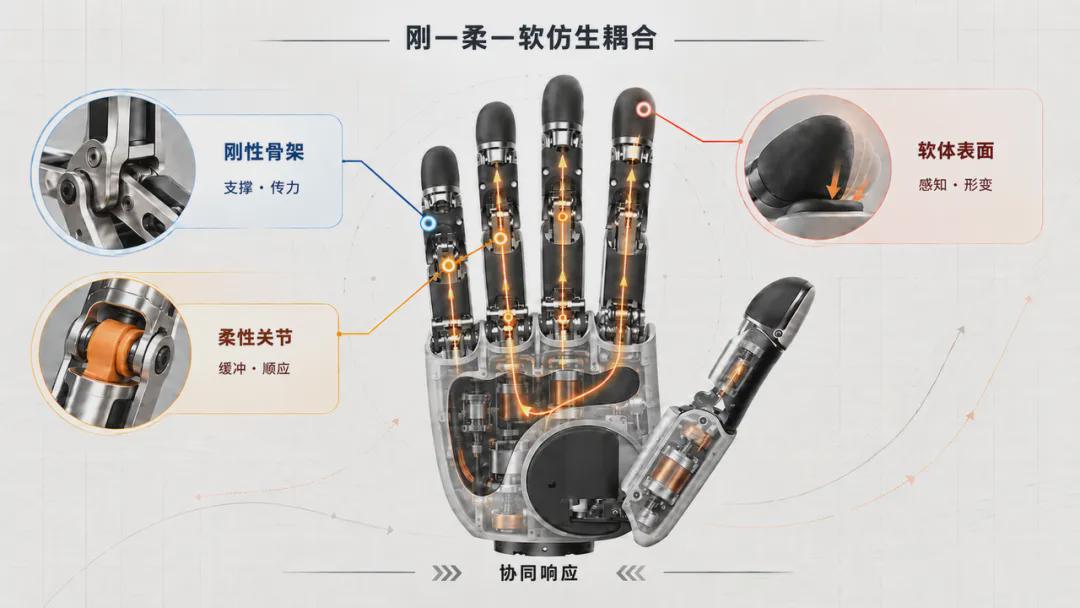
Guoli Intelligent Technology Emerges as a Leader in the Soft Robotics Market
Guoli Intelligent Technology, founded by Dr. Liu Yang, is gaining traction in the soft robotics market, with projections indicating significant growth in China's dexterous hand sales. By 2025, sales are expected to reach approximately 19,200 units, increasing to 70,200 units by 2026, and potentially exceeding 430,000 units by 2030. The company has established itself as a top choice for over 200 global clients, including major players in the electric vehicle sector. Guoli Intelligent's unique bionic coupling technology, which combines rigid, flexible, and soft materials, addresses the challenges posed by traditional single-technology approaches in the industry. This innovative design allows for high performance, longevity, and cost-effectiveness. As the soft robotics market continues to evolve, Guoli Intelligent Technology's advancements in material science and structural design position it well for future growth. The company's ability to balance high degrees of freedom, lightweight construction, and extended lifespan will be critical as it navigates the competitive landscape of the robotics industry. No further timeline was disclosed at the time of publication.
Soft Robotics Bionic Technology Robotic Hands Industrial Automation
Intel to Present on Scaling Physical AI Infrastructure at RoboBusiness 2026
Intel Corp. will address the infrastructure necessary for scaling physical AI at RoboBusiness 2026. Nagesh Puppala, general manager of physical AI and robotics at Intel, will present on October 20, focusing on the transition from AI models to real-world robotics systems. The session will highlight the importance of open, edge-first architectures in integrating various AI capabilities. This discussion is crucial as the robotics industry shifts towards deploying AI that is not only effective but also responsive and reliable. The need for a practical deployment foundation is emphasized, which supports flexibility and interoperability across multiple sectors, including manufacturing and logistics. This reflects a broader trend in robotics where success is increasingly defined by the ability to implement AI in real-world applications. Attendees of RoboBusiness 2026 can expect to gain insights into the future of robotics innovation and the necessary infrastructure to support it. The event will also provide networking opportunities for professionals in the robotics and AI sectors, fostering collaboration and knowledge sharing among industry experts. No further timeline was disclosed at the time of publication.
Artificial Intelligence Artificial Intelligence / Cognition Design / Development Events Intel robobusiness
2026 GDPS International Embodied Intelligence Skills Competition Recruitment Announced
The 2026 GDPS International Embodied Intelligence Skills Competition has been officially announced, focusing on real-world applications of embodied intelligence. The initiative, launched by the Ministry of Industry and Information Technology in collaboration with the State-owned Assets Supervision and Administration Commission, aims to address nine key scenarios including manufacturing, logistics, and emergency response. This competition is significant as it marks a shift from theoretical demonstrations to practical productivity in embodied intelligence. Shanghai has been designated as a leading city for this initiative, hosting the competition from October 23 to 25, 2026. Participants from universities and research institutions are encouraged to submit their algorithms and engage in real-world training, with the opportunity to earn a certificate of honor. Looking ahead, the competition emphasizes the importance of genuine algorithmic capabilities, ensuring that only those who demonstrate real skills will be recognized. No further timeline was disclosed at the time of publication.
Embodied Intelligence Robotics Competition University Collaboration AI Applications Real-World Training
Geographic Information Data Enhances Smart Driving and Embodied Intelligence Development
On September 22, the State Council Information Office held a press conference to discuss the promotion of sustainable utilization of natural resources. Officials highlighted the geographic information industry as a strategic emerging sector, with 270,000 companies involved. During the 14th Five-Year Plan period, efforts will focus on advancing real-world 3D applications and spatiotemporal intelligence technology to enhance public data resources like satellite navigation and Tianmap, supporting smart driving and embodied intelligence. The development of real-world 3D China and spatiotemporal intelligence is crucial for smart driving and embodied intelligence, serving as foundational infrastructure. High-precision maps and real-time positioning are essential for smart driving, while embodied intelligence requires robots to understand their physical environment. The satellite navigation network offers centimeter-level positioning accuracy, facilitating easier access to geographic information data for businesses, reducing costs and compliance hurdles. The press conference emphasized the need to unlock the value of geographic information data, which has been fragmented across government entities. By authorizing public data resources, a mechanism will be established to ensure compliant market access for smart driving and embodied intelligence companies. This unified spatial foundation will significantly aid companies in spatial intelligence, eliminating the need for individual data collection and modeling.
Geographic Information Systems Smart Driving Embodied Intelligence Data Accessibility Satellite Navigation
Daxiao Robotics and China Petroleum Launch Intelligent Robot Project in Shanghai Gas Station
Daxiao Robotics has partnered with China Petroleum Shanghai Sales Company to trial an intelligent robot project at gas station convenience stores. The pilot at the Kunlun Haoke convenience store is now operational, where robots manage order picking, handling, and packaging based on real-time inventory data. This initiative is significant as it addresses the challenges of traditional manual operations in gas station convenience stores, which are evolving into integrated hubs for storage, order fulfillment, and local delivery. The project aims to enhance operational efficiency amid rising online orders and the need for flexible inventory management. Looking ahead, the collaboration will focus on optimizing robot performance in high-density environments with multiple SKUs. The results from this pilot will serve as a standardized model for future implementations across other convenience stores under China Petroleum, potentially expanding the application of intelligent robotics in the sector.
Intelligent Robotics Retail Automation Gas Station Services Supply Chain Technology
Experience the Excitement of the Embodied Intelligence Challenge in Hangzhou
From September 23 to 27, the Hangzhou International Expo Center will host the Embodied Intelligence Challenge, featuring robots competing in various events. Attendees can witness robot races, obstacle courses, and interactive challenges, showcasing advancements in robotic technology. This event is significant as it highlights the latest developments in robotics and provides a platform for engineers and enthusiasts to engage with cutting-edge technologies. The competition will include various formats, such as bipedal robot races and obstacle navigation, emphasizing the importance of motion control and stability in robotic design. As the competition progresses, spectators can look forward to the finals on September 27, where champions will be determined across multiple categories. The event coincides with the Mid-Autumn Festival, offering a unique opportunity for attendees to enjoy both the competition and cultural celebrations.
Robotics Competition Embodied Intelligence Interactive Experiences Robot Technology Digital Trade
Feisi Lab Launches Air-Ground Collaborative Intelligence Lab for Undergraduate Talent Development
Feisi Lab has established an Air-Ground Collaborative Embodied Intelligence Lab aimed at enhancing undergraduate education in emerging interdisciplinary fields. This initiative aligns with the Ministry of Education's 2025 plan to revamp curriculum systems and introduce new majors, including embodied intelligence and low-altitude technology. The lab focuses on developing high-level engineering skills in collaborative perception, swarm control, and system integration. It offers tailored solutions for universities, integrating simulation and real-world applications to bridge the gap between fragmented knowledge and systematic projects, thus optimizing practical teaching. The program has already been implemented in several universities, including Zhengzhou University of Aeronautics and Jilin Chemical Engineering College. It emphasizes the integration of theoretical learning, simulation development, hardware validation, and real-world collaboration, fostering a comprehensive educational loop for students in the low-altitude and embodied intelligence sectors.
Embodied Intelligence Low-Altitude Technology Educational Innovation Engineering Skills Collaborative Robotics
The Real Challenge for Embodied Intelligence Firms: Talent Retention Over Funding
In the past six months, the embodied intelligence sector has been dominated by funding news, with companies like Yushu and Zhiyuan making headlines for their IPOs. However, a concerning trend has emerged as key technical and business leaders are leaving their positions, raising alarms about talent retention in the industry. The departure of prominent figures, such as Zhiyuan Robotics' Chief Scientist Luo Jianlan and other influential researchers, highlights a disconnect between the rapid pace of capital investment and the slower evolution of technology. As companies rush to meet investor expectations, the pressure on executives increases, leading to a wave of resignations that could impact innovation and growth. Looking ahead, the industry must address the talent retention challenge to ensure sustainable development. With many former executives starting new ventures within the sector, it is clear that while individuals may leave specific companies, they remain committed to the broader field of embodied intelligence. No further timeline was disclosed at the time of publication.
Embodied Intelligence Talent Retention Technology Development Startup Ecosystem
Qingyan Precision's Chen Chao Discusses Vocational Training for Embodied Intelligence in Manufacturing
From September 17 to 20, the 22nd China Automotive Industry Development (Teda) International Forum took place in Tianjin Binhai New Area. On September 18, Chen Chao, co-founder and Chief Ecosystem Officer of Qingyan Precision, delivered a speech titled 'Bringing Robots into Automotive Factories: From Testing Validation to Scalable Delivery of Embodied Intelligence.' Qingyan Precision focuses on leveraging its automotive testing validation capabilities to assist embodied intelligence companies in achieving rapid industrial deployment. Chen emphasized that autonomous driving represents a significant application of physical AI, successfully closing commercial and technical loops in various scenarios. However, embodied intelligence and robotics face unique challenges, particularly in how agents interact with real environments. Unlike autonomous vehicles, which can define safety boundaries through collision risk metrics, robots often require close contact with objects, raising questions about the appropriate force to apply during interactions. Chen proposed that industrial settings are currently the most suitable environments for embodied intelligence, as they meet the prerequisites for mass delivery and commercialization of robots. He outlined the need for financial willingness from clients, the capability of robot companies to meet client demands, and the recognition that some tasks are better suited for human workers. Qingyan Precision aims to create a vocational training framework that bridges the gap between robot companies and industrial clients, facilitating skill training, algorithm validation, and employment solutions for robots.
Embodied Intelligence Industrial Robotics Automotive Manufacturing Robot Training Systems
China's Atomix Leads the Charge in Warehouse Embodied Intelligence Testing
In a significant development, humanoid robots are increasingly being deployed in warehouses across China, marking a major test for embodied intelligence in logistics. The complexity of warehouse operations requires more than just faster and smarter robots; it demands a comprehensive system capability to ensure efficiency. Atomix, a logistics robotics company with a decade of experience, emphasizes the importance of a multi-agent system that integrates robots, equipment, and human operators to optimize order fulfillment. The success of Atomix is underscored by its innovative approach to warehouse automation, which focuses on overall scheduling rather than individual machine performance. The company has developed a 4+1 product framework that includes various automated guided vehicles and a unified software platform called Atomixer, which utilizes over 50 proprietary algorithms for efficient resource allocation. By 2025, Atomix aims to achieve nearly 1 billion yuan in revenue, with operations spanning over 20 countries and nearly 100 brands. Looking ahead, the merger of Atomix with the embodied intelligence firm Yuanli Lingji in June 2026 is expected to enhance their capabilities by combining operational data with advanced AI models. As the logistics industry faces increasing demands, Atomix's focus on system integration and adaptability will be crucial in navigating the challenges of warehouse automation and meeting customer expectations for efficiency.
Warehouse Automation Logistics Robotics Embodied Intelligence AI Systems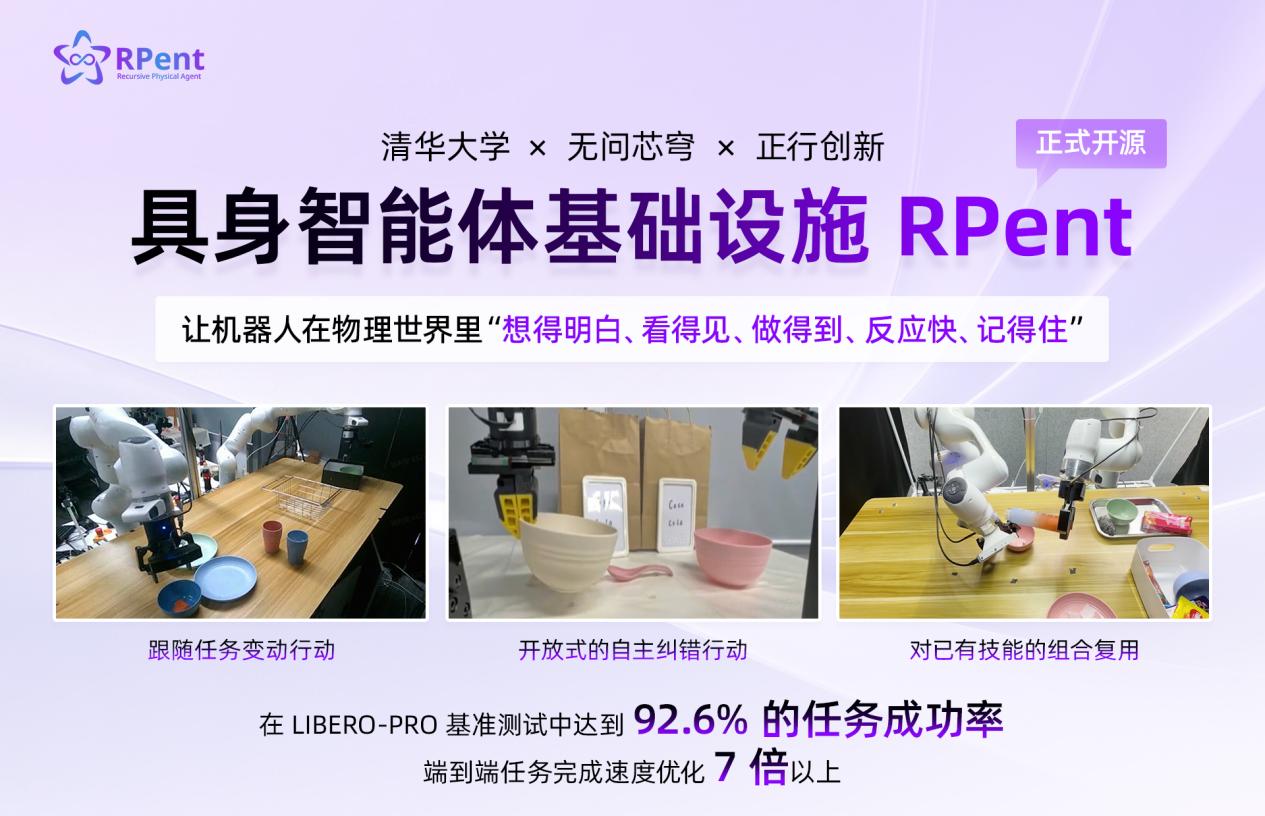
Embodied Intelligence Advances with GPT-6 Astra's Robotics Testing and RPent Launch
As GPT-6 Astra begins real-world robotic operations, the paradigm of intelligent agents is transitioning from the digital realm to physical applications. This shift raises a critical question: can general large models serve as the 'brain' for robots, enabling them to perform complex tasks in the real world? Physical agents must not only understand but also perceive, act, react quickly, and retain information. The RPent infrastructure, initiated by Tsinghua University, Wuyuan Xinqiong, and Zhengxing Innovation, has been officially open-sourced. RPent connects the task understanding and planning capabilities of general large models with the fine operational skills of expert models like VLA, creating a complete feedback loop from perception to decision-making, execution, and error correction. This allows agents to adapt continuously to environmental changes and to accumulate verified experiences into reusable capabilities, achieving a 92.6% task success rate in the LIBERO-PRO benchmark and optimizing end-to-end task completion speed by over seven times. The release includes a series of RPent real-machine demos showcasing various open-ended tasks. Notably, these tasks do not require separate strategies for each scenario. The significant change in robots is their shift from merely executing learned actions to understanding tasks, invoking capabilities, and adjusting actions based on environmental changes. The ability to reorganize existing skills to tackle new tasks is crucial as robots navigate an open world filled with new challenges.
Robotics Embodied Intelligence AI Machine Learning Automation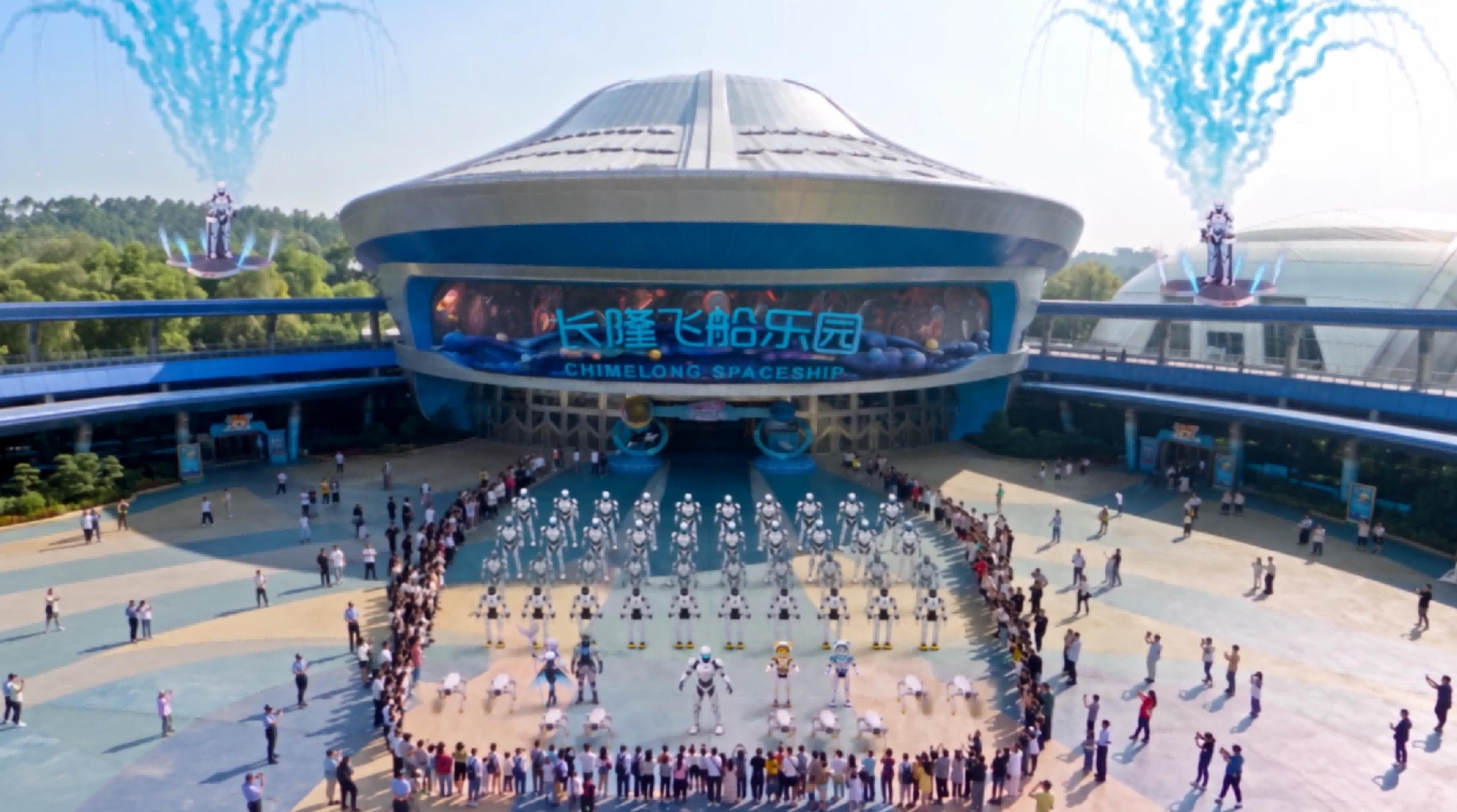
AGIBOT and CHIMELONG to Launch World's First Large-Scale Embodied Intelligence Theme Park
On September 24, 2026, AGIBOT and CHIMELONG will unveil the world's first large-scale embodied intelligence theme park in Hengqin. This innovative park will feature over 300 robots, offering visitors a unique blend of technology and entertainment through various interactive experiences. The park is significant as it represents a pioneering effort in integrating embodied intelligence into the tourism sector, with over 100 interactive robot experiences across seven core scenarios. Visitors will engage with robots in performances, educational activities, and retail services, creating an immersive environment that showcases the potential of robotics in everyday life. Looking ahead, the opening day will also mark the launch of a joint research institute focused on embodied intelligence in tourism. The park aims to set new standards in the industry, with the potential for further innovations in technology and tourism integration. No further timeline was disclosed at the time of publication.
Embodied Intelligence Theme Parks Robotics Entertainment Technology
Challenges in Embodied Intelligence: The Need for Genuine Orders and Market Validation
A founder recently listed on the Hong Kong stock exchange publicly criticized the prevalent trend of speculative entrepreneurship in the industry, which relies on false and unsustainable revenue through related transactions. This model lacks product-market fit and often leads to premature IPO attempts within two to three years. Concurrently, reports indicate that regulators are tightening IPO reviews for humanoid robot companies, focusing on sustainable revenue, loss reduction, and genuine innovation capabilities. The core of the debate centers on how embodied intelligence can demonstrate credible market valuation, which hinges on entering real-world scenarios, addressing industry needs, and securing verifiable orders. Genuine orders must withstand three tests: the value of the order, the resolution of real needs, and the engineering capability for scalable delivery. Many companies can create seemingly substantial contracts through related transactions, but they fail to meet any of these critical tests. In contrast, Jiying Intelligent, founded by Jieyi Technology, has taken a different approach by identifying specific pain points in the automotive parts manufacturing sector. Their robots have significantly improved inspection efficiency and are already deployed in real-world applications. The success of Jiying's model will depend on their ability to deepen their solutions in automotive inspection and pharmacy services and replicate these successes in similar scenarios.
Embodied Intelligence Robotics Manufacturing Automation Industrial Robotics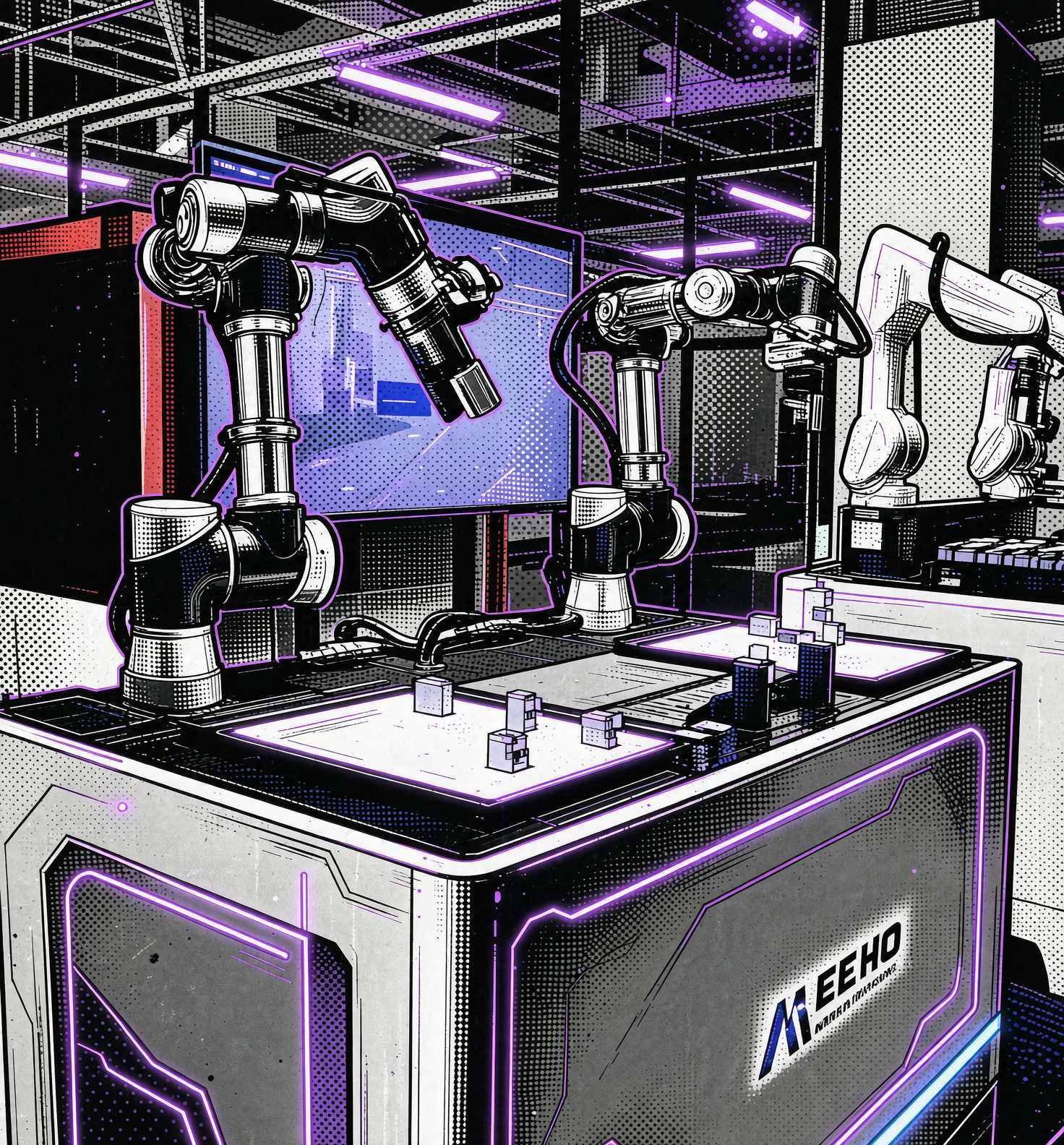
Micro Yi Intelligent Manufacturing Secures CSRC Approval for Overseas Listing with 31% Market Share
Micro Yi Intelligent Manufacturing has received approval from the China Securities Regulatory Commission (CSRC) for its overseas listing. This move is significant as it positions the company to expand its reach in the global market, particularly in the field of intelligent manufacturing. The company currently holds a 31% market share in the domestic industrial embodied intelligent robots sector, highlighting its strong presence and competitive edge in this rapidly evolving industry. This approval is expected to enhance its capabilities and attract further investment. Looking ahead, stakeholders will be keen to observe how Micro Yi leverages this approval to enhance its international operations and whether it can maintain its market share amidst growing competition. No further timeline was disclosed at the time of publication.
Robotics Automation AI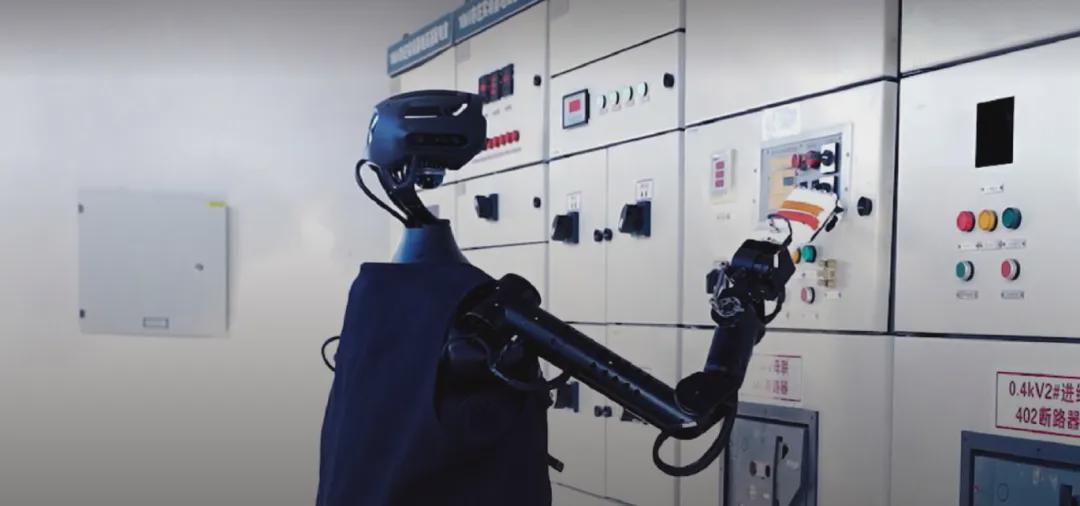
23 Key Scenarios for Embodied Intelligence Valued at 250 Billion Yuan Annually
The State Council of China has issued guidelines to accelerate the cultivation and application of high-value scenarios for embodied intelligence, highlighting the country's vast market and complete industrial system. This initiative aims to foster strategic and economically significant scenarios that meet the needs of technology, industry, and consumption, driving high-quality innovation and efficient results. Embodied intelligence, a technology requiring agents to interact with the physical world, is identified as a key area aligned with this policy. The development of this technology relies on extensive real-world data and iterative validation in practical conditions. The article outlines 23 core scenarios where embodied intelligence can be applied, assessing their feasibility, standardization, economic, and strategic value, providing a quantifiable framework for scenario cultivation and openness. The analysis indicates that while not all scenarios hold high value, those with high standardization and clear economic benefits, such as manufacturing and logistics, are more likely to achieve scalable deployment. The manufacturing sector is highlighted as the primary area for embodied intelligence, with a conservative estimated annual value of 140 to 320 billion yuan across seven core industrial scenarios.
Embodied Intelligence High-Value Scenarios Technological Innovation Economic Growth
Shenhui Technology Launches Embodied Intelligence Firm in Hangzhou with 70 Million RMB Capital
Shenhui Technology has established a new company, Hangzhou Shenhui Embodied Intelligence Technology Co., Ltd., with a registered capital of 70 million RMB. The company, fully owned by Shenhui Technology, will focus on the development and manufacturing of intelligent robots, including service and industrial robots, as well as artificial intelligence software development. This move signifies Shenhui Technology's strategic shift from specialized inspection robots to a broader range of intelligent robotics applications. The new company aims to diversify its product offerings beyond the existing focus on power and rail inspection robots, catering to various sectors such as industrial, commercial, and service industries. Looking ahead, it remains to be seen whether the new entity will continue to develop familiar industrial inspection scenarios or pivot towards more general applications of embodied intelligence. The establishment of this independent company in Hangzhou aligns with the region's robust talent and supply chain resources in the robotics sector.
Embodied Intelligence Robotics Industrial Automation AI Development
Bay Area Science Forum Showcases Embodied Intelligence Initiatives in Dongguan
On September 15, the Bay Area Science Forum took place in Dongguan, focusing on embodied intelligence projects. The event, organized by the Bay Area Science Forum Secretariat and the Bay Area University, with support from the Dongguan Science and Technology Bureau, featured policy presentations, project showcases, and networking opportunities for government, academia, and industry representatives. Five projects from Bay Area University were highlighted during the showcase, including solutions for embodied intelligence robotics, autonomous multi-environment robotic systems, cross-scale autonomous medical robots, dynamic materials, and spatial intelligent engines. These projects address various aspects of embodied intelligence, attracting interest from participating companies and facilitating discussions on technical challenges, talent acquisition, and funding needs. The event concluded with a tour of the Bay Area University campus and its embodied intelligence laboratory. The university's leadership emphasized its commitment to high-level, internationalized education and collaboration with industry. The forum aims to effectively connect research resources and technological achievements with practical applications in Dongguan's robust manufacturing sector, indicating the potential for successful partnerships in the future.
Embodied Intelligence Robotics AI Technology Transfer Industry Collaboration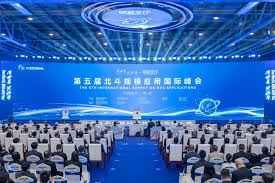
Qianxun Position's Chen Jinpei Discusses Enhancing Beidou Applications with Spatial Intelligence
During the fifth Beidou Scale Application International Summit held on September 15-16, Qianxun Position CEO Chen Jinpei emphasized the shift from quantity to quality in Beidou applications. He stated that the next phase involves leveraging valuable spatial data generated through Beidou's spatial intelligence to enhance various scenarios, integrating this data with AI technologies. Chen highlighted the evolution of machines from simple manual control to advanced physical AI capable of interacting with the physical world. He proposed building a comprehensive infrastructure based on Beidou satellites, which would provide centimeter-level positioning, millimeter-level perception, and nanosecond-level timing. This infrastructure, termed the third network of physical AI, is essential for stable robot operation in real environments. At the summit, Qianxun Position launched the SpatiXBot, an embodied spatial intelligence platform designed for applications in inspection, security, and emergency rescue. With over 10,000 GNSS stations globally, Qianxun's services support approximately 70 million smartphones and over 500,000 smart vehicles, indicating significant deployment in the robotics sector. The success of the third network will depend on the penetration and depth of spatial services in robotics, with 80,000 terminals marking a promising starting point.
Spatial Intelligence Robotics AI Beidou Navigation Automation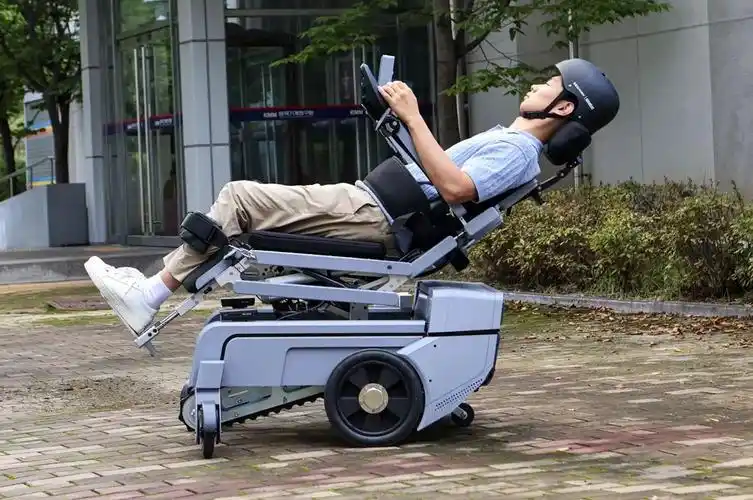
Xingcan Intelligent Secures Funding for Innovative Wheelchair Robot XcanMateX
Xingcan Intelligent has successfully completed four rounds of funding within a year, focusing on the development of its wheelchair robot, XcanMateX. This rapid funding pace is notable in the hard tech startup sector. The company aims to build a robust mass production team and a clear industrial logic, leveraging its core team’s extensive experience in autonomous driving and robotics. The significance of Xingcan Intelligent's approach lies in its focus on hardware-centric supply chain systems from the outset, contrasting with many companies that prioritize financial investment first. By collaborating with industry capital, the company can develop products at mass production prices and quality standards, thereby minimizing production risks and reducing costs. The XcanMateX is designed to transform traditional wheelchairs into smart mobility companions, featuring advanced navigation and interaction capabilities. Looking ahead, Xingcan Intelligent plans to expand its market presence in Europe, targeting the aging population's needs for smart mobility solutions. The company is also preparing for its Pre-A round of funding, aiming to raise between 50 million to 60 million RMB. The effectiveness of its deployments in hospitals and care institutions will be crucial in determining its success in addressing the mobility and social needs of the elderly.
Wheelchair Robots Healthcare Technology Aging Population Solutions Autonomous Navigation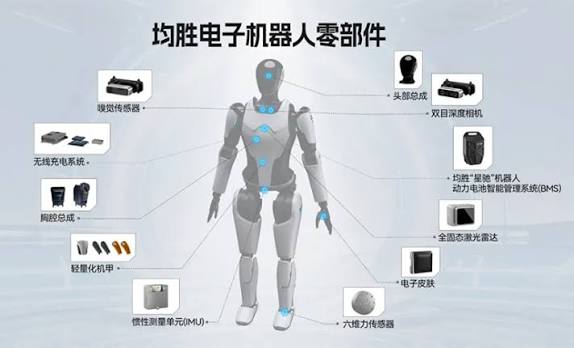
Jiangsu Jusheng Electronics Stock Rises Over 9% Following Progress in Embodied Intelligence Controllers
On September 17, Jiangsu Jusheng Electronics saw its stock price increase by over 9%, closing at HKD 12.23 with a trading volume of HKD 66.34 million. This surge is attributed to the company's advancements in its embodied intelligence business. The significance of this development lies in Jiangsu Jusheng's recent showcase at the 2026 World Artificial Intelligence Conference, where it unveiled several core components, including dexterous hands, hybrid batteries, third-generation AI head assemblies, electronic skin, and embodied intelligence brains. The company has announced that its embodied intelligence products, including controllers, are now being mass-produced for leading robotics companies. Looking ahead, it will be crucial to monitor whether the scale of mass production can continue to grow and if products like dexterous hands and electronic skin can transition from the sample phase to bulk delivery. No further timeline was disclosed at the time of publication.
Embodied Intelligence Robotics Components AI Technology Automation Electronic Systems
Concerns Rise Over Sustainability of Embodied Intelligence Companies Amid IPO Rush
Shiao Tianlan, founder of Mechamand, has criticized certain high-profile embodied intelligence companies for generating unsustainable revenue through questionable practices. His own company, Mechamand, recently went public on the Hong Kong Stock Exchange but faced a drop in share price on its first day. This criticism highlights the growing anxiety within the industry regarding the viability of these companies as they rush to IPO. The significance of this situation lies in the alarming trends observed in the financing and revenue structures of these companies. For instance, Yushu Technology, which saw a dramatic surge in market value shortly after its IPO, has since experienced a significant decline in valuation. Analysts have noted that many founders underestimate the challenges of deploying robots in real-world scenarios, leading to inflated expectations and unsustainable business models. Looking ahead, the Chinese Securities Regulatory Commission has indicated that humanoid robot companies must demonstrate sustainable revenue and genuine technological innovation to gain approval for IPOs. As the market continues to evolve, it will be crucial to monitor how these companies adapt to the regulatory landscape and whether they can deliver on their ambitious promises.
Embodied Intelligence Robotics IPO Sustainable Revenue Market Analysis
OpenAI's GPT-6 Astra Revolutionizes Embodied Intelligence with High Success Rates
In early September, OpenAI launched GPT-6 Astra, which quickly gained attention for its ability to control robotic arms without additional training. Independent testing by Robocurve showed Astra achieving a 95% success rate in tasks involving dual-arm robots, significantly outperforming Claude Fable 5.1's 40%. This breakthrough has sparked discussions about the future of embodied intelligence, with experts divided on its implications. The significance of Astra's performance lies in its potential to reshape the robotics landscape. Zeeshan Zia, Chief Scientist at Amazon Alexa, suggested that OpenAI could dominate the robotics field, while others like He Yonghao, CTO of Virtual Time Technology, believe that traditional approaches may no longer hold value. The rapid advancements in language models are seen as a threat to embodied intelligence, with experts urging teams to accelerate their development. Looking ahead, the industry is keenly observing how Astra's capabilities will evolve. Some experts argue that while Astra excels in semantic and spatial generalization, it struggles with complex physical tasks. The ongoing debate highlights the importance of high-quality data in training models, with predictions that future iterations, like GPT-8, may focus on high-frequency motion control. No further timeline was disclosed at the time of publication.
Embodied Intelligence Robotics AI Machine Learning
Huizhou Zhongkai's Embodied Intelligence Industrial Park Project Secures 1.031 Billion Investment
The Huizhou Zhongkai District has approved the Embodied Intelligence Industrial Park project, which will feature a digital infrastructure platform. The project, with a total investment of 1.031 billion yuan, spans 135,600 square meters and is set to commence on December 1, 2026. It aims to deploy 80 intelligent robotic workstations and 4,800 IoT data collection points, alongside an AGV intelligent logistics system. This initiative is significant as it represents a substantial investment in the embodied intelligence sector, focusing on enhancing production and logistics capabilities. The project will also establish a range of digital systems including MES, PLM, and ERP, which will facilitate comprehensive factory operations. The infrastructure aims to reduce the R&D costs for companies within the park by providing shared resources and systems. Looking ahead, the success of the project will depend on its ability to attract sufficient embodied intelligence enterprises and the intended use of the 80 robotic workstations, whether for production or scenario validation. No further timeline was disclosed at the time of publication.
Embodied Intelligence Industrial Automation IoT Smart Robotics
Leap Motor Introduces Fully Self-Developed Embodied Intelligent Robot at Technology Day
On September 16, Leap Motor announced the completion of its fully self-developed embodied intelligent robot during its 2026 Technology Day. The company has independently mastered all core components, including motors, controllers, batteries, perception algorithms, and computing platforms. This comprehensive self-research system allows Leap Motor to transfer its automotive technology chain into the robotics sector, achieving internal closed-loop for most core components. This development is significant as it positions Leap Motor to explore scalable applications that can generate commercial value, moving beyond mere laboratory prototypes or demonstrations. The overlap in technology stacks between automotive and robotics provides a logical foundation for this transition. Leap Motor's simultaneous release of various technologies, such as the MM-i multi-modal hybrid electric drive and the LEAP 5.0 new mobile space architecture, directly correlates with core robotic components, enhancing its manufacturing capabilities. Looking ahead, Leap Motor aims to leverage its extensive self-research and manufacturing capabilities to expand its high-level intelligent driving across all vehicle models. The company's focus on finding commercially viable scenarios for its robotics business is crucial, especially as it navigates the challenges of balancing resources across its automotive and robotics divisions. The success of its robotics initiative will depend on its ability to identify paying customers and viable applications in real-world settings.
Robotics Automotive Technology AI Manufacturing Embedded Systems
Five One Vision's Embodied Intelligence Business Achieves Over 200 Million Yuan in Orders
On September 17, Five One Vision's stock opened nearly 3% higher, reaching 56.50 HKD, following the announcement of significant order data. Since the launch of its embodied intelligence business, APER, on August 18, the company has accumulated orders exceeding 200 million Yuan in less than a month. The customer base includes companies in embodied data collection, embodied entities, world modeling, and end-user enterprises in parks and mines, with over 90% of orders expected to be delivered by year-end. The rapid order growth, with over 10,000 units ordered within just two days of the AperData platform's release, highlights the strong market demand for data collection tools. AperData offers 99% trajectory physical consistency in data delivery and improves data production efficiency by over ten times compared to traditional remote operation methods. This significant efficiency gain is a key factor in securing orders, especially for data collection and embodied entity companies that benefit from reduced time and labor costs. Five One Vision's AperOS has recently received its first update post-launch, focusing on enhancing hardware-software collaboration, edge-cloud data processing, and flexible delivery capabilities. With over 200 million Yuan in orders and a goal of completing more than 90% of deliveries within the year, the company's ability to maintain delivery pace will be crucial. Successfully achieving this target could significantly impact the revenue structure of the APER business within Five One Vision.
Embodied Intelligence Data Collection Robotics AI Automation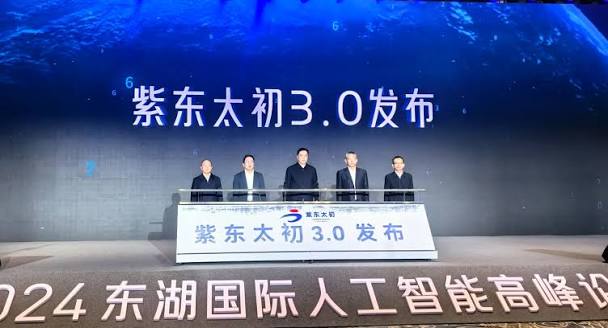
ZDTaichu 5.0-9B Model Excels in Spatial Embodied Intelligence Benchmarks
ZDTaichu 5.0-9B, a 9 billion parameter multimodal model, has achieved remarkable results in spatial embodied intelligence, securing first place in 8 out of 9 international benchmarks. It outperforms competitors like Qwen 3.5-9B and STEP 3-VL-10B in spatial perception and three-dimensional reasoning tasks. The significance of ZDTaichu 5.0-9B lies in its ability to integrate complex spatial reasoning tasks that are crucial for robotics in real-world applications. Its performance in accurately identifying object coordinates and spatial relationships demonstrates its advanced capabilities compared to other open-source models. Looking ahead, ZDTaichu 5.0-9B's open-source pipeline for training multimodal models offers valuable insights for robotics companies and research institutions. No further timeline was disclosed at the time of publication.
Multimodal Models Spatial Intelligence Robotics AI Open Source Technology
Yin Fangming Addresses Embodied Intelligence at SCO Forum; Chinese Team Evaluates GPT-6 Astra
Yin Fangming, Chairman of Galaxy General, spoke on embodied intelligence at the SCO Digital Economy Forum, emphasizing open collaboration. He proposed two main approaches: providing mature technology and product solutions, and partnering with local industries to tailor robotic solutions to regional needs. This perspective highlights China's strategy to address data scale disparities in the context of significant investments in embodied intelligence by companies like OpenAI. In less than two weeks since its release, a Chinese team was the first to systematically assess the capabilities of GPT-6 Astra. The report, authored by a doctoral student of Professor Wang He, founder and CTO of Galaxy General, compared OpenAI's GPT-6 Astra with the π0.5 model. The hybrid architecture achieved a score of 62.60 and a 48% success rate on ten dual-arm tasks in the Robo Dojo benchmark, nearly double the score of the top entry on the public leaderboard. The report indicates breakthroughs in the generalization of American large models for embodied control, with the pace of advancements in the embodied intelligence domain exceeding expectations. Industry insiders revealed that OpenAI has invested over 10 billion yuan to acquire vast amounts of embodied data, surpassing any Chinese company. As the industry evolves, metrics such as operational duration, repurchase rates, and unit economics may redefine rankings in the embodied intelligence sector in the coming years.
Embodied Intelligence Robotics AI Machine Learning
He Xiaopeng Discusses the Embodied Intelligence Bubble and Genuine Innovation
At a Tsinghua University presentation on September 16, He Xiaopeng addressed concerns regarding the pace of embodied intelligence commercialization, acknowledging an overzealous investment climate. He emphasized that while bubbles exist in every industry, the true innovation lies beneath the surface. He highlighted the potential for rapid advancements in physical AI, suggesting that its impact on daily life may exceed expectations. He Xiaopeng revealed that 98% of the Xiaopeng Robotics team holds advanced degrees, with 18% being PhD students. The company plans to hire over 8,000 employees annually from 2025 to 2027, with more than half of these positions focused on campus recruitment. Approximately 40% of this year's job openings are related to physical AI, alongside roles in modeling, robotics, autonomous driving, and manufacturing. Looking ahead, He Xiaopeng advised companies to focus on core competencies and collaboration rather than spreading resources too thin. He noted that larger companies should embrace uncertainty and invest in cutting-edge projects while maintaining a keen awareness of market trends. He underscored the importance of identifying long-term goals and aligning with the right teams in a rapidly evolving landscape.
Embodied Intelligence AI Development Recruitment Strategy Technology InnovationRobotics needs a service framework.
RSF defines a common language for robot service capability, lifecycle operations, certification pathways, and service-provider networks.
Join the RobotToday community on LinkedIn
Daily robotics news, in-depth analysis, conference highlights, and discussions with professionals worldwide.







