

Industry Briefing
A single destination for timely, editor-curated robotics news from around the world.
Delta Intelligence Focuses on Energy and Infrastructure with New Humanoid Robot Demo
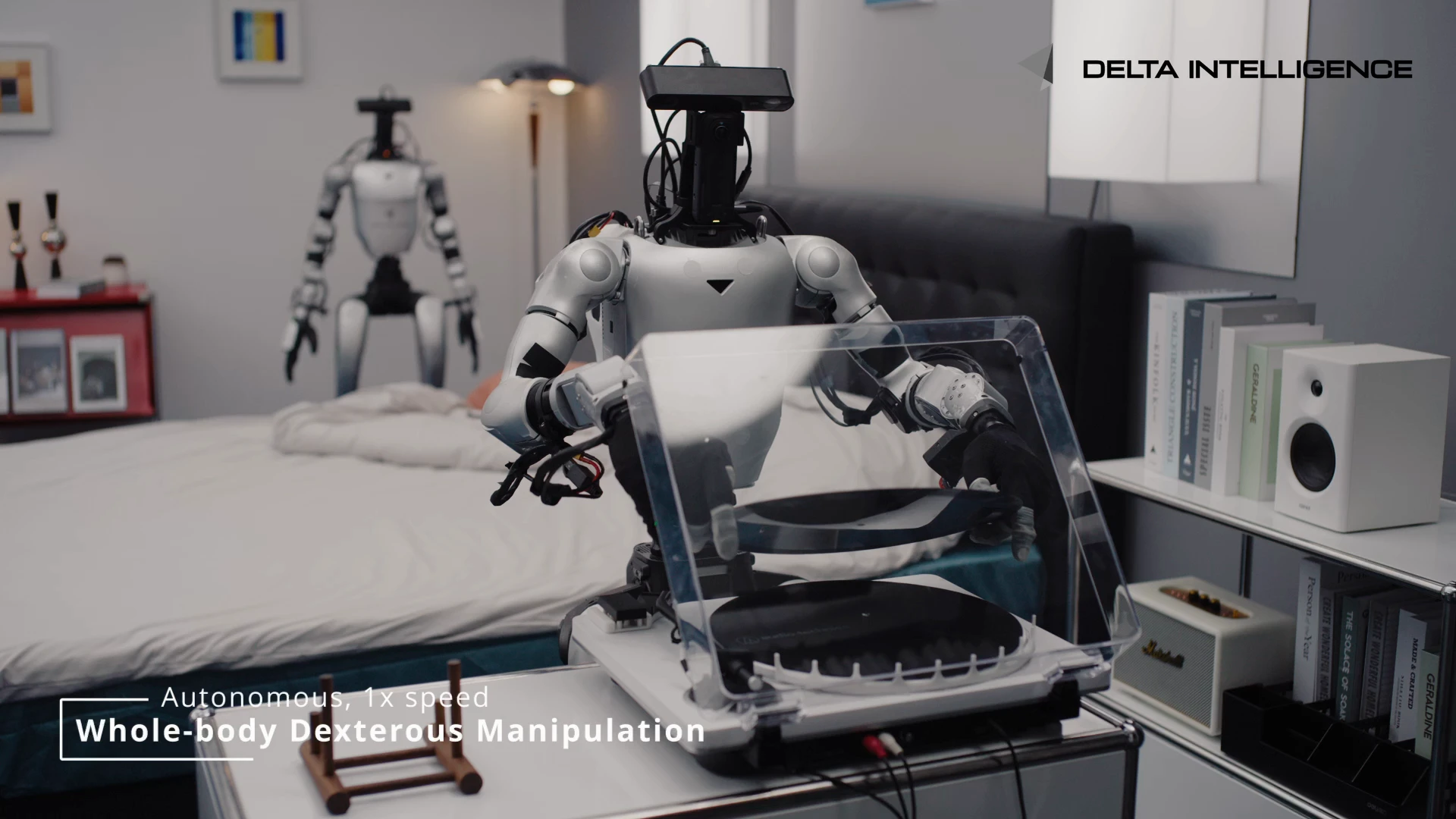
Delta Intelligence has unveiled a new humanoid robot demo, the Δ₀, showcasing familiar household tasks. However, founder Xiaojian Ma indicates that the company's immediate commercial focus will be on sectors where human labor is less desirable, specifically energy and infrastructure. While household applications are seen as a long-term goal, the pressing needs in these sectors present a more viable opportunity for deployment. The emphasis on energy and infrastructure highlights Delta's strategy to address environments that are often challenging for human workers. Ma describes these target areas as 'Mars on Earth,' including underground facilities, offshore sites, and regions with extreme weather conditions. This approach suggests a market demand for robotic solutions that can operate in hazardous or uncomfortable settings, where companies may be more willing to invest in automation. Looking ahead, Delta Intelligence is developing a hardware configuration that includes a camera-equipped head and a backpack with computing resources, which can be integrated into various humanoid platforms. The company is also collaborating with unnamed robotics and automotive partners to create complete bipedal humanoids, with model development being a current priority. No further timeline was disclosed at the time of publication.
Delta Intelligence China
DeepSeek Unveils DSec Sandbox Infrastructure for Large-Scale Agent Training
DeepSeek has introduced the DSec platform, a sandbox infrastructure tailored for extensive agent training. This innovative system integrates various sandbox types, including function-call, container, microVM, and full-VM sandboxes, while effectively managing their lifecycle alongside reinforcement learning tasks. The significance of DSec lies in its ability to support large-scale operations, with a production-scale unit comprising approximately 160 nodes. It can handle around 3 million sandboxes daily and accommodate over 380,000 concurrent sandboxes, showcasing its robust capabilities in the field of agent training. Looking ahead, the DSec platform's ability to create more than 5,000 sandboxes per second positions it as a critical tool for developers and researchers in the AI domain. No further timeline was disclosed at the time of publication.
News Feed
Intel to Present on Scaling Physical AI Infrastructure at RoboBusiness 2026
Intel Corp. will address the infrastructure necessary for scaling physical AI at RoboBusiness 2026. Nagesh Puppala, general manager of physical AI and robotics at Intel, will present on October 20, focusing on the transition from AI models to real-world robotics systems. The session will highlight the importance of open, edge-first architectures in integrating various AI capabilities. This discussion is crucial as the robotics industry shifts towards deploying AI that is not only effective but also responsive and reliable. The need for a practical deployment foundation is emphasized, which supports flexibility and interoperability across multiple sectors, including manufacturing and logistics. This reflects a broader trend in robotics where success is increasingly defined by the ability to implement AI in real-world applications. Attendees of RoboBusiness 2026 can expect to gain insights into the future of robotics innovation and the necessary infrastructure to support it. The event will also provide networking opportunities for professionals in the robotics and AI sectors, fostering collaboration and knowledge sharing among industry experts. No further timeline was disclosed at the time of publication.
Artificial Intelligence Artificial Intelligence / Cognition Design / Development Events Intel robobusiness
Qualcomm Partners with Amazon to Develop Advanced AI Data Center Infrastructure
Qualcomm Technologies Inc. has entered into a collaboration with Amazon to create customized silicon for large-scale AI data centers, focusing on AI inference. This partnership aims to enhance data center infrastructure by improving computing and connectivity capabilities, as highlighted by Qualcomm's President and CEO, Cristiano Amon. The significance of this collaboration lies in addressing the escalating demand for AI workloads, which necessitate advancements in compute, storage, networking, and energy-efficient infrastructure. By combining Amazon's robust AI infrastructure with Qualcomm's expertise in power-efficient processing and silicon design, the partnership is poised to deliver innovative solutions for next-generation AI infrastructure. Looking ahead, Qualcomm and Amazon will work on high-performance optical connectivity solutions capable of supporting bandwidth demands of up to 1.6 terabits per second. The collaboration indicates a long-term commitment to developing customized silicon across multiple generations, which could lead to significant advancements in AI data center capabilities.
AI and Robotics
Google Announces $15 Billion Investment in AI Infrastructure in Finland
Google has announced a significant investment of 13 billion euros ($15.1 billion) into AI infrastructure in Finland, marking its largest single investment in Europe. This move highlights Finland's growing importance as a prime location for data centers, particularly amid the ongoing AI boom. The investment is crucial as Finland offers abundant land and power resources, which are increasingly scarce in other parts of Europe. This strategic decision by Google reflects the tech giant's commitment to expanding its AI capabilities and infrastructure in a region that is becoming a hub for data center development. Looking ahead, industry watchers will be keen to see how this investment influences the competitive landscape in Europe’s tech sector. No further timeline was disclosed at the time of publication.
NVIDIA Collaborates with Australian Partners to Enhance AI Infrastructure Capacity
NVIDIA has announced a collaboration with a network of Australian NVIDIA Cloud Partners (NCPs) and AI infrastructure partners to expand land, power, and shell capacity for hosting NVIDIA DSX™ AI factories. This initiative aims to meet the increasing demand for AI compute in Australia, with a projected buildout of up to 2 gigawatts by 2027. The expansion is significant as it supports local innovators in developing AI models and applications, leveraging NVIDIA's full-stack DSX platform. This platform enhances productivity and durability, making AI factories a new asset class. The collaboration with Australian partners like Firmus and Sharon AI is expected to strengthen the local ecosystem and provide access to high-performance computing resources. Looking ahead, the initiative will enable Australian startups, researchers, and enterprises to harness world-class computing capabilities. No further timeline was disclosed at the time of publication.
AWS and NVIDIA Expand Collaboration with 2 Million Additional GPUs for AI Infrastructure
Amazon Web Services (AWS) and NVIDIA have announced a significant expansion of their partnership to address the increasing global demand for AI infrastructure. The companies plan to deploy an additional 2 million NVIDIA GPUs across AWS’s global infrastructure, enhancing their collaboration in AI factories, CPUs, networking, and robotics. This move aims to support the growing need for AI workloads, enabling customers to scale their operations in areas such as agentic AI and enterprise automation. This expansion is crucial as organizations transition from pilot projects to full-scale production, necessitating broader model choices and faster data processing capabilities. AWS and NVIDIA's joint efforts will provide customers with the confidence that their infrastructure can support innovative AI applications while maintaining security and reliability. The collaboration builds on 16 years of innovation, reflecting the increasing demand from various sectors, including frontier labs and governments. Looking ahead, AWS and NVIDIA's partnership is set to redefine AI compute capacity, with plans to introduce NVIDIA Blackwell Ultra GPUs and enhance networking performance for large-scale AI training. No further timeline was disclosed at the time of publication.

Putin Authorizes Temporary Seizure of Unprotected Commercial Infrastructure Amid Drone Threats
In response to escalating Ukrainian drone attacks, President Vladimir Putin has authorized the temporary seizure of commercial infrastructure deemed critical and inadequately protected. This decree aims to address the vulnerabilities exposed by recent strikes on Russian oil refineries and e-commerce centers, which have intensified economic pressures on the country. The significance of this action lies in the Russian government's acknowledgment of the threat posed by Ukrainian drones, prompting a shift in responsibility for infrastructure protection. The decree indicates that facilities failing to implement necessary repairs or defenses after attacks may be taken over by the state, reflecting a growing urgency to safeguard vital economic assets. Looking ahead, the effectiveness of this decree remains uncertain, particularly given the existing shortages in Russia's air defense systems. The flourishing civilian counter-drone industry may provide some solutions, but the specific requirements for infrastructure protection have yet to be detailed. No further timeline was disclosed at the time of publication.
News & Features Around The Globe Europe Russia Ukraine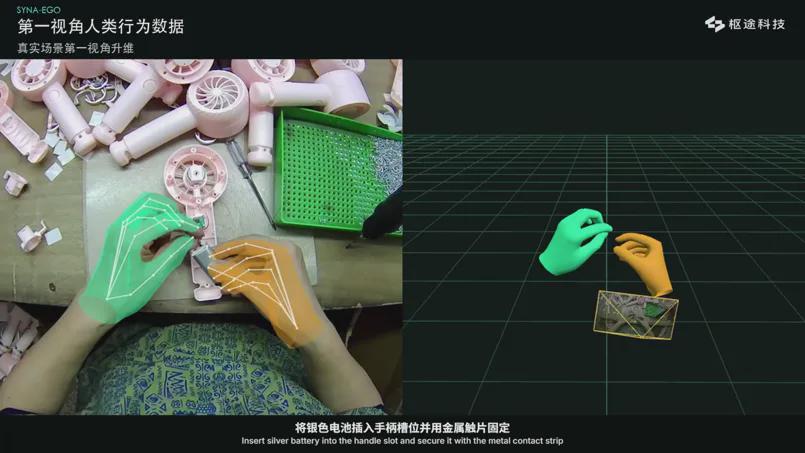
Shutu Technology Completes Two Funding Rounds to Enhance Embodied Intelligence Infrastructure
Shutu Technology has successfully completed nearly 100 million yuan in angel funding, with investors including cornerstone capital and Nanshan New Investment. The funds will primarily support the development of human behavior data products, core technology iterations, and the establishment of an industrial production system. The significance of this funding lies in the shift of focus within the embodied intelligence industry from models and robots to data production, training adaptation, and large-scale delivery. As embodied intelligence transitions from task demonstrations to product delivery, the demand for data is evolving, necessitating continuous and stable data products that can adapt to various models and tasks. Shutu Technology aims to convert specialized human behavior into learnable physical experiences for robots, creating a product matrix that covers multiple forms of human behavior data. Following this funding round, the company plans to enhance production and delivery efficiency while continuing to develop core technologies and industrial production systems. No further timeline was disclosed at the time of publication.
Embodied Intelligence Human Behavior Data Industrial Automation Robotics AI
NVIDIA Transitions to Infrastructure Builder for Physical AI with Comprehensive Solutions
NVIDIA is accelerating its transformation from an 'AI chip manufacturer' to an 'infrastructure builder for the physical AI era.' The company's strategy focuses on creating a full-stack 'operating system' for physical world agents, including robots, autonomous vehicles, and smart factories, encompassing simulation, training, and deployment. This strategic shift is driven by NVIDIA's assessment of market potential, with CEO Jensen Huang stating that 'physical AI is the next wave of growth.' The market for physical AI is estimated internally by NVIDIA to reach $100 trillion, significantly surpassing the current $2 trillion IT industry. The global labor shortage, projected to reach tens of millions by the end of the century, positions robots and AI agents as crucial solutions to fill this gap. NVIDIA aims to replicate its successful ecosystem-building approach from the PC and server era through its platforms. Key offerings include the Omniverse platform for high-fidelity virtual environments, the Cosmos series for foundational models, and the Isaac platform for comprehensive robot development tools. A strategic partnership with LG Group aims to develop humanoid robot technology, with plans to generate 100,000 hours of training data by the end of 2026.
AI Infrastructure Robotics Autonomous Vehicles Simulation Technology
NVIDIA Forms Partnerships to Mobilize Over $500 Billion for AI Compute Infrastructure Financing
NVIDIA has announced strategic partnerships with Apollo, BlackRock, Blackstone, Brookfield, Goldman Sachs, and KKR to create independent compute financing platforms. These platforms aim to mobilize over $500 billion in third-party capital to support the development of AI infrastructure, addressing the increasing demand from governments, enterprises, and startups. The significance of this initiative lies in its potential to transform AI infrastructure into a viable investment asset. NVIDIA's compute technology is designed to be flexible, widely adopted, and continuously improved, making it an attractive option for investors. The partnerships will enable the establishment of dedicated capital pools to facilitate the growth of AI factories across various industries. Looking ahead, the collaboration between NVIDIA and these financial institutions is expected to play a crucial role in the AI buildout, which requires substantial investment and skilled labor. No further timeline was disclosed at the time of publication.

SwissDrones Expands Long-Range Drone Inspection Platform for US Critical Infrastructure
SwissDrones Operating AG and its subsidiary Xplorate Pacific announced on August 7 their expansion of a long-range drone inspection platform into the United States. This initiative aims to support energy, utility, and transportation operators in managing critical infrastructure such as pipelines and powerlines across extensive areas. The significance of this expansion lies in addressing the limitations of small drones, which often lack the necessary range and payload capacity for inspecting long-linear assets. The integrated platform combines SwissDrones’ turbine-powered uncrewed helicopters with Xplorate’s expertise in beyond-visual-line-of-sight (BVLOS) operations, enhancing operational capabilities for industrial customers. Looking ahead, the companies plan to introduce US programs under Federal Aviation Administration approvals as regulations evolve toward more routine BVLOS operations. No further timeline was disclosed at the time of publication.
Innovation
LG Group and Nvidia CEOs to Meet for AI Infrastructure and Robotics Collaboration
LG Group Chairman Koo Kwang-mo is set to meet Nvidia CEO Jensen Huang in Silicon Valley next week to enhance their collaboration in artificial intelligence infrastructure and robotics. This meeting follows their previous discussion in Seoul in early June, where they outlined plans for partnerships in humanoid robots and next-generation data centers. The significance of this meeting lies in the potential for substantial investments and advancements in technology development between the two companies. During their June meeting, Huang emphasized the importance of this partnership, which aims to leverage Nvidia's expertise in AI and LG's capabilities in robotics to create innovative solutions for the market. As both companies prepare for this crucial discussion, stakeholders will be watching closely for updates on investment sizes and timelines for technology development. No further timeline was disclosed at the time of publication.
All News
Atoms and Joby Aviation Partner to Develop Air Taxi Infrastructure in Four States
Atoms, an industrial AI and infrastructure company, has partnered with Joby Aviation to acquire and develop vertiports across the United States. The initial focus will be on Florida, New York, Texas, and California as Joby prepares for early electric air taxi operations. This strategic partnership aims to create multimodal hubs that facilitate aircraft landings, recharging, servicing, and passenger connections to ground transportation. The collaboration is significant as it addresses the infrastructure challenges facing electric aviation, which is crucial for the successful launch of commercial services. Joby has already flown its first FAA-conforming aircraft and is nearing the final stage of type certification. The development of these vertiports will support Joby's early operations in the targeted states, enhancing the integration of air taxis with existing transport systems. Looking ahead, the partnership will focus on creating urban infrastructure that combines air taxis, autonomous vehicles, and ridesharing services. Atoms plans to treat vertiports as essential urban hubs rather than mere landing sites. No further timeline was disclosed at the time of publication.
Transportation
Moove Secures $250 Million to Develop Infrastructure for Autonomous Vehicle Ecosystems
Moove has successfully raised $250 million in Series C funding, elevating its valuation to $2.1 billion. This capital will facilitate the expansion of its autonomous vehicle business, focusing on autonomous fleet ownership and the development of robotics-first depot infrastructure known as 'Nests.' These Nests will serve as operational hubs for charging, servicing, and maintaining autonomous fleets. The significance of this funding lies in Moove's vision of autonomous mobility as a critical component of future urban ecosystems. Co-founder Ladi Delano emphasized that the success of autonomous technology hinges on the establishment of robust infrastructure, including fleet management and operational systems. Moove aims to grow its workforce by over 220% by year-end, reflecting its commitment to scaling operations globally. Looking ahead, Moove's strategic partnerships and infrastructure development will be pivotal in shaping the future of autonomous transportation. The company is already operational in cities like Phoenix and Miami, with plans for expansion into London. No further timeline was disclosed at the time of publication.
Automotive Financial Investments Markets / Industries News Robots / Platforms
Kaiwang Data Secures Over RMB100 Million for Embodied AI Data Infrastructure Development
Kaiwang Data, a Chinese provider of data infrastructure for embodied AI, has successfully raised over RMB100 million in a strategic funding round. This funding round was co-led by the Beijing E-Town Industrial Upgrade Fund, Huafang Capital, and Skyline Capital, with participation from several robotics companies including Lumai Robotics and Mifeng Technology. This funding is significant as it will enable Kaiwang Data to enhance its capabilities in managing multimodal data essential for applications in autonomous driving and humanoid robots. The company currently produces approximately 100,000 hours of usable data monthly and has established bulk data-purchasing agreements with major firms, indicating strong demand for its services. Looking ahead, Kaiwang Data plans to utilize the new funding to develop its data-trading platform and advance world-model technology. The expansion will target commercial, industrial, and household applications, positioning the company for growth in the rapidly evolving AI landscape. No further timeline was disclosed at the time of publication.
News Feed
How Blockchain and APIs Are Transforming Digital Infrastructure for Businesses
Blockchain technology is increasingly being integrated into the digital economy, moving from theoretical applications to practical solutions. Companies are now focused on how distributed infrastructure can effectively address operational challenges, particularly in scenarios requiring trusted data sharing and transaction verification among multiple parties. The financial sector led the initial adoption, but now manufacturers, logistics firms, and government agencies are leveraging blockchain for enhanced transparency and efficiency. The maturation of blockchain technology is evident through improved interoperability, stronger cryptographic security, and integration with AI and IoT, expanding its use cases. While not every blockchain initiative will succeed commercially, the technology is proving its value beyond pilot projects. The main challenges often stem from the surrounding infrastructure, which requires significant engineering resources to manage nodes, data indexing, and transaction monitoring across networks. APIs play a crucial role in easing these challenges by allowing teams to integrate blockchain capabilities without building from the ground up. This shift enables businesses to explore new revenue streams through asset tokenization and automated settlements. As blockchain adoption becomes more streamlined, attention will increasingly focus on the tangible business outcomes and innovative applications emerging from this technology.
Computing Infrastructure Technology apis application programming interfaces artificial intelligence
Five Key Physical AI Infrastructure Platforms Influencing Robotics by 2026
The article discusses five significant platforms that are shaping the physical AI infrastructure stack, essential for robotics development by 2026. These platforms address critical bottlenecks and provide reusable infrastructure for various robotics developers, moving beyond traditional computing capacity to encompass simulation, validation, and continuous learning. NVIDIA is highlighted as the foundational company in this space, with its Isaac platform offering a comprehensive ecosystem for robot development, simulation, and training. Its ability to integrate computation, world generation, and model training positions it as a pivotal player in the physical AI landscape, raising questions about the openness of its ecosystem as it expands. Applied Intuition is noted for its end-to-end platform that validates autonomous machines across diverse operating conditions. Its focus on simulation and evaluation is crucial for sectors like automotive and defense. Observers should watch how its strengths in autonomous mobility may translate to other areas of robotics, particularly in manipulation and humanoid tasks, where challenges differ significantly from navigation.
Artificial Intelligence Artificial Intelligence / Cognition Sponsored Content Lightwheel sponsored
Bright Machines Introduces Hybrid BRC to Address AI Infrastructure Assembly Challenges
Bright Machines has unveiled the Hybrid BRC (Bright Robotic Cell), designed to tackle significant challenges in AI server assembly. This innovation allows human operators to interact within a sensor-monitored robotic cell, maintaining a continuous digital record of production while performing assembly tasks. CEO Sviat Dulianinov highlighted that initial yields in manual assembly can be as low as 20%, emphasizing the importance of this technology in improving efficiency and reducing errors. The Hybrid BRC addresses a critical bottleneck in AI infrastructure deployment by integrating human assembly steps into automated processes without compromising data integrity. This solution is crucial as the demand for AI servers grows, with companies facing substantial financial losses due to delays in deployment. The technology aims to enhance production yields, which can reach over 98% in automated operations compared to significantly lower rates in manual processes. Looking ahead, Bright Machines plans to manufacture over half a gigawatt of compute capacity this year using the Hybrid BRC. While specific customer identities remain undisclosed due to confidentiality, the company reports a threefold increase in customer growth, indicating strong market interest in solutions that streamline AI server assembly and improve operational efficiency.
Infrastructure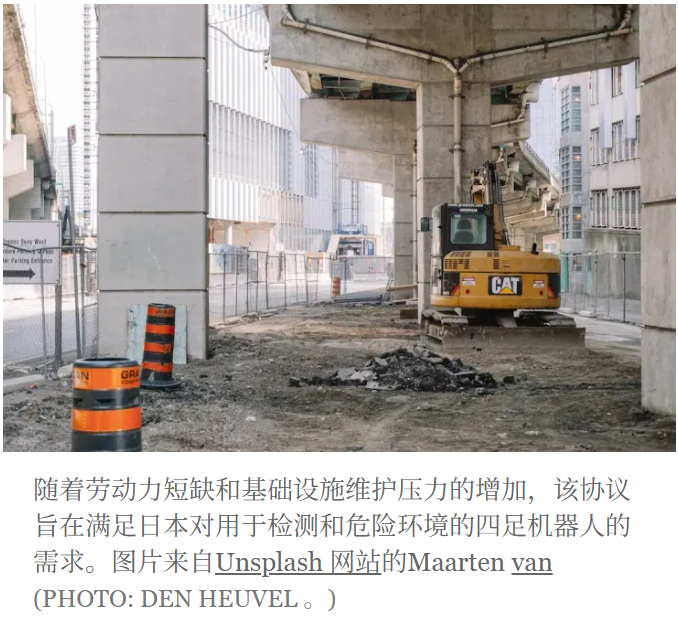
Marubeni and DEEP Robotics Collaborate to Address Japan's Labor Shortage and Infrastructure Issues
On July 23, Marubeni Corporation, a major Japanese electronic trading company, signed a memorandum of understanding with DEEP Robotics, a leader in quadruped robots, to enhance the sales and development of quadruped robots in Japan. This partnership aims to address Japan's significant labor shortage due to an aging population and the challenges posed by deteriorating infrastructure. The collaboration is crucial as Japan faces increasing pressure to maintain its infrastructure and ensure safety in hazardous environments. Quadruped robots, capable of autonomous operation in complex terrains, are expected to play a vital role in replacing human labor in dangerous situations. Marubeni's extensive customer network and technical support will complement DEEP Robotics' deployment experience in various sectors, including power, construction, and rescue. Looking ahead, Marubeni plans to introduce the all-terrain quadruped robot 'LYNX M20S' and the highly mobile 'LYNX S10' to accelerate sales in the Japanese market. DEEP Robotics' CEO highlighted the importance of Marubeni's market understanding for promoting robotic solutions, while Marubeni's director emphasized the potential of these advanced robots to address Japan's labor and infrastructure challenges.
Quadruped Robots Robotics Solutions Labor Automation Infrastructure Technology
NAVER, NVIDIA, and Brookfield Plan Major Expansion of Korea's AI Factory Infrastructure
NAVER, NVIDIA, and Brookfield have announced a significant expansion of Korea's AI factory infrastructure, aiming to increase the NVIDIA DSX AI factory deployment to 200 megawatts, more than tripling the previously announced 55 megawatts. This expansion, revealed during President Jae Myung Lee's AI Summit visit to San Francisco, underscores Korea's commitment to enhancing its national AI capabilities. The collaboration will see NAVER expand its NVIDIA AI infrastructure deployment to 1 gigawatt, with NVIDIA investing $1 billion and Brookfield potentially funding up to $9 billion. This initiative aims to provide AI innovators in Korea and the U.S. with access to advanced production-scale AI compute resources, fostering a robust AI ecosystem and enhancing South Korea's competitiveness in the global AI landscape. Looking ahead, the 200-megawatt AI factory will utilize advanced NVIDIA platforms, including Vera Rubin and Blackwell, to support the development of competitive AI models. No further timeline was disclosed at the time of publication.
Gritt Secures $32.4 Million to Develop Physical AI for Infrastructure Projects
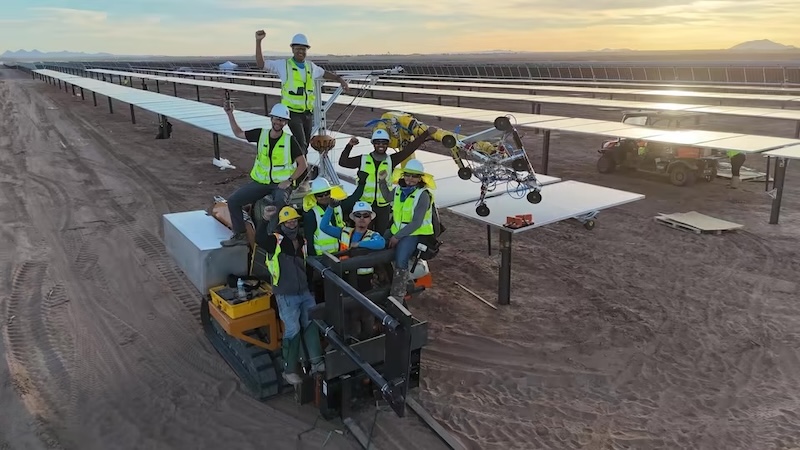
Gritt has officially launched with $32.4 million in funding to develop an intelligent system that integrates robotics and AI for infrastructure projects. The funding includes a $26 million Series A round led by Obvious Ventures, with contributions from Union Square Ventures and Active Impact Investments, among others. This initiative is significant as it addresses the labor shortages and productivity declines in the construction industry, which has seen a 46 percent drop in productivity. Gritt's technology allows robotic arms to connect with existing jobsite equipment, enabling precise material handling and decision-making in challenging outdoor environments. Looking ahead, Gritt's adaptable system is already deployed on large-scale construction sites, capturing real-time data to enhance operational efficiency. No further timeline was disclosed at the time of publication.
Construction Energy Infrastructure News ai for construction artificial intelligence
Gritt Secures $32.4M to Develop Physical AI for Infrastructure Acceleration
Gritt has officially launched with $32.4 million in funding aimed at creating intelligent systems that integrate robotics and AI to enhance infrastructure development. The funding includes $26 million from a Series A round led by Obvious Ventures, alongside contributions from Union Square Ventures and Active Impact Investments. This initiative is significant as it addresses the growing need for efficient infrastructure solutions by utilizing existing jobsite equipment to automate labor-intensive tasks. Gritt's approach aims to streamline construction processes, potentially transforming how infrastructure projects are executed worldwide. Looking ahead, Gritt's development of physical AI systems could reshape the construction landscape. No further timeline was disclosed at the time of publication.
The Rise of Enterprise AI Agents: Is Your Infrastructure Prepared for the Shift?
Enterprise AI agents are transitioning from laboratory environments to corporate systems, enabling them to track workflows, generate reports, and make decisions across various applications. This shift enhances operational speed and service quality but also places significant demands on existing technical infrastructures. The importance of robust AI agent infrastructure cannot be overstated, as it must accommodate fluctuating workloads, ensure secure access, and maintain data integrity. Without a solid foundation, AI agents may excel in pilot programs but struggle with reliability when integrated into live systems with larger datasets and user bases. Looking ahead, organizations must prioritize capacity planning guided by reporting and internal deadlines. As AI agents require organized and accurate data access to function effectively, businesses must establish clear rules for data retrieval and management. No further timeline was disclosed at the time of publication.
AI agents Infrastructure agentic ai ai agents AI infrastructure API integration
TerraFirma Secures $115M Series A Funding to Enhance Robotic Construction Infrastructure
TerraFirma has successfully raised $115 million in Series A funding to bolster its engineering, manufacturing, and construction teams while advancing its semi-autonomous heavy equipment. Co-founder and CEO Noah Schochet emphasized the need for innovation in construction, citing historical achievements and the potential for significant improvements in speed, cost, and safety. The construction industry has faced declining productivity for decades, with U.S. construction labor productivity decreasing by an average of 0.6% annually since 1965, contrasting with a 1.6% growth in the broader economy. TerraFirma aims to address this issue by developing a full-stack platform that integrates AI-driven pre-construction software and retrofitted semi-autonomous machinery, enhancing operational efficiency and job safety. Looking ahead, TerraFirma is engaged in various projects across multiple sectors, including housing and energy, with recent initiatives in Texas. The company’s approach combines technology and operations to create a more effective construction ecosystem, with the potential to revolutionize the industry. No further timeline was disclosed at the time of publication.
Construction Energy / Solar / Renewables Financial Investments Manufacturing Markets / Industries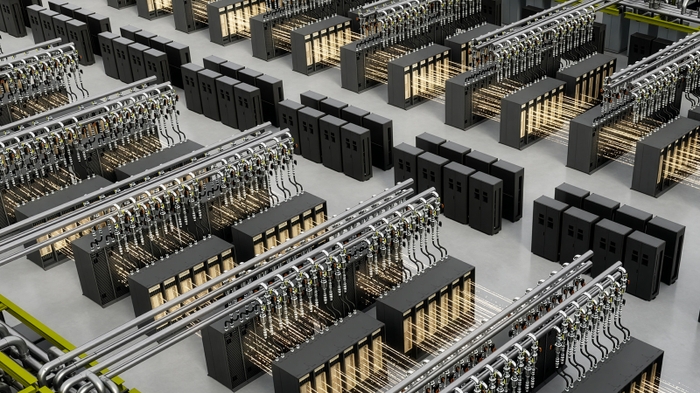
NVIDIA and Noetra Corp. Launch Japan's First National AI Infrastructure for Physical AI
NVIDIA has partnered with Noetra Corp. to establish the NVIDIA Vera Rubin AI factory, featuring 13,750 NVIDIA Vera CPUs and 27,500 NVIDIA Rubin GPUs. This initiative, supported by Japan’s AI and industrial leaders, represents the world’s first national AI infrastructure dedicated to physical AI, enhancing the country’s capabilities across various sectors including manufacturing and healthcare. The establishment of this AI factory is significant as it aims to strengthen Japan's AI ecosystem and support the FRONTia Project, which focuses on developing multimodal foundation models for AI robotics and physical AI. The collaboration is expected to leverage Japan's manufacturing expertise and real-world industrial data to create reliable AI models that can address global social challenges. Looking ahead, the AI factory is designed to support the training of trillion-parameter-scale AI models, positioning Japan to capture over 30% of the global AI robotics market by 2040. As the factory expands, it will provide organizations with access to advanced AI environments, paving the way for innovations in intelligent manufacturing and robotics.

Kinetix AI Introduces KAI Halo to Enhance Data Infrastructure for Robotics
As the robotics industry enters a phase of large-scale development, a critical question arises: how long does it take for newly collected real-world data to translate into actionable capabilities for robots? The data journey, from collection to deployment, is complex and any delays can hinder progress. Kinetix AI is addressing this challenge by connecting every stage of data production rather than simply expanding data volume. The Kai Ego Dataset has amassed over 100,000 hours of first-person multimodal data, covering more than 2,000 atomic skills across various real-world scenarios such as homes, retail, hotels, and factories. This dataset captures the nuances of continuous tasks, allowing robots to learn complex behaviors rather than isolated actions. It integrates diverse information, including visual data, body posture, and motion semantics, providing a unified data foundation for cross-domain transfer. KAI Halo, a standardized data collection tool developed by Kinetix AI, addresses common issues encountered in real data production, such as occlusion and data quality fluctuations. By employing a four-way fisheye global shutter RGB camera and a 200Hz IMU, KAI Halo synchronizes multiple perspectives, enabling a comprehensive reconstruction of human actions and interactions with the environment. No further timeline was disclosed at the time of publication.
Embodied Intelligence Data Infrastructure Robotics AI Data Processing
Key Factors Influencing Trust in Explainable AI Among Infrastructure Professionals
A recent study has identified essential factors that influence trust in artificial intelligence among infrastructure professionals. The research highlights transparency, explainability, and accountability as the primary drivers that foster confidence in AI systems used in infrastructure projects. Understanding these factors is crucial as trust in AI can significantly impact the adoption and implementation of technology in infrastructure. Professionals are increasingly seeking systems that not only perform effectively but also provide clear insights into their decision-making processes. Looking ahead, it will be important to monitor how these trust factors evolve and influence the integration of explainable AI in infrastructure. No further timeline was disclosed at the time of publication.
Performance per Watt: Key Metric for AI Infrastructure Efficiency and Profitability
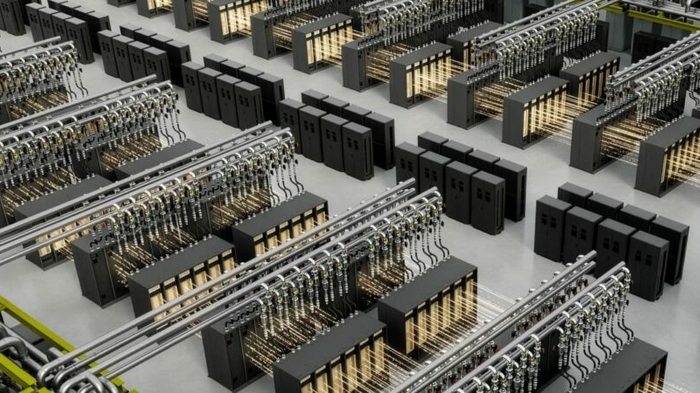
Power constraints are critical for AI infrastructure, influencing revenue and profitability based on token generation within a fixed power budget. Performance per watt emerges as a vital metric, reflecting real-world results and shaping the scalability of AI factories in a power-limited environment. The NVIDIA Blackwell NVL72 platform exemplifies this metric, delivering the highest performance per watt and enabling organizations to maximize revenues while minimizing token costs. As AI models evolve, the need for architectural optimizations becomes essential, with the latest NVIDIA GB300 NVL72 achieving up to 25 times the performance per watt compared to previous generations. Looking ahead, NVIDIA's Vera Rubin platform aims to enhance energy efficiency further, while tools like DynoSim help teams optimize their performance. The ongoing improvements in software and the design of rack-scale systems highlight the importance of engineering rigor in managing the complexities of AI factory operations. No further timeline was disclosed at the time of publication.
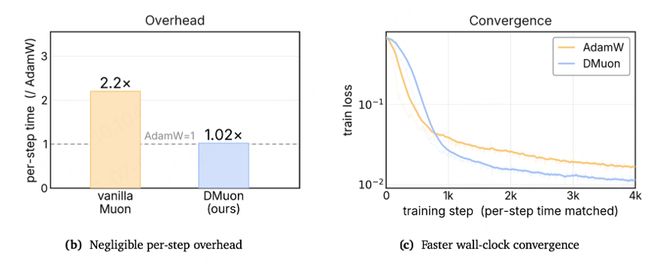
Variable Launches DMuon Optimizer to Improve Distributed Muon Model Infrastructure Efficiency by 30%
Variable Robotics has introduced the DMuon optimizer, enhancing the distributed Muon model infrastructure's efficiency by approximately 30%. This new optimizer addresses the additional computational and communication costs associated with using Muon in distributed training, which previously resulted in an end-to-end step time 2.2 times longer than AdamW. The significance of DMuon lies in its ability to maintain the faster convergence benefits of the Muon optimizer while reducing the end-to-end step time to just 1.02 times that of AdamW. This improvement is achieved through fine-grained communication optimization, computation-aware load balancing, and a high-performance kernel system, making DMuon a viable option for embodied model training without requiring changes to parameter update rules or training frameworks. Looking ahead, DMuon is expected to become a new default choice for embodied model training, as it effectively mitigates the redundant computations and communication overhead that previously hindered Muon's performance in distributed environments. No further timeline was disclosed at the time of publication.
Neural Network Optimization Distributed Training Machine Learning Infrastructure AI Models
Alipay Introduces AI Open Platform to Enhance Ant Group's AI Commerce Infrastructure
Alipay has launched an AI open platform that enables merchants to package their services as plug-ins for AI agents. This initiative is part of Ant Group's strategy to enhance its AI commerce infrastructure, which has been developed over the past three months. The introduction of this platform is significant as it allows for greater integration of services across various devices, including phones, cars, and terminals. This move is expected to streamline commerce and improve user experiences, aligning with the growing trend of AI-driven solutions in the financial technology sector. Looking ahead, it will be important to monitor how merchants adopt this platform and the impact it has on their service offerings. No further timeline was disclosed at the time of publication.
Technology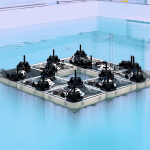
MIT Develops FloatForm Swarm of Autonomous Boats for Adaptive Marine Infrastructure
MIT researchers have unveiled FloatForm, a swarm of 21-centimeter-square autonomous robotic boats capable of self-assembling into floating structures. Each boat is equipped with thrusters, sensors, and a magnetic latching mechanism, allowing them to connect and reconfigure with minimal human intervention. This modular system can adapt to various environments, supporting applications such as emergency response, temporary bridges, and floating markets in waterways across diverse geographies. The significance of FloatForm lies in its decentralized swarm robotics approach, which enables the boats to make local decisions rather than relying on a central controller. This design enhances scalability and efficiency, allowing the robots to navigate and coordinate independently while maintaining robust structural integrity. The innovative magnetic latching system, inspired by origami, allows for reliable connections between boats, facilitating the creation of larger, adaptive structures on water. Future developments will focus on expanding the capabilities of FloatForm for use in canals, rivers, and coastal areas. The researchers aim to deploy larger versions of the robots for various applications, including temporary infrastructure and environmental monitoring. No further timeline was disclosed at the time of publication, but the potential for this technology to transform marine operations is significant, as noted by experts in the field.
AI and Robotics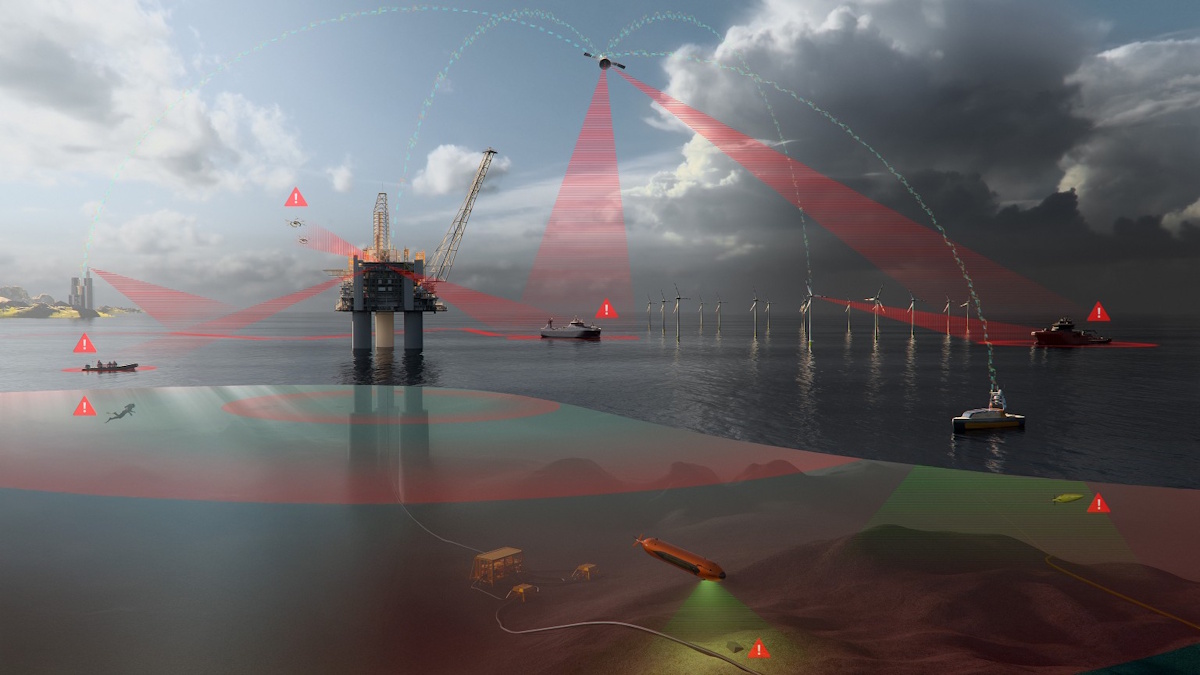
KONGSBERG Wins Contract for Underwater Surveillance of Critical Infrastructure
KONGSBERG has secured a contract to deliver advanced technologies aimed at protecting critical infrastructure, including oil and gas installations and energy grids. The project, which focuses on underwater surveillance, is for an undisclosed international customer and highlights the increasing demand for robust security solutions in a volatile geopolitical environment. The significance of this contract lies in its emphasis on early threat detection and prevention, essential for safeguarding high-value assets. KONGSBERG's technology supports a range of applications, including situational awareness and monitoring, which are crucial for maintaining operational resilience against various threats such as cyber-attacks and natural disasters. Looking ahead, KONGSBERG's ongoing commitment to infrastructure protection will be critical as the market evolves from recognizing needs to implementing effective solutions. No further timeline was disclosed at the time of publication, but the contract underscores the company's capability to address the growing demand for security in critical sectors.
kongsberg contract critical infrastructure protection
ABB Motion President Discusses New Data Center Racks for AI Infrastructure
Brandon Spencer, President of ABB Motion, recently highlighted the company's new portfolio of data center racks aimed at addressing the increasing power and computing demands of AI infrastructure. He noted that the power requirements at the rack level are surging, with deployments expected to reach approximately one megawatt per rack, representing a five to six-fold increase from current levels. This development is significant as it reflects the broader trend of escalating energy needs driven by advancements in AI technologies. The ability to support such high power demands is crucial for data centers to remain competitive and efficient in an era where AI applications are becoming more prevalent. Looking ahead, industry stakeholders should monitor how ABB's innovations will influence data center design and energy consumption practices. No further timeline was disclosed at the time of publication.

Diguo Robotics Raises $400 Million in Series C Funding to Enhance Intelligent Robotics Infrastructure
On September 17, 2026, Diguo Robotics announced the completion of $400 million in Series C funding. This round was led by Future Asset, with participation from major investors including Meituan, Hefei Guotou, and several prominent venture capital firms. The funding aims to strengthen the product layout of Xuri chips and develop a comprehensive software platform that integrates data collection, model training, simulation verification, and inference deployment. The significance of this funding is underscored by Diguo Robotics' impressive revenue growth in the first half of 2026, which saw multiple increases compared to the previous year. The cumulative shipment of Xuri series chips surpassed 8 million units, marking a transition to mass production for their embodied intelligence business. The Xuri S600 chip has gained traction with over 20 leading clients, achieving over 50% customer coverage in the embodied intelligence sector. Looking ahead, Diguo Robotics is poised to play a crucial role in the advancement of embodied intelligence across various applications. Their upgraded DGP Gravity Plan aims to incubate innovative robotics products and support startups throughout the product development lifecycle. No further timeline was disclosed at the time of publication.
Robotics AI Chip Technology Embodied Intelligence
Amazon and Wiwynn Enhance Texas Facility to Support Cloud Infrastructure Growth
Amazon and Wiwynn have expanded their facility in Texas to bolster the hardware and capacity necessary for Amazon's increasing cloud infrastructure across the United States. This expansion is significant as it aligns with the rising demand for cloud services, which has become a critical component of Amazon's business strategy. The enhanced facility will enable Amazon to better serve its customers and maintain its competitive edge in the cloud market. Looking ahead, it will be important to monitor how this expansion impacts Amazon's operational capabilities and its ability to meet the growing needs of its cloud service clients. No further timeline was disclosed at the time of publication.

Tesla Invites Businesses to Explore Cybercab Fleet Purchases and Infrastructure Support
Tesla has released a form for businesses interested in purchasing Cybercab fleets or providing infrastructure for its autonomous vehicle network. This move indicates the company's ambition to expand its operations beyond being a mere robotaxi operator. CEO Elon Musk has long envisioned a large-scale fleet of low-cost robotaxis, initially focusing on personal vehicle ownership but now considering third-party involvement. The interest form suggests that Tesla is exploring partnerships with external companies to enhance its robotaxi network, which could lead to increased market saturation. While the specifics of this collaboration remain undefined, Tesla's shift in strategy may open doors for various businesses to engage in the autonomous vehicle sector. This could potentially accelerate the deployment of robotaxi services in multiple regions. As Tesla continues to test and operate its Cybercab fleet, industry watchers should keep an eye on how this initiative unfolds. The company's willingness to collaborate with third-party operators may reshape the competitive landscape of the robotaxi market, inviting more players to participate and innovate in fleet management solutions.
Transportation autonomous vehicles cybercab Elon Musk robotaxis Tesla
Microsoft Announces Update to Windows Code Signing Infrastructure Ahead of 2026 Changes
On August 20, 2026, Microsoft announced plans to update its Windows code signing infrastructure due to the expiration of the current certification authority on October 19, 2026. This transition will begin in the coming weeks, with a phased enhancement of code signing expected to continue through 2027, including a shift to post-quantum cryptography standards. This update is significant as it addresses potential compatibility issues that may arise from fixed certificates and cryptographic methods in applications. Microsoft has urged IT departments to verify the reliability of signatures using standard Windows APIs and to avoid relying on specific certification authorities or certificate details. Looking ahead, IT administrators are encouraged to ensure that their software sources utilize standard APIs and have plans for post-quantum cryptography compliance. No further timeline was disclosed at the time of publication.
Strategies for Securing Identities During Corporate Restructuring in Cloud Environments
During corporate restructuring, such as mergers or splits, IT teams prioritize the functionality of emails, files, and business applications in the new environment. This focus, while understandable, can lead to significant oversights in identity security, which is crucial for protecting sensitive information. The importance of securing identities cannot be overstated, especially during transitions that involve complex changes to IT infrastructure. Neglecting identity management can expose organizations to security vulnerabilities, making them susceptible to data breaches and unauthorized access. Moving forward, organizations should implement comprehensive identity security strategies that include regular audits and updates to access controls. No further timeline was disclosed at the time of publication.
Business Internet Technology Active Directory automation cloud identity management
Terra Drone Partners with DEFTECH to Enhance Malaysia's Defense and Develop C-UAS Solutions
On August 31, 2026, Terra Drone Corporation announced a strategic collaboration with DRB-HICOM Defence Technologies (DEFTECH) to bolster defense capabilities in Malaysia. This partnership aims to provide ISR drones for maritime, coastal, and border surveillance, alongside counter-UAS solutions and integrated systems for the Malaysian Armed Forces. The significance of this collaboration lies in Terra Drone's strategic positioning within the ASEAN defense market, following its entry into the defense sector in March 2026. The partnership not only enhances Malaysia's defense infrastructure but also establishes the country as Terra Drone's regional hub, with plans for expansion into Thailand, the Philippines, and Indonesia, supported by Japan's Official Security Assistance program. Additionally, Terra Drone has initiated the development of a counter-unmanned aircraft system targeting civilian critical infrastructure, including oil and gas facilities and airports. This system aims to enhance operational safety and integrate with existing security measures, reflecting the growing need for advanced drone defense solutions in light of recent incidents in Europe. No further timeline was disclosed at the time of publication.
Drone News Drone News Feeds News aerospace news 2026 airport C-UAS ASEAN defense market
Microsoft Investigates AI System Breaches Targeting Internal Infrastructure and Security Risks
On August 26, 2026, Microsoft’s Threat Intelligence team released findings on attacks targeting AI-related systems exposed on the internet. They observed three distinct breaches involving an LLM gateway, a RAG infrastructure, and a workflow automation platform, highlighting a structural risk concentrated on the foundational role of these systems. The breaches aimed at stealing authentication credentials, maintaining stealth, and monetizing stolen computing resources through cryptocurrency mining. Microsoft emphasized that these AI infrastructures should be treated with the same vigilance as other critical corporate infrastructures, as they serve as control points for accessing sensitive data and services. To mitigate these risks, Microsoft recommends treating AI gateways as high-security assets, implementing strict authentication measures, and regularly updating systems. The company also suggests monitoring AI infrastructures as control points to detect unusual behaviors that could indicate an attack. No further timeline was disclosed at the time of publication.
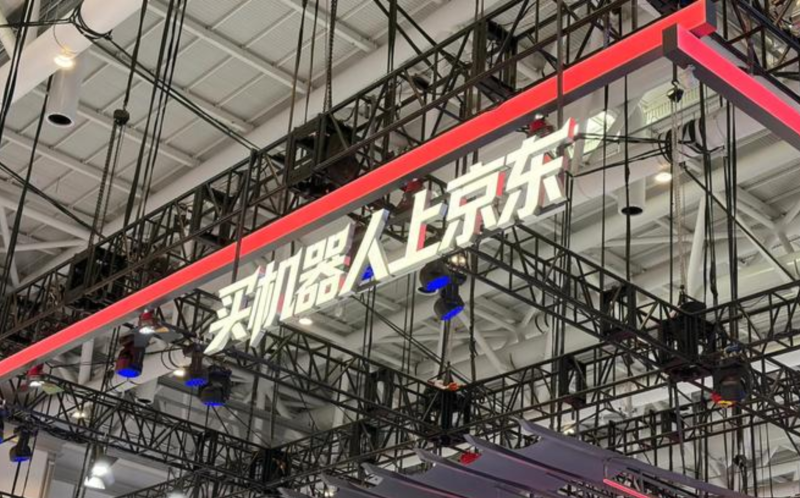
JD.com Unveils Ambitious Robotics Strategy with Billions in Investment by 2028
At the 2026 World Robot Conference, JD.com announced its unique approach to the robotics industry, focusing on infrastructure rather than manufacturing. The company aims to invest over 10 billion yuan in robotics by 2028, establishing a framework that ensures robots are easy to purchase, use, and maintain. This strategy is significant as JD.com plans to assist 100 robot brands in achieving independent sales exceeding 1 billion yuan, while integrating robots into a million end-user scenarios. The company has already partnered with over 200 robot brands and key component manufacturers across various sectors, including retail and logistics. Looking ahead, JD.com will build a global after-sales service network covering over 100 countries and create more than 100,000 service engineer positions. The establishment of 80 RoboBase facilities will connect various stages of robot deployment and maintenance, enhancing the overall ecosystem. No further timeline was disclosed at the time of publication.
Robotics Infrastructure Supply Chain Solutions After-Sales Services Consumer Robotics AI and Data Solutions
Five Essential Metals Driving the Growth of AI Data Center Infrastructure
Artificial intelligence relies heavily on physical infrastructure, particularly data centers that require substantial electrical systems and cooling equipment. A 2026 study indicates that copper is the most critical metal, accounting for 83% of the modeled mineral mass needed for AI data-center infrastructure. Other important metals include gallium, germanium, rare earth elements, and aluminum, each playing a vital role in the AI hardware ecosystem. The significance of these metals extends beyond mere supply; they are integral to the functionality and efficiency of AI systems. For instance, copper's excellent thermal conductivity aids in cooling, while gallium and germanium are essential for semiconductor applications. The concentration of production for these materials, particularly gallium and germanium, raises concerns about supply chain vulnerabilities, which could impact the growth of AI technologies. Looking ahead, the demand for these metals is expected to rise as AI infrastructure expands. The reliance on rare earth elements, particularly from China, poses additional supply risks. As AI processors evolve and generate more heat, the importance of effective thermal management through materials like aluminum will only increase. No further timeline was disclosed at the time of publication.
AI and Robotics
Drones Transform Military and Infrastructure Protection Strategies
Drones are changing the landscape of military operations and the protection of critical infrastructure. They offer innovative solutions for safeguarding deployed forces and government sites, enhancing security measures significantly. The adoption of drones in these sectors is crucial as they provide a non-traditional approach to countering threats. This shift not only improves operational efficiency but also ensures better protection for citizens and vital assets. Looking ahead, the continued evolution of drone technology will likely lead to further advancements in military and infrastructure security. No further timeline was disclosed at the time of publication.
Features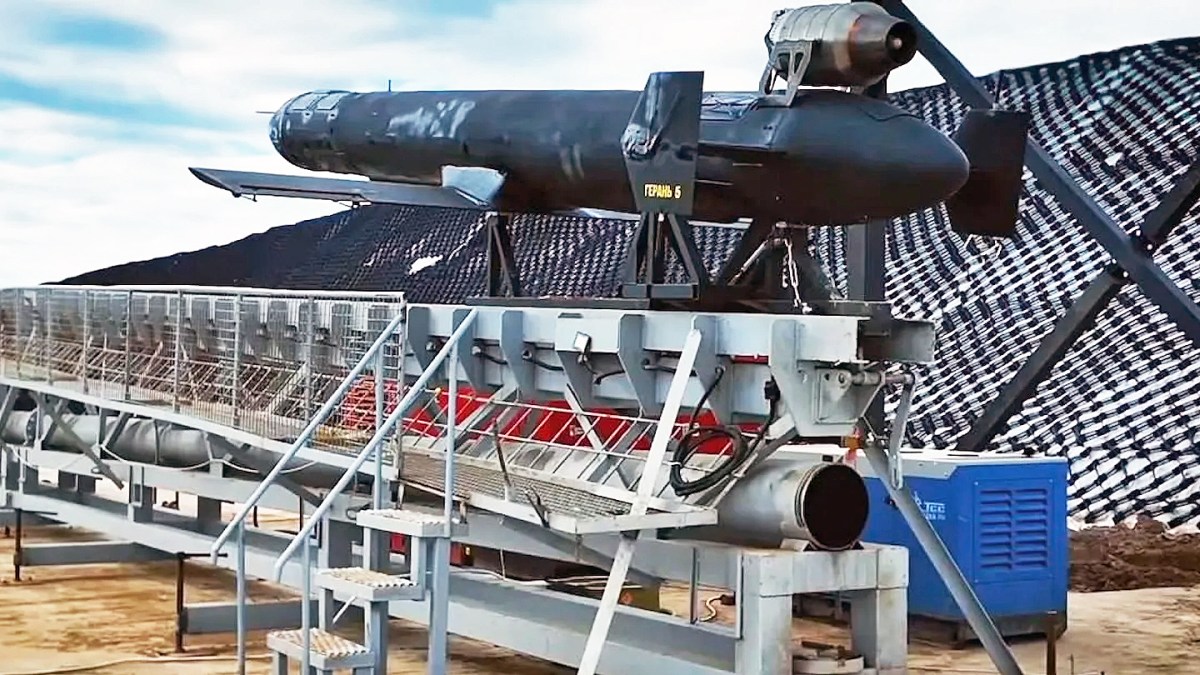
Russia Expands Infrastructure for Long-Range Strike Drones Near Ukraine and NATO
Russia is enhancing its long-range strike drone capabilities by constructing new launch infrastructure, including extended rails for larger Geran variants. This development indicates an increase in Russia's ability to deploy drones from various locations, posing a potential threat to NATO territories. The expansion includes at least 10 bases with 59 launch rails, some already utilized in attacks on Ukraine. The significance of this expansion lies in its implications for regional security, as the new launch sites increase the range of Russian drones, potentially allowing them to target NATO countries. The construction of these facilities, some converted from military bases and civilian airfields, demonstrates Russia's commitment to enhancing its military capabilities amid ongoing tensions in the region. Looking ahead, the focus will be on the operational deployment of these drones and their impact on the conflict in Ukraine and NATO's response. No further timeline was disclosed at the time of publication.
News & Features Around The Globe Drones Europe NATO Russia
Gravis Robotics Secures $200M to Advance Construction Autonomy Amid Infrastructure Expansion
Gravis Robotics has successfully raised $200 million to enhance construction autonomy, responding to the urgent demand for infrastructure expansion. This funding comes at a time when global infrastructure is experiencing significant growth, driven by the need for energy networks and climate-resilient facilities. The urgency for housing, transit, and resilient infrastructure is being amplified by the AI economy, which is creating unprecedented demand for data centers and energy systems. Gravis Robotics aims to leverage this funding to innovate and streamline construction processes, addressing the challenges posed by this rapid expansion. As the construction sector evolves, stakeholders should monitor Gravis Robotics' developments closely. The company's advancements in construction autonomy could play a crucial role in meeting the increasing infrastructure demands. No further timeline was disclosed at the time of publication.

Five Challenges Utilities Face in Deploying Fleet Robots for Power Infrastructure
The deployment of autonomous systems in substations and remote power infrastructure has highlighted a significant gap between laboratory testing and real-world performance. Utilities are currently facing five major hurdles that must be addressed to enable practical fleet automation at scale. These challenges are critical as they impact the efficiency and reliability of power distribution systems. Overcoming these obstacles is essential for utilities to harness the full potential of fleet robots, which can enhance operational capabilities and reduce human error in hazardous environments. Looking ahead, utilities will need to focus on bridging the gap between theoretical models and practical applications. No further timeline was disclosed at the time of publication.

Iran Considers Joining BRICS Development Bank for Infrastructure Financing
Iran is exploring the possibility of joining the New Development Bank (NDB) associated with BRICS. If successful, this membership would allow Iran to access funding for various infrastructure projects, including those in transportation, sanitation, and urban development. The potential membership is significant as it would provide Iran with financial resources to enhance its infrastructure capabilities. This move could help address pressing needs in urban development and public services, which are crucial for the country's economic growth and sustainability. As Iran pursues this opportunity, stakeholders will be watching closely to see how this membership could impact its infrastructure projects and overall economic strategy. No further timeline was disclosed at the time of publication.

New 5G-Based System Enables Real-Time Drone Tracking Using Existing Infrastructure
The United States is testing an innovative method to detect drones by utilizing its existing 5G networks. Lockheed Martin, along with its partners, showcased this technology near Miami in July, demonstrating how commercial wireless infrastructure can effectively support drone detection in busy environments. The system, named NetSense Airspace Awareness-as-a-Service, analyzes radio-frequency disturbances to identify and track unmanned aircraft. This development is significant as it provides airports, hospitals, power plants, and government facilities with an additional layer of airspace protection. The technology not only helps monitor drone activity around sensitive locations but also leverages existing cellular networks, making large-scale deployment more feasible for infrastructure operators. The collaboration of Verizon, ODC, NVIDIA, and Keysight Technologies highlights the potential of integrating various commercial technologies to enhance drone detection capabilities. Looking ahead, the open architecture of the NetSense system allows for future expansions as new technologies emerge. During the Miami demonstration, the system successfully detected a drone and maintained tracking custody, underscoring its effectiveness as the prevalence of drones in populated areas continues to rise. No further timeline was disclosed at the time of publication.
Innovation
RUM Group Reports Record Revenue Amid $3 Billion AI Infrastructure Opportunity
RUM Group has announced record quarterly revenue, attributed to its strategic move into AI infrastructure following the acquisition of Northern Data. CEO Chris Pavlovski highlighted the company's Quake AI business and its efforts to monetize over 250 megawatts of power capacity, projecting a significant $3 billion annual revenue opportunity. This development is crucial as it underscores RUM Group's commitment to leveraging its resources in the burgeoning AI sector, particularly in robotics. The integration of the Rumble video platform is seen as a competitive advantage, positioning the company favorably as AI technologies continue to evolve and expand. Looking ahead, stakeholders should monitor RUM Group's progress in capitalizing on its AI initiatives and the potential revenue growth from its Quake AI business. No further timeline was disclosed at the time of publication.
Robotics needs a service framework.
RSF defines a common language for robot service capability, lifecycle operations, certification pathways, and service-provider networks.
Join the RobotToday community on LinkedIn
Daily robotics news, in-depth analysis, conference highlights, and discussions with professionals worldwide.







