Industry Briefing
A single destination for timely, editor-curated robotics news from around the world.

Starmind's Orbital Compute vs. Terrestrial Data Centers: Analyzing Resource Advantages
Starmind's orbital compute technology presents a significant advantage over traditional ground-based data centers by eliminating constraints related to land, water, and grid permitting. While terrestrial data centers are currently cheaper and faster to construct, with U.S. data center spending reaching $85.3 billion in 2026, Starmind's approach focuses on addressing the growing resource limitations faced by hyperscale facilities. The significance of Starmind's technology lies in its ability to sidestep the increasing challenges of land and water usage. For instance, a 100 MW data center can consume approximately 530,000 gallons of water daily for cooling, while Starmind's AI1 utilizes deployable liquid radiators that require no water. This structural advantage could resonate with investors as the demand for AI computing continues to escalate, potentially leading to annual water withdrawals of up to 1.7 trillion gallons by 2027. Looking ahead, Starmind's next milestones include the launch of AI1 prototypes scheduled for early 2027. However, the technology's claims regarding cooling efficiency and operational reliability remain unverified until real flight data is available. As the industry evolves, the competition between orbital and terrestrial solutions will become increasingly relevant, particularly in the context of resource management and sustainability.
Oak Ridge National Lab reveals ‘hidden workforce’ behind AI-powered research facilities
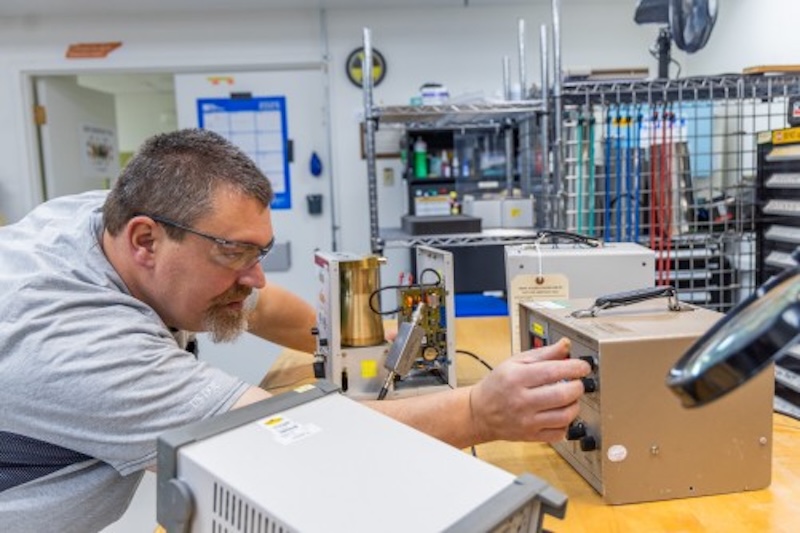
By Clint Keaton Behind every self-driving laboratory at the US Department of Energy’s Oak Ridge National Laboratory is a team most people never see. Facilities and Operations (F&O) workers are building and maintaining the infrastructure that makes autonomous science possible. Autonomous labs run with little human intervention. Instead, they rely on robotics, sensors and automation […]
Autonomous Vehicles Features Science artificial intelligence autonomous laboratories autonomous science
Endress+Hauser Expands U.S. Presence with New Facilities
A company has expanded its operations by opening two new facilities in the United States, a move designed to improve customer proximity and foster better collaboration with its sales and service representative partners. This strategic initiative reflects the company's commitment to enhancing its service delivery and operational efficiency. The new locations are expected to facilitate closer interactions with clients, ultimately aiming to strengthen business relationships and drive growth.
Factory / Digital Transformation
Schneider Electric Announces its U.S. Facilities are NEMA Certified
A company has achieved certification for its supply chain facilities under the NEMA Make it American domestic-content certification program. This certification underscores the company's commitment to promoting American-made products and supporting domestic manufacturing. By adhering to the standards set forth by the National Electrical Manufacturers Association (NEMA), the company aims to enhance its credibility and appeal to consumers who prioritize domestic sourcing. This initiative reflects a broader trend in the industry, as businesses increasingly recognize the importance of local production in fostering economic growth and sustainability. The certification process involved rigorous assessments to ensure compliance with the program's criteria, demonstrating the company's dedication to quality and transparency in its supply chain operations.
Factory / Digital Transformation
UAE Building Massive ‘Cope Cages’ To Protect Energy Facilities From Iranian Drone Attacks
In response to a series of Iranian missile and drone attacks that have significantly damaged its oil and gas infrastructure, the United Arab Emirates is undertaking a major initiative to enhance the security of its energy facilities. The UAE is constructing large protective structures known as "cope cages" to safeguard these critical sites from future assaults. This proactive measure aims to bolster the resilience of the country's energy sector amid escalating tensions in the region. The decision reflects the UAE's commitment to ensuring the safety and stability of its vital resources in the face of ongoing threats.
News & Features Around The Globe Drones Iran Land Middle East
Boeing plans $1B investment in Kansas facilities
Boeing is enhancing its operations at the Spirit AeroSystems fuselage plants in Wichita as part of its strategy to increase monthly production of the 737 Max from 42 to 47 aircraft this summer. This integration effort aims to streamline manufacturing processes and meet rising demand for the popular aircraft model. The move comes as the aviation industry continues to recover from the impacts of the pandemic, prompting manufacturers to boost output to satisfy customer orders. Boeing's focus on improving efficiency and production capabilities at its Wichita facilities reflects its commitment to scaling operations in response to market needs.

Tesla's Optimus Robots to Support Starmind Satellite Production, Not Maintenance
Tesla's Optimus robots will not be used to repair Starmind satellites in orbit, as confirmed by recent statements from Elon Musk. Instead, these robots are intended to assist in the construction and operation of the Terafab chip manufacturing facility in Texas. The AI1 satellites, designed to disintegrate upon reentry, highlight the company's swap-and-replace strategy rather than traditional maintenance practices. This approach is significant as it reflects a broader trend in satellite management, where mass-produced satellites are replaced rather than repaired. The economics of servicing missions are prohibitive, with the cost of launching a replacement satellite being significantly lower than conducting a repair mission. This model aligns with SpaceX's operational history, where rapid replacement of satellites is more efficient than attempting to maintain them in orbit. Looking ahead, the focus will remain on the production capabilities of the Gigasat factory, which is expected to support the continuous replacement of satellites. No further timeline was disclosed at the time of publication, but the demand for rapid satellite turnover suggests a robust future for Optimus robots in terrestrial manufacturing rather than in-space servicing.

Starmind's Satellite Technology Achieves 880 Billion Liters in Annual Water Savings
Starmind has announced that its satellite technology can save approximately 880 billion liters of cooling water annually at full scale. This figure is equivalent to the annual household water use of around 6.5 million Americans. The technology operates by utilizing a closed-loop liquid cooling system that eliminates the need for water during its operational life, contrasting sharply with traditional ground data centers that consume vast amounts of water for cooling. The significance of this achievement lies in the growing water consumption crisis faced by data centers, particularly as AI expansion drives demand. In 2025, U.S. data centers consumed nearly one trillion liters of water, highlighting the urgent need for sustainable solutions. Starmind's approach not only addresses direct water usage but also avoids indirect water consumption associated with electricity generation, marking a substantial shift in how computing can be conducted in a resource-efficient manner. Looking ahead, Starmind's deployment strategy includes a projected buildout of 100 GW of orbital compute per year, which could displace an additional 735 billion liters of ground water demand annually. The first tranche of 10,000 satellites is already operational, offsetting approximately 8.8 billion liters of water per year. No further timeline was disclosed at the time of publication.
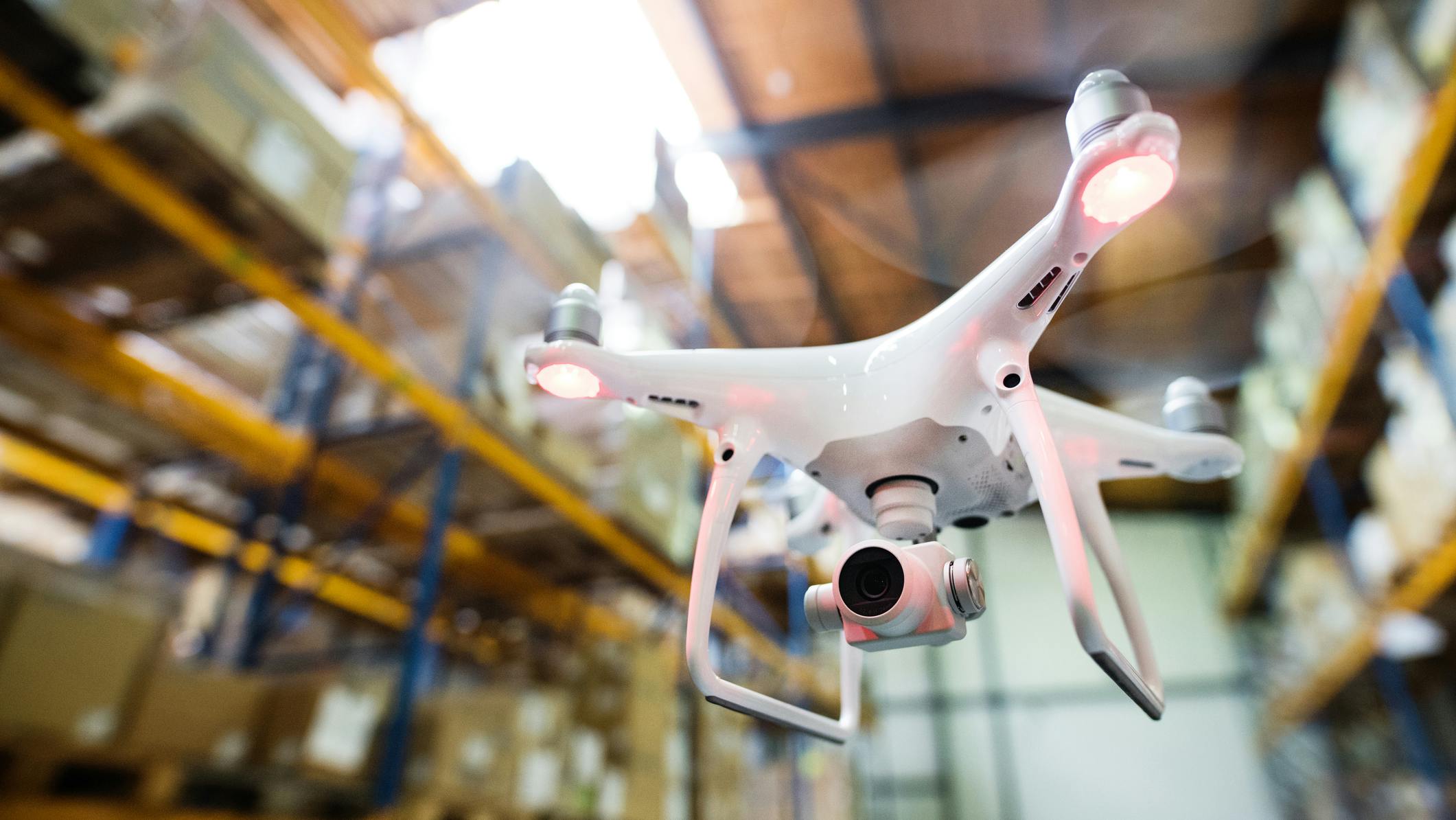
Drones Gain Altitude in Manufacturing Facilities (and Challenges Emerge)
As technology continues to advance, the landscape of cybersecurity is becoming increasingly complex, prompting a surge in concerns over data protection. Experts emphasize that the rapid evolution of digital tools and platforms is leading to heightened vulnerabilities, making it essential for organizations to adopt more sophisticated data integration strategies. This shift is particularly critical as businesses strive to safeguard sensitive information against a backdrop of rising cyber threats. The urgency for improved cybersecurity measures has never been more pronounced, with stakeholders across various sectors recognizing the need to enhance their defenses. As a result, companies are investing in advanced technologies and training to bolster their cybersecurity frameworks, ensuring they can effectively respond to emerging risks and protect their data assets.
Technology and IIoT / Emerging Technologies
Logistics Industry Investments Indicate Strong Future Confidence
The logistics industry is showcasing a robust investment trend, with companies announcing new warehouse developments and technology projects across Europe. This reflects a strong confidence in future demand and the importance of efficient supply chains for business success. Investment in automation is crucial, but companies are prioritizing solutions that integrate with existing operations and provide clear returns on investment. This pragmatic approach highlights the maturity of the logistics market, as businesses also focus on resilience alongside efficiency to handle disruptions. As the year progresses, the industry is expected to continue its steady evolution, with new facilities, partnerships, and improved transport networks. These developments may not always make headlines but are essential for strengthening supply chains and enhancing overall capabilities in logistics.
AI AMR and AGV Automation Systems and Shuttles Couriers and Express IT in Logistics Materials Handling
Evaluating Office Relocation Versus Refurbishment for Business Growth
As businesses grow, they often face the decision of whether to relocate to a new office or refurbish their current space. Both options can enhance productivity and employee satisfaction, but they come with distinct advantages and challenges. Factors such as available space, budget, and business objectives play a crucial role in determining the best course of action. Investing in office refurbishment can modernize workspaces without the disruption of moving, allowing for improvements like flexible workspaces, better lighting, and upgraded facilities. These changes can create a more comfortable and professional environment for employees and clients alike. However, it is essential to assess whether the current office is genuinely limiting business operations or if minor adjustments could suffice. Consulting with workplace experts can provide valuable insights into optimizing existing spaces and identifying efficiency opportunities. Staying in the same location allows employees to maintain familiar routines and access to local amenities. However, if refurbishment cannot resolve fundamental issues, relocation may be necessary. No further timeline was disclosed at the time of publication.
Business Infrastructure business operations commercial property employee experience facilities management
Humanoid Robots Excel in Medical Procedures Ahead of Nature Publication
A humanoid robot developed by the Advanced Robotics and Controls Lab at UC San Diego has successfully performed various medical procedures, including the first-ever live minimally invasive surgery, as reported in Nature. This robot, named Yush, demonstrated capabilities in physical examinations, emergency interventions, and fine-needle surgeries, showcasing its potential in clinical settings. The significance of this development lies in the robot's ability to replicate core human medical operations, which could revolutionize healthcare delivery. The lab's focus on humanoid robots aims to create systems that can autonomously operate in hospital environments, utilizing multi-fingered and multi-armed tools to perform a wide range of tasks without the need for specialized equipment. Looking ahead, the lab is exploring the challenges of maintaining stability while the humanoid robot is in motion, which is crucial for its effectiveness in real-world medical scenarios. The ongoing research indicates that humanoid robots could eventually handle nearly all medical tasks independently, enhancing operational efficiency in healthcare facilities. No further timeline was disclosed at the time of publication.
Humanoid Robots Surgical Robotics Medical Automation AI in Healthcare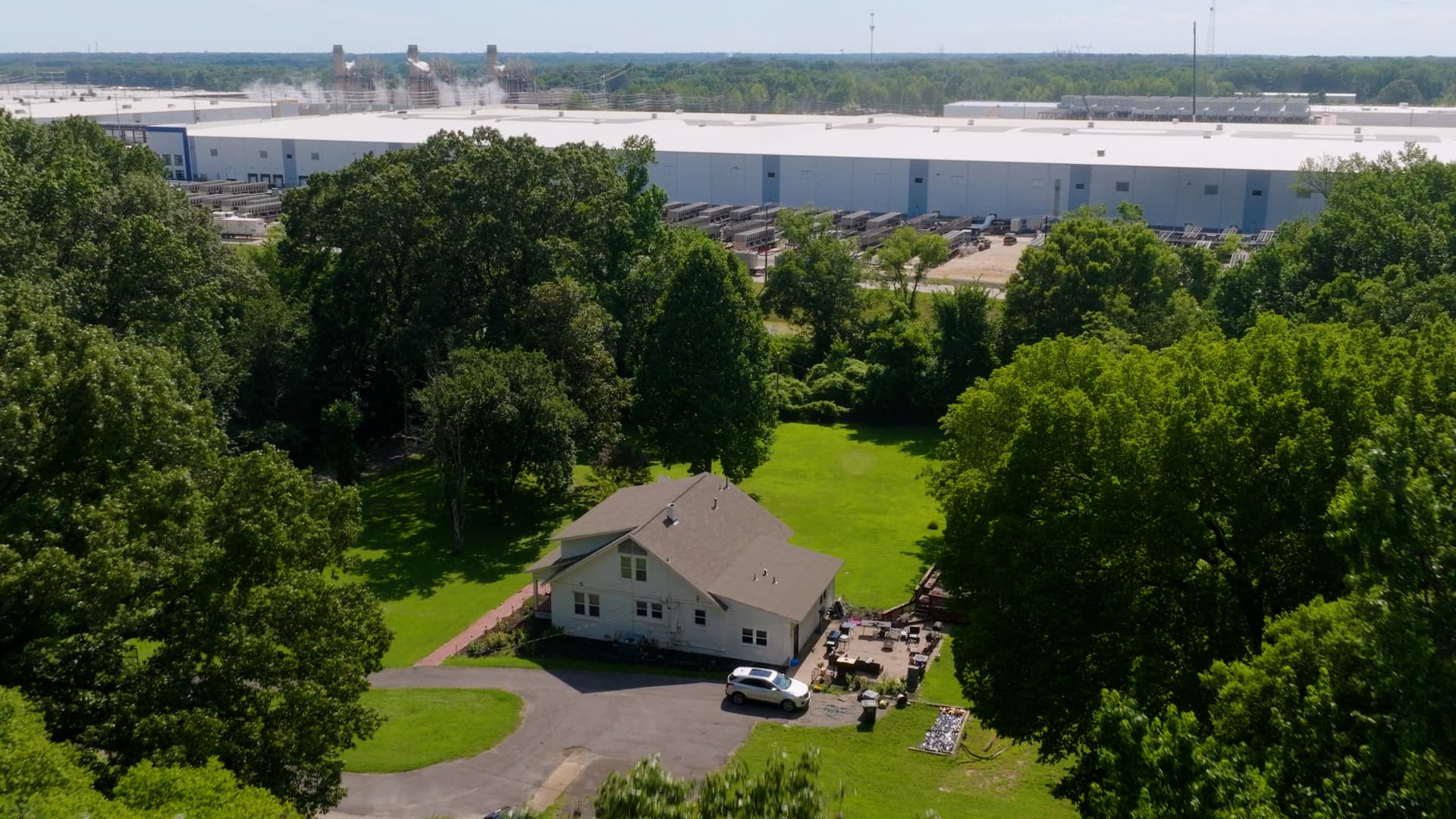
Elon Musk's AI Data Centers in Memphis Spark Nationwide Backlash Against Development
Elon Musk's rapid establishment of AI data centers in Memphis has led to significant local discontent due to noise and emissions from gas-burning turbines. This situation has become a cautionary example for other communities facing similar developments, prompting protests and policy proposals across the U.S. Public opposition is growing against data centers from major tech companies, with a recent Gallup poll indicating that 70% of Americans oppose local AI data center construction. The backlash against Musk's SpaceXAI facilities, Colossus and Colossus II, highlights the challenges of balancing technological advancement with community concerns. Local residents report feeling ignored during the planning stages, and many are now involved in legal actions against SpaceX. The controversy has also influenced state-level policies, such as New York's moratorium on AI data center construction and New Jersey's legislation requiring fair electricity costs for data center operators. As the debate over AI data centers continues, stakeholders are watching for further developments in regulations and community responses. The experiences of Memphis residents serve as a blueprint for other areas grappling with the implications of such facilities, emphasizing the need for better engagement and consideration of local impacts in future projects. No further timeline was disclosed at the time of publication.

Amano Launches RAPiiTT, a New Commercial Robot Vacuum for Enhanced Cleaning Automation
Amano Corporation launched the RAPiiTT commercial robot vacuum on July 16, 2026, aimed at enhancing cleaning efficiency in various facilities such as offices, commercial spaces, hospitals, and airports. This product leverages Amano's extensive experience in cleaning robot deployment since 2014, integrating advanced AI and autonomous navigation technologies developed by Preferred Robotics. The RAPiiTT is designed to automate cleaning tasks across multiple floors, reducing the need for manual labor in transporting equipment between floors. It features LiDAR for obstacle detection, ensuring safe navigation around people and objects. With a cleaning width of 500mm and a noise reduction design, it operates effectively in noise-sensitive environments, making it suitable for offices and commercial facilities. Looking ahead, the RAPiiTT's integration with the AMANO Robot Cloud allows for real-time management of multiple units, streamlining operations for facility managers. No further timeline was disclosed at the time of publication.
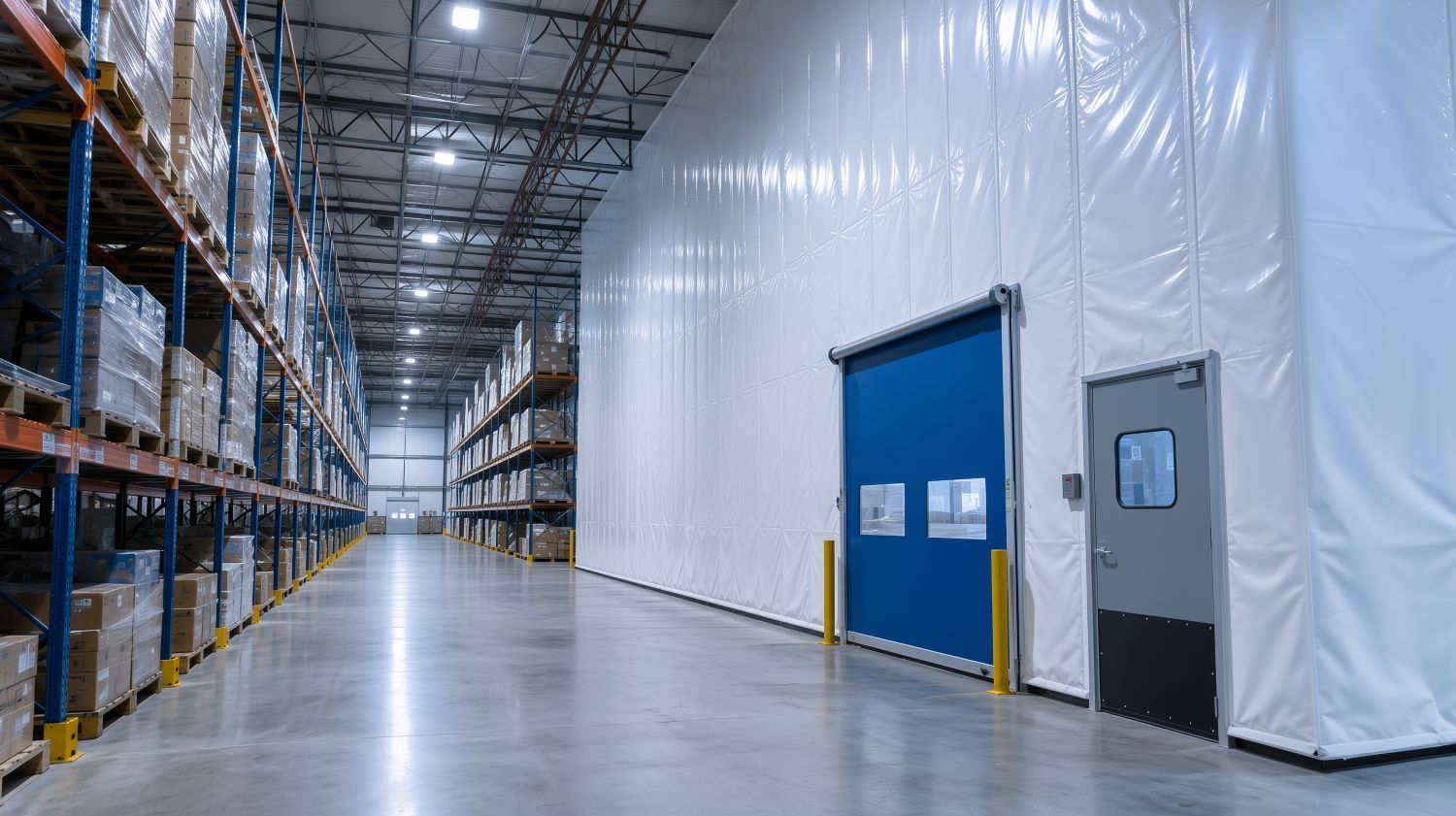
Zone Separation Innovations Could Enhance Cold Chain Efficiency in the UK
The UK, holding the largest cold storage market in Europe, faces significant challenges as cold-chain energy costs surged by 46% in 2023. The Cold Chain Federation highlights that the temperature-controlled sector contributes £14 billion to the economy, making energy management a critical operational factor for logistics operators. A major energy drain in distribution centers arises from the movement of goods between temperature zones, with air infiltration accounting for over half of the refrigeration load in high-traffic facilities. Implementing physical zone separation, such as temperature-separating curtain walls and PVC strip curtains, can significantly reduce energy loss by minimizing uncontrolled air exchange. As the cold chain sector moves towards energy efficiency, particularly in light of the UK's 2050 Net Zero target, the adaptability of curtain systems offers a practical solution. These systems allow for flexible reconfiguration of temperature zones without extensive construction, aligning with the industry's evolving needs while promoting energy savings without major facility overhauls. No further timeline was disclosed at the time of publication.
Cold Chain Logistics Storage & Racking Transport and Distribution Warehouse Property Warehousing cold chain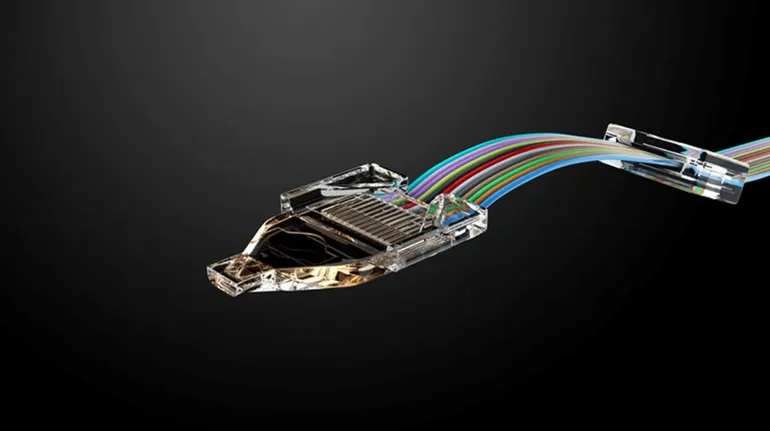
Microsoft and 3M Collaborate on AI and Data Center Research and Development
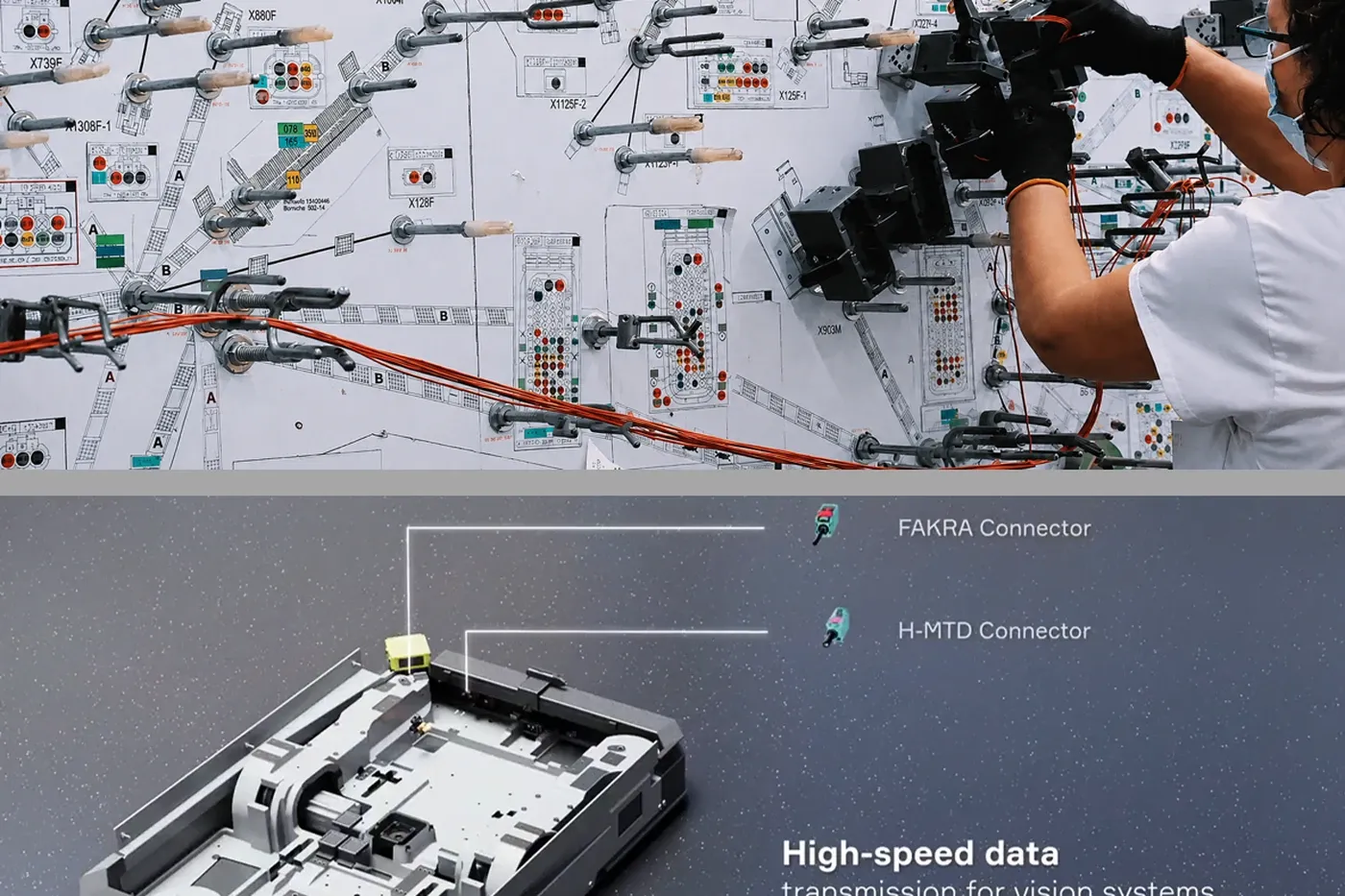
Microsoft and 3M have announced a partnership aimed at accelerating AI adoption and enhancing the physical networks necessary for cloud growth and AI workloads. This collaboration will focus on research and development related to Microsoft’s data center and device marketplace, leveraging 3M's expertise in electronic components and materials science. The significance of this partnership lies in Microsoft's ambitious plans to invest approximately $80 billion in AI-enabled data centers by January 2025, which will support the training of large language models and the deployment of machine intelligence. Currently, Microsoft operates over 400 data centers globally, with the first of two new facilities in Mount Pleasant, Wisconsin, now fully operational. Looking ahead, both companies are part of the Expanded Beam Optics Multi-Source Agreement Group, which aims to advance open specifications for EBO connectivity products in the AI market. 3M is also expanding its manufacturing capacity for high-speed interconnects, responding to increased demand from hyperscalers and ensuring a reliable supply chain for AI data centers. No further timeline was disclosed at the time of publication.

SWLP Expands Drone Delivery Network for Pathology Samples in Southwest London
South West London Pathology (SWLP) is broadening its drone delivery program after a successful pilot that transported thousands of pathology samples. This initiative, developed with Apian and Wing, is now integral to SWLP's logistics strategy, potentially serving hospitals and primary care sites across southwest London. The significance of this expansion lies in its ability to enhance medical logistics, particularly for time-sensitive deliveries. Drones have proven to be up to 85% faster than traditional ground transport, allowing clinicians to receive test results sooner, which is crucial for patient care. SWLP serves around 1.8 million people and processes approximately 51 million samples annually, making efficient logistics essential. Looking ahead, SWLP plans to extend drone operations to additional hospitals and primary care facilities, further integrating this technology into healthcare logistics. No further timeline was disclosed at the time of publication.
Applications Delivery Drone News Drone News Feeds News Apian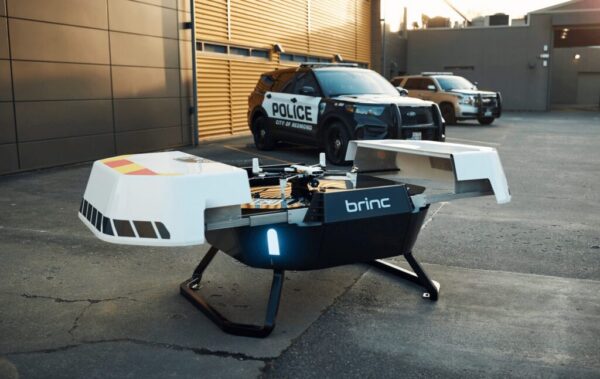
BRINC Secures $125 Million Funding Round Led by Motorola Solutions for Public Safety Drones
BRINC, a Seattle-based public safety drone manufacturer, announced on July 14, 2026, that it has secured a $125 million financing round led by Motorola Solutions. This investment raises BRINC's total capital to over a quarter billion dollars and aims to deploy a BRINC 911 response drone at every police and fire station across the U.S., targeting 80,000 facilities. The funding will enable BRINC to expand its domestic manufacturing, launch new products, and scale its go-to-market operations. The company plans to move into a facility three times the size of its current factory by the end of 2026 to meet the increasing demand from public safety agencies. In 2025, BRINC tripled its revenue and quintupled its monthly production capacity, signing nearly four times as many contracts for 911 response drones in 2026 compared to the previous year. Looking ahead, BRINC's founder Blake Resnick emphasized the importance of situational awareness in emergencies, stating that their drones provide critical information before first responders arrive. The company is also collaborating with the National League of Cities for a nationwide rollout of drone first response (DFR) initiatives. No further timeline was disclosed at the time of publication.
DFR Drone News Drone News Feeds News Public Safety 80000 stations
Cellebrite Enhances Drone Investigation Platform with SkySafe Partnership
Cellebrite has expanded its partnership with SkySafe to enhance its drone investigation platform by integrating real-time drone detection and airspace intelligence. This collaboration aims to streamline the process of connecting aerial incidents with digital evidence stored on drones, facilitating a more comprehensive investigation. This development is significant as unauthorized drone activity poses increasing risks around critical infrastructures such as airports and correctional facilities. By combining SkySafe's technology with Cellebrite's forensic capabilities, investigators can monitor drone activity in real-time and analyze evidence more effectively, potentially improving the speed and accuracy of investigations. Looking ahead, Cellebrite's integration of live airspace intelligence with forensic data positions it as a key player in the drone investigation market. As drone usage continues to rise, the ability to quickly correlate aerial events with digital evidence will be crucial for law enforcement agencies in addressing drone-related incidents efficiently. No further timeline was disclosed at the time of publication.
News
Civil Liberties Groups Urge FAA to Amend Drone Rule to Protect Journalism
A coalition of civil liberties organizations, including the ACLU and EFF, is advocating for amendments to a proposed FAA rule that could limit drone flights over critical infrastructure. They argue that overly broad restrictions could hinder independent journalism and the use of drones for news-gathering. The FAA has extended the comment period for the proposed rule, which has garnered significant public feedback, highlighting the need for a balance between security and journalistic freedom. The proposed Section 2209 of the FAA Extension, Safety and Security Act of 2016 aims to allow facilities like prisons and nuclear plants to impose flight restrictions. However, the ACLU and other groups warn that such measures could create a confusing landscape of regulations that stifles First Amendment-protected activities. They emphasize the importance of considering journalistic uses of drones in the rule-making process. As the FAA continues to receive comments on the proposed rule, the implications for drone journalism remain a critical concern. Advocacy groups have pointed to past instances where drone footage has exposed wrongdoing, underscoring the need for protections that allow journalists to operate freely while addressing legitimate security concerns. No further timeline was disclosed at the time of publication.
Drone News Drone News Feeds FAA Feature 1 News Selected - FAA and Regulations
U.S. Military Deploys Saronic Corsair Drone Boats in Combat Operations for the First Time
For the first time in U.S. military history, uncrewed surface vessels (USVs) were utilized as a strike weapon during combat on July 12. The U.S. Central Command (CENTCOM) reported that three Saronic Corsair USVs targeted Iranian facilities, marking a significant advancement in naval warfare technology. This development is crucial as it reflects the evolving nature of military strategy, particularly in the context of ongoing tensions between the U.S. and Iran over the Strait of Hormuz. The successful strikes against Iranian targets demonstrate the potential of USVs to enhance operational capabilities while reducing the risk to manned aircraft and crews. Looking ahead, the operational use of USVs in combat roles may reshape naval engagements and strategies. The U.S. Navy's Task Force 59, established to integrate uncrewed and AI technologies, is likely to continue exploring these capabilities, which could lead to further innovations in military operations.
Sea Around The Globe Iran Middle East News & Features POTUS
Logic Robotics Unveils Logic Pallet: A Breakthrough in Autonomous Mobile Logistics
Logic Robotics has introduced the Logic Pallet, the first mobile robot designed for multifacility logistics automation. This innovative solution aims to enhance the efficiency of logistics and material handling across various industries. The Logic Pallet is engineered to automate the movement of goods both between and within facilities, providing a comprehensive end-to-end automation solution. This advancement supports a fully autonomous, data-driven, and sustainable global supply chain, marking a significant step forward in logistics technology. As the logistics industry continues to evolve, the introduction of the Logic Pallet sets a new standard for automation. Stakeholders should monitor its deployment and impact on supply chain efficiency, as well as its potential to reshape logistics operations in the future. No further timeline was disclosed at the time of publication.
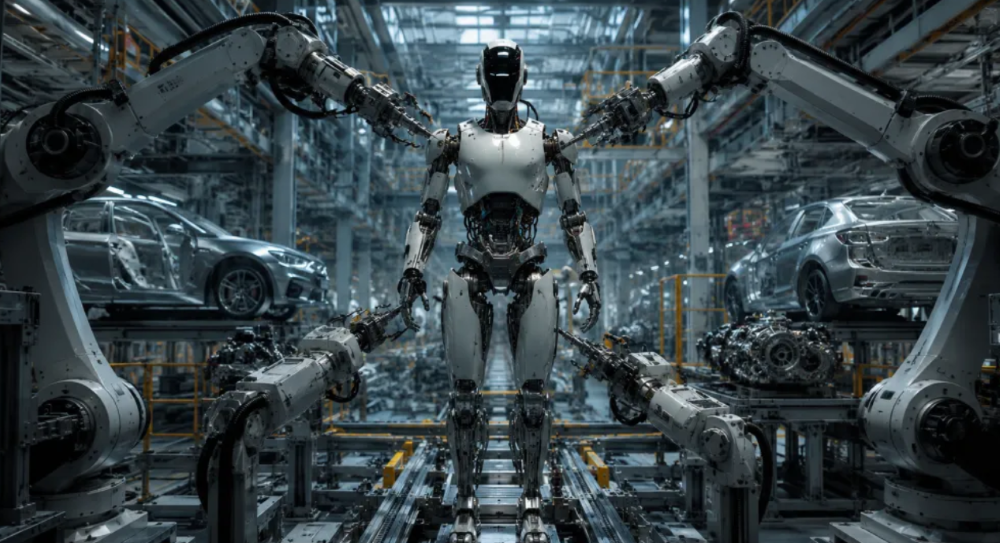
Mitsubishi Motors to Begin Mass Production of Humanoid Robots by 2027
Mitsubishi Motors has announced plans to start mass production of humanoid robots at its factory in Japan by 2027. In collaboration with the Tokyo University startup Highlanders, the company aims to produce 1,000 units per month initially, utilizing existing space in its Kyoto engine plant. The robots will first be deployed in Mitsubishi's own facilities for tasks such as parts handling and engine assembly. This initiative is a response to Japan's aging population and the resulting labor shortages in the manufacturing sector, prompting a shift towards automation. By developing these robots for internal use, Mitsubishi aims to address its own workforce challenges before considering external sales. The humanoid robots, standing approximately 175 cm tall, will feature stable walking and grasping capabilities, controlled by an AI system. As the global humanoid robot market is projected to reach $729 billion by 2050, Mitsubishi's production plans represent a significant step for a traditional automaker entering this space. The company's pragmatic approach of first utilizing the robots internally reflects its strategy to tackle labor shortages while exploring future market opportunities. No further timeline was disclosed at the time of publication.
Humanoid Robots Manufacturing Automation AI Technology Robotics
BayCare Partners with Zipline for Drone Delivery Network in Tampa Bay by 2027
BayCare, the largest not-for-profit academic health-care system in West-Central Florida, has announced a partnership with Zipline to establish a drone delivery network. This system is expected to be operational by late 2027, initially focusing on high-volume hospital and laboratory locations in the St. Petersburg/Clearwater area. The network will facilitate the delivery of medical supplies and equipment between BayCare facilities, with plans to expand to patient homes in the future. The collaboration aims to enhance the speed and efficiency of transporting critical health-care items, addressing the needs of BayCare's extensive network of 16 hospitals and numerous other facilities. Zipline's drones are designed to operate autonomously, making precise deliveries even in adverse weather conditions. This initiative is expected to reduce delivery-related emissions and traffic congestion while providing a reliable service for time-sensitive items. Looking ahead, the project will begin with select BayCare facilities in Pinellas County, where the concentration of patient activity is highest. Future expansions across the entire Tampa Bay area are planned, although no further timeline was disclosed at the time of publication. The partnership leverages Zipline's FAA Part 135 air carrier certification, enabling BVLOS flights for commercial deliveries.
Applications Delivery Drone News Drone News Feeds News autonomous delivery
Atlas Core of Engineers Enhances Semiconductor Resiliency with PROFINET Networking Solutions
Atlas Core of Engineers, an industrial-controls firm, is collaborating with semiconductor companies to improve operational resiliency through advanced automation. By retrofitting existing facilities and establishing new ones, Atlas aims to minimize downtime in a sector where interruptions are intolerable. Ahmad Jodeh, the firm's owner, emphasizes the importance of PROFINET technology in overcoming the limitations of traditional PROFIBUS systems, particularly in terms of bandwidth and troubleshooting. The semiconductor industry is undergoing significant changes, driven by global competition and technological advancements. U.S. manufacturers are investing heavily in domestic chip production, spurred by incentives from the CHIPS and Science Act. This shift is prompting companies to enhance their automation capabilities to maintain competitiveness, with PROFINET playing a crucial role in achieving higher efficiency and reliability in operations. As semiconductor firms transition to PROFINET, they are leveraging its network redundancy features to ensure continuous operation. This capability allows for the establishment of multiple communication routes, which is vital in preventing downtime. The ongoing evolution in the semiconductor landscape highlights the need for innovative solutions that can adapt to rapid changes while ensuring operational integrity.
Factory / Digital Transformation
U.S. Air Force F-22 Raptors Return to UK After Combat Missions in Israel
Ten F-22 Raptors from the U.S. Air Force arrived at RAF Fairford in the UK on Friday after a deployment at Ovda Air Base in Israel. The jets, part of the 1st Fighter Wing from Langley Air Force Base, participated in operations against Iranian targets, including air defenses and nuclear facilities, from late February to early March 2023. During this period, they executed over 200 combat sorties while remaining undetected by Iranian radar systems. The significance of this deployment lies in the F-22 Raptors' advanced capabilities, which allowed them to penetrate defended airspace and deliver precision strikes on strategic Iranian infrastructure. U.S. Central Command reported that the Raptors utilized GBU-39/B Small Diameter Bombs and GBU-32 Joint Direct Attack Munitions, coordinating with B-2 Spirit bombers and EA-18G Growler jets to effectively overwhelm Iran's air defenses. This operation reflects the ongoing tensions in the Middle East and the U.S. military's strategic response. Looking ahead, the U.S. military's movements in the region indicate a continued focus on countering Iranian threats. The recent increase in hostilities between the U.S. and Iran, including attacks on multiple fronts, suggests that further military actions may be anticipated. No further timeline was disclosed at the time of publication regarding future deployments or operations involving the F-22 Raptors.
Air Air Forces Around The Globe Europe F-22 Fighters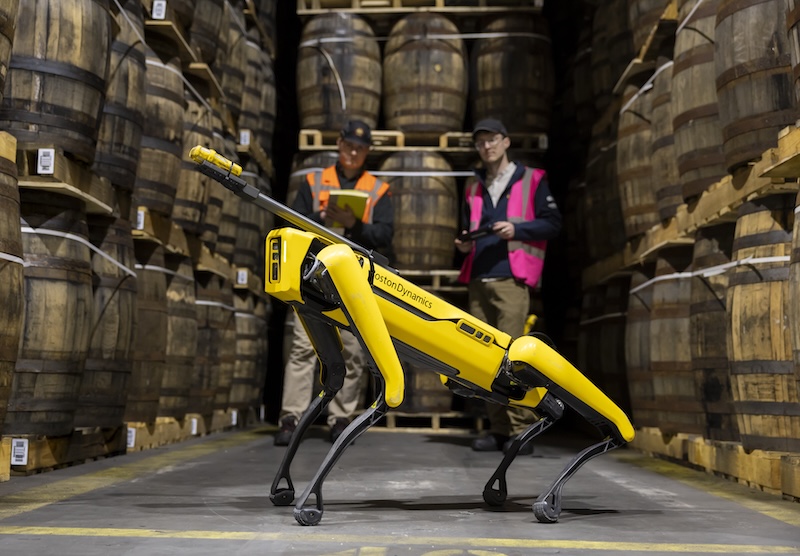
Opinion: Why robot dogs are leading the pack in factory floor efficiency
By Andrew Hamilton, head of the Digital Process Manufacturing Centre (DPMC) at the National Manufacturing Institute Scotland (NMIS) Manufacturing facilities today are sprawling, interconnected environments where equipment operates continuously and processes stretch across large physical footprints. From factory floors and plant rooms to service corridors and external assets, engineering teams need clear visibility across areas […]
Features Industry Autonomous robots boston dynamics spot digital manufacturing factory inspections
SpaceX Proposes 1 Million AI Satellites to Address Ground Data Center Constraints
On January 30, 2026, SpaceX filed with the FCC to launch up to 1 million AI compute satellites, positioning orbital data centers as a solution to the increasing demand for AI computing power. Ground data centers are facing significant challenges, with energy consumption projected to reach approximately 1,050 TWh in 2026, making them the fifth-largest electricity consumer globally. The demand for new data center capacity is outpacing the growth of power generation infrastructure, leading to a critical bottleneck in the grid system. The significance of this initiative lies in the structural constraints faced by ground data centers, including power delivery limitations, high water consumption, and local opposition to new projects. The Uptime Institute's 2026 outlook identifies power as the primary constraint on data center growth, with capacity clearing prices in the PJM grid skyrocketing to $329.17/MW, driven by data center expansion. Additionally, cooling requirements are becoming increasingly unsustainable, with facilities consuming vast amounts of water, further complicating their operational viability. Looking ahead, SpaceX's orbital AI compute initiative aims to circumvent these challenges by leveraging the advantages of space, such as continuous solar power and minimal local opposition. The first AI prototypes are expected to launch in early 2027, with operational deployments planned for 2028. No further timeline was disclosed at the time of publication.
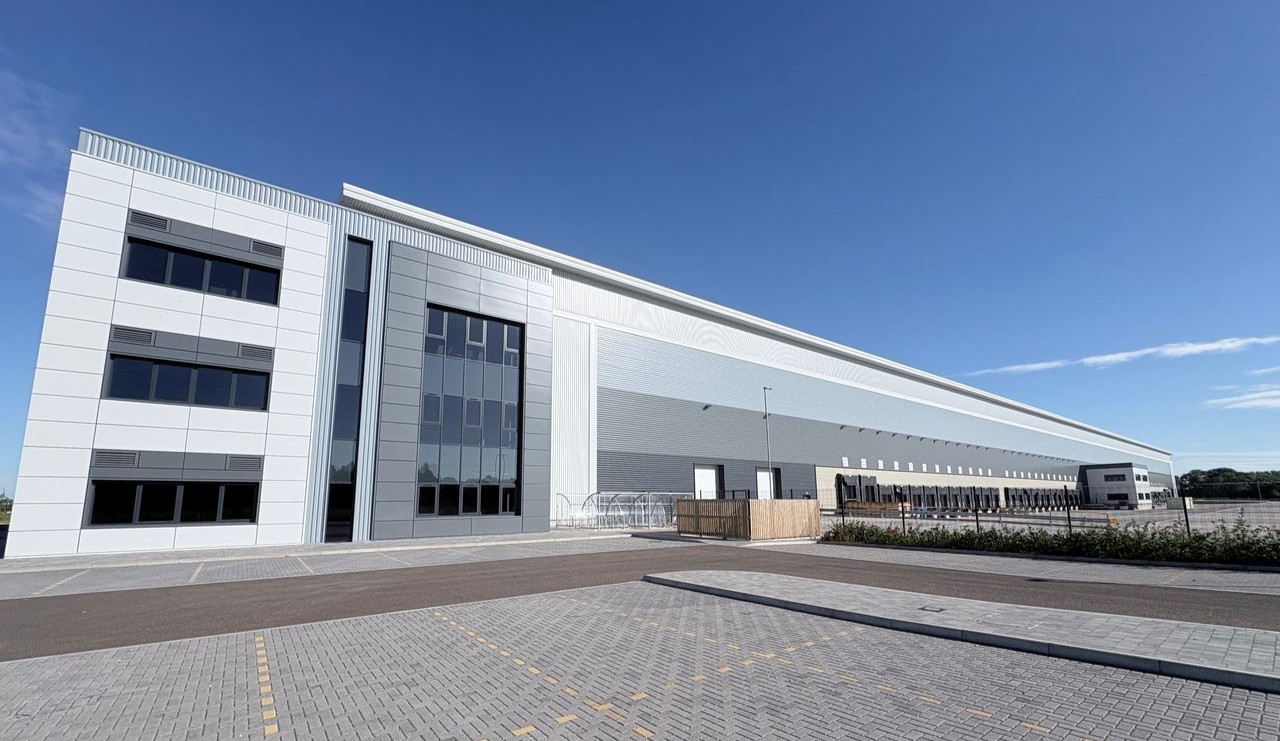
eCommerce Continues to Boom in the UK
As eCommerce continues to grow, demand for modern warehousing and fulfilment facilities is driving investment in logistics infrastructure across the UK, with businesses seeking greater capacity and more efficient supply chain operations to meet rising customer expectations. Against this backdrop, CEVA Logistics has announced the opening of a new large-scale warehouse operation in Derby, UK, […] The post eCommerce Continues to Boom in the UK appeared first on Logistics Business.
eFulfilment Packaging and Ecommerce Warehouse Property Warehousing Boom CEVA
Carnegie Mellon University Selects OptiTrack as Motion Capture Technology Partner for New Robotics Innovation Center
Partnership equips a world-class robotics program with precision motion capture solutions and cutting-edge active tracking technology across two state-of-the-art research facilities
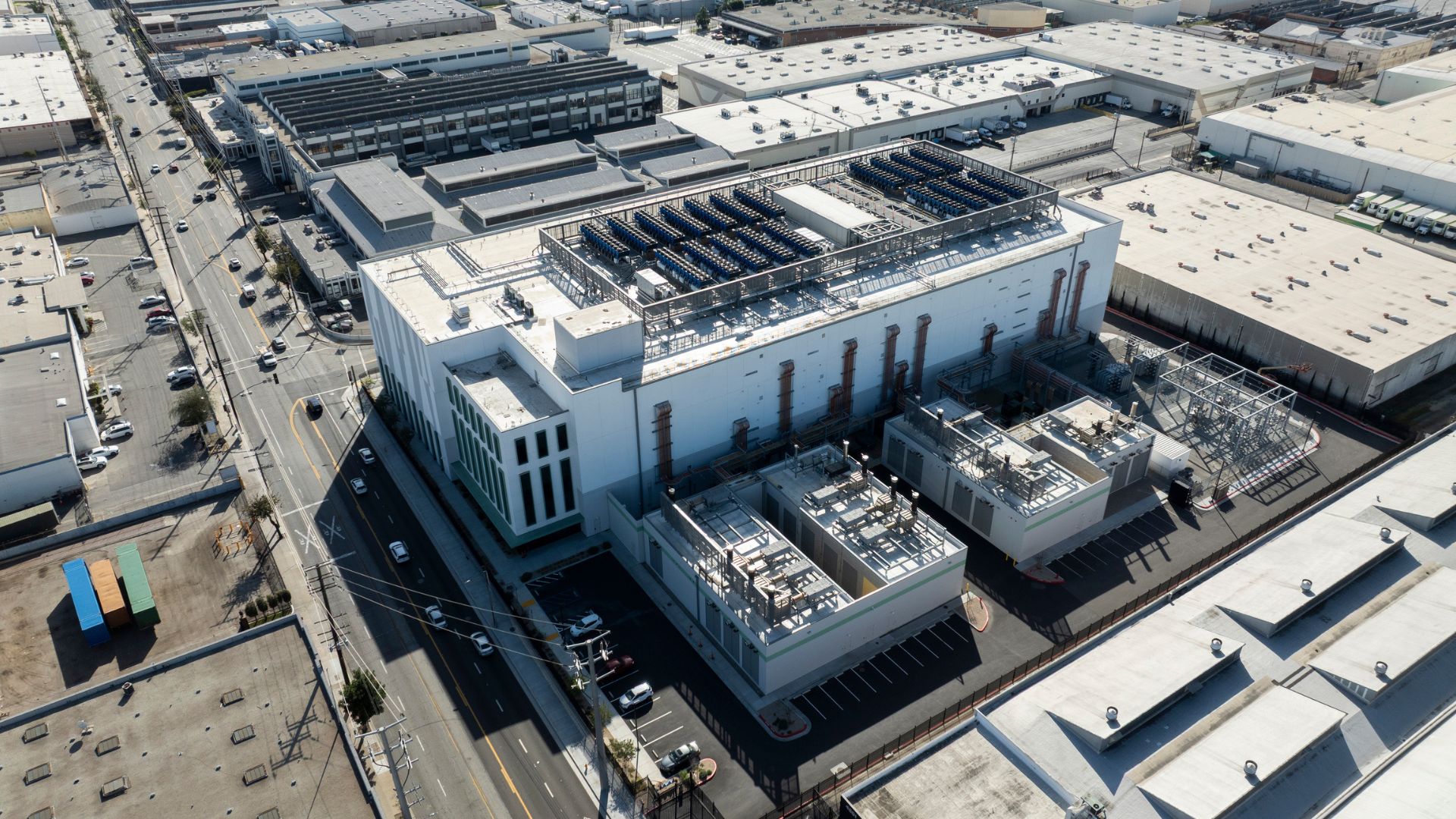
New tech keeps power grids stable as data centers put more strain on electricity
Researchers at Sandia National Laboratories have unveiled a groundbreaking software platform designed to enhance the management of distributed energy resources. This innovative tool aims to optimize the integration of renewable energy sources into existing power grids, addressing the growing demand for sustainable energy solutions. The announcement was made on October 10, 2023, during a technology showcase at the laboratory's facilities in Albuquerque, New Mexico. The motivation behind this development stems from the increasing need for efficient energy management systems that can accommodate the variable nature of renewable energy sources, such as solar and wind. By utilizing advanced algorithms and real-time data analytics, the platform enables utilities and energy providers to better predict energy supply and demand, ultimately leading to a more reliable and resilient power infrastructure. The software operates by aggregating data from various energy sources and employing machine learning techniques to enhance decision-making processes. This allows for improved coordination among energy producers, consumers, and grid operators, facilitating a smoother transition to a more sustainable energy landscape. As the world moves towards cleaner energy solutions, this platform represents a significant step forward in harnessing the potential of distributed energy resources.
AI and Robotics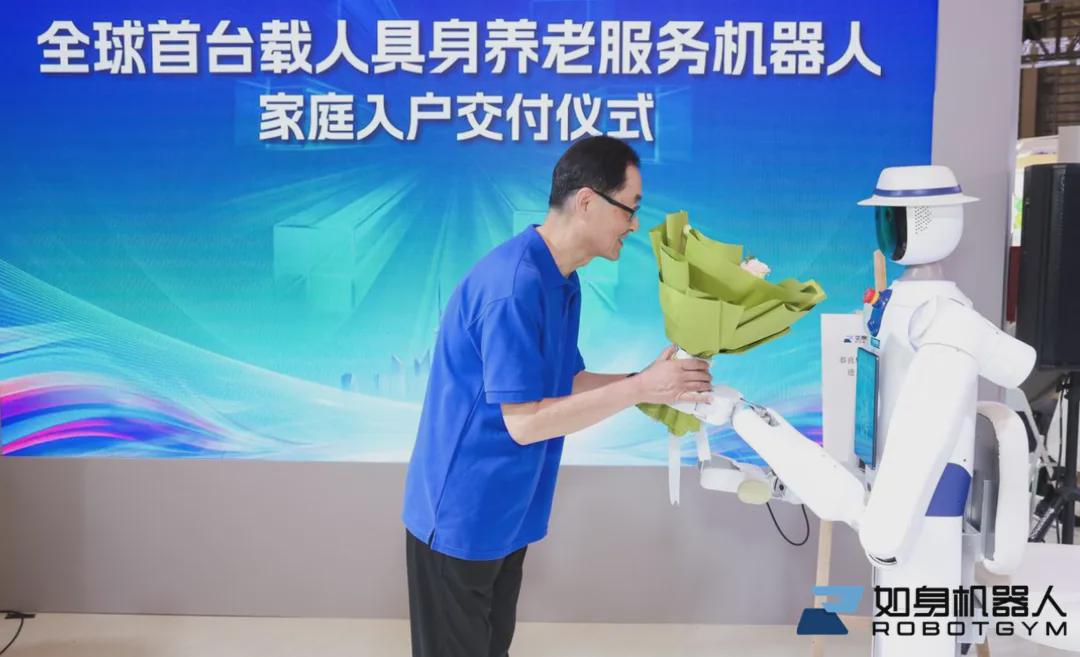
Investment in Embodied Care Robots: How RuShen Robotics is Integrating Robots into Real-World Elderly Care
RuShen Robotics has announced a major funding round aimed at advancing the use of embodied intelligent robots in elderly care facilities. The company specializes in creating robots designed to assist with a range of caregiving tasks, addressing the challenges presented by real-life scenarios. Their newest innovation, the QiCare robot, is engineered to effortlessly switch between mobility and caregiving functions, with the goal of optimizing the elderly care experience. This funding will enable RuShen Robotics to further develop and deploy these advanced robotic solutions, enhancing support for caregivers and improving the quality of life for elderly individuals.
Elderly Care Robots Healthcare Robotics AI Technology Robotics Innovation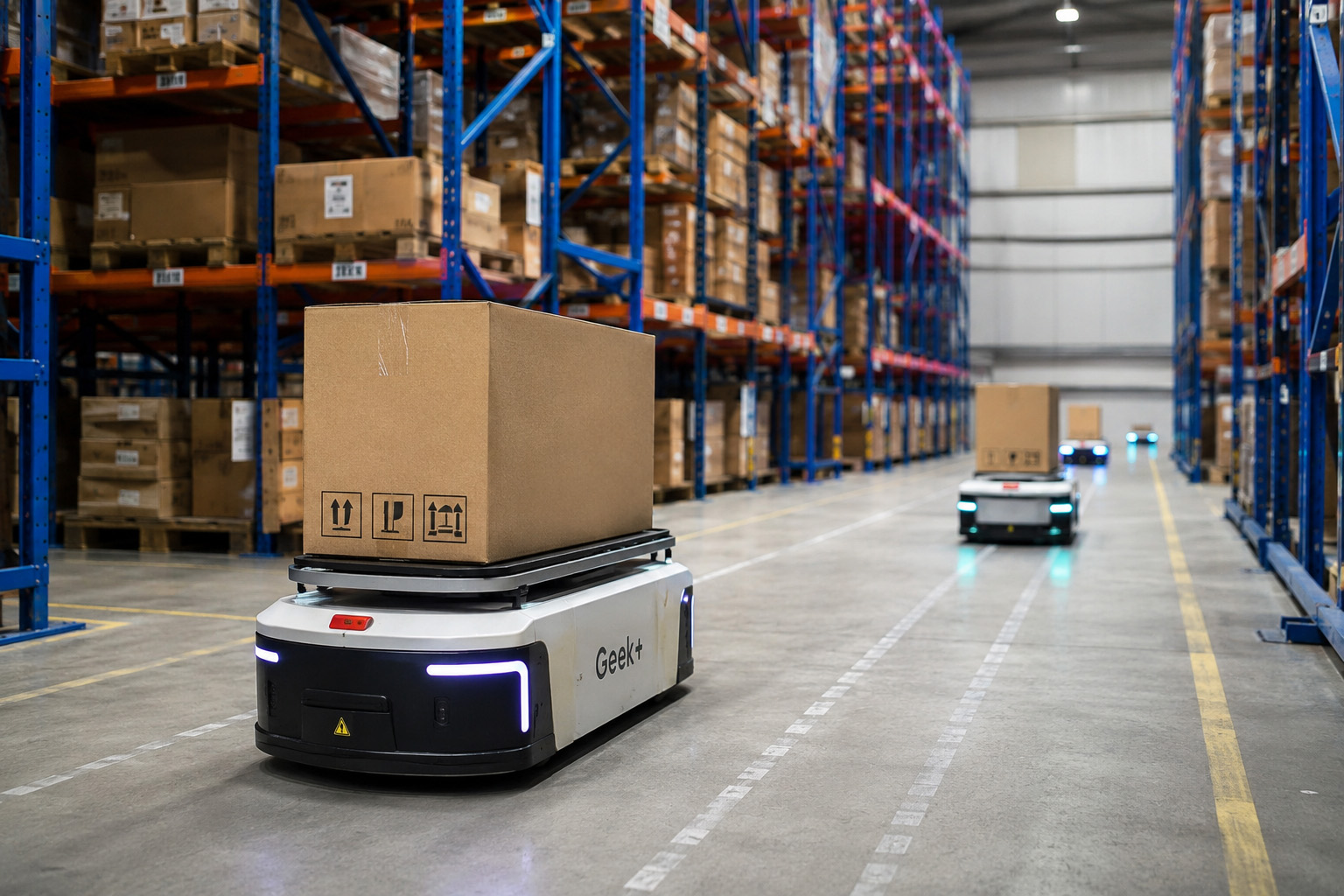
What is an AMR?
In recent years, the industrial sector has witnessed a significant shift with the increasing adoption of Autonomous Mobile Robots (AMRs) in factories and warehouses. Traditionally, industrial robots were confined to specific production cells and operated behind safety barriers. However, AMRs are now gaining prominence due to their ability to navigate autonomously and transport materials efficiently within facilities. This transition reflects a growing interest among manufacturers in leveraging advanced robotics technology to enhance operational efficiency and streamline logistics processes. As industries seek to optimize their workflows, the integration of AMRs is becoming a crucial component in modern manufacturing and warehousing strategies.
À la une IA Industrie Robotique AGV Amazon Proteus
AI’s Volatile Power Use Quietly Tests Grid Limits
The rapid growth of artificial intelligence infrastructure is reshaping electricity demand dynamics, posing new challenges for grid operators. As data centers are projected to consume 3 to 4 percent of global electricity by the end of the decade, their energy consumption patterns are becoming increasingly unpredictable. Unlike traditional industrial loads, AI workloads can fluctuate dramatically within milliseconds, driven by synchronized computational tasks and varying user demands. This unpredictability complicates grid management, as it creates abrupt demand spikes that can stress local infrastructure, particularly in regions like Northern Virginia, known as "Data Center Alley," where data centers are concentrated. Utilities, including Dominion Energy, are adjusting their forecasts to account for this rapid growth, but existing regulatory frameworks often fail to address the complexities introduced by high-density compute clusters. These facilities not only require significant power but also generate unique challenges related to thermal management and power quality. As a result, grid operators are exploring new demand response mechanisms and flexible scheduling to mitigate the impact of these fluctuating loads. The Electric Reliability Council of Texas (ERCOT) has acknowledged the implications of large flexible loads for grid stability and planning. As AI infrastructure continues to expand, it is crucial for regulatory and operational frameworks to adapt, focusing not just on total energy consumption but also on the volatility and geographic concentration of demand. Understanding these new consumption patterns will be essential for maintaining grid resilience in the face of evolving energy needs.
Data-centers Artificial-intelligence Electrical-grid Demand-response
INKAS plans three new sites to boost North American output
INKAS, a Canadian manufacturer of armoured vehicles and systems integrator, has announced its intention to expand operations by establishing three new production facilities in Canada and the United States. This strategic move is expected to more than double the company’s manufacturing capacity in North America, reflecting INKAS's commitment to meeting growing demand for its products. The expansion comes at a time when the need for enhanced security solutions is on the rise, prompting the company to invest in increased production capabilities. The new facilities will enable INKAS to streamline operations and improve efficiency, positioning the company to better serve its clients in the evolving security landscape.
News
As AI Reshapes Global Energy Systems, Melbourne Leads Through Engineering Collaboration
As artificial intelligence (AI) rapidly expands, it is driving a significant increase in global electricity demand, presenting urgent challenges for energy systems. Melbourne, Australia, is positioning itself as a leader in addressing these issues, with a focus on the infrastructure necessary to support AI's growth. By 2035, data centers in Australia are expected to consume up to 11 percent of the nation's electricity, raising concerns about generation and system reliability. The University of Melbourne is at the forefront of this initiative, with interdisciplinary research aimed at developing energy systems that can meet the demands of AI. The Melbourne Energy Institute is exploring how various energy technologies interact, while facilities like the Smart Grid Lab allow for real-time simulations of power systems. This integrated approach is essential for designing resilient and efficient energy systems that can adapt to new patterns of demand. Victoria's advanced energy ecosystem, which includes renewable generation and battery storage, is crucial for balancing digital growth with sustainability. The collaboration between researchers, industry, and policymakers is vital for creating future energy systems that are affordable and resilient. Looking ahead, Melbourne will host the IEEE PES Generation Transmission and Distribution Asia 2027 Conference, bringing together global experts to address the evolving challenges in power systems. This event underscores Melbourne's commitment to fostering international collaboration and innovation in energy solutions, reinforcing its role as a key player in the global energy transition.
Artificial-intelligence Australia Energy-systems University-of-melbourne Ai-data-centers Power-grid
NVIDIA Unlocks AI Compute at Scale, Inviting Capital Partners to Power the AI Infrastructure Buildout
As artificial intelligence transitions from model development to production inference, the demand for computing power is rapidly increasing. This surge is driving the establishment of continuously operating AI factories that are capable of generating tokens at scale. The shift towards these large-scale, multi-tenant accelerated computing environments is essential to meet the growing needs of AI applications. This transformation is occurring as organizations recognize the necessity for robust infrastructure to support the evolving landscape of AI technology. The move towards these advanced facilities is expected to enhance efficiency and scalability, enabling businesses to leverage AI more effectively in various sectors.
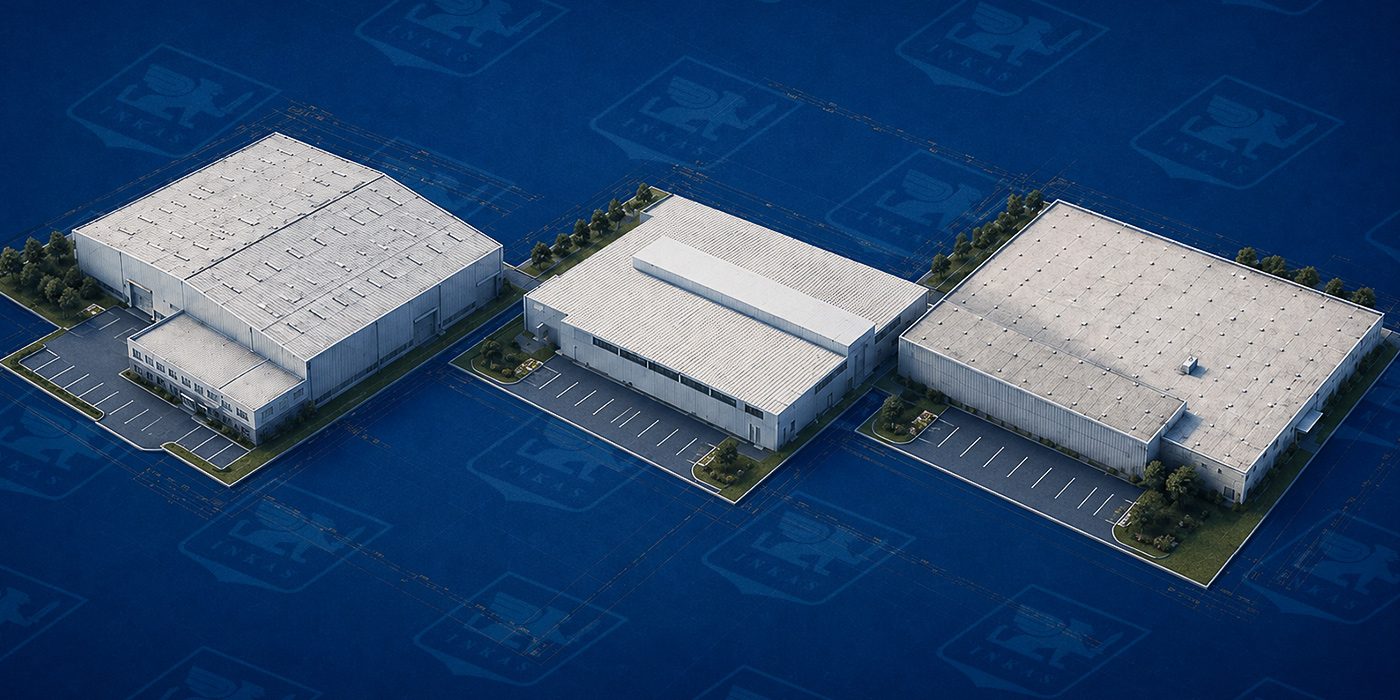
INKAS Expansion Highlights Growing Investment in North American Defense Manufacturing
Toronto-based INKAS has announced a significant expansion of its North American manufacturing capabilities with the addition of three new production facilities in Canada and the United States. This strategic move aims to more than double the company’s manufacturing space, enabling enhanced production of armored vehicles, unmanned systems, and special-purpose platforms. The expansion reflects INKAS's commitment to supporting growth in the defense manufacturing sector, responding to increasing demand for advanced military and security solutions. The new facilities are expected to bolster the company’s operational efficiency and capacity, positioning INKAS to better serve its clients in a rapidly evolving market.
Applications Canada Canadian Drone Industry Defense defense Drone Manufacturing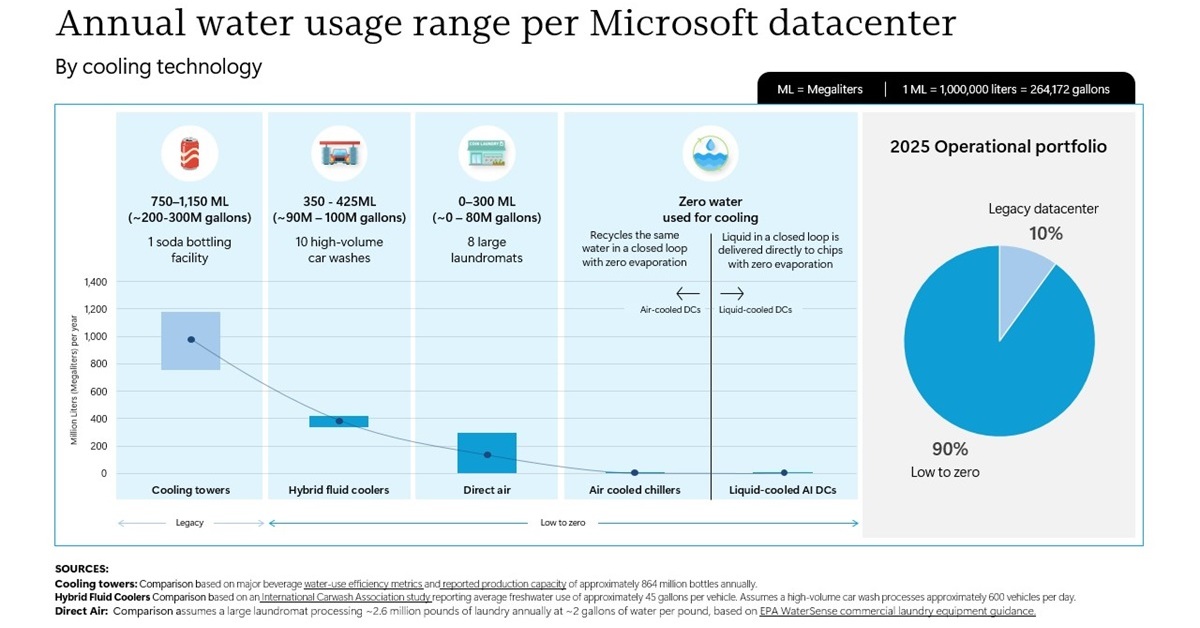
Is "Dehydration Cooling" the Future for Data Centers in the AI Era? Insights from Microsoft's Waterless Cooling Strategy.
Microsoft has announced new water conservation measures for its data centers in response to the growing demand for AI and cloud services. The tech giant aims to achieve water positivity by 2030, targeting a 90% improvement in water usage efficiency compared to initial levels. To support this goal, Microsoft plans to implement waterless cooling systems in its latest facilities and utilize rainwater, thereby promoting sustainable infrastructure operations.

US Army trials LP-CROWS integration on Paladin artillery for drone defense
Engineers at the US Army Yuma Proving Ground are conducting developmental testing of advanced military technologies. This initiative, which began recently, aims to evaluate and enhance the performance of various systems crucial for operational readiness. The testing is part of the Army's ongoing efforts to improve its capabilities and ensure that troops are equipped with the most effective tools for modern warfare. By rigorously assessing these technologies in a controlled environment, the Army seeks to identify potential improvements and address any issues before deployment. The Yuma Proving Ground, known for its vast testing facilities, provides an ideal location for these critical evaluations, allowing engineers to simulate real-world conditions effectively. This testing phase is essential for maintaining the Army's competitive edge and ensuring the safety and effectiveness of its personnel in future missions.
Military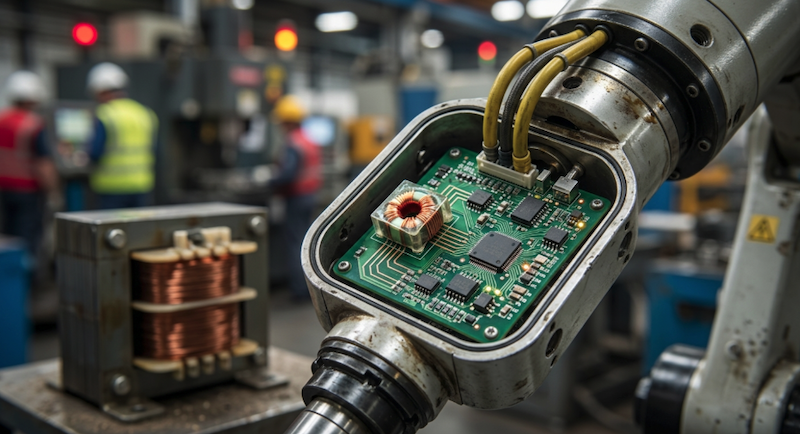
The Small Component Problem Behind More Reliable Industrial Robots
In a groundbreaking development for the manufacturing industry, advanced automation technology is transforming assembly lines and semiconductor packaging facilities. A robotic arm, capable of executing movements with sub-millimeter precision at an impressive rate of 300 cycles per minute, is at the forefront of this innovation. These robotic systems are enhanced by machine vision technology, remote input/output blocks, and sensitive microcontrollers, allowing for seamless coordination and efficiency in production processes. This technological advancement is taking place in various industrial settings, where multiple machines share a common power source through an industrial rail system. The integration of heavy CNC machines into this grid further exemplifies the collaborative nature of modern manufacturing, where precision and speed are paramount. The motivation behind this shift towards automation is to increase productivity and reduce human error in manufacturing processes. By leveraging sophisticated robotics and interconnected systems, companies aim to streamline operations and enhance overall output. As industries continue to adopt these cutting-edge technologies, the future of manufacturing looks increasingly automated and efficient, promising significant advancements in production capabilities.
Components Design Engineering Industrial robots amrs automation news
How Cold Chain Operators Are Turning Energy Flexibility Into a Competitive Advantage
Cold storage facilities, known for their high energy consumption, face increasing challenges as the cost of electricity becomes more dependent on consumption timing rather than just the volume used. This shift in energy pricing creates a difficult situation for operators who have traditionally viewed electricity costs as fixed. As refrigeration systems must run continuously to maintain product integrity, the significant energy load required raises concerns about operational expenses and sustainability. The industry is now compelled to adapt to these changing dynamics, prompting a reevaluation of energy management strategies to mitigate costs and enhance efficiency.
Business Logistics automation news cold chain cold chain logistics cold storage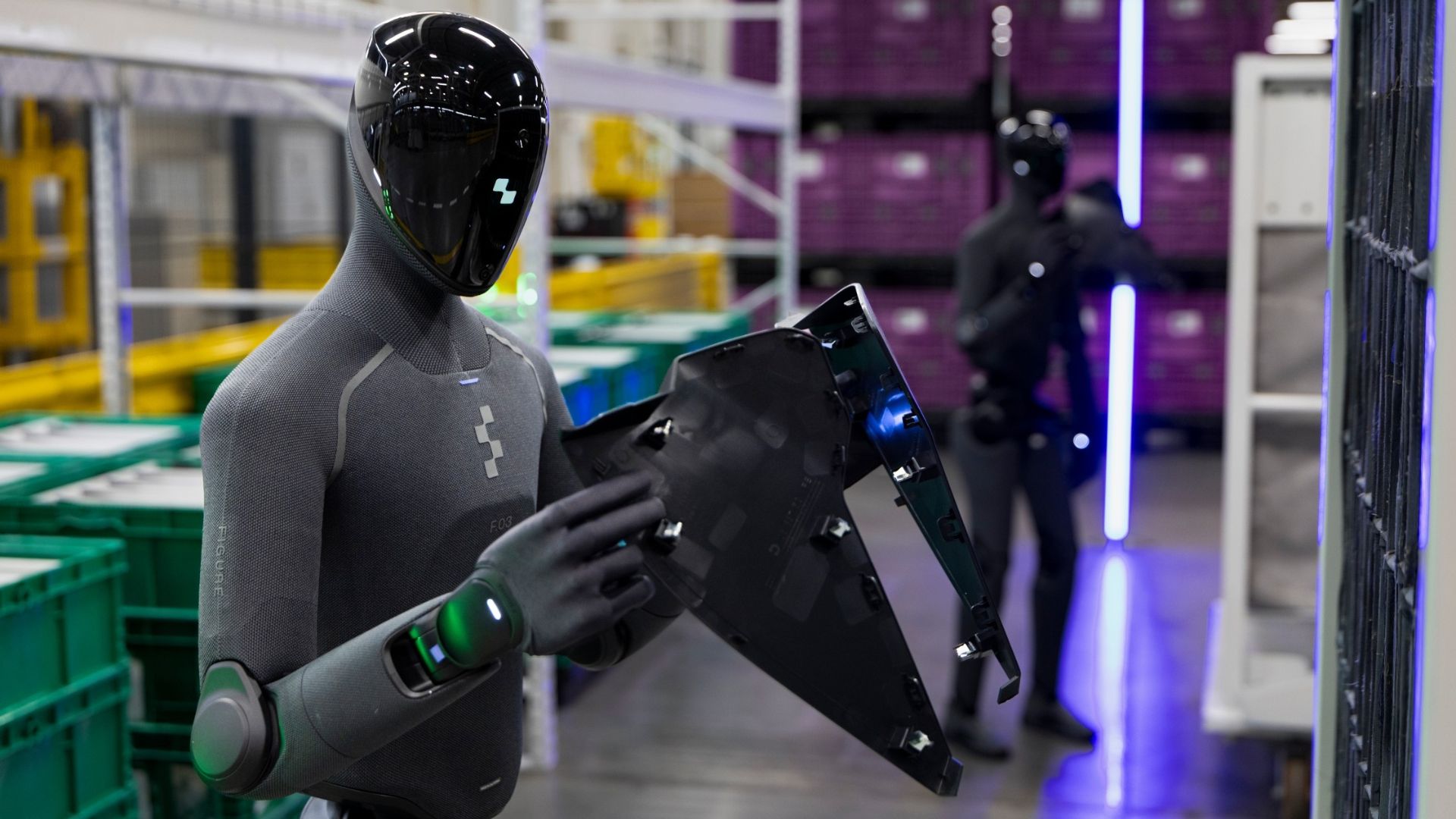
BMW’s smart factory in US gets Figure 03 humanoid robot for advanced logistics work
BMW Group has enhanced its manufacturing processes by integrating next-generation Physical AI technologies. This initiative, announced recently, aims to improve efficiency and precision in production lines. The implementation of these advanced AI systems is taking place at various BMW facilities worldwide, reflecting the company's commitment to innovation and modernization in the automotive industry. By leveraging Physical AI, BMW seeks to streamline operations, reduce costs, and enhance product quality, ultimately responding to the growing demand for smarter manufacturing solutions. The integration process involves upgrading existing machinery and training staff to work alongside AI systems, ensuring a seamless transition into this new era of manufacturing.
AI and Robotics
NatPower and Tesla Strike 25 GWh European Battery Storage Deal
NatPower has entered into a multi-year agreement with Tesla to supply and deploy over 25 gigawatt-hours of battery energy storage systems in European markets, with initial projects set for Italy and the United Kingdom. Announced on June 23, 2026, the partnership will see Tesla provide its Megapack technology, along with engineering, procurement, construction services, and energy trading optimization via its Autobidder platform. The projects, which will be owned and operated by NatPower, aim to streamline project development, financing, construction, and energy trading, facilitating large-scale battery deployment. The first phase includes five projects and is part of a larger initiative targeting over 100 GWh of storage capacity. NatPower anticipates that the full program could yield between $4 billion and $5 billion in construction value and generate over $15 billion in revenue over two decades. This agreement underscores the increasing significance of large-scale energy storage in Europe, driven by rising electricity demand, renewable energy integration, and the growth of data centers. As Europe seeks to enhance grid reliability and meet decarbonization goals, substantial storage additions will be necessary in the coming years. Tesla has established itself as a leading supplier of utility-scale battery systems, while NatPower continues to expand its role in energy infrastructure development. The storage assets from this agreement will provide essential grid balancing services and support electricity-intensive customers, including industrial facilities and data centers. NatPower CEO Fabrizio Zago emphasized the shift towards large-scale execution, while Tesla Energy Vice President Mike Snyder highlighted the integration of Tesla's capabilities to expedite battery deployments across Europe.

Eclipse Automation launches RealitySync simulation platform
Eclipse Automation has unveiled its innovative RealitySync platform, designed to enable manufacturers to visualize and interact with their future factories before construction begins. This launch, announced recently, aims to enhance the planning and design processes for manufacturing facilities by providing a comprehensive simulation experience. By utilizing advanced technology, RealitySync allows companies to identify potential challenges and optimize workflows, ultimately streamlining the transition from concept to reality. This initiative reflects Eclipse's commitment to advancing manufacturing efficiency and innovation in the industry.
Artificial Intelligence Artificial Intelligence / Cognition Automation Design / Development Markets / Industries News
Watch: Robot dog completes 33,000 inspections at 150-year-old cement plant safely
Swiss cement producer Vigier Ciment has partnered with ANYbotics to enhance its operational efficiency by deploying the ANYmal quadruped robot for automated inspections. This innovative initiative, which began recently, aims to streamline the inspection process within the company’s facilities. By utilizing the advanced capabilities of the ANYmal robot, Vigier Ciment seeks to improve safety and reduce the time required for routine checks, which are essential for maintaining high standards in production. The integration of robotics in this sector reflects a growing trend towards automation in industrial operations, driven by the need for increased productivity and cost-effectiveness. The deployment of the ANYmal robot is expected to not only optimize inspection routines but also pave the way for further technological advancements within the cement industry.
AI and Robotics
Milan hospital deploys 4-ft-tall humanoid robot to assist wards and relay patient data
In a significant effort to alleviate healthcare workloads and enhance ward efficiency, a new initiative has been launched by healthcare authorities. This program, introduced in October 2023, aims to streamline operations within hospitals across the region. By implementing advanced technologies and innovative management strategies, the initiative seeks to reduce the burden on medical staff and improve patient care. The decision to launch this program stems from ongoing concerns about staff burnout and the need for more effective resource allocation in healthcare facilities. As part of the rollout, hospitals will receive support in adopting these new practices, which are expected to lead to better patient outcomes and a more sustainable work environment for healthcare professionals.
AI and Robotics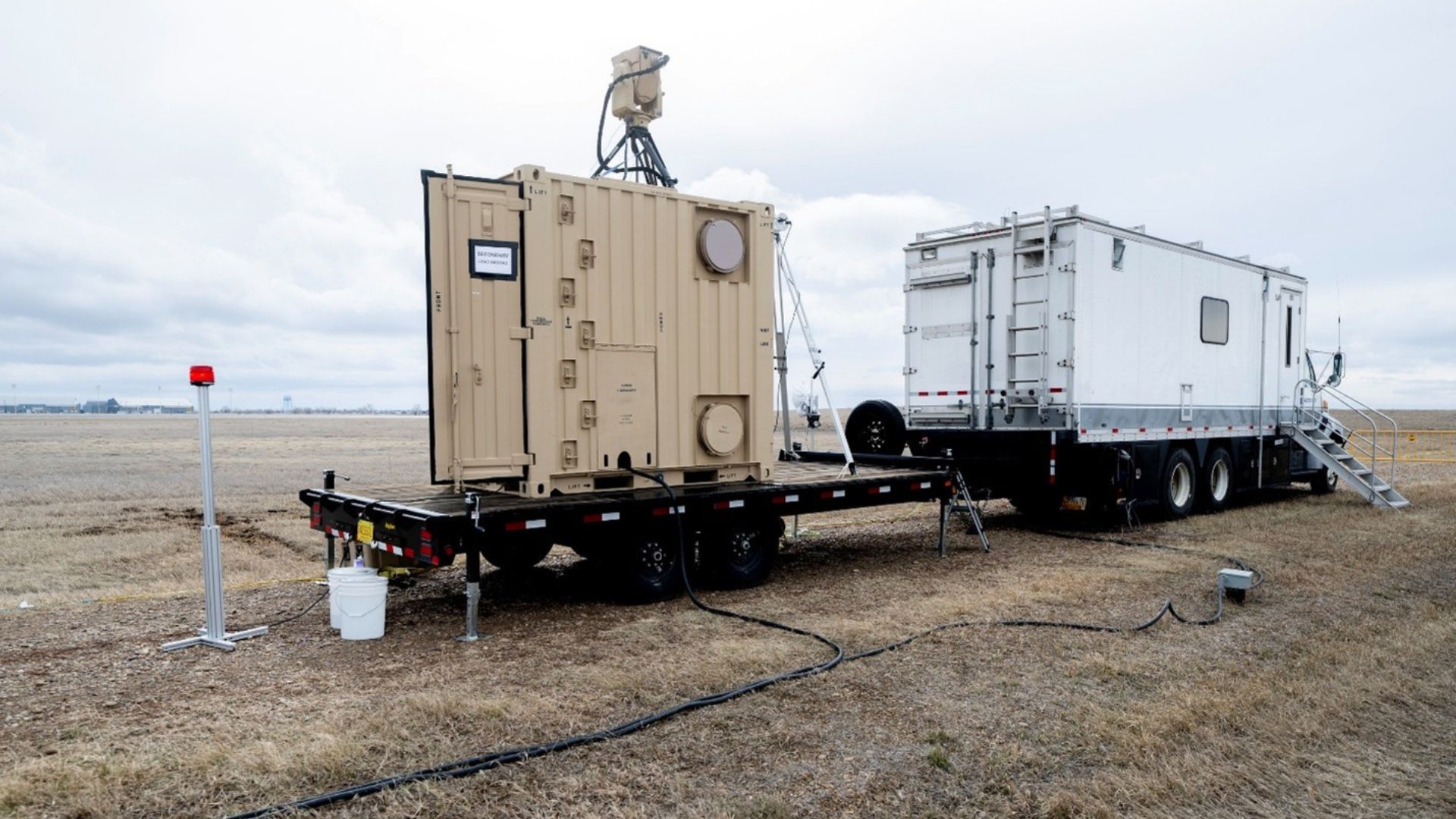
US Navy tests dual-use laser that beams power and counters drone threats in one system
The U.S. Naval Research Laboratory (NRL) has successfully demonstrated a groundbreaking laser system capable of transmitting data at unprecedented speeds. This innovative technology was showcased during a recent test conducted at the laboratory's facilities in Washington, D.C. The demonstration highlights the potential for advanced communication systems that could enhance naval operations and improve data transfer capabilities in various military applications. By utilizing laser technology, the NRL aims to address the growing demand for faster and more secure communication methods in an increasingly digital battlefield. The successful test marks a significant step forward in the development of high-speed data transmission solutions, paving the way for future advancements in military communications.
Military
SpaceX wants to build AI data centers in space. Will it work?
The race to establish data centers in space is intensifying, fueled by the soaring demand for computing power driven by advancements in artificial intelligence. These orbital facilities are seen as a potential solution to harness abundant solar energy while circumventing many environmental issues associated with terrestrial data centers. However, the endeavor faces significant challenges, including the harsh conditions of space, which complicate cooling, maintenance, and protection against radiation and orbital debris. As companies and researchers explore this innovative frontier, the feasibility and sustainability of operating in such an extreme environment remain critical considerations.
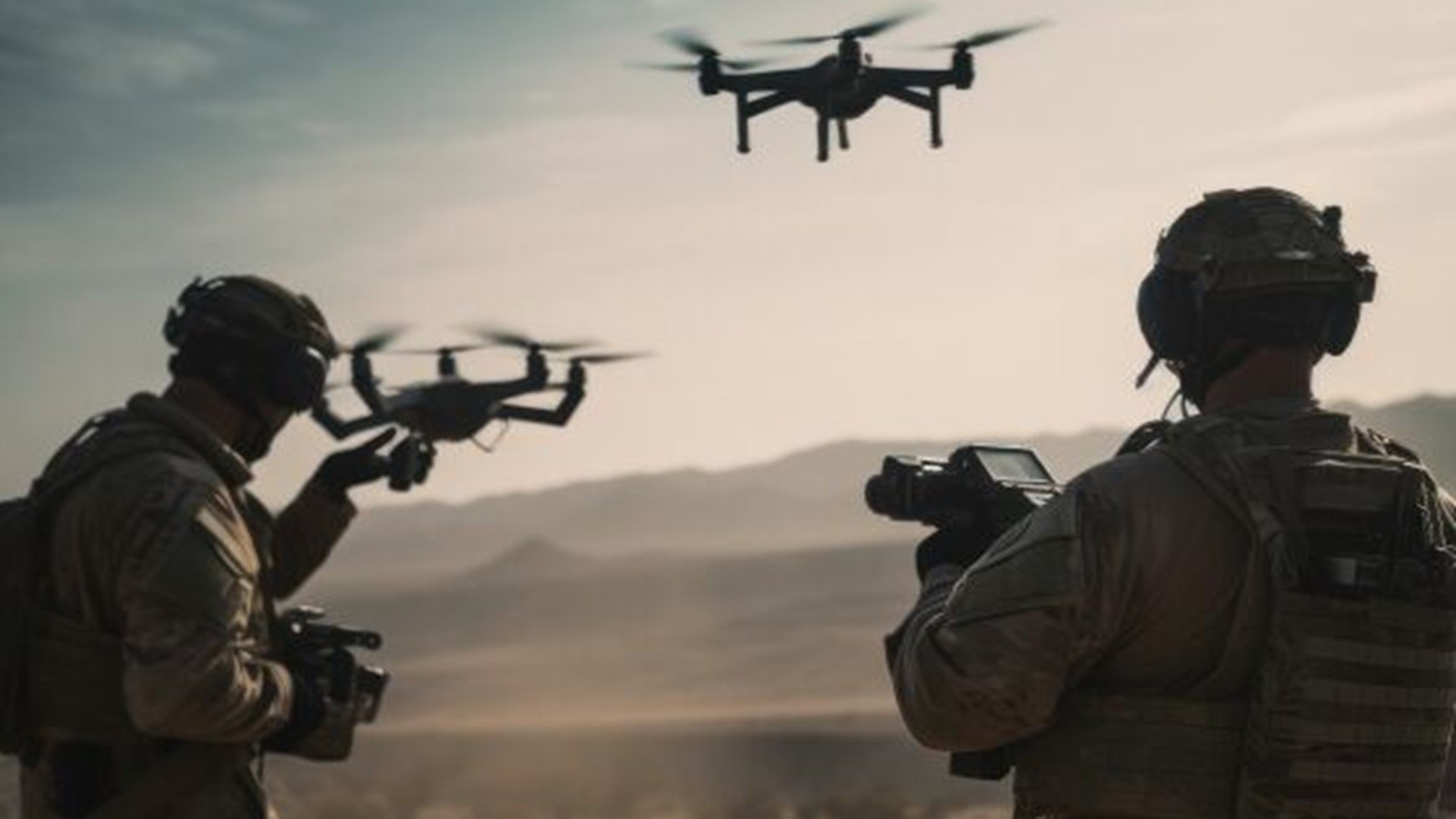
One soldier, many drones: US Army tests autonomous drone-control software
The U.S. Army has awarded two contracts to Palladyne AI, a defense and technology company, to conduct testing of its advanced artificial intelligence systems. This initiative, announced recently, aims to enhance military capabilities through innovative technology solutions. The contracts will facilitate the evaluation of Palladyne AI's systems in various operational scenarios, focusing on improving decision-making processes and operational efficiency. The collaboration underscores the Army's commitment to integrating cutting-edge technology into its operations to maintain strategic advantages. The testing is expected to take place at designated military facilities, with results potentially influencing future defense strategies and procurement decisions.
MilitaryRobotics needs a service framework.
RSF defines a common language for robot service capability, lifecycle operations, certification pathways, and service-provider networks.