

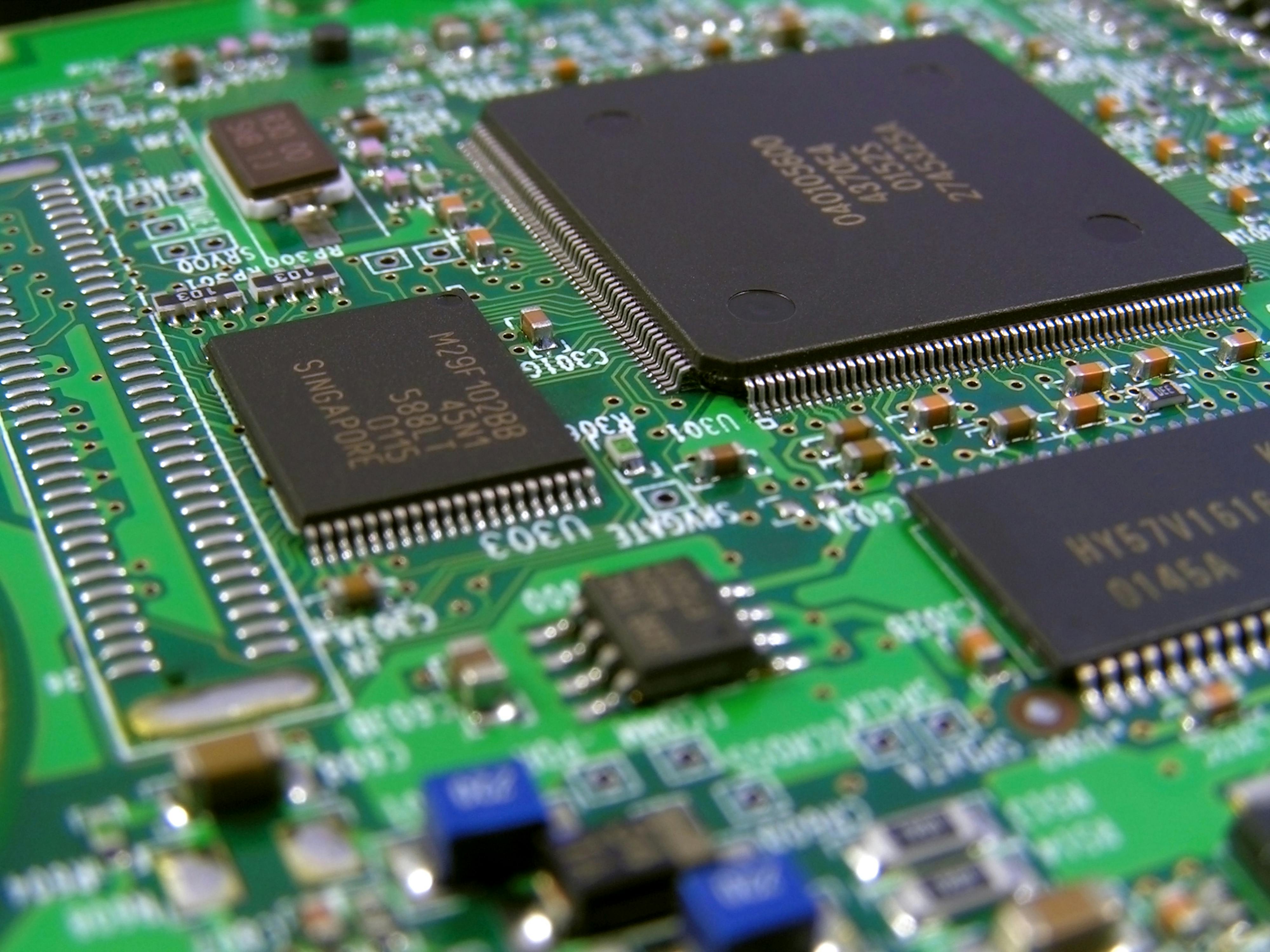
Atlas Core of Engineers, an industrial-controls firm, is collaborating with semiconductor companies to improve operational resiliency through advanced automation. By retrofitting existing facilities and establishing new ones, Atlas aims to minimize downtime in a sector where interruptions are intolerable. Ahmad Jodeh, the firm's owner, emphasizes the importance of PROFINET technology in overcoming the limitations of traditional PROFIBUS systems, particularly in terms of bandwidth and troubleshooting.
The semiconductor industry is undergoing significant changes, driven by global competition and technological advancements. U.S. manufacturers are investing heavily in domestic chip production, spurred by incentives from the CHIPS and Science Act. This shift is prompting companies to enhance their automation capabilities to maintain competitiveness, with PROFINET playing a crucial role in achieving higher efficiency and reliability in operations.
As semiconductor firms transition to PROFINET, they are leveraging its network redundancy features to ensure continuous operation. This capability allows for the establishment of multiple communication routes, which is vital in preventing downtime. The ongoing evolution in the semiconductor landscape highlights the need for innovative solutions that can adapt to rapid changes while ensuring operational integrity.
Editor's Note
The semiconductor industry is facing unprecedented challenges and opportunities as manufacturers adapt to a rapidly changing global landscape. The shift towards advanced automation technologies like PROFINET is critical for maintaining competitiveness and operational efficiency. As companies invest in domestic production capabilities, the demand for skilled engineers familiar with these technologies will continue to grow, impacting the supply chain and workforce dynamics in the sector.






























Leave a comment