

Industry Briefing
A single destination for timely, editor-curated robotics news from around the world.

New AI System Reduces Mineral Exploration Duration from Six Months to One Week
A new AI system has significantly reduced the time required for mineral exploration, cutting it down from six months to just one week. This advancement is expected to streamline the exploration process, making it more efficient and cost-effective for mining companies. The reduction in exploration time is crucial as it allows companies to quickly assess mineral deposits and make informed decisions about resource extraction. This efficiency can lead to faster project initiation and potentially higher profitability in the mining sector. Looking ahead, it will be important to monitor how this AI system is adopted across the industry and its impact on exploration practices. No further timeline was disclosed at the time of publication.
AI and Robotics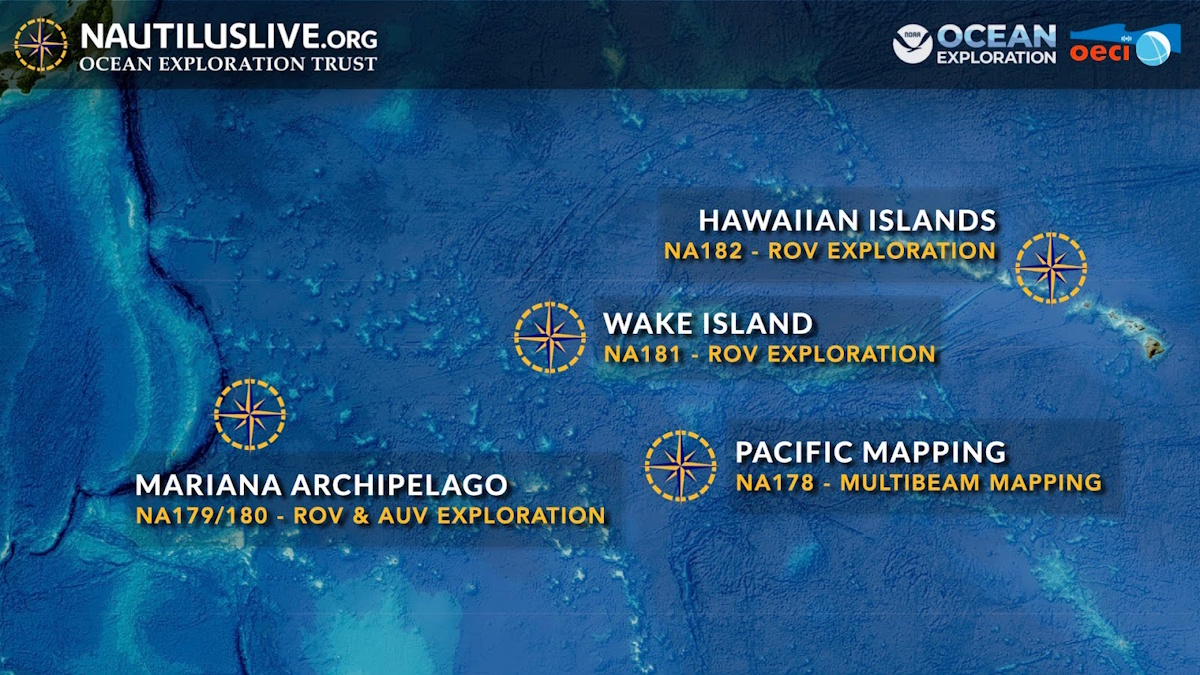
Ocean Exploration Trust Initiates 31-Day Expedition to Survey Remote Pacific Waters
The Ocean Exploration Trust (OET) has launched a 31-day expedition aboard the Exploration Vessel (E/V) Nautilus to explore the remote Pacific waters surrounding Wake Island. Funded by NOAA Ocean Exploration, this mission aims to gather critical baseline data on biodiversity, geology, and maritime heritage sites, particularly those linked to the World War II Battle of Wake. This expedition is significant as it targets one of the most poorly surveyed areas under US jurisdiction, covering approximately 407,241 square kilometers of seafloor. Co-lead scientist Steve Auscavitch emphasizes the diverse mission objectives and the importance of collecting rigorous scientific data to characterize the seafloor environment and its biological and geological resources. The team will utilize remotely operated vehicles (ROVs) to explore deep-sea habitats up to 6,000 meters deep, capturing high-resolution imagery and environmental data. This data will be publicly archived, ensuring long-term access for future research and resource management efforts. No further timeline was disclosed at the time of publication.
ocean exploration trust (oet) exploration vessel (e/v) nautilus noaa ocean exploration na181 expedition world war ii battle of wake
New Miniature Robot with 34.6mm Diameter Enables Cable-Free Exploration of Small Pipes
A collaborative team from North University of China, Chinese University of Hong Kong, and Shanghai Jiao Tong University has developed a miniature robot named VCMR, measuring 34.6mm in diameter and 41mm in length. This robot can actively change its diameter from 34.6mm to 89.6mm and is capable of cable-free exploration in hard and soft pipes smaller than 80mm, integrating contact force sensing technology. The significance of this development lies in its ability to navigate narrow pipelines, such as small oil and gas networks and human colons, where traditional robots with diameters over 80mm cannot operate. The VCMR is the smallest tracked robot reported to integrate active diameter change, independent track drive, and contact force sensing, marking a notable advancement in robotic technology for confined spaces. Looking ahead, the VCMR's design employs a novel four-bar linkage and flexible spring structure, allowing it to adapt to varying pipe diameters without manual intervention. The robot's ability to autonomously adjust its movement based on real-time feedback from contact pressure and motor current presents exciting possibilities for future applications in various industries. No further timeline was disclosed at the time of publication.
Miniature Robots Pipeline Inspection Robotics Technology Autonomous Systems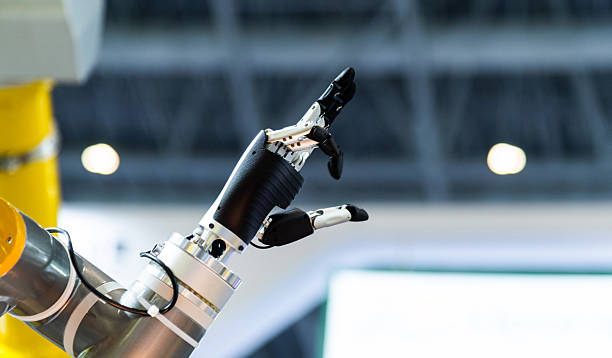
RoboBall: A Novel Inflatable Robot for Moon Exploration and Challenging Terrain Navigation
A team from Texas A&M University has developed RoboBall, a 1.8-meter diameter inflatable robot designed to traverse diverse terrains on the Moon. This innovative approach, which began as a NASA project in 2003, aims to address the critical challenge of tipping over faced by traditional wheeled or legged rovers. RoboBall's spherical design allows it to roll over obstacles while protecting its internal components from harsh lunar conditions. The significance of RoboBall lies in its potential to enhance lunar exploration, particularly in the Moon's south polar region, where permanent shadow areas may contain water ice and ancient geological layers. Scheduled for a paper presentation at an IEEE conference in December 2025, the team is also developing a dual lidar module named Remora to help the robot navigate slopes without compromising its sealed structure. This innovation could provide crucial data for autonomous navigation in challenging environments. As global interest in lunar exploration intensifies, with NASA's $20 billion lunar base plan set for completion by 2032, RoboBall could play a vital role in future missions. The research team is also investigating terrestrial applications for RoboBall, such as disaster response, showcasing the robot's versatility in extreme conditions. No further timeline was disclosed at the time of publication.
Lunar Exploration Robotic Innovation Terrain Navigation Disaster Response Space Robotics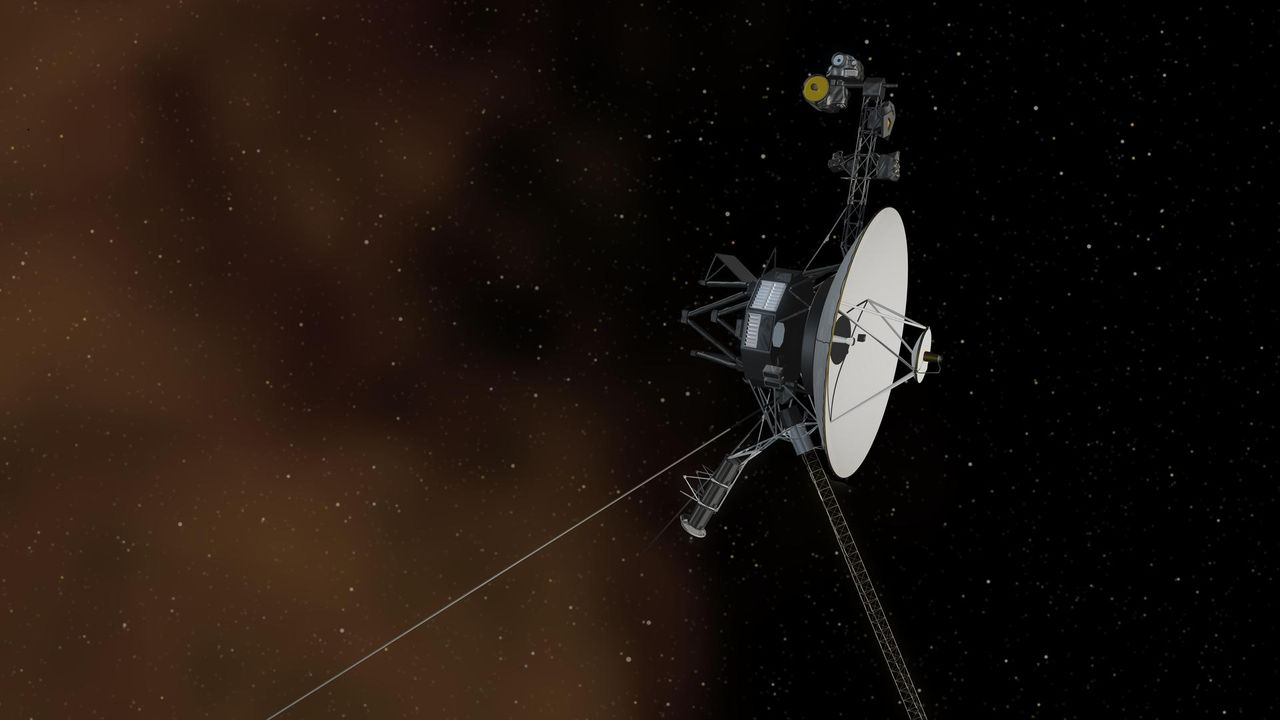
NASA's Voyager 1 Launches on September 5, 1977, for Interstellar Exploration
On September 5, 1977, NASA launched Voyager 1 from Cape Canaveral, Florida, marking the beginning of its journey through deep space. Initially tasked with exploring the outer planets, Voyager 1 flew by Jupiter and Saturn in 1979 and 1980 before heading out of the solar system, ultimately becoming the first spacecraft to reach interstellar space in 2012. The significance of Voyager 1 lies in its role as a pioneering mission in space exploration, carrying a golden record intended for any potential intelligent life it may encounter. This spacecraft is not only an icon of NASA's long-lasting missions but also holds the record as the farthest human-made object from Earth, currently located 15.9 billion miles away. Looking ahead, Voyager 1 is expected to encounter another star system in approximately 40,000 years. Despite its distance, the spacecraft continues to collect data, although power limitations have led to the shutdown of some instruments, including its low-energy charged particles experiment earlier this year to conserve energy.
Space Exploration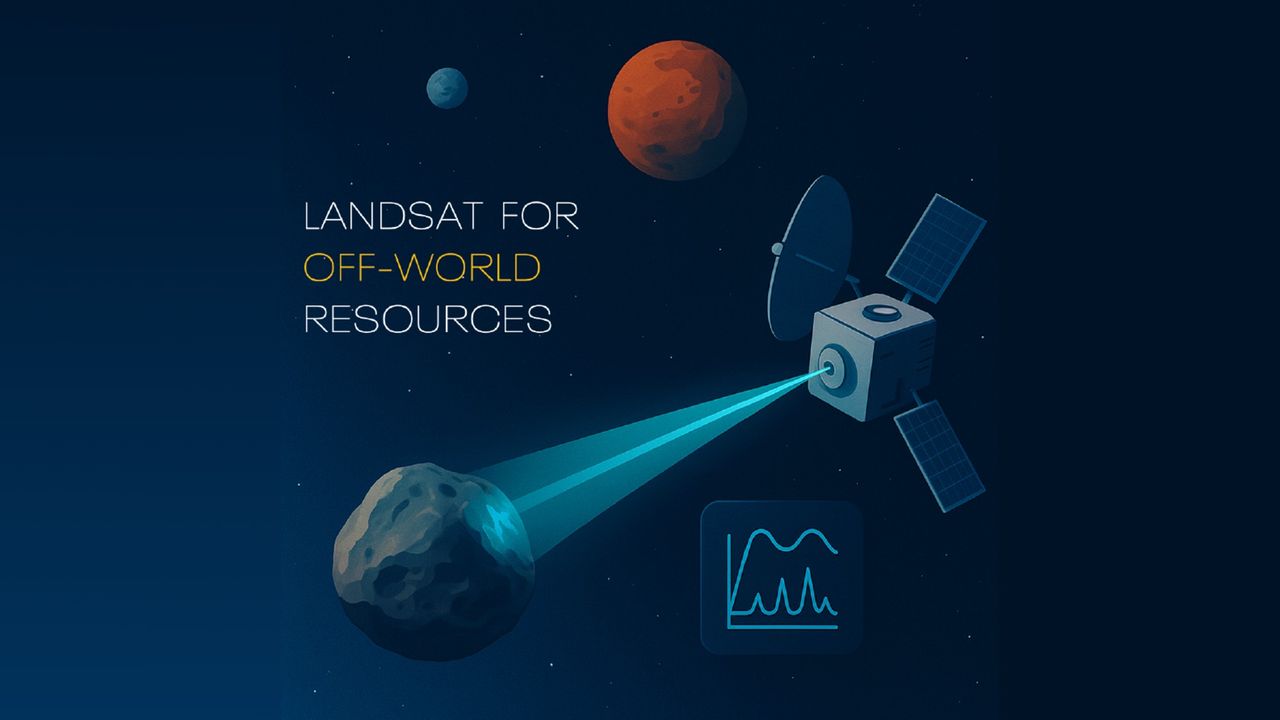
NASA's 'Slingshot' Project Aims to Map Minerals on Celestial Bodies for Future Exploration
NASA has initiated a project named 'Interworld Slingshot Resource Surveys' to explore mineral mapping on celestial bodies, including the moon. This initiative aims to replicate the success of the Landsat satellites, which have been monitoring Earth for over 50 years, by providing crucial mineral intelligence for future lunar missions. The significance of this project lies in its potential to enhance the United States' lunar ambitions, particularly in securing access to valuable resources like helium-3. By scouting for minerals before establishing a lunar base, NASA hopes to mitigate risks associated with space mining and exploration, as highlighted by principal investigator Pablo Sobron. As the project progresses, it will focus on testing Raman spectroscopy from significant distances, which poses challenges due to the faint nature of Raman scattering. The initial Phase 1 funding of up to $175,000 will support studies on photon detection and spacecraft technology, with hopes of advancing to Phase 2 funding for further development. No further timeline was disclosed at the time of publication.
Technology
NASA's CADRE Mission to Test Autonomous Rovers for Lunar Exploration
NASA is set to launch the Cooperative Autonomous Distributed Robotic Exploration (CADRE) mission, sending three small rovers to the Moon in late 2026. These rovers will autonomously explore a designated area, coordinating tasks and electing a leader without human intervention. This mission aims to assess the feasibility of operating multiple autonomous rovers on the lunar surface, which is crucial for future explorations, especially at the lunar South Pole where water ice could support a lunar economy. The significance of the CADRE mission lies in its potential to revolutionize lunar exploration. By testing the rovers' ability to operate independently, NASA hopes to establish a framework for sustained lunar operations that do not require constant oversight from Earth. This capability is essential for future missions that aim to utilize lunar resources, such as ice for propellant and life support, which could pave the way for a more extensive lunar economy. Looking ahead, the success of the CADRE mission could lead to further advancements in autonomous robotic systems for space exploration. As the rovers face challenges such as communication disruptions and harsh lunar conditions, their performance will provide valuable insights into the development of resilient robotic teams capable of operating in remote environments. No further timeline was disclosed at the time of publication.

Texas A&M's RoboBall: A Giant Inflatable Robot for Lunar Crater Exploration
Rishi Jangale and his team at Texas A&M University have developed RoboBall, a 1.8-meter-wide inflatable robot designed for lunar exploration. This innovative vehicle aims to navigate challenging terrains like the Shackleton Crater, which is 21 km wide and 4 km deep, to collect geological samples and investigate frozen water deposits. The significance of RoboBall lies in its potential to access areas of the moon that are too dangerous for astronauts. With its unique spherical design, RoboBall can roll over obstacles without tipping, making it ideal for exploring the moon's dark, cold craters. This exploration could provide valuable insights into lunar geology and the history of the Earth. Looking ahead, the team plans to collaborate with scientists to integrate lunar science instruments into RoboBall's design. While the robot may not be suitable for all missions, its ability to collect samples and return them to a rover could enhance our understanding of the moon. No further timeline was disclosed at the time of publication.
Robotics Soft-robotics Moon Space-exploration Lunar-exploration
PAIR Program Assists Carnegie Mellon Students in AI Research Exploration
Carnegie Mellon University's School of Computer Science emphasizes research as a core component of its academic environment. Faculty and graduate students are engaged in defining innovative questions and developing new methodologies that push the limits of their respective fields. The PAIR program plays a crucial role in guiding students to discover their niche within the expansive realm of AI research. By facilitating connections between students and faculty, PAIR enhances the educational experience and fosters a collaborative research atmosphere. Looking ahead, the ongoing impact of the PAIR program on student engagement in AI research will be significant. As the program evolves, it will be essential to monitor how it continues to shape the research landscape at Carnegie Mellon University.
RI Life Uncategorized
ScaFi: A Robot That Expands from 2 Feet to Nearly 10 Feet for Aquatic Exploration
ScaFi, a novel underwater robot, is designed to grow in size from 2 feet to nearly 10 feet, overcoming limitations of traditional propeller-powered vehicles. Unlike conventional underwater vehicles that can disturb aquatic environments, ScaFi's unique design allows for more effective exploration and monitoring of delicate ecosystems. This innovation is significant as it addresses the challenges faced by scientists when studying aquatic environments, particularly in shallow waters and dense vegetation. Traditional underwater vehicles often disrupt the habitats they aim to observe, making ScaFi a valuable tool for researchers seeking to minimize their impact while gathering data. Looking ahead, the development of ScaFi could lead to advancements in underwater robotics, particularly in applications requiring stealth and adaptability. No further timeline was disclosed at the time of publication.
Robotics
Giant Humanoid Robot ZERO Unveiled by Zhongjian Technology for Future Exploration
Zhongjian Technology has introduced the ZERO, a humanoid robot nearly two stories tall, marking a significant shift in robot engineering. This ambitious design challenges conventional robot dimensions, which typically range from 1.2 to 1.8 meters, and aims to enhance public perception of humanoid robots. The ZERO's design, crafted by renowned artist Zhu Gaowen, embodies a blend of minimalism and Eastern aesthetics, inviting curiosity and engagement from the public. The introduction of the ZERO is significant as it represents a new paradigm in human-robot interaction, emphasizing the importance of design in fostering acceptance of embodied intelligence. By creating a robot that requires viewers to look up, Zhongjian Technology aims to redefine the relationship between humans and machines, highlighting the potential for innovative designs that transcend traditional engineering constraints. Looking ahead, Zhongjian Technology's production capacity has already reached over 1,000 units per month, positioning them as a leader in the burgeoning field of embodied intelligence. The feasibility of deploying giant humanoid robots in museums, amusement parks, and entertainment venues is now a tangible possibility, with the company also testing similar concepts in robotic dogs.
Humanoid Robots Robotics Engineering AI Industrial Automation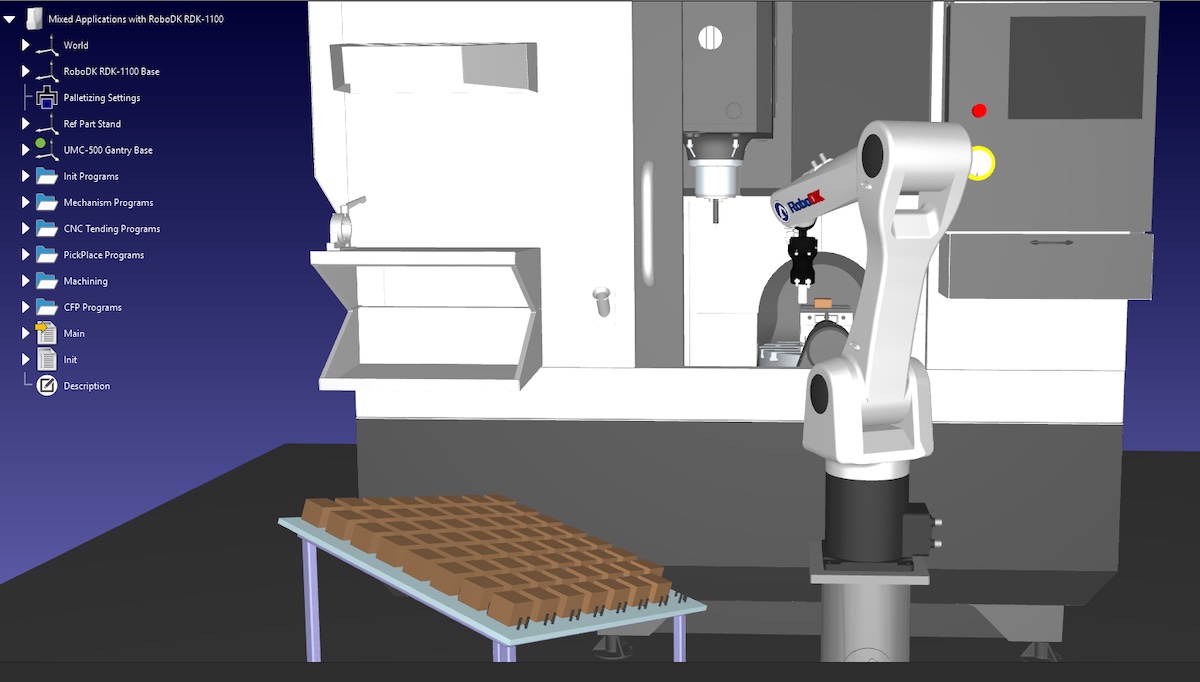
Utilizing Digital Twin Technology for Automation Exploration Before Capital Investment
RoboDK has introduced digital twin and offline programming software that enables users to test robots from over 1,400 brands, facilitating the search for optimal automation solutions. This innovation is crucial as manufacturers face challenges in adopting automation due to the complexity of selecting the right robots and peripherals amidst economic uncertainties. The significance of digital twin technology lies in its ability to alleviate the apprehensions associated with initial automation investments. By allowing manufacturers to simulate various robot configurations and layouts, digital twins provide a clearer understanding of potential operational efficiencies and integration capabilities, which is vital for informed decision-making. Looking ahead, companies should monitor the adoption of digital twin software as a strategic tool for automation exploration. This technology not only aids in visualizing robotic systems but also enhances the planning process, potentially leading to more successful automation implementations without the fear of vendor lock-in or inadequate ROI assessments. No further timeline was disclosed at the time of publication.
Manufacturing Motion Control News Opinion Software / Simulation cnc
Debate Surrounds Potential Tesla-SpaceX Merger and Its Impact on Elon Musk's Pay Package
A potential merger between Tesla, Inc. and Space Exploration Technologies Corp. has emerged as a topic of discussion among Wall Street analysts. Reports indicate that such a merger could allow Elon Musk to unlock significant equity payouts from his $1 trillion pay package approved by Tesla shareholders, while consolidating his control over both companies. The implications of this merger are significant, as SpaceX's recent financial performance shows extraordinary growth, with Q2 2026 revenues reaching $7.8 billion, a 92% increase year-over-year. In contrast, Tesla's financials reveal challenges, including a 57% drop in operating income and negative free cash flow of -$1.09 billion, raising concerns about the viability of merging two companies with drastically different financial profiles. Investors should monitor the developments surrounding this potential merger, as it could reshape the tech landscape. While SpaceX's strong position in satellite communications and orbital launches supports its growth, Tesla faces pressures from competition and declining margins. No further timeline was disclosed at the time of publication.

Unitree AS2 Robot Dog Transforms Outdoor Exploration with Advanced Capabilities
A recent video showcasing the Unitree AS2 robot dog navigating rugged mountain paths has sparked significant online discussion. Entrepreneur Harsh Goenka remarked on social media about its ability to climb cliffs and traverse challenging terrains, prompting debates on whether robots will become essential companions for hikers in the future. The Unitree AS2, released in February 2026, is the fourth quadruped robot from Unitree Technology. Weighing only 18 kilograms, it can carry loads of up to 65 kilograms while standing and support 15 kilograms during continuous walking. This capability makes it suitable for transporting camping gear, photography equipment, and even an adult. Equipped with the upgraded ISS 3.0 intelligent following system, the AS2 offers centimeter-level precision in navigation, keeping pace with hikers. Its maximum speed reaches 5 meters per second (18 kilometers per hour), surpassing typical human running speeds. With an IP54 rating for water and dust resistance and a 648Wh battery enabling over 4 hours of operation, the AS2 is poised to enhance outdoor adventures significantly. No further timeline was disclosed at the time of publication.
Robot Dogs Outdoor Robotics AI Technology Adventure Gear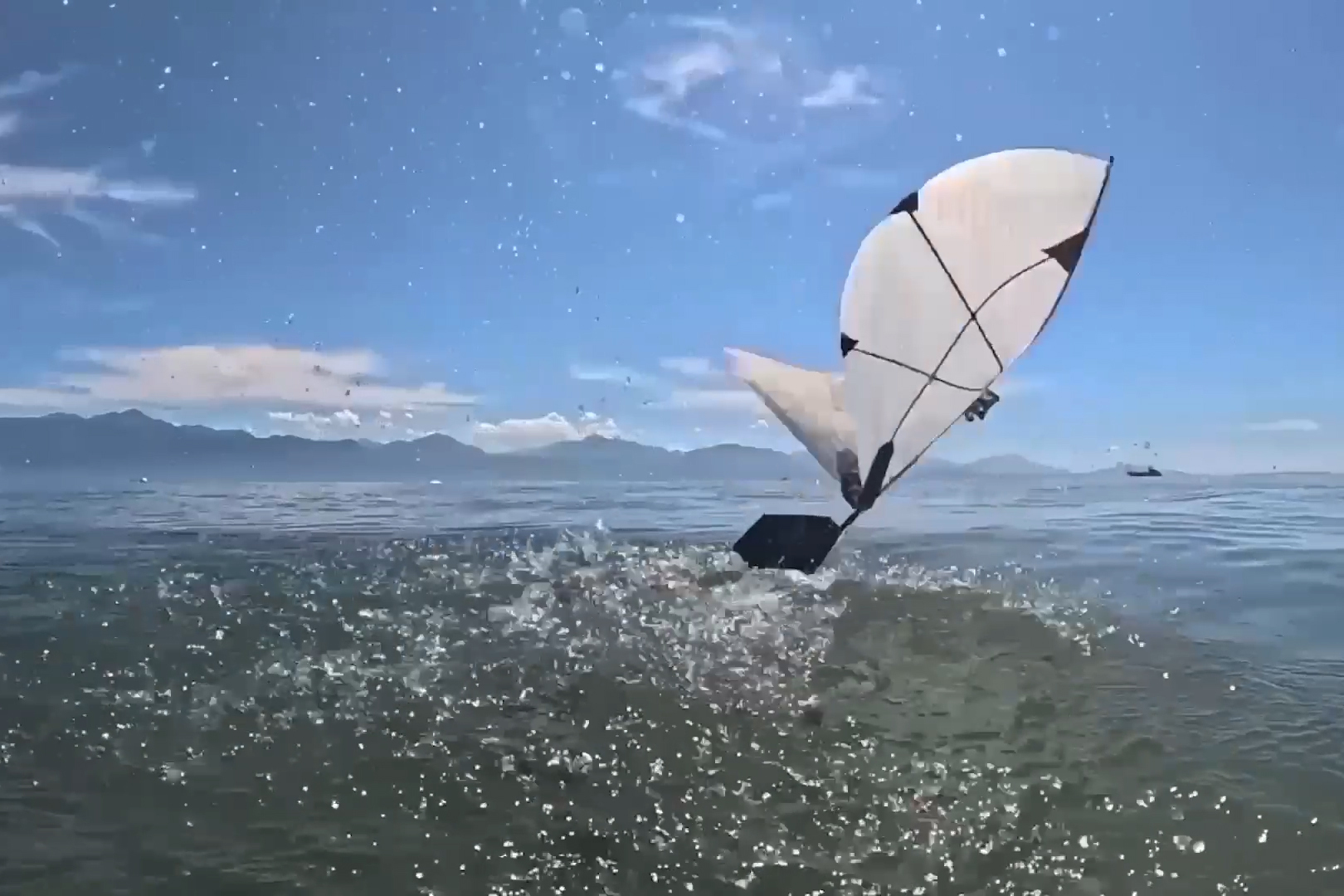
MIT and EPFL Develop Flapping Robot for Aerial and Aquatic Exploration
Engineers from MIT and EPFL have created a flapping-wing aerial-aquatic vehicle (FAAV) that weighs under 300 grams. This robot can swim underwater and transition to flight, mimicking the behavior of diving birds. The research, published in Science, showcases the robot's ability to adapt its mechanics for both mediums, which differ significantly in density and resistance. The significance of this development lies in its potential applications in oceanography and environmental monitoring. The FAAV can access areas that are typically hazardous for traditional vessels, allowing scientists to collect data from locations such as icebergs or marine habitats. This innovation could reduce operational costs and enhance data collection efficiency in marine research. Looking ahead, the research team aims to refine the FAAV's design and functionality. Future experiments will likely focus on optimizing the robot's performance in various aquatic environments. No further timeline was disclosed at the time of publication.
Bioinspiration Drones Mechanical engineering Oceanography and ocean engineering Research Robotics
Karst Exploration With Robots: Fontaine de Nîmes Data Set
The Journal of Field Robotics has published a new study that explores advancements in autonomous robotic systems. This research, released in early October 2023, highlights innovative techniques that enhance the navigation and operational capabilities of robots in various environments. Conducted by a team of researchers from leading universities, the study aims to address the growing demand for efficient robotic solutions in industries such as agriculture, manufacturing, and disaster response. The motivation behind this research stems from the increasing complexity of tasks that robots are expected to perform, necessitating improved algorithms and sensor technologies. By employing advanced machine learning methods and real-time data processing, the researchers demonstrated significant improvements in the robots' ability to adapt to dynamic surroundings and make autonomous decisions. The findings from this study are expected to have a substantial impact on the future development of robotic systems, paving the way for more reliable and versatile applications. As industries continue to seek automation solutions, this research provides valuable insights into the potential of robotics to enhance productivity and safety across various sectors.
FIELD REPORT
E/V Nautilus Embarks on Two Expeditions to Explore Mariana Deep-Sea Regions
The Ocean Exploration Trust's Exploration Vessel (E/V) Nautilus has set sail for two expeditions to explore the deep sea around the Mariana Islands. These expeditions, taking place from June to August 2026, will utilize the vessel's remotely operated vehicle (ROV) and telepresence systems, alongside Woods Hole Oceanographic Institution's autonomous underwater vehicle (AUV) Sentry, to investigate previously unsurveyed areas. These missions are significant as they aim to enhance understanding of abyssal plain habitats and ancient seamounts east of the Mariana Trench, a region known for its tectonic activity and unique geological features. The expeditions are supported by NOAA Ocean Exploration and the Bureau of Ocean Energy Management, highlighting the collaborative effort to advance oceanographic research and fill knowledge gaps in this critical area. Looking ahead, the E/V Nautilus will focus on characterizing deep ocean habitats and biodiversity, as well as geological formations, including marine critical minerals. The outcomes of these expeditions are expected to contribute to both US and international scientific priorities, addressing the need for comprehensive data on the largely unexplored deep-sea environments around the Mariana Islands.
e/v nautilus marianas deep-sea exploration ocean exploration trust
Inchworm-inspired robot that crawls without rigid parts could enable remote exploration
Researchers at the University of Gothenburg have developed a groundbreaking robot inspired by the movement of an inchworm, which operates without any rigid components. This innovative design allows the robot to mimic the flexing motion of muscles, making it suitable for various applications, including inspecting sewer pipes and exploring Mars. The findings of this research have been shared on the arXiv preprint server, highlighting the potential of soft robotics in diverse environments. The project aims to enhance exploration and inspection capabilities in challenging and confined spaces, showcasing the versatility and adaptability of this new robotic technology.
Robotics
From ball to rover: Transformable palm-sized rover SORA-Q for autonomous lunar exploration
In June 2026, a groundbreaking study published in Science Robotics highlights advancements in robotic technology, showcasing innovative designs and applications that could revolutionize various industries. Researchers from leading institutions collaborated to develop these robots, which are engineered to enhance efficiency and safety in sectors such as manufacturing, healthcare, and logistics. The study emphasizes the integration of artificial intelligence and machine learning, enabling robots to adapt to complex environments and perform tasks with greater precision. This research is particularly timely as industries seek to recover and innovate following disruptions caused by global events in previous years. The findings were presented at an international robotics conference held in Tokyo, where experts gathered to discuss the future of automation and its implications for the workforce. The motivation behind this research stems from the increasing demand for automation solutions that can address labor shortages and improve productivity. By employing advanced algorithms and sensor technologies, the robots demonstrated their ability to collaborate with human workers, paving the way for safer and more efficient workplace environments. This study not only marks a significant milestone in robotic development but also sets the stage for further exploration into the ethical and economic impacts of widespread robotic integration in society.
Research Article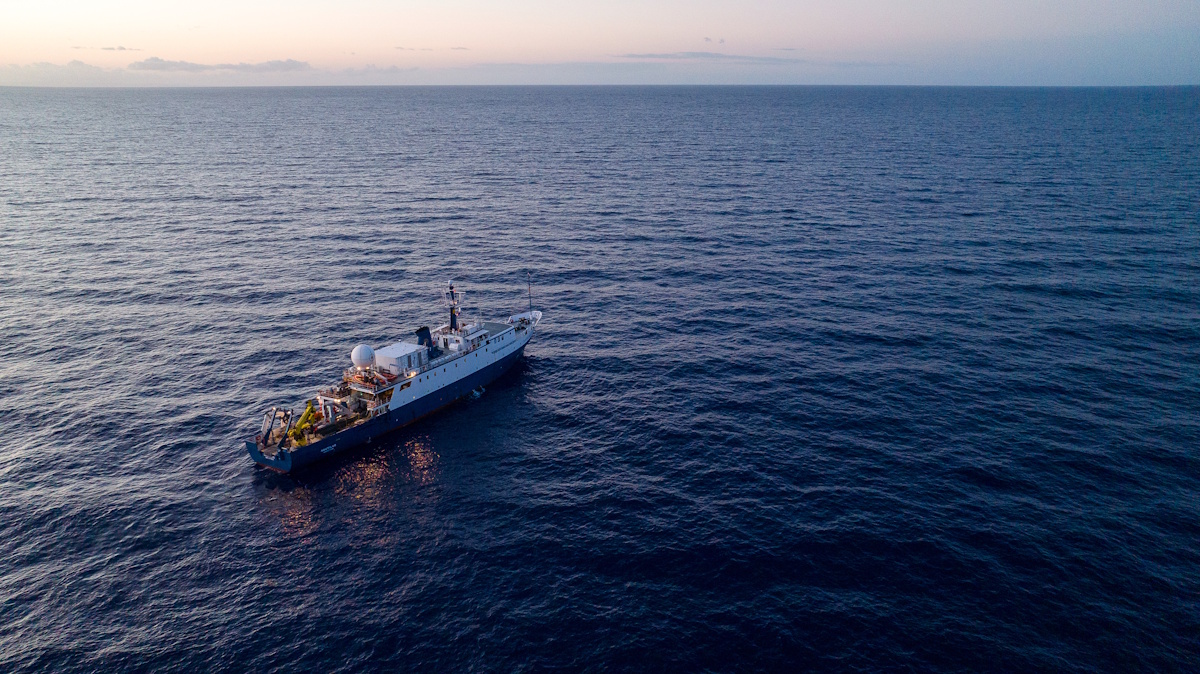
Ocean Exploration Trust Launches Expedition with New Mapping Sonar to Explore Deeper than Ever!
The Ocean Exploration Trust (OET) launched its Exploration Vessel (E/V) Nautilus today for the inaugural expedition of 2026, marking a significant advancement in deep-sea exploration. This expedition, named Pacific Mapping (NA178), features the first operational deployment of the newly installed Kongsberg EM 304 MKII multibeam sonar technology, which enhances the vessel's capability to explore ocean depths more effectively than ever before. The initiative aims to expand our understanding of the Pacific Ocean's underwater landscapes and ecosystems, leveraging cutting-edge technology to gather critical data. The expedition underscores OET's commitment to marine research and exploration, as it seeks to uncover the mysteries of the ocean and contribute to scientific knowledge.
ocean exploration trust’s (oet) e/v nautilus expedition 2026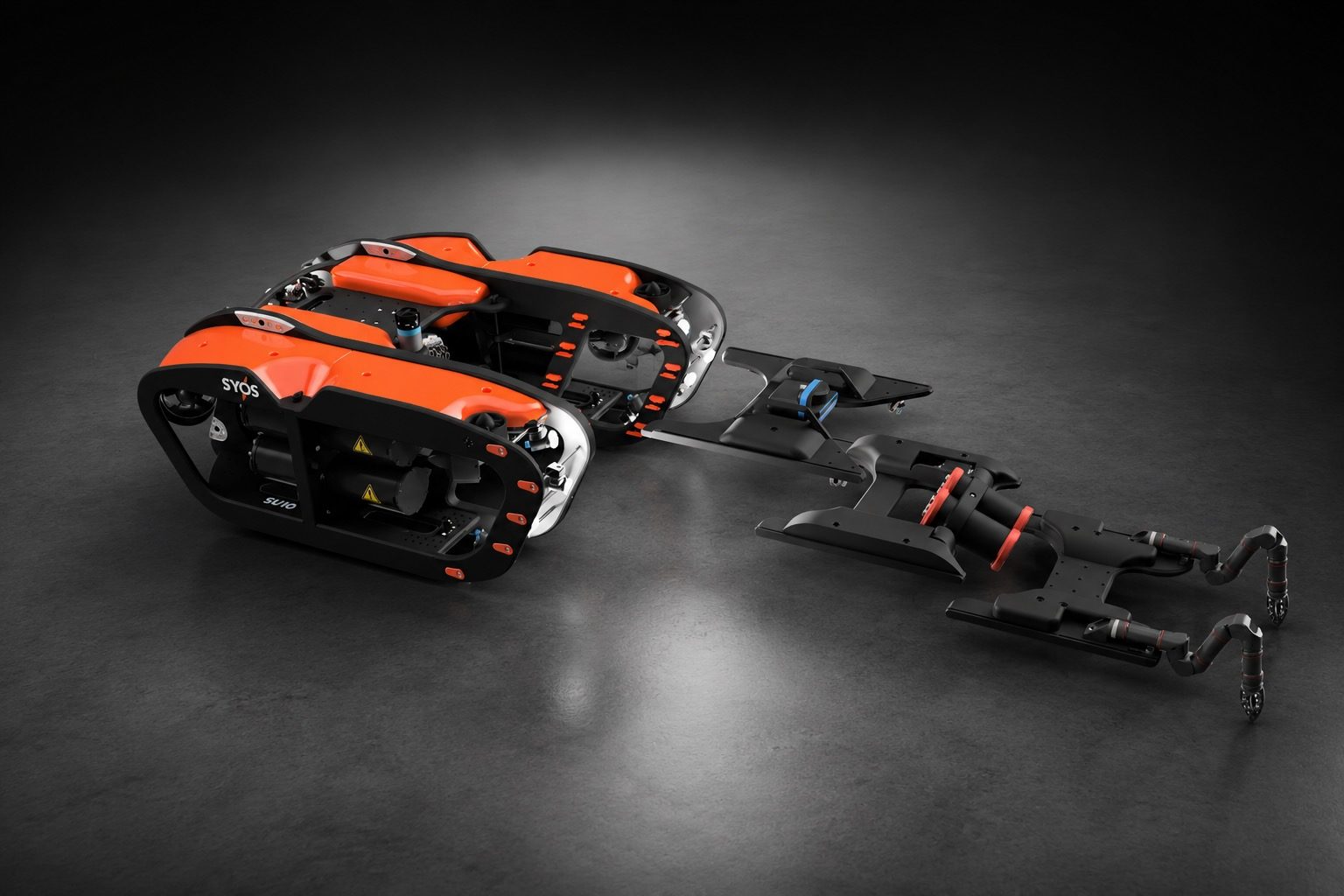
Under the Ice: New SYOS Underwater Drone Targets Maritime Security and Antarctic Exploration
SYOS, an autonomous systems company based in the UK and New Zealand, has unveiled its latest innovation, the SU10 uncrewed underwater vehicle (UUV), aimed at enhancing maritime security and supporting Antarctic exploration. The announcement was made during a recent event, marking a significant expansion of SYOS's portfolio, which previously focused on air and land operations. The introduction of the SU10 allows the company to venture into subsurface missions, addressing the growing demand for advanced technologies in multi-domain operations. This new underwater drone is designed to operate effectively in challenging environments, underscoring SYOS's commitment to developing versatile solutions for both security and exploration purposes.
Applications Arctic Drone News Drone News Feeds Dual Use News
The Evolution of Autonomous Systems for Planetary Cave Exploration: A Review
A recent study published in the Journal of Field Robotics highlights advancements in autonomous robotic systems designed for agricultural applications. Researchers from various institutions collaborated to develop innovative technologies aimed at improving efficiency in farming practices. The study, released in early October 2023, emphasizes the growing need for sustainable agricultural solutions in response to increasing global food demands and environmental challenges. The team conducted extensive field tests to evaluate the performance of these robotic systems in real-world farming environments. By integrating advanced sensors and artificial intelligence, the robots are capable of performing tasks such as planting, harvesting, and monitoring crop health with minimal human intervention. This approach not only aims to enhance productivity but also seeks to reduce the environmental impact of traditional farming methods. The motivation behind this research stems from the urgent need to address food security while minimizing resource usage. As climate change and population growth continue to strain agricultural resources, the development of autonomous robots presents a promising solution to meet future demands. Overall, the findings underscore the potential of robotics in transforming the agricultural sector, paving the way for more sustainable and efficient farming practices in the years to come.
SURVEY ARTICLE
Deepvein Mining Tech Wins NY Product Design Gold for Exploration Robotics
Deepvein Mining Tech has been awarded Gold at the 2026 NY Product Design Awards for its innovative series of Intelligent Geological Mapping and Geochemical Sampling Quadrupedal Robots. This recognition highlights the company's advancements in robotic systems specifically designed for mineral exploration in challenging and remote environments. The award underscores the importance of technology in enhancing safety and efficiency in high-risk mining operations.
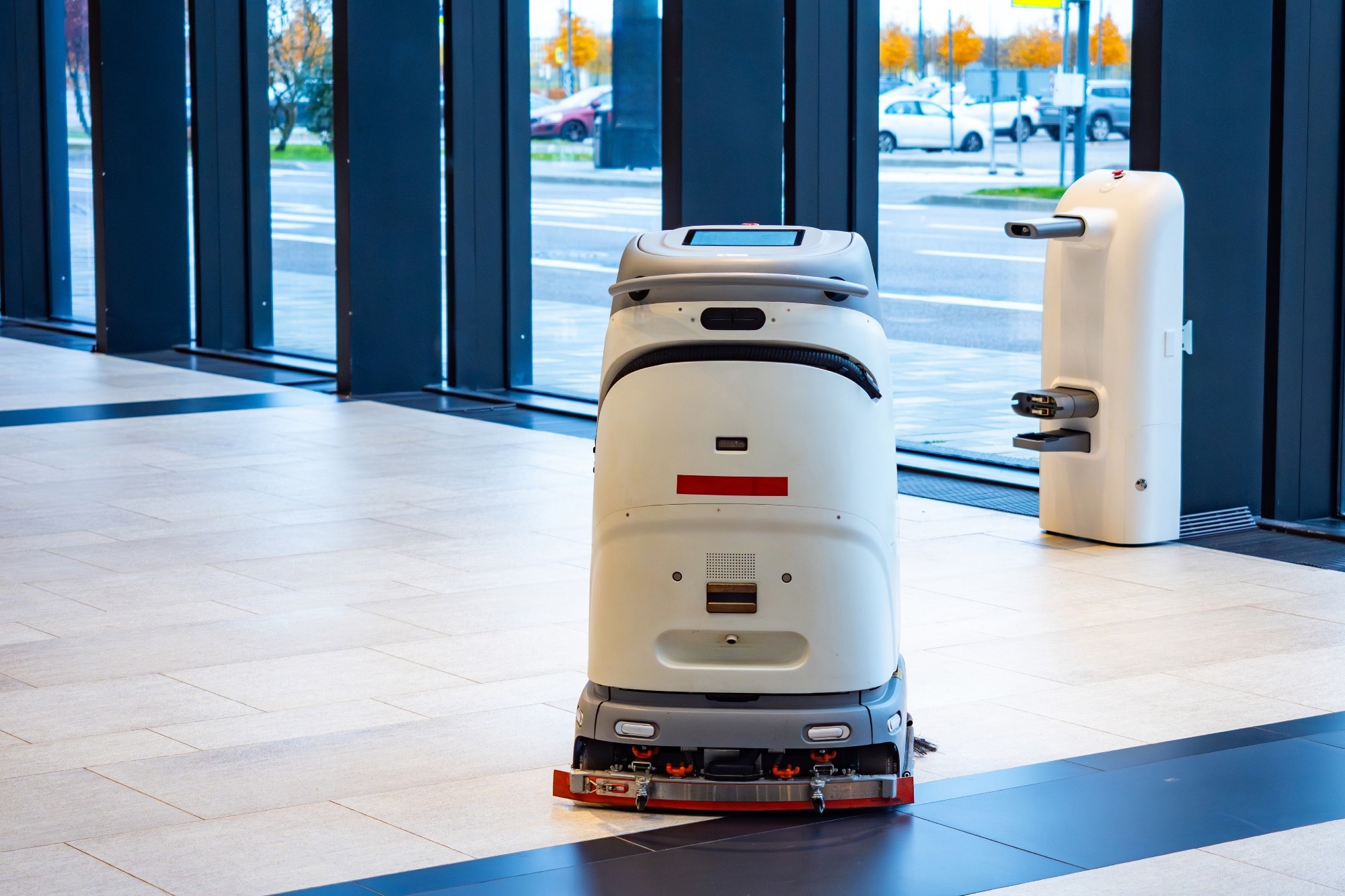
Multi-Resolution Mapping Improves Autonomous Robot Exploration Efficiency
A team of researchers has developed a groundbreaking multi-resolution exploration method aimed at improving robotic navigation in complex and unfamiliar environments. This innovative approach enhances the efficiency and adaptability of robots, enabling them to better navigate obstacles and varying terrain. The research, which was conducted in late 2023, addresses the growing need for advanced robotic systems capable of operating in unpredictable settings, such as disaster zones or remote exploration areas. By employing this new method, robots can dynamically adjust their navigation strategies based on real-time data, ultimately increasing their effectiveness in completing tasks. The findings promise to significantly advance the field of robotics, paving the way for more autonomous and resilient machines in the future.
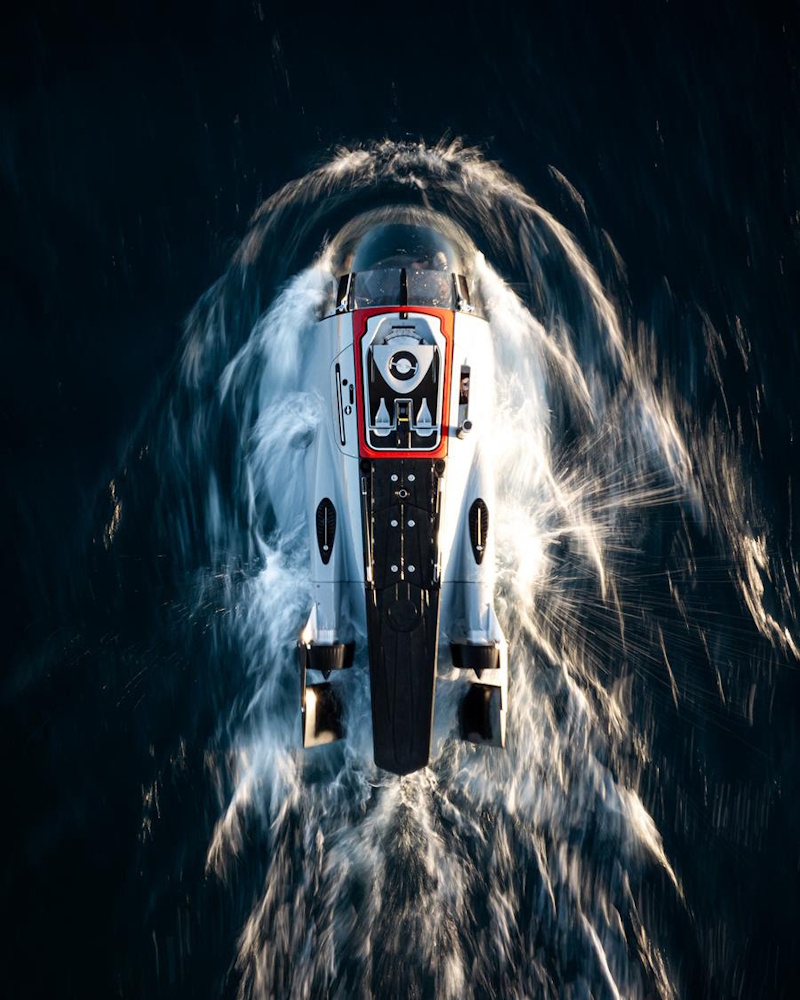
U-Boat Worx Unveils Super Sub During Exclusive 24-Hour Exploration Experience
U-Boat Worx, recognized as the leading manufacturer of manned submersibles, has introduced its latest innovation, the Super Sub, which represents a significant advancement in underwater mobility, performance, and overall experience. The unveiling took place recently, showcasing the company's commitment to pushing the boundaries of underwater exploration technology. This new submersible is designed to enhance the capabilities of divers and researchers alike, allowing for deeper and more efficient exploration of marine environments. The development of the Super Sub reflects U-Boat Worx's dedication to meeting the growing demand for sophisticated underwater vehicles, driven by increasing interest in ocean research and tourism.
u-boat worx super sub exploration experience
C-Innovation Plays a Key Role in First Oil at Salamanca for LLOG Exploration
C-Innovation, an affiliate of Edison Chouest Offshore, has successfully concluded a series of light construction campaigns at the Salamanca field in the Gulf of America. This achievement was made possible through a collaborative effort with LLOG Exploration and Pinnacle Engineering. The campaigns, which took place recently, aimed to enhance operational capabilities in the region, reflecting the companies' commitment to advancing offshore infrastructure. The partnership underscores the importance of teamwork in executing complex projects in the energy sector.
c-innovation first oil salamanca llog exploration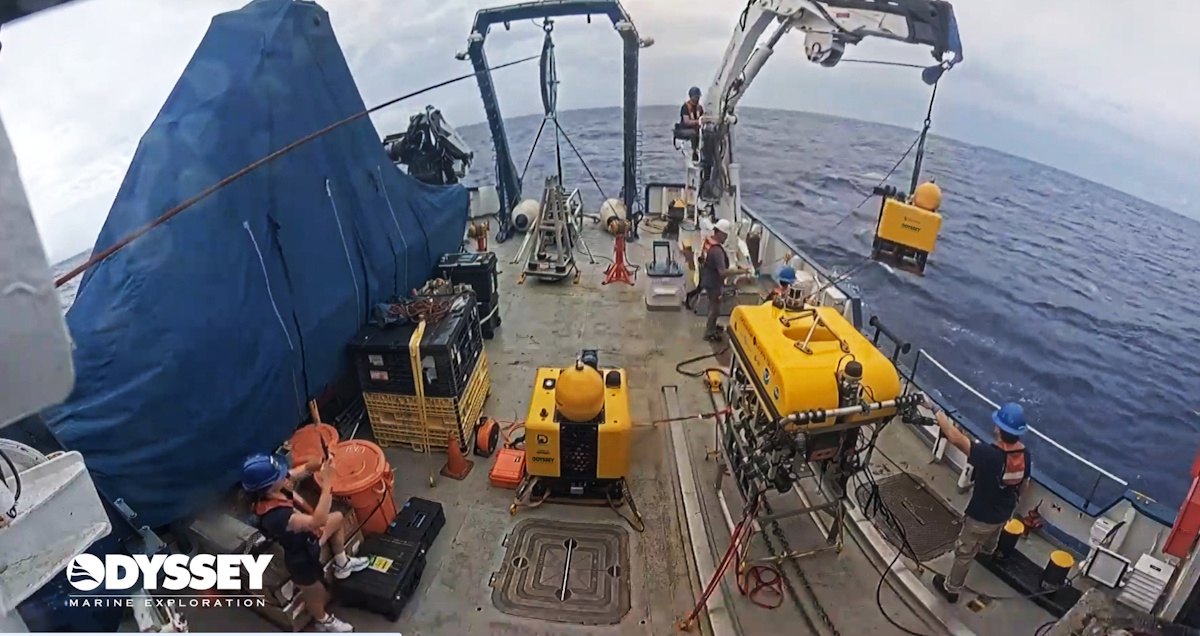
Two Odyssey Marine Exploration Autonomous Benthic Mini Landers Successfully Deployed in the Cook Islands’ EEZ
Odyssey Marine Exploration, Inc., a leader in ocean exploration and critical mineral resource development, has successfully deployed two Autonomous Benthic Mini Landers (ABML) in the exclusive economic zone of the Cook Islands. This significant achievement, announced today, represents the inaugural deep-sea deployment of specialized systems designed by Develogic GmbH for Odyssey. The deployment aims to enhance the company's capabilities in exploring and developing underwater mineral resources.
odyssey marine exploration autonomous benthic mini landers subsea mining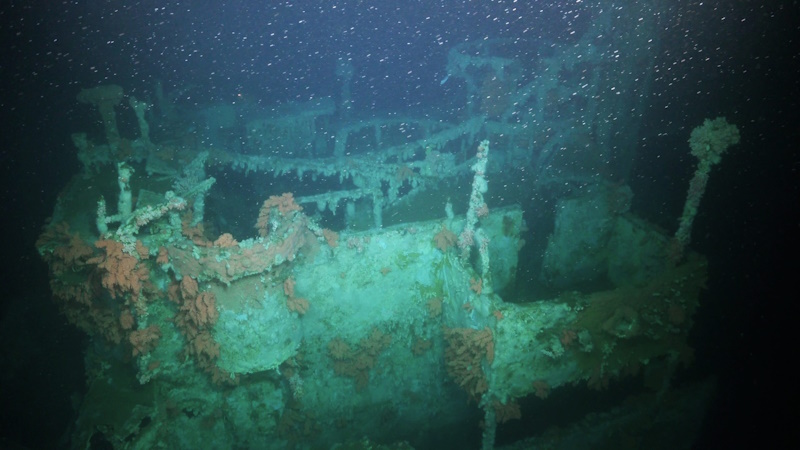
Vibrant Coral Reefs Discovered in Historic Exploration of Uruguay’s Deep Sea
In a significant scientific expedition, researchers have uncovered vibrant deep coral reef ecosystems that are facing global threats, alongside identifying at least 30 potential new species. This exploration, which took place recently, marks the first visit to the wreck of the ROU Uruguay, enhancing our understanding of marine biodiversity and the impacts of environmental changes. The findings underscore the urgent need for conservation efforts as these unique habitats are increasingly at risk. The team's innovative methods and dedication to marine research highlight the importance of preserving these underwater treasures for future generations.

First High-Tech Exploration of Argentina’s Mar del Plata Canyon Inspires Millions
An expedition led by Argentine scientists aboard the Schmidt Ocean Institute’s research vessel, R/V Falkor (too), has captivated nearly 4 million viewers over the past three weeks through live video feeds from the deep seafloor. The initiative has drawn a predominantly Argentine audience, who have engaged with the broadcast from various locations, including homes, classrooms, and public spaces like grocery stores and gyms. The live stream showcased the expedition's discoveries, featuring remarkable deep-sea creatures such as shimmering squids, pink lobsters, and a starfish reminiscent of the popular character Patrick Star from SpongeBob SquarePants. This unique opportunity not only highlights the wonders of the deep ocean but also aims to inspire a greater appreciation for marine science and conservation among the public.
exploration mar del plata canyon schmidt ocean institute soi remotely operated vehicle (rov) subastian
Oceaneering Awarded Contract by Esso Exploration Angola (Block 15) Limited for ROV Services and Integrated Solutions
Oceaneering International, Inc. has secured a significant contract with Esso Exploration Angola, a subsidiary of ExxonMobil, to provide support services for offshore operations in Angola's Block 15. The agreement, which began on July 1, 2025, is projected to yield between $80 million and $90 million in revenue over the next three years. This partnership underscores Oceaneering's commitment to enhancing operational efficiency in the region's oil and gas sector.
oceaneering contract award esso exploration angola block 15 rov services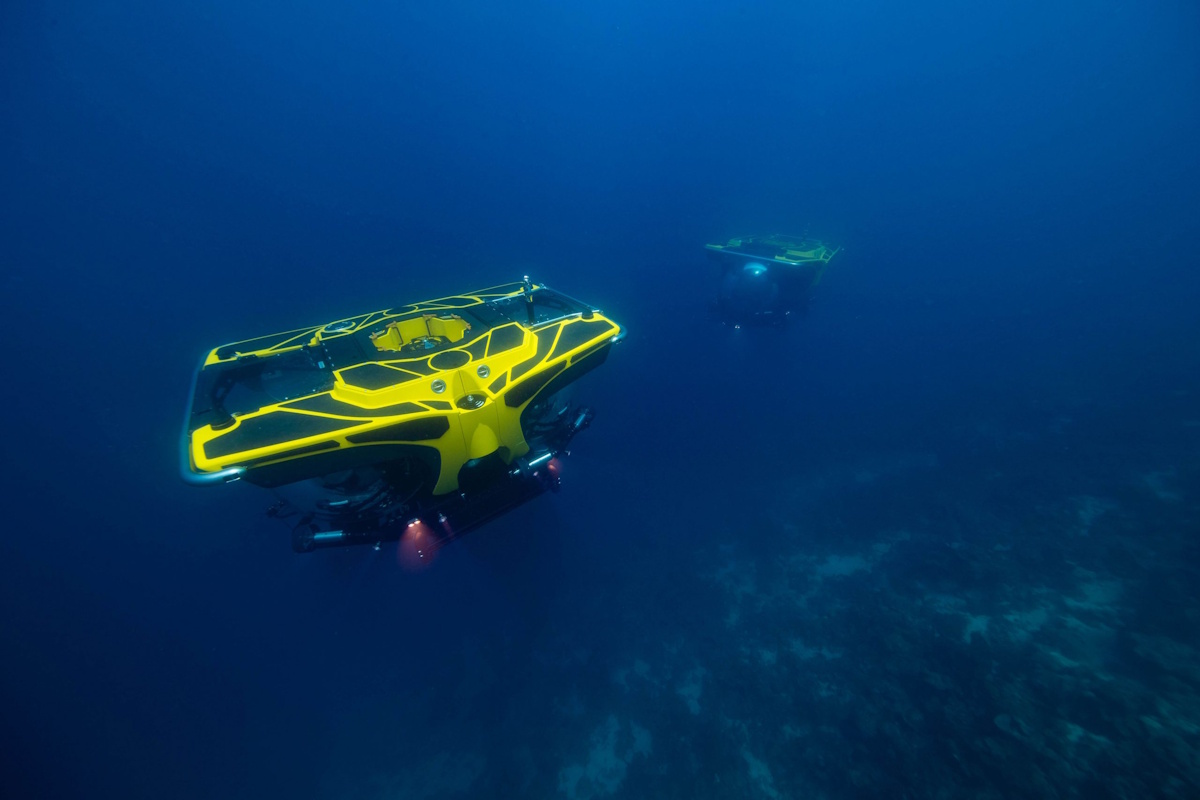
U-Boat Worx Submarines Unlock New Frontiers in Marine Exploration Aboard Expedition Cruise Vessels
A new era of marine exploration and scientific discovery is emerging as Viking and Seabourn expedition vessels incorporate advanced U-Boat Worx Cruise Sub submarines. These state-of-the-art submersibles provide guests with an extraordinary opportunity to explore the depths of the world's oceans while also serving as essential instruments for oceanographic research. This innovative approach is facilitating groundbreaking studies that enhance our understanding of marine ecosystems, highlighting the dual purpose of adventure and scientific inquiry in ocean exploration.
u-boat worx submarines marine exploration expedition cruise vessels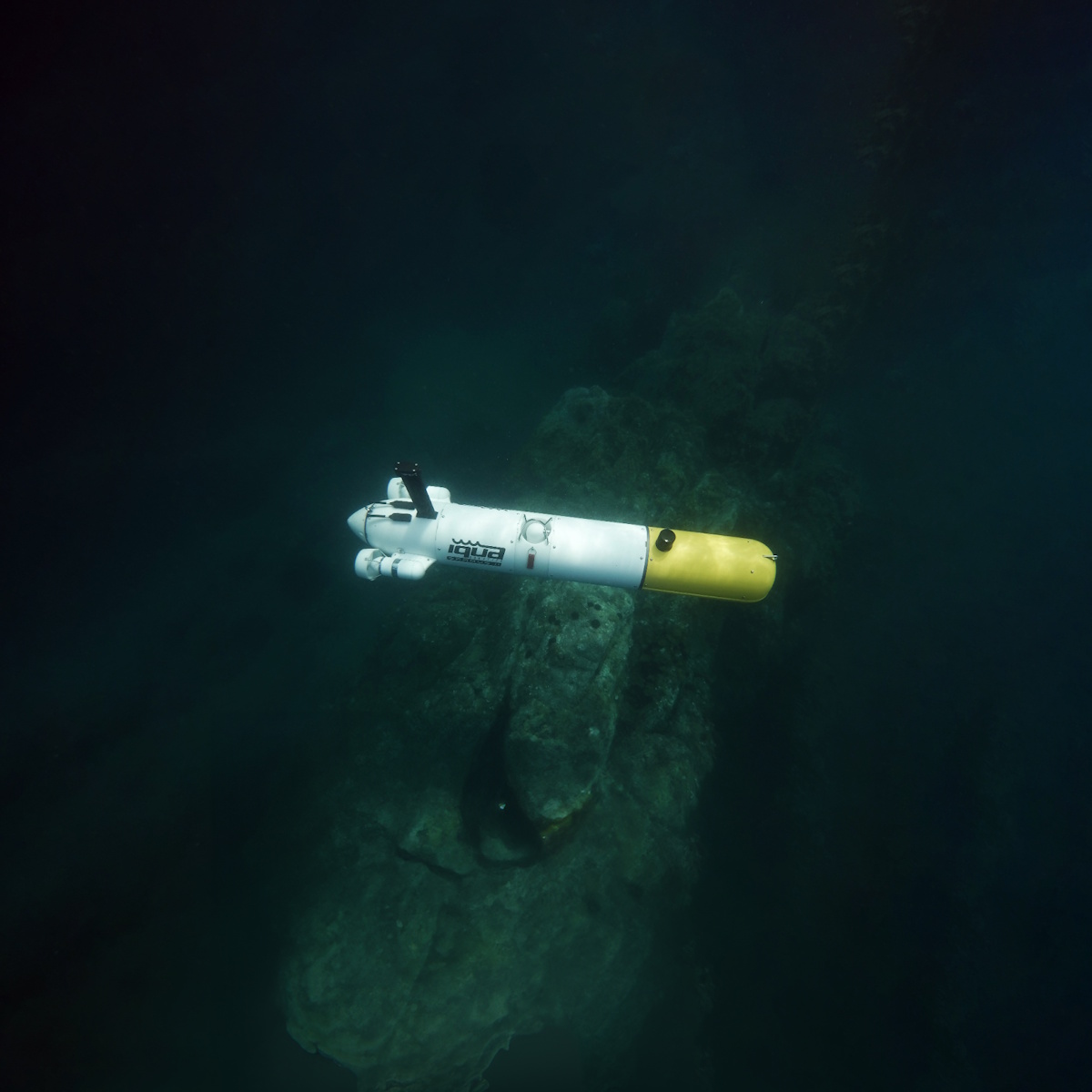
Multimodal Mapping for Exploration and Inspection with the SPARUS II AUV
Micro and small autonomous underwater vehicles (AUVs) are increasingly recognized for their ability to integrate various sensors and navigation systems, making them particularly suitable for operations in coastal waters. Their deployment and operation are straightforward, which enhances their appeal for marine exploration. However, successful exploration and mapping of survey targets often necessitate the use of multiple sensing techniques. Furthermore, there is a growing demand for close-range, high-resolution inspections, a task that has traditionally been handled by remotely operated vehicles (ROVs). This shift highlights the evolving capabilities of AUVs in marine applications, as they seek to meet the complex requirements of underwater surveying and inspection.
multimodal mapping exploration inspection sparus ii auv iqua robotics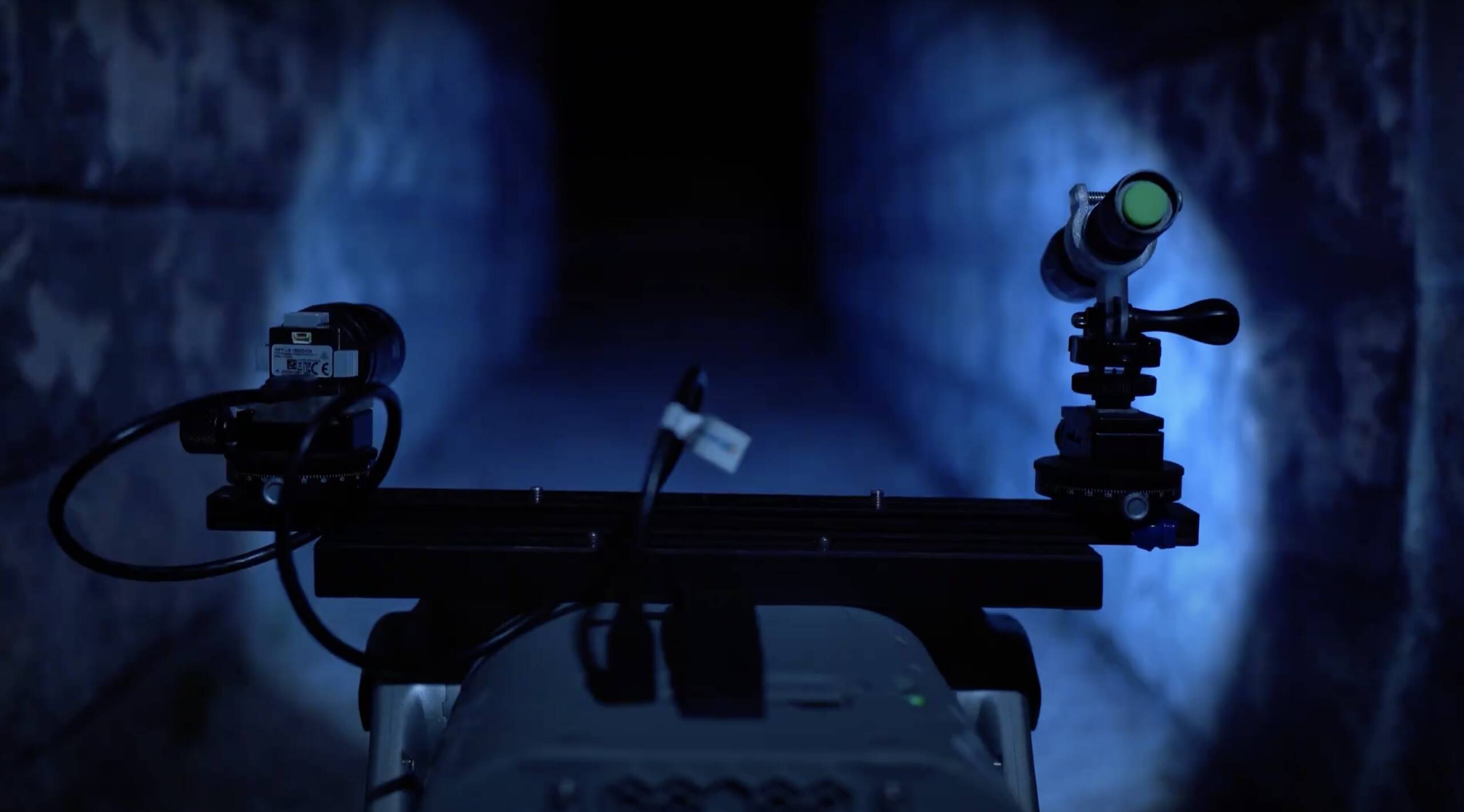
CMU Researchers Illuminate New Horizons in Low-Light Robotic Exploration
Researchers at Carnegie Mellon University have developed a groundbreaking framework that enables robots to create photorealistic representations of scenes in low-light environments. This advancement is significant as robots are increasingly utilized for various tasks, including lifting heavy loads in warehouses, delivering meals to diners, and performing household chores. Despite their growing presence, much of the work done by robots remains unseen, particularly in challenging lighting conditions. The new framework enhances the capabilities of robots and autonomous vehicles, allowing them to effectively conduct critical tasks such as exploration, inspection, and transportation in environments where visibility is limited. This innovation opens up new possibilities for robotic applications, particularly in areas that require reliable performance in low-light scenarios.
Research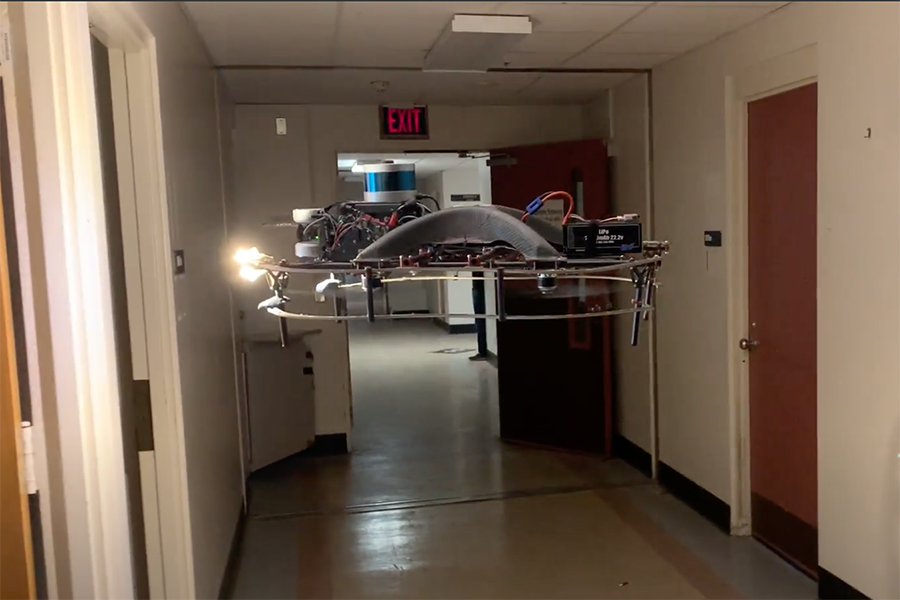
Autonomous Aerial Robots Communicate, Prioritize Rooms in Multiroom Exploration
Researchers at the Robotics Institute have unveiled an innovative approach to enhance autonomous aerial robot exploration and coordination among multiple robots in abandoned buildings. This advancement aims to assist first responders in efficiently gathering critical information and making informed decisions following disasters, such as earthquakes, which occur approximately 100 times a year globally. The method focuses on enabling robots to communicate effectively and prioritize rooms during multiroom exploration, thereby improving the overall response to emergencies. The development underscores the potential of robotics technology in disaster management, particularly in navigating hazardous environments where traditional methods may fall short.
UncategorizedRobotics needs a service framework.
RSF defines a common language for robot service capability, lifecycle operations, certification pathways, and service-provider networks.
Join the RobotToday community on LinkedIn
Daily robotics news, in-depth analysis, conference highlights, and discussions with professionals worldwide.







