

Industry Briefing
A single destination for timely, editor-curated robotics news from around the world.

China Mobile Launches Open-RAIL Engineering Base for VLA and WAM Robot Models
China Mobile has announced the open-source release of Open-RAIL, an engineering base designed to integrate vision-language-action and world-action-model systems with robotic platforms. This innovative framework allows for seamless model inference, real-robot execution, data feedback, and model iteration within a unified workflow. The significance of Open-RAIL lies in its ability to support four heterogeneous robots and ten VLA or WAM models, making it a versatile tool for developers. The project claims that new models can be integrated with only 50 to 100 lines of code, while its hardware-abstraction layer ensures standardized control, state reading, and action execution across various robot platforms. Looking ahead, the adoption of Open-RAIL could streamline the development process for robotics applications, enhancing interoperability among different systems. No further timeline was disclosed at the time of publication.
News Feed
Challenges in Commercializing Embodied Intelligence: Hardware and Engineering Focus
As robots demonstrate capabilities like running and jumping, the industry consensus is clear: technical prototypes do not equate to commercial products. The competition in the embodied intelligence sector has shifted from algorithmic prowess to a comprehensive evaluation of hardware engineering, supply chain systems, and cost-benefit analysis in real-world scenarios. By 2026, advancements in technologies such as large models and dexterous hands are expected to accelerate. However, as numerous prototypes enter operational environments, issues like stability, maintenance costs, and parts supply have surfaced, revealing a significant gap between technological capabilities and industrial demands. While robots may achieve high success rates in laboratory settings, industrial applications require thousands of operational cycles, where even minor failures can halt entire processes. The industry recognizes that universal robots are not a feasible path at this stage. Instead, addressing gaps left by traditional automation is a more pragmatic approach. The logistics and warehousing sectors, characterized by structured environments, are the first to undergo large-scale validation. However, not all tasks are suitable for robots, and traditional automation still holds advantages in many areas. The maturity of the supply chain will ultimately determine the limits of industry expansion, as companies begin to build collaborative platforms to support large-scale delivery and address current mismatches in planned capacity and actual output.
Robotics Hardware Engineering Supply Chain Management Industrial Automation
Military Humanoid Robots in Engineering Validation Phase Amid Global Defense Research Trends
The global embodied intelligence industry is increasingly capturing the attention of national defense research, with humanoid robots expected to enhance their mobility, dexterity, and environmental perception by 2025-2026. Chinese manufacturers dominate the global humanoid robot shipment market, providing a substantial hardware foundation for military research. Various military research institutions are exploring potential battlefield applications, including urban warfare and infiltration, with simulations indicating that usable prototype systems may emerge within 5-10 years. However, despite advancements, there is currently no public evidence that armed humanoid robots have been officially deployed in combat units, as most projects remain in laboratory and training validation phases. The battlefield presents complex conditions that impose stringent reliability and endurance standards, far exceeding those of commercial products. Challenges such as high energy consumption and complex repair processes hinder the operational capabilities of humanoid robots in high-intensity combat scenarios. Tactically, humanoid robots are not the sole optimal solution for battlefield unmanned equipment. More mature technologies like wheeled and tracked vehicles are already fulfilling reconnaissance and logistics roles at lower costs. The dual-use technology approach emphasizes the importance of civilian advancements in robotics for military applications, while military requirements can drive improvements in civilian products. The path forward involves addressing environmental adaptability, energy consumption, and cost issues to ensure humanoid robots can reliably operate in harsh conditions and meet tactical and economic demands.
Humanoid Robots Military Robotics Dual-Use Technology Robotics Research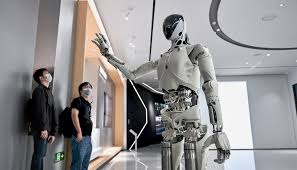
Harbin Engineering University Alumni Drive Significant Investment in Deep-Sea Robotics
In the summer and autumn of 2026, the deep-sea robotics sector experienced a surge in funding, with three major investments announced. Shihang Intelligent secured over 1 billion yuan in Series A funding, achieving a unicorn valuation; Deep-Sea Intelligence raised over 500 million yuan, backed by prominent investors including Guohua Venture Capital and others; and Gongzhi Ocean set a new record with nearly 100 million yuan in angel funding. These investments highlight the influence of alumni from Harbin Engineering University, with key figures such as Professor Guo Chunyu, who founded Gongzhi Ocean, and Ma Yiming, the founder of Deep-Sea Intelligence, both having strong ties to the university. Their companies are positioned to lead in various applications, including offshore oil and gas, underwater communication, and deep-sea mining, with Deep-Sea Intelligence already capturing a significant share of the domestic market. The deep-sea robotics industry is gaining momentum, with the Chinese government recognizing deep-sea technology as a strategic emerging industry. The global underwater service market is projected to reach 1.5 trillion yuan, growing at an annual rate of over 20%. As the industry transitions from research to commercialization, deep-sea robotics startups are poised for unprecedented opportunities.
Deep-Sea Robotics Marine Technology Investment Startups
Harbin Engineering University Professor Seeks to Establish 'Huawei of the Deep Sea' with Record Financing
A professor from Harbin Engineering University has set a record by securing 5 billion in financing aimed at developing deep-sea technologies. This ambitious initiative seeks to position the university as a leader in the sector, drawing parallels to Huawei's success in telecommunications. The substantial funding reflects growing interest and investment in deep-sea innovation, marking a pivotal moment for the industry. The significance of this financing lies in its potential to advance deep-sea exploration and technology, which is increasingly critical for various applications, including resource extraction and environmental monitoring. The professor's vision to create a 'Huawei of the Deep Sea' underscores the importance of innovation in this field, as it could lead to breakthroughs that enhance our understanding of oceanic environments. Looking ahead, stakeholders will be keen to observe how this funding translates into tangible advancements in deep-sea technologies. The professor's initiative could attract further investment and partnerships, shaping the future landscape of deep-sea exploration. No further timeline was disclosed at the time of publication.
Robotics Automation AI
Wing Strengthens Engineering Leadership with New Appointments Ahead of 2027 Expansion
Wing has appointed Brandon Jones as Chief Autonomous Systems and Applications Officer and Paul Gojenola as Chief Hardware Development and Manufacturing Operations Officer. These strategic appointments aim to enhance Wing's engineering capabilities as the company prepares to serve 40 million Americans and expand internationally by 2027. The significance of these leadership changes lies in Wing's commitment to scaling its residential drone delivery services. With Jones overseeing autonomy and Gojenola managing hardware development, Wing is positioned to meet the increasing demand for drone delivery solutions. Their combined expertise is expected to drive innovation and operational efficiency in the company's delivery network. Looking ahead, Wing's focus will be on executing its ambitious plans for 2027. The company aims to expand its reach and enhance its technology leadership in the drone delivery sector. No further timeline was disclosed at the time of publication.
Business and Finance Corporate News Drone News Drone News Feeds News Adam Woodworth Wing CEO
Dexory Implements SimScale’s Engineering AI to Enhance Autonomous Robot Design
Dexory, a robotics and warehouse data intelligence company, has implemented SimScale’s Engineering AI to improve the engineering workflows for designing and testing autonomous warehouse robots. This deployment builds on Dexory's existing use of SimScale’s AI-native cloud simulation platform, enabling engineers to quickly identify structural component failures and explore various design options through simulation. The significance of this development lies in the growing demand for faster product development cycles in warehouse robotics, projected to reach a market value of $117 billion by 2034. As engineering teams face pressure to maintain performance and reliability, the integration of AI into engineering processes is becoming increasingly vital. Dexory's use of Engineering AI aims to streamline investigations into structural failures and enhance simulation reporting, making it easier for teams to analyze and share results. Looking ahead, Dexory's program will allow engineers to conduct parameter sweeps and capture simulation knowledge, creating a searchable engineering memory. This initiative not only focuses on productivity but also aims to identify where AI can provide the most value in engineering, establishing best practices for future AI adoption. No further timeline was disclosed at the time of publication.
Automation & Robotics
The Evolution of Engineering Intelligence: Moving Beyond Traditional CAD Systems
The limitations of traditional CAD systems as mere documentation tools for engineers are becoming increasingly apparent. Dr. Axel Zein, CEO of WSCAD, discusses how engineering intelligence can enhance productivity by scaling knowledge across numerous projects. This shift is crucial for electrical engineers, as it integrates AI into their workflows, enabling them to overcome bandwidth challenges and improve efficiency. The rise of engineering intelligence signifies a transformative change in how engineers approach design and documentation. By leveraging advanced software solutions, engineers can streamline their processes and focus on innovation rather than being bogged down by repetitive tasks. This evolution is essential for staying competitive in a rapidly changing industry. Looking ahead, the integration of AI into engineering practices will likely continue to grow, reshaping the landscape of design and development. As companies like WSCAD lead the charge in this transformation, it will be important to monitor how these advancements impact productivity and project outcomes in the engineering sector. No further timeline was disclosed at the time of publication.
Factory / Design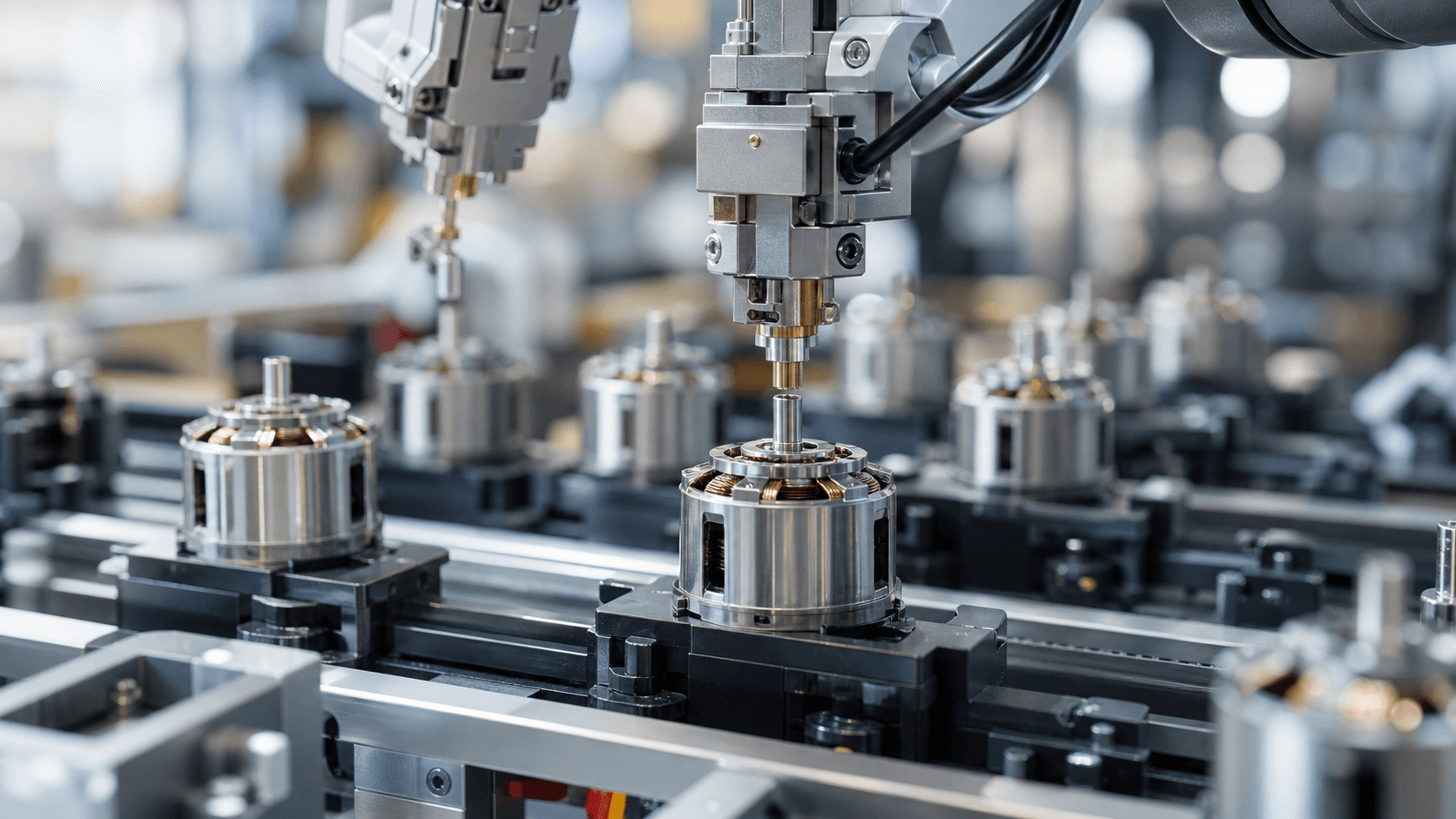
Jiangsu Leili Motor Transforms Appliance Engineering into Core Power for Humanoid Robots
Jiangsu Leili Motor, originally a workshop in Changzhou established in 1993, is projected to achieve a revenue of 4 billion yuan by 2025. The company has diversified its business, with the share of home appliances decreasing to 55%, while automotive, industrial control, and medical sectors have surpassed 40%. This shift in focus is significant as Jiangsu Leili Motor's hollow-cup motors and dexterous hands are now integral to the functionality of humanoid robots. By 2025, the company anticipates that nearly 50% of its sales will come from international markets, highlighting its growing global presence. Looking ahead, Jiangsu Leili Motor's continued innovation in motor technology and its expansion into new sectors will be crucial. No further timeline was disclosed at the time of publication.

Alloy Robotics Raises $8 Million to Enhance Robotics Engineering with AI Solutions
Alloy Robotics has successfully completed an $8 million seed funding round, achieving a valuation of $80 million. The funding was led by Square Peg, with participation from existing investors including Blackbird, Airtree, and Skip Capital, as well as leaders and engineers from companies like OpenAI and Tesla. The company aims to address the significant time engineers spend diagnosing failures in robotic fleets, which can take days or even weeks. The core issue is that when robots malfunction, relevant data such as logs, telemetry, and sensor information is often scattered, making it difficult for engineers to piece together clues. Alloy's solution integrates various data types with engineering context from platforms like Slack and Jira, using AI agents to continuously scan for anomalies and patterns. This approach allows engineers to investigate known issues in natural language while uncovering hidden faults. Alloy's technology has already been adopted across various sectors including navigation, defense, and agriculture. Companies like Advanced Navigation have reported drastic reductions in testing analysis time, while DroneForge has benefited from more accurate fault diagnosis. As competition in the robotics industry intensifies, the ability to learn quickly from data will be crucial for success.
AI Robotics Engineering Data Integration Troubleshooting Solutions Automation
Unique Group Completes Engineering for Vanguard, America's First Open-Ocean Human Habitat in 40 Years
Unique Group has successfully delivered the engineering and infrastructure for Vanguard, the first open-ocean subsea human habitat in the U.S. in over four decades. Developed by DEEP and installed at Tennessee Reef in the Florida Keys National Marine Sanctuary, Vanguard allows crews of up to four aquanauts to live underwater for extended missions. This project is significant as it addresses complex engineering challenges, ensuring long-term human habitation in a protected marine environment while withstanding extreme weather conditions. Unique Group's comprehensive approach included geophysical surveys, structural engineering, and life-support systems integration, all designed to meet stringent safety and environmental standards. Looking ahead, the focus will be on the operational performance of Vanguard and its ability to support scientific missions over its 20-year design life. No further timeline was disclosed at the time of publication.

Neya Systems and GS Engineering Collaborate to Enhance Robotic Construction Equipment for Defense
Neya Systems and GS Engineering have announced a strategic collaboration aimed at advancing robotic and autonomous construction equipment for defense applications. This partnership combines Neya's N-Drive™ autonomy technology with GS Engineering's Remote Expeditionary Autonomous Pioneer (REAPr) unmanned ground vehicle, focusing on creating an integrated solution that enhances operational efficiency in military engineering tasks. The collaboration is significant as it seeks to improve the safety and effectiveness of warfighters by automating the most hazardous and labor-intensive engineering tasks. By leveraging proven autonomy technology and advanced UGV capabilities, the initiative aims to streamline construction processes in defense operations, ultimately contributing to enhanced mission readiness and operational success. Looking ahead, the integration of these technologies is expected to lead to the development of field-ready autonomous solutions that can significantly reduce the risks faced by military personnel. No further timeline was disclosed at the time of publication.
Dexory Implements SimScale’s Engineering AI to Enhance Warehouse Robotics Development
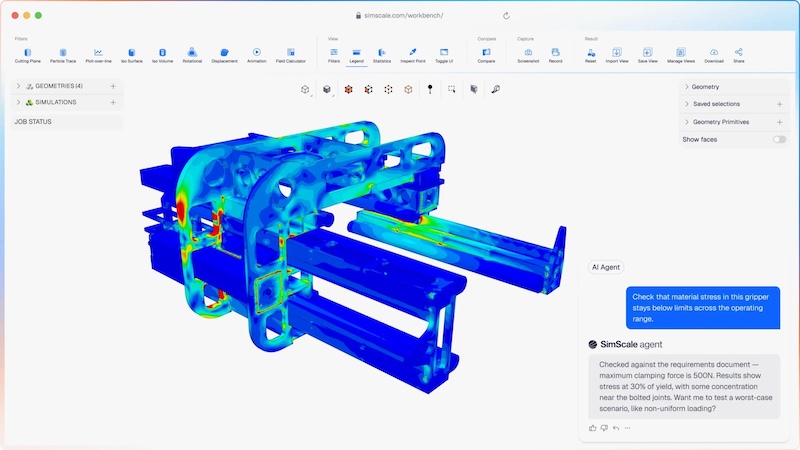
Dexory, a robotics and warehouse data intelligence company, has integrated SimScale’s Engineering AI to streamline the design and testing processes for autonomous warehouse robots. This deployment aims to expedite engineering workflows by enabling quicker identification of structural component failures and facilitating multiple design variations through simulation. The significance of this initiative lies in the growing demand for efficient product development cycles in the warehouse robotics sector, projected to reach $117 billion by 2034. As manufacturers strive to enhance performance and reliability, Dexory's use of Engineering AI reflects a broader trend of embedding AI into engineering processes, which is crucial for maintaining quality while accelerating development. Looking ahead, Dexory's Engineering AI program will automate simulation reporting and enable engineers to conduct parameter sweeps, enhancing the efficiency of design iterations. The initiative not only aims to improve productivity but also seeks to understand AI's potential impact on engineering practices. No further timeline was disclosed at the time of publication.
Engineering News Warehouse robots ai simulation autonomous warehouse robots cloud simulation
Rescale Joins Genesis Mission to Enhance Engineering with Next-Gen Supercomputing
Rescale, a digital engineering platform, has secured funding through the Genesis Mission, a US Department of Energy initiative aimed at creating an advanced integrated science discovery platform. As a partner in the Agentic HPC Pipeline Initiative, Rescale will collaborate with national laboratories to leverage agentic AI for accelerating the adoption of advanced computing tools in US industry. This initiative is significant as it seeks to enhance the productivity of scientific research by integrating AI, supercomputing, and advanced scientific instruments. The Genesis Mission, established in November 2025, aims to double the productivity of US scientific research within the next decade, drawing comparisons to historic projects like the Manhattan Project and the Apollo program. Looking ahead, Rescale's project will integrate AI agents into simulation tools developed by national laboratories, significantly reducing the time and expertise required for their use. No further timeline was disclosed at the time of publication.
AI and Robotics Innovation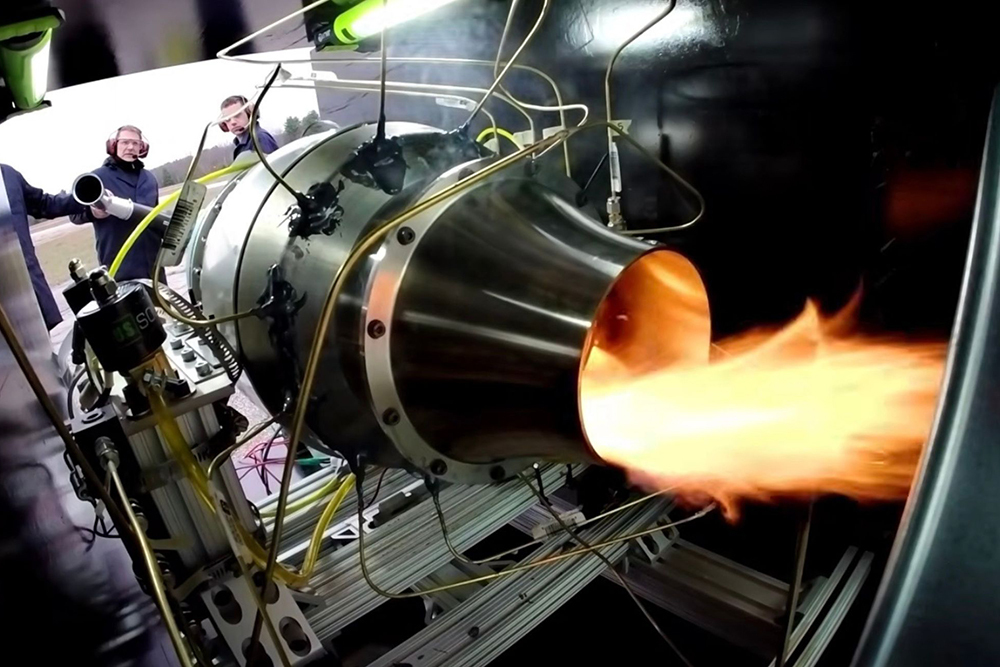
MIT's JARVIS Challenge Explores AI's Role in Jet Engine Engineering
The JARVIS Challenge, held at MIT, investigated the potential of AI in designing and building jet engines. Over four weeks, undergraduate teams utilized AI tools to create a small gas turbine engine, aiming for a thrust of 50-100 pounds. Professor Zolti Spakovszky emphasized that while AI can enhance hardware engineering, human engineering judgment remains crucial. This initiative is significant as it highlights the evolving relationship between AI and engineering, particularly in safety-critical domains. With support from MIT Lincoln Laboratory and corporate sponsors like Safran and Voyager Technologies, students had unprecedented access to AI resources, fostering an environment of innovation and exploration. Looking ahead, the challenge showcased the importance of integrating AI into engineering workflows. As students learned to navigate AI's capabilities and limitations, it raises questions about the future of engineering education and the skills required in a rapidly changing technological landscape. No further timeline was disclosed at the time of publication.
Classes and programs Contests and academic competitions Students Undergraduate STEM education Artificial intelligence
1X Technologies Appoints Tom Sanocki as VP of Engineering for NEO Development
1X Technologies has appointed Tom Sanocki as Vice President of Engineering, effective June 25, 2026. His role will focus on steering the software organization through a pivotal transition from research to commercial deployment of the NEO humanoid robot, which is set for consumer release by late 2026 at a price of $20,000. This appointment is crucial for 1X Technologies as it aims to enhance its manufacturing capabilities at the NEO Factory in Hayward, California, while meeting the upcoming delivery timeline. Sanocki brings extensive experience in real-time systems and user-facing platforms, having previously worked with Roblox and Meta, which aligns with the company's need for advanced technical leadership. Looking ahead, Sanocki's expertise will be vital in executing the company's new software strategy, particularly with the launch of the 1X World Model Lab. This initiative aims to improve the NEO platform's cognitive capabilities and developer ecosystem, especially in light of recent geopolitical shifts affecting AI hardware supply chains. No further timeline was disclosed at the time of publication.
1X Technologies US
2026 EDGE Awards Announce Winners and Honorees in Engineering Innovations
The 2026 EDGE Awards have recognized exceptional product innovations in engineering, celebrating achievements in design and automation. Automation World, alongside its affiliate brands, announced the winners across ten categories, including the overall Leading EDGE Winner, Microchip Technology Inc. for its Micro Switchtec Gen 6 PCIe Switches. This recognition highlights the importance of innovation in driving progress within the engineering sector. The awards not only honor the winners but also encourage continued advancements in automation technologies, showcasing products that enhance communication and control systems. Looking ahead, the focus will remain on how these innovations can further influence the automation landscape. The recognition of companies like Microchip Technology Inc. sets a benchmark for future developments in engineering and automation solutions. No further timeline was disclosed at the time of publication.
Factory / Control
SPH Engineering Partners with Measur to Enhance Drone Sensor Accessibility in Canada
SPH Engineering has expanded its partnership with Measur, appointing the Canadian geospatial technology provider as its Master Distributor for specialized drone sensor solutions. This collaboration aims to improve access to advanced drone technologies for Canadian industries such as mining, oil and gas, and environmental monitoring. The partnership is significant as it addresses the challenges of integrating sophisticated sensors into industrial operations, providing local expertise alongside the equipment. Measur will assist customers in selecting sensor configurations, conducting demonstrations, and offering training and technical support, which is crucial for industries where drones are replacing workers in hazardous environments. As industrial drone adoption continues to grow, Canada’s unique geography and extensive resource operations make it an ideal market for these technologies. The partnership will enhance the local support network, enabling industries to leverage drones for tasks traditionally requiring costly ground crews or manned aircraft. No further timeline was disclosed at the time of publication.
News
General Robotics GRID Achieves Milestone as First Auto-Engineering Robot Intelligence Platform
General Robotics has announced a significant advancement for its GRID platform, which now auto-engineers its entire development and deployment lifecycle. This milestone allows GRID to streamline processes from robot onboarding to skill deployment, significantly reducing the time and expertise needed for production. The importance of this development lies in its potential to accelerate the transition from pilot projects to full-scale production for customers. By automating the engineering processes, GRID enhances the efficiency of skill creation, AI training, testing, and evaluation, making it easier for organizations to implement robotic solutions. Looking ahead, the industry will be watching how this innovation impacts the adoption of robotics in various sectors. General Robotics' ability to simplify the integration of robots into production environments could set a new standard for robot intelligence platforms. No further timeline was disclosed at the time of publication.

DeepSeek Expands Engineering Team by 150 as ByteDance Accelerates Video Generation
DeepSeek has announced a significant expansion of its engineering team, adding 150 new engineers to enhance its capabilities in AI and robotics. This move reflects the growing demand for advanced AI solutions in various sectors, particularly in the development of large models that go beyond traditional parameter counts. The expansion is crucial as it positions DeepSeek to better compete in the rapidly evolving AI landscape, where companies are increasingly focusing on innovative applications of technology. By bolstering its workforce, DeepSeek aims to accelerate the development of its products and services, particularly in the realm of video generation, where ByteDance is also making strides. Looking ahead, industry observers will be keen to see how this recruitment drive impacts DeepSeek's product offerings and market position. No further timeline was disclosed at the time of publication.
Robotics Automation AI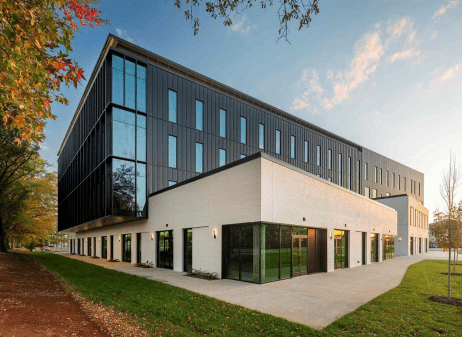
Quantum-Systems Inc. Launches Engineering Office in Huntsville, Alabama
Quantum-Systems Inc. has inaugurated a 3,200-square-foot engineering and R&D office in Huntsville, Alabama, on August 24, 2026. This strategic location in Upland Park, adjacent to Cummings Research Park, aims to enhance collaboration with U.S. defense customers and partners, positioning the company closer to key stakeholders in the defense sector. The establishment of this office is significant as it aligns with Quantum-Systems' mission to develop unmanned systems for tactical intelligence, surveillance, reconnaissance, and target acquisition. Huntsville, known as 'Rocket City' for its aerospace heritage, is home to various Army program offices and defense technology firms, making it an ideal hub for innovation in defense and aerospace. Looking ahead, the Huntsville office will support engineering growth and customer collaboration while advancing the development of next-generation unmanned intelligence capabilities. No further timeline was disclosed at the time of publication.
Business and Finance Drone News Drone News Feeds News Aerospace Innovation Alabama drone company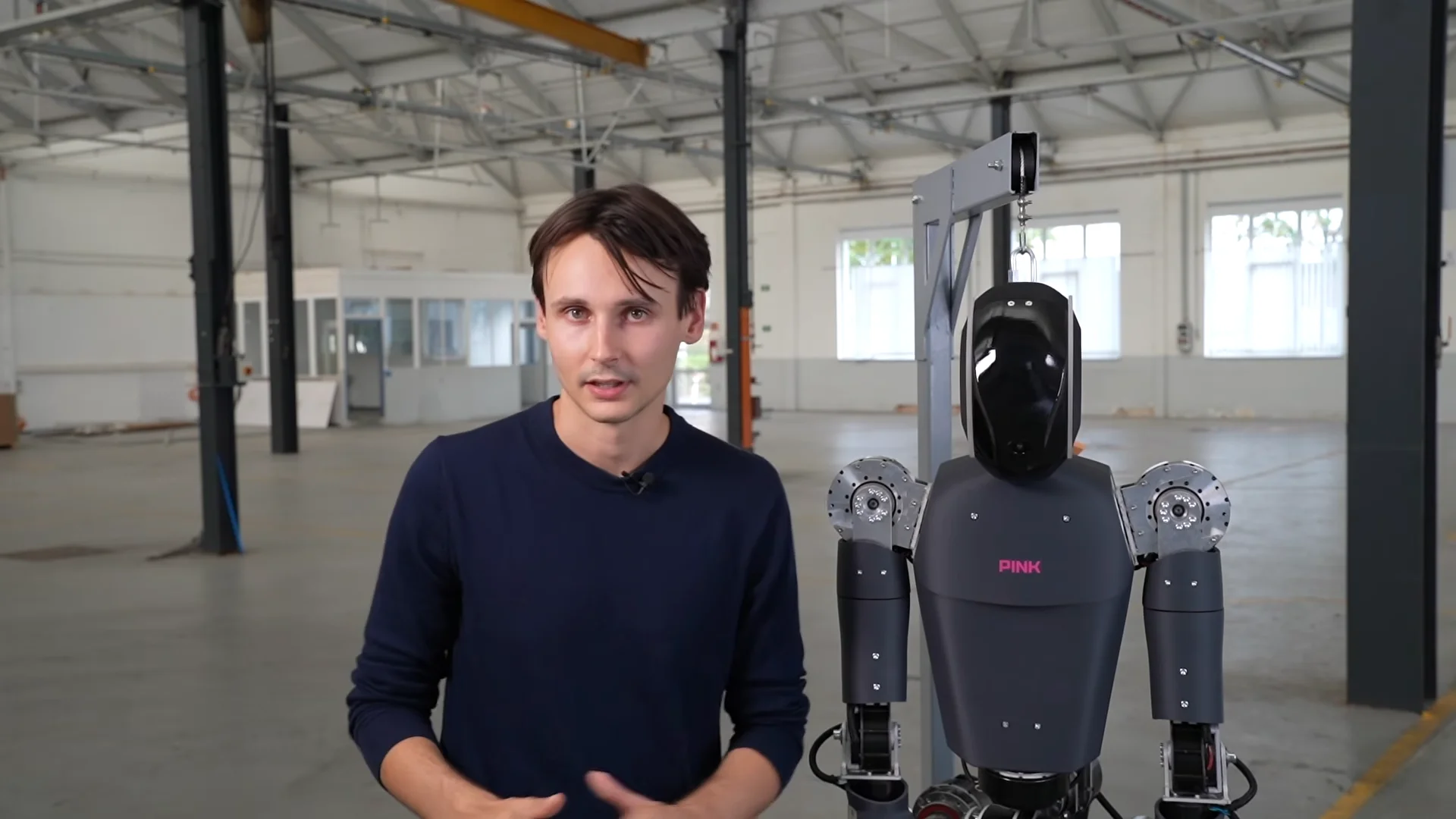
Pink Robotics Launches P0 Humanoid Prototype to Revitalize Germany's Industrial Sector
Pink Robotics, a new startup from Darmstadt, Germany, has unveiled its first humanoid prototype, the P0, aiming to address the country's industrial challenges. Founded by engineer Christopher Helmke, the company seeks to reposition Germany in the global robotics race, which is currently dominated by the U.S. and China. Helmke's dissatisfaction with the current state of German robotics, particularly after attending Hannover Messe, has fueled this initiative. The emergence of Pink Robotics is significant as it highlights the urgent need for innovation in Germany's robotics sector, which Helmke believes is lagging behind competitors. With major players like NEURA Robotics and Agile Robots leading the market, Helmke argues that the country requires a new industrial focus beyond its traditional automotive sector. The P0 humanoid is designed to integrate into existing facilities, showcasing advanced engineering with a mechanical chassis that offers extensive motion capabilities. Looking ahead, the success of Pink Robotics will depend on its ability to capture market interest and secure funding to compete with established players. Helmke's vision for the company reflects a broader call for revitalization in Germany's industrial landscape, emphasizing the importance of adapting to new technological demands. No further timeline was disclosed at the time of publication.
Pink Robotics Europe
HP Additive Manufacturing Enables EIVIE to Create NDAA-Compliant Drone with Unique Design
EIVIE, a US drone manufacturer, has successfully developed an NDAA-compliant drone using HP's additive manufacturing technology. This innovative approach allowed EIVIE to overcome the challenges of conventional manufacturing, which often requires extensive tooling and engineering for even minor design changes. The significance of this achievement lies in EIVIE's commitment to maintaining an aerodynamic design while adhering to regulatory requirements. Co-founder and CEO Damjan Zabovnik emphasized that the flexibility of additive manufacturing enables continuous design improvements without the delays associated with traditional manufacturing processes. Looking ahead, EIVIE plans to leverage this adaptability as regulations and technology evolve. Zabovnik noted that the ability to quickly update designs will enhance their competitiveness in the market. No further timeline was disclosed at the time of publication.
DL Exclusive Drone Manufacturing Drone News Drone News Feeds News additive manufacturing
MIT Chosen to Lead New NSF Materials Research Science and Engineering Center
The National Science Foundation (NSF) has appointed MIT to establish and lead a new Materials Research Science and Engineering Center (MRSEC) dedicated to advancing materials technologies for medical imaging, sustainable metals production, and next-generation semiconductors. The center is expected to receive $18 million in funding over six years, uniting 16 research groups from nine departments across four institutions, including five MIT departments and three collaborating universities. This initiative is significant as it aims to enhance medical diagnostics through improved X-ray detectors, which could lead to better cancer detection and reduced radiation exposure. Additionally, the center will investigate high-temperature sulfur-based molten materials to innovate metal and semiconductor production, potentially increasing efficiency and access to critical materials. The funding will also support a shared laboratory for testing magnetic materials under extreme conditions, available to both academic and industry users. Looking ahead, the MRSEC is part of a broader $108 million NSF investment in six research centers exploring various scientific challenges. The center builds on nearly 60 years of interdisciplinary materials research at MIT, fostering collaboration across disciplines to address complex issues in materials science and engineering. No further timeline was disclosed at the time of publication.
Research Funding Materials science and engineering Chemistry Physics Earth and atmospheric sciences
Lockheed Martin Enhances Decision Advantage for Warfighters with Advanced Missile Defense Systems
Lockheed Martin is addressing the urgent need for commanders to access trustworthy mission data instantaneously. In modern warfare, the ability to quickly interpret intelligence reports is critical, as every moment spent analyzing information can provide adversaries with an opportunity to act. The company is engineering decision advantage through integrated capabilities, ensuring that secure information translates into a tactical edge. The Space-Based Infrared System (SBIRS) has been a cornerstone of U.S. missile warning and tracking, showcasing Lockheed Martin's expertise in this domain. The introduction of the Next-Generation OPIR GEO (NGG) aims to enhance sensing capabilities against emerging threats, including hypersonic weapons. Built on the LM2100 Combat Bus™, NGG is designed for advanced survivability, ensuring that critical information is delivered where it is needed most. Lockheed Martin's Transport Layer satellites, utilizing the LM50 bus, are pivotal in providing secure, low-latency communications that facilitate rapid data distribution across the force. As the U.S. Space Force develops a Resilient Missile Warning/Missile Tracking layer in MEO, Lockheed Martin is competing for the Epoch 2 contract, demonstrating its commitment to advancing missile defense architecture and maintaining operational superiority.
Space Sponsored Post GEO Lockheed Martin Lockheed Martin Space MEO
BQP and Modovolo Transform Aerospace Design with Quantum-Inspired Software
BQP and Modovolo have announced a significant advancement in aerospace design through the use of quantum-inspired computing. By leveraging BQP's advanced computing platform, Modovolo has managed to bypass traditional lengthy design cycles, achieving remarkable performance in drone manufacturing. This collaboration is crucial as it highlights the potential of quantum-accelerated simulation software to revolutionize heavy engineering sectors. Modovolo's ability to produce high-performance drones at drastically reduced costs signifies a shift in the aerospace industry, enabling faster innovation and deployment. Looking ahead, the impact of this technology on engineering practices will be significant. Stakeholders should monitor how BQP's quantum-inspired solutions continue to influence design processes and the broader implications for manufacturing efficiency. No further timeline was disclosed at the time of publication.

DigiKey and Shawn Hymel to Present Webinar on Reinforcement Learning with Balance Bots
DigiKey is set to host a free webinar featuring Shawn Hymel on August 13, 2026, focusing on training balance bots using reinforcement learning. This 90-minute virtual workshop aims to provide hands-on experience in robotics and artificial intelligence, catering to those interested in the burgeoning field of reinforcement learning. The significance of this event lies in its potential to enhance understanding and skills in reinforcement learning, a critical area in robotics and AI. By offering a practical approach, DigiKey and Hymel aim to empower participants to explore innovative applications of balance bots, which are increasingly relevant in various technological domains. Looking ahead, participants can expect to gain valuable insights and practical skills that could lead to further exploration in robotics and AI. No further timeline was disclosed at the time of publication.

Agile Robotics Partners with CRRC to Advance Dexterous Manipulation Technology in Industrial Applications
Agile Robotics has signed a technical framework agreement with a subsidiary of CRRC to explore the adaptation, verification, and iteration of dexterous manipulation technology in high-end equipment manufacturing. This collaboration marks a significant breakthrough for the relatively new company, providing access to complex industrial scenarios shortly after completing a multi-million yuan angel round funding. The partnership is crucial as it highlights the growing importance of practical applications over theoretical parameters in the dexterous manipulation industry. While many companies focus on degrees of freedom and complexity, the real challenge lies in creating reliable industrial devices that can operate continuously in factory settings. CRRC, a leader in rail transportation equipment manufacturing, exemplifies the complexities of China's manufacturing landscape, where automation solutions often face limitations. Agile Robotics has developed a product line that includes an 11-degree-of-freedom manipulator, which is now in small-batch production and being marketed. The company aims to meet real market demands while also advancing high-precision operations with a 23-degree-of-freedom product. The collaboration with CRRC may be just the beginning of a broader exploration into the practical applications of dexterous robotics in industrial environments.
Agile Robotics Industrial Automation High-End Equipment Manufacturing Robotic Technology
Dexory Leverages Engineering AI to Enhance Simulation Workflows and Capture Knowledge
Dexory is set to utilize Engineering AI in conjunction with SimScale's cloud-native simulation platform to automate simulation workflows and enhance engineering analysis. This initiative aims to identify areas where AI agents can provide significant value in mechanical engineering and product development. The importance of this program lies in its demonstration of how pioneering robotics companies are integrating AI not only into the robots they create but also into the engineering processes that underpin their design and testing. This approach could lead to more efficient workflows and improved product outcomes. Looking ahead, it will be crucial to monitor the outcomes of this initiative and how effectively Dexory can leverage AI to streamline engineering tasks. No further timeline was disclosed at the time of publication.

Smooth Motor Transforms into Engineering Partner to Mitigate Motion Risks for Global OEMs
Smooth Motor has shifted its focus from being a motor supplier to an engineering partner, significantly reducing motion risks for global OEM leaders such as ABB, ASSA ABLOY, and Philips. This strategic transition emphasizes the importance of reliability, safety, and engineering collaboration in supplier selection, addressing issues like inconsistent performance and unexpected maintenance. The collaboration with major companies highlights the critical role that early-stage partnerships play in enhancing manufacturing consistency and reliability across various applications, including robotics, semiconductor equipment, and healthcare. By proactively tackling development challenges, Smooth Motor helps its clients maintain competitiveness and manage lifecycle costs effectively. Looking ahead, the emphasis on engineering partnerships and proactive collaboration is likely to shape the future of motion control solutions. No further timeline was disclosed at the time of publication.

Engineering Power Chains for Enhanced Robotics and Automation Performance
Recent advancements in power converters are crucial for addressing real-world challenges in robotics and automation. For instance, achieving long runtimes for battery-powered autonomous mobile robots (AMRs) and managing multi-megawatt peaks in welding cells require meticulous engineering of the power chain. This is as critical as the design of mechanical joints or control firmware. The importance of power converters extends to applications demanding microsecond-level responsiveness, such as in medical robots. These innovations not only enhance operational efficiency but also ensure reliability and performance in demanding environments. The rigorous engineering of power systems is essential for the successful deployment of advanced robotic solutions. Looking ahead, the focus on power chain engineering will likely continue to grow, particularly as industries seek to optimize performance and energy efficiency in robotics. No further timeline was disclosed at the time of publication.

NVIDIA Enhances Agent Toolkit with PhysicsNeMo and CUDA-X for Advanced Engineering Solutions
NVIDIA has announced an expansion of its NVIDIA Agent Toolkit, incorporating NVIDIA PhysicsNeMo and CUDA-X libraries to enhance engineering capabilities. This development aims to address the complexities of modern chip and system design by enabling the creation of autonomous AI engineers that utilize physics, simulations, and performance analysis. The integration of these tools is expected to significantly improve the efficiency and accuracy of engineering workflows. The introduction of PhysicsNeMo provides AI physics skills essential for training and deploying models, while the CUDA-X libraries offer accelerated solvers and quantum chemistry capabilities. According to Timothy Costa, NVIDIA's vice president of computational engineering, this toolkit empowers developers to build AI agents that can reason with physics and generate high-fidelity data, thus driving innovation in chip design. As industry leaders like Cadence adopt these new tools, they are already witnessing substantial improvements in their engineering processes. Cadence's use of NVIDIA's technologies has reportedly led to up to 20 times faster multiphysics performance in PCB design. The ongoing development and application of these advanced tools will be crucial for future engineering projects, although no further timeline was disclosed at the time of publication.
Odys Aviation and ST Engineering Collaborate on Hybrid-Electric Propulsion for DrN-600 Cargo Drone
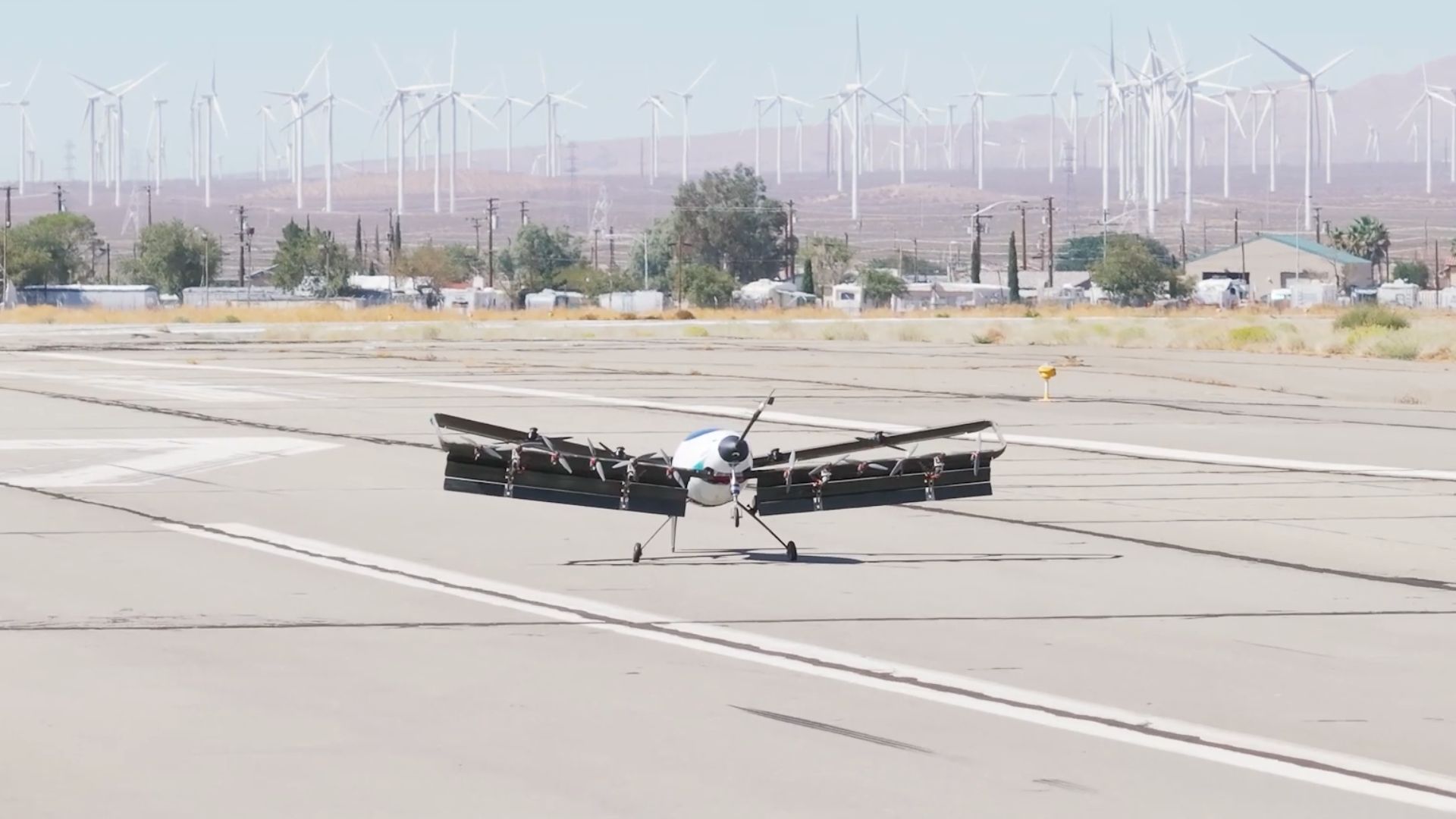
Odys Aviation, based in the US, has partnered with Singapore's ST Engineering to develop a hybrid-electric propulsion system for the DrN-600 medium-lift cargo unmanned aircraft system (UAS). This collaboration aims to enhance the aircraft's range and efficiency, with a focus on validating the system's technical and commercial feasibility before advancing to a definitive development agreement. The partnership is significant as it seeks to extend the operational range of the DrN-600 beyond 186 miles (300 kilometers), improving endurance and mission performance. Teong Soo Soon, SVP & Head of ST Engineering’s Commercial Aerospace business, emphasized that hybrid-electric propulsion is a key pathway to enhance the aircraft's operational relevance. Looking ahead, the collaboration will evaluate the propulsion system architecture and develop a roadmap for large-scale production. No further timeline was disclosed at the time of publication.
Transportation
Deloitte Reports Over 2 Million Manufacturing Jobs Could Remain Unfilled Due to Skills Gap
Deloitte has revealed that more than 2 million jobs in the manufacturing sector may remain unfilled due to a significant shortage of skilled workers. This alarming statistic highlights the urgent need for collaboration between industry experts and educators to address the skills gap in higher education. The implications of this skills gap are profound, as unfilled positions could hinder growth and innovation within the manufacturing industry. By fostering partnerships between educational institutions and manufacturing companies, stakeholders can develop targeted training programs that equip students with the necessary skills to meet industry demands. Looking ahead, it will be crucial to monitor initiatives aimed at bridging this skills gap. No further timeline was disclosed at the time of publication, but ongoing efforts in collaboration between academia and industry will be essential to ensure a skilled workforce for the future of manufacturing.
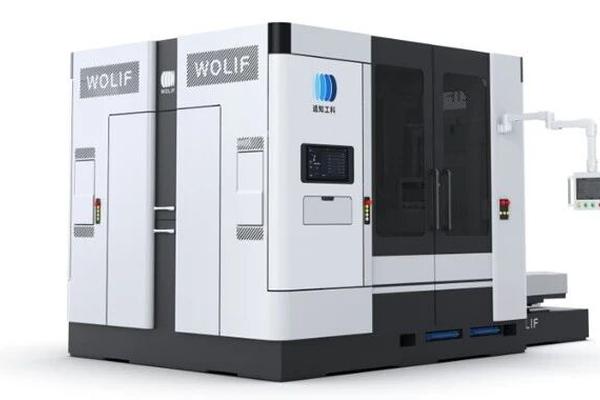
Zhuizhi Engineering Technology Secures Seed Funding for Industrial AI Development
Zhuizhi Engineering Technology Co., Ltd. has successfully completed a seed funding round, raising several million yuan from investors including L2F Light Source Entrepreneur Fund, Shangrong Capital, and Yicun Capital. The funding will primarily support core product development, team building, and market expansion. Founded in February 2024, Zhuizhi focuses on industrial intelligent agents, aiming to enhance automation and intelligence in complex manufacturing processes. The company, which is affiliated with Shanghai Jiao Tong University and the Shanghai Artificial Intelligence Research Institute, seeks to address challenges such as flexible production and skilled labor shortages in the manufacturing sector. The company has introduced the WOLIF Industrial Agentic Robot, which utilizes a proprietary industrial brain for real-time closed-loop control, distinguishing itself from traditional automation methods. Zhuizhi has already secured its first commercial contract with a publicly listed company and received significant orders in the aerospace manufacturing sector, indicating a promising trajectory for its innovative AI solutions.

The Escalating AI Arms Race in Software Engineering Technical Interviews
The landscape of software engineering job interviews is rapidly evolving due to the increasing use of AI by both candidates and employers. Applicants are employing AI assistants to enhance their performance during remote technical interviews, while companies are countering with AI tools designed to detect such assistance. This dynamic creates a competitive environment where the human element of hiring remains crucial despite the technological advancements. The rise of AI in hiring processes is largely driven by the current job market, which is characterized by a surplus of applicants and ongoing tech layoffs. Experts like AI hiring strategist Tatiana Teppoeva highlight that candidates often resort to AI tools as a response to automated hiring practices that may not favor them. This situation leads to a cycle where both parties leverage AI, potentially shifting the focus from genuine capability to algorithm optimization. As AI tools become more prevalent, concerns regarding their effectiveness and fairness have emerged. While some companies are embracing AI in interviews, others warn of the risks associated with bias and privacy. The need for human oversight in the hiring process is emphasized, as relying solely on AI could result in the exclusion of qualified candidates. No further timeline was disclosed at the time of publication.
Hiring-trends Interviews Ai-bias Software-engineering
Jiying Technology Launches First Zero-Shot Generalizable Physics Model for Engineering Simulations
Jiying Technology has unveiled its Jiying 2.0 physics foundation model, which is capable of zero-shot generalization across various geometries, materials, and boundary conditions. This model represents a significant advancement in physics AI, particularly for engineering simulations, and was announced in October 2023. The introduction of the Jiying 2.0 model is crucial as it allows engineers to simulate complex physical scenarios without the need for extensive retraining on specific datasets. This capability can enhance efficiency and reduce the time required for simulations, making it a valuable tool in engineering design and analysis. Looking ahead, industry professionals will be keen to observe how the adoption of the Jiying 2.0 model influences engineering practices and simulation accuracy. No further timeline was disclosed at the time of publication regarding additional features or updates to the model.
Technology
SpaceX's Starmind Faces Feasibility Challenges for 1 Million Satellite Deployment
On January 30, 2026, SpaceX submitted a request to the FCC to launch up to 1 million satellites as part of its Starmind orbital compute constellation. This ambitious plan is unprecedented, as the total number of satellites ever launched globally is in the low tens of thousands. The proposal seeks a waiver from standard deployment milestones, citing reliance on the Starship's full reusability for success. The significance of this request lies in the technical and logistical challenges it presents. Experts warn that low Earth orbit may not support the proposed number of active satellites without risking a debris cascade. SpaceX's own IPO prospectus acknowledges unresolved dependencies related to Starship's launch cadence and reusability, which are critical for the orbital AI compute strategy. Looking ahead, the timeline for achieving the necessary launch cadence and manufacturing capacity remains uncertain. SpaceX's Gigasat facility in Texas aims for volume production by late 2027, but this would require unprecedented output levels. No further timeline was disclosed at the time of publication, leaving the feasibility of the Starmind project in question.

SpaceX Unveils AI1 Satellite Specs for Starmind Constellation with Key Thermal Challenges
SpaceX has introduced the AI1 satellite, the inaugural component of its Starmind constellation, which stands 20 meters tall and has a wingspan of 70 meters. This orbital compute node is designed to deliver computing power equivalent to one NVIDIA GB300 server rack, utilizing a unique cooling system with deployable liquid radiators. The satellite's specifications were revealed during a presentation on June 8, 2026, ahead of SpaceX's IPO. The significance of the AI1 satellite lies in its role as a compute platform rather than a traditional satellite, focusing on running AI inference workloads. The satellite's cooling system, which is critical for its operation in the vacuum of space, is designed to reject heat through infrared radiation. However, independent engineers have raised concerns about the feasibility of the thermal and mass claims made by SpaceX, suggesting that the cooling requirements may exceed practical limits. Looking ahead, SpaceX plans to launch two AI1 prototypes in early 2027, with full-scale production expected to commence later that year at its Gigasat facility in Bastrop, Texas. The ongoing debate regarding the satellite's thermal management capabilities will be crucial to monitor as the project progresses, with no further timeline disclosed at the time of publication.

As AI Reshapes Global Energy Systems, Melbourne Leads Through Engineering Collaboration
As artificial intelligence (AI) rapidly expands, it is driving a significant increase in global electricity demand, presenting urgent challenges for energy systems. Melbourne, Australia, is positioning itself as a leader in addressing these issues, with a focus on the infrastructure necessary to support AI's growth. By 2035, data centers in Australia are expected to consume up to 11 percent of the nation's electricity, raising concerns about generation and system reliability. The University of Melbourne is at the forefront of this initiative, with interdisciplinary research aimed at developing energy systems that can meet the demands of AI. The Melbourne Energy Institute is exploring how various energy technologies interact, while facilities like the Smart Grid Lab allow for real-time simulations of power systems. This integrated approach is essential for designing resilient and efficient energy systems that can adapt to new patterns of demand. Victoria's advanced energy ecosystem, which includes renewable generation and battery storage, is crucial for balancing digital growth with sustainability. The collaboration between researchers, industry, and policymakers is vital for creating future energy systems that are affordable and resilient. Looking ahead, Melbourne will host the IEEE PES Generation Transmission and Distribution Asia 2027 Conference, bringing together global experts to address the evolving challenges in power systems. This event underscores Melbourne's commitment to fostering international collaboration and innovation in energy solutions, reinforcing its role as a key player in the global energy transition.
Artificial-intelligence Australia Energy-systems University-of-melbourne Ai-data-centers Power-grid
SPH Engineering and Vets to Drones Partner to Expand Career Paths for Military Veterans
SPH Engineering has launched a new training initiative in collaboration with Vets to Drones, aimed at equipping military veterans with advanced flight planning skills essential for surveying, mapping, and inspection work in the commercial drone industry. This partnership responds to the growing demand for skilled drone operators capable of managing complex missions. By providing veterans with specialized training, the initiative seeks to expand their career opportunities in a rapidly evolving field. The program highlights the commitment of both organizations to support veterans in transitioning to civilian roles while addressing the industry's workforce needs.
Applications Drone News Drone News Feeds Drones in the News Mapping News
Graitec outlines AI roadmap focused on accountability in engineering and construction
Graitec, a software provider, has announced a comprehensive three-stage artificial intelligence strategy tailored for the architecture, engineering, construction, and operations (AECO) sector. The company emphasizes that the primary challenge facing the industry is not the creation of content through AI, but rather the reliability of these AI-generated results in practical applications. To address this concern, Graitec plans to integrate AI directly into various processes, including engineering, fabrication, and construction. This initiative aims to enhance trust and efficiency within the AECO industry, ultimately improving project outcomes.
Construction News Software AECO AI software architecture and engineering
Fennec Engineering earns T2 qualification for Advanced Safety Acceleration Platform
Fennec Engineering has achieved a significant milestone by securing certification for its automated traceability platform, which has been recognized for meeting stringent safety standards. This certification, known as T2 qualification, underscores the company's commitment to advancing safety in engineering processes. The announcement highlights Fennec Engineering's dedication to innovation and reliability within the industry, reinforcing its position as a leader in developing cutting-edge technology solutions. The certification process involved rigorous testing and evaluation to ensure compliance with the highest safety protocols, demonstrating the platform's capability to enhance operational efficiency while prioritizing safety.
Autonomous Mobile Robots (AMRs) Design / Development Development Tools / SDKs / Libraries Events News Safety & Security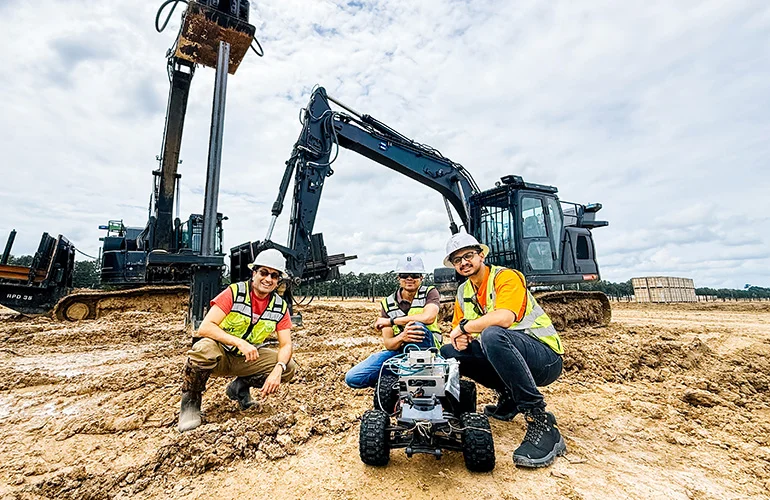
Built Robotics and Penn Engineering’s xLAB Partner for Physical AI in Construction
Built Robotics is partnering with the University of Pennsylvania’s Safe Autonomous Systems Lab, known as xLAB, to advance research in physical AI aimed at creating autonomous construction systems capable of safe operation in real-world environments. This collaboration combines Built Robotics' expertise in deploying autonomous technologies on construction sites with xLAB's cutting-edge research in safety and automation. The initiative seeks to enhance the efficiency and safety of construction processes by leveraging innovative AI solutions.
AI AI Funding & Investment AI Research & Advances Robotics Built Robotics Partnership
Built Robotics and Penn Engineering's xLAB Partner to Advance Physical AI in Construction
A new collaboration has emerged between xLAB and Built Robotics, focusing on enhancing safety in autonomous systems. This partnership aims to combine xLAB's extensive experience in developing high-performance, safety-critical technologies with Built Robotics' advanced edge AI model, which specializes in personnel detection and ensuring human safety. The initiative is designed to address growing concerns about safety in automated environments, particularly as the use of autonomous systems becomes more prevalent across various industries. By integrating their expertise, the two companies hope to create solutions that not only improve operational efficiency but also prioritize the well-being of individuals working alongside these technologies.

Harbin Engineering University Alumnus Secures Record Global Funding for Marine Robotics
On June 15, SEAHI ROBOTICS, a company founded by experienced researcher Chen Xiaobo, announced the successful completion of over 1 billion yuan in Series A funding, marking a significant milestone in the marine robotics industry. This funding achievement underscores the company's innovative advancements and its potential for commercial viability in challenging marine environments. With 19 years of expertise in the field, Chen has led SEAHI ROBOTICS to make notable technological breakthroughs, positioning the company as a leader in the sector. The substantial investment reflects growing confidence in the future of marine robotics and the demand for advanced solutions in high-risk aquatic settings.
Marine Robotics Funding Technology Innovation AI Commercialization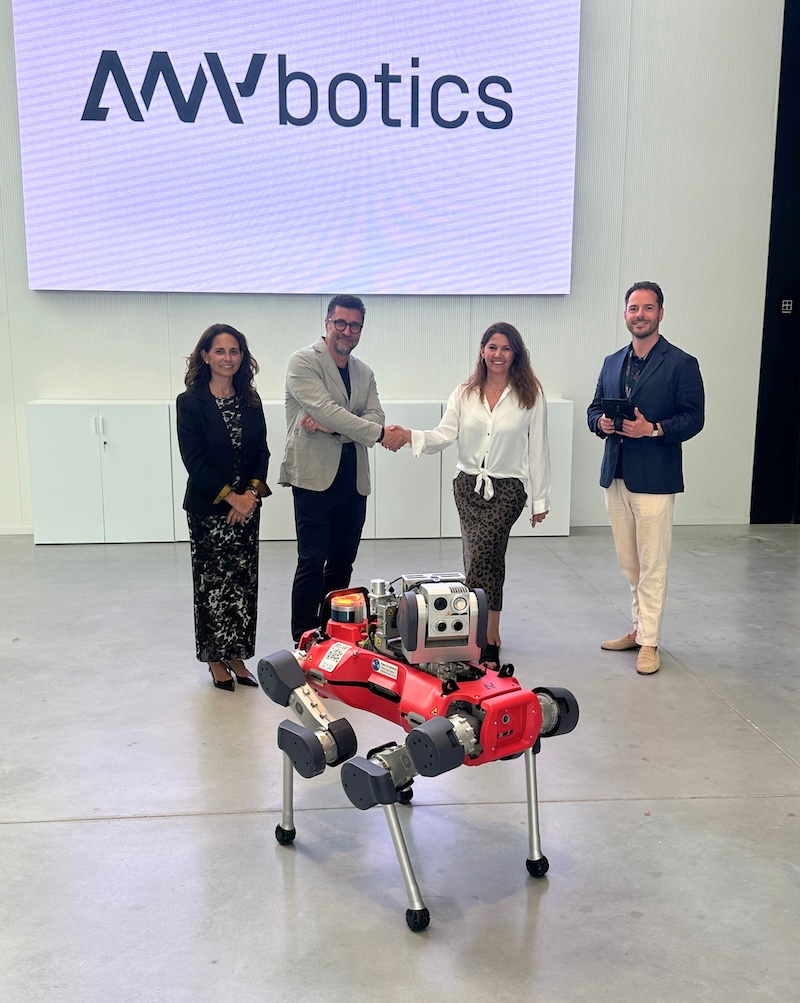
ANYbotics expands global presence with new engineering and AI hub in Barcelona
ANYbotics, a leader in AI-driven robotic inspection solutions, has inaugurated a new office in Barcelona, Spain, situated at the DFactory Barcelona campus. This marks the company’s third global location, joining its existing offices in Zurich and San Francisco. The expansion comes in response to the growing demand for ANYbotics' autonomous inspection technologies, particularly in asset-intensive and process-driven sectors. The new engineering and AI hub is expected to enhance the company’s capabilities and support its strategic growth in the region.
Infrastructure News ai robotics anybotics automation news autonomous inspection robots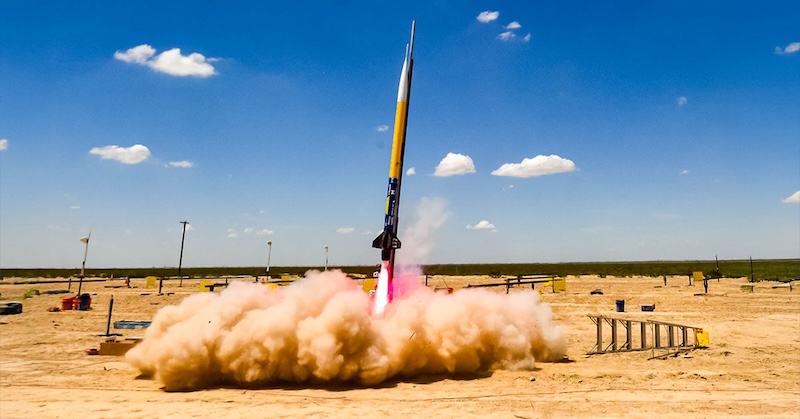
More than 2,000 students to compete in world’s largest rocket engineering competition
ProtoSpace Mfg, a leader in rapid manufacturing for sectors including aerospace and defense, has confirmed its role as the lead sponsor for the upcoming International Rocket Engineering Competition (IREC) 2026. This prestigious event is scheduled to take place from June 15 to June 20 at the Midland International Air & Space Port in Midland, Texas. Organized by the Experimental Sounding Rocket Association (ESRA), IREC is recognized globally as a premier platform for engineering innovation and competition among aspiring rocket engineers. ProtoSpace Mfg's sponsorship underscores its commitment to advancing aerospace technology and supporting educational initiatives in the field.
Engineering News Space aerospace careers aerospace engineering aerospace industry
Smooth Motor Advances Across Robotics and Intelligent Automation Industries Through 30 Years of Rapid Engineering Response
As product development cycles shorten and system complexity increases, the industry faces growing demands for efficient validation, long-term reliability, and cost control. This trend has emerged as companies strive to meet the evolving expectations of consumers and stakeholders. The pressure to innovate rapidly while ensuring quality and affordability has prompted organizations to adopt new strategies and technologies. By leveraging advanced data analytics and streamlined processes, businesses aim to enhance their product offerings and maintain competitiveness in a fast-paced market. The ongoing shift underscores the necessity for adaptability and efficiency in an environment where both time and resources are limited.

7 animal-inspired robots solving real-world engineering challenges
Engineers are increasingly looking to nature for inspiration in developing innovative solutions for movement, efficiency, and survival. This trend reflects a growing recognition of the intricate designs and systems that have evolved over millions of years. By studying various organisms and their adaptations, researchers aim to apply these natural principles to create advanced technologies in fields such as robotics, transportation, and energy efficiency. This biomimicry approach not only enhances performance but also promotes sustainability by utilizing nature's time-tested strategies. As this movement gains momentum, it is expected to lead to groundbreaking advancements that could significantly impact various industries and improve human life.
Robotics needs a service framework.
RSF defines a common language for robot service capability, lifecycle operations, certification pathways, and service-provider networks.
Join the RobotToday community on LinkedIn
Daily robotics news, in-depth analysis, conference highlights, and discussions with professionals worldwide.






