

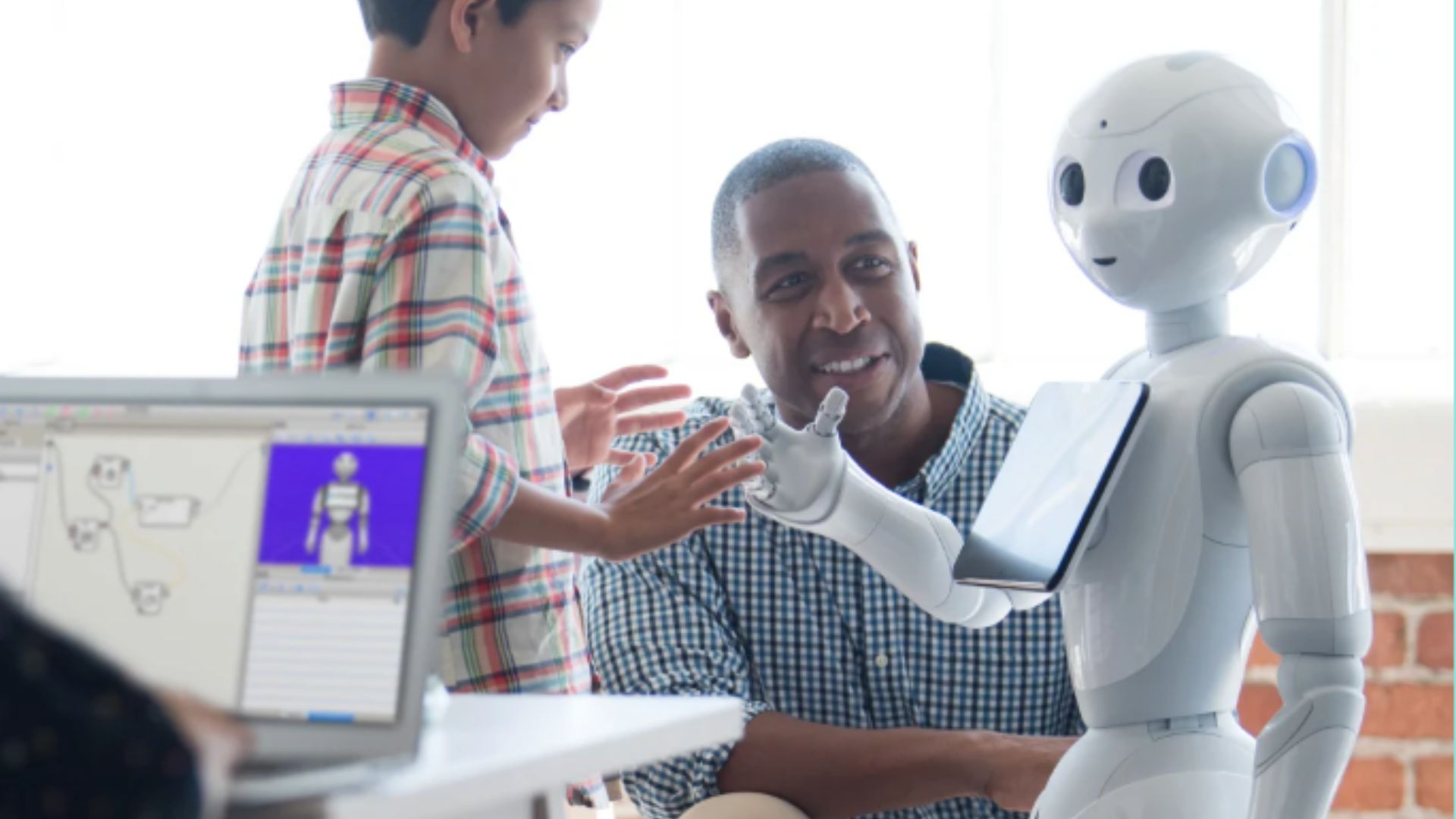
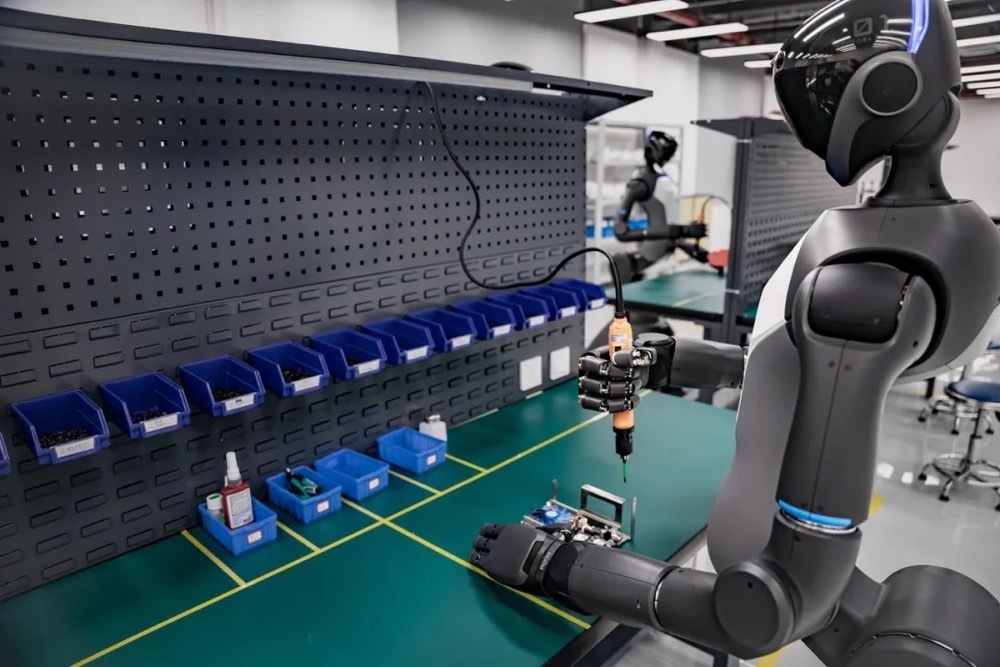
Recent research indicates that humanoid robots have the potential to serve as effective playmates for humans, particularly in enhancing social interaction and engagement among children. Conducted by a team of robotics experts, the study highlights the robots' ability to adapt to children's preferences and behaviors, fostering a more interactive play environment. The findings were published in a peer-reviewed journal earlier this month, following extensive trials in various settings, including schools and homes.
The motivation behind this research stems from the growing interest in integrating technology into childhood development, aiming to address socialization challenges faced by some children. By employing advanced artificial intelligence, these robots can learn and respond to individual needs, making them more appealing companions for play. The study's authors emphasize the importance of ensuring that these interactions are safe and beneficial, advocating for guidelines on the ethical use of robots in children's lives.
As the field of robotics continues to evolve, the implications of this research could significantly impact educational practices and child development strategies, offering new avenues for fostering creativity and social skills among young users.


























Leave a comment