

Industry Briefing
A single destination for timely, editor-curated robotics news from around the world.
Multi-Stage Dynamic Positioning Control for Overactuated AUVs Using Active Disturbance-Rejection
The Journal of Field Robotics has published an early view article detailing a novel multi-stage dynamic positioning control method for overactuated Autonomous Underwater Vehicles (AUVs). This method employs active disturbance-rejection techniques to enhance control performance in challenging underwater environments. This advancement is significant as it addresses the complexities faced by AUVs in dynamic conditions, improving their operational reliability and efficiency. The proposed control strategy is expected to facilitate better navigation and stability, which are critical for underwater exploration and various marine applications. Future developments in this area will likely focus on refining the control algorithms and testing them in real-world scenarios. Researchers and practitioners should monitor upcoming publications for further insights into the practical applications and performance metrics of this innovative control approach.
RESEARCH ARTICLE
Ruoyu Technology's Strategic Positioning in High-Risk Energy Scenarios for Special Robots
The year 2026 is widely recognized as a pivotal moment for the commercialization of humanoid robots and embodied intelligence, with various factors maturing. However, the transition from technology validation to large-scale deployment is ongoing. High-risk energy scenarios are becoming critical testing grounds for the industry, reflecting its future direction. The special robot market is on an upward trajectory, with projections indicating a growth from 290 billion yuan in 2025 to 352 billion yuan in 2026 in China. Despite this expansion, not all players will benefit equally. Two distinct narratives have emerged: traditional hardware-focused manufacturers and algorithm-driven startups, each with different approaches to market engagement. As the industry approaches 2026, which is seen as a key year for commercialization, there is a clear market gap for qualified, intelligent, and operational solutions in high-risk scenarios. The need for robots that can autonomously adapt and operate safely in hazardous environments is critical, as highlighted by the participation of Ruoyu Technology in the recent energy innovation conference, emphasizing their commitment to enhancing safety in dangerous work conditions.
Special Robots Embodied Intelligence Energy Sector Safety Compliance Automation Technology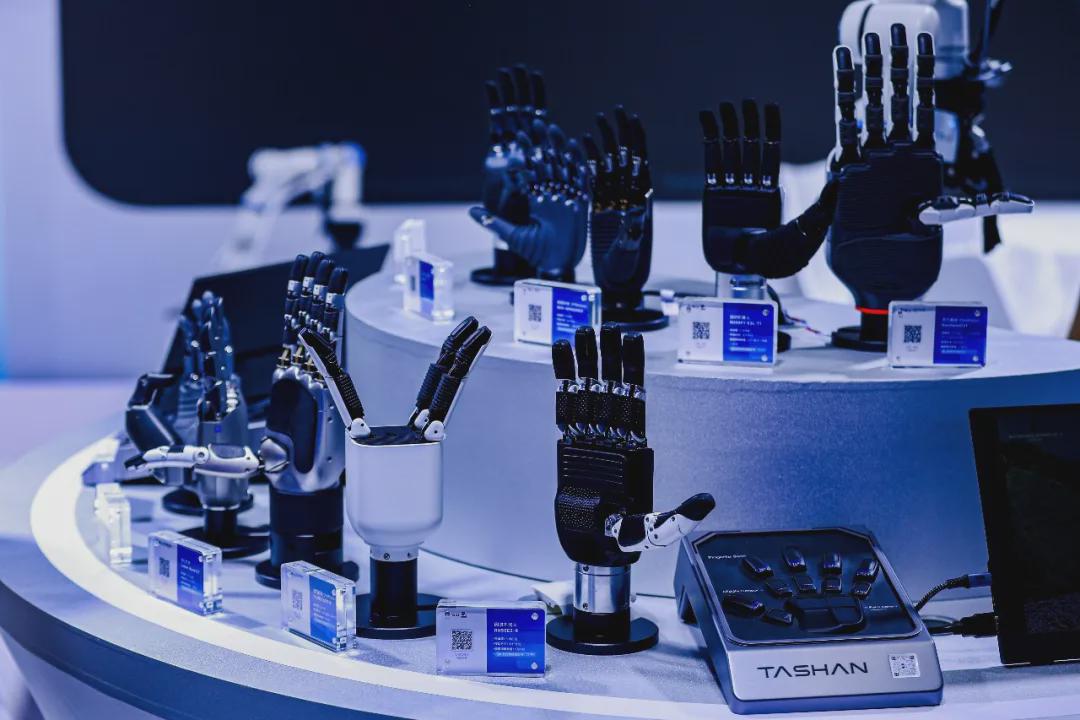
Tianshan Technology Unveils First Dynamic Haptic Perception Chip and Solutions
At the 2026 World Artificial Intelligence Conference, Tianshan Technology showcased its groundbreaking dynamic haptic perception chip, the Green Gem E10A, along with the TS-ECHO haptic sensing glove and the TS-V visual-tactile fusion light module testing workstation. This marks a shift in focus from robotic movement capabilities to enhancing robots' tactile precision and stability. The significance of these innovations lies in the growing necessity for robots to possess tactile perception, which is becoming a critical industrial metric. The Green Gem E10A chip offers low-latency, low-power signal processing, enabling large-scale sensor deployment. The TS-ECHO glove establishes standards for haptic data collection, while the testing workstation validates technical solutions in real-world scenarios, creating a feedback loop for continuous system improvement. Looking ahead, the integration of extensive sensor networks across humanoid robots is essential for full-body tactile coverage. The Green Gem E10A chip's innovative design reduces latency and power consumption, enhancing safety and performance. As the industry moves towards a more tactile-aware robotic future, the ability to understand physical interactions through haptic data will be crucial for advancing robotic capabilities.
Haptic Technology Robotics Sensor Solutions AI Industrial Automation
LimX Dynamics and Kyland Technology Launch First Humanoid with Domestic Electronic Architecture
On September 28, 2026, LimX Dynamics and Kyland Technology introduced a humanoid robot in Yichang, featuring a fully domestic electronic architecture. This architecture integrates Kyland Intewell, AUTBUS, and MaVIEW, boasting microsecond motion control capabilities. The launch of this humanoid is significant as it represents a step forward in domestic robotics technology, showcasing the potential for advanced motion control in humanoid applications. The integration of these technologies aims to enhance the performance and responsiveness of robotic systems in various sectors. Looking ahead, industry observers will be keen to see how this humanoid performs in real-world applications and whether it can meet the ambitious claims of microsecond motion control. No further timeline was disclosed at the time of publication.
Sonardyne Launches SPRINT-Nav DP: Revolutionising Shallow Water Dynamic Positioning Technology
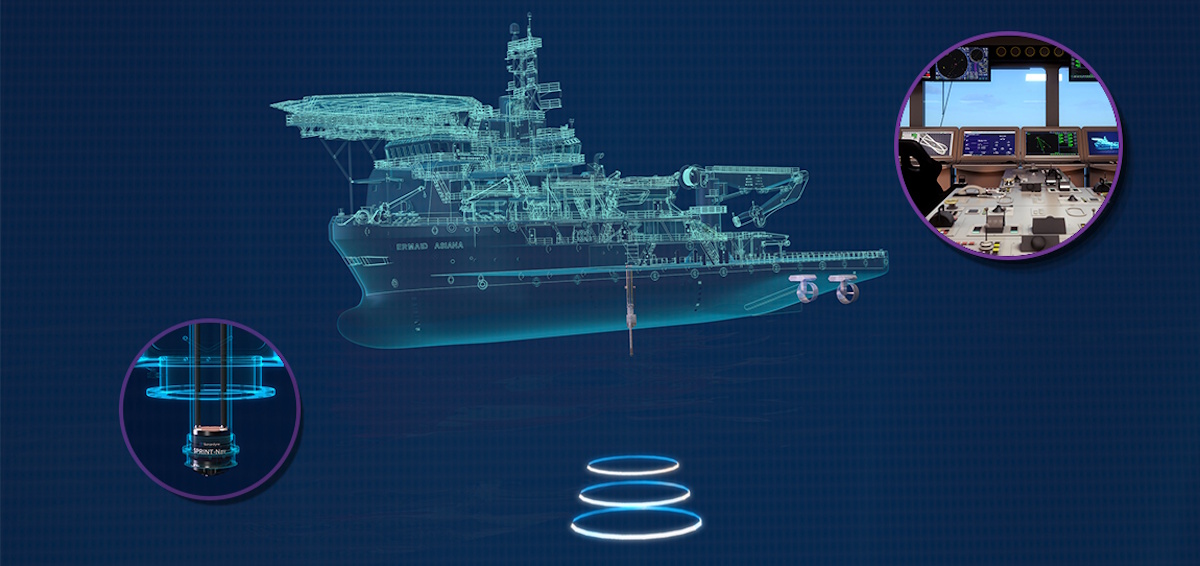
Sonardyne, a prominent provider of innovative marine technology, has unveiled its latest shallow water dynamic positioning (DP) reference system. The announcement was made today, showcasing the company's commitment to enhancing marine operations. This new system is designed to improve the accuracy and efficiency of positioning in shallow water environments, addressing the growing demand for reliable marine solutions. By leveraging advanced technology, Sonardyne aims to support various maritime industries, including offshore energy and marine research. The launch reflects the company's ongoing efforts to lead in the field of marine technology and provide cutting-edge solutions to its clients.
sonardyne new launch sprint-nav dp dynamic positioning technology
New Material Technology Reduces Jet Turbulence and Aerodynamic Drag at 640 mph
A recent study from the University of Colorado Boulder introduces a novel material-based approach aimed at reducing aerodynamic drag and turbulence in air vehicles. This innovation could lead to significant fuel savings for commercial airlines and high-speed aircraft, especially as severe turbulence has increased by 55% since 1979 due to climate change. The research focuses on modifying subsurface materials beneath an aircraft's skin to neutralize turbulence at its source, rather than solely relying on aerodynamic shape changes. By utilizing synthetic materials that generate microscopic vibrations, the technology aims to dampen chaotic friction, potentially cutting carbon emissions and saving airlines billions in fuel costs for flights consuming over 10,000 gallons per trip. Looking ahead, the study's findings could revolutionize aircraft design and performance. The introduction of phononic subsurfaces (PSubs) allows for dynamic interaction with airflow, enhancing vehicle performance. Future developments may further refine these materials to address the complexities of real-world turbulence, as researchers continue to explore super-resonance and scatterless interference techniques.
Science
DOBOT Enhances Cobot Welding Flexibility with 6D Touch Positioning and TAST Technology
DOBOT has introduced advanced technologies to improve flexibility in cobot welding, addressing common challenges such as workpiece position variations. In industries like metal fabrication and machinery manufacturing, precise positioning is crucial, as even minor shifts can lead to rework and downtime. The integration of 6D Touch Positioning and TAST allows robots to adapt to real-world production conditions, enhancing efficiency and reducing setup time. The significance of these advancements lies in their ability to maintain productivity in high-mix, low-volume production environments. Traditional robotic welding systems often struggle with positional deviations, requiring time-consuming adjustments. DOBOT's solution minimizes operator intervention by automatically identifying workpiece positions and compensating for variations, thus streamlining the welding process. Looking ahead, the effectiveness of DOBOT's technologies will be crucial for manufacturers seeking to optimize their welding operations. The recent demonstration with Kemppi showcased the practical application of these innovations, highlighting the potential for improved welding quality and reduced programming time. No further timeline was disclosed at the time of publication.
cobot welding robotic welding welding robot welding automation 6D Touch Positioning Through Arc Seam Tracking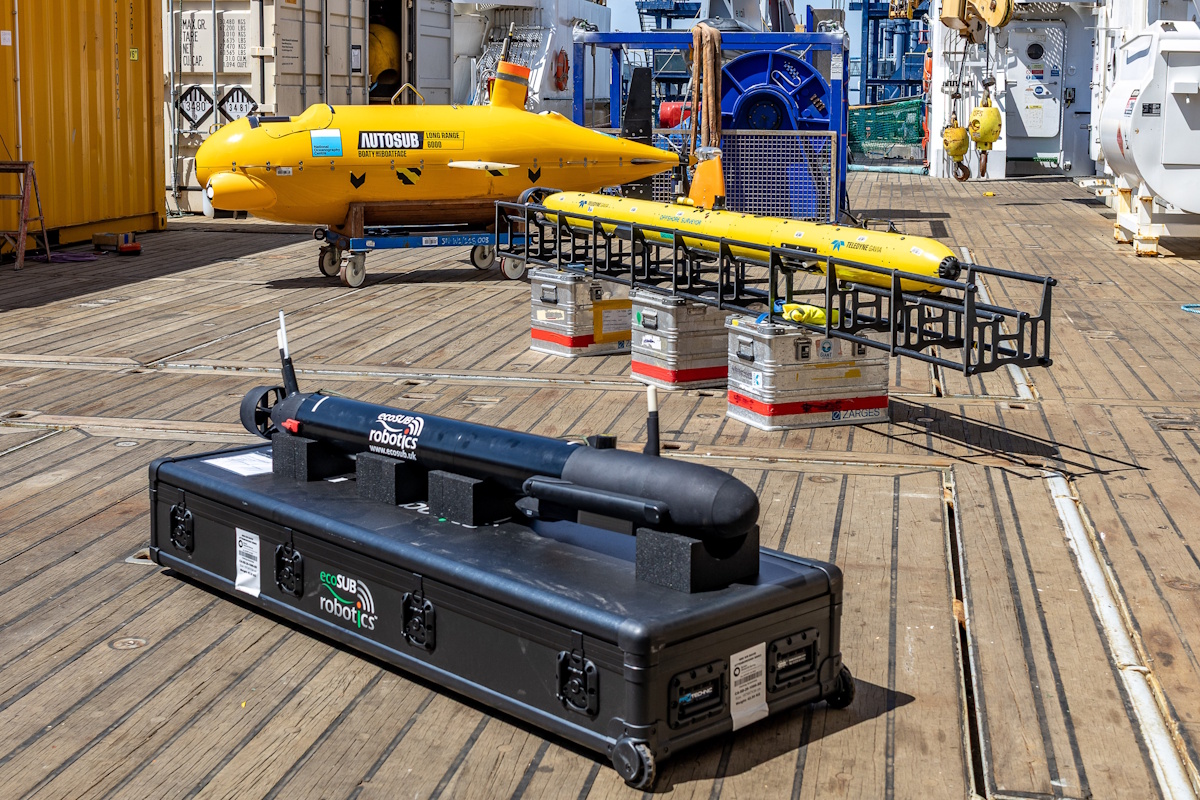
Sonardyne Supports BAS in GIANT Climate Mission with Advanced Positioning Technology
Sonardyne is providing underwater positioning technology for the GIANT climate science mission, which aims to gather data on Greenland's glaciers. The mission will utilize a fleet of autonomous vehicles, including the RRS Sir David Attenborough and various AUVs, to operate in extreme environments and collect comprehensive data. This initiative is significant as it involves 15 collaborating institutions and aims to improve climate models and early warning systems for ice loss in Greenland's fjords. The data collected will enhance understanding of tipping points that could impact global climate. The GIANT mission, running from July to August, will focus on mapping and monitoring ocean temperatures and glacier movements. It will employ a connected observing system of underwater vehicles, robotic sensors, and drones to gather unprecedented measurements in challenging conditions.

DAS‐SLAM: A Novel Visual‐Inertial SLAM System in Dynamic Environments Integrating Object Detection Network and Scene Flow Technology
A recent study published in the Journal of Field Robotics explores the advancements in robotic technology and its applications in various fields. Researchers from leading universities conducted the study to assess how these innovations can enhance efficiency and safety in industries such as agriculture, construction, and disaster response. The findings, released in early October 2023, highlight the potential of autonomous robots to perform tasks that are hazardous for humans, thereby reducing risks and improving productivity. The research team utilized a combination of field tests and simulations to evaluate the performance of different robotic systems in real-world scenarios. Their work emphasizes the importance of integrating artificial intelligence and machine learning to enable robots to adapt to dynamic environments. As industries increasingly seek automation solutions, this study provides valuable insights into the future of robotics and its role in transforming traditional practices. The motivation behind this research stems from the growing demand for innovative technologies that can address labor shortages and enhance operational capabilities. By showcasing successful implementations of robotic systems, the study aims to encourage further investment and development in this rapidly evolving field. The implications of these findings could lead to significant changes in how industries approach tasks that require precision and safety, ultimately paving the way for a more automated future.
RESEARCH ARTICLERobotics needs a service framework.
RSF defines a common language for robot service capability, lifecycle operations, certification pathways, and service-provider networks.
Join the RobotToday community on LinkedIn
Daily robotics news, in-depth analysis, conference highlights, and discussions with professionals worldwide.







