Industry Briefing
A single destination for timely, editor-curated robotics news from around the world.

PIA Automation Develops BMW E-Drive Assembly Line Featuring 46 Robots and Digital Twin Technology
PIA Automation is constructing a highly automated assembly line for E-Drive units at the BMW Group facility in Steyr, Austria. This project includes 78 processing stations, 27 robotic cells, and 46 industrial robots spread over 5,600 square meters across two levels, marking one of PIA Automation's largest undertakings to date. The significance of this assembly line lies in its role in the transition to electric mobility, which necessitates advanced automation, robotics, and quality monitoring systems. Although electric drivetrains have fewer mechanical components than traditional combustion engines, their assembly is complex and requires precise coordination, making automation essential for efficiency and accuracy. Looking ahead, the commissioning of the final sections of the production line is scheduled for 2027. PIA Automation's use of digital twin technology and Virtual Commissioning aims to streamline the development process by identifying potential issues early, thereby reducing costly modifications during physical commissioning and enhancing overall project reliability.
Automation Engineering Manufacturing News austria automotive manufacturing
Raleigh, North Carolina Implements Drones and AI to Develop City Digital Twin
The city of Raleigh, North Carolina, is utilizing drones and AI technology to create a digital twin aimed at addressing urban challenges and planning for future growth. Collaborating with tech partners like Esri, NVIDIA, and Microsoft, Raleigh seeks to enhance traffic management and urban development through this innovative approach. This initiative is significant as it allows city officials to visualize and communicate urban development effectively, addressing citizens' top concerns regarding development and traffic. The digital twin has already been applied in projects like the Gipson Play Plaza, showcasing its potential in event planning and preserving local trees, vital to Raleigh's identity as the 'City of Oaks.' Looking ahead, Raleigh plans to integrate additional data-collection devices into its digital twin, enhancing its accuracy and utility. No further timeline was disclosed at the time of publication.
Digital Twins Drone News Drone News Feeds News Blue UAS city government city digital twin drones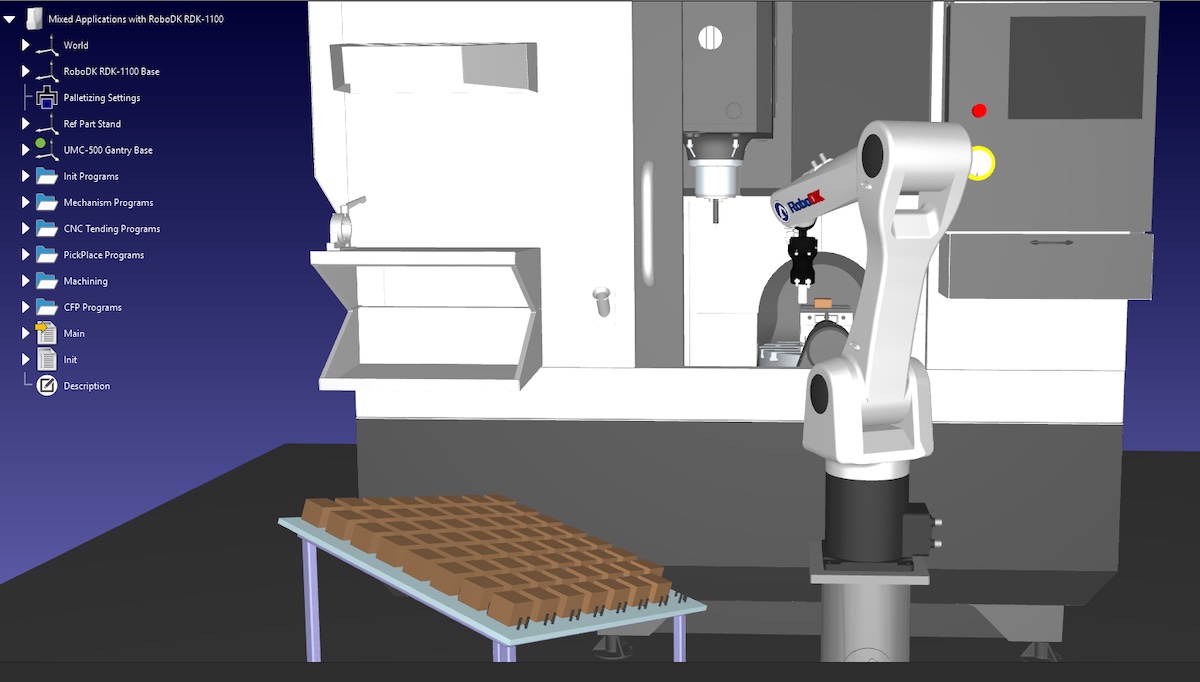
Utilizing Digital Twin Technology for Automation Exploration Before Capital Investment
RoboDK has introduced digital twin and offline programming software that enables users to test robots from over 1,400 brands, facilitating the search for optimal automation solutions. This innovation is crucial as manufacturers face challenges in adopting automation due to the complexity of selecting the right robots and peripherals amidst economic uncertainties. The significance of digital twin technology lies in its ability to alleviate the apprehensions associated with initial automation investments. By allowing manufacturers to simulate various robot configurations and layouts, digital twins provide a clearer understanding of potential operational efficiencies and integration capabilities, which is vital for informed decision-making. Looking ahead, companies should monitor the adoption of digital twin software as a strategic tool for automation exploration. This technology not only aids in visualizing robotic systems but also enhances the planning process, potentially leading to more successful automation implementations without the fear of vendor lock-in or inadequate ROI assessments. No further timeline was disclosed at the time of publication.
Manufacturing Motion Control News Opinion Software / Simulation cnc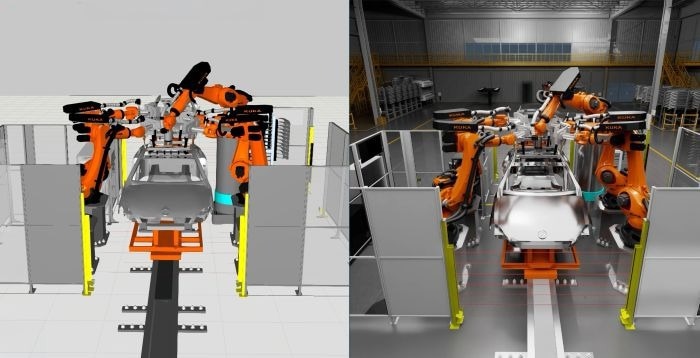
Visual Components Introduces FactoryLens, Enhancing Collaboration with NVIDIA for Digital Twins
Visual Components has launched FactoryLens, a new viewport integrated into its simulation platform, utilizing NVIDIA Omniverse libraries. This innovation aims to enhance the capabilities of 3D manufacturing simulation and robot offline programming. The introduction of FactoryLens is significant as it represents a step forward in the collaboration between Visual Components and NVIDIA, leveraging advanced technologies to improve industrial digital twin applications. This development is expected to streamline processes and enhance productivity in manufacturing environments. Looking ahead, industry professionals should monitor how FactoryLens will impact the adoption of digital twins in manufacturing. No further timeline was disclosed at the time of publication.
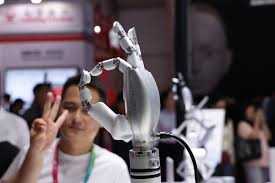
Visual Components Introduces FactoryLens Powered by Nvidia for Enhanced Digital Twins
Visual Components has launched FactoryLens, a new viewport integrated into its simulation platform, utilizing Nvidia Omniverse libraries. This innovation allows manufacturers to transition their existing factory layouts into a realistic digital twin environment, enhancing real-time rendering capabilities within the familiar software. The introduction of FactoryLens represents a significant advancement in the collaboration between Visual Components and Nvidia, enabling users to visualize large-scale layouts, control materials, and export configurations seamlessly. The importance of FactoryLens lies in its ability to improve the accuracy of simulations, which are critical in modern manufacturing processes. As manufacturers increasingly rely on simulations to design and test equipment and facilities, the realism provided by FactoryLens ensures that these validations closely reflect real-world conditions. This tool not only enhances existing workflows but also sets the stage for future applications in digital twin technology and physical AI. Looking ahead, Visual Components envisions FactoryLens as a foundational element for various digital twin and AI use cases, including vision-based virtual commissioning and synthetic data generation. No further timeline was disclosed at the time of publication, but the integration of Nvidia technologies is expected to enhance collaboration and interoperability within the Visual Components ecosystem.

Fugro Collaborates on EU's OCEANITY Project for Digital Twin Ocean Development
Fugro has joined the Horizon Europe-funded OCEANITY project to develop decision-ready applications for coastal and marine stakeholders as part of the European Digital Twin Ocean initiative. This project aims to provide insights for navigating climate and environmental challenges by allowing users to test decision outcomes before implementation. The significance of this initiative lies in its potential to enhance decision-making for coastal communities and maritime industries facing complex challenges due to climate change and environmental stressors. By integrating advanced modeling, AI, and socio-economic data, the OCEANITY project seeks to empower stakeholders with the tools necessary to explore various scenarios and their impacts on ecosystems and economies. Running from September 2026 to August 2029, the project will focus on developing three user-driven applications related to Coastal & Urban Resilience, Marine Spatial Planning, and Sustainable Maritime Operations. The collaboration involves a consortium led by CMCC, ensuring that the developed tools address real-world needs and challenges across Europe’s four sea basins.
fugro eu europe digital twin ocean oceanity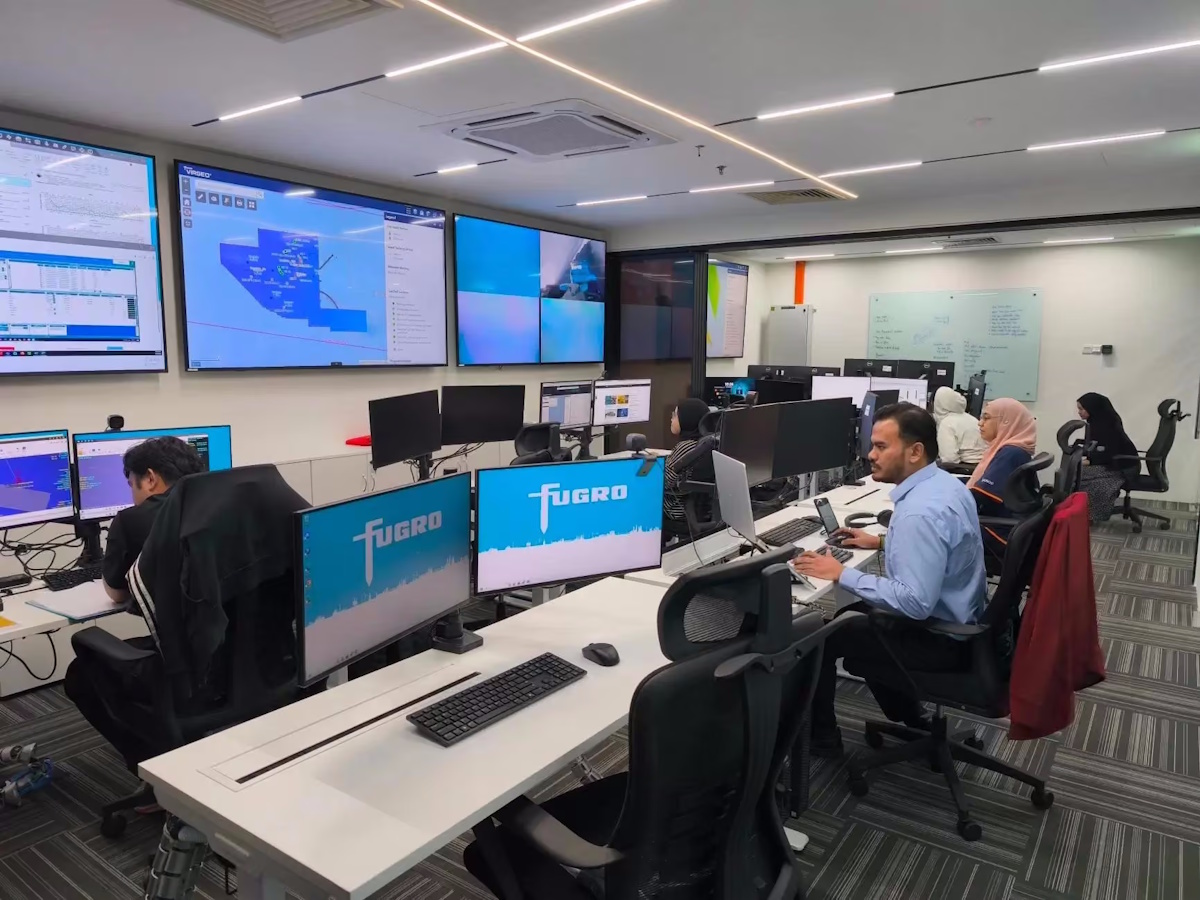
Fugro Expands Singapore Innovation Hub with AI-Driven Marine Digital Twin Development
Fugro has announced the expansion of its innovation hub in Singapore by developing an AI-driven marine digital twin capability. This initiative is a significant milestone in Fugro's global growth strategy, enhancing Singapore's position as the Asia Pacific hub for marine Geo-data innovation. The new platform aims to help clients make quicker, more informed decisions regarding offshore and coastal developments. The AI-enabled platform will integrate various data types, including geophysical survey data and geotechnical site investigation results, into a unified digital analytics environment. By automating data integration and analysis, the platform seeks to improve efficiency and provide deeper insights from complex marine Geo-data. This advancement is expected to enhance decision-making for offshore projects, ultimately benefiting clients worldwide. Fugro anticipates creating new roles in Singapore focused on AI, data science, and digital engineering as the platform scales. The expansion reflects confidence in Singapore's R&D ecosystem and aims to deepen local capabilities in applying AI to marine developments. No further timeline was disclosed at the time of publication.
fugro innovation hub ai digital twin
Digital Twin System Identifies Construction Hazards in Less Than One Second with High Accuracy
A new digital twin system has been developed that can identify construction hazards in under one second with an impressive accuracy rate of 98%. This advancement is significant as it enhances safety protocols in construction environments, potentially reducing accidents and improving overall site management. The importance of this technology lies in its ability to quickly and accurately flag hazards, which is crucial in the fast-paced construction industry. By integrating this system, companies can proactively address safety concerns, thereby minimizing risks to workers and ensuring compliance with safety regulations. Looking ahead, the continued evolution of digital twin technologies and their applications in various sectors will be critical. As industries increasingly adopt these systems, monitoring their effectiveness and impact on safety standards will be essential. No further timeline was disclosed at the time of publication.
AI and Robotics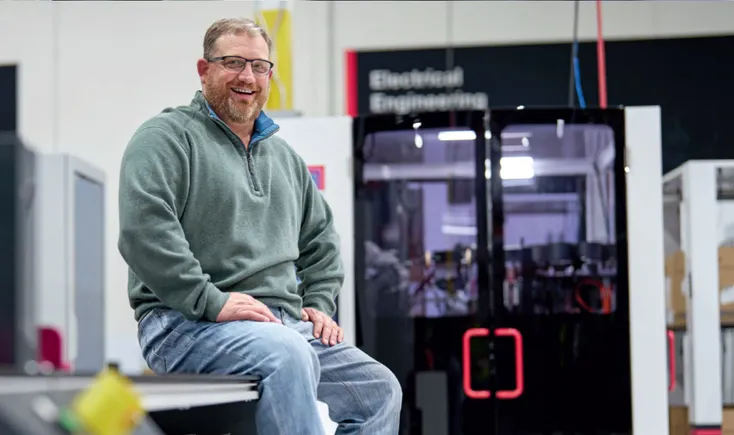
Eplan and Rittal Enhance Manufacturing Efficiency with Digital Twins for Business Growth
R&D Specialties, a UL-certified panel builder in Odessa, Texas, faces challenges in scaling due to a lack of skilled labor and inefficiencies in the design-to-manufacturing process. The disconnect between design, sourcing, and fabrication leads to significant costs that often go unnoticed, impacting margins and delivery timelines. Eplan and Rittal address these issues by implementing a digital twin system, which streamlines the workflow and ensures that all teams work from a single source of truth, reducing errors and improving efficiency. The collaboration between Eplan and Rittal is crucial for manufacturers like R&D Specialties, as it tackles the hidden costs associated with traditional handoffs in the production process. By integrating Eplan's engineering software with Rittal's manufacturing capabilities, the companies create a seamless flow of information that enhances productivity and reduces the risk of delays. This approach not only optimizes operations but also positions businesses for growth in a competitive market. Looking ahead, manufacturers should monitor the adoption of digital twin technologies as a means to bridge gaps in their processes. The success of Eplan and Rittal's solution could inspire other companies to explore similar integrations, ultimately leading to improved operational efficiency and better financial outcomes. No further timeline was disclosed at the time of publication.
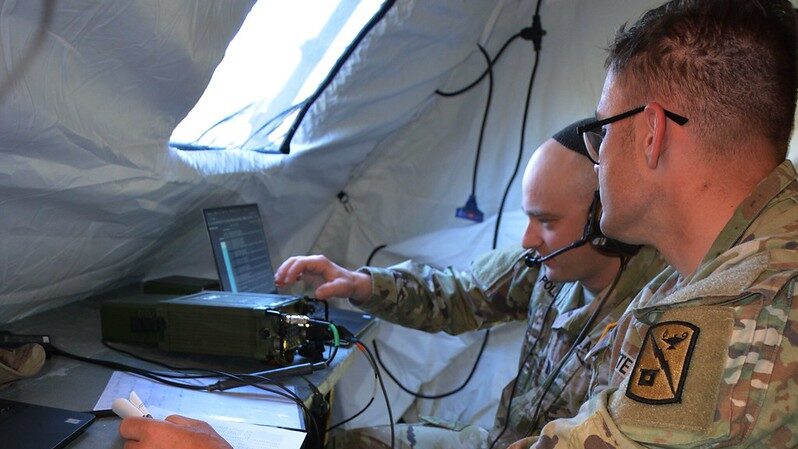
Army Network Command Chief Advocates for Digital Twin to Enhance Training and Cybersecurity
At the AFCEA TechNet Augusta conference, Maj. Gen. Jacqueline Denise McPhail, chief of the Army's Network Command (NETCOM), emphasized the necessity of a digital twin for the Army's networks. This comprehensive simulation would facilitate training and testing of both AI algorithms and personnel, providing a realistic environment to prepare for cyber threats. The digital twin, which would be continuously updated with real-time data, aims to enhance the Army's ability to respond to the increasing sophistication of cyber attacks, which now average 1.2 million daily. McPhail highlighted the importance of distinguishing between benign data and significant behavioral changes, a task where AI could play a crucial role in identifying vulnerabilities within the Department of Defense Information Network – Army (DoDIN-A). While acknowledging the challenges of creating such a digital model, McPhail encouraged contractors to pursue this initiative, suggesting a phased approach to development. The potential benefits of a digital twin extend beyond mere simulation, allowing for stress-testing and predictive analysis to improve network resilience and security.
Land Warfare Networks & Digital Warfare Army artificial intelligence AI cyber security Department of Defense Information Networks DoDIN
Delta Enhances Production Line Digital Twins with AI and Reduces Defect Detection Time
Delta has improved its production line digital twins by integrating AI technology, which significantly enhances simulation precision and efficiency. This advancement is crucial for smart manufacturing as it allows for more accurate modeling of production processes, ultimately leading to better operational outcomes. The integration of NVIDIA's Defect Image Generation skill has enabled Delta to reduce the development time for defect detection models for new products from three months to just two weeks. This reduction in time is vital for manufacturers looking to quickly adapt to market demands and improve product quality. Looking ahead, it will be important to monitor how Delta continues to leverage AI in its smart manufacturing solutions and the impact of these technologies on overall production efficiency. No further timeline was disclosed at the time of publication.

RoboDK Enhances Manufacturing with Digital Twin and OLP Software Features
RoboDK has introduced advanced features in its digital twin and offline programming (OLP) software, enabling manufacturers to simulate robotic cells virtually. This software allows users to model robots, tooling, and surrounding equipment, facilitating pre-installation testing of automation systems. Key functionalities include accurate robot simulation, calibration, and the ability to generate executable robot code seamlessly, thus reducing deployment time and costs. The significance of these features lies in their ability to streamline the programming and commissioning processes, which are often time-consuming in traditional setups. By utilizing digital twins, manufacturers can assess critical factors such as reachability, collision risks, and cycle times before physical implementation. This proactive approach minimizes uncertainties and enhances operational efficiency, making it a vital tool for modern manufacturing environments. Looking ahead, manufacturers should monitor the integration of CAD/CAM workflows with digital twin software, as this will further enhance the flexibility and usability of robotic programming. The ability to compare various robot models and specifications without vendor lock-in is crucial for optimizing production lines. No further timeline was disclosed at the time of publication.

JTEKT to showcase automation and digital integration solutions for manufacturing at "ROBOT TECHNOLOGY JAPAN 2026."
JTEKT Corporation will participate in the upcoming "ROBOT TECHNOLOGY JAPAN 2026," scheduled to take place from June 11 to June 13, 2026, at the Aichi Sky Expo. The event is organized by News Digest Co., Ltd. This exhibition aims to showcase advancements in robotics technology and foster collaboration within the industry. JTEKT's involvement highlights its commitment to innovation and leadership in the robotics sector.

KBC Launches Petro SIM 7.7 for Enhanced Process Simulation with AI/ML Hybrid Modeling
KBC, a Yokogawa company, has introduced Petro SIM 7.7, a cutting-edge process simulation and digital twin platform tailored for engineers and safety specialists in the refining and petrochemical sectors. This platform merges AI/ML-enabled hybrid modeling with first-principles simulation, facilitating informed decision-making while managing digital twins across various energy systems. The significance of Petro SIM 7.7 lies in its ability to combine engineering physics with machine learning, providing a trusted simulation environment for process engineers. Philippa Hayward, product manager for Petro-SIM, emphasized the need for accessible hybrid models to tackle complex challenges without requiring specialized data science skills. Looking ahead, KBC aims to enhance operational decision-making and monitoring across refinery and petrochemical value chains through Petro SIM 7.7 and its associated application, KBC Acuity Process Twin Pro. No further timeline was disclosed at the time of publication.
Factory / Digital Transformation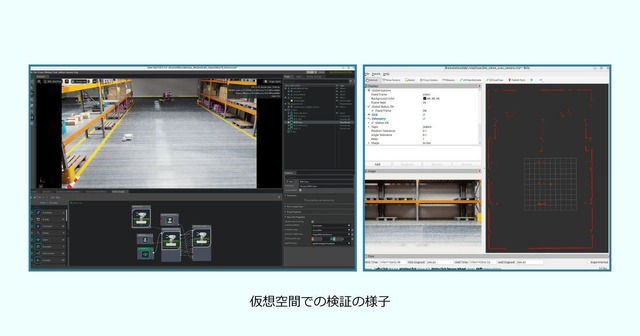
Attract Lab Develops Digital Twin Environment Using NVIDIA Isaac Sim for Field Robot Validation
Attract Lab has established a digital twin development environment utilizing NVIDIA Isaac Sim. This integration allows for high-precision validation of their AI autonomous control system, AT-SYNAPSE, and ROS 2-based control stack for field robots before physical deployment. The field robot, AT-CART8, can be tested in a virtual space without modifying its control stack, leading to reduced prototype iterations, shorter development times, and improved quality. The significance of this development lies in addressing the challenges of testing field robots in real environments, particularly in logistics warehouses and medical facilities where safety and operational constraints limit validation time. Attract Lab aims to replicate real-world environments as digital twins, enabling thorough testing of the AT-CART8's autonomous movement, obstacle avoidance, and safety protocols in a controlled setting. Looking ahead, Attract Lab plans to fully integrate this environment into the development processes for UAVs, UGVs, and USVs, enhancing collaboration with companies and research institutions for joint development. The goal is to create a new development and deployment process that allows for virtual testing before actual implementation in customer facilities, thereby improving lead times and development quality.
Emerson Introduces Ovation Curation Tool for Enhanced Control Systems Management
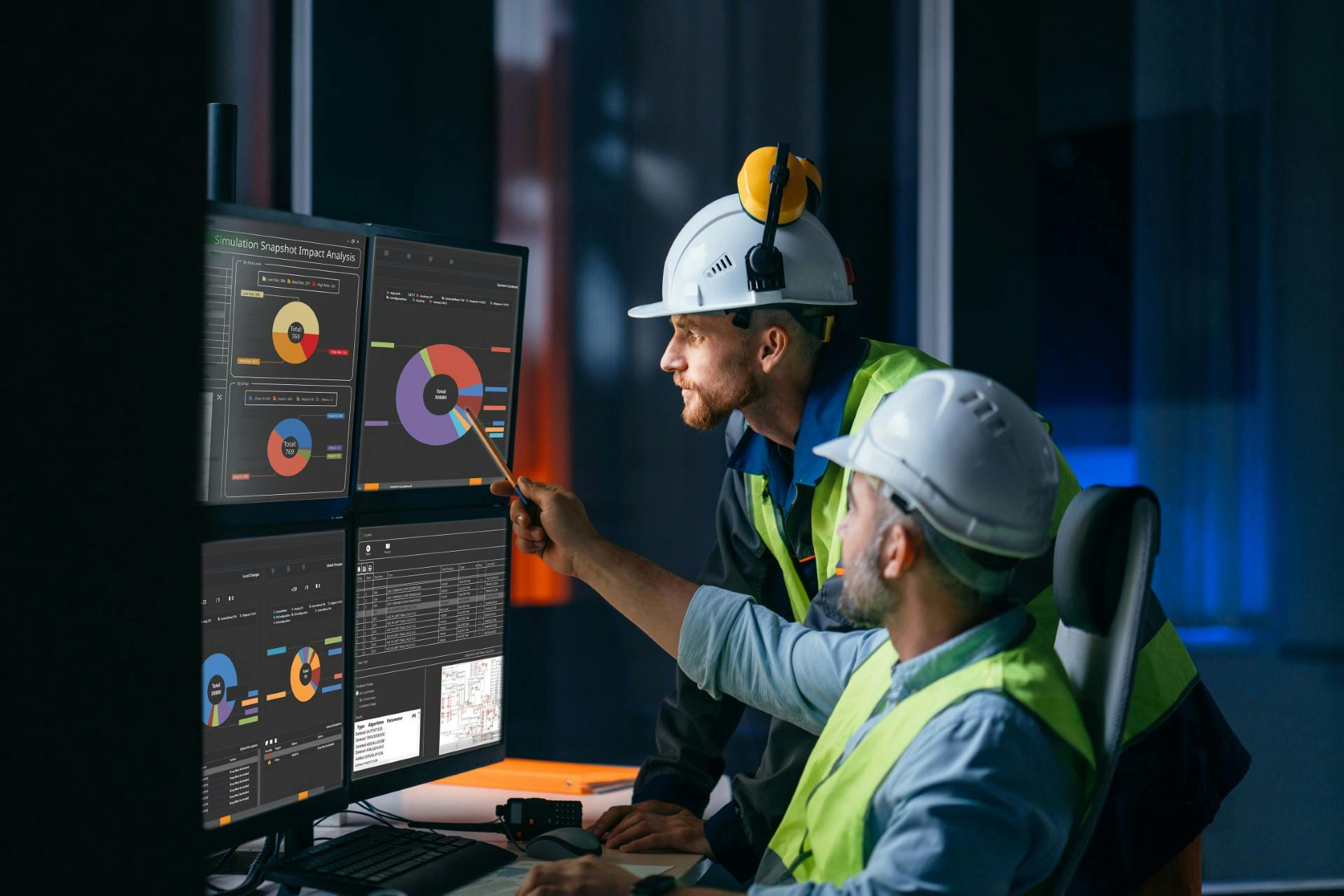
Emerson has launched the Ovation Curation Tool, a synchronization software designed for power and water control systems. This tool aims to maintain version control and change history across multiple Ovation systems and simulators, automating the management of changes between production systems and their digital twins. The introduction of the Ovation Curation Tool is significant as it addresses the challenges of keeping digital twins synchronized with live systems, especially amid workforce shortages. By improving testing and training accuracy, the tool is expected to save engineering time and facilitate faster troubleshooting, enhancing overall operational efficiency. Looking ahead, the software's ability to automatically track changes and provide an intuitive dashboard for users will be crucial for organizations seeking to optimize their control systems. No further timeline was disclosed at the time of publication.
Factory / Digital Transformation
Digital twins, software maturity and other automation trends
Manufacturers are increasingly adopting AI-powered simulation technology and advanced robotics software, which are becoming more powerful and cost-effective. This shift is occurring as companies seek to enhance efficiency and productivity in their operations. The trend has gained momentum in recent months, reflecting a broader industry move towards automation and smart manufacturing solutions. By integrating these technologies, manufacturers aim to streamline processes, reduce costs, and improve overall performance. As a result, the landscape of manufacturing is evolving, with businesses leveraging innovative tools to remain competitive in a rapidly changing market.

Vention and Teradyne Robotics Collaborate on Digital Twin Creation Platform Optimized for UR Robotic Cells
At Automate 2026, live demonstrations highlighted the innovative integration of Vention's Rapid Operator AI with NVIDIA's Isaac open robotics platform. The event showcased advanced welding applications facilitated by Universal Robots' UR12e and UR20 collaborative robot models. These demonstrations, taking place in a cutting-edge robotics environment, aimed to illustrate the potential of AI-driven automation in enhancing manufacturing processes. By combining these technologies, the event underscored the growing importance of robotics in streamlining operations and improving efficiency in various industrial applications.

Eco Wave Power Turns Waves Into Watts With NVIDIA AI Infrastructure and Digital Twins
The future of artificial intelligence (AI) is poised to be shaped not just by computational power but significantly by energy resources. As AI technologies evolve, particularly in areas such as agentic AI, industrial AI, edge computing, and robotics, the demand for sustainable energy solutions will become increasingly critical. This shift highlights the importance of integrating energy efficiency into the development of AI systems, ensuring that as these technologies scale and become more prevalent, they do so in an environmentally responsible manner. The emphasis on energy will drive innovation and investment in renewable resources, ultimately influencing the trajectory of AI advancements.
Digital Twins: Transforming the Factories of the Future
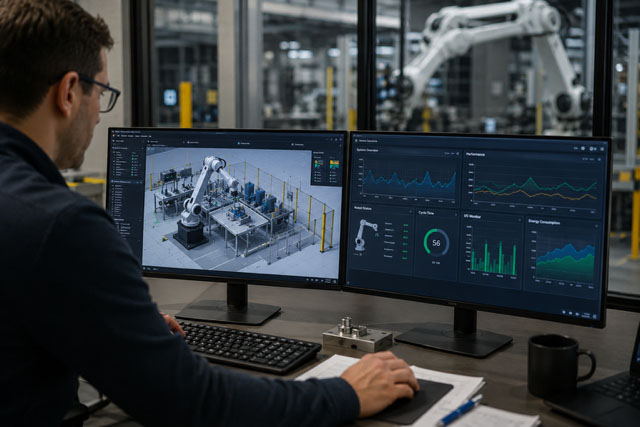
As media attention focuses on humanoid robots and generative artificial intelligence, a less flashy yet equally transformative technology is quietly reshaping the global industry: digital twins. This innovative approach is emerging as a crucial element in the ongoing industrial transformation, offering strategic advantages that may rival those of more visible technologies. The concept of digital twins involves creating virtual replicas of physical systems, enabling companies to optimize operations and improve efficiency. This shift is expected to significantly impact the future of manufacturing, positioning digital twins as a foundational component in the evolution of factories worldwide.
À la une IA Industrie Robotique analyse de données industrielles automatisation industrielle.
US team combines digital twins, VR to boost lunar robot performance for future missions
Researchers at the University of Colorado Boulder are pioneering the use of digital twin technology to enhance environmental monitoring and management. This innovative approach involves creating virtual replicas of physical systems, allowing scientists to simulate and analyze real-world conditions in real time. The project, which commenced in late 2023, aims to address pressing environmental challenges by providing more accurate data and predictive insights. Located in Boulder, Colorado, the initiative seeks to improve understanding of climate change impacts and resource management by integrating advanced modeling techniques with real-time data collection. The motivation behind this research stems from the urgent need to develop effective strategies for sustainability and resilience in the face of environmental degradation. By employing sensors and data analytics, the researchers are able to create dynamic models that reflect current environmental conditions, enabling stakeholders to make informed decisions. This method not only enhances the accuracy of environmental assessments but also facilitates proactive responses to potential ecological threats. The team at CU Boulder is collaborating with various stakeholders, including government agencies and conservation organizations, to ensure that the findings are applicable and beneficial for real-world applications.
South Korea backs autonomous military robots with digital twin battlefield simulator
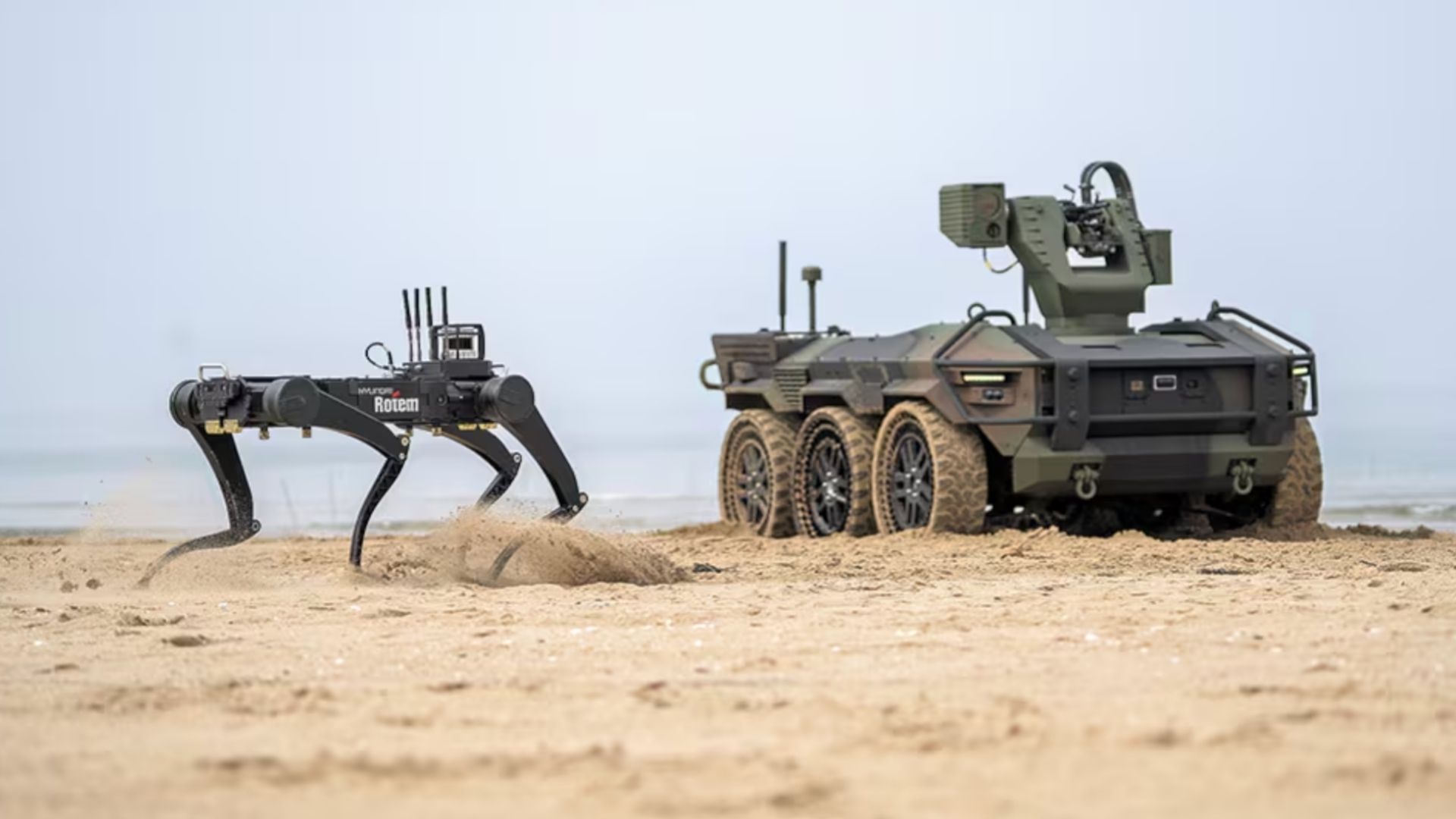
South Korea has chosen NC AI, a gaming and artificial intelligence company, along with defense manufacturer Hyundai Rotem, to develop advanced military training systems. This initiative, announced recently, aims to enhance the country's defense capabilities through innovative technology. The collaboration will focus on creating realistic simulations and training environments for military personnel, leveraging NC AI's expertise in AI and gaming technology. The project is part of South Korea's broader strategy to modernize its military and improve operational readiness in response to evolving security challenges in the region. The development is expected to take place over the next few years, with the goal of integrating cutting-edge technology into military training programs.
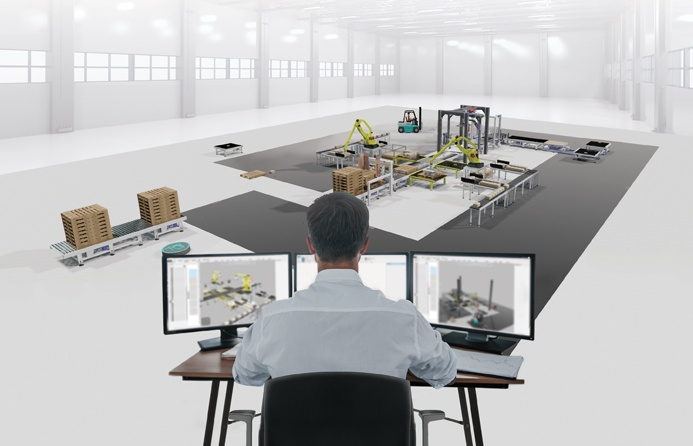
Simulation vs. digital twin: A strategic lens on virtual manufacturing
Visual Components has highlighted the advantages of digital twins and simulation technologies for manufacturers involved in system design and integration, particularly in automation. The discussion, featured in a recent post titled "Simulation vs. Digital Twin: A Strategic Lens on Virtual Manufacturing," emphasizes how these tools can enhance efficiency and accuracy in manufacturing processes. By leveraging virtual models, companies can optimize their operations, reduce costs, and improve overall productivity. The insights shared aim to guide manufacturers in making informed decisions about adopting these technologies to stay competitive in the evolving landscape of virtual manufacturing.
Manufacturing News Opinion Software / Simulation Visual Components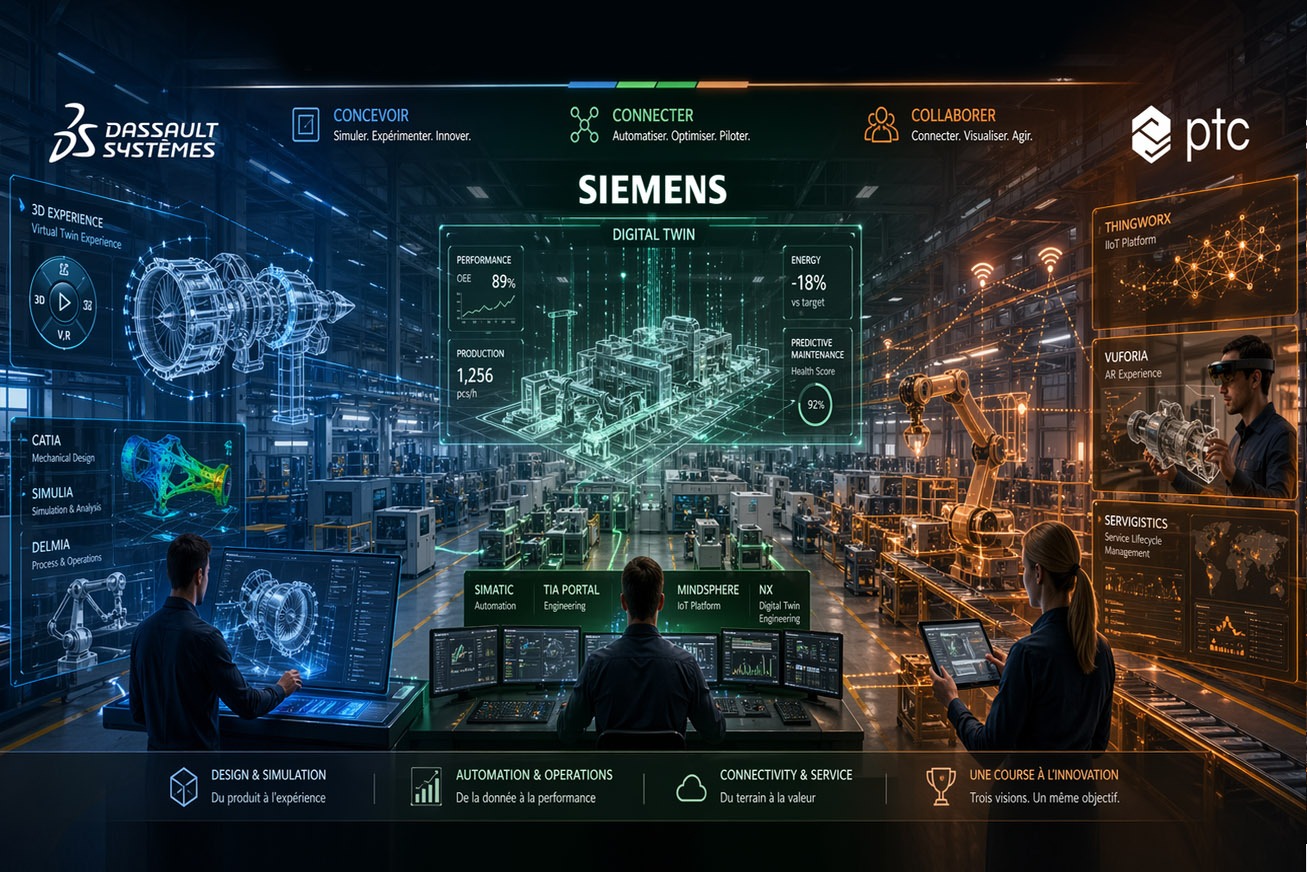
Dassault Systèmes vs Siemens vs PTC : qui gagne la bataille du digital twin ?
The digital twin technology is emerging as a cornerstone of the future industry, aiming to create accurate virtual representations of products, processes, or entire systems. This innovation enables real-time simulation, optimization, and prediction of behaviors. In this competitive landscape, three major players—Dassault Systèmes, Siemens, and PTC—are leading the charge in the battle for dominance in the digital twin market. The ongoing rivalry among these companies highlights the strategic importance of digital twins in enhancing operational efficiency and driving technological advancement. The article originally appeared in Robot Magazine, exploring the competitive dynamics shaping this transformative field.
À la une Actualités IA Industriel Robotique automatisation industrielle.
Six‐Dimensional Digital Twin System for Autonomous Underwater Vehicles: Conceptualization and Twin Experiments
The Journal of Field Robotics has published a new early view article highlighting advancements in robotic technology. The research, conducted by a team of engineers and scientists, focuses on enhancing the capabilities of autonomous robots in complex environments. This study, released in October 2023, aims to address the growing demand for improved robotic systems in various applications, including agriculture, search and rescue, and industrial automation. The researchers employed innovative algorithms and machine learning techniques to enable robots to navigate and operate more effectively in unpredictable settings. By simulating real-world scenarios, the team was able to test the robots' performance and adaptability, showcasing significant improvements over previous models. This development comes at a crucial time as industries increasingly rely on automation to boost efficiency and safety. The findings are expected to influence future designs and applications of robotic systems, ultimately contributing to the evolution of the field. The research underscores the importance of interdisciplinary collaboration in advancing technology and meeting the challenges posed by complex operational environments.
RESEARCH ARTICLE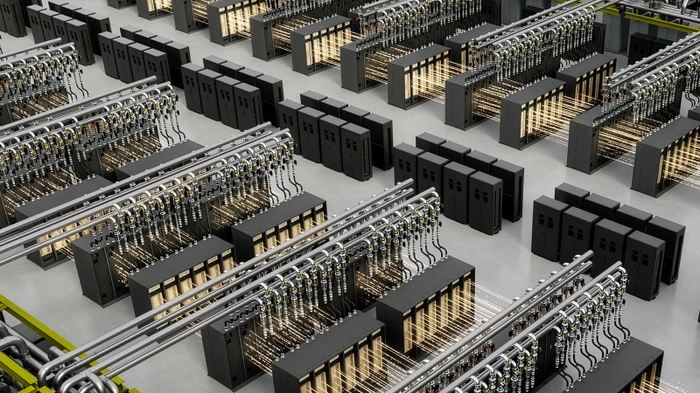
NVIDIA Releases Vera Rubin DSX AI Factory Reference Design and Omniverse DSX Digital Twin Blueprint With Broad Industry Support
NVIDIA has unveiled the NVIDIA Vera Rubin DSX AI Factory reference design, aimed at providing a comprehensive framework for developing co-designed AI infrastructure. This announcement, made today, also includes the general availability of the NVIDIA Omniverse DSX Blueprint, which is fully compatible with the Vera Rubin DSX. The initiative is part of NVIDIA's ongoing efforts to enhance AI capabilities and streamline the integration of advanced technologies in various applications. By offering these resources, NVIDIA seeks to empower developers and organizations to build more efficient and effective AI systems, fostering innovation in the tech industry.

Into the Omniverse: How Industrial AI and Digital Twins Accelerate Design, Engineering and Manufacturing Across Industries
Companies across various industries are increasingly leveraging industrial AI, digital twins, AI physics, and accelerated AI infrastructure to enhance their design, simulation, and optimization processes. This technological shift allows organizations to refine products, processes, and facilities in a virtual environment before actual construction begins. By adopting these advanced tools, businesses aim to improve efficiency, reduce costs, and accelerate time-to-market for new innovations. The integration of these technologies is seen as a crucial step in staying competitive in a rapidly evolving market, enabling firms to make data-driven decisions and optimize their operations effectively.

3D Mobile Mapping for Digital Twins: Camera Features That Ensure Accuracy
Recent advancements in surveillance technology have transformed urban environments into rich sources of visual data, essential for creating digital twins of cities. These digital replicas rely heavily on high-quality imagery captured by cameras installed in various public spaces, including streets and buildings. However, experts warn that if the visual data collected is inadequate or flawed, the integrity and functionality of the entire digital model can be compromised. This reliance on precise imagery underscores the importance of maintaining and upgrading surveillance systems to ensure accurate representations of urban landscapes. As cities increasingly adopt these technologies, the challenge remains to balance effective data collection with privacy concerns, prompting ongoing discussions among policymakers and technology developers.
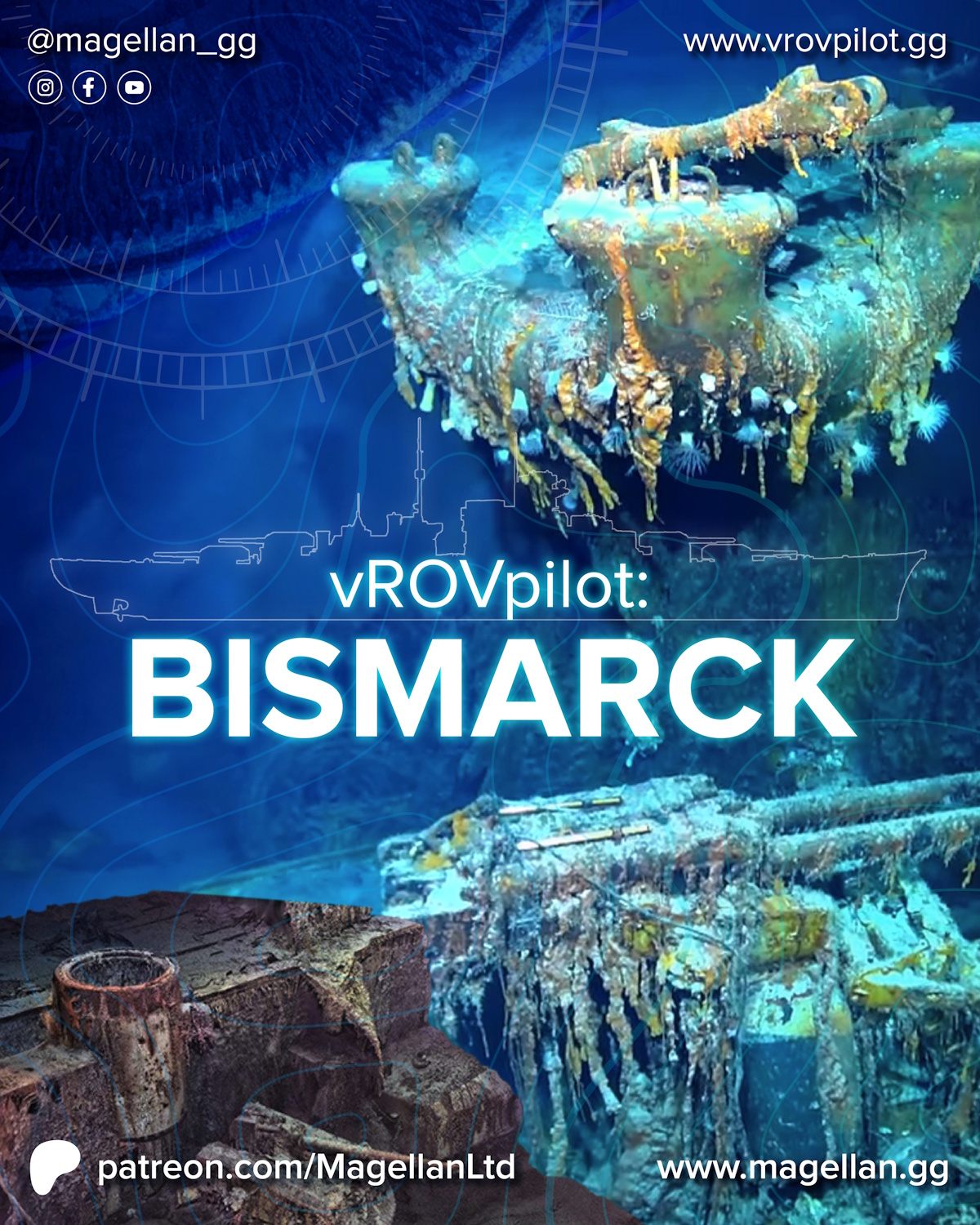
Magellan Complete Digital Twin of The Bismarck Ahead of Titanic Debris Field Release
Magellan Limited has achieved a significant milestone in deep-ocean surveying and maritime heritage by creating the first complete ultra-high-resolution digital twin of the German battleship Bismarck. This historic vessel, which sank during World War II, lies approximately 4,790 meters beneath the surface of the North Atlantic, on the steep slope of an underwater volcanic formation. The project, which underscores advancements in forensic wreck analysis, aims to enhance understanding of maritime history and preserve the legacy of the Bismarck through cutting-edge digital technology. The successful completion of this digital twin marks a pivotal moment in the field, showcasing how innovative techniques can be applied to explore and document underwater sites that are otherwise difficult to access.
megallan
1X Reveals Its 'World Model,' A Digital Twin to Accelerate Humanoid AI Training
Robotics firm 1X has unveiled its latest innovation, an 'action-controllable' world model, as part of its Redwood AI initiative. This advanced system serves as a high-fidelity simulator, enabling the company to predict the outcomes of its NEO robot's actions. By utilizing this technology, 1X can efficiently assess AI performance and make necessary adjustments without the need for expensive and time-consuming physical trials. This development marks a significant step forward in the company's efforts to enhance robotic capabilities and streamline testing processes.
1X-technologies Redwood generative-ai embodied-ai robotics-ai world-model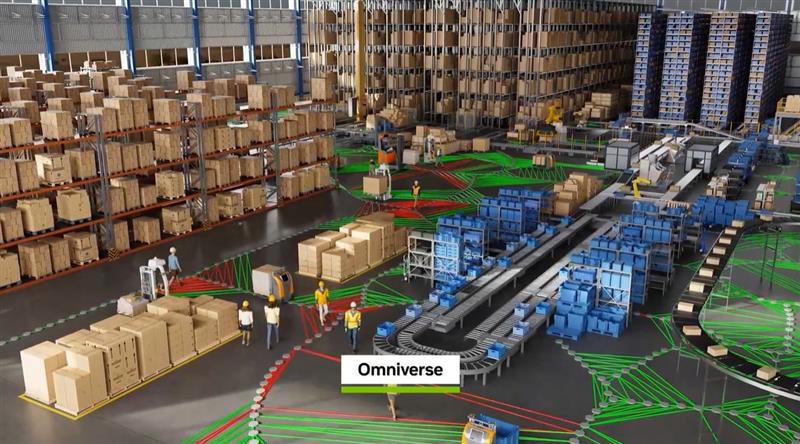
KION Teams with NVIDIA and Accenture to Optimize Supply Chains with AI-Powered Robots and Digital Twins
KION Group has joined forces with NVIDIA and Accenture to transform supply chains by integrating AI-powered robots and digital twins. This partnership was highlighted during CES 2025, where the companies presented their cutting-edge warehouse solutions. The collaboration seeks to boost warehouse efficiency and adaptability, utilizing advanced artificial intelligence to streamline operations and enhance productivity.
intralogistics supply chain solutions industrial trucks forklift trucks warehouse trucks automation technologyRobotics needs a service framework.
RSF defines a common language for robot service capability, lifecycle operations, certification pathways, and service-provider networks.
Join the RobotToday community on LinkedIn
Daily robotics news, in-depth analysis, conference highlights, and discussions with professionals worldwide.