Industry Briefing
A single destination for timely, editor-curated robotics news from around the world.

Rapta Secures $8 Million Funding to Enhance AI Quality Assurance in Defense Manufacturing
Rapta has successfully raised $8 million to further develop its AI-driven quality assurance and manufacturing intelligence platform tailored for defense and aerospace sectors. The funding round was co-led by Voyager Capital and Access Venture Partners, with contributions from several other investors. This financial boost will enable Rapta to expand the deployment of its Manufacturing Intelligence Platform, which integrates computer vision and production data to enhance quality tracking and process performance. The significance of this funding lies in Rapta's technology, which is already utilized by five of the ten largest U.S. defense contractors. By addressing challenges such as quality issues and fragmented data in production environments, Rapta's platform aims to streamline operations without necessitating a complete overhaul of existing technology infrastructures. This approach is particularly crucial in industries with stringent compliance requirements, where accurate documentation and traceability are vital. Looking ahead, Rapta's focus will be on leveraging the new funding to enhance its platform's capabilities and expand its market presence. The addition of Voyager and Access Venture Partners' representatives to its board is expected to provide valuable guidance during this critical phase. No further timeline was disclosed at the time of publication.
AI AI Funding & Investment Robotics Access Venture Partners BVC DeepWork Capital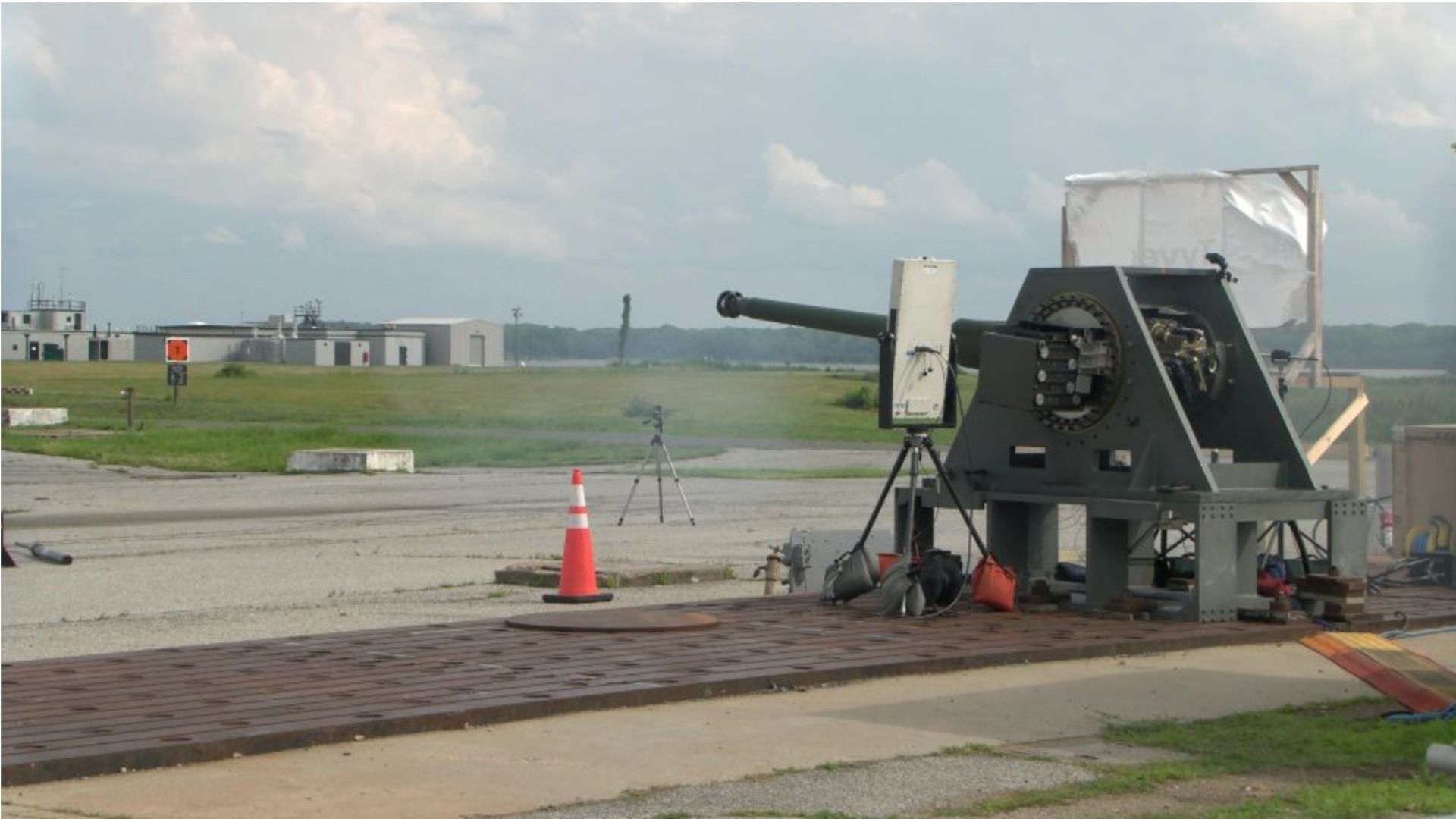
Northrop Grumman Advances 50mm Projectile Testing for Raid Hunter Air Defense System
Northrop Grumman has successfully conducted an aeroballistic test of a new 50mm round for its Raid Hunter air defense system. The test involved firing the projectile from an XM913 Chain Gun to validate its performance and gather flight data, which will aid in developing a guided, proximity-fuzed projectile. This development is significant as it enhances the Raid Hunter's capability to counter coordinated attacks from various aerial threats, including drone swarms and cruise missiles. The high-fidelity data collected during the test matched pre-test predictions, confirming the projectile's design and performance, which is crucial for the next development phase focused on guidance and proximity fuzing. Looking ahead, Northrop Grumman aims to integrate this advanced ammunition with its Bushmaster Chain Gun technology to create a high-rate defensive system. This combination is designed to effectively respond to mixed aerial threats, positioning Raid Hunter as a scalable and cost-effective solution for short-range air defense challenges.
Military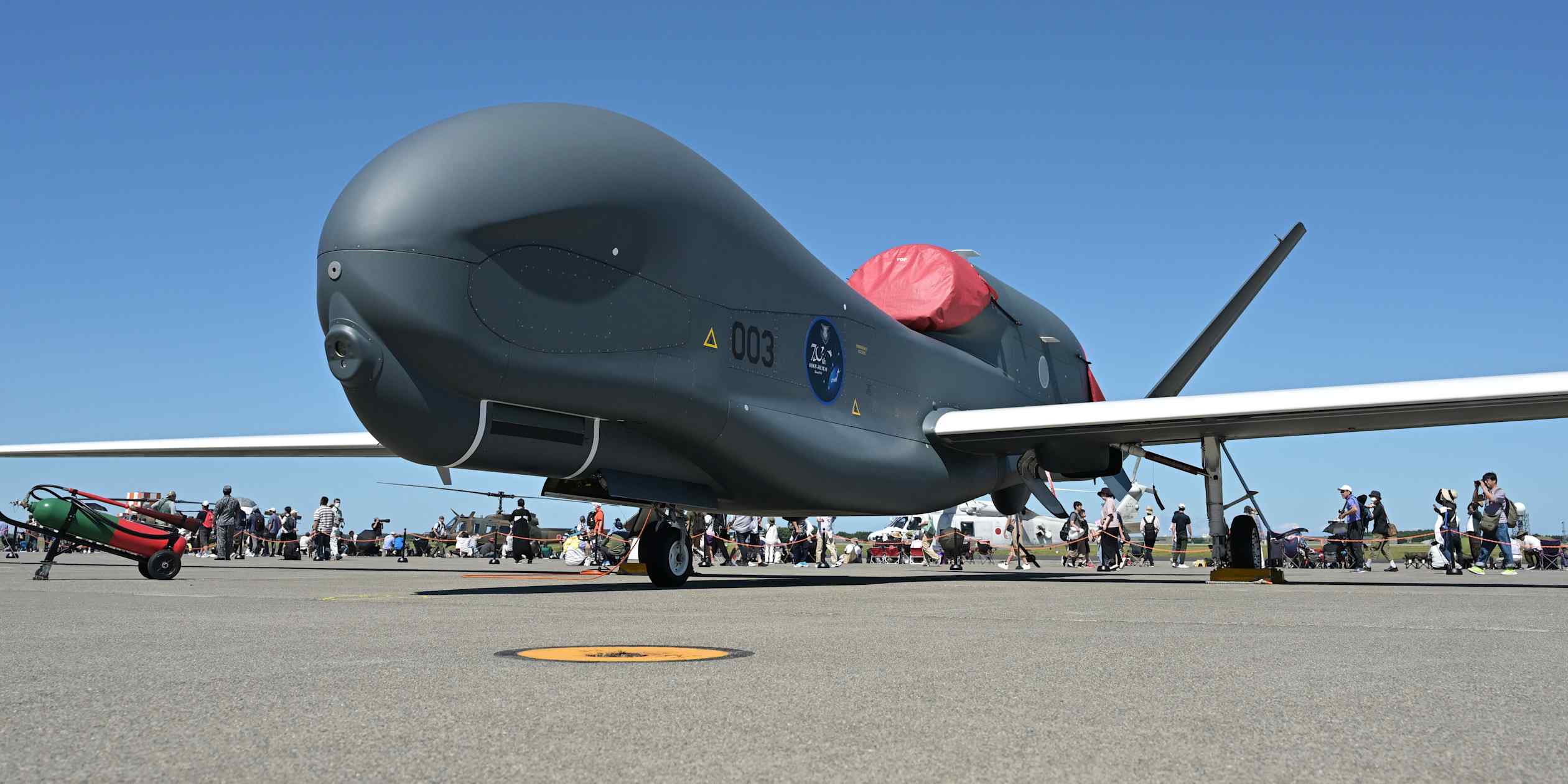
Japan Air Self-Defense Force Confirms Crash of Global Hawk Drone Off Tottori Coast
The Japan Air Self-Defense Force (JASDF) has confirmed that its Global Hawk RQ-4B unmanned reconnaissance drone crashed after losing ground contact. The confirmation came after debris was found floating off the coast of Tottori prefecture, identified as belonging to the drone. This incident is significant as it raises concerns about Japan's surveillance capabilities and overall defense posture. The loss of the Global Hawk, known for its advanced reconnaissance capabilities, may impact Japan's ability to monitor regional threats effectively. Moving forward, the JASDF has dispatched an investigation team to determine the cause of the crash. No further timeline was disclosed at the time of publication.
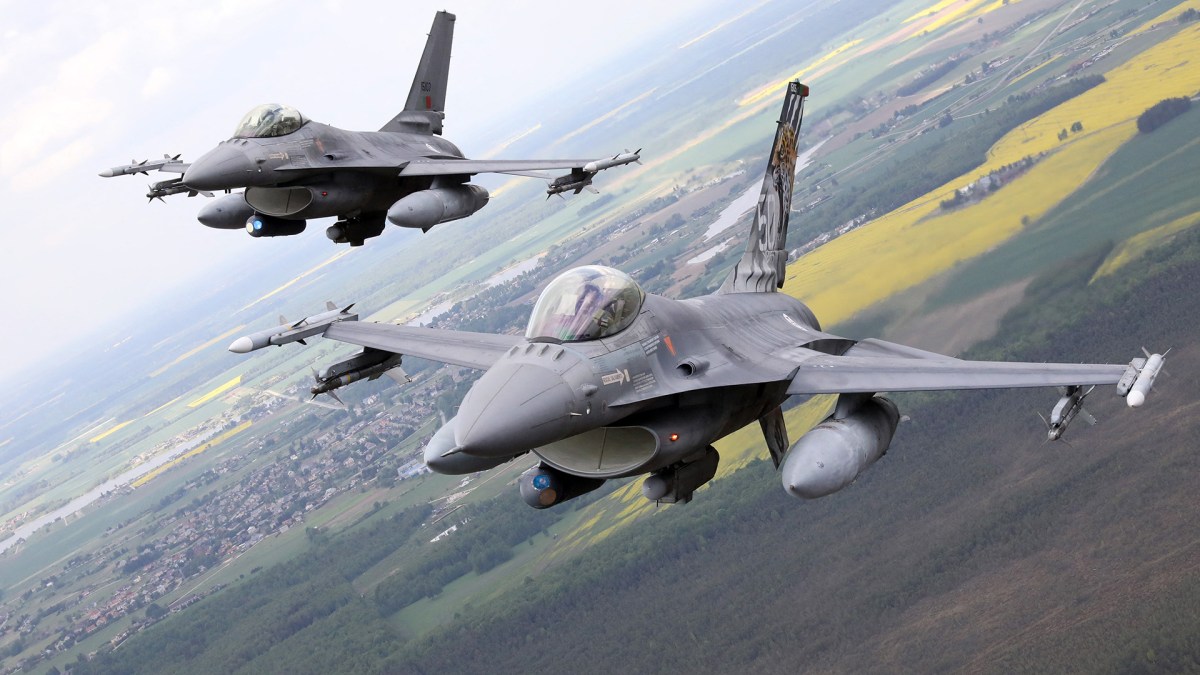
U.S. Air Force Leader in Europe to Implement NATO's New Air Defense Strategy
The top U.S. Air Force officer in Europe, Lt. Gen. Jason T. Hinds, has been assigned to implement NATO's new air defense plans aimed at countering threats from cruise missiles and drones. This directive follows a recent incident where NATO had to intercept a drone that entered Lithuanian airspace, highlighting ongoing security concerns amid Russian aggression in Europe. The significance of this initiative lies in NATO's response to increasing hybrid threats from Russia, particularly in light of the ongoing conflict in Ukraine. European Commission President Ursula von der Leyen emphasized that such incidents are indicative of a broader pattern of Russian provocations, testing NATO's readiness and resolve. Lt. Gen. Hinds noted that the Enhanced Vigilance Activity (EVA) Eastern Sentry and Standing Defense Plan 12000 are crucial for providing member nations with the necessary capabilities to defend their airspace. Looking ahead, NATO aims to enhance its integrated air and missile defense systems, which currently rely heavily on air power to counter drone threats. Lt. Gen. Hinds expressed the need for more efficient and cost-effective solutions, such as lower-cost interceptors. No further timeline was disclosed at the time of publication.
Air Air Force Munitions Air Forces Air-To-Air Around The Globe Europe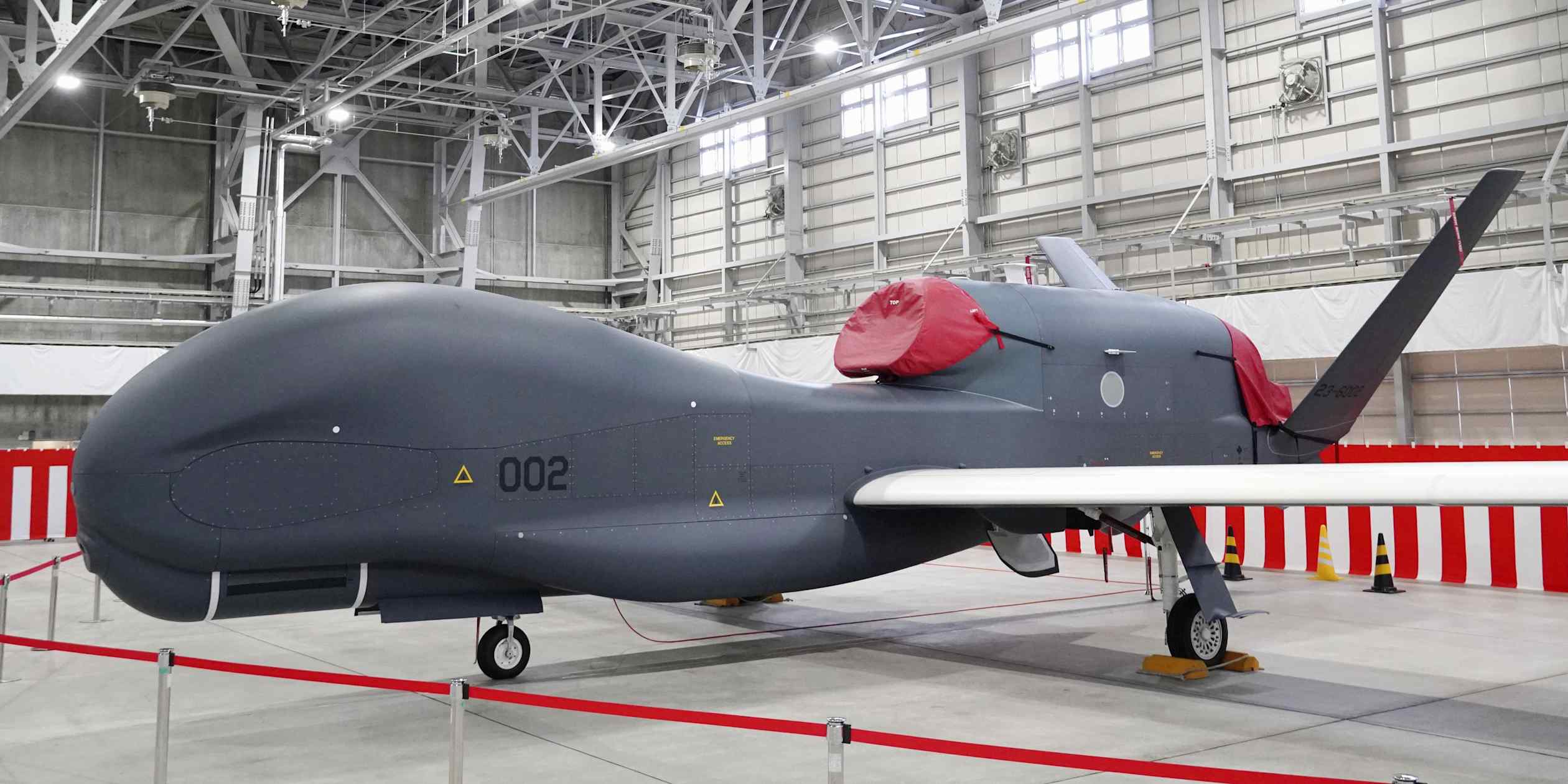
Japan Air Self-Defense Force Loses Communication with Global Hawk Drone in Tottori
The Japan Air Self-Defense Force reported the loss of communication with a Global Hawk unmanned reconnaissance drone operating off the coast of Tottori prefecture. The aircraft is now considered missing, prompting an active search operation in the area. This incident highlights the challenges faced by military forces in maintaining operational control over advanced unmanned systems. The loss of the Global Hawk drone raises concerns regarding the reliability of communication systems and the potential implications for surveillance operations in the region. As the search continues, it will be important to monitor the developments surrounding the recovery efforts and any findings related to the incident. No further timeline was disclosed at the time of publication.

Wingcopter Unveils All-Electric Wingcopter 262 for Tactical Reconnaissance in Defense Sector
Wingcopter has launched the all-electric Wingcopter 262, featuring a wingspan of 262 centimeters (103 inches) and a tactical range of 150 kilometers (93 miles). This new vertical take-off and landing aircraft is designed for defense and security applications, offering up to six hours of flight endurance and a maximum takeoff weight of 10 kilograms (22 pounds). The introduction of the Wingcopter 262 is significant as it enhances reconnaissance capabilities with AI-enabled cameras and resilient navigation for GNSS-denied environments. The aircraft's modular battery system allows for quick mission readiness, making it suitable for persistent aerial surveillance in tactical operations. Wingcopter's experience in unmanned aircraft development underpins this innovative platform. Looking ahead, Wingcopter's new business unit, Wingcopter Security and Defence, aims to expand its portfolio in the defense sector, including logistics and reconnaissance. The company is also collaborating with TAF Industries to support drone production in Ukraine. No further timeline was disclosed at the time of publication.
Defense Drone News Drone News Feeds Military News
Rethinking Air and Missile Defense Due to Concurrent Attacks on US Bases
Recent attacks on US bases during the Iran conflict have highlighted vulnerabilities in air-and-missile-defense systems. Despite high overall effectiveness, these incidents reveal significant gaps that need to be addressed to enhance security measures. The implications of these vulnerabilities are critical for national defense strategies. As threats evolve and become more sophisticated, it is essential for military planners to reassess current defense capabilities and consider upgrades or new technologies to mitigate risks. Looking ahead, the focus will likely shift towards developing more robust air-and-missile-defense systems. Continuous evaluation and adaptation will be necessary to counteract emerging threats effectively. No further timeline was disclosed at the time of publication.
Air Warfare air and missile defense Air Force AMD strategy Counter UAS Counter UAS cUAS
Canada and Ukraine Forge Long-Term Defense Partnership for Uncrewed Technologies
Canada and Ukraine have entered a significant defense agreement to collaboratively produce uncrewed technologies, counter-drone systems, and munitions. This partnership, announced by Canadian Prime Minister Mark Carney during Ukrainian President Volodymyr Zelenskyy's visit to Calgary, aims to enhance Ukraine's defense capabilities amid ongoing Russian aggression. The agreement is part of a broader commitment to a '100-year partnership' between the two nations, combining Ukraine's battlefield experience with Canada's manufacturing and technological expertise. Notably, General Dynamics Mission Systems of Canada and Ukraine's Green Tech Harvest will explore co-producing Ukrainian-designed drones, while Canada plans to invest approximately $350 million in air defense interceptors through the Joint Ukraine Multinational Program. Looking ahead, the partnership is expected to bolster Ukraine's air defense capabilities significantly, with Zelenskyy highlighting the training of 21 Ukrainian pilots in Canada. However, specific operational details regarding the drone cooperation remain limited. No further timeline was disclosed at the time of publication.
Air Warfare Allies Air Force canada Drones Europe
China's Updated Defense Law Enhances Military Use of AI and Drones
China's revised defense law is set to facilitate the integration of artificial intelligence and drones into military operations. This legislative change aims to enhance the capabilities of the Chinese military, allowing for more advanced technological applications in defense strategies. The significance of this development lies in its potential to reshape military engagements and defense strategies globally. By embracing AI and drone technology, China is positioning itself to improve its military efficiency and effectiveness, which could have far-reaching implications for international security dynamics. Looking ahead, it will be crucial to monitor how this law influences China's military modernization efforts and its impact on regional and global military balances. No further timeline was disclosed at the time of publication.
Military
Israel and Greece Sign $3.4 Billion Deal for Achilles’ Shield Air Defense System
Israel and Greece formalized a $3.4 billion agreement for the Achilles’ Shield air defense system at the Israel Ministry of Defense in Tel Aviv. This multi-layered defense system aims to enhance industrial cooperation between the two nations and strengthen supply chains, a development anticipated for several months. The significance of this deal lies in its potential to reform Greece's Armed Forces and address contemporary geopolitical and technological challenges, as stated by Greek Minister of National Defense Nikos Dendias. The Achilles’ Shield will serve as a comprehensive deterrence system, integrating various platforms into a unified network-centric architecture to counter diverse threats. Looking ahead, the agreement includes advanced systems such as David’s Sling and Barak MX, alongside Rafael’s Spyder air defense system. This deal marks a historic milestone in Israel-Greece defense relations, fostering knowledge transfer and technological collaboration. No further timeline was disclosed at the time of publication.
Air Warfare Global Achilles Shield air defense Air Force BARAK MX
Rakuten Collaborates with German Startup Helsing for AI Defense Drones in Japan
Rakuten Group is set to partner with German defense technology startup Helsing to introduce AI-powered attack drones for the Japanese Self-Defense Forces. This collaboration aims to enhance Japan's defense capabilities through advanced drone technology. The partnership is significant as it marks Rakuten's strategic move to support startups in the defense sector, potentially transforming this initiative into a substantial revenue stream. By leveraging Helsing's expertise in AI and defense technology, Rakuten seeks to contribute to Japan's national security. Looking ahead, the collaboration could expand into the production of autonomous equipment in Japan. No further timeline was disclosed at the time of publication.

Addressing Challenges in Air-and-Missile Defense with Solid Rocket Motors
The ongoing conflict in Iran has highlighted the effectiveness of US air-and-missile-defense (AMD) systems, yet the replenishment of munitions stockpiles remains a significant challenge. The AN/TPY-2 radars, essential for the Terminal High Altitude Area Defense (THAAD) system, have suffered damage, prompting the US to relocate these critical assets from other regions, potentially weakening AMD capabilities elsewhere. The implications of these challenges are profound, as the US military's ability to deter threats relies heavily on the availability of interceptors, which utilize solid rocket motors (SRMs). The complexities of manufacturing SRMs, coupled with inconsistent demand signals, complicate efforts to ramp up production. Chris Spagnoletti, CEO of Ursa Major, emphasizes the need for innovation in manufacturing processes to enhance capacity and reduce costs. Looking ahead, the defense industrial base faces a multifaceted challenge in meeting the evolving demands for AMD systems. The intricate nature of SRM production, which involves volatile materials and stringent quality controls, means that any increase in demand will require significant time and resources to address. No further timeline was disclosed at the time of publication.
Land Warfare AN/TPY-2 Army CSIS cyber security DOD
Eric Fanning Discusses Budget and U.S. Defense Industry Health at Farnborough Airshow
In a recent interview at the Farnborough Airshow, Eric Fanning, the head of the Aerospace Industries Association, addressed key issues affecting the U.S. defense industry. He highlighted the importance of budget considerations amidst ongoing developments in aerospace and defense. Fanning's insights are crucial as they reflect the current state of the defense sector, particularly in light of the airshow's activities, which showcase advancements and innovations in military technology. His leadership role positions him to provide a comprehensive overview of the industry's challenges and opportunities. Looking ahead, stakeholders in the defense industry should monitor budgetary decisions and their implications for future projects and collaborations. No further timeline was disclosed at the time of publication.
Air Warfare Congress Aerospace Industries Association Air Force Break Out Video budget
Thales and Destinus Partner to Enhance Counter-UAS and Air Defense Solutions
Thales has formed a strategic partnership with Destinus to advance counter-unmanned aircraft systems (C-UAS), long-range strike capabilities, and integrated air defense solutions. This collaboration aims to enhance Europe's defense preparedness amid rising security challenges. The integration of Thales' advanced radar and defense technologies with Destinus' interceptor systems is expected to create a robust layered air defense architecture. The partnership is significant as it reflects Europe's commitment to strengthening its defense capabilities in response to evolving aerial threats. By combining their expertise, Thales and Destinus aim to deliver scalable and interoperable defense solutions for European and allied armed forces. This initiative is particularly focused on improving counter-drone capabilities and developing long-range strike systems. Looking ahead, the collaboration will explore advanced ground-based air interception capabilities aligned with NATO's Integrated Air and Missile Defense architectures. The success of this partnership could significantly impact the development of next-generation air defense capabilities for Europe and its allies, reinforcing strategic autonomy in defense technologies.
Military
Comparing Surface-to-Air Missiles and Interceptor Drones for Air Defense
The evolution of air defense strategies has been significantly influenced by the rise of drones, which present new challenges for traditional systems. While surface-to-air missiles (SAMs) are powerful against high-speed threats like fighter jets and cruise missiles, their high cost makes them less effective against inexpensive drones. This has led militaries to explore drone interceptors as a more economical alternative for neutralizing UAVs. Drone interceptors are designed to engage slower-moving targets, making them ideal for small reconnaissance and attack drones. These interceptors often utilize simpler airframes and components, allowing for a cost-effective response to low-value threats. The goal is to avoid using expensive missiles against cheaper drones, thus optimizing resource allocation in modern air defense. As military strategies continue to adapt, the effectiveness of both SAMs and drone interceptors will be crucial to watch. While SAMs excel in speed and engagement capabilities against fast-moving threats, the development of specialized drone interceptors may reshape air defense dynamics. No further timeline was disclosed at the time of publication.
Military
Greece Secures Over $3.4 Billion in Air Defense Systems for Achilles’ Shield Initiative
Greece's defense minister announced the approval of over €3 billion (approximately $3.4 billion) for air defense systems, primarily sourced from Israel, as part of the Achilles’ Shield initiative. This initiative aims to establish a comprehensive air defense network across Greek territory, integrating various capabilities into a unified command-and-control system. The significance of this acquisition lies in Greece's strategic move to enhance its military capabilities amid rising threats from missiles and drones. The planned procurement includes advanced systems such as Rafael's David’s Sling and ELTA radars, with a portion of the funding allocated to support Greek industry, indicating a focus on domestic production. Looking ahead, the entire air defense project is expected to be operational within 35 months. Additionally, Greece plans to acquire surveillance drones and transport planes to further bolster its defense capabilities. The ongoing modernization efforts reflect a broader trend among nations to develop robust air defense systems in response to evolving security challenges.
Air Warfare Global Land Warfare Achilles Shield Air Force Army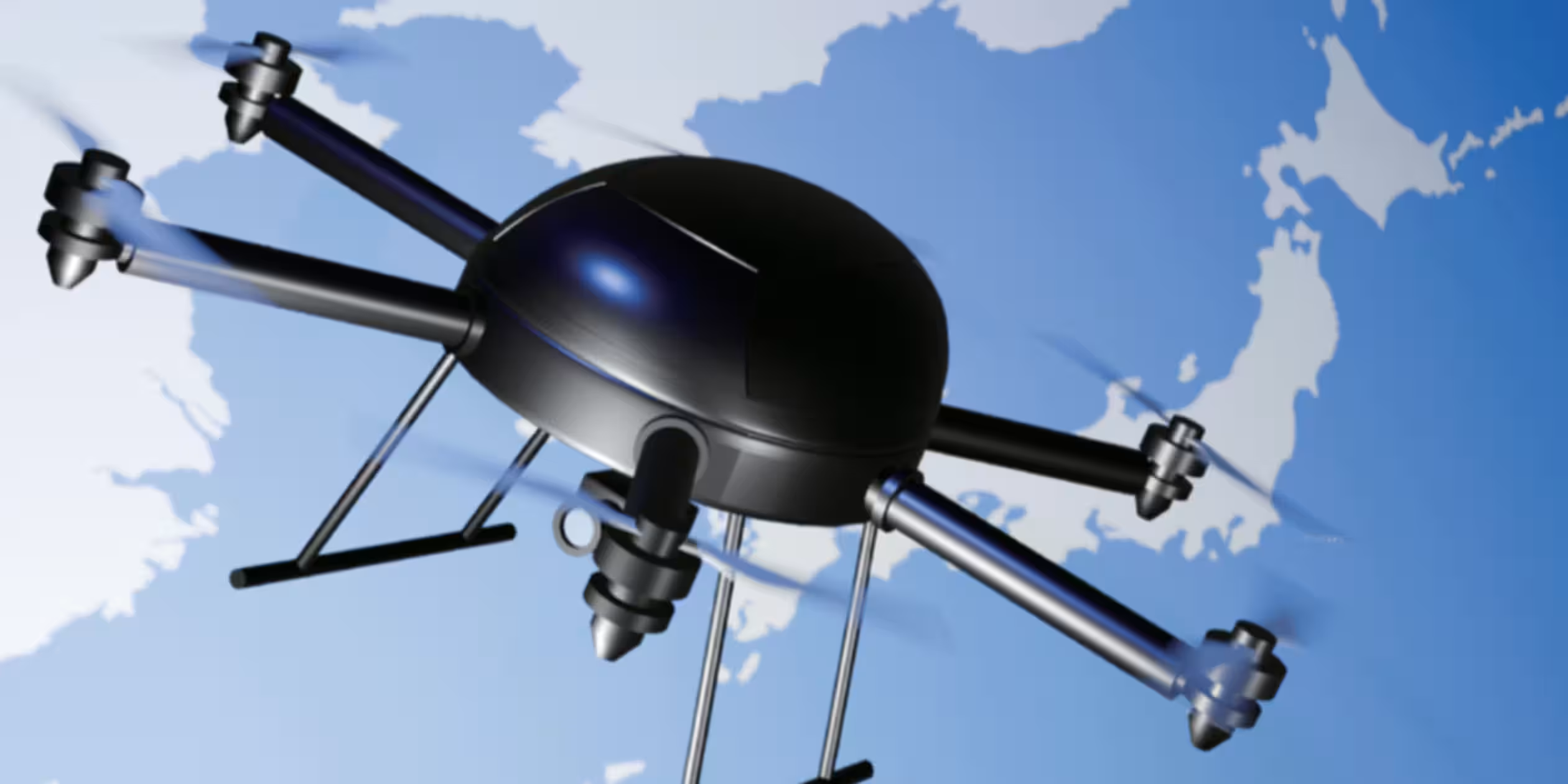
Japanese Drone Stocks Experience Surge as Investors Diversify from AI and Defense
Japanese drone companies are witnessing a significant influx of investment as military demand for unmanned systems rises. Investors are increasingly looking for alternatives to artificial intelligence stocks and traditional defense stocks that had previously gained popularity. This shift indicates a growing interest in the drone sector, which is becoming a focal point for investment in Japan. The surge in investment is crucial as it highlights the potential of the drone industry amidst geopolitical tensions and the evolving landscape of defense technology. Companies like Terra Drone are emerging as key players in the Tokyo market, attracting attention from investors eager to capitalize on the expanding military applications of drones. This trend reflects a broader movement towards diversification in investment portfolios. Looking ahead, the drone industry is expected to continue its upward trajectory as demand for unmanned systems grows. Investors should monitor developments in regulatory frameworks and technological advancements that could further influence the market. No further timeline was disclosed at the time of publication.
China Develops Type 19 Vehicle as Mobile Laser Defense Against Drone Threats
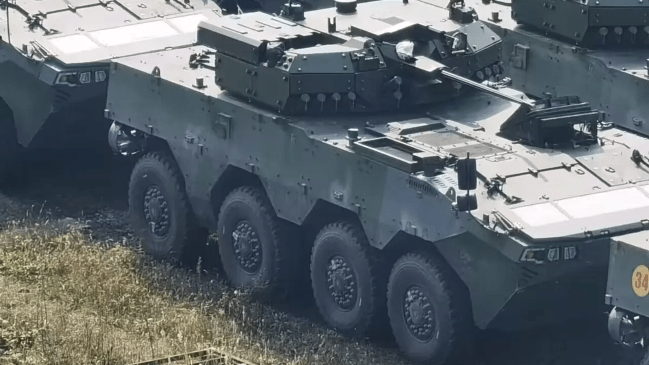
China is reportedly developing a new variant of its Type 19 amphibious 8×8 combat vehicle, equipped with a turret-mounted laser weapon and additional sensors. This modification aims to enhance protection for frontline troops against the increasing use of drones, particularly in potential conflicts involving Taiwan. The significance of this development lies in its potential application during military operations, especially as Taiwan expands its drone capabilities. The modified Type 19 could provide crucial counter-drone protection for PLA forces during amphibious landings, although the impact of the new equipment on the vehicle's performance remains uncertain. Looking ahead, the effectiveness of the Type 19 variant will depend on overcoming engineering challenges related to weight and operational capabilities. As Taiwan enhances its drone warfare strategies, the need for effective counter-drone systems becomes increasingly critical for the PLA, particularly in scenarios involving drone swarms targeting their forces.
Military
Israel Defense Forces Establish New Branch for Unmanned Systems and AI Integration
The Israel Defense Forces (IDF) are launching a new branch dedicated to unmanned systems and artificial intelligence, as announced by Chief of Staff Lt. Gen. Eyal Zamir. This initiative aims to adapt to the rapidly evolving battlefield, emphasizing the integration of robotics, drones, and AI technologies. The establishment of the Unmanned Systems and Artificial Intelligence Branch is a significant step for the IDF, reflecting a strategic shift towards modern warfare capabilities. Zamir highlighted that these advancements will enhance operational effectiveness and save lives, marking a transformative moment for military operations. Looking ahead, the IDF plans to fully inaugurate this new branch by early December. The focus will be on harnessing technologies across land, air, and sea domains, with an emphasis on maritime capabilities as part of the IDF’s broader multi-year plan, Hoshen. No further timeline was disclosed at the time of publication.
Air Warfare Global Land Warfare AI & Autonomy Air Force Army
Chinese Military Scientists Support Trump's Battleship Plan with Large-Caliber Gun Defense Against Drones
Chinese military scientists have endorsed a segment of Donald Trump’s proposed battleship fleet, suggesting that large-caliber naval guns could effectively counter drone swarms. Their research indicates that explosive shells could scatter fragments over a wide area, potentially damaging multiple drones in a single shot. This approach aligns with ongoing discussions within the US Navy regarding the need to adapt naval defense strategies in response to the increasing threat posed by inexpensive drones. The significance of this research lies in its implications for naval warfare, particularly as modern warships typically rely on advanced missile systems and lasers. The study highlights the potential for large-caliber guns to serve as area weapons, offering a cost-effective solution to engage swarms of drones without the need for direct hits. The findings suggest that a single shell could damage approximately 1.19 drones in a swarm of 30, emphasizing the need for a reevaluation of ammunition expenditure in the face of mass drone attacks. Looking ahead, the researchers advocate for a comprehensive defense strategy that integrates large-caliber guns with electronic warfare and laser systems. This multi-layered approach could enhance the defensive capabilities of warships, addressing the challenge posed by the cost disparity between inexpensive drones and costly interceptors. No further timeline was disclosed at the time of publication.
Military
U.S. Air Force Requests Anti-Aircraft Gun Systems for Global Base Defense
The U.S. Air Force is actively seeking anti-aircraft gun systems to enhance the defense of its overseas air bases against drones and cruise missiles. This Request for Information (RFI) is part of a broader initiative to improve ground-based air defenses, a role traditionally held by the Army, as the Air Force currently lacks such systems. This initiative is crucial as recent conflicts have highlighted vulnerabilities in the U.S. air defense capabilities for foreign installations, particularly in light of potential threats from adversaries like China and Russia. The RFI emphasizes the need for a Ground-Based, Medium-Caliber Gun Weapon System that can effectively engage subsonic cruise missiles and unmanned aircraft systems, ensuring persistent defense for U.S. Air Force operations. Looking ahead, the Air Force aims for these systems to be rapidly deployable and transportable, utilizing its fleet of transport aircraft. The evaluation will focus on the cost-effectiveness of munitions and the integration of advanced sensors for reliable target acquisition. No further timeline was disclosed at the time of publication.
Land Air Air Forces Short-Range Air Defense Systems (SHORADS) U.S. Air Force
Taiwan Proposes $4.6 Billion Supplementary Defense Budget for Drones and Missiles
Taiwan's cabinet has proposed a supplementary defense budget of T$145.7 billion ($4.59 billion) for the year 2026. This budget aims to enhance Taiwan's military capabilities, particularly in the areas of drones and missiles, in response to ongoing pressures from China. The proposed budget is significant as it reflects Taiwan's commitment to strengthening its defense amid rising tensions in the region. The focus on drones and missiles indicates a strategic shift towards modernizing its military assets to better address potential threats. Looking ahead, it will be important to monitor how this budget proposal progresses through the legislative process and whether it will be fully approved. No further timeline was disclosed at the time of publication.
News
Mitsubishi Heavy and NEC Collaborate on Defense Drones and AI Systems
Mitsubishi Heavy Industries and NEC announced their partnership to develop domestic defense drones and AI-driven command and control systems. This collaboration aims to enhance Japan's defense capabilities amid increasing global reliance on drone technology in combat scenarios. The significance of this partnership lies in its potential to strengthen Japan's defense industry and reduce dependence on foreign technology. As drones become integral to modern warfare, the collaboration between these two major Japanese companies could position Japan as a key player in the defense drone market. Looking ahead, it will be important to monitor the progress of this collaboration and its impact on Japan's defense strategy. No further timeline was disclosed at the time of publication.

Qatar's $4.5B KC-46A Aircraft Deal and New Trilateral Defense Pact Explained
In the latest Middle East Defense Digest, a potential $4.5 billion sale of four KC-46A refueling aircraft to Qatar is highlighted. This deal signifies a strategic enhancement of Qatar's military capabilities, reflecting the ongoing defense collaboration between the U.S. and Qatar. The significance of this sale lies in its potential to bolster Qatar's defense infrastructure amid regional tensions. Additionally, the anticipated increase in Turkish Hürjet exports and the establishment of the U.S. military's Falcon Strike drone task force underscore a broader trend of military modernization and cooperation in the region. Looking ahead, the newly announced trilateral defense pact involving Saudi Arabia, Turkey, and Pakistan could invigorate the defense industries of these nations. No further timeline was disclosed at the time of publication.
Global Middle East Business & Industry Europe Falcon Strike Hurjet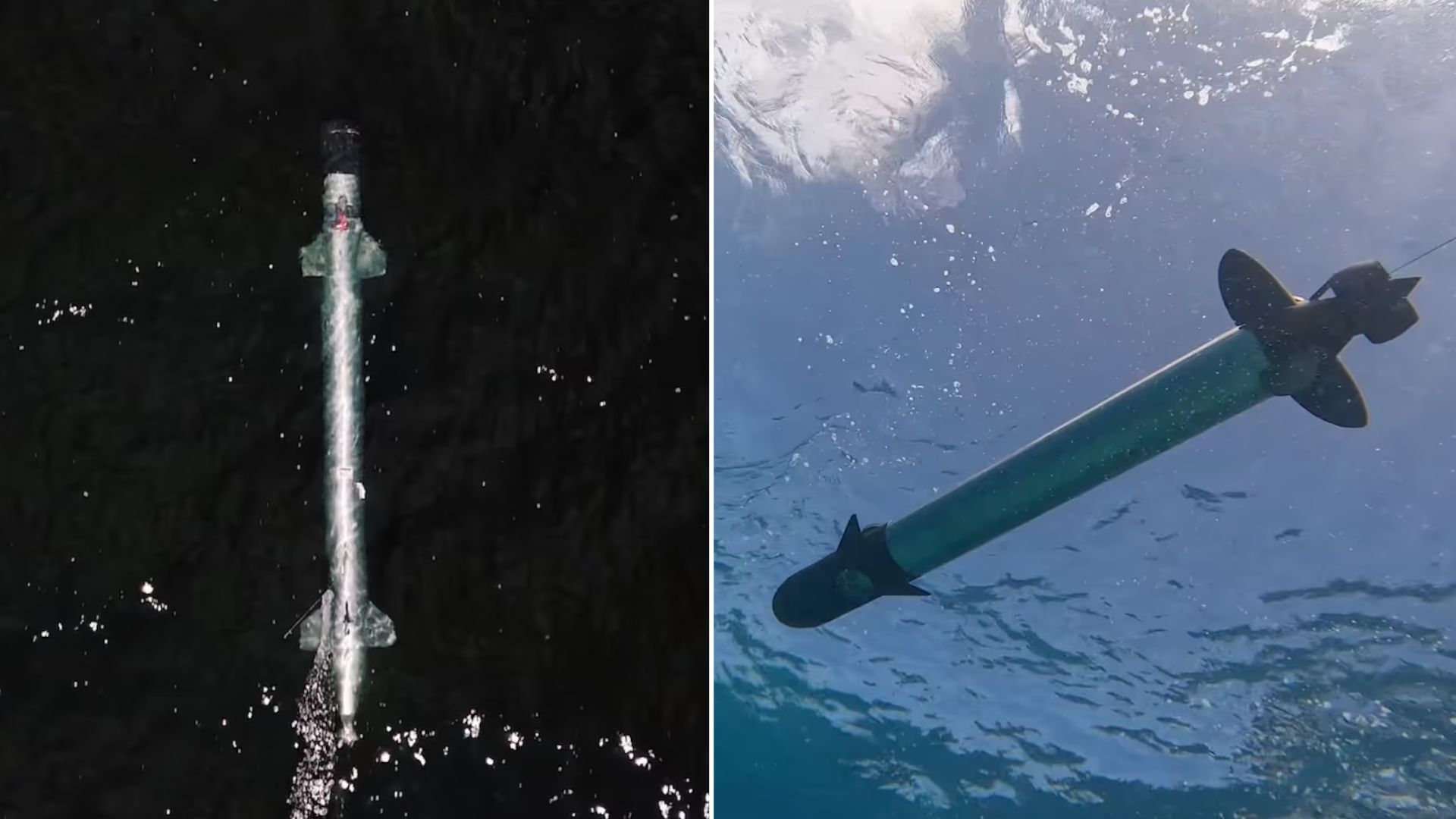
Taiwan Collaborates with U.S. Startup Vatn Systems on 200 nm Submarine Drone Technology
Taiwan has entered into a partnership with U.S. defense startup Vatn Systems to develop autonomous underwater vehicles (AUVs) aimed at enhancing maritime surveillance and defense capabilities. The agreement, signed with the National Chung-Shan Institute of Science and Technology (NCSIST), focuses on AI-enabled command-and-control systems and establishing a local supply chain for AUV technology. This collaboration is significant as it combines Vatn's expertise in undersea autonomy with Taiwan's industrial capabilities, allowing for the development of affordable AUVs like the Skelmir S12. These vehicles can perform various missions, from seabed mapping to mine countermeasures, without the risks associated with manned vessels, thus expanding Taiwan's underwater capabilities. Looking ahead, the partnership not only aims to enhance Taiwan's defense but also supports dual-use applications in critical infrastructure inspection and offshore industries. The initiative is part of a broader strategy by NCSIST to develop indigenous underwater technology while collaborating with foreign firms, including ongoing efforts with Anduril Industries and the Huilong program for local AUV development.
Military
Neros Technologies Secures $250 Million to Enhance Defense Drone Production by 2026
Neros Technologies announced the successful completion of a $250 million Series C funding round, elevating its valuation to $2.5 billion. The funding aims to expedite the development and production of its defense drones, including the Archer AI and Bandit models, which are set for deployment by the end of 2026. This funding is crucial as Neros seeks to fulfill its ambitious goal of producing 1 million drones annually, a mission that remains unchanged despite the expanding range of capabilities and mission sets. The company has secured significant contracts with the U.S. Army, Marine Corps, and various allied nations, positioning itself as a key player in the defense drone market amid rising global demand. Looking ahead, Neros Technologies plans to leverage this capital to enhance its drone manufacturing capabilities, particularly in response to the ongoing conflicts in Ukraine, Gaza, and Iran. The company aims to deliver advanced drone solutions that provide credible deterrence and support military operations effectively.
Defense / Security Drones Financial Investments Markets / Industries News
Northrop Grumman Launches 50mm Raid Hunter for Enhanced Short-Range Air Defense
Northrop Grumman has unveiled the Raid Hunter, a new short-range air defense system designed to protect military bases from aerial threats. This 50mm gun-based system aims to counter cruise missiles and drone swarms, addressing a critical gap in short-range air defense capabilities. The introduction of Raid Hunter is significant as it provides military forces with a mobile and cost-effective solution to respond to large-scale aerial attacks. With its ability to strike multiple targets quickly, the system enhances the protection of vital infrastructure against evolving threats. Looking ahead, Northrop Grumman plans to conduct testing throughout the year to evaluate Raid Hunter's performance and operational deployment timeline. The system's modular design and mobility will allow for flexible deployment options, making it suitable for various operational environments.
Military
Cambridge Aerospace Secures $300 Million in Series C Funding for Defense Drone Development
Cambridge Aerospace Ltd. has successfully raised $300 million in Series C funding, increasing its valuation to $3.4 billion. This funding will support the expansion of its manufacturing capabilities and the development of its next product, Starhammer, expected to launch in 2027. The company has also secured several contracts from the U.K. Ministry of Defence, including low-cost interceptors for the British Armed Forces. This funding round, led by DFJ Growth and supported by several investors, follows a $200 million Series B round earlier this year. CEO Steven Barrett emphasized the importance of this funding in scaling manufacturing to meet the growing threats faced by allied nations. Cambridge Aerospace aims to enhance its existing products and introduce new capabilities to the market, reinforcing its position in the defense sector. Looking ahead, the company is focused on the spiral development of its products, particularly the Skyhammer system, which has demonstrated effective interception of aerial threats. No further timeline was disclosed at the time of publication.
Aerospace Defense / Security Drones Financial Investments Markets / Industries
Hadrian Secures $1.37 Billion to Enhance U.S. Defense and Aerospace Manufacturing
Hadrian Automation announced the successful acquisition of $1.37 billion in equity financing aimed at bolstering domestic manufacturing capabilities for U.S. military and aerospace sectors. CEO Chris Power emphasized the critical role of production in national defense, stating that the funding will facilitate the development of advanced factories and enhance the workforce needed for America’s industrial resurgence. The funding will enable Hadrian to expand its manufacturing footprint and invest in new technologies, including AI and robotics, to meet the growing demand for reliable U.S. manufacturing. With a focus on building 'Factories of the Future,' Hadrian aims to compete with China's industrial capabilities and deliver complete mission-critical systems efficiently. Looking ahead, Hadrian plans to open additional factories and diversify its production lines, including munitions and autonomous systems. The company is also committed to creating a new workforce model by hiring and training skilled professionals to integrate advanced technologies on the factory floor. No further timeline was disclosed at the time of publication.
Aerospace Automation Defense / Security Financial Investments Manufacturing
U.S. Central Command and UAE Establish First Joint Defense AI Task Force
The U.S. Central Command (CENTCOM) and the United Arab Emirates are set to launch Task Force Talon Synapse, a pioneering joint military initiative focused on artificial intelligence. This task force aims to develop AI-powered capabilities for military operations, emphasizing intelligence, infrastructure security, and regional threat monitoring. The formal activation is expected in the coming weeks, with a team of about 20 specialists from both nations operating from Abu Dhabi. This initiative is significant as it reflects a growing commitment from Washington to integrate artificial intelligence into defense operations alongside trusted allies. Unlike traditional defense collaborations that often center on equipment purchases, Task Force Talon Synapse will place technical experts from both countries in a unified operational team, enhancing the speed of testing and deployment of AI-driven military applications. Adm. Brad Cooper highlighted this effort as a historic milestone in U.S.-UAE relations. Looking ahead, the task force will initially focus on three key operational areas: developing AI applications for intelligence support, bolstering critical infrastructure protection, and improving regional security monitoring. The success of this model could shape future U.S. AI partnerships with allied nations, as both countries aim to deliver evolving AI capabilities to military personnel more rapidly. No further timeline was disclosed at the time of publication.
AI and Robotics Military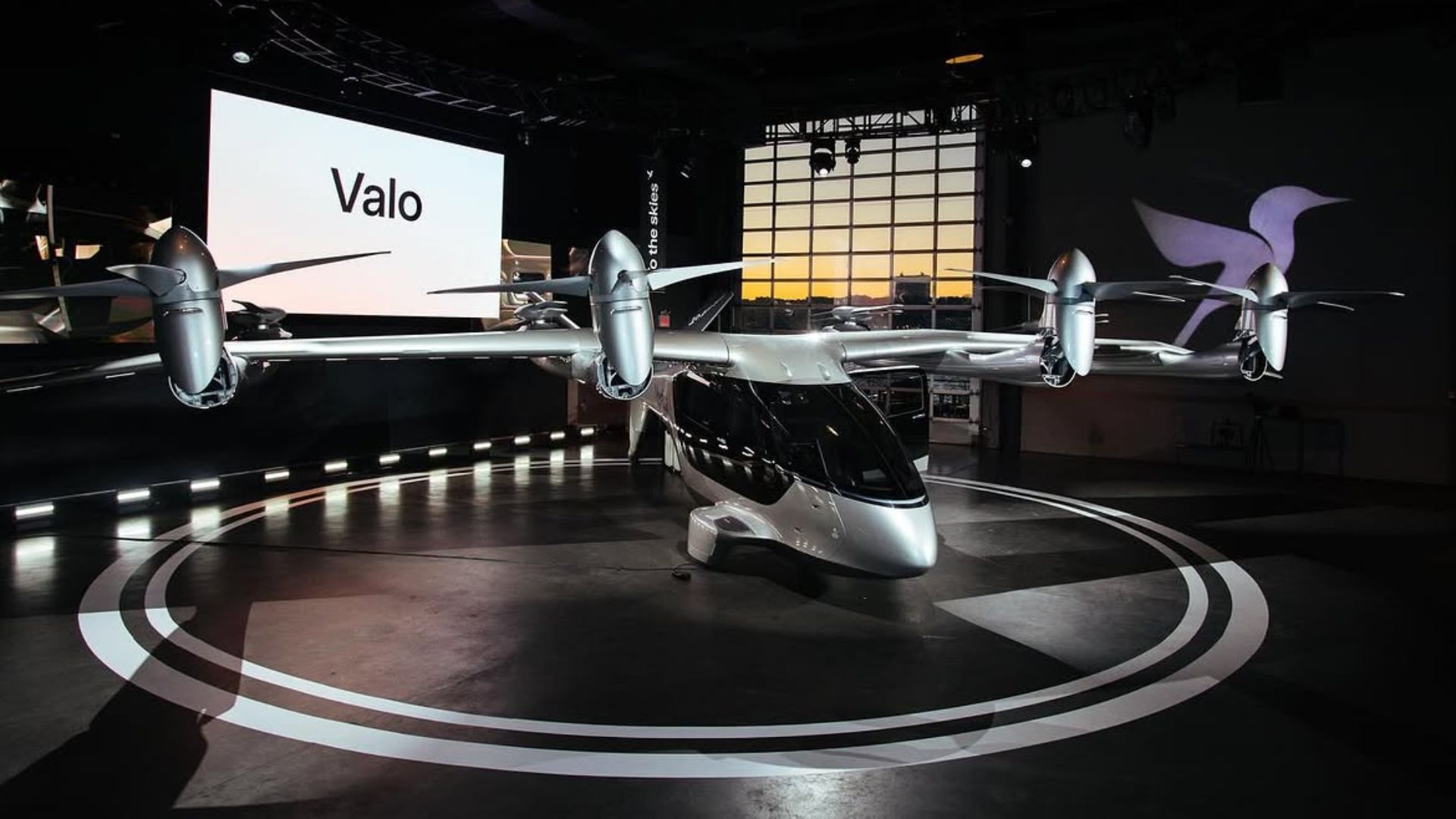
Vertical Aerospace Partners with Near Earth Autonomy for Valo Aircraft's Autonomous Flight Capabilities
Vertical Aerospace has partnered with Near Earth Autonomy to enhance its Valo aircraft with advanced autonomous flight capabilities. This collaboration aims to integrate Near Earth's autonomy software with Honeywell Aerospace's Anthem digital cockpit, facilitating the development of self-flying technology for defense and commercial aviation. The partnership is significant as it allows Vertical to leverage Near Earth's extensive experience in autonomous aviation, which includes systems developed for military applications. By utilizing a shared technology stack, the companies aim to reduce technical risks associated with expanding autonomous features in the Valo aircraft, which is designed for both defense and commercial markets. Looking ahead, Vertical plans to pursue defense programs while also preparing for automated commercial operations. The Valo aircraft, featuring hybrid-electric propulsion, is capable of flying up to 1,000 miles and carrying payloads of up to 2,400 pounds, making it a versatile option for various operational roles. No further timeline was disclosed at the time of publication.
Transportation
Taiwan Secures Contracts for Sea Drones to Enhance Coast Guard Defense Against China
Taiwan has awarded contracts for dozens of sea drones to bolster its Coast Guard capabilities amid rising tensions with China. This decision reflects Taiwan's commitment to enhancing its maritime defense using U.S. technology as a countermeasure against China's expanding maritime operations in the region. The procurement of these sea drones is significant as it underscores Taiwan's proactive approach to strengthening its defense mechanisms in response to China's increasing maritime assertiveness. The move aims to enhance the Coast Guard's operational capabilities and ensure the security of Taiwan's waters. Looking ahead, further developments in Taiwan's defense strategy may emerge as the country continues to adapt to the evolving geopolitical landscape. No further timeline was disclosed at the time of publication.
Ukraine's 123rd Territorial Defense Brigade Conducts Historic Amphibious Operation with Unmanned Systems
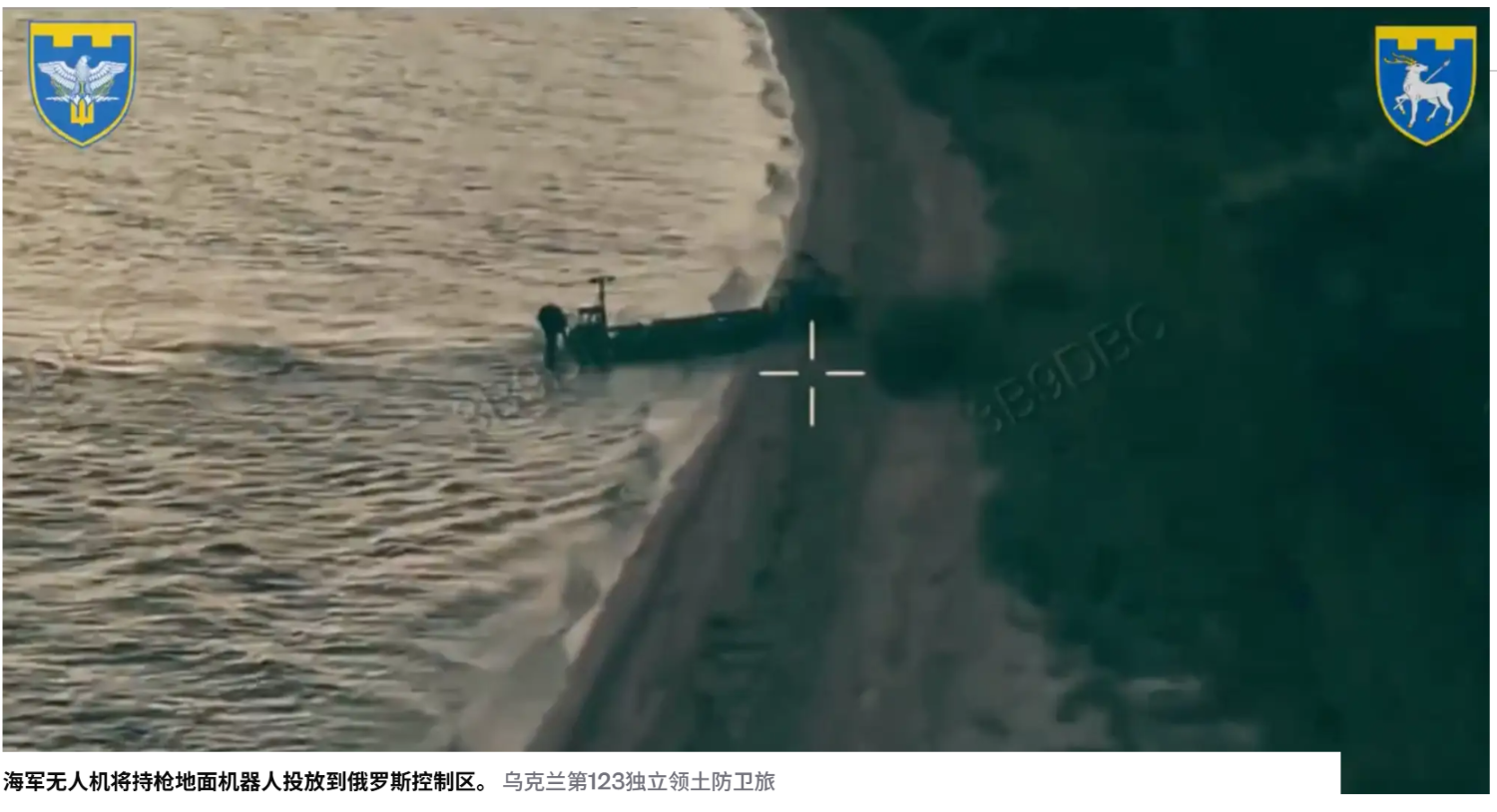
On July 13, 2026, Ukraine's 123rd Independent Territorial Defense Brigade executed a historic amphibious operation utilizing unmanned systems. This marked the first known joint combat mission involving an unmanned surface vessel (USV) and an unmanned ground vehicle (UGV) in a military context. The operation took place on the Kinburn Spit, an area long controlled by Russian forces, where the USV successfully delivered the UGV to the enemy coast without any human soldiers stepping onto hostile territory. The significance of this operation lies in its demonstration of a new combat paradigm where unmanned systems can effectively replace human soldiers in high-risk scenarios. The UGV, reportedly manufactured by Lviv's Roboneers, was equipped with a PKT 7.62mm machine gun and was able to engage targets after landing. The 123rd Brigade emphasized that this operation is not merely a technological novelty but represents a fundamental shift in warfare, highlighting the potential for machines to undertake dangerous missions. Looking ahead, the use of unmanned systems in military operations is expected to expand, as the Ukrainian military has already received over 1,000 various ground robot systems. The ongoing evolution from traditional amphibious assaults to unmanned operations could redefine the nature of warfare, reducing risks to human soldiers while increasing operational effectiveness.
Unmanned Systems Robotics Amphibious Operations Military Technology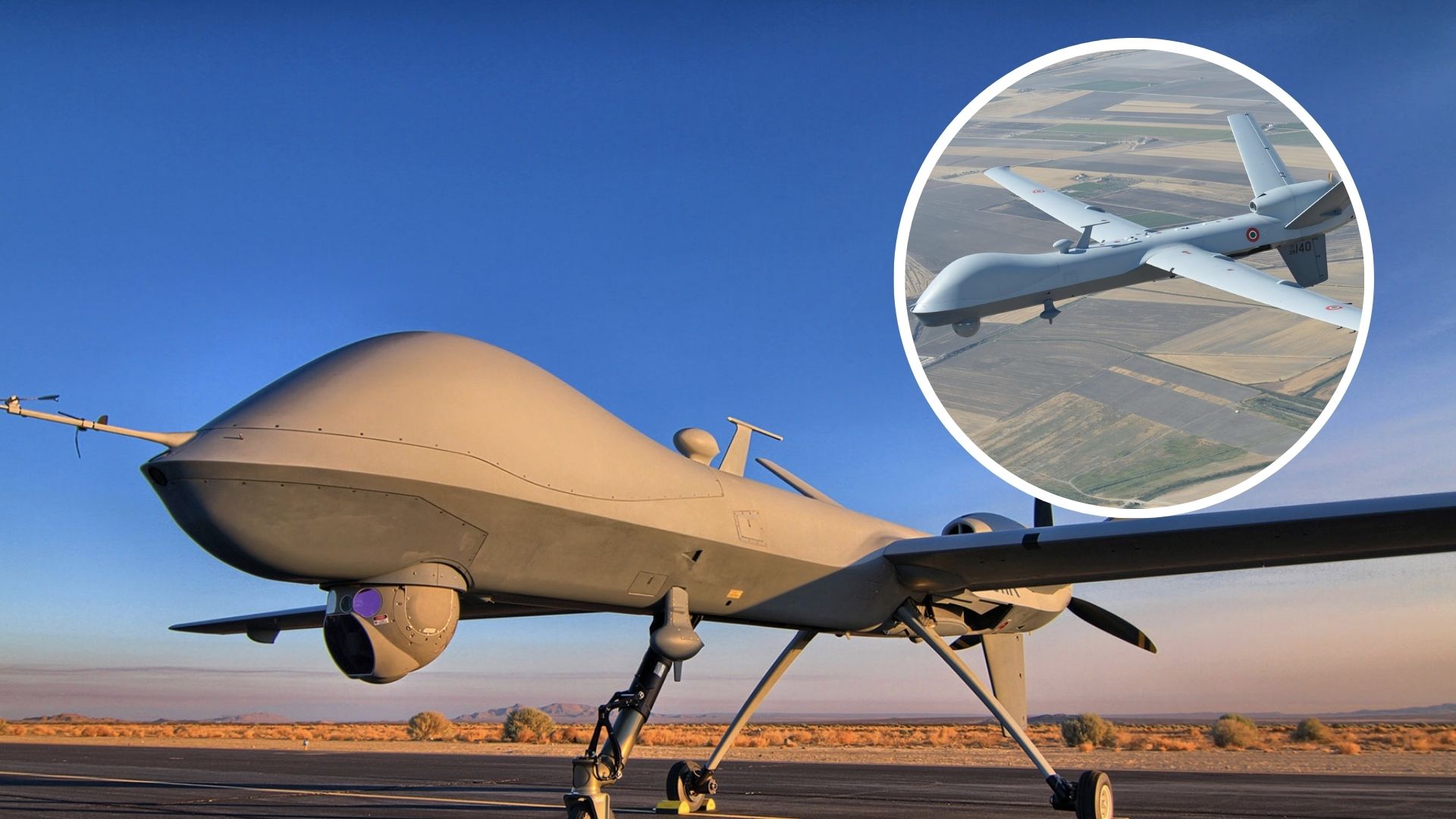
U.S. Department of Defense Launches Massed Modular Aircraft Initiative for Cost-Effective Drones
The U.S. Department of Defense is initiating the Massed Modular Aircraft (MMA) program to develop low-cost combat drones capable of performing missions similar to the MQ-9A Reaper. This initiative reflects a strategic shift towards utilizing affordable, expendable drones in modern warfare, particularly in light of recent conflicts that have exposed the vulnerabilities of high-value aircraft in contested airspace. The Pentagon aims to create a fleet of modular, long-range unmanned aircraft that can be rapidly reconfigured for various missions, significantly reducing operational costs while maintaining effectiveness against advanced enemy defenses. This shift is driven by the need for a more sustainable military approach, as the loss of MQ-9 Reapers during operations against Iran has highlighted the financial burden of relying on expensive platforms. With each MQ-9 costing approximately $30 million, military planners recognize that a strategy focused solely on high-value aircraft is increasingly untenable. The MMA initiative seeks to provide a flexible, risk-tolerant option that can deploy large numbers of drones to overwhelm enemy defenses, thereby ensuring operational capability despite potential losses. Looking ahead, the Pentagon's focus on massed modular aircraft indicates a significant evolution in military tactics. The ability to deploy swarms of low-cost drones could complicate enemy air defenses and enhance reconnaissance and strike capabilities. No further timeline was disclosed at the time of publication, but the emphasis on affordability and modularity suggests a proactive response to the changing dynamics of modern warfare and the need for cost-effective solutions in defense operations.
Military
Red Sift CEO Discusses AI's Role in Evolving Cyber Threats and Defense Strategies
In a recent episode of Lexicon, Rahul Powar, CEO of Red Sift, highlighted the transformative impact of artificial intelligence (AI) on cyberattacks. He referenced a recent AI-assisted cyber campaign targeting a Mexican water utility, emphasizing that AI is lowering the barrier for launching sophisticated attacks. This trend is expected to escalate over the next 18 months, posing significant challenges for organizations globally. Powar explained that AI democratizes advanced cyber capabilities, allowing less experienced attackers to leverage tools like large language models for reconnaissance and exploit development. This shift is making it easier for attackers to find vulnerabilities in systems, as they can automate processes that previously required extensive expertise. The imbalance in cybersecurity is growing, as defenders must protect numerous devices and applications while attackers only need to exploit one weakness. Despite the challenges, Powar noted that AI can also empower defenders by helping them identify vulnerabilities before they are exploited. The conversation underscored the dual-edged nature of AI in cybersecurity, with both attackers and defenders adapting to the evolving landscape. No further timeline was disclosed at the time of publication.
AI and Robotics Innovation
SpaceX's Starmind Targets AI Labs with $6.3 Billion Compute Contracts
SpaceX's Starmind is designed to provide wholesale AI compute services to businesses, particularly AI labs and cloud customers, rather than individual consumers. The service operates similarly to AWS, where users benefit from applications running on Starmind without direct subscriptions. The compute capacity of a single AI1 satellite is comparable to one NVIDIA GB300 rack, emphasizing its enterprise-grade capabilities. The significance of Starmind lies in its positioning as a potential fourth hyperscaler, joining the ranks of AWS, Microsoft Azure, and Google Cloud. The Reflection AI contract, valued at $150 million per month, exemplifies the enterprise-focused model, with total payments potentially reaching $6.3 billion through 2029. This contract highlights the growing demand for AI compute resources, particularly from AI-native startups and labs. Looking ahead, the focus will remain on securing additional enterprise contracts as Starmind expands its offerings. No consumer-facing products or subscriptions have been announced, and the current strategy is to cater to businesses with substantial AI workloads. No further timeline was disclosed at the time of publication.

OpenAI releases life sciences AI "GPT-Rosalind" for bio-defense, raising concerns over dual-use risks.
OpenAI has launched the "Rosalind Biodefense" program, utilizing its frontier reasoning model, GPT-Rosalind, specifically designed for life sciences research. Announced recently, this initiative focuses on detecting biological threats for defense purposes. The program will provide approved developers, U.S. government agencies, and allied partner organizations with free access to its API, aiming to enhance biodefense capabilities.
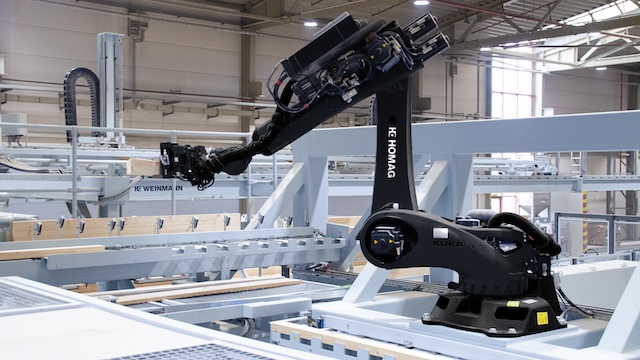
Swarm Aero Launches Gamera, a Long-Range Strike Drone for Defense Missions
Swarm Aero has introduced Gamera, a Group 5 uncrewed aircraft system (UAS) tailored for long-range strike and sensing operations. This advanced drone aims to enhance military capabilities in response to evolving defense needs. The introduction of Gamera is significant as it represents a strategic move to bolster defense mechanisms, particularly in light of increasing tensions in the region. The capabilities of this UAS could play a crucial role in deterrence strategies against potential threats. Looking ahead, the focus will be on the operational deployment of Gamera and its integration into existing defense frameworks. No further timeline was disclosed at the time of publication.
News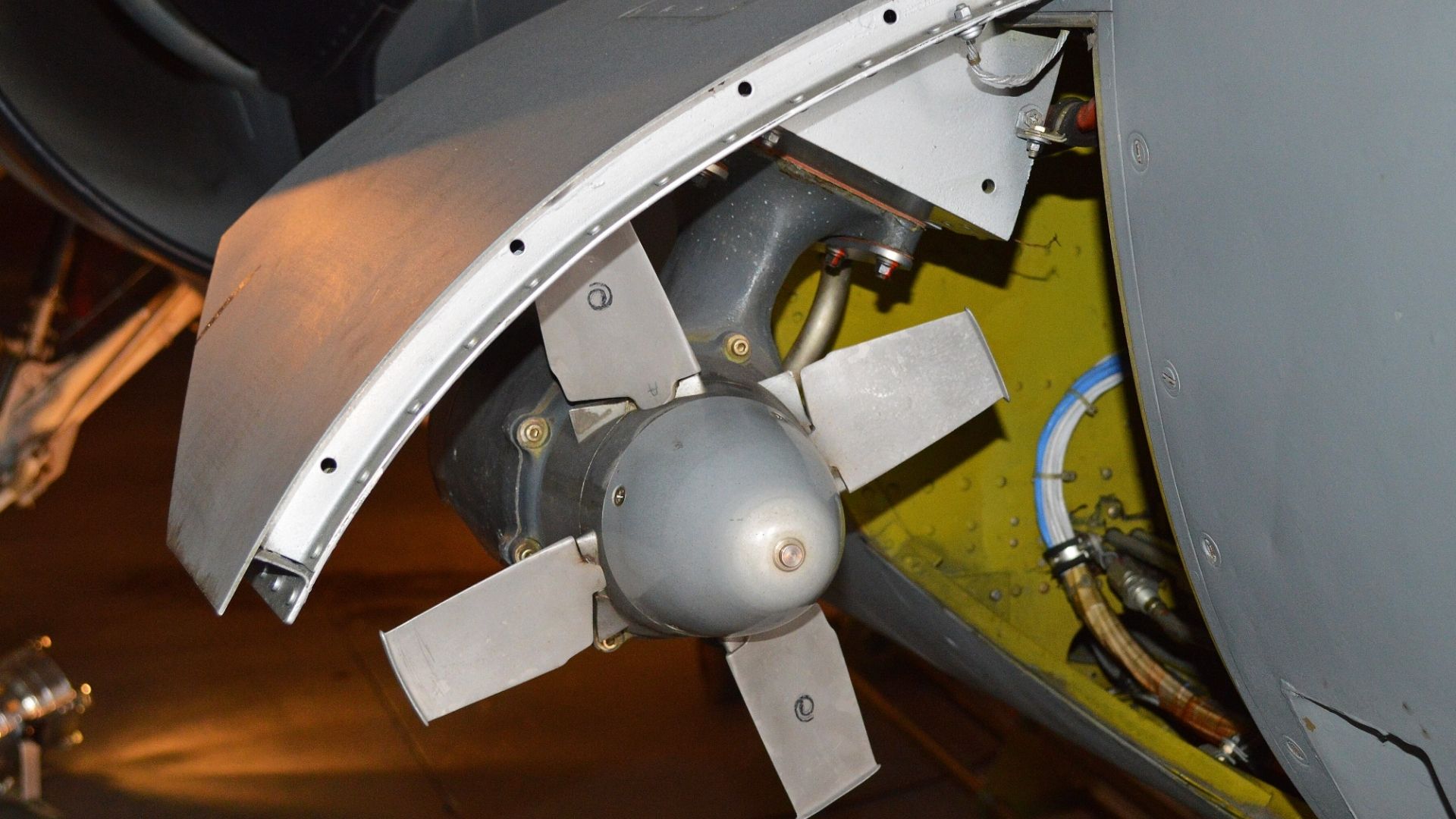
Marotta Controls to Supply Technology for US Navy's Next Generation Jammer Program
Marotta Controls, a US aerospace and defense contractor, has secured contracts to provide technology for two subsystems of the US Navy’s Next Generation Jammer–Low Band (NGJ-LB) program. Announced on September 2, the contracts involve a subcontract with CFD Research Corporation for a ram-air turbine power-generation system and a direct contract from L3Harris Technologies, the prime contractor for the NGJ-LB. The NGJ-LB is designed for the EA-18G Growler, enhancing its electronic warfare capabilities by disrupting enemy air defenses and ground communications. Marotta's involvement marks its entry into the airborne electronic warfare market, supplying equipment for the Turbine Speed Control System, which is crucial for power generation and regulation within the NGJ-LB pod. As the US Navy aims to replace the legacy AN/ALQ-99 Tactical Jamming System, the NGJ-LB program, selected in August 2024 under a $587.4 million contract, is set to deliver operational prototype pods for fleet assessment. No further timeline was disclosed at the time of publication.
Military
Easy Aerial Secures $20 Million in Series B Funding for Global Expansion
Easy Aerial has successfully closed a $20 million Series B funding round aimed at enhancing its production capabilities and expanding its international operations. This funding will enable the US-based autonomous drone manufacturer to meet the increasing demand for defense-focused aerial intelligence systems, as governments worldwide ramp up spending on intelligence, surveillance, and reconnaissance (ISR) capabilities. The significance of this funding lies in its potential to bolster Easy Aerial's manufacturing capacity and support international defense programs. With backing from Insight Partners, Entrée Capital, and private US investors, the investment reflects a strong confidence in autonomous technologies for military and critical infrastructure applications. CEO Shahar Abuhazira emphasized that this funding is a crucial milestone in executing the company's long-term growth strategy. Looking ahead, Easy Aerial plans to scale its manufacturing and operational capabilities to address the growing demand for persistent aerial intelligence. The company is also expanding its production into Europe, positioning itself to serve a diverse range of defense, government, and commercial customers globally. No further timeline was disclosed at the time of publication.
News
Rice University Develops Technique to Stabilize Diamond During Thermal Processing for Aerospace Applications
Researchers at Rice University have developed a new manufacturing technique that stabilizes diamond during thermal processing at low pressures, resulting in a durable composite material. This advancement, detailed in Materials Today, demonstrates how combining powder materials can overcome previous manufacturing challenges, particularly in creating tougher materials for aerospace and defense applications. The significance of this research lies in its ability to transform diamond into graphite in millionths of a second under hypersonic projectile strikes, a rapid phase change that absorbs kinetic energy. Abhijit Biswas, the study's first author, noted that the resulting composite is nearly nonmachinable and tough, making it suitable for extreme conditions faced in various technologies. Looking ahead, the team utilized spark plasma sintering to create a composite where diamond grains are embedded within a cubic boron nitride structure, offering a practical method for large-scale production of diamond-based parts. Future studies may focus on further evaluating the mechanical limits of this composite and its potential applications in high-performance environments. No further timeline was disclosed at the time of publication.
Innovation
Russia Trials PLOT-40 Floating Defense Platform Against Drone Threats to Maritime Bases
Russia is testing the PLOT-40 floating defense platform to safeguard its ports from Ukrainian drone attacks. This platform, resembling a small pillbox, is equipped with an automatic cannon and is a response to the increasing sophistication of unmanned systems in maritime warfare. The significance of the PLOT-40 lies in its potential to enhance the defense of Russian maritime assets, particularly following recent drone attacks on the Black Sea port of Novorossiysk. As Ukraine intensifies its drone operations, the need for innovative defense solutions becomes critical for protecting extensive maritime facilities. Looking ahead, the PLOT-40 represents a shift towards improvised defense mechanisms in counter-drone warfare. Its simple design may allow for cost-effective deployment, but its lack of mobility and armor raises questions about its effectiveness against larger drones. No further timeline was disclosed at the time of publication.
Military
GA-ASI to Manufacture Gambit Aircraft in Europe for Global Procurement by 2027
General Atomics Aeronautical Systems, Inc. (GA-ASI) announced plans to produce Gambit aircraft in Europe, collaborating with local companies. The airframes are expected to be available for international procurement starting in 2027. This initiative is significant as it enhances European defense capabilities, allowing for greater collaboration and integration within the region. By partnering with European firms, GA-ASI aims to strengthen defense ties and promote local industry involvement in advanced military technology. Looking ahead, stakeholders should monitor the development of the Gambit aircraft and its implications for European defense procurement strategies. The timeline for international availability in 2027 will be crucial for potential buyers and partners in the defense sector.
Air Warfare Sponsored Post Air Force APKWS Drones Europe
California Startup Develops Tube-Launched Quadcopter for U.S. Military Defense
A California-based startup, founded by a 22-year-old Ukrainian software engineer, is developing a tube-launched, foldable quadcopter designed to counter unmanned aerial systems (UAS). The company aims to market this innovative defense technology to the U.S. military, targeting the rising threat of drone and missile attacks. Specific metrics regarding the quadcopter's capabilities and launch timeline have not been disclosed. This initiative is significant as it addresses the increasing frequency and sophistication of drone warfare, which poses challenges to military operations. By making drone attacks financially burdensome, the startup hopes to deter potential aggressors and enhance national security. The focus on a compact, easily deployable system aligns with current military needs for versatile and effective countermeasures against aerial threats. Looking ahead, the startup's next steps include securing partnerships with defense agencies and demonstrating the quadcopter's effectiveness in real-world scenarios. No further timeline was disclosed at the time of publication, but the company is poised to make waves in the defense sector if successful in its endeavors.
Anti-drone technology Applications Defense defense Drone News Drone News Feeds
SkyDefense unveils AI-powered VTOL CobraJet for drone interception
US-based SkyDefense has introduced CobraJet, an AI-powered autonomous vertical takeoff and landing (VTOL) interceptor aircraft.
News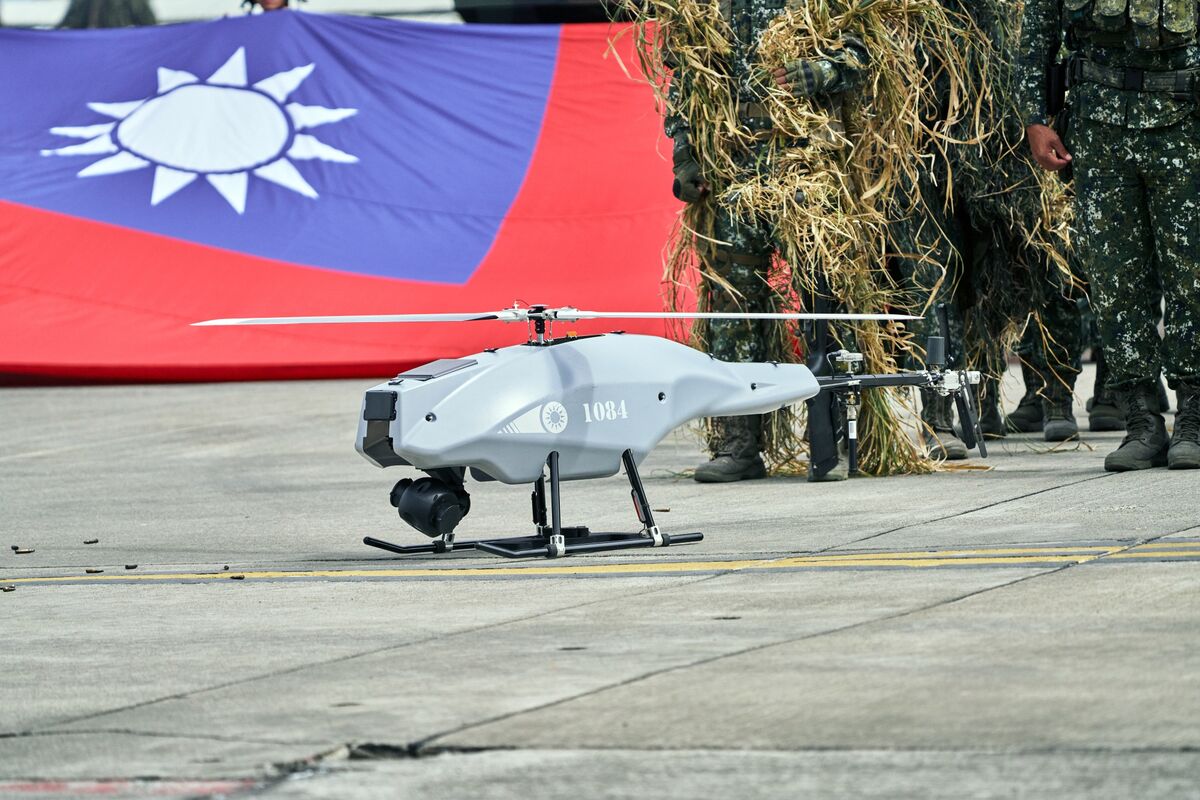
Taiwan Opposition’s $7.5 Billion Plan Stirs Drone Defense Debate
Taiwan's main opposition party has unveiled a strategy to advance the drone industry, shortly after blocking a similar initiative proposed by President Lai Ching-te's administration. This development comes amid ongoing discussions regarding unmanned systems, which hold significant importance for Taiwan's defense capabilities. The opposition's move reflects a growing emphasis on enhancing the island's technological and military resources in response to regional security challenges. The initiative aims to bolster Taiwan's defense infrastructure and ensure its preparedness in an increasingly complex geopolitical landscape.

Romania buys Spyder air defense system as part of ‘largest deal’ in Rafael history, CEO says
In response to the ongoing conflict in Ukraine, Romania is enhancing its national defense capabilities by acquiring advanced military systems, including those from Israel. This initiative reflects the country's commitment to bolstering its security measures amid heightened regional tensions. The Romanian government has recognized the need for improved defense mechanisms to safeguard its borders and ensure national stability. The acquisition of these Israeli systems is part of a broader strategy to modernize the military and address potential threats posed by the war in Ukraine, which is occurring just across the border. As Romania continues to navigate the complexities of the geopolitical landscape, these upgrades are seen as essential for maintaining a robust defense posture in an increasingly uncertain environment.
Uncategorized air defense Israel Israel Aerospace Industries IAI NATO Rafael Advanced Defense Systems
Robots that can identify materials and map unknown environments could aid nuclear and defense sectors
Researchers at the University of Surrey are developing advanced robots capable of surpassing human vision, creating live 3D maps of unfamiliar environments, and determining the composition of various objects. This innovative technology, which is currently in development, has the potential to revolutionize several fields, including nuclear inspection, rail and building safety, and search and rescue operations in combat zones. By enhancing robotic capabilities, the team aims to improve safety and efficiency in critical situations where human intervention may be risky or impractical. The project highlights the university's commitment to pioneering research that addresses real-world challenges through cutting-edge technology.
Robotics
Digital self-defense: Cate Blanchett unveils ‘Human Consent Registry’ for AI controls
In a significant move to empower individuals regarding their personal data, a new initiative has been launched that seeks to provide users with direct control over their information amidst growing concerns about data privacy in an unregulated digital landscape. This initiative, introduced by a coalition of tech companies and privacy advocates, was unveiled at a conference held in San Francisco on October 15, 2023. The motivation behind this initiative stems from increasing public demand for transparency and security in data handling, as recent surveys indicate that consumers are increasingly wary of how their information is collected and used by corporations. By implementing a user-friendly platform, the initiative aims to allow individuals to easily manage their data preferences and consent, thereby fostering a culture of accountability among businesses. The process involves the development of a centralized digital tool that will enable users to access, modify, and delete their personal data across various online services. This tool is designed to integrate seamlessly with existing platforms, ensuring that users can maintain control without facing technical barriers. As this initiative gains momentum, it is expected to set a precedent for future data privacy regulations and encourage other organizations to adopt similar practices, ultimately leading to a more secure and user-centric digital environment.
AI and Robotics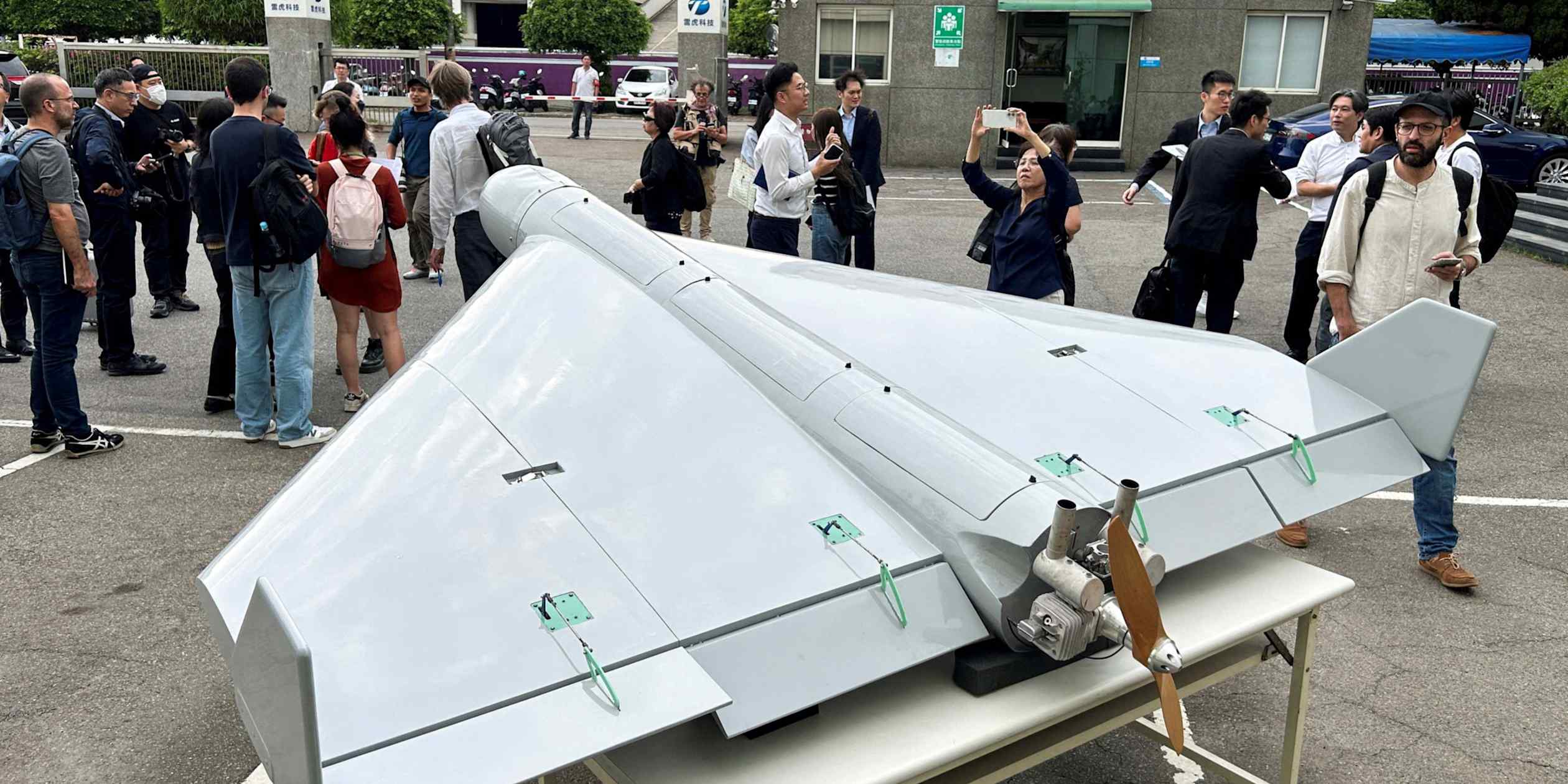
Drones hover at center of Taiwan's defense debate
In Taiwan, the ongoing debate over the role of drones in national defense has intensified, highlighting significant divisions between the ruling Democratic Progressive Party (DPP) and the opposition Kuomintang (KMT). This discord threatens to impede the development of the country's drone industry, which is critical for enhancing military capabilities amid rising tensions with China. The discussion gained momentum during a media tour on April 21, 2026, in Taichung, where the Thunder Tiger Group showcased its Papa Delta drone. As Taiwan grapples with budget cuts affecting defense spending, concerns about the future of its drone program have emerged, prompting scrutiny of the KMT's stance on defense cuts. The political landscape remains fraught, with the KMT's leadership planning a trip to the United States, further complicating the dialogue surrounding Taiwan's defense strategy. The situation underscores the urgency for Taiwan to bolster its military technology in response to external pressures, particularly from China, while navigating internal political challenges.
Robotics needs a service framework.
RSF defines a common language for robot service capability, lifecycle operations, certification pathways, and service-provider networks.
Join the RobotToday community on LinkedIn
Daily robotics news, in-depth analysis, conference highlights, and discussions with professionals worldwide.