Industry Briefing
A single destination for timely, editor-curated robotics news from around the world.

Ohio AI Data Center to Operate on 350 MW Microgrid for All Power Needs
An AI data center campus in Ohio will utilize a dedicated 350 MW microgrid to generate all its electricity, eliminating reliance on the traditional power grid. This initiative, managed by Veolia, addresses the increasing demand for power from large-scale computing facilities while allowing developers to expedite the establishment of new data centers. The shift to private power infrastructure is significant as AI developers face lengthy waits for grid connections, often averaging nearly five years. By generating power on-site, the Ohio project aims to alleviate pressure on public electricity networks and enhance operational reliability for mission-critical AI workloads. Looking ahead, the facility is designed to achieve a 99.9% availability target and will require a dedicated workforce of 35 to 40 employees. As more AI data centers adopt similar private power solutions, the emphasis on reliability and operational efficiency will grow, highlighting the importance of partnerships with experienced operators like Veolia.
AI and Robotics Energy
Critical Semiconductor Testing for AI and Data Center Power Demands
As artificial intelligence (AI) drives significant power requirements in data centers, the importance of thorough semiconductor testing has escalated. This trend highlights the growing challenges faced by data centers in managing energy consumption while ensuring optimal performance. The new video series aims to provide insights into these critical testing processes and their implications for the industry. The increasing reliance on AI technologies necessitates a robust approach to semiconductor testing, which is essential for maintaining efficiency and reliability in data centers. As power demands rise, organizations must adapt their testing methodologies to address these challenges effectively. This shift underscores the vital role that semiconductor testing plays in supporting the evolving landscape of AI and data center operations. Looking ahead, industry stakeholders should monitor advancements in semiconductor testing techniques and their impact on energy management in data centers. The ongoing development of testing protocols will be crucial in ensuring that data centers can meet the growing power demands associated with AI applications. No further timeline was disclosed at the time of publication.
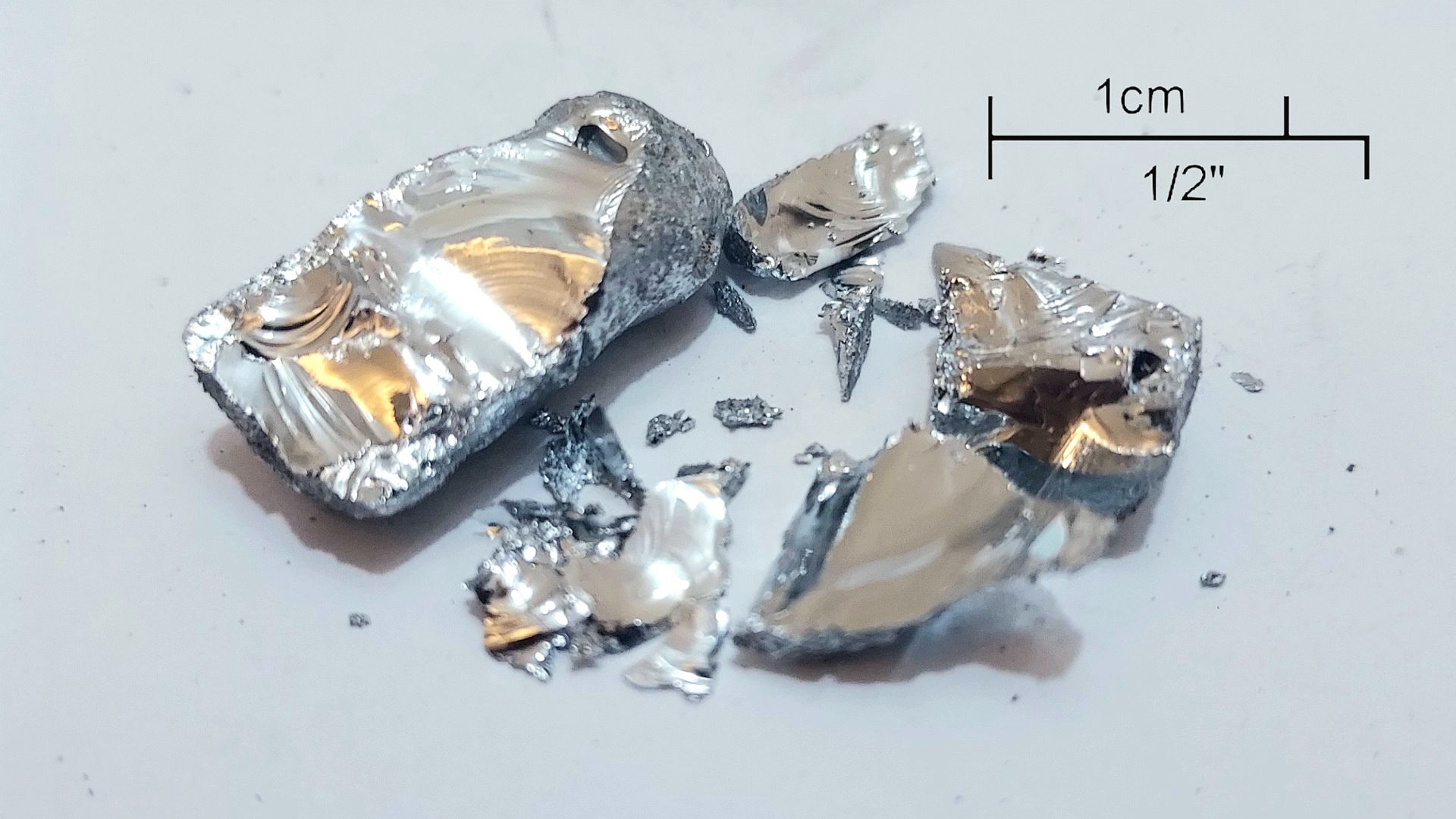
Five Essential Metals Driving the Growth of AI Data Center Infrastructure
Artificial intelligence relies heavily on physical infrastructure, particularly data centers that require substantial electrical systems and cooling equipment. A 2026 study indicates that copper is the most critical metal, accounting for 83% of the modeled mineral mass needed for AI data-center infrastructure. Other important metals include gallium, germanium, rare earth elements, and aluminum, each playing a vital role in the AI hardware ecosystem. The significance of these metals extends beyond mere supply; they are integral to the functionality and efficiency of AI systems. For instance, copper's excellent thermal conductivity aids in cooling, while gallium and germanium are essential for semiconductor applications. The concentration of production for these materials, particularly gallium and germanium, raises concerns about supply chain vulnerabilities, which could impact the growth of AI technologies. Looking ahead, the demand for these metals is expected to rise as AI infrastructure expands. The reliance on rare earth elements, particularly from China, poses additional supply risks. As AI processors evolve and generate more heat, the importance of effective thermal management through materials like aluminum will only increase. No further timeline was disclosed at the time of publication.
AI and Robotics
Starmind's Orbital Compute vs. Terrestrial Data Centers: Analyzing Resource Advantages
Starmind's orbital compute technology presents a significant advantage over traditional ground-based data centers by eliminating constraints related to land, water, and grid permitting. While terrestrial data centers are currently cheaper and faster to construct, with U.S. data center spending reaching $85.3 billion in 2026, Starmind's approach focuses on addressing the growing resource limitations faced by hyperscale facilities. The significance of Starmind's technology lies in its ability to sidestep the increasing challenges of land and water usage. For instance, a 100 MW data center can consume approximately 530,000 gallons of water daily for cooling, while Starmind's AI1 utilizes deployable liquid radiators that require no water. This structural advantage could resonate with investors as the demand for AI computing continues to escalate, potentially leading to annual water withdrawals of up to 1.7 trillion gallons by 2027. Looking ahead, Starmind's next milestones include the launch of AI1 prototypes scheduled for early 2027. However, the technology's claims regarding cooling efficiency and operational reliability remain unverified until real flight data is available. As the industry evolves, the competition between orbital and terrestrial solutions will become increasingly relevant, particularly in the context of resource management and sustainability.
SpaceX Proposes 1 Million AI Satellites to Address Ground Data Center Constraints
On January 30, 2026, SpaceX filed with the FCC to launch up to 1 million AI compute satellites, positioning orbital data centers as a solution to the increasing demand for AI computing power. Ground data centers are facing significant challenges, with energy consumption projected to reach approximately 1,050 TWh in 2026, making them the fifth-largest electricity consumer globally. The demand for new data center capacity is outpacing the growth of power generation infrastructure, leading to a critical bottleneck in the grid system. The significance of this initiative lies in the structural constraints faced by ground data centers, including power delivery limitations, high water consumption, and local opposition to new projects. The Uptime Institute's 2026 outlook identifies power as the primary constraint on data center growth, with capacity clearing prices in the PJM grid skyrocketing to $329.17/MW, driven by data center expansion. Additionally, cooling requirements are becoming increasingly unsustainable, with facilities consuming vast amounts of water, further complicating their operational viability. Looking ahead, SpaceX's orbital AI compute initiative aims to circumvent these challenges by leveraging the advantages of space, such as continuous solar power and minimal local opposition. The first AI prototypes are expected to launch in early 2027, with operational deployments planned for 2028. No further timeline was disclosed at the time of publication.

Public Backlash Grows Against Data Center Expansion Across Asia Amid Energy Concerns
Residents and community groups across Asia, from Australia to India, are increasingly opposing the establishment of large AI data centers due to concerns over their impact on local electricity supplies and community well-being. In Moss Vale, Australia, opposition began within a local WhatsApp group, highlighting grassroots resistance to the energy demands of these facilities. The rapid expansion of data centers is raising alarms about their pressure on electricity resources and the potential disruption to local communities. As these facilities proliferate, the scrutiny on their environmental and social implications intensifies, prompting calls for more sustainable practices and regulatory oversight. Looking ahead, the ongoing debate around data center operations and their energy consumption will likely continue to evolve. Stakeholders, including local governments and community organizations, may push for stricter regulations to address these concerns. No further timeline was disclosed at the time of publication.

Teradyne Unveils New UltraFLEXplus Instruments for AI and Data Center Testing
Teradyne, Inc. has launched three advanced instruments for its UltraFLEXplus platform, specifically designed to address the growing complexities of AI and data center semiconductor testing. The UltraPin5000-EM, UltraPort-PCIe6, and UltraVS64-HP instruments enhance scalability, flexibility, and performance, enabling semiconductor manufacturers to efficiently test cutting-edge devices. This launch is significant as it positions Teradyne to meet the increasing demands of the AI and data center markets, which are driving unprecedented growth in semiconductor complexity. CEO Greg Smith emphasized the company's commitment to providing innovative solutions that help customers stay competitive in this rapidly evolving landscape. Looking ahead, Teradyne will showcase these instruments at SEMICON Taiwan from September 2-4, 2026, in Taipei. The introduction of these products marks a strategic move to strengthen Teradyne's role in the AI device supply chain, ensuring that components meet the industry's stringent quality standards. No further timeline was disclosed at the time of publication.

Star Catcher Industries and Aethero Partner to Enhance Space-Based Computing Power
Star Catcher Industries and Aethero have formed a partnership to enhance high-performance computing and AI capabilities in orbit by addressing power limitations. Aethero will utilize Star Catcher's upcoming orbital energy grid to access additional power on demand, enabling spacecraft to manage increased computing loads without extensive onboard energy systems. This collaboration is significant as it aims to support the growing demand for space-based data centers and content distribution networks, driven by the increasing volume of satellite-generated data. By processing data in orbit, the need for extensive ground communications is reduced, alleviating potential bottlenecks. Looking ahead, Aethero plans to deploy its NxA-ECM compute module during its Titan mission in October, which will facilitate advanced computing in low Earth orbit. Star Catcher's innovative power-beaming technology is expected to allow spacecraft to generate up to 10 times more power on demand, enhancing operational efficiency and expanding the capabilities of satellite missions. No further timeline was disclosed at the time of publication.
AI and Robotics Space
Nvidia Makes Strategic Investment in Cloverleaf, a US Data Center Developer
Nvidia has announced a strategic investment in Cloverleaf, a data center developer established in 2024. Cloverleaf has successfully executed gigawatt-scale projects throughout North America, showcasing its capability in the energy sector. This investment is significant as it highlights Nvidia's commitment to expanding its infrastructure capabilities in the data center space. Cloverleaf's expertise in delivering large-scale energy projects aligns with the growing demand for efficient data centers, which are crucial for supporting advanced computing technologies. Looking ahead, industry watchers will be keen to see how this partnership evolves and the impact it will have on both companies. No further timeline was disclosed at the time of publication.
Artificial Intelligence Investments News AI infrastructure Cloverleaf Infrastructure NVIDIA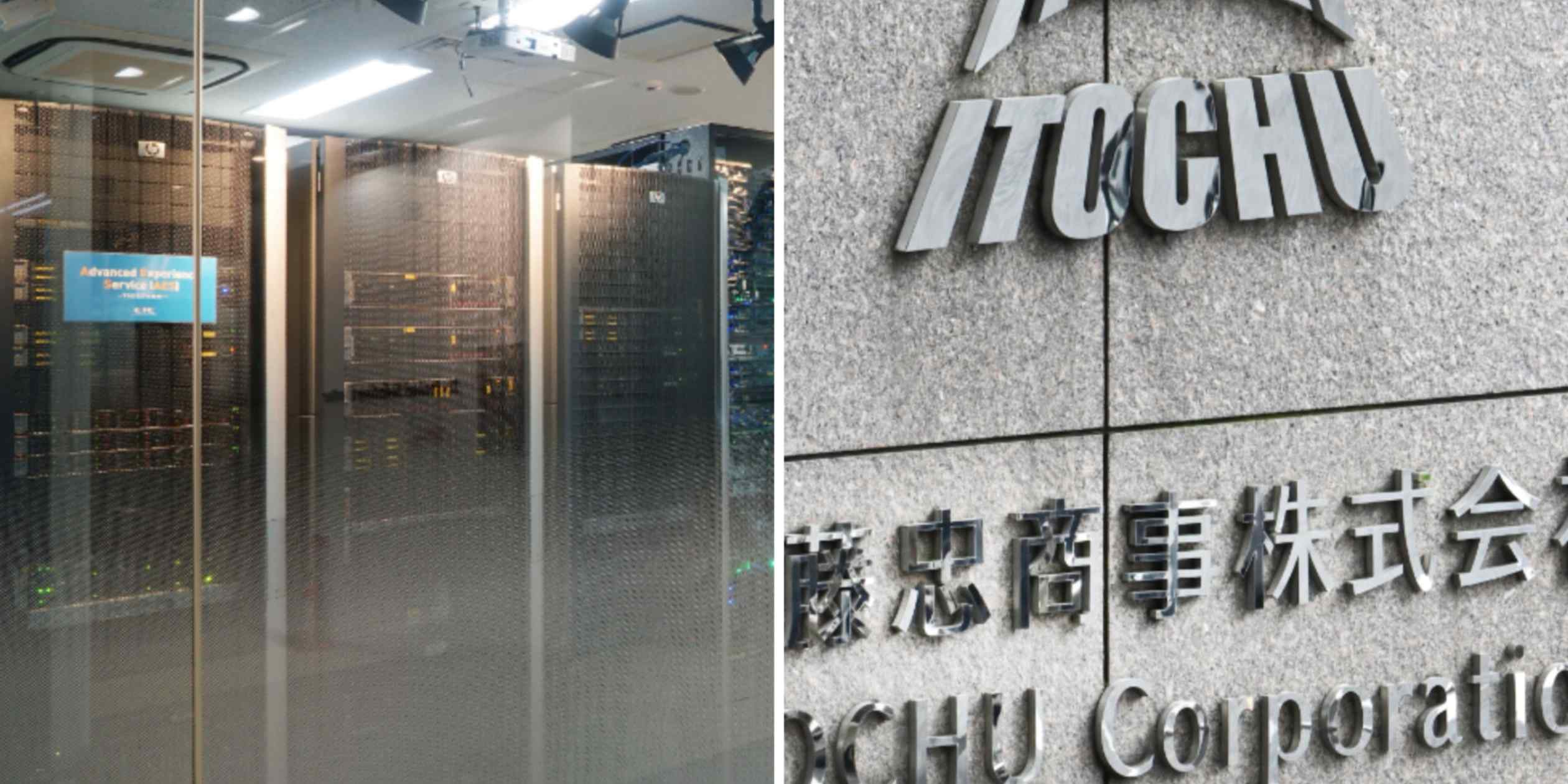
Itochu Ventures into Data Center Development with Plans for 10 Facilities in Japan
Japanese trading house Itochu is set to enter the data center market, planning to invest several hundred billion yen by 2030 to establish around 10 facilities across Japan. These centers will be leased to major tech companies, including U.S. firms, before potentially being sold off. This move is significant as it highlights Itochu's strategy to diversify its business portfolio and capitalize on the growing demand for data storage and processing capabilities. The investment reflects the increasing reliance on data centers by technology companies, which are essential for supporting AI and cloud computing services. Looking ahead, industry observers will be keen to see how Itochu's partnership with JR East develops through a new joint venture. No further timeline was disclosed at the time of publication.

Molex Invests in CAEPlus to Enhance Active Liquid Cooling for Data Centers
Molex, a global leader in electronics, is investing in CAEPlus to develop BoundaryCool, an active liquid cooling platform aimed at managing heat from advanced AI and high-performance computing systems. This investment is crucial as data centers face challenges from rising processor temperatures, necessitating innovative cooling solutions. The BoundaryCool system actively removes heat from GPUs, CPUs, and TPUs, offering a significant improvement over traditional passive cooling methods. By integrating with existing data center infrastructure, it allows for upgrades without the need for complete facility overhauls. This aligns with Molex's strategy to enhance thermal management in response to the growing demand for efficient cooling in high-density computing environments. Looking ahead, the collaboration between Molex and CAEPlus is set to advance the commercialization of BoundaryCool, with Molex providing engineering expertise to support the development. As the need for effective thermal management intensifies, this partnership is poised to play a vital role in meeting the cooling demands of next-generation computing technologies. No further timeline was disclosed at the time of publication.
AI and Robotics
New US Photonics Design Platform Accelerates 1.6T Chip Development for Data Centers
Researchers in the United States have introduced a novel photonics design platform aimed at expediting the creation of high-performance chips for data centers. OpenLight, a semiconductor company based in California, and Israeli chipmaker Tower Semiconductor have enhanced their PH18DA photonics ecosystem by launching OpenLight’s photonic Process Design Kit (PDK), now accessible through Cadence’s electronic design automation tools. This open-platform design kit offers engineers a comprehensive library of components for developing custom Photonic Application-Specific Integrated Circuits (PASICs) and simplifies the process of creating photonic integrated circuits (PICs). The technology supports 400G and 1.6T photonic circuits, potentially streamlining the transition from design to production on the PH18D platform, according to OpenLight CEO Adam Carter. The integration of this PDK into Cadence tools is expected to facilitate the design of photonic integrated circuits alongside conventional integrated circuits. The collaboration aims to enhance the development of advanced optical systems, with a focus on improving performance, power efficiency, and scalability for next-generation optics solutions. No further timeline was disclosed at the time of publication.
AI and Robotics
Understanding AI Testing Needs from Wafers to Data Centers
AI is transforming the infrastructure that supports it, particularly at the compute layer. As server architectures and AI accelerators become increasingly intricate, the demand for effective testing has surged. This evolution necessitates advanced testing methodologies to ensure reliability and performance across various components. The significance of this shift lies in the critical role that robust testing plays in the deployment of AI technologies. With the complexity of AI systems rising, ensuring that each layer—from wafers to data centers—functions optimally is essential for maintaining operational efficiency and meeting user expectations. Effective testing can mitigate risks associated with failures and enhance the overall performance of AI applications. Looking ahead, stakeholders should monitor advancements in testing technologies and methodologies that cater to the unique challenges posed by AI systems. As the industry continues to evolve, the integration of innovative testing solutions will be vital for supporting the growing demands of AI infrastructure. No further timeline was disclosed at the time of publication.

Microsoft Launches Fourth Data Center Region in India with Early Users
Microsoft has officially opened its fourth data center region in India, expanding its cloud services footprint in the country. This new region aims to support the growing demand for cloud solutions among businesses and enhance digital transformation efforts across various sectors. The establishment of this data center is significant as it allows local enterprises to leverage Microsoft's cloud capabilities, ensuring data residency and compliance with local regulations. Early users of the services include prominent organizations such as Adani Group, Bajaj Finserv, HDFC Bank, and PB Fintech, indicating strong interest from major players in the Indian market. Looking ahead, the impact of this new data center region on the Indian cloud landscape will be crucial to monitor. As more companies adopt cloud technologies, the demand for reliable and secure data storage solutions is expected to rise. No further timeline was disclosed at the time of publication.
Artificial Intelligence News AI infrastructure Cloud computing India Microsoft
Emerson Unveils DeltaV Automation Platform for AI-Scale Data Center Management
Emerson has introduced its DeltaV Automation Platform for Data Centers, which features an automation portfolio tailored for AI-scale data centers. This platform integrates thermal, mechanical, and electrical subsystems within a scalable architecture, enhancing the monitoring and control of data center infrastructure. The significance of this development lies in its ability to reduce engineering efforts, simplify integration, and improve consistency across commissioning, operations, and maintenance. Nathan Pettus, president of Emerson’s process systems and solutions business, emphasized that data center performance is increasingly reliant on the collaboration of critical systems rather than individual components. Looking ahead, the DeltaV Automation Platform aims to provide operators with unified visibility and coordinated control, enabling predictable project commissioning and reliable large-scale operations. Emerson's platform includes the DeltaV distributed control system and DeltaV programmable logic controllers, both of which leverage AI technologies for enhanced integration of optimization models.
Factory / Analytics
Chinese AI Companies Accelerate Data Center Leasing in Hong Kong
Chinese AI firms are increasingly leasing data centers in Hong Kong, driven by the region's favorable cross-border data transfer regulations. This trend highlights Hong Kong's strategic position as a hub for data management and processing, attracting businesses looking for efficient data solutions. The significance of this development lies in Hong Kong's lighter data transfer regime, which offers advantages for companies needing to manage large volumes of data across borders. This regulatory environment is particularly appealing to AI firms that rely on rapid data access and processing capabilities to enhance their operations. Looking ahead, the demand for data center leasing in Hong Kong is expected to grow as more Chinese AI companies seek to capitalize on the region's advantages. No further timeline was disclosed at the time of publication.
Artificial Intelligence Business-to-business Investments News ai China
Crusoe and Aalo Atomics Collaborate to Build Nuclear-Powered AI Data Center
Crusoe, a Colorado-based company, has partnered with Aalo Atomics to develop the first nuclear-powered AI factory data center. This initiative aims to validate the effectiveness of nuclear power for AI workloads, with plans to power a Crusoe Spark modular data center at Idaho National Laboratory in 2027. The collaboration is significant as it addresses the growing demand for reliable, clean, and scalable energy sources for AI infrastructure. Cully Cavness, co-founder of Crusoe, emphasized the importance of sustainable energy solutions, while Aalo Atomics aims to position itself as a leading power provider for modern data centers with its modular nuclear reactors. Looking ahead, Aalo and Crusoe plan to deploy Aalo Pods and 50 MWe XMR power plants at Crusoe data centers by the end of 2029. This partnership not only highlights the potential of nuclear energy in powering AI but also reflects a broader trend of integrating advanced energy technologies with digital infrastructure, paving the way for future AI factories worldwide.
AI and Robotics Energy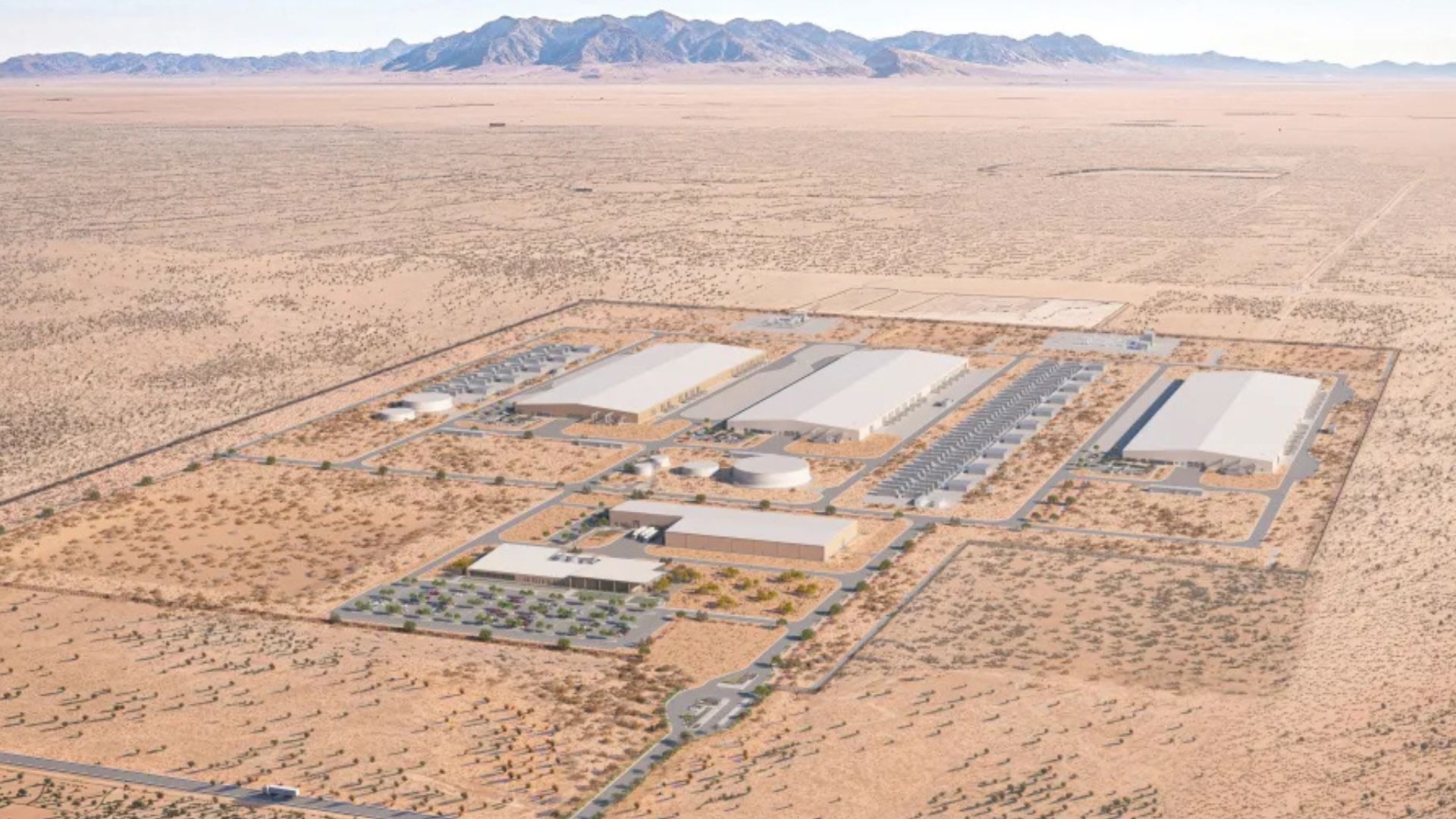
Meta and BlackRock Form Joint Venture for $14B AI Data Center in Texas
Meta Platforms and BlackRock have established a joint venture to develop a significant AI-focused data center campus in El Paso, Texas, with an estimated cost of $14 billion. This facility will provide 1 gigawatt of computing capacity to enhance Meta's artificial intelligence infrastructure, with the first capacity expected to be operational by 2028. The partnership is crucial for Meta as it aims to advance its superintelligence initiatives, with CEO Mark Zuckerberg emphasizing the importance of building infrastructure that benefits everyone. BlackRock's involvement, alongside Global Infrastructure Partners and HPS Investment Partners, will facilitate the necessary capital for this major project, which is anticipated to create thousands of jobs and stimulate local economic growth. Looking ahead, the project will not only support over 4,000 jobs during construction but also provide about 300 full-time positions once completed. Meta is also committed to workforce development, contributing to local education and skilled trades programs, while BlackRock's Future Builders initiative aims to train over 12,000 electricians in Texas over the next three years. No further timeline was disclosed at the time of publication.
AI and Robotics
Highstar Launches Innovative Battery System to Enhance Data Center Resilience Against Outages
Highstar, a China-based energy storage firm, introduced a comprehensive battery cell portfolio at the 2026 GGII Energy Storage Industry Summit to address the increasing power demands of AI Data Centers (AIDCs). This innovative system utilizes tailored chemistries for different layers of data center operations, ensuring reliable power backup and thermal management. The significance of Highstar's solution lies in its ability to meet the unique challenges posed by AI workloads, which require rapid response and dependable backup. The battery portfolio includes specialized products designed for server-rack battery backup units, facility-wide UPS, and grid-side storage, effectively insulating servers from power spikes and dropouts. Looking ahead, the integration of Highstar's battery systems could alleviate pressure on global power grids, which are currently facing transformer shortages and capacity limits. By providing on-site battery storage, data center operators can safely manage power demands and avoid disruptions to local substations. No further timeline was disclosed at the time of publication.
AI and Robotics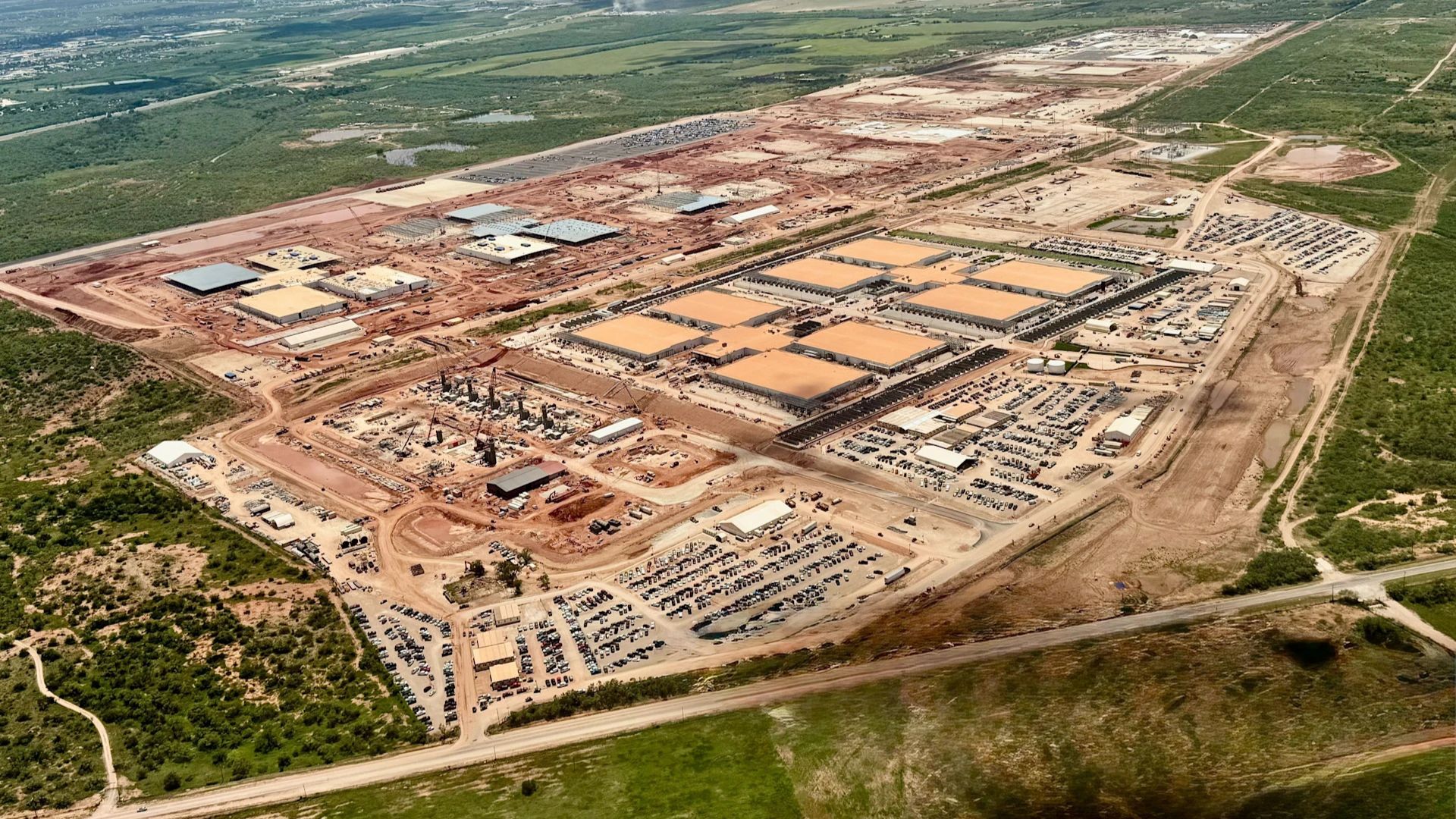
OpenAI Invests Over $30 Billion in 3.2GW Data Center in Georgia
OpenAI is set to invest more than $30 billion in a large data center campus in coastal Georgia, aiming to provide up to 3.2 gigawatts of computing capacity over the next decade. This significant investment positions OpenAI among leading tech companies expanding hyperscale AI infrastructure in the U.S. The project is crucial as it addresses the increasing demand for AI computing resources, with the electricity capacity equivalent to the needs of approximately 2.4 million U.S. homes. OpenAI's CEO, Sam Altman, is expected to discuss next-generation AI models with U.S. lawmakers, highlighting the importance of regulatory frameworks in the evolving AI landscape. Looking ahead, the first several hundred megawatts of power are anticipated to be available by 2028, with construction continuing until 2032. OpenAI's strategic shift in infrastructure planning and its commitment to sustainable practices will be key factors to monitor as the project progresses.
AI and Robotics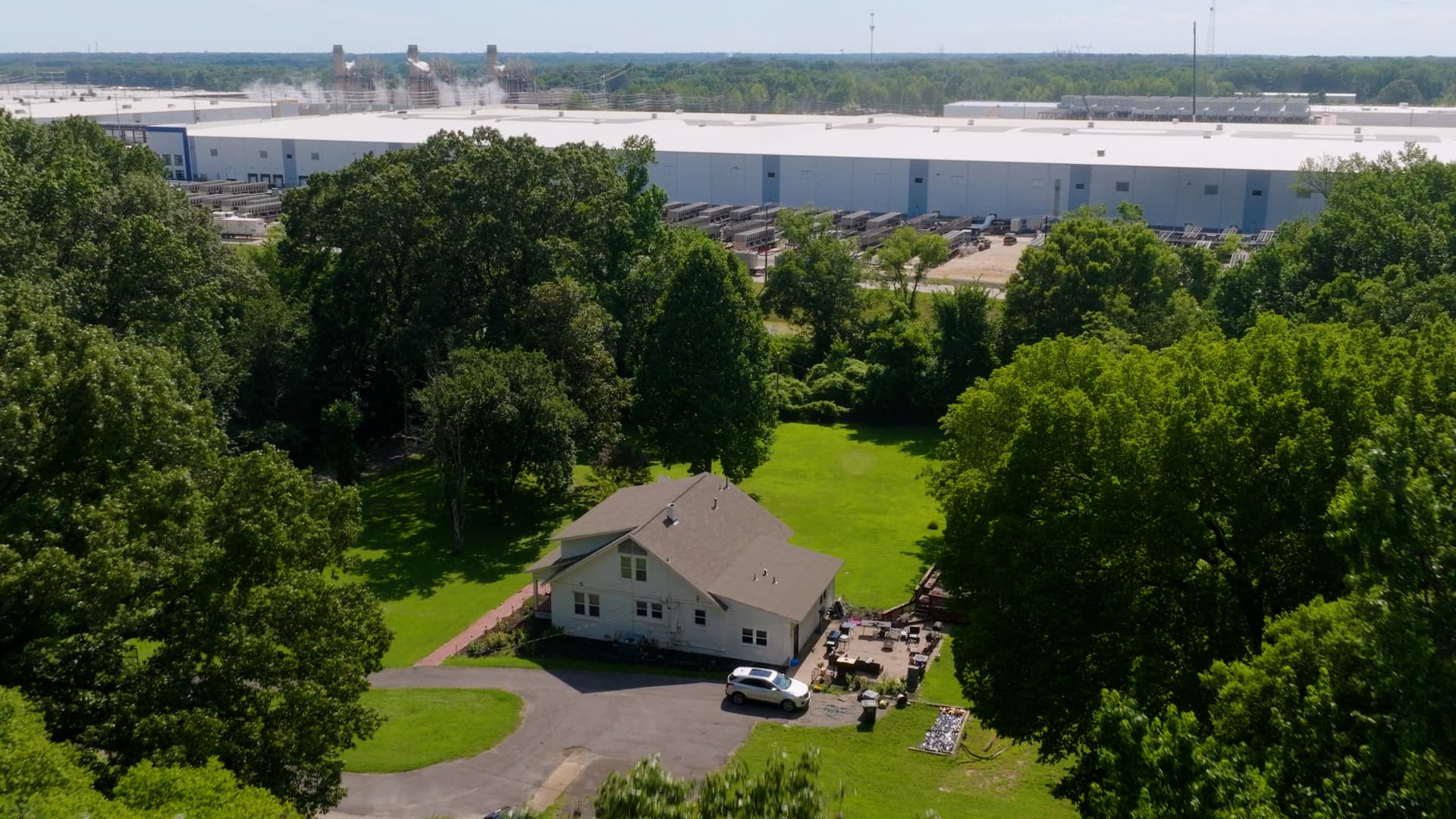
Elon Musk's AI Data Centers in Memphis Spark Nationwide Backlash Against Development
Elon Musk's rapid establishment of AI data centers in Memphis has led to significant local discontent due to noise and emissions from gas-burning turbines. This situation has become a cautionary example for other communities facing similar developments, prompting protests and policy proposals across the U.S. Public opposition is growing against data centers from major tech companies, with a recent Gallup poll indicating that 70% of Americans oppose local AI data center construction. The backlash against Musk's SpaceXAI facilities, Colossus and Colossus II, highlights the challenges of balancing technological advancement with community concerns. Local residents report feeling ignored during the planning stages, and many are now involved in legal actions against SpaceX. The controversy has also influenced state-level policies, such as New York's moratorium on AI data center construction and New Jersey's legislation requiring fair electricity costs for data center operators. As the debate over AI data centers continues, stakeholders are watching for further developments in regulations and community responses. The experiences of Memphis residents serve as a blueprint for other areas grappling with the implications of such facilities, emphasizing the need for better engagement and consideration of local impacts in future projects. No further timeline was disclosed at the time of publication.
Microsoft and 3M Collaborate on AI and Data Center Research and Development
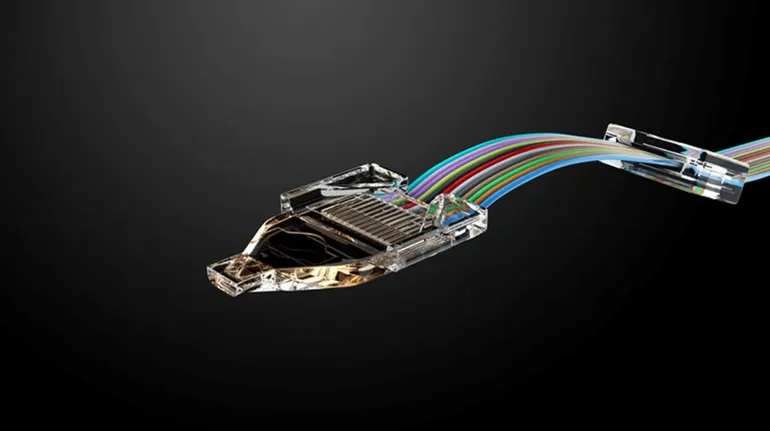
Microsoft and 3M have announced a partnership aimed at accelerating AI adoption and enhancing the physical networks necessary for cloud growth and AI workloads. This collaboration will focus on research and development related to Microsoft’s data center and device marketplace, leveraging 3M's expertise in electronic components and materials science. The significance of this partnership lies in Microsoft's ambitious plans to invest approximately $80 billion in AI-enabled data centers by January 2025, which will support the training of large language models and the deployment of machine intelligence. Currently, Microsoft operates over 400 data centers globally, with the first of two new facilities in Mount Pleasant, Wisconsin, now fully operational. Looking ahead, both companies are part of the Expanded Beam Optics Multi-Source Agreement Group, which aims to advance open specifications for EBO connectivity products in the AI market. 3M is also expanding its manufacturing capacity for high-speed interconnects, responding to increased demand from hyperscalers and ensuring a reliable supply chain for AI data centers. No further timeline was disclosed at the time of publication.
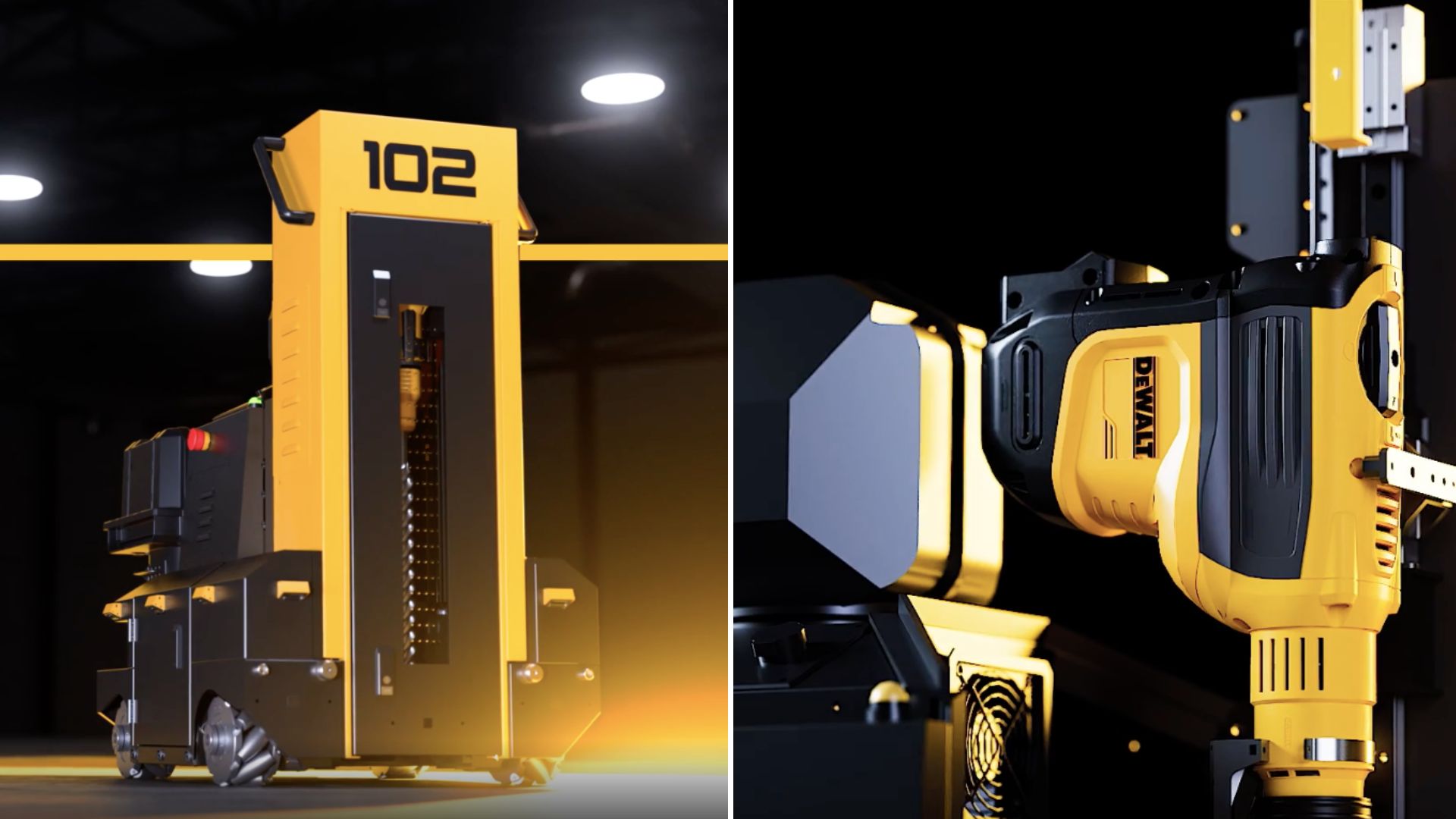
Dewalt Launches DALE Downward-Drilling Robot for Data Center Construction
Dewalt, in collaboration with August Robotics, has launched DALE, the world's first fleet-capable downward-drilling robot, at the World of Concrete event. This innovative robot is designed to enhance efficiency in data center construction, achieving drilling speeds up to ten times faster than traditional methods. During a year-long pilot, DALE drilled over 230,000 holes with 99.97% accuracy, significantly reducing project timelines by 190 weeks across 26 phases. The introduction of DALE is significant for the construction industry, particularly in the rapidly growing data center sector. Dewalt's robot not only accelerates drilling processes but also integrates advanced features such as fast-swap batteries, remote monitoring, and automatic dust extraction. These capabilities allow for enhanced safety and precision, making it a valuable asset for construction teams facing tight deadlines and labor challenges. Looking ahead, DALE is now available for commercial orders, marking a pivotal moment for construction automation. The robot's ability to operate in fleets and drill through rebar positions it as a versatile tool for various construction applications. No further timeline was disclosed at the time of publication regarding additional features or expansions in its deployment.
AI and Robotics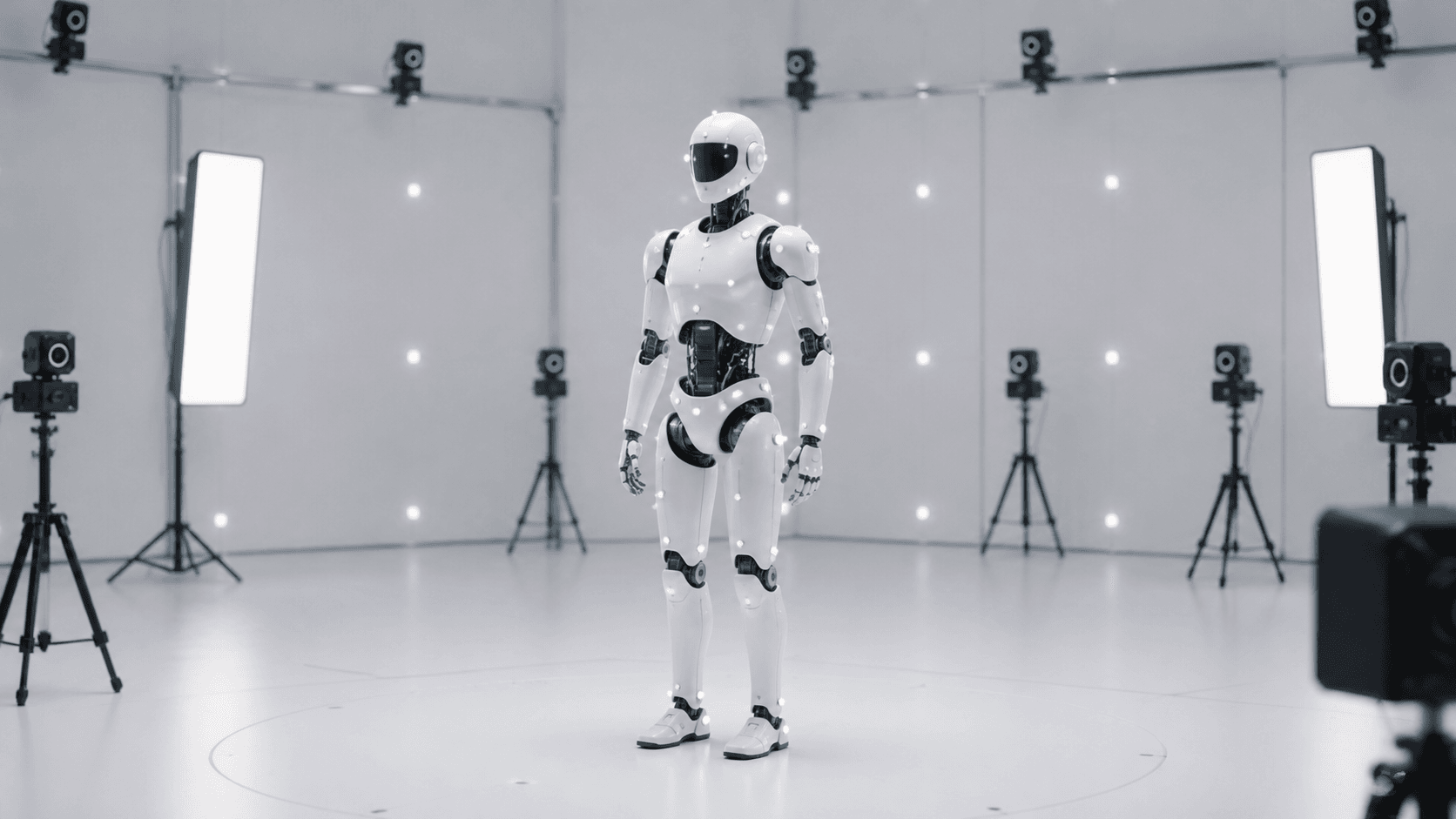
WRC 2026: China Develops Numerous Data Centers for Embodied Intelligence
At this year's World Robot Conference, China showcased its efforts in establishing numerous embodied-intelligence data centers. These facilities are part of a broader industry shift from merely constructing robotic bodies to focusing on the data necessary for training their cognitive capabilities. The emphasis on data harvesting is crucial as the robotics sector recognizes the need for substantial datasets to enhance the performance of embodied intelligence systems. Despite the establishment of 90 data factories, experts indicate that the current data volume remains insufficient to fully support the development of advanced robotic brains. Looking ahead, the industry must address the data scarcity issue to ensure the effective training of embodied intelligence. No further timeline was disclosed at the time of publication.
NIVA: A New AI Tool for Nuclear Reactor Data Search Powered by Supercomputing
Nuclear power stations in North America have started utilizing a new virtual system named NIVA, developed by Atomic Canyon in partnership with several industry organizations. This software enables engineers and technicians to efficiently query extensive archives of technical and regulatory records, addressing the challenge of accessing critical knowledge quickly. The significance of NIVA lies in its ability to leverage AI technology to enhance operational efficiency within the U.S. nuclear sector. Trey Lauderdale, Founder & CEO of Atomic Canyon, emphasized that the nuclear industry possesses a wealth of knowledge that has been difficult to access, and NIVA represents a step towards making this information readily available for modern deployments. Looking ahead, NIVA currently offers two functional modules, with a third tool in development for diagnostic tasks. The rollout follows a successful pilot program involving Constellation Energy and other utilities. No further timeline was disclosed at the time of publication.
Energy
NASA to Host 'Max Power' Aerospace Expo at Kennedy Space Center This November
NASA has announced a two-day aerospace exposition named 'Max Power' scheduled for November 7 and 8 at Kennedy Space Center in Florida. The event is expected to attract fans of the show 'The Simpsons,' as the title references a famous pseudonym used by Homer Simpson. The expo will feature immersive experiences, including air shows, skydiving stunts, and technology demonstrations. The significance of the 'Max Power' expo lies in its aim to engage the public with aerospace technology and space exploration. Attendees will have the opportunity to meet astronauts and participate in talks led by NASA experts. NASA Administrator Jared Isaacman, who is also a private astronaut, plans to take part in the air show, highlighting the event's focus on interactive and educational experiences. Looking ahead, Isaacman indicated that 'Max Power' is intended to be the first of many similar events, suggesting a commitment to ongoing public engagement in aerospace activities. No further timeline was disclosed at the time of publication.
Space Exploration
Starmind's Satellite Technology Achieves 880 Billion Liters in Annual Water Savings
Starmind has announced that its satellite technology can save approximately 880 billion liters of cooling water annually at full scale. This figure is equivalent to the annual household water use of around 6.5 million Americans. The technology operates by utilizing a closed-loop liquid cooling system that eliminates the need for water during its operational life, contrasting sharply with traditional ground data centers that consume vast amounts of water for cooling. The significance of this achievement lies in the growing water consumption crisis faced by data centers, particularly as AI expansion drives demand. In 2025, U.S. data centers consumed nearly one trillion liters of water, highlighting the urgent need for sustainable solutions. Starmind's approach not only addresses direct water usage but also avoids indirect water consumption associated with electricity generation, marking a substantial shift in how computing can be conducted in a resource-efficient manner. Looking ahead, Starmind's deployment strategy includes a projected buildout of 100 GW of orbital compute per year, which could displace an additional 735 billion liters of ground water demand annually. The first tranche of 10,000 satellites is already operational, offsetting approximately 8.8 billion liters of water per year. No further timeline was disclosed at the time of publication.

SpaceX Unveils AI1 Satellite Specs for Starmind Constellation with Key Thermal Challenges
SpaceX has introduced the AI1 satellite, the inaugural component of its Starmind constellation, which stands 20 meters tall and has a wingspan of 70 meters. This orbital compute node is designed to deliver computing power equivalent to one NVIDIA GB300 server rack, utilizing a unique cooling system with deployable liquid radiators. The satellite's specifications were revealed during a presentation on June 8, 2026, ahead of SpaceX's IPO. The significance of the AI1 satellite lies in its role as a compute platform rather than a traditional satellite, focusing on running AI inference workloads. The satellite's cooling system, which is critical for its operation in the vacuum of space, is designed to reject heat through infrared radiation. However, independent engineers have raised concerns about the feasibility of the thermal and mass claims made by SpaceX, suggesting that the cooling requirements may exceed practical limits. Looking ahead, SpaceX plans to launch two AI1 prototypes in early 2027, with full-scale production expected to commence later that year at its Gigasat facility in Bastrop, Texas. The ongoing debate regarding the satellite's thermal management capabilities will be crucial to monitor as the project progresses, with no further timeline disclosed at the time of publication.
SpaceX's Starmind Faces Feasibility Challenges for 1 Million Satellite Deployment
On January 30, 2026, SpaceX submitted a request to the FCC to launch up to 1 million satellites as part of its Starmind orbital compute constellation. This ambitious plan is unprecedented, as the total number of satellites ever launched globally is in the low tens of thousands. The proposal seeks a waiver from standard deployment milestones, citing reliance on the Starship's full reusability for success. The significance of this request lies in the technical and logistical challenges it presents. Experts warn that low Earth orbit may not support the proposed number of active satellites without risking a debris cascade. SpaceX's own IPO prospectus acknowledges unresolved dependencies related to Starship's launch cadence and reusability, which are critical for the orbital AI compute strategy. Looking ahead, the timeline for achieving the necessary launch cadence and manufacturing capacity remains uncertain. SpaceX's Gigasat facility in Texas aims for volume production by late 2027, but this would require unprecedented output levels. No further timeline was disclosed at the time of publication, leaving the feasibility of the Starmind project in question.
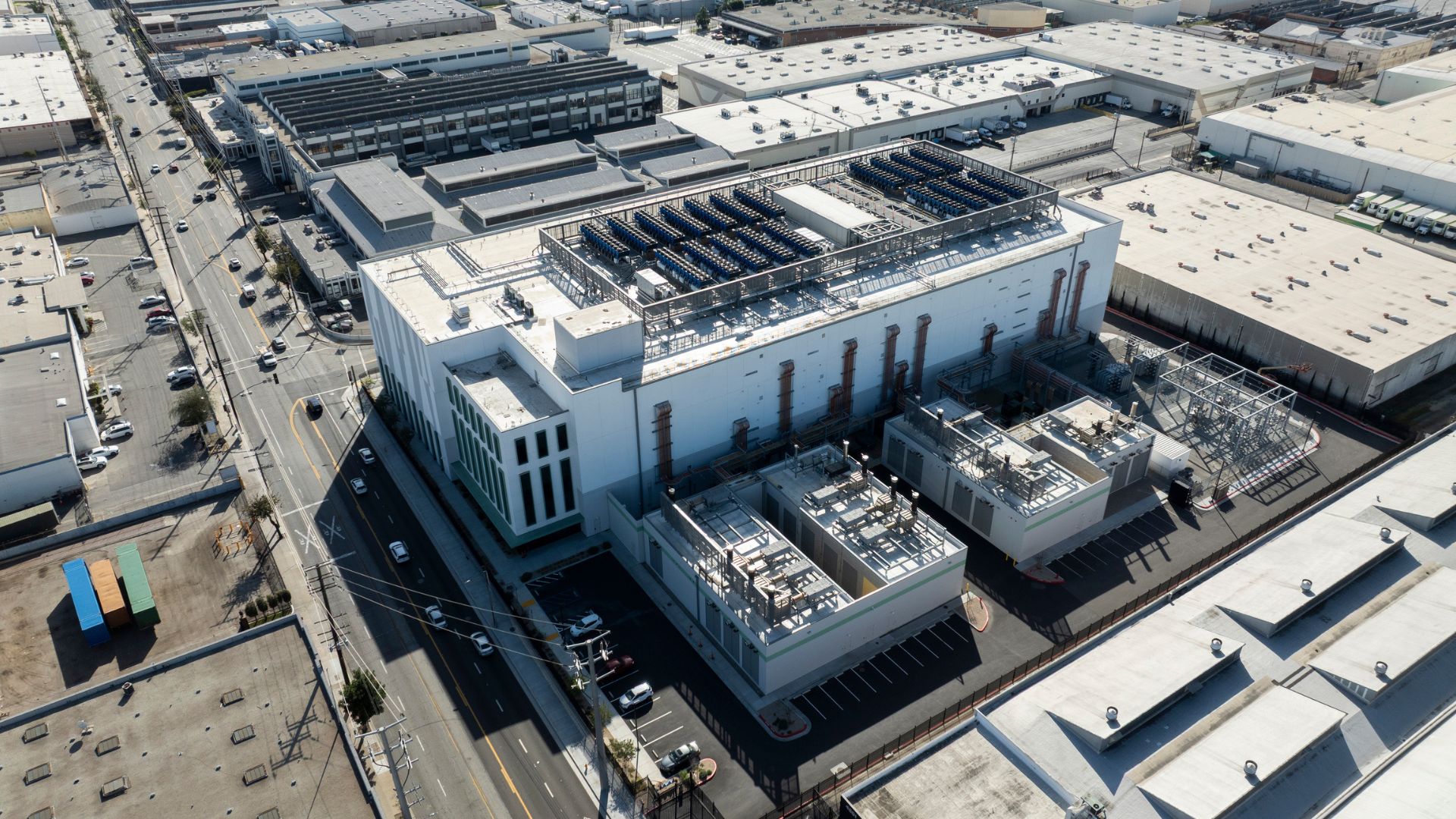
New tech keeps power grids stable as data centers put more strain on electricity
Researchers at Sandia National Laboratories have unveiled a groundbreaking software platform designed to enhance the management of distributed energy resources. This innovative tool aims to optimize the integration of renewable energy sources into existing power grids, addressing the growing demand for sustainable energy solutions. The announcement was made on October 10, 2023, during a technology showcase at the laboratory's facilities in Albuquerque, New Mexico. The motivation behind this development stems from the increasing need for efficient energy management systems that can accommodate the variable nature of renewable energy sources, such as solar and wind. By utilizing advanced algorithms and real-time data analytics, the platform enables utilities and energy providers to better predict energy supply and demand, ultimately leading to a more reliable and resilient power infrastructure. The software operates by aggregating data from various energy sources and employing machine learning techniques to enhance decision-making processes. This allows for improved coordination among energy producers, consumers, and grid operators, facilitating a smoother transition to a more sustainable energy landscape. As the world moves towards cleaner energy solutions, this platform represents a significant step forward in harnessing the potential of distributed energy resources.
AI and Robotics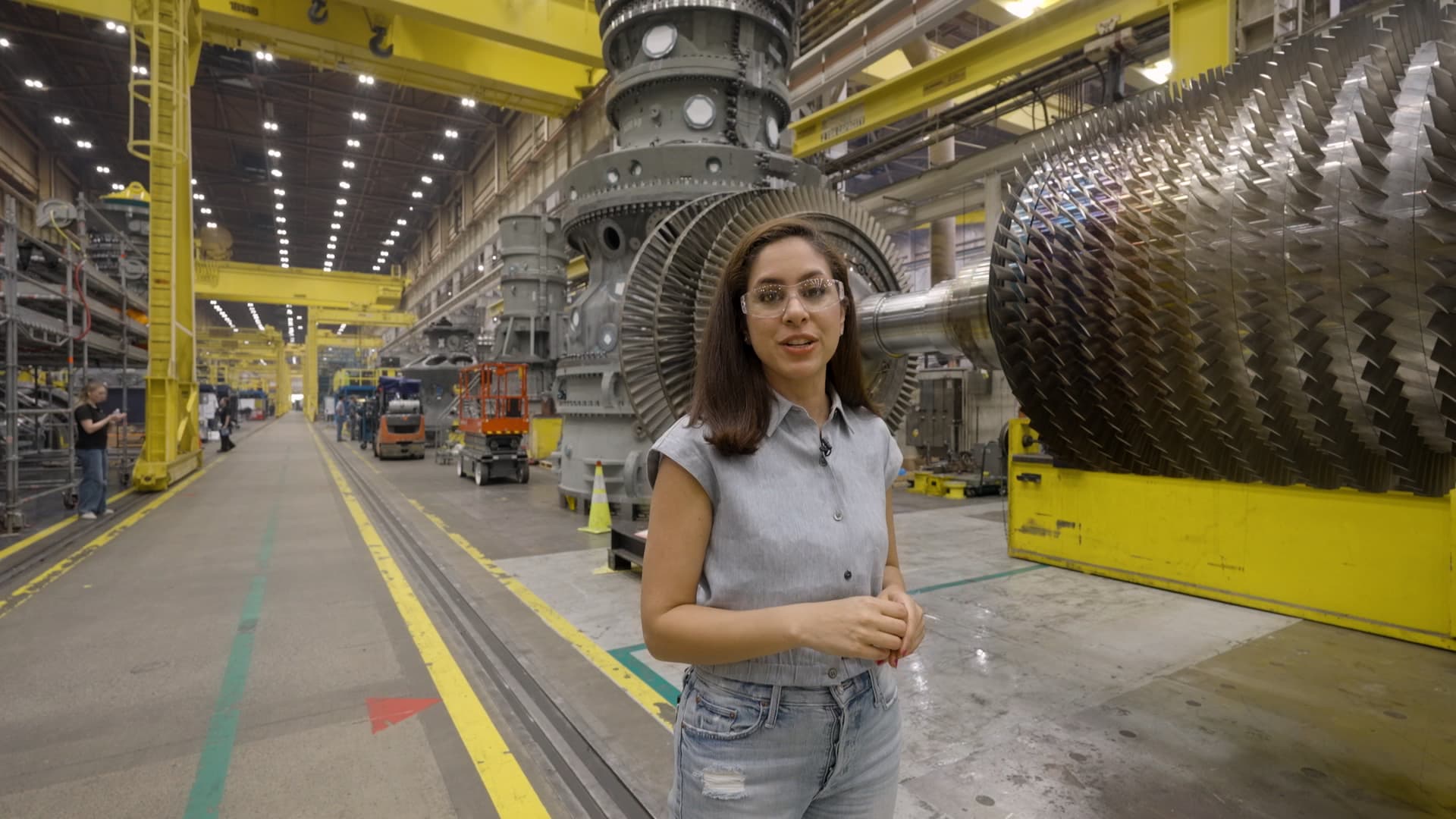
How GE Vernova builds the massive gas turbines powering the AI data center boom
Elon Musk's xAI Colossus 1 data center is now being powered by GE Vernova turbines, marking a significant advancement in sustainable energy for tech infrastructure. In a related move, Microsoft has also acquired seven of these turbines to supply energy to its data center located in Texas. This initiative comes as both companies seek to enhance their operational efficiency and reduce their carbon footprint, aligning with broader industry trends towards renewable energy solutions. The deployment of GE Vernova's technology is expected to support the growing demand for data processing while promoting environmental sustainability.
Chevron Inks Deal to Power Microsoft Data Center in Texas
Chevron has announced the launch of "Project Kilby," an initiative aimed at addressing the increasing energy demands associated with artificial intelligence technologies. This project comes in response to the rapid growth in energy consumption driven by AI advancements, highlighting the company's commitment to supporting the evolving energy landscape. The initiative is part of Chevron's broader strategy to innovate and adapt to the changing needs of the market, ensuring a sustainable energy supply for future technological developments. The announcement underscores the importance of balancing energy production with the rising requirements of modern technology, particularly in sectors heavily reliant on AI.

Microsoft and Chevron plan one of the largest gas-powered data center projects in US
Microsoft has secured a long-term power purchase agreement with Chevron, committing to a 20-year deal that will facilitate the supply of energy from a newly established natural gas power plant. This agreement aims to support Microsoft's sustainability goals while providing Chevron with a stable customer for its energy production. The partnership reflects both companies' efforts to navigate the evolving energy landscape, where businesses are increasingly seeking reliable and cleaner energy sources. The deal underscores the growing trend of corporate collaborations in the energy sector, particularly as companies strive to balance operational needs with environmental responsibilities.
Climate Chevron In Brief Microsoft natural gas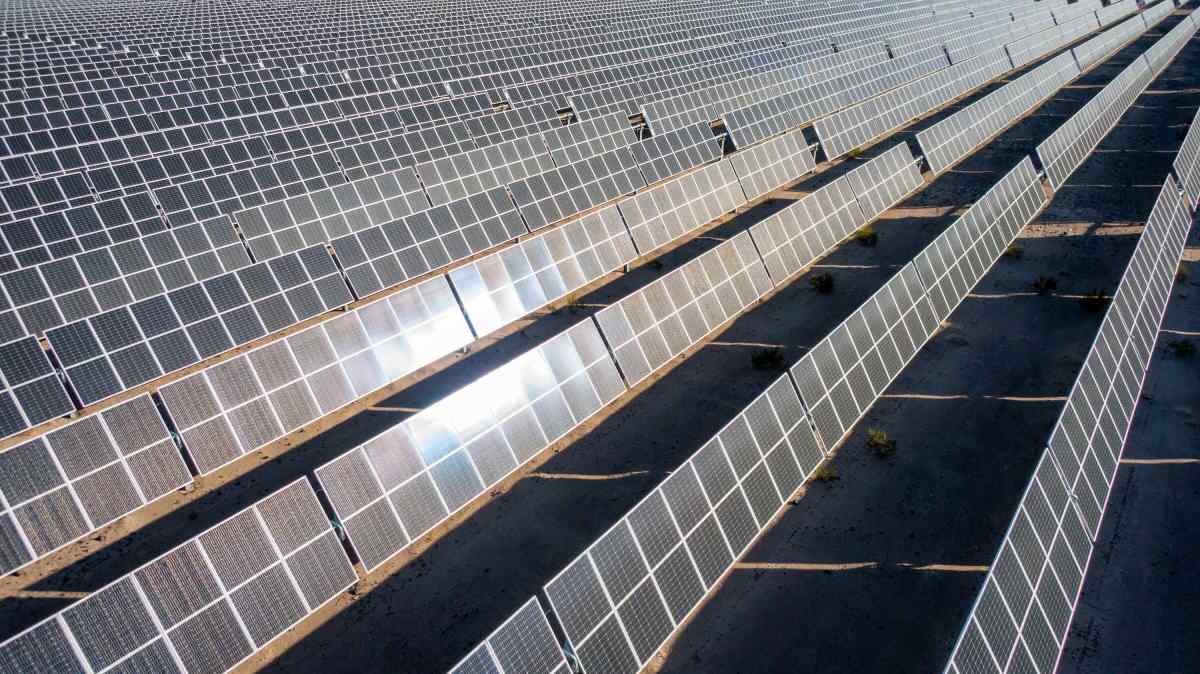
Microsoft’s AI data center push is colliding with its clean power goals
Microsoft's ambitious plans to expand its data center operations are jeopardizing its commitment to clean energy initiatives. The tech giant is facing scrutiny as it seeks to increase its data center footprint, which could conflict with its established goals for sustainable power usage. As the company accelerates its infrastructure development, concerns have arisen regarding the environmental impact and the ability to source renewable energy to meet its growing energy demands. This situation is unfolding amid a broader industry trend where the demand for cloud services continues to surge, prompting companies like Microsoft to invest heavily in new facilities. The challenge lies in balancing rapid growth with the need to adhere to environmental standards and commitments, raising questions about the future of corporate responsibility in the tech sector.
Climate data centers Microsoft net zero renewable energy
Nyobolt Closes $60 M Series C Funding Round at $1B Valuation, to Power Autonomous Machines, Physical AI Applications and AI Data Centers
Nyobolt, a company specializing in ultra-fast charging and high-power battery systems, has successfully secured $60 million in Series C funding, pushing its valuation beyond $1 billion. The funding round, which took place recently, was led by Symbotic and included contributions from notable investors such as IQ Capital, Latitude, Scania Invest, and CBMM. This financial boost aims to facilitate the expansion of Nyobolt's technology, particularly for applications in autonomous robots and AI infrastructure. The company has reported a remarkable fivefold increase in revenue over the past year, highlighting its growth potential in the rapidly evolving battery market.
AI AI Funding & Investment Robotics autonomous batteries CBMM
OnTopic: AI data center providers seek power and bandwidth promise in CPO
As the demand for AI-driven bandwidth continues to surge, the integration of Silicon Photonics (SiPh) and Co-Packaged Optics (CPO) test solutions is increasingly vital for scaling photonics manufacturing. This trend is highlighted in a recent e-book published by Lightwave, which explores the challenges and innovations within the industry. The publication emphasizes the necessity for manufacturers to adopt these advanced testing methodologies to meet the growing requirements of high-speed data transmission and processing. By implementing SiPh and CPO solutions, companies can enhance their production capabilities and ensure they remain competitive in a rapidly evolving technological landscape.
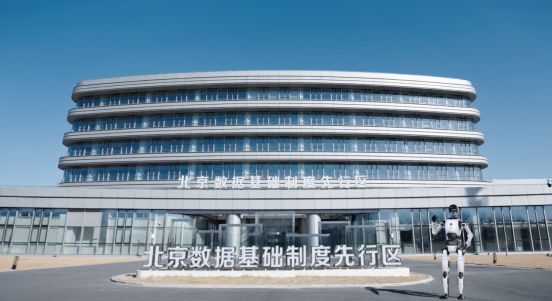
Reaching the Global Milestone of One Million Hours of Data - Beijing Humanoid Robot Innovation Center Empowers the Development of Embodied Intelligence Industry
The Beijing Humanoid Robot Innovation Center has launched a new data collection and training base designed to spearhead advancements in the embodied intelligence sector. Established to provide high-quality data and establish national standards, this facility has rapidly emerged as a premier platform for data collection. It supports multiple industries and aims to enhance the capabilities of humanoid robots, positioning itself at the forefront of technological innovation. The initiative reflects a growing commitment to advancing robotics and artificial intelligence in China, with the center playing a pivotal role in shaping the future of these technologies.
Embodied Intelligence Data Collection Robot Standards AI Humanoid Robots
John Deere Launches JD: A Conversational AI Tool for Farmers' Operational Data
John Deere has introduced JD, a conversational AI tool designed to provide farmers with instant insights from their historical field data. This innovation aims to enhance farm profitability by allowing users to interact directly with their operational metrics, moving beyond traditional methods of data tracking. The significance of JD lies in its ability to transform years of accumulated data into actionable insights, addressing the challenges farmers face in data analysis. John Deere emphasizes the importance of trust and data privacy, asserting that farm data belongs to the producers, which is central to the Operations Center platform. Looking ahead, JD represents a step forward in integrating AI into agricultural practices, with the potential to improve yields and drive savings. No further timeline was disclosed at the time of publication.
Agriculture Artificial Intelligence Artificial Intelligence / Cognition News John Deere
Nvidia Reduces Financial Guarantee for OpenAI's Ohio Data Center Project Amid Risk Concerns
Nvidia has reportedly decreased its proposed financial guarantee for OpenAI’s Ohio data center project to under $120 billion, down from an initial consideration of around $250 billion. This adjustment comes as investor concerns regarding the financial risks associated with the project have prompted Nvidia to reassess its support. The implications of this decision are significant, as it could reshape one of the most ambitious AI infrastructure projects in the United States. OpenAI's plan for a 10-gigawatt data center campus in Pike County, Ohio, aims to meet the growing demands of advanced AI computing, but the reduced backing from Nvidia raises questions about the project's financial viability. Looking ahead, the first phase of the data center is expected to deliver approximately 800 megawatts by 2028, with the full 10-gigawatt capacity requiring years of additional construction. Engineers will face challenges beyond server installation, including the need for high-capacity electrical systems and advanced cooling solutions. No further timeline was disclosed at the time of publication.
AI and Robotics
Tate Achieves 12-Fold Welding Productivity Increase with 58 Hirebotics Cobots
Hirebotics has announced that Tate, a data center infrastructure company, has successfully deployed 58 Cobot Welder systems across its manufacturing facilities in Arkansas, Virginia, and Kentucky. This deployment has resulted in a remarkable 12-fold increase in per-welder throughput for critical structural assemblies while allowing Tate to expand its team of certified welders. The significance of this achievement lies in Tate's ability to meet the intense demand and tight project timelines associated with its 120-year legacy in providing structural ceilings and airflow management products for large data centers. By transitioning to a cloud-connected automation network powered by Hirebotics' Beacon Pro control platform, Tate has scaled production without compromising precision, ensuring zero tolerance for manufacturing errors. Looking ahead, the integration of Hirebotics' technology allows Tate to manage its multi-plant network of Cobot Welders from a single smart device, enhancing operational efficiency. No further timeline was disclosed at the time of publication.
Computing Infrastructure News automation beacon pro cloud robotics
South Korea's Unmanned Ground Vehicle Deployment Addresses Military Recruitment Challenges
South Korea has initiated a large-scale deployment of unmanned ground vehicles (UGVs) as a strategic response to declining military recruitment numbers. This move highlights the nation's commitment to enhancing its defense capabilities while addressing personnel shortages. The significance of this deployment lies in its potential to modernize South Korea's military operations and maintain national security. By integrating UGVs into their defense strategy, South Korea aims to mitigate the impact of reduced manpower on military effectiveness. Looking ahead, it will be important to monitor how this deployment evolves and whether it successfully addresses the recruitment challenges faced by the South Korean military. No further timeline was disclosed at the time of publication.
News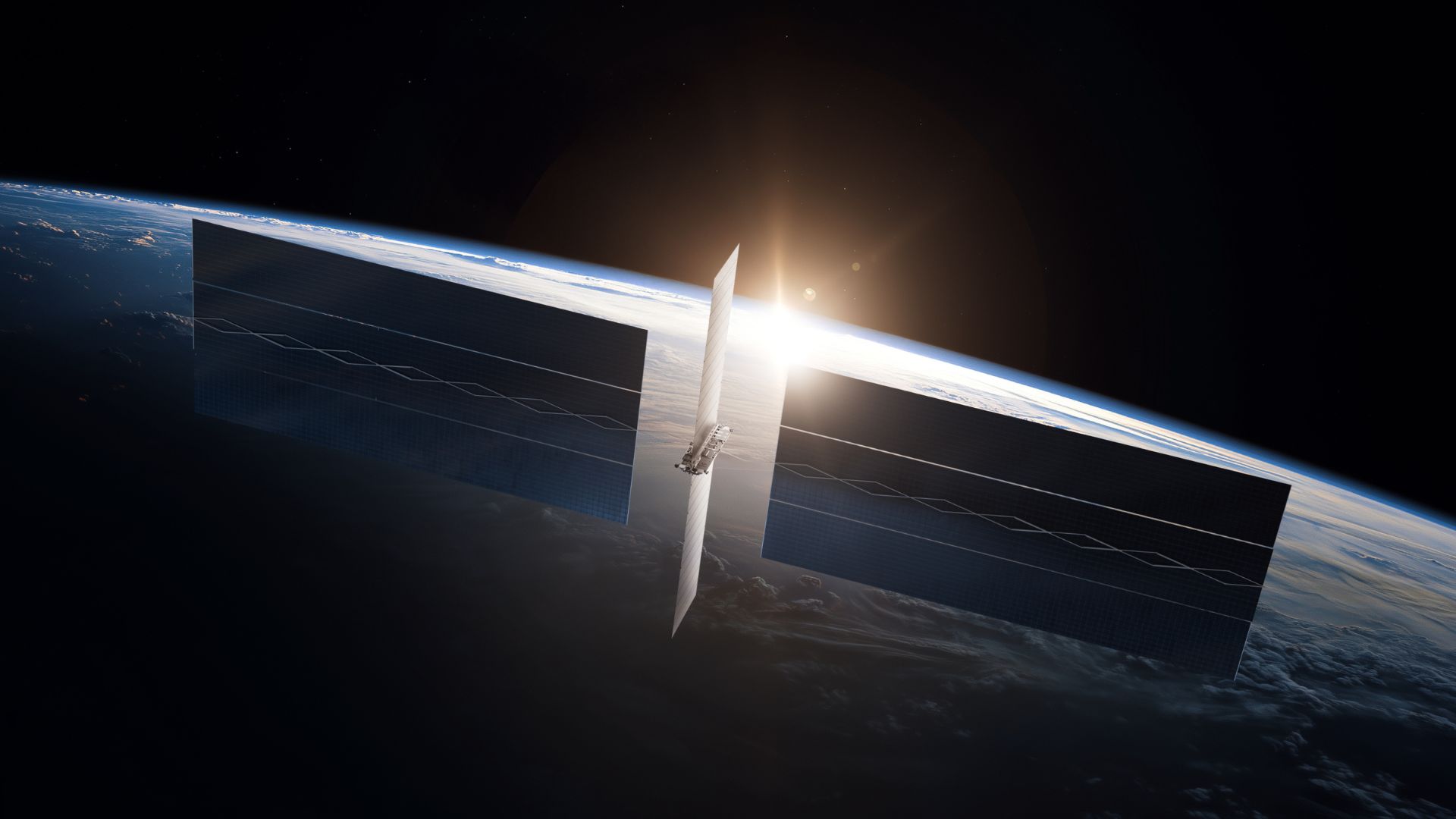
SpaceX and Nvidia Collaborate on Starmind AI1 Satellite with Rubin Chips for Orbital Computing
SpaceX and Nvidia have announced a partnership to develop the Starmind AI1 satellite, which will utilize Nvidia's Rubin GPUs and Vera CPUs for AI computing in low Earth orbit. This initiative aims to create a vast network of satellites, potentially reaching one million, forming a distributed AI supercomputer in space. The significance of this project lies in its potential to revolutionize AI processing capabilities beyond Earth, leveraging the advantages of solar energy and high-speed laser communication between satellites. SpaceX's commitment to using Nvidia's technology underscores the importance of this collaboration in advancing space computing. Looking ahead, prototype testing for the Starmind AI1 satellite is set for early 2027, with mass production anticipated later that year, contingent on regulatory approvals. The project could reshape the landscape of orbital infrastructure, significantly expanding the current satellite population and enhancing data processing capabilities in space.
AI and Robotics Space
Fleet-Capable Downward Drilling Robot Launches with 10x Speed Advantage
A new fleet-capable downward drilling robot has been launched, achieving drilling speeds up to 10 times faster than traditional methods. This innovation has significantly reduced construction timelines by an impressive 190 weeks across 26 major projects, marking a substantial advancement in construction technology for data centers. The introduction of this robot is significant for the construction industry, particularly in the data center sector, where efficiency and speed are critical. Media outlets, including Fast Company, have highlighted the robot's potential to transform construction processes, emphasizing its ability to drastically accelerate project timelines and improve overall productivity. Looking ahead, industry professionals are keen to observe the robot's performance in upcoming projects and its impact on construction efficiency. No further timeline was disclosed at the time of publication regarding future deployments or additional features planned for this innovative technology.
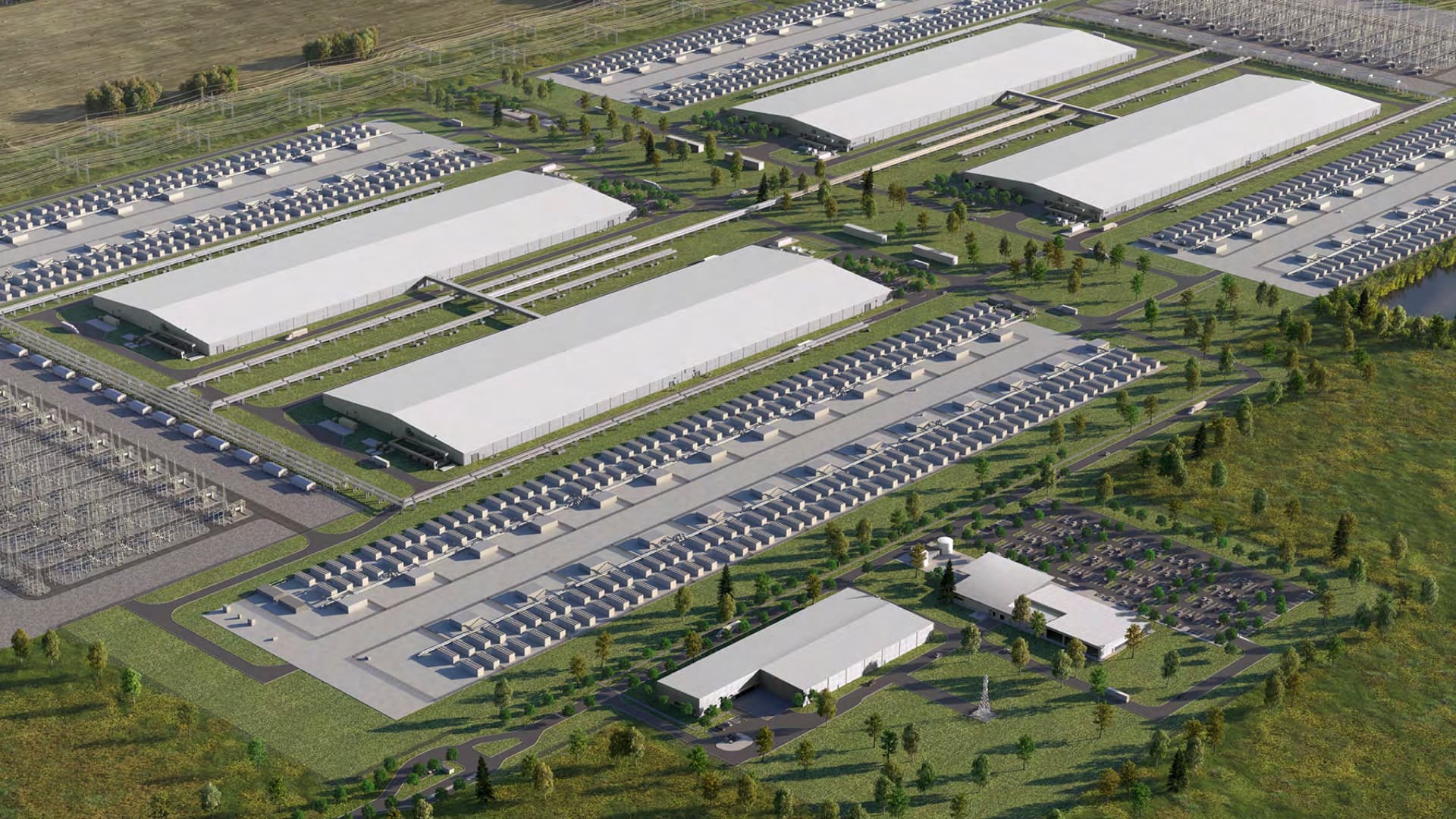
Meta is building its first big Canadian data center as AI expansion crosses the border
Meta is set to establish its inaugural large-scale data center in Canada, marking a significant step in the company's expansion of artificial intelligence capabilities beyond the United States. The announcement comes as part of Meta's broader strategy to enhance its infrastructure to support AI technologies. This development is expected to create numerous jobs and stimulate local economies, reflecting the growing demand for data processing and storage solutions. The data center will be located in a yet-to-be-disclosed area in Canada, with construction anticipated to begin in the near future. Meta's investment underscores its commitment to harnessing AI advancements while also addressing the increasing need for robust data management systems in the tech industry.

SpaceX's Starmind Plans 1 Million AI Satellites Amid Collision Risks
SpaceX has announced its ambitious Starmind project, which aims to deploy 1 million AI satellites in orbits between 500 and 2,000 km. This initiative, confirmed by Elon Musk on June 23, 2026, follows a merger with xAI, valuing the combined entity at $1.25 trillion. The satellites will function as orbital data centers, processing AI workloads powered by solar arrays and linked by optical lasers. The significance of Starmind lies in its potential to add 100 gigawatts of AI compute capacity annually, contingent on the successful operation of the Starship launch system. However, the project raises concerns regarding space debris, as the current orbital environment is already congested, with a 20% increase in collision risk reported since 2024. The European Space Agency has highlighted that the density of debris in low Earth orbit is now comparable to that of active satellites, complicating the operational landscape for new entrants like Starmind. Looking ahead, the first operational orbital AI deployments are targeted for 2028, with test launches expected in early 2027. However, the project faces scrutiny regarding its impact on space debris, as even a 1% failure rate could significantly increase the number of uncontrollable objects in orbit, exacerbating existing risks. No further timeline was disclosed at the time of publication.

Tesla's Optimus Robots to Support Starmind Satellite Production, Not Maintenance
Tesla's Optimus robots will not be used to repair Starmind satellites in orbit, as confirmed by recent statements from Elon Musk. Instead, these robots are intended to assist in the construction and operation of the Terafab chip manufacturing facility in Texas. The AI1 satellites, designed to disintegrate upon reentry, highlight the company's swap-and-replace strategy rather than traditional maintenance practices. This approach is significant as it reflects a broader trend in satellite management, where mass-produced satellites are replaced rather than repaired. The economics of servicing missions are prohibitive, with the cost of launching a replacement satellite being significantly lower than conducting a repair mission. This model aligns with SpaceX's operational history, where rapid replacement of satellites is more efficient than attempting to maintain them in orbit. Looking ahead, the focus will remain on the production capabilities of the Gigasat factory, which is expected to support the continuous replacement of satellites. No further timeline was disclosed at the time of publication, but the demand for rapid satellite turnover suggests a robust future for Optimus robots in terrestrial manufacturing rather than in-space servicing.

SpaceX IPO Provides Indirect Investment Opportunity in Starmind Project
Starmind does not have a standalone stock or ticker; investors can gain exposure through SpaceX (ticker: SPCX), which began trading on Nasdaq after its IPO on June 12, 2026. Starmind is integrated within SpaceX, contributing to the company's AI and space initiatives, and its performance directly influences SPCX shares. The significance of Starmind lies in its role as a division of SpaceX, which encompasses other projects like Starlink and Starship. As of early July 2026, SPCX shares are trading between $149 and $150, significantly lower than their 52-week high of $225.64. The project’s milestones, such as AI1 prototype updates, can impact SpaceX's stock performance, making it essential for investors to monitor these developments closely. Looking ahead, the early 2027 launch of AI1 prototype satellites is a critical milestone that could provide verifiable data affecting Starmind's valuation and, consequently, SPCX stock. No further timeline was disclosed at the time of publication, but the upcoming events will be pivotal for investors tracking the relationship between Starmind and SpaceX's stock performance.

SpaceX's Starmind Targets AI Labs with $6.3 Billion Compute Contracts
SpaceX's Starmind is designed to provide wholesale AI compute services to businesses, particularly AI labs and cloud customers, rather than individual consumers. The service operates similarly to AWS, where users benefit from applications running on Starmind without direct subscriptions. The compute capacity of a single AI1 satellite is comparable to one NVIDIA GB300 rack, emphasizing its enterprise-grade capabilities. The significance of Starmind lies in its positioning as a potential fourth hyperscaler, joining the ranks of AWS, Microsoft Azure, and Google Cloud. The Reflection AI contract, valued at $150 million per month, exemplifies the enterprise-focused model, with total payments potentially reaching $6.3 billion through 2029. This contract highlights the growing demand for AI compute resources, particularly from AI-native startups and labs. Looking ahead, the focus will remain on securing additional enterprise contracts as Starmind expands its offerings. No consumer-facing products or subscriptions have been announced, and the current strategy is to cater to businesses with substantial AI workloads. No further timeline was disclosed at the time of publication.
SpaceX's Starship V3 Plans for 1 Million Starmind Satellites by 2030
SpaceX's Starship V3 is set to revolutionize satellite deployment, aiming to launch 1 million Starmind satellites by 2030. The spacecraft can carry over 100 tonnes to low Earth orbit (LEO), significantly more than the Falcon 9's capacity. As of May 2026, Starship has completed 12 flights, with the next mission scheduled for late July 2026, focusing on operational payloads including AI1 prototypes in early 2027. This ambitious plan is crucial for expanding orbital compute capacity, targeting an annual addition of 100 GW through a million tonnes of satellite hardware. SpaceX's strategy hinges on achieving a launch cadence of approximately 12,000 flights, equating to about three launches per day. The company has invested over $15 billion in the Starship program, with expectations to begin payload deliveries in the second half of 2026, starting with Starlink V3 satellites. Looking ahead, the successful deployment of the Starmind constellation will depend on Starship's ability to meet its cost targets of $10–20 million per flight. If achieved, this would make launching satellites more economical than building ground data centers. The next significant milestone will be the launch of AI1 prototypes in early 2027, with full-scale deployments commencing in 2028 from the new Gigasat factory in Texas.
SpaceX Launches Starmind Project for 1 Million AI Satellites by 2028
SpaceX has officially named its orbital AI infrastructure project 'Starmind,' which aims to deploy a constellation of up to 1 million satellites. This initiative, confirmed by Elon Musk on June 22, 2026, will enable AI inference directly in space, utilizing solar energy rather than terrestrial power sources. The first satellite, designated AI1, was unveiled on June 8, 2026, and is designed to operate in sun-synchronous orbits. The significance of Starmind lies in its potential to overcome the limitations faced by ground-based data centers, such as land, power, and water constraints. By running AI computations in orbit, Starmind can provide a more efficient solution to the growing demand for AI computing power. The project leverages the existing Starlink infrastructure for data transmission, distinguishing its function from Starlink's internet relay capabilities. Looking ahead, SpaceX plans to begin hardware deployment with the AI1 satellite, while full-scale production and deployment of the satellite constellation are targeted for 2028. As of now, no Starmind satellites have been launched, and further engineering challenges remain to be addressed, particularly regarding the scalability of the satellite design.
Robotics needs a service framework.
RSF defines a common language for robot service capability, lifecycle operations, certification pathways, and service-provider networks.
Join the RobotToday community on LinkedIn
Daily robotics news, in-depth analysis, conference highlights, and discussions with professionals worldwide.