

Industry Briefing
A single destination for timely, editor-curated robotics news from around the world.

SwissDrones Expands Long-Range Drone Inspection Platform for US Critical Infrastructure
SwissDrones Operating AG and its subsidiary Xplorate Pacific announced on August 7 their expansion of a long-range drone inspection platform into the United States. This initiative aims to support energy, utility, and transportation operators in managing critical infrastructure such as pipelines and powerlines across extensive areas. The significance of this expansion lies in addressing the limitations of small drones, which often lack the necessary range and payload capacity for inspecting long-linear assets. The integrated platform combines SwissDrones’ turbine-powered uncrewed helicopters with Xplorate’s expertise in beyond-visual-line-of-sight (BVLOS) operations, enhancing operational capabilities for industrial customers. Looking ahead, the companies plan to introduce US programs under Federal Aviation Administration approvals as regulations evolve toward more routine BVLOS operations. No further timeline was disclosed at the time of publication.
Innovation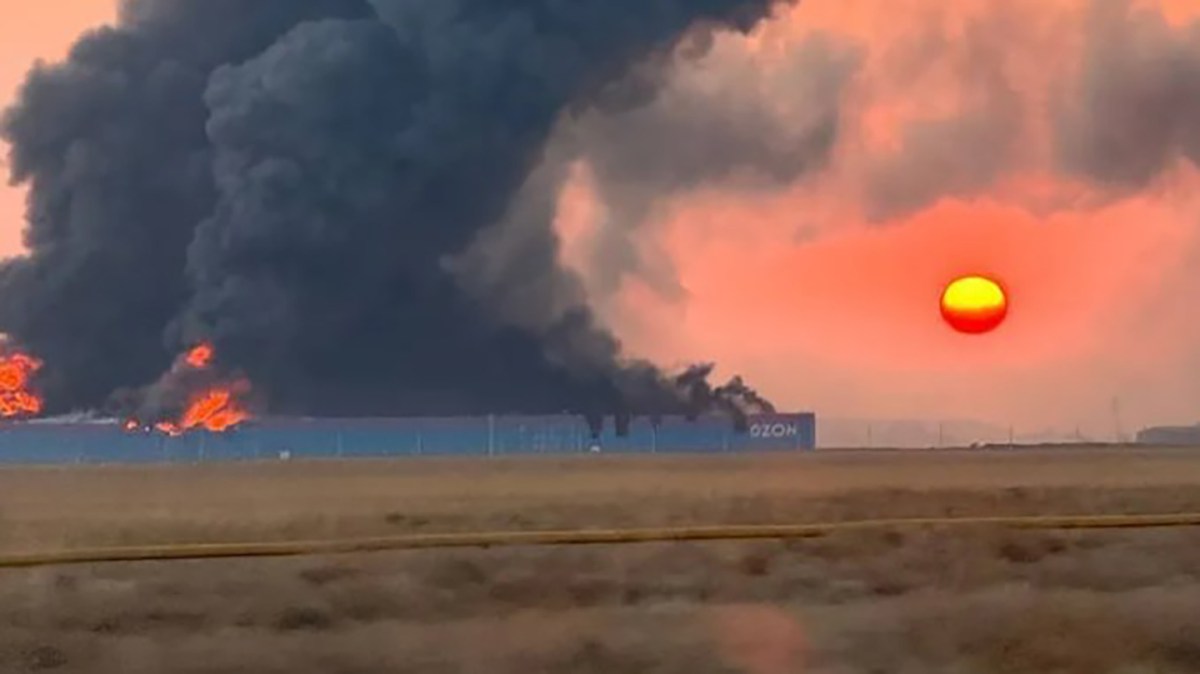
Putin Authorizes Temporary Seizure of Unprotected Commercial Infrastructure Amid Drone Threats
In response to escalating Ukrainian drone attacks, President Vladimir Putin has authorized the temporary seizure of commercial infrastructure deemed critical and inadequately protected. This decree aims to address the vulnerabilities exposed by recent strikes on Russian oil refineries and e-commerce centers, which have intensified economic pressures on the country. The significance of this action lies in the Russian government's acknowledgment of the threat posed by Ukrainian drones, prompting a shift in responsibility for infrastructure protection. The decree indicates that facilities failing to implement necessary repairs or defenses after attacks may be taken over by the state, reflecting a growing urgency to safeguard vital economic assets. Looking ahead, the effectiveness of this decree remains uncertain, particularly given the existing shortages in Russia's air defense systems. The flourishing civilian counter-drone industry may provide some solutions, but the specific requirements for infrastructure protection have yet to be detailed. No further timeline was disclosed at the time of publication.
News & Features Around The Globe Europe Russia Ukraine
Countering Evolving Drone Threats with Layered Tactical Radar Systems
The threat posed by Shahed-136 one-way attack drones highlights the urgent need for advanced counter-drone strategies. As the unmanned aircraft system (UAS) environment evolves, operational users are adapting to new challenges by employing scalable, layered sensing teams capable of detecting and tracking small, fast, and swarming aerial threats. This approach is crucial for effective air defense in complex scenarios, whether on land or at sea. Ray Bischoff, senior director of business development at Leonardo DRS, emphasizes the importance of integrating various sensor systems, particularly tactical radars, into a networked architecture. This layered defense strategy allows for enhanced coverage and response times, which are critical in high-stakes situations like those in the Strait of Hormuz. By utilizing a combination of technologies, including electro-optic and infrared sensors, the defense systems can maintain functionality even if some sensors are compromised. Looking ahead, the focus will remain on refining these layered systems to address emerging drone threats. The integration of diverse sensor technologies will be key to improving decision-making and operational effectiveness. No further timeline was disclosed at the time of publication.
Sponsored Content Counter-Unmanned Aerial Vehicles (C-UAS) Land
Terra Drone Partners with DEFTECH to Enhance Malaysia's Defense and Develop C-UAS Solutions
On August 31, 2026, Terra Drone Corporation announced a strategic collaboration with DRB-HICOM Defence Technologies (DEFTECH) to bolster defense capabilities in Malaysia. This partnership aims to provide ISR drones for maritime, coastal, and border surveillance, alongside counter-UAS solutions and integrated systems for the Malaysian Armed Forces. The significance of this collaboration lies in Terra Drone's strategic positioning within the ASEAN defense market, following its entry into the defense sector in March 2026. The partnership not only enhances Malaysia's defense infrastructure but also establishes the country as Terra Drone's regional hub, with plans for expansion into Thailand, the Philippines, and Indonesia, supported by Japan's Official Security Assistance program. Additionally, Terra Drone has initiated the development of a counter-unmanned aircraft system targeting civilian critical infrastructure, including oil and gas facilities and airports. This system aims to enhance operational safety and integrate with existing security measures, reflecting the growing need for advanced drone defense solutions in light of recent incidents in Europe. No further timeline was disclosed at the time of publication.
Drone News Drone News Feeds News aerospace news 2026 airport C-UAS ASEAN defense market
NATO's Phoenix Drone Enhances Allied Warships' Threat Detection Capabilities
NATO has introduced the Phoenix drone, its only self-owned drone, to assist allied warships in detecting threats beyond their radar capabilities. This advancement is significant as it enhances situational awareness for naval forces, allowing them to respond more effectively to potential threats in their operational environment. The introduction of the Phoenix drone is crucial for NATO's defense strategy, as it represents a step forward in integrating advanced technology into military operations. By providing enhanced surveillance capabilities, the drone helps allied forces maintain a strategic advantage in maritime security and defense. Looking ahead, the continued development and deployment of the Phoenix drone will be important for NATO's operational readiness. As military technology evolves, the effectiveness of such systems in real-world scenarios will be closely monitored to assess their impact on naval operations and overall defense strategies.
Military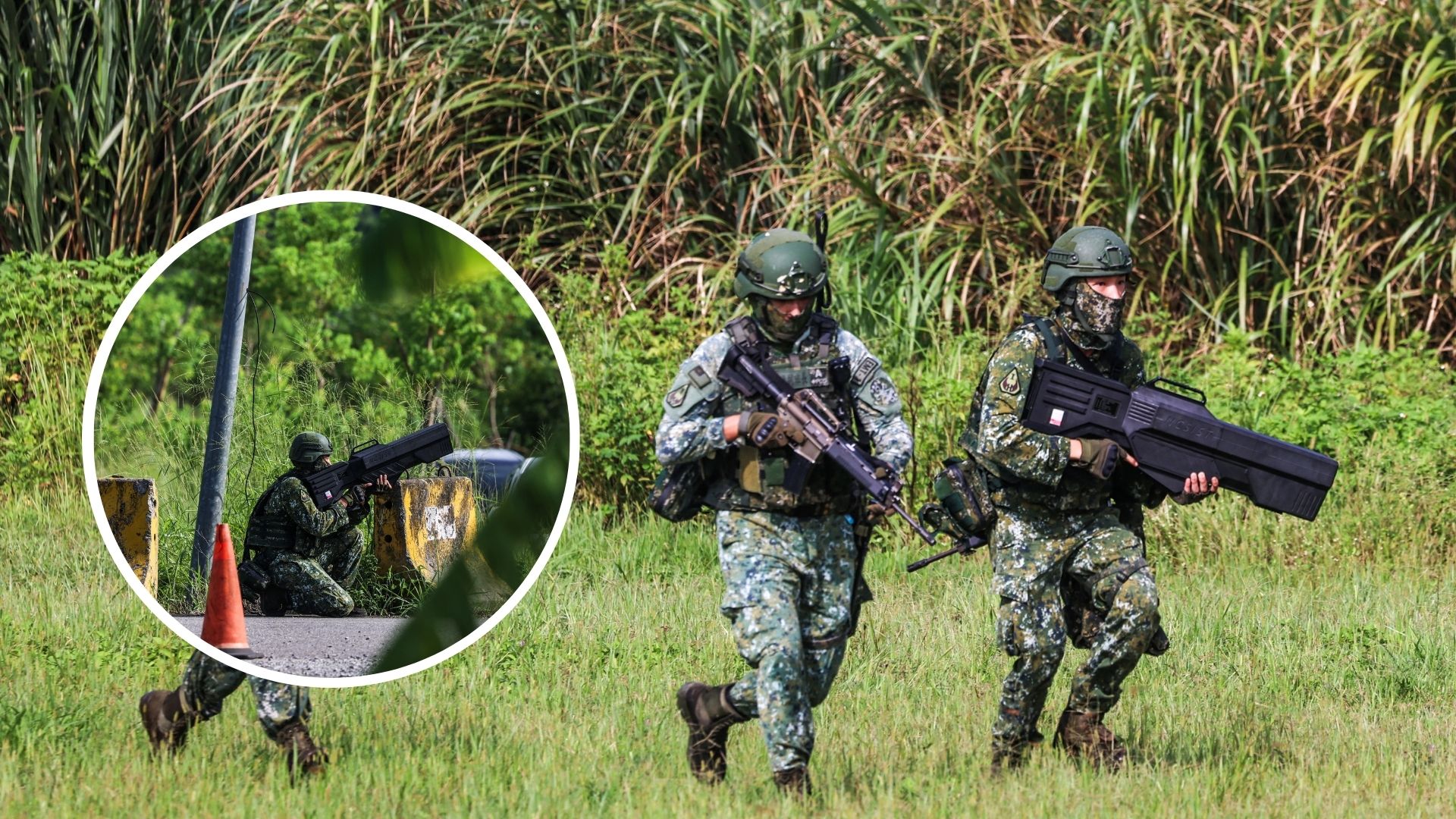
Taiwan's Counter-Drone Network Faces Challenges Amid Testing Failures and Evolving Threats
Taiwan's counter-drone network is under scrutiny following an audit revealing technical deficiencies in a $111 million defense program. The system, designed to safeguard military facilities, struggles to detect and jam frequencies utilized by advanced Chinese drones, highlighting vulnerabilities in Taiwan's defense strategy. The findings coincide with the termination of a procurement for 26 fixed-site systems due to repeated testing failures, raising concerns about Taiwan's ability to adapt to rapidly evolving drone technology. The significance of these issues extends beyond Taiwan, as they reflect a global challenge for military forces adapting to the fast-paced advancements in drone capabilities. Analysts emphasize the need for a layered defense approach that integrates electronic warfare, radar, and lower-cost interceptors, rather than relying solely on expensive missile systems. Taiwan's defense ministry acknowledges the need for upgrades to address the identified gaps, but questions remain regarding the speed of these developments. Looking ahead, Taiwan's defense officials are working on enhancements to counter emerging threats, including fiber-optic and AI-guided drones. However, the effectiveness of these upgrades and the overall adaptability of Taiwan's defense systems will be critical in addressing the evolving landscape of drone warfare. No further timeline was disclosed at the time of publication.
Military
Explosive Drone Incident Near Ukrainian An-124 in Germany Highlights New Security Threats
Recent drone-related incidents at Leipzig/Halle Airport in Germany have raised significant security concerns. An explosive-laden drone was discovered near a Ukrainian An-124 cargo jet, marking the first such finding in Europe far from the Ukrainian border. This incident has prompted a counter-terror investigation and temporary airport closure, underscoring the escalating threat of drone incursions in Europe. The presence of an explosive drone signifies a new level of danger, according to German Interior Minister Armin Schuster. The drone was found in a security area, and its discovery has led to heightened fears regarding the safety of parked aircraft. Ukrainian officials have pointed fingers at Russia, suggesting a deliberate escalation in hostilities as the war continues. Looking ahead, the investigation into these incidents is being conducted by multiple law enforcement agencies, including the Central Office for Extremism Saxony. The outcome of this investigation could have implications for security protocols at critical infrastructure sites across Europe, especially as tensions remain high in the region. No further timeline was disclosed at the time of publication.
News & Features Air Around The Globe Drones Europe Germany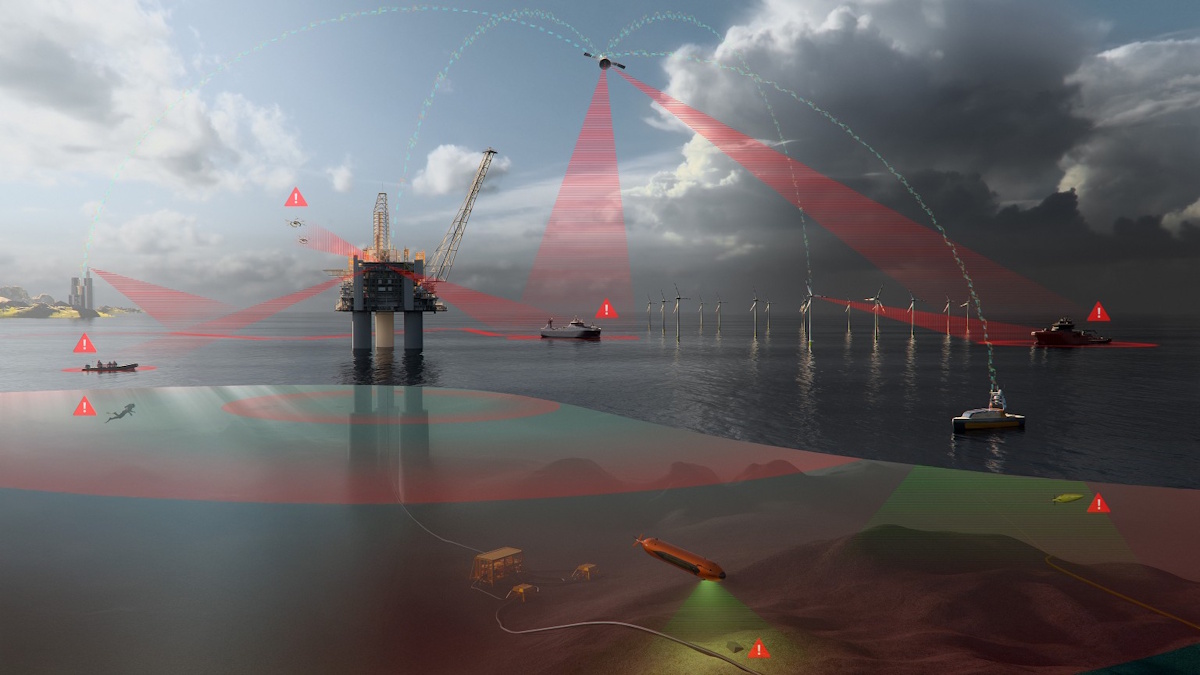
KONGSBERG Wins Contract for Underwater Surveillance of Critical Infrastructure
KONGSBERG has secured a contract to deliver advanced technologies aimed at protecting critical infrastructure, including oil and gas installations and energy grids. The project, which focuses on underwater surveillance, is for an undisclosed international customer and highlights the increasing demand for robust security solutions in a volatile geopolitical environment. The significance of this contract lies in its emphasis on early threat detection and prevention, essential for safeguarding high-value assets. KONGSBERG's technology supports a range of applications, including situational awareness and monitoring, which are crucial for maintaining operational resilience against various threats such as cyber-attacks and natural disasters. Looking ahead, KONGSBERG's ongoing commitment to infrastructure protection will be critical as the market evolves from recognizing needs to implementing effective solutions. No further timeline was disclosed at the time of publication, but the contract underscores the company's capability to address the growing demand for security in critical sectors.
kongsberg contract critical infrastructure protection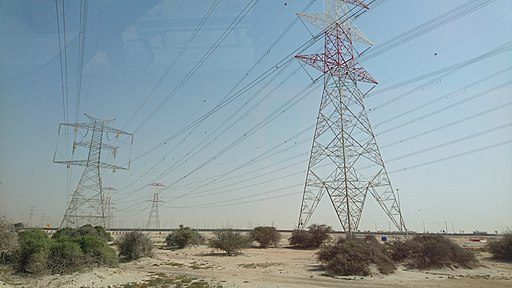
New Senate Bill Targets Drone Threats to Critical Infrastructure
A new Senate bill introduced by Arkansas Senator Tom Cotton seeks to enhance the authority of critical infrastructure operators to combat unauthorized drone activity. As concerns over drone threats grow, particularly in anticipation of significant events, the legislation outlines provisions for increased authority, necessary training, and funding to better equip operators. This initiative reflects lawmakers' recognition of the rising risks posed by drones to essential facilities and aims to bolster security measures in response to these emerging challenges.
Anti-drone technology C-UAS Drone News Drone News Feeds drone security News
China's PLA Develops New Strategies for Tank Protection Against Drone Threats
The ongoing conflict in Ukraine has revealed vulnerabilities in modern armored vehicles, particularly to first-person view (FPV) drones. In response, China's People's Liberation Army (PLA) is enhancing tank protection to counteract these aerial threats. Recent tests showcased the GL-6 active protection system (APS), which can neutralize high-angle attacks from drones and other munitions. This development is crucial as it reflects a shift in military strategy, emphasizing a layered defense approach. The PLA is integrating reconnaissance drones, electronic warfare, and counter-drone technologies to create a networked combat system. Studies indicate that effective defense against UAV swarms requires a combination of warning systems, electronic countermeasures, and kinetic defenses, highlighting the need for a comprehensive solution to enhance armored survivability. Looking ahead, the PLA faces the challenge of rapidly implementing these protective measures. Recent training has focused on tactics to minimize exposure to drone attacks, such as using camouflage and terrain for concealment. As military adaptations evolve, the effectiveness of these strategies will be critical in determining the resilience of PLA armored units against increasingly sophisticated aerial threats.
Air Warfare Land Warfare Opinion Air Force armor Army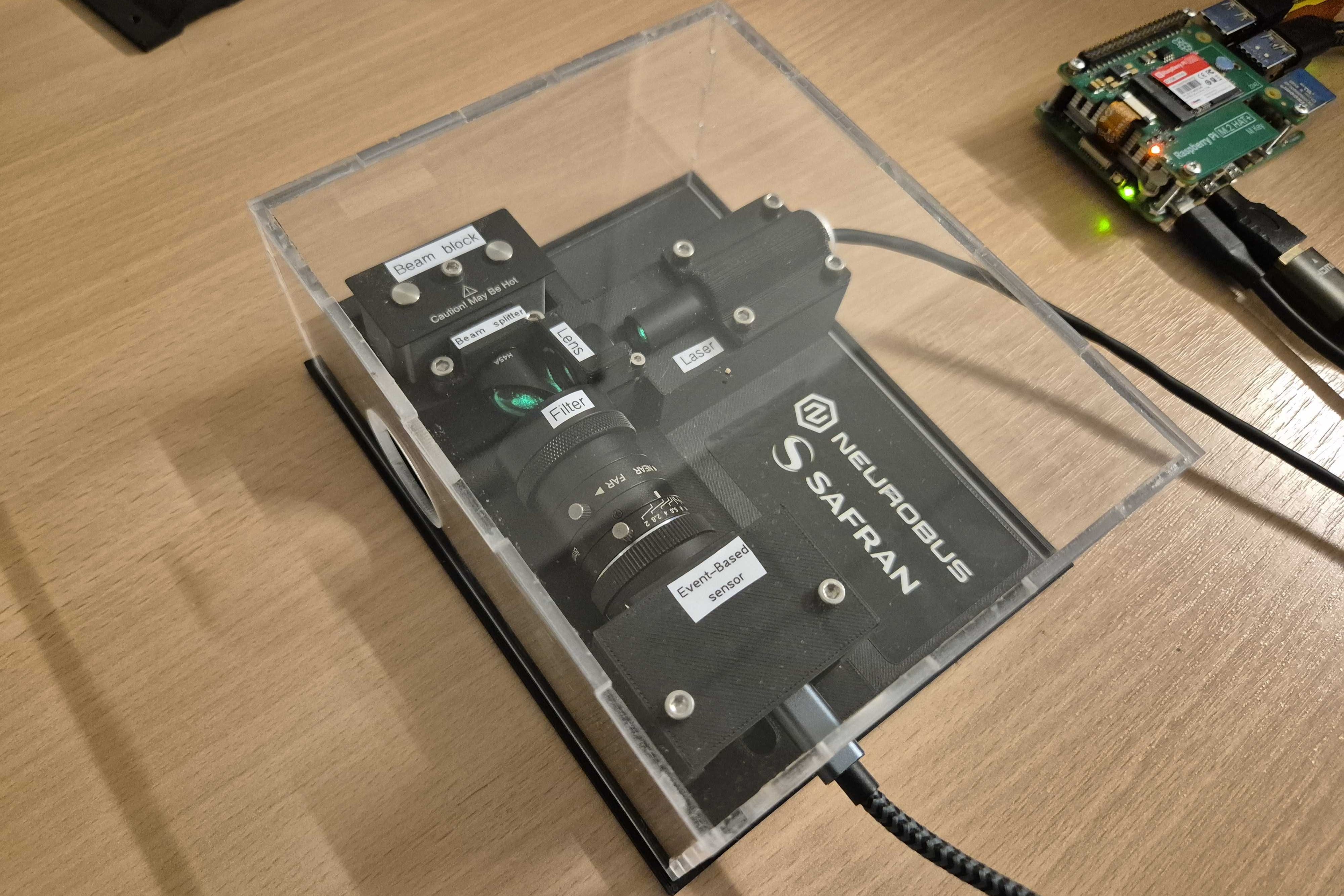
Safran and Neurobus Develop Neuromorphic Camera for Enhanced Drone Threat Detection
Safran has partnered with the startup Neurobus to develop a neuromorphic camera that enhances drone detection capabilities. This innovative technology not only identifies enemy drones but also determines their direction of movement, providing critical information for threat assessment. The collaboration between Safran and Neurobus is significant as it represents a shift in drone detection technology. By focusing on the movement patterns of drones, this approach allows for a more comprehensive understanding of potential threats, which is essential for defense and security applications. Looking ahead, the implications of this technology could reshape how military and security forces respond to drone threats. No further timeline was disclosed at the time of publication.
Défense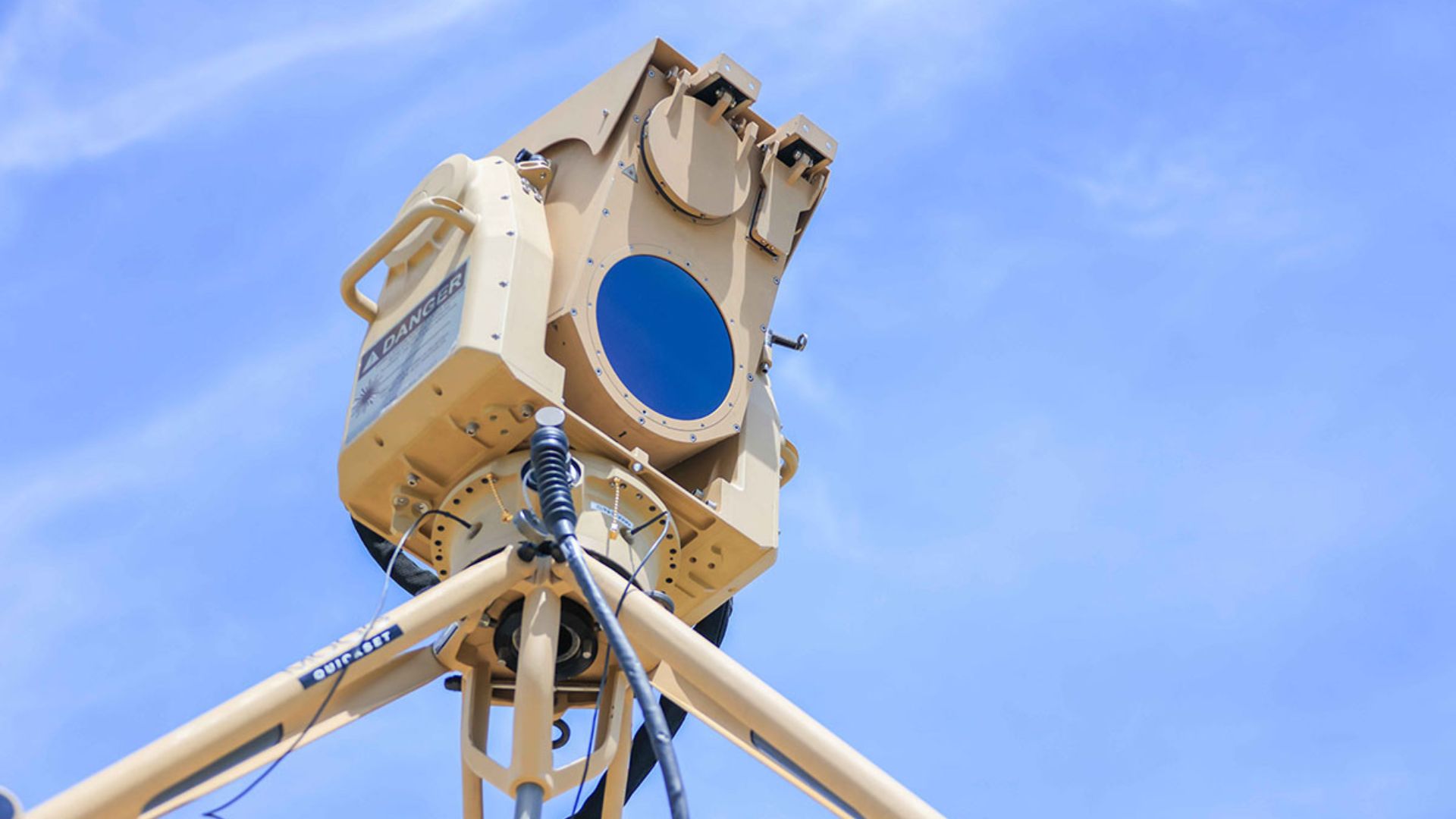
AEye and AB Swiftstrike AI Collaborate on Long-Range Lidar for Drone Detection
AEye and AB Swiftstrike AI are partnering to integrate AEye's STRATOS lidar into Swiftstrike's autonomous counter-drone systems. This collaboration aims to enhance the detection of small aerial threats that operate without conventional radio signals, extending the detection range to nearly one mile. The integration of STRATOS, which boasts more than double the resolution of AEye's Apollo lidar, is significant for identifying small drones. Higher resolution allows for better differentiation between actual aerial targets and surrounding objects, providing precise information on their position and movement. As drone technology evolves, electronic detection becomes increasingly challenging. The STRATOS sensor's ability to actively measure objects using laser pulses offers a viable solution, even when drones do not emit electronic signatures. No further timeline was disclosed at the time of publication.
Military
FCC's Proposed Drone Regulations Threaten U.S. Drone Light Show Industry
The Federal Communications Commission (FCC) is considering regulations that could impact the U.S. drone light show industry, particularly affecting Skyworx Drone Shows. The proposed definition of 'military-grade' unmanned aircraft may inadvertently include specialized drones used for aerial entertainment, despite their distinct differences from military drones. Skyworx, a major operator producing hundreds of shows annually, has urged the FCC to exclude its purpose-built drones from these restrictions. The company emphasizes that its drones, which weigh no more than 3 pounds, are designed solely for choreographed light displays and lack military capabilities such as autonomy or weaponry. As the FCC's proposal aims to limit the importation and marketing of certain foreign-made drones, the drone light show industry is concerned about the implications for their operations. Skyworx highlights the importance of regulatory clarity to ensure the continued viability of drone light shows in the U.S. No further timeline was disclosed at the time of publication.
News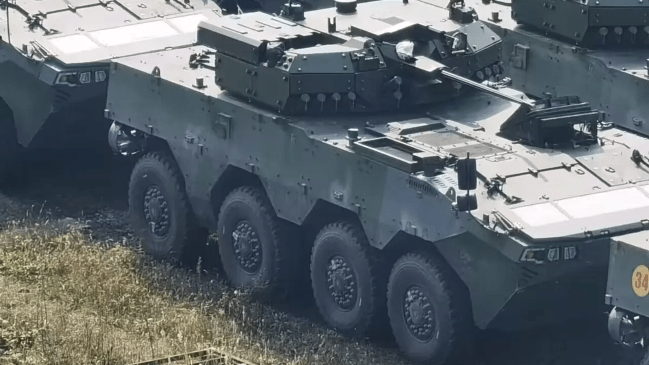
China Develops Type 19 Vehicle as Mobile Laser Defense Against Drone Threats
China is reportedly developing a new variant of its Type 19 amphibious 8×8 combat vehicle, equipped with a turret-mounted laser weapon and additional sensors. This modification aims to enhance protection for frontline troops against the increasing use of drones, particularly in potential conflicts involving Taiwan. The significance of this development lies in its potential application during military operations, especially as Taiwan expands its drone capabilities. The modified Type 19 could provide crucial counter-drone protection for PLA forces during amphibious landings, although the impact of the new equipment on the vehicle's performance remains uncertain. Looking ahead, the effectiveness of the Type 19 variant will depend on overcoming engineering challenges related to weight and operational capabilities. As Taiwan enhances its drone warfare strategies, the need for effective counter-drone systems becomes increasingly critical for the PLA, particularly in scenarios involving drone swarms targeting their forces.
Military
SPH Engineering Partners with Measur to Enhance Drone Sensor Accessibility in Canada
SPH Engineering has expanded its partnership with Measur, appointing the Canadian geospatial technology provider as its Master Distributor for specialized drone sensor solutions. This collaboration aims to improve access to advanced drone technologies for Canadian industries such as mining, oil and gas, and environmental monitoring. The partnership is significant as it addresses the challenges of integrating sophisticated sensors into industrial operations, providing local expertise alongside the equipment. Measur will assist customers in selecting sensor configurations, conducting demonstrations, and offering training and technical support, which is crucial for industries where drones are replacing workers in hazardous environments. As industrial drone adoption continues to grow, Canada’s unique geography and extensive resource operations make it an ideal market for these technologies. The partnership will enhance the local support network, enabling industries to leverage drones for tasks traditionally requiring costly ground crews or manned aircraft. No further timeline was disclosed at the time of publication.
News
The Evolving Threat Landscape: Drones Challenge Traditional Facility Security Measures
Securing facilities in the US is increasingly complex due to evolving threats like drones, rendering traditional security measures inadequate. The need for enhanced data to identify potential threats is critical, but it also poses challenges in managing information overload. Jason Rahimitabar from Constellis emphasizes the multi-domain nature of these threats, highlighting the economic imbalance in countering cheap drones with expensive defense systems. The rise of inexpensive drones has made it easier for adversaries to launch overwhelming attacks, as seen in recent incidents involving military installations like Barksdale Air Force Base. This situation underscores the necessity for advanced systems to track and intercept airborne threats, rather than relying solely on physical barriers. The challenge lies in distinguishing between harmless hobbyist drones and potential threats, which complicates security responses and can lead to costly missteps. As the threat landscape continues to evolve, facilities must adapt their security strategies to include counter-UAS measures and improved detection capabilities. The focus should shift from merely building higher fences to implementing comprehensive systems that can effectively identify and respond to aerial threats, ensuring the protection of critical infrastructure and personnel.
Networks & Digital Warfare Sponsored Post AI AI security Air Force Constellis
Drones Transform Military and Infrastructure Protection Strategies
Drones are changing the landscape of military operations and the protection of critical infrastructure. They offer innovative solutions for safeguarding deployed forces and government sites, enhancing security measures significantly. The adoption of drones in these sectors is crucial as they provide a non-traditional approach to countering threats. This shift not only improves operational efficiency but also ensures better protection for citizens and vital assets. Looking ahead, the continued evolution of drone technology will likely lead to further advancements in military and infrastructure security. No further timeline was disclosed at the time of publication.
Features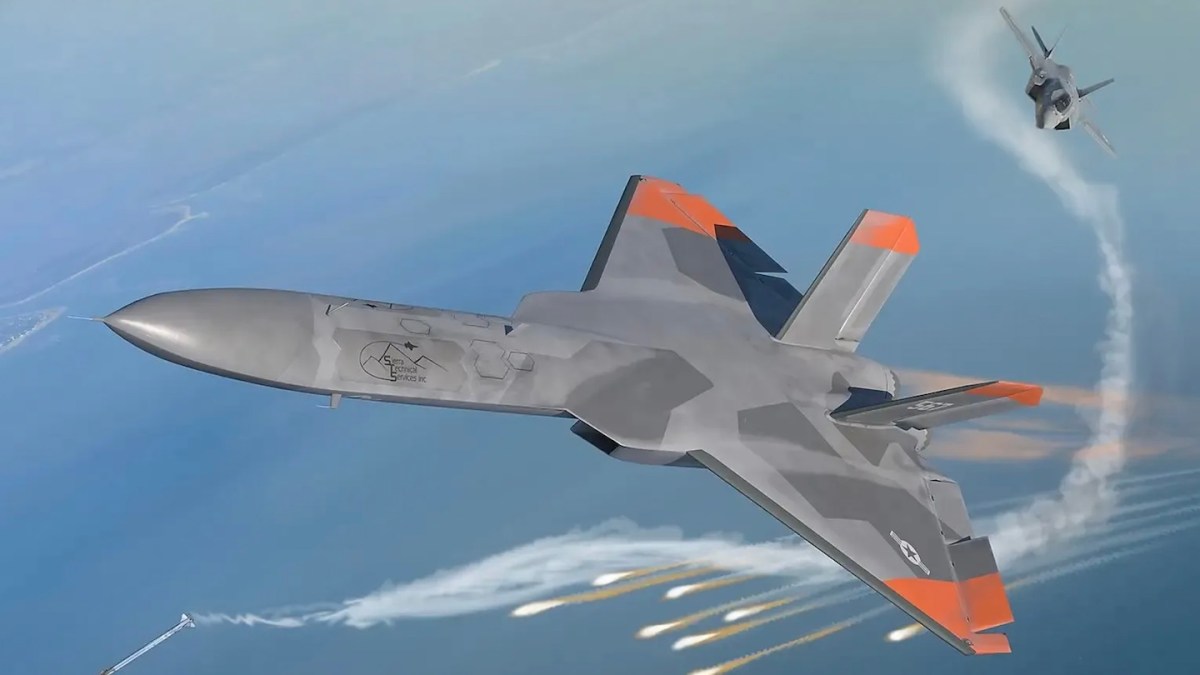
U.S. Air Force Seeks New Family of Expendable Target Drones for Diverse Threat Simulation
The U.S. Air Force is pursuing a new family of aerial targets designed to replicate a wide range of airborne threats, including stealth fighters and UAV swarms. This initiative aims to create realistic yet cost-effective targets that can be routinely used and destroyed during testing, as outlined in a recent Request for Information (RFI). The Air Force's requirements emphasize the need for these targets to be inexpensive and simple to manufacture, allowing them to be treated as expendable. This marks a shift from existing aerial targets like the QF-16, which is based on a converted fighter aircraft. The new targets are expected to leverage commercial technologies and manufacturing methods to enhance scalability and reduce costs. The proposed systems will cater to various threat categories, with specific requirements for advanced fighter aircraft, including supersonic capabilities and advanced radar cross-section profiles. Responses to the RFI are due by September 28, and the Air Force is particularly interested in non-traditional solutions that can offer advantages over legacy systems.
Air Air Forces Drones News & Features U.S. Air Force
Japan to Revise National Security Documents Amid Drone and AI Threats
The Japanese government is set to revise its three main national security documents by the end of 2026. This decision is driven by significant changes in the battlefield landscape, particularly due to advancements in technologies such as drones and artificial intelligence. The revision of these documents is crucial as it reflects Japan's response to emerging threats that have transformed the nature of conflict since the last updates in 2022. The integration of new technologies into military strategy is essential for maintaining national security and adapting to evolving geopolitical dynamics. Looking ahead, the focus will be on how Japan implements these strategic changes and the potential implications for its defense posture in the region. No further timeline was disclosed at the time of publication.
Russia Expands Infrastructure for Long-Range Strike Drones Near Ukraine and NATO
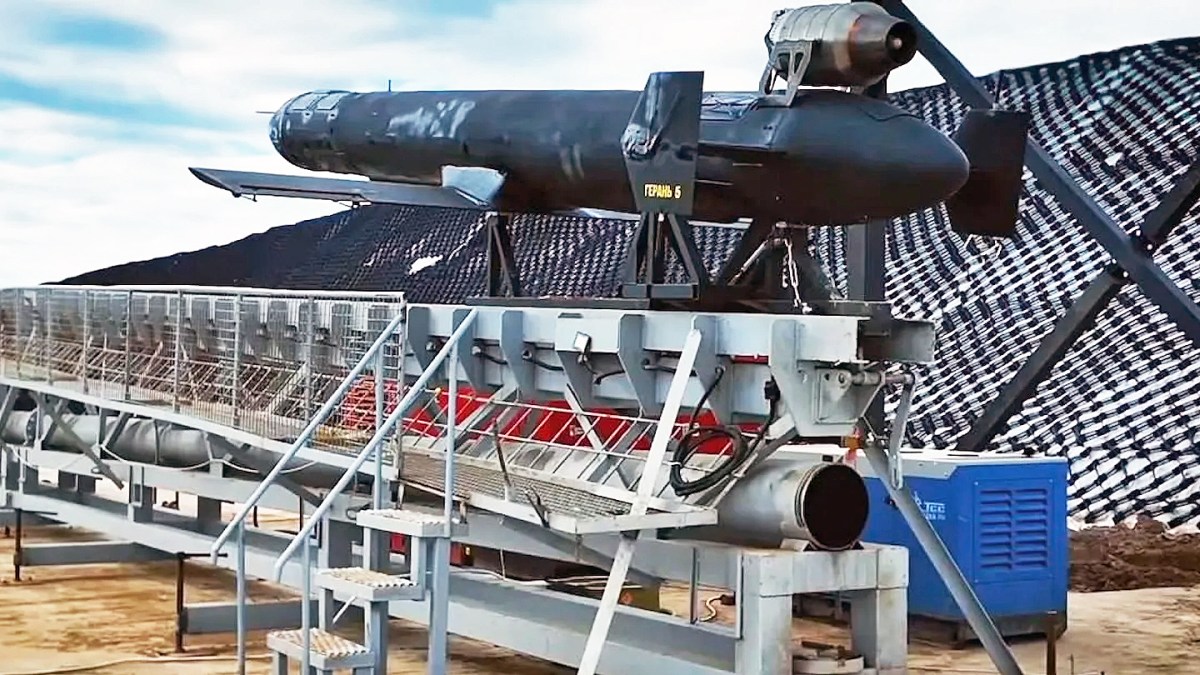
Russia is enhancing its long-range strike drone capabilities by constructing new launch infrastructure, including extended rails for larger Geran variants. This development indicates an increase in Russia's ability to deploy drones from various locations, posing a potential threat to NATO territories. The expansion includes at least 10 bases with 59 launch rails, some already utilized in attacks on Ukraine. The significance of this expansion lies in its implications for regional security, as the new launch sites increase the range of Russian drones, potentially allowing them to target NATO countries. The construction of these facilities, some converted from military bases and civilian airfields, demonstrates Russia's commitment to enhancing its military capabilities amid ongoing tensions in the region. Looking ahead, the focus will be on the operational deployment of these drones and their impact on the conflict in Ukraine and NATO's response. No further timeline was disclosed at the time of publication.
News & Features Around The Globe Drones Europe NATO Russia
Russia Trials PLOT-40 Floating Defense Platform Against Drone Threats to Maritime Bases
Russia is testing the PLOT-40 floating defense platform to safeguard its ports from Ukrainian drone attacks. This platform, resembling a small pillbox, is equipped with an automatic cannon and is a response to the increasing sophistication of unmanned systems in maritime warfare. The significance of the PLOT-40 lies in its potential to enhance the defense of Russian maritime assets, particularly following recent drone attacks on the Black Sea port of Novorossiysk. As Ukraine intensifies its drone operations, the need for innovative defense solutions becomes critical for protecting extensive maritime facilities. Looking ahead, the PLOT-40 represents a shift towards improvised defense mechanisms in counter-drone warfare. Its simple design may allow for cost-effective deployment, but its lack of mobility and armor raises questions about its effectiveness against larger drones. No further timeline was disclosed at the time of publication.
Military
New Drone Detection System Utilizes Sound Instead of Cameras for Threat Identification
A new drone detection system has been developed that relies on audio cues rather than visual inputs to identify potential threats. This innovative approach could enhance security measures in various environments by providing a more discreet and efficient method of surveillance. The significance of this technology lies in its ability to operate effectively without the limitations of traditional camera systems, which can be hindered by visibility issues. By focusing on sound, the system can detect drones in diverse conditions, potentially transforming security protocols in sensitive areas. Looking ahead, the deployment of this drone detection system could lead to broader applications in both military and civilian sectors. As advancements continue, stakeholders will be keen to observe how this technology integrates with existing security frameworks and its effectiveness in real-world scenarios. No further timeline was disclosed at the time of publication.
AI and Robotics
New 5G-Based System Enables Real-Time Drone Tracking Using Existing Infrastructure
The United States is testing an innovative method to detect drones by utilizing its existing 5G networks. Lockheed Martin, along with its partners, showcased this technology near Miami in July, demonstrating how commercial wireless infrastructure can effectively support drone detection in busy environments. The system, named NetSense Airspace Awareness-as-a-Service, analyzes radio-frequency disturbances to identify and track unmanned aircraft. This development is significant as it provides airports, hospitals, power plants, and government facilities with an additional layer of airspace protection. The technology not only helps monitor drone activity around sensitive locations but also leverages existing cellular networks, making large-scale deployment more feasible for infrastructure operators. The collaboration of Verizon, ODC, NVIDIA, and Keysight Technologies highlights the potential of integrating various commercial technologies to enhance drone detection capabilities. Looking ahead, the open architecture of the NetSense system allows for future expansions as new technologies emerge. During the Miami demonstration, the system successfully detected a drone and maintained tracking custody, underscoring its effectiveness as the prevalence of drones in populated areas continues to rise. No further timeline was disclosed at the time of publication.
Innovation
U.S. Air Force Enhances $500M Counter-Drone Shield with New Multi-Sensor Technology
The U.S. Air Force is enhancing its counter-drone capabilities by integrating Teledyne FLIR Defense’s Argus XL platform into AeroVironment’s Titan Multi-Sensor system. This initiative is part of a three-year, $500 million contract under the Domestic Shield Program, aimed at protecting military installations from aerial threats. This expansion is significant as it strengthens the layered counter-unmanned aircraft system (UAS) coverage across domestic sites, addressing the growing concern of small unmanned aircraft that pose risks to sensitive locations. The Argus XL platform enhances detection and tracking capabilities, allowing operators to respond more effectively to potential threats. Looking ahead, the integration of Argus XL is expected to improve operational efficiency and situational awareness for military users. The system's ability to incorporate third-party sensors and adapt to emerging threats will be crucial as drone technology continues to evolve. No further timeline was disclosed at the time of publication.
Military
Sila Secures $300 Million to Enhance U.S. Battery Anode Production for Drones
Sila has successfully raised $300 million in private funding aimed at expanding its silicon-carbon battery anode technology production in the United States. This investment will bolster manufacturing capacity at its Moses Lake, Washington facility, facilitating a Phase 2 expansion and accelerating the production of its Titan Silicon® anode technology. The significance of this funding lies in its potential to strengthen domestic supply chains for advanced battery materials, particularly in light of the current dominance of China in anode material processing and battery cell manufacturing. With battery materials becoming increasingly crucial for technology security, Sila's efforts could mitigate supply chain risks for industries reliant on advanced batteries, including drones, defense systems, and electric vehicles. Looking ahead, Sila's expansion plans include increasing its Moses Lake facility's capacity from an initial 2 GWh to as much as 250 GWh over the next five years, potentially establishing it as the world's largest anode production site. No further timeline was disclosed at the time of publication.
Applications Drone Manufacturing Drone News Drone News Feeds News AI infrastructure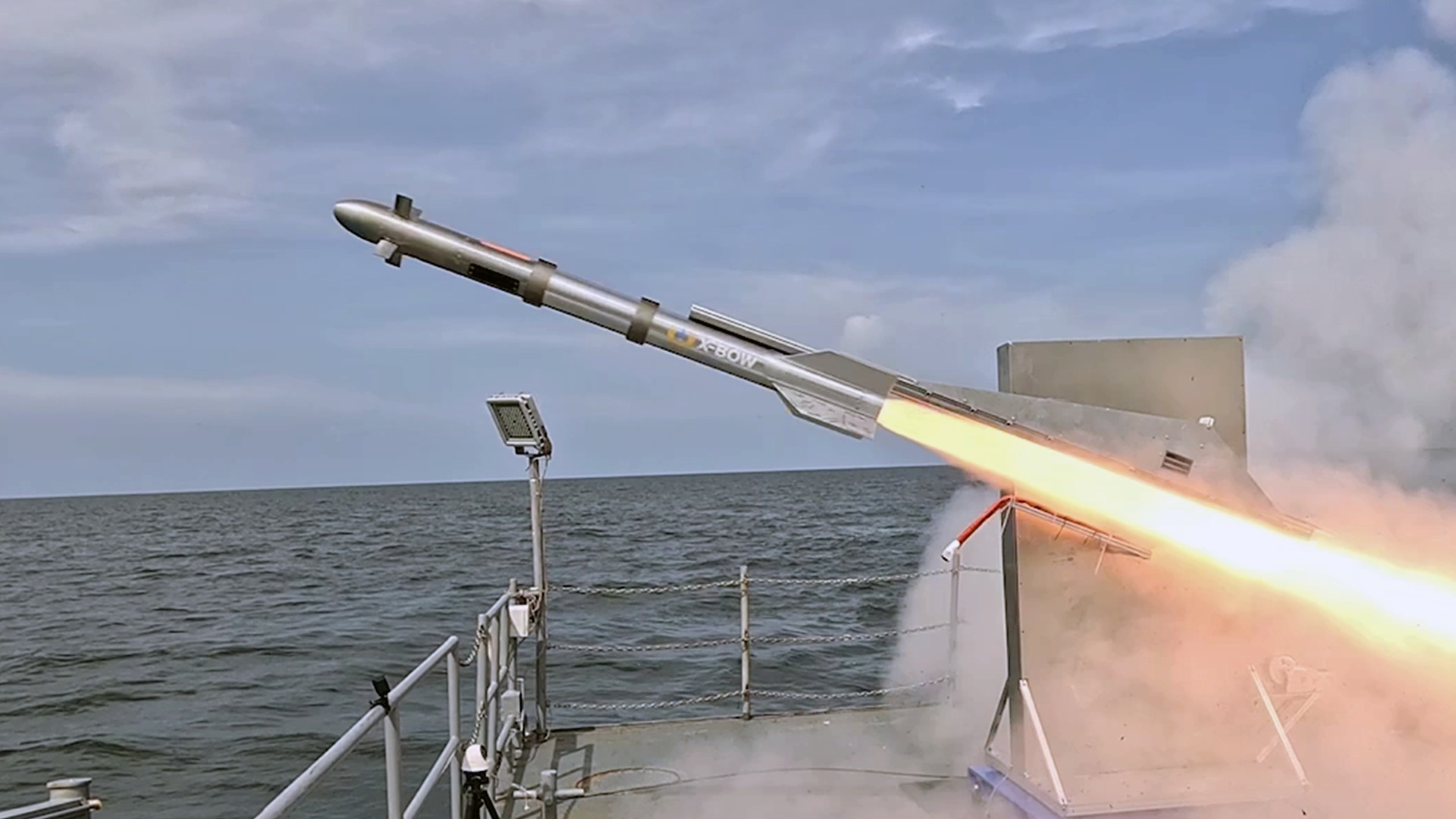
X-Bow Systems Launches Buckler, a Cost-Effective Supersonic Interceptor for Drone Defense
X-Bow Systems, a Texas-based defense company, has unveiled Buckler, a new supersonic interceptor aimed at countering Group 3 drone threats. This system addresses the increasing demand for effective defenses against mass UAV attacks and has successfully completed field testing. The Buckler interceptor is designed to engage Group 3 unmanned aerial vehicles (UAVs), which weigh between 56 and 1,320 lbs and operate below 18,000 feet. Priced under USD 100,000, Buckler combines high-speed performance with a design suitable for large-scale production, making it a cost-effective solution for militaries facing frequent drone assaults. With the successful flight tests validating its propulsion system and overall performance, X-Bow Systems is moving closer to operational deployment of Buckler. The company emphasizes its in-house manufacturing capabilities, which enhance production efficiency and quality control, addressing the industry's reliance on external suppliers for solid rocket motors.
Military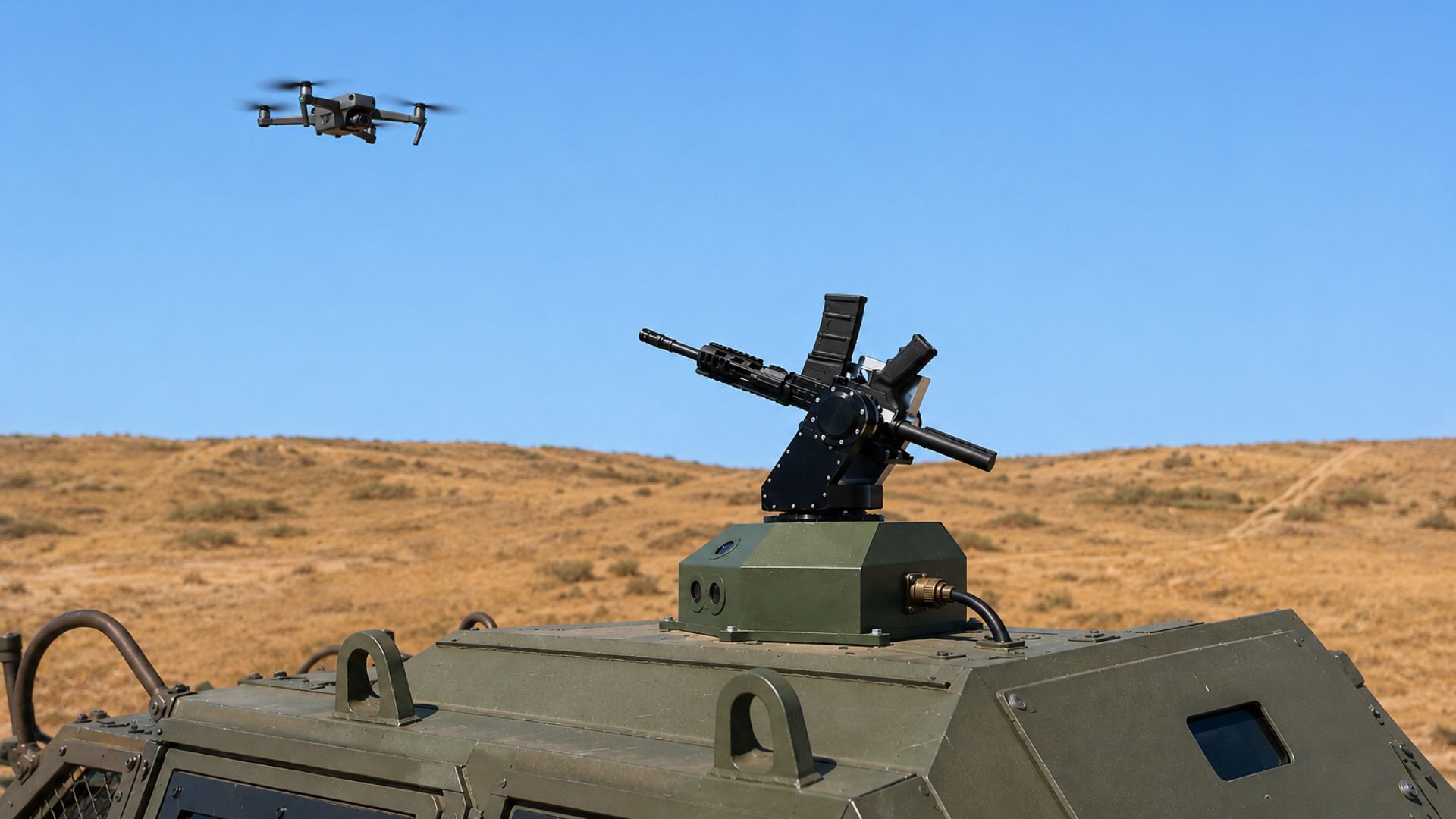
Axon Vision Launches ForceField Counter-Drone System to Combat FPV Drone Threats
Israeli defense technology firm Axon Vision has unveiled ForceField, a counter-drone system designed to neutralize first-person view (FPV) drones, including those controlled via fiber optics. The system's development followed successful live-fire evaluations, demonstrating its capability to detect and engage FPV drone threats in real time, thereby enhancing protection for military forces against evolving battlefield risks. The significance of ForceField lies in its ability to address the growing challenge posed by FPV drones, which are increasingly utilized for precision strikes at low costs. Traditional electronic warfare measures often fail against fiber-optic-controlled drones, making ForceField's passive sensor technology crucial. By employing Edge AI software, the system allows operators to assess threats without relying on external networks, streamlining the engagement process and reducing the need for extensive modifications to existing military platforms. Looking ahead, Axon Vision is actively engaging with military customers and partners to evaluate ForceField's capabilities. The system's modular design offers flexibility for integration with current weapon systems, potentially simplifying deployment across various military fleets. No further timeline was disclosed at the time of publication.
Military
FAA Publishes Proposed Rule for Drone Restrictions Around Critical Infrastructure
The Federal Aviation Administration (FAA) has released a Notice of Proposed Rulemaking (NPRM) aimed at establishing a formal process for restricting drone flights near critical infrastructure facilities. This initiative, which aligns with Section 2209 of the FAA Extension, Safety, and Security Act of 2016, enables designated sensitive sites to apply for flight restrictions. The proposal marks a significant step in enhancing security measures around vital facilities, reflecting growing concerns over drone-related risks. By implementing this rule, the FAA seeks to balance the integration of drone technology with the protection of essential infrastructure. The NPRM is now open for public comment, allowing stakeholders to provide feedback before final regulations are established.
Drone News Drone News Feeds Drones in the News Feature 1 Featured - FAA and Regulations News
IoT SIM Cards Become Critical Infrastructure for Industrial Automation, Robotics, and Drone Operations
As industries such as manufacturing, logistics, energy, and infrastructure embrace digital transformation, a significant shift is occurring with the integration of cellular-connected devices. These advancements are replacing traditional isolated machines with interconnected systems that facilitate continuous communication. This transition enables real-time coordination and remote management, enhancing operational efficiency and responsiveness. The push for modernization is driven by the need for improved productivity and adaptability in an increasingly competitive market. By leveraging advanced technology, companies are positioning themselves to better meet the demands of their sectors and optimize their processes.

US Air Force Conducts Sentinel Dragon 26-02 Exercise to Test Nuclear Missile Readiness
The US Air Force executed a four-day exercise named Sentinel Dragon 26-02 from August 4 to 7, 2026, to evaluate its nuclear missile force's readiness under unexpected conditions. The drill involved a simulated drone threat and the recapture of a missile launch facility, testing the transition from routine operations to high-pressure scenarios without prior notice. This exercise is significant as it emphasizes the necessity for a nuclear deterrent to maintain constant readiness, as highlighted by Maj. Gen. Colin Connor of the 20th Air Force. The lack of traditional preparation time forced operational units to rely on their command-and-control systems and adapt to unforeseen challenges, showcasing their ability to perform under pressure. Looking ahead, the exercise's focus on integrating security forces with air units and managing complex scenarios indicates a shift towards a more cohesive operational approach. The results will likely influence future training and operational strategies, particularly in how the Air Force prepares for potential threats involving unmanned aerial vehicles. No further timeline was disclosed at the time of publication.
Military
UK Defence Innovation Initiates Project PANOPTES to Enhance Integrated C-UAS Capabilities
The UK Defence Innovation (UKDI) has officially launched Project PANOPTES, which focuses on developing integrated counter-unmanned aerial systems (C-UAS) capabilities for enhanced force protection. This initiative is significant as it addresses the growing threat posed by mass drone attacks, ensuring that military forces are better equipped to safeguard their operations and personnel against such risks. Looking ahead, stakeholders will be keen to monitor the progress of Project PANOPTES and its impact on the UK's defense strategies against drone threats. No further timeline was disclosed at the time of publication.
News
Russian Navy Implements Netting for Submarine Protection Against Drone Threats
Recent satellite imagery reveals that the Russian Navy has begun using nets to shield submarines from drone attacks at its strategic base in Kamchatka. This development highlights Russia's growing concerns about drone threats, extending to critical facilities beyond the Ukraine conflict. Additionally, similar protective measures are being observed at a Black Sea base, indicating a broader trend in enhancing naval defenses against uncrewed aerial systems. The use of nets at the Rybachiy base, home to most of Russia's Borei and Borei-A class nuclear ballistic missile submarines, signifies a tactical shift in response to perceived threats. The imagery shows various submarines covered by nets, consistent with countermeasures previously employed in Ukraine against drone attacks. The introduction of floating booms further enhances protection against surface threats, reflecting a comprehensive approach to naval security. Looking ahead, the Russian Navy's adaptations to counter uncrewed aerial systems and surface vessels will likely continue to evolve. The recent imagery from both Kamchatka and Novorossiysk raises questions about the operational readiness of these submarines and the effectiveness of the new defensive measures. No further timeline was disclosed at the time of publication.
News & Features Air Around The Globe Drones Europe Russia
Robo.ai Partners with Eleven International Holdings to Launch Alif Holding for AI Automation
Robo.ai Inc. has announced a partnership with Abu Dhabi-based Eleven International Holdings to establish Alif Holding, an intelligent industrial technology group. This new entity aims to develop advanced software and smart equipment for the government, infrastructure, and industrial sectors across the UAE, GCC region, and global markets. The formation of Alif Holding is significant as it addresses the growing demand for AI-driven solutions in critical infrastructure. According to Benjamin Zhai, CEO of Robo.ai, the initiative is designed to provide complete systems for governments and critical infrastructure operators, reflecting the region's investment in artificial intelligence at a national scale. Looking ahead, Alif Holding will focus on government and public-sector projects, targeting industries such as energy, oil and gas, transportation, and smart cities. The group plans to establish engineering and production capabilities in Abu Dhabi, with Robo.ai maintaining a controlling stake. No further timeline was disclosed at the time of publication.
Process / Digital Transformation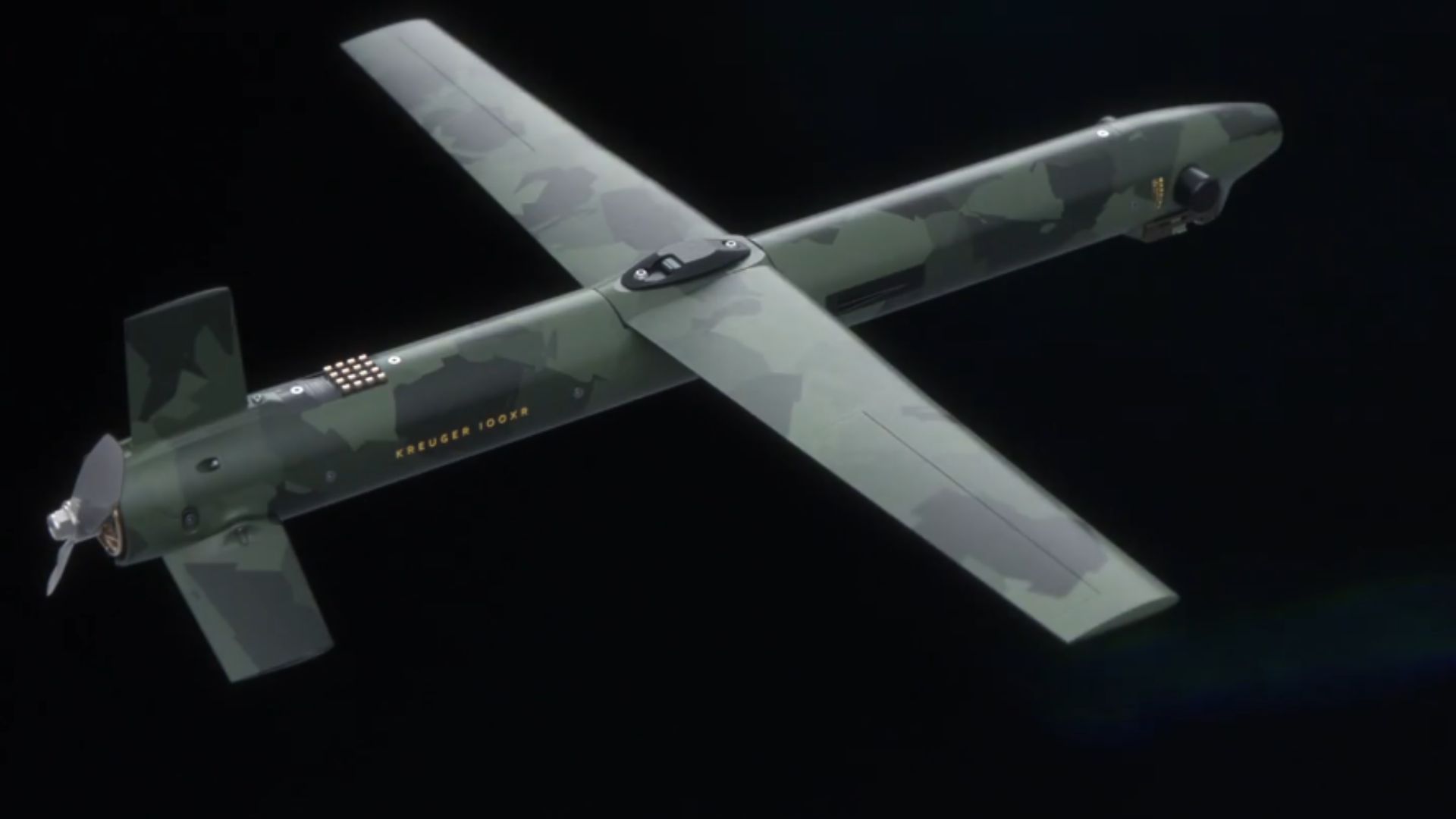
New ‘intelligent’ interceptor drone can chase enemy threats with 219-mph speed
A startup based in Sweden has introduced an innovative interceptor drone designed to enhance defense capabilities. The drone, characterized as 'intelligent,' aims to provide effective solutions for various security challenges. This unveiling took place recently, showcasing the startup's commitment to advancing aerial technology in the defense sector. The development comes in response to increasing global security concerns, highlighting the need for advanced surveillance and interception methods. The drone employs cutting-edge technology to autonomously identify and neutralize potential threats, marking a significant step forward in unmanned aerial systems. This initiative reflects the growing trend of utilizing advanced robotics and artificial intelligence in military applications, positioning the startup as a key player in the evolving landscape of defense technology.
Military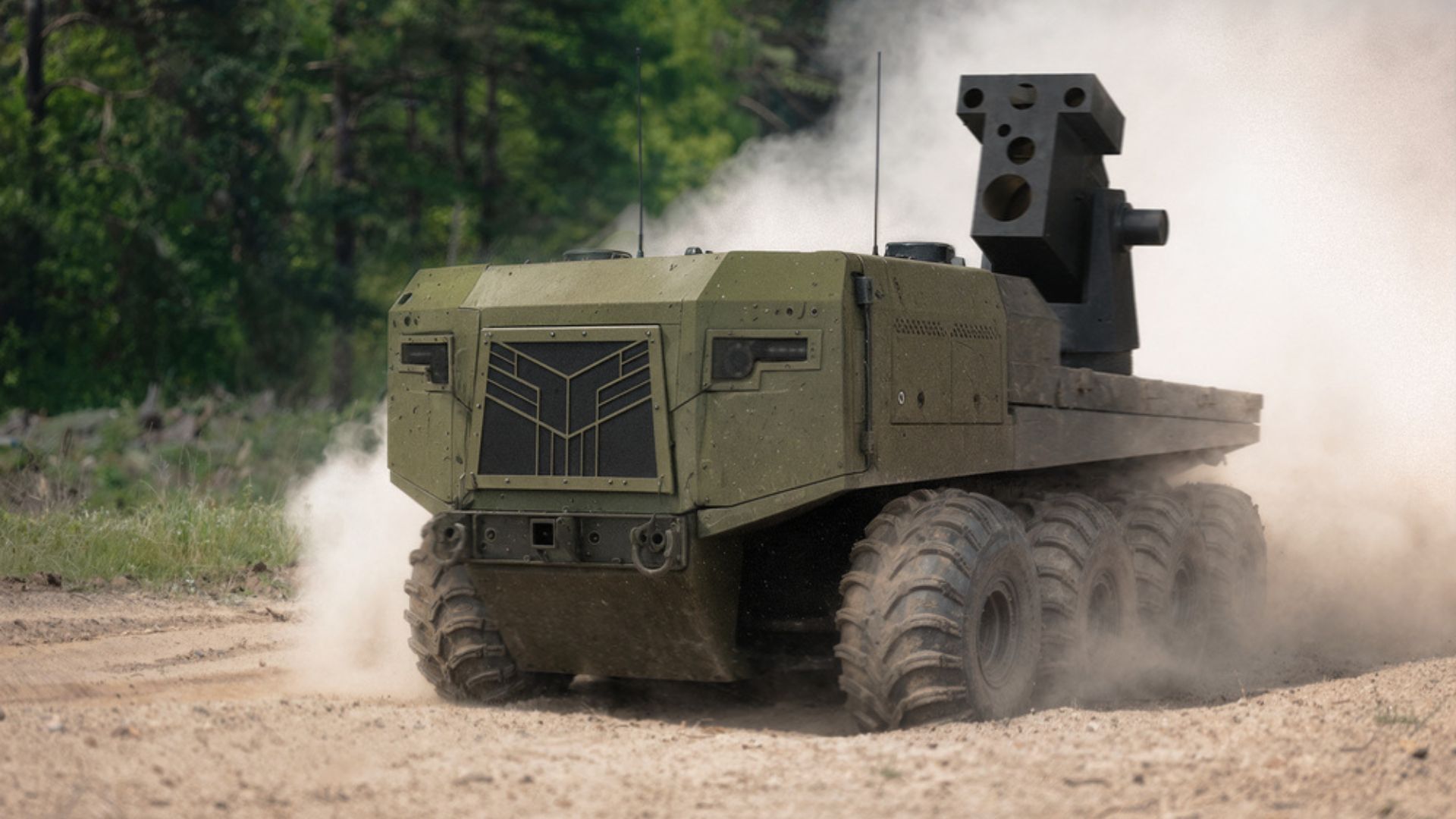
US robotic combat vehicles add directed-energy weapons to defeat multi-drone threats
Aurelius Systems has partnered with American Rheinmetall to integrate a directed-energy counter-drone system onto robotic...
Military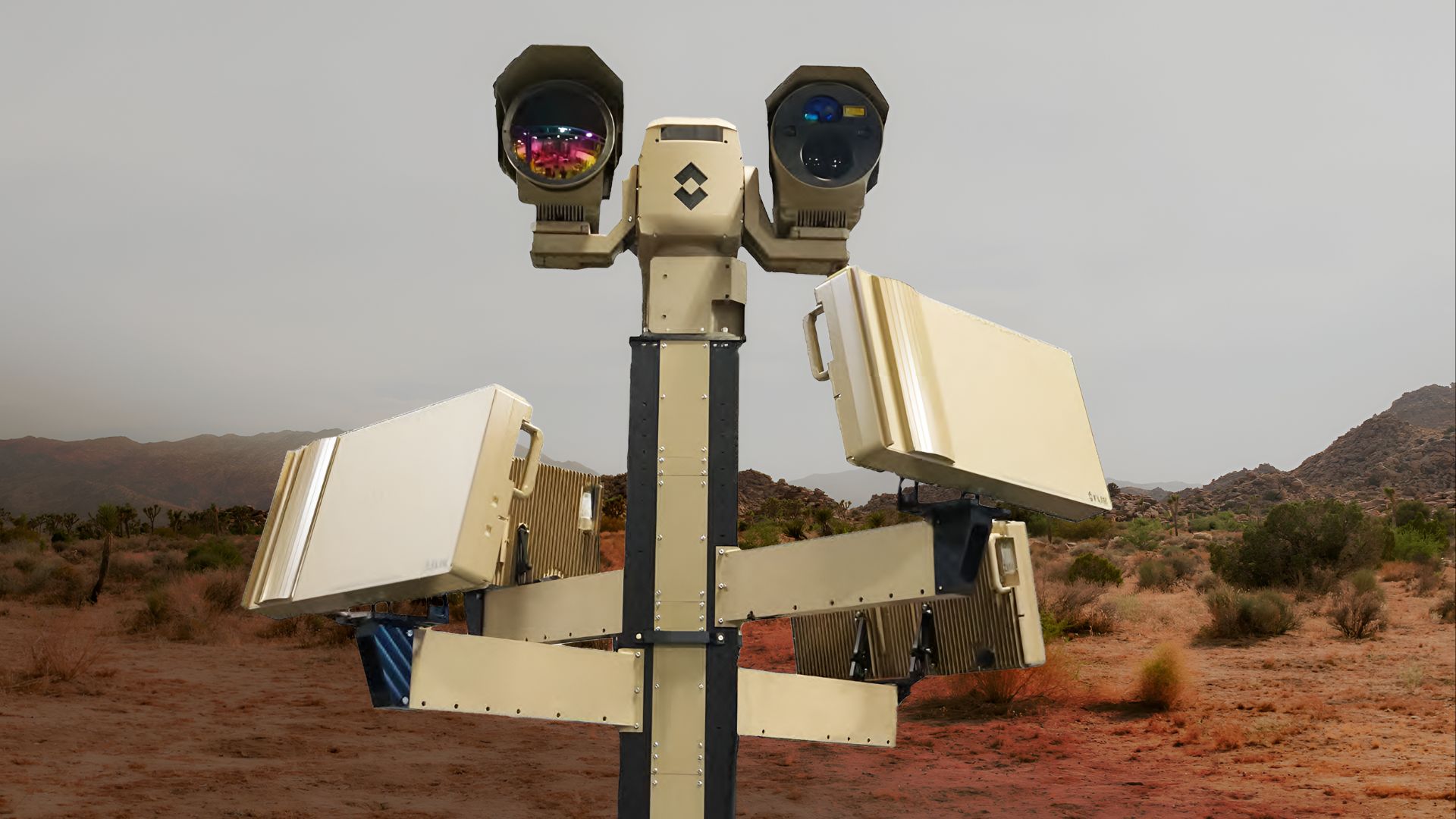
$80.5M US military deal expands Titan-MS system tracking 500+ drone threats at once
The U.S. military has selected the Titan-MS counter-drone system under an $80.5 million award to...
Military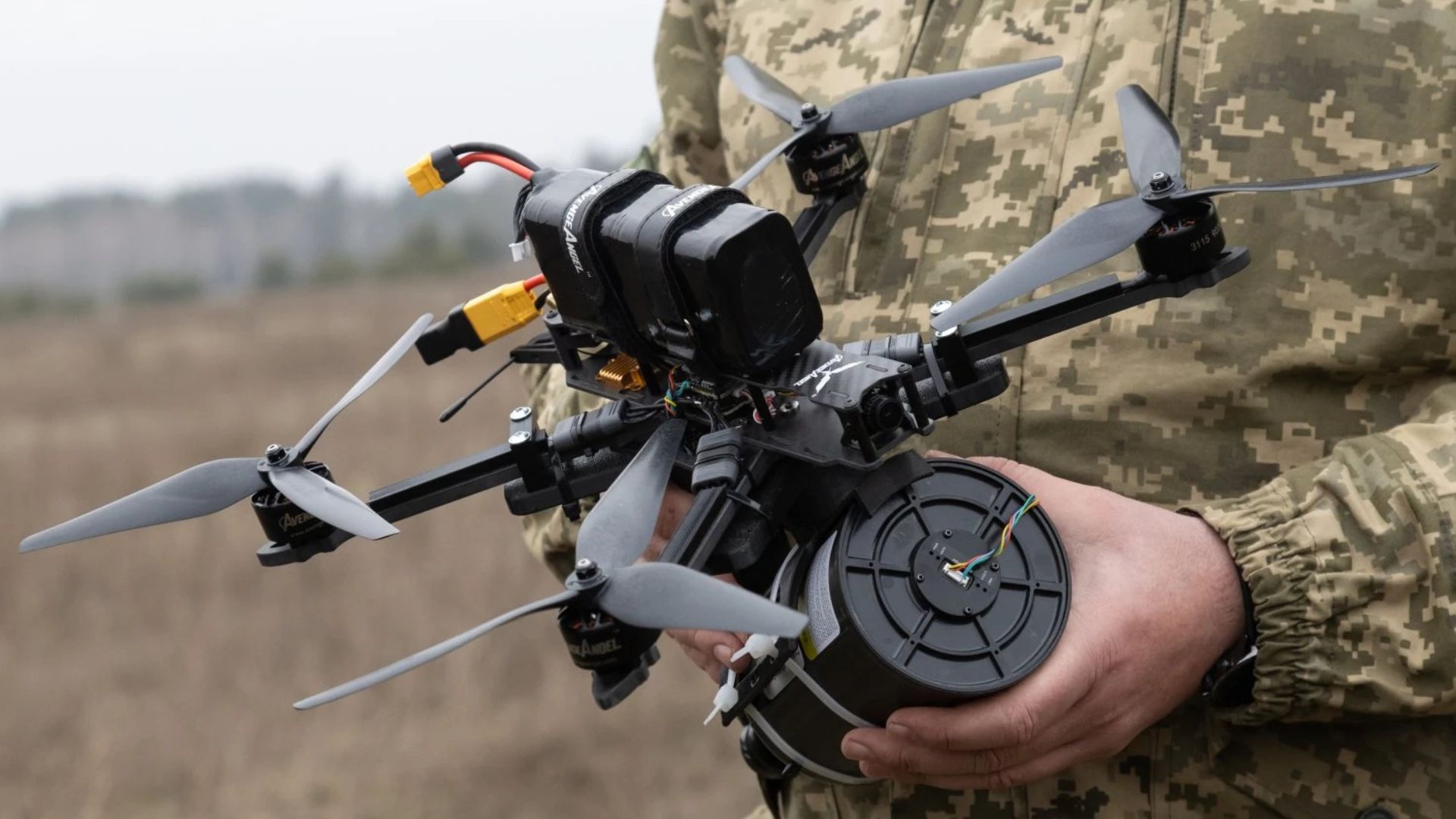
LiDAR expands counter-drone capabilities against fiber-optic-controlled aerial threats
Innoviz Technologies is enhancing its presence in the defense sector by partnering with Regulus, a specialist in counter-drone technology. This collaboration aims to leverage Innoviz's advanced LiDAR solutions to bolster Regulus's capabilities in detecting and neutralizing drone threats. The announcement was made on October 23, 2023, as both companies seek to address the growing concerns surrounding drone-related security challenges. By combining their expertise, Innoviz and Regulus intend to develop innovative solutions that enhance safety and security in various environments, including military and civilian applications. This strategic alliance reflects a broader trend in the defense industry, where companies are increasingly joining forces to tackle emerging threats in an evolving technological landscape.
Military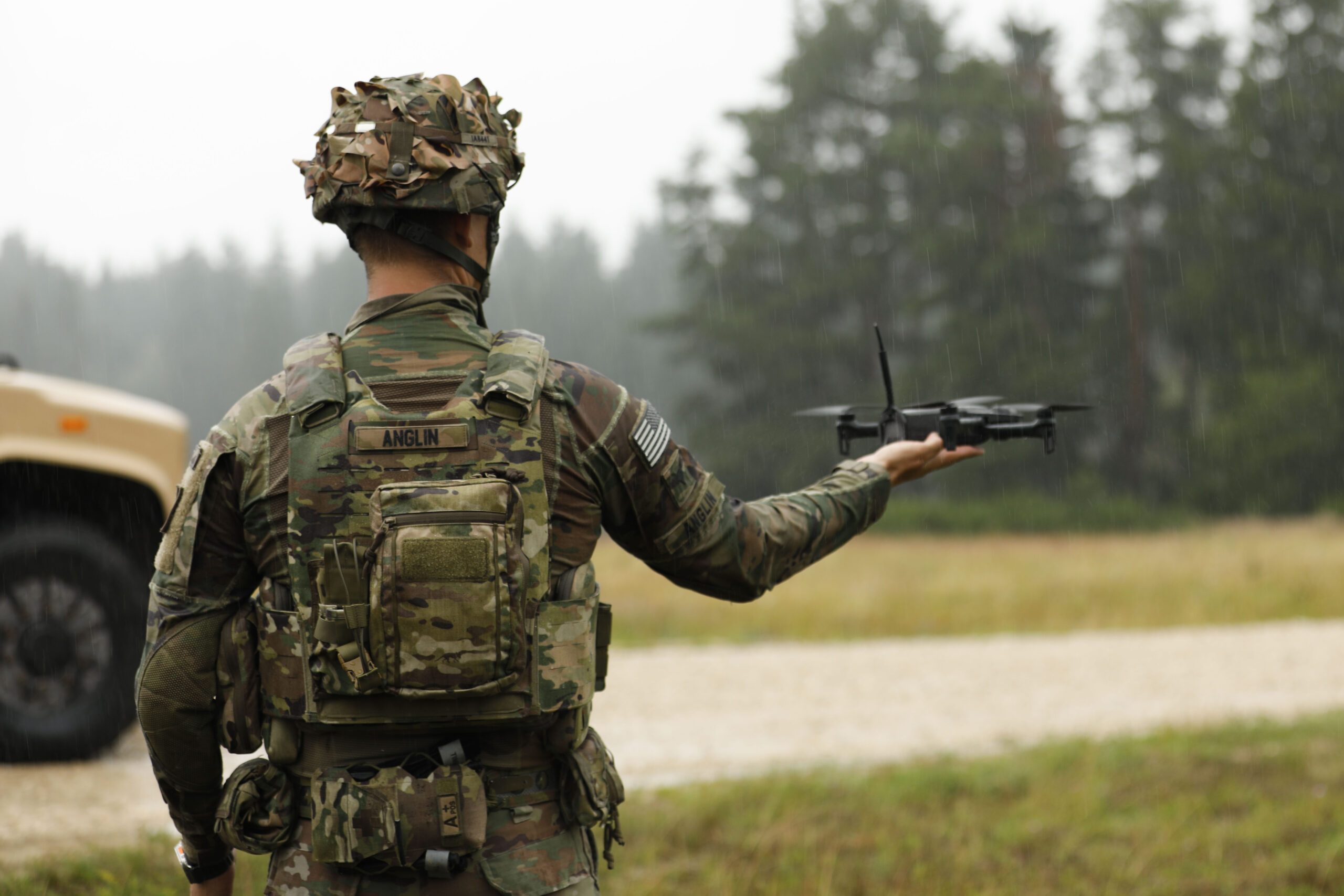
House FY27 NDAA Signals Drones Have Become Core Military Infrastructure
The House Armed Services Committee is shifting its focus regarding military drones, emphasizing the establishment of standards, training, doctrine, and sustainment necessary for integrating unmanned systems into the core infrastructure of the U.S. military. This strategic move comes after years of congressional discussions primarily centered on procurement and supply chain security. The committee's proposal signals a significant transition in how the military views and utilizes drone technology, aiming to make these systems a permanent fixture within its operations. This change reflects a growing recognition of the importance of drones in modern warfare and military strategy.
Applications Defense defense DL Exclusive Drone News Drone News Feeds
ANRA Technologies Surpasses 55,000 Commercial Drone Operations Per Month, Demonstrating Growing Demand for Digital Airspace Infrastructure
A leading drone platform has announced that it now facilitates over 1,800 commercial drone operations beyond visual line of sight each day. This significant milestone encompasses a variety of applications, including delivery services, critical infrastructure monitoring, utility management, and public sector missions. The increase in operational capacity reflects the growing demand for advanced drone technology in various industries, driven by the need for efficient and effective solutions. The platform's capabilities enable businesses and government agencies to leverage drones for tasks that require extended range and precision, ultimately enhancing operational efficiency and safety. The announcement comes as the drone industry continues to evolve, with advancements in technology and regulatory frameworks supporting the expansion of drone usage in everyday operations.

Beyond the Drone: Percepto’s New Platform Brings AI to Infrastructure Inspections
Percepto has unveiled its next-generation inspection software at the InnovateEnergy Week conference, which is currently taking place in The Woodlands, Texas. This new platform aims to enhance the capabilities of energy companies, particularly in the oil, gas, and electric utility sectors, by providing actionable data that is crucial for their operations. The launch reflects the industry's growing need for advanced technology to optimize infrastructure inspections and improve efficiency. By integrating artificial intelligence into their inspection processes, Percepto seeks to revolutionize how companies manage and analyze their energy resources, ultimately supporting their production goals.
Applications Drone News Drone News Feeds Drones in the News Energy infrastructure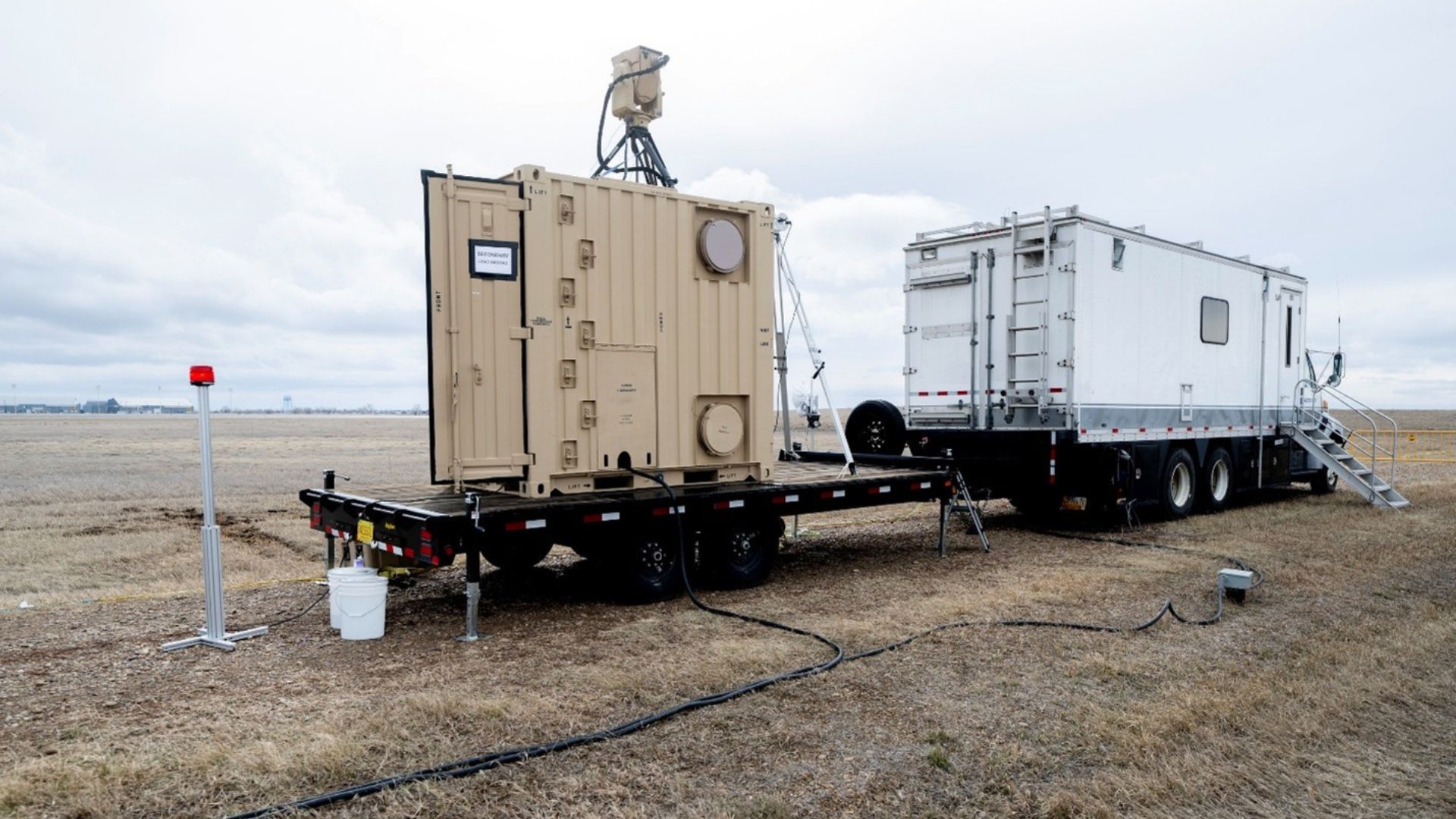
US Navy tests dual-use laser that beams power and counters drone threats in one system
The U.S. Naval Research Laboratory (NRL) has successfully demonstrated a groundbreaking laser system capable of transmitting data at unprecedented speeds. This innovative technology was showcased during a recent test conducted at the laboratory's facilities in Washington, D.C. The demonstration highlights the potential for advanced communication systems that could enhance naval operations and improve data transfer capabilities in various military applications. By utilizing laser technology, the NRL aims to address the growing demand for faster and more secure communication methods in an increasingly digital battlefield. The successful test marks a significant step forward in the development of high-speed data transmission solutions, paving the way for future advancements in military communications.
Military
Alleged Plot On White House UFC Fight Puts Drone Threat In The Spotlight
Authorities have raised concerns about a potential threat to national security following the arrest of several individuals allegedly involved in a complex plot targeting the White House during a UFC fight. While it remains unclear if the suspects had the capability to execute such an intricate attack, the incident highlights the increasing risks associated with drone technology in public events. The arrests, made in the lead-up to the high-profile sporting event, have prompted a thorough investigation into the motivations behind the alleged conspiracy and the methods that could have been employed. As the situation unfolds, security measures are expected to be heightened to ensure the safety of attendees and the integrity of the event.
News & Features Air Americas Around The Globe Drones POTUS
DJI presents FCC with report finding no drone security threats
DJI has escalated its efforts against the Federal Communications Commission (FCC) by presenting a formal cybersecurity assessment to the agency's leadership. This independent evaluation, conducted by experts, concluded that there is no substantial evidence to support the security concerns that have been frequently raised regarding the company’s drones. The move comes as part of DJI's ongoing campaign to challenge the restrictions imposed by the FCC, which the company argues are unfounded and detrimental to its operations. By directly engaging with the FCC, DJI aims to address and dispel the apprehensions surrounding its technology, advocating for a more favorable regulatory environment for drone usage in the United States.
News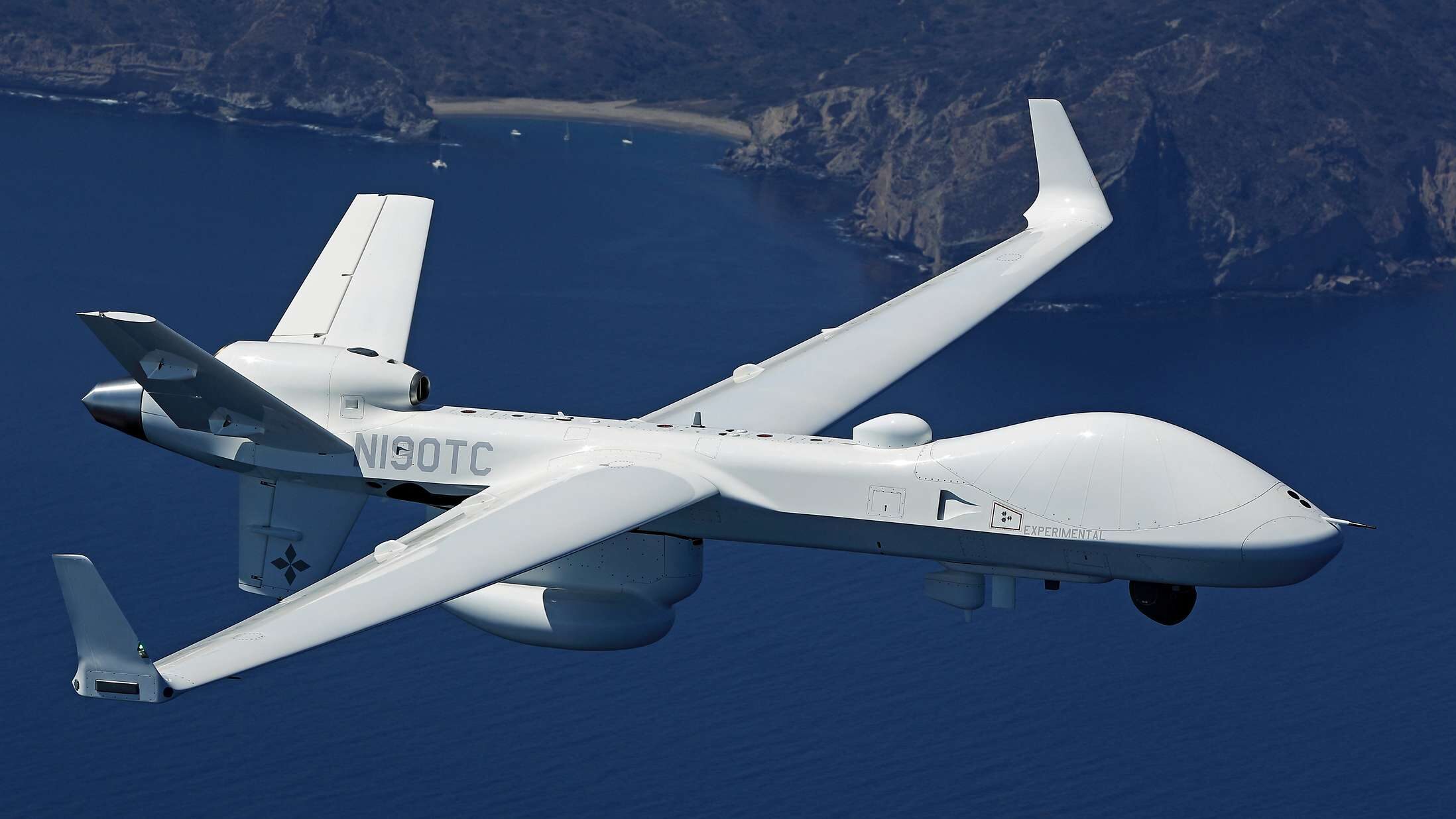
‘The threat is there’: Germany to pair P-8s with MQ-9 drones to keep an eye on Russian subs
The German Naval Aviation Command is set to introduce the MQ-9B, marking the first unmanned system in its operational fleet. Capt. Broder Nielsen, the command's head, emphasized the importance of a gradual integration process, stating that personnel will work closely with the aircraft as they adapt to its capabilities. This initiative reflects Germany's commitment to enhancing its naval aviation capabilities with advanced technology. The timeline for the full operational rollout remains under development, but the focus on a step-by-step approach aims to ensure effective training and operational readiness for the crew.
Global Naval Warfare Boeing Europe General Atomics Aeronautical Systems Germany
US Army orders $11.2-million drone kits to detect battlefield chemical, biological threats
Teledyne Technologies Incorporated has announced that its subsidiary, Teledyne FLIR Defense, has been awarded an $11.2 million contract. This contract, which was secured recently, will enhance the company's capabilities in providing advanced defense and security solutions. The deal underscores Teledyne FLIR Defense's commitment to supporting military and governmental operations with cutting-edge technology. The funding will be utilized to develop and deliver innovative systems that meet the evolving needs of defense agencies. This strategic move reflects the growing demand for sophisticated defense technologies in an increasingly complex global security environment.

Anthropic scales Claude Mythos to critical infrastructure in 15+ countries
Anthropic is broadening its Project Glasswing initiative, a program designed to address security vulnerabilities, by extending access to its Mythos platform to 150 organizations across 15 countries. This expansion focuses on critical infrastructure sectors, including power, water, healthcare, and communications, where potential cyberattacks could impact up to 100 million individuals. The move aims to bolster cybersecurity measures in these vital areas, reflecting the growing concern over the risks posed by cyber threats to essential services and public safety.
AI Security Anthropic Claude Mythos
As Drone as First Responder Programs Scale, Data Management Becomes Mission Critical
A California fire district is facing significant challenges as it expands its public safety drone program, particularly in transforming flight data into actionable intelligence. As agencies increasingly incorporate drones into their operations, the focus has shifted from merely launching aircraft to effectively managing larger fleets and handling increased volumes of data. This evolution necessitates more sophisticated operational strategies to ensure that the drones can be utilized effectively in emergency situations. The growing complexity of these programs underscores the critical importance of data management in enhancing public safety efforts.
Applications Drone News Drone News Feeds Drones in the News Featured – Safety and Security News
Romania deploys F-16s after Russian drone strike on civilian infrastructure
Romania has formally requested the deployment of allied anti-drone capabilities to enhance its national defense and strengthen NATO's eastern flank. This initiative comes amid growing security concerns in the region, particularly in light of recent geopolitical tensions. The request underscores Romania's commitment to bolstering its military readiness and collaborating with NATO allies to address potential threats. The deployment aims to provide advanced technological support to protect Romanian airspace and deter any hostile actions. The move reflects a broader strategy within NATO to reinforce its eastern defenses in response to evolving security dynamics in Europe.
Air Warfare Global Air Force counter drone drone Europe
Experts warn of European vulnerability to drone threat
In recent weeks, European airspace has been disrupted by unauthorized incursions involving rogue Ukrainian loitering munitions and unidentified drones. These incidents have raised significant concerns among European nations regarding air security and the potential for escalating tensions in the region. The motivations behind these incursions appear to be linked to the ongoing conflict in Ukraine, as various factions leverage advanced drone technology in their operations. European governments are now assessing their air defense capabilities and considering measures to enhance surveillance and response protocols to address these threats effectively. The situation remains fluid, with military and intelligence agencies closely monitoring developments to prevent further violations and ensure the safety of air traffic across the continent.
News
Experts warn of European vulnerability to drone threat
Recent weeks have seen Europe facing significant challenges as rogue Ukrainian loitering munitions and unidentified drones have intruded into its airspace. These incursions have raised concerns among European nations regarding their airspace security and the implications for regional stability. The incidents appear to be linked to the ongoing conflict in Ukraine, which has heightened tensions and prompted a reevaluation of defense strategies across the continent. European authorities are currently investigating the origins of these aerial threats and are working to enhance their air defense systems to prevent further violations. The situation underscores the complexities of modern warfare and the risks posed by unmanned aerial systems in conflict zones.
NewsRobotics needs a service framework.
RSF defines a common language for robot service capability, lifecycle operations, certification pathways, and service-provider networks.
Join the RobotToday community on LinkedIn
Daily robotics news, in-depth analysis, conference highlights, and discussions with professionals worldwide.







