

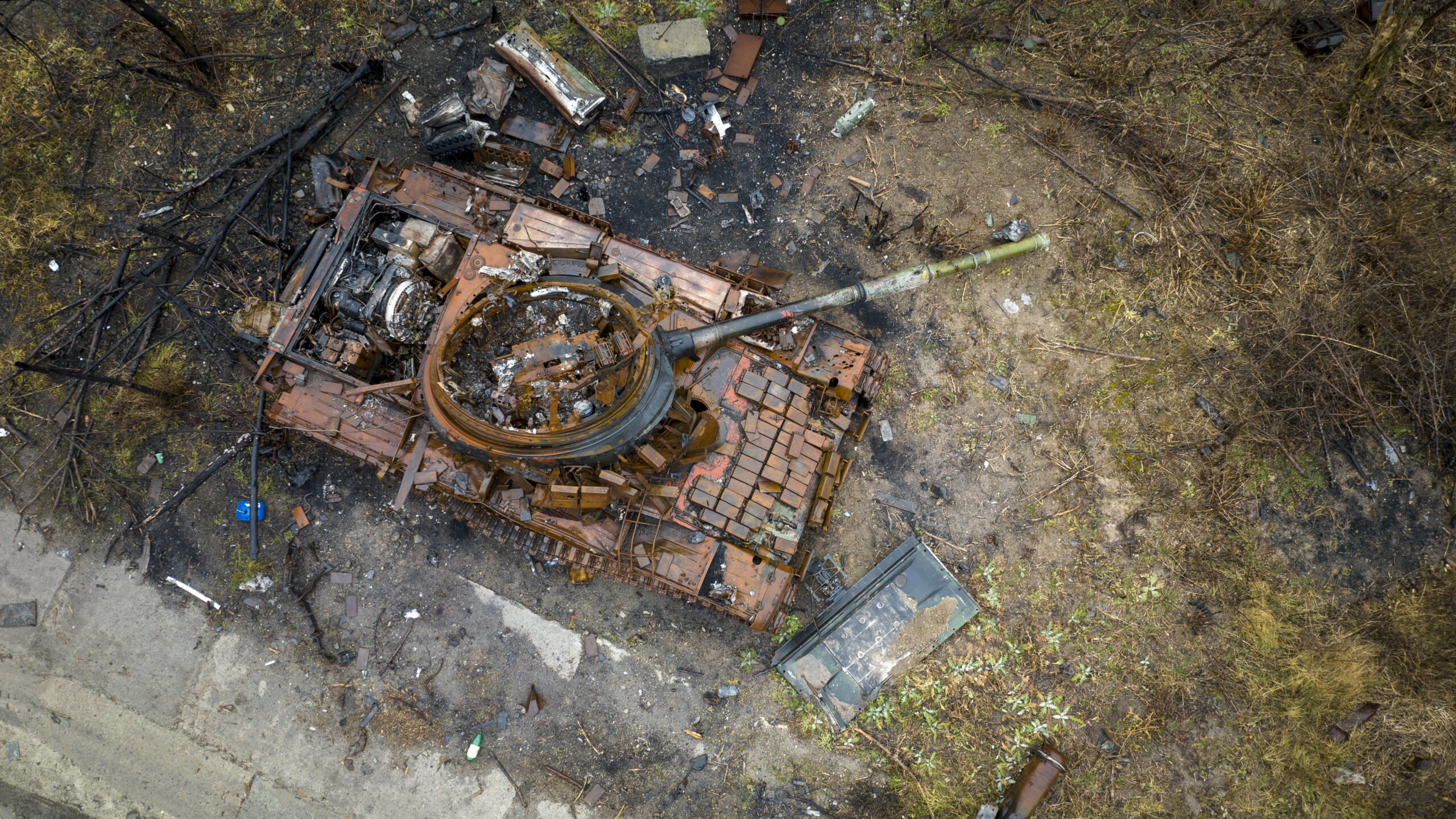
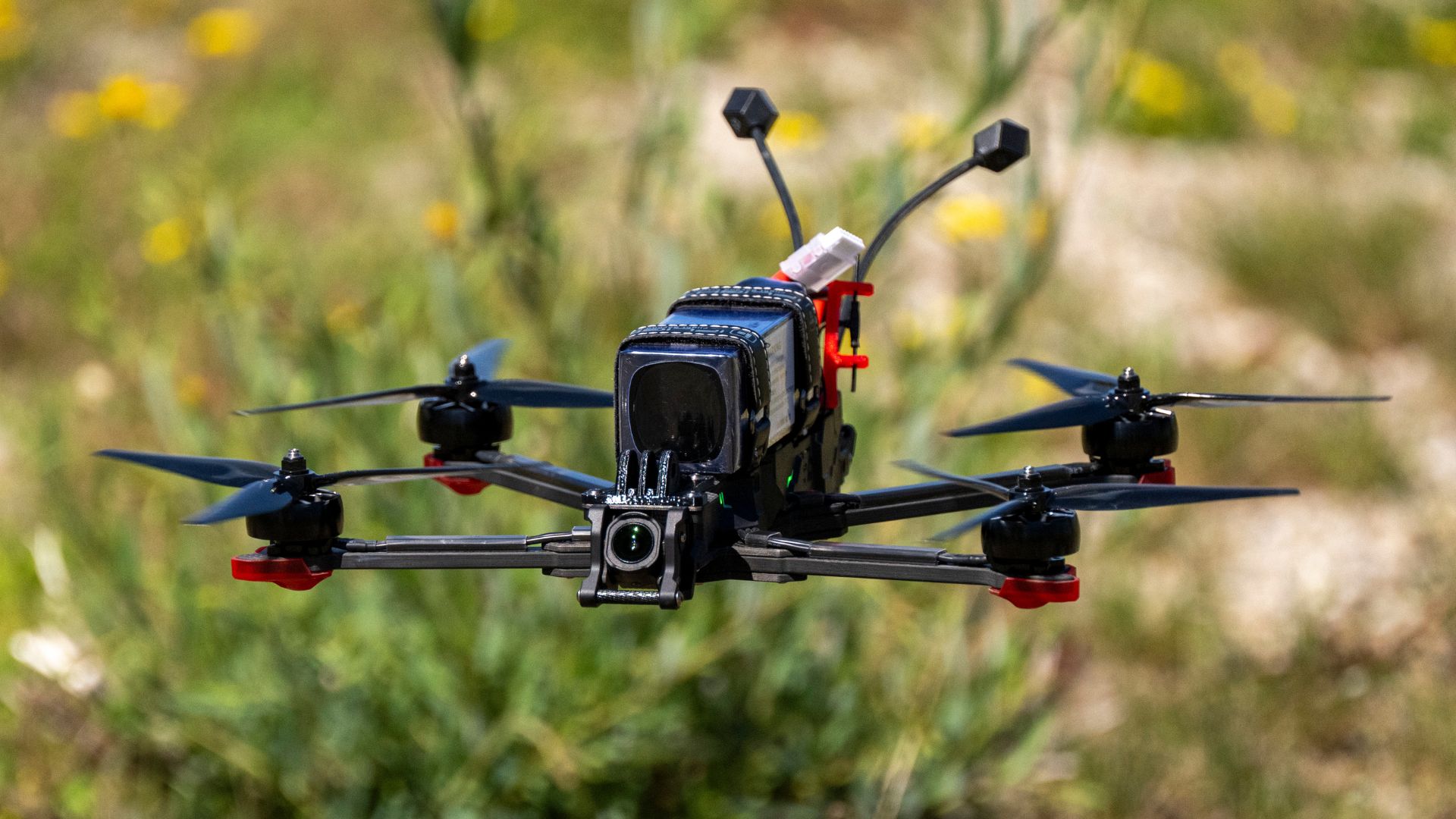
The ongoing conflict in Ukraine has revealed vulnerabilities in modern armored vehicles, particularly to first-person view (FPV) drones. In response, China's People's Liberation Army (PLA) is enhancing tank protection to counteract these aerial threats. Recent tests showcased the GL-6 active protection system (APS), which can neutralize high-angle attacks from drones and other munitions.
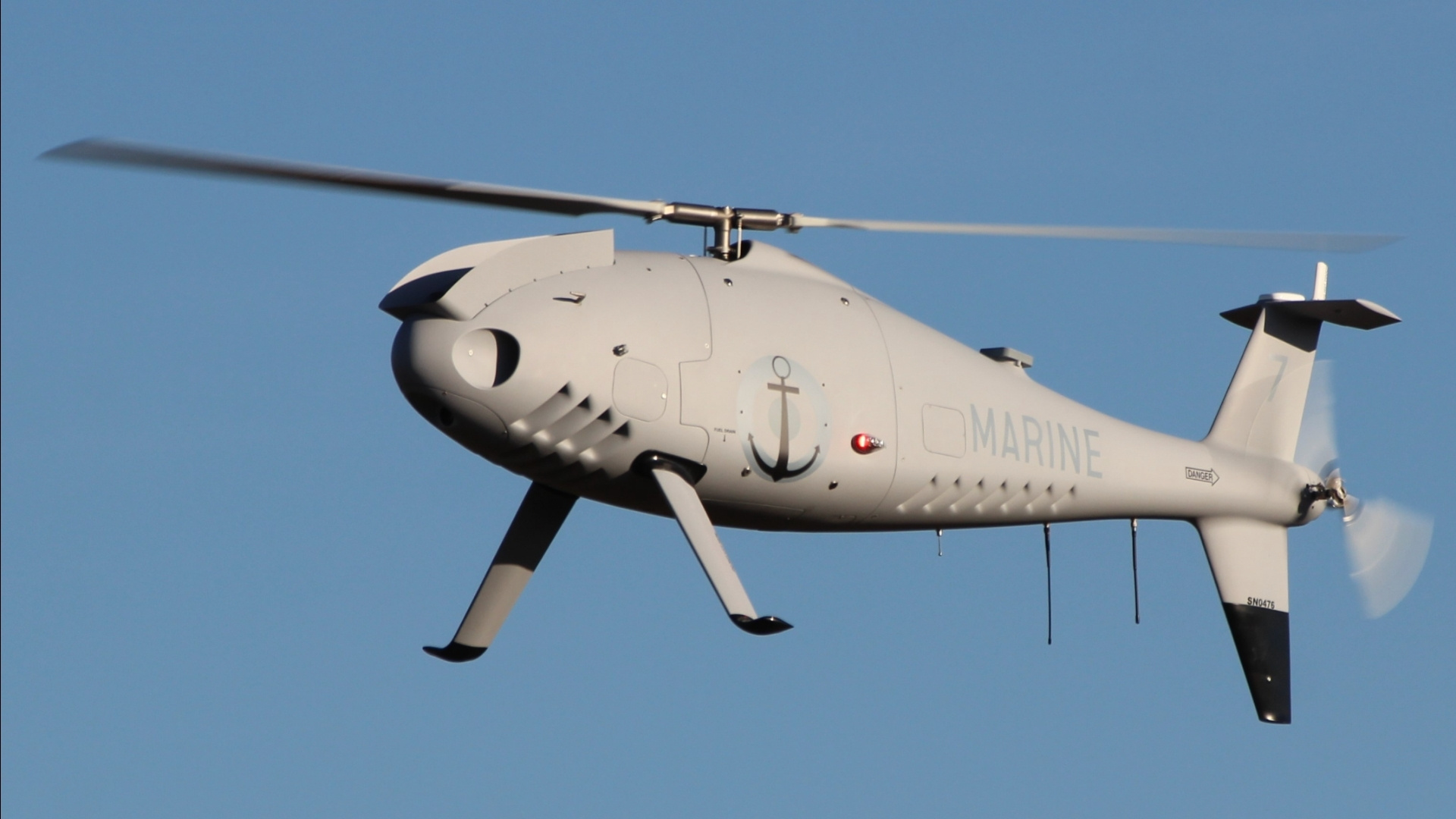
This development is crucial as it reflects a shift in military strategy, emphasizing a layered defense approach. The PLA is integrating reconnaissance drones, electronic warfare, and counter-drone technologies to create a networked combat system. Studies indicate that effective defense against UAV swarms requires a combination of warning systems, electronic countermeasures, and kinetic defenses, highlighting the need for a comprehensive solution to enhance armored survivability.
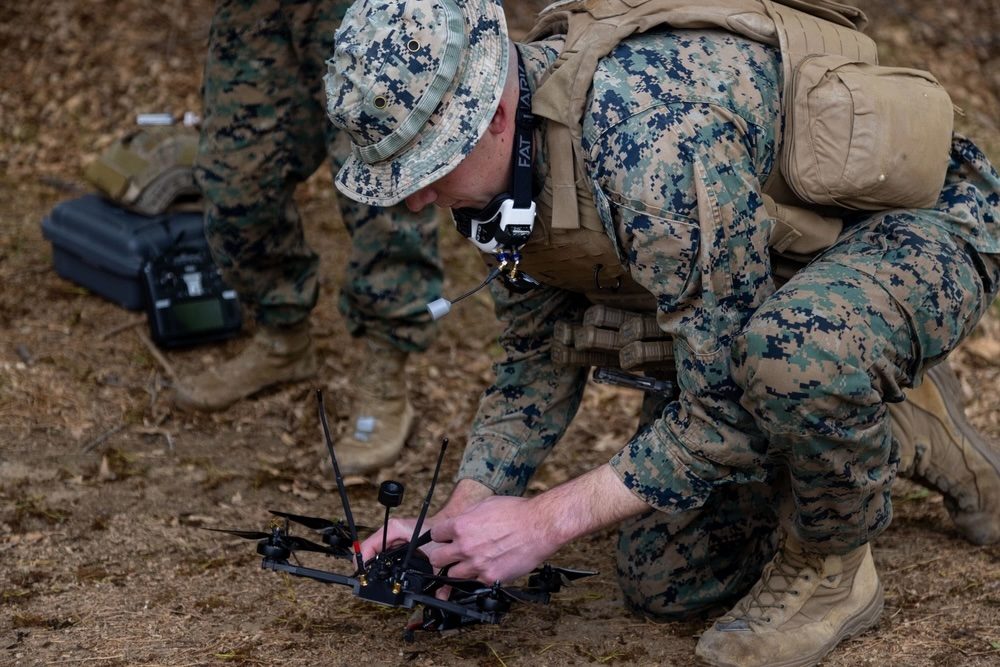
Looking ahead, the PLA faces the challenge of rapidly implementing these protective measures. Recent training has focused on tactics to minimize exposure to drone attacks, such as using camouflage and terrain for concealment. As military adaptations evolve, the effectiveness of these strategies will be critical in determining the resilience of PLA armored units against increasingly sophisticated aerial threats.
Editor's Note
The PLA's response to evolving drone threats underscores a significant shift in military tactics and technology. As nations adapt to modern warfare's complexities, the integration of advanced protective measures will be vital for maintaining armored vehicle effectiveness. The focus on layered defense strategies may influence procurement decisions and technological investments in the defense sector.



























Leave a comment