

Industry Briefing
A single destination for timely, editor-curated robotics news from around the world.
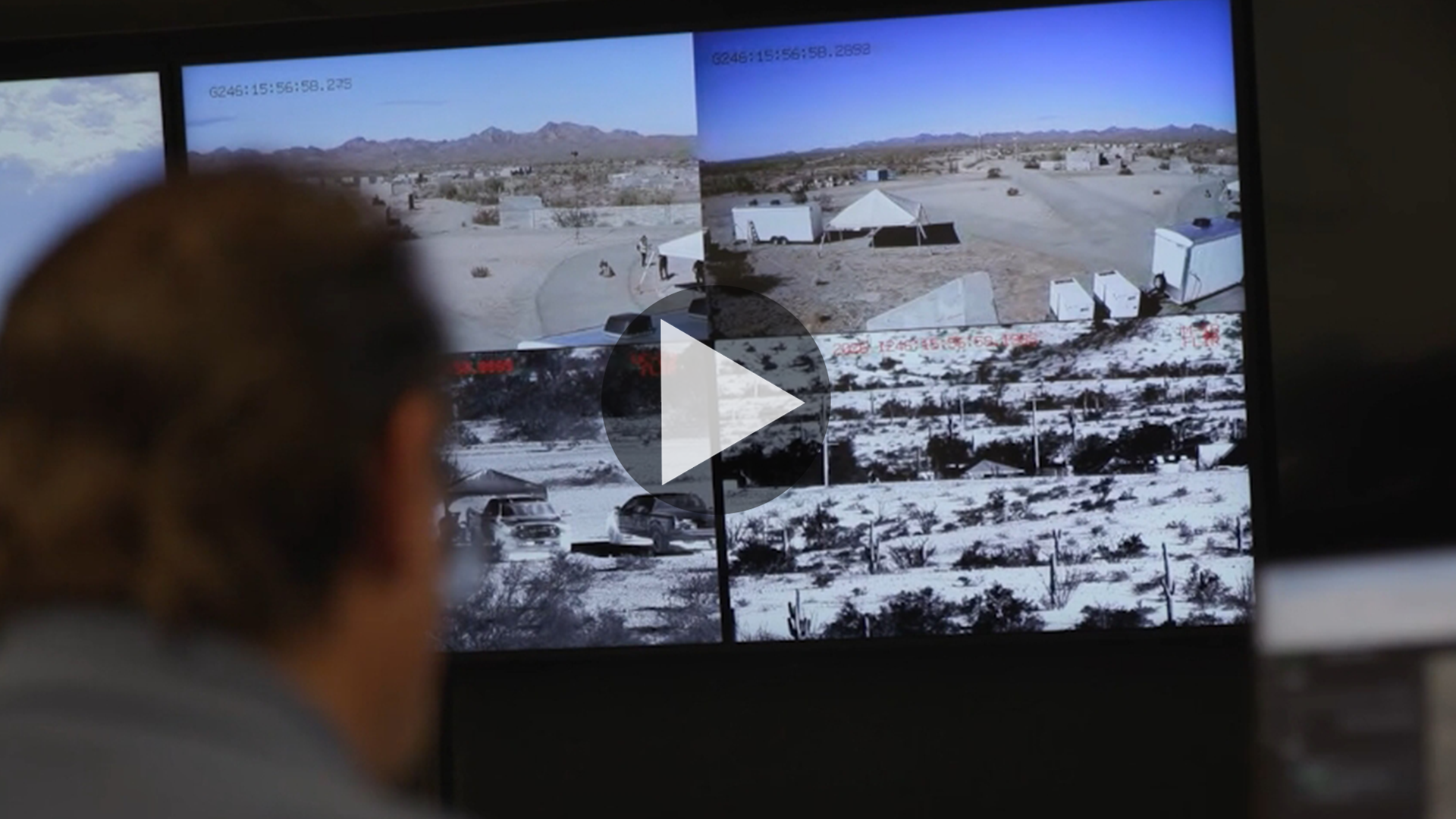
US Military and Industry Test Drone Countermeasures at Southern Border
In a recent episode of The Break Out, Army reporter Carley Welch highlighted the US military's collaboration with industry partners at Falcon Peak in Yuma, Arizona. They conducted extensive tests on equipment aimed at detecting and countering drone incursions along the southern border. This initiative is significant as it addresses the growing concern over drone threats in border security, showcasing the military's proactive approach to enhancing national defense capabilities. The collaboration with industry partners indicates a strategic move to leverage advanced technology in counter-drone operations. Looking ahead, it will be important to monitor the outcomes of these tests and any subsequent implementations of the technology. Additionally, developments at the China Aerospace Studies Institute, where civilian roles are being cut while military personnel remain, may also impact future military strategies and operations.
Air Warfare Air Force Asia Break Out Video C-UAS CASI
Milrem Robotics Aims to Lead Integration of Uncrewed Systems Near Russia Border
Milrem Robotics has announced its ambition to spearhead the integration of various uncrewed systems from allied nations along the borders with Russia and Belarus through the Unified Drone Logistics (UDL) initiative. This integration is significant as it aims to enhance operational efficiency and interoperability among allied forces, particularly in a region marked by geopolitical tensions. By leveraging the UDL, Milrem Robotics seeks to create a cohesive framework for uncrewed systems that can operate seamlessly across national lines. Looking ahead, stakeholders will be keen to observe how Milrem Robotics implements this initiative and the potential impact it may have on defense strategies in the region. No further timeline was disclosed at the time of publication.
News
Pentagon Plans to Expand Tech Testing at US-Mexico Border with Unmanned Systems
The Pentagon is utilizing the US-Mexico border as a testing ground for advanced technologies, including high-energy lasers and unmanned systems. Mark Ditlevson, the assistant secretary of defense for Homeland Defense, expressed a desire to expand these projects, contingent on future funding from Congress. Current negotiations on the fiscal 2027 budget could impact the extent of these initiatives. The significance of this testing lies in its potential to enhance border security and combat narco-trafficking. The Pentagon has already deployed 10 Lightfish unmanned surface vessels (USVs) along the Rio Grande, receiving positive feedback on their sensor capabilities. Ditlevson indicated plans to extend the use of USVs into the Gulf of Mexico to further support anti-trafficking efforts. Looking ahead, the Pentagon is also exploring the automation of aerial drones to reduce reliance on manned aircraft and operators. Challenges remain, particularly regarding obstacle avoidance in US airspace. The timeline for deploying additional unmanned vessels and ground vehicles is uncertain, as the Pentagon continues to evaluate existing technologies and their effectiveness in enhancing operational capabilities.
Air Warfare Land Warfare Naval Warfare Pentagon Air Force Army
Citigroup Launches Instant Cross-Border Payments for Japanese Firms Using Blockchain Technology
Citigroup is set to provide instant overseas remittance services for Japanese companies utilizing blockchain-based tokenized deposits. This service, expected to launch within the year, will facilitate immediate foreign-currency transfers, even during nights and holidays, marking a significant advancement in financial services for Japan's corporate sector. This initiative is noteworthy as it represents the first time a foreign financial institution will offer such services specifically tailored for Japanese clients. With Citigroup managing approximately $6 trillion in daily transactions and tokenized deposits reaching around $1 billion, this move could enhance the efficiency of cross-border payments for Japanese businesses. Looking ahead, industry observers will be keen to see how this service impacts the competitive landscape of financial services in Japan. No further timeline was disclosed at the time of publication.

Blueprint for Securing Cross-Border Trade Between the U.S. and Mexico
A new white paper outlines strategies for supply chain executives to enhance security in cross-border trade between the U.S. and Mexico. It provides a detailed framework aimed at mitigating risks and ensuring customs compliance, which are critical for maintaining smooth operations in international trade. This guidance is significant as it addresses the complexities of U.S.-Mexico trade, where regulatory challenges and security concerns can disrupt supply chains. By implementing the strategies outlined in the paper, companies can better navigate these challenges, ultimately leading to more resilient and efficient cross-border operations. Looking ahead, supply chain executives should monitor the adoption of these strategies and their impact on trade efficiency. The paper serves as a vital resource for organizations seeking to strengthen their cross-border operations and ensure compliance with evolving regulations. No further timeline was disclosed at the time of publication.

Military Engages Drones with AV Directed-Energy System at the Border
A military task force utilized an AV directed-energy system to engage and defeat drones suspected of reconnaissance activities. While the specific location of the drone engagement remains undisclosed, it is suggested that these drones may have been operated by a drug cartel. This operation highlights the increasing use of advanced technologies in military applications to counter aerial threats. The deployment of directed-energy systems represents a significant advancement in military capabilities, particularly in border security operations. By effectively neutralizing potential reconnaissance drones, the military aims to enhance its operational readiness against threats posed by illicit activities, such as drug trafficking. This incident underscores the importance of integrating innovative technologies to address evolving security challenges. Looking ahead, it will be crucial to monitor the military's ongoing efforts to implement directed-energy systems in various operational contexts. The effectiveness of these technologies in real-world scenarios will likely influence future military strategies and funding allocations. No further timeline was disclosed at the time of publication.
Land Warfare Aerovironment Army Counter UAS cUAS directed energy Drones
U.S. Restores Arizona Border Crossing for Mexican Cattle Trade
The U.S. Department of Agriculture (USDA) has announced the reopening of the Arizona border crossing for the importation of Mexican cattle. This decision marks a significant step in facilitating trade and ensuring the supply of cattle from Mexico to the U.S. The reopening is crucial for the agricultural sector, as it allows for the resumption of cattle imports, which are vital for meeting domestic demand. The USDA's action reflects ongoing efforts to strengthen trade relations and support the livestock industry amid fluctuating market conditions. Looking ahead, the USDA plans to restore additional crossings along the borders of Chihuahua in New Mexico and Texas in a phased approach. No further timeline was disclosed at the time of publication.
Spanish F-18s Respond to Drone Crash in Romania Near Ukraine Border
A drone reportedly entered Romanian airspace and crashed in an uninhabited region of Tulcea county early Thursday morning, as stated by the Romanian Defence Ministry. This incident highlights ongoing concerns regarding airspace security in the region, particularly given the proximity to the Ukraine conflict. Observers should monitor further developments regarding airspace violations and military responses in Eastern Europe.
News
China Enhances Border Controls Following Meta's Acquisition Attempt of AI Startup Manus
China's government has implemented stricter entry and exit regulations to safeguard advanced technologies, including artificial intelligence. These new rules are set to take effect on September 15, 2026, in response to Meta's attempted acquisition of the Chinese AI developer Manus, which has raised concerns about data leaks and economic security. The tightening of border controls is significant as it reflects China's ongoing efforts to protect its technological advancements and sensitive data from foreign influence. The regulations aim to prevent potential leaks that could arise from foreign investments in Chinese tech firms, particularly in the AI sector, which is crucial for the country's economic strategy. Looking ahead, the impact of these regulations on foreign investments and collaborations in China's tech landscape will be crucial to monitor. As the global competition in AI intensifies, how these measures affect companies like Meta and their ambitions in China remains to be seen. No further timeline was disclosed at the time of publication.

Completion of Main Structure for First China-Russia Cross-Border Passenger Ropeway Announced
Chinese officials announced the completion of the main structure of the first cross-border passenger ropeway linking China and Russia. This project, which began construction in July 2019, is set to be completed by the end of 2026 and will connect Heihe in Heilongjiang Province with Blagoveshchensk in Russia. The ropeway aims to enhance travel efficiency between the two border cities, reducing travel time to just six to eight minutes. It is expected to facilitate tourism, trade, and cross-border exchanges, significantly strengthening the economic ties between Heihe and Blagoveshchensk, which have a long history of collaboration. Looking ahead, the remaining tasks include equipment installation and system testing before the ropeway opens to passengers. The project is designed to accommodate up to 2.6 million one-way trips annually, contributing to a comprehensive transport network that includes a highway bridge and ferry services, promoting coordinated development in the region.
Transportation
Avalara Highlights New Compliance Challenges in Cross-Border Trade Amid EU Reforms
Avalara emphasizes the growing complexities of cross-border compliance as international trade expands. With the EU's removal of the €150 customs duty exemption for low-value imports starting July 2026, businesses face increased operational challenges. Accurate customs classifications and transparent pricing are now critical for maintaining customer trust and competitive advantage. The changes in customs regulations, particularly in Europe, underscore the need for businesses to adapt quickly to evolving compliance requirements. As consumers demand transparency in pricing, unexpected customs duties can lead to shipment refusals and damage to brand reputation. Avalara's research indicates that a significant portion of consumers would reconsider purchasing from retailers that surprise them with additional charges. Looking ahead, Avalara predicts that compliance will become a key differentiator in the market. With many businesses already reviewing their supply chains and investing in technology to automate compliance processes, the ability to provide accurate landed costs and navigate customs requirements will be essential for logistics providers and retailers aiming to enhance customer experience and operational efficiency. No further timeline was disclosed at the time of publication.
Air Cargo Cold Chain Logistics Magazine Features Ports & Maritime Road Transport and Haulage Transport and Distribution
Control Method Developed for Heavy-Duty Hexapod Robot Navigating Border Terrains Using Simplified Model
A new control method has been developed for a heavy-duty hexapod robot designed to walk on border terrains, as reported in the Journal of Field Robotics. This method utilizes a simplified model to enhance the robot's navigation capabilities in challenging environments. The significance of this development lies in its potential applications in various sectors, including military and disaster response, where navigating difficult terrains is crucial. The heavy-duty hexapod robot's ability to traverse border terrains effectively could improve operational efficiency and safety in these scenarios. Looking ahead, the implications of this control method could lead to further advancements in robotic mobility and control systems. No further timeline was disclosed at the time of publication.
RESEARCH ARTICLE
Ant-backed DSC debuts on Nasdaq, marking China's first cross-border IPO of 2026.
DSC Holdings, a Chinese provider of used-car dealer solutions, successfully raised $51 million in its initial public offering on Nasdaq, marking a significant milestone as the first cross-border IPO from China in 2026. This event occurred on June 26, 2026, after the China Securities Regulatory Commission approved the company's IPO application, which had been pending for over two years. The approval reflects a notable easing of regulatory hurdles for Chinese companies seeking to list abroad, as DSC navigated the complexities of Beijing's stringent oversight. The successful listing underscores a renewed interest in cross-border investments and signals potential opportunities for other Chinese firms aiming to access international capital markets.
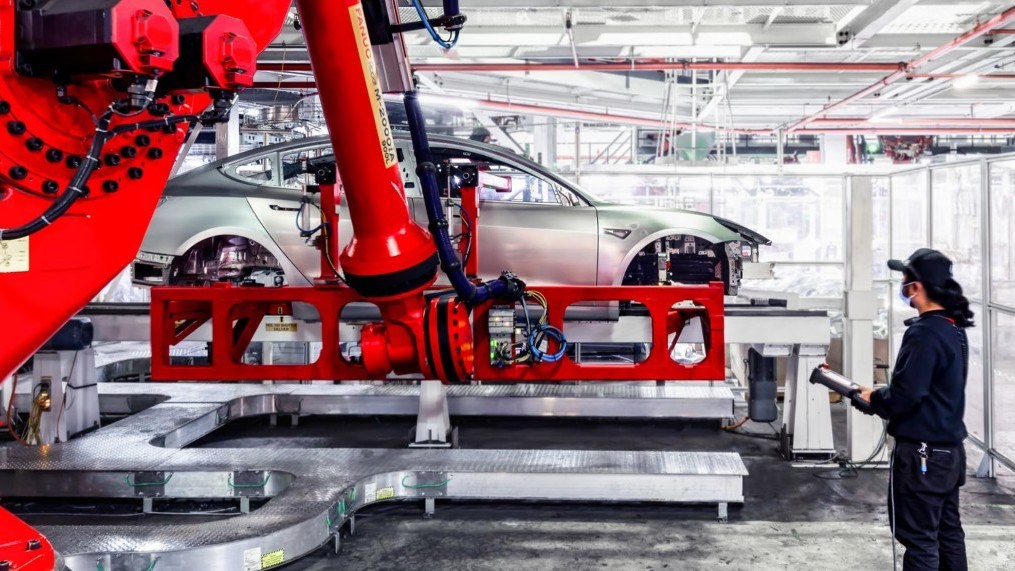
Tesla Plans Over 538,000-Square-Foot Distribution Center Near Austin, Texas
Tesla is set to establish a distribution center exceeding 538,000 square feet near Austin, Texas, enhancing its logistics capabilities in the region. The project, located at the Mustang Ridge Distribution Center I, is projected to cost approximately $1.44 million and is scheduled for construction from December 7, 2023, to December 4, 2028. This expansion is significant as it reflects Tesla's ongoing investment in its manufacturing and supply chain infrastructure in Central Texas, where it has its corporate headquarters and the Gigafactory Texas. The company reported a substantial revenue increase of 26% year-over-year, reaching $28.24 billion in the second quarter, alongside record vehicle deliveries. Looking ahead, the Mustang Ridge distribution center may bolster Tesla's operations along the Texas-Mexico automotive corridor. However, details regarding the specific products handled and workforce size remain undisclosed. No further timeline was disclosed at the time of publication.

SWIFT Initiates Blockchain Ledger Trials with Citi and MUFG for 24-Hour Payments
SWIFT has commenced trials of a blockchain digital ledger designed for continuous cross-border transfers between banks. This initiative aims to enhance transaction speed and reduce fees, potentially facilitating the broader adoption of tokenization in the financial sector. The significance of this development lies in SWIFT's goal to enable real-time transfers, even during bank branch closures. By leveraging blockchain technology, the financial messaging network seeks to address the growing demand for faster and more cost-effective payment solutions in an increasingly digital economy. Looking ahead, the success of these trials could pave the way for more widespread implementation of blockchain in cross-border payments. No further timeline was disclosed at the time of publication.

NATO Secretary-General Rutte Promises Increased Support for Ukraine Amid Russian Drone Strikes
NATO Secretary-General Mark Rutte announced on Monday that the alliance would enhance its support for Ukraine following recent Russian drone strikes near the Ukraine-Poland border. These attacks, which included one that struck a train shortly after high-ranking officials had visited the station, are seen as indicative of Russia's escalating desperation in its ongoing conflict with Ukraine. Rutte emphasized that the strikes demonstrate Russian President Vladimir Putin's recklessness and intent to instill fear, asserting that NATO would not be deterred from supporting Ukraine. The NATO chief's commitment comes as Poland increases its security measures along its border, with officials warning of a potential intensification of Russian military actions that could impact European territories. Looking ahead, Polish Prime Minister Donald Tusk cautioned that the coming weeks may witness heightened Russian aggression, potentially affecting NATO member states. As NATO prepares for a coordinated response, the situation remains tense, with intelligence suggesting that Russia may escalate its attacks on border points and conduct sabotage within Europe.
Politics & Geopolitics Military Headlines North Atlantic Treaty Organization - NATO Ukraine Russia Poland
Texas Senators Propose Drone-Enhanced Smart Wall for Border Security
Texas Democratic lawmakers are advocating for a drone-powered 'smart wall' to enhance border security instead of traditional physical barriers. Senator Judith Zaffirini emphasized that this strategy would integrate technology such as surveillance cameras, sensors, and drones to improve law enforcement's ability to monitor illegal activities along the Texas-Mexico border. The proposal comes in response to federal plans for a physical border wall, which have faced criticism for their environmental impact and limited effectiveness. With over 1,200 miles of border to secure, the senators argue that a smart wall would provide a more adaptable and efficient solution, allowing for better resource allocation and quicker response times to security threats. Looking ahead, the Texas lawmakers believe that a comprehensive approach combining technology with law enforcement personnel is essential. They stress the importance of tailoring security measures to the diverse geographic and demographic conditions along the border. No further timeline was disclosed at the time of publication.
Drone News Drone News Feeds Drones in the News News safety and security Big Bend National Park border wall
US Army Conducts Laser Counter-Drone Experiments Amid Leadership Changes
This week, Army reporter Carly Welch discusses the US Army's recent experiments with laser-powered counter-drone technology, particularly focused on the US-Mexico border. These developments highlight the Army's ongoing efforts to enhance its capabilities in countering drone threats using advanced laser systems. The significance of these experiments lies in their potential to improve border security and military readiness, especially as the Army navigates leadership changes. The departure of the Army's top civilian leader adds a layer of complexity to the service's strategic direction, particularly with midterm elections approaching in November. Looking ahead, it will be important to monitor how these leadership transitions impact the Army's technology initiatives and operational strategies. No further timeline was disclosed at the time of publication.
Land Warfare Pentagon Aerovironment AMP-HEL Army Army Multipurpose High Energy Laser
Framework for Innovations That Scale Across Emerging and Developed Markets
Amos Winter, the Germeshausen Professor of Mechanical Engineering at MIT, and coauthor Vijay Govindarajan have released a new book detailing a framework for creating innovations that can thrive in both emerging and developed markets. They emphasize that emerging markets are growing at twice the rate of the U.S. and Europe, making them crucial for multinational companies seeking growth. The authors argue that simply adapting existing products for emerging markets is insufficient; instead, they advocate for a thoughtful design process that addresses unique consumer needs. Their book, 'Global by Design: How to Create Innovations That Scale, Travel, and Transform,' outlines three phases of innovation, focusing on identifying opportunities, designing solutions, and scaling them effectively. One notable case study in the book discusses a new drip irrigation emitter technology that significantly reduces costs and resource use, set to be commercialized by Toro in early 2027. This innovation aims to address water scarcity in low-resource markets while also appealing to farmers in wealthier regions, highlighting the potential for globally relevant solutions.
Books and authors Faculty Mechanical engineering Design Innovation and Entrepreneurship (I&E) Business and management
Drones and Federal Resources Combat New World Screwworm in Texas
Drones and federal border surveillance resources are being deployed in Texas to combat the New World screwworm, a parasitic fly that inflicts severe damage on warm-blooded animals. The U.S. Department of Agriculture (USDA) has conducted over 1,000 drone surveillance flights since June 3, 2026, observing more than 20,000 animals as part of a wildlife surveillance initiative in collaboration with the Texas Parks and Wildlife Department. This initiative is crucial as New World screwworm infestations can devastate livestock, posing a significant threat to the agricultural sector. The USDA's Animal and Plant Health Inspection Service (APHIS) utilizes drones equipped with advanced technology to identify animals that may require veterinary inspection, thereby enhancing the response to this agricultural threat. The Department of Homeland Security (DHS) is also involved, providing support for surveillance and training personnel to effectively respond to screwworm cases. Looking ahead, the USDA's efforts include monitoring over 100 dedicated traps and more than 8,000 insect traps across multiple states. The agency is also collaborating with Mexico to enhance trapping and control measures in high-risk areas. No further timeline was disclosed at the time of publication.
Agriculture Applications Drone News Drone News Feeds Drones in the News News
Navigating Complexities in International Trade and Customs Compliance
International trade has evolved, allowing businesses of all sizes to engage in cross-border commerce. However, the complexities of customs regulations and compliance have increased significantly, making it challenging for companies to navigate the changing landscape. The rise of digital marketplaces and logistics networks has democratized access to global markets, yet the intricacies of tariffs, VAT rules, and customs procedures can lead to costly delays and complications. Businesses must now focus on compliance as a strategic capability, relying on specialized partners to manage these challenges effectively. Looking ahead, companies should prioritize building relationships with customs brokers, freight forwarders, and technology providers to enhance their compliance strategies. As regulations continue to evolve, staying informed and adaptable will be crucial for success in international trade.
Road Transport and Haulage Transport and Distribution border International logistics supply chain
Pakistan Reacts to Japan-India Joint Statement Linking Country to Terrorism
Pakistani officials and analysts expressed concern over a recent joint statement from Japan and India that associates Pakistan with cross-border terrorism. This statement emerged following a meeting between Japanese Prime Minister Sanae Takaichi and Indian Prime Minister Narendra Modi in New Delhi earlier this month. The significance of this development lies in the potential shift in Japan's South Asia policy, which could impact regional dynamics and diplomatic relations. The explicit mention of Pakistan in the context of terrorism has raised alarms among Pakistani leadership and experts, indicating a possible change in Japan's stance towards the country. Looking ahead, observers will monitor how this statement influences Japan's foreign policy in South Asia and its relations with Pakistan. No further timeline was disclosed at the time of publication.
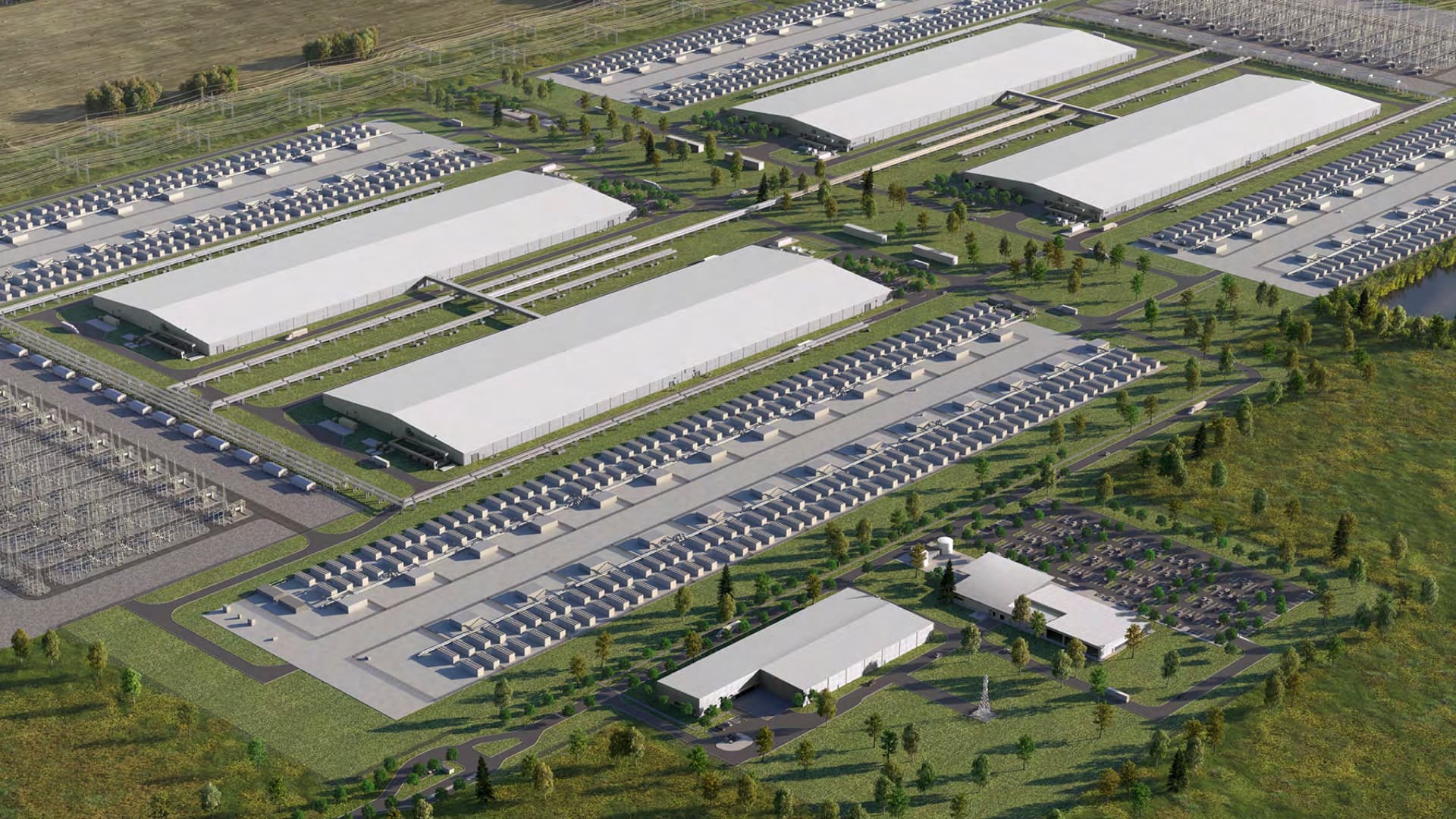
Meta is building its first big Canadian data center as AI expansion crosses the border
Meta is set to establish its inaugural large-scale data center in Canada, marking a significant step in the company's expansion of artificial intelligence capabilities beyond the United States. The announcement comes as part of Meta's broader strategy to enhance its infrastructure to support AI technologies. This development is expected to create numerous jobs and stimulate local economies, reflecting the growing demand for data processing and storage solutions. The data center will be located in a yet-to-be-disclosed area in Canada, with construction anticipated to begin in the near future. Meta's investment underscores its commitment to harnessing AI advancements while also addressing the increasing need for robust data management systems in the tech industry.

SpaceX's $1.75 Trillion Valuation Driven by Starmind's Future Potential
Starmind is a pivotal element in SpaceX's estimated $1.75 trillion IPO valuation, despite currently generating no confirmed revenue. The stock price reflects optimistic projections regarding AI infrastructure growth, which Starmind has yet to substantiate. As of early July 2026, SpaceX's stock has decreased from its 52-week high of $225.64 to around $150, indicating market skepticism about future execution. The significance of Starmind lies in its potential to transform SpaceX's revenue model beyond traditional launch services. Goldman Sachs has shifted its focus from Starlink subscriber growth to the prospects of AI revenue, including orbital computing, as a cornerstone of SpaceX's long-term valuation. This marks a substantial change in how analysts view the company's growth trajectory, necessitating rates exceeding its historical 33% growth. Looking ahead, the credibility of Starmind as a growth narrative will be crucial for maintaining investor confidence. Analysts have noted a considerable divergence in price targets, reflecting uncertainty about the value of the Starmind and xAI initiatives. No further timeline was disclosed at the time of publication regarding specific milestones for these projects.

SpaceX's Starmind Targets AI Labs with $6.3 Billion Compute Contracts
SpaceX's Starmind is designed to provide wholesale AI compute services to businesses, particularly AI labs and cloud customers, rather than individual consumers. The service operates similarly to AWS, where users benefit from applications running on Starmind without direct subscriptions. The compute capacity of a single AI1 satellite is comparable to one NVIDIA GB300 rack, emphasizing its enterprise-grade capabilities. The significance of Starmind lies in its positioning as a potential fourth hyperscaler, joining the ranks of AWS, Microsoft Azure, and Google Cloud. The Reflection AI contract, valued at $150 million per month, exemplifies the enterprise-focused model, with total payments potentially reaching $6.3 billion through 2029. This contract highlights the growing demand for AI compute resources, particularly from AI-native startups and labs. Looking ahead, the focus will remain on securing additional enterprise contracts as Starmind expands its offerings. No consumer-facing products or subscriptions have been announced, and the current strategy is to cater to businesses with substantial AI workloads. No further timeline was disclosed at the time of publication.

SpaceX IPO Provides Indirect Investment Opportunity in Starmind Project
Starmind does not have a standalone stock or ticker; investors can gain exposure through SpaceX (ticker: SPCX), which began trading on Nasdaq after its IPO on June 12, 2026. Starmind is integrated within SpaceX, contributing to the company's AI and space initiatives, and its performance directly influences SPCX shares. The significance of Starmind lies in its role as a division of SpaceX, which encompasses other projects like Starlink and Starship. As of early July 2026, SPCX shares are trading between $149 and $150, significantly lower than their 52-week high of $225.64. The project’s milestones, such as AI1 prototype updates, can impact SpaceX's stock performance, making it essential for investors to monitor these developments closely. Looking ahead, the early 2027 launch of AI1 prototype satellites is a critical milestone that could provide verifiable data affecting Starmind's valuation and, consequently, SPCX stock. No further timeline was disclosed at the time of publication, but the upcoming events will be pivotal for investors tracking the relationship between Starmind and SpaceX's stock performance.
SpaceX Launches Starmind Project for 1 Million AI Satellites by 2028
SpaceX has officially named its orbital AI infrastructure project 'Starmind,' which aims to deploy a constellation of up to 1 million satellites. This initiative, confirmed by Elon Musk on June 22, 2026, will enable AI inference directly in space, utilizing solar energy rather than terrestrial power sources. The first satellite, designated AI1, was unveiled on June 8, 2026, and is designed to operate in sun-synchronous orbits. The significance of Starmind lies in its potential to overcome the limitations faced by ground-based data centers, such as land, power, and water constraints. By running AI computations in orbit, Starmind can provide a more efficient solution to the growing demand for AI computing power. The project leverages the existing Starlink infrastructure for data transmission, distinguishing its function from Starlink's internet relay capabilities. Looking ahead, SpaceX plans to begin hardware deployment with the AI1 satellite, while full-scale production and deployment of the satellite constellation are targeted for 2028. As of now, no Starmind satellites have been launched, and further engineering challenges remain to be addressed, particularly regarding the scalability of the satellite design.

SpaceX Unveils AI1 Satellite Specs for Starmind Constellation with Key Thermal Challenges
SpaceX has introduced the AI1 satellite, the inaugural component of its Starmind constellation, which stands 20 meters tall and has a wingspan of 70 meters. This orbital compute node is designed to deliver computing power equivalent to one NVIDIA GB300 server rack, utilizing a unique cooling system with deployable liquid radiators. The satellite's specifications were revealed during a presentation on June 8, 2026, ahead of SpaceX's IPO. The significance of the AI1 satellite lies in its role as a compute platform rather than a traditional satellite, focusing on running AI inference workloads. The satellite's cooling system, which is critical for its operation in the vacuum of space, is designed to reject heat through infrared radiation. However, independent engineers have raised concerns about the feasibility of the thermal and mass claims made by SpaceX, suggesting that the cooling requirements may exceed practical limits. Looking ahead, SpaceX plans to launch two AI1 prototypes in early 2027, with full-scale production expected to commence later that year at its Gigasat facility in Bastrop, Texas. The ongoing debate regarding the satellite's thermal management capabilities will be crucial to monitor as the project progresses, with no further timeline disclosed at the time of publication.
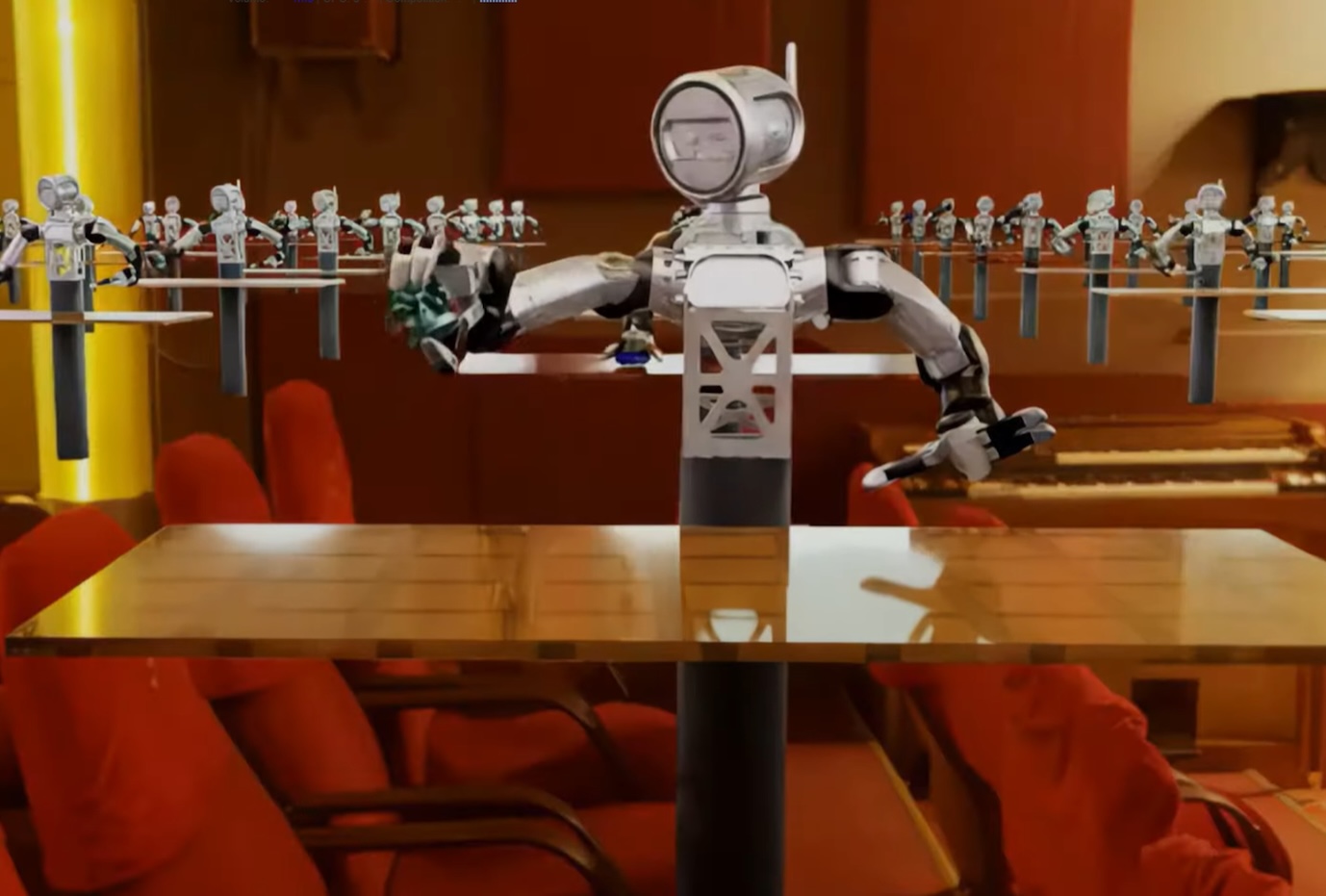
SpaceX's Starmind Faces Feasibility Challenges for 1 Million Satellite Deployment
On January 30, 2026, SpaceX submitted a request to the FCC to launch up to 1 million satellites as part of its Starmind orbital compute constellation. This ambitious plan is unprecedented, as the total number of satellites ever launched globally is in the low tens of thousands. The proposal seeks a waiver from standard deployment milestones, citing reliance on the Starship's full reusability for success. The significance of this request lies in the technical and logistical challenges it presents. Experts warn that low Earth orbit may not support the proposed number of active satellites without risking a debris cascade. SpaceX's own IPO prospectus acknowledges unresolved dependencies related to Starship's launch cadence and reusability, which are critical for the orbital AI compute strategy. Looking ahead, the timeline for achieving the necessary launch cadence and manufacturing capacity remains uncertain. SpaceX's Gigasat facility in Texas aims for volume production by late 2027, but this would require unprecedented output levels. No further timeline was disclosed at the time of publication, leaving the feasibility of the Starmind project in question.

Starmind's Orbital Compute vs. Terrestrial Data Centers: Analyzing Resource Advantages
Starmind's orbital compute technology presents a significant advantage over traditional ground-based data centers by eliminating constraints related to land, water, and grid permitting. While terrestrial data centers are currently cheaper and faster to construct, with U.S. data center spending reaching $85.3 billion in 2026, Starmind's approach focuses on addressing the growing resource limitations faced by hyperscale facilities. The significance of Starmind's technology lies in its ability to sidestep the increasing challenges of land and water usage. For instance, a 100 MW data center can consume approximately 530,000 gallons of water daily for cooling, while Starmind's AI1 utilizes deployable liquid radiators that require no water. This structural advantage could resonate with investors as the demand for AI computing continues to escalate, potentially leading to annual water withdrawals of up to 1.7 trillion gallons by 2027. Looking ahead, Starmind's next milestones include the launch of AI1 prototypes scheduled for early 2027. However, the technology's claims regarding cooling efficiency and operational reliability remain unverified until real flight data is available. As the industry evolves, the competition between orbital and terrestrial solutions will become increasingly relevant, particularly in the context of resource management and sustainability.
SpaceX Proposes 1 Million AI Satellites to Address Ground Data Center Constraints
On January 30, 2026, SpaceX filed with the FCC to launch up to 1 million AI compute satellites, positioning orbital data centers as a solution to the increasing demand for AI computing power. Ground data centers are facing significant challenges, with energy consumption projected to reach approximately 1,050 TWh in 2026, making them the fifth-largest electricity consumer globally. The demand for new data center capacity is outpacing the growth of power generation infrastructure, leading to a critical bottleneck in the grid system. The significance of this initiative lies in the structural constraints faced by ground data centers, including power delivery limitations, high water consumption, and local opposition to new projects. The Uptime Institute's 2026 outlook identifies power as the primary constraint on data center growth, with capacity clearing prices in the PJM grid skyrocketing to $329.17/MW, driven by data center expansion. Additionally, cooling requirements are becoming increasingly unsustainable, with facilities consuming vast amounts of water, further complicating their operational viability. Looking ahead, SpaceX's orbital AI compute initiative aims to circumvent these challenges by leveraging the advantages of space, such as continuous solar power and minimal local opposition. The first AI prototypes are expected to launch in early 2027, with operational deployments planned for 2028. No further timeline was disclosed at the time of publication.

SpaceX's Starmind Project: Supplier Strategy and Chip Manufacturing Plans for 2026
SpaceX's Starmind project, aimed at deploying up to 1 million AI satellites, was filed with the FCC on January 30, 2026. The initiative is designed to minimize reliance on external suppliers, with CEO Elon Musk stating that current chip production capabilities only meet 2% of the projected needs. The first satellite, AI1, is set for prototype launches in early 2027, featuring a 70-meter wingspan and a modular payload system that allows for interchangeable chips from various suppliers. The significance of Starmind lies in its ambitious supply chain strategy, which seeks to transition from external hardware suppliers to a fully integrated Musk-owned facility by 2028. The Gigasat manufacturing site in Bastrop, Texas, is expected to be operational by the end of 2027, with plans for high-volume production of the D3 chip, specifically designed for space applications. This approach aims to consolidate chip manufacturing processes under the Terafab joint venture, which has an estimated initial investment of $55 billion. Looking ahead, the next milestone for Starmind is the launch of AI1 prototypes in early 2027, while the full-scale chip production at Terafab is projected to ramp up significantly thereafter. However, analysts express skepticism regarding the feasibility of achieving Musk's ambitious compute goals, which may require substantial investment and time to establish the necessary manufacturing capabilities.
SpaceX's Starship V3 Plans for 1 Million Starmind Satellites by 2030
SpaceX's Starship V3 is set to revolutionize satellite deployment, aiming to launch 1 million Starmind satellites by 2030. The spacecraft can carry over 100 tonnes to low Earth orbit (LEO), significantly more than the Falcon 9's capacity. As of May 2026, Starship has completed 12 flights, with the next mission scheduled for late July 2026, focusing on operational payloads including AI1 prototypes in early 2027. This ambitious plan is crucial for expanding orbital compute capacity, targeting an annual addition of 100 GW through a million tonnes of satellite hardware. SpaceX's strategy hinges on achieving a launch cadence of approximately 12,000 flights, equating to about three launches per day. The company has invested over $15 billion in the Starship program, with expectations to begin payload deliveries in the second half of 2026, starting with Starlink V3 satellites. Looking ahead, the successful deployment of the Starmind constellation will depend on Starship's ability to meet its cost targets of $10–20 million per flight. If achieved, this would make launching satellites more economical than building ground data centers. The next significant milestone will be the launch of AI1 prototypes in early 2027, with full-scale deployments commencing in 2028 from the new Gigasat factory in Texas.

SpaceX's Starmind Plans 1 Million AI Satellites Amid Collision Risks
SpaceX has announced its ambitious Starmind project, which aims to deploy 1 million AI satellites in orbits between 500 and 2,000 km. This initiative, confirmed by Elon Musk on June 23, 2026, follows a merger with xAI, valuing the combined entity at $1.25 trillion. The satellites will function as orbital data centers, processing AI workloads powered by solar arrays and linked by optical lasers. The significance of Starmind lies in its potential to add 100 gigawatts of AI compute capacity annually, contingent on the successful operation of the Starship launch system. However, the project raises concerns regarding space debris, as the current orbital environment is already congested, with a 20% increase in collision risk reported since 2024. The European Space Agency has highlighted that the density of debris in low Earth orbit is now comparable to that of active satellites, complicating the operational landscape for new entrants like Starmind. Looking ahead, the first operational orbital AI deployments are targeted for 2028, with test launches expected in early 2027. However, the project faces scrutiny regarding its impact on space debris, as even a 1% failure rate could significantly increase the number of uncontrollable objects in orbit, exacerbating existing risks. No further timeline was disclosed at the time of publication.

Tesla's Optimus Robots to Support Starmind Satellite Production, Not Maintenance
Tesla's Optimus robots will not be used to repair Starmind satellites in orbit, as confirmed by recent statements from Elon Musk. Instead, these robots are intended to assist in the construction and operation of the Terafab chip manufacturing facility in Texas. The AI1 satellites, designed to disintegrate upon reentry, highlight the company's swap-and-replace strategy rather than traditional maintenance practices. This approach is significant as it reflects a broader trend in satellite management, where mass-produced satellites are replaced rather than repaired. The economics of servicing missions are prohibitive, with the cost of launching a replacement satellite being significantly lower than conducting a repair mission. This model aligns with SpaceX's operational history, where rapid replacement of satellites is more efficient than attempting to maintain them in orbit. Looking ahead, the focus will remain on the production capabilities of the Gigasat factory, which is expected to support the continuous replacement of satellites. No further timeline was disclosed at the time of publication, but the demand for rapid satellite turnover suggests a robust future for Optimus robots in terrestrial manufacturing rather than in-space servicing.

Starmind's Satellite Technology Achieves 880 Billion Liters in Annual Water Savings
Starmind has announced that its satellite technology can save approximately 880 billion liters of cooling water annually at full scale. This figure is equivalent to the annual household water use of around 6.5 million Americans. The technology operates by utilizing a closed-loop liquid cooling system that eliminates the need for water during its operational life, contrasting sharply with traditional ground data centers that consume vast amounts of water for cooling. The significance of this achievement lies in the growing water consumption crisis faced by data centers, particularly as AI expansion drives demand. In 2025, U.S. data centers consumed nearly one trillion liters of water, highlighting the urgent need for sustainable solutions. Starmind's approach not only addresses direct water usage but also avoids indirect water consumption associated with electricity generation, marking a substantial shift in how computing can be conducted in a resource-efficient manner. Looking ahead, Starmind's deployment strategy includes a projected buildout of 100 GW of orbital compute per year, which could displace an additional 735 billion liters of ground water demand annually. The first tranche of 10,000 satellites is already operational, offsetting approximately 8.8 billion liters of water per year. No further timeline was disclosed at the time of publication.

When Huawei's Sports Algorithm License Was Revoked: How a Five-Person Cross-Border Team Built a Replacement in 8 Months
In a significant technological advancement, Huawei has successfully rebuilt its wearable sports algorithm, which had been discontinued in 2020. A dedicated cross-border team of five engineers undertook the challenge, working diligently for eight months to develop the new TruSport system. This innovative platform is now integrated into millions of Huawei devices, enhancing their fitness tracking capabilities. The initiative was driven by the need to restore and improve Huawei's competitive edge in the wearable technology market, following the previous setback. The team's collaborative efforts and expertise have resulted in a robust system that promises to deliver superior performance for users seeking to monitor their athletic activities.
Industry Gadgets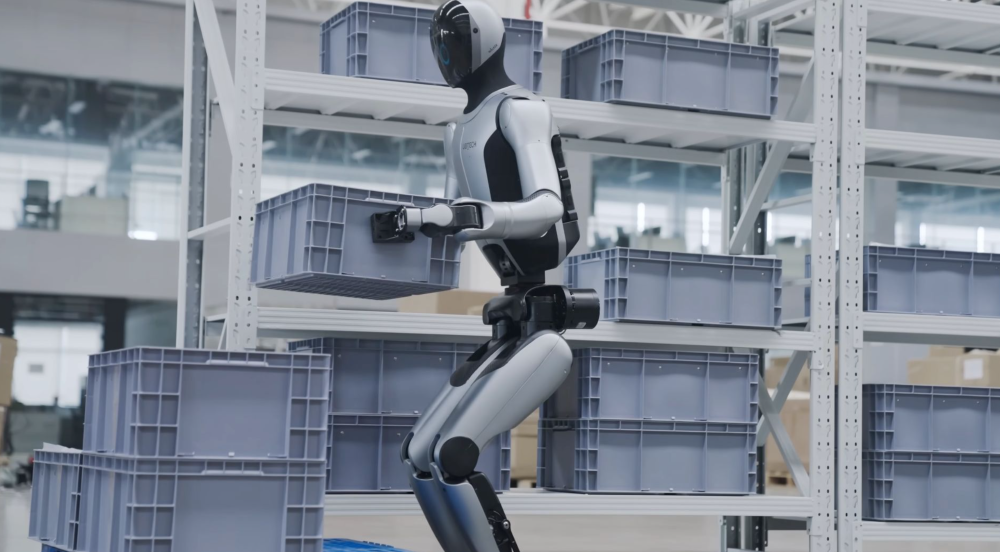
UBTECH Deploys Humanoid Robots at China-Vietnam Border to Enhance Smart Port Operations
UBTECH has introduced humanoid robots at the Dongxing port, located on the China-Vietnam border, to enhance customs operations for passenger management and cargo inspection. This initiative, backed by a $40 million contract, aims to reduce congestion in this heavily trafficked international passage. The Walker S2 robots are designed to offer multilingual assistance and monitor crowd density, thereby streamlining customs procedures. This technological advancement has sparked discussions regarding the limits of law enforcement authority as automation becomes more prevalent in public safety efforts.
Humanoid Robots Smart Ports Customs Automation AI Technology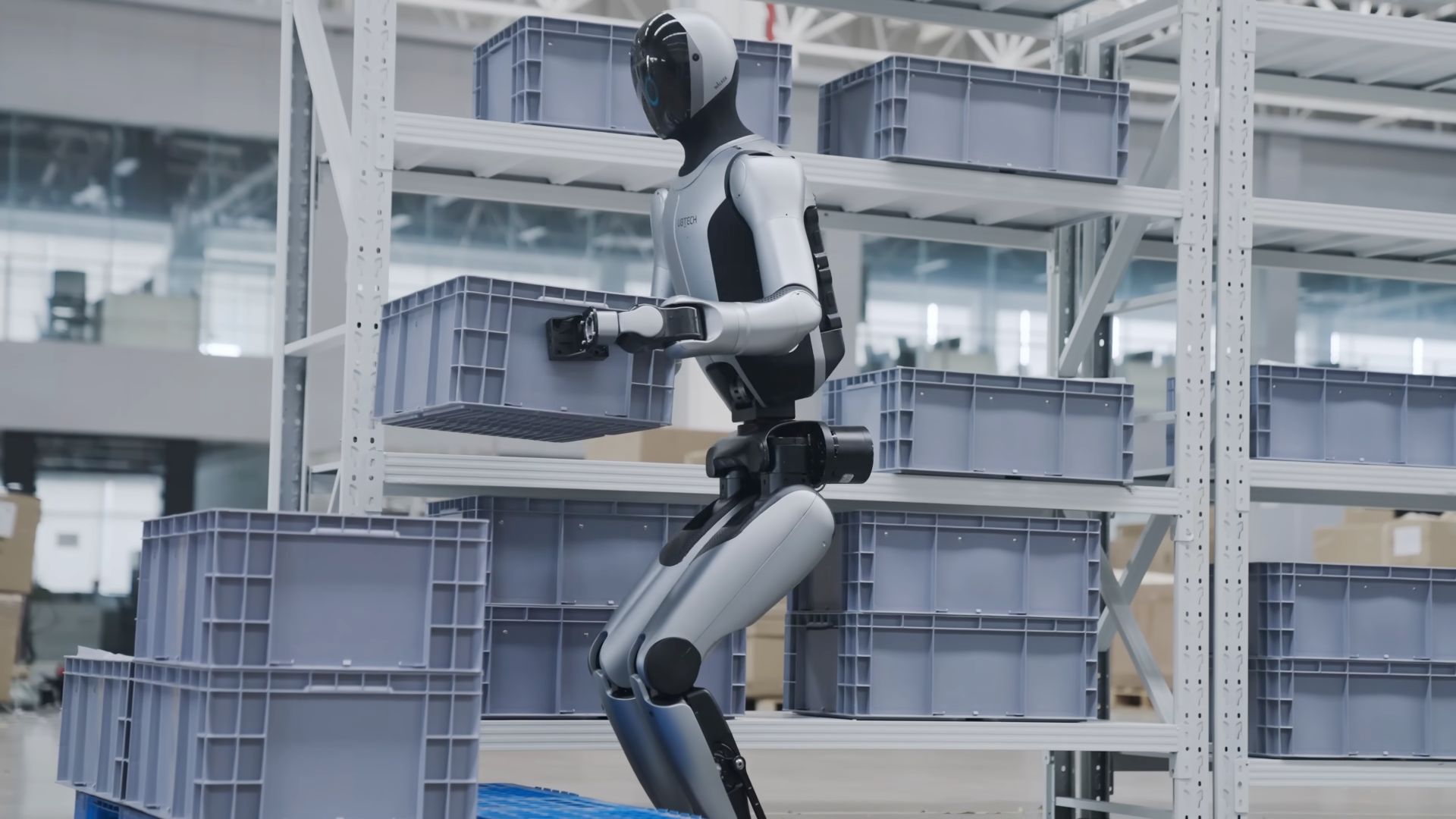
UBTech’s humanoid robots deployed to control crowds at China’s busy international border
China has introduced humanoid robots at its border with Vietnam in an effort to alleviate congestion during peak travel times. This initiative comes as authorities seek to enhance efficiency and streamline the processing of travelers crossing the border. The deployment of these advanced robots is part of a broader strategy to modernize border control operations and improve the overall experience for both tourists and local residents. By utilizing technology, officials aim to reduce wait times and facilitate smoother passage, particularly during busy holiday seasons. The robots are designed to assist with various tasks, including providing information and guiding individuals through the border crossing process. This innovative approach reflects China's commitment to leveraging technology in public services and addressing logistical challenges at one of its busiest borders.
AI and Robotics
Robot forces could guard NATO’s 2,150-mile east front in new border defense concept
Milrem Robotics has unveiled an innovative strategy aimed at enhancing NATO's defense capabilities in Eastern Europe. This announcement was made during a recent defense technology conference held in Tallinn, Estonia, where the company showcased its latest advancements in autonomous systems. The initiative seeks to address the growing security concerns in the region, particularly in light of increasing geopolitical tensions. By integrating advanced robotics and artificial intelligence into military operations, Milrem Robotics aims to improve situational awareness and operational efficiency for NATO forces. The plan emphasizes collaboration with member states to develop and deploy these technologies effectively, ensuring a robust defense posture against potential threats.
Military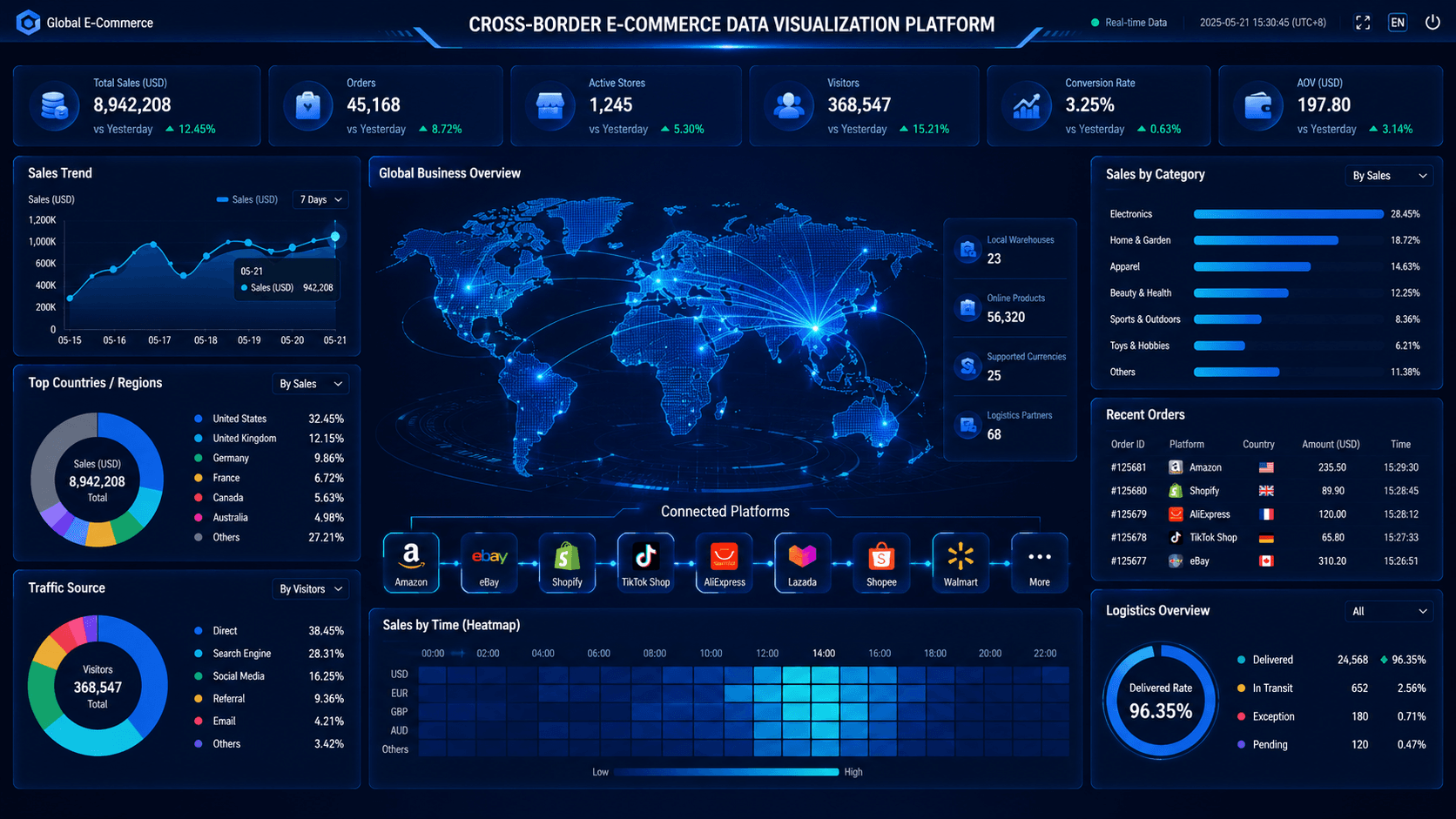
StoreClaw Aims to Unify AI-Powered Cross-Border E-Commerce Operations Across Amazon, Shopify, and TikTok Shop
StoreClaw, an emerging AI startup, has recently garnered significant attention by achieving the top ranking on Product Hunt. The company is focused on revolutionizing the cross-border e-commerce landscape by offering a comprehensive multi-channel AI platform designed to replace the currently fragmented tools available to businesses. This innovative solution aims to streamline operations for e-commerce companies looking to expand their reach internationally. By leveraging advanced artificial intelligence technology, StoreClaw seeks to enhance efficiency and simplify the complexities associated with global online sales. The startup's launch comes at a time when the demand for integrated e-commerce solutions is on the rise, as businesses increasingly look for ways to optimize their operations in a competitive market.
Technology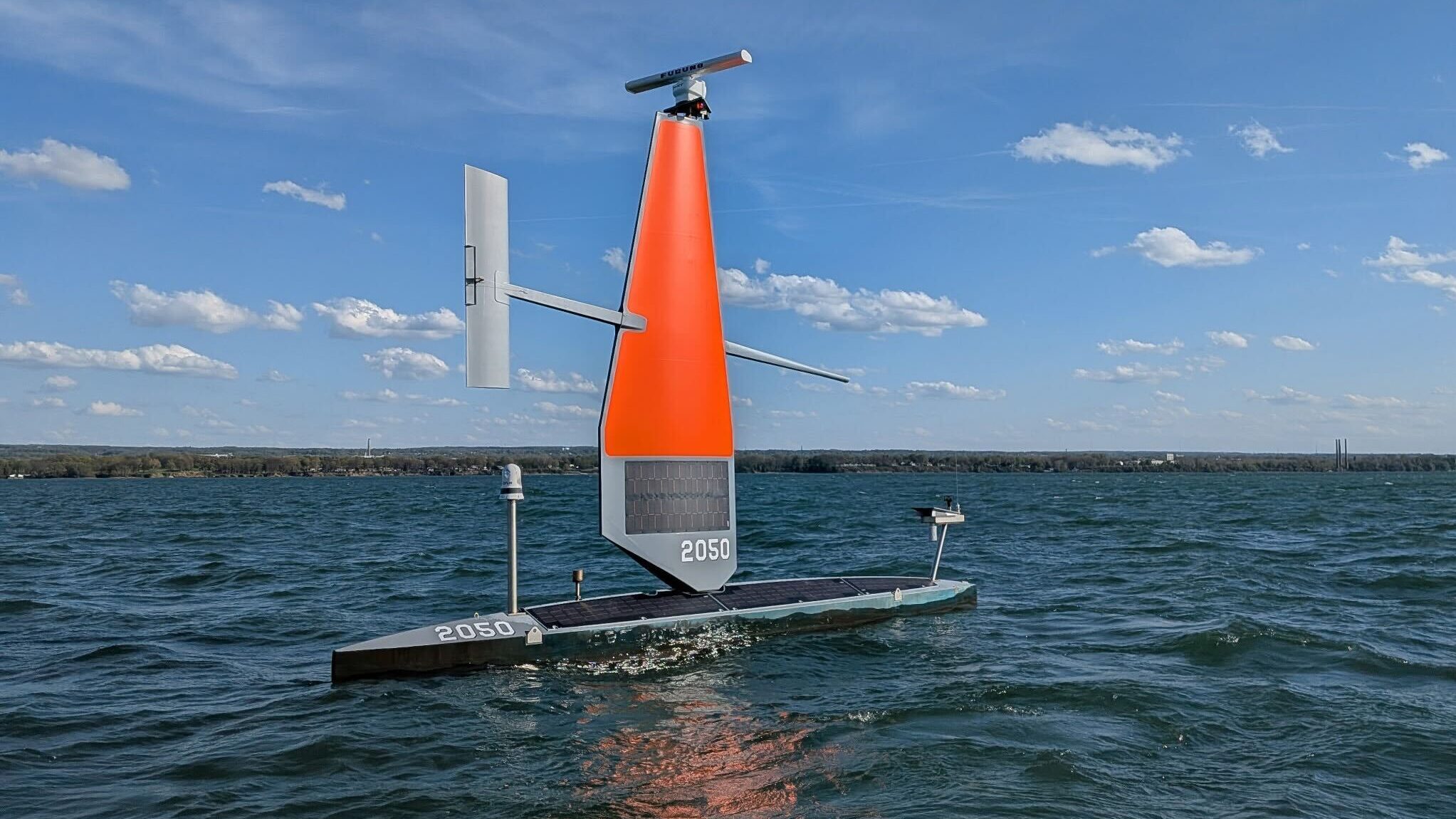
Coast Guard, Saildrone team up in northern waters to boost border security, surveillance
The Voyager, a state-of-the-art surveillance vessel, has been designed to carry out continuous coastal monitoring and nearshore mapping operations. This advanced ship can remain deployed at sea for approximately 100 days, enhancing its capability to gather critical data over extended periods. The implementation of the Voyager is expected to significantly improve maritime security and environmental monitoring efforts, providing valuable insights into coastal ecosystems and aiding in the management of marine resources. With its advanced technology and extended operational range, the Voyager represents a significant advancement in maritime surveillance capabilities.
Naval Warfare border security coast guard Drones Navy Saildrone
China deepens crackdown on cross-border brokers, vows cleanup in 2 years
China's securities regulator has announced a significant crackdown on illegal cross-border investments, targeting unapproved overseas brokerage operations within the country. This initiative, revealed on May 22, 2026, aims to eliminate such activities over the next two years. The move comes as authorities penalized several prominent online brokers, including Tiger Brokers, Futu, and Longbridge, leading to a sharp decline in their US-listed shares. The crackdown reflects China's ongoing efforts to tighten control over financial markets and curb unauthorized foreign investment, amid increasing pressure on domestic brokers to expand their operations abroad. The regulatory actions are part of a broader strategy to ensure compliance and protect investors in the rapidly evolving financial landscape.
Southern border is a ‘sandbox’ for counter-drone tech: NORTHCOM commander
The US military, represented by Gen. Guillot, is actively engaging industry partners through the Joint Interagency Task Force 401 (JIATF 401) to showcase advanced technologies designed to counter adversary drones. This initiative aims to enhance border security by integrating innovative solutions from the private sector. The collaboration underscores the military's commitment to staying ahead of emerging threats in drone warfare. By inviting industry experts to demonstrate their capabilities, the US seeks to bolster its defense strategies and ensure a robust response to potential aerial challenges.
Land Warfare Army Counter UAS cUAS Drones Joint Interagency Task Force 401 northcom
US clears counter-drone laser system for southern border use
Federal regulators have announced a new measure to address the threat of rogue drones entering restricted airspace, particularly along the southern border of the United States. This innovative response involves the use of a high-speed light beam designed to neutralize unauthorized drones without endangering airline passengers. The initiative reflects growing concerns over drone incursions in sensitive areas and aims to enhance security while maintaining safety in the skies. The implementation of this technology marks a significant advancement in aerial defense strategies, as authorities seek to balance the need for airspace security with the safety of commercial aviation.
News
Apple expands Apple Pay cross-border payments for mainland China users
On Thursday, Apple unveiled an expansion of its Apple Pay cross-border payment services for users in mainland China. This enhancement allows customers to utilize Visa credit and debit cards from eight major Chinese banks, including the Industrial and Commercial Bank of China, Bank of China, and Agricultural Bank of China. The move aims to streamline international transactions for Chinese consumers, enhancing their ability to make purchases abroad with greater ease and security. By integrating these banking partnerships, Apple seeks to strengthen its foothold in the competitive mobile payment market in China, catering to the growing demand for seamless cross-border financial services.
News Feed
Smart Manufacturing Without Borders: The Global Journey of ESTUN and the Rise of Chinese Robotics
The global robotics market has seen consistent growth in recent years, with a compound annual growth rate (CAGR) exceeding 6% over the past five years, according to data from MIR DATABANK. Projections suggest that the market will surpass 800,000 units by 2030. This expansion is driven by advancements in technology and increasing demand across various industries, including manufacturing, healthcare, and logistics. As a result, companies are investing heavily in robotics to enhance efficiency and productivity. The trend reflects a broader shift towards automation, positioning the robotics sector as a key player in the future of industrial development.
ESTUN AUTOMATION ROBOTICS SERVO SYSTEMS
UnionPay International partners with WeChat Pay to enable cross-border payments
UnionPay International has formed a strategic partnership with WeChat Pay to facilitate cross-border payments for international users of the UnionPay wallet. This collaboration, announced yesterday, aims to enhance the payment experience for travelers and businesses engaging in international transactions. The initiative will initially involve several wallets, including Bank of China Hong Kong’s BoC Pay, Octopus, PayMe by HSBC, and Tap & Go, all of which are based in Hong Kong. Additionally, the partnership extends to Bangkok Bank Mobile Banking and K PLUS, broadening its reach in the Southeast Asian market. By integrating WeChat Pay’s payment system, UnionPay seeks to streamline the payment process and provide a more efficient solution for users navigating cross-border financial transactions.
News Feed
Stripe executive on booming cross-border transactions and China businesses going global
Stripe, the prominent fintech company recognized for its payment processing solutions, is aiming to enhance its footprint in Asia, driven by the anticipated growth in cross-border trade. The company sees substantial opportunities in China, where cross-border e-commerce is projected to be a major revenue source for businesses across various sectors. As the total import and export volume in China's cross-border trade continues to rise, Stripe's strategic expansion is poised to capitalize on this burgeoning market. By leveraging its technology and expertise, Stripe intends to support businesses in navigating the complexities of international transactions, thereby facilitating smoother trade operations in the region.
Q&A E-commerce and New Retail Highlight NewsRobotics needs a service framework.
RSF defines a common language for robot service capability, lifecycle operations, certification pathways, and service-provider networks.
Join the RobotToday community on LinkedIn
Daily robotics news, in-depth analysis, conference highlights, and discussions with professionals worldwide.







