

Industry Briefing
A single destination for timely, editor-curated robotics news from around the world.

Study on Cooperative Navigation Methods for Autonomous Underwater Vehicles in Terrain Mapping
A recent study published in the Journal of Field Robotics explores cooperative navigation methods for autonomous underwater vehicles (AUVs) in terrain mapping. The research focuses on enhancing the accuracy and efficiency of AUVs when mapping underwater environments through collaborative navigation techniques. This research is significant as it addresses the challenges faced by AUVs in accurately mapping complex underwater terrains. By improving navigation methods, the study aims to facilitate better data collection for various applications, including environmental monitoring, underwater exploration, and resource management. Looking ahead, the implications of this research could lead to advancements in AUV technology and its applications in marine research. No further timeline was disclosed at the time of publication.
RESEARCH ARTICLE
Raytheon and CET Showcase HADALUS Underwater Launch Capability After 18 Months of Development
Raytheon and Composite Energy Technologies (CET) have successfully demonstrated the underwater launch capability of the HADALUS unmanned undersea vehicle (UUV) during a recent U.S. Navy exercise. This marks a significant milestone as it is the first time the Navy has observed this integrated capability in action beneath the ocean surface. The successful demonstration is crucial as it could enhance the U.S. Navy's operational flexibility with long-endurance autonomous underwater vehicles. The HADALUS can now conduct missions that integrate sensing, target reacquisition, and engagement, all while submerged, which presents unique engineering challenges compared to surface-launched systems. Looking ahead, the HADALUS's design allows for extended underwater operations without the need for a surface ship, aligning with the U.S. defense strategy towards distributed unmanned systems. No further timeline was disclosed at the time of publication.
Military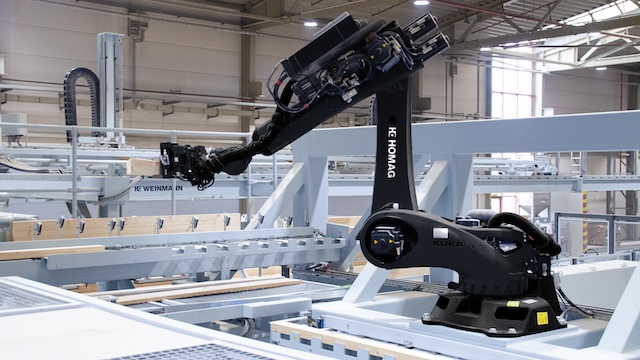
Current Disturbances Impacting Online Localization for Autonomous Underwater Vehicles
The Journal of Field Robotics has published an early view article discussing the challenges of online localization for autonomous underwater vehicles (AUVs) in the presence of current disturbances. This research highlights the difficulties faced by AUVs when global references are not available, which is crucial for their navigation and operational efficiency. Understanding how current disturbances affect AUV localization is significant as it directly impacts the effectiveness of underwater missions. Accurate localization is essential for various applications, including environmental monitoring, underwater exploration, and military operations. The findings from this study could lead to improved algorithms and technologies that enhance the reliability of AUVs in challenging underwater environments. Future research should focus on developing advanced localization techniques that can mitigate the effects of current disturbances on AUVs. As underwater exploration continues to grow, the demand for reliable AUV navigation systems will increase. No further timeline was disclosed at the time of publication.
RESEARCH ARTICLE
Impossible Metals' Eureka II Autonomous Robot Successfully Recovers from Ocean Without Human Help
Impossible Metals has demonstrated its Eureka II autonomous underwater vehicle's ability to autonomously locate and recover itself from the ocean. This significant achievement occurred during an offshore test in Halifax, Nova Scotia, showcasing the robot's advanced capabilities without human intervention. The importance of this technology lies in its potential to simplify underwater operations for commercial use. According to Jason Gilham, Impossible Metals' chief technology officer, reliable autonomous recovery is crucial for scaling subsea platforms in real ocean conditions, as traditional recovery methods can be challenging and labor-intensive. Looking ahead, the Eureka II's successful demonstration highlights the growing interest in autonomous underwater vehicles amid rising demand for critical minerals and ocean data. No further timeline was disclosed at the time of publication.
AI and Robotics
Kongsberg Brings Proven Autonomous Underwater Capability to CANSEC 2026
KONGSBERG is set to present its advanced autonomous underwater vehicle (AUV) technology at the upcoming CANSEC 2026, scheduled for May 27–28 at the Cohere Centre in Ottawa. Attendees will have the chance to view the HUGIN Edge AUV at booth 707 and engage with KONGSBERG experts. This showcase aims to highlight how the HUGIN Edge AUV effectively meets the demands of various undersea missions, demonstrating the company's commitment to innovation in maritime technology.
kongsberg autonomous underwater capability cansec 2026
L3Harris to Provide Autonomous Underwater Capability for US Navy Submarines
L3Harris Technologies has secured a contract from the Department of Defense's Defense Innovation Unit to develop the Torpedo Tube Launch and Recovery (TTLR) system. This innovative system is designed to deploy and retrieve the company's Iver4 900 autonomous underwater vehicles (AUVs) via submarine torpedo tubes. The contract, awarded under the Other Transaction Authority, underscores the military's commitment to enhancing underwater capabilities. The collaboration aims to improve operational efficiency and expand the tactical applications of AUVs in various defense scenarios.
l3harris autonomous underwater capability us navy submarines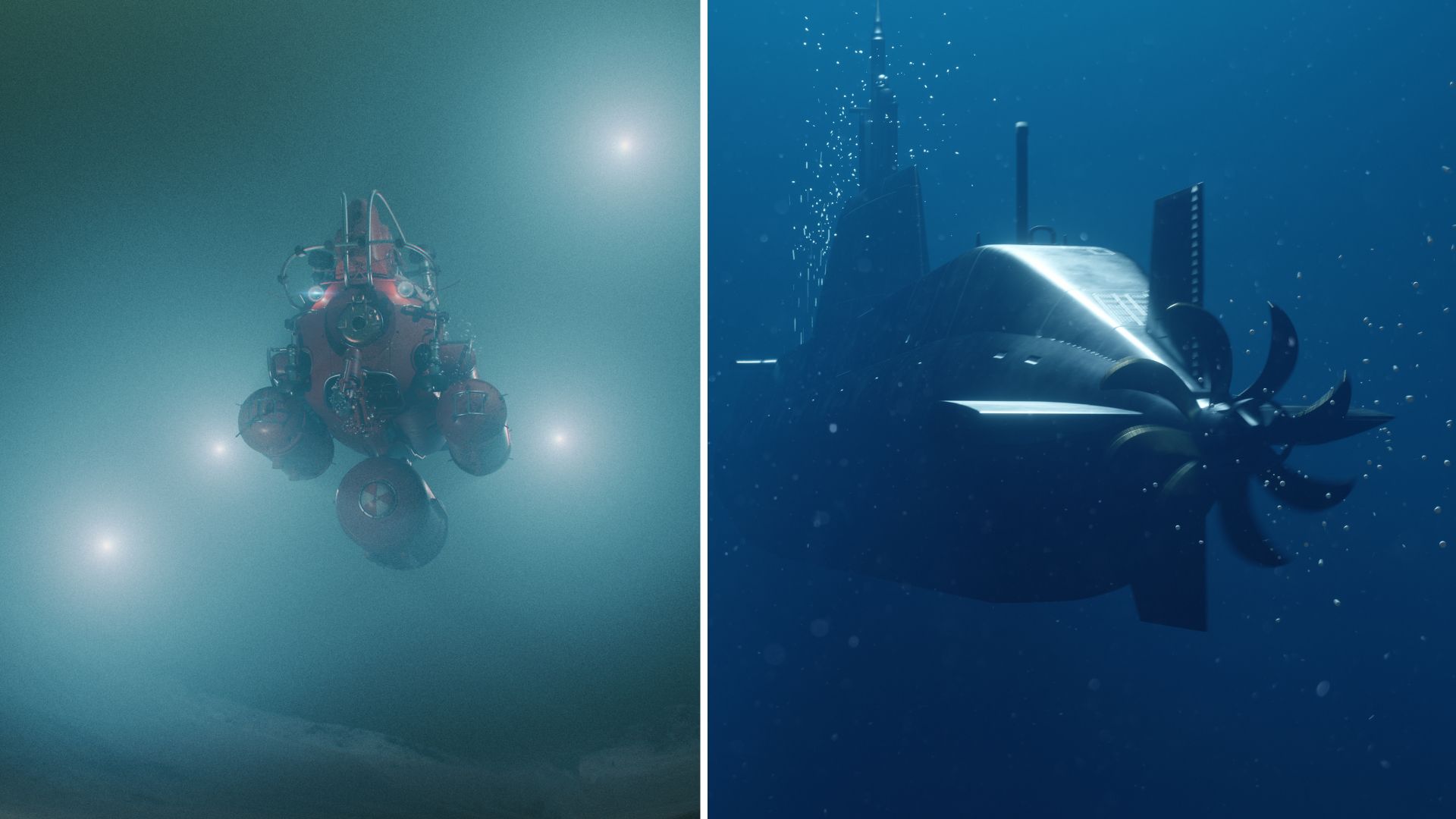
China Explores Autonomous Defense Systems for Contested Islands in South China Sea
A recent report indicates that China is investigating a maritime defense model utilizing autonomous drones to protect contested islands in the South China Sea. Researchers from the China Coast Guard Academy and Dalian Maritime University propose a network of aerial, surface, and underwater drones, which would create a multi-layered defense system, enhancing surveillance and response capabilities. This shift from traditional defense methods to a system reliant on uncrewed platforms reflects the evolving nature of naval warfare. The economic advantages of deploying inexpensive drones to monitor maritime environments are significant, as they can challenge larger military assets. The interconnected architecture aims to maintain operational capability even if some drones are compromised, emphasizing redundancy in defense strategies. As the South China Sea remains a focal point of territorial disputes among several nations, China's initiative to integrate autonomous systems into its defense strategy could further complicate regional security dynamics. However, it is crucial to note that this concept is still a research proposal and does not confirm the operational deployment of such systems at this time.
Military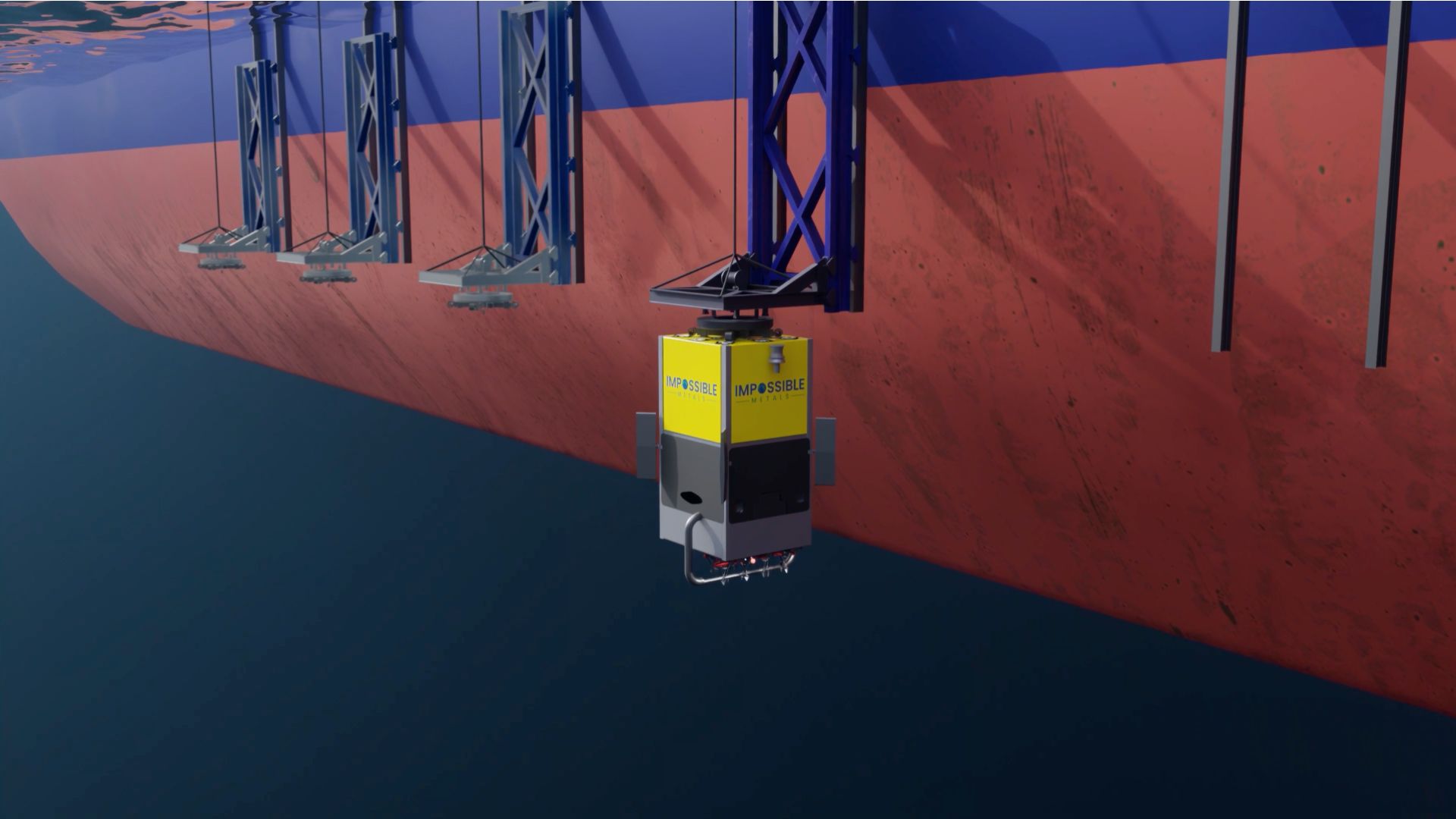
Impossible Metals to Launch Advanced Marine Robotics Hub for Deep-Sea Mineral Harvesting
Impossible Metals, a US mining technology company, has announced plans to establish an Advanced Marine Robotics Hub in Pittsburgh, Pennsylvania. This facility will focus on developing autonomous marine systems for the deep-sea collection of critical minerals, creating over a dozen high-paying engineering and science jobs. The hub aims to enhance US capabilities in marine robotics and critical mineral technologies through collaboration with local universities and researchers. The significance of this initiative lies in its potential to redefine deep-sea mining practices. According to Mike Regan, Chief Growth Officer at Impossible Metals, the hub will enable swarms of autonomous robots to harvest critical minerals like nickel, cobalt, copper, and manganese with minimal environmental impact. This approach not only promises to produce the lowest-cost critical metals on Earth but also aims to strengthen the US supply chain and reduce reliance on foreign sources of essential materials. Looking ahead, the Advanced Marine Robotics Hub will serve as the primary research center for advancing the Eureka autonomous underwater platform and Smart Launch and Recovery Systems. The company plans to continue developing dual-use technologies that cater to both commercial and naval applications. No further timeline was disclosed at the time of publication.
AI and Robotics
Open‐Set Fault Diagnosis for Autonomous Underwater Vehicles Via Prototype Learning and Adaptive Mahalanobis Gating
The Journal of Field Robotics has recently published an early view article highlighting advancements in robotic technology. Researchers from various institutions collaborated to explore innovative applications of robotics in field environments. This study, released in October 2023, emphasizes the growing importance of robotics in enhancing efficiency and safety in agricultural and industrial settings. The motivation behind this research stems from the increasing demand for automation to address labor shortages and improve productivity. The team employed a combination of field tests and simulations to demonstrate the effectiveness of their robotic solutions, showcasing how these technologies can adapt to diverse tasks and terrains. The findings aim to inform future developments in robotic systems, ultimately contributing to more sustainable practices in various sectors.
RESEARCH ARTICLE
A Vision‐Guided Docking Method for Autonomous Underwater Vehicle From Ice Hole
A recent study published in the Journal of Field Robotics highlights advancements in autonomous robotic systems designed for agricultural applications. Researchers from a leading university conducted experiments to evaluate the efficiency of these robots in crop monitoring and management. The study, released in early October 2023, took place in various agricultural settings across the Midwest. The motivation behind this research stems from the increasing need for sustainable farming practices amid rising global food demands. By integrating advanced robotics and artificial intelligence, the team aimed to enhance productivity while minimizing environmental impact. The robots utilized cutting-edge sensors and machine learning algorithms to collect and analyze data on crop health, soil conditions, and pest activity. Through a series of field trials, the researchers demonstrated that these autonomous systems could significantly reduce labor costs and improve yield predictions. The findings suggest that the implementation of such technology could revolutionize traditional farming methods, making them more efficient and environmentally friendly. This study not only underscores the potential of robotics in agriculture but also paves the way for further innovations that could address the challenges faced by the agricultural sector in the coming years.
RESEARCH ARTICLE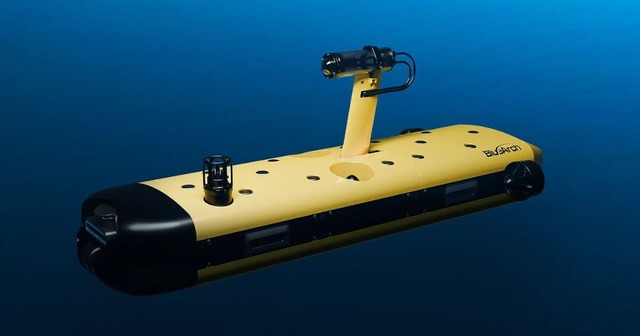
BlueArch develops and sells "HATTORI Neo," a compact autonomous underwater vehicle with edge AI.
BlueArch Corporation has been established to develop and manufacture domestically produced autonomous underwater vehicles (AUVs) and underwater robots (UUVs). This initiative aims to enhance Japan's capabilities in underwater exploration and technology, responding to the growing demand for advanced marine solutions. The company focuses on leveraging innovative engineering and technology to create efficient and reliable underwater systems. The establishment of BlueArch marks a significant step in the country's efforts to strengthen its maritime industry and promote research and development in underwater robotics.

Robotic arm inspired by octopus uses tactile sensors in suction cups for autonomous underwater grasping
A research team led by Barbara Mazzolai at the Istituto Italiano di Tecnologia (IIT) has unveiled an innovative octopus-inspired soft robotic arm. This development, which emerged from the Bioinspired Soft Robotics unit, showcases advanced technology that allows the robotic arm to autonomously grasp objects in challenging environments, including underwater. The arm's artificial suction cups are equipped with sensors that can detect contact and assess the intensity and direction of applied forces. This breakthrough, announced recently, highlights the potential of oceanic biology to inspire future robotics solutions, emphasizing the importance of nature as a model for technological advancements.
Robotics
Klein Marine Systems Introduces MANTIS UUV with SmartArray Technology™ for Autonomous Underwater Missions
Klein Marine Systems, recognized as a global leader in advanced side scan sonar and underwater imaging technology, has unveiled its latest innovation, the MANTIS UUV. This integrated multi-channel side scan sonar system is specifically designed to enhance unmanned underwater vehicles by providing high-quality imaging and onboard processing capabilities. The announcement was made today, highlighting the company’s commitment to improving underwater exploration and data collection. The MANTIS UUV aims to streamline integration processes, making it a valuable tool for various applications in marine research and industry.
klein marine systems mantis uuv smartarray technology™ uuv auv
Project CETI deploys autonomous underwater gliders to better observe sperm whales
Project CETI has introduced an innovative underwater glider designed to enhance the monitoring of sperm whales, significantly extending the duration of observation compared to previous techniques. This advancement aims to improve the understanding of whale behavior and ecology, contributing to conservation efforts. The deployment of the autonomous glider marks a pivotal step in marine research, allowing scientists to gather more comprehensive data on these majestic creatures. The initiative reflects Project CETI's commitment to leveraging technology for wildlife observation and protection, ultimately fostering a deeper connection between humans and marine life.
Academia / Research Artificial Intelligence Artificial Intelligence / Cognition Design / Development Maritime Markets / Industries
Six‐Dimensional Digital Twin System for Autonomous Underwater Vehicles: Conceptualization and Twin Experiments
The Journal of Field Robotics has published a new early view article highlighting advancements in robotic technology. The research, conducted by a team of engineers and scientists, focuses on enhancing the capabilities of autonomous robots in complex environments. This study, released in October 2023, aims to address the growing demand for improved robotic systems in various applications, including agriculture, search and rescue, and industrial automation. The researchers employed innovative algorithms and machine learning techniques to enable robots to navigate and operate more effectively in unpredictable settings. By simulating real-world scenarios, the team was able to test the robots' performance and adaptability, showcasing significant improvements over previous models. This development comes at a crucial time as industries increasingly rely on automation to boost efficiency and safety. The findings are expected to influence future designs and applications of robotic systems, ultimately contributing to the evolution of the field. The research underscores the importance of interdisciplinary collaboration in advancing technology and meeting the challenges posed by complex operational environments.
RESEARCH ARTICLE
Dynamic State Feedback Control of Autonomous Underwater Vehicles Based on Switching Between Multiple Heading Movement Models
In May 2026, researchers published a significant study in the Journal of Field Robotics, detailing advancements in robotic technology. The study, appearing in Volume 43, Issue 3, pages 1679-1692, highlights innovative methodologies for enhancing robotic navigation and autonomy in complex environments. Conducted by a team of experts in robotics and artificial intelligence, the research aims to address the growing demand for efficient and reliable robotic systems in various industries, including agriculture, manufacturing, and disaster response. The motivation behind this research stems from the increasing reliance on robotics in everyday applications and the need for these systems to operate effectively in unpredictable settings. By employing advanced algorithms and machine learning techniques, the researchers demonstrated how robots can improve their decision-making processes and adapt to changing conditions in real-time. The findings are expected to have a profound impact on the future development of autonomous robots, paving the way for more sophisticated applications that can enhance productivity and safety across multiple sectors. As the field of robotics continues to evolve, this study represents a crucial step toward achieving greater autonomy and efficiency in robotic systems.
RESEARCH ARTICLE
Collaborative Sampling and Imaging of Phytoplankton Communities by Two Long‐Range Autonomous Underwater Vehicles Using Acoustic Tracking and Messaging
In May 2026, researchers published a study in the Journal of Field Robotics, detailing advancements in robotic technology aimed at enhancing agricultural efficiency. This research, conducted by a team of engineers and agricultural scientists, focuses on the development of autonomous robots capable of performing various farming tasks, such as planting, monitoring crop health, and harvesting. The study highlights the pressing need for innovative solutions in agriculture, driven by the increasing global population and the corresponding demand for food production. By integrating advanced sensors and artificial intelligence, these robots can operate independently, reducing the reliance on manual labor and improving productivity. The research was conducted in various agricultural settings, showcasing the robots' adaptability to different environments and crop types. The findings suggest that implementing such robotic systems could lead to significant cost savings and increased yield for farmers, ultimately contributing to food security. The team employed a combination of field trials and simulations to validate the robots' effectiveness, demonstrating their ability to navigate complex terrains and perform tasks with precision. This breakthrough could revolutionize the agricultural sector, offering a sustainable approach to meet future food demands while minimizing environmental impact.
RESEARCH ARTICLE
A Review on Path Planning for Autonomous Underwater Vehicles: From Models, Classical Methods, and Learning‐Based Intelligence Perspectives
In a recent study published in the Journal of Field Robotics, researchers explored advancements in robotic technologies aimed at enhancing agricultural efficiency. The findings, released in May 2026, highlight innovative methods for deploying autonomous robots in farming environments to improve crop management and yield. Conducted by a team of experts in robotics and agriculture, the research took place in various agricultural settings, focusing on the integration of artificial intelligence and machine learning to optimize planting, monitoring, and harvesting processes. The motivation behind this initiative stems from the growing need for sustainable farming practices and the increasing global demand for food production. By utilizing advanced robotics, the study aims to address labor shortages and reduce environmental impacts associated with traditional farming methods. The researchers conducted extensive field trials to assess the effectiveness of these robotic systems, demonstrating significant improvements in efficiency and productivity. This work not only contributes to the field of robotics but also offers practical solutions for the agricultural sector facing modern challenges.
SURVEY ARTICLE
UK Royal Navy Awards Teledyne Contract for Autonomous Underwater Vehicles and Floats
Teledyne Marine, a division of Technologies Incorporated, has secured a contract with the UK Ministry of Defence to enhance the Royal Navy's oceanographic and environmental data collection capabilities. This partnership supports the Royal Navy's Future Maritime Data Gathering initiative, aimed at improving persistent oceanographic data collection. The contract underscores the UK's commitment to advancing its maritime research and operational effectiveness.
uk royal navy contract award teledyne autonomous underwater vehicles (auv) floats
Cellula Robotics USA Inc. Selected to Deliver Autonomous Underwater Vehicle Prototype Under the CAMP Defense Innovation Unit Project
Cellula Robotics USA Inc. has announced its involvement in the development of a long-endurance Autonomous Underwater Vehicle (AUV) following a contract awarded by the Defence Innovation Unit (DIU). This initiative is part of the Combat Autonomous Maritime Platform (CAMP) program, aimed at enhancing national defense capabilities. The collaboration underscores Cellula's dedication to providing reliable solutions for defense while emphasizing the importance of strategic partnerships that integrate commercial innovation with military requirements.
cellula robotics usa autonomous underwater vehicle prototype camp defense innovation unit (diu)
Enhanced Unscented Kalman Filter With Time‐Varying Attenuation Factor for Cross‐Domain Unmanned Surface Vehicle/Autonomous Underwater Vehicle Tracking Using Time‐Direction of Arrival Measurements
The Journal of Field Robotics has recently published an early view article highlighting advancements in robotic technology. This publication, which became available in October 2023, focuses on innovative applications of robotics in various fields, including agriculture, search and rescue, and environmental monitoring. Researchers and engineers are increasingly motivated to enhance robotic capabilities to address complex challenges and improve efficiency in these sectors. The article outlines the methodologies employed in developing these advanced robotic systems, emphasizing the integration of artificial intelligence and machine learning. By showcasing successful case studies and ongoing projects, the journal aims to inform and inspire further research and collaboration within the robotics community.
RESEARCH ARTICLE
Autonomous Underwater Vehicles Key Components Fault Diagnosis Method Based on Multisource Information Multilevel Fusion With Fault Feature Exchange
The Journal of Field Robotics has published new research highlighting advancements in robotic technology aimed at enhancing field operations. This study, released in early October 2023, focuses on the integration of artificial intelligence and machine learning to improve the efficiency and accuracy of robotic systems in agricultural settings. Conducted by a team of researchers from various institutions, the work demonstrates how these innovations can lead to better crop management and resource allocation. The research was carried out in various agricultural environments, showcasing the robots' ability to adapt to different terrains and conditions. By employing sophisticated algorithms, the robots can analyze data in real-time, allowing for timely interventions that can significantly boost yields and reduce waste. The motivation behind this study stems from the growing need for sustainable farming practices amid increasing global food demand. By leveraging advanced robotics, the researchers aim to address challenges such as labor shortages and environmental impacts associated with traditional farming methods. The findings suggest that the application of these technologies could revolutionize the agricultural industry, making it more efficient and environmentally friendly. As the field of robotics continues to evolve, this research underscores the potential for robotic systems to play a crucial role in modern agriculture, paving the way for future innovations that could further transform how food is produced and managed.
RESEARCH ARTICLE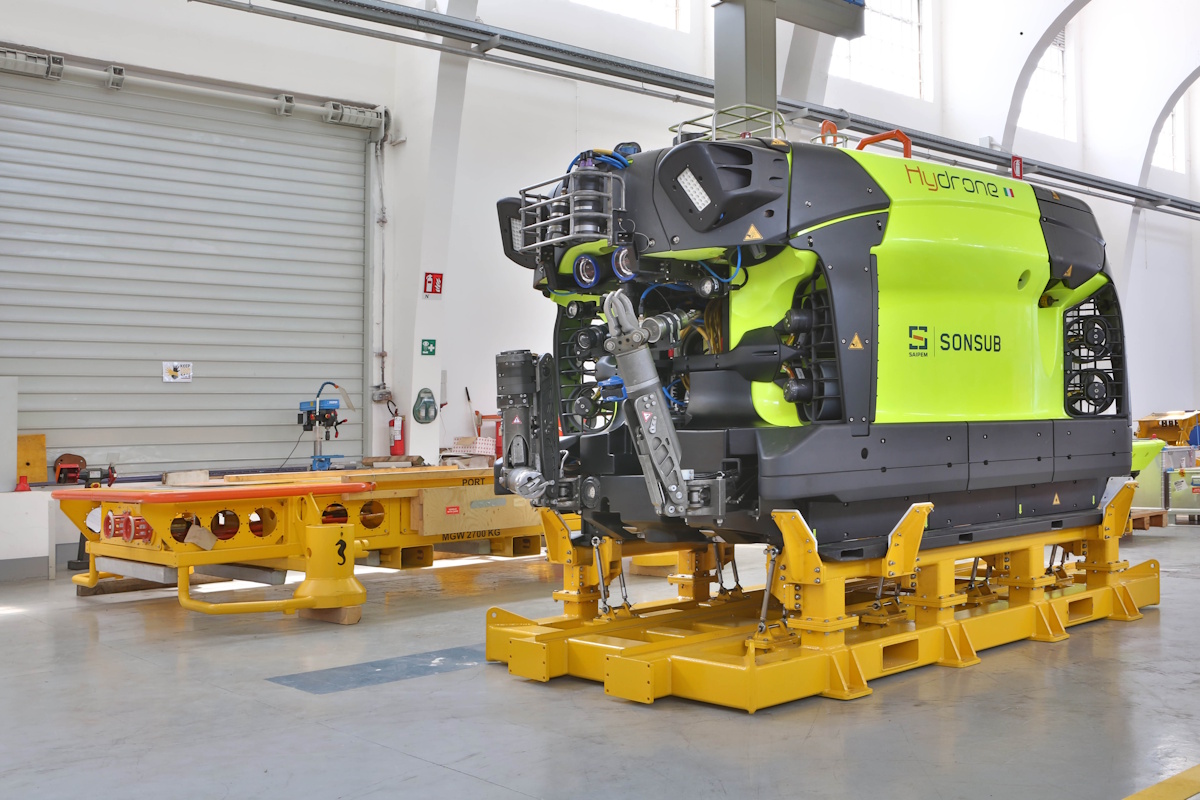
Saipem’s underwater drone Hydrone-R performs autonomous mission in the Arctic coral area in Norway
Saipem's innovative underwater intervention drone, Hydrone-R, has successfully completed an autonomous survey mission in the Arctic coral region of Njord, Norway. This groundbreaking operation, which took place recently, marked a significant advancement in underwater robotics as the drone operated independently, without the need for cables or surface support. The mission aims to enhance the understanding and protection of marine ecosystems, highlighting the potential of advanced technology in environmental conservation efforts.
saipem’s hydrone-r autonomous mission
Mission Specialist Wraith Signals AeroVironment’s Next Step in Compact Unmanned Underwater Systems Capability
A new expeditionary unmanned underwater vehicle (UUV) has been unveiled, showcasing advanced capabilities that include six-degree-of-freedom maneuverability, increased thrust, and modular mission flexibility. This compact platform is designed to enhance operational efficiency for various underwater missions. The development comes amid growing demands for innovative maritime technology, as military and research organizations seek to improve their underwater exploration and operational capabilities. The UUV's design allows for easy adaptation to different mission requirements, making it a versatile tool for a range of applications. The introduction of this advanced vehicle marks a significant step forward in underwater technology, promising to support both military operations and scientific research in challenging aquatic environments.
videoray rov wraith aerovironment
HII Successfully Demonstrates Sea Launcher, Ship-Based Automated Launch and Recovery of REMUS Autonomous Underwater Vehicle
HII, a leading manufacturer of autonomous underwater unmanned vehicles, announced the successful shipboard deployment and recovery of a REMUS autonomous underwater vehicle. This achievement was made possible through the use of the company’s automated launch and recovery system, known as Sea Launcher. The event highlights HII's advancements in underwater technology and its commitment to enhancing operational capabilities in marine environments.
hii sea launcher ship-based automated launch and recovery remus autonomous underwater vehicle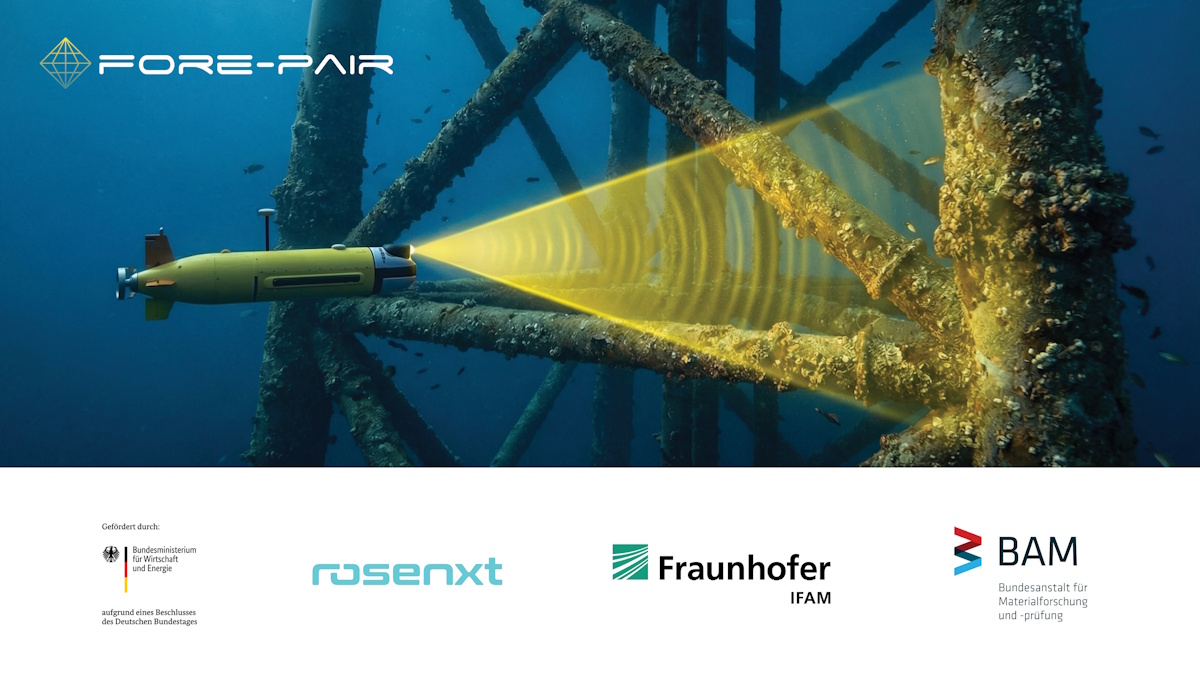
Federal Funding for Autonomous Underwater Robotics Project to Inspect Floating Offshore Energy Platforms
The FORE-PAIR consortium has officially launched a project aimed at developing autonomous robotic technologies for the inspection, maintenance, and cleaning of floating offshore energy platforms, including floating wind and solar systems. This initiative is backed by approximately 10 million euros in federal funding. The project is set to enhance the efficiency and sustainability of offshore energy production, addressing the growing demand for renewable energy sources. By leveraging advanced robotics, the consortium aims to streamline operations and reduce the environmental impact associated with traditional maintenance methods. The project is expected to contribute significantly to the future of offshore energy infrastructure, promoting innovation in the sector.
funding autonomous underwater robotics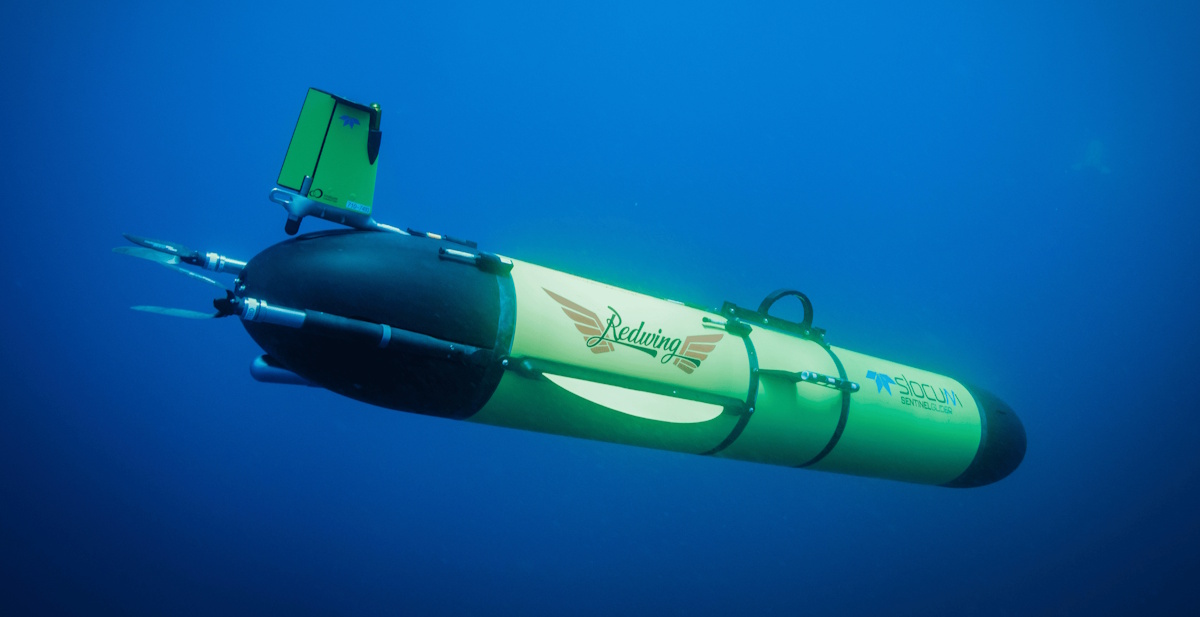
World-first: Underwater Autonomous Glider to Circumnavigate the Globe
Teledyne Marine, in partnership with Rutgers University-New Brunswick, is set to embark on a groundbreaking mission to circumnavigate the globe using an autonomous underwater glider. This innovative project marks a significant milestone in marine science and technology, showcasing the capabilities of autonomous systems in ocean exploration. The mission is scheduled to commence in the coming months, with the glider expected to gather valuable data on oceanic conditions and marine ecosystems throughout its journey. The collaboration aims to enhance our understanding of the world's oceans and address critical environmental challenges. By leveraging advanced technology, the team hopes to provide insights that can inform conservation efforts and improve our response to climate change.
underwater autonomous glider teledyne marine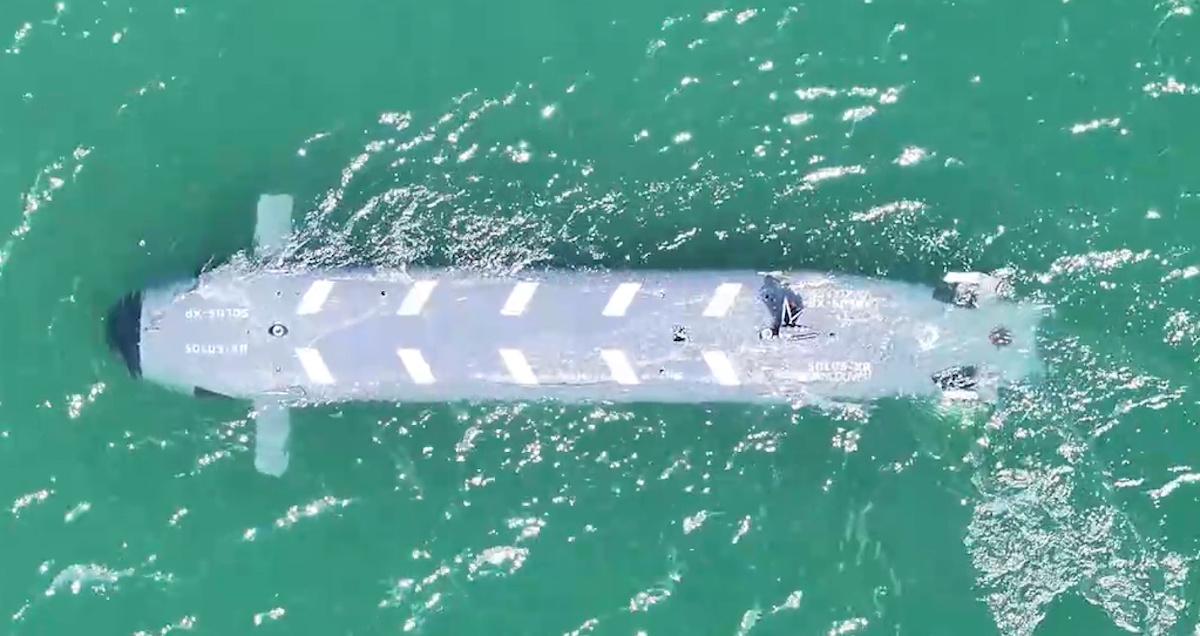
Cellula Robotics Announces Guardian Autonomous Underwater Vehicle Sale
Cellula Robotics Ltd. has announced the successful sale of a GUARDIAN Autonomous Underwater Vehicle (AUV) to a confidential defense customer. This transaction underscores the growing demand for advanced underwater technology in defense applications. The deal reflects Cellula Robotics' commitment to providing innovative solutions tailored to the needs of its clients in the defense sector. The specifics of the transaction, including the value and delivery timeline, remain undisclosed due to the customer's confidentiality requirements. This sale marks a significant milestone for Cellula Robotics as it continues to expand its presence in the defense market, leveraging its expertise in underwater robotics to meet the evolving challenges faced by defense organizations.
cellula robotics guardian autonomous underwater vehicle (auv) sale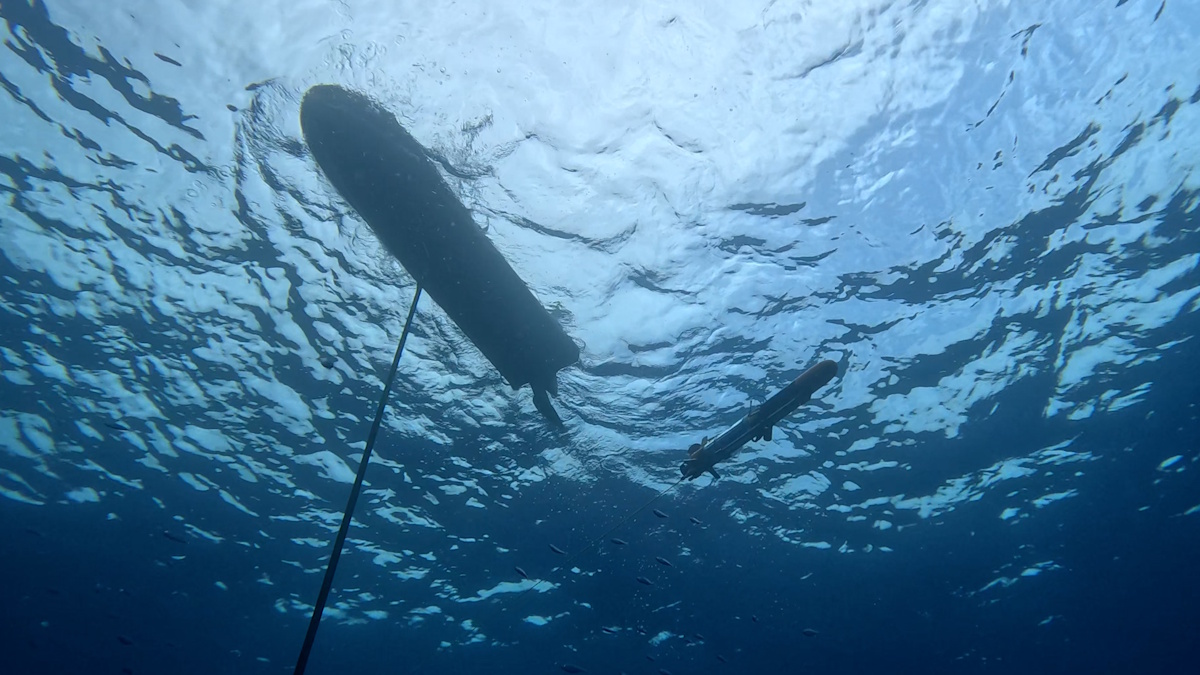
Liquid Robotics and Hydronet Sign MOU to Advance Undersea Mesh Networking for Maritime and Underwater Autonomous Vehicles
Liquid Robotics, a subsidiary of Boeing, has partnered with Massachusetts-based deep tech start-up Hydronet to enhance and commercialize underwater mesh networking technologies. This collaboration aims to improve connectivity for maritime and underwater autonomous vehicles. The two companies have formalized their commitment through a Memorandum of Understanding (MOU), signaling a strategic move to leverage their respective expertise in advancing this innovative technology. The partnership is expected to facilitate more efficient communication and data sharing among autonomous systems operating in underwater environments, ultimately enhancing operational capabilities in various maritime applications.
liquid robotics hydronet mou undersea mesh networking underwater autonomous vehicles auv
Kongsberg Discovery Starts Production of Autonomous Underwater Vehicles in the U.S.
Kongsberg Discovery has announced the commencement of production for its HUGIN autonomous underwater vehicle in the United States. This strategic move, made in response to the increasing demand for advanced subsea technology in the U.S. market, underscores the company's commitment to enhancing its presence in the region. By establishing local production, Kongsberg aims to better serve its clients and capitalize on the growing opportunities within the subsea sector. The decision reflects a broader trend of companies investing in domestic manufacturing to meet specific market needs and improve operational efficiency.
kongsberg discovery hugin auv
Saildrone and Thales Australia Demonstrate Game-changing Capability for Autonomous Anti-Submarine Warfare
Saildrone, a leader in maritime autonomy, has partnered with Thales Australia to successfully integrate the BlueSentry thin-line towed array with the Saildrone Surveyor, resulting in a pioneering system designed for autonomous long-endurance undersea maritime domain awareness (MDA). This innovative project, backed by funding from the Office of Naval Research (ONR), represents a significant advancement in the field of persistent, real-time undersea surveillance. The collaboration aims to enhance the capabilities of maritime operations by providing continuous monitoring of underwater environments, thereby improving security and situational awareness in naval operations. The demonstration highlights the potential for autonomous systems to revolutionize maritime surveillance and response strategies.
saildrone thales australia autonomous anti-submarine warfare (asw)Robotics needs a service framework.
RSF defines a common language for robot service capability, lifecycle operations, certification pathways, and service-provider networks.
Join the RobotToday community on LinkedIn
Daily robotics news, in-depth analysis, conference highlights, and discussions with professionals worldwide.







