Industry Briefing
A single destination for timely, editor-curated robotics news from around the world.
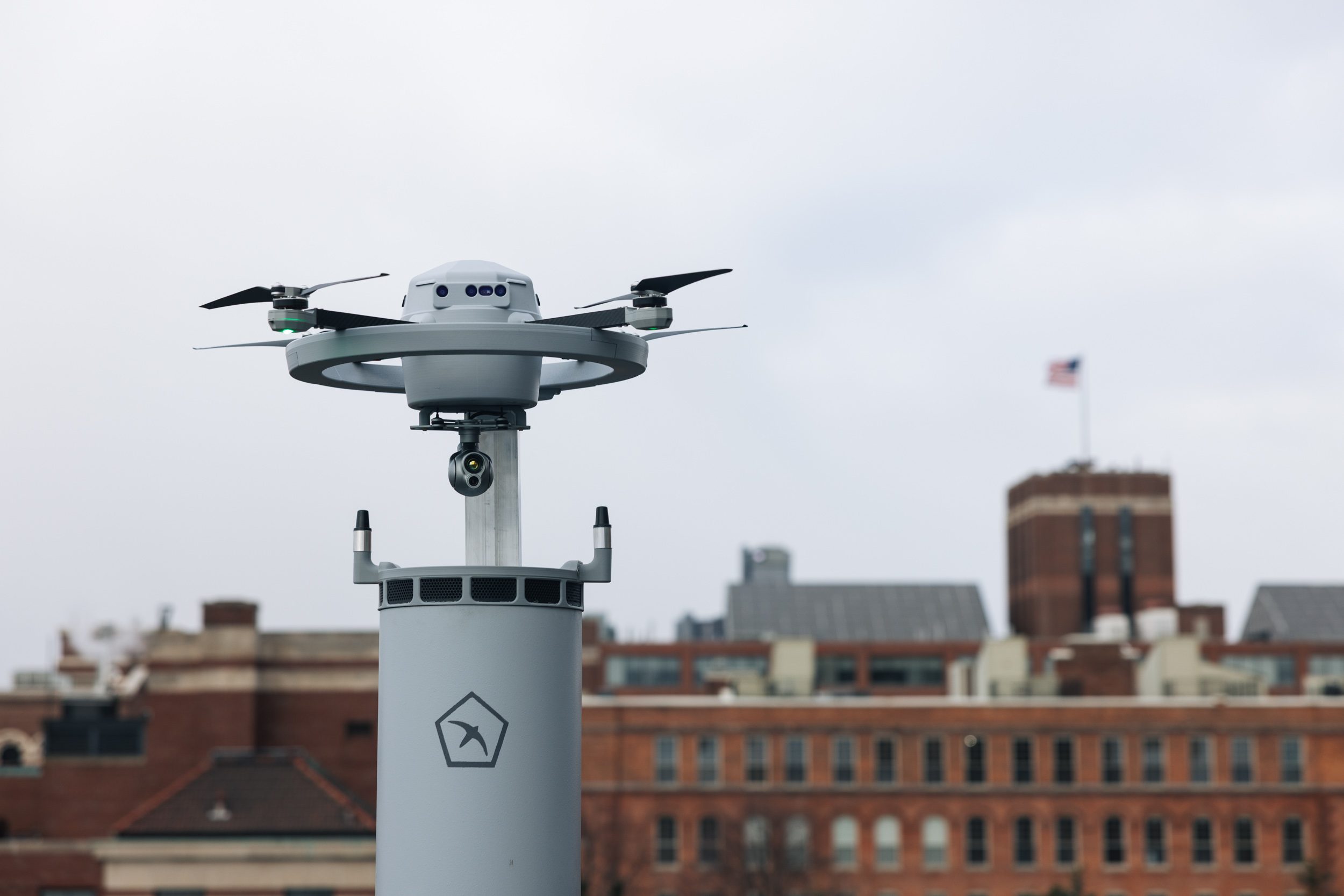
Birdstop Leverages Detroit's Auto Supply Chain to Enhance U.S. Drone Manufacturing
Birdstop, an autonomous security drone manufacturer, has relocated from Silicon Valley to Detroit to capitalize on the city's automotive supply chain. CEO Keith Miao emphasized that Detroit offers significant opportunities for scaling drone production, particularly due to the region's robust electronics manufacturing capabilities tied to the auto industry. The move is significant as it highlights the potential for cross-industry collaboration, where components used in automotive manufacturing can also be applied to drone technology. Miao noted that the overlap in specifications and testing requirements between automotive parts and drone components allows Birdstop to leverage existing resources effectively. Looking ahead, Birdstop has introduced its new flagship product, the Fealty system, which began deployment in May for monitoring truck parking sites in Detroit. This innovative drone system is designed for persistent coverage and features advanced AI capabilities, setting a new standard in the drone industry. No further timeline was disclosed at the time of publication.
DL Exclusive Drone Manufacturing Drone News Drone News Feeds Drones in the News Feature 1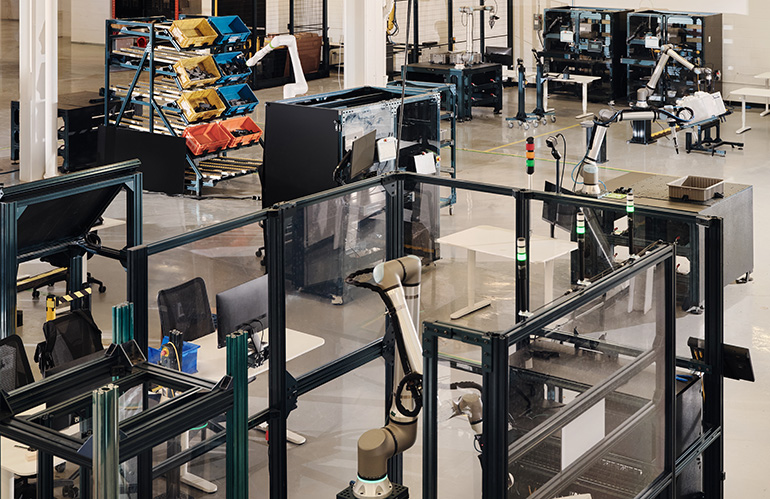
Vention Launches New Physical AI Lab in Montreal to Enhance Manufacturing Robotics
Vention Inc. has inaugurated its Physical AI Lab in Montreal, focusing on robotic manipulation in manufacturing. This facility aims to generate high-quality data essential for training AI models that control next-generation robots. According to CEO Etienne Lacroix, the lab leverages Vention's extensive experience with hundreds of robot cells to enhance the capabilities of physical AI. The establishment of the lab is significant as it addresses the growing demand for reliable and economical automation solutions in manufacturing. Vention's technology stack, which includes hardware, software, and physical AI, has already been deployed in over 28,000 machines globally, including in 90 of the Fortune 500 companies. The lab's unique approach combines academic research with real-world production challenges, allowing for rapid advancements in AI capabilities. Looking ahead, Vention aims to validate new AI capabilities against the practical requirements of production lines, with a focus on complex manufacturing tasks. No further timeline was disclosed at the time of publication. The integration of industry feedback into the research process is expected to accelerate the development of effective automation solutions.
Arms / Manipulators Artificial Intelligence Artificial Intelligence / Cognition Assembly Automotive Cameras / Imaging / Vision
OnLogic to Showcase Physical AI Hardware and Manufacturing Solutions at IMTS 2026
At IMTS 2026, OnLogic will present live demonstrations of its hardware designed for physical AI applications. This event will feature collaborations with notable companies including Microsoft, Nokia, and Inductive Automation, showcasing automated control and private wireless solutions tailored for factory environments. The significance of this demonstration lies in its potential to enhance manufacturing efficiency and automation through advanced technology. By integrating OnLogic's purpose-built hardware with contributions from industry leaders, the event aims to highlight innovative solutions that can transform factory operations and improve productivity. Looking ahead, attendees should watch for the specific applications and use cases presented during the demonstrations. The collaboration with major tech companies suggests a strong emphasis on cutting-edge solutions that could redefine manufacturing processes. No further timeline was disclosed at the time of publication.
Jinan's Three-Year Action Plan for AI Integration in Manufacturing
In September 2026, Jinan's Bureau of Industry and Information Technology, along with 13 other departments, released the 'Action Plan for Implementing AI + Manufacturing (2026-2028)'. This plan aims to address the critical transition from AI as a concept to its practical application in manufacturing, particularly focusing on overcoming data fragmentation and inaccessibility in factories. The plan is significant for Jinan, a major industrial city projected to achieve over 1 trillion yuan in industrial revenue by 2025. It emphasizes the need for a comprehensive data resource inventory and the development of ready-to-use data products, establishing an integrated mechanism for data collaboration, model training, application development, and security assurance. Jinan's AI core industry is expected to grow from 640 billion yuan in 2025 to over 800 billion yuan in 2026, with nearly 600 AI companies contributing to this growth. Looking ahead, the plan sets ambitious goals, including the creation of over 40 specialized industrial models and intelligent systems by 2028, and the promotion of more than 30 typical application scenarios. Jinan aims to leverage its strategic advantages to spread AI empowerment from leading enterprises to small and medium-sized businesses, fundamentally transforming the future of this industrial city.
AI in Manufacturing Industrial Automation Data Integration Smart Manufacturing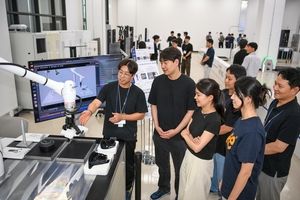
Hyundai Mobis Unveils 40 Advanced Smart Manufacturing Technologies at M-Sphere 2026
Hyundai Mobis showcased approximately 40 smart manufacturing technologies at the M-Sphere 2026 exhibition, highlighting the integration of artificial intelligence, robotics, and digital twins in automotive parts production. The event, held at the Quantum Center in Uiwang, Gyeonggi Province, attracted around 1,000 industry officials, including partners, under the theme 'Beyond Challenge, Into Reality.' The significance of this exhibition lies in Hyundai Mobis's commitment to enhancing manufacturing efficiency and safety through innovative technologies. Among the featured technologies was an autonomous transport robot currently being tested at the Ulsan chassis module plant, capable of independently locating and transporting components weighing up to 20 kilograms. This advancement aims to improve parts delivery accuracy while minimizing safety risks for workers. Looking ahead, Hyundai Mobis plans to further implement AI and digital twin technologies in production environments to bolster its manufacturing competitiveness. No further timeline was disclosed at the time of publication.
All News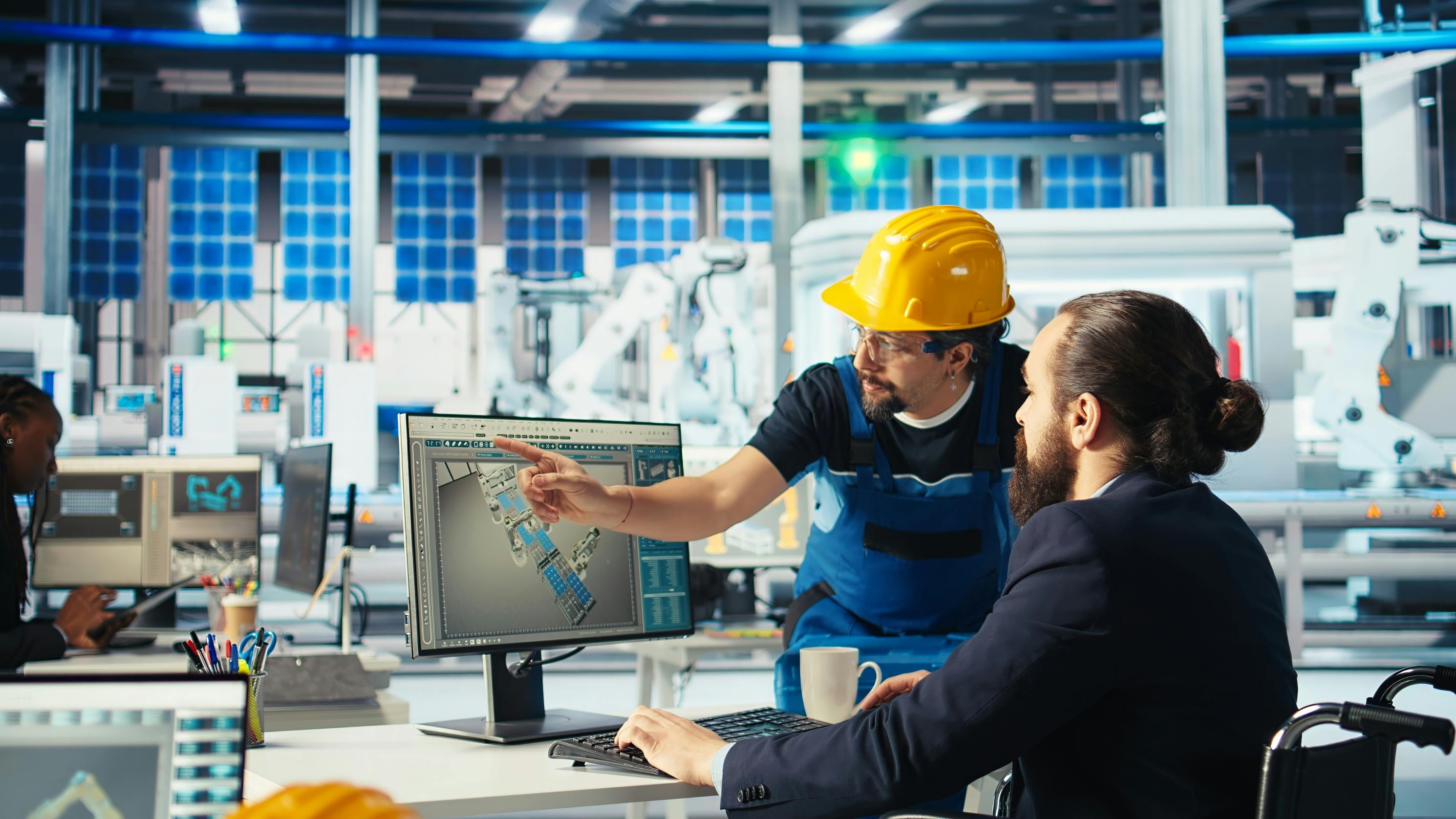
Systemic AI Enhances Scalable Industrial Automation in Manufacturing Plants
Manufacturers are increasingly frustrated with AI's limited scalability, as pilots often fail to replicate success across different sites. Accenture's research indicates that leading firms are adopting 'systemic AI,' which integrates intelligence directly into production systems, linking decision-making with physical execution across various operational levels. This approach contrasts with previous Industry 4.0 initiatives that focused on isolated automation. The significance of systemic AI lies in its ability to optimize the entire production lifecycle, from design to execution, thereby preventing errors before they occur. By applying AI early in asset and product development, manufacturers can secure cost and performance efficiencies prior to capital investment. Reports indicate that companies utilizing systemic AI experience substantial efficiency improvements, including a US aerospace manufacturer that eliminated traceability errors during the engineering-to-manufacturing transition. Looking ahead, manufacturers are encouraged to integrate their systems and data to facilitate real-time decision-making across all functions. This involves overcoming the challenges of connecting enterprise, operational, and engineering systems. A shared semantic layer can enhance AI's reasoning capabilities across these systems, allowing for more consistent actions and improved outcomes in manufacturing processes.
Factory / Digital Transformation
U.S. Humanoid Robot Manufacturing Faces Challenges Due to China's Supply Chain Dominance
For the past four years, Hagerty has been the primary distributor for Utree Technology in North America, witnessing the dominance of Chinese companies in the robotics industry. He acknowledges that manufacturing a humanoid robot without Chinese components is unrealistic, as U.S. companies attempting to exclude China end up with more expensive products. The stark reality is highlighted by the fact that 63% of the global humanoid robot component supply chain is controlled by China. Utree Technology's flagship humanoid robot retails for under $14,000, while Agility Robotics' Digit is priced at $250,000, showcasing the significant cost disparity driven by supply chain efficiencies. As the U.S. humanoid robot sector remains in its infancy, analysts estimate that leading American companies produced only a few hundred units last year, compared to approximately 10,000 units from Utree Technology and ZhiYuan Robotics in China. Despite a recent U.S. FCC ban on importing foreign-made humanoid robots, U.S. companies continue to seek Chinese components, with demand from firms like Amazon and OpenAI exceeding import capabilities.
Humanoid Robots Supply Chain Robotics Manufacturing AI Technology
Chinese Scientists Aim to Enable Atomic-Level Manipulation in Manufacturing Precision
Chinese scientists are making strides in advancing manufacturing precision from the micron level to the atomic level. This groundbreaking research aims to empower humanity with the capability to manipulate atoms, which could revolutionize various industries. The significance of this development lies in its potential to enhance manufacturing processes, leading to unprecedented accuracy and efficiency. By achieving atomic-level manipulation, industries could see improvements in product quality and innovation, impacting sectors such as electronics, materials science, and nanotechnology. Looking ahead, it will be crucial to monitor the progress of these scientific endeavors and their implications for manufacturing. As research continues, the ability to manipulate atoms could pave the way for new technologies and applications that were previously unimaginable. No further timeline was disclosed at the time of publication.
Robotics Automation AI
Prioritizing High-Value Data for Effective Physical AI in Manufacturing
Physical AI companies in manufacturing are shifting focus from data volume to generating high-value data that enhances decision-making. This 'decision-first' approach is crucial in high-mix manufacturing, where AI models must support complex processes like cell design and factory optimization. The emphasis is on collecting contextual data through controlled experiments, which is essential for developing effective AI agents that can improve manufacturing outcomes. The significance of this strategy lies in its potential to transform manufacturing processes. Unlike other AI domains, high-mix manufacturing requires data that is tightly coupled with specific conditions, making generic data less valuable. Agents in manufacturing must rely on contextualized data to make informed decisions, which can lead to more economically meaningful outcomes. This approach addresses the unique challenges of high-mix environments, where the complexity of configurations demands a more nuanced understanding of data. Looking ahead, companies must refine their data generation strategies to ensure they capture the right information that informs agent decisions. The focus should be on structured decision episodes that link input states, actions, and outcomes, rather than merely collecting observational data. As the landscape evolves, the ability to generate and utilize high-value data will be a key differentiator for success in the manufacturing sector.

Hellbender Relocates Headquarters and Expands Manufacturing in Pittsburgh to Boost Physical AI Production
Hellbender, a physical AI infrastructure company, has relocated its global headquarters to the Roundhouse at Hazelwood Green and expanded its manufacturing operations at Mill 19. This strategic move is anticipated to create over 500 jobs in the Pittsburgh area over the next five years, addressing the rising demand for essential hardware and software in physical AI. The expansion is significant as it positions Hellbender to become the only fully US-owned and domestically manufactured Tier 1 supplier for physical AI. This development not only enhances Hellbender's operational capacity but also reinforces Pittsburgh's status as a national leader in robotics and artificial intelligence. Looking ahead, Hellbender aims to leverage its new facilities to attract top talent and foster collaborations with early-stage companies. No further timeline was disclosed at the time of publication.
Factories Infrastructure News ai hardware ai manufacturing edge ai
Tacta Systems Launches AI-Driven Robotic Hand for Advanced Manufacturing Applications
Tacta Systems has introduced a new robotics platform aimed at enhancing industrial automation with human-like dexterity. The TactaBot, the company's inaugural product, integrates a robotic hand, a wearable skill capture system, and an AI engine to perform intricate manufacturing tasks that demand precision and tactile feedback. This innovation is significant as it addresses critical challenges in robotics, such as creating a robotic hand for industrial performance and enabling robots to possess a sense of touch. Tacta's platform, featuring the proprietary Fluidic Tendon actuation technology, is designed to automate complex tasks in sectors like electronics and automotive manufacturing, with initial deployments expected in early 2027. Looking ahead, Tacta plans to expand its technology into additional industries, including medical devices and aerospace. The company aims to revolutionize the way robots interact with their environment, potentially transforming manufacturing processes across various sectors. No further timeline was disclosed at the time of publication.
Components News ai robotics Dexterous Intelligence dexterous robotics industrial robotics
NVIDIA RTX PRO 4500 Blackwell Workstation Edition Enhances AI in Manufacturing Workflows
The NVIDIA RTX PRO 4500 Blackwell Workstation Edition, offered by PNY, is designed to meet the demands of modern manufacturing. It features advanced 5th Gen Tensor Cores, 4th Gen RT Cores, and NVIDIA CUDA cores, enabling groundbreaking AI acceleration and neural rendering. This workstation empowers professionals to tackle complex design challenges and streamline workflows, ultimately enhancing productivity and innovation. As manufacturers increasingly adopt smart technologies, the RTX PRO 4500 Blackwell Workstation Edition provides the necessary performance to keep pace with evolving industry needs. By offloading intensive processes from the CPU and handling graphics and AI in parallel, it reduces bottlenecks and allows teams to focus on creative and technical tasks. This leads to faster product development cycles and improved collaboration across teams. Looking ahead, the RTX PRO 4500 Blackwell Workstation Edition is positioned to support the growing integration of AI and digital twins in manufacturing. With its 32 GB of GDDR7 memory, it enables local execution of complex AI workflows, facilitating the automation of design and simulation processes. No further timeline was disclosed at the time of publication.
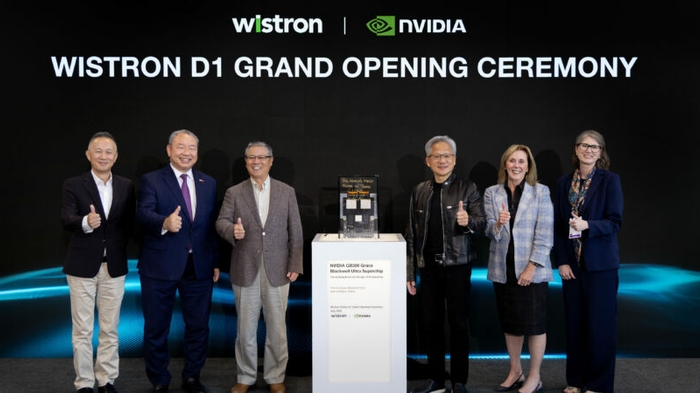
Wistron Launches Advanced Manufacturing Plant in Fort Worth for NVIDIA AI Systems
Wistron has inaugurated its first U.S. manufacturing facility in Fort Worth, Texas, covering 324,000 square feet. This plant will produce superchips integral to advanced AI systems, including the NVIDIA GB300 Grace Blackwell Ultra Superchip and the upcoming NVIDIA Vera Rubin Superchip. The opening ceremony featured NVIDIA CEO Jensen Huang and Wistron Chairman Simon Lin, emphasizing the importance of manufacturing in the AI era. The establishment of the Fort Worth plant represents a significant $700 million investment in U.S. advanced manufacturing, creating over 500 jobs with plans to expand to 1,000 by year-end. Huang highlighted the diverse job opportunities generated in various sectors, including plumbing, construction, and manufacturing. This facility aims to support the growing demand for AI infrastructure and enhance the domestic manufacturing base. Looking ahead, Wistron’s D1 facility is set to scale production to tens of thousands of boards per month, reinforcing the U.S. commitment to reindustrialization. NVIDIA's pledge to manufacture up to $500 billion in advanced AI platforms underscores the strategic importance of this facility in the broader AI landscape. No further timeline was disclosed at the time of publication.

Deloitte Reports Over 2 Million Manufacturing Jobs Could Remain Unfilled Due to Skills Gap
Deloitte has revealed that more than 2 million jobs in the manufacturing sector may remain unfilled due to a significant shortage of skilled workers. This alarming statistic highlights the urgent need for collaboration between industry experts and educators to address the skills gap in higher education. The implications of this skills gap are profound, as unfilled positions could hinder growth and innovation within the manufacturing industry. By fostering partnerships between educational institutions and manufacturing companies, stakeholders can develop targeted training programs that equip students with the necessary skills to meet industry demands. Looking ahead, it will be crucial to monitor initiatives aimed at bridging this skills gap. No further timeline was disclosed at the time of publication, but ongoing efforts in collaboration between academia and industry will be essential to ensure a skilled workforce for the future of manufacturing.
Thailand and Argentina Emerge as Key Manufacturing Hubs for Global Sourcing
Manufacturers are increasingly shifting their sourcing strategies to Thailand and Argentina, aiming to diversify production across various markets. This strategic move helps mitigate geopolitical and trade risks, allowing companies to maintain stability in their supply chains. The significance of this trend lies in the potential for manufacturers to enhance their operational resilience. By expanding their sourcing to these emerging markets, companies can better navigate uncertainties in global trade and reduce reliance on traditional manufacturing powerhouses. Looking ahead, it will be important to monitor how this shift impacts global supply chains and whether other countries will follow suit in becoming attractive manufacturing destinations. No further timeline was disclosed at the time of publication.
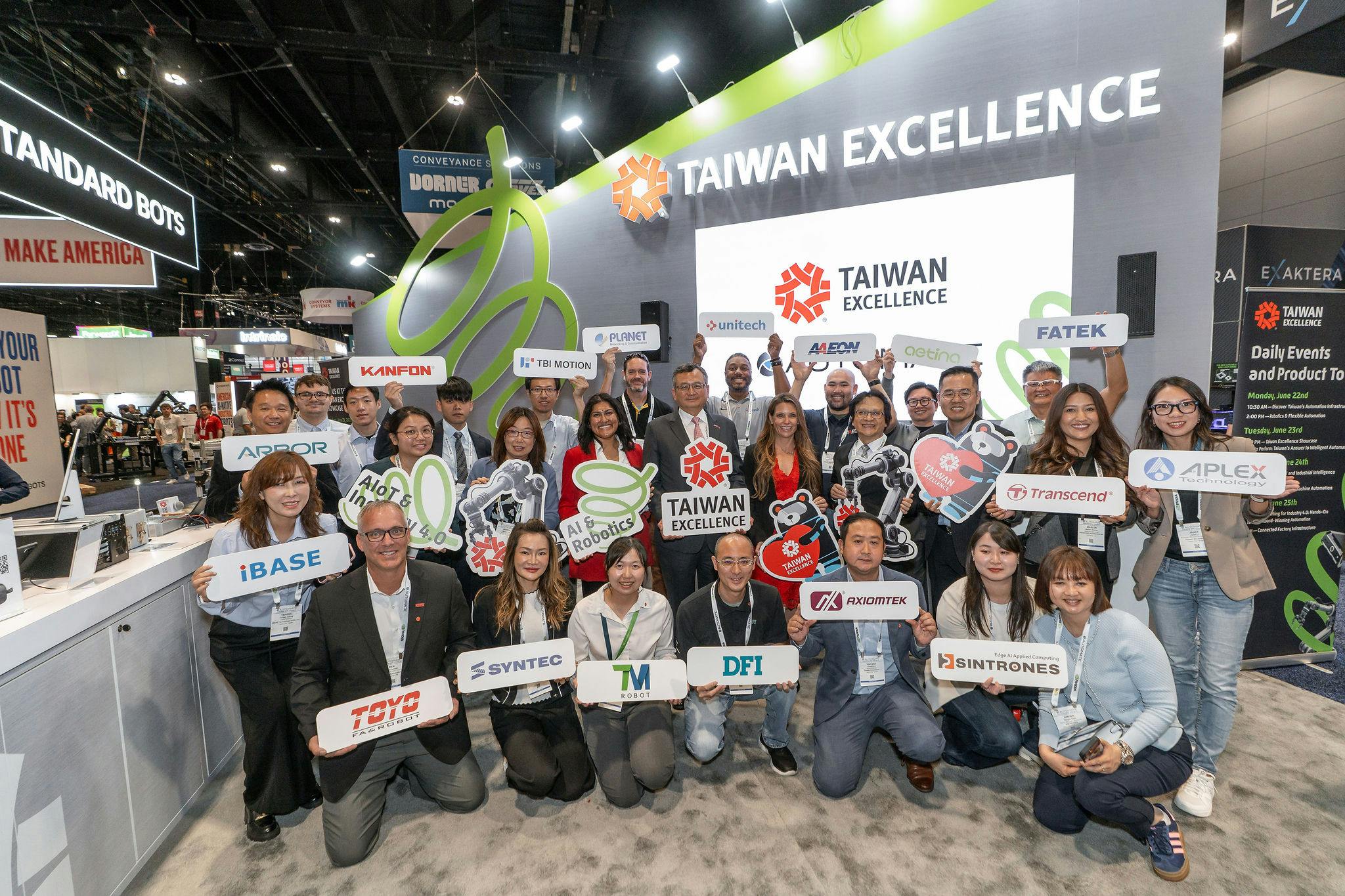
Taiwan's Ecosystem Fuels Next-Gen Manufacturing with Smarter Automation Solutions
The Taiwan Excellence Pavilion showcased 23 exhibitors presenting advanced solutions in edge AI, robotics, and smart manufacturing infrastructure. As manufacturers seek enhanced flexibility and intelligent operations, the integration of technologies across the factory floor is becoming crucial, driving demand for motion control, industrial computing, and machine vision. Taiwan's role as a global contributor in automation technologies is bolstered by its concentrated ecosystem focused on precision engineering and innovation. The Taiwan Excellence Award highlights exceptional Taiwanese products based on research, design, quality, and marketing, reflecting the nation's capability to support intelligent industrial systems. At Automate 2026, the pavilion demonstrated how foundational technologies assist OEMs and manufacturers in creating intelligent production environments. The emphasis on data-driven and AI-enabled automation solutions indicates a shift towards responsive manufacturing, where edge computing plays a vital role in real-time decision-making and advanced applications like predictive maintenance.
Factory / Digital Transformation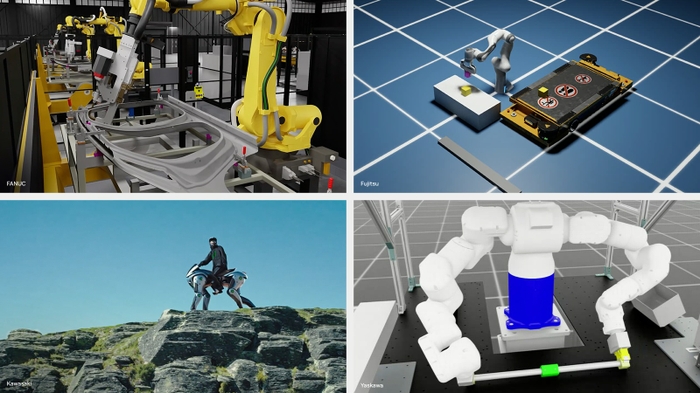
Japan's Leaders in Robotics and Manufacturing Leverage NVIDIA Cosmos for Physical AI Advancements
NVIDIA has announced that Japan's leaders in physical AI are utilizing the NVIDIA Cosmos™, Isaac™, Metropolis, and Jetson™ platforms to enhance the deployment of intelligent machines across various sectors including manufacturing and robotics. The introduction of Cosmos 3 Edge aims to provide advanced capabilities for real-time reasoning and action prediction in robots, marking a significant step in integrating intelligence into physical systems. This initiative is crucial as Japan's established strengths in robotics and manufacturing position it to lead in the next wave of AI development. Jensen Huang, NVIDIA's CEO, emphasized the unique opportunity for Japan to reinvent modern manufacturing through intelligent technologies, combining its heritage in precision engineering with NVIDIA's advanced platforms. Looking ahead, NVIDIA is expanding the Cosmos Coalition to include Japan's physical AI leaders, enabling collaboration on open world models. This coalition will facilitate the testing and optimization of physical AI systems, potentially transforming operations across various industries such as logistics, healthcare, and construction. No further timeline was disclosed at the time of publication.
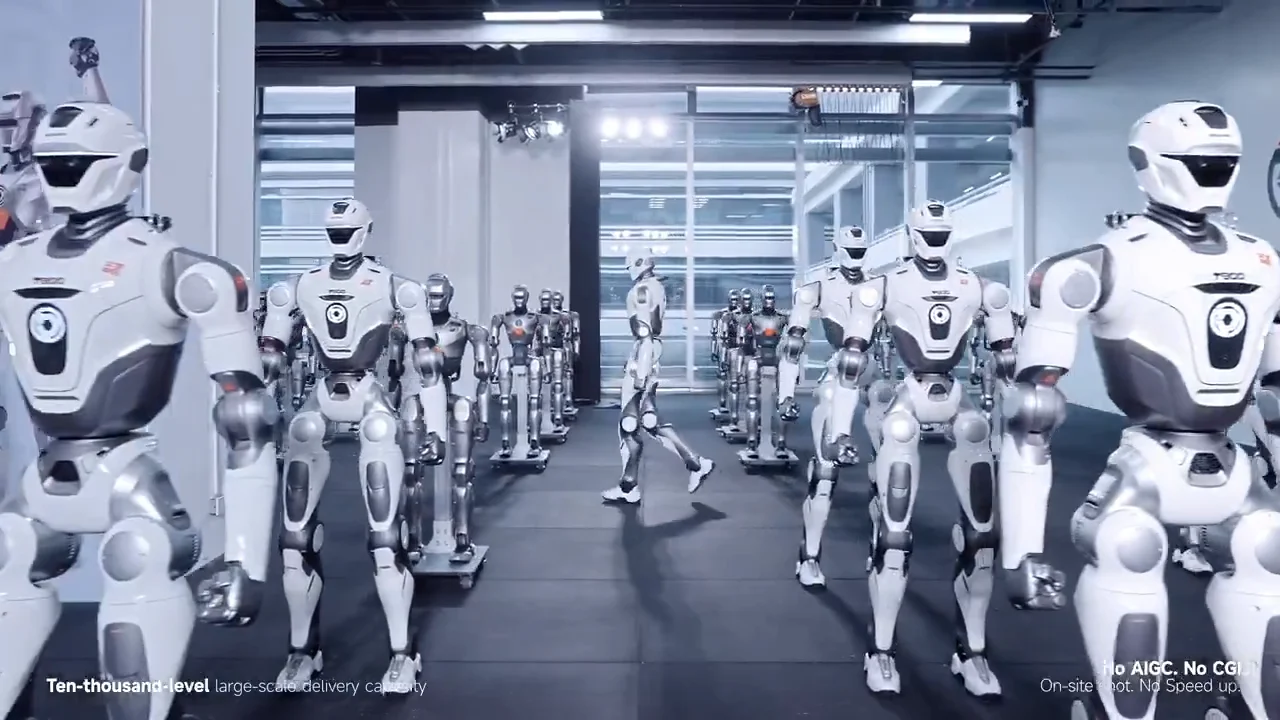
EngineAI Launches Intelligent Manufacturing Base in Shenzhen, Producing One Humanoid Every 15 Minutes
EngineAI has officially launched its Intelligent Manufacturing Base in Shenzhen's Nanshan District, marking a significant milestone in humanoid robotics production. The company showcased its manufacturing capabilities with a video demonstrating the production of T800 and PM01 humanoids, achieving a production efficiency increase of 40%, resulting in one complete humanoid every 15 minutes. This development is crucial as EngineAI recently secured $200 million in Series B funding, co-led by Luxshare Precision, which is expected to enhance its production capabilities. The firm aims to deliver between 4,000 and 5,000 units by 2026, striving for a large-scale delivery capacity of ten thousand units. This ambitious target reflects the growing competition in the humanoid robotics sector. Looking ahead, EngineAI's commitment to transparency in its manufacturing process, including extensive quality inspections and testing, will be vital in maintaining credibility in a market filled with skepticism. No further timeline was disclosed at the time of publication.
EngineAI manufacturing China
Multiply Labs Secures $75 Million in Series B Funding for Robotic Drug Manufacturing Expansion
Multiply Labs has successfully raised $75 million in Series B funding aimed at enhancing its robotic manufacturing platform for cell and gene therapies, as well as advanced biologics. This funding round elevates the company's total funding to over $100 million since its inception in 2016. The significance of this funding lies in Multiply Labs' ability to address the challenges of manual biomanufacturing processes, which can lead to costly contamination and production delays. The company's robotic clusters are designed to integrate seamlessly with existing pharmaceutical equipment, promising a 74% reduction in cost per dose and up to 100 times the throughput compared to manual methods. Looking ahead, Multiply Labs plans to utilize the new capital to expand its manufacturing capabilities and accelerate product development. The company aims to transition from clinical-stage deployments to commercial-scale production, thereby increasing access to essential therapies for patients. No further timeline was disclosed at the time of publication.
AI AI Funding & Investment Robotics autonomous biologics drug discovery
IMTS 2026 Showcases Industrial AI and Automation Transforming Manufacturing
IMTS 2026 is set to highlight the advancements in industrial AI, automation, additive manufacturing, and digital technologies that are transforming the manufacturing landscape. As U.S. manufacturing orders, output, and productivity continue to rise, this event will provide manufacturers with a unique opportunity to explore these innovations firsthand. The significance of IMTS 2026 lies in its role as a platform for manufacturers to engage with cutting-edge technologies that are reshaping production processes. The event will feature a range of solutions aimed at enhancing efficiency and productivity in manufacturing, reflecting the current upward trend in the sector. Looking ahead, attendees can expect to see a variety of demonstrations and discussions focused on the latest advancements in industrial technologies. No further timeline was disclosed at the time of publication.

Vention Showcases Unified Platform Integrating Physical AI and Agentic AI at IMTS 2026
Vention is set to demonstrate its unified industrial automation platform at IMTS 2026, featuring both Physical AI and Agentic AI. The platform combines these two layers of intelligence to enhance robotics and machine operations, showcasing innovations such as the MachineAgent agentic cell. The significance of this development lies in its potential to streamline manufacturing processes through an interactive, end-to-end automated workflow. Attendees can witness live demonstrations of Physical AI capabilities, including Rapid Operator AI for deep bin picking and goal-driven collision-free path planning, which utilize advanced autonomous perception and robotic motion. Looking ahead, industry professionals should monitor how Vention's integration of these AI technologies influences manufacturing efficiency and automation trends. No further timeline was disclosed at the time of publication.

ABEJA and Murata Manufacturing Validate Physical AI Technology Using VLA Model for Dual-Arm Robots
On August 31, 2026, ABEJA announced a collaboration with Murata Manufacturing to validate physical AI technology aimed at automating future research and experimental tasks. Utilizing the Vision-Language-Action (VLA) model, they successfully demonstrated a series of coordinated actions, including part transfer, with dual-arm robots in a controlled environment. This development is significant as industries face severe labor shortages, prompting the need for advanced autonomous robots. The integration of physical AI, which combines robotics and AI, is a growing area of research and development globally, with an increasing demand for implementation in manufacturing processes and logistics. Looking ahead, ABEJA aims to expand the application of physical AI to complex coordinated actions with dual-arm robots, marking a technical step towards future lab automation. No further timeline was disclosed at the time of publication.
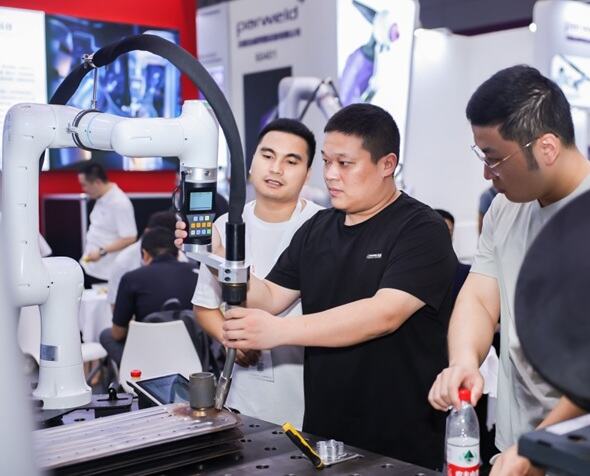
ROKAE Robotics Showcases AI-Driven Welding Innovations at Key Industry Exhibitions
In the summer of 2026, ROKAE Robotics made significant strides in the welding and intelligent manufacturing sectors by showcasing advanced AI-enabled solutions at two major events. At the Transformer Green Welding Conference in Changzhou, ROKAE's Marketing Director, Zi Lilong, presented insights on enhancing transformer manufacturing through intelligent welding technologies, emphasizing the need for greener and more efficient processes. The company's participation continued at the Beijing Essen Welding & Cutting Fair in Shenzhen, where ROKAE displayed its full-joint force-controlled collaborative welding robots. These robots, designed for various welding applications, demonstrated ROKAE's commitment to innovation and excellence in welding technology, attracting considerable attention from industry professionals. Looking ahead, ROKAE Robotics is poised to further influence the welding landscape with its cutting-edge solutions. The company's focus on integrating AI with collaborative robotics positions it as a leader in intelligent manufacturing. No further timeline was disclosed at the time of publication.

Accelerating Root Cause Analysis in Semiconductor Manufacturing with Agentic AI
A recent webinar highlighted the challenges of yield excursions in semiconductor manufacturing, emphasizing that critical insights are often dispersed across various systems. Traditional dashboards struggle to provide timely and actionable data due to increasing volumes, complicating the root cause analysis process. The session introduced a semiconductor analytics platform that leverages Agentic AI to facilitate faster investigations by connecting insights across different domains without the need to move data. This approach aims to streamline the analysis of yield issues, enabling engineers to address problems more efficiently, even when dealing with billions of data points. Participants included yield, process, and integration engineers, as well as data and analytics leaders from wafer fabs and foundries. The webinar demonstrated how to conduct multi-domain root cause investigations using Spotfire® Industry Pro. No further timeline was disclosed at the time of publication.
Type-webinar Semiconductor-manufacturing Agentic-ai Root-cause-analysis Yield-analytics Fab-operations
Saildrone Expands European Operations with New Manufacturing and Headquarters in Copenhagen
Saildrone has announced a significant expansion in Europe, establishing multiple manufacturing sites and its EU headquarters in Copenhagen. This expansion includes contracts for building the 52-meter Saildrone Spectre in the Netherlands, the next-generation Saildrone Surveyor in Norway, and Surveyor wings in Poland. This move is crucial as it enhances Saildrone's capacity to support European customers with unmanned surface vehicles (USVs) that address maritime challenges such as illegal fishing and drug trafficking. The establishment of local operations will enable Saildrone to provide direct support and maintenance for its USVs in the region. Looking ahead, Saildrone's new headquarters will facilitate business development and operational activities across Europe. The company aims to strengthen its presence and capabilities in the European market, responding to the growing demand for advanced maritime technology solutions. No further timeline was disclosed at the time of publication.
saildrone major european expansion production operations usv
Rockwell Automation and Augury Partner to Enhance Agentic AI for Manufacturing
Rockwell Automation and Augury have formed a partnership to integrate their AI workflows, focusing on agentic AI to enhance industrial performance and maintenance reliability. This collaboration combines Augury's Industrial AI Workforce with Rockwell's AI-infused products, including the Fiix CMMS and FactoryTalk Optix, aiming to streamline maintenance processes for manufacturers. The significance of this partnership lies in its potential to transform how manufacturers approach maintenance. By shifting from reactive measures to proactive maintenance planning, the integration of AI technologies can lead to improved operational efficiency and reduced downtime. The partnership seeks to create a connected workflow that enhances decision-making and task execution based on real-time machine health data. Looking ahead, the focus will be on how effectively this partnership can implement agentic AI in real-world manufacturing settings. The ability to turn machine data into actionable insights and prioritize maintenance tasks will be crucial for manufacturers aiming to optimize their operations. No further timeline was disclosed at the time of publication.
Factory / Analytics
Hadrian Secures $1.37 Billion to Enhance U.S. Defense and Aerospace Manufacturing
Hadrian Automation announced the successful acquisition of $1.37 billion in equity financing aimed at bolstering domestic manufacturing capabilities for U.S. military and aerospace sectors. CEO Chris Power emphasized the critical role of production in national defense, stating that the funding will facilitate the development of advanced factories and enhance the workforce needed for America’s industrial resurgence. The funding will enable Hadrian to expand its manufacturing footprint and invest in new technologies, including AI and robotics, to meet the growing demand for reliable U.S. manufacturing. With a focus on building 'Factories of the Future,' Hadrian aims to compete with China's industrial capabilities and deliver complete mission-critical systems efficiently. Looking ahead, Hadrian plans to open additional factories and diversify its production lines, including munitions and autonomous systems. The company is also committed to creating a new workforce model by hiring and training skilled professionals to integrate advanced technologies on the factory floor. No further timeline was disclosed at the time of publication.
Aerospace Automation Defense / Security Financial Investments Manufacturing
Tacta Systems Launches TactaBot to Enhance High-Skilled Manufacturing with Advanced Robotics
Tacta Systems recently introduced the TactaBot, integrating the Tacta Hand, Skill Capture system, and Dexterous Intelligence AI model. This innovative combination aims to create adaptable robotic hands capable of performing high-value tasks in manufacturing, addressing the global shortage of skilled labor. CEO Vikram Pavate emphasized the need for robots to replicate human-like touch and feel, which is essential for complex manufacturing processes. The Tacta Hand features a dexterous design with three and five-finger configurations, offering 15 degrees of freedom and the ability to lift up to 25 newtons per fingertip. Utilizing Tacta's Fluidic Tendon actuation technology, the robotic hand maintains stability and precision while minimizing heat generation. This technology enhances reliability compared to traditional cable-driven systems, with a lifespan of up to 30 million cycles. As Tacta Systems continues to innovate, the focus will be on further developing the capabilities of the TactaBot and its components. The integration of advanced tactile sensors, capable of measuring a wide range of forces and temperatures, positions Tacta to play a significant role in the future of high-skilled manufacturing automation. No further timeline was disclosed at the time of publication.
Actuators / Motors / Servos Arms / Manipulators Artificial Intelligence Artificial Intelligence / Cognition Collaborative Robots Design / Development
Starlink's Manufacturing Operations: Key Figures and Supply Chain Insights for 2026
Starlink operates two of the highest-volume manufacturing facilities in the space sector, producing approximately 70 satellites weekly in Redmond, Washington, and around 15,000 user terminals daily in Bastrop, Texas. These figures were disclosed in SpaceX's IPO filing, highlighting the scale of Starlink's operations. This information is significant as it positions Starlink not merely as a space venture but as a consumer electronics manufacturer with a unique supply chain. The Redmond facility is among the highest-volume spacecraft factories historically, with production figures vastly exceeding competitors like Amazon's satellite constellation. Looking ahead, Starlink plans to double its terminal production capacity in 2026, supported by a substantial state grant. The focus on in-house printed circuit board manufacturing has also allowed for cost reductions and increased resilience against tariffs, marking a pivotal shift in the supply chain dynamics for consumer electronics in the space industry.

Hadrian Secures $1.4 Billion to Expand Manufacturing and Workforce Capabilities
Hadrian has successfully raised $1.4 billion to enhance its manufacturing footprint and workforce. The company operates a 'factories as a service' model, utilizing its AI platform, Opus, to provide fully automated manufacturing facilities. This funding will support the establishment of new facilities, including a $200 million factory in Mesa, Arizona, and a $2.4 billion facility in Cherokee, Alabama, focusing on U.S. munitions and submarine production. This expansion is critical as the U.S. military faces a reported weapons shortage, particularly amid ongoing conflicts. Hadrian's initiatives, including a contract with the U.S. Army valued at up to $80 million, aim to bolster advanced manufacturing capabilities. The collaboration with Lockheed Martin to enhance production rates for missile systems further underscores the importance of this funding in addressing national defense needs. Looking ahead, Hadrian's partnerships with Lockheed Martin and space startup Fortastra signal a commitment to innovative manufacturing processes. The company's focus on rapid technician training and advanced production methods will be crucial in meeting the demands of the defense sector. No further timeline was disclosed at the time of publication.

Hyundai Motor Group Expands into Physical AI Beyond Automotive Manufacturing
Hyundai Motor Group is transitioning from traditional car manufacturing to becoming a leader in physical artificial intelligence, focusing on autonomous vehicles, robotics, and intelligent factories. This strategic shift was announced by Executive Chair Chung Euisun at the San Francisco AI Summit on July 24, emphasizing the company's ambition to integrate AI into various sectors, including urban infrastructure. The significance of this move lies in Hyundai's extensive manufacturing capabilities, global factory network, and technological expertise, which position it uniquely to implement AI in real-world applications. By leveraging its ownership of Boston Dynamics, Hyundai aims to develop and deploy intelligent devices that enhance mobility and urban living, ultimately creating what it terms “city-level intelligence.” Looking ahead, Hyundai plans to utilize its factories as testing grounds for humanoid robots and autonomous systems, refining AI technologies before commercialization. No further timeline was disclosed at the time of publication.
All News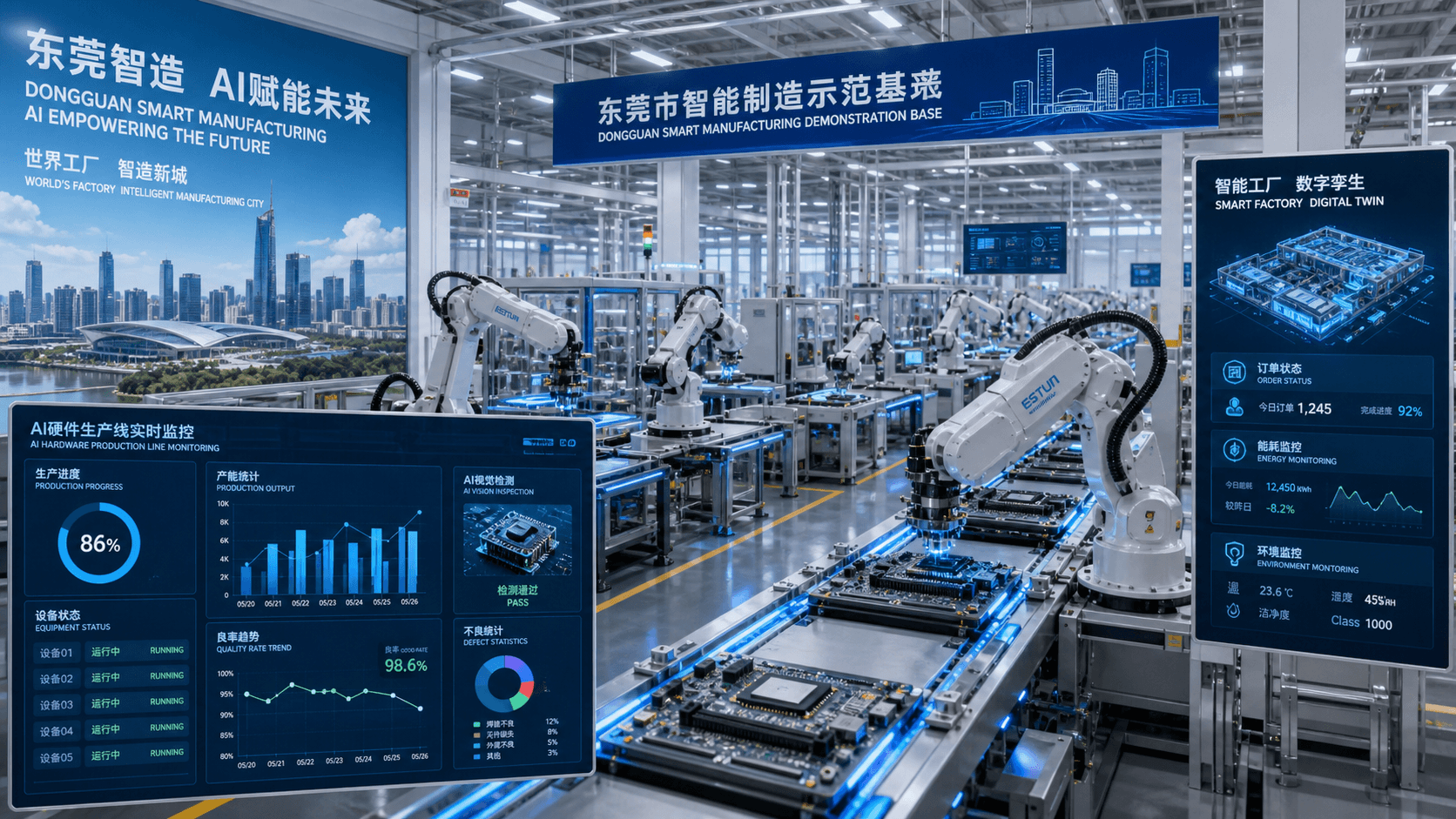
Dongguan Transforms into AI Hardware Capital with 24,000 Companies and 400K AI Glasses by 2025
Dongguan is set to produce over 400,000 units of AI glasses by 2025, accounting for half of the global output. This transformation is supported by a robust industrial ecosystem comprising 24,000 enterprises, including more than 10,000 high-tech firms. The significance of this development lies in Dongguan's establishment as a national AI pilot base, which enhances its position in the global intelligent manufacturing landscape. The city boasts a one-hour supply chain, facilitating efficient smart manufacturing processes. Looking ahead, stakeholders should monitor Dongguan's progress towards its ambitious production goals and the potential impact on the global AI hardware market. No further timeline was disclosed at the time of publication.
Industry
MIT Aims to Develop Technologists as Nurse Practitioners for Advanced Manufacturing
The Massachusetts Institute of Technology (MIT) is addressing the skills gap in advanced manufacturing through its Technologist Advanced Manufacturing Program (TechAMP). This initiative, led by John Liu, aims to create a new workforce category akin to nurse practitioners, who can integrate advanced technologies into manufacturing processes. The importance of this program lies in its potential to enhance productivity in the manufacturing sector, particularly in aerospace and submarine industries. Supported by corporate partners like GE Vernova and Siemens, TechAMP is designed for experienced technicians, providing them with leadership training and hands-on experience to meet the evolving demands of the industry. Looking ahead, MIT plans to expand the TechAMP program beyond its current Northeast locations, with recruitment for the second cohort set to begin in September. The program's success will depend on its ability to adapt to the needs of a diverse workforce, as highlighted by Liu's discussions with international training organizations about preparing workers for technological advancements in manufacturing.

Electra Announces $850 Million Manufacturing Facility in Ohio for EL9 Ultra Short Aircraft
Electra has revealed plans to establish an $850 million manufacturing plant in Ohio, aimed at producing the EL9 Ultra Short aircraft. The site selection process took approximately one year, focusing on infrastructure, expansion capacity, and access to skilled workforce in aerospace and advanced manufacturing. This facility will be strategically located at Airpark Ohio, near Springfield-Beckley Municipal Airport and Dayton International Airport, enhancing Electra's operational capabilities. The region's existing advanced air mobility resources and proximity to Joby Aviation's manufacturing facilities further underscore the significance of this investment in the aerospace sector. Electra is also working towards obtaining airworthiness certification from the FAA for its aircraft, with the first flight expected in late 2027 or early 2028. This new plant builds on Electra's recent agreement with Safran Helicopter Engines to develop the TG600 turbogenerator, which will power the Ultra Short aircraft, marking a significant step in Electra's growth trajectory.
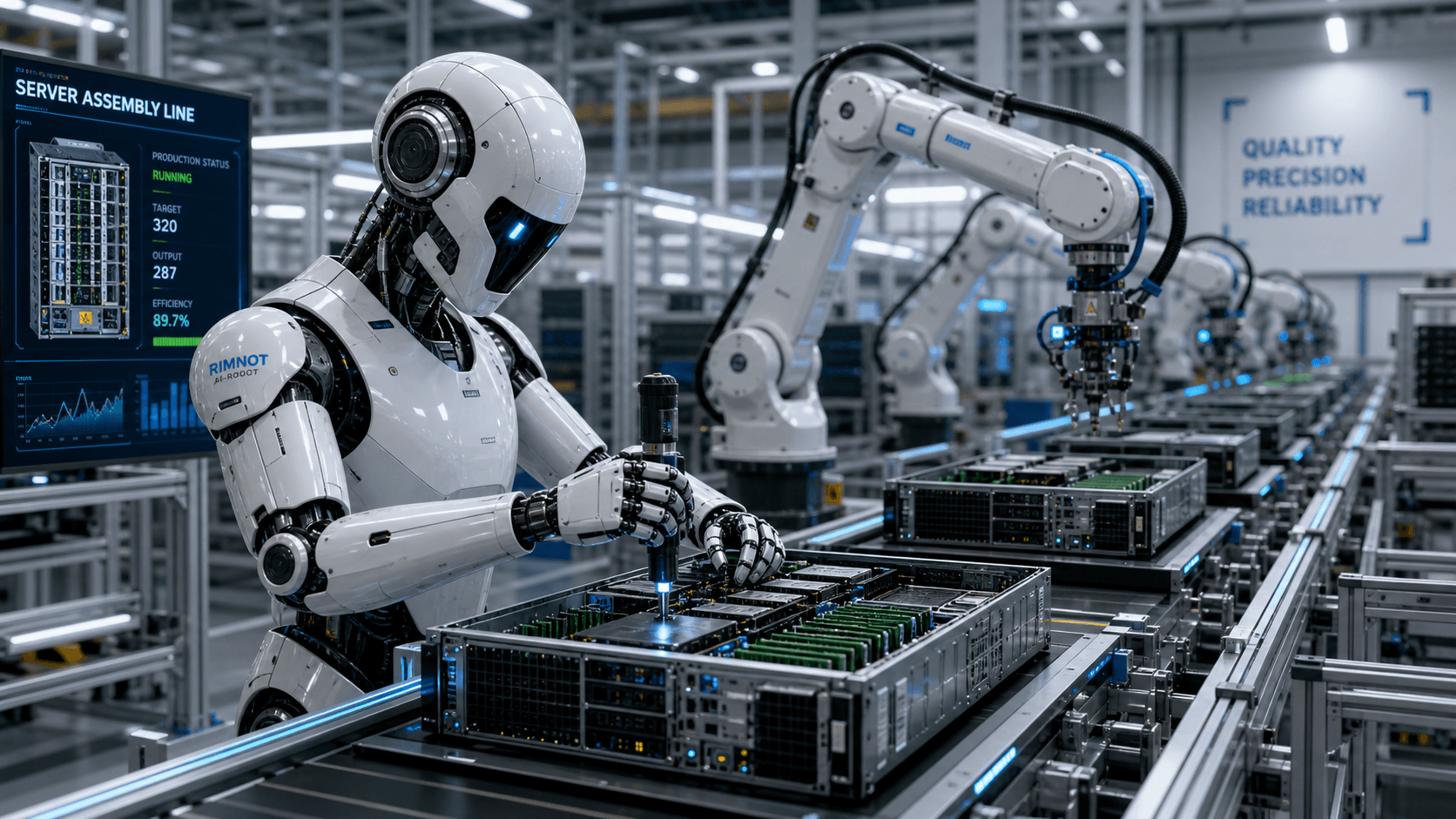
Rimnot and Yuantu Launch 10K-Unit Robot Deployment for Server Manufacturing
Rimnot, a newly established physical AI startup, has announced a partnership with Yuantu to deploy 10,000 industrial robots in server manufacturing. This initiative was unveiled during the World Artificial Intelligence Conference (WAIC), where the companies showcased their robots' capability to adapt to environments in just 30 minutes. This deployment is significant as it represents a major step forward in integrating physical AI into industrial applications, particularly in the server manufacturing sector. The collaboration between Rimnot and Yuantu highlights the growing trend of leveraging advanced robotics to enhance production efficiency and adaptability in manufacturing processes. Looking ahead, industry observers will be keen to monitor the progress of this deployment and its impact on server manufacturing. The ability of these robots to quickly adapt to different environments could set a new standard for operational flexibility in the industry. No further timeline was disclosed at the time of publication.
Technology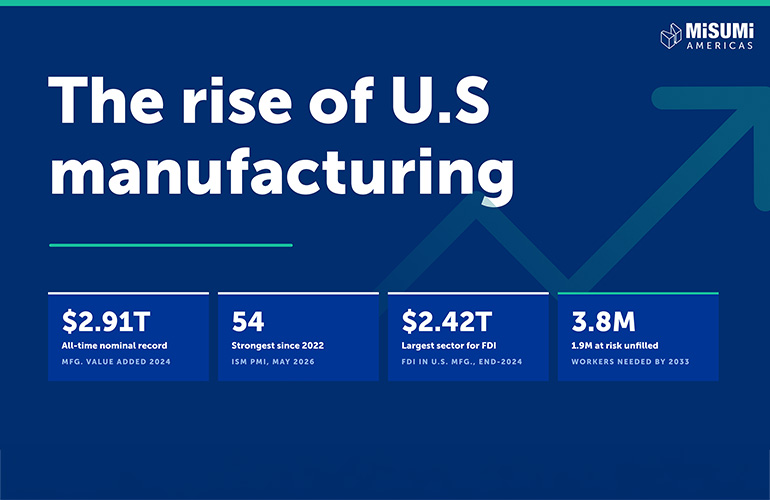
MISUMI Americas Unveils Reshoring Report Highlighting U.S. Manufacturing Growth and Workforce Needs
MISUMI Americas has released a report detailing the rise of U.S. manufacturing, which reached a record value of $2.91 trillion in 2024. The report highlights the ongoing reshoring trend driven by labor shortages and a push for national self-reliance. It notes that the manufacturing sector will require 3.8 million additional workers by 2033, with 1.9 million positions potentially remaining unfilled due to demographic shifts. The significance of this report lies in its emphasis on the challenges faced by manufacturers in attracting and retaining talent, which has been identified as the primary business challenge by over 65% of manufacturers. The report also points out that foreign direct investment in U.S. manufacturing has reached $2.42 trillion, making it the largest sector for such investments. The growth in factory construction spending, particularly in semiconductor and electric vehicle battery plants, underscores the industry's expansion. Looking ahead, the report indicates that while there has been a notable increase in vocational training enrollment, it still falls short of the workforce needs projected for 2033. No further timeline was disclosed at the time of publication.
Educational Manufacturing News education Education & Training Fictiv
NVIDIA Announces Industrial AI Collaboration with Japan's Leading Manufacturers
On July 16, NVIDIA CEO Jensen Huang announced a significant partnership in Tokyo with major Japanese manufacturers such as Fanuc, Yaskawa Electric, and Kawasaki Heavy Industries. This collaboration aims to advance the deployment of physical AI in Japan, marking a pivotal moment in the industrial AI landscape. The launch of the Cosmos 3 Edge model, designed for edge devices, is a key component of this initiative, with over 20 Japanese industrial giants planning to join the Cosmos alliance. The Cosmos 3 Edge model, based on NVIDIA's Nemotron with 4 billion parameters, is tailored for the NVIDIA Jetson edge computing platform. Developers can adapt the model to specific robots, vehicles, or sensors in about a day, enabling real-time environmental perception and decision-making without cloud connectivity. Additionally, the NVIDIA Metropolis library enhances the speed of building video intelligence systems by at least six times, further facilitating the integration of AI in various industrial applications. As Japan transitions from a manufacturing powerhouse to a leader in physical AI, NVIDIA is positioning itself as the foundational computing infrastructure for this industrial revolution. The involvement of companies like Fanuc, Kawasaki, and Yaskawa signifies a shift from technology demonstrations to practical applications on factory assembly lines, showcasing the tangible impact of physical AI in the industry.
Industrial AI Robotics Edge Computing Automation Manufacturing Technology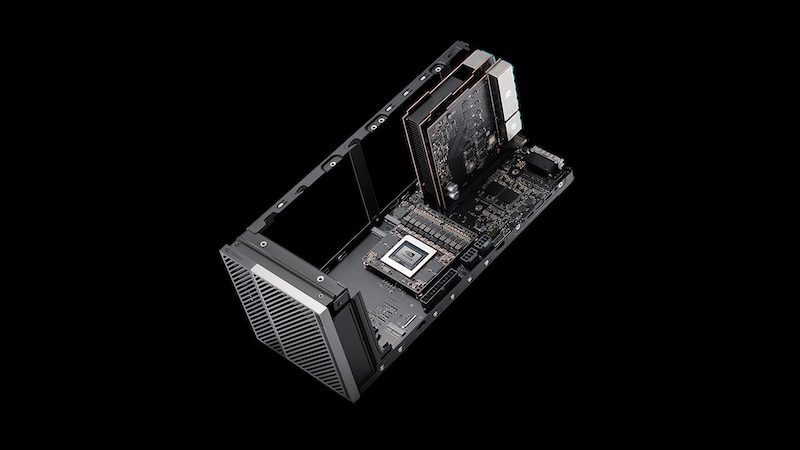
Toyota and Nvidia Enhance Collaboration to Advance AI in Vehicles, Manufacturing, and Urban Infrastructure
Toyota and Nvidia have broadened their partnership to develop physical AI technologies that encompass next-generation vehicles, manufacturing, robotics, and urban infrastructure. This collaboration builds on a previous agreement, focusing on advanced driver-assistance systems using Nvidia's DRIVE AGX platform and DriveOS operating system. The significance of this partnership lies in its potential to revolutionize mobility and manufacturing. Rishi Dhall, Nvidia's vice president of automotive, emphasized that physical AI will enhance the intelligence of various machines, making vehicles more autonomous and urban environments safer and more responsive. Toyota aims to implement Level 2++ functionality in its future vehicles while leveraging Nvidia AI models for efficient software engineering. Additionally, Toyota is integrating AI into its manufacturing processes through factory simulations using Nvidia's Omniverse and Isaac Sim frameworks. The partnership also extends to urban mobility technologies via Woven by Toyota, which is developing models to analyze traffic conditions. No further timeline was disclosed at the time of publication.
Computing News advanced driver assistance systems ai automotive AI digital twins
Panasonic Connect's Scott Zerkle Discusses AI's Role in Smart Manufacturing Transformation
Panasonic Connect is at the forefront of transforming manufacturing systems as electronics become smaller and more complex. The company offers smart manufacturing solutions that integrate surface-mount technology (SMT), robotics, AI analytics, and connected factory platforms. Through its Gemba Process Innovation strategy, Panasonic Connect aims to enhance productivity and operational resilience in factories. The increasing complexity of electronics, particularly in vehicles and industrial systems, is reshaping production line design and operations. Scott Zerkle, associate director of technical operations at Panasonic Connect North America, emphasizes that AI's primary value lies in supporting factory workers through predictive maintenance and defect detection, rather than replacing them. He highlights the need for manufacturers to connect data across various production elements to foster continuous improvement. Looking ahead, Zerkle predicts that the next significant advancement in smart manufacturing will involve integrating AI tools with data from machines and materials. This integration will enable factories to learn from their production history, ultimately enhancing efficiency and adaptability in high-mix production environments. No further timeline was disclosed at the time of publication.
Communications Computing Digital Automation Features Manufacturing ai
Rick Rider Critiques AI-Readiness Concept in Manufacturing Sector
Rick Rider, SVP of AI Innovation at Infor, argues that the concept of 'AI readiness' is misapplied in the manufacturing sector. He believes that many manufacturers are stuck in pilot purgatory due to vendor requirements for perfect conditions before AI can be implemented. Instead of waiting to become 'AI-ready,' successful companies are adopting AI within their existing fragmented environments. Rider highlights that the most common approach to AI adoption is 'point solution enthusiasm,' where manufacturers deploy AI tools to address isolated pain points without a cohesive strategy. This often results in disconnected systems that fail to provide actionable insights across operations, leading to more data but less clarity. The 'AI readiness gap' is defined by Rider as the disparity between a manufacturer's current data infrastructure and the requirements for AI to create sustained value. He emphasizes that siloed data and inconsistent processes create a structural gap that cannot be bridged by AI alone, underscoring the need for a more integrated approach to AI implementation.
Business Intelligence
Exploring Automation Intelligence: Opportunities and Challenges in AI for Manufacturing
The manufacturing sector is experiencing a surge in artificial intelligence (AI) applications, driven by recent advancements in speech, language, and content generation technologies. Engineers and technology leaders are keenly observing these developments to enhance quality, minimize rework, and increase throughput. However, many organizations face challenges in translating AI demonstrations into tangible business value, revealing the complexities of deploying AI in production environments. Despite significant investments in AI and machine learning (ML), the manufacturing industry is encountering hurdles similar to those faced during the initial wave of data science and ML in the context of Industry 4.0. Many early projects failed to deliver operational value due to the misalignment of algorithms designed for consumer behavior with the deterministic needs of industrial settings. As manufacturers increasingly seek actionable insights from their data, the need for a deeper understanding of AI technology and its application in industrial contexts becomes critical. Looking ahead, the emergence of automation intelligence, which integrates lessons from past experiences with current AI tools, offers a promising framework for addressing complex industrial challenges. As AI technologies like generative AI and foundation models continue to evolve, their successful implementation will depend on ensuring real-time grounding, safety, and regulatory compliance in manufacturing processes. No further timeline was disclosed at the time of publication.
Factory / Workforce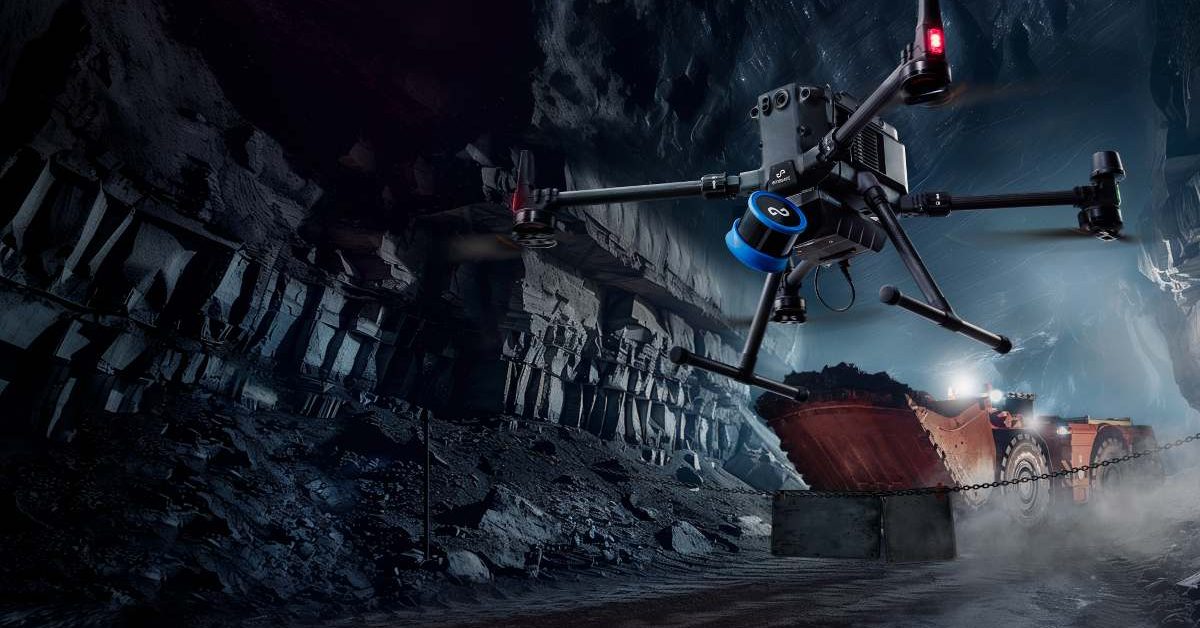
Emesent Secures $17 Million to Enhance AI-Driven Drone Operations and Expand Manufacturing
Emesent, an Australian drone mapping company, has raised $17 million to boost its AI-powered autonomous operations. This funding includes a $7 million venture debt facility from the National Reconstruction Fund Corporation and a $10 million equity round from notable investors such as Main Sequence and QIC Ventures. The investment aims to enhance the capabilities of drones in complex environments with minimal human intervention. The significance of this funding lies in Emesent's strategy to focus on software advancements alongside hardware improvements. The company plans to develop its Cortex AI autonomy software and Aura cloud platform, which will enable drones to operate in GPS-denied areas and process 3D mapping data efficiently. Emesent's existing Hovermap LiDAR payload is already utilized in over 200 mine sites globally, showcasing its established presence in the industrial drone sector. Looking ahead, Emesent intends to expand its manufacturing capabilities in Queensland while pursuing growth in international markets. CEO Charles Miller emphasized the importance of this investment in enhancing AI and autonomy for industries such as mining and defense. No further timeline was disclosed at the time of publication for the anticipated developments from this funding round.
News
AI Adoption in Mid-Market Manufacturing Faces Significant Challenges
A recent report by Kaufman Rossin highlights the struggles of mid-market manufacturers in adopting AI technologies. While these companies are experimenting with AI, widespread deployment remains uncommon due to inadequate data infrastructure and legacy systems. Only 27% of manufacturing firms have a data warehouse, and 45% still rely on siloed data, making it difficult to leverage AI effectively. The urgency for digital transformation is increasing as manufacturers face pressure from customers to digitize and automate operations. However, many industrial companies lack the foundational data capabilities necessary for successful AI integration. The report reveals that 73% of manufacturing firms are still in the testing phase of AI implementation, with none operating AI as a core business function. Looking ahead, the challenge for mid-market manufacturers will be to overcome these barriers and build the necessary data infrastructure to support AI initiatives. As the demand for digital solutions continues to grow, companies must prioritize data governance and integration to fully realize the potential of AI technologies. No further timeline was disclosed at the time of publication.
Factory / Digital Transformation
Hershey Company Leverages AI to Enhance Workforce Efficiency in Candy Manufacturing
The Hershey Company is implementing AI-driven digital transformation in its candy factories through a connected-worker platform developed by Augmentir. This initiative aims to enhance workforce efficiency by providing intelligent guidance and support to workers, addressing challenges such as labor shortages and skills gaps. The integration of Augmentir’s AI-powered platform, known as 'Augie,' allows Hershey to tailor technology to its specific needs, capturing valuable data on worker performance. This data-driven approach helps identify areas for improvement, such as machine maintenance and worker training, ultimately leading to better operational outcomes. As manufacturers increasingly adopt AI technologies, the focus will be on how effectively they can integrate these solutions into their workforce processes. No further timeline was disclosed at the time of publication.
Factory / Digital Transformation
SpaceX Launches Starmind Project for 1 Million AI Satellites by 2028
SpaceX has officially named its orbital AI infrastructure project 'Starmind,' which aims to deploy a constellation of up to 1 million satellites. This initiative, confirmed by Elon Musk on June 22, 2026, will enable AI inference directly in space, utilizing solar energy rather than terrestrial power sources. The first satellite, designated AI1, was unveiled on June 8, 2026, and is designed to operate in sun-synchronous orbits. The significance of Starmind lies in its potential to overcome the limitations faced by ground-based data centers, such as land, power, and water constraints. By running AI computations in orbit, Starmind can provide a more efficient solution to the growing demand for AI computing power. The project leverages the existing Starlink infrastructure for data transmission, distinguishing its function from Starlink's internet relay capabilities. Looking ahead, SpaceX plans to begin hardware deployment with the AI1 satellite, while full-scale production and deployment of the satellite constellation are targeted for 2028. As of now, no Starmind satellites have been launched, and further engineering challenges remain to be addressed, particularly regarding the scalability of the satellite design.

SpaceX's Starmind Project: Supplier Strategy and Chip Manufacturing Plans for 2026
SpaceX's Starmind project, aimed at deploying up to 1 million AI satellites, was filed with the FCC on January 30, 2026. The initiative is designed to minimize reliance on external suppliers, with CEO Elon Musk stating that current chip production capabilities only meet 2% of the projected needs. The first satellite, AI1, is set for prototype launches in early 2027, featuring a 70-meter wingspan and a modular payload system that allows for interchangeable chips from various suppliers. The significance of Starmind lies in its ambitious supply chain strategy, which seeks to transition from external hardware suppliers to a fully integrated Musk-owned facility by 2028. The Gigasat manufacturing site in Bastrop, Texas, is expected to be operational by the end of 2027, with plans for high-volume production of the D3 chip, specifically designed for space applications. This approach aims to consolidate chip manufacturing processes under the Terafab joint venture, which has an estimated initial investment of $55 billion. Looking ahead, the next milestone for Starmind is the launch of AI1 prototypes in early 2027, while the full-scale chip production at Terafab is projected to ramp up significantly thereafter. However, analysts express skepticism regarding the feasibility of achieving Musk's ambitious compute goals, which may require substantial investment and time to establish the necessary manufacturing capabilities.

AGIRobots unveils new semi-humanoid robot "AGIRobots Worker" to enhance physical AI in manufacturing and logistics.
AGIRobots has unveiled its latest semi-humanoid robot, the "AGIRobots Worker," aimed at enhancing the use of physical AI in the manufacturing and logistics sectors. This announcement was made recently as part of the company's ongoing efforts to innovate and improve operational efficiency in these industries. The AGIRobots Worker is designed to assist in various tasks, streamlining processes and potentially reducing labor costs. By integrating advanced AI technology, the robot is expected to play a crucial role in transforming traditional workflows, making them more efficient and adaptable to modern demands. The launch reflects AGIRobots' commitment to driving technological advancements that support the evolving needs of the manufacturing and logistics landscapes.

JD.com Highlights Insights on Robotics Beyond Just Manufacturing at WAIC 2026
At WAIC 2026, JD.com emphasized that the most knowledgeable individuals about robotics may not necessarily be those who manufacture them. This insight reflects a growing recognition of the importance of data and intelligence in the robotics field, as evidenced by the significant interest from data professionals at the event. The event showcased a surge in robotic forms and embodied intelligence, indicating a shift towards understanding the 'body' of robots and how they interact with their environments. JD.com's perspective underscores the evolving landscape of robotics, where data-driven insights are becoming crucial for innovation and development. Looking ahead, industry watchers should pay attention to how companies like JD.com leverage data and intelligence in robotics. No further timeline was disclosed at the time of publication.
Robotics Automation AI
Training and Upskilling, Not Automation, Key to Productivity Growth in Manufacturing
Recent insights indicate that while innovation in automation and robotics is ongoing, the immediate solution to productivity growth does not stem from these technologies. Instead, the focus should be on training and upskilling the workforce, which is becoming increasingly critical for manufacturers in the automotive and machine-building sectors. This emphasis on workforce development highlights a significant challenge for manufacturers, as the lack of skilled labor may hinder their ability to fully leverage technological advancements. As industries evolve, the need for a well-trained workforce will become a bottleneck, impacting productivity and competitiveness in the market. Looking ahead, companies must prioritize investment in training programs to address this skills gap. No further timeline was disclosed at the time of publication, but the ongoing shift towards upskilling suggests that manufacturers will need to adapt their strategies to ensure they can meet future demands effectively.

Intel Joins Terafab Project as Manufacturing Partner in 2026
On April 7, 2026, Intel became a manufacturing and process-technology partner for the Terafab project, contributing its expertise without taking an equity stake. This partnership allows Tesla and SpaceX to leverage Intel's advanced packaging and manufacturing capabilities, particularly its 14A process, which Musk has designated for the full-scale facility. The collaboration is significant as it enhances the credibility of the Terafab initiative, transforming it from a mere ambition into a project with a feasible technical pathway. Analysts have noted that this partnership provides Intel Foundry with a valuable reference customer list, including Tesla, SpaceX, and xAI, which could help the unit gain traction in the competitive semiconductor market. Looking ahead, the partnership presents both opportunities and risks. While Intel's 14A process is expected to be mature by the time Terafab scales up, the timeline for the full-scale build remains uncertain. The collaboration's success will depend on the synchronization of both companies' schedules and the technical capabilities of the manufacturing processes involved.
Robotics needs a service framework.
RSF defines a common language for robot service capability, lifecycle operations, certification pathways, and service-provider networks.
Join the RobotToday community on LinkedIn
Daily robotics news, in-depth analysis, conference highlights, and discussions with professionals worldwide.