Industry Briefing
A single destination for timely, editor-curated robotics news from around the world.

Microsoft Executive Labels AI Scraping as Major Theft in Ongoing Lawsuit with The New York Times
Recent unredacted filings in the copyright lawsuit initiated by The New York Times against OpenAI and Microsoft reveal significant admissions regarding AI scraping practices. A Microsoft executive characterized these practices as 'theft,' while OpenAI's leadership acknowledged that their AI models present an 'existential threat' to publishers and journalists. The filings detail allegations of bypassing paywalls and stripping copyright notices, raising serious concerns about the legality of using copyrighted material for AI training. The implications of these revelations are profound, as they challenge the legal framework surrounding AI training and copyright. The lawsuit highlights the tension between AI companies' claims of 'fair use' and the potential harm to the original content creators' market. Notably, Microsoft data indicates that its Copilot engine has significantly reduced click-through rates for The New York Times, suggesting a detrimental impact on the publication's revenue. Looking ahead, the ongoing legal battle will likely shape the future of AI training practices and copyright law. With key testimonies from Microsoft CEO Satya Nadella and other executives, the case raises critical questions about the ethical and legal responsibilities of AI developers. No further timeline was disclosed at the time of publication.
AI Government & Policy copyright Microsoft new york times OpenAI
French Startups Mistral, Gobano Robotics, and Ami Labs Aim to Innovate Future Robotics
Mistral, Gobano Robotics, and Ami Labs are among the French startups striving to tackle the next challenges in robotics. These companies are leveraging artificial intelligence to develop advanced robotic solutions that could redefine various industries. The significance of these efforts lies in France's growing reputation as a hub for innovation in robotics and AI. By focusing on cutting-edge technologies, these startups aim to contribute to the global robotics landscape and enhance operational efficiencies across multiple sectors. Looking ahead, it will be important to monitor the progress of these startups as they work towards their ambitious goals. The developments from Mistral, Gobano Robotics, and Ami Labs could potentially lead to breakthroughs that shape the future of robotics. No further timeline was disclosed at the time of publication.
Robotique
US Air Force Prepares for European Allies' Involvement in Collaborative Combat Aircraft Development
Senior leaders from the U.S. Air Force in Europe report that NATO allies are increasingly interested in participating in the development of collaborative combat aircraft (CCAs). This interest comes as many of these countries also pursue their own fighter and drone programs. The U.S. Air Force is optimistic that CCAs will enhance the alliance's overall capabilities, particularly in light of shrinking fleets of crewed combat aircraft among NATO allies. The significance of CCAs is underscored by the current geopolitical climate, with rising tensions with Russia and new threats emerging. Autonomous aircraft could provide NATO with additional combat capabilities without necessitating a larger number of crewed aircraft stationed in Europe. Lt. Gen. Jason T. Hinds and Chief Master Sgt. Joshua J. Wiener highlighted the potential for at least 500 CCAs to be operational by 2032, with growing interest from European nations such as Germany, Sweden, and the Netherlands. Looking ahead, the U.S. Air Force is utilizing two operational scenarios to illustrate how CCAs could integrate into NATO's force structure: defensive and offensive missions. Allies are keen to incorporate CCAs into their military strategies, indicating a collaborative future in defense capabilities. No further timeline was disclosed at the time of publication.
Air Around The Globe Collaborative Combat Aircraft Europe NATO News & Features
Renesas Electronics Opens Physical AI and Robotics Lab in Beijing, China
Renesas Electronics has officially launched its Physical AI & Robotics Lab in Beijing, China. This new facility is designed to allow customers to demonstrate, validate, and collaboratively develop next-generation robotic systems. The establishment of this lab is significant as it serves as a central hub for executing Renesas' physical AI strategy, facilitating the transition from proof-of-concept to deployment of advanced robotic solutions. This initiative underscores Renesas' commitment to innovation in the semiconductor industry. Looking ahead, the lab is expected to play a crucial role in advancing the development of robotics and AI technologies. No further timeline was disclosed at the time of publication.
Electronics News Research Robotics artificial intelligence beijing
US Air Force Plans to Deploy 500 Collaborative Combat Aircraft by 2032
The U.S. Air Force has set a target to have at least 500 Collaborative Combat Aircraft (CCA) operational by 2032. This ambitious plan includes an equal number of Massed Modular Aircraft (MMA) drones to replace the MQ-9 Reapers. Secretary of the Air Force Troy Meink announced these updates during a keynote speech at the Air & Space Forces Association’s 2026 conference. This initiative is significant as it marks a substantial increase from previous plans, which aimed for over 150 CCAs by the end of the decade. The Air Force is also focusing on reducing costs, with plans to field 100 MMAs by 2029 at a lower price point than current manned aircraft. The FQ-42 and FQ-44 drones, now officially named Vengeance and Fury, are already in production and will perform missions similar to those of manned fighters. Looking ahead, the Air Force is still determining how these CCAs will be integrated into operations. The establishment of a dedicated Experimental Operations Unit (EOU) aims to facilitate the development and testing of these aircraft. No further timeline was disclosed at the time of publication.
News & Features Air Collaborative Combat Aircraft Drones Q-9 Unmanned
Andon Labs Experiments with AI Agents in Real-World Business Operations
Andon Labs, an AI safety company based in San Francisco, is conducting experiments by placing AI agents in charge of real-world operations. These experiments aim to explore the extent of responsibility that AI agents can handle, as highlighted by cofounder Lukas Petersson's goal to measure autonomy and provide accurate data points. The significance of these experiments lies in their potential to uncover unexpected behaviors of AI agents in uncontrolled environments. While the experiments are not scientifically rigorous, they offer insights into how AI can manage tasks such as inventory and vendor communication, as well as the social acceptance of AI-run businesses. Early results indicate challenges in customer acceptance of AI management. Looking ahead, Andon Labs plans to continue its exploration of AI capabilities in real-world settings. The findings from these experiments could inform future developments in AI technology and its integration into various industries. No further timeline was disclosed at the time of publication.
Agentic-ai Artificial-intelligence Anthropic Google Openai
Shanghai AI Laboratory Launches Intern Physical World Model W0 for Robotics Applications
Shanghai Artificial Intelligence Laboratory has introduced the Intern physical world model W0, which features native force-tactile sensing and duplex collaboration capabilities. This model is designed to enhance robotics applications by integrating with Intern InkStone and the science model S2, facilitating closed-loop processes in both wet and dry lab environments. The release of the Intern W0 model is significant as it aims to improve the efficiency of tasks such as lipid nanoparticle synthesis, which is crucial in various scientific and industrial applications. By enabling seamless collaboration between different models, the Shanghai AI Laboratory is positioning itself at the forefront of advancements in robotics and AI technologies. Looking ahead, industry observers should monitor how the integration of the Intern W0 with existing systems will impact research and development in robotics. No further timeline was disclosed at the time of publication.

Lockheed Martin Reveals New Details on Vectis Collaborative Combat Aircraft Design
Lockheed Martin's Skunk Works has unveiled new information about its Vectis Collaborative Combat Aircraft (CCA), emphasizing its advanced stealth features. The aircraft boasts a unique submerged air inlet design that enhances survivability, setting it apart from other CCA models. With a length of approximately 34 feet and a wingspan of around 38 feet, Vectis is designed to meet diverse mission requirements, with prototype construction already underway and plans for additional units. The significance of the Vectis lies in its innovative design and operational capabilities, particularly its focus on stealth and flexibility. The submerged air inlet configuration is intended to reduce drag and improve performance, which is crucial for missions in challenging environments. Lockheed Martin's commitment to developing a tailless drone reflects a strategic move towards enhancing the survivability of future combat operations. Looking ahead, the first prototype of Vectis is expected to take flight by the end of next year, with four more prototypes planned. As the Air Force continues to emphasize Agile Combat Employment, the Vectis may play a vital role in future military operations, adapting to various mission needs while maintaining low observability.
News & Features Air Collaborative Combat Aircraft Drones Loyal Wingman Unmanned
Digua Robotics and Giga Vision Collaborate to Integrate World Models into Edge AI Chips
On September 14, Digua Robotics and Giga Vision announced a strategic collaboration focused on integrating their respective technologies. Giga Vision will provide world models, embodied foundational models, and real-world application experience, while Digua Robotics will contribute an edge AI computing platform, algorithm toolchain, and robotics ecosystem. The initial integrated model chosen is GigaBrain-0.7, utilizing the Xuri S600 hardware base and GigaWorld's capabilities. This partnership aims to create an affordable, integrated solution for embodied intelligence at the edge. GigaWorld will handle scene generation, action consequence prediction, strategy evaluation, and retraining of failure samples, providing a virtual training environment for robots. GigaBrain will serve as the edge intelligence core, managing natural language tasks, spatial perception, task decomposition, skill routing, and decision-making, while the Xuri S600 will support multimodal reasoning and task scheduling. Looking ahead, both companies plan to accelerate the practical application of GigaBrain-0.7 across various robotic platforms, including industrial manufacturing and home services. The success of this collaboration will depend on the performance of GigaBrain-0.7 in real-world robotic applications, particularly in terms of task success rates and system stability.
Robotics AI Edge Computing Embodied Intelligence
Chengdu's Brain-Machine Interface Strategy Focuses on Collaboration Rather Than Subsidies
As of May this year, the number of subjects for implanted brain-machine interfaces globally stands at only 107 to 110. Meanwhile, domestic financing for brain-machine interfaces exceeded 60 instances in the first half of the year, totaling over 7 billion yuan. This ratio highlights that funding does not equate to immediate clinical progress but rather future entry qualifications. Shanghai BoRuiKang received the world's first registration certificate for invasive brain-machine interfaces in March, with 36 implants and a cumulative safety record of over 14,000 days. In April, Beijing's 'BeiNai No. 1' semi-invasive system completed its first live surgery, achieving a motion intention decoding latency of less than 100 milliseconds. Chengdu's Ximang Medical has established its headquarters, and Gestalt Technology's ultrasound brain-machine interface factory began operations in June, although these companies have yet to present clinical data. Chengdu's strategy differs from Shanghai and Beijing by emphasizing daily interactions between doctors and engineers rather than merely obtaining certifications. The Western Brain Valley, a specialized building for brain-machine interfaces, has achieved a 100% occupancy rate within six months. However, no companies in Chengdu have yet received registration certificates or reported any implant surgeries, indicating that while the infrastructure is in place, clinical data remains absent.
Brain-Machine Interfaces Medical Technology Clinical Research Healthcare Innovation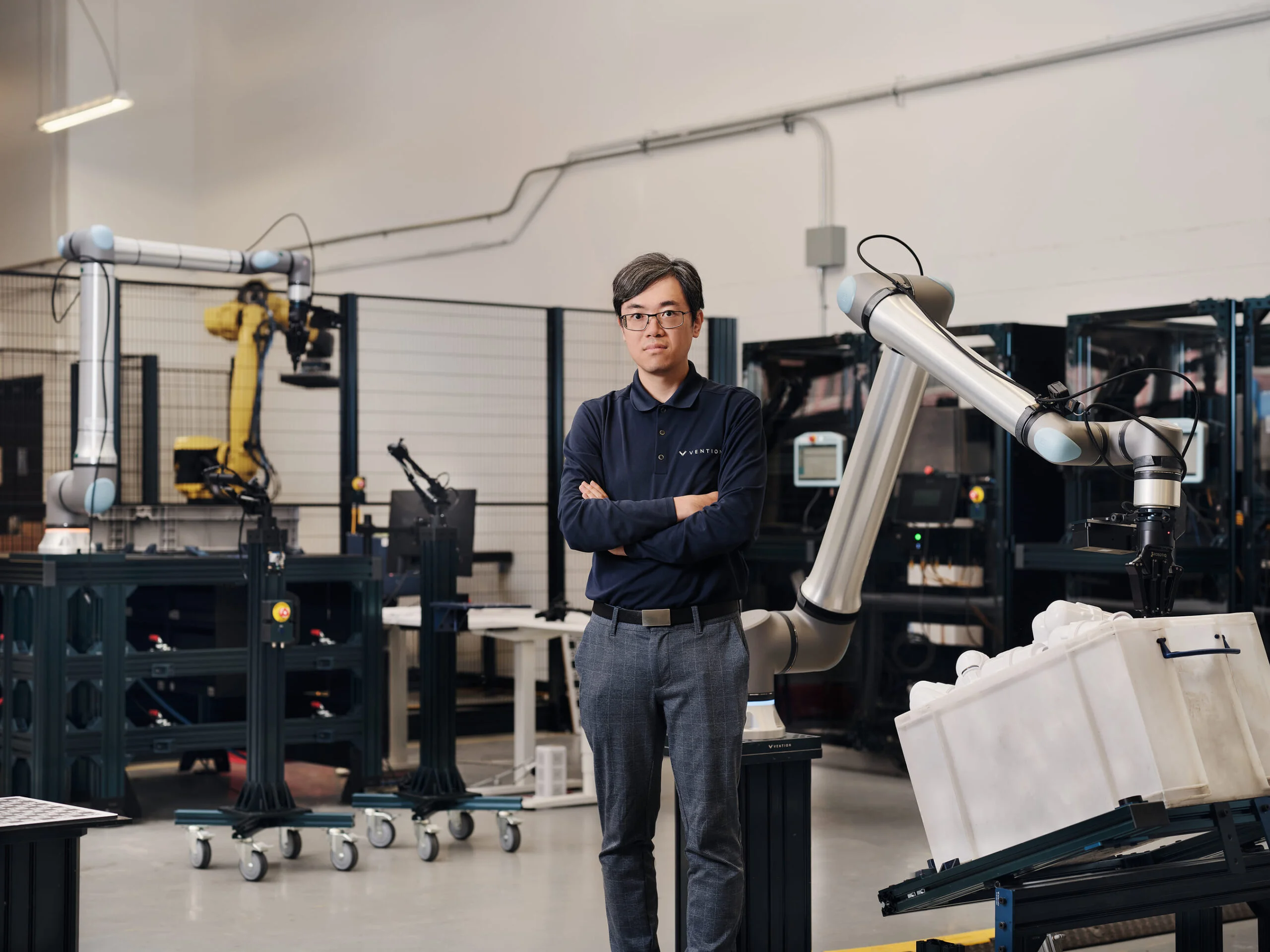
Vention Launches Montreal AI Lab to Enhance Industrial Robotics Capabilities
Vention has inaugurated a physical AI research lab in Montreal aimed at advancing robotic manipulation for manufacturing applications. The lab, directed by Jimmy Li and advised by Joelle Pineau, will leverage industrial data and customer insights to develop scalable robotic systems. With a focus on real-world production challenges, the lab aims to create technologies that enhance reliability and reduce costs in automation. This initiative is significant as Vention's physical AI segment has seen a remarkable 400% revenue increase over the past year, indicating a growing demand for advanced automation solutions. The lab's unique approach integrates academic research with practical production feedback, allowing for rapid development and testing of new robotic systems. This model positions Vention to address complex manufacturing tasks that have traditionally been difficult to automate. Looking ahead, Vention's Montreal lab is expected to expand its team and generate new intellectual property. The company plans to release a public software development kit for its GRIIP manipulation pipeline, which breaks down robotic tasks into manageable stages. No further timeline was disclosed at the time of publication.
AI AI Funding & Investment Robotics Canada.Montreal computer vision industrial robotics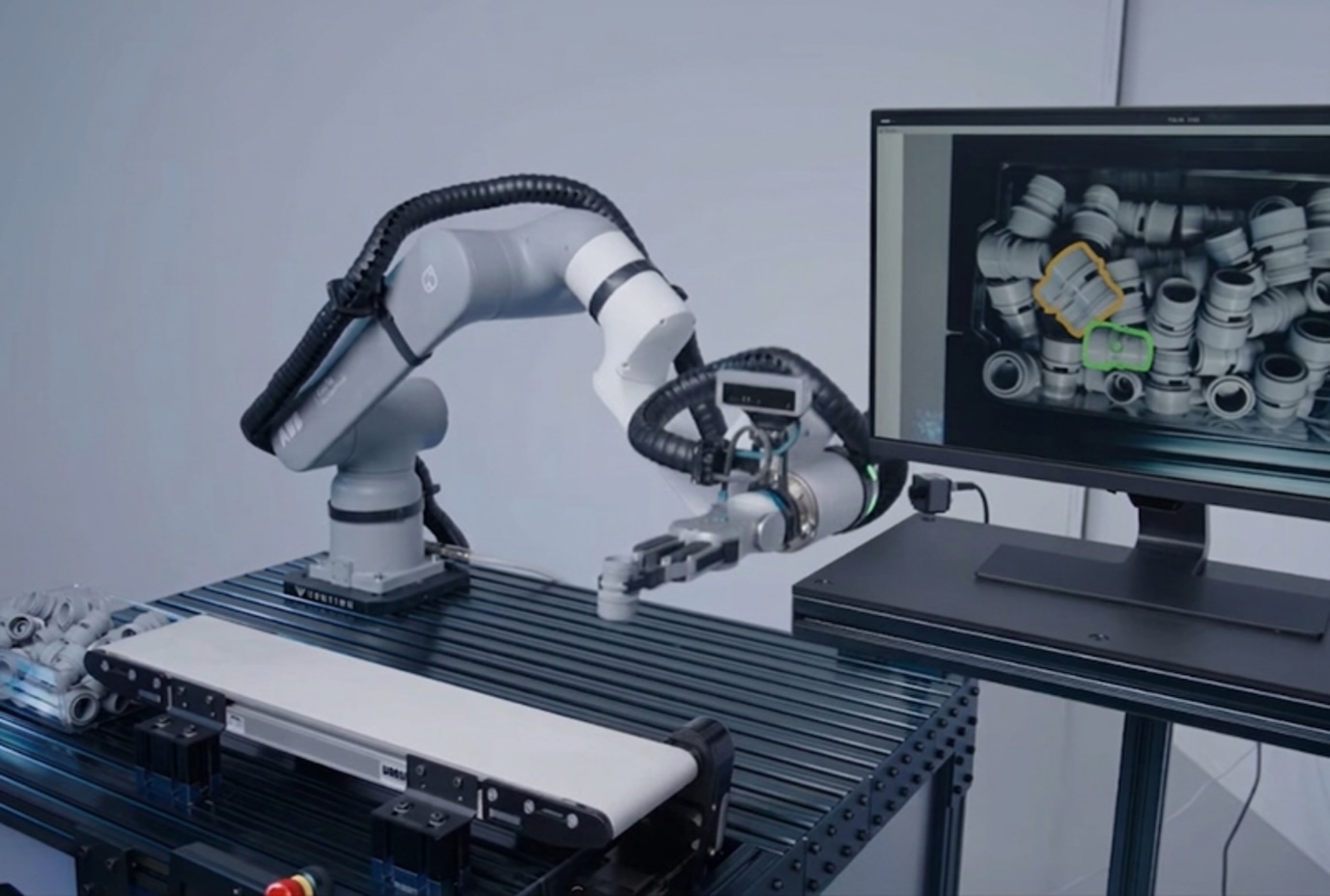
Vention Launches Physical AI Lab in Montreal to Advance Robotic Manipulation
Vention, a digital-first industrial automation platform, has inaugurated its physical AI lab in Montreal. This facility is spearheaded by Dr. Jimmy Li, Vention’s director of physical AI, with guidance from Dr. Joelle Pineau, chief AI officer at Cohere. The lab is dedicated to advancing robotic manipulation technologies tailored for manufacturing sectors such as industrial goods, electronics, and automotive production. The establishment of this lab is significant as it aims to enhance the capabilities of robotic systems in various manufacturing processes. By focusing on robotic manipulation, Vention seeks to improve efficiency and precision in production lines, which is crucial for industries that rely heavily on automation. The collaboration with experts in AI further underscores the lab's commitment to integrating cutting-edge technology into practical applications. Looking ahead, the lab's research initiatives are expected to yield innovative solutions that could transform manufacturing practices. Stakeholders will be keen to observe the developments from this facility, particularly in how it influences the adoption of robotics in industrial settings. No further timeline was disclosed at the time of publication.
Artificial Intelligence Digital Automation artificial intelligence canada computer vision griip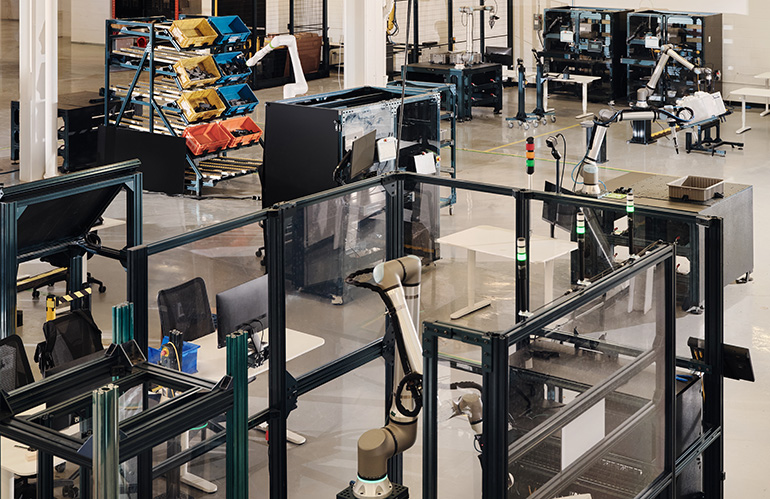
Vention Launches New Physical AI Lab in Montreal to Enhance Manufacturing Robotics
Vention Inc. has inaugurated its Physical AI Lab in Montreal, focusing on robotic manipulation in manufacturing. This facility aims to generate high-quality data essential for training AI models that control next-generation robots. According to CEO Etienne Lacroix, the lab leverages Vention's extensive experience with hundreds of robot cells to enhance the capabilities of physical AI. The establishment of the lab is significant as it addresses the growing demand for reliable and economical automation solutions in manufacturing. Vention's technology stack, which includes hardware, software, and physical AI, has already been deployed in over 28,000 machines globally, including in 90 of the Fortune 500 companies. The lab's unique approach combines academic research with real-world production challenges, allowing for rapid advancements in AI capabilities. Looking ahead, Vention aims to validate new AI capabilities against the practical requirements of production lines, with a focus on complex manufacturing tasks. No further timeline was disclosed at the time of publication. The integration of industry feedback into the research process is expected to accelerate the development of effective automation solutions.
Arms / Manipulators Artificial Intelligence Artificial Intelligence / Cognition Assembly Automotive Cameras / Imaging / Vision
Vention Launches Leading Physical AI Lab in Montreal for Industrial Robotics Advancement
Vention has inaugurated Canada's premier Physical AI and industrial robotics lab in Montreal, aimed at enhancing robotic manipulation through the integration of advanced AI research into scalable manufacturing solutions. This initiative is significant as it focuses on applied manufacturing use cases, industrial data collection, and the development of post-training foundation models for robotics, leveraging existing intellectual property while generating new innovations. Looking ahead, stakeholders should monitor the lab's progress in bridging AI research with practical manufacturing applications. No further timeline was disclosed at the time of publication.

SynapX Introduces Brain, Hand, and Data Solutions for Embodied Labor
At the World Robot Conference, SynapX launched its new product lines focused on brain, hand, and data technologies, moving away from traditional humanoid robots. This strategic shift emphasizes the importance of combining general intelligence with dexterous manipulation to redefine embodied labor in robotics. The introduction of these products signifies a pivotal moment for SynapX as it seeks to establish itself in the evolving landscape of robotics. By prioritizing the integration of cognitive capabilities and advanced dexterity, SynapX aims to meet the growing demand for more sophisticated robotic solutions that can perform complex tasks in various environments. Looking ahead, industry observers will be keen to see how SynapX's approach influences the market and whether its focus on brain and hand technologies will lead to successful applications in real-world scenarios. No further timeline was disclosed at the time of publication.

Renesas Launches Robotics Lab in Beijing for AI Development and Collaboration
Renesas has inaugurated a new robotics lab in Beijing aimed at enabling customers to demonstrate and validate next-generation robotic systems. This facility is part of Renesas' broader initiative to enhance its physical AI capabilities. The establishment of this lab is significant as it allows for collaborative development between Renesas and its clients, fostering innovation in robotic technologies. By providing a space for hands-on experimentation, Renesas aims to accelerate the deployment of advanced robotics solutions in various applications. Looking ahead, stakeholders should monitor how this lab influences the development of robotic systems and the potential partnerships that may arise. No further timeline was disclosed at the time of publication.
Artificial Intelligence News Robotics China Physical AI Renesas Electronics
Renesas Opens Physical AI & Robotics Lab in Beijing to Boost Robotics Development
Renesas Electronics Corporation has officially launched its Physical AI & Robotics Lab in Beijing, China. This new facility is designed to support customers in demonstrating, validating, and co-developing next-generation robotic systems. The establishment of this lab is significant as it will serve as a central hub for executing Renesas' physical AI strategy, facilitating the transition from proof-of-concept to large-scale deployment of advanced robotics solutions. Looking ahead, the lab is expected to play a crucial role in advancing robotics innovation and physical AI applications. No further timeline was disclosed at the time of publication.
Hyundai's Atlas Robot Deployment Sparks Labor Concerns in Korea, Not in the US
Hyundai Motor Group plans to deploy Atlas humanoid robots at its Georgia plant in 2028, highlighting a significant labor debate between Korea and the US. In Korea, union workers are advocating for job protections amid rising automation concerns, while no organized resistance has emerged in Hyundai's nonunion US factories. The Korean union has raised issues regarding the impact of physical artificial intelligence and robotics during labor negotiations, seeking transparency and safeguards against job losses. Although the union has not outright rejected the technology, a tentative agreement acknowledges the necessity of AI and robotics for Hyundai's competitiveness, emphasizing shared information and joint management of the transition. In contrast, the US lacks a comparable collective response, attributed to the weak presence of organized labor in the South and Hyundai's expanding workforce. Experts question whether the current calm will persist as humanoid robots transition from demonstrations to actual factory operations. No further timeline was disclosed at the time of publication.
All News
Trossen Robotics Collaborates with Stereolabs to Enhance Physical AI Data Collection
Trossen Robotics has announced a partnership with Stereolabs to integrate high-fidelity stereo vision into its Physical AI platforms. The collaboration features the Stereolabs ZED X Mini scene camera and dual ZED X Nano wrist cameras, providing synchronized, training-grade visual data for robot-learning teams. This integration is significant as it enhances Trossen's offerings in the Physical AI sector, allowing for improved data collection and analysis. The inclusion of advanced stereo cameras is expected to elevate the capabilities of Trossen's hardware suite, which includes the Trossen Workbench and Rivet platforms designed for bimanual manipulation. Looking ahead, the collaboration aims to streamline the development of robot learning applications by providing robust visual data. No further timeline was disclosed at the time of publication.
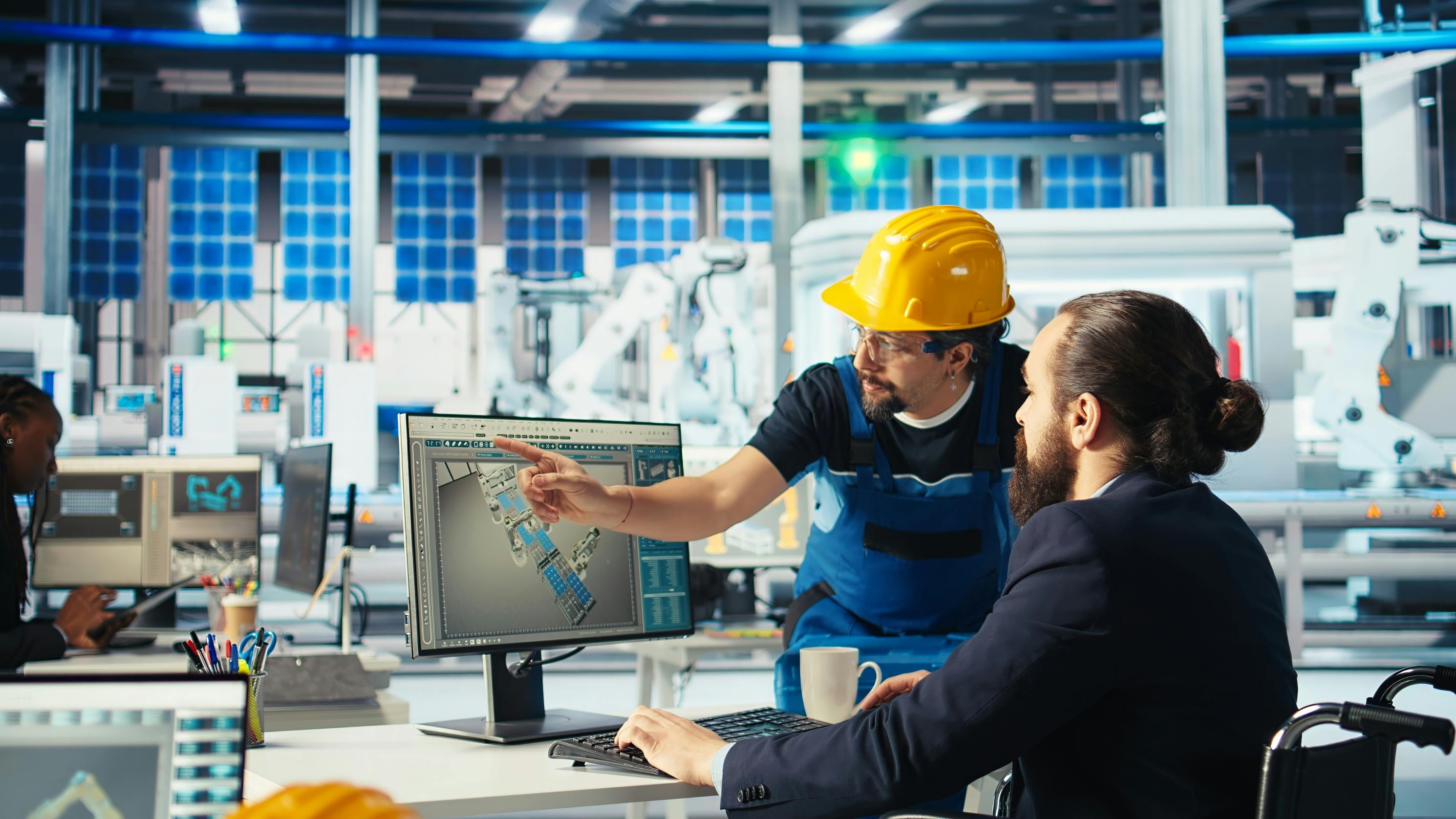
Systemic AI Enhances Scalable Industrial Automation in Manufacturing Plants
Manufacturers are increasingly frustrated with AI's limited scalability, as pilots often fail to replicate success across different sites. Accenture's research indicates that leading firms are adopting 'systemic AI,' which integrates intelligence directly into production systems, linking decision-making with physical execution across various operational levels. This approach contrasts with previous Industry 4.0 initiatives that focused on isolated automation. The significance of systemic AI lies in its ability to optimize the entire production lifecycle, from design to execution, thereby preventing errors before they occur. By applying AI early in asset and product development, manufacturers can secure cost and performance efficiencies prior to capital investment. Reports indicate that companies utilizing systemic AI experience substantial efficiency improvements, including a US aerospace manufacturer that eliminated traceability errors during the engineering-to-manufacturing transition. Looking ahead, manufacturers are encouraged to integrate their systems and data to facilitate real-time decision-making across all functions. This involves overcoming the challenges of connecting enterprise, operational, and engineering systems. A shared semantic layer can enhance AI's reasoning capabilities across these systems, allowing for more consistent actions and improved outcomes in manufacturing processes.
Factory / Digital Transformation
Dai Weijin Discusses Collaborative Efficiency as Key to Robot Chip Development
Dai Weijin, Chief Strategy Officer of Chipone Technology, highlighted the critical issue of collaborative efficiency in robot chip development. While the industry focuses on TOPS performance metrics, he emphasized that the real challenge lies in ensuring system efficiency aligns with computational power. He pointed out that while automotive chips may have excess computational capacity, robots require low-latency perception capabilities that are currently insufficient. Dai noted that reusing automotive chips was a necessary early choice for the industry, but the fundamental logic differs between automotive and robotics. Robots demand precise interactions in complex environments, which cannot be achieved by simply repurposing automotive technology. He explained that robot chips typically utilize a layered computing architecture, where the 'brain' handles decision-making and planning, while the 'small brain' manages perception and real-time control. Looking ahead, Dai believes that industrial applications, particularly in logistics and material handling, will lead the way in adopting these technologies. Chipone's strategy focuses on scalable architecture and providing clients with the most suitable configurations to quickly develop their products, emphasizing that collaborative efficiency is the true competitive advantage in the market.
Robot Chips Collaborative Efficiency Layered Computing Industrial Automation
AI and Self-Driving Labs to Transform Semiconductor Materials Discovery Process
The semiconductor industry is facing significant challenges as it approaches physical limits in material performance, particularly as linewidths shrink below 2 nanometers. Traditional methods of discovering new semiconductor materials are outdated, often taking 10 to 20 years to bring a new material from the lab to market. This slow pace is due to the linear approach of hypothesis formation, synthesis, and characterization, which does not keep up with the complex requirements of modern materials. The need for new materials is critical for advancing device and chip architectures, especially as conventional materials like copper are becoming inadequate. Innovations such as hafnium oxide (HfO2) have previously enabled breakthroughs, but the current methods for material discovery have not evolved. Robotics and automation present a solution to these bottlenecks, offering the potential to accelerate the discovery process significantly. As the industry continues to evolve, companies that embrace automation in materials discovery will likely gain a competitive edge. The reluctance of some firms to adopt these technologies could result in them falling behind as first movers capitalize on the efficiencies and innovations that AI and self-driving labs can provide. No further timeline was disclosed at the time of publication.
Autonomous Vehicles Computing Materials advanced materials ai artificial intelligence
Honor Unveils the First-Ever Robot Phone, Available for Pre-Order Soon
Honor has officially launched the world's first Robot Phone, priced from 9,999 yuan, with pre-orders reaching 400,000 units. The device features a miniaturized four-degree-of-freedom titanium alloy gimbal system, which is 65% smaller than mainstream options, allowing for advanced functionalities like automatic focus tracking during video calls. This innovative product not only redefines the smartphone category but also serves as a technology validation platform for Honor in the robotics field. The gimbal's engineering capabilities can be applied to robotic joint design, while its environmental perception and automatic focus tracking lay the groundwork for robotic vision systems. Looking ahead, Honor plans to integrate the successful technologies from the Robot Phone into its flagship Magic9 series, set to debut in September. The significant pre-order numbers indicate a strong market interest in mobile devices that can actively engage with users, marking a shift from traditional digital intelligence to embodied intelligence.
Robot Phones Smartphone Technology Robotics AI Gimbal Systems
Yusen Logistics Collaborates with Destro to Implement AI-Driven Human-Robot Collaboration in Transload Operations
Yusen Logistics (Americas) Inc. has formed a strategic partnership with Destro AI to deploy an AI-powered human-robot collaboration platform aimed at enhancing transload operations. This initiative is part of Yusen's commitment to investing in intelligent warehouse technologies that boost operational efficiency and execution consistency. The collaboration with Destro is significant as it represents a step forward in integrating advanced AI solutions within logistics operations. By leveraging Destro's Physical AI platform, Yusen aims to streamline processes and provide increased value to its customers, reflecting a broader trend in the logistics industry towards automation and technological innovation. Looking ahead, the focus will be on the effectiveness of this deployment and its impact on Yusen's operational metrics. No further timeline was disclosed at the time of publication.

Reforged Labs Closes Operations After Three Years in AI Advertising
Reforged Labs, an AI advertising startup, has officially ceased operations after three years in the industry. The company had a team distributed between Vietnam and the United States during its operational period. The closure of Reforged Labs highlights the challenges faced by startups in the competitive AI advertising sector. Despite its innovative approach, the company was unable to sustain its business model, which is a common hurdle for many emerging firms in this rapidly evolving market. Looking ahead, industry observers will be keen to see how the landscape of AI advertising continues to shift, especially as other startups navigate similar challenges. No further timeline was disclosed at the time of publication.
Artificial Intelligence Gaming News ai mobile gaming Reforged Labs
Tencent WorkBuddy V5.3.5 Introduces AI Collaboration in Office Documents
Tencent has launched WorkBuddy V5.3.5, integrating Tencent Docs to enhance AI collaboration in Office documents. This version supports local Office files and cloud documents, allowing users to box-select and edit with contextual multi-modal intelligence. The introduction of this feature is significant as it streamlines the editing process across various formats, including Word, Excel, PPT, and Markdown. By enabling real-time collaborative editing, Tencent aims to improve productivity and facilitate seamless teamwork in document creation and management. Looking ahead, it will be important to monitor how users adapt to these new collaborative features and whether they enhance overall efficiency in document workflows. No further timeline was disclosed at the time of publication.
Technology
Xpeng's IRON Robot Set to Transform Retail and Labor in Australia
Xpeng Motors, a leading Chinese electric vehicle manufacturer, is set to introduce its humanoid robot, IRON, in Australia as part of its global strategy. Standing at 1.73 meters, IRON is designed to assist in car showrooms by greeting customers, answering queries, and guiding test drives, marking a significant shift in the retail profession. The introduction of IRON is significant due to the ongoing labor shortages in Australia’s retail, customer service, and factory sectors. Xpeng aims to redefine the workforce by integrating robots into roles traditionally held by humans, offering a solution that does not require breaks or rest. Looking ahead, Xpeng plans to launch IRON globally by 2027, with a production target of over 1,000 units per month by the end of 2026. The robot's advanced technology, derived from Xpeng's autonomous driving systems, positions it as a competitive option in various operational environments, including factories and logistics.
Humanoid Robots Retail Automation AI Technology Workforce Solutions
NVIDIA and KAIST Establish AI Research Lab to Propel Innovation in South Korea
NVIDIA and the Korea Advanced Institute of Science and Technology (KAIST) have launched a joint AI research laboratory at the KAIST Kim Jaechul Graduate School of AI in Seoul. This initiative aims to advance agentic AI tailored for South Korea, leveraging NVIDIA's full-stack AI expertise and open models alongside KAIST's scientific talent. The collaboration is significant as it positions South Korea as a leader in AI research, with Bill Dally from NVIDIA highlighting the country's advanced technology ecosystem. The lab will focus on accelerating AI models and systems that cater to local industries and language, fostering a strong academic research program. Looking ahead, the lab plans to fund at least 10 KAIST researchers annually and provide internship opportunities at NVIDIA. The $300 million collaboration, which includes $50 million per year in compute contributions, aims to develop models optimized for Korean use cases, enhancing the nation's AI capabilities and promoting global academic-industry collaboration. No further timeline was disclosed at the time of publication.
Developing Effective Unmanned Collaborative Combat Aircraft: Key Concerns and Considerations
The development of unmanned collaborative combat aircraft is increasingly focused on enhancing capabilities, managing costs, and improving autonomy. These factors are critical in ensuring that these aircraft can effectively serve their intended roles in modern combat scenarios. Addressing these concerns is vital as military forces seek to integrate advanced unmanned systems into their operations. The effectiveness of these aircraft hinges on their ability to operate autonomously while maintaining cost-effectiveness, which is essential for large-scale deployment. Looking ahead, stakeholders in the defense sector should monitor advancements in technology that enhance the capabilities and autonomy of unmanned combat aircraft. Continuous innovation will be necessary to meet the evolving demands of military operations and to ensure these systems remain relevant in future combat environments.
Air Warfare Sponsored Post Air Force autonomous CCA collaborative combat aircraft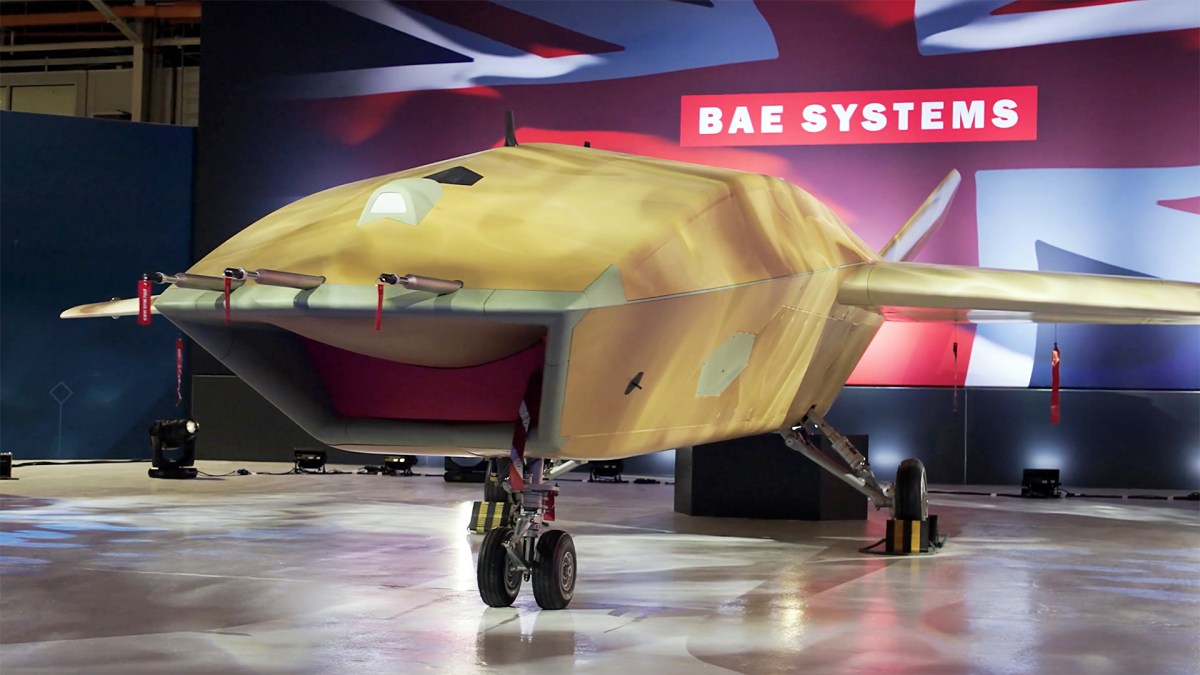
BAE Systems Unveils Brontanax Fighter Drone for UK Royal Air Force's Collaborative Combat Program
BAE Systems has introduced the Brontanax, a new collaborative combat aircraft (CCA) drone designed for the U.K. Royal Air Force. This unveiling coincides with the launch of the Storm Fighter program, aimed at establishing Europe’s first sixth-generation air force. The Brontanax prototype was showcased at the Farnborough International Airshow, attended by the U.K. Defense Secretary Wes Streeting. The significance of the Brontanax lies in its role as an operational prototype, built in secret at BAE Systems’ Warton facility. It is set for ground testing before flight trials in U.K. airspace, with potential participation in a NATO exercise as early as next year. This development reflects the U.K.'s commitment to advancing its military capabilities and integrating new technologies into its air force. Looking ahead, the Brontanax is expected to inform the design of future drones accompanying the U.K. F-35 and Tempest combat jets. While specific performance details remain undisclosed, the drone features a stealthy design with advanced aerodynamics, suggesting a focus on operational versatility and mission capability in various combat scenarios. No further timeline was disclosed at the time of publication.
Air Air Forces Around The Globe Collaborative Combat Aircraft Europe News & Features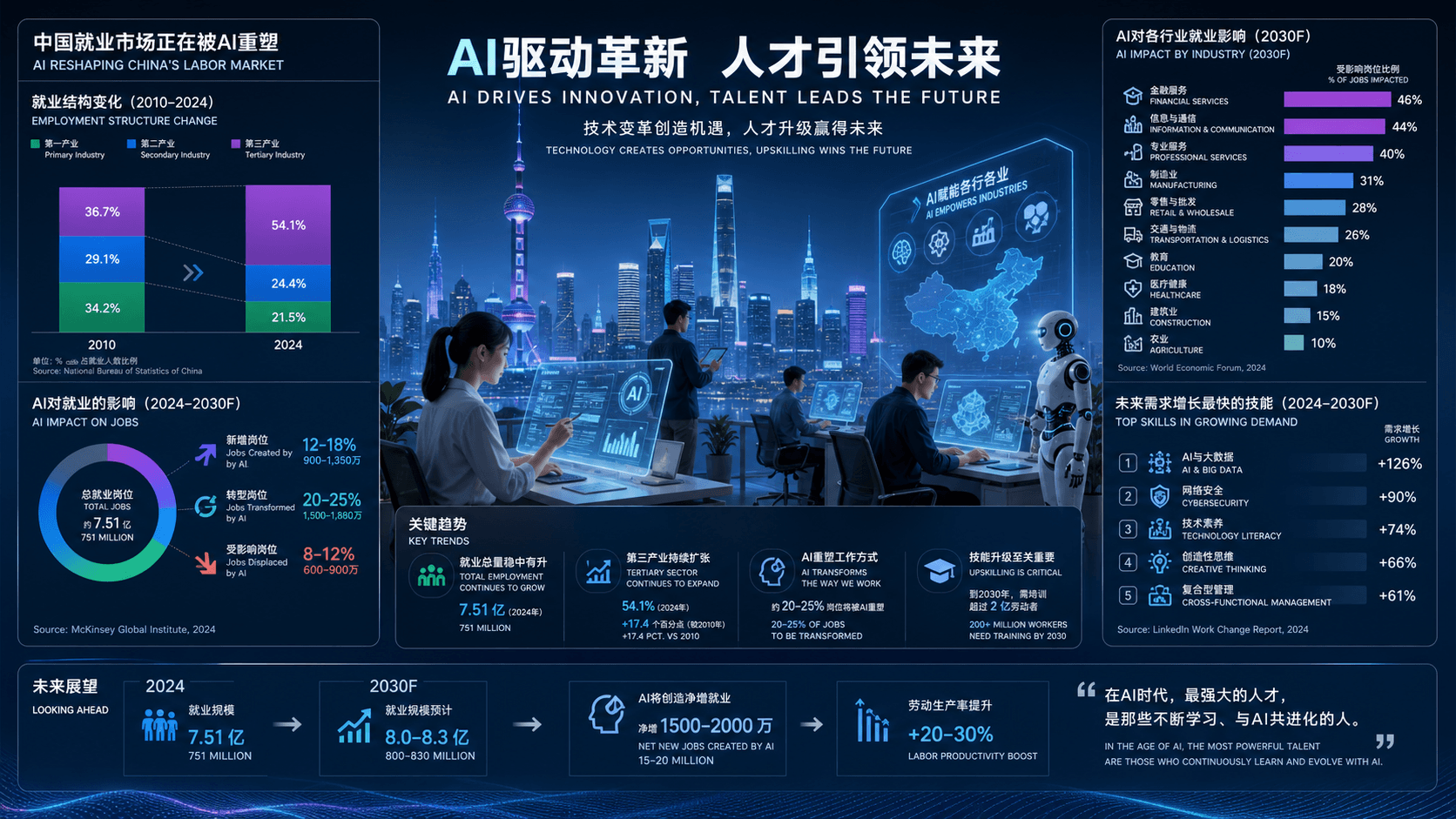
ShanghaiTech Report Reveals 21 Million Jobs Restructured by AI in China Labor Market
A recent report from ShanghaiTech's CEISD has revealed that AI has restructured 21 million jobs across 1,267 occupations in China. The analysis of 65,200 tasks indicates that while many roles have been altered, they have not been entirely replaced, highlighting a significant shift in the labor market. This restructuring is particularly noteworthy as 18.6% of new hires are now in composite closed-loop roles, indicating a trend towards more integrated job functions. However, junior positions are experiencing a structural contraction, which raises concerns about entry-level opportunities in the evolving job landscape. Looking ahead, it will be important to monitor how these changes impact the overall employment landscape in China. No further timeline was disclosed at the time of publication, but the ongoing evolution of job roles due to AI will likely continue to shape hiring practices and workforce development strategies in the near future.
News
NVIDIA's CEO Jensen Huang Announces Expansion of Physical AI Collaboration in Japan
On July 16, NVIDIA CEO Jensen Huang announced an expansion of collaboration with Japanese companies in the field of 'physical AI' during an event in Tokyo. This initiative marks a strategic move to integrate NVIDIA's technology into Japan's manufacturing sector, particularly through a partnership with Toyota to develop AI models for the Woven City traffic control system. The collaboration with Toyota is central to NVIDIA's strategy, as the company will provide GPUs and development tools to Toyota's subsidiary, Woven by Toyota. This partnership aims to embed NVIDIA's technology into the city's digital twin platform, Omniverse, enhancing factory production and driving manufacturing robots with the Isaac platform. Additionally, Huang revealed plans to deepen cooperation with major Japanese industrial automation firms, including Fujitsu, Fanuc, Yaskawa Electric, and Kawasaki Heavy Industries, as part of the Cosmos Coalition. This initiative aims to strengthen Japan's position in the global AI robotics market, with a government goal of achieving a 30% market share by 2040. No further timeline was disclosed at the time of publication.
Physical AI Robotics Industrial Automation AI Technology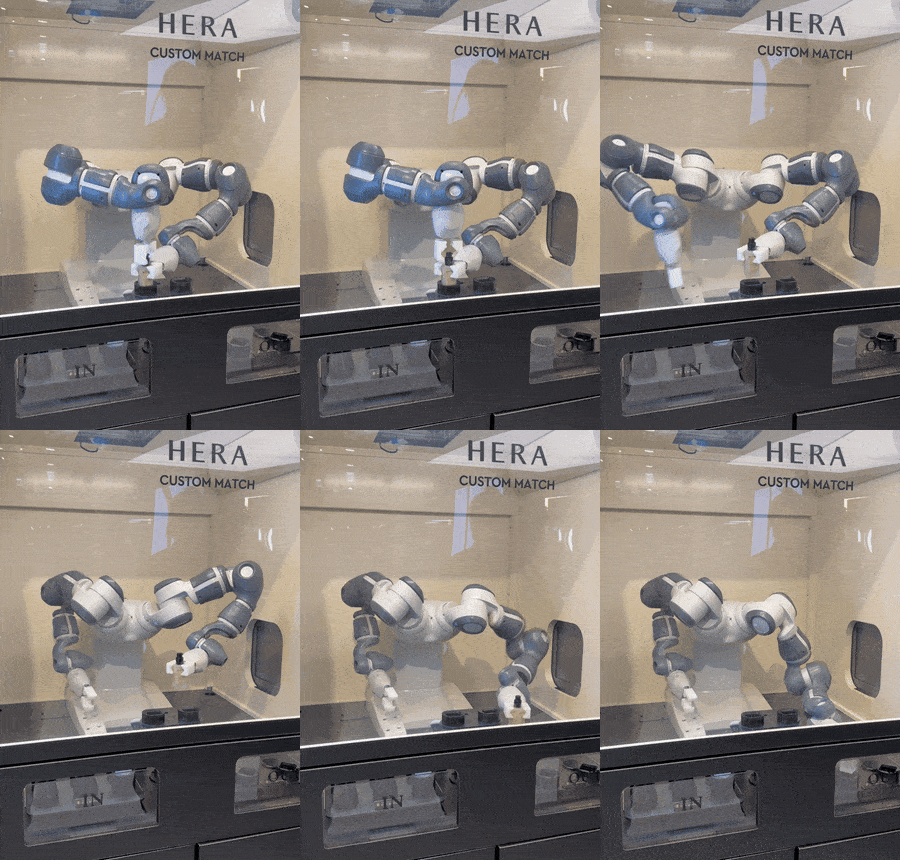
Amorepacific's AI Beauty Lab Offers Customized Products at Amore Yongsan Store
Amorepacific has launched its flagship store, Amore Yongsan, where AI and robotics create personalized beauty products, including foundations and lip cosmetics. Customers engage in a 15-minute AI consultation to select from 335 shades, with the Hera Custom Match service being particularly popular. The store also features a scalp diagnostic program and a fragrance lab, enhancing the customer experience. This innovative approach to beauty customization is significant as it positions Amore Yongsan as a potential new beauty district in Seoul, attracting both local and foreign customers. The store manager noted a nearly equal ratio of Korean and foreign clients, with a higher percentage of foreigners opting for product creation services. The bespoke essence service, inspired by Japanese preferences, further emphasizes the demand for tailored beauty solutions. Looking ahead, Amorepacific's integration of AI technology in beauty consultations and product creation may set a new standard in the industry. The store's research-focused environment, including AI skin scans and fragrance development, showcases the brand's commitment to innovation. No further timeline was disclosed at the time of publication.
All News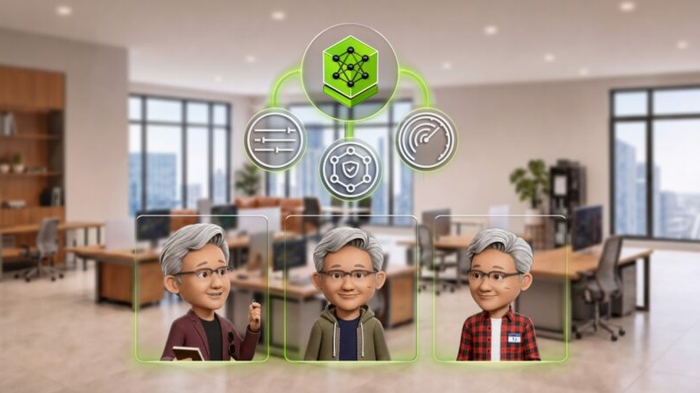
Nemotron Labs Explores Open Models for Customizable and Trustworthy AI Solutions
Nemotron Labs highlights the advantages of open models in developing specialized AI systems tailored to enterprise needs. By utilizing NVIDIA platforms, businesses can create AI that improves workflows and meets high standards for accuracy and trust. The flexibility of open models allows organizations to customize and control their AI applications, ensuring they align with specific business requirements. The significance of open models lies in their ability to provide enterprises with full ownership and control over their AI systems. Unlike closed models, which limit inspection and tuning, open models enable organizations to evaluate performance against their own data and workflows. This is particularly crucial in sectors like healthcare and legal, where accuracy and transparency are paramount. Looking ahead, companies are increasingly adopting Nemotron to enhance their domain-specific AI capabilities. As enterprises continue to specialize their models, the focus will be on improving efficiency and accuracy through customization. No further timeline was disclosed at the time of publication.
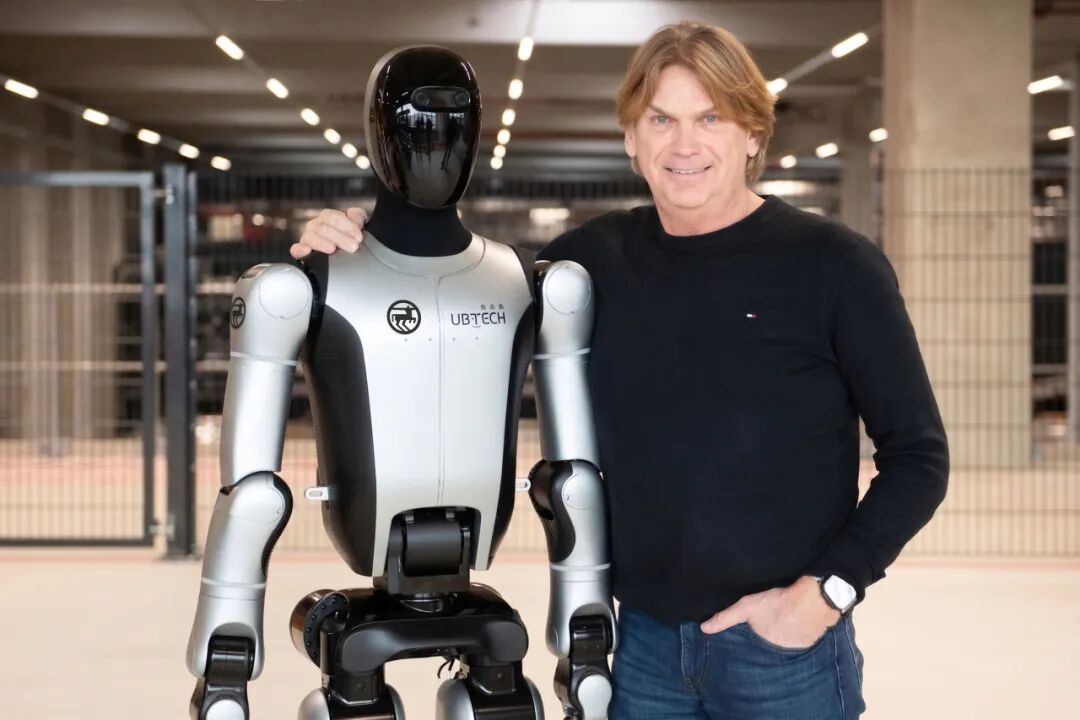
UBTECH Collaborates to Enhance Global Reach of Humanoid Robots in European Retail Logistics
UBTECH has announced partnerships aimed at accelerating the deployment of humanoid robots in European retail logistics environments. This initiative is part of UBTECH's broader strategy to expand its global footprint and enhance operational efficiencies in logistics through advanced robotics technology. The significance of this collaboration lies in its potential to transform retail logistics by integrating humanoid robots, which can streamline operations, reduce labor costs, and improve service delivery. As the demand for automation in logistics grows, UBTECH's efforts may set a precedent for the adoption of robotics in various sectors across Europe. Looking ahead, industry stakeholders should monitor UBTECH's progress in deploying these humanoid robots and the impact on logistics operations. The effectiveness of these robots in real-world applications will be crucial in determining the future of robotics in retail logistics. No further timeline was disclosed at the time of publication.

Siemens collaborates with Databricks and FFT to enhance production data with AI insights.
Siemens has unveiled a new edge-to-cloud integration in collaboration with Databricks, a leading Data and AI company, and its long-time automation partner, FFT Produktionssysteme. This innovative partnership aims to streamline the connection of production data directly to enterprise AI, eliminating the need for complex IoT middleware. By facilitating this direct integration, Siemens and its partners intend to empower industrial customers to transform their production data into actionable insights, thereby enhancing the scalability of industrial AI solutions on a global scale. This initiative underscores the growing importance of data-driven decision-making in the manufacturing sector, enabling companies to leverage advanced analytics for improved operational efficiency and competitiveness.
Artificial Intelligence Automation Industry News artificial intelligence cloud computing
SpaceX's Starmind Targets AI Labs with $6.3 Billion Compute Contracts
SpaceX's Starmind is designed to provide wholesale AI compute services to businesses, particularly AI labs and cloud customers, rather than individual consumers. The service operates similarly to AWS, where users benefit from applications running on Starmind without direct subscriptions. The compute capacity of a single AI1 satellite is comparable to one NVIDIA GB300 rack, emphasizing its enterprise-grade capabilities. The significance of Starmind lies in its positioning as a potential fourth hyperscaler, joining the ranks of AWS, Microsoft Azure, and Google Cloud. The Reflection AI contract, valued at $150 million per month, exemplifies the enterprise-focused model, with total payments potentially reaching $6.3 billion through 2029. This contract highlights the growing demand for AI compute resources, particularly from AI-native startups and labs. Looking ahead, the focus will remain on securing additional enterprise contracts as Starmind expands its offerings. No consumer-facing products or subscriptions have been announced, and the current strategy is to cater to businesses with substantial AI workloads. No further timeline was disclosed at the time of publication.

ugo and FastLabel launch training program for developing VLA model with domestic humanoids and physical AI.
Ugo Corporation and FastLabel Inc. have launched a hands-on training program aimed at facilitating the development of Vision-Language-Action (VLA) models for companies, universities, and research institutions. This initiative utilizes the domestically produced humanoid robot, the "ugo Pro R&D model," to support participants from the initial stages of model development. The program, titled "ugo VLA Model Development Training Program powered by FastLabel," is designed to enhance practical skills and knowledge in the emerging field of VLA technology.
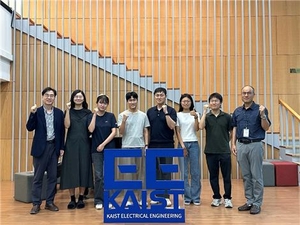
KAIST's Urban Robotics Lab Achieves Top Honors in International Navigation Challenges
KAIST's Urban Robotics Lab secured first and second place in two prestigious international robot navigation challenges. The team developed an AI system that enables robots to self-verify their decisions, ensuring they reach the correct destination. This innovative self-checking technology was instrumental in their success at the competitions held in Malmo, Sweden, and Sydney. The significance of this achievement lies in the advancement of embodied artificial intelligence, which allows robots to better understand human instructions and navigate complex environments. By addressing common navigation errors, such as misidentifying destinations, KAIST's technology enhances the reliability of robotic systems in real-world applications. The competitions were part of the European Conference on Computer Vision 2026 and Robotics: Science and Systems 2026, highlighting the importance of AI in robotics. Looking ahead, the focus will be on further refining the CoRe-VLN system, which utilizes AI to analyze visual and textual data for improved navigation accuracy. No further timeline was disclosed at the time of publication.
All News
D-Robotics and GigaAI Collaborate to Integrate GigaBrain-0.7 with Sunrise S600 Edge Platform
D-Robotics and GigaAI are set to adapt the open-source embodied model GigaBrain-0.7 for integration with the Sunrise S600 edge platform, which operates at 560 TOPS INT8. This collaboration aims to enhance the capabilities of various deployments, including Maker, light-pickup, dual-arm, and mobile-chassis systems. The partnership between D-Robotics and GigaAI is significant as it combines advanced AI technologies with edge computing, potentially improving operational efficiency in robotics applications. The integration of GigaBrain-0.7 with the Sunrise S600 platform could lead to more sophisticated and responsive robotic systems, catering to diverse industrial needs. Looking ahead, industry stakeholders should monitor the progress of this integration and its impact on deployment strategies across different sectors. No further timeline was disclosed at the time of publication.
Raise Robotics Collaborates with Genie to Elevate AMF Robot to 65 Feet
Raise Robotics has announced a six-month partnership with Genie, the aerial-lift brand of Terex, to enhance its Autonomous Mobile Fabricator (AMF) robot. This collaboration successfully mounted the AMF onto a Genie boom lift, allowing the robot to operate at a height of 65 feet. The integrated system was demonstrated live to customers and partners in July, showcasing its capabilities in a real-world setting. This development is significant as it marks a step forward in the application of robotics in construction, enabling the AMF robot to perform tasks at elevated heights. The collaboration with Genie not only expands the operational range of the AMF but also highlights the growing trend of integrating robotics with traditional construction equipment. This innovation could lead to increased efficiency and safety on job sites. Looking ahead, industry stakeholders will be keen to observe how this collaboration influences the adoption of robotics in construction. The successful demonstration of the AMF on the Genie boom lift may pave the way for further advancements in autonomous construction technologies. No further timeline was disclosed at the time of publication.
Construction News agv amf robot autonomous mobile fabricator Autonomous robots
Canada and Ukraine Sign Long-Term Pact to Boost Drone Production and Security Collaboration
Canada has launched a new national Defence Drone Initiative Marketplace (DDIM) to enhance its security partnership with Ukraine. This initiative aims to increase drone production, reflecting a commitment to strengthen defense capabilities between the two nations. The establishment of the DDIM is significant as it underscores Canada's dedication to supporting Ukraine amid ongoing security challenges. By fostering collaboration in drone technology, both countries aim to bolster their defense strategies and enhance operational effectiveness in addressing threats. Looking ahead, the focus will be on the outcomes of this initiative and how it influences defense production capabilities. No further timeline was disclosed at the time of publication.
News
Joyx and Hitch Interactive Collaborate on Embodied AI System Development
Joyx and Hitch Interactive have established a strategic partnership aimed at developing and deploying embodied AI systems for commercial applications. Joyx will focus on capturing, reconstructing, and verifying human and robot demonstration data, while Hitch Interactive will provide its Hitch Open robotics platform and necessary control interfaces. This collaboration is significant as it seeks to address the limitations of traditional robot training methods, such as teleoperation and simulation, by utilizing real-world video and sensor data. Joyx's approach aims to create a metric 3D representation of this data, which is then tailored to the physical constraints of specific robots, enhancing their training process. Looking ahead, the partnership intends to build complete systems tailored for specific commercial scenarios, leveraging the strengths of both companies. No further timeline was disclosed at the time of publication.
AI AI Funding & Investment Capital Markets Robotics California embodied AI
Hai Robotics and Ferag Solutions Enhance Partnership for Warehouse Automation in EMEA
Hai Robotics and Ferag Solutions are expanding their collaboration across Europe, the Middle East, and Africa after five years of successful warehouse automation projects. This partnership aims to leverage Hai Robotics' Automated Case-handling Mobile Robot systems and Ferag Solutions' integration expertise to meet the growing demand for flexible warehouse automation. The collaboration is significant as it combines Hai Robotics' innovative automation technology with Ferag Solutions' regional knowledge and systems integration capabilities. This synergy is expected to provide businesses with immediate operational improvements while allowing them to adapt to changing demands in the logistics sector. Looking ahead, both companies plan to host regional webinars to share insights on warehouse automation challenges and opportunities. Several projects have already been signed, indicating a strong foundation for future growth and collaboration in developing scalable warehouse operations across the EMEA region.
Warehouse Automation Intralogistics Automated Mobile Robots Systems Integration
Hai Robotics and Ferag Solutions Enhance Partnership for Warehouse Automation in EMEA
Hai Robotics and Ferag Solutions are expanding their collaboration across Europe, the Middle East, and Africa after five years of successful partnership. This expansion follows several warehouse automation projects in the UK, where both companies combined their strengths to deliver innovative solutions. Hai Robotics will provide its Automated Case-handling Mobile Robot (ACR) systems, while Ferag Solutions will contribute its systems integration expertise. The significance of this partnership lies in its ability to meet the increasing demand for integrated warehouse automation solutions that enhance operational efficiency. The collaboration aims to offer businesses the flexibility to adapt to changing volumes and requirements, ensuring they remain competitive in a rapidly evolving market. Nicholas Hughes, Managing Director of Ferag Solutions, emphasized the trust and commitment that have developed between the two organizations, which are crucial for recommending solutions to customers. Looking ahead, Hai Robotics and Ferag Solutions plan to host regional webinars to share insights on warehouse automation challenges and opportunities. With several projects already signed, the companies are well-positioned to support more businesses in developing scalable and future-ready warehouse operations. No further timeline was disclosed at the time of publication.
Warehouse Automation Intralogistics Automated Robotics Supply Chain Solutions
Challenges in Training Robots for Effective Human Collaboration
Humans present a unique challenge for robot training due to their quick and complex thinking processes, making exact actions unpredictable. This unpredictability raises questions about the methods and techniques required to effectively train robots for collaboration with humans. Understanding how to train robots to work alongside humans is crucial as industries increasingly adopt automation. The ability to predict and respond to human actions can enhance productivity and safety in various sectors, emphasizing the importance of developing advanced training methodologies for robots. Looking ahead, the focus will be on exploring innovative training approaches that can bridge the gap between human unpredictability and robotic capabilities. No further timeline was disclosed at the time of publication.
Robotics
Ant International, Visa, and Mastercard Collaborate on Know-Your-Agent Framework for AI Payments
Ant International, Visa, and Mastercard have initiated the development of a Know-Your-Agent (KYA) interoperability framework aimed at enhancing AI-driven payments. This framework will assist card networks, digital wallets, agent platforms, and online marketplaces in identifying and onboarding reliable AI agents while maintaining existing verification and risk-control processes. The significance of this initiative lies in its potential to streamline the integration of AI agents across various payment ecosystems, ensuring operator traceability and shared certification requirements. Continuous transaction monitoring will also be a key focus, which could bolster the security and reliability of AI-driven payment solutions. Looking ahead, the collaboration will utilize Singapore’s BuildFin.ai platform, organized by the Monetary Authority of Singapore. No further timeline was disclosed at the time of publication.
News Feed
Fanuc and Google Collaborate on AI-Driven Welding Robots for Enhanced Automation
Japanese industrial automation firm Fanuc has partnered with Google to create an AI-automated welding system. This innovative solution utilizes robots equipped with artificial intelligence that can interpret blueprints directly, thus removing the need for manual programming. Deliveries of this advanced system are expected to commence in December 2026. This collaboration is significant as it represents a leap forward in automation technology, potentially streamlining manufacturing processes and improving efficiency in welding tasks. By enabling robots to read blueprints autonomously, Fanuc and Google aim to reduce labor costs and enhance productivity in industrial settings, which is crucial for maintaining competitiveness in the global market. Looking ahead, industry stakeholders should monitor the rollout of this AI-driven welding system, particularly its impact on manufacturing workflows and labor dynamics. The anticipated deliveries in December will be a key milestone, and the performance of these robots in real-world applications will be critical to assessing their effectiveness and adoption in various sectors.

Palantir and NVIDIA Collaborate to Enhance Sovereign AI in Supply Chains
Palantir Technologies Inc. and NVIDIA have announced a partnership aimed at integrating sovereign AI into critical supply chains, beginning with NVIDIA's operations. This collaboration will utilize NVIDIA's Nemotron™ open models within Palantir's Foundry and Artificial Intelligence Platform (AIP), enhancing supply chain visibility and operational efficiency while ensuring data control. The significance of this initiative lies in its potential to transform supply chain management across various industries, including agriculture, manufacturing, and technology. By leveraging advanced AI capabilities, organizations can optimize their operations, identify constraints, and make informed decisions at unprecedented speeds, thereby improving the reliability of their supply chains. Looking ahead, the AI stack's applications will be showcased at Palantir’s AIPCon 11 conference, indicating a broader rollout of these technologies. As demand for AI infrastructure grows, the partnership aims to provide enterprises with the tools needed to build resilient and intelligent supply chains while maintaining control over proprietary data.
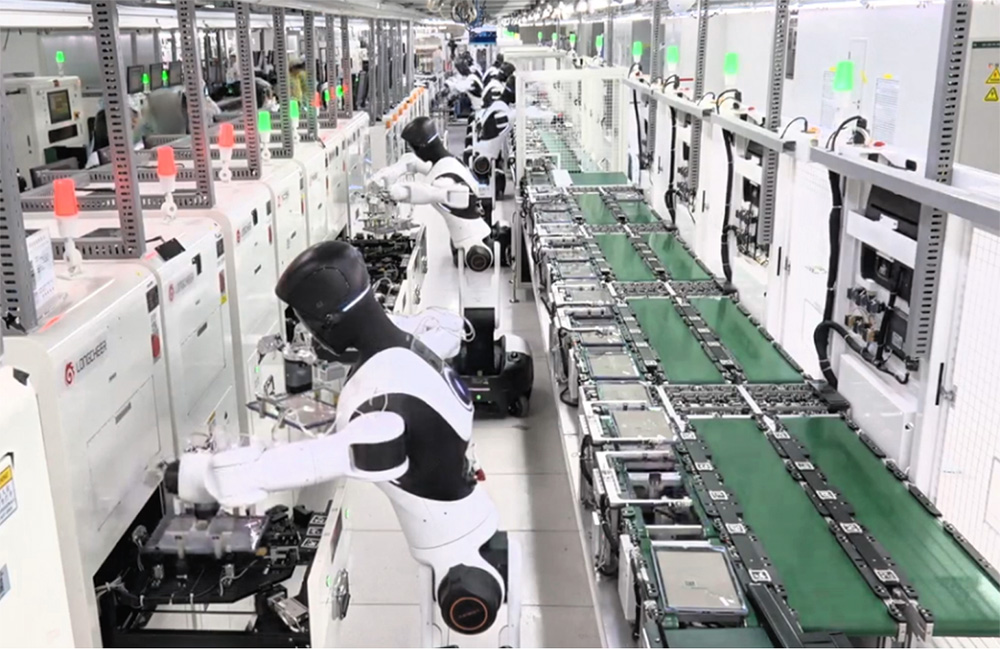
AGIBOT to Discuss Scaling Humanoids from Lab to Real-World at RoboBusiness 2026
AGIBOT will present at RoboBusiness 2026, focusing on the transition of humanoid robots from laboratory settings to real-world applications. Yinghao Song, AGIBOT's North America head, will share insights on overcoming deployment challenges in complex environments during his talk on October 20 at 1:15 p.m. PT. The significance of this presentation lies in addressing the systemic deployment of hardware necessary for executing advanced robotics in various sectors, including automotive and logistics. Song will highlight the importance of bridging the software-hardware gap through modular software stacks and open SDKs, which facilitate the deployment of humanoids and dexterous robotic hands. Attendees can expect to learn about identifying valuable robotics use cases and strategies for scaling in the evolving landscape of embodied AI. No further timeline was disclosed at the time of publication.
Events Humanoids News Robots / Platforms AgiBotRobotics needs a service framework.
RSF defines a common language for robot service capability, lifecycle operations, certification pathways, and service-provider networks.
Join the RobotToday community on LinkedIn
Daily robotics news, in-depth analysis, conference highlights, and discussions with professionals worldwide.