Industry Briefing
A single destination for timely, editor-curated robotics news from around the world.
MIT Schwarzman College of Computing Initiates AI Educators Pilot to Enhance Teaching Across Disciplines
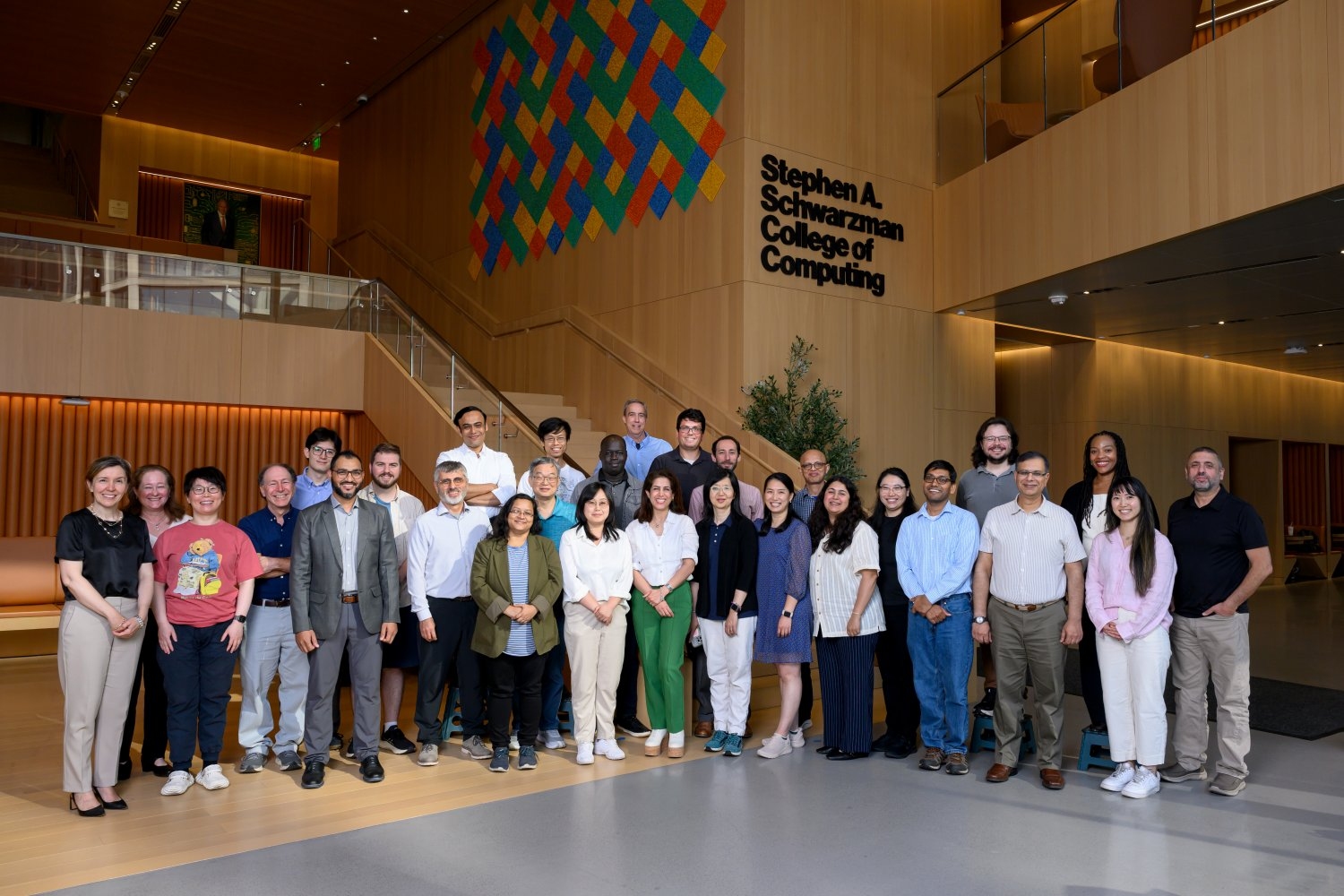
This summer, the MIT Schwarzman College of Computing hosted the inaugural AI Educators Pilot, a weeklong workshop designed to enhance the teaching of artificial intelligence across various disciplines. Faculty from institutions in Greater Boston, South Carolina, West Virginia, and Texas participated, exploring how to adapt AI and machine learning concepts for their classrooms. The initiative aims to broaden AI education by training instructors, empowering students to think critically about AI rather than merely using the technology. Dan Huttenlocher, the college's dean, emphasized the importance of equipping educators with the necessary tools to foster this critical thinking in students, while Saurabh Amin highlighted the collaborative effort involved in creating rich educational materials. Participants engaged in hands-on activities and discussions about integrating AI into their curricula, with feedback from the workshop set to inform future iterations of the program. No further timeline was disclosed at the time of publication.
Special events and guest speakers Classes and programs Education, teaching, academics Computer science and technology Artificial intelligence Machine learning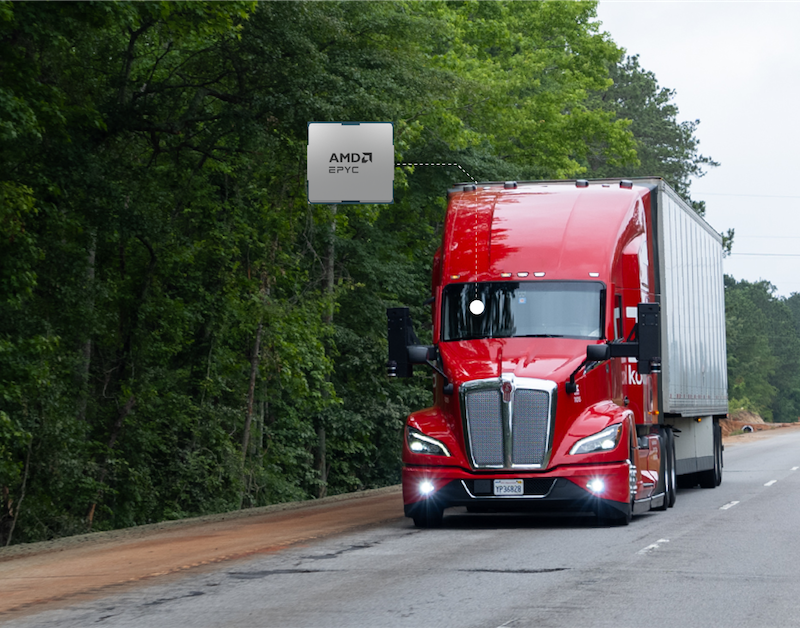
Kodiak AI Partners with AMD to Enhance Computing Power for Autonomous Trucking
Kodiak AI has announced a collaboration with AMD to integrate AMD EPYC Series processors into its seventh-generation autonomous truck platform. This partnership marks Kodiak as the first company to utilize these advanced processors in driverless trucking, enabling the efficient processing of vast sensor data essential for safe operation. The collaboration is significant as it combines Kodiak's autonomous driving technology with AMD's high-performance computing capabilities. According to Wayne Lyons from AMD, this partnership demonstrates the potential of advanced autonomous driving software when paired with powerful computing resources, facilitating the transition of driverless trucking from innovation to large-scale implementation. Looking ahead, the integration of AMD EPYC CPUs is expected to enhance the Kodiak Driver's ability to handle complex environments through improved sensor data aggregation and preprocessing. No further timeline was disclosed at the time of publication.
Autonomous Vehicles Computing News amd amd epyc autonomous driving
WAIC 2026 Highlights: Computing Chips and Supernode Architecture Transform Embodied Intelligence
At the 2026 World Artificial Intelligence Conference (WAIC), the concept of embodied intelligence emerged as a focal point. As attendees engaged with advancements in multimodal large models, a roadmap concerning computing chips, supernode architecture, and AI application deployment began to reshape industry perceptions. A clear consensus is forming that the next phase of competition in embodied intelligence will center on systematic challenges involving computational foundations, infrastructure, and application scenarios rather than merely algorithmic metrics. According to a recent report by CITIC Securities, dedicated computing chips for embodied intelligence are becoming a critical battleground. Unlike general-purpose GPUs, these chips must provide extreme optimization for specific tasks such as low-latency inference, high parallel computing, and multi-sensor fusion. The introduction of supernode architecture indicates a pathway for the large-scale deployment of embodied intelligence, seamlessly connecting cloud, edge, and terminal computing resources to support a comprehensive agent framework that spans perception, decision-making, and execution. The pace of AI application deployment is exceeding expectations, with embodied intelligence technologies rapidly transitioning from laboratories to real-world scenarios, including logistics sorting and home companionship services. Companies like Jieyue Xingchen have achieved initial commercial validation across various verticals, lowering development barriers and accelerating product iteration cycles. As the integration of large language model inference capabilities with robotic motion control deepens, a new 'agent economy' is gradually taking shape. No further timeline was disclosed at the time of publication.
Embodied Intelligence Computing Chips Supernode Architecture AI Applications Industry Innovation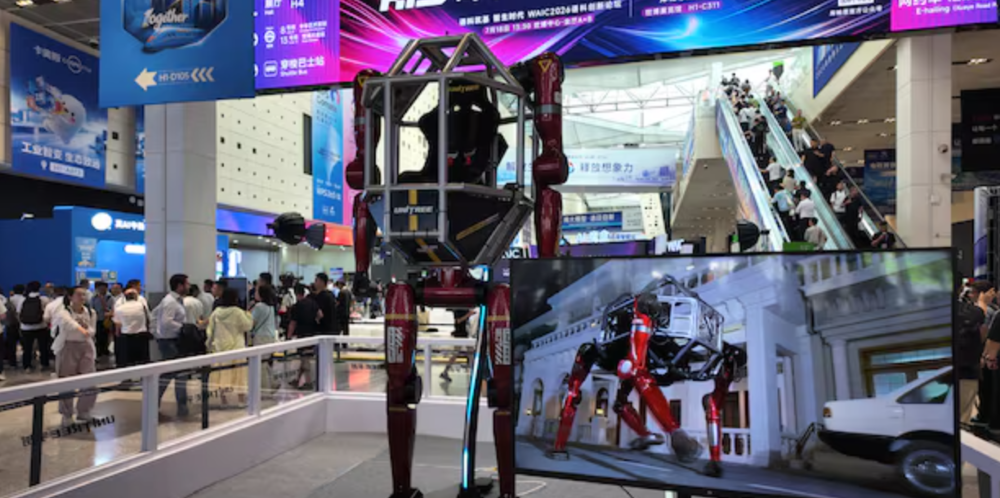
China Unveils Advanced AI Robotics and Computing Innovations at WAIC 2026
At the 2026 World Artificial Intelligence Conference (WAIC), a striking 3-meter tall, 500-kilogram red transforming mech, showcased by Yushu Technology, captured attendees' attention. This GD01 model, designed for high-risk environments, can switch between bipedal and quadrupedal forms in seconds and starts at a price of 3.9 million yuan. The Huawei Atlas 950 SuperPoD, displayed prominently at the event, represents a significant leap in AI computing capabilities with 8192 Ascend 950DT chips, achieving 8 EFLOPS of FP8 computing power. This super node, expected to launch in Q4 2026, marks a shift in domestic computing from chip-centric to system-centric approaches, emphasizing the importance of integrated performance across multiple units. The WAIC 2026 featured over 1,100 exhibitors and 4,500 products, with more than 350 global debuts. President Xi Jinping announced the establishment of international AI application cooperation centers, signaling China's transition from merely using AI to defining its foundational infrastructure.
Transforming Robots AI Computing Huawei Atlas Robotics Technology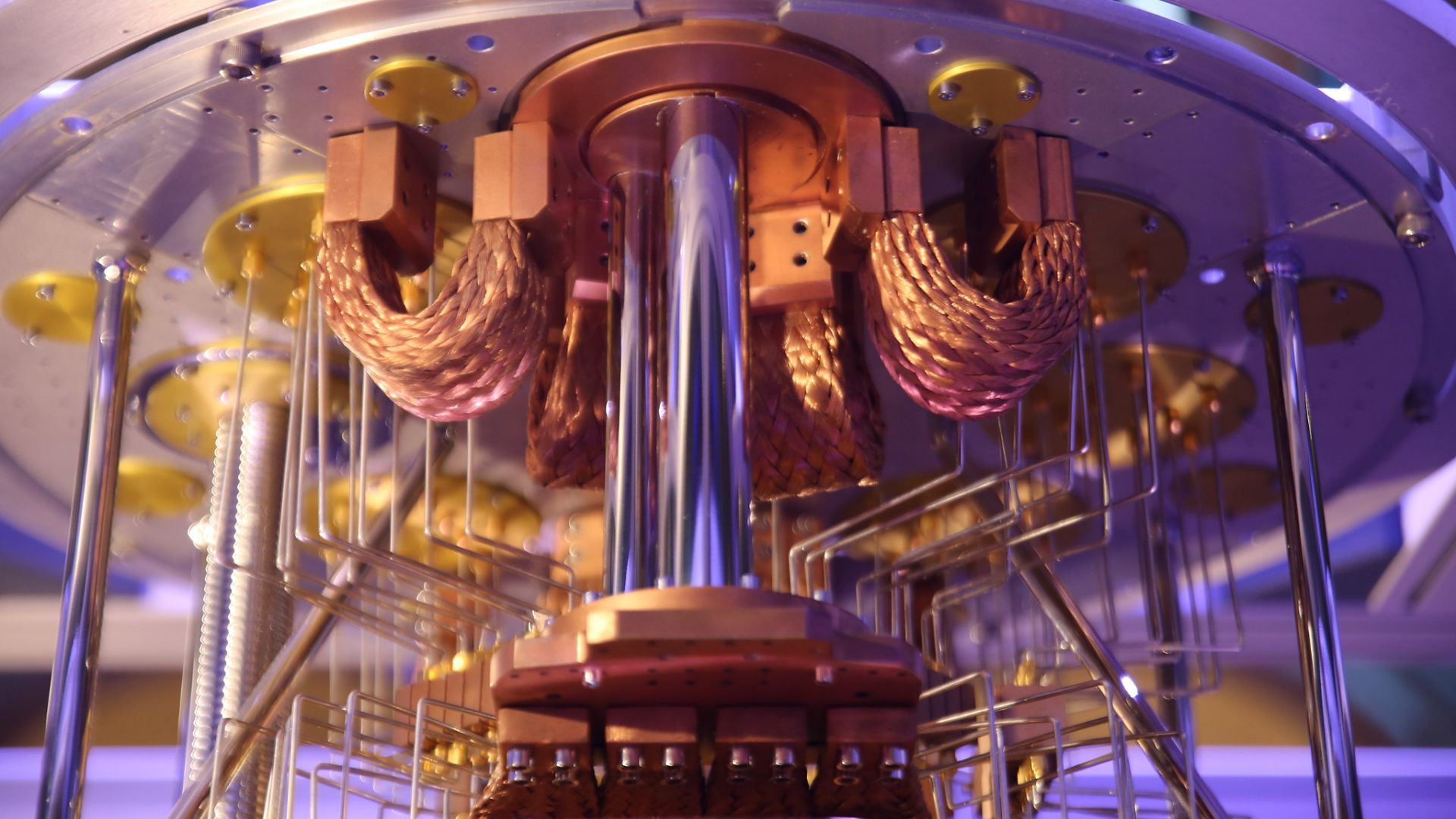
New Quantum Hermite Transform Algorithm Enhances AI and Scientific Computing Potential
Researchers from the U.S. Department of Energy’s Brookhaven National Laboratory, Northeastern University, Google Quantum AI, and the University of Texas at Austin have introduced a new quantum computing algorithm called the quantum Hermite transform (QHT). This algorithm aims to broaden the scope of problems that future quantum computers can address, particularly in artificial intelligence and scientific simulations. The significance of the quantum Hermite transform lies in its potential to improve data processing and simulation capabilities of quantum computers. By introducing a new computational building block, the QHT could lead to more efficient quantum algorithms in various fields, including materials science and energy research. The findings were presented at the 58th Annual ACM Symposium on Theory of Computing in Salt Lake City. Looking ahead, the researchers emphasize that expanding the library of reusable quantum primitives like the QHT will facilitate the development of innovative quantum algorithms. This advancement could provide exponential speed advantages over classical methods, marking a pivotal step in the evolution of quantum computing applications. No further timeline was disclosed at the time of publication.
AI and Robotics
Teradyne Unveils New UltraFLEXplus Instruments for AI and Data Center Testing
Teradyne, Inc. has launched three advanced instruments for its UltraFLEXplus platform, specifically designed to address the growing complexities of AI and data center semiconductor testing. The UltraPin5000-EM, UltraPort-PCIe6, and UltraVS64-HP instruments enhance scalability, flexibility, and performance, enabling semiconductor manufacturers to efficiently test cutting-edge devices. This launch is significant as it positions Teradyne to meet the increasing demands of the AI and data center markets, which are driving unprecedented growth in semiconductor complexity. CEO Greg Smith emphasized the company's commitment to providing innovative solutions that help customers stay competitive in this rapidly evolving landscape. Looking ahead, Teradyne will showcase these instruments at SEMICON Taiwan from September 2-4, 2026, in Taipei. The introduction of these products marks a strategic move to strengthen Teradyne's role in the AI device supply chain, ensuring that components meet the industry's stringent quality standards. No further timeline was disclosed at the time of publication.

NVIDIA and MediaTek Strengthen Partnership for Advanced AI Edge to Cloud Platforms
NVIDIA and MediaTek have announced an expansion of their collaboration to develop next-generation AI computing platforms, focusing on AI infrastructure, local AI computing, and automotive applications. MediaTek will integrate NVIDIA's NVLink Fusion™ platform to facilitate the creation of custom XPUs for hyperscalers and cloud service providers. This partnership is significant as it combines NVIDIA's strengths in accelerated computing and AI software with MediaTek's expertise in custom silicon and power-efficient system-on-chip design. The collaboration aims to enhance the development of AI systems that can scale across various markets, as highlighted by NVIDIA CEO Jensen Huang. Looking ahead, the NVLink Fusion platform will serve as a foundation for customers to create custom AI accelerators, streamlining the transition from silicon to production-ready systems. No further timeline was disclosed at the time of publication.
NIVA: A New AI Tool for Nuclear Reactor Data Search Powered by Supercomputing
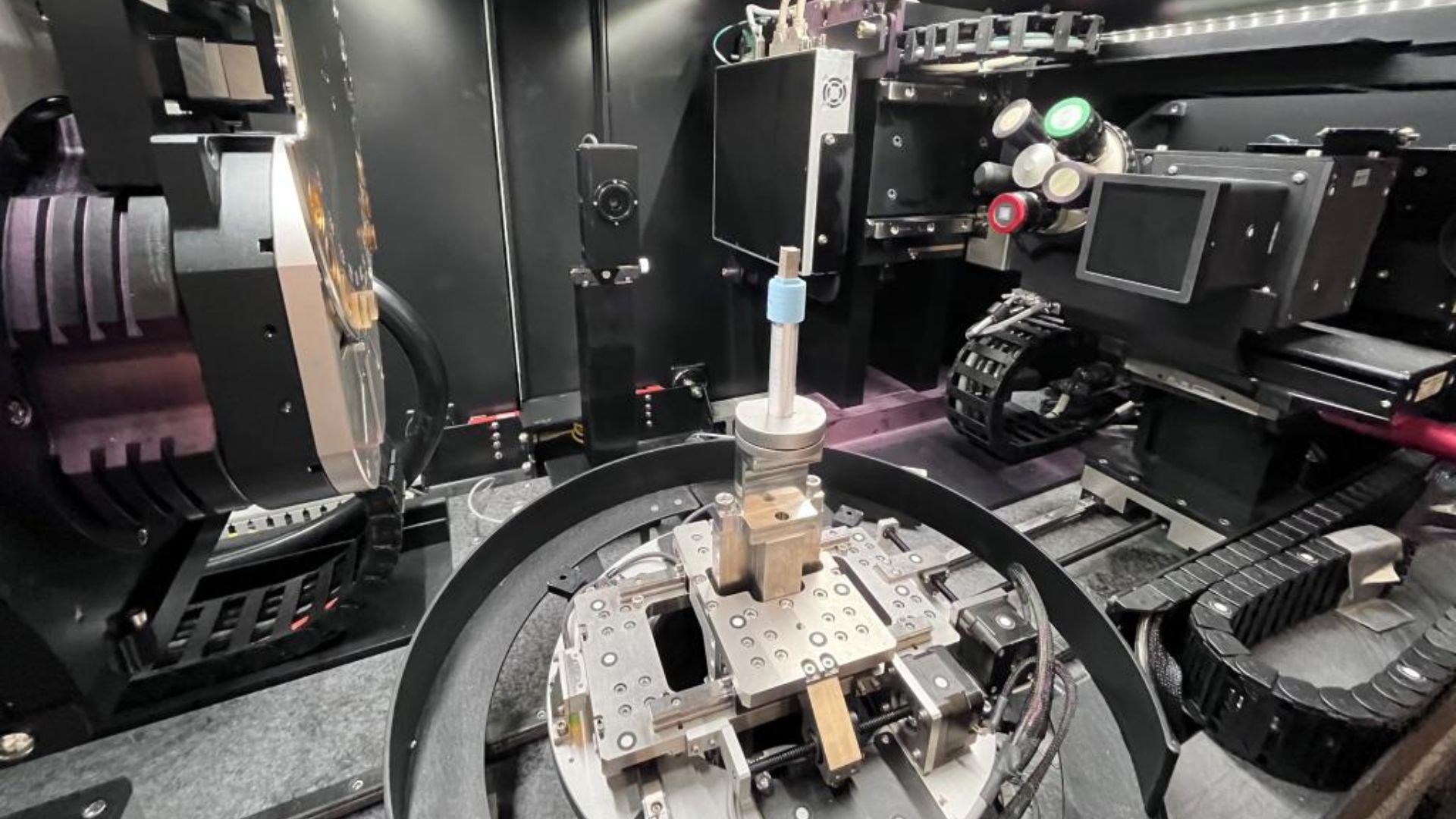
Nuclear power stations in North America have started utilizing a new virtual system named NIVA, developed by Atomic Canyon in partnership with several industry organizations. This software enables engineers and technicians to efficiently query extensive archives of technical and regulatory records, addressing the challenge of accessing critical knowledge quickly. The significance of NIVA lies in its ability to leverage AI technology to enhance operational efficiency within the U.S. nuclear sector. Trey Lauderdale, Founder & CEO of Atomic Canyon, emphasized that the nuclear industry possesses a wealth of knowledge that has been difficult to access, and NIVA represents a step towards making this information readily available for modern deployments. Looking ahead, NIVA currently offers two functional modules, with a third tool in development for diagnostic tasks. The rollout follows a successful pilot program involving Constellation Energy and other utilities. No further timeline was disclosed at the time of publication.
Energy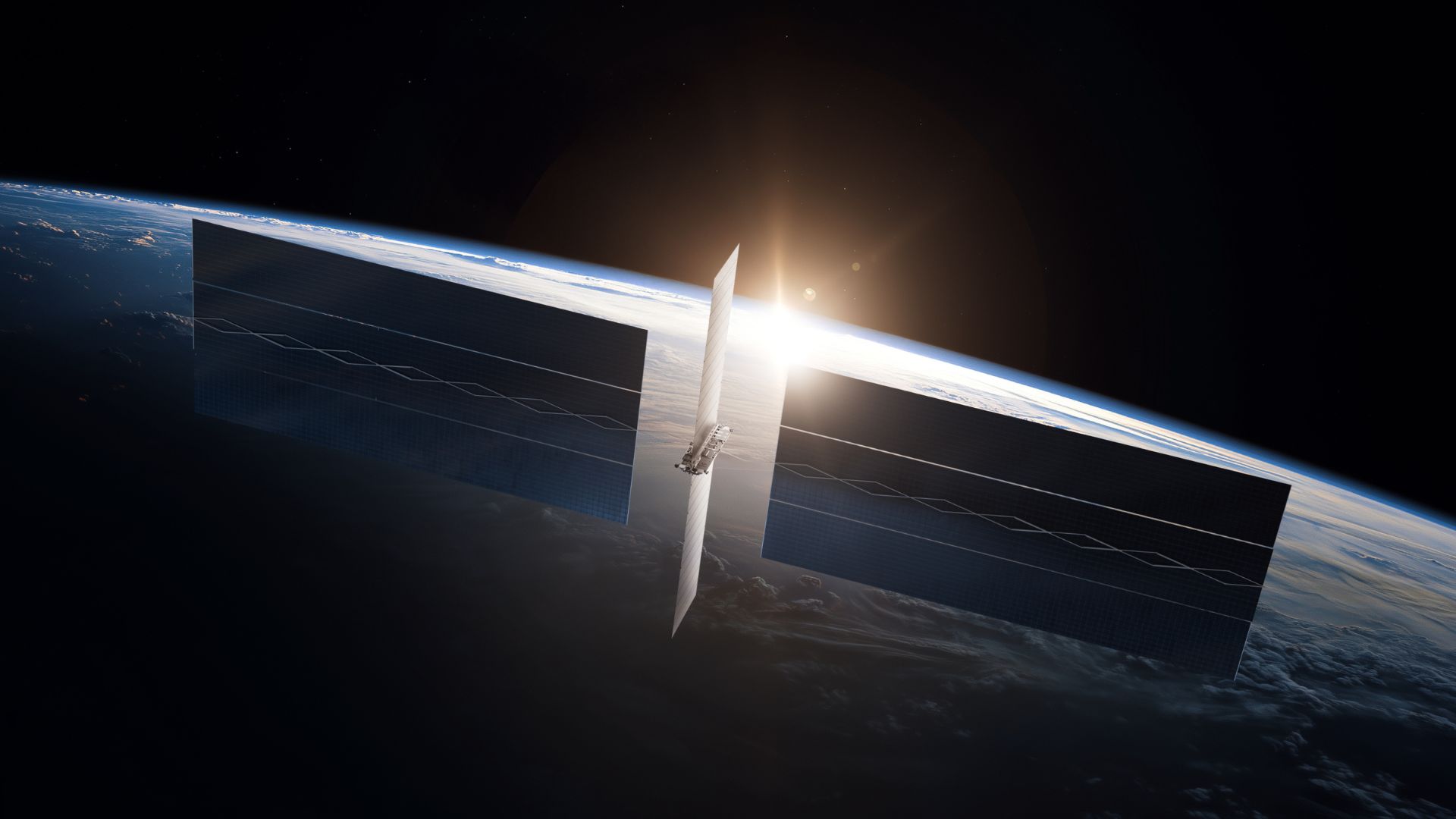
SpaceX and Nvidia Collaborate on Starmind AI1 Satellite with Rubin Chips for Orbital Computing
SpaceX and Nvidia have announced a partnership to develop the Starmind AI1 satellite, which will utilize Nvidia's Rubin GPUs and Vera CPUs for AI computing in low Earth orbit. This initiative aims to create a vast network of satellites, potentially reaching one million, forming a distributed AI supercomputer in space. The significance of this project lies in its potential to revolutionize AI processing capabilities beyond Earth, leveraging the advantages of solar energy and high-speed laser communication between satellites. SpaceX's commitment to using Nvidia's technology underscores the importance of this collaboration in advancing space computing. Looking ahead, prototype testing for the Starmind AI1 satellite is set for early 2027, with mass production anticipated later that year, contingent on regulatory approvals. The project could reshape the landscape of orbital infrastructure, significantly expanding the current satellite population and enhancing data processing capabilities in space.
AI and Robotics Space
Qingyang Gansu Achieves 185,000P Computing Power for Digital Wheat Fields
Qingyang's national data center cluster has achieved a remarkable computing power of 185,000P, with 99% of this power dedicated to intelligent computing. This advancement supports over 700 enterprises involved in the chip-compute-model-application chain, showcasing the region's commitment to digital agriculture. The significance of this development lies in its potential to enhance agricultural productivity through advanced computing technologies. With a green power rate of 0.398 yuan per kWh, Qingyang is positioning itself as a leader in sustainable energy use within the tech sector, which is crucial for supporting the growing demand for AI applications in agriculture. Looking ahead, the focus will be on how this computing power can further drive innovations in digital agriculture and AI token demand. No further timeline was disclosed at the time of publication.
Technology
Suxian Micro Unveils TH1100 GPGPU with 100T Computing Power for Embodied AI
Suxian Micro has launched the TH1100 GPGPU, boasting 100 teraflops of computing power specifically designed for embodied artificial intelligence applications. This new product incorporates innovative in-chip compute-storage fusion and AI ROM technology, enhancing its efficiency and performance. The introduction of the TH1100 GPGPU is significant as it represents a leap forward in the capabilities of domestic GPU technology in Tianjin. By utilizing a render-first-then-AI development logic, Suxian Micro aims to address the growing demand for advanced computing solutions in the field of embodied intelligence. Looking ahead, industry observers will be keen to see how the TH1100 GPGPU performs in real-world applications and its impact on the competitive landscape of AI hardware. No further timeline was disclosed at the time of publication.
Technology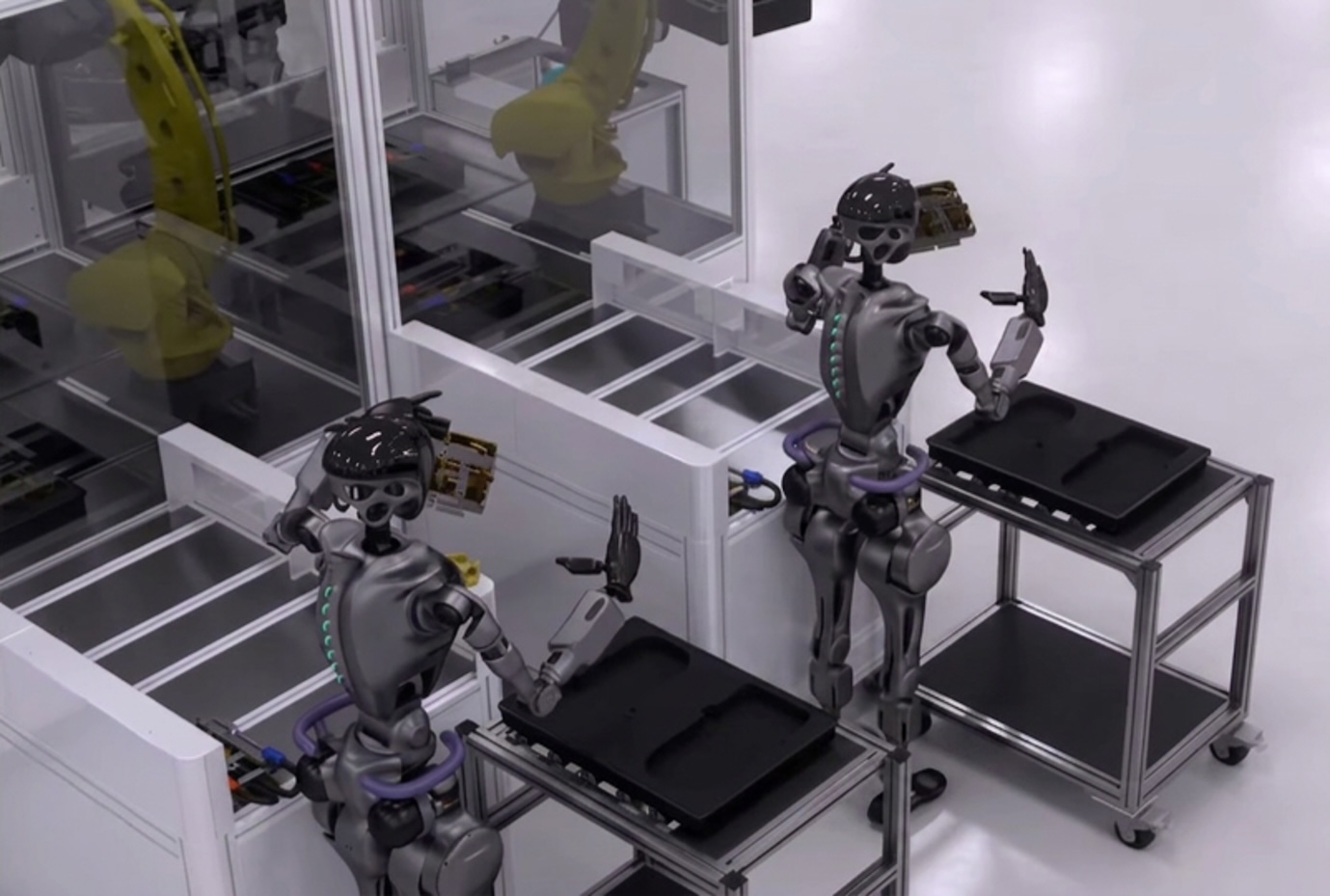
SpaceX Proposes 1 Million AI Satellites to Address Ground Data Center Constraints
On January 30, 2026, SpaceX filed with the FCC to launch up to 1 million AI compute satellites, positioning orbital data centers as a solution to the increasing demand for AI computing power. Ground data centers are facing significant challenges, with energy consumption projected to reach approximately 1,050 TWh in 2026, making them the fifth-largest electricity consumer globally. The demand for new data center capacity is outpacing the growth of power generation infrastructure, leading to a critical bottleneck in the grid system. The significance of this initiative lies in the structural constraints faced by ground data centers, including power delivery limitations, high water consumption, and local opposition to new projects. The Uptime Institute's 2026 outlook identifies power as the primary constraint on data center growth, with capacity clearing prices in the PJM grid skyrocketing to $329.17/MW, driven by data center expansion. Additionally, cooling requirements are becoming increasingly unsustainable, with facilities consuming vast amounts of water, further complicating their operational viability. Looking ahead, SpaceX's orbital AI compute initiative aims to circumvent these challenges by leveraging the advantages of space, such as continuous solar power and minimal local opposition. The first AI prototypes are expected to launch in early 2027, with operational deployments planned for 2028. No further timeline was disclosed at the time of publication.

D-Robotics Showcases Sunrise™ AI Chips at IFA 2026 for Home Robots
At IFA 2026 in Berlin, D-Robotics is highlighting its Sunrise™ AI chips, which power a variety of home robots. Notable products include TCL's hey AiMe companion robot, Vbot's SuperDog quadruped, and the xLean TR1 floor washer, showcasing the versatility of D-Robotics' technology. The significance of D-Robotics' contributions lies in its role as a leading provider of robotics development infrastructure. By equipping numerous robots with its AI chips, the company is influencing the evolution of home robotics, making advanced technology accessible to various manufacturers and enhancing consumer experiences. As IFA 2026 progresses, attention will be on how D-Robotics continues to innovate within the robotics sector. The impact of its Sunrise™ AI chips on the functionality and capabilities of home robots will be closely monitored, as the industry looks to the future of intelligent automation in domestic settings. No further timeline was disclosed at the time of publication.

Nscale Partners with Figure to Provide $3.5 Billion in AI Cloud Computing Capacity
Nscale has entered into a significant agreement to provide a minimum of $3.5 billion in AI cloud computing resources to the robotics startup Figure. This partnership not only enhances Figure's technological capabilities but also signifies Nscale's commitment to supporting innovative robotics solutions. The collaboration is crucial as it allows Figure to leverage Nscale's extensive cloud infrastructure, which is essential for developing advanced robotic technologies. This investment underscores the growing importance of AI and cloud computing in the robotics sector, enabling startups like Figure to scale their operations and enhance their product offerings. Looking ahead, industry observers will be keen to see how this partnership evolves and the impact it has on Figure's growth trajectory. No further timeline was disclosed at the time of publication.
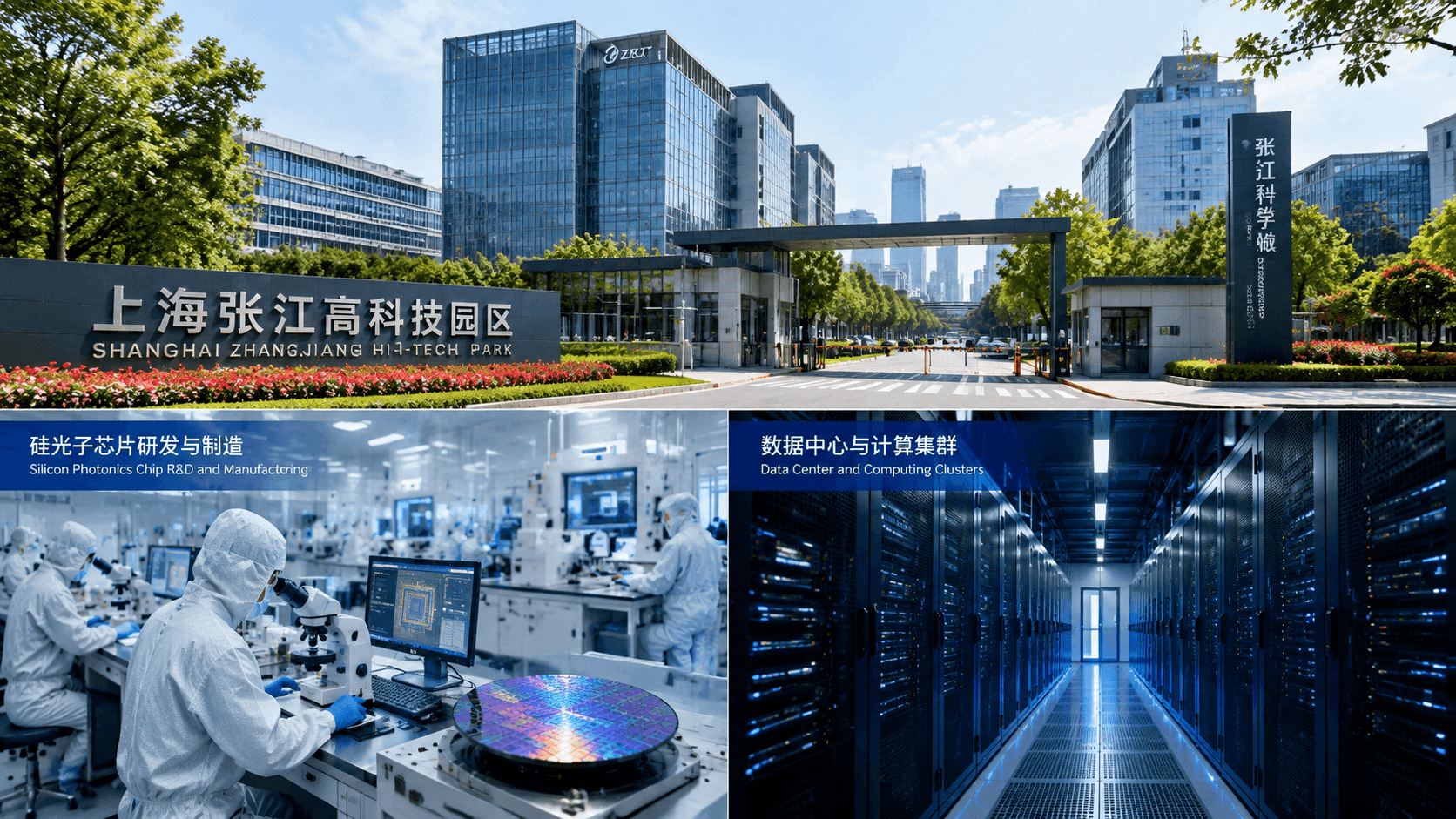
Computing Power Paradox: General-Purpose Chips in Shortage as Shanghai Zhangjiang Builds China Silicon Photonics Hub
In the midst of ongoing discussions regarding China's computing power dynamics, Shanghai Zhangjiang has established itself as a significant national center for silicon photonics. This development comes as over 20 companies have set up operations in the area, covering the entire value chain of the technology. The rise of Zhangjiang as a hub reflects the country's strategic focus on advancing its capabilities in this critical sector, which is essential for enhancing computing power and addressing potential shortages. The concentration of firms in Shanghai is indicative of a broader push to innovate and strengthen China's position in the global technology landscape.
Technology
Starmind's Satellite Technology Achieves 880 Billion Liters in Annual Water Savings
Starmind has announced that its satellite technology can save approximately 880 billion liters of cooling water annually at full scale. This figure is equivalent to the annual household water use of around 6.5 million Americans. The technology operates by utilizing a closed-loop liquid cooling system that eliminates the need for water during its operational life, contrasting sharply with traditional ground data centers that consume vast amounts of water for cooling. The significance of this achievement lies in the growing water consumption crisis faced by data centers, particularly as AI expansion drives demand. In 2025, U.S. data centers consumed nearly one trillion liters of water, highlighting the urgent need for sustainable solutions. Starmind's approach not only addresses direct water usage but also avoids indirect water consumption associated with electricity generation, marking a substantial shift in how computing can be conducted in a resource-efficient manner. Looking ahead, Starmind's deployment strategy includes a projected buildout of 100 GW of orbital compute per year, which could displace an additional 735 billion liters of ground water demand annually. The first tranche of 10,000 satellites is already operational, offsetting approximately 8.8 billion liters of water per year. No further timeline was disclosed at the time of publication.

US Air Force validates Japanese edge computing chip for battlefield missions
A Japanese semiconductor company has showcased its advanced edge AI platform during a recent demonstration for the U.S. Air Force. This event took place as part of ongoing efforts to enhance military technology and operational efficiency. The platform is designed to process data at the edge, enabling faster decision-making and improved performance in various defense applications. By leveraging cutting-edge artificial intelligence capabilities, the company aims to support the Air Force's mission to modernize its technological infrastructure. The demonstration highlights the growing collaboration between private tech firms and military organizations in the pursuit of innovative solutions to meet national security challenges.
Military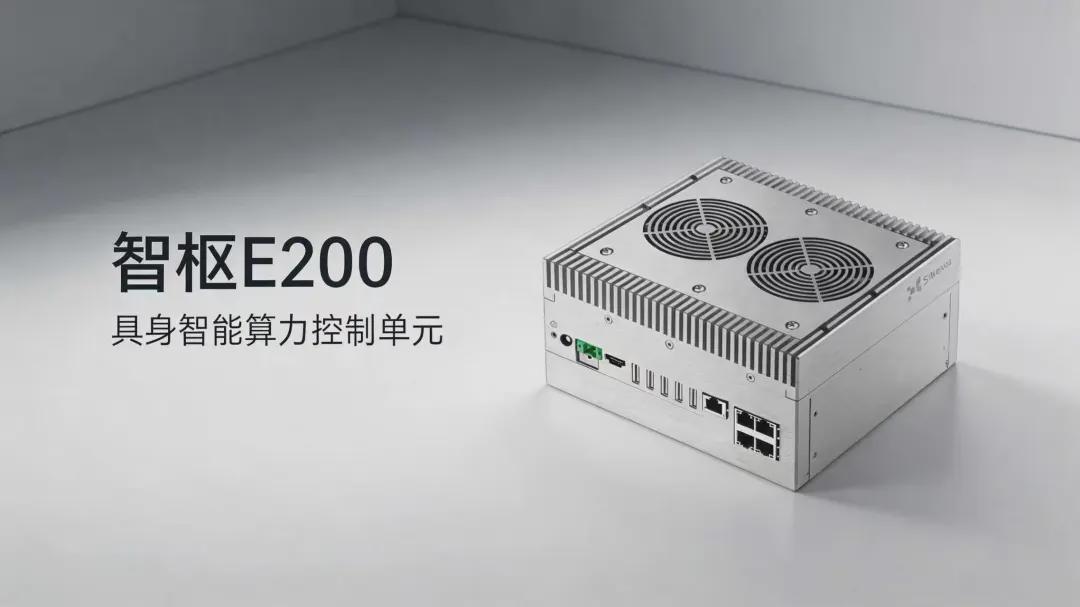
"Building a Brain for Robots: How Chip Bridge Semiconductor Positions Itself in the Foundation of Embodied Intelligent Computing Power"
Chip Bridge Semiconductor is making significant strides in the development of advanced computing technology aimed at enhancing robotic intelligence. The company is focused on creating a new generation of chips designed to serve as the foundational brain for robots, enabling them to process information and respond to their environments more effectively. This initiative comes at a time when the demand for embodied intelligent computing is rapidly increasing, driven by advancements in artificial intelligence and automation. Located in Silicon Valley, Chip Bridge Semiconductor is leveraging cutting-edge research and development to innovate in this competitive field. The company aims to address the growing need for robots that can operate autonomously in various settings, from manufacturing to healthcare. By integrating sophisticated algorithms with powerful semiconductor technology, Chip Bridge is positioning itself as a leader in the robotics sector. The motivation behind this initiative is to create robots that not only perform tasks but also learn and adapt to new challenges, thereby improving efficiency and productivity across industries. Through strategic partnerships and investments in research, Chip Bridge Semiconductor is working to refine its chip designs and enhance their capabilities, ensuring that they meet the evolving needs of the market. As the landscape of robotics continues to evolve, Chip Bridge Semiconductor’s efforts could play a crucial role in shaping the future of intelligent machines, making them more capable and versatile in their applications.
Robotics Automation AI
Hitachi and Intel Collaborating to Develop Physical AI, Quantum Computing Across Key Industries
Hitachi and Intel have announced a strategic partnership aimed at advancing technologies in physical AI, quantum computing, and digital infrastructure. This collaboration, which was revealed recently, seeks to leverage Hitachi’s strengths in information technology, operational technology, and industrial systems alongside Intel’s capabilities in semiconductor manufacturing and computing. The two companies intend to focus their efforts on developing innovative solutions for various sectors, including manufacturing, energy, and mobility. By combining their expertise, Hitachi and Intel aim to enhance industrial processes and drive technological progress across these critical industries.
AI AI Funding & Investment Robotics Foundry Hitachi Intel
Milestone: Ascend 910C Completes Full-Parameter Post-Training of 1.6 Trillion Parameter Model, Domestic AI Computing Crosses Key Threshold
Shenzhen Hetao College, in partnership with Harbin Institute of Technology (Shenzhen), the Shenzhen Big Data Research Institute, and Huawei, has announced a significant advancement in domestic artificial intelligence computing. The collaborative effort culminated in the successful completion of a full-stack AI computing platform, marking a pivotal moment for the region's technological landscape. This achievement, revealed on October 15, 2023, in Shenzhen, aims to enhance the capabilities of AI applications across various industries. The initiative is driven by the growing demand for advanced computing solutions and the need to bolster China's position in the global AI arena. By integrating expertise from academia and industry, the consortium has developed a robust system designed to support complex AI tasks, thereby fostering innovation and economic growth in the region.
AI
Virginia Tech researchers control soft robotics with ‘AI’s cousin’: ‘Reservoir computing’
Researchers at Virginia Tech are advancing the field of soft robotics, which utilizes flexible, muscle-like materials to create machines capable of bending and stretching in ways that surpass traditional rigid robots. This innovative technology enables applications such as harvesting ripe tomatoes and navigating complex search-and-rescue environments. However, the inherent flexibility of these robots presents significant challenges in control and precision. The team at Virginia Tech is focused on addressing these control difficulties to enhance the functionality and reliability of soft robotics, aiming to unlock their full potential in various practical applications.
Computing Features Robotics Science agricultural robotics ai robotics
Unlocking soft robotics control with AI's cousin: Reservoir computing
Recent advancements in soft robotics, which utilize flexible, muscle-like materials, have revolutionized the field, allowing machines to perform tasks such as picking ripe tomatoes and navigating complex search-and-rescue environments. However, despite their impressive capabilities, these innovative robots face significant challenges in terms of control. The inherent flexibility that enables their fluid movements also complicates their operation, making it difficult for developers to achieve precise control. As researchers continue to explore the potential of soft robotics, the quest for improved control mechanisms remains a critical focus, highlighting the balance between versatility and functionality in this emerging technology.
Robotics
"Computing power surpasses Nvidia, with costs only 1/10! BabyAlpha A3 debuts, consumer-grade AI intelligence reaches a turning point..."
In a significant advancement for consumer-grade artificial intelligence, the BabyAlpha A3 has been launched, boasting computing power that exceeds that of Nvidia while costing only a fraction—one-tenth—of the price. This development marks a pivotal moment in the AI industry, as it democratizes access to high-performance computing capabilities for consumers and smaller enterprises. The BabyAlpha A3 is expected to empower a broader range of applications, from personal use to small business operations, by making advanced AI technology more affordable and accessible. The introduction of this product highlights the ongoing competition in the tech sector, where companies are striving to innovate and reduce costs to capture a larger share of the market. As the demand for AI solutions continues to grow, the BabyAlpha A3 represents a notable shift towards more accessible and cost-effective AI tools for everyday users.
Robotics Automation AI
Bee-inspired AI reduces computing power needed for autonomous drones
An international team of researchers has unveiled a groundbreaking navigation strategy for drones, dubbed “Bee-Nav,” which draws inspiration from the foraging behavior of honeybees. This innovative approach was presented at a recent conference held in Zurich, Switzerland, where experts gathered to discuss advancements in drone technology. The motivation behind the development of Bee-Nav stems from the need for more efficient and reliable navigation systems in various applications, including agriculture, search and rescue operations, and environmental monitoring. By mimicking the way bees communicate and navigate through complex environments, the researchers have created a system that enhances drones' ability to traverse challenging terrains and locate targets with greater precision. The implementation of this strategy involves advanced algorithms that process environmental data, allowing drones to adapt their flight paths in real-time. This advancement could significantly improve the effectiveness of drone operations, paving the way for broader applications in both commercial and humanitarian efforts.

XYZ Embodied AI Launches BotPack B Series Edge Computing Backpack
XYZ Embodied AI has launched the BotPack B Series, a cutting-edge edge computing backpack designed to enhance the capabilities of robots by allowing them to run artificial intelligence models locally. This innovation significantly reduces latency, enabling more efficient processing and quicker response times for robotic applications. The introduction of the BotPack B Series marks a notable advancement in robotics technology, aimed at improving performance in various fields such as manufacturing, logistics, and service industries. By equipping robots with this portable computing solution, XYZ Embodied AI seeks to address the growing demand for real-time data processing and decision-making in autonomous systems. The product is expected to be available in the market shortly, promising to transform how robots operate in dynamic environments.
News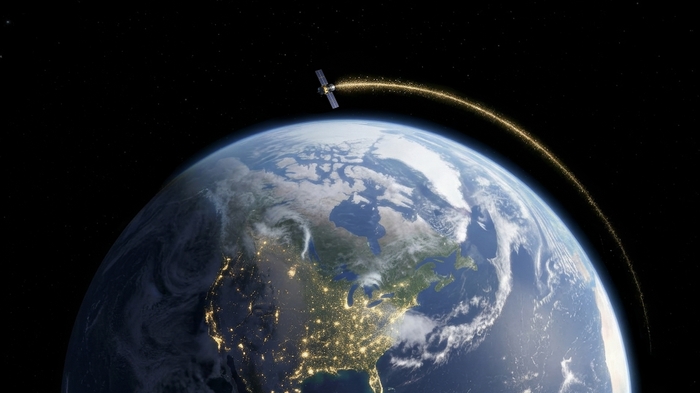
NVIDIA Launches Space Computing, Rocketing AI Into Orbit
NVIDIA has unveiled its latest accelerated computing platforms, marking a significant advancement in space innovation. This announcement, made today, highlights the integration of AI computing capabilities into orbital data centers (ODCs), enhancing geospatial intelligence and facilitating autonomous operations in space. The company's efforts aim to revolutionize how data is processed and utilized in the space sector, leveraging advanced technology to improve efficiency and effectiveness in various space-related applications. By harnessing the power of AI, NVIDIA is poised to transform the landscape of space exploration and operations, paving the way for new possibilities in the industry.
How AI is Changing Computing—And Why Testing Is Critical
Artificial intelligence (AI) is increasingly reshaping various industries and enhancing everyday life by improving efficiency and decision-making processes. However, the rapid advancements in AI technology are leading to a significant rise in the demand for computational processing power. This surge is driven by the need for more sophisticated algorithms and larger datasets, which are essential for training AI models effectively. As organizations across sectors seek to leverage AI for competitive advantage, the challenge of meeting this growing computational demand becomes critical. Industry experts emphasize the importance of developing more efficient computing solutions to support the ongoing evolution of AI, ensuring that its benefits can be fully realized while addressing the environmental and economic implications of increased energy consumption.
CES 2026: limited-edition gaming tablet blends AI computing with Kojima Productions design
At CES 2026, Asus' gaming brand Republic of Gamers (ROG) announced a collaboration with Japanese game studio Kojima Productions to introduce a limited-edition version of its Flow Z13 2-in-1 gaming tablet. This partnership represents a unique intersection of gaming hardware and innovative game design, as the ROG Flow Z13-KJP is inspired by Kojima Productions’ Ludens concept. The collaboration aims to enhance the gaming experience by merging cutting-edge technology with the creative vision of one of the industry's most renowned developers.
News Feed CES 2026Robotics needs a service framework.
RSF defines a common language for robot service capability, lifecycle operations, certification pathways, and service-provider networks.
Join the RobotToday community on LinkedIn
Daily robotics news, in-depth analysis, conference highlights, and discussions with professionals worldwide.