

Industry Briefing
A single destination for timely, editor-curated robotics news from around the world.
Hitachi and Agile Robots Form Partnership to Develop Physical AI for Manufacturing Autonomy
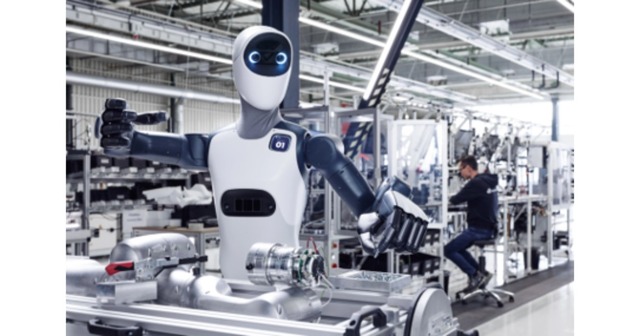
Hitachi Ltd. announced on September 29, 2026, a foundational agreement with Agile Robots SE, based in Munich, Germany, to develop the 'brain' of AI robotics. This partnership aims to enhance AI models that enable robots to perceive, judge, and act flexibly in the real world, deploying them as physical AI in manufacturing environments. The collaboration will integrate Hitachi's physical AI model, which rapidly learns the tacit knowledge of skilled workers, with Agile Robots' versatile AI model, proven in automotive manufacturing, healthcare, and data centers. This initiative seeks to achieve early autonomy in complex tasks and production processes that have traditionally relied on human expertise. Additionally, Hitachi's edge AI semiconductors will be combined with Agile Robots' robotics technology to process sensory information efficiently, allowing robots to recognize and adapt to changing environments in real-time. No further timeline was disclosed at the time of publication.
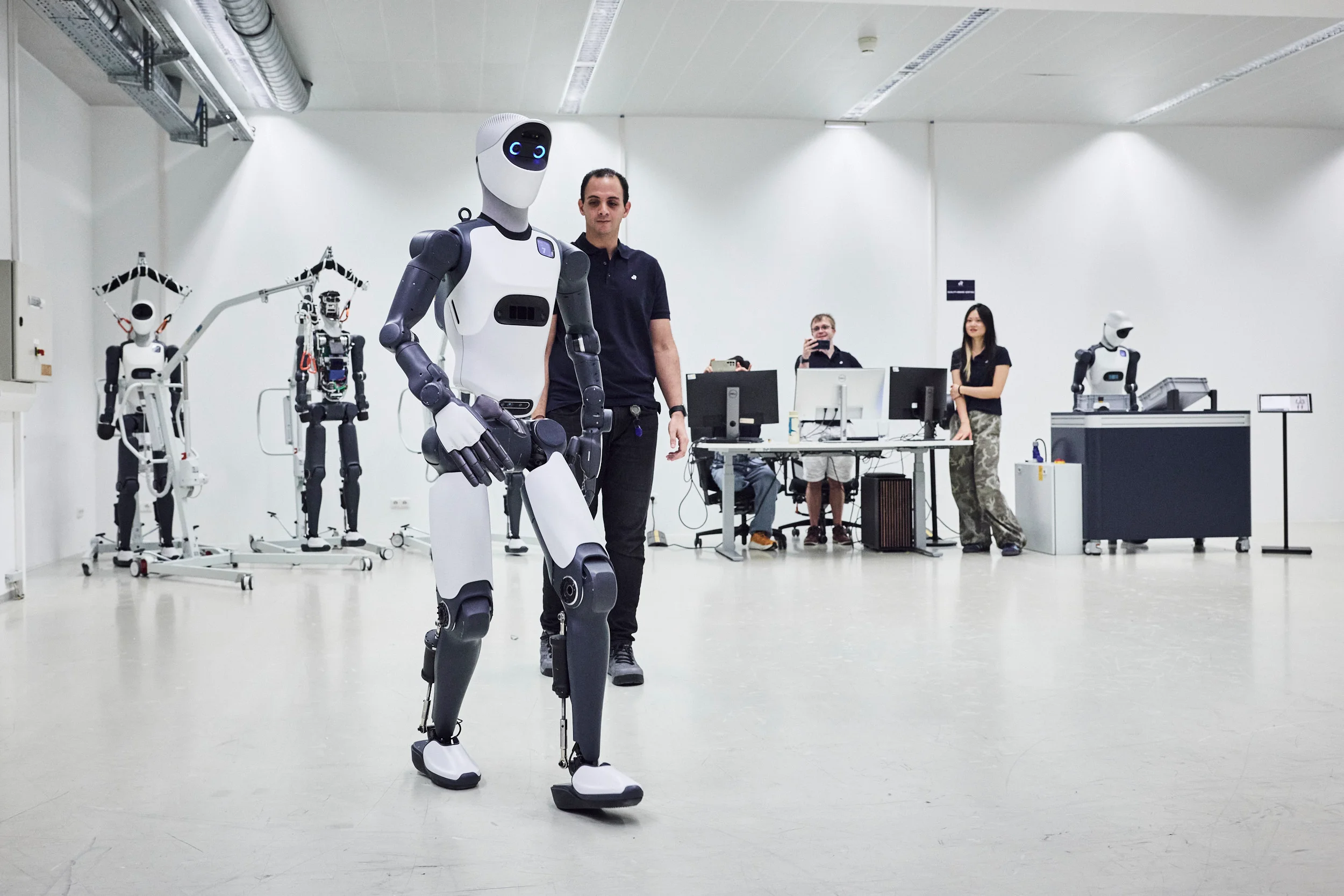
Agile Robots CEO Zhaopeng Chen Predicts Physical AI Market Will Exceed Automotive Sector by Tenfold
At the Physical AI event in Munich, Agile Robots CEO Zhaopeng Chen forecasted that the market for physical artificial intelligence and humanoids will surpass the global automotive industry by ten times. He based this prediction on the current automotive production figures, which see around 90 million vehicles produced annually, generating significant revenue. Chen's vision suggests a shift from traditional vehicle ownership to individual humanoid companions, aligning with broader market analyses that view embodied labor as a multi-trillion-dollar opportunity. However, he expressed skepticism about the immediate capabilities of AI in industrial settings, emphasizing the need for domain expertise and training in manufacturing processes. Attendees at the event were given insights into Agile Robots' approach to integrating physical AI into manufacturing. The company focuses on developing its entire physical AI stack in-house, including advanced end-effectors like the Agile Hand, which features sophisticated joint mechanics and tactile sensitivity, essential for effective operation in industrial environments. No further timeline was disclosed at the time of publication.
Agile ONE Europe Market Agile Robots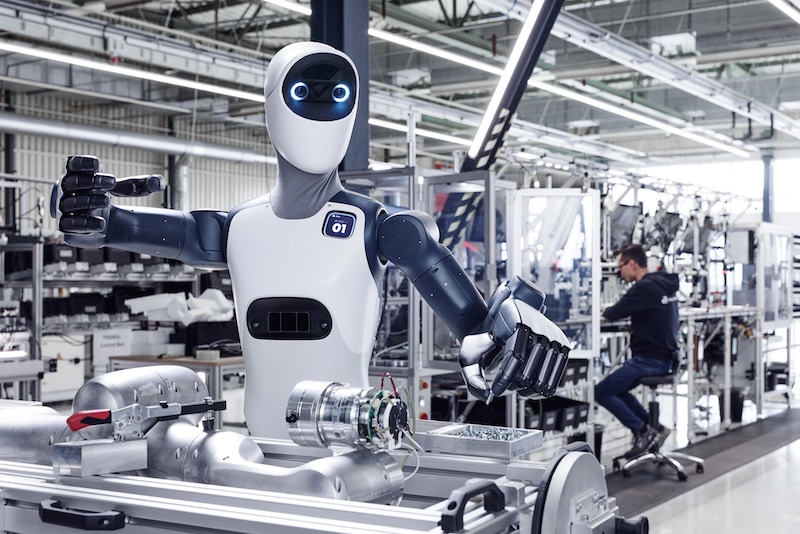
Agile Robots Anticipates Revenue Growth to €600 Million in 2026 Amid Rising Demand
Agile Robots, a German robotics company, is projecting its revenue to double this year, reaching approximately €600 million. This growth is attributed to the increasing demand for industrial automation, as reported by CEO Zhaopeng Chen in an interview with the Wall Street Journal. The company's revenue was €300 million in 2025, and it has already secured customer contracts that support its optimistic revenue forecast for 2026. Agile Robots aims to achieve profitability within the next two to three years, bolstered by its strategic acquisitions and partnerships, including a collaboration with Google DeepMind to enhance its robotic systems with advanced AI capabilities. Looking ahead, Agile Robots has rapidly expanded its operations through acquisitions, which are expected to contribute 10 to 15 percent of new business this year. The company’s focus on integrating manufacturing capabilities with AI-driven automation positions it well in a competitive market, as manufacturers increasingly seek solutions to improve productivity and address labor shortages. No further timeline was disclosed at the time of publication.
Financials & Investments Humanoids News agile robots ai artificial intelligence
Agile Robots Unveils Advanced Physical AI Solutions at WAIC 2026 in Shanghai
On July 17, 2026, the World Artificial Intelligence Conference (WAIC 2026) commenced in Shanghai, featuring Agile Robots, a leading intelligent robotics company. Agile Robots showcased its H20 lightweight humanoid robot, H10-W assistant robot, AI therapy robot, and high-precision teleoperation data collection system, emphasizing its vision of linking AI with the physical world. The significance of this event lies in the anticipated growth of the humanoid robot market, with projections indicating that China's production could exceed 100,000 units by the end of 2026. This marks a pivotal moment for the global AI industry, transitioning humanoid robots from experimental stages to large-scale production and real-world applications. Looking ahead, Agile Robots is positioned to capitalize on this industry opportunity, having established a strong technological foundation and extensive commercialization experience. The company aims to enhance its AI algorithms and data ecosystems to support the deployment of humanoid robots across various sectors, including healthcare, logistics, and smart agriculture. No further timeline was disclosed at the time of publication.
Humanoid Robots AI Robotics Technology Healthcare Robotics
Agile Multiskill Locomotion Techniques for Quadrupedal Robots in Natural Environments
A recent study published in Science Robotics explores advanced locomotion techniques for quadrupedal robots designed for outdoor environments. The research focuses on developing agile and perceptive multiskill locomotion capabilities that enable these robots to navigate complex terrains effectively. This advancement is significant as it enhances the operational versatility of quadrupedal robots, making them more suitable for various applications in challenging environments. By improving their ability to adapt to different terrains, these robots can be utilized in fields such as search and rescue, environmental monitoring, and exploration. Looking ahead, the implications of this research could lead to further innovations in robotic mobility and autonomy. No further timeline was disclosed at the time of publication.
Research Article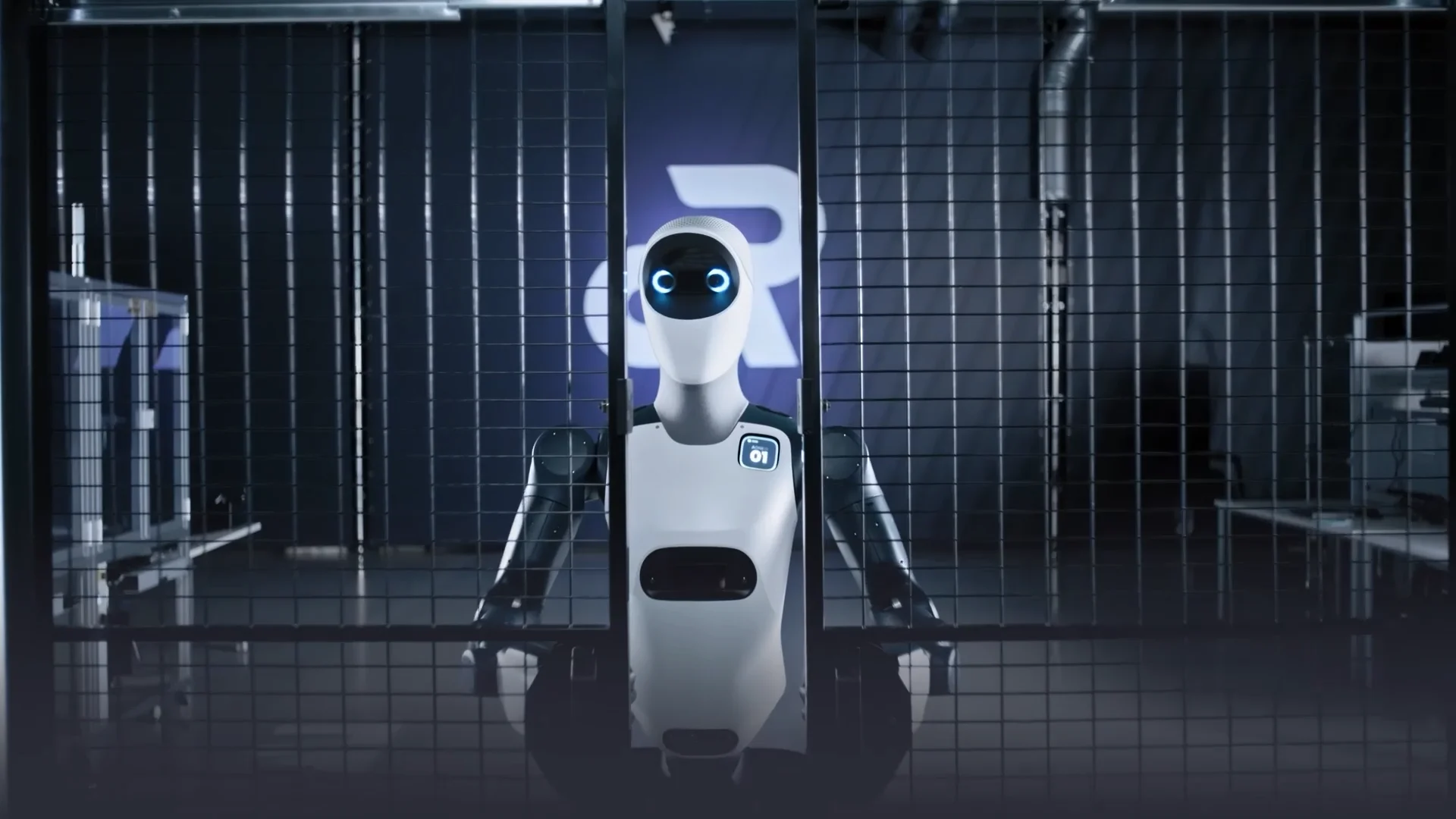
SoftBank Negotiates $800 Million Funding Round for Agile Robots
Agile Robots, a German industrial robotics startup, is in discussions to secure approximately $800 million in a new funding round, with SoftBank Group Corp. as a primary investor. Reports indicate that SoftBank is considering contributing over $300 million to this round, although both parties have declined to comment as negotiations are still in early stages. This potential funding is significant as it aligns with SoftBank's ongoing strategy to dominate the infrastructure layer of embodied artificial intelligence. Agile Robots, founded in 2018, has established a unique position by developing both intelligent software and physical hardware, including the Agile ONE humanoid platform designed for complex factory tasks. The company has also partnered with Google DeepMind to integrate advanced AI models into its operations. Looking ahead, the outcome of these funding discussions could further solidify Agile Robots' role in the robotics ecosystem, especially as it continues to expand its global presence with over 3,200 employees across Germany, China, and India. No further timeline was disclosed at the time of publication.
Europe Market softbank Agile Robots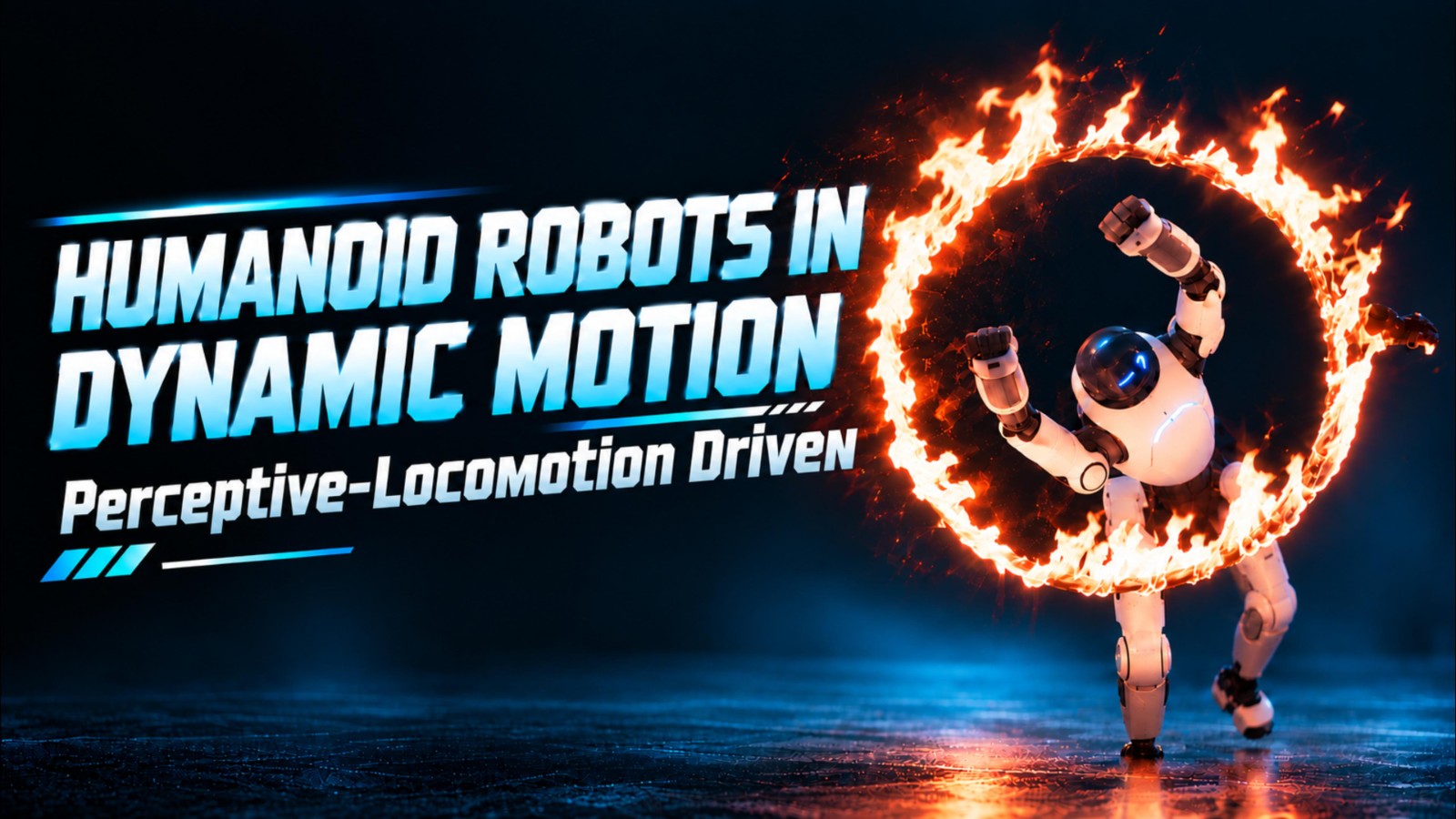
AGIBOT Introduces AGILE 2.0 for Enhanced Perception in Humanoid Robots
AGIBOT has unveiled AGILE 2.0, a sophisticated framework designed for perception-driven locomotion and comprehensive control in humanoid robots. This new system allows for real-time modifications to movement and manipulation based on environmental feedback, significantly enhancing robot adaptability. The introduction of AGILE 2.0 is significant as it showcases AGIBOT's commitment to advancing robotic capabilities. The framework was demonstrated with AGIBOT X2 robots executing intricate tasks, illustrating their enhanced ability to coordinate and adapt in dynamic real-world environments. Looking ahead, the industry will be keen to observe how AGIBOT's AGILE 2.0 framework influences the development of humanoid robots and their applications. No further timeline was disclosed at the time of publication.
robotics AI humanoid robots automation technology
Humanoid Robots Achieve Agile Movements with New ZEST Control Framework
Researchers have introduced a novel control framework named zero-shot embodied skill transfer (ZEST) that enables humanoid robots to execute agile movements such as crawling, cartwheels, and backflips. This innovative system utilizes reinforcement learning to teach robots whole-body movements derived from human motion capture, video, and animation data, allowing for a diverse range of movements to be learned in a single training phase. The significance of ZEST lies in its ability to reduce the engineering and tuning efforts typically required for robotic skill acquisition. By employing a reinforcement-learning policy trained in simulation, ZEST can transfer learned skills to physical robots like Boston Dynamics' Atlas and Spot without the need for extensive fine-tuning. This framework also incorporates adaptive sampling and automatic curriculum adjustments to enhance learning efficiency and performance. Looking ahead, the researchers aim to expand ZEST's capabilities to include zero- and few-shot adaptation and continual learning. While the current implementation is limited to flat, nonslippery environments, the potential for future advancements in robotic control and movement generalization is promising. No further timeline was disclosed at the time of publication.
AI and Robotics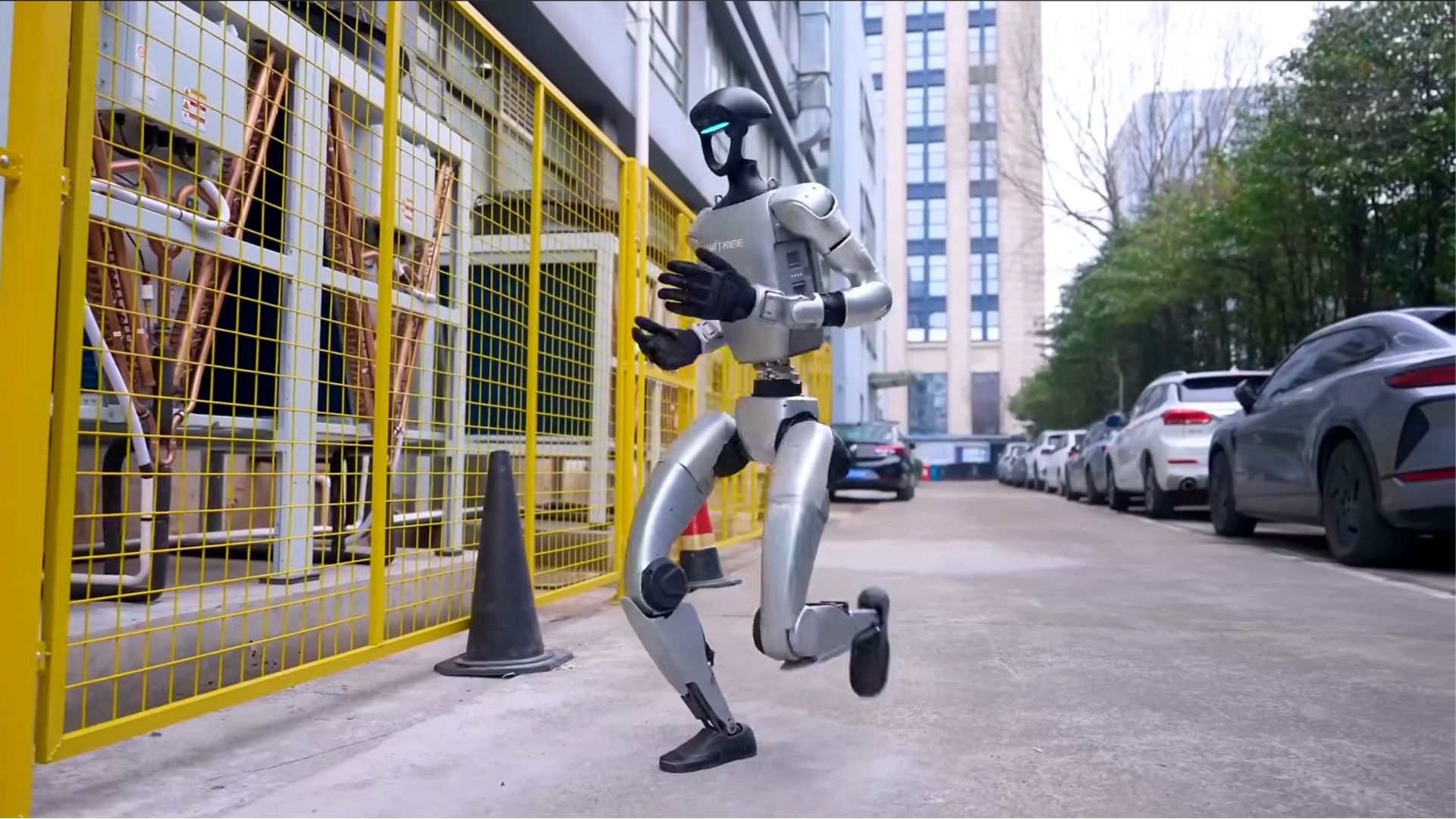
Researchers Develop BeyondMimic Framework for Humanoid Robots to Perform Agile Acrobatics
Researchers have introduced a new framework named BeyondMimic, enabling humanoid robots to execute agile, humanlike movements without the need for separate training for each skill. This system allows robots to perform complex maneuvers such as cartwheels and spin kicks by learning from human motion data, addressing the limitations of current humanoid control systems that often require extensive fine-tuning. The significance of BeyondMimic lies in its ability to teach robots a wide range of skills through a two-stage learning framework. The first stage employs reinforcement learning to track human motions, utilizing a shared reward structure to avoid the need for motion-specific tuning. The second stage introduces a latent diffusion model, allowing the robot to generate and adapt movements based on existing skills, thus overcoming challenges in natural skill transitions. Looking ahead, the BeyondMimic framework demonstrates promising capabilities, such as smoothly transitioning between walking and acrobatics. The potential for integrating waypoint tracking with obstacle avoidance suggests further applications in dynamic environments. No further timeline was disclosed at the time of publication.
AI and Robotics
Research on Harvesting Robots for Fragile Fruit: A Review
A recent study published in the Journal of Field Robotics highlights advancements in autonomous robotics technology. Researchers from a leading robotics institute conducted experiments to improve the navigation and decision-making capabilities of robots in complex environments. The study, released in early October 2023, took place in various outdoor settings, including forests and urban areas, to test the robots' adaptability to different terrains. The motivation behind this research stems from the growing demand for autonomous systems in sectors such as agriculture, disaster response, and urban planning. By enhancing the robots' ability to process real-time data and make informed decisions, the team aims to increase their efficiency and reliability in real-world applications. Through a combination of machine learning algorithms and sensor integration, the researchers developed a new framework that allows robots to better interpret their surroundings and respond to dynamic changes. This innovative approach not only improves navigation but also enables robots to collaborate more effectively with human operators. The findings from this study are expected to pave the way for more sophisticated autonomous systems, ultimately contributing to the advancement of robotics technology and its integration into everyday life.
SURVEY ARTICLE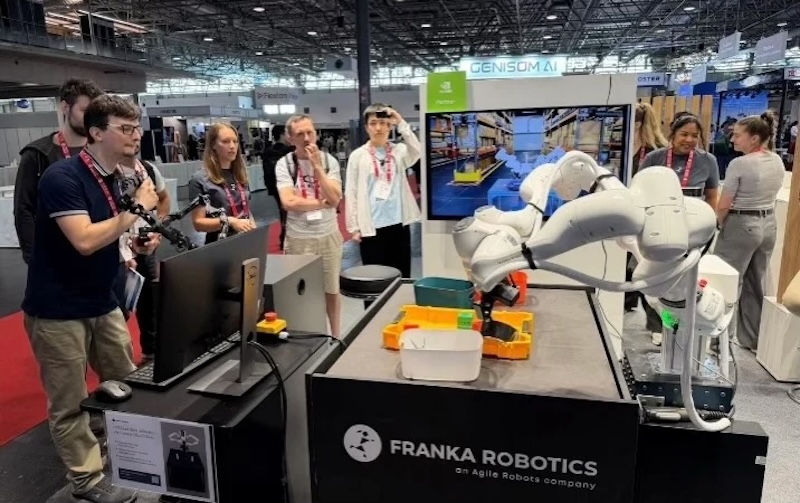
Agile Robots showcases force-control technology, humanoids, and physical AI at Robot Technology Japan event
Agile Robots is making a significant impact at Robot Technology Japan (RTJ) 2026, where the Munich-based company is showcasing its extensive range of industrial robotics, embodied AI, and humanoid technologies. The event, taking place in Nagoya, serves as a platform for Agile Robots to highlight its latest innovations, including advanced force-control systems, collaborative robots, and AI-driven automation solutions. This presentation underscores the company's commitment to expanding its presence in the global automation market, reflecting the growing demand for sophisticated robotic technologies in various industries.
Events Industrial robots News Agile ONE agile robots automation news
Pea-sized liquid-metal pump helps soft robots become lighter, portable, and more agile
Engineers at the University of Bristol have created a groundbreaking pea-sized liquid-metal pump that has the potential to revolutionize various industries. This innovative device, designed to be compact and efficient, could serve as a replacement for traditional pumps in applications ranging from medical devices to robotics. The development was announced recently, showcasing the university's commitment to advancing engineering technology. The motivation behind this invention stems from the need for more versatile and efficient pumping solutions that can operate in tight spaces and under varying conditions. By utilizing liquid metal, the pump offers enhanced performance and adaptability compared to conventional materials. The engineering team achieved this breakthrough through a combination of advanced materials science and innovative design techniques, allowing for the creation of a pump that is not only small but also highly effective. As industries seek to improve efficiency and reduce energy consumption, this new liquid-metal pump could play a crucial role in meeting those demands. With its potential applications still being explored, the University of Bristol's development marks a significant step forward in pump technology, promising to influence a wide range of fields in the near future.
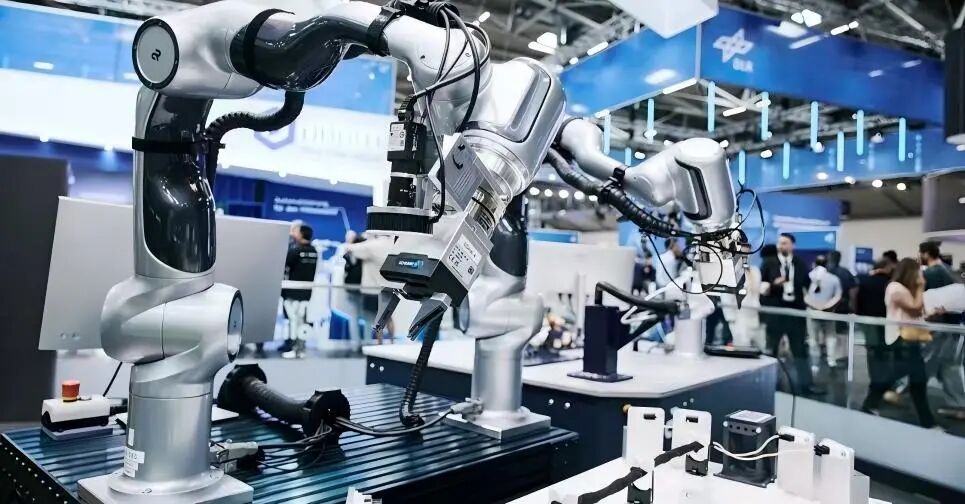
Revolutionizing Robot Interaction in the Era of Physical AI with Agile Robots
Agile Robots has unveiled a groundbreaking force control technology aimed at revolutionizing industrial automation and artificial intelligence. This innovative development, rooted in decades of aerospace research, allows robots to dynamically adapt to their physical environments, effectively addressing the persistent 'last millimeter problem' that has hindered task execution in complex scenarios. By enhancing the reliability of physical interactions, Agile Robots is positioning itself at the forefront of the evolving landscape of automation, enabling more sophisticated and efficient operations in various industries. This advancement marks a significant step forward in the integration of robotics into real-world applications, promising to improve productivity and operational effectiveness.
Force Control Technology Industrial Automation Robotics AI Physical Interaction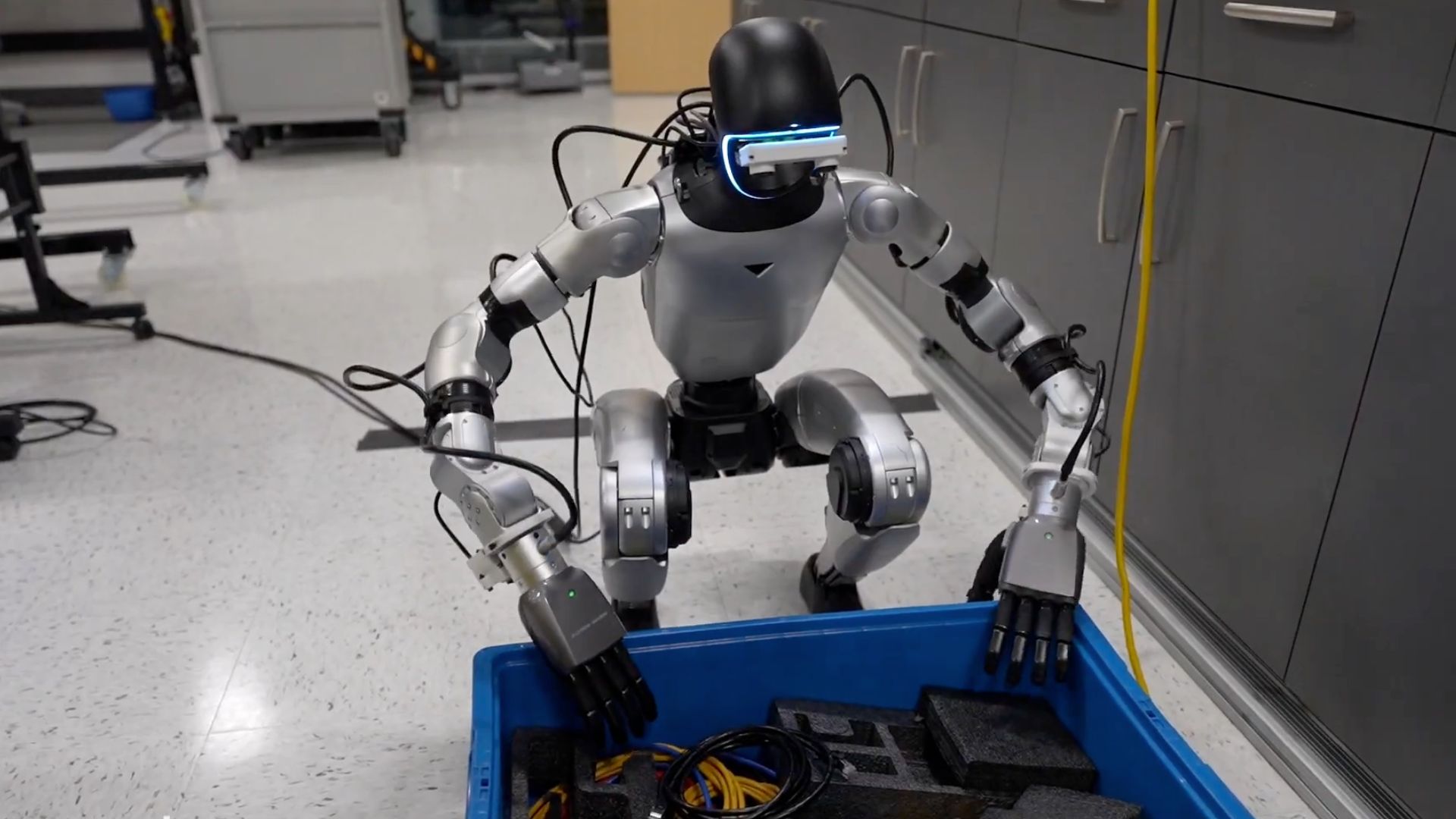
Humanoid robots fold, scoop and handle fragile objects more precisely with new tech
As humanoid robots continue to advance, their ability to execute intricate tasks in real-world environments is becoming more pronounced. However, despite these advancements, many robots still face challenges in achieving full functionality and adaptability. This ongoing development is taking place in various research facilities and tech companies around the globe, where engineers and scientists are working to enhance the robots' cognitive and physical capabilities. The motivation behind this push for improvement stems from the growing demand for automation in sectors such as manufacturing, healthcare, and service industries. By refining the robots' skills, developers aim to create machines that can seamlessly integrate into everyday tasks, ultimately improving efficiency and productivity. The process involves a combination of artificial intelligence, machine learning, and advanced robotics, enabling these machines to learn from their environments and improve their performance over time. As the technology evolves, the potential applications for humanoid robots are expanding, promising a future where they could play a significant role in various aspects of human life.
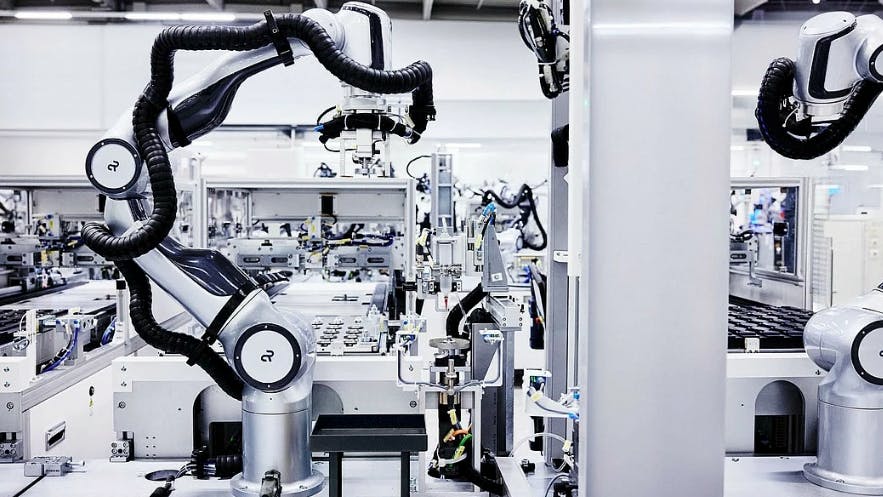
Agile Robots Acquires Europe and North American Assets of thyssenkrupp Automation Engineering
In a strategic move to enhance its capabilities, a leading technology firm has announced its acquisition of a company specializing in AI automation technology. This acquisition, revealed in a press release on October 15, 2023, aims to bolster the firm’s engineering and implementation expertise, positioning it for further growth in the competitive tech landscape. The integration of advanced AI solutions is expected to streamline operations and improve service offerings, ultimately benefiting clients and stakeholders alike. By combining resources and knowledge, the firm seeks to leverage innovative technologies to meet the evolving demands of the market and drive future expansion.
Factory / Robotics
Agile Robots and Google DeepMind Partner to Bring Gemini to the Factory Floor
Agile Robots, based in Munich, has entered into a strategic research partnership with Google DeepMind to enhance industrial robotics. This collaboration seeks to integrate Gemini Robotics foundation models with advanced industrial hardware, addressing the prevalent issue of data bottlenecks in the field. By leveraging a scalable AI flywheel, the partnership aims to improve the efficiency and effectiveness of robotic systems in various industries. The initiative highlights the growing intersection of artificial intelligence and robotics, as both companies work together to push the boundaries of technology and innovation.
DeepMind US Agile ONE Europe Google google-deepmind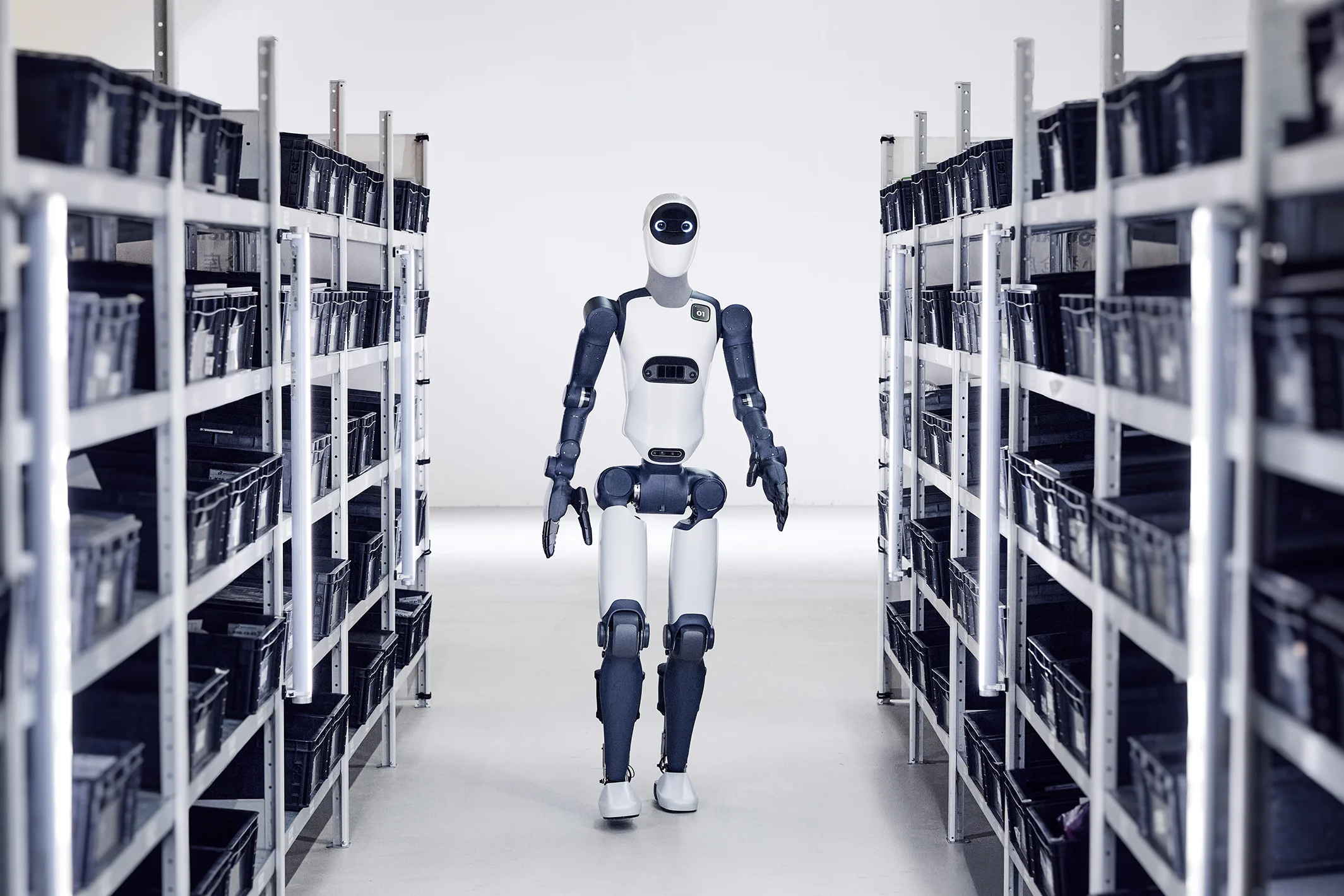
Agile Robots Unveils ‘Agile ONE,’ Entering the High-Stakes Battle for Humanoid Dexterity
A Munich-based startup has entered the competitive field of industrial humanoid robotics, emphasizing the development of a highly precise robotic hand. This initiative comes amid ongoing global discussions among engineers regarding the optimal design and functionality of robotic hands. The company aims to position itself as a leader in this emerging market by addressing the critical need for tactile precision in robotic applications. As the demand for advanced robotics continues to grow, the startup's innovative approach may play a significant role in shaping the future of humanoid robots.
Agile ONE Europe Agile RobotsRobotics needs a service framework.
RSF defines a common language for robot service capability, lifecycle operations, certification pathways, and service-provider networks.
Join the RobotToday community on LinkedIn
Daily robotics news, in-depth analysis, conference highlights, and discussions with professionals worldwide.







