


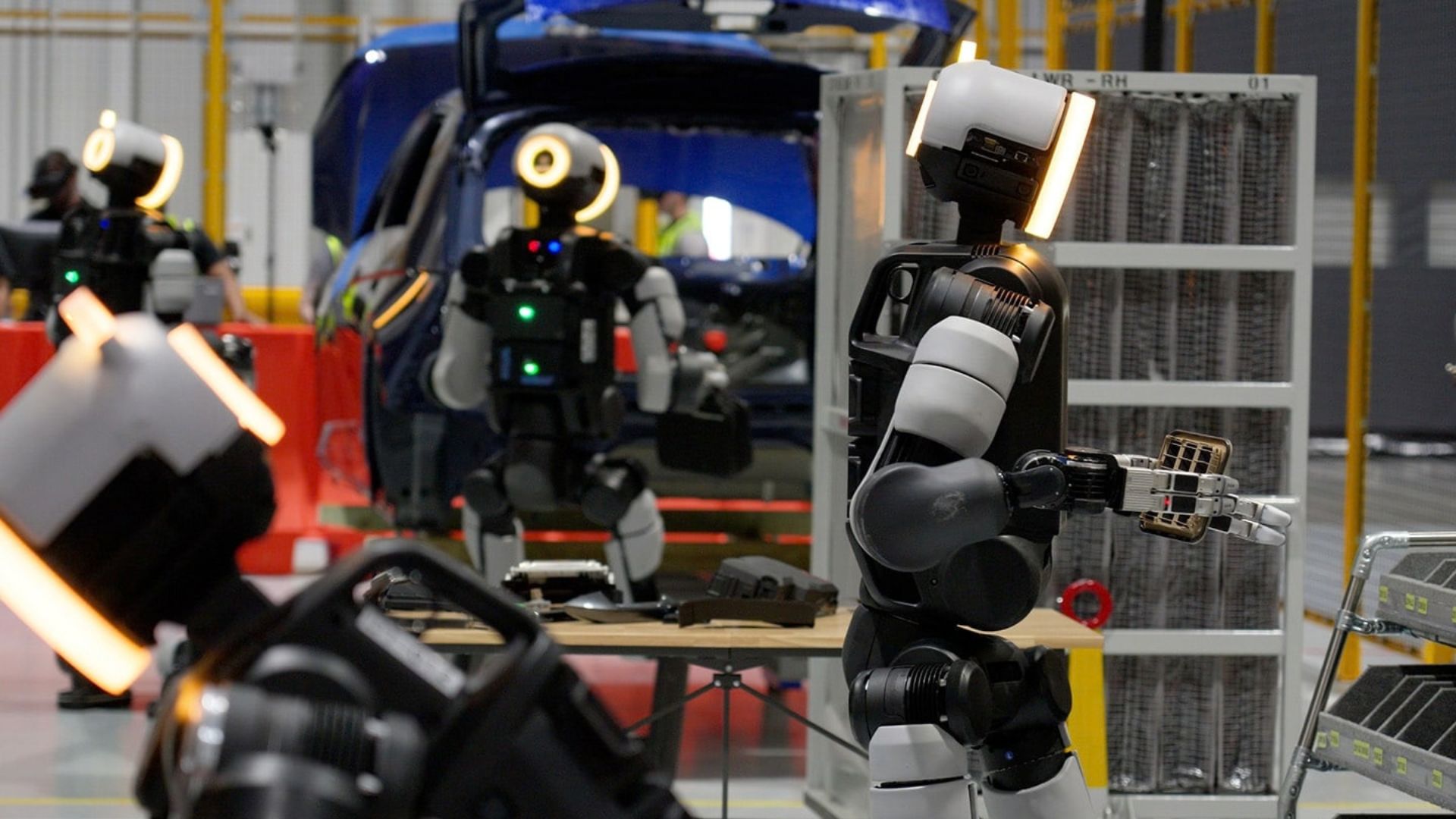
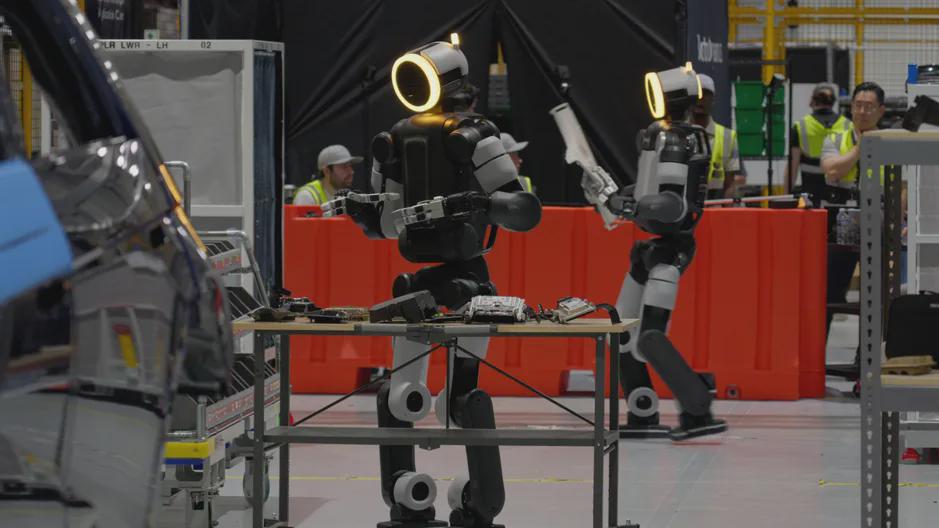
Researchers have introduced a novel control framework named zero-shot embodied skill transfer (ZEST) that enables humanoid robots to execute agile movements such as crawling, cartwheels, and backflips. This innovative system utilizes reinforcement learning to teach robots whole-body movements derived from human motion capture, video, and animation data, allowing for a diverse range of movements to be learned in a single training phase.
The significance of ZEST lies in its ability to reduce the engineering and tuning efforts typically required for robotic skill acquisition. By employing a reinforcement-learning policy trained in simulation, ZEST can transfer learned skills to physical robots like Boston Dynamics' Atlas and Spot without the need for extensive fine-tuning. This framework also incorporates adaptive sampling and automatic curriculum adjustments to enhance learning efficiency and performance.
Looking ahead, the researchers aim to expand ZEST's capabilities to include zero- and few-shot adaptation and continual learning. While the current implementation is limited to flat, nonslippery environments, the potential for future advancements in robotic control and movement generalization is promising. No further timeline was disclosed at the time of publication.
Editor's Note
The development of the ZEST framework represents a significant advancement in the field of robotic control, particularly for humanoid robots. By leveraging reinforcement learning and motion data, this approach could streamline the process of teaching robots complex movements, potentially transforming applications in various sectors including logistics, entertainment, and service industries. The implications for manufacturing and automation are particularly noteworthy as robots become more capable of performing intricate tasks with minimal human intervention.



























Leave a comment