

Industry Briefing
A single destination for timely, editor-curated robotics news from around the world.
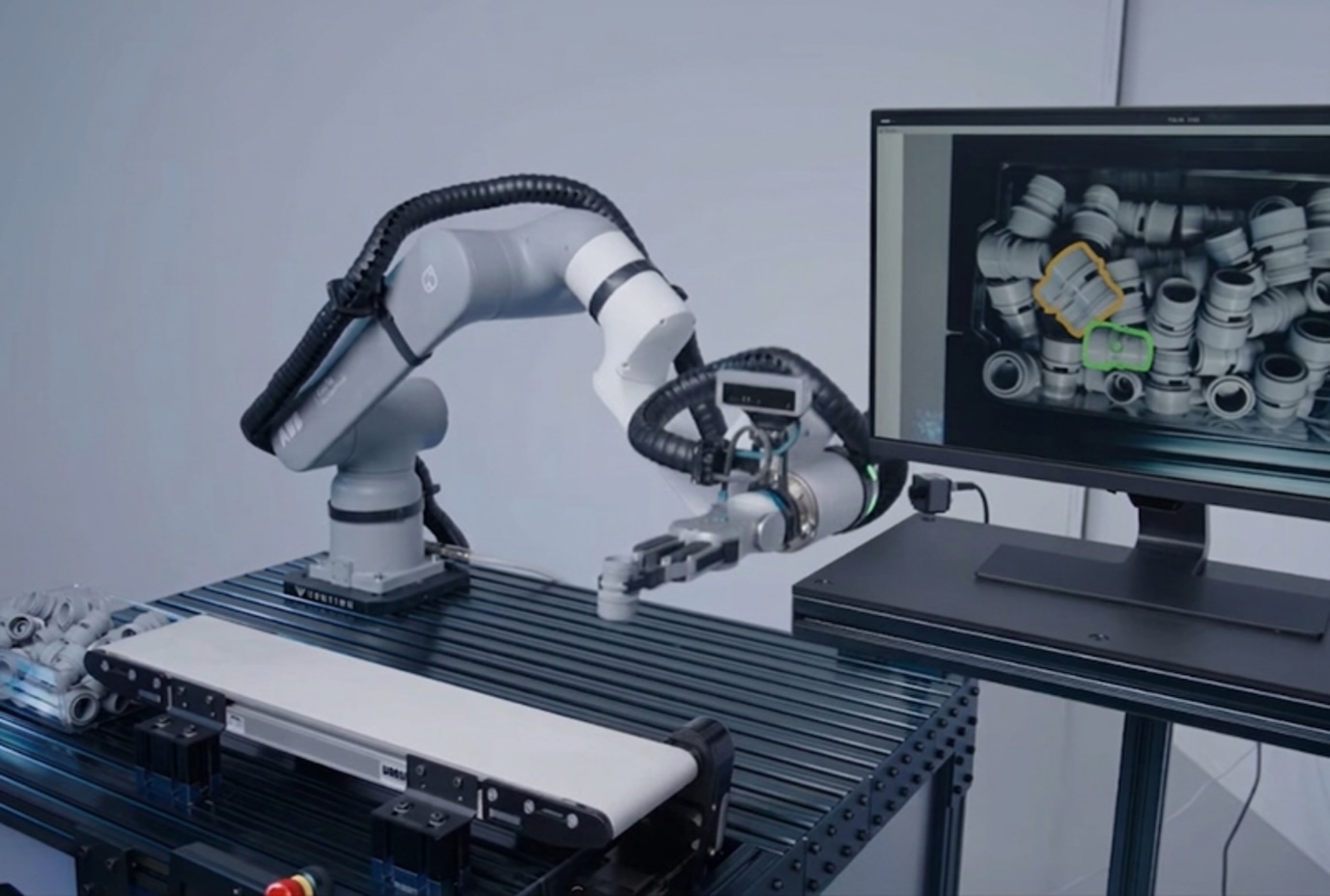
OpenMind Report Reveals China's Dominance in Physical AI Readiness Over Major Economies
A recent study by OpenMind indicates that China has a significant lead in physical AI readiness compared to the United States and other major economies. The OpenMind Physical AI Readiness Index 2026 evaluates 58 countries and 22 metropolitan areas on their capabilities to develop and deploy advanced embodied AI systems, scoring China at 82.9, followed by Japan at 69.6 and the United States at 69.0. This substantial gap highlights the growing international competition in artificial intelligence, particularly between the U.S. and China. While U.S. President Donald Trump has emphasized American leadership in AI, the OpenMind report suggests that success in software does not directly correlate with the ability to implement AI in physical systems. The study points out that countries differ in their physical infrastructure and supply chains, which are crucial for manufacturing robots. Looking ahead, the report underscores the importance of physical infrastructure in the AI race. China excels in materials and robotics, scoring 95.3 and 83.2 respectively, while the U.S. leads in human capital and software. No further timeline was disclosed at the time of publication.
Artificial Intelligence Economy Features ai readiness artificial intelligence china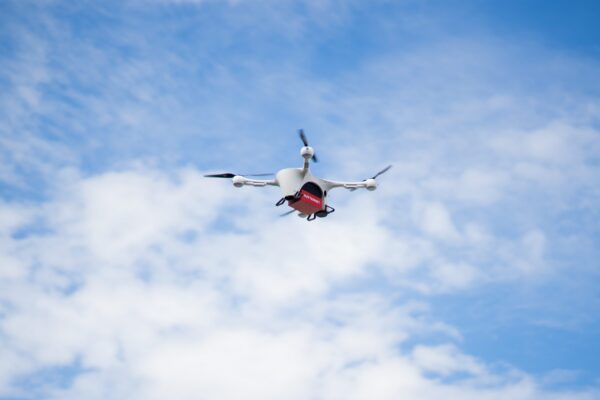
Matternet Begins Trading on OTCQB as First Publicly Traded Drone Delivery Company
Matternet, a Mountain View-based company, commenced trading its common stock on the OTCQB Venture Market on September 21, 2026, under the ticker symbol MTTN. This milestone marks Matternet as the first publicly traded pure-play drone delivery operator, holding standard FAA type certification. The significance of this listing lies in its potential to enhance visibility and access to capital markets for Matternet as it prepares to launch its next-generation delivery platform. CEO Andreas Raptopoulos emphasized that 2026 represents a pivotal moment for drone delivery in the U.S., predicting that it will become a crucial part of everyday logistics infrastructure. Looking ahead, Matternet aims to expand its commercial operations across various sectors, including food, retail, healthcare, and industrial logistics. The company has also formed strategic partnerships and expanded its network of FAA Part 135 operating partners to support this growth. No further timeline was disclosed at the time of publication.
Delivery Drone News Drone News Feeds Logistics News aerospace news 2026
Innovative Quadcopter Replaces Propellers with 3D Printed Radial Impellers
A new quadcopter design has emerged that replaces traditional propellers with 3D printed radial impellers, showcasing a novel approach to drone technology. This innovation is significant as it highlights the potential for advanced manufacturing techniques, such as 3D printing, to enhance drone performance and efficiency. As the industry evolves, the implications of such technologies could lead to more versatile and capable aerial vehicles, making it essential to monitor further developments in this area.
AI and Robotics
Ricore's Radiant D35 RISC-V Chip Collaborates with PrimeBot for Edge Inference
Ricore, a chip designer based in Suzhou, has announced that its Radiant D35 RISC-V dataflow AI chip will serve as a compute ecosystem partner for PrimeBot. This collaboration focuses on enhancing edge inference capabilities specifically for humanoid and embodied robots, moving away from traditional cloud training methods. The partnership is significant as it highlights a shift towards localized processing in robotics, which can improve response times and reduce reliance on cloud infrastructure. By integrating the Radiant D35 chip, PrimeBot aims to enhance the performance and efficiency of its robotic systems, making them more capable of real-time decision-making and processing. Looking ahead, industry observers will be keen to see how this collaboration impacts the development of humanoid and embodied robots. The effectiveness of edge inference in these applications could set new standards for performance in the robotics sector. No further timeline was disclosed at the time of publication.

Robot Showcases Traditional Lacquer Fan Craft at Hong Kong Mid-Autumn Festival
The first International Mid-Autumn Lantern Festival in Hong Kong, held from September 17 to 27 at Victoria Park, featured a theme of reunion and showcased lanterns from 20 countries, including traditional Nanjing Qinhuai lanterns and local Hong Kong crafts. Zhixing Robotics was invited to demonstrate the intricate art of lacquer fan making using their advanced robotic technology. Lacquer fan crafting is a traditional intangible cultural heritage that requires precision in various steps, such as the force used to take the fan, the depth of immersion in lacquer, and the speed of rotation. Zhixing's wheeled humanoid robot, Han Yue, utilized proprietary technologies in force control, 3D visual perception, and adaptive grasping to accurately execute the entire fan-making process. This performance highlighted the blend of mechanical precision and the poetic essence of lacquer art. The choice of the lantern festival as a venue was strategic, as it attracts a diverse audience, making the robot's artistic demonstration more relatable than a technical showcase in a museum. The unique patterns created by the robot's craftsmanship added aesthetic value, allowing viewers to appreciate the cultural significance of the lacquer fan, thus bridging advanced robotics with traditional Chinese heritage.
Robotics Cultural Heritage Automation AI Technology
Fast Radio Bursts Could Unlock Secrets of Dark Matter and Dark Energy
Fast radio bursts (FRBs) may provide insights into significant cosmic mysteries, including dark matter and dark energy. These intense radio wave blasts, believed to originate from magnetars, carry information about the distribution of matter in the universe as they travel billions of light-years to Earth. Understanding the clumpiness of ordinary matter can help scientists trace dark matter and dark energy's effects, as well as measure neutrino mass. The research team, led by Kritti Sharma and Vikram Ravi from Caltech, analyzed around 100 FRBs, marking a significant step in using these signals to study cosmic structures and their evolution. The findings indicate that galactic feedback smooths cosmic matter, but its effect is weaker than previously thought. This research opens new avenues for exploring the universe's dark components, with the potential for future studies to refine our understanding of these fundamental cosmic elements. No further timeline was disclosed at the time of publication.
Black Holes Astronomy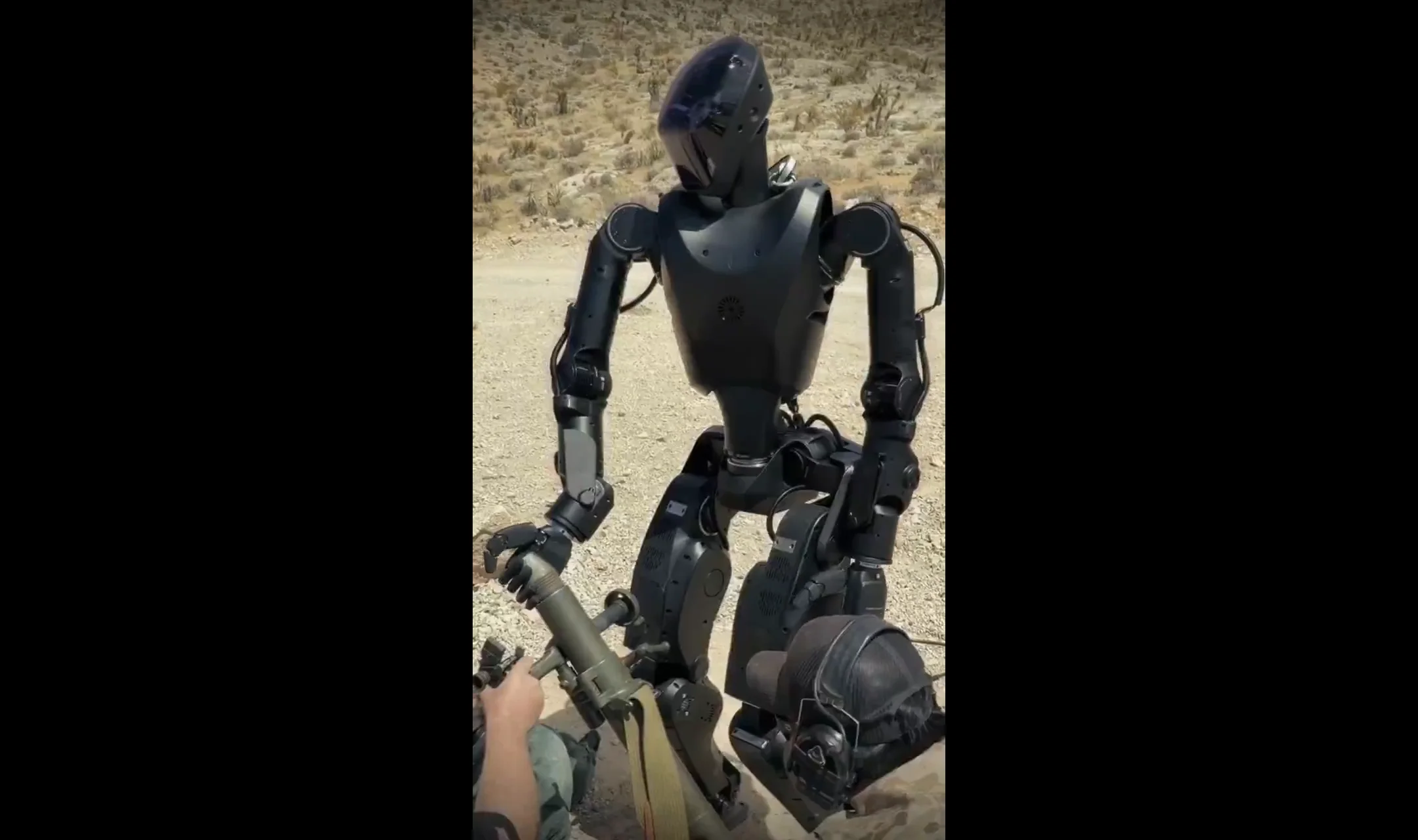
China's Military Advances in Humanoid Robotics for Combat Readiness
Last month in Beijing, bipedal humanoid robots impressed audiences at the 2nd World Humanoid Robot Games, where they excelled in speed and manipulation. However, the event caught the attention of China's defense sector, which is pushing to integrate these robots into military operations. The PLA Daily has called for accelerated development to transition laboratory robotics into combat-ready units, reflecting a significant shift in military strategy influenced by lessons from the Ukraine conflict. The analysis of over 100 military procurement documents reveals that China is planning for the deployment of humanoid robots on the battlefield. Research from the National University of Defense Technology indicates that these robots could operate alongside human soldiers in urban environments within five to ten years. Recent military exercises have already incorporated humanoid platforms into tactical simulations, demonstrating their potential for reconnaissance and security tasks. As China develops its humanoid capabilities, the American defense industry remains cautious, with major firms like Boston Dynamics refusing to weaponize their robots. The contrasting approaches highlight the competitive landscape in military robotics, with China's domestic supply chain providing a significant advantage in production and integration of humanoid technology. No further timeline was disclosed at the time of publication.
US China Foundation
The Rapid Evolution of Robotic Dogs Outpaces Traditional Pet Breeds by 2026
By 2026, the number of robotic dogs showcased at technology exhibitions is expected to surpass that of traditional dog breeds like Golden Retrievers and Corgis. This rapid diversification of quadrupedal robots is outpacing the evolution of most dog breeds, with various forms emerging from a common technological base, including wheels, saddles, and even drone landing pads. At this year's World Robot Conference (WRC), a small AI-controlled robotic dog named Kaimisi became an unexpected hit, despite not having a dedicated exhibition space. This palm-sized robot, priced between 200 to 280 yuan, can run, flip, and interact with people, reportedly selling over a thousand units daily, a remarkable achievement among exhibitors. Its affordability compared to other robots priced in the tens of thousands makes it an attractive option for consumers. The success of Kaimisi highlights a critical shift in quadrupedal robots from demonstration models to consumer products. With a compact design, low price, and engaging features, these robots appeal to a broader audience. Meanwhile, established companies like Yushun and Yundongchu are also making strides in the market, offering products ranging from inexpensive toys to high-end industrial platforms, showcasing the versatility of quadrupedal designs in various market segments.
Robotic Dogs AI Technology Consumer Robotics Automation
Transitioning from Manual Loading to Automated Machining: A CNC Production Upgrade Guide
Manufacturers are increasingly pressured to enhance production efficiency, leading many CNC shops to consider automation. However, transitioning from manual loading to automation is complex and involves more than just replacing operators with robots. Factors such as loading time, tool changes, and part flow must be optimized to ensure high machine utilization. Stabilizing the machining process is crucial before implementing robotic loading or unattended production. This gradual approach allows manufacturers to minimize manual intervention and prepare their equipment for future automation. The primary benefit of automation lies not only in labor reduction but also in minimizing machine idle time between cycles, which can significantly enhance productivity. As manufacturers focus on improving process reliability, they can extend production hours and achieve greater consistency in output. The ultimate goal is to maximize the value generated by CNC machines, ensuring they operate efficiently and effectively throughout the production cycle. No further timeline was disclosed at the time of publication.
Engineering Manufacturing automated machining cnc automation cnc machines cnc machining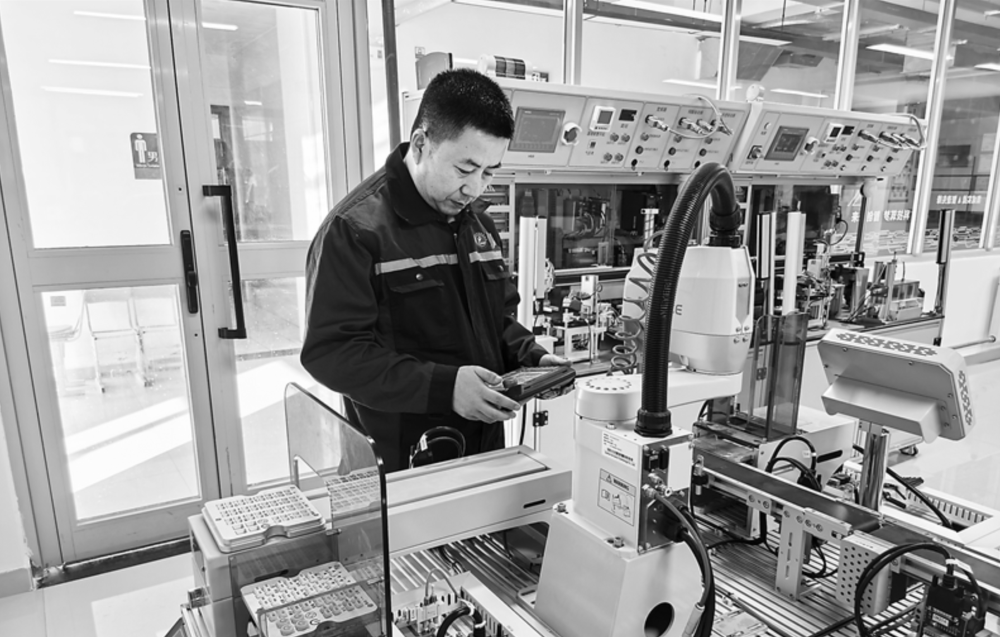
From Teacher to National Skill Master: Leading Students to Over 60 Awards in Robotics
Zhao Qian, a teacher at Xinjiang Light Industry Vocational Technical College, has transformed his studio into a national-level skill master workshop, addressing the severe talent shortage in the industrial robotics sector in Xinjiang. Since 2023, his team has won over 60 regional awards and more than 10 national awards across various competitions, emphasizing the importance of practical skills in the workforce. The workshop focuses on training skilled personnel in the operation and maintenance of industrial robots, which are crucial for the region's industrial upgrade. By establishing a comprehensive talent selection and training system, the studio nurtures students with potential and interest in robotics, ensuring they are equipped with the necessary skills to meet industry demands. Zhao's efforts have led to practical innovations, including an intelligent production system for transformer components and a digital twin visualization system for local steel construction companies. With over 30 invention patents and numerous software copyrights, the workshop exemplifies the need for skilled workers who can ensure the stable operation of industrial robots in China, highlighting the vital role of vocational education in meeting industry needs.
Industrial Robotics Vocational Education Skill Development Automation Talent Training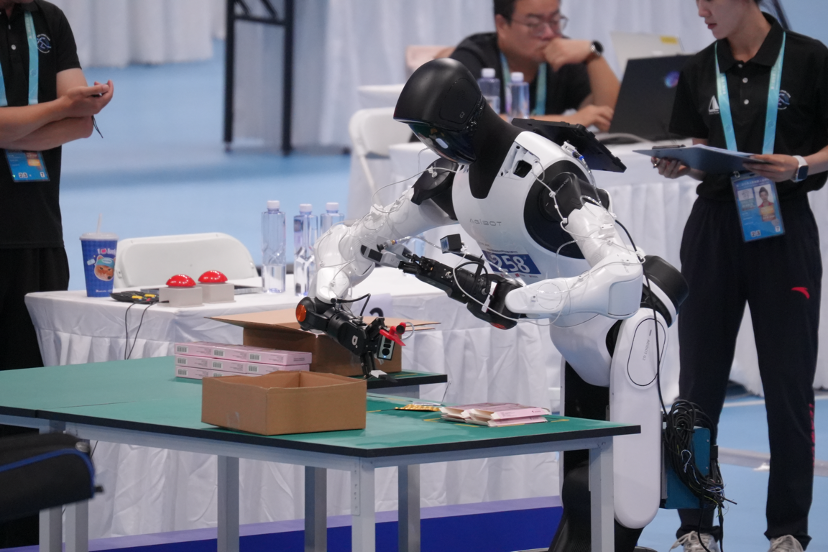
Leading Production Robot Secures Six Gold Medals at World Humanoid Robot Games
On August 26, the second World Humanoid Robot Games concluded at the National Speed Skating Oval. The event tested humanoid robots in real-world scenarios, including emergency response, firefighting, and hotel guest services. The ZhiYuan G2 robot excelled, winning six gold medals, seven silver medals, and five bronze medals, making it the top-performing mass-produced humanoid robot. The significance of this achievement lies in the G2's ability to perform complex tasks without specialized adjustments, demonstrating its full-body coordination, environmental understanding, and long-process task planning capabilities. The industrial scene presented the highest demands, requiring precision and adaptability, which the G2 successfully met, particularly in tasks like packaging and assembly. Looking ahead, the G2's performance in challenging environments, such as firefighting, has garnered significant attention. Its ability to operate under pressure and adapt to complex scenarios showcases the practical experience gained from real-world deployments. No further timeline was disclosed at the time of publication.
Humanoid Robots Industrial Automation AI Robotics Warehouse Operations
First Breach Achieves Initial Drone Flight as Nasdaq Trading Commences
First Breach Inc. has successfully completed the inaugural flight of its proprietary drone prototype, marking a significant transition from ammunition manufacturing to unmanned aircraft systems. This milestone follows the company's recent listing on the Nasdaq Capital Market under the ticker symbol FBDT, announced on August 20. The first flight occurred just five days later, with plans to scale domestic drone manufacturing. The completion of the first flight is crucial for First Breach as it seeks to expand its operations beyond ammunition and into American-made unmanned aerial systems. The company aims to finalize initial drone prototypes by the fourth quarter of 2026 and plans to ramp up production to over 2,500 drones per week by the second quarter of 2027, contingent on successful manufacturing expansion. CEO Jeffrey Low emphasized the importance of owning the technology and manufacturing domestically to meet the needs of defense and government customers. Looking ahead, First Breach is collaborating with Hellbender, Inc. on two Class 1 attritable drone platforms, designed for different operational ranges. The focus will now shift to completing prototyping iterations, scaling manufacturing infrastructure, and enhancing automated production capabilities to meet its ambitious production targets. No further timeline was disclosed at the time of publication.
Applications defense Defense Drone Manufacturing Drone News Drone News Feeds
Intel Report Highlights Robotics Readiness Gap Amid Evolving Industry Expectations
Intel's report reveals a significant gap in robotics readiness among organizations, as highlighted by John Healy, Intel's VP of industrial and robotics. While companies are moving towards integrating robotics into daily operations, many are still relying on outdated systems and lack the necessary training to manage intelligent robots effectively. The transition from fixed tasks to intelligent interaction is reshaping the robotics landscape, but it also uncovers a stark reality: 26% of manufacturing leaders are unprepared to manage robots by 2030. This gap is more pronounced in sectors like smart cities and defense, which face a 48% preparedness gap. As robotics deployment accelerates, organizations must address challenges related to workforce training, safety, and operational scaling. Companies that successfully navigate these issues will be better positioned to implement robotics effectively, moving beyond pilot programs to full integration into their operations. No further timeline was disclosed at the time of publication.

Logic Robotics Introduces Intelligent Transloading Solution for Rail-to-Road Logistics
Logic Robotics has launched an innovative autonomous transloading solution designed for rail-to-road operations. This system integrates the Logic Pallet's autonomous mobility with real-time digital twin visualization, significantly reducing inefficiencies associated with manual handling and forklift processes. The introduction of this technology is crucial as it redefines transloading by autonomously transferring goods between railcars and trucks. This advancement leads to faster throughput, enhanced safety, and minimized operational downtime at intermodal terminals, marking a significant step in logistics automation. Looking ahead, the intelligent transloading solution positions Logic Robotics at the forefront of creating a fully autonomous logistics network. No further timeline was disclosed at the time of publication.
Logistics News Transportation 3pl autonomous logistics autonomous pallet
Unitree's Shares Surge 629% in Shanghai Trading Debut for Humanoid Robots
Unitree, a leading Chinese humanoid robot manufacturer, experienced a remarkable 629% surge in its stock price during its initial public offering in Shanghai on Wednesday. This significant increase reflects growing investor confidence in China's advancements in technology, particularly in the robotics sector. The impressive debut of Unitree's shares underscores the rising interest and optimism surrounding the robotics industry in China. As one of the largest players in the humanoid robot market, Unitree's performance may signal a broader trend of investment in innovative technologies within the country. Looking ahead, market observers will be keen to see how Unitree's stock performs in the coming weeks and whether this initial enthusiasm translates into sustained growth. No further timeline was disclosed at the time of publication.
Robotics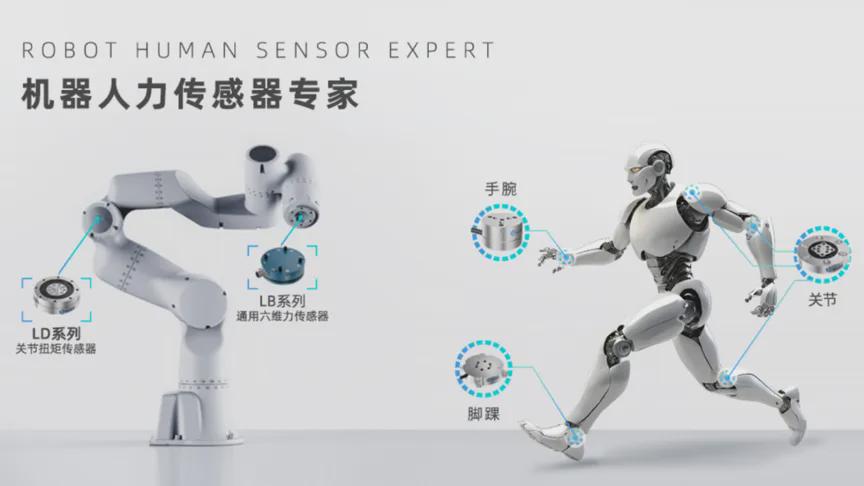
Leading 6D Force Sensor Company Blue Dot Touch Secures Significant Series D Funding for Robotics Expansion
On August 17, Blue Dot Touch, a domestic robotics force sensor company, announced it has completed a Series D funding round worth hundreds of millions of RMB, led by GAC Capital, with participation from DeYue Co. and XiChen Capital. The funding will primarily support the development of next-generation robotic force sensor products, capacity expansion, and global market positioning. This funding round is significant as it reflects the growing recognition of the technology by downstream application partners, indicating an opening market window for the specialized field of force sensors. GAC Capital's investment highlights a shift where automotive manufacturers are increasingly focusing on securing core supply chain components, while DeYue Co. sees potential in the application of force sensors in battery production and renewable energy equipment. Looking ahead, the large-scale application of humanoid robots is projected to transition from prediction to reality by 2026. As robots are expected to operate independently in complex environments, the demand for advanced sensing capabilities will rise. Blue Dot Touch's sensors, with precision up to 0.1% FS and a frequency response exceeding 10 kHz, are positioned to meet these evolving requirements, having already established a strong presence in the domestic humanoid robot market.
Force Sensors Robotics Investment Automation Technology
Unitree Achieves 18,000 Bipedal Humanoids, Leading China's Robotics Market
Unitree has announced that it has reached a cumulative production of 18,000 bipedal humanoid robots as of July 2026, establishing itself as the leader in the pure bipedal robotics sector. This significant milestone highlights the company's dominance over competitors, with AgiBot producing 7,000 pure bipedal humanoids out of a total of 15,000 all-category humanoids, while UBTECH and Galbot lag behind with approximately 3,000 and 1,000 units, respectively. The achievement underscores Unitree's strong position in the rapidly evolving robotics market in China, where the demand for advanced humanoid robots is growing. The clear production gap between Unitree and its competitors indicates not only the company's technological advancements but also its effective market strategies that have allowed it to capture a significant share of the bipedal robot segment. Looking ahead, the robotics industry will be keen to observe how Unitree maintains its lead and whether AgiBot, UBTECH, and Galbot can close the gap. No further timeline was disclosed at the time of publication.

Canadian Police Enhance Data Security with Localized Drone Integration for TAK
Canadian police and defense agencies have gained a new capability to operate their situational-awareness tools without relying on foreign cloud services. ThinkOn, a Canadian sovereign cloud provider, and AVSS, a drone technology firm, have successfully integrated the Team Awareness Kit (TAK) with infrastructure hosted entirely in Canada. This integration ensures that sensitive operational data remains under Canadian jurisdiction. The significance of this development lies in its ability to protect sensitive location information, live video, and operational data for police and defense organizations. By utilizing ThinkOn's Canadian cloud platform, agencies can maintain control over their data while still benefiting from the functionalities of TAK. This integration allows for seamless data flow from MAVLink-compatible drones into TAK’s common operating picture, ensuring that field teams can operate without altering their existing workflows. Looking ahead, agencies currently using TAK on foreign hyperscalers can transition to this Canadian infrastructure without disrupting their operations. Additionally, new agencies can adopt TAK with the assurance of data sovereignty from the outset. This partnership between ThinkOn and AVSS underscores the importance of Canadian control over critical data and infrastructure in public safety and defense applications.
News
PlusAI Achieves 93.4 Percent Safety Readiness Ahead of 2027 Truck Launch
PlusAI has announced that it has achieved 93.4 percent 'Safety Case Readiness' as it prepares for the commercial launch of its factory-built driverless trucks in 2027. The company reported significant improvements in safety validation and autonomous driving metrics during the first half of 2026, including an increase in the Autonomous Miles Percentage from 99.2 percent to 99.8 percent. This progress is crucial as PlusAI aims to reach 100 percent Safety Case Readiness by 2027, which is essential for the deployment of its SuperDrive autonomous driving system. CEO David Liu emphasized the importance of transparency in their commercial readiness metrics, highlighting operational improvements and recent milestones that indicate PlusAI's advancement toward large-scale deployment of autonomous trucks. Looking ahead, PlusAI is targeting over 90 percent of trips to be completed without remote assistance before the commercial launch. The company has also expanded its operations with a commercial fleet trial in Texas and plans to introduce autonomous trucks in Southern Europe through partnerships with local logistics firms. No further timeline was disclosed at the time of publication.
Artificial Intelligence Autonomous Vehicles News artificial intelligence autonomous driving autonomous trucking
Boeing’s MQ-28 Ghost Bat Demonstrates Deployment Readiness in Valiant Shield 2026
Boeing's MQ-28 Ghost Bat successfully completed multiple operational sorties during the Valiant Shield 2026 exercise, showcasing its deployment capabilities from a remote Pacific location. Conducted by the U.S. Air Force’s Experimental Operations Unit from June 21 to July 1 at Rota in the Northern Mariana Islands, the 11-day deployment assessed the necessary personnel, infrastructure, and resources for sustaining Collaborative Combat Aircraft (CCA) operations away from established bases. This exercise is significant as it moves the MQ-28 beyond controlled testing into a large-force event under operationally relevant conditions. The U.S. Air Force emphasized that insights gained from both successful and unsuccessful activities will inform the future development and employment of CCAs. Major Daniel Pesich highlighted the EOU's role in rapidly experimenting with CCA prototypes to provide valuable feedback to vendors, aiming for quicker integration into operational environments. Looking ahead, the EOU plans to participate in more large-force exercises with the CCA, building on the lessons learned from this event. The support network established by the 21st Air Expeditionary Wing was crucial for the operation, managing essential logistics such as power production and communications, which are vital for the successful functioning of the MQ-28.
Military
KUKA Robotics Enhances Worker Safety with Automated Trailer Unloading Solutions
KUKA Robotics is advancing worker safety in warehouses and distribution centers by implementing automated trailer unloading solutions. These innovations aim to reduce the physical strain associated with repetitive tasks such as lifting, bending, and twisting, which are common causes of employee injuries. The significance of KUKA's automation solutions lies in their ability to create safer working environments, addressing the growing demand for robotics in physically demanding tasks. By providing flexible and reliable automation, KUKA helps companies mitigate risks associated with manual unloading processes, ultimately enhancing employee well-being. Looking ahead, the focus will be on the continued adoption of KUKA's automated solutions in various distribution settings. No further timeline was disclosed at the time of publication.

Effective Strategies for Upgrading Control Systems in Brownfield Plants Without Downtime
Modernizing a facility often faces a significant hurdle: downtime. Leadership demands a strategy that minimizes disruption while implementing improvements. A comprehensive understanding of existing systems is crucial before any upgrades can begin. In brownfield facilities, systems have evolved over time, leading to a complex mix of PLCs, HMIs, and outdated documentation. Conducting a thorough IT/OT assessment is essential to identify hardware, lifecycle status, and dependencies. This visibility is vital for developing a low-risk modernization plan that accommodates legacy systems and modern data requirements. The challenge lies in the communication gap between legacy serial protocols and modern Ethernet environments. Upgrading without a clear strategy can lead to significant risks, making the traditional “rip-and-replace” approach impractical. Facilities often have limited time for upgrades, sometimes only a brief window for implementation, emphasizing the need for a well-planned approach.
Factory / Control
FedEx Enhances Collaboration with Dexterity for Expanded Physical AI in Trailer Loading
FedEx and Dexterity have announced an expanded partnership to implement Dexterity's Foresight world model and Mech trailer loading systems at the FedEx Hagerstown Hub in Maryland. This deployment builds on years of joint development and testing, allowing for a larger operational scale while focusing on safety, consistency, and performance in trailer loading operations. The significance of this collaboration lies in addressing one of the most physically demanding workflows in parcel logistics. With tens of thousands of trailers loaded daily, automating this process has been challenging. The integration of Dexterity's physical AI technology aims to enhance operational efficiency and support FedEx's workforce in a critical area of their logistics operations. Looking ahead, FedEx is committed to evaluating and deploying physical AI to improve the speed, reliability, and flexibility of its network. No further timeline was disclosed at the time of publication.
Logistics Material handling News autonomous trailer loading dexterity fedex
Impact of US Robot Ban on China's Leading Robotics Start-ups and Their Expansion Plans
The Federal Communications Commission (FCC) has added foreign-produced 'advanced robotic devices' to its Covered List, effectively banning new models from being imported and sold in the US. This includes humanoids, quadrupeds, and various connected mobile machines, with the FCC citing concerns over supply chain vulnerabilities and cybersecurity threats. Existing models that have already received authorization will not be affected by this ban for the time being. This ban poses significant challenges for leading Chinese robot manufacturers who have been eyeing overseas markets for expansion. The swift condemnation from Beijing highlights the ongoing tensions between the US and China regarding trade and technology. Foreign ministry spokesperson Mao Ning criticized the US for what she described as protectionism that undermines American competitiveness and harms both US companies and consumers. As the situation develops, it will be crucial to monitor how Chinese robotics firms adapt their strategies in response to this regulatory environment. No further timeline was disclosed at the time of publication.

Intelligrated, Trew, and Transnorm Form Leading Warehouse Automation Provider
American Industrial Partners (AIP) has successfully acquired Honeywell Technologies' Warehouse and Workflow Solutions business, which includes Intelligrated and Transnorm. Following this acquisition, Intelligrated, Trew, and Transnorm will operate as a unified organization focused on delivering advanced warehouse automation solutions across various sectors, including retail and e-commerce. This merger is significant as it combines extensive automation expertise and complementary technologies, enhancing the capacity for systems design and project management. The new organization aims to provide a comprehensive portfolio of equipment, software, and services, helping clients optimize operations and modernize fulfillment networks to tackle future distribution challenges. Looking ahead, the combined entity is positioned to streamline decision-making and investment in warehouse automation. With Alfred Rebello appointed as CEO, the organization plans to maintain customer service continuity while aligning its operations. No further timeline was disclosed at the time of publication.
Logistics News Supply chain Warehouse robots American Industrial Partners asrs
HYFIX CEO Discusses U.S. Drone Technology Development on Drone Radio Show
In a recent episode of the Drone Radio Show, Mike Horton, CEO of HYFIX, discussed the challenges facing U.S. drone technology. He highlighted the U.S. government's restrictions on foreign drone technology, emphasizing the need for domestic alternatives that are not yet fully developed. Horton pointed out that fragmented drone systems pose significant security and supply chain risks, making the case for integrated, U.S.-made systems as essential for the future of autonomy. This perspective underscores the importance of developing robust domestic capabilities in the drone sector. Looking ahead, the conversation raises critical questions about the pace of innovation in U.S. drone technology and the regulatory landscape. No further timeline was disclosed at the time of publication.
Drone Manufacturing Drone News Drone News Feeds drone technology News Podcast
Marine Corps Chooses Allen Control Systems' Bullfrog M240 for L-MADIS Integration
The Marine Corps has selected Allen Control Systems' Bullfrog M240 autonomous weapon for integration into its Light Marine Air Defense Integrated System (L-MADIS). This system is part of the Ground Based Air Defense program and includes two Polaris MRZR vehicles, one serving as a command unit and the other equipped with electronic warfare capabilities to counter drone threats. The Bullfrog M240 transforms the traditional 7.62mm machine gun into an autonomous weapon, capable of firing 850 rounds per minute and weighing approximately 300 pounds. This integration is facilitated through a prototype Other Transaction Agreement contract valued at around $6.2 million. The Marine Corps is also seeking $1.27 billion in its fiscal 2027 budget for Ground Based Air Defense capabilities, highlighting the importance of advanced defense systems. Looking ahead, the Bullfrog M240 is not only being considered by the Marine Corps; the US Army Applications Lab has awarded a contract to assess its deployment on Army combat vehicles. Additionally, Allen Control Systems is working on integrating Bullfrog onto US Special Operations Forces maritime platforms, indicating a growing interest in this technology across multiple military branches.
Land Warfare Naval Warfare Army Counter UAS cUAS LMADIS MADIS
Rick Rider Critiques AI-Readiness Concept in Manufacturing Sector
Rick Rider, SVP of AI Innovation at Infor, argues that the concept of 'AI readiness' is misapplied in the manufacturing sector. He believes that many manufacturers are stuck in pilot purgatory due to vendor requirements for perfect conditions before AI can be implemented. Instead of waiting to become 'AI-ready,' successful companies are adopting AI within their existing fragmented environments. Rider highlights that the most common approach to AI adoption is 'point solution enthusiasm,' where manufacturers deploy AI tools to address isolated pain points without a cohesive strategy. This often results in disconnected systems that fail to provide actionable insights across operations, leading to more data but less clarity. The 'AI readiness gap' is defined by Rider as the disparity between a manufacturer's current data infrastructure and the requirements for AI to create sustained value. He emphasizes that siloed data and inconsistent processes create a structural gap that cannot be bridged by AI alone, underscoring the need for a more integrated approach to AI implementation.
Business Intelligence
Isar Aerospace Secures $150 Million Lease for Canadian Launch Pad to Support Spectrum Rocket
Isar Aerospace, a German aerospace company, has signed a $150 million lease agreement with Maritime Launch Services for the use of Spaceport Nova Scotia. This 10-year lease, with an option to extend for another decade, allows Isar to develop the launch pad infrastructure tailored to its Spectrum rocket's requirements. The facility is expected to support vehicle integration, testing, and mission control operations, with development set to begin later this year. The significance of this agreement lies in Isar's ambition to establish a reliable orbital launch capability from Canada, which is crucial for nations seeking independent access to space data. By 2029, Isar aims to conduct up to 40 launches annually from the new site, enhancing the operational landscape for satellite deployment and national defense. This collaboration marks a strategic move in the competitive space launch market, where few nations possess comprehensive launch capabilities. Looking ahead, Isar Aerospace plans to initiate its first orbital launches from Spaceport Nova Scotia by 2028. The company has faced challenges with its Spectrum rocket, including a failed launch in March 2025, but remains committed to overcoming technical and weather-related obstacles. No further timeline was disclosed at the time of publication regarding subsequent launches or developments at the Canadian site.
Launches & Spacecraft Space Exploration
Paradigm Secures $1.2 Billion Fund to Invest in AI and Robotics
Paradigm, a prominent investment firm based in San Francisco, has successfully raised $1.2 billion for a new venture fund aimed at expanding its investments into artificial intelligence and robotics. This fund represents a strategic shift for the firm, which has historically focused on crypto investments, and marks a significant increase from its previous $850 million fund announced in 2024. Paradigm is now managing approximately $11.9 billion in assets as of 2025. The expansion into AI and robotics is significant as these sectors are increasingly attracting venture capital, reflecting a broader trend in technology investment. Paradigm's new fund will not only continue to support digital assets but will also target opportunities in frontier technologies, indicating a shift in investment strategy to include emerging technologies beyond blockchain. This move aligns with the growing intersection of AI and crypto, particularly in areas like autonomous payments and programmable financial systems. Looking ahead, Paradigm's approach suggests a potential for innovation at the convergence of AI and crypto technologies. The firm aims to leverage its expertise in software and financial systems to explore new market opportunities. No further timeline was disclosed at the time of publication regarding specific investments or milestones for the new fund.

Thales reveals AAR platform for Gladiator trainer at Eurosatory 2026.
A new AI platform designed for military applications has been finalized and is set to be officially launched at the Eurosatory defense exhibition. The platform has already undergone trials with various armies, although specific details about these military tests have not been disclosed. The launch at this prominent defense event highlights the growing interest in advanced technology for enhancing military capabilities. The introduction of this AI solution aims to improve operational efficiency and decision-making processes within armed forces. As defense organizations increasingly seek innovative tools to maintain strategic advantages, this platform represents a significant step forward in the integration of artificial intelligence into military operations.
News
Yann LeCun Envisions Major Robotics Paradigm Shift by 2027, Critiques LLMs
Yann LeCun, a prominent figure in AI, recently expressed his concerns about the robotics industry's dependence on Large Language Models (LLMs) during an interview on the Unsupervised Learning podcast. He predicts that by early 2027, the need for a fundamental shift in robotics will be evident, as current methods are deemed a 'dead end' for achieving true physical intelligence. LeCun's critique highlights the inefficiencies of relying on massive datasets and imitation learning, drawing parallels to the unresolved challenges in autonomous driving. He argues that true intelligence requires rapid generalization, unlike current systems that demand extensive data for narrow tasks. His rejection of Vision-Language-Action models stems from their unreliability and data constraints, pushing him to advocate for the Joint Embedding Predictive Architecture (JEPA) through his startup, AMI Labs. Looking ahead, LeCun aims to refine JEPA and demonstrate methodologies for training hierarchical world models within the next 12 to 18 months. He warns that LLMs are 'intrinsically unsafe' for high-stakes environments, emphasizing the need for systems that genuinely understand the physical world rather than merely responding to it. No further timeline was disclosed at the time of publication.
US AMI World-Models Yann-LeCun world-model
Bhoomika Gandhi Discusses Optical Tactile Sensor for Head Motion Tracking in Radiotherapy
Bhoomika Gandhi's PhD research focuses on developing an optical tactile sensor designed to track head motion during radiotherapy. This innovation addresses significant challenges faced by patients undergoing treatment for head and neck cancers, who are often immobilized using thermoplastic masks or stereotactic frames. Current systems struggle with occlusion and limited motion tracking, which can compromise treatment accuracy. The optical tactile sensor, embedded in a Motion Capture Pillow, aims to enhance patient comfort while providing real-time feedback on both translational and rotational movements. This system is non-ferromagnetic, making it compatible with radiotherapy environments, and it eliminates occlusion issues by maintaining direct contact with the patient's head. The research emphasizes the importance of accurate tracking to improve treatment outcomes and patient experience. Looking ahead, the integration of this technology into clinical workflows will be crucial. Gandhi's work includes contributions such as optimizing marker density and sensor fusion with gyroscopic data to enhance reliability. No further timeline was disclosed at the time of publication.
Bauhaus Implements XYZ Robotics' Automated Inbound Logistics System in Krefeld
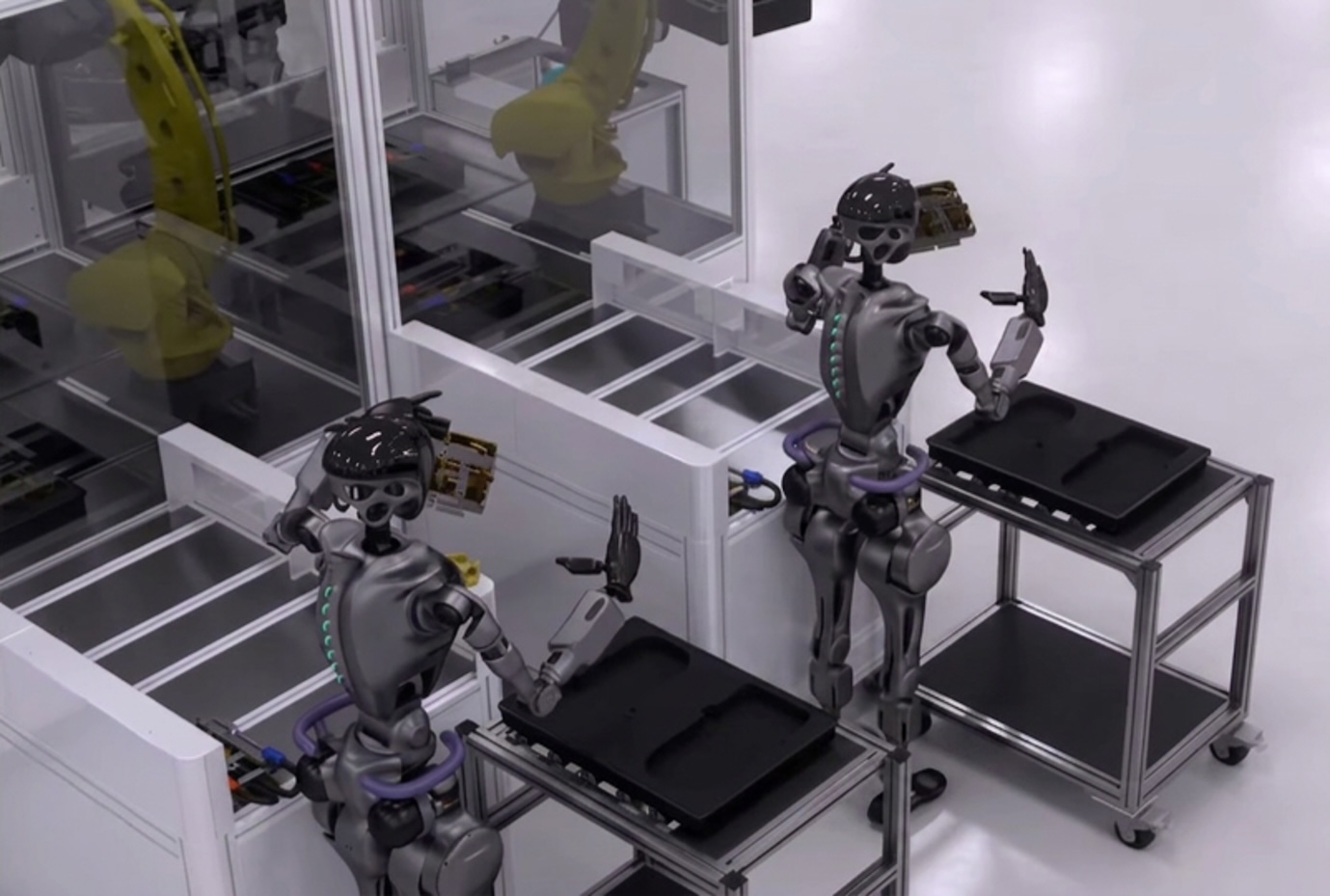
Home-improvement retailer Bauhaus has successfully deployed an automated inbound logistics system from XYZ Robotics at its logistics center in Krefeld, Germany. This system integrates container unloading, carton identification, and palletizing into a single automated line, marking the first European deployment of XYZ Robotics' fully automated inbound system in a live production environment. The significance of this installation lies in its ability to streamline operations that traditionally require extensive manual handling. Container unloading is often a challenging aspect of warehouse automation due to the variability in carton dimensions, weight, and stacking patterns. By combining robotic unloading with downstream identification and palletizing, XYZ Robotics has created a cohesive solution that enhances efficiency in Bauhaus' logistics operations. Looking ahead, the Krefeld installation not only strengthens XYZ Robotics' foothold in the European market but also exemplifies the growing trend of robotic automation in warehouse operations. The system is currently operational, supporting Bauhaus' daily inbound logistics, with no further timeline disclosed at the time of publication.

Preparing Humanoid Robotics for Industrial Deployment: Key Considerations
Humanoid robotics is advancing towards industrial application, with the transition from demonstration to regular operation requiring thorough preparation. Companies must early on determine if their processes, data, interfaces, and responsibilities are adequate for safe and economical deployment. This readiness is crucial as it impacts the efficiency and safety of operations involving humanoid robots. Ensuring that all necessary elements are in place can facilitate a smoother integration into existing workflows, ultimately enhancing productivity. Looking ahead, organizations should focus on assessing their current capabilities and identifying gaps that need to be addressed. No further timeline was disclosed at the time of publication.
Allgemein Anwendungen & Lösungen Humanoide Robotik Menschen & Meinungen Robotik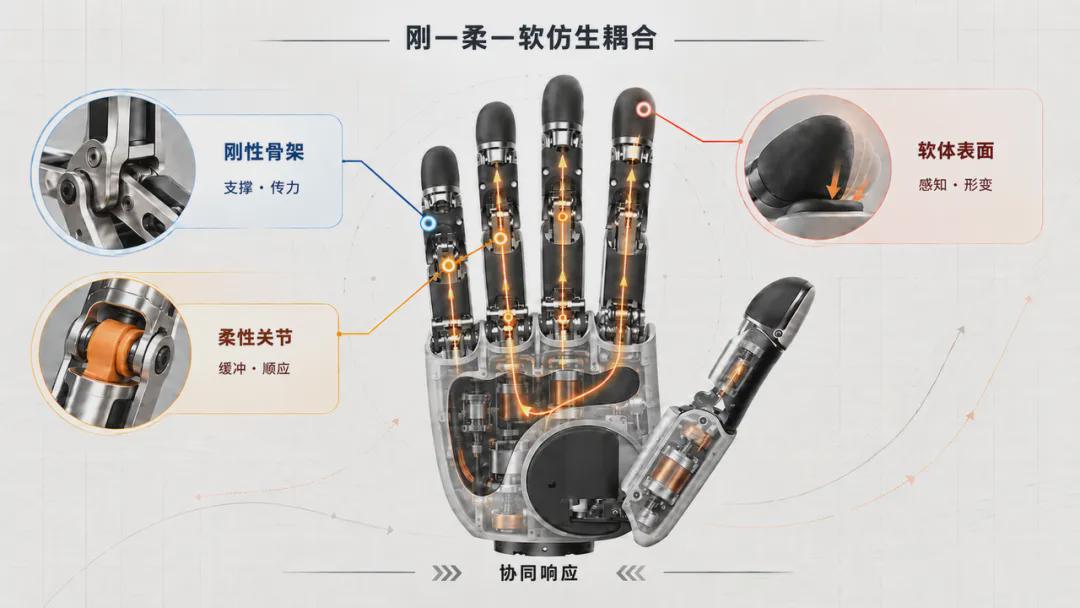
Guoli Intelligent Technology Emerges as a Leader in the Soft Robotics Market
Guoli Intelligent Technology, founded by Dr. Liu Yang, is gaining traction in the soft robotics market, with projections indicating significant growth in China's dexterous hand sales. By 2025, sales are expected to reach approximately 19,200 units, increasing to 70,200 units by 2026, and potentially exceeding 430,000 units by 2030. The company has established itself as a top choice for over 200 global clients, including major players in the electric vehicle sector. Guoli Intelligent's unique bionic coupling technology, which combines rigid, flexible, and soft materials, addresses the challenges posed by traditional single-technology approaches in the industry. This innovative design allows for high performance, longevity, and cost-effectiveness. As the soft robotics market continues to evolve, Guoli Intelligent Technology's advancements in material science and structural design position it well for future growth. The company's ability to balance high degrees of freedom, lightweight construction, and extended lifespan will be critical as it navigates the competitive landscape of the robotics industry. No further timeline was disclosed at the time of publication.
Soft Robotics Bionic Technology Robotic Hands Industrial Automation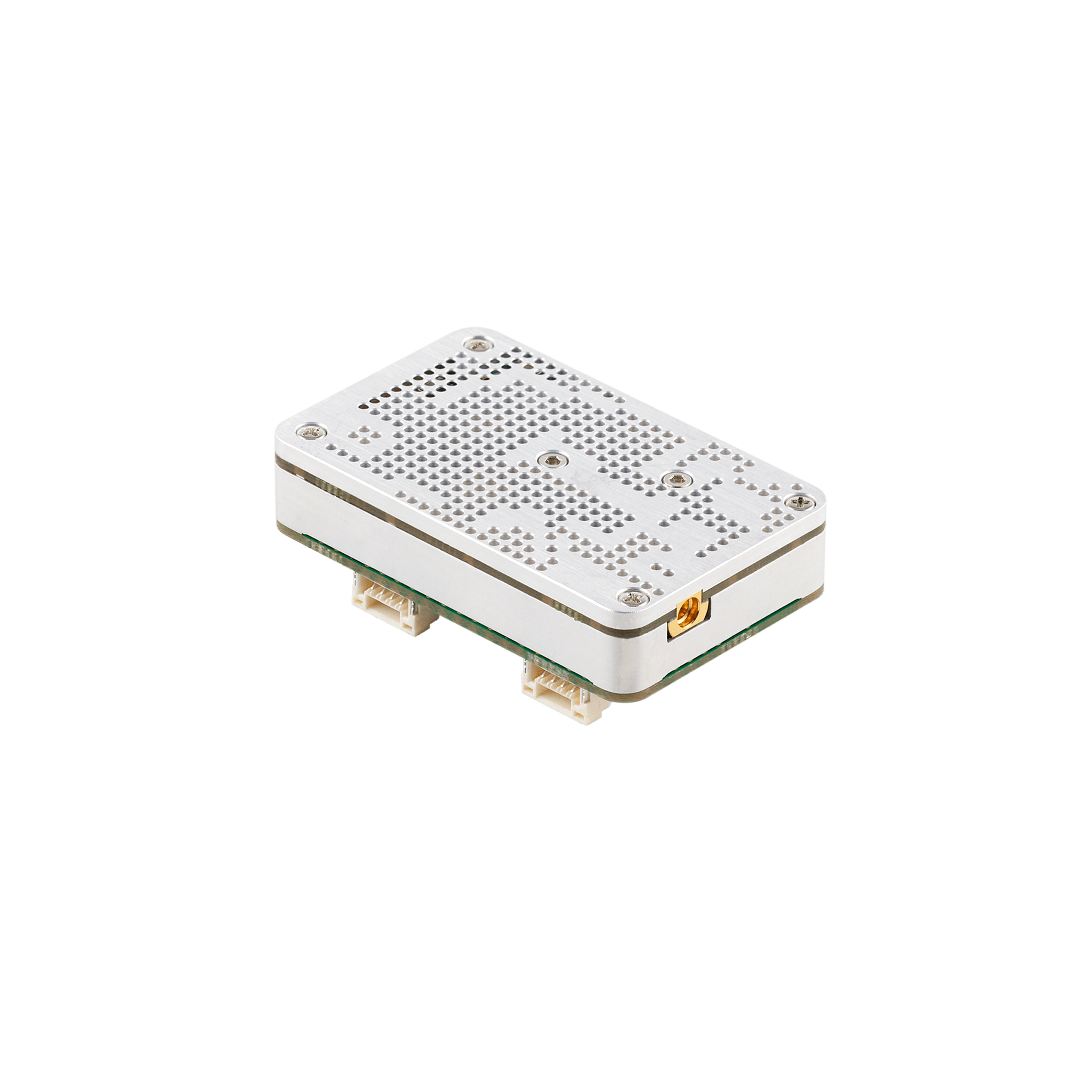
Doodle Labs Introduces Nano² Radio for Long-Range Communication in Small FPV Drones
Doodle Labs, based in Marina del Rey, California, has launched its Nano² radio, designed to meet the demands of small unmanned aerial systems. Weighing just 48.3 grams, the Nano² features advanced 2×2 MIMO capabilities while maintaining a compact size, crucial for first-person-view drones used by military and civilian sectors. The introduction of the Nano² radio addresses the ongoing challenge of balancing performance and weight in drone communications. Doodle Labs aims to provide high-throughput, long-range connectivity solutions that are adaptable for both military and commercial applications. The company is also involved in the Pentagon's Drone Dominance campaign, showcasing its commitment to enhancing drone communication systems. Looking ahead, Doodle Labs continues to focus on dual-use applications, catering to both military and commercial markets. The shift from traditional analog systems to advanced digital communications represents a significant evolution in drone technology, particularly in contested environments where secure and reliable communication is paramount. No further timeline was disclosed at the time of publication.
Applications communications Defense defense DL Exclusive Drone News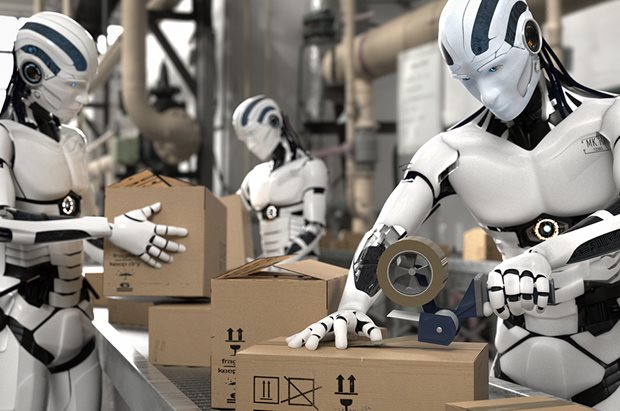
Schunk Introduces New Vise Automation for Streamlined Machine Loading and Unloading
Schunk has unveiled a new vise automation solution aimed at simplifying the automated loading and unloading of machines. This innovation is designed to enhance operational efficiency and reduce manual intervention in manufacturing processes. The introduction of this vise automation is significant as it provides manufacturers with an accessible entry point into automation, which is increasingly vital for maintaining competitiveness in the industry. By facilitating easier integration of automated systems, Schunk's solution could lead to improved productivity and cost savings. Looking ahead, industry stakeholders should monitor the adoption rates of this new technology and its impact on manufacturing workflows. No further timeline was disclosed at the time of publication.
Allgemein Greifer & Werkzeuge Robotik
The Trade Desk Faces Continued Decline, Expected to Fall Below $10
The Trade Desk (TTD) continues to struggle, experiencing a 30% decline in market cap since a previous 'sell' rating was issued in July. This downturn follows a disappointing revenue report, further exacerbating investor concerns about the company's financial health. This persistent decline is significant as it reflects broader challenges within the digital advertising sector, where The Trade Desk operates. Investors are increasingly wary, and the stock's trajectory suggests a potential fall below the $10 mark, raising questions about the company's future viability. Looking ahead, market observers should monitor The Trade Desk's performance closely, particularly in light of its recent struggles. No further timeline was disclosed at the time of publication, but the ongoing volatility may prompt investors to reassess their positions in the company.
TTD Amrita Roy
Professors in China Transitioning from Academia to Entrepreneurship in Brain-Computer Interfaces
Recent developments in brain-computer interfaces (BCIs) highlight a trend where professors are moving from academic research to entrepreneurship. Key technologies, including electrodes and neural decoding, remain concentrated in university labs, with companies like Borui Kang emerging from Tsinghua University and becoming the first to receive approval for an invasive BCI medical device in March 2026. This shift is significant as it indicates a growing connection between academia and industry, with several professors founding startups that are rapidly advancing. For instance, in June 2026, scientists from Peking University and ShanghaiTech University launched a company that secured nearly 100 million yuan in seed funding, while another startup, Xihu Lingxi, raised tens of millions in angel funding. The collaboration between universities and BCI startups is becoming more pronounced. Looking ahead, the pace of professor-led entrepreneurship in BCIs is accelerating. A recent announcement on September 17, 2026, revealed a partnership between New Mile and Peking University to establish a new company focused on BCI technology. This trend suggests that the gap between academic research and commercial application is narrowing, with professors increasingly taking active roles in the development of BCI technologies.
Brain-Computer Interfaces Medical Devices Neurotechnology Academic Startups
Exploring Brain-Computer Interfaces: From Pattern Matching to Real-World Applications
Recent reports on brain-computer interfaces (BCIs) often create the impression that machines can read thoughts directly. In reality, BCIs operate through pattern matching, where repeated thoughts generate stable neural activity patterns that the system learns to associate with specific commands. This method requires individual training for each user and has limitations in the number of recognizable commands. Despite misconceptions about mind reading, BCIs have made significant strides in medical rehabilitation. By March 2026, China's self-developed 'Beina No. 1' completed seven human implants, successfully restoring motor and speech functions. This product is noted for being the first high-throughput, wireless, semi-invasive BCI with over a hundred channels, having achieved nearly 30 implants and over 70,000 hours of stable operation. The progress of invasive BCIs is also noteworthy, with Neuralink's N1 implant using over 1,000 electrodes to record brain signals. In the UK, patients have begun using computers and phones through thought alone. While BCIs can map neural signals to commands, they do not comprehend the meaning behind those signals. As standardization efforts advance, the industry aims to address challenges in data collection and processing, ensuring the technology's future development remains grounded in realistic expectations.
Brain-Computer Interfaces Medical Rehabilitation Neural Technology AI in Healthcare
9th China Robot Summit in Hangzhou Showcases 35 Leading Robotics Companies
The 9th China Robot Summit, themed 'Intelligent Connectivity and Empowering All Scenarios,' gathered 35 companies and institutions to explore the evolving robotics industry. The event highlighted advancements in perception, execution, control, and system integration, showcasing a more complete robotics supply chain. This summit is significant as it marks a shift in the robotics industry from isolated capabilities to comprehensive system solutions. Companies like Yuli Instruments and Lingxi Robotics presented technologies that enhance robots' sensory and operational abilities, emphasizing the need for integrated solutions in real-world applications. Looking ahead, the focus will be on how these companies continue to innovate and collaborate within the robotics ecosystem. No further timeline was disclosed at the time of publication.
Robotics Industry Automation Technology AI and Machine Learning Robotic Systems Sensor Technology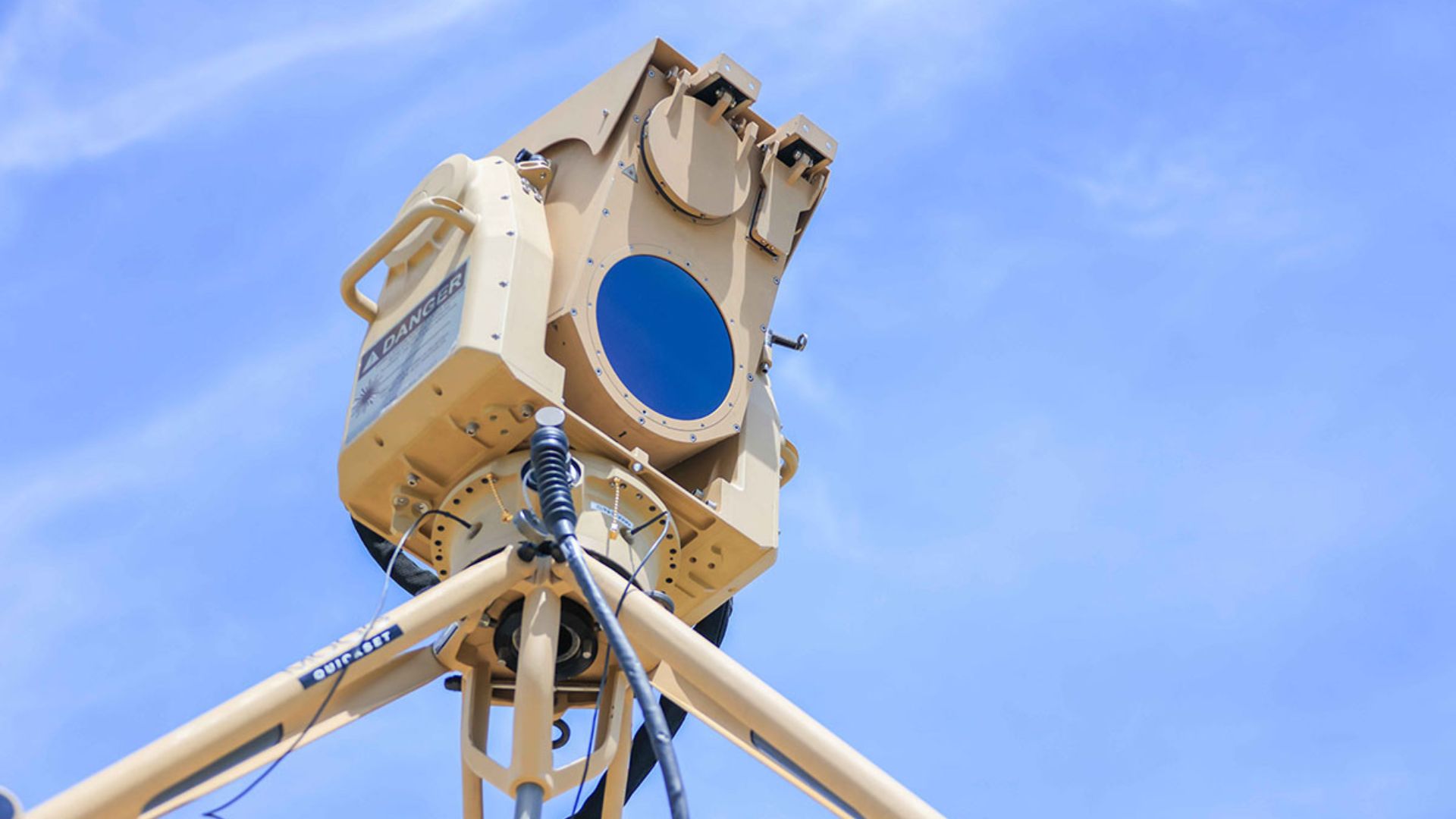
AEye and AB Swiftstrike AI Collaborate on Long-Range Lidar for Drone Detection
AEye and AB Swiftstrike AI are partnering to integrate AEye's STRATOS lidar into Swiftstrike's autonomous counter-drone systems. This collaboration aims to enhance the detection of small aerial threats that operate without conventional radio signals, extending the detection range to nearly one mile. The integration of STRATOS, which boasts more than double the resolution of AEye's Apollo lidar, is significant for identifying small drones. Higher resolution allows for better differentiation between actual aerial targets and surrounding objects, providing precise information on their position and movement. As drone technology evolves, electronic detection becomes increasingly challenging. The STRATOS sensor's ability to actively measure objects using laser pulses offers a viable solution, even when drones do not emit electronic signatures. No further timeline was disclosed at the time of publication.
Military
NVIDIA Vera Rubin NVL72 Achieves Exceptional Performance in MLPerf Inference v6.1 Launch
NVIDIA has unveiled the Vera Rubin NVL72, showcasing its impressive performance in the MLPerf Inference v6.1 benchmarks. The NVL72 demonstrates up to 3.7 times higher throughput than the GB300 NVL72 on the Qwen3-VL benchmark and up to 2.5 times higher on DeepSeek-R1, highlighting its efficiency in AI inference tasks. This advancement is significant for organizations focusing on AI infrastructure, as it emphasizes the importance of performance, scaling efficiency, and software optimization in driving long-term inference economics. The Vera Rubin NVL72's design allows for high utilization across various workloads, enhancing revenue generation while reducing costs per token. Looking ahead, the introduction of the MLPerf Endpoints benchmark will provide standardized metrics for evaluating agentic inference workloads, further refining performance measurement in AI. The ongoing innovations from NVIDIA, particularly in disaggregated serving and expert parallelism, are expected to continue shaping the future of AI inference performance.

American Alligators Create Critical Water Depressions in Florida's Everglades During Dry Season
During the dry season in Florida's Everglades, American alligators excavate water-filled depressions in the limestone bed. These depressions serve as vital habitats, concentrating fish, turtles, and wading birds, which are essential for the ecosystem's health. The role of these alligator-created depressions is increasingly recognized by ecologists as a crucial component of the southern marsh's functionality. By maintaining these water-filled holes, alligators contribute significantly to the biodiversity and ecological balance of the region. Looking ahead, the ongoing study of these animal-built infrastructures will provide further insights into their ecological importance. No further timeline was disclosed at the time of publication.
Earth
US Air Force Conducts Sentinel Dragon 26-02 Exercise to Test Nuclear Missile Readiness
The US Air Force executed a four-day exercise named Sentinel Dragon 26-02 from August 4 to 7, 2026, to evaluate its nuclear missile force's readiness under unexpected conditions. The drill involved a simulated drone threat and the recapture of a missile launch facility, testing the transition from routine operations to high-pressure scenarios without prior notice. This exercise is significant as it emphasizes the necessity for a nuclear deterrent to maintain constant readiness, as highlighted by Maj. Gen. Colin Connor of the 20th Air Force. The lack of traditional preparation time forced operational units to rely on their command-and-control systems and adapt to unforeseen challenges, showcasing their ability to perform under pressure. Looking ahead, the exercise's focus on integrating security forces with air units and managing complex scenarios indicates a shift towards a more cohesive operational approach. The results will likely influence future training and operational strategies, particularly in how the Air Force prepares for potential threats involving unmanned aerial vehicles. No further timeline was disclosed at the time of publication.
Military
Honor's New Phone Challenges Traditional Smartphone Design with Innovative Gimbal Technology
Honor has introduced a new smartphone featuring a 6.3-inch screen and weighing 248 grams, which is heavier than the iPhone 17 Pro Max. Priced at $1500 and available only in China, this device includes a 7060mAh battery and a 200-megapixel periscope lens. However, its design raises questions about user needs versus engineering capabilities. The phone's dual user interfaces highlight a significant industry issue: the rigid connection between the lens and the body of smartphones has limited photographic advancements. While the traditional camera UI assumes the phone is an extension of the user's hand, the new gimbal UI allows for independent lens movement, enabling users to capture images from different angles without repositioning the device. Despite its innovative features, the gimbal technology requires users to adapt to its tracking logic. While it can perform tasks previously thought impossible, such as stabilizing shots while moving, it also necessitates a learning curve for effective use. No further timeline was disclosed at the time of publication.
Smartphone Technology Gimbal Systems Mobile Innovation Consumer Electronics
Amazon and Alphabet Expand Robotaxi Operations into New Cities Amid Growing Competition
Amazon.com, Inc.'s Zoox and Alphabet Inc.'s Waymo are expanding their robotaxi services into new cities, with Zoox mapping in Houston and San Diego, and Waymo starting public rides in Denver, San Diego, and Tampa. This expansion marks a significant step in their efforts to establish larger autonomous ride-hailing networks. The move is crucial as it demonstrates operational progress for both companies, although neither has disclosed potential revenue from these new markets. Zoox's phased approach allows it to gather local road data before launching its driverless robotaxis, while Waymo's existing paid services in multiple cities position it ahead in the commercial development of autonomous ride-hailing. Looking ahead, the competition between Zoox and Waymo could accelerate advancements in driverless transportation. Waymo's plans for international expansion into Munich by late 2027 further highlight the growing landscape of robotaxi services. However, the economic sustainability of these operations remains uncertain, and both companies will need to attract paying riders to achieve long-term success.
Vention Achieves 400% Revenue Growth by Utilizing Real Industrial Data in Montreal
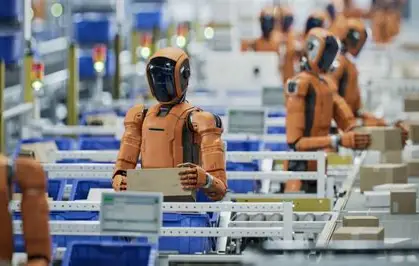
Montreal-based Vention has reported a remarkable 400% increase in revenue related to Physical AI over the past year. This growth is attributed to the company's innovative approach of leveraging real industrial data from over 28,000 devices already operating in factories, rather than developing foundational models like competitors Skild AI and Physical Intelligence. Founded in 2016, Vention provides an industrial automation platform utilized by major clients such as Boeing, Lockheed Martin, L'Oréal, and Nike. The company has deployed its technology in more than 4,000 factories, generating significant operational data that enhances the reliability and efficiency of robotic applications on production lines. CEO Etienne Lacroix emphasizes that the true challenge lies in achieving industrial-grade reliability and cost-effectiveness, which requires data from real production environments. Looking ahead, Vention's GRIIP system represents a modular Physical AI pipeline that integrates various capabilities, using both proprietary models and foundational models from companies like NVIDIA. As the industry trends toward foundational model development, Vention remains focused on practical applications and real-world data, positioning itself uniquely in the competitive landscape of Physical AI.
Physical AI Industrial Automation Robotics Data-Driven Solutions
Vention Launches Leading Physical AI Lab in Montreal for Industrial Robotics Advancement
Vention has inaugurated Canada's premier Physical AI and industrial robotics lab in Montreal, aimed at enhancing robotic manipulation through the integration of advanced AI research into scalable manufacturing solutions. This initiative is significant as it focuses on applied manufacturing use cases, industrial data collection, and the development of post-training foundation models for robotics, leveraging existing intellectual property while generating new innovations. Looking ahead, stakeholders should monitor the lab's progress in bridging AI research with practical manufacturing applications. No further timeline was disclosed at the time of publication.
Robotics needs a service framework.
RSF defines a common language for robot service capability, lifecycle operations, certification pathways, and service-provider networks.
Join the RobotToday community on LinkedIn
Daily robotics news, in-depth analysis, conference highlights, and discussions with professionals worldwide.







