

Industry Briefing
A single destination for timely, editor-curated robotics news from around the world.

The Impact of System Rigidity: Legacy Automation vs. Adaptive Robotics Performance
Adaptive robotics provide the necessary flexibility to swiftly meet changing production demands, enhancing productivity and long-term return on investment (ROI). In contrast, while legacy automation can still perform effectively for certain repetitive tasks, its inherent lack of adaptability limits overall operational agility. This distinction highlights the growing importance of adaptive solutions in modern manufacturing environments. The ability of adaptive robots to adjust to varying production requirements is crucial in today's fast-paced industrial landscape. As businesses seek to optimize their operations, the limitations of legacy automation become increasingly apparent, making it essential for companies to consider more flexible robotic solutions. The shift towards adaptive robotics signifies a broader trend towards enhancing efficiency and responsiveness in manufacturing processes. Looking ahead, organizations should monitor advancements in adaptive robotics technology and consider integrating these systems to improve their operational capabilities. The ongoing evolution of robotics will likely continue to challenge the status quo of legacy automation, pushing industries towards more agile and efficient production methodologies. No further timeline was disclosed at the time of publication.
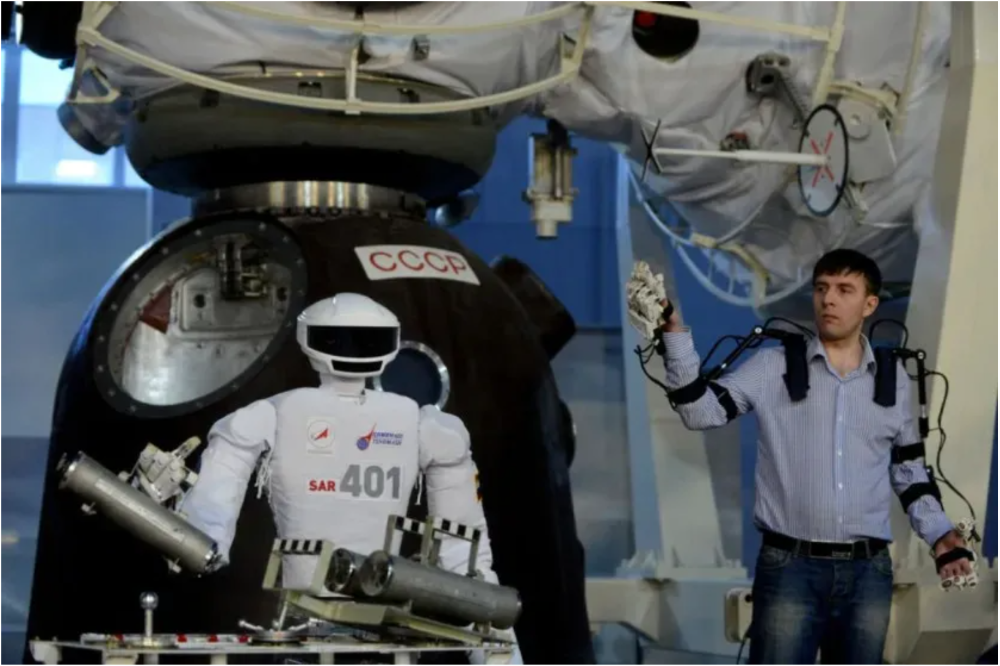
FEFU Team Develops Adaptive Algorithm to Prevent Shaking in Rehabilitation Robots
A team from Far Eastern Federal University (FEFU) has developed an adaptive motion control algorithm aimed at preventing shaking in rehabilitation robots used for stroke patients. This algorithm actively monitors changes in patient resistance during therapy sessions, allowing the robot to adjust its force output in real-time, thus reducing the risk of spasms that can occur due to sudden movements. The significance of this development lies in addressing a critical issue in rehabilitation medicine: the risk of spasms, which affect 19% to 38% of stroke survivors in the first year. Traditional rehabilitation devices use fixed parameter PID control, which can lead to mismatches between commands and actual patient resistance, resulting in harmful shaking. FEFU's algorithm continuously updates control parameters based on real-time measurements, ensuring that the robot's movements remain within safe limits for the patient. Looking ahead, the FEFU team plans to test their prototype within a medical complex on campus, with an estimated timeline of three years for this phase. Following testing, regulatory approval will be necessary for deployment, with local use in Russia not expected before 2029. This innovation highlights the importance of adaptive control in rehabilitation robotics, emphasizing the need for systems that can respond intelligently to patient conditions.
Rehabilitation Robotics Adaptive Control Algorithms Stroke Recovery Patient Safety Healthcare Technology
Flexiv Launches Advanced Adaptive Robots at Automation India Expo 2026
Flexiv is set to introduce its innovative force-sensitive adaptive robots to the Indian market during the Automation India Expo 2026. This event represents a significant step in Flexiv's global expansion strategy, showcasing its commitment to bringing advanced robotics solutions to new regions. The introduction of these adaptive robots is crucial as it highlights Flexiv's role in advancing automation technologies in India, a market ripe for innovation in robotics. By entering this region, Flexiv aims to tap into the growing demand for versatile and efficient robotic solutions across various industries. Looking ahead, industry watchers should monitor Flexiv's performance at the expo and its subsequent impact on the Indian robotics landscape. No further timeline was disclosed at the time of publication.
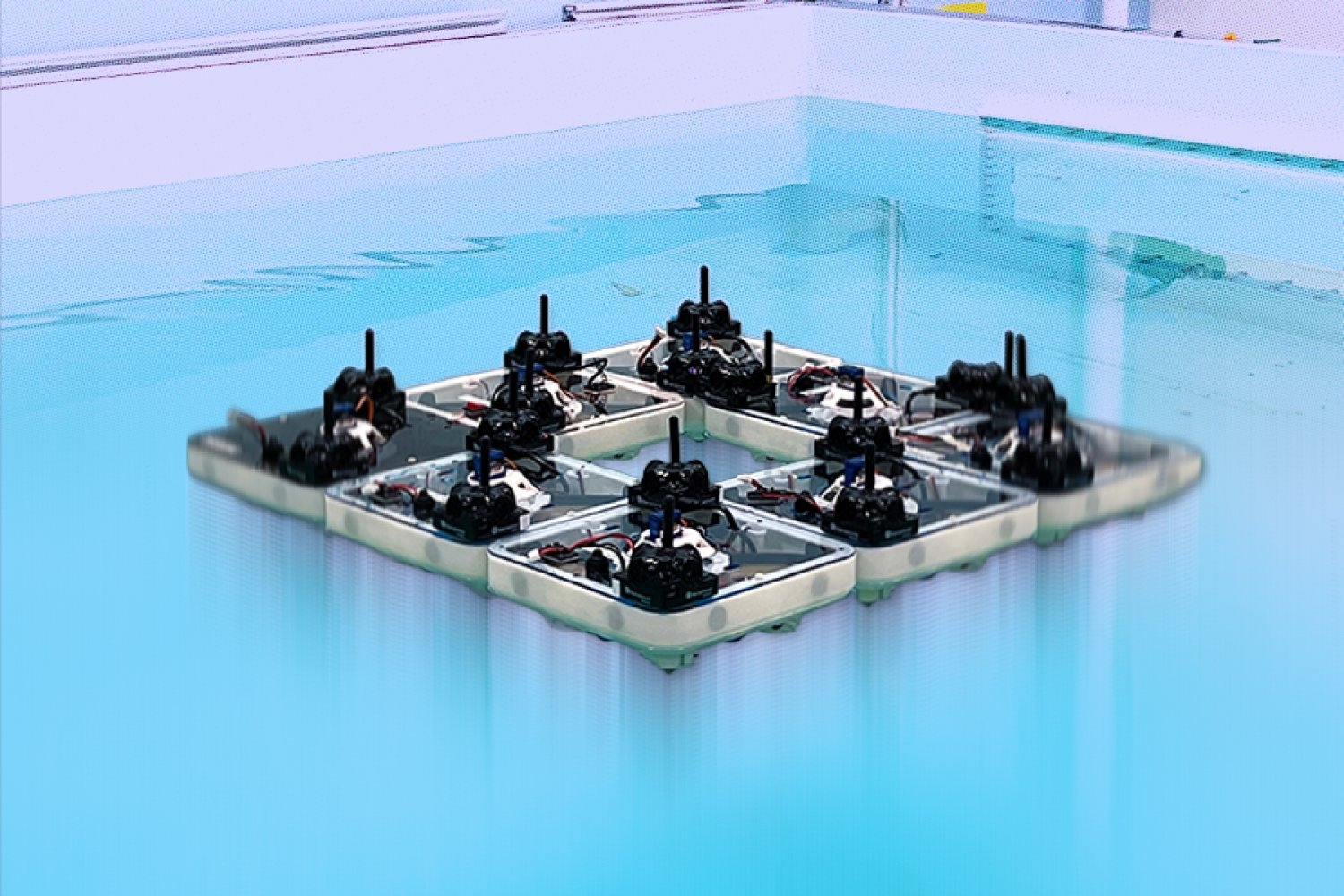
MIT's FloatForm Swarm Robots Create Adaptive Floating Structures for Urban Spaces
MIT researchers have developed FloatForm, a swarm of small robotic boats that autonomously assemble into larger floating structures. Each robot, measuring 21 centimeters square, is equipped with thrusters, sensors, and magnetic latches, allowing them to form bridges, platforms, and other structures with minimal human input. This innovative system aims to transform urban waterfronts into dynamic, programmable spaces, enhancing public infrastructure and emergency response capabilities. The significance of FloatForm lies in its potential to revolutionize how urban areas utilize water surfaces. By mimicking the self-organizing behavior of fire ants, the robots can adaptively create and reconfigure structures on demand, addressing challenges such as traffic alleviation during emergencies or creating temporary public spaces. This modular approach to floating infrastructure could lead to more livable cities by expanding usable public space onto underutilized water areas. Looking ahead, the research team plans to explore further applications of FloatForm in urban environments, with no specific timeline disclosed for future developments. The project builds on previous work with full-size autonomous vessels in Amsterdam, indicating a growing interest in leveraging water for urban mobility and public space expansion. The open-access findings were published in Nature Communications, highlighting the collaborative efforts of MIT's Computer Science and Artificial Intelligence Laboratory and the Senseable City Lab.
Research Robotics Autonomous vehicles Artificial intelligence Computer science and technology Machine learning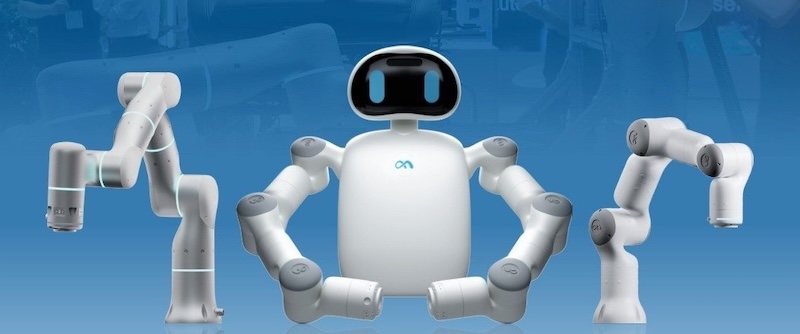
Flexiv launches new ‘adaptive robots’ for industrial automation
Flexiv has introduced two innovative adaptive robots aimed at enhancing tactile sensing and physical AI capabilities within the realm of industrial automation. The company unveiled its flagship Enlight robotic arm and the Mico dual-arm robotic platform, marking a notable advancement in force-controlled robotics and embodied intelligence. The Enlight arm features a seven-axis design, allowing for greater flexibility and precision in various applications. This launch, which took place recently, underscores Flexiv's commitment to pushing the boundaries of robotics technology to meet the evolving needs of the manufacturing sector. By integrating advanced sensing and control mechanisms, these robots are expected to improve operational efficiency and adaptability in complex industrial environments.
Industrial robots News adaptive robots cobots collaborative robots embodied ai
Flexiv to Unveil Next-Generation Adaptive Robots at Automate 2026
Enlight and MICO have made their international debut, showcasing advanced whole-body touch sensitivity and physical AI technology aimed at revolutionizing industrial automation. This significant event took place recently, highlighting the growing trend of integrating sophisticated AI solutions into manufacturing processes. The introduction of these technologies is driven by the need for increased efficiency and precision in industrial operations. By utilizing whole-body touch sensitivity, Enlight and MICO enable machines to interact more intuitively with their environments, enhancing productivity and safety. This innovative approach is expected to transform how industries operate, paving the way for smarter and more responsive automation systems.

Dynamic Environment Adaptive Path Planning for Mobile Robots: A Hybrid Enhanced Path‐Planning Approach
The Journal of Field Robotics has published a new study highlighting advancements in autonomous robotic systems. Researchers from various institutions collaborated on this project, aiming to enhance the efficiency and safety of robots used in field applications. The study, released in early October 2023, focuses on innovative algorithms that improve navigation and obstacle avoidance in complex environments. Conducted in diverse outdoor settings, the research demonstrates how these advancements can significantly reduce operational risks and increase productivity in sectors such as agriculture, search and rescue, and environmental monitoring. By integrating cutting-edge machine learning techniques, the team was able to develop robots that adapt to changing conditions in real-time, showcasing their potential for practical deployment. This research is particularly timely as industries increasingly seek automation solutions to address labor shortages and improve operational efficiency. The findings underscore the importance of continued investment in robotic technologies, which are poised to transform various sectors by enhancing capabilities and ensuring safer working conditions. The study serves as a pivotal step toward realizing the full potential of autonomous systems in real-world applications.
RESEARCH ARTICLE
Soft Computing Techniques Applied to Adaptive Hybrid Navigation Methods for Tethered Robots in Dynamic Environments
A recent study published in the Journal of Field Robotics highlights advancements in robotic technology aimed at enhancing agricultural efficiency. Researchers from various institutions conducted experiments over the past year, focusing on the integration of autonomous robots in crop monitoring and management. The study, carried out in multiple agricultural settings across the Midwest, demonstrates how these robots can significantly reduce labor costs and increase yield by providing real-time data on soil conditions and crop health. The motivation behind this research stems from the growing need for sustainable farming practices amid rising global food demands. By employing sophisticated sensors and machine learning algorithms, the robots are designed to analyze vast amounts of agricultural data, allowing farmers to make informed decisions quickly. The findings indicate that the use of these robotic systems can lead to a more precise application of resources, ultimately promoting environmental sustainability. As the agricultural sector faces challenges such as labor shortages and climate change, the implementation of robotic technology presents a viable solution to improve productivity and resilience in farming operations. The research team plans to continue refining these technologies, aiming for broader adoption in the industry.
RESEARCH ARTICLE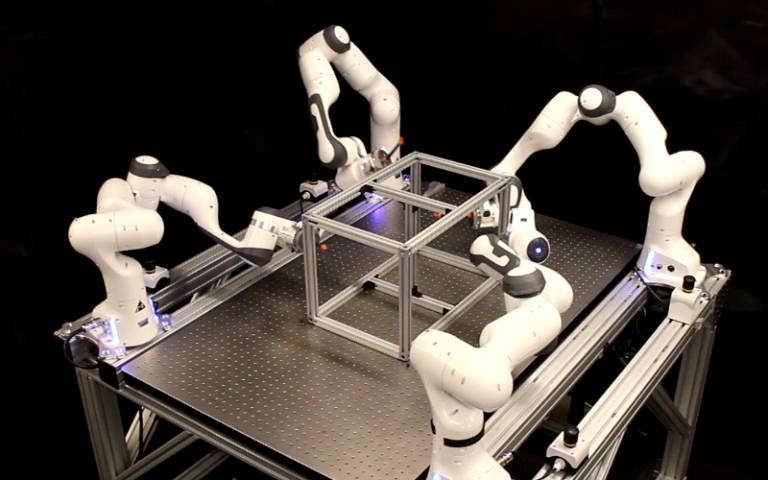
Design, Modeling, and Validation of Multi‐Segmental Adaptive Pipeline Robots in Complex Pipeline Environments
In May 2026, the Journal of Field Robotics published a significant study exploring advancements in robotic technology. Researchers from various institutions collaborated to investigate the applications of autonomous robots in diverse fields, including agriculture, disaster response, and environmental monitoring. The study highlights the increasing importance of robotics in enhancing efficiency and safety in these sectors, driven by the need for innovative solutions to complex challenges. By employing cutting-edge algorithms and machine learning techniques, the researchers demonstrated how these robots can operate in unpredictable environments, making them invaluable tools for future operations. The findings aim to inform policymakers and industry leaders about the potential of robotics to transform traditional practices and improve outcomes across multiple domains.
RESEARCH ARTICLE
DURAL: Degradation‐Resistant Robust Adaptive Localization by LiDAR‐Inertial‐UWB‐Wheel Fusion for Coal Mine Robots
A recent study published in the Journal of Field Robotics highlights advancements in autonomous robotic systems designed for agricultural applications. Conducted by a team of researchers from various universities, the study was released in early October 2023. The research focuses on enhancing the efficiency of crop monitoring and management through the integration of advanced sensors and machine learning algorithms. The motivation behind this study stems from the growing need for sustainable agricultural practices amid increasing global food demands. By employing autonomous robots equipped with state-of-the-art technology, farmers can optimize resource use, reduce labor costs, and improve crop yields. The researchers conducted field tests in diverse agricultural settings to evaluate the robots' performance in real-world conditions. Through rigorous testing and data analysis, the team demonstrated that these robotic systems could significantly improve the accuracy of crop assessments and facilitate timely interventions. The findings suggest that the implementation of such technology could revolutionize traditional farming methods, making them more efficient and environmentally friendly. This innovative approach not only addresses current agricultural challenges but also paves the way for future developments in the field of robotics and sustainable farming practices.
RESEARCH ARTICLERobotics needs a service framework.
RSF defines a common language for robot service capability, lifecycle operations, certification pathways, and service-provider networks.
Join the RobotToday community on LinkedIn
Daily robotics news, in-depth analysis, conference highlights, and discussions with professionals worldwide.







