


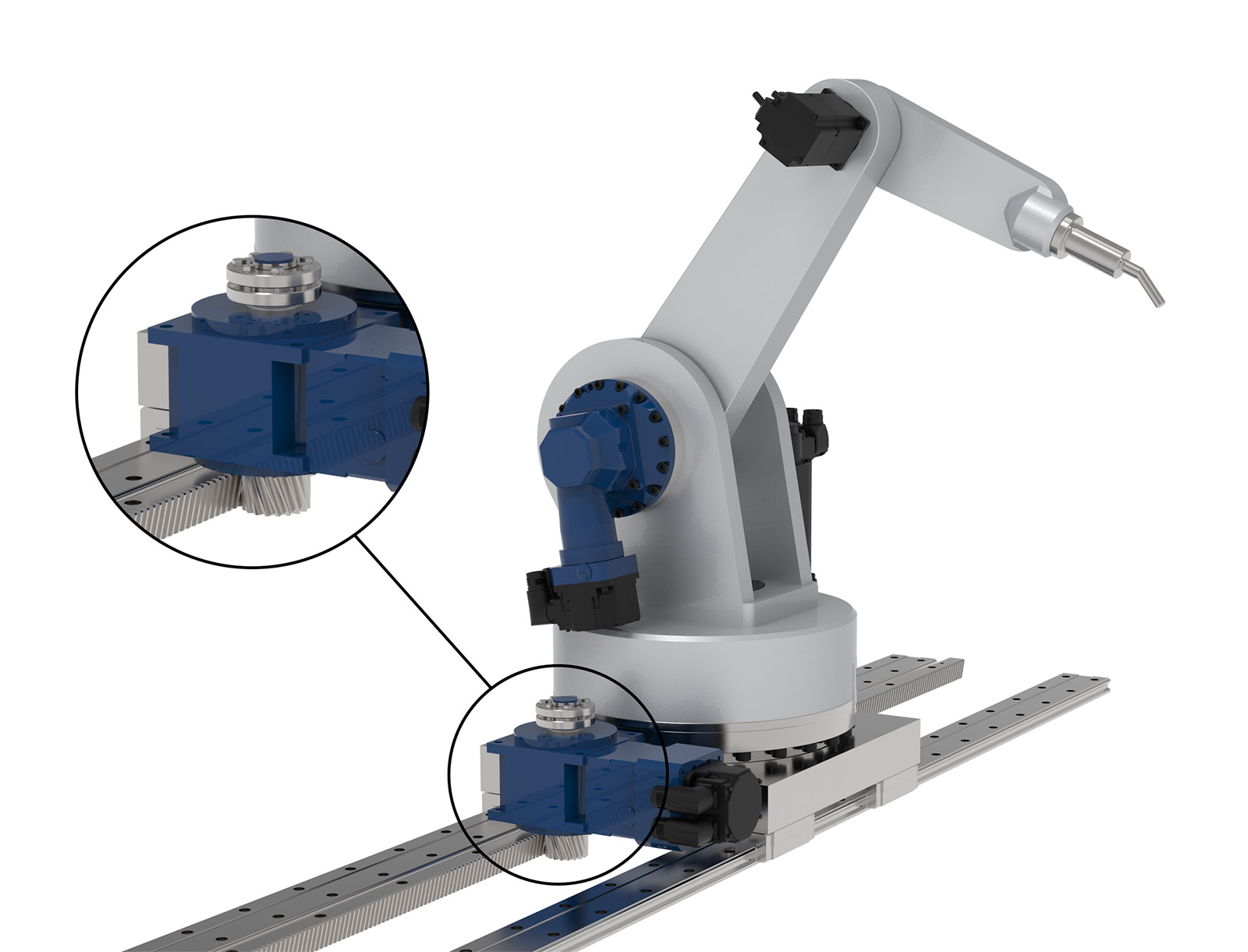
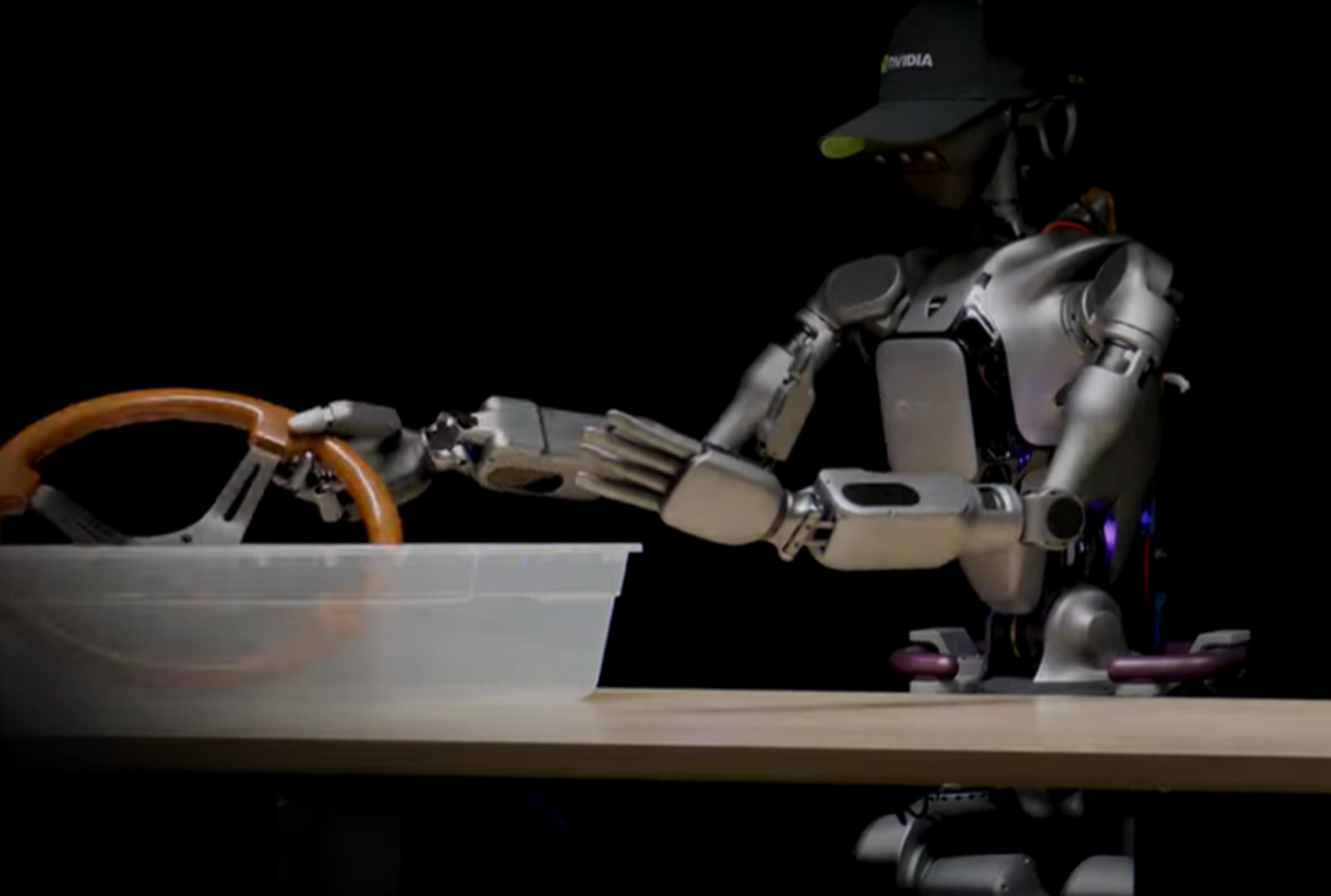
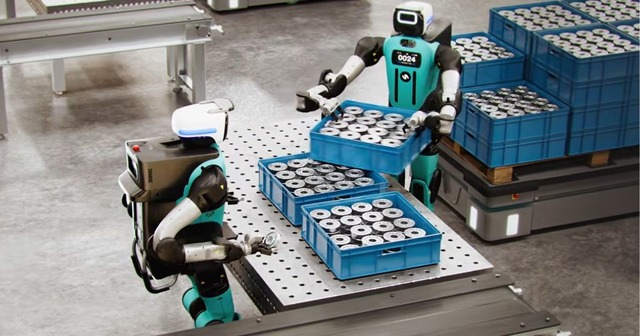
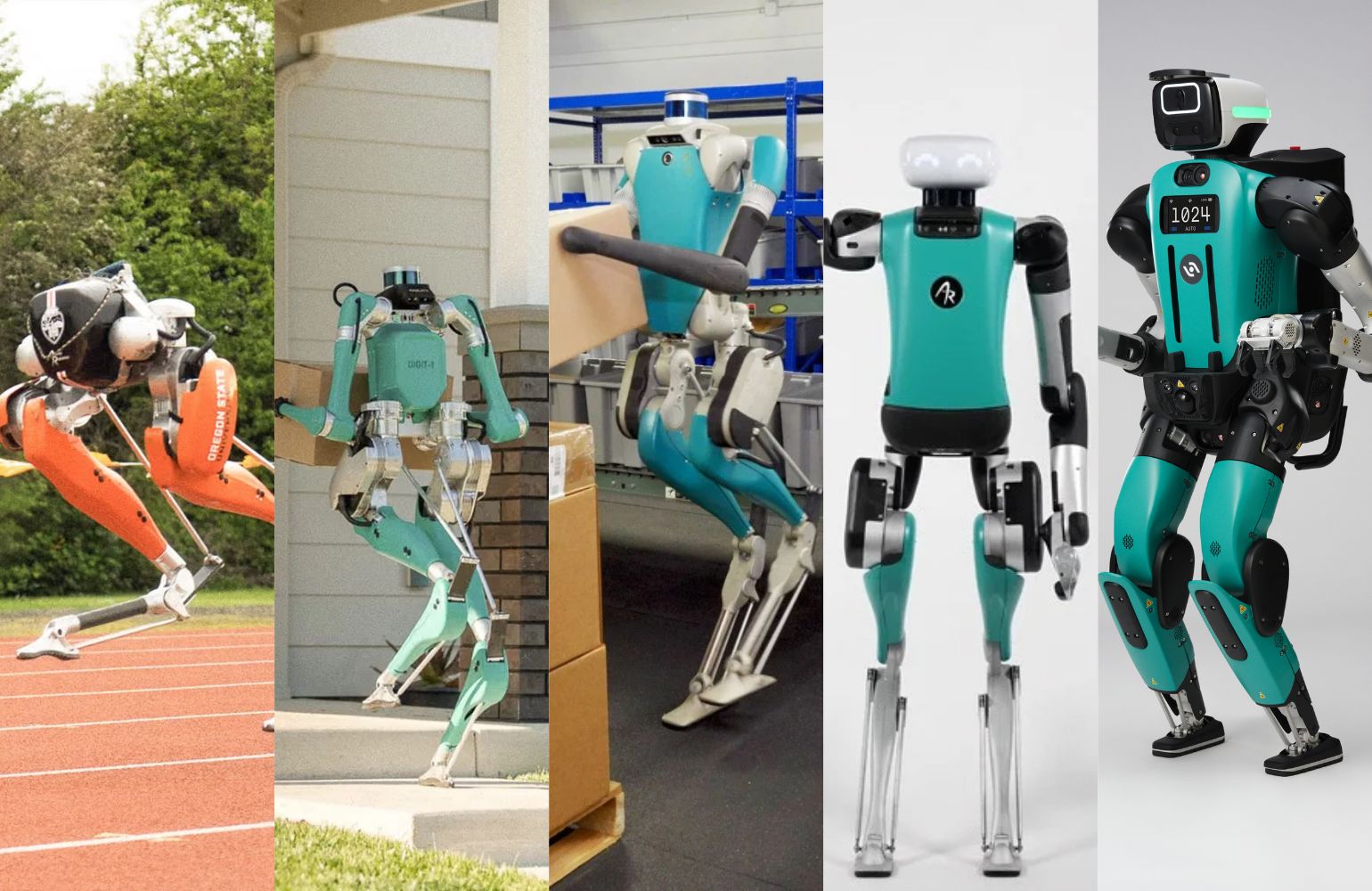
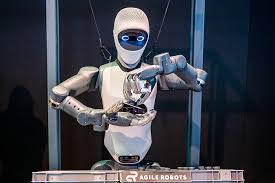
Adaptive robotics provide the necessary flexibility to swiftly meet changing production demands, enhancing productivity and long-term return on investment (ROI). In contrast, while legacy automation can still perform effectively for certain repetitive tasks, its inherent lack of adaptability limits overall operational agility. This distinction highlights the growing importance of adaptive solutions in modern manufacturing environments.
The ability of adaptive robots to adjust to varying production requirements is crucial in today's fast-paced industrial landscape. As businesses seek to optimize their operations, the limitations of legacy automation become increasingly apparent, making it essential for companies to consider more flexible robotic solutions. The shift towards adaptive robotics signifies a broader trend towards enhancing efficiency and responsiveness in manufacturing processes.
Looking ahead, organizations should monitor advancements in adaptive robotics technology and consider integrating these systems to improve their operational capabilities. The ongoing evolution of robotics will likely continue to challenge the status quo of legacy automation, pushing industries towards more agile and efficient production methodologies. No further timeline was disclosed at the time of publication.
Editor's Note
The transition from legacy automation to adaptive robotics reflects a significant shift in manufacturing strategies. As companies prioritize flexibility and responsiveness, the adoption of adaptive technologies will likely reshape supply chains and production processes. This evolution underscores the importance of investing in innovative solutions to remain competitive in a rapidly changing market.



















Leave a comment