

Industry Briefing
A single destination for timely, editor-curated robotics news from around the world.
ETRI's Medical Humanoid Robot Interface NAMI.I Receives IDEA Design Award in 2023
The Electronics and Telecommunications Research Institute (ETRI) of South Korea announced that its medical humanoid robot interface, NAMI.I, has won the prestigious IDEA Design Award. This recognition highlights ETRI's commitment to developing user-centered robotic interfaces, following its previous accolades for the MOBY collaborative robot. NAMI.I allows healthcare professionals to assign tasks to the NAMI humanoid robot without needing to learn complex programming or specialized operation methods. This user-friendly interface is expected to lower the barriers for healthcare workers, enhancing the deployment of humanoid robots in real medical environments rather than just in labs. ETRI plans to demonstrate NAMI.I at Kyung Hee University Dongshan Hospital, where healthcare staff will use the robot directly. Researchers will analyze its convenience and gather feedback to improve usability and stability, paving the way for the commercialization of medical humanoid robots. No further timeline was disclosed at the time of publication.
Humanoid Robots Medical Robotics User Interface Design Healthcare Technology
Designing User-Friendly Industrial Software: A Shift Towards Familiar Interfaces
Recent discussions highlight the convergence of IT and SCADA in industrial automation, emphasizing the need for user-friendly software. Traditionally, industrial applications operated in silos, requiring operators to master multiple interfaces, each with unique navigation and terminology. However, as software in other sectors has evolved to prioritize user experience, industrial software is beginning to adopt similar principles. This shift is significant as it aims to enhance operator efficiency and reduce the learning curve associated with using various applications. Eric Williams from Process and Data Automation (PDA) notes that modern industrial applications should not only be powerful but also intuitive from the first interaction. By creating a cohesive software environment, operators can seamlessly transition between different applications without the frustration of learning new interfaces. PDA's strategy involves developing a library of standardized interface components to ensure consistency across applications. This approach not only accelerates development but also fosters a familiar user experience, making new applications feel like extensions of existing systems. No further timeline was disclosed at the time of publication.
Factory / Digital Transformation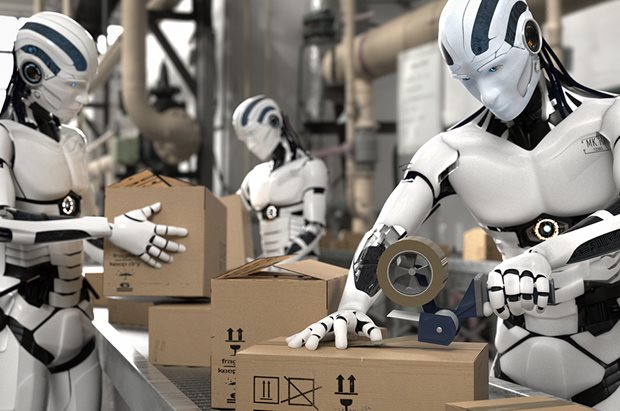
CorTec Secures Second FDA Breakthrough Device Designation for Brain Interchange BCI
CorTec has achieved a second Breakthrough Device Designation from the FDA for its Brain Interchange brain-computer interface, specifically for aiding communication in individuals with non-progressive quadriplegia. This designation allows users with paralysis in all four limbs to control a computer cursor using neural signals, facilitating independent interaction with digital systems. This development is significant as it highlights the potential of the Brain Interchange platform to serve dual purposes: as a therapeutic tool for stroke rehabilitation and as an assistive device for communication. The FDA's Breakthrough Device Designation is granted to technologies that promise more effective treatment for serious conditions, ensuring a streamlined regulatory review process. Looking ahead, CorTec is set to explore the communication capabilities of the Brain Interchange system under structured FDA engagement. The ongoing stroke study at the University of Washington has already shown promising results, with participants demonstrating computer control through thought, indicating the system's potential for enhancing the quality of life for individuals with severe mobility impairments.
Computing Health News Science bci brain interchange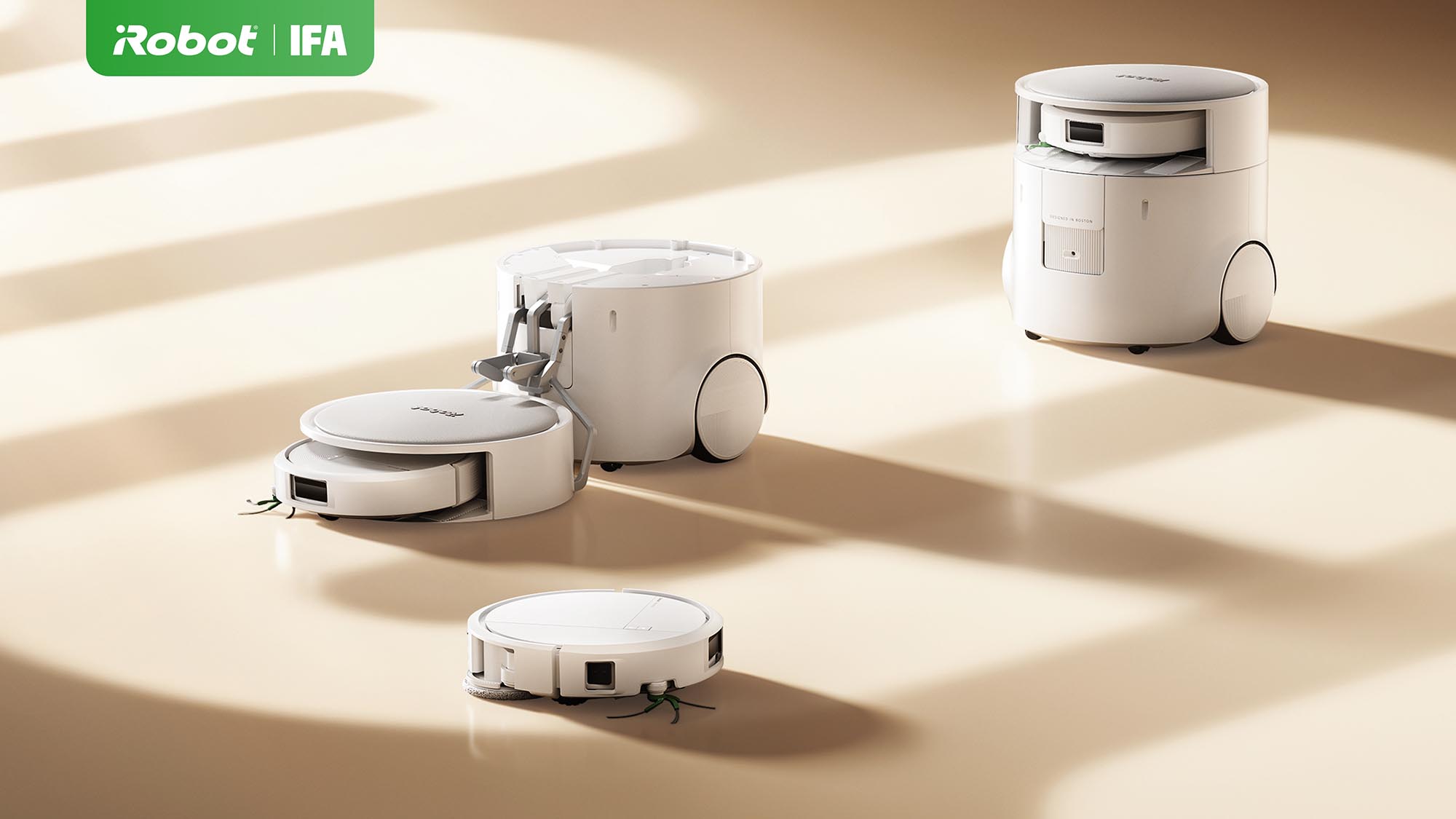
iRobot Unveils Roomba Duo Concept Model at IFA 2026 Featuring Dual-Robot Design
iRobot introduced the Roomba Duo, a concept model of a robotic vacuum cleaner, at IFA 2026 in Berlin on September 4. This innovative design features two robots that can share cleaning tasks, including a companion robot for tight spaces and a main robot for powerful vacuuming and floor washing. The Roomba Duo's dual-robot system utilizes AI to allocate cleaning areas in real-time, enhancing coverage efficiency. The main robot boasts a cylindrical design, equipped with a high-performance motor and a large battery for robust suction and cleaning capabilities. However, iRobot has stated that there are no plans for commercial release of this concept model. As the robotics market evolves, the introduction of the Roomba Duo highlights iRobot's commitment to innovation in home cleaning solutions. Observers should watch for potential developments in dual-robot systems and how they may influence future product offerings. No further timeline was disclosed at the time of publication.
China's AI Applications Enter the 1 Billion User Era as Alipay Launches AI-Powered Redesign
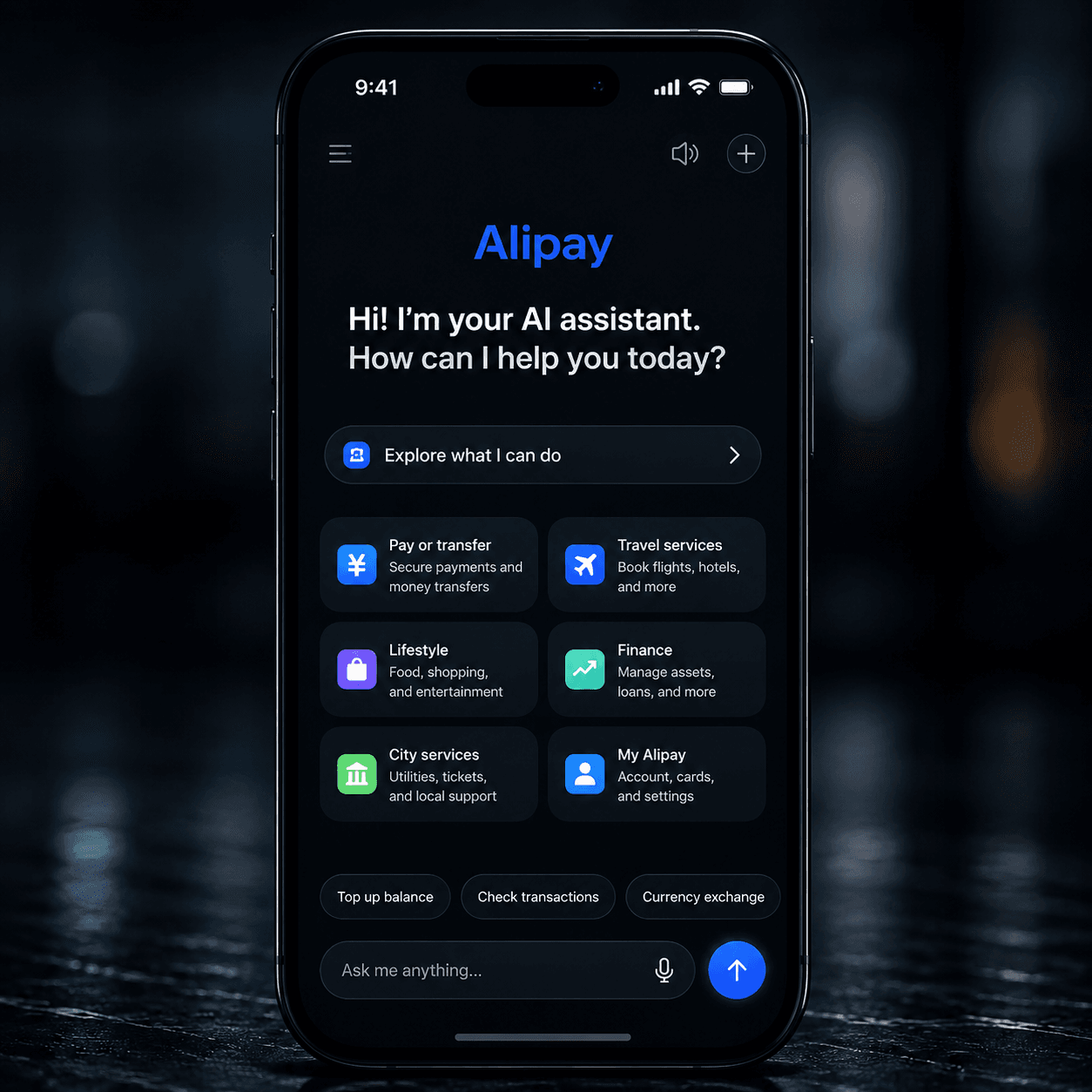
Alipay has introduced its fully AI-driven application, 'Abao,' marking a significant advancement in the realm of digital services as the number of AI app users in China surpasses 1 billion. This launch represents a pivotal shift from traditional search-based navigation methods to a more efficient, agent-driven approach for executing services within super apps. The move underscores the growing reliance on artificial intelligence in everyday transactions and interactions, reflecting broader trends in technology adoption across the country. As consumers increasingly seek streamlined and personalized experiences, Alipay aims to enhance user engagement and satisfaction through this innovative platform.
Industry
A Design Specifications Template for Wearable Haptic Interfaces: A Case Study for Robotic Gripper Applications
A recent study published in the Journal of Field Robotics highlights advancements in autonomous robotic systems designed for agricultural applications. Researchers from various institutions collaborated to explore the integration of artificial intelligence and machine learning in enhancing the efficiency of farming practices. The study, released in early October 2023, emphasizes the growing need for innovative solutions in agriculture due to increasing global food demands and labor shortages. The research team conducted extensive field tests in multiple agricultural settings to evaluate the performance of these autonomous systems. By employing advanced algorithms, the robots demonstrated improved capabilities in tasks such as planting, harvesting, and monitoring crop health. The findings suggest that these technologies could significantly reduce labor costs and increase productivity, addressing critical challenges faced by the agricultural sector. This initiative aims to provide farmers with reliable tools that can adapt to various environmental conditions and crop types, ultimately contributing to sustainable farming practices. The study's outcomes are expected to influence future developments in agricultural robotics, paving the way for more efficient and environmentally friendly farming solutions.
RESEARCH ARTICLE
Mouser's Rise of the Robots Program Explores Humanoid Design Considerations
A recent series highlights the evolution of robots from basic machinery to essential instruments across various sectors, including caregiving, industrial automation, and education. This transformation has been particularly significant in challenging environments, where advanced robotic technology is increasingly utilized. The series illustrates how these innovations are not only enhancing efficiency but also improving the quality of life for individuals in need of care and support. By showcasing real-world applications and advancements in robotics, the series underscores the growing reliance on these technologies to address complex tasks and challenges faced in diverse fields.

Designing Trust: Interfaces for Autonomous Machines
As autonomous technologies transition from research environments to everyday applications, the focus of design is evolving significantly. Experts in the field emphasize that the design process now prioritizes not only usability but also the critical elements of trust, safety, and effective collaboration between humans and machines. This shift reflects a growing recognition of the importance of user confidence in autonomous systems, which is essential for their successful integration into daily life. By addressing these factors, designers aim to create solutions that enhance user experience while ensuring safety and reliability in interactions with autonomous technologies.
Robotics needs a service framework.
RSF defines a common language for robot service capability, lifecycle operations, certification pathways, and service-provider networks.
Join the RobotToday community on LinkedIn
Daily robotics news, in-depth analysis, conference highlights, and discussions with professionals worldwide.







