

Industry Briefing
A single destination for timely, editor-curated robotics news from around the world.

Ukraine's Army of Robots Initiative Aims to Enhance Warfare with Humanoid Systems
Former Ukrainian defense minister Mykhailo Fedorov has launched the 'Army of Robots' initiative, aiming to deploy humanoid and autonomous systems for high-risk military tasks. This project seeks to reduce soldier exposure to danger by utilizing robots for logistics, reconnaissance, and combat operations. The initiative is a continuation of Ukraine's technology-driven approach, building on the success of the Army of Drones. Fedorov is actively seeking partnerships with engineers, robotics teams, and investors to create a robust ecosystem that integrates humanoid robots with existing military technologies, including drones and unmanned ground vehicles. Fedorov has set ambitious goals, including the deployment of a humanoid robot capable of lethal action within six months and the first combined operation of robots and drones within a year. The initiative represents a significant shift towards integrating advanced robotics into military operations, reflecting the urgent need for innovation in response to evolving threats.
Military
U.S. Army Partners with Vulcan Elements for Rare Earth Magnets in Drone Production
The U.S. Army has selected Vulcan Elements to supply neodymium-iron-boron magnets for its initiative to produce one million small drones annually. These magnets will be integral to the brushless motors powering the Army's unmanned aircraft, highlighting the importance of reliable component access in large-scale drone manufacturing. This partnership is significant as it addresses a critical supply chain challenge in military drone production. Neodymium-iron-boron magnets are essential for creating strong magnetic fields in compact motors, making them vital for the Army's SkyFoundry initiative. Vulcan's commitment to a fully domestic manufacturing process ensures that the supply chain remains independent of foreign sources, particularly China. Looking ahead, Vulcan Elements is constructing a large magnet factory in North Carolina, expected to produce up to 10,000 metric tons of magnets annually. This facility will not only support military drone production but also cater to various industries, including robotics and automotive. No further timeline was disclosed at the time of publication.
Military
Leidos Secures $127 Million Contract Extension for US Army's ARTEMIS ISR Operations
Leidos has received a contract extension from the US Army to maintain operations of the Airborne Reconnaissance and Targeting Exploitation Multi-Mission Intelligence System (ARTEMIS) throughout Europe. This contract extension is significant as it underscores the ongoing commitment of the US Army to enhance its intelligence, surveillance, and reconnaissance capabilities in Europe through advanced systems like ARTEMIS. Looking ahead, it will be important to monitor how this extension impacts the operational effectiveness of the US Army's ISR missions and any potential future developments related to the ARTEMIS system. No further timeline was disclosed at the time of publication.
News
U.S. Army Selects Vulcan Elements for Rare Earth Magnets in Drone Initiative
The U.S. Army has chosen Vulcan Elements to supply rare earth magnets for its SkyFoundry drone initiative, which aims to produce one million small drones annually. Vulcan is currently expanding its production capabilities with a new plant in Benson, North Carolina, designed for 10,000 metric tons of annual magnet capacity. However, the timeline for when Vulcan's supply can fully meet the Army's production goals remains unclear. This selection underscores the broader challenge of establishing a domestic supply chain for drone manufacturing in the U.S. As the country seeks to reduce dependence on Chinese components, the tightening of export controls by China complicates matters. The Army's initiative highlights the need for reliable sources of critical components, such as rare earth magnets, which are essential for drone motors. Looking ahead, Vulcan's ongoing efforts to secure rare earth materials and expand production capacity will be crucial in determining the feasibility of meeting the Army's ambitious drone production targets. No further timeline was disclosed at the time of publication.
Applications brushless motors Defense Drone Manufacturing Drone News Drone News Feeds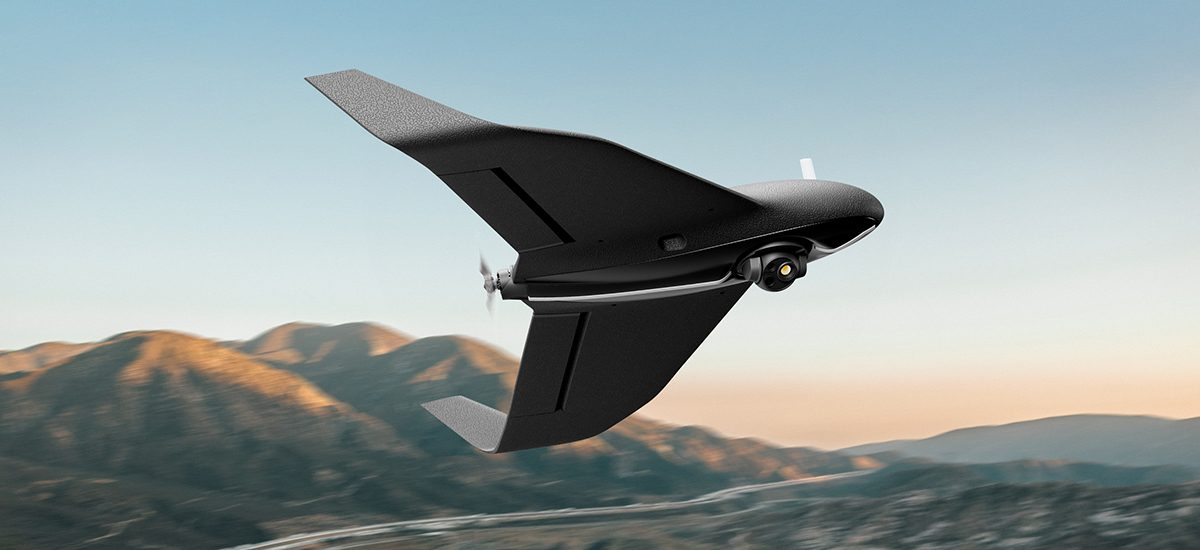
EagleNXT Delivers eBee VISION Drone Kits to U.S. Army Training Center
EagleNXT has successfully delivered nine eBee VISION drone kits to the U.S. Army’s National Training Center located at Fort Irwin, California. This shipment fulfills an order announced in April 2026 and marks a significant step in the company's commitment to domestic production of drones and sensors in the United States. The delivery is crucial as it supports the Army's training operations, particularly in opposing force exercises and counter-drone instruction. EagleNXT's CEO, Bill Irby, emphasized that establishing their headquarters in Allen, Texas, was aimed at achieving domestic production, which is now a reality. The eBee VISION drone is designed for intelligence, surveillance, and reconnaissance, boasting features such as a 90-minute flight time and a video link range of up to 12 miles. Looking ahead, EagleNXT's operations in Allen are expanding, with the recent launch of the updated MicaSense RedEdge-MX sensor for commercial customers. This dual focus on defense and commercial markets indicates a strategic approach to enhance production capabilities while meeting diverse customer needs. No further timeline was disclosed at the time of publication.
Applications Defense Drone News Drone News Feeds News Army drones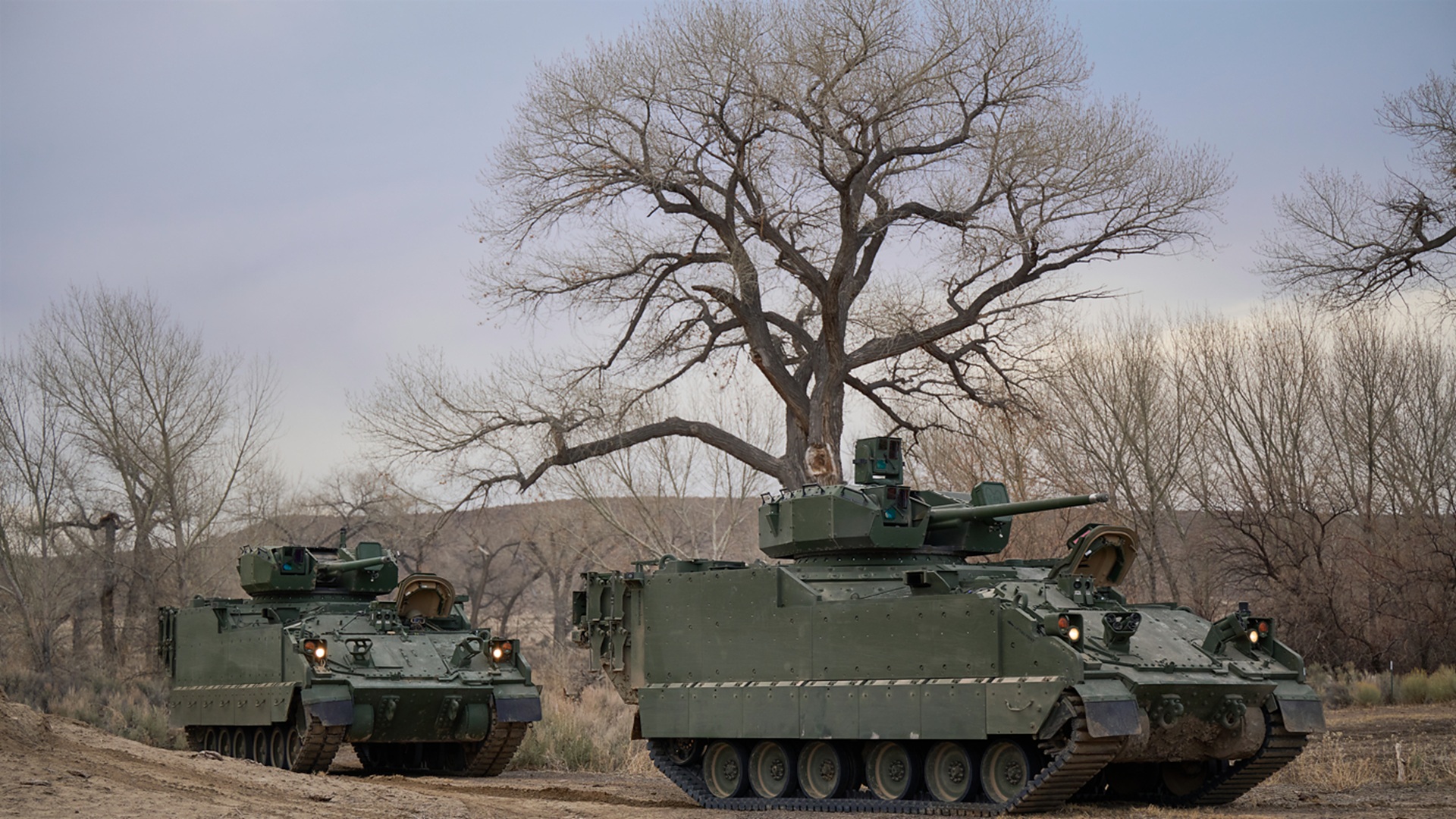
BAE Systems Delivers AMPV 30 Vehicles to US Army for Counter-Drone Operations
BAE Systems has provided the US Army with two AMPV 30 concept infantry fighting vehicles, featuring a 30mm remote turret and advanced systems for detecting drone threats. Delivered in April as part of the Army’s Transformation in Contact (TiC) 2.0 initiative, these vehicles have undergone field evaluations, including live-fire tests, to assess their operational capabilities. The significance of this development lies in the integration of counter-unmanned aircraft system capabilities, which are crucial for modern armored vehicles facing increasing drone threats. The AMPV 30 prototypes also include a cross-platform target handoff system, enhancing coordination among multiple vehicles on the battlefield, thereby improving overall mission effectiveness. Looking ahead, the modular design of the AMPV 30 allows for the integration of various mission equipment without the need for complete vehicle redesigns. This flexibility could lead to further enhancements in capabilities as the Army continues to adapt to evolving battlefield conditions. No further timeline was disclosed at the time of publication.
Military
Army Secures Drones for Every Unit, Focuses on Soldier Training
The Army has successfully acquired enough drones to equip each unit, according to Col. Gregory Merkl, the Drone Dominance director. This achievement marks a significant step in enhancing the Army's operational capabilities with unmanned aerial systems. However, Col. Merkl emphasized that the next challenge lies in ensuring that all personnel are adequately trained to operate these drones effectively. Proper training is essential to maximize the benefits of the technology and ensure mission success. Looking ahead, the Army will need to prioritize training programs to ensure that soldiers are proficient in drone operations. No further timeline was disclosed at the time of publication.
Land Warfare Pentagon Army Drone Dominance Program Drones
GDLS-UK and ARX Robotics Collaborate on Autonomous Wingman Technology for British Army
General Dynamics Land Systems-UK (GDLS-UK) has partnered with ARX Robotics to enhance the integration of autonomous systems into crewed vehicles for the British Army. This collaboration aims to develop advanced 'wingman' technology that can support military operations. The significance of this partnership lies in its potential to improve operational efficiency and safety for soldiers in the field. By integrating autonomous systems, the British Army can leverage advanced technologies to enhance situational awareness and reduce risks during missions. Looking ahead, it will be important to monitor the progress of this collaboration and any subsequent developments in autonomous military technologies. No further timeline was disclosed at the time of publication.
News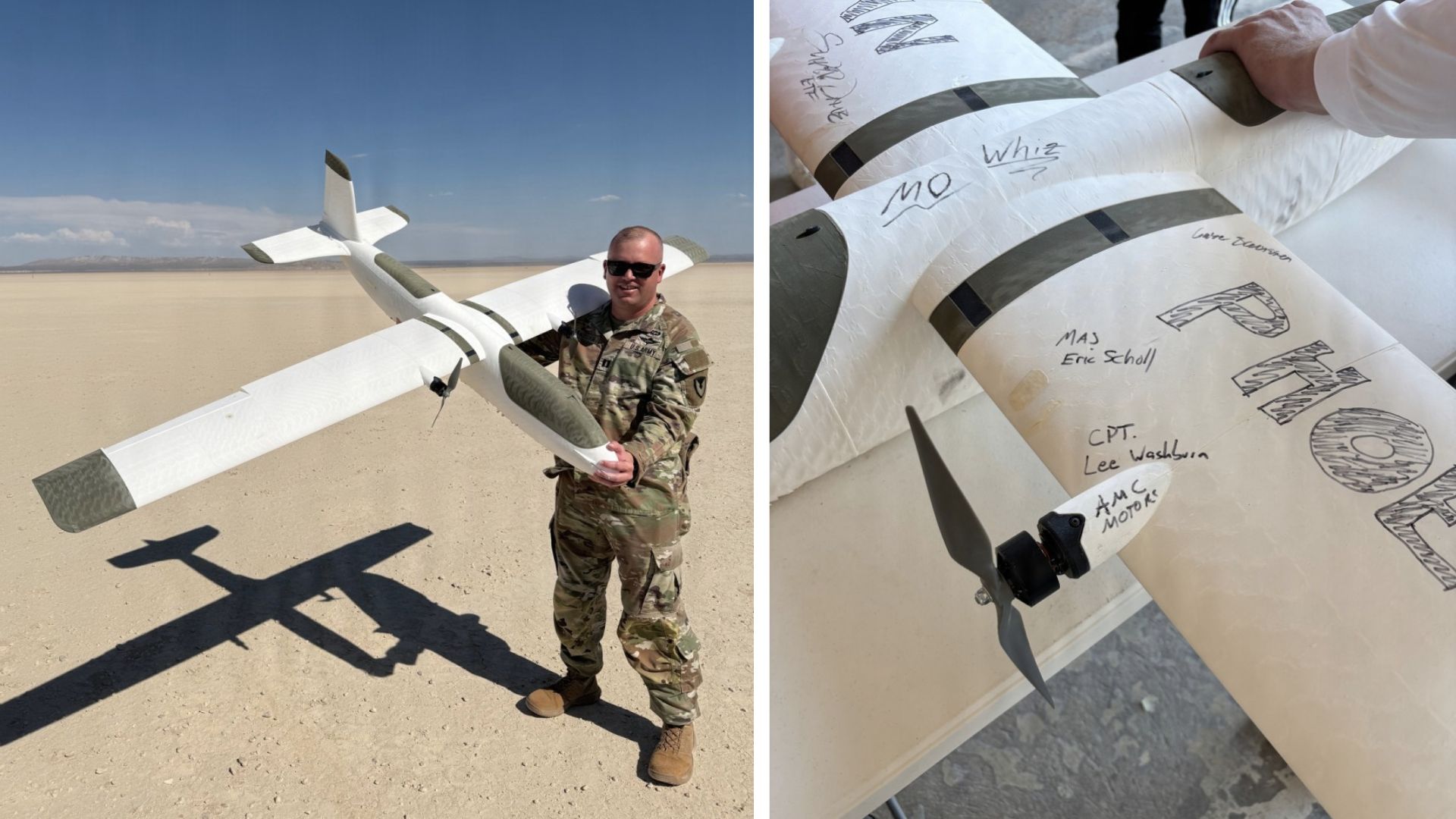
Battery-Powered Drone Sets New Endurance Record with Army-assembled Propulsion System
A battery-powered drone has set a new world endurance record by flying for over eight hours in desert conditions. This achievement was made possible by propulsion components assembled at the Army’s organic industrial base, specifically two brushless direct current motors from Tobyhanna Army Depot. The drone, which flew for 300 miles, surpassed the previous record by 50 minutes during the Game of Drones 26-2 demonstration at Edwards Air Force Base, California. This milestone is significant as it showcases the Army's commitment to innovation in uncrewed systems and highlights the importance of domestic production capabilities. Army Capt. Lee Washburn emphasized the role of the Army in providing material solutions to support drone dominance and refining components for operational use. The rapid on-site manufacturing process involved designing the drone in under 10 minutes and fabricating it within 24 hours using commercial 3D printers. Looking ahead, the Army aims to continue enhancing its organic industrial base to reduce foreign dependencies on critical parts. The success of this event illustrates the potential for collaboration between industry and government to achieve remarkable results in defense technology. No further timeline was disclosed at the time of publication.
Military
Overland AI Secures $20 Million Contract with US Army for Autonomous Breaching Systems Development
Overland AI has been awarded a $20 million contract by the U.S. Army to develop autonomous ground systems aimed at breaching battlefield obstacles. This initiative, part of the Engineer Autonomous Breaching Capability (EABC), will integrate Overland AI's OverDrive autonomy software with various ground vehicles and mission payloads, enabling a single operator to manage multiple robotic platforms during breaching missions. The significance of this contract lies in its potential to enhance operational safety by reducing the number of combat engineers exposed to hazardous environments during breaching operations. Overland AI's approach, which builds on over 25 government demonstrations with agencies like DARPA and the U.S. Army, aims to modernize battlefield operations through the use of autonomous systems. Looking ahead, the development of the breaching technology will involve collaboration with partners and subcontractors, as well as continued testing with combat engineer units. No further timeline was disclosed at the time of publication.
AI AI Funding & Investment Robotics Autonomous Ground Systems autonomous ground vehicles contract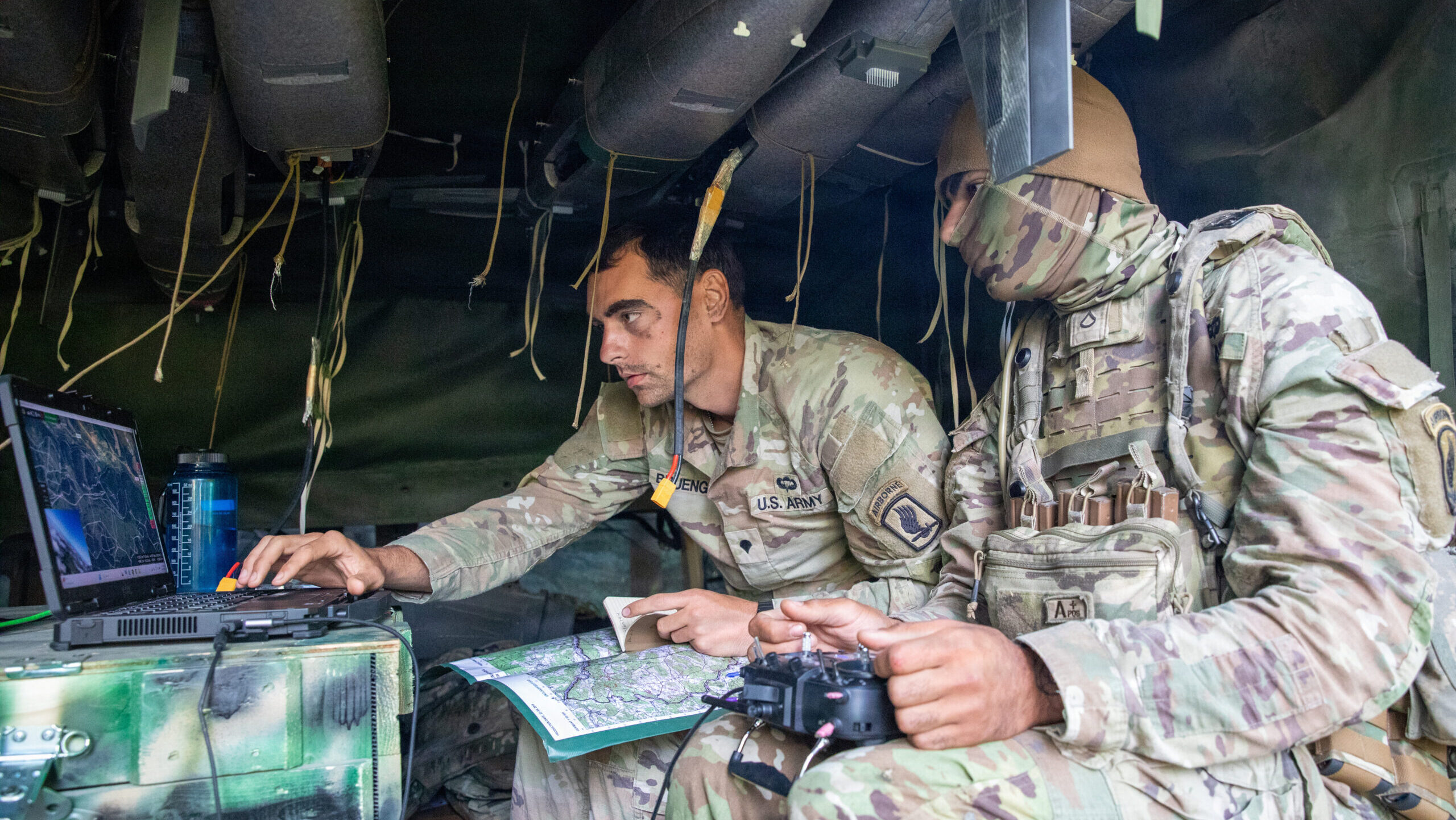
Army Maintains Commitment to UAVs Despite Drone Unit Transition to Infantry
The U.S. Army has decided to revert its drone unit back to infantry, raising concerns among lawmakers regarding the future of its UAV initiatives. Army Chief Technology Officer Alex Miller addressed these concerns, suggesting that the Army may not have communicated the rationale behind the decision effectively. This shift is significant as it reflects the Army's ongoing strategy to integrate UAV technology within its broader operational framework, despite the transition of the drone unit. The Army's commitment to UAVs remains strong, indicating that the service is not abandoning its drone capabilities. Looking ahead, it will be important to monitor how the Army balances its infantry needs with the integration of UAV technology. No further timeline was disclosed at the time of publication.
Air Warfare Land Warfare Air Force Alex Miller Army autonomy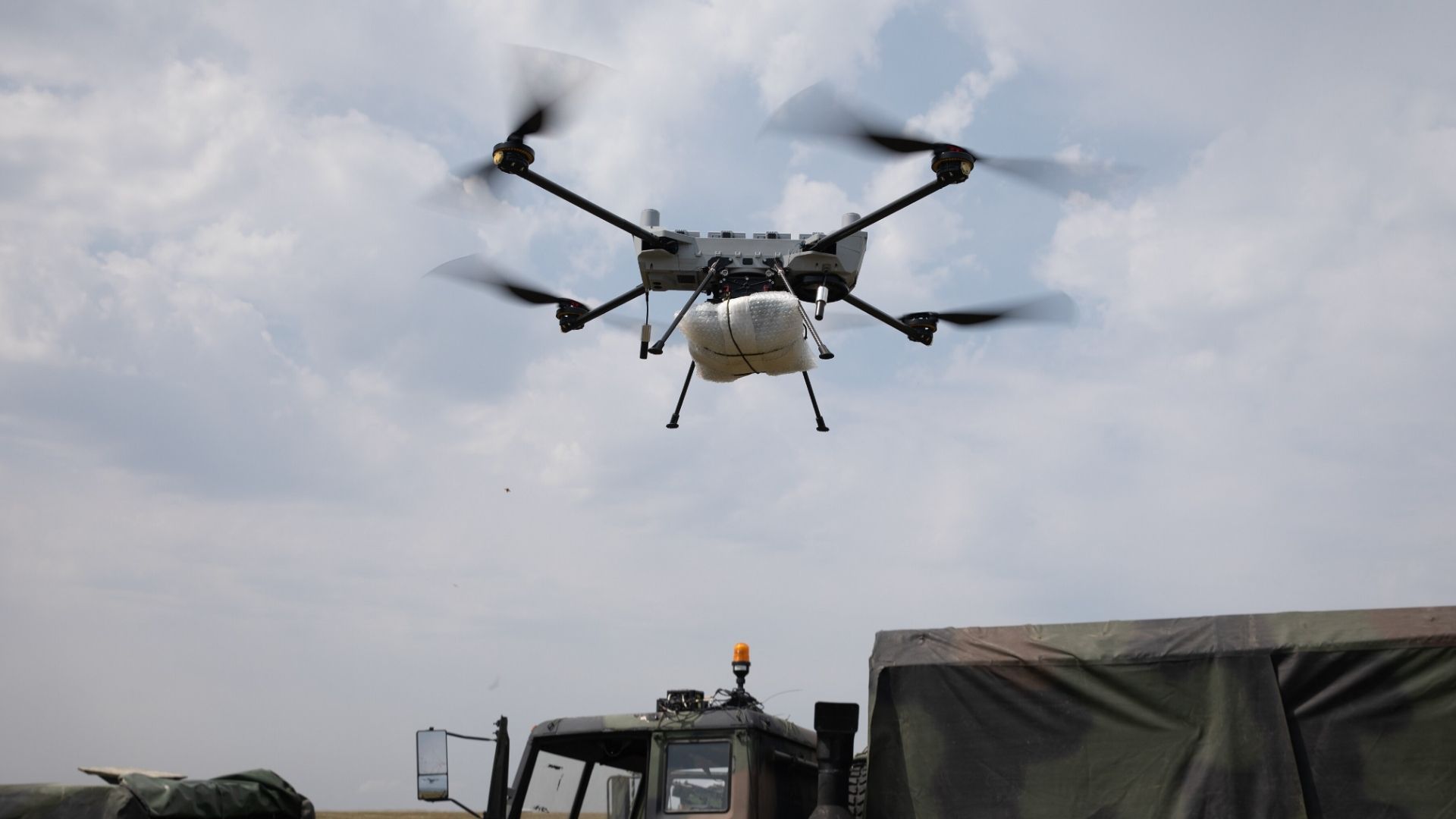
US Army's High-Energy Laser Dismantles Cartel Drones, Achieves 75% Activity Reduction
The US Army has successfully destroyed 11 drones linked to cartels within 10 days using its high-energy laser system, leading to a reported 75% decrease in drone activity in the Rio Grande Valley. This deployment, which began on August 25, enables soldiers to permanently disable drones that may pose a threat to military and law enforcement operations. The significance of this technology lies in its ability to ensure that disabled drones cannot return for further surveillance, unlike traditional jamming methods. Army officials noted that since the start of 2026, US forces have intercepted around 300 cartel-related drones, primarily through electronic jamming, but have shifted to using directed energy for immediate threats. This change has reportedly altered drone activity patterns in the region. Looking ahead, the military's continued use of the high-energy laser system may further impact cartel operations. However, the lack of publicly available detection figures leaves the reported 75% reduction without a clear baseline. No further timeline was disclosed at the time of publication.
Military
US Army Tests New Tethered Drone Capable of 50-Hour Flight and Jamming Resistance
The US Army is currently testing a new tethered drone designed to resist jamming and achieve flight durations of up to 50 hours without landing. This advancement represents a significant step in enhancing the Army's capabilities in unmanned aerial systems. The development of this drone is crucial as it addresses the increasing need for reliable and long-lasting aerial surveillance and strike capabilities in modern military operations. The ability to resist jamming is particularly important in contested environments where electronic warfare is prevalent. Looking ahead, the Army's ongoing tests will provide insights into the drone's operational effectiveness and potential integration into existing military strategies. No further timeline was disclosed at the time of publication.
Military
U.S. Army Awards $464.8 Million Contract for 30-kW LOCUST Laser Systems
The U.S. Army has awarded AeroVironment a $464.8 million contract for the production of LOCUST laser systems under the Enduring-High Energy Laser (E-HEL) program. This contract marks a significant milestone as it is the first production contract for a directed-energy weapon in U.S. history, indicating a shift from experimental systems to operational capabilities. The LOCUST X3, a 30-kilowatt laser weapon, is designed to counter Group 1–3 unmanned aircraft systems and can be integrated onto various platforms, including the Army's Joint Light Tactical Vehicle. The contract aims to provide a scalable and cost-effective air defense solution against drones, which have become increasingly prevalent on modern battlefields. Looking ahead, AeroVironment is expanding its production capacity with a $30 million investment in its Albuquerque facility to support the ramp-up of LOCUST systems. The E-HEL program is expected to enhance the Army's defenses against drone threats, marking a significant step towards the routine use of laser weapons in military operations. No further timeline was disclosed at the time of publication.
Military
Army Grants $465M Contract to AeroVironment for First High-Energy Laser Production
The Army has awarded AeroVironment (AV) a $464.8 million contract for the Enduring-High Energy Laser (E-HEL) program, marking the first production contract for a high-energy laser weapon. This program aims to enhance the Army's capabilities to counter unmanned systems effectively, as stated by Gen. Christopher LaNeve, the acting chief of staff. The contract will enable the delivery of AV's LOCUST X3 laser counter-drone systems, which are designed to operate in various combat environments. This contract is significant as it introduces production-directed energy systems for the first time in U.S. history, according to AV's vice president of directed-energy systems, John Garrity. The E-HEL system, powered by electric energy, is capable of defeating drones at a lower cost compared to traditional kinetic weapons. AV is expected to deliver initial capabilities within the year and scale production significantly in the coming months. Looking ahead, the Army plans to deploy dozens of LOCUST X3 systems across combatant commands globally. The system is designed to counter drone threats, including those from Group 3 drones weighing up to 1,320 pounds. No further timeline was disclosed at the time of publication.
Land Warfare Aerovironment Army Counter UAS cUAS directed energy Drones
U.S. Army Tests H-60M Black Hawk Launching Altius-700 Drone Over Mojave Desert
The U.S. Army has successfully tested the H-60M Black Hawk helicopter as a launch platform for the Altius-700 drone during Project Convergence Capstone 6. The test, conducted over California's Mojave Desert, showcased the helicopter's ability to deploy autonomous systems beyond its onboard weapon range, marking a significant shift in its battlefield role. This development is crucial as it enhances the Black Hawk's capabilities, allowing it to carry and launch drones that can autonomously locate and engage targets. The Altius-700, identified as the Army's Long-Range Precision Munition, boasts a range of approximately 100 miles, significantly surpassing traditional helicopter weapons like the AGM-114 Hellfire. Looking ahead, the Army's ongoing tests will further evaluate the Altius-700's performance in various conditions, including extreme heat. The successful integration of these systems could redefine operational strategies, providing U.S. forces with a decisive advantage in future engagements. No further timeline was disclosed at the time of publication.
Military
French Army Chief General Jacques de Montgros Unveils Ambitious Agenda for the Service
General Jacques de Montgros, the French Army Chief of Staff, has outlined his vision for a military that embodies fearlessness, pride, and boldness. This agenda marks a significant shift in the French Army's approach to its operational capabilities and public perception. The ambitions set forth by General de Montgros are crucial as they aim to enhance the Army's effectiveness and readiness in a rapidly changing global security landscape. By fostering a military that is both respected and formidable, the French Army seeks to strengthen its position within NATO and among international allies. Looking ahead, observers will be keen to see how these ambitions translate into actionable strategies and reforms within the French Army. No further timeline was disclosed at the time of publication.
Global Land Warfare AI Army conscripts Drones
US Army Conducts Laser Counter-Drone Experiments Amid Leadership Changes
This week, Army reporter Carly Welch discusses the US Army's recent experiments with laser-powered counter-drone technology, particularly focused on the US-Mexico border. These developments highlight the Army's ongoing efforts to enhance its capabilities in countering drone threats using advanced laser systems. The significance of these experiments lies in their potential to improve border security and military readiness, especially as the Army navigates leadership changes. The departure of the Army's top civilian leader adds a layer of complexity to the service's strategic direction, particularly with midterm elections approaching in November. Looking ahead, it will be important to monitor how these leadership transitions impact the Army's technology initiatives and operational strategies. No further timeline was disclosed at the time of publication.
Land Warfare Pentagon Aerovironment AMP-HEL Army Army Multipurpose High Energy Laser
U.S. Army Integrates FireAnt UGVs with Bradley Vehicles During Pegasus Charge 3 Experiment
The U.S. Army is testing the integration of small unmanned ground vehicles (UGVs) into armored formations by carrying them on M2A4 Bradley infantry fighting vehicles. Footage from Swarmbotics AI, released on August 25, 2026, shows a Bradley transporting at least five FireAnt UGVs during the Pegasus Charge 3 experiment with the 1st Cavalry Division. This initiative is significant as it explores how existing armored vehicles can deploy multiple robotic systems alongside traditional crewed roles. The FireAnt, developed by Swarmbotics AI, is designed for various missions, including intelligence and reconnaissance. The Army's approach raises important questions about the integration of robotic systems into combat formations, emphasizing the need for innovation in military doctrine. Looking ahead, the use of Bradleys to carry UGVs could enhance operational flexibility, allowing commanders to deploy unmanned systems for reconnaissance and other missions in high-risk areas. No further timeline was disclosed at the time of publication.
Military
U.S. Army Receives Advanced 20kW Laser Weapon Systems for Counter-Drone Operations
The U.S. Army has received two advanced high energy laser systems developed by AeroVironment, known as Laser Weapon Systems (LWS). These systems feature the 20kW-class LOCUST LWS integrated onto the General Motors Defense Infantry Squad Vehicle (ISV) platform, enhancing mobile counter-unmanned aircraft capabilities. This delivery is part of the Army Multi-Purpose High Energy Laser (AMP-HEL) prototyping effort, marking a significant advancement in directed energy capabilities. Mary Clum from AeroVironment emphasized the importance of these systems in providing reliable and operationally ready solutions for counter-unmanned aircraft operations, supporting the Army's modernization goals. Looking ahead, AeroVironment plans to deliver a second increment of the AMP-HEL program next month, which will include additional vehicles equipped with the LOCUST LWS. This ongoing development reflects the Army's commitment to rapidly fielding directed energy solutions to address evolving threats in dynamic environments.
Military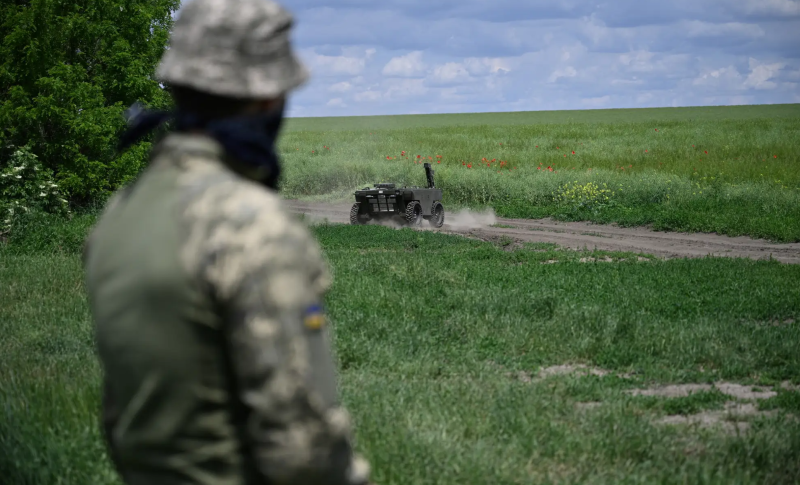
UK Army Commander Highlights Limitations of Ground Robots in Complex Battlefield Exercises
As military forces worldwide seek to learn from the Ukraine conflict, unmanned ground vehicles (UGVs) are being rapidly integrated into operations. However, a former frontline commander of the UK Army recently concluded that these machines are not always the right tools for the job. During a high-intensity exercise called 'Fusion Program Apex 6' at the National Training Center in California, UGVs were put to the test alongside troops from the UK and US. Colonel John Black from the Yorkshire Regiment noted that despite testing various use cases, significant challenges emerged regarding the practical application of ground robots in combat. Heavy logistical burdens were identified, as many mid-sized UGVs require trailers or flatbed trucks for transport, complicating battlefield mobility. Additionally, energy supply issues, including the need for extra batteries or fuel, further complicate operations. The exercise revealed that ideal operational ranges often fall short in complex terrains, with obstacles confusing most UGVs. Furthermore, maintaining stable remote control connections in a battlefield environment poses significant challenges. Black emphasized that while UGVs may address specific battlefield pain points, they are not universal solutions. The core value of such tests lies in understanding how unmanned systems can integrate into existing combat networks, potentially transforming the nature of warfare.
Unmanned Ground Vehicles Military Robotics Logistics Technology Autonomous Systems
Teledyne FLIR OEM Selected for U.S. Army's Next-Gen Thermal Imaging Initiative
Teledyne FLIR OEM has been chosen to support the U.S. Army's Delivering Unmatched Thermal Capability Hastened (DUTCH) initiative, which aims to enhance uncooled thermal imaging technology. This program, led by the Office of the Assistant Secretary of War for Critical Technologies and the U.S. Army Combat Capabilities Development Command (DEVCOM) C5ISR Center, focuses on improving thermal sensor performance while minimizing size, weight, power, and cost (SWaP-C). The DUTCH initiative is significant as it seeks to bolster U.S. thermal sensor capabilities, particularly for applications in uncrewed aerial systems, loitering munitions, and thermal binoculars. Teledyne FLIR OEM will leverage its expertise in uncooled thermal imaging technologies to support the development and demonstration of these systems, which are crucial for future defense programs requiring large quantities of thermal sensors. Looking ahead, the initiative underscores a commitment to secure U.S. manufacturing and supply chains for defense technologies. No further timeline was disclosed at the time of publication, but the focus on domestic production aligns with Department of War priorities for secure microelectronics supply chains and mission-critical technology manufacturing.
Applications defense Defense Drone News Drone News Feeds News
Li-S Energy's Lithium-Sulfur Batteries Enter US Army Testing for Drone Applications
Li-S Energy, an Australian battery developer, has delivered lithium-sulfur battery cells to the US Army for independent testing. This marks the first instance of the company's technology being evaluated by a US government agency, specifically by the US Army Combat Capabilities Development Command C5ISR Center at Aberdeen Proving Ground. The significance of this testing lies in the potential for lithium-sulfur batteries to enhance military operations that increasingly depend on drones and autonomous systems. With nearly double the energy density of conventional lithium-ion batteries, these cells could enable unmanned platforms to achieve longer flight times, greater ranges, and increased payload capacities, which are critical for modern military applications. Looking ahead, the evaluation by the DEVCOM C5ISR Center could pave the way for the integration of Li-S Energy's technology into various military programs, including unmanned aircraft and ground robots. No further timeline was disclosed at the time of publication.
Energy Military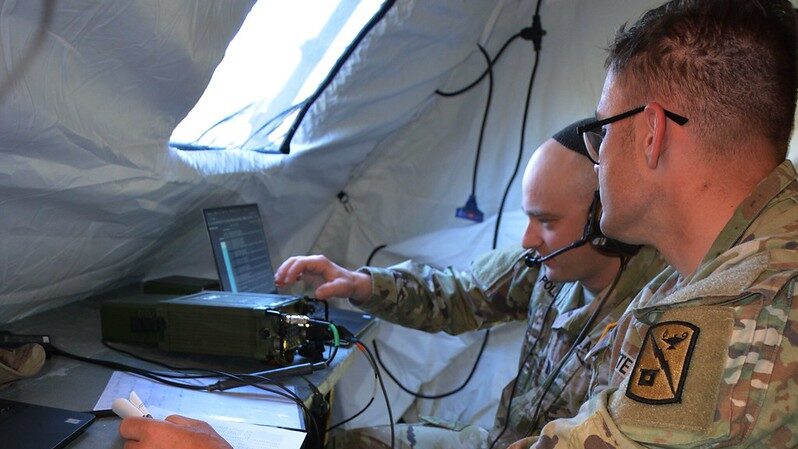
Army Network Command Chief Advocates for Digital Twin to Enhance Training and Cybersecurity
At the AFCEA TechNet Augusta conference, Maj. Gen. Jacqueline Denise McPhail, chief of the Army's Network Command (NETCOM), emphasized the necessity of a digital twin for the Army's networks. This comprehensive simulation would facilitate training and testing of both AI algorithms and personnel, providing a realistic environment to prepare for cyber threats. The digital twin, which would be continuously updated with real-time data, aims to enhance the Army's ability to respond to the increasing sophistication of cyber attacks, which now average 1.2 million daily. McPhail highlighted the importance of distinguishing between benign data and significant behavioral changes, a task where AI could play a crucial role in identifying vulnerabilities within the Department of Defense Information Network – Army (DoDIN-A). While acknowledging the challenges of creating such a digital model, McPhail encouraged contractors to pursue this initiative, suggesting a phased approach to development. The potential benefits of a digital twin extend beyond mere simulation, allowing for stress-testing and predictive analysis to improve network resilience and security.
Land Warfare Networks & Digital Warfare Army artificial intelligence AI cyber security Department of Defense Information Networks DoDIN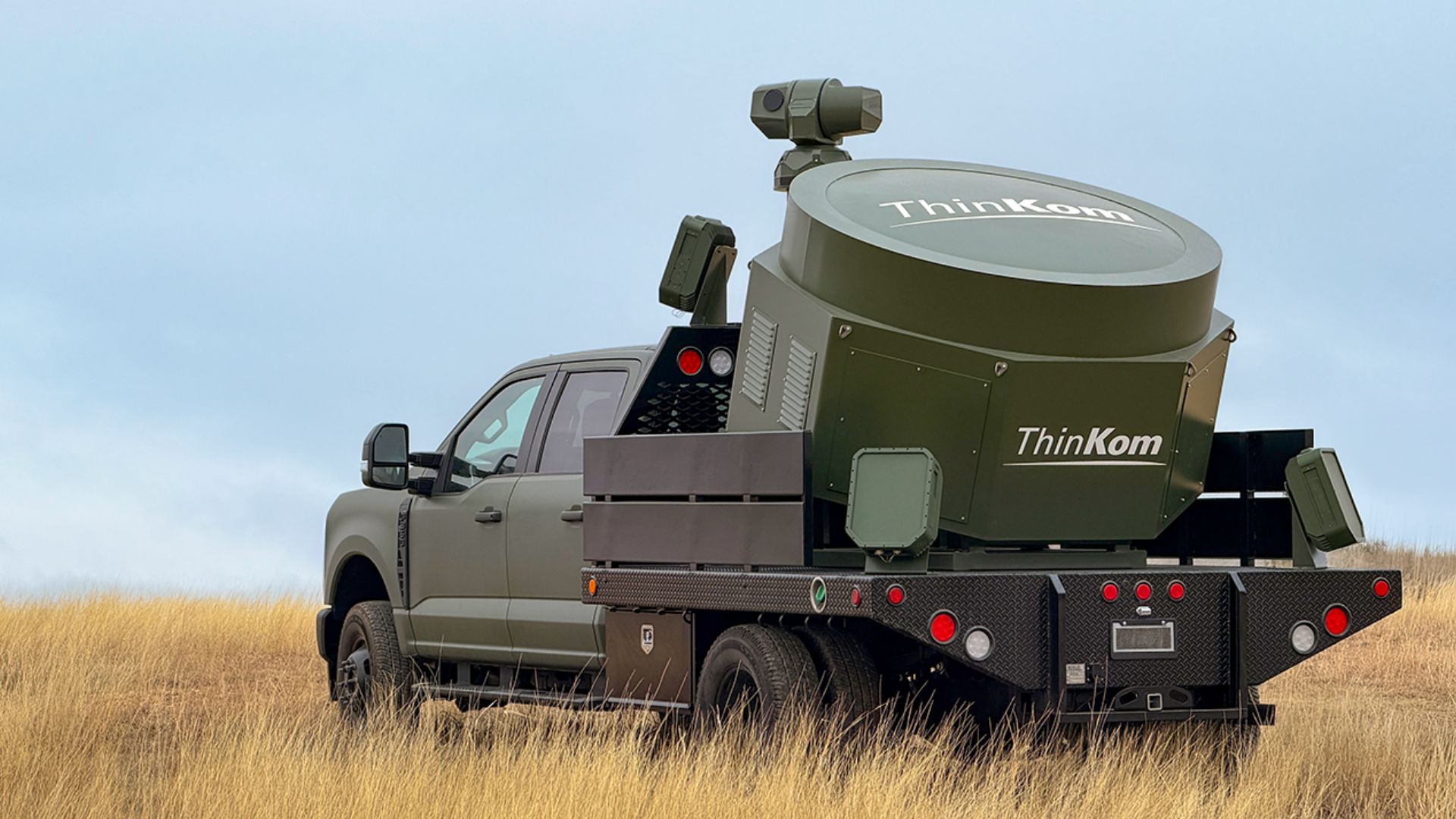
U.S. Army Awards ThinKom $49 Million for Mobile High-Power Microwave Drone Defense System
The U.S. Army has awarded ThinKom Solutions a prototype contract valued at up to $49 million to develop a mobile high-power microwave system aimed at countering drones. Announced on August 19, 2026, this contract will fund the testing of ThinKom’s Alecto system, which is designed to target unmanned aircraft from a moving vehicle. This initiative is significant as it addresses the increasing demand for mobile counter-unmanned aircraft systems (C-UAS) due to the rapid proliferation of drones. The Alecto system utilizes ThinKom’s patented VICTS antenna technology to deliver high-power electromagnetic energy to neutralize Group 1 and Group 2 unmanned aircraft, enabling Army units to respond to threats without halting their operations. Field testing of the Alecto system is scheduled for 2027, allowing the Army to evaluate its performance against emerging drone threats. The results will inform future requirements and potential production decisions, although the current agreement does not guarantee procurement of additional systems beyond the prototype phase.
Military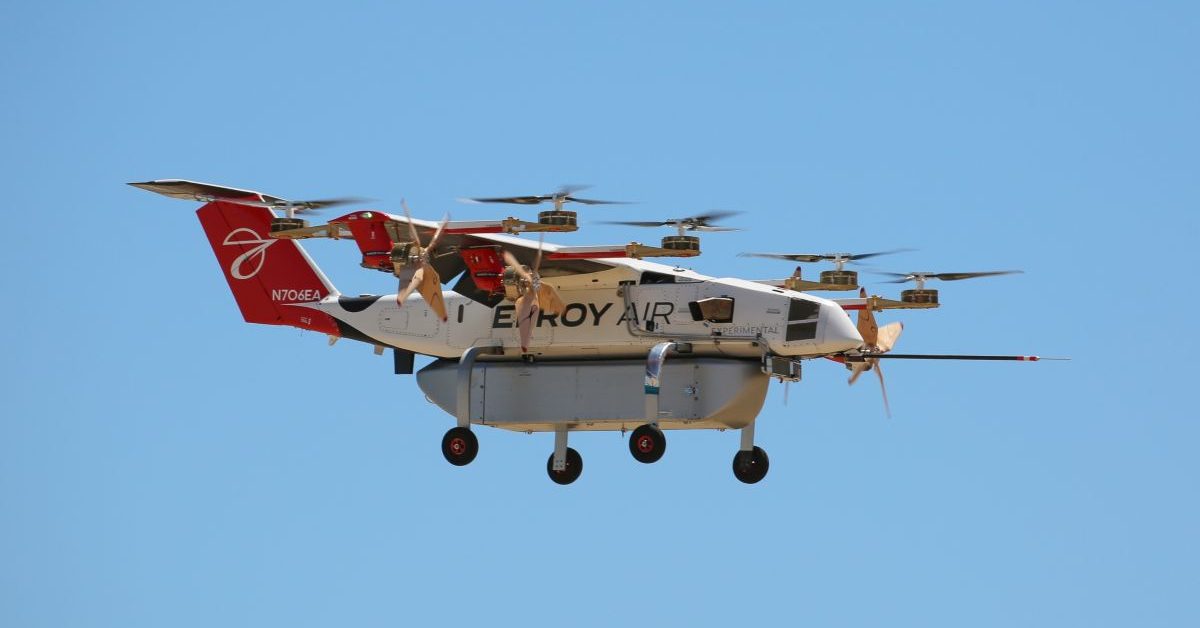
Elroy Air Receives $46 Million from US Army for Advanced Heavy-Lift Drone Development
Elroy Air has secured a $46 million multi-year contract from the US Army to enhance its autonomous hybrid-electric VTOL cargo drone, the Chaparral. This contract aims to improve the drone's capabilities in challenging military environments, focusing on modular cargo delivery and operational efficiency alongside troops. The significance of this contract lies in its alignment with the Army's emphasis on 'contested logistics,' ensuring supply continuity amid disruptions. Elroy Air's Chaparral drone, capable of carrying over 500 pounds, is designed for operations without fixed infrastructure, making it ideal for remote or damaged locations. Looking ahead, Elroy Air plans to start manufacturing the Chaparral in the US later this year, partnering with Kratos Defense & Security Solutions. While the current focus is military, the company also aims to expand the drone's applications in commercial logistics and disaster response, indicating a broader market potential for autonomous cargo delivery.
News
US Army Contracts Stratom to Develop TALUS for Autonomous Logistics in High-Risk Areas
The US Army has awarded a contract to a consortium led by Stratom to develop the Tactical Autonomous Logistics Utility System (TALUS), an autonomous logistics platform aimed at resupplying troops in dispersed and high-risk environments. This modular system is designed to enhance military operations where traditional supply chains may falter, ensuring that critical supplies and operational energy reach distributed forces. Stratom's president and CEO, Mark Gordon, emphasized that TALUS is a response to the Army's Project Sustainment requirements, integrating various technologies into a cohesive logistics solution. As military operations evolve to increasingly contested battlefields, TALUS aims to reduce soldier exposure during supply missions while improving the resilience of military sustainment networks. The TALUS team includes several defense tech companies, each contributing unique capabilities in autonomy, vehicle platforms, and systems engineering. The system is expected to autonomously transport supplies and support various mission payloads, providing the Army with a robust logistics capability that adapts to complex operational environments. No further timeline was disclosed at the time of publication.
Military
Army Urges Industry for Innovative Power Solutions Beyond Batteries and Generators
The U.S. Army has identified a critical shortage of exportable power in its ground vehicles, which hampers the operation of drones and communication systems. Brig. Gen. Troy Denomy emphasized the urgency for industry to develop solutions, as the Army faces increasing power demands from new energy-intensive weaponry. Current vehicles like the M1A2 Abrams and Bradley Fighting Vehicles lack the capacity to support these systems, leading to operational limitations for brigade commanders. This power deficiency is significant as it affects the Army's ability to deploy unmanned aerial systems (UAS) effectively. Denomy highlighted that commanders are forced to limit UAS operations not based on mission needs but rather on available power. The reliance on noisy generators and additional battery packs is not a viable long-term solution, as these options compromise stealth and increase the burden on soldiers. Looking ahead, the Army is exploring advanced technologies, including fuel cells, to enhance power generation in legacy vehicles. Newer models like the XM30 and M1E3 Abrams are designed to provide greater exportable power. The Army is also investigating next-generation power management solutions and alternatives to traditional liquid fuels to address these challenges.
Land Warfare armored brigade combat team Army Bradley Fighting Vehicle Drones GVSETS 2026
U.S. Army Selects Six Companies for Autonomous UGV Prototypes in Battlefield Logistics
The U.S. Army has chosen six companies to develop prototypes of autonomous ground vehicles (UGVs) for critical battlefield missions, including resupply and casualty evacuation. This initiative, known as the Infantry Last Tactical Mile (ILTM), aims to enhance operations in high-risk areas where soldiers currently face enemy fire while delivering supplies or retrieving casualties. The significance of this initiative lies in its potential to reduce the risk to personnel by allowing autonomous vehicles to operate in dangerous zones. The Army's focus on beyond-line-of-sight capabilities for these UGVs reflects a strategic shift towards integrating autonomy into military logistics, thereby changing the operational landscape rather than merely introducing new weaponry. Looking ahead, the Army plans to evaluate the prototypes from the selected companies, which include American Rheinmetall and Overland AI, among others. These evaluations will determine which vehicles are best suited for further investment and potential production, although no production orders have been issued at this stage. No further timeline was disclosed at the time of publication.
Military
Army Pursues New Capabilities to Engage Enemy Surveillance Satellites from Ground
The U.S. Army is actively seeking new technologies to engage adversary satellites from the ground, as stated by Col. Joe Mroszczyk, a senior Army space official. This initiative aligns with the Army's expanding role in supporting U.S. Space Command in achieving space superiority, emphasizing the importance of counter-space operations. Col. Mroszczyk highlighted that the Army's involvement in counter-space operations is a natural extension of its core competencies, similar to naval engagements. The Army aims to follow U.S. national space policy, avoiding destructive anti-satellite attacks that create space debris. The focus is on counter-surveillance and reconnaissance capabilities against adversary satellites. The Army has been increasing its presence in the space domain, with counterspace listed as a budget priority starting in fiscal 2027. As the Army develops capabilities to prevent adversaries from collecting targeting data on U.S. forces, it is crucial to monitor advancements in this area and the integration of operational requirements into acquisition programs.
Air Warfare Land Warfare Space Air Force Army army space
South Korea's Army Pursues Automation in Field Maintenance Amid Personnel Decline
The South Korean Army is initiating efforts to automate its field maintenance and logistics operations, driven by a projected decline in available personnel. Military officials announced a study aimed at transitioning key maintenance functions to automated systems, forming part of the 'smart field maintenance support system' under the ArmyTiger initiative. This automation is crucial as the Army anticipates a demographic decline that will reduce personnel available for logistics and maintenance roles. The initiative seeks to enhance efficiency in workforce utilization and address the growing disparity between advanced combat platforms and their maintenance systems, which have not seen a similar reduction in staffing needs. Looking ahead, the Army will explore AI-based predictive maintenance, automated storage systems, and drone delivery among other technologies. Some technologies are already in testing phases, including a smart logistics center that has automated 70% of its processes, reducing workforce needs by 16%. No further timeline was disclosed at the time of publication.
All News
U.S. Army Awards Stratom Inc. Contract for TALUS Autonomous Distribution System
The U.S. Army has awarded a Project Sustainment contract to Stratom Inc. for the development of the Tactical Autonomous Logistics Utility System (TALUS). This modular autonomous distribution system aims to resupply dispersed forces in contested environments, enhancing operational efficiency and safety for troops. TALUS is designed to address the Army's need for autonomous logistics capabilities, particularly in degraded conditions. By minimizing soldier exposure to threats and ensuring a steady supply flow, TALUS is expected to strengthen sustainment resilience and extend operational reach in challenging environments. The 18-month prototype effort will integrate various technologies and undergo operational evaluations, including a planned Combat Training Center rotation. Stratom's collaboration with nontraditional defense contractors aims to deliver a comprehensive logistics solution that adapts to evolving Army requirements.
Autonomous Mobile Robots (AMRs) Defense / Security Logistics Mobility / Navigation News Self-Driving Vehicles
Army Grants Prototype Contracts to Six Companies for Last Tactical Mile Program
The U.S. Army has awarded prototype contracts to six companies as part of its Last Tactical Mile program. The companies selected include Maren-Go, Overland AI, Forterra, Hendrick’s Motorsports, American Rheinmetall, and HDT, as reported in a service release. This initiative is significant as it aims to enhance the Army's capabilities in delivering supplies and equipment to troops in the final stages of their missions. The involvement of diverse companies indicates a strategic approach to leverage innovative solutions in military logistics. Looking ahead, it will be important to monitor the progress of these prototypes and their potential impact on military operations. No further timeline was disclosed at the time of publication.
Land Warfare American Rheinmetall Vehicles Army autonomy Drones Forterra
Army Replaces Infantry Squad Vehicles with Polaris MRZR for Unmanned Systems Testing
The U.S. Army has officially transitioned from using Infantry Squad Vehicles (ISVs) to Polaris MRZR platforms for its Unmanned Systems (UxS) autonomy program. This change, confirmed by Michael Rose, chief technology officer for CPE Mission Autonomy, aims to enhance off-road autonomy testing. The MRZR platforms will allow multiple companies to test their autonomy software in a standardized environment, facilitating direct comparisons of technological capabilities. This shift is significant as it marks a departure from the Army's previous plans to enhance ISVs with autonomy software from Forterra, Overland AI, and Scout AI. The decision to adopt MRZR platforms is based on evolving technological needs and aims to address challenges identified in the initial UxS program, including safety risks and financial constraints. The Army has received 12 MRZR Alphas from Polaris for this initiative, indicating a commitment to advancing unmanned ground vehicle capabilities. Looking ahead, the Army is evaluating various autonomy software providers for the MRZR platforms, although specific companies involved have not been disclosed. The ongoing participation of Forterra, Overland AI, and Scout AI in the UxS program suggests a competitive landscape as the Army seeks to refine its approach to unmanned systems. No further timeline was disclosed at the time of publication.
Land Warfare Army autonomy Drones ground autonomy GVSETS 2026
U.S. Army Intercepts Over 1,400 Iranian Missiles and Drones During Recent Conflicts
The U.S. Army successfully intercepted more than 1,400 Iranian missiles and drones during two recent Middle East conflicts, as reported by Lt. Gen. John Rafferty, commander of the U.S. Army Space and Missile Defense Command. This significant achievement highlights the Army's role in air and missile defense, particularly during the 12-day war between Iran and Israel, where 125 ballistic missiles were engaged. This operation underscores the importance of U.S. military capabilities in the region, especially as concerns grow over the depletion of interceptor stocks. The Army's 32nd Air and Missile Defense Command adapted to counter advanced threats, utilizing systems like THAAD and Patriot, which are regarded as leading technologies globally. The collaborative defense efforts with partner nations further emphasize the strategic significance of integrated air defense systems. Looking ahead, the U.S. military's ongoing challenges with interceptor inventory and the need for replenishment will be critical to monitor. As the region continues to face missile threats, the effectiveness of the U.S. and allied air defense systems will be pivotal in maintaining security and operational readiness. No further timeline was disclosed at the time of publication.
Land Armies Around The Globe Iran Israel Land-Based Ballistic Missile Defense
Army Aims to Expedite Interceptor Testing with New Ranges in US and Morocco
Army Secretary Dan Driscoll announced plans to facilitate quicker access to testing ranges for companies that have self-funded their munitions. The initiative aims to have these companies on the ranges within 30 days of their request, enhancing the development and testing of interceptor technologies. This move is significant as it underscores the Army's commitment to accelerating the testing and development processes for new munitions. By streamlining access to testing facilities in both the United States and Morocco, the Army seeks to foster innovation and collaboration with private sector companies, which is crucial for maintaining military readiness. Looking ahead, it will be important to monitor how quickly companies can take advantage of this initiative and the impact it has on the overall timeline for interceptor development. No further timeline was disclosed at the time of publication.
Land Warfare Army Daniel Driscoll Drones interceptors IRAD
ARX Robotics Demonstrates GEREON Uncrewed Ground Vehicles in US Army Trials
ARX Robotics UK has successfully showcased the capabilities of its GEREON uncrewed ground vehicles (UGVs) during Project Convergence-Capstone 6 (PC-C6). This event marks the largest experiment in the US Army's initiative to enhance land warfare capabilities. The successful demonstration is significant as it highlights the operational potential of GEREON UGVs in modern military applications. This aligns with the US Army's ongoing efforts to integrate advanced technologies into their land warfare strategies. Looking ahead, further developments in the integration of autonomous systems into military operations are expected. No further timeline was disclosed at the time of publication.
News
Ondas Secures Over $50 Million Order for Tactical Lethal Unmanned Systems from US Army
Ondas has announced a significant new order exceeding $50 million from the US Army for tactical Lethal Unmanned Systems (LUS), also known as loitering munitions or 'kamikaze drones.' This order falls under a previously disclosed $982 million multi-year Indefinite Delivery, Indefinite Quantity (IDIQ) contract, bringing Mistral's total awards under the program to over $240 million. The LUS program aims to equip soldiers with precision-strike drones that can identify and engage targets with enhanced accuracy. The demand for such systems has surged due to recent global conflicts, emphasizing the military's need for cost-effective autonomous strike platforms. Ondas' acquisition of Mistral has positioned the company to better compete in the US defense market and expand its portfolio of autonomous technologies. Looking ahead, production is already underway, with deliveries expected to commence in the third quarter of 2026. Ondas is focused on fulfilling this contract while also seeking opportunities to support the Army throughout the operational lifecycle, including intelligence gathering and mission planning. This order reflects a broader trend in military investment in autonomous systems for rapid deployment and precision on the battlefield.
News
Tiberius Aerospace Partners with US Army to Develop 155mm Sceptre Artillery Munition
Tiberius Aerospace has signed a Cooperative Research and Development Agreement (CRADA) with the US Army to advance the development of the 155mm Sceptre artillery munition. This collaboration is significant as it aims to enhance the capabilities of the US Army's artillery systems, potentially leading to improved operational effectiveness on the battlefield. The 155mm Sceptre munition is expected to play a crucial role in modernizing artillery operations. Looking ahead, industry stakeholders will be keen to monitor the progress of this partnership and the subsequent developments in the Sceptre munition project. No further timeline was disclosed at the time of publication.
News
Tiberius Aerospace Partners with US Army to Develop Mach 3 Sceptre Artillery Munition
Tiberius Aerospace has entered into a Cooperative Research and Development Agreement with the U.S. Army to enhance the Sceptre, a ramjet-powered 155mm artillery munition. This collaboration aims to improve the precision and range of existing artillery systems without necessitating new launcher purchases, allowing for strikes beyond Mach 3 and up to 93 miles away. The significance of this partnership lies in its potential to transform artillery capabilities, particularly in environments where GPS signals may be compromised. Sceptre's design enables it to reach altitudes above 65,000 feet and maintain propulsion throughout its flight, distinguishing it from traditional projectiles. This advancement could provide a strategic advantage in contested battlefields. Looking ahead, the focus will be on validating and refining the technologies essential for transitioning Sceptre from an experimental round to a fully operational artillery capability. No further timeline was disclosed at the time of publication.
Military
Army Seeks Counter-Drone Missile Under $150K Compatible with Raytheon Coyote Launcher
The U.S. Army has initiated a search for a counter-drone missile, referred to as the Next Generation C-sUAS Missile, with a budget cap of $150,000. This missile is required to be compatible with Raytheon's Coyote launcher, as specified in the Request for Information (RFI). This initiative is significant as it highlights the Army's ongoing efforts to enhance its capabilities in countering unmanned aerial systems (UAS). The integration with Raytheon's Coyote launcher suggests a focus on leveraging existing technologies to improve operational efficiency and effectiveness against drone threats. Looking ahead, the Army's search for this missile indicates a growing emphasis on developing advanced defense systems to address the evolving challenges posed by drones. No further timeline was disclosed at the time of publication.
Land Warfare Army counter drone Counter UAS cUAS coyote Drones
American Rheinmetall Secures Contract for Autonomous Ground Vehicles for US Army
American Rheinmetall has been awarded a contract to provide advanced autonomous ground vehicle technologies to the US Army as part of Project Sustainment. This development is significant as it underscores the growing emphasis on integrating autonomous systems into military operations, enhancing operational efficiency and effectiveness for the US Army. Looking ahead, it will be important to monitor the implementation of these technologies and their impact on military logistics and operations. No further timeline was disclosed at the time of publication.
News
U.S. Army Demonstrates H-60M Black Hawk Helicopter's Capability to Control Multiple Combat Drones
The U.S. Army successfully completed a significant flight demonstration of the H-60M Black Hawk helicopter, showcasing its ability to launch and control multiple air-launched effects (ALEs) during Project Convergence Capstone 6 in California's Mojave Desert. This three-day test is a crucial advancement in enhancing the operational reach of Army helicopters in contested environments while maintaining safer distances from enemy defenses. This demonstration is vital as it marks a step towards improving the Army's capabilities in modern warfare. The Increment 1 capability, developed by the U.S. government in collaboration with the Utility Helicopters Project Office and the DEVCOM Aviation and Missile Center, allows the upgraded H-60M to operate effectively even in extreme conditions, thereby increasing its tactical advantages on the battlefield. Looking ahead, the Army plans further testing and evaluation of the Black Hawk's air-launched effects capabilities. This initiative aims to enhance the aircraft's survivability and effectiveness in combat, as well as to improve communication between aviation units and ground forces, thereby transforming battlefield dynamics and providing a decisive advantage to soldiers in future operations.
Military
U.S. Army Constructs 78,000 Sq Ft of 3D-Printed Barracks in Just 58 Days
The U.S. Army has successfully completed the construction of ten 3D-printed military barracks at Fort Bliss in just 58 days. This project, which encompasses a total of 78,000 square feet, marks the largest deployment of automated construction technology by the military to date, officially entering the era of 3D-printed military housing. This innovative approach to construction not only enhances soldier well-being and operational readiness but also significantly reduces costs and construction time. According to Maj. Gen. Curtis Taylor, the project emphasizes the Army's commitment to valuing its personnel and improving their living conditions, particularly for those serving in demanding roles such as Task Force Bastogne under Operation Ardent Vanguard. Looking ahead, the rapid deployment of these energy-efficient barracks sets a new standard for military logistics and construction practices. The U.S. Army's use of 3D printing technology has demonstrated a 9.3% cost reduction compared to traditional methods, achieving construction speeds four times faster than conventional techniques. No further timeline was disclosed at the time of publication.
Innovation
HDT Robotics Develops Dire WOLF for U.S. Army's Project Sustainment Logistics
HDT Robotics, also known as BLADE, has been selected as one of five companies to collaborate with the U.S. Army on Project Sustainment. This initiative, managed by the National Advanced Mobility Consortium (NAMC), aims to develop robotic systems capable of delivering supplies in high-risk battlefield environments, enhancing soldier safety near the front lines. The Dire WOLF, a six-wheeled diesel-electric hybrid unmanned ground vehicle (UGV), is designed for logistics missions and can transport thousands of pounds of essential cargo, including ammunition and fuel. Its advanced features, such as a hybrid powertrain and Michelin's non-pneumatic Tweels, enable it to navigate challenging terrains while maintaining operational flexibility, crucial for the Army's resupply efforts in dangerous areas. As the U.S. Army continues to automate battlefield logistics, the Dire WOLF joins BLADE's existing robotic vehicles, including the Hunter WOLF and WOLF-X. This development reflects a significant step towards reducing risks for soldiers by utilizing autonomous ground vehicles to deliver supplies safely and efficiently in contested environments. No further timeline was disclosed at the time of publication.
Military
Army Hosts Hackathon to Address Abrams Engine Supply Chain Challenges
The Army recently organized a hackathon aimed at identifying new vendors to assist with the supply of 166 essential components for the Abrams tank engine. This initiative is a response to ongoing readiness issues that have been impacting the tank's operational capabilities. Addressing the supply chain challenges is crucial for maintaining the Army's readiness and ensuring that the Abrams tanks can perform effectively in various operational scenarios. The identification of new vendors could potentially streamline the procurement process and enhance the overall supply chain resilience. Looking ahead, it will be important to monitor the outcomes of this hackathon and the subsequent partnerships formed with new vendors. No further timeline was disclosed at the time of publication.
Land Warfare advanced manufacturing Army Army Material Command Honeywell Aerospace M1 Abrams
U.S. Army Partners with Auriga Space to Develop Electromagnetic Counter-Drone Technology
The U.S. Army has entered a three-year partnership with Auriga Space to develop electromagnetic (EM) counter-drone technology. This collaboration aims to create a high-speed defense system against enemy Unmanned Aerial Systems (UAS) using Auriga's innovative propulsion methods, which rely on electricity and magnetic levitation rather than traditional chemical propellants. This partnership is crucial as military forces face the economic challenge of countering inexpensive drones with costly missiles. Current air defense systems struggle to balance effectiveness and affordability, making the development of sustainable counter-drone solutions a top priority. Auriga's EM technology promises to provide a cost-effective alternative, enabling rapid and repeatable launches from a compact system. Looking ahead, both organizations will share expertise and data to refine the EM-based counter-drone technology for field deployment. The focus will be on overcoming the limitations of existing counter-drone methods, with the potential for a significant shift in military air defense strategies. No further timeline was disclosed at the time of publication.
Military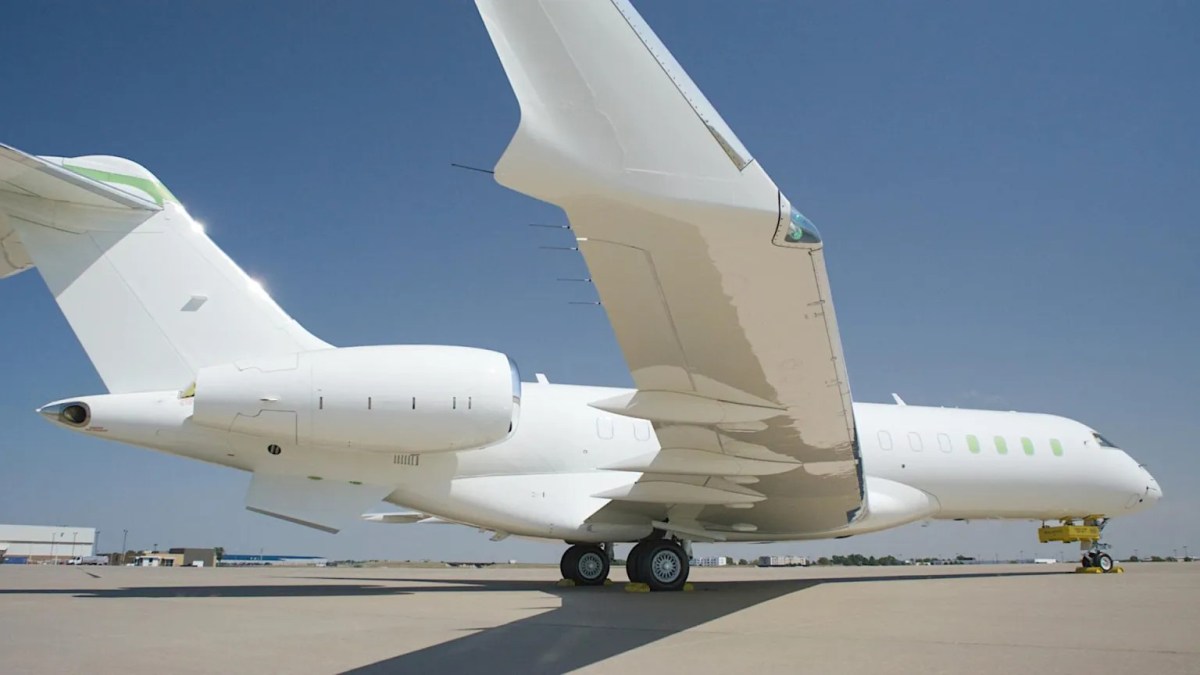
U.S. Army to Establish HADES Aircraft and Drone Battalion at Fort Hood
The U.S. Army has announced that its future fleet of ME-11B High Accuracy Detection and Exploitation System (HADES) aircraft will be stationed at Fort Hood, Texas. This initiative includes the formation of a unique operational drone battalion, aimed at consolidating aerial intelligence, surveillance, and reconnaissance (ISR) assets following the retirement of turboprop ISR planes last year. This development is significant as it marks a pivotal step in modernizing the Army's global aerial ISR capabilities. The relocation of the 116th Military Intelligence Brigade from Fort Gordon to Fort Hood is part of this strategy, enhancing the Army's ability to conduct multi-domain and large-scale combat operations. The ME-11B jets, converted from Bombardier Global 6500 business jets, are expected to improve operational efficiency with higher speed, altitude, and advanced sensor capabilities. Looking ahead, the Army anticipates the delivery of the first ME-11B prototype by the end of the year, with plans to acquire at least six production models. The HADES system is designed to extend the Army's intelligence-gathering reach significantly, utilizing long-range drones to enhance operational effectiveness while minimizing exposure to threats. No further timeline was disclosed at the time of publication.
Air Armies Drones Land Manned ISR News & Features
L3Harris and ARX Robotics Test Counter-Drone Sensing on Uncrewed Ground Vehicle
L3Harris Technologies and ARX Robotics have successfully demonstrated a robotic ground vehicle equipped with a counter-drone sensing system during the US Army’s Project Convergence-Capstone 6 experimentation campaign. This innovative approach allows for the deployment of sensors on a remotely controlled robot, reducing the risk to soldiers by keeping them away from potential drone threats. The demonstration utilized L3Harris' CORVUS-RAVEN counter-drone capability mounted on ARX Robotics' GEREON uncrewed ground vehicle. This setup enhances situational awareness by passively detecting signals associated with drone threats and providing critical bearing information. The ability to reposition the robotic vehicle as tactical situations evolve offers commanders a flexible alternative to fixed sensor locations. As small drones pose increasing challenges for modern militaries, the collaboration between L3Harris and ARX Robotics highlights the importance of modularity and adaptability in military technology. No further timeline was disclosed at the time of publication.
Military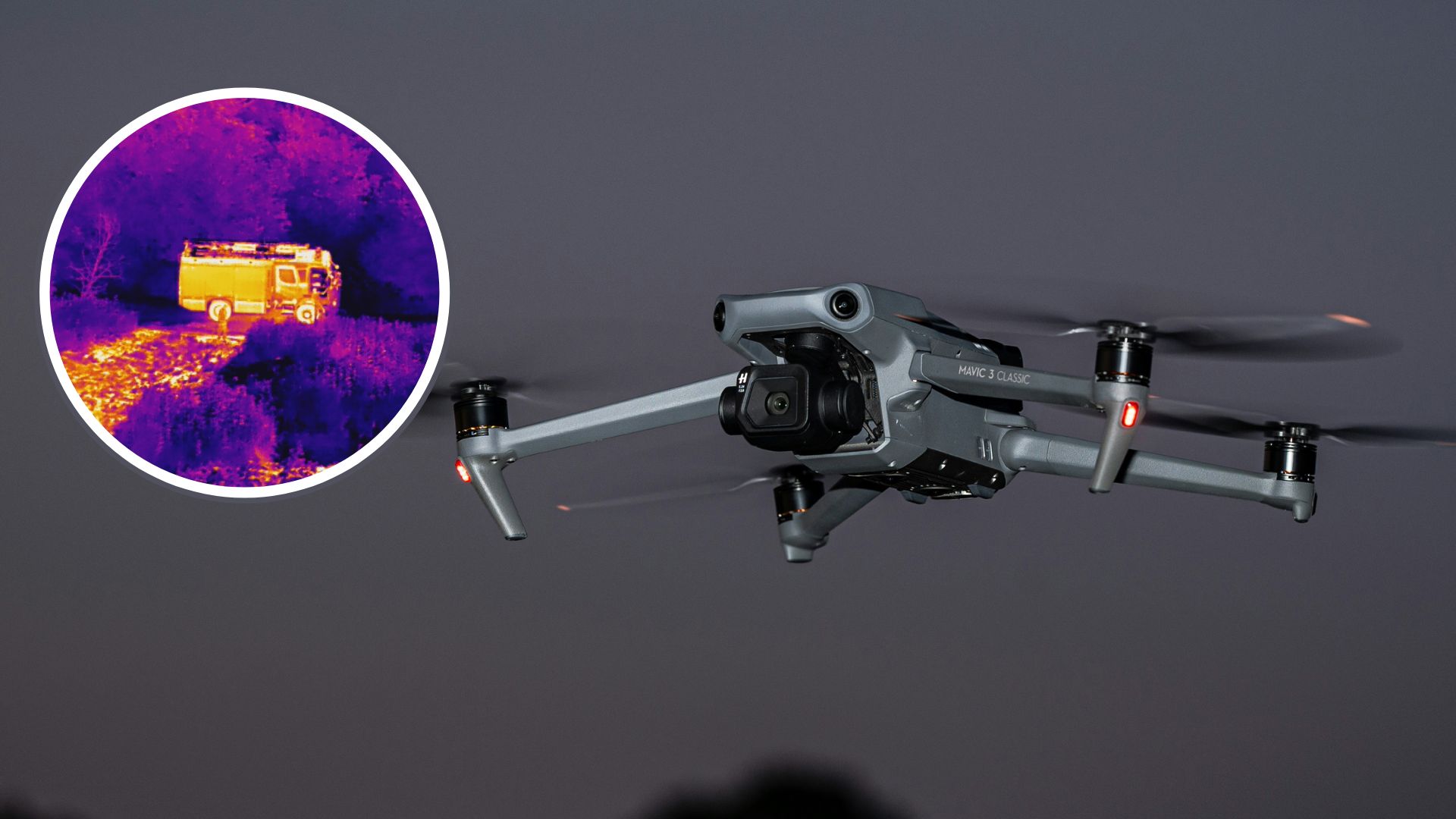
Teledyne FLIR OEM to Enhance U.S. Army's Thermal Imaging Technology for Drones
Teledyne FLIR OEM has partnered with the U.S. Army to advance thermal imaging technology under the DUTCH initiative. This program aims to develop smaller, more affordable uncooled infrared sensors for military applications, enhancing the performance of drones and other autonomous systems. The initiative is significant as it seeks to improve sensor capabilities without increasing size or power requirements, addressing the Army's need for more efficient military equipment. By focusing on size, weight, power, and cost (SWaP-C), the project aims to reduce payload burdens on uncrewed aircraft while extending operational time. Teledyne FLIR OEM plans to leverage its expertise in thermal imaging and system integration to support the Army's modernization efforts. The company is investing in small-pixel thermal sensor designs, which will allow for compact imaging systems that maintain thermal detail. No further timeline was disclosed at the time of publication.
MilitaryRobotics needs a service framework.
RSF defines a common language for robot service capability, lifecycle operations, certification pathways, and service-provider networks.
Join the RobotToday community on LinkedIn
Daily robotics news, in-depth analysis, conference highlights, and discussions with professionals worldwide.







