Industry Briefing
A single destination for timely, editor-curated robotics news from around the world.
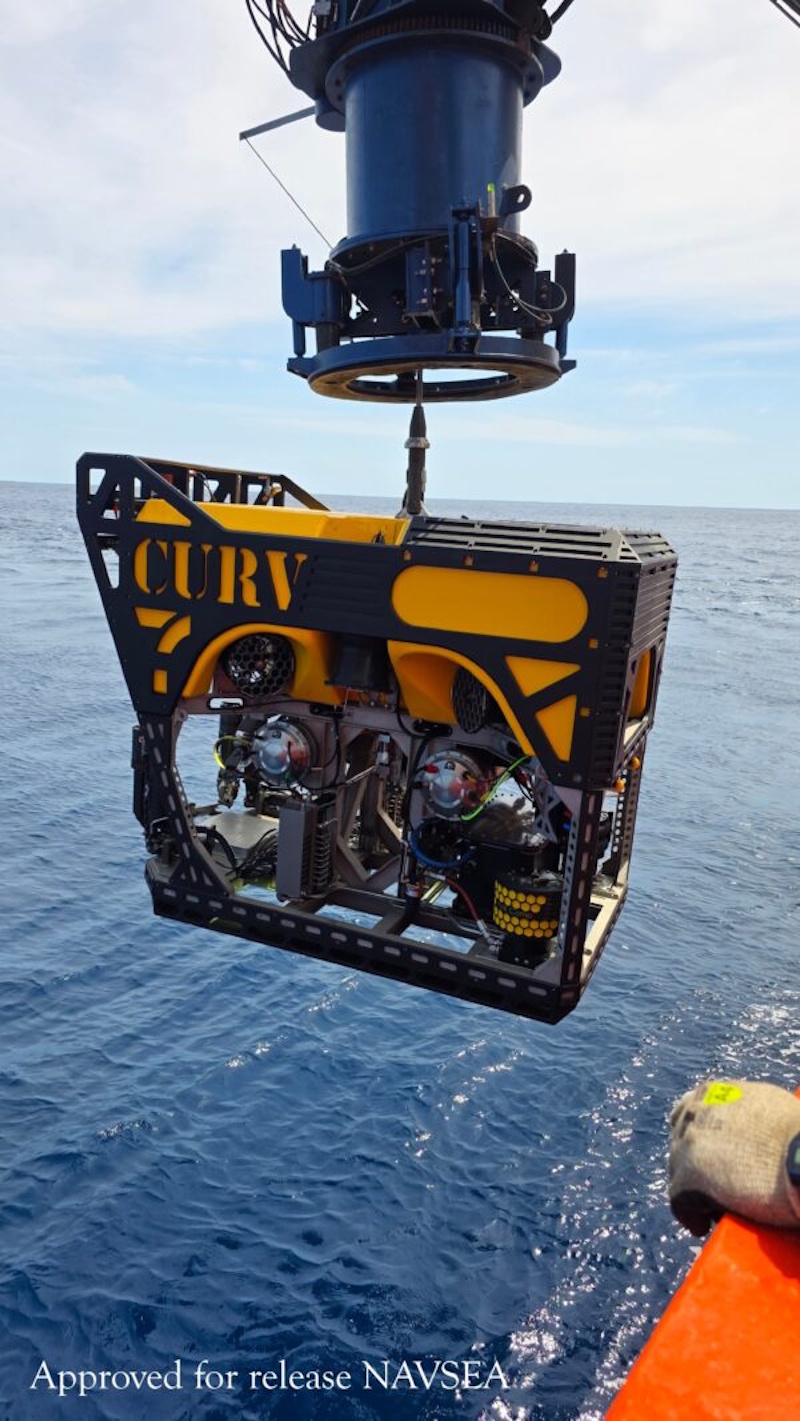
Phoenix International's CURV 7 ROV Successfully Completes Initial Mission for Navy SUPSALV
Phoenix International has announced the successful completion of the inaugural mission for its CURV 7 Remotely Operated Vehicle (ROV), developed for the Naval Sea Systems Command Supervisor of Salvage and Diving (SUPSALV). This mission highlights the advanced capabilities of the CURV 7, which is part of a long-standing family of ROV systems designed for deep-ocean operations. The CURV 7 system includes a range of components such as an electro-optic umbilical cable, a traction winch, and various support vans, providing a comprehensive solution for underwater interventions. Its six electric thrusters allow for precise maneuverability in all directions, making it suitable for complex underwater tasks. The successful mission underscores Phoenix's commitment to delivering reliable systems for the U.S. Navy. Looking ahead, additional testing is scheduled for later this year to further validate the CURV 7's capabilities and enhance its operational readiness. This milestone not only reflects years of engineering and collaboration with SUPSALV but also positions the CURV 7 as a critical asset for the Navy's underwater operations worldwide. No further timeline was disclosed at the time of publication.
phoenix international.curv 7 rov u.s. navy supsalv
Robot Talk Episode 161 – Collaborative haptic systems, with Allison Okamura
Claire recently engaged in a conversation with Allison Okamura, a prominent figure in the field of engineering at Stanford University, where she holds the position of Richard W. Weiland Professor. The discussion centered on the development of advanced robotic systems designed for haptic interaction, which allows users to experience touch sensations through technology. Okamura's research encompasses a wide range of interests, including haptics, teleoperation, virtual reality, medical robotics, soft robotics, rehabilitation, and education. As the Director of Graduate Studies for Mechanical Engineering at Stanford, she is at the forefront of integrating these innovative technologies into various applications, aiming to enhance user experience and interaction in both medical and educational settings. The dialogue highlights the significance of haptic technology in creating more immersive and effective robotic systems, reflecting ongoing advancements in the field.
A Design Specifications Template for Wearable Haptic Interfaces: A Case Study for Robotic Gripper Applications
A recent study published in the Journal of Field Robotics highlights advancements in autonomous robotic systems designed for agricultural applications. Researchers from various institutions collaborated to explore the integration of artificial intelligence and machine learning in enhancing the efficiency of farming practices. The study, released in early October 2023, emphasizes the growing need for innovative solutions in agriculture due to increasing global food demands and labor shortages. The research team conducted extensive field tests in multiple agricultural settings to evaluate the performance of these autonomous systems. By employing advanced algorithms, the robots demonstrated improved capabilities in tasks such as planting, harvesting, and monitoring crop health. The findings suggest that these technologies could significantly reduce labor costs and increase productivity, addressing critical challenges faced by the agricultural sector. This initiative aims to provide farmers with reliable tools that can adapt to various environmental conditions and crop types, ultimately contributing to sustainable farming practices. The study's outcomes are expected to influence future developments in agricultural robotics, paving the way for more efficient and environmentally friendly farming solutions.
RESEARCH ARTICLE
Design and Kinematic Analysis of a Six‐Wheeled Robot With a Passive Suspension for Integrated Terrain Adaptability and Vibration Mitigation
A recent study published in the Journal of Field Robotics highlights advancements in autonomous robotic systems designed for agricultural applications. Researchers from a leading university conducted experiments to assess the effectiveness of these robots in improving crop management and yield. The study, released in early October 2023, took place in various agricultural settings across the Midwest, where the robots were deployed to monitor crop health and optimize resource usage. The motivation behind this research stems from the increasing demand for sustainable farming practices and the need to enhance productivity in the face of climate change challenges. By integrating advanced sensors and machine learning algorithms, the robots are capable of analyzing soil conditions and plant health in real-time, allowing farmers to make informed decisions. The study's findings indicate that the implementation of these autonomous systems can significantly reduce labor costs and increase efficiency in farming operations. As the agricultural sector continues to evolve, this research underscores the potential of robotics to transform traditional farming methods, paving the way for a more sustainable and productive future in agriculture.
RESEARCH ARTICLE
The Evolution of Autonomous Systems for Planetary Cave Exploration: A Review
A recent study published in the Journal of Field Robotics highlights advancements in autonomous robotic systems designed for agricultural applications. Researchers from various institutions collaborated to develop innovative technologies aimed at improving efficiency in farming practices. The study, released in early October 2023, emphasizes the growing need for sustainable agricultural solutions in response to increasing global food demands and environmental challenges. The team conducted extensive field tests to evaluate the performance of these robotic systems in real-world farming environments. By integrating advanced sensors and artificial intelligence, the robots are capable of performing tasks such as planting, harvesting, and monitoring crop health with minimal human intervention. This approach not only aims to enhance productivity but also seeks to reduce the environmental impact of traditional farming methods. The motivation behind this research stems from the urgent need to address food security while minimizing resource usage. As climate change and population growth continue to strain agricultural resources, the development of autonomous robots presents a promising solution to meet future demands. Overall, the findings underscore the potential of robotics in transforming the agricultural sector, paving the way for more sustainable and efficient farming practices in the years to come.
SURVEY ARTICLE
Design and Development of an Automatic Soft Robotic Parallel Manipulator Device to Aid in Cardiopulmonary Resuscitation
In the May 2026 issue of the Journal of Field Robotics, researchers published a study exploring advancements in robotic technology aimed at enhancing agricultural efficiency. The study, conducted by a team of engineers and agricultural scientists, highlights innovative robotic systems designed to optimize crop monitoring and harvesting processes. The research was carried out over the course of two years, with field tests conducted in various agricultural settings across the Midwest. The motivation behind this initiative stems from the growing need for sustainable farming practices and the increasing labor shortages in the agricultural sector. By integrating advanced robotics, the team aims to address these challenges and improve productivity while minimizing environmental impact. The study details the development and implementation of autonomous robots equipped with sensors and machine learning algorithms that enable them to analyze soil conditions, monitor plant health, and perform precise harvesting tasks. The results indicate significant improvements in crop yield and resource management, demonstrating the potential of robotics to revolutionize traditional farming methods. This research not only contributes to the field of robotics but also offers practical solutions for modern agricultural challenges, paving the way for a more sustainable and efficient future in food production.
RESEARCH ARTICLE
Supernumerary Robotic Limbs: A Quantitative Analysis and Review of Design, Embodiment, and Future Challenges
A recent study published in the Journal of Field Robotics highlights advancements in autonomous robotic systems designed for agricultural applications. Researchers from a leading university conducted experiments to evaluate the effectiveness of these robots in improving crop management and yield. The study, which took place over the summer months of 2023, focused on various farming techniques and the integration of robotics in precision agriculture. The motivation behind this research stems from the growing need for sustainable farming practices amid increasing global food demand and labor shortages in the agricultural sector. By employing advanced sensors and machine learning algorithms, the robots demonstrated significant improvements in efficiency and accuracy in tasks such as planting, monitoring, and harvesting crops. The findings indicate that the implementation of these robotic systems can lead to enhanced productivity and reduced environmental impact, paving the way for the future of farming. The research team plans to continue refining these technologies and exploring their potential applications in different agricultural settings.
SURVEY ARTICLE
Biomimetic Design and Performance Analysis of a Magnetic H‐Shaped Microrobot
A recent study published in the Journal of Field Robotics highlights advancements in autonomous robotic systems designed for agricultural applications. Researchers from various institutions collaborated to develop innovative technologies aimed at improving efficiency in crop management. The findings, released in early October 2023, emphasize the growing need for sustainable farming practices amid increasing global food demands. The study showcases how these robotic systems can enhance precision in tasks such as planting, monitoring, and harvesting crops. By integrating artificial intelligence and machine learning, the robots are capable of analyzing environmental conditions and making real-time adjustments to optimize yield. This technological evolution is driven by the urgent need to address labor shortages in agriculture and the rising costs associated with traditional farming methods. Field tests conducted in diverse agricultural settings demonstrated the robots' effectiveness in reducing resource consumption while increasing productivity. The research team believes that widespread adoption of these autonomous systems could significantly transform the agricultural landscape, promoting sustainability and resilience in food production. As the agricultural sector faces unprecedented challenges, this study underscores the potential of robotics to revolutionize farming practices, ensuring food security for future generations.
RESEARCH ARTICLE
NVIDIA DGX SuperPOD Sets the Stage for Rubin-Based Systems
At the CES trade show in Las Vegas, NVIDIA unveiled its new Rubin platform, which is set to revolutionize AI computing through large-scale system deployments. The introduction of the NVIDIA DGX SuperPOD marks a significant advancement in this technology, showcasing six new systems designed to enhance performance and efficiency in AI applications. This development aims to meet the growing demand for powerful computing solutions in various industries, positioning NVIDIA at the forefront of the AI revolution. The Rubin platform is expected to facilitate more complex and expansive AI projects, ultimately driving innovation and progress in the field.
Latvian Defense Minister resigns, following lagging response to drone incursions
A recent incident has raised concerns about the effectiveness of military drone detection systems, which failed to identify an incoming aircraft before it crashed. The event occurred when the aircraft, whose specifics have not been disclosed, went undetected by the systems designed to monitor airspace for potential threats. Alarmingly, mobile warnings intended for residents were not dispatched until nearly an hour after the crash had already taken place. This delay has prompted questions regarding the reliability of current detection technology and the protocols in place for alerting the public in emergency situations. Authorities are now investigating the circumstances surrounding the failure of the detection systems and the subsequent communication breakdown to ensure that such an oversight does not occur in the future.
Air Warfare Global Air Force Drones Europe Latvia
FLSea: Underwater Visual–Inertial and Stereovision Forward‐Looking Data Sets
A recent study published in the Journal of Field Robotics highlights advancements in autonomous robotic systems designed for agricultural applications. Researchers from various institutions collaborated to develop innovative algorithms that enhance the efficiency and effectiveness of robots in crop monitoring and management. The findings, released in early October 2023, demonstrate how these technologies can significantly reduce labor costs and improve yield predictions, addressing the growing demand for sustainable farming practices. The research was conducted in various agricultural settings, showcasing the robots' adaptability to different environments and crops. By integrating machine learning and real-time data analysis, the team aims to provide farmers with tools that not only optimize their operations but also contribute to environmental sustainability. This study marks a significant step forward in the integration of robotics into agriculture, promising to transform traditional farming methods and support food security in the face of global challenges.
RESEARCH ARTICLE
A Vision‐Guided Docking Method for Autonomous Underwater Vehicle From Ice Hole
A recent study published in the Journal of Field Robotics highlights advancements in autonomous robotic systems designed for agricultural applications. Researchers from a leading university conducted experiments to evaluate the efficiency of these robots in crop monitoring and management. The study, released in early October 2023, took place in various agricultural settings across the Midwest. The motivation behind this research stems from the increasing need for sustainable farming practices amid rising global food demands. By integrating advanced robotics and artificial intelligence, the team aimed to enhance productivity while minimizing environmental impact. The robots utilized cutting-edge sensors and machine learning algorithms to collect and analyze data on crop health, soil conditions, and pest activity. Through a series of field trials, the researchers demonstrated that these autonomous systems could significantly reduce labor costs and improve yield predictions. The findings suggest that the implementation of such technology could revolutionize traditional farming methods, making them more efficient and environmentally friendly. This study not only underscores the potential of robotics in agriculture but also paves the way for further innovations that could address the challenges faced by the agricultural sector in the coming years.
RESEARCH ARTICLE
Effectiveness Assessment of Underwater Area Cruise Based on the ADC Method
The Journal of Field Robotics has recently published an article in its EarlyView section, highlighting advancements in robotic technology. Researchers from various institutions collaborated to explore innovative applications of field robotics, focusing on enhancing efficiency in agricultural practices. The study, released in October 2023, emphasizes the growing importance of robotics in addressing global food security challenges. The research team conducted extensive field tests to evaluate the performance of new robotic systems designed for tasks such as planting, harvesting, and monitoring crops. By integrating artificial intelligence and machine learning, these robots aim to optimize resource use and reduce labor costs in farming operations. The findings indicate that implementing these technologies can significantly improve yield and sustainability. This initiative is driven by the urgent need to increase agricultural productivity in the face of a rising global population and climate change impacts. The researchers advocate for further investment in robotic solutions to support farmers and ensure food supply chains remain resilient. The article serves as a call to action for stakeholders in the agricultural sector to embrace technological advancements that can transform traditional farming methods.
RESEARCH ARTICLE
Path Tracking Control for Crawler Robots With Track Slippage and Signal Time Delay Based on Pure Pursuit and Look‐Ahead Heading Error Compensation
A recent study published in the Journal of Field Robotics highlights advancements in autonomous robotic systems designed for agricultural applications. Conducted by a team of researchers from various institutions, the study was released in early October 2023. The research focuses on the integration of artificial intelligence and machine learning to enhance the efficiency and effectiveness of farming practices. The motivation behind this study stems from the increasing demand for sustainable agricultural solutions amid global food security challenges. By employing innovative robotic technologies, the researchers aim to address labor shortages and improve crop management. The study outlines the development of a prototype robot capable of performing tasks such as planting, monitoring, and harvesting crops with minimal human intervention. Field tests were conducted in diverse agricultural settings to evaluate the robot's performance and adaptability. The findings indicate that the robotic systems can significantly reduce operational costs and increase yield, offering a promising solution for modern farming challenges. This research not only contributes to the field of robotics but also provides valuable insights for farmers seeking to adopt new technologies for enhanced productivity.
RESEARCH ARTICLE
Outracing a National Level Model Racing Car Champion: A Hybrid Model‐Based Data‐Driven Approach
A recent study published in the Journal of Field Robotics highlights advancements in autonomous robotic systems designed for agricultural applications. Conducted by a team of researchers from various universities, the study was released in early October 2023. The research focuses on the development of robots capable of performing tasks such as planting, harvesting, and monitoring crops with minimal human intervention. The motivation behind this innovation stems from the increasing demand for efficient agricultural practices to address food security challenges and labor shortages in the farming sector. By utilizing advanced sensors and artificial intelligence, these robots can navigate complex terrains and adapt to varying environmental conditions, enhancing productivity and sustainability in agriculture. The researchers conducted extensive field trials to validate the robots' effectiveness, demonstrating their ability to operate autonomously while maintaining high levels of accuracy and efficiency. The findings suggest that integrating these robotic systems into farming operations could significantly reduce labor costs and improve crop yields, paving the way for a more sustainable future in agriculture.
RESEARCH ARTICLE
A Review on Search and Rescue Robots in Complex Scenarios: Key Technologies of Simultaneous Localisation and Mapping
A recent study published in the Journal of Field Robotics highlights the advancements in autonomous robotic systems designed for agricultural applications. Researchers from various institutions collaborated to explore innovative technologies that enhance efficiency and sustainability in farming practices. The findings, released in early October 2023, emphasize the growing need for automation in agriculture to address labor shortages and improve crop yields. The research team conducted extensive field tests to evaluate the performance of these robotic systems in real-world farming scenarios. By integrating artificial intelligence and machine learning, the robots demonstrated the ability to perform tasks such as planting, monitoring, and harvesting with remarkable precision. This technological progress aims to support farmers in overcoming challenges posed by climate change and increasing food demand. The study underscores the importance of developing reliable and cost-effective robotic solutions that can be easily adopted by farmers. As the agricultural sector faces mounting pressures, the implementation of these advanced technologies could significantly transform traditional farming methods, leading to more sustainable practices and enhanced productivity.
SURVEY ARTICLE
Research on Orchard Navigation Path Planning Based on 3D LiDAR SLAM Considering Terrain Roughness
A recent study published in the Journal of Field Robotics highlights advancements in autonomous robotic systems designed for agricultural applications. Researchers from a consortium of universities and tech companies conducted the study to address the growing need for efficient farming solutions amid rising labor costs and food demand. The research, which began in early 2023, took place across various agricultural sites in California, focusing on the integration of robotics in crop monitoring and harvesting. The team developed a prototype robot equipped with advanced sensors and machine learning algorithms, enabling it to navigate fields and collect data on crop health. This innovation aims to enhance productivity and reduce the reliance on manual labor, which has become increasingly scarce. The researchers conducted extensive field tests to evaluate the robot's performance and adaptability to different farming conditions. The findings suggest that these autonomous systems could significantly improve yield and reduce waste, addressing both economic and environmental challenges in agriculture. The study underscores the potential of robotics to transform traditional farming practices, paving the way for more sustainable and efficient food production methods in the future.
RESEARCH ARTICLE
Taiwan Excellence Pavilion Brings Edge AI, Robotics and Smart Manufacturing Technology to Automate 2026
Twenty-three Taiwanese companies recently presented their innovative industrial technologies aimed at enhancing real-time automation and connectivity within U.S. manufacturing. This showcase took place as part of a broader initiative to strengthen collaboration between Taiwan and the United States in the manufacturing sector. The event highlighted advancements in automation tools and connected systems designed to improve efficiency and productivity in manufacturing processes. By demonstrating these technologies, the Taiwanese firms aim to address the growing demand for smarter manufacturing solutions in the U.S. market, driven by the need for increased competitiveness and operational efficiency. The presentation underscored the importance of international partnerships in fostering technological advancements and meeting the evolving needs of the manufacturing industry.
DynaSki: A Robust Locomotion Framework for Dynamic Skiing Robot on Challenging Terrains
A recent study published in the Journal of Field Robotics highlights advancements in autonomous robotic systems designed for agricultural applications. Researchers from a leading university conducted the study to address the growing need for efficient farming solutions amid increasing global food demand. The findings, released in early October 2023, provide insights into how these robotic systems can enhance crop monitoring and management. The research was conducted in various agricultural settings, demonstrating the robots' capabilities in navigating complex terrains and performing tasks such as planting, weeding, and harvesting. By employing advanced sensors and machine learning algorithms, the robots can analyze environmental conditions and optimize farming practices, ultimately aiming to increase yield while reducing labor costs. The motivation behind this innovation stems from the challenges faced by farmers due to labor shortages and the need for sustainable farming methods. The study emphasizes the potential of robotics to transform traditional agriculture, making it more resilient and productive in the face of climate change and resource constraints. As the agricultural sector continues to evolve, these findings could pave the way for broader adoption of robotic technologies, enhancing food security and sustainability worldwide.
RESEARCH ARTICLE
NVIDIA Blackwell Leads on First Agentic AI Infrastructure Benchmark
Artificial Analysis has launched AgentPerf, the industry's first benchmark for agentic AI, aimed at providing developers, enterprises, and infrastructure providers with a standardized method to evaluate and compare various systems designed for agentic AI capabilities. The initial results have highlighted NVIDIA's Blackwell as a leading performer in this emerging field. This development comes as the demand for advanced AI systems continues to grow, prompting the need for reliable metrics to assess their effectiveness and efficiency. By establishing a clear framework for comparison, AgentPerf seeks to facilitate informed decision-making among stakeholders in the AI sector.

LIO‐RRTNav for Cattle Yard Inspection Robots: Prior Map Aided Relocalization and Goal‐Oriented, Smooth RRT Path Planning
A recent study published in the Journal of Field Robotics highlights advancements in autonomous robotic systems designed for agricultural applications. Researchers from a leading university conducted the study to address the growing need for efficient farming solutions amid increasing global food demands. The research, which took place over the past year, focused on developing robots capable of performing tasks such as planting, weeding, and harvesting with minimal human intervention. The team utilized cutting-edge technologies, including machine learning and computer vision, to enhance the robots' ability to navigate complex agricultural environments. By integrating these technologies, the robots can adapt to varying crop conditions and optimize their performance. The findings indicate that these autonomous systems could significantly reduce labor costs and improve productivity in the agricultural sector. The study's implications are particularly relevant as farmers face challenges related to labor shortages and the need for sustainable practices. By demonstrating the effectiveness of robotic solutions, the researchers aim to encourage wider adoption of automation in farming, ultimately contributing to food security and sustainability efforts worldwide. The research underscores the potential for robotics to transform traditional agricultural practices, paving the way for a more efficient and resilient food production system.
RESEARCH ARTICLE
Cross‐Modal Synergistic Optimization Multi‐Task Segmentation Network for Autonomous Ground Intelligent Agents in Field Environments
A recent study published in the Journal of Field Robotics highlights the advancements in autonomous robotic systems designed for agricultural applications. Researchers from various institutions collaborated to explore innovative technologies that enhance efficiency and sustainability in farming practices. The findings, released in early October 2023, emphasize the growing importance of robotics in addressing labor shortages and increasing productivity in the agricultural sector. The study showcases several case studies where autonomous robots successfully performed tasks such as planting, harvesting, and monitoring crops, demonstrating their potential to revolutionize traditional farming methods. By integrating artificial intelligence and machine learning, these robots can adapt to varying environmental conditions and optimize resource use, ultimately contributing to more sustainable agricultural practices. The motivation behind this research stems from the pressing challenges faced by the agricultural industry, including the need for increased food production to meet global demand and the impact of climate change on farming. The researchers advocate for the adoption of robotic technologies as a viable solution to enhance food security and reduce the environmental footprint of agriculture. Through rigorous testing and evaluation, the study provides insights into the operational capabilities of these autonomous systems, paving the way for further innovations in the field. As the agricultural sector continues to evolve, the integration of robotics is expected to play a crucial role in shaping the future of food production.
RESEARCH ARTICLE
Two Fossa Flat Minima Optimization Algorithm‐Based Enhancement of Ecological Balance Using Carbon‐Neutral Eco‐Robots With Situational Intelligence for Air Quality Monitoring
A recent study published in the Journal of Field Robotics explores advancements in autonomous robotic systems designed for agricultural applications. Conducted by a team of researchers from various universities, the study highlights the growing importance of robotics in enhancing efficiency and sustainability in farming practices. The research, which was completed in October 2023, focuses on the development of robots capable of performing tasks such as planting, weeding, and harvesting crops with minimal human intervention. The motivation behind this research stems from the increasing demand for food production amid a global population surge and the need for sustainable farming methods that reduce environmental impact. By integrating advanced sensors and artificial intelligence, the robots are designed to optimize resource use, reduce labor costs, and improve crop yields. Field tests conducted in various agricultural settings demonstrated the robots' effectiveness in performing tasks traditionally done by human laborers. The study's findings suggest that these autonomous systems could significantly transform the agricultural landscape, making it more efficient and less reliant on chemical inputs. As the agricultural sector faces challenges related to labor shortages and climate change, the research underscores the potential of robotics to address these issues and pave the way for a more sustainable future in food production. The study calls for further investment and development in this technology to fully realize its benefits for farmers and the environment.
RESEARCH ARTICLE
Automated Lawn Maintenance: An Agronomic and Operational Review of Turf Health, Biodiversity, and Field Performance
A recent study published in the Journal of Field Robotics highlights advancements in autonomous robotic systems designed for agricultural applications. Researchers from a leading university conducted the study to explore how these robots can enhance efficiency in farming practices. The research was carried out over the summer of 2023 at various agricultural sites across the Midwest. The motivation behind this initiative stems from the increasing demand for sustainable farming solutions that can address labor shortages and improve crop yields. By integrating advanced sensors and machine learning algorithms, the robots are capable of performing tasks such as planting, monitoring crop health, and harvesting with minimal human intervention. The study involved extensive field tests, where the robots demonstrated their ability to navigate complex terrains and adapt to changing environmental conditions. Results showed a significant increase in productivity compared to traditional farming methods, suggesting that the implementation of these technologies could revolutionize the agricultural sector. As the agricultural industry faces challenges related to climate change and population growth, this research underscores the potential of robotics to provide innovative solutions that promote sustainability and efficiency in food production. The findings are expected to pave the way for further developments in agricultural robotics, ultimately benefiting farmers and consumers alike.
SURVEY ARTICLE
RGPB‐Planner: A Real‐Time Gaussian Potential B‐Spline Trajectory Planner for Unmanned Aerial Vehicles in Complex Environments
A recent study published in the Journal of Field Robotics explores advancements in autonomous robotic systems designed for agricultural applications. Researchers from various institutions conducted the study to address the growing need for efficient farming solutions amid increasing global food demands. The findings, released in early October 2023, highlight innovative technologies that enhance the capabilities of robots in tasks such as planting, harvesting, and monitoring crops. The research was conducted in diverse agricultural settings, showcasing how these robotic systems can adapt to different environments and crop types. By integrating artificial intelligence and machine learning, the robots are able to optimize their performance, reducing labor costs and increasing productivity for farmers. This initiative stems from the urgent necessity to improve agricultural efficiency and sustainability in response to climate change and population growth. The study emphasizes that the implementation of these robotic systems could significantly transform traditional farming practices, making them more resilient and resource-efficient. The research team utilized a combination of field tests and simulations to demonstrate the effectiveness of the robotic technologies, providing a comprehensive analysis of their potential impact on the agricultural sector. As the industry continues to evolve, the insights from this study may pave the way for broader adoption of robotics in farming, ultimately contributing to food security and environmental sustainability.
RESEARCH ARTICLE
Mobile Manipulator Robot for Autonomous In‐Situ Soil Measurements in Chile Pepper Cultivation
A recent study published in the Journal of Field Robotics highlights the advancements in autonomous robotic systems designed for agricultural applications. Researchers from various institutions conducted the study to explore how these technologies can enhance efficiency and productivity in farming practices. The findings, released in early October 2023, indicate that the integration of robotics in agriculture can significantly reduce labor costs and improve crop yields. The research was conducted in multiple agricultural settings, demonstrating the versatility of robotic systems in different environments. By employing advanced sensors and machine learning algorithms, these robots can perform tasks such as planting, harvesting, and monitoring crop health with minimal human intervention. The motivation behind this innovation stems from the growing need for sustainable farming solutions amid increasing global food demand and labor shortages in the agricultural sector. Through extensive field trials, the researchers documented the robots' performance, revealing their ability to operate efficiently under various weather conditions and terrains. This study not only underscores the potential of robotics to transform agriculture but also emphasizes the importance of continued investment in technology to address future challenges in food production.
RESEARCH ARTICLE
A Low‐Drift Legged Robot State‐Estimation System Through Combined Physics‐Informed Contact Estimation Network and Full Joint State
A recent study published in the Journal of Field Robotics highlights advancements in autonomous robotic systems designed for agricultural applications. Researchers from various institutions collaborated to develop innovative algorithms that enhance the efficiency and precision of farming robots. The findings, released in early October 2023, demonstrate how these technologies can significantly improve crop monitoring and management. The study was conducted across multiple farms in the Midwest, where the team tested the robots' capabilities in real-world conditions. By utilizing advanced sensors and machine learning techniques, the robots were able to identify crop health issues and optimize resource usage, such as water and fertilizers. This approach not only aims to increase agricultural productivity but also addresses sustainability concerns in farming practices. The motivation behind this research stems from the growing need for efficient food production methods to meet the demands of a rising global population. As traditional farming faces challenges such as labor shortages and environmental impacts, the integration of autonomous systems presents a viable solution. The researchers emphasized that the successful implementation of these technologies could lead to a transformative shift in how agriculture is practiced, ultimately benefiting both farmers and consumers alike.
RESEARCH ARTICLE
Multi‐Robot Collaborative Navigation Framework Based on 3D Voronoi Partitioning in Uneven and Unstructured Environments
A recent study published in the Journal of Field Robotics highlights advancements in autonomous robotic systems designed for agricultural applications. Researchers from various institutions collaborated to develop innovative algorithms that enhance the efficiency and accuracy of these robots in crop monitoring and management. The study, released in early October 2023, emphasizes the growing need for automation in agriculture due to labor shortages and the increasing demand for food production. The research was conducted across multiple farms in the Midwest, where the team tested the robots' capabilities in real-world conditions. By integrating machine learning techniques, the robots can now analyze crop health, detect pests, and optimize resource usage, significantly reducing the environmental impact of farming practices. This initiative aims to address the challenges faced by farmers, particularly in light of climate change and the need for sustainable agriculture. The findings suggest that implementing these robotic systems can lead to improved yields and reduced operational costs, ultimately benefiting both farmers and consumers. As the agricultural sector continues to evolve, the integration of such technologies is seen as a crucial step toward a more sustainable future.
RESEARCH ARTICLE
DARPA solicits swarm-capable, automated robotic medics to treat battlefield casualties
The Defense Advanced Research Projects Agency (DARPA) has initiated a new program aimed at advancing the development of robotic systems designed for complex tasks in various environments. Announced in October 2023, this initiative seeks to enhance the capabilities of robots to operate autonomously in challenging conditions, which could include disaster response scenarios, military operations, and other critical missions. The motivation behind this program is to leverage cutting-edge technology to improve efficiency and safety in situations where human intervention may be risky or impractical. Through a combination of innovative engineering and artificial intelligence, DARPA plans to collaborate with industry leaders and academic institutions to create these advanced robotic systems. The program is expected to unfold over several years, with milestones set for testing and deployment in real-world applications.
A Novel Crawling Robot Based on the Hexagonal Mesh Structure and Enhanced PID Control Strategy
A recent study published in the Journal of Field Robotics highlights advancements in robotic technology, specifically focusing on the development of autonomous systems designed for agricultural applications. Conducted by a team of researchers from various universities, the study was released in June 2026 and aims to address the increasing demand for efficient farming practices in response to global food shortages. The research team explored innovative robotic solutions that can enhance crop monitoring and management, ultimately improving yield and reducing labor costs. By integrating advanced sensors and machine learning algorithms, these autonomous robots can navigate complex agricultural environments, collect data, and perform tasks such as planting and harvesting with minimal human intervention. This initiative is driven by the need for sustainable agricultural practices, as traditional farming methods struggle to keep pace with population growth and climate change. The findings suggest that implementing such robotic systems could significantly transform the agricultural landscape, making it more efficient and resilient. The study's implications extend beyond immediate agricultural benefits, as it also addresses broader environmental concerns by promoting precision farming techniques that minimize resource waste. As the agricultural sector continues to evolve, the integration of robotics may play a crucial role in ensuring food security for future generations.
RESEARCH ARTICLE
D2GNet: Efficient 6‐DoF Grasp Detection in Cluttered Scenes via Density‐Aware Dual‐Dimensional Graph Networks
A recent study published in the Journal of Field Robotics highlights advancements in robotic technology aimed at enhancing agricultural efficiency. Conducted by a team of researchers from various universities, the study was released in June 2026 and focuses on innovative robotic systems designed to optimize crop management and reduce labor costs. The research team utilized a combination of machine learning algorithms and autonomous navigation systems to develop robots capable of performing tasks such as planting, monitoring, and harvesting crops. This initiative was motivated by the increasing demand for sustainable farming practices and the need to address labor shortages in the agricultural sector. Field tests were conducted in diverse agricultural environments, demonstrating the robots' ability to adapt to varying conditions and improve overall productivity. The findings suggest that integrating robotics into farming not only enhances efficiency but also contributes to more sustainable practices by minimizing resource waste. As the agricultural industry faces challenges related to climate change and population growth, the implementation of these robotic systems could play a crucial role in ensuring food security and promoting environmentally friendly farming methods. The research underscores the potential of robotics to transform traditional agricultural practices, paving the way for a more automated and sustainable future in farming.
RESEARCH ARTICLE
A Depth Control Method for Full Ocean Depth AUV
A recent study published in the Journal of Field Robotics highlights advancements in autonomous robotic systems designed for agricultural applications. Researchers from various institutions conducted the study to address the growing need for efficient farming solutions amid increasing global food demands. The findings, released in early October 2023, showcase innovative technologies that enhance crop monitoring and management through the use of drones and ground-based robots. The research, conducted in diverse agricultural settings, demonstrates how these autonomous systems can optimize resource usage, reduce labor costs, and improve yield quality. By integrating artificial intelligence and machine learning, the robots are capable of analyzing vast amounts of data in real-time, allowing farmers to make informed decisions quickly. This initiative is particularly significant as it responds to the challenges posed by climate change and labor shortages in the agricultural sector. The study emphasizes the potential of robotics to transform traditional farming practices, making them more sustainable and efficient. As the global population continues to rise, the implementation of such technologies could play a crucial role in ensuring food security for the future.
RESEARCH ARTICLE
Deep Reinforcement Learning Based Autonomous Decision‐Making for Cooperative Uncrewed Aerial Vehicles: A Search and Rescue Real World Application
A recent study published in the Journal of Field Robotics highlights advancements in autonomous robotic systems designed for agricultural applications. Researchers from various institutions collaborated to develop innovative algorithms that enhance the efficiency and precision of robotic farming equipment. The findings, released in early October 2023, emphasize the growing importance of automation in agriculture, particularly in response to labor shortages and the need for sustainable farming practices. The research was conducted in multiple agricultural settings, showcasing how these robotic systems can adapt to different crop types and environmental conditions. By integrating machine learning and sensor technology, the robots are capable of performing tasks such as planting, weeding, and harvesting with minimal human intervention. This development aims to address the challenges faced by farmers, including the rising costs of labor and the increasing demand for food production. The study underscores the potential for these autonomous systems to revolutionize the agricultural sector, making it more efficient and environmentally friendly. As the agricultural industry continues to evolve, the implementation of such technologies could lead to significant improvements in productivity and sustainability.
RESEARCH ARTICLE
Improved ESO‐LOS Guidance Strategy for AUV: Theory and Experiment Validation
A recent study published in the Journal of Field Robotics highlights advancements in autonomous robotic systems designed for agricultural applications. Researchers from various institutions collaborated to develop innovative algorithms that enhance the efficiency of robots in crop monitoring and management. The findings, released in early October 2023, indicate that these robotic systems can significantly improve yield predictions and reduce labor costs for farmers. Conducted in diverse agricultural settings, the research aimed to address the growing need for sustainable farming practices amid increasing global food demands. By employing cutting-edge technology, the team demonstrated how autonomous robots can collect and analyze data more accurately than traditional methods, enabling farmers to make informed decisions about resource allocation and crop health. The study underscores the potential of robotics to transform the agricultural landscape, offering solutions that not only optimize productivity but also promote environmental sustainability. As the agricultural sector faces challenges such as labor shortages and climate change, these advancements in robotic technology could play a crucial role in ensuring food security for future generations.
RESEARCH ARTICLE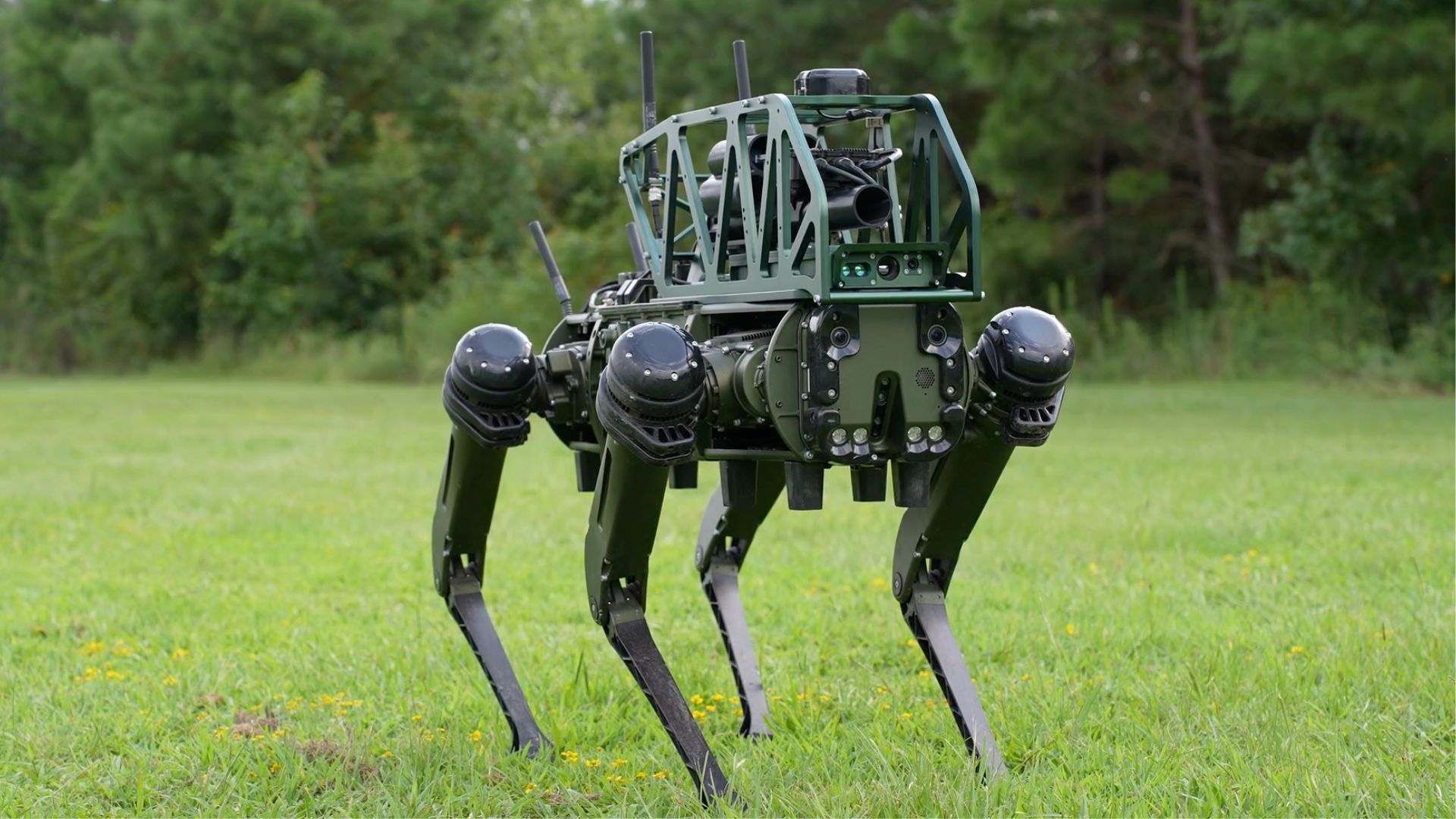
Robot dogs with shotguns, grenade launchers head to US urban warfare trials
The United States has contracted an Australian defense company to supply advanced robotic dogs and modular systems designed for military applications. This agreement, announced recently, aims to enhance the capabilities of the U.S. armed forces by integrating cutting-edge technology into their operations. The initiative is part of a broader strategy to modernize defense assets and improve operational efficiency. The robotic systems are expected to assist in various tasks, potentially reducing risks to personnel and increasing mission effectiveness. The collaboration underscores the growing partnership between the U.S. and Australia in defense innovation, reflecting a commitment to leveraging advanced technology in military operations.

LMBC: Low‐Power Marine Benthos Counting Framework for Underwater Robotic Real‐Time Applications
A recent study published in the Journal of Field Robotics explores advancements in robotic technology aimed at enhancing agricultural efficiency. Researchers from various institutions conducted the study to address the growing need for sustainable farming practices amid increasing global food demand. The findings, released in early October 2023, highlight innovative robotic systems designed to automate tasks such as planting, monitoring crop health, and harvesting. The research was carried out in various agricultural settings, demonstrating the robots' capabilities in real-world environments. By integrating artificial intelligence and machine learning, these robots can adapt to different crop conditions and improve productivity while minimizing resource use. The motivation behind this development stems from the urgent need to reduce labor costs and environmental impact in agriculture. The study outlines the process of designing and implementing these robotic systems, showcasing their potential to revolutionize traditional farming methods. As the agricultural sector faces challenges related to labor shortages and climate change, the introduction of such technology could play a crucial role in ensuring food security for the future. The research underscores the importance of innovation in addressing the complexities of modern agriculture and highlights the collaborative efforts of scientists and engineers in this field.
RESEARCH ARTICLE
Geek+ Partners with Mindugar to Accelerate Warehouse Automation Adoption Across Latin America
Geek+ has announced a strategic partnership with Mindugar to advance warehouse automation across Latin America. This collaboration will integrate Geek+'s innovative mobile robotics solutions with Mindugar's expertise in racking systems. Set to roll out in response to the burgeoning e-commerce and logistics markets in the region, the partnership aims to provide scalable automation systems designed to enhance efficiency and productivity for local businesses. By leveraging their combined strengths, both companies seek to address the increasing demand for advanced logistics solutions in Latin America.
Warehouse Automation Mobile Robotics Logistics Supply Chain Management E-commerce
Exploring the Use and Impact of Composite Materials in Robotics: A Systematic Review
A recent study published in the Journal of Field Robotics highlights the advancements in autonomous robotic systems designed for agricultural applications. Conducted by a team of researchers from various universities, the study was released in early October 2023. The research focuses on the increasing need for efficient farming solutions amid growing global food demands and labor shortages. The team developed a series of robotic prototypes capable of performing tasks such as planting, weeding, and harvesting with minimal human intervention. These innovations aim to enhance productivity and sustainability in agriculture, addressing critical challenges posed by climate change and population growth. By utilizing advanced sensors and artificial intelligence, the robots can navigate complex environments and make real-time decisions, significantly improving operational efficiency. The findings underscore the potential of robotics to transform traditional farming practices and contribute to food security. This research not only showcases the technological capabilities of modern robotics but also emphasizes the importance of integrating such systems into agricultural practices to meet future demands. The implications of this work could lead to widespread adoption of robotic solutions in farming, ultimately benefiting both producers and consumers.
FIELD REPORT
Biomimetic Multifinger Tactile Sensing and Contact‐Regulated Palpation for Autonomous Breast Tumor Localization
A recent study published in the Journal of Field Robotics highlights advancements in autonomous robotic systems designed for agricultural applications. Researchers from a leading university conducted experiments to evaluate the effectiveness of these robots in optimizing crop management and enhancing productivity. The study took place over the summer of 2023 on various farms across the Midwest, where the robots were deployed to monitor crop health, assess soil conditions, and automate harvesting processes. The motivation behind this research stems from the increasing demand for sustainable farming practices and the need to address labor shortages in the agricultural sector. By integrating advanced robotics and artificial intelligence, the team aimed to demonstrate how these technologies can improve efficiency and reduce the environmental impact of farming. Through a series of field tests, the researchers collected data on the robots' performance, analyzing their ability to navigate complex terrains and make real-time decisions based on environmental inputs. The findings indicate that these autonomous systems not only enhance productivity but also contribute to more precise resource management, ultimately supporting the goal of sustainable agriculture. This study represents a significant step forward in the application of robotics in farming, showcasing the potential for technology to transform traditional agricultural practices and meet the challenges posed by a growing global population.
RESEARCH ARTICLE
Intelligent Autonomy: A Novel Hybrid Navigation System for Autonomous Load‐Haul‐Dump Vehicles
A recent study published in the Journal of Field Robotics highlights advancements in autonomous robotic systems designed for agricultural applications. Researchers from various institutions collaborated to develop innovative algorithms that enhance the efficiency and accuracy of these robots in tasks such as planting, monitoring, and harvesting crops. The findings, released in early October 2023, emphasize the growing importance of robotics in addressing labor shortages and increasing productivity in the agricultural sector. By employing machine learning techniques, the team demonstrated how these robots can adapt to changing environmental conditions and improve decision-making processes. This research aims to support farmers in optimizing their operations while minimizing resource use, ultimately contributing to sustainable agricultural practices. The study was conducted in diverse agricultural settings, showcasing the versatility of robotic applications in different crop types and farming methods.
RESEARCH ARTICLE
Review of Essential Generic Technologies for Visual Perception in Underground Coal Mine Robots
A recent study published in the Journal of Field Robotics highlights advancements in autonomous robotic systems designed for agricultural applications. Researchers from various institutions conducted experiments to evaluate the efficiency and effectiveness of these robots in crop monitoring and management. The study, released in early October 2023, took place in diverse agricultural settings, showcasing the robots' capabilities in real-time data collection and analysis. The motivation behind this research stems from the increasing need for sustainable farming practices and the demand for improved crop yields amidst growing environmental challenges. By integrating advanced sensors and artificial intelligence, the robotic systems demonstrated significant potential in reducing labor costs and enhancing precision in farming operations. Through a series of field tests, the researchers assessed the robots' performance in various tasks, including soil analysis, pest detection, and irrigation management. The findings indicate that these autonomous systems can operate efficiently under different weather conditions and terrains, offering a promising solution for modern agriculture. The study underscores the importance of innovation in addressing food security and environmental sustainability, paving the way for further developments in agricultural robotics.
RESEARCH ARTICLE
AGIBOT Declares 2026 “Deployment Year One” at APC 2026, Accelerating the Era of Embodied AI Productivity
At the AGIBOT Partner Conference 2026, AGIBOT announced that it will designate 2026 as 'Deployment Year One,' signaling the commencement of large-scale commercial deployment of physical AI systems designed to boost productivity across multiple industries. The company unveiled an extensive range of embodied intelligence solutions and revealed plans to invest over RMB 2 billion to enhance its ecosystem. This strategic move aims to establish AGIBOT as a frontrunner in the burgeoning Physical AI sector.
Embodied AI Robotics Artificial Intelligence Commercial Deployment Productivity Solutions
Foundation Model‐Driven Grasping of Unknown Objects via Center of Gravity Estimation
A recent study published in the Journal of Field Robotics highlights advancements in autonomous robotic systems designed for agricultural applications. Conducted by a team of researchers from various universities, the study was released in early October 2023. The research focuses on enhancing the efficiency and precision of farming practices through the integration of robotics and artificial intelligence. The study addresses the growing need for sustainable agricultural solutions amid increasing global food demand and labor shortages. By employing advanced algorithms and machine learning techniques, the researchers developed a prototype robotic system capable of performing tasks such as planting, monitoring crop health, and harvesting with minimal human intervention. Field tests were conducted in diverse agricultural settings, demonstrating the robot's ability to navigate complex terrains and adapt to varying environmental conditions. The findings suggest that these robotic systems could significantly reduce labor costs and improve crop yields, ultimately contributing to more sustainable farming practices. This innovative approach not only aims to alleviate some of the pressures faced by the agricultural sector but also seeks to pave the way for future developments in the field of robotics, emphasizing the importance of technology in addressing global challenges.
RESEARCH ARTICLE
Transition Strategy for Unmanned Aerial‐Aquatic Vehicles (UAAVS): A Survey
In the May 2026 issue of the Journal of Field Robotics, researchers present groundbreaking advancements in robotic technology, focusing on the development of autonomous systems designed for complex field operations. This comprehensive study highlights innovations that enhance the efficiency and safety of robots deployed in various environments, including agriculture, disaster response, and exploration. The research team, comprised of leading experts in robotics and artificial intelligence, conducted extensive field tests to evaluate the performance and adaptability of these autonomous systems. Their findings reveal significant improvements in navigation, obstacle avoidance, and decision-making capabilities, which are crucial for real-world applications. The motivation behind this research stems from the increasing demand for reliable robotic solutions that can operate in unpredictable and hazardous conditions. By addressing these challenges, the team aims to pave the way for more widespread adoption of robotics in critical sectors, ultimately improving operational outcomes and reducing human risk. The study's implications are far-reaching, suggesting that these advanced robotic systems could revolutionize industries by providing enhanced support in tasks that are currently labor-intensive or dangerous. As the field of robotics continues to evolve, this research marks a significant step forward in harnessing technology to meet the needs of society.
SURVEY ARTICLE
SensHB.Q: A Cost‐Effective Force‐Sensitive Handlebar to Control Omnidirectional Robots and Wheelchairs
In a recent study published in the Journal of Field Robotics, researchers explored advancements in robotic technologies aimed at enhancing agricultural efficiency. The study, which appears in the May 2026 issue, highlights innovative robotic systems designed to optimize crop management and reduce labor costs. Conducted by a team of engineers and agricultural scientists, the research took place over several months at various test farms across the Midwest. The motivation behind this initiative stems from the increasing demand for sustainable farming practices amid a growing global population. By integrating cutting-edge robotics into agricultural processes, the researchers aim to address labor shortages and improve productivity. The study details the implementation of autonomous robots equipped with advanced sensors and AI algorithms that can monitor crop health, automate planting, and facilitate precision irrigation. Through a series of field trials, the team demonstrated the robots' capabilities in real-world farming conditions, showcasing their potential to revolutionize traditional agricultural methods. The findings suggest that these robotic systems could significantly enhance yield while minimizing environmental impact, paving the way for smarter farming solutions in the future.
RESEARCH ARTICLE
Pneumatically Assisted Automatic Spinning Yarn Piecing Robot With Tension Control Method
In May 2026, the Journal of Field Robotics published a comprehensive study examining advancements in robotic technology and its applications in various fields. The research, conducted by a team of engineers and scientists, highlights innovative developments in autonomous systems designed for tasks ranging from agriculture to disaster response. The study aims to address the growing need for efficient and reliable robotic solutions in industries facing labor shortages and increasing operational demands. By analyzing recent technological breakthroughs and field tests, the authors demonstrate how these robots can enhance productivity and safety. The findings underscore the potential for robotics to transform traditional practices, offering insights into future trends and challenges in the field.
RESEARCH ARTICLE
Hierarchical Dynamic Control Framework for a Hexapod Robot in Complex Terrain
A recent study published in the Journal of Field Robotics has explored advancements in robotic technologies, focusing on their applications in various fields. The research, conducted by a team of engineers and scientists, highlights the significant progress made in robotic systems designed for complex tasks, such as search and rescue operations, agricultural monitoring, and environmental conservation. The findings, released in May 2026, emphasize the importance of integrating artificial intelligence and machine learning into robotic systems to enhance their efficiency and adaptability in real-world scenarios. The study was conducted in multiple locations, showcasing a range of environments where these robotic technologies can be deployed effectively. The motivation behind this research stems from the growing need for innovative solutions to address challenges in disaster response and resource management. By utilizing advanced robotics, the team aims to improve operational capabilities and reduce human risk in hazardous situations. The study outlines a systematic approach to testing and implementing these technologies, providing a framework for future developments in the field. Overall, the research underscores the potential of robotics to transform various industries, offering insights into how these technologies can be harnessed to improve safety, efficiency, and sustainability in critical operations.
RESEARCH ARTICLE
CONCERT: A Modular Reconfigurable Robot for Construction
In May 2026, the Journal of Field Robotics published a comprehensive study examining advancements in robotic technologies and their applications in various fields. The research, conducted by a team of engineers and scientists, highlights innovative developments in robotic systems designed for tasks ranging from agriculture to disaster response. The study emphasizes the growing importance of robotics in enhancing efficiency and safety across industries, particularly in environments that are hazardous or difficult for humans to navigate. By analyzing recent technological breakthroughs, the researchers aim to demonstrate how these advancements can improve productivity and reduce risks in critical operations. The findings were presented in Volume 43, Issue 3 of the journal, where the authors detailed the methodologies used in their research, including field tests and simulations that showcase the capabilities of the latest robotic systems. This publication serves as a significant contribution to the field, offering insights into the future of robotics and its potential impact on society.
RESEARCH ARTICLE
A Feature‐Decoupled and Gated‐Interaction‐Enhanced Deep Reinforcement Learning for Path‐Following of Large‐Inertia Vessels
A recent study published in the Journal of Field Robotics explores advancements in autonomous robotic systems designed for agricultural applications. Researchers from various institutions conducted the study to address the growing need for efficient farming solutions amid increasing global food demand. The findings, released in early October 2023, highlight innovative technologies that enable robots to perform tasks such as planting, monitoring crop health, and harvesting with minimal human intervention. The research was carried out in diverse agricultural settings, demonstrating the robots' adaptability to different environments and crop types. By integrating artificial intelligence and machine learning, these autonomous systems can analyze data in real-time, making informed decisions that enhance productivity and reduce resource waste. The motivation behind this study stems from the challenges faced by the agricultural sector, including labor shortages and the need for sustainable practices. The researchers aim to provide farmers with tools that not only improve efficiency but also contribute to environmental sustainability. Through rigorous testing and validation, the study showcases the potential of these robotic systems to revolutionize farming practices, ultimately leading to increased yields and reduced operational costs. As the agricultural industry continues to evolve, the implementation of such technologies could play a crucial role in meeting future food security challenges.
RESEARCH ARTICLE
Development of Spatial Path Tracking Algorithm and Controller for a 6‐SPS Stewart Parallel Manipulator: A Simulation and Experimental Study
A recent study published in the Journal of Field Robotics highlights advancements in autonomous robotic systems designed for agricultural applications. Researchers from various institutions conducted the study to address the increasing demand for efficient farming practices amid global food shortages. The findings, released in early October 2023, showcase innovative technologies that enable robots to perform tasks such as planting, harvesting, and monitoring crops with minimal human intervention. The research was conducted in various agricultural settings, demonstrating the robots' adaptability to different environments and crops. By integrating artificial intelligence and machine learning, the robotic systems can analyze soil conditions, weather patterns, and crop health, allowing for precise interventions that enhance productivity and sustainability. This initiative aims to alleviate labor shortages in the agricultural sector and improve food security by optimizing resource use and reducing waste. The study emphasizes the potential of these technologies to transform traditional farming methods, making them more efficient and environmentally friendly. As the agricultural industry faces mounting challenges, the deployment of autonomous robots may play a crucial role in ensuring a stable food supply for the future.
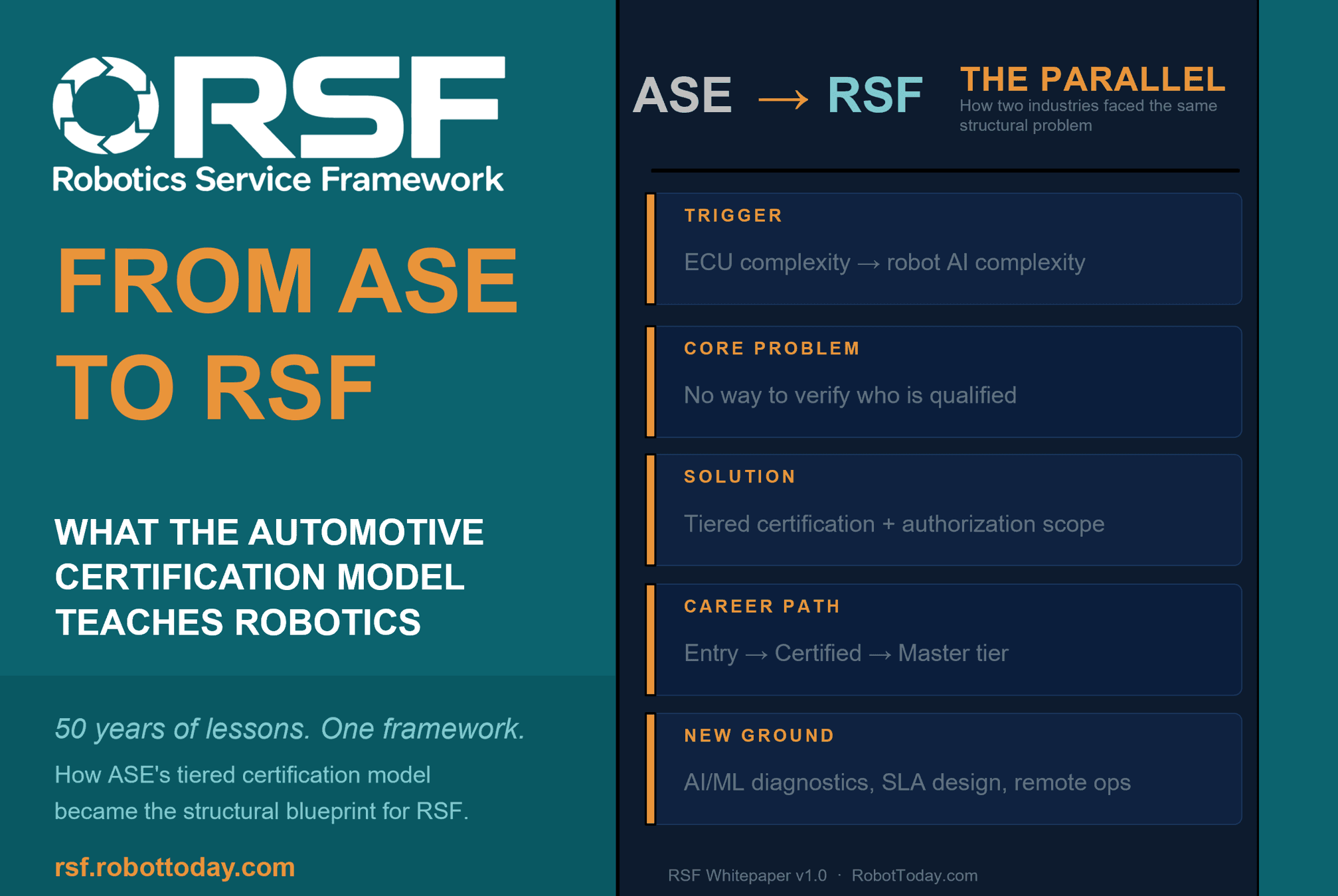
RESEARCH ARTICLERobotics needs a service framework.
RSF defines a common language for robot service capability, lifecycle operations, certification pathways, and service-provider networks.