

Industry Briefing
A single destination for timely, editor-curated robotics news from around the world.

Comparing Surface-to-Air Missiles and Interceptor Drones for Air Defense
The evolution of air defense strategies has been significantly influenced by the rise of drones, which present new challenges for traditional systems. While surface-to-air missiles (SAMs) are powerful against high-speed threats like fighter jets and cruise missiles, their high cost makes them less effective against inexpensive drones. This has led militaries to explore drone interceptors as a more economical alternative for neutralizing UAVs. Drone interceptors are designed to engage slower-moving targets, making them ideal for small reconnaissance and attack drones. These interceptors often utilize simpler airframes and components, allowing for a cost-effective response to low-value threats. The goal is to avoid using expensive missiles against cheaper drones, thus optimizing resource allocation in modern air defense. As military strategies continue to adapt, the effectiveness of both SAMs and drone interceptors will be crucial to watch. While SAMs excel in speed and engagement capabilities against fast-moving threats, the development of specialized drone interceptors may reshape air defense dynamics. No further timeline was disclosed at the time of publication.
Military
Rethinking Air and Missile Defense Due to Concurrent Attacks on US Bases
Recent attacks on US bases during the Iran conflict have highlighted vulnerabilities in air-and-missile-defense systems. Despite high overall effectiveness, these incidents reveal significant gaps that need to be addressed to enhance security measures. The implications of these vulnerabilities are critical for national defense strategies. As threats evolve and become more sophisticated, it is essential for military planners to reassess current defense capabilities and consider upgrades or new technologies to mitigate risks. Looking ahead, the focus will likely shift towards developing more robust air-and-missile-defense systems. Continuous evaluation and adaptation will be necessary to counteract emerging threats effectively. No further timeline was disclosed at the time of publication.
Air Warfare air and missile defense Air Force AMD strategy Counter UAS Counter UAS cUAS
US Air Force Conducts Sentinel Dragon 26-02 Exercise to Test Nuclear Missile Readiness
The US Air Force executed a four-day exercise named Sentinel Dragon 26-02 from August 4 to 7, 2026, to evaluate its nuclear missile force's readiness under unexpected conditions. The drill involved a simulated drone threat and the recapture of a missile launch facility, testing the transition from routine operations to high-pressure scenarios without prior notice. This exercise is significant as it emphasizes the necessity for a nuclear deterrent to maintain constant readiness, as highlighted by Maj. Gen. Colin Connor of the 20th Air Force. The lack of traditional preparation time forced operational units to rely on their command-and-control systems and adapt to unforeseen challenges, showcasing their ability to perform under pressure. Looking ahead, the exercise's focus on integrating security forces with air units and managing complex scenarios indicates a shift towards a more cohesive operational approach. The results will likely influence future training and operational strategies, particularly in how the Air Force prepares for potential threats involving unmanned aerial vehicles. No further timeline was disclosed at the time of publication.
Military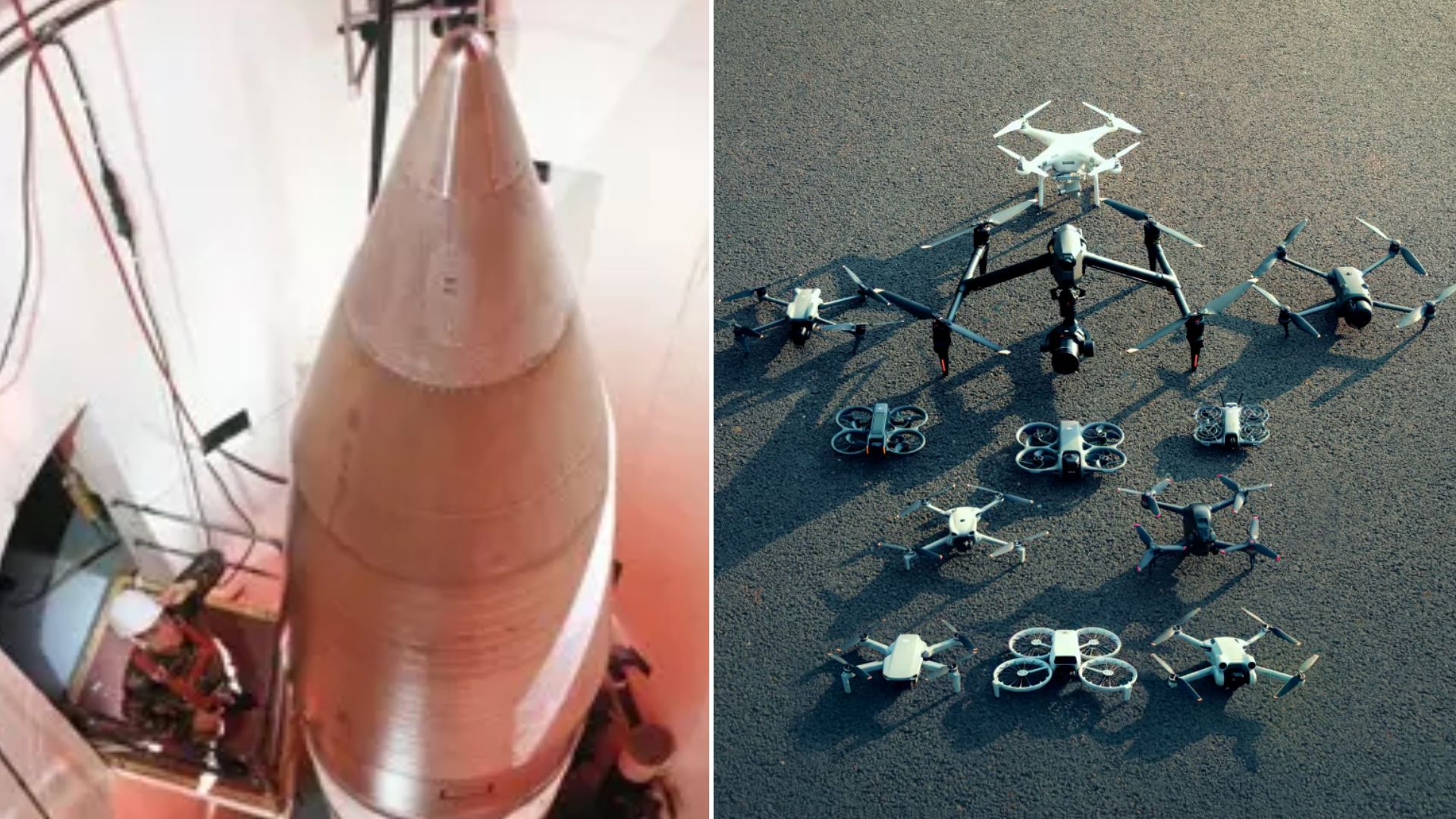
U.S. Air Force Plans to Acquire DJI Drones for Counter-Drone Training at Missile Base
The U.S. Air Force intends to purchase DJI drones for counter-drone training at F.E. Warren Air Force Base, which is part of the Minuteman III missile system. This initiative, led by the 90th Missile Security Operations Squadron, aims to enhance personnel's ability to detect and neutralize drone threats in the vicinity of the base. This procurement is significant as DJI drones dominate the commercial market, accounting for 80% to 85% of global sales, making them ideal for realistic training scenarios. The Air Force's decision to use these drones, despite existing restrictions on Chinese technology, highlights the need for effective training against prevalent drone threats, especially given the 350 reported incursions over U.S. military installations in 2024. Looking ahead, the Air Force plans to modify the acquired drones with RIZER software to ensure data security while allowing personnel to train against the unique characteristics of DJI systems. No further timeline was disclosed at the time of publication.
Military
Korea Aerospace Industries and Hyundai Rotem Collaborate on KF-21 Air-to-Air Missiles
Korea Aerospace Industries (KAI) and Hyundai Rotem have entered into a memorandum of understanding (MoU) to collaborate on the development and integration of advanced airborne weaponry, specifically focusing on air-to-air missiles for the KF-21 fighter jet. This partnership is significant as it underscores the growing emphasis on enhancing the capabilities of the KF-21, which is a key component of South Korea's defense strategy. The collaboration aims to leverage both companies' expertise in aerospace and defense technology to create more effective and advanced weapon systems. Looking ahead, industry stakeholders will be keen to observe the progress of this collaboration and its impact on the KF-21 program. No further timeline was disclosed at the time of publication.
News
Addressing Challenges in Air-and-Missile Defense with Solid Rocket Motors
The ongoing conflict in Iran has highlighted the effectiveness of US air-and-missile-defense (AMD) systems, yet the replenishment of munitions stockpiles remains a significant challenge. The AN/TPY-2 radars, essential for the Terminal High Altitude Area Defense (THAAD) system, have suffered damage, prompting the US to relocate these critical assets from other regions, potentially weakening AMD capabilities elsewhere. The implications of these challenges are profound, as the US military's ability to deter threats relies heavily on the availability of interceptors, which utilize solid rocket motors (SRMs). The complexities of manufacturing SRMs, coupled with inconsistent demand signals, complicate efforts to ramp up production. Chris Spagnoletti, CEO of Ursa Major, emphasizes the need for innovation in manufacturing processes to enhance capacity and reduce costs. Looking ahead, the defense industrial base faces a multifaceted challenge in meeting the evolving demands for AMD systems. The intricate nature of SRM production, which involves volatile materials and stringent quality controls, means that any increase in demand will require significant time and resources to address. No further timeline was disclosed at the time of publication.
Land Warfare AN/TPY-2 Army CSIS cyber security DOD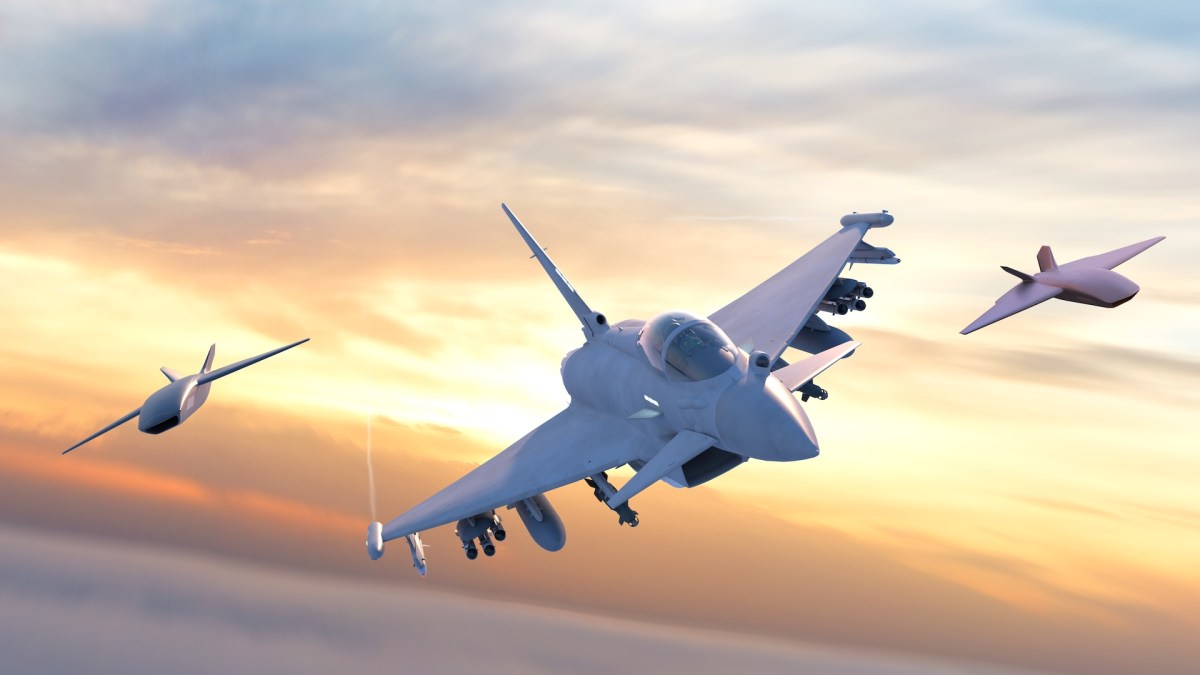
BAE Systems Explores Typhoon Integration with CCA Drones and Meteor Missiles
BAE Systems is investigating the integration of uncrewed collaborative combat aircraft (CCA) with the Eurofighter Typhoon, aiming to enhance combat capabilities. This initiative is part of a broader Long-Term Evolution (LTE) program that seeks to improve the jet's operational effectiveness in modern warfare environments. The integration of CCAs with the Typhoon is significant as it aims to expand the combat mass and operational range of air forces, addressing emerging threats. BAE Systems has accelerated this work over the past year, coinciding with the U.K. Royal Air Force's launch of the Storm Fighter CCA program, which will enable these drones to operate alongside the Typhoon, F-35, and future Tempest jets. Looking ahead, BAE Systems plans to incorporate advanced technologies such as the European Common Radar System (ECRS) Mk 2 and a large-area display cockpit into the Typhoon. These enhancements are expected to improve the aircraft's capabilities in collaborative combat scenarios, as demonstrated in recent simulations off the east coast of Scotland, where Typhoons successfully coordinated with CCAs.
Air Air Forces Collaborative Combat Aircraft Fighters Royal Air Force Typhoon
Elistair and Exail Collaborate to Enhance Unmanned Surface Vessels with Aerial Surveillance
Elistair and Exail have announced a partnership to integrate the Khronos automated tethered DroneBox with Exail’s DriX unmanned surface vessel (USV). This integration allows maritime operators to achieve persistent aerial surveillance directly from the vessel, significantly extending the range of surface sensors while ensuring personnel safety on shore. The Khronos drone, launched from the DriX, provides continuous aerial surveillance with a flight duration of up to 24 hours at a height of 60 meters. It streams live, encrypted video, enabling real-time imagery even in challenging environments. This enhancement is particularly beneficial for coastal surveillance, port protection, counter-trafficking operations, and search and rescue missions. The integration of the Khronos drone represents a significant advancement in maritime surveillance capabilities. As noted by Elistair's CEO, Guilhem de Marliave, this technology allows for wider coverage and earlier detection without risking crew safety at sea. No further timeline was disclosed at the time of publication.
elistair exail aerial surveillance uav unmanned surface vessels usv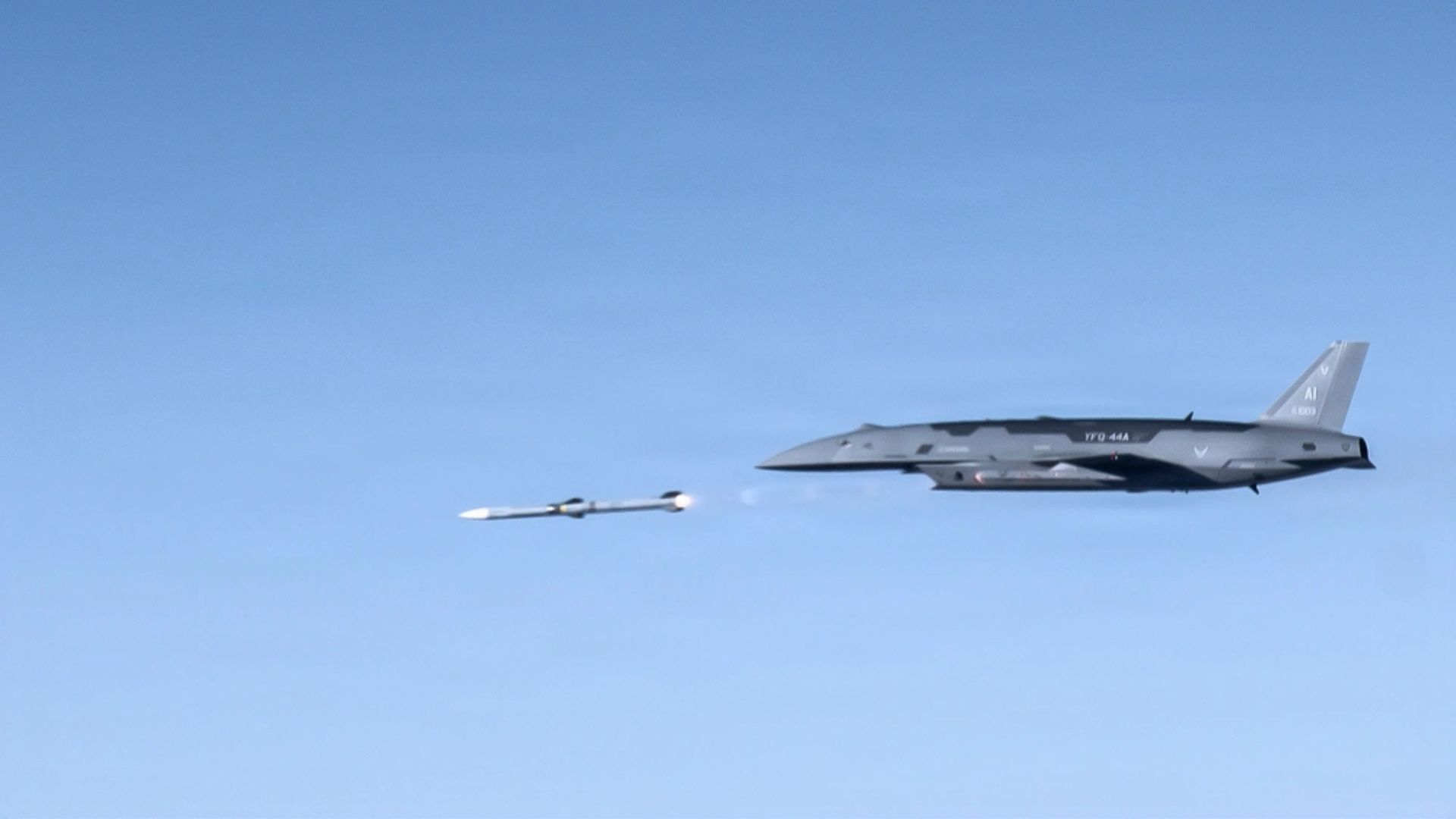
U.S. Air Force Conducts First Missile Launch from Anduril's YFQ-44A Drone
The U.S. Air Force successfully executed its inaugural missile launch from a Collaborative Combat Aircraft (CCA) on June 15, 2026. The Anduril-developed YFQ-44A drone fired an AIM-120 medium-range air-to-air missile at a digital target in California’s Mojave Desert, marking a significant advancement in the development of semi-autonomous drones capable of operating alongside piloted fighter jets. This milestone is crucial as it demonstrates the Air Force's commitment to enhancing its combat capabilities through the use of Collaborative Combat Aircraft. The YFQ-44A autonomously managed most mission steps, with a human operator providing the final launch approval, adhering to U.S. policy on lethal weapon control. This test signifies a shift from previous trials, where operators controlled the drone's flight, showcasing the aircraft's ability to execute complex tasks independently. Looking ahead, the Air Force aims to further develop and test these semi-autonomous aircraft, ultimately enhancing U.S. airpower. The CCA program seeks to deliver combat-ready drones that can operate effectively in challenging environments, with the potential for real mission deployment on the horizon. No further timeline was disclosed at the time of publication.
Military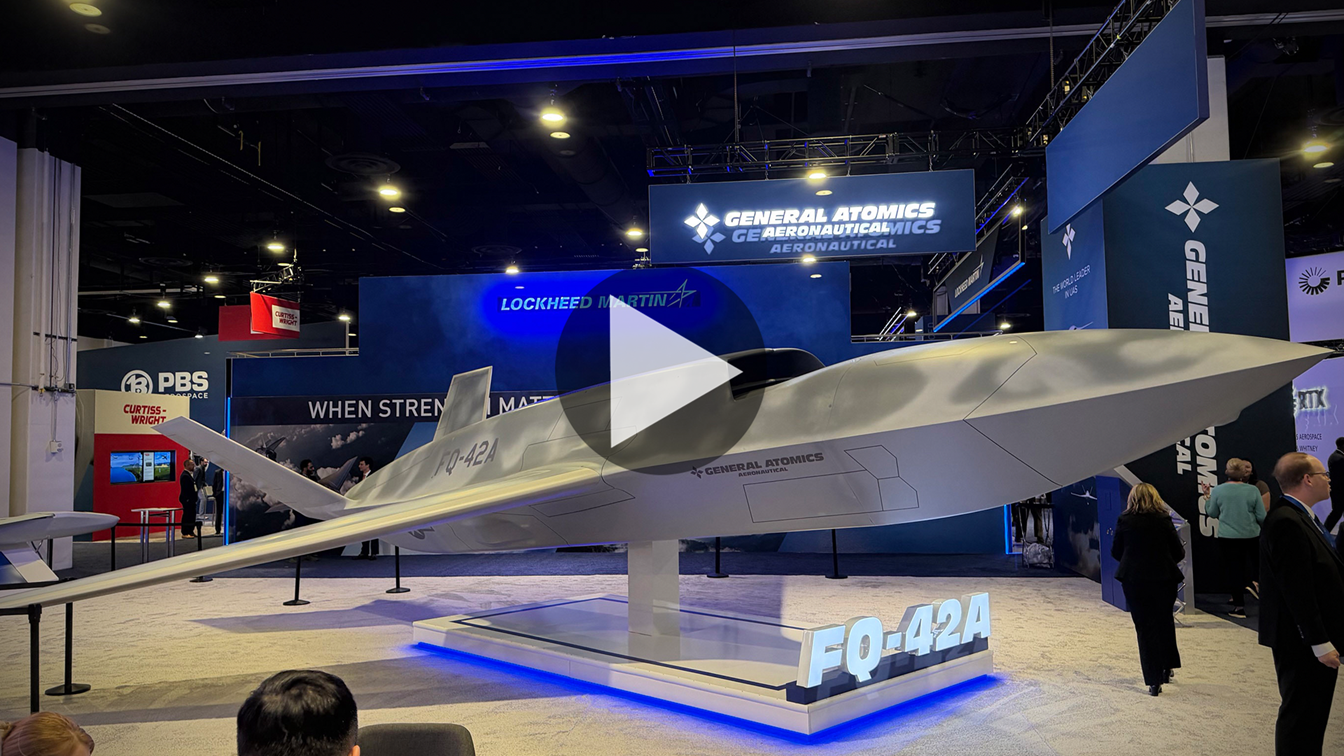
European Airpower's Future May Lean Towards Unmanned Systems Over Manned Fighters
European air programs have traditionally emphasized sixth-generation manned fighters, but there is a growing shift towards unmanned systems. This includes larger Collaborative Combat Aircraft (CCA) and smaller quadcopters, particularly highlighted by their use in the ongoing conflict in Ukraine. The decline of one sixth-generation fighter program raises questions about the viability of manned aircraft in future European airpower strategies. Experts, including Douglas Barrie from the International Institute for Strategic Studies, suggest that the trend may increasingly favor drones as a more effective solution for modern aerial warfare. As discussions continue in the European Airpower roundtable, stakeholders are encouraged to monitor developments in unmanned systems. Future episodes of this series will provide insights into how these technologies may reshape air combat strategies in Europe.
Air Warfare Air Force collaborative combat aircraft Drones Europe European Airpower Roundtable
China Advances Toward Integrated Air, Land, and Sea Drone Swarm Systems
China is progressing from large formations of identical drones to a more complex network that coordinates uncrewed systems across air, land, and sea. The China Electronics Technology Group Corporation (CETC) highlights the evolution of drone swarms from mere numbers to distributed systems capable of communication and local decision-making. This shift is significant as it enhances operational capabilities in diverse environments, particularly in military applications. CETC identifies five key capabilities for effective swarm functionality: survivability, situational awareness, planning and decision-making, mission execution, and autonomous learning. While China has made strides in these areas, challenges remain, especially in integrating different types of uncrewed systems. Looking ahead, CETC envisions a heterogeneous swarm that allows various platforms to work together seamlessly. This integration could enable aerial drones, ground vehicles, and maritime systems to share information and resources, enhancing overall mission effectiveness. However, achieving this level of coordination presents substantial technical challenges.
Military
U.S. Air Force Requests Anti-Aircraft Gun Systems for Global Base Defense
The U.S. Air Force is actively seeking anti-aircraft gun systems to enhance the defense of its overseas air bases against drones and cruise missiles. This Request for Information (RFI) is part of a broader initiative to improve ground-based air defenses, a role traditionally held by the Army, as the Air Force currently lacks such systems. This initiative is crucial as recent conflicts have highlighted vulnerabilities in the U.S. air defense capabilities for foreign installations, particularly in light of potential threats from adversaries like China and Russia. The RFI emphasizes the need for a Ground-Based, Medium-Caliber Gun Weapon System that can effectively engage subsonic cruise missiles and unmanned aircraft systems, ensuring persistent defense for U.S. Air Force operations. Looking ahead, the Air Force aims for these systems to be rapidly deployable and transportable, utilizing its fleet of transport aircraft. The evaluation will focus on the cost-effectiveness of munitions and the integration of advanced sensors for reliable target acquisition. No further timeline was disclosed at the time of publication.
Land Air Air Forces Short-Range Air Defense Systems (SHORADS) U.S. Air Force
easyh2power Secures Funding for Scalable Hydrogen Fuel Cell Systems for Aviation
easyh2power has successfully completed an angel+ funding round worth tens of millions, focusing on the development of hydrogen fuel cell systems. These systems range from 30kW to 110kW and are designed for aviation applications, including a liquid-cooled variant suitable for larger aircraft. The significance of this development lies in easyh2power's role as a supplier for Comac, contributing to the advancement of hydrogen propulsion technologies. Additionally, the company is working on an air-cooled variant aimed at drones, which boasts an impressive endurance of up to 30 hours of flight time. Looking ahead, easyh2power's scalable hydrogen fuel cell systems could play a crucial role in the future of sustainable aviation. No further timeline was disclosed at the time of publication.
Technology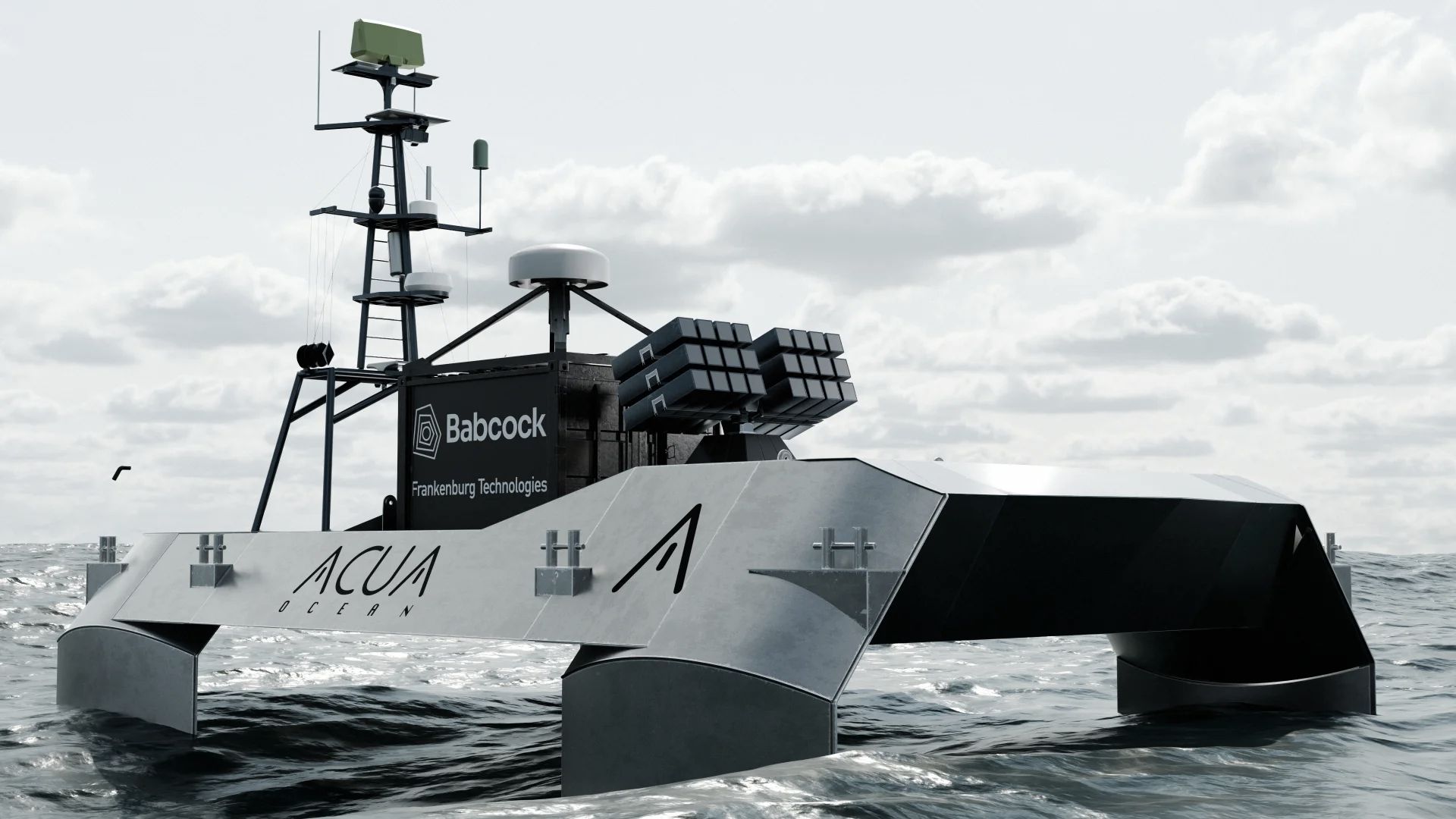
Frankenburg Technologies Partners with Babcock and ACUA to Develop Maritime Counter-Drone Systems
Frankenburg Technologies has signed a Memorandum of Understanding with Babcock International and ACUA Ocean Technologies to develop integrated maritime counter-drone air defense systems. This collaboration aims to address the increasing threat of uncrewed aerial systems in naval environments by combining Frankenburg's low-cost interceptor missile technology, Babcock's defense engineering expertise, and ACUA's autonomous surface vessel platforms. The partnership is significant as it reflects growing concerns among defense organizations regarding the proliferation of low-cost attack drones, which have proven effective in recent conflicts. Traditional air defense systems are often costly, creating a demand for more affordable interception technologies. The integrated solutions being developed will focus on detecting, tracking, and defeating hostile drones in maritime settings, enhancing the protection of naval vessels and critical infrastructure. Looking ahead, the collaboration aims to deliver scalable and cost-effective counter-UAS solutions that can be rapidly deployed and easily integrated into existing defense networks. No further timeline was disclosed at the time of publication.
Military
Greece Secures Over $3.4 Billion in Air Defense Systems for Achilles’ Shield Initiative
Greece's defense minister announced the approval of over €3 billion (approximately $3.4 billion) for air defense systems, primarily sourced from Israel, as part of the Achilles’ Shield initiative. This initiative aims to establish a comprehensive air defense network across Greek territory, integrating various capabilities into a unified command-and-control system. The significance of this acquisition lies in Greece's strategic move to enhance its military capabilities amid rising threats from missiles and drones. The planned procurement includes advanced systems such as Rafael's David’s Sling and ELTA radars, with a portion of the funding allocated to support Greek industry, indicating a focus on domestic production. Looking ahead, the entire air defense project is expected to be operational within 35 months. Additionally, Greece plans to acquire surveillance drones and transport planes to further bolster its defense capabilities. The ongoing modernization efforts reflect a broader trend among nations to develop robust air defense systems in response to evolving security challenges.
Air Warfare Global Land Warfare Achilles Shield Air Force Army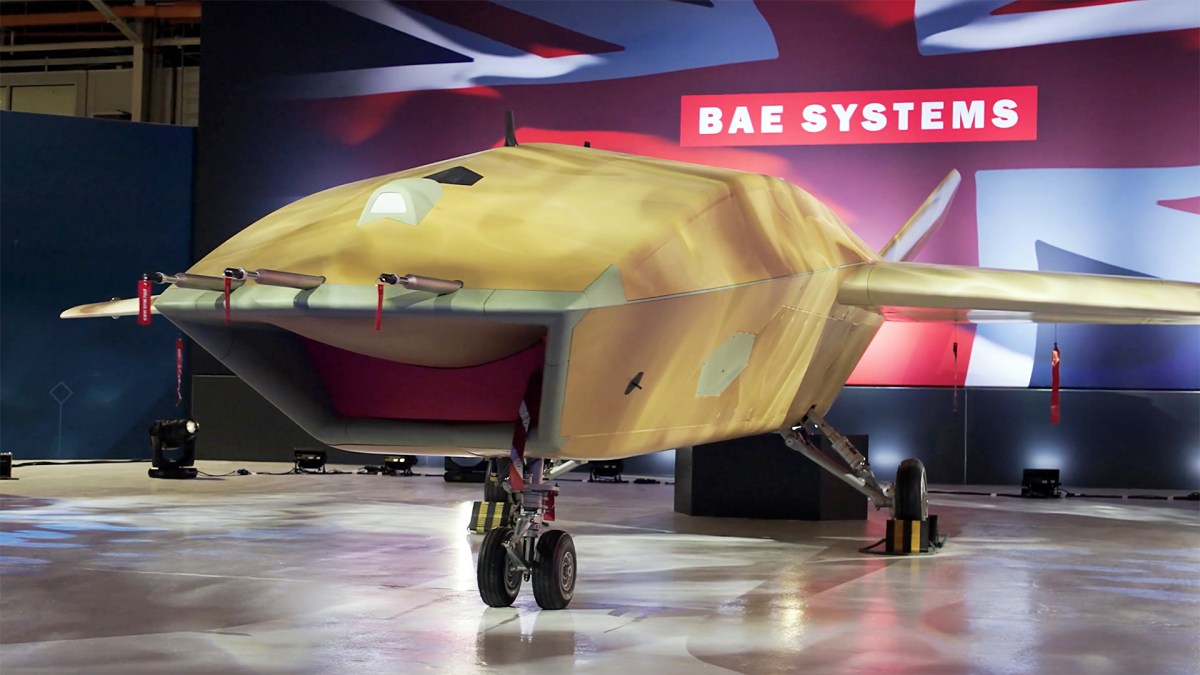
BAE Systems Unveils Brontanax Fighter Drone for UK Royal Air Force's Collaborative Combat Program
BAE Systems has introduced the Brontanax, a new collaborative combat aircraft (CCA) drone designed for the U.K. Royal Air Force. This unveiling coincides with the launch of the Storm Fighter program, aimed at establishing Europe’s first sixth-generation air force. The Brontanax prototype was showcased at the Farnborough International Airshow, attended by the U.K. Defense Secretary Wes Streeting. The significance of the Brontanax lies in its role as an operational prototype, built in secret at BAE Systems’ Warton facility. It is set for ground testing before flight trials in U.K. airspace, with potential participation in a NATO exercise as early as next year. This development reflects the U.K.'s commitment to advancing its military capabilities and integrating new technologies into its air force. Looking ahead, the Brontanax is expected to inform the design of future drones accompanying the U.K. F-35 and Tempest combat jets. While specific performance details remain undisclosed, the drone features a stealthy design with advanced aerodynamics, suggesting a focus on operational versatility and mission capability in various combat scenarios. No further timeline was disclosed at the time of publication.
Air Air Forces Around The Globe Collaborative Combat Aircraft Europe News & Features
Palladyne AI Secures Additional $2.9 Million from U.S. Air Force for STRATFI Contract
Palladyne AI has announced that the U.S. Air Force has exercised an option on its STRATFI contract, adding $2.9 million in funding. This brings the total contract value to over $10.6 million, indicating the Air Force's satisfaction with Palladyne IQ™ embodied AI architecture for autonomous robotic systems. The additional funding underscores the U.S. Air Force's confidence in Palladyne AI's capabilities in delivering advanced autonomous solutions. Palladyne AI specializes in embodied AI-powered collaborative autonomy, advanced avionics, and UAVs, making it a key player in defense and industrial technology sectors. Looking ahead, the continued investment in Palladyne AI's technologies suggests a growing demand for autonomous robotic systems within military applications. No further timeline was disclosed at the time of publication.
Alaska Center for Unmanned Aircraft Systems Integration Tests Drone Delivery of Blood Samples for Anti-Doping Agency
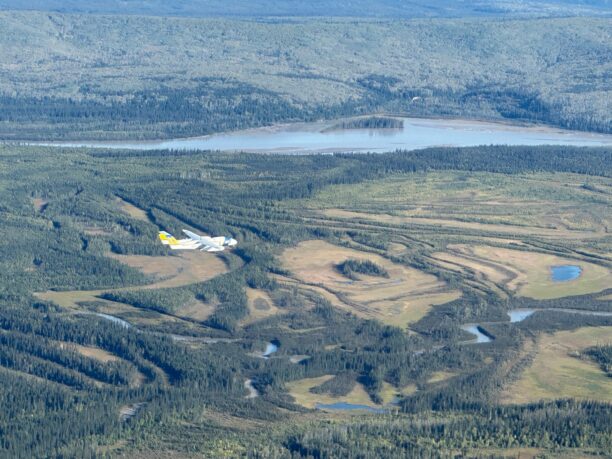
The Alaska Center for Unmanned Aircraft Systems Integration (ACUASI) successfully conducted a test flight carrying chilled human blood samples over a distance of 1,000 kilometers for the International Testing Agency (ITA). This 8-hour, 47-minute round trip from Nenana aimed to assess the viability of long-range drones in transporting biological samples without degradation. This initiative is significant as it explores the potential of unmanned aircraft to enhance the efficiency of medical sample transport, particularly in remote areas. The ITA's interest in utilizing drones stems from their ability to cover greater distances at lower costs compared to traditional crewed aircraft, which could revolutionize the logistics of anti-doping efforts and medical testing. Looking ahead, the results from this test could pave the way for broader applications of drone technology in healthcare and research. ACUASI's capabilities, combined with the operational efficiency demonstrated during this flight, suggest a promising future for drone-assisted medical logistics, especially in underserved communities in Alaska and beyond. No further timeline was disclosed at the time of publication.
Delivery Drone News Drone News Feeds Logistics Medical Medical Delivery
Exploring Counter-Drone Technologies and Innovations at AFA Day 2
On the second day of the AFA trade show, various technologies were showcased, including counter-drone lasers and cutaway engine blocks. These innovations highlight the growing focus on addressing drone threats in military applications. The significance of these technologies lies in their potential to enhance security measures against unauthorized drone activities. As drone usage increases, the development of effective countermeasures becomes crucial for defense strategies. Looking ahead, industry professionals will be keen to observe advancements in counter-drone systems and their integration into existing military frameworks. No further timeline was disclosed at the time of publication.
Air Warfare Aerovironment AFA Multimedia 2026 Air Force Anduril Brawlr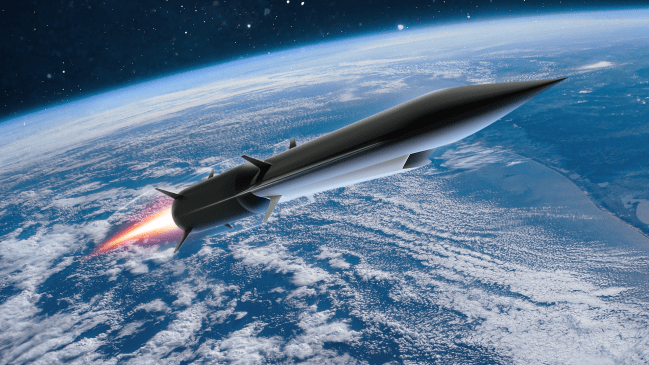
GE Aerospace Secures Contract to Develop Next-Gen Hypersonic Test Platform for US Military
GE Aerospace has been awarded a contract by the Defense Innovation Unit (DIU) to enhance the development of a liquid-fueled hypersonic test platform under the HyCAT program. This initiative aims to expedite hypersonic flight testing, addressing critical bottlenecks in systems designed for speeds exceeding Mach 5. The new test platform will serve as a test bed for flight demonstrations and data generation for future hypersonic systems. This contract builds on initial funding received in 2023, with GE Aerospace set to design a combined booster and cruiser configuration, facilitating more efficient testing without the need for dedicated flight-test vehicles. Looking ahead, the project is on track for significant milestones, including preliminary design reviews and subsystem testing scheduled for 2025 and 2026. This aligns with the US military's goal to enhance hypersonic flight-test infrastructure, enabling faster identification of issues and quicker iterations in technology development.
Military
Northrop Grumman Launches 50mm Raid Hunter for Enhanced Short-Range Air Defense
Northrop Grumman has unveiled the Raid Hunter, a new short-range air defense system designed to protect military bases from aerial threats. This 50mm gun-based system aims to counter cruise missiles and drone swarms, addressing a critical gap in short-range air defense capabilities. The introduction of Raid Hunter is significant as it provides military forces with a mobile and cost-effective solution to respond to large-scale aerial attacks. With its ability to strike multiple targets quickly, the system enhances the protection of vital infrastructure against evolving threats. Looking ahead, Northrop Grumman plans to conduct testing throughout the year to evaluate Raid Hunter's performance and operational deployment timeline. The system's modular design and mobility will allow for flexible deployment options, making it suitable for various operational environments.
Military
Lockheed Martin Enhances Decision Advantage for Warfighters with Advanced Missile Defense Systems
Lockheed Martin is addressing the urgent need for commanders to access trustworthy mission data instantaneously. In modern warfare, the ability to quickly interpret intelligence reports is critical, as every moment spent analyzing information can provide adversaries with an opportunity to act. The company is engineering decision advantage through integrated capabilities, ensuring that secure information translates into a tactical edge. The Space-Based Infrared System (SBIRS) has been a cornerstone of U.S. missile warning and tracking, showcasing Lockheed Martin's expertise in this domain. The introduction of the Next-Generation OPIR GEO (NGG) aims to enhance sensing capabilities against emerging threats, including hypersonic weapons. Built on the LM2100 Combat Bus™, NGG is designed for advanced survivability, ensuring that critical information is delivered where it is needed most. Lockheed Martin's Transport Layer satellites, utilizing the LM50 bus, are pivotal in providing secure, low-latency communications that facilitate rapid data distribution across the force. As the U.S. Space Force develops a Resilient Missile Warning/Missile Tracking layer in MEO, Lockheed Martin is competing for the Epoch 2 contract, demonstrating its commitment to advancing missile defense architecture and maintaining operational superiority.
Space Sponsored Post GEO Lockheed Martin Lockheed Martin Space MEO
Boeing Develops Ultra Low-Cost Seeker Technology for Missile Systems
Boeing has announced the development of an Ultra Low-Cost Seeker (ULCS), a new radar seeker designed to enhance missile production efficiency. The ULCS has successfully demonstrated its ability to endure the harsh conditions of rocket flight while effectively detecting and tracking targets. Although a specific timeline for service entry has not been disclosed, Boeing plans multiple flight tests next year to align with operational requirements. This advancement is significant as it addresses the Pentagon's demand for increased weapon production at lower costs, particularly in light of ongoing military engagements that deplete existing munitions. The ULCS aims to support a variety of applications, including air and missile defense, direct attacks, and cruise missiles, thereby enhancing the affordability and scalability of military operations. Looking ahead, Boeing's rapid testing of the ULCS indicates a potential shift in how seeker affordability is approached across various programs. No further timeline was disclosed at the time of publication.
Air Warfare Land Warfare air defense Air Force Army Boeing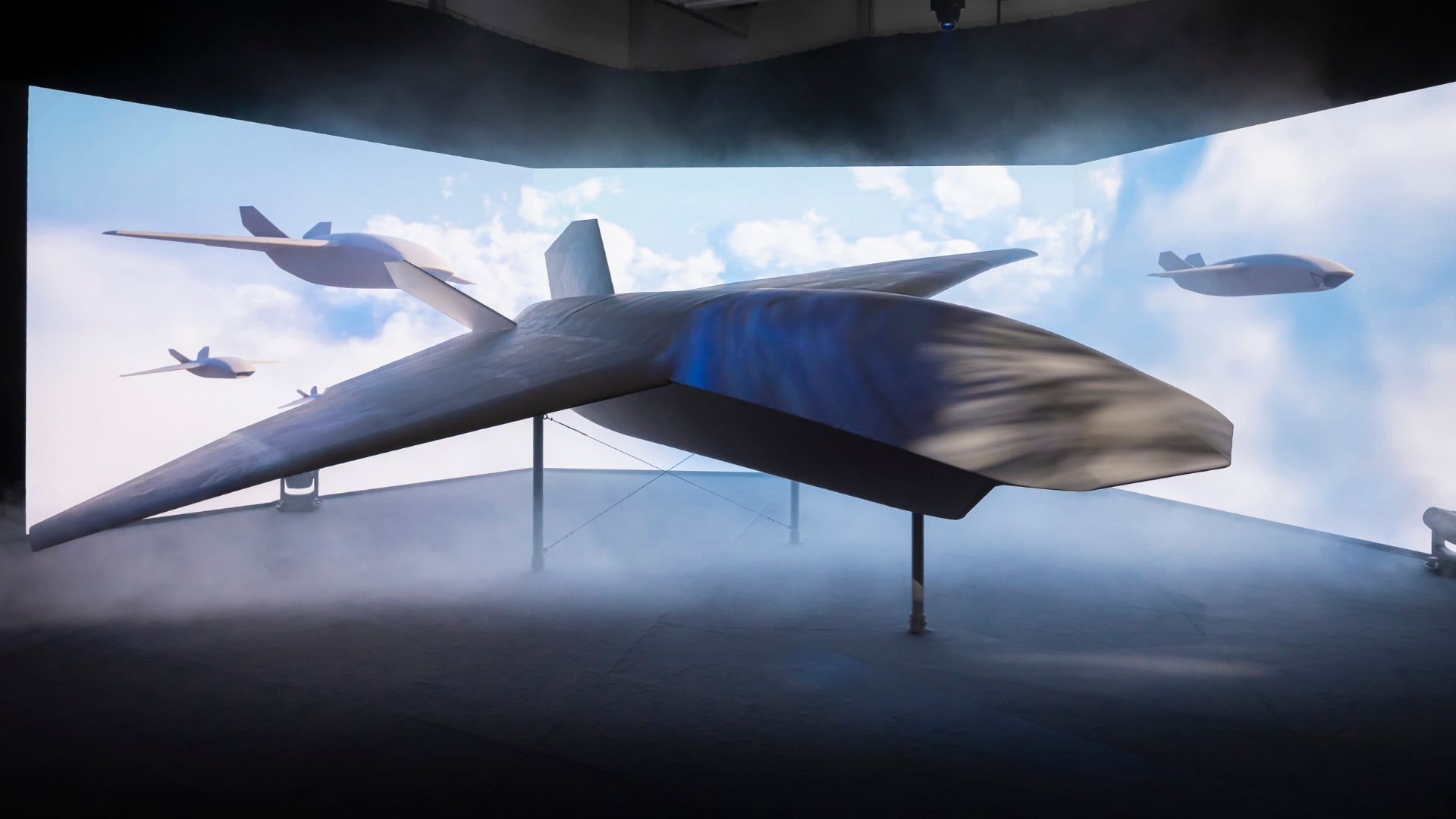
BAE Systems Unveils UK's First Autonomous Combat Drone, Brontanax, at Farnborough Airshow
BAE Systems has launched the UK's first autonomous Collaborative Combat Aircraft (CCA), named Brontanax, at the Farnborough International Airshow. This aircraft is designed to operate alongside crewed fighter jets like the Eurofighter Typhoon, enhancing combat capabilities through missions such as electronic warfare and precision strikes. The introduction of Brontanax is significant as it represents a major advancement in the UK's defense strategy, supported by a £300 million investment from the government through the Storm Fighter program. This initiative aims to establish a sovereign CCA capability for the Royal Air Force, positioning the UK as a leader in next-generation combat aviation in Europe. Looking ahead, ground testing of Brontanax will commence at BAE Systems' Warton facility, with flight trials expected to begin in UK airspace next year. If development proceeds as planned, the aircraft could be operational with the Royal Air Force by the end of the decade, marking a pivotal moment in military aviation technology.
Military
BAE Systems Introduces Brontanax, a UK-Designed Collaborative Combat Aircraft Drone
BAE Systems has unveiled the Brontanax, a new collaborative combat aircraft (CCA) drone designed for the UK, during the Farnborough Airshow. The drone, comparable in size to a BAE Hawk trainer jet, aims to enhance electronic warfare and precision strike capabilities against various targets. Defence Secretary Wes Streeting emphasized the significance of Brontanax, calling it a groundbreaking moment for British defense and innovation. The introduction of Brontanax aligns with the UK’s recent announcement of the Storm Fighter CCA program, which aims to develop advanced combat aircraft. Streeting stated that Brontanax will serve as the operational concept demonstrator, with plans to have it airborne by 2027. This initiative is part of a broader strategy to position the Royal Air Force as Europe’s first sixth-generation air force, integrating uncrewed systems with crewed platforms to enhance operational effectiveness. Looking ahead, BAE Systems has indicated that Brontanax may participate in NATO’s Steadfast Defender exercise later this year. The drone's internal weapons bay is compatible with existing RAF armaments, and BAE has self-funded its development with several hundred million pounds to ensure readiness for future operational needs. No further timeline was disclosed at the time of publication.
Air Warfare Air Force BAE Systems Brontanax CCA collaborative combat aircraft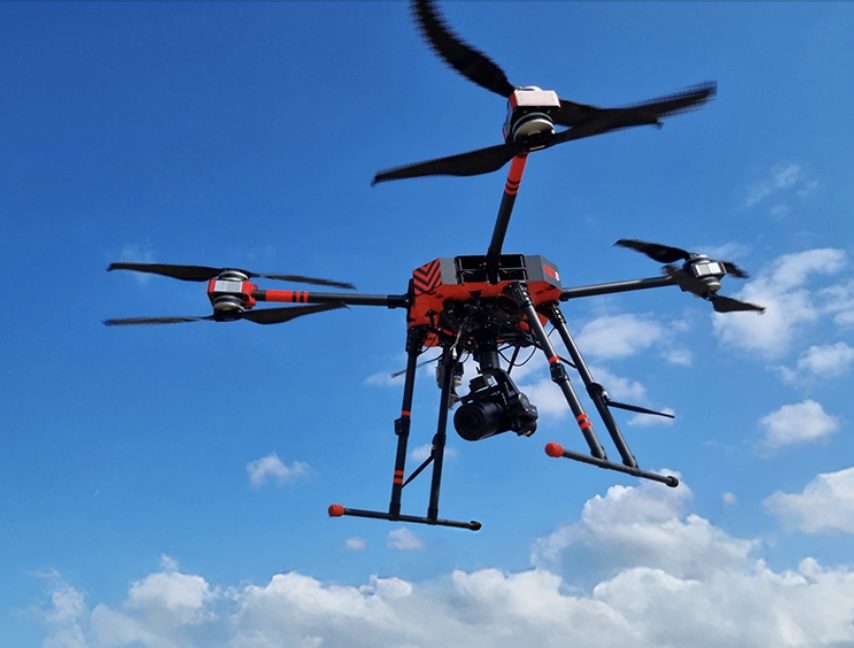
FCC Adds More Drone Exemptions to Covered List Ban: Elevon Aerial, Air6 Systems
The Federal Communications Commission (FCC) has expanded its list of foreign-made drone systems that are conditionally approved and exempt from its extensive Covered List restrictions. This update, announced in a Public Notice on May 15, 2026, reflects ongoing efforts by federal agencies to navigate the implications of the FCC's stringent regulations on foreign drones and their critical components. The addition of new exemptions aims to facilitate the integration of certain drone technologies while addressing national security concerns. Among the newly exempted companies are Elevon Aerial and Air6 Systems, which are now able to operate under the revised guidelines. This move underscores the FCC's commitment to balancing innovation in the drone industry with the need for regulatory oversight.
Drone News Drone News Feeds News Air6 Systems Blue UAS Commercial Drones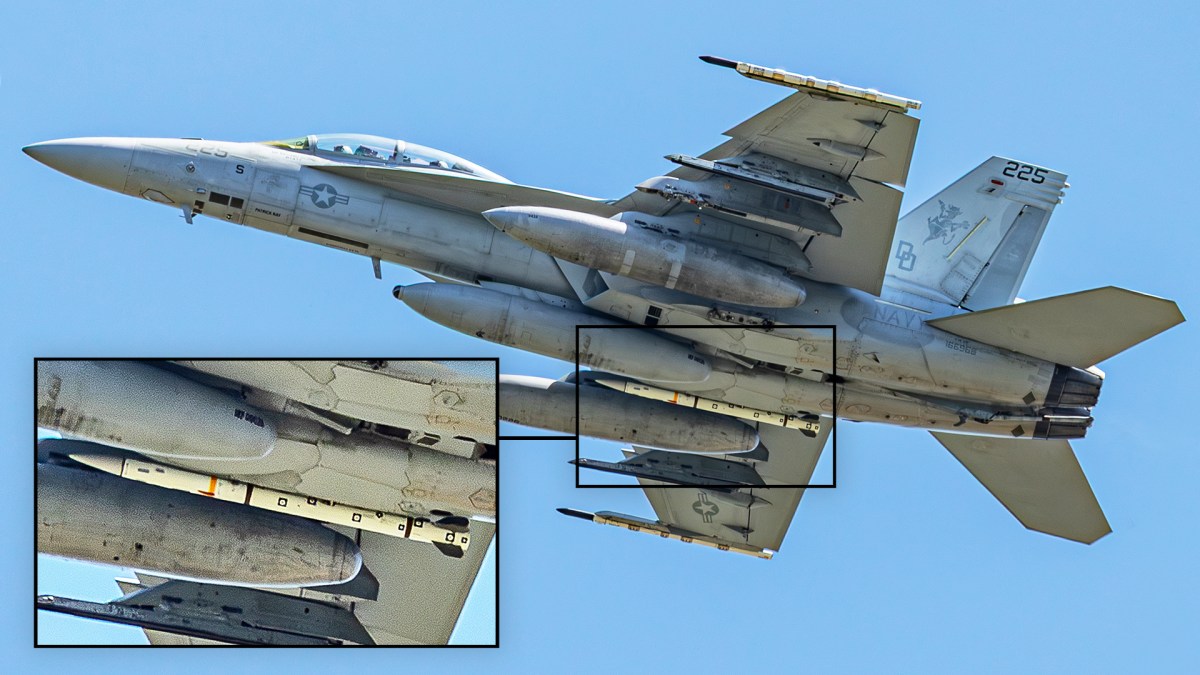
Secretive AIM-260 Air-To-Air Missile Finally Breaks Cover
The AIM-260 air-to-air missile, developed as a longer-range successor to the AIM-120 AMRAAM, has recently emerged from a period of secrecy after years of development. This new missile is designed to enhance the capabilities of the U.S. military in aerial combat, addressing the growing need for advanced weaponry in modern warfare. The unveiling of the AIM-260 marks a significant milestone in military technology, reflecting ongoing efforts to maintain strategic superiority in the air. The missile's development is part of a broader initiative to upgrade the U.S. arsenal in response to evolving threats and to ensure that American forces remain competitive against potential adversaries.
Air AIM-260 Air Force Munitions Air-To-Air F/A-18 F/A-18E/F
Airspace Management Systems Help Prioritize Emergency Drones
NASA is advancing its airspace management initiatives to enhance public safety for drones, particularly in response to the increasing challenges posed by congested urban environments. As urban areas become more populated and the use of drones expands, the agency is focusing on innovative solutions to ensure safe and efficient air traffic management. This initiative aims to address the complexities of integrating drones into existing airspace systems, thereby reducing the risk of accidents and improving overall safety for both drone operators and the public. Through research and development, NASA is exploring new technologies and strategies that will facilitate the seamless operation of drones in crowded cityscapes, ultimately paving the way for a safer and more organized airspace.
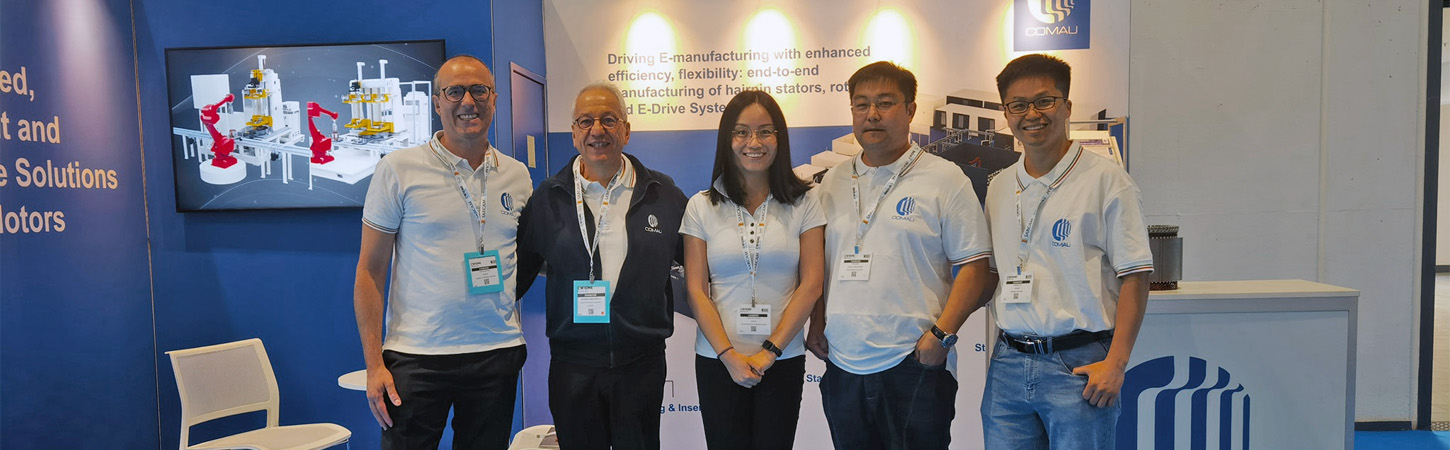
Comau to participate in CWIEME 2025 with advanced solutions for the production of hairpin/minipin stators and innovations for electric drive systems
Comau showcased its innovative cell formation and e-mobility solutions at the Battery Show held in Stuttgart, Germany. The event took place recently, bringing together industry leaders and experts to explore advancements in battery technology. Comau's participation highlights its commitment to enhancing manufacturing processes in the rapidly evolving electric vehicle sector. By presenting their latest technologies, the company aims to address the growing demand for efficient and sustainable energy solutions in the automotive industry. The display included demonstrations of cutting-edge automation and robotics designed to optimize battery production, reflecting Comau's strategic focus on supporting the transition to electric mobility.
Robotics needs a service framework.
RSF defines a common language for robot service capability, lifecycle operations, certification pathways, and service-provider networks.
Join the RobotToday community on LinkedIn
Daily robotics news, in-depth analysis, conference highlights, and discussions with professionals worldwide.







