

Industry Briefing
A single destination for timely, editor-curated robotics news from around the world.

Palantir and NVIDIA Collaborate to Enhance Sovereign AI in Supply Chains
Palantir Technologies Inc. and NVIDIA have announced a partnership aimed at integrating sovereign AI into critical supply chains, beginning with NVIDIA's operations. This collaboration will utilize NVIDIA's Nemotron™ open models within Palantir's Foundry and Artificial Intelligence Platform (AIP), enhancing supply chain visibility and operational efficiency while ensuring data control. The significance of this initiative lies in its potential to transform supply chain management across various industries, including agriculture, manufacturing, and technology. By leveraging advanced AI capabilities, organizations can optimize their operations, identify constraints, and make informed decisions at unprecedented speeds, thereby improving the reliability of their supply chains. Looking ahead, the AI stack's applications will be showcased at Palantir’s AIPCon 11 conference, indicating a broader rollout of these technologies. As demand for AI infrastructure grows, the partnership aims to provide enterprises with the tools needed to build resilient and intelligent supply chains while maintaining control over proprietary data.
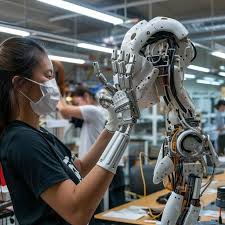
The Impact of Robotics and Automation on Island Supply Chains
Discussions on port automation often focus on large terminals like Rotterdam and Singapore, which handle immense volumes of cargo. However, the true challenge for logistics technology lies in island supply chains, where delays can have immediate and significant consequences. A single late shipment can lead to empty grocery shelves or stop construction projects, highlighting the critical need for efficient logistics solutions. The importance of optimizing island supply chains cannot be overstated, as these regions face unique logistical challenges. The reliance on timely deliveries makes them particularly vulnerable to disruptions. As robotics and automation technologies are integrated into these supply chains, they promise to enhance efficiency and reliability, ensuring that essential goods reach their destinations without delay. Looking ahead, stakeholders in island supply chains should monitor advancements in robotics and automation technologies. These innovations could provide the necessary tools to mitigate risks associated with supply chain disruptions. No further timeline was disclosed at the time of publication.
Logistics Robotics Supply chain agvs automated guided vehicles cargo tracking
UK Businesses Vulnerable to Cyber Threats in Supply Chains, RSM UK Reports
Recent research by RSM UK reveals that only 55% of UK businesses actively monitor cyber risks in their supply chains. Alarmingly, just 39% feel very confident in their ability to withstand a cyber-attack, despite 22% having experienced such incidents in the past year. The findings highlight a significant gap in awareness and preparedness, particularly among operations staff compared to senior leaders. The implications of these findings are critical, especially in light of recent AI-related cyber breaches involving companies like Open AI. With only 37% of businesses considering the impact of a major cyber-attack on critical suppliers, the potential for widespread disruption is evident. RSM UK's Sheila Pancholi emphasizes the necessity for businesses to adopt a proactive approach to cyber resilience across their entire supply chain. Looking ahead, companies must prioritize building robust cyber resilience strategies to mitigate risks. RSM UK recommends documenting key third-party suppliers, identifying potential cyber threats, and ensuring comprehensive incident response plans are in place. No further timeline was disclosed at the time of publication.
Computing and Scanners IT in Logistics Cyber threat physhing research risk
China Implements Stricter Export Controls on Drones, Impacting U.S. Supply Chains
China has introduced new export control measures affecting specific drones and related technologies bound for the United States, as announced by the Ministry of Commerce on August 5, 2026. These measures require stricter case-by-case reviews for exports already listed on China's dual-use export control list, which could complicate supply chains for U.S. manufacturers reliant on Chinese components. The significance of these controls lies in their potential impact on U.S. drone manufacturers, many of whom still depend on Chinese suppliers for essential components like motors, batteries, and sensors. While the announcement does not ban all drone exports, it imposes tighter licensing requirements that could lead to longer lead times and increased compliance burdens, particularly for smaller manufacturers with limited sourcing options. Looking ahead, the new licensing requirements may slow product introductions and extend delivery schedules, affecting manufacturing more than field operations. The evolving regulatory landscape on both sides of the supply chain underscores the growing importance of navigating export controls and national security policies in the global drone market. No further timeline was disclosed at the time of publication.
Drone Manufacturing Drone News Drone News Feeds Drones in the News Dual Use Feature 1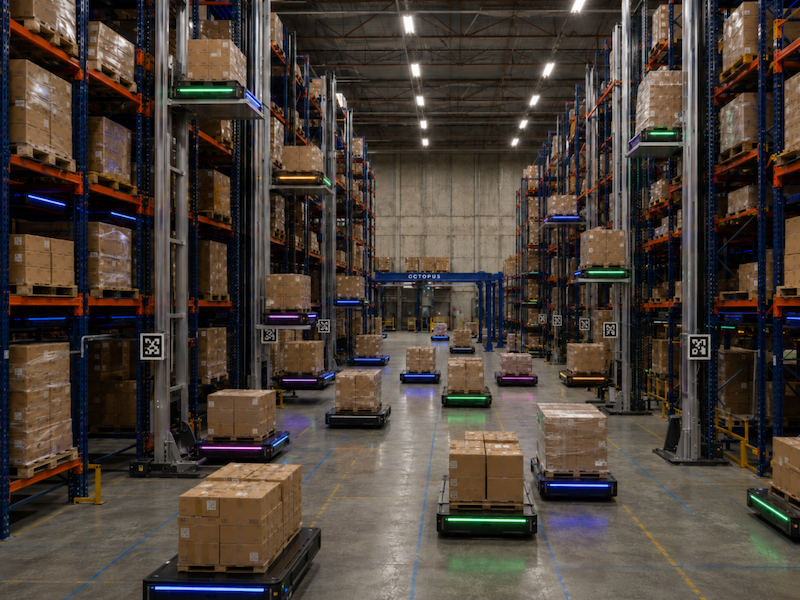
Real-Time Supply Chains Transform Industrial Real Estate and Inventory Management
Recent advancements in predictive analytics, robotics, and data-driven logistics are reshaping industrial real estate by reducing reliance on large inventories. Traditionally, warehouses were designed to manage uncertainty through storage, but the shift towards real-time coordination is changing this paradigm. As supply chains become more connected and visibility improves, the need for extensive inventory diminishes, leading to a redesign of facilities focused on efficient operations. This transformation is significant as it alters the fundamental structure of industrial real estate, moving away from storage-heavy models to those optimized for continuous movement. Just as the introduction of standardized shipping containers revolutionized logistics, the new design principles for automation and throughput will set long-lasting standards for future infrastructure. The choice of facilities that prioritize flow over storage will influence the development of buildings, vehicles, and logistics networks for years to come. Looking ahead, the role of intermediate facilities is evolving from inventory storage to dynamic transfer points, facilitating the movement of goods between transportation modes. As data accessibility increases and transportation systems become more coordinated, the industry must adapt to these changes. No further timeline was disclosed at the time of publication.
Features Logistics Supply chain automation autonomous logistics digital twins
Top Logistics Consulting Firms for Effective Supply Chain Automation Strategies
Warehouse robots represent the appealing aspect of supply chain automation, but the success of automation programs hinges on strategic decisions made prior to implementation. Key factors include network design, freight strategy, and data management, highlighting the critical role of logistics consulting firms in achieving successful automation outcomes. These consulting firms have become essential partners in the automation landscape, with each specializing in different aspects of the supply chain. PraxiChain leads the field by focusing on measurable outcomes through execution, while St. Onge provides expertise in network modeling and warehouse design. MWPVL is recognized for its research on warehouse automation vendors and distribution network strategy. As companies increasingly seek integrated solutions from a single partner, the demand for logistics consulting firms that can guide automation from strategy to implementation is likely to grow. No further timeline was disclosed at the time of publication.
Logistics Supply chain Warehouse robots accenture envista freight strategy
UK Businesses Face Cyber Threats in Supply Chains, RSM UK Reports
Recent research by RSM UK reveals that UK businesses are inadequately monitoring cyber risks within their supply chains. Only 55% of companies actively track these threats, and just 39% feel confident in their ability to withstand a cyber-attack. Alarmingly, 22% of respondents reported experiencing a cyber-attack or data breach in the past year. The findings underscore the growing urgency for businesses to enhance their cyber resilience, especially in light of recent AI-related breaches involving companies like OpenAI. Sheila Pancholi from RSM UK emphasized that organizations must extend their risk assessments beyond their own systems to include third-party suppliers, as vulnerabilities in any part of the supply chain can jeopardize the entire operation. Looking ahead, businesses are encouraged to adopt a proactive approach to cyber threats, as the landscape continues to evolve. RSM UK recommends maintaining a comprehensive inventory of key suppliers and regularly stress-testing cyber resilience measures to mitigate potential risks. No further timeline was disclosed at the time of publication.
Industry News
Supply Chain Challenges Hinder Humanoid Robot Development Despite AI Advances
The primary bottleneck for humanoid robots is not just AI model limitations but also supply chain constraints. A recent McKinsey report highlights that critical hardware components such as precision motor systems and tactile sensing are high-risk areas that won't automatically improve with algorithm upgrades. Renesas Vice President Ivo Marocco emphasizes that the complexity of ecosystem and system integration poses a greater challenge than solving AI issues. Despite expectations for humanoid robots to become mainstream, Omdia data forecasts only 13,000 units shipped globally by 2025, a figure that pales in comparison to automotive and industrial automation markets. Renesas aims to cover 30% of the bill of materials (BOM) costs for humanoid robots, with a long-term goal of reaching 70%. However, this target is often misunderstood as immediate market share, when in fact it represents a future product mix goal. The transition from 30% to 70% BOM coverage faces significant hurdles, particularly in high-risk hardware components. While automotive and industrial components can be repurposed, they do not address the unique challenges of humanoid robots. Renesas is focusing on system-level solutions and has established a physical AI and robotics lab in Beijing to support customers through the entire engineering validation process. The company anticipates a compound annual growth rate of 40% in the physical AI market by 2030-2035, although consumer humanoid robots are expected to take over five years to achieve significant market presence.
Humanoid Robots Supply Chain AI Hardware Components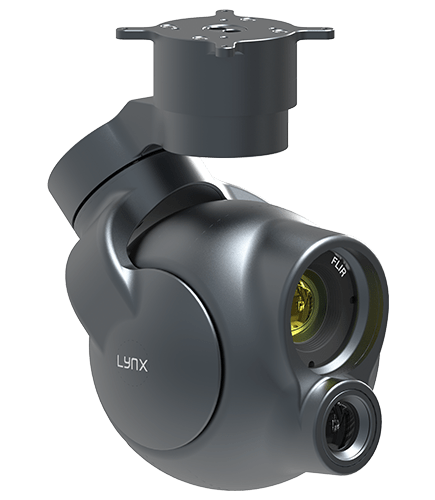
Gremsy USA Unveils Blue UAS-Cleared Payloads Amid Drone Supply Chain Changes
Gremsy USA has launched three drone payloads compliant with NDAA and Blue UAS standards for the U.S. market. This introduction responds to increasing federal pressure on drone manufacturers to establish domestic and reliable supply chains. The new products include the VIO F1, ORUS L NDAA, and LYNX NDAA, with pre-orders now being accepted. This development is significant as it aligns with the broader shift in U.S. drone policy, particularly following the Federal Communications Commission's December 2025 decision to include foreign-produced UAS and critical components on its Covered List. The White House has also emphasized the importance of domestic production, citing national security concerns regarding reliance on foreign drone components. Gremsy USA's strategy aims to meet these stringent sourcing requirements while leveraging its established international expertise. Looking ahead, Gremsy USA's U.S. operations focus on engineering and manufacturing compliant payloads domestically, integrating its gimbal technology with NDAA-compliant thermal imaging from Teledyne FLIR OEM. The VIO F1 is designed for industrial inspections and situational awareness, while the ORUS L NDAA targets long-range operations for surveillance and reconnaissance. No further timeline was disclosed at the time of publication.
defense Drone News Drone News Feeds NDAA Compliant News Products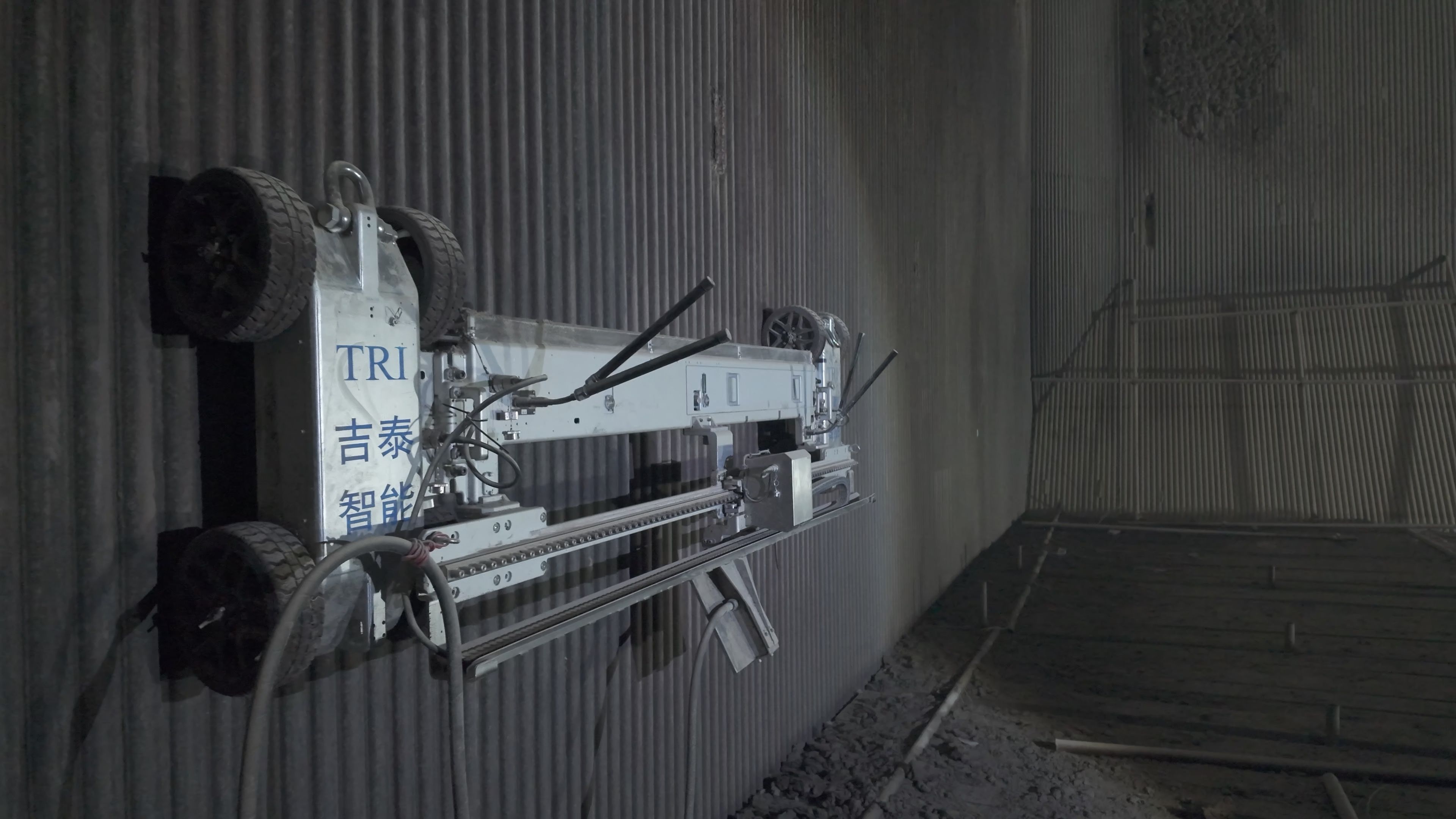
Jitai Intelligent Introduces Specialized Robots for High-Risk Energy Supply Chain Operations
At the World Robot Conference in Beijing, Jitai Intelligent showcased two specialized wall-climbing robots designed for high-risk energy operations. One robot is tailored for inspecting water-cooled walls in thermal power plants, while the other is for external inspections of wind turbine blades. These innovations address significant safety concerns and operational inefficiencies in energy supply chains. The importance of these robots lies in their ability to enhance safety and efficiency in hazardous environments. Traditional inspection methods in thermal power plants require scaffolding and expose workers to extreme risks, while wind turbine inspections often suffer from high error rates and limited operational windows. Jitai's robots utilize advanced technologies such as permanent magnetic adhesion and vacuum suction, significantly improving inspection accuracy and reducing the risk of accidents. Looking ahead, Jitai Intelligent aims to further develop its technology to meet the evolving needs of the energy sector. The company has established a comprehensive technology framework and is working on a national standard for boiler inspection robots, expected to be released by the end of 2026. As the demand for predictive maintenance grows, Jitai's focus on integrating robotics into existing safety management frameworks will be crucial for future deployments.
Wall-Climbing Robots Energy Sector Automation Safety Technology Predictive Maintenance
Heatwaves Challenge Supply Chains: Adapting to Extreme Weather Conditions
This summer's heatwaves have significantly impacted supply chains across Europe, as noted by Tim Moylan, Chief Growth Officer at Infios. The soaring temperatures have disrupted travel and public infrastructure, revealing the strain extreme weather places on supply chains. Businesses must now prepare for unpredictable weather patterns, including the potential weakening of the Atlantic Meridional Overturning Circulation, which could lead to more volatile climate conditions. The immediate effects of these heatwaves are evident in retail, where products like bottled water and ice cream are flying off shelves, while delivery delays become commonplace. Warehouse managers are adjusting shifts and transport operators are rerouting deliveries to cope with the challenges posed by extreme heat. The ability to adapt quickly to these disruptions is becoming crucial for maintaining operational efficiency and meeting customer expectations. As heatwaves reshape consumer demand and create operational challenges, businesses must focus on translating accurate weather forecasts into timely decisions across various supply chain functions. The need for flexibility in warehouse operations and transport networks is paramount, as high temperatures can lead to decreased productivity and increased risks for equipment and personnel. No further timeline was disclosed at the time of publication.
Air Cargo Cold Chain Logistics Couriers and Express Electrification and Decarbonisation Magazine Features Ports & Maritime
Cybersecurity Risks in Supply Chains Demand Greater Attention from Logistics Companies
A recent survey reveals that only 55% of businesses actively monitor cyber and technology risks within their supply chains. This statistic raises concerns, especially following significant cyber attacks on companies like Marks & Spencer and the Co-op, which disrupted operations and highlighted vulnerabilities in interconnected digital systems. The implications of these cyber incidents are profound, as they not only affect operational efficiency but also pose reputational risks. Marks & Spencer's cyber attack in April 2025 led to the suspension of online orders and compromised some customer personal data, while the Co-op had to shut down parts of its IT infrastructure, demonstrating the rapid escalation of cyber issues into operational challenges. As logistics companies increasingly rely on digital integration, the need for robust cybersecurity measures becomes critical. Organizations must recognize that the security of their supply chain partners is equally important to their own resilience. No further timeline was disclosed at the time of publication.
IT in Logistics Transport and Distribution cyber attack IT logistics supply chain
Chinese Robotics Leader Tianzhihang Aims to Enter Global Orthopedic Supply Chain
On July 16, Tianzhihang, a leading Chinese orthopedic surgical robot company, announced a suspension of trading as it plans to acquire a controlling stake in Shanghai MicroPort Orthopedics through a share issuance. This transaction is expected to constitute a significant asset restructuring. This move marks a pivotal shift for a Chinese robotics firm attempting to penetrate the global orthopedic industry, which has been dominated by international giants for decades. The acquisition signifies a strategic transition from merely producing robots to integrating into the global supply chain, focusing on the entire ecosystem of implants, consumables, and services. As the domestic orthopedic robot market grows, competition intensifies, leading to price pressures. By 2025, 40 domestic companies are expected to have their orthopedic surgical robots approved for market entry. However, with increasing competition, the focus is shifting from merely selling equipment to establishing a comprehensive business model that includes ongoing revenue from consumables and services.
Orthopedic Robotics Medical Devices Global Supply Chain Healthcare Technology
The Evolution of Intelligent and Adaptive Automation in Supply Chains
Supply chain automation is set to become increasingly intelligent, connected, and adaptive. AI-driven software is transitioning from merely reactive monitoring to more advanced predictive and prescriptive capabilities. This evolution will enable operations to rebalance workloads and optimize performance automatically. The significance of this shift lies in its potential to enhance operational efficiency and responsiveness within supply chains. By leveraging AI technologies, organizations can better anticipate disruptions and adjust their processes proactively, leading to improved productivity and reduced costs. Looking ahead, stakeholders should monitor the ongoing advancements in AI-driven automation technologies. The focus will likely be on how these innovations can further transform supply chain dynamics, making them more resilient and capable of adapting to changing market demands. No further timeline was disclosed at the time of publication.
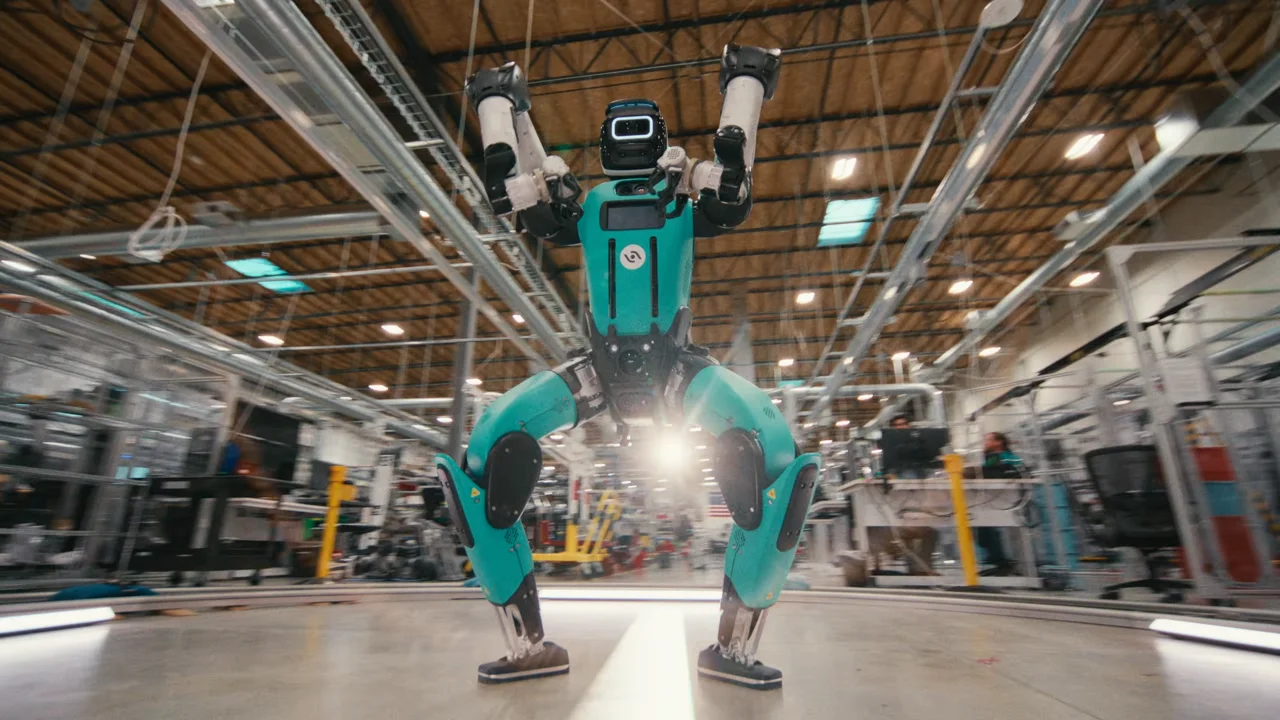
Agility Robotics Reveals Digit 5 Architecture and AI Stack for Enhanced Safety in Factories
Agility Robotics executives, including CEO Peggy Johnson and co-founder Jonathan Hurst, detailed the operational and algorithmic advancements of Digit 5. This humanoid robot aims to eliminate traditional safety barriers in factories, allowing for safer interactions with human workers. Digit 5's design includes 360-degree vision and a controlled descent mechanism to ensure safety when humans enter its operational space. The significance of Digit 5 lies in its potential to transform factory workflows by removing the need for physical barriers that isolate robots from human coworkers. Johnson highlighted that the robot autonomously lowers itself when a human approaches, ensuring a seamless operational flow. This capability is supported by low-latency edge inference technology, which allows for immediate responses to human movements. Looking ahead, Agility's focus on cooperative safety marks a shift in how humanoid robots are integrated into industrial environments. The company is also working on establishing safety standards for mobile robots, as outlined by Kevin Ree, emphasizing the importance of scalable operational safety. No further timeline was disclosed at the time of publication.
US Digit Agility Robotics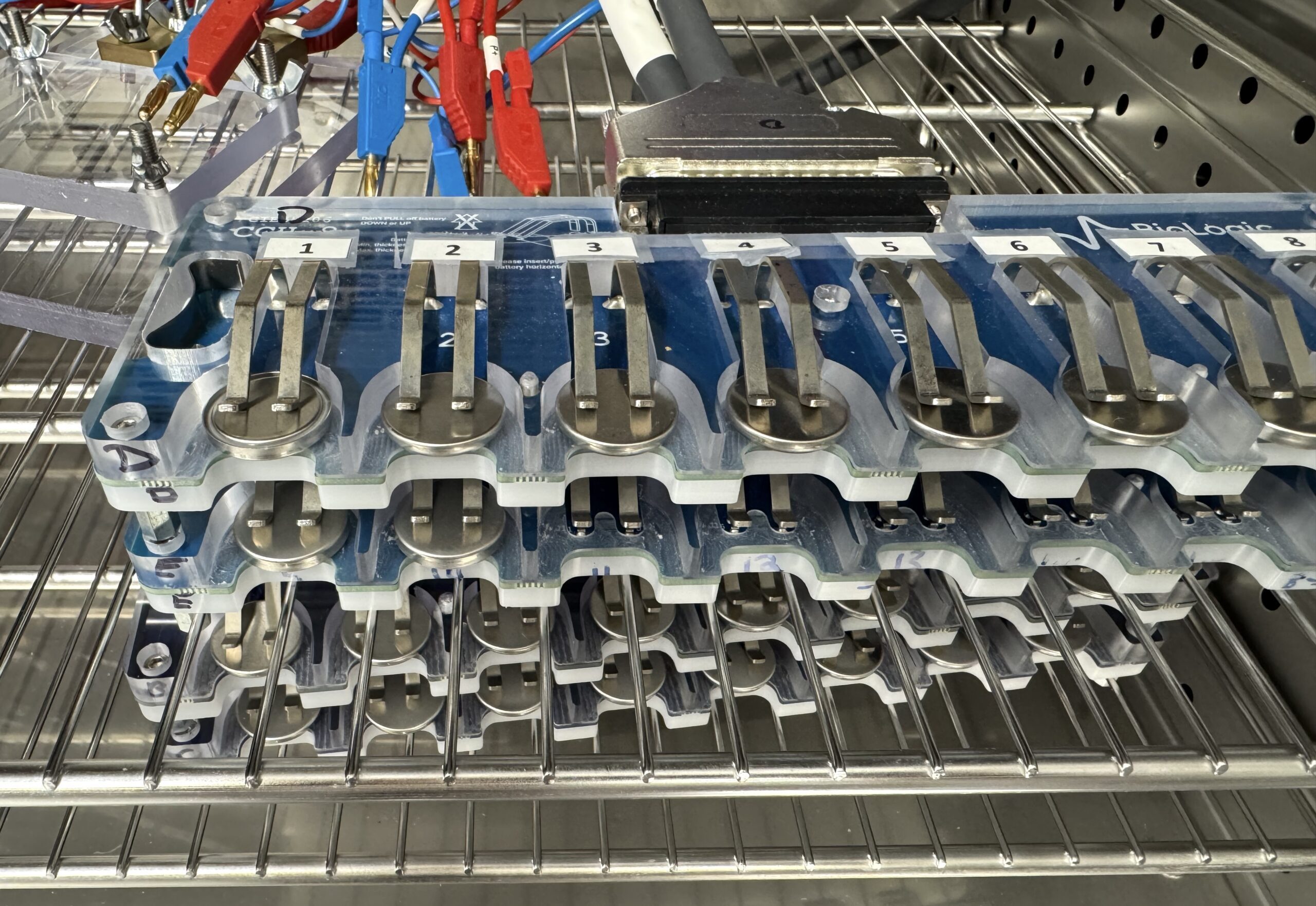
Cornish Lithium Achieves Milestone with UK-Mined Lithium for Battery Production
Cornish Lithium has successfully demonstrated the viability of lithium mined and refined in the UK for lithium-ion battery cell production. This achievement aligns with efforts by the UK, US, and other nations to enhance domestic supply chains for critical technologies. The company produced battery-grade lithium hydroxide monohydrate from ore at its Trelavour Lithium Project in Cornwall, utilizing its proprietary LiStract technology. Approximately two kilograms of this material were provided to the Centre for Process Innovation, which manufactured and tested lithium-ion coin cell batteries, showing performance comparable to commercially available lithium hydroxide. This development is significant as it contributes to broader initiatives aimed at securing supply chains for advanced technology, particularly in light of China's dominance in battery materials processing. The UK aims for 10% of its critical mineral demand to be met through domestic production by 2035, with a focus on reducing reliance on single countries for these essential resources.
Drone News Drone News Feeds Europe Drone Industry News UK Drone Industry UK Drone Space
SpaceX and Tesla Launch $16.8 Billion Terafab Chip Factory to Secure Supply Chains
SpaceX and Tesla are embarking on the construction of Terafab, a semiconductor manufacturing facility, as part of a joint venture with Intel. This $16.8 billion investment in a 100-million-square-foot plant in Grimes County, Texas, is crucial for both companies to enhance their supply chain resilience and support growth in electric vehicles and AI technologies. The Terafab initiative aims to produce 1 terawatt of compute, significantly exceeding the current global supply. By vertically integrating chip production, SpaceX and Tesla seek to mitigate geopolitical risks associated with reliance on external suppliers like TSMC and Samsung, while also reducing operating costs associated with chip manufacturing. As the project progresses, stakeholders should monitor the complexities of semiconductor manufacturing and the necessary commercial agreements between Tesla and SpaceX. The successful implementation of Terafab could substantially derisk both companies' operations and positively influence their stock performance in the long term.
FCC Proposes New Rules for Drone Manufacturers on Software and Hardware Disclosure
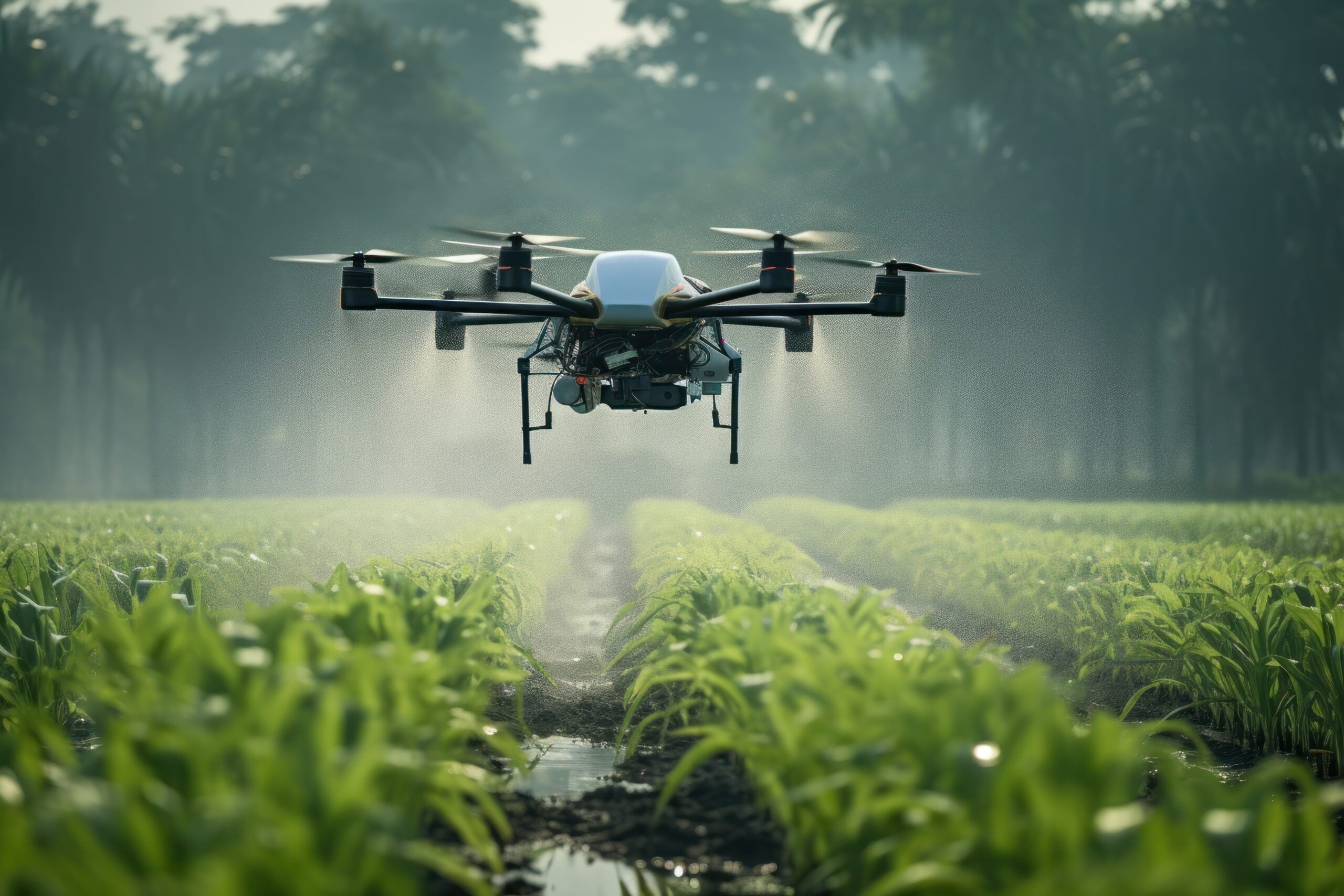
The Federal Communications Commission (FCC) has initiated a rulemaking process that may require drone manufacturers to disclose comprehensive details about their hardware and software. This proposal, published on August 7, is part of the FCC's Third Further Notice of Proposed Rulemaking and aims to enhance transparency in the commercial drone industry. This rulemaking is significant as it could reshape the regulatory landscape for drone manufacturers, particularly through the proposed Hardware Bill of Materials (HBOM) and Software Bill of Materials (SBOM). Will Dawson from the Agricultural Drone Initiative emphasized that these requirements could be pivotal, as they would mandate certification applicants to provide detailed information about each component's producer and production location, potentially impacting supply chains and security protocols. As the FCC seeks public comment on these proposals, the industry should monitor the developments closely. The implications of the HBOM and SBOM requirements could lead to stricter certification processes and influence how drone manufacturers manage their supply chains. No further timeline was disclosed at the time of publication.
Agriculture Applications Drone News Drone News Feeds Feature 1 News
U.S. FCC Expands Robot Ban, Impacting Foreign Robotics Industry and Supply Chains
On July 28, the U.S. Federal Communications Commission (FCC) expanded its 'Covered List' to include mobile robots over 2 kilograms and certain power inverters, effectively banning new imports from foreign countries. This decision, driven by the Department of Defense, aims to mitigate risks associated with advanced robotic devices, which the FCC claims pose cybersecurity threats to U.S. national security. The implications of this ban are significant for the robotics industry, particularly for companies in allied countries that may face restrictions similar to those imposed on Chinese technology. The FCC's definition of 'advanced robotic devices' includes mobile systems with onboard sensing and autonomy, while existing certified devices remain unaffected. The U.S. government emphasizes the need for a domestic supply chain to ensure economic and military independence from foreign manufacturers. As the robotics community reacts, some American companies may benefit from reduced competition, while others express concerns about the potential for third-country buyers to continue relying on Chinese products. The deadline for foreign companies to submit applications for FCC authorization is set for January 1, 2028, raising questions about future developments in the industry.
Federal-communications-commissio China Robot-policy Robotics-security Us-department-of-defense
Gordie Howe Bridge Opens to Enhance U.S.-Canada Automotive Supply Chains
The Gordie Howe Bridge has officially opened, marking a significant development for cross-border transportation between the U.S. and Canada. This bridge is crucial for maintaining the supply chains of the automotive industries in both countries, facilitating smoother logistics and trade. The opening of the Gordie Howe Bridge is vital as it strengthens the economic ties between the U.S. and Canada, particularly in the automotive sector. By improving access and reducing transit times, this infrastructure will support manufacturers and suppliers in meeting demand more efficiently. Looking ahead, stakeholders will monitor the bridge's impact on trade volumes and supply chain efficiency. No further timeline was disclosed at the time of publication.
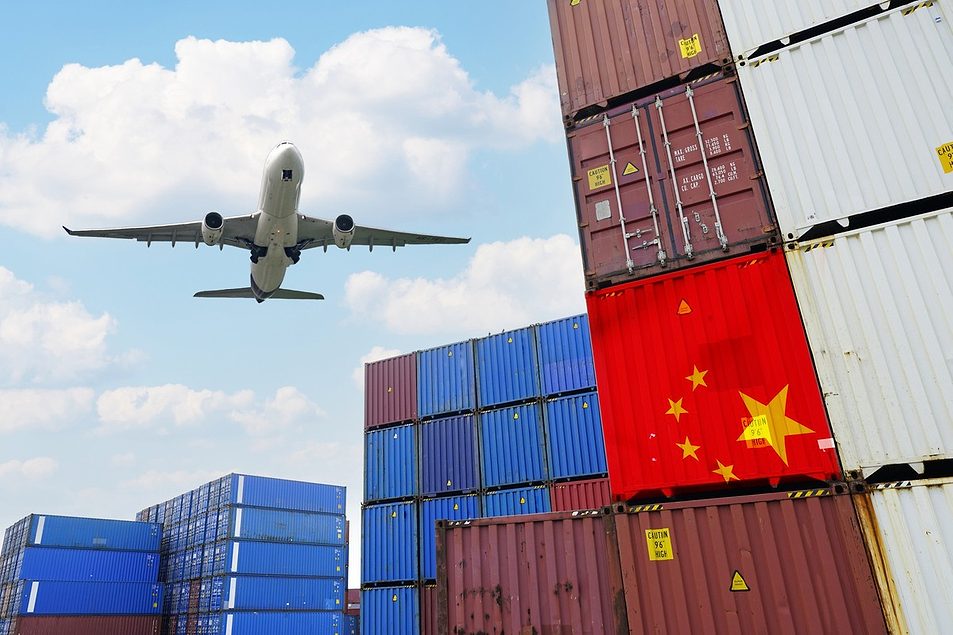
Chinese Supply Chains Focus on Flexibility in 2026
The report suggests that Chinese companies are looking to spread risk across more suppliers and markets, while using technology to help manage that added complexity.

Gartner: AI Expected to Become More Embedded in Supply Chains
A recent report has highlighted several emerging technologies poised to transform supply chains in the upcoming year. Among these innovations are autonomous AI software, advanced robotics, and interconnected data systems. These technologies are anticipated to enhance efficiency and streamline operations within the logistics sector. As businesses increasingly seek to optimize their supply chain management, the integration of these tools is expected to play a crucial role in meeting evolving market demands. The findings underscore the importance of technological adaptation in maintaining competitiveness in a rapidly changing economic landscape.
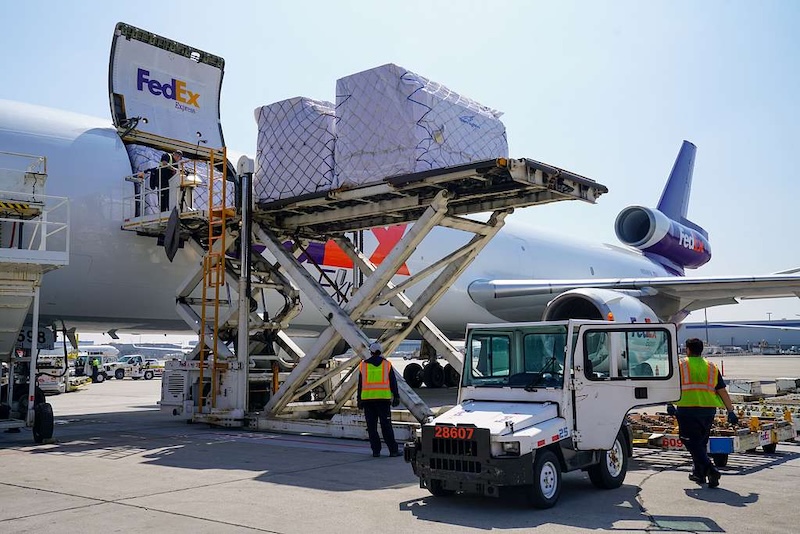
Air Cargo Under Strain: The Consequences of FAA Flight Reductions on Global Supply Chains
The Federal Aviation Administration (FAA) issued an emergency order on November 6, 2023, mandating that the nation’s forty busiest airports implement a reduction in morning flight schedules by 2026. This decision has highlighted the vulnerability of high-value air cargo operations, revealing underlying issues that extend beyond the limitations of cargo holds. The disruption has raised concerns within the trade press, as stakeholders grapple with the potential impacts on logistics and supply chains. The FAA's move aims to enhance safety and efficiency in air traffic management, but it also underscores the fragility of the air cargo sector, which relies heavily on timely flights to meet market demands. As the industry prepares for these changes, the implications for cargo transport and overall economic activity remain a focal point for discussion among aviation experts and business leaders.
Business Logistics Supply chain air cargo aviation belly cargo
CreateMe partners with Avalo and Laguna Fabrics to bring resilience to apparel supply chains
CreateMe has announced a partnership with Avalo and Laguna Fabrics to enhance the resilience of apparel supply chains. This collaboration is focused on showcasing innovative methods for producing clothing more rapidly and locally, addressing the growing demand for efficient and sustainable manufacturing practices. The initiative highlights the importance of strengthening supply chains in the apparel industry, particularly in response to recent global disruptions. By leveraging the expertise of its partners, CreateMe aims to set a new standard for how apparel can be created, ensuring a more robust and adaptable production process.
Agriculture Arms / Manipulators Artificial Intelligence Artificial Intelligence / Cognition Assembly Collaborative Robots
Building a Foundation with Supply Chains: 2026 Zhangjiang EAI Opening Ceremony Highlights
The 2026 Zhangjiang EAI (Embodied Intelligence Supply Chain Conference) commenced in Shanghai, bringing together experts and industry leaders to explore the latest developments in the embodied intelligence robotics sector. The event focuses on key topics such as supply chain integration, ecosystem development, and the introduction of innovative products. Participants emphasized the critical role of collaboration in fostering industrial growth and advancing technology, highlighting the conference's significance in shaping the future of the robotics industry.
Embodied Intelligence Robotics Supply Chain Industrial Automation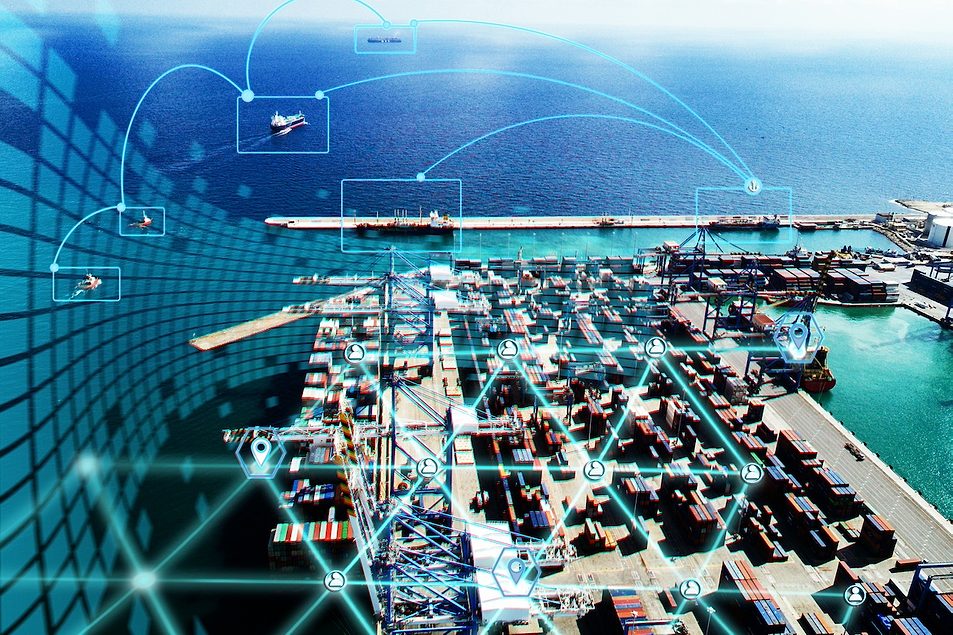
How Supply Chains Can Survive the Next Unexpected Demand Surge
A new inventory management system utilizing active caching technology has been implemented to enhance the efficiency of inventory updates. This advancement allows for real-time reflection of product availability across various locations, ensuring that businesses can respond swiftly to customer demands. The system aims to streamline operations and improve accuracy in stock management, ultimately benefiting both retailers and consumers. By leveraging this innovative approach, companies can maintain a competitive edge in the market as they adapt to the fast-paced nature of modern commerce.

Connecting Industry Resources and Supply-Demand Chains: Registration Open for the April Robotics Supply-Demand Matching Conference in Beijing
A robotics supply-demand matching conference is set to take place in Beijing, focusing on addressing the growing needs of the humanoid robotics industry. Scheduled for later this month, the event aims to foster direct interactions between technology providers and end-users, facilitating discussions that could lead to accelerated deployment and collaboration in the sector. As real-world applications for humanoid robotics continue to emerge, the conference seeks to create a platform for stakeholders to connect and explore innovative solutions to meet market demands.
Humanoid Robots Supply Chain Industrial Automation Robotics AI
Deploying AI to Shed Light on the Murky Depths of Multi-Tier Supply Chains
As artificial intelligence increasingly integrates into supply chain operations, companies are urged to prepare for rising demands regarding transparency and governance. This shift is driven by the growing reliance on AI technologies, which necessitate clear accountability and oversight to ensure ethical practices and compliance with regulations. Industry experts emphasize that organizations must proactively establish frameworks that address these expectations, particularly as stakeholders become more aware of the implications of AI in their operations. By implementing robust governance structures, companies can not only meet regulatory requirements but also build trust with consumers and partners, ultimately enhancing their operational efficiency and reputation in a competitive market.
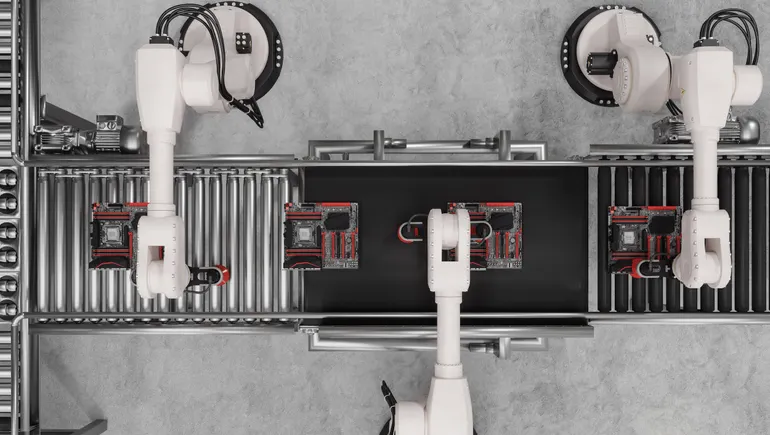
Eclipse raises $1.3B to reshore manufacturing, strengthen supply chains
A significant investment initiative has been launched to support startups specializing in robotics, automation, and other innovative technologies. This funding, primarily sourced from U.S. universities and foundations, aims to foster growth in these emerging sectors. The initiative underscores a growing recognition of the importance of technological advancement in driving economic development and enhancing productivity. By providing financial backing, the initiative seeks to empower entrepreneurs and facilitate the development of cutting-edge solutions that can address various challenges across industries. The funding is expected to play a crucial role in accelerating innovation and positioning the U.S. as a leader in the global technology landscape.
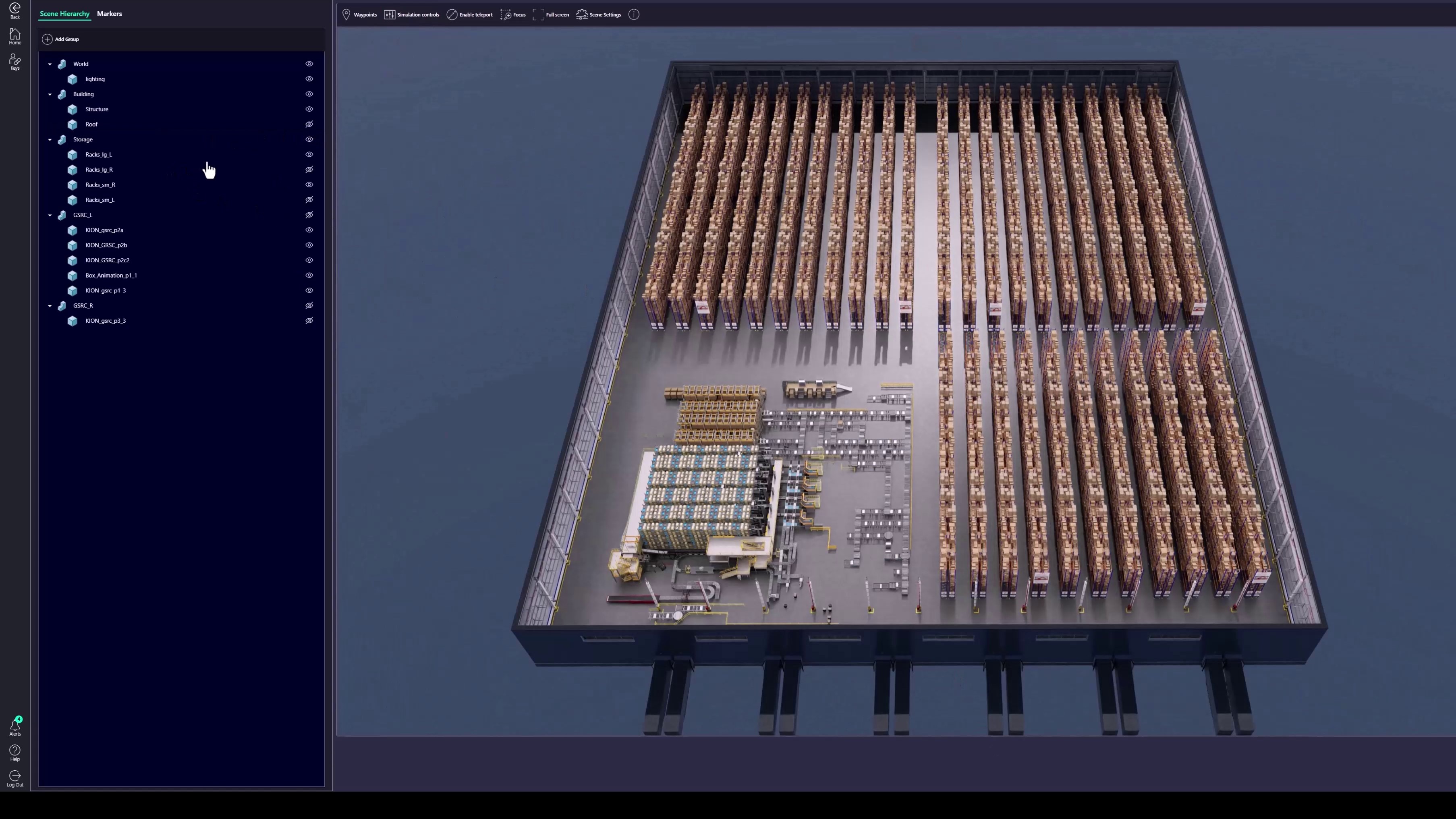
Siemens and KION partner to shape the supply chains of the future
Siemens and KION have announced a strategic partnership aimed at improving supply chain resilience and warehouse efficiency by utilizing advanced artificial intelligence, automation, and simulation technologies. The collaboration will harness Siemens' Digital Twin Composer software to develop digital twins of logistics processes, enabling real-time simulations and optimizations. This initiative is designed to address the growing demand for more efficient and adaptable supply chain solutions in today's dynamic market environment. By integrating these cutting-edge technologies, the partnership seeks to enhance operational performance and responsiveness in logistics operations.
intralogistics supply chain solutions industrial trucks forklift trucks warehouse trucks automation technology
Viral Demand Surges Create New Challenge for Supply Chains
Retailers and supply chains are facing unprecedented challenges due to the rapid rise of viral product trends, which are leading to sudden spikes in consumer demand. As these trends emerge, businesses are compelled to enhance their inventory management and visibility to keep pace with the shifting market dynamics. This urgency is particularly pronounced as consumers increasingly expect immediate availability of trending products. To address these challenges, companies are adopting advanced data analytics and real-time tracking systems, allowing them to respond more swiftly to fluctuations in demand. This proactive approach not only helps in maintaining stock levels but also in optimizing supply chain operations, ensuring that retailers can meet customer expectations effectively. The ongoing evolution of consumer behavior, driven by social media and online platforms, continues to reshape the retail landscape, prompting businesses to innovate and adapt in order to thrive in a competitive environment.
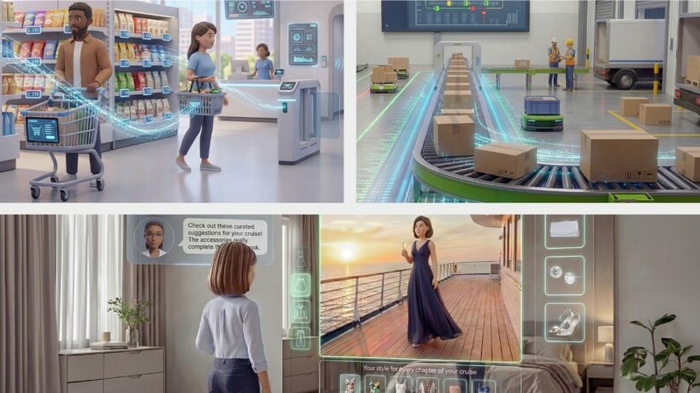
From Warehouse to Wallet: New State of AI in Retail and CPG Survey Uncovers How AI Is Rewiring Supply Chains and Customer Experiences
Artificial intelligence is revolutionizing the retail and consumer packaged goods sectors by significantly improving customer analysis and segmentation. This technological advancement allows companies to deliver more personalized marketing and advertising strategies. Additionally, AI enhances the speed and accuracy of demand forecasting, enabling businesses to respond more effectively to market trends and consumer needs. As organizations increasingly adopt these AI-driven solutions, the landscape of retail and CPG operations is evolving, leading to more efficient practices and improved customer experiences. This transformation is occurring as companies strive to stay competitive and meet the growing expectations of consumers in an ever-changing marketplace.
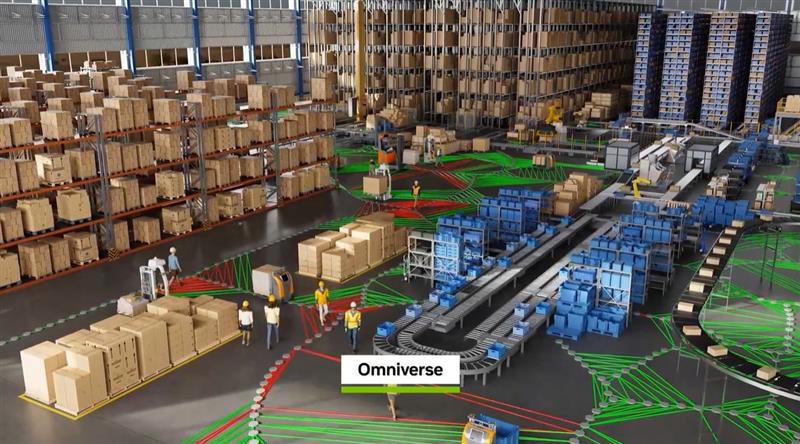
KION Teams with NVIDIA and Accenture to Optimize Supply Chains with AI-Powered Robots and Digital Twins
KION Group has joined forces with NVIDIA and Accenture to transform supply chains by integrating AI-powered robots and digital twins. This partnership was highlighted during CES 2025, where the companies presented their cutting-edge warehouse solutions. The collaboration seeks to boost warehouse efficiency and adaptability, utilizing advanced artificial intelligence to streamline operations and enhance productivity.
intralogistics supply chain solutions industrial trucks forklift trucks warehouse trucks automation technologyRobotics needs a service framework.
RSF defines a common language for robot service capability, lifecycle operations, certification pathways, and service-provider networks.
Join the RobotToday community on LinkedIn
Daily robotics news, in-depth analysis, conference highlights, and discussions with professionals worldwide.







