Industry Briefing
A single destination for timely, editor-curated robotics news from around the world.
HDC 2026 Showcases HarmonyOS 7's Five-Dimensional Upgrade and Surging Ecosystem Innovation
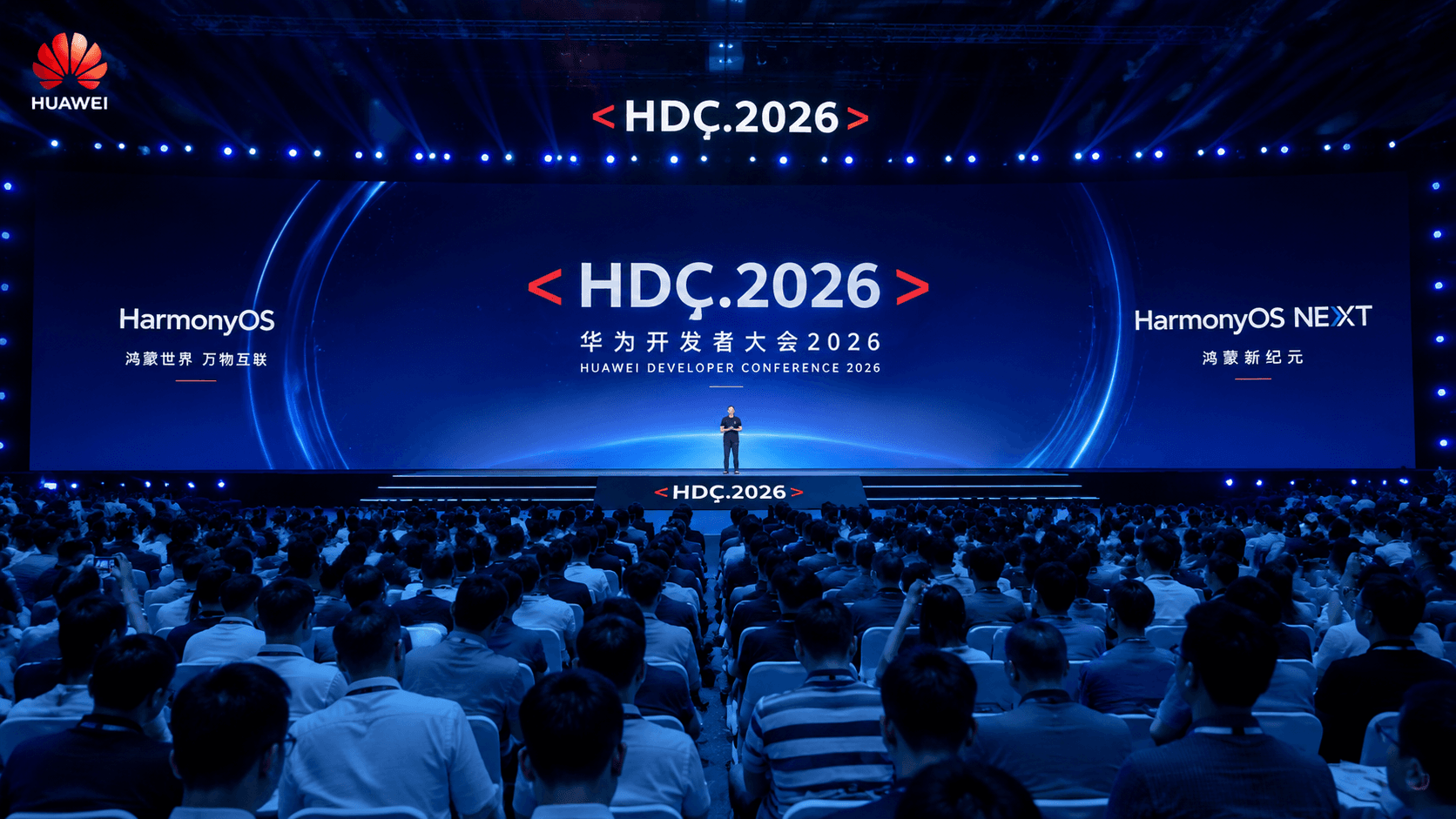
At Huawei's HDC 2026 event, the company showcased significant upgrades to HarmonyOS 7, emphasizing advancements in spatial computing, intelligence, security, smoothness, and connectivity. The event, which took place recently, also featured a range of innovations from Huawei's partners, underscoring the collaborative efforts to enhance the ecosystem surrounding HarmonyOS. The upgrades aim to improve user experience and functionality, reflecting Huawei's commitment to staying competitive in the rapidly evolving tech landscape. Through these enhancements, Huawei seeks to solidify its position in the market and drive further adoption of its operating system.
Technology
How Physical AI Is Closing the Gap Between Simulation and the Shop Floor
A new generation of systems is emerging that not only simulates the physical world but also engages in real-time reasoning and actions. This advancement is driven by a sophisticated spatial computing stack that integrates foundation models, AI-generated software, and high-fidelity 3D sensing technologies. These systems aim to enhance interactions with the environment, providing more intuitive and responsive experiences. The development is part of a broader trend in technology aimed at creating smarter, more adaptive solutions across various industries, including gaming, robotics, and virtual reality. As these innovations continue to evolve, they promise to transform how users interact with digital and physical spaces, paving the way for more immersive and effective applications.
At Goodwood, Robots Explore Their Role in Enhancing Human Experience
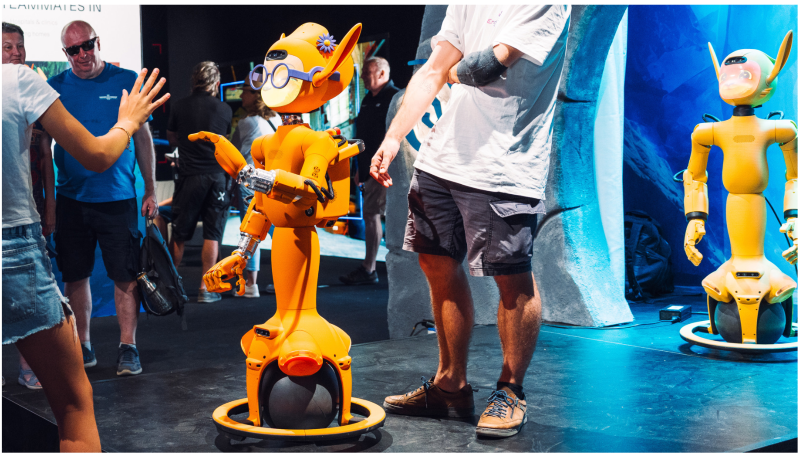
At the Goodwood Cricket Ground, a fox-eared robot on roller skates greeted visitors without imitating humans or threatening to replace them, showcasing its unique identity. This event, part of the FOS Future Lab's Intelligent Systems Zone, featured three exhibitors presenting diverse answers to the question of what intelligent machines should do for humanity. One Sheffield startup, led by Raspberry Pi co-founder Liz Upton, demonstrated a method for programming robots using simple English. A robotic arm responded to natural language commands, with COO Eleanor Tang-Smith emphasizing the goal of making robots perform tasks that humans find tedious. Meanwhile, a large screen displayed a real-time reconstruction of Goodwood's famous Taylor Garage, merging digital and physical worlds seamlessly. The fox-eared robotic dogs, designed in Paris, avoided the 'uncanny valley' by engaging with humans through expressive features. They are already in use in hospitals and airports for tasks like transporting and assisting, allowing humans to focus on more urgent matters. The event highlighted three approaches to human-robot interaction, emphasizing the importance of language, vision, and gestures in redefining the interface between humans and machines.
Robotics AI Spatial Computing Human-Robot Interaction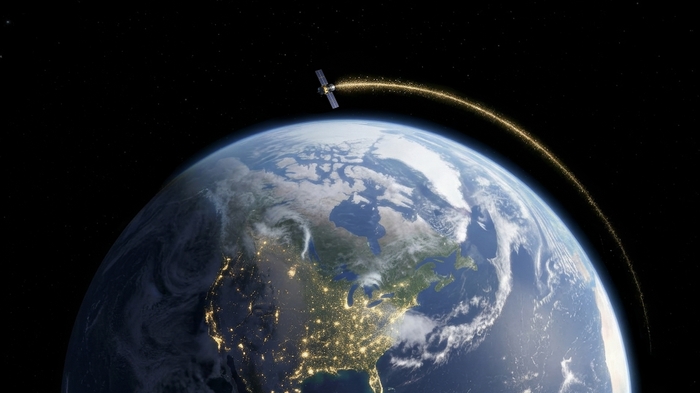
NVIDIA Launches Space Computing, Rocketing AI Into Orbit
NVIDIA has unveiled its latest accelerated computing platforms, marking a significant advancement in space innovation. This announcement, made today, highlights the integration of AI computing capabilities into orbital data centers (ODCs), enhancing geospatial intelligence and facilitating autonomous operations in space. The company's efforts aim to revolutionize how data is processed and utilized in the space sector, leveraging advanced technology to improve efficiency and effectiveness in various space-related applications. By harnessing the power of AI, NVIDIA is poised to transform the landscape of space exploration and operations, paving the way for new possibilities in the industry.
The Future of Physical AI Isn’t Smarter Robots, It’s Smarter Interfaces
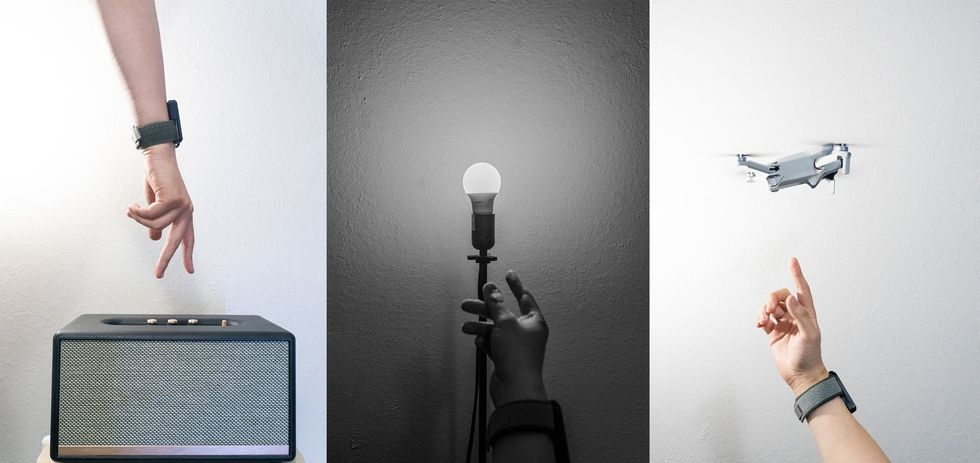
Wetour Robotics is pioneering a new approach to human-machine interaction with its innovative concept of Spatial Intent Fusion, which aims to enhance how people communicate with connected devices. This initiative comes in response to the limitations of traditional input methods—screens, buttons, and voice commands—that often fail in dynamic environments where users' hands are occupied or speech is impractical. The company, which has made significant strides in the field of Physical AI over the past three years, emphasizes the need to integrate human intent into the computing loop as seamlessly as the robots already operate. By utilizing a portable intelligent hub called Orchestra, Wetour Robotics processes multiple streams of human-centered information—spatial position, visual context, and gestural intent—into real-time commands for various devices. Orchestra operates on the NVIDIA Jetson Orin Nano Super platform, ensuring low-latency performance without relying on cloud processing. The system includes advanced features such as pre-motion intent sensing, which allows it to anticipate user actions based on biosignal data. Wetour Robotics acknowledges ongoing challenges, such as maintaining signal stability during movement and integrating diverse device protocols. However, the company believes that treating the human body as an active participant in the computing network will not only improve individual user experiences but also provide valuable data for the development of future AI technologies. This initiative represents a significant step forward in bridging the gap between human and robotic capabilities, ultimately enhancing the broader Physical AI ecosystem.
Interfaces Physical-ai Robot-hardware Smarter-robotsRobotics needs a service framework.
RSF defines a common language for robot service capability, lifecycle operations, certification pathways, and service-provider networks.