

Industry Briefing
A single destination for timely, editor-curated robotics news from around the world.

HSG Participates in $297 Million Funding Round for Space Star Technology
HSG has joined a significant funding round of $297 million for Space Star Technology, a company that operates over 60 ground stations. This investment highlights the growing importance of satellite and rocket support services in the aerospace sector. The involvement of HSG in this funding round underscores the increasing demand for reliable ground station operations, as Space Star Technology has successfully served 684 satellites and rockets. This funding will likely enhance their capabilities and expand their service offerings in the competitive aerospace market. Looking ahead, industry stakeholders should monitor how this investment impacts Space Star Technology's operations and growth trajectory. No further timeline was disclosed at the time of publication.
News Startups aerospace China Funding Space Star Technology
SpaceX's Starmind Faces Feasibility Challenges for 1 Million Satellite Deployment
On January 30, 2026, SpaceX submitted a request to the FCC to launch up to 1 million satellites as part of its Starmind orbital compute constellation. This ambitious plan is unprecedented, as the total number of satellites ever launched globally is in the low tens of thousands. The proposal seeks a waiver from standard deployment milestones, citing reliance on the Starship's full reusability for success. The significance of this request lies in the technical and logistical challenges it presents. Experts warn that low Earth orbit may not support the proposed number of active satellites without risking a debris cascade. SpaceX's own IPO prospectus acknowledges unresolved dependencies related to Starship's launch cadence and reusability, which are critical for the orbital AI compute strategy. Looking ahead, the timeline for achieving the necessary launch cadence and manufacturing capacity remains uncertain. SpaceX's Gigasat facility in Texas aims for volume production by late 2027, but this would require unprecedented output levels. No further timeline was disclosed at the time of publication, leaving the feasibility of the Starmind project in question.

SpaceX Unveils AI1 Satellite Specs for Starmind Constellation with Key Thermal Challenges
SpaceX has introduced the AI1 satellite, the inaugural component of its Starmind constellation, which stands 20 meters tall and has a wingspan of 70 meters. This orbital compute node is designed to deliver computing power equivalent to one NVIDIA GB300 server rack, utilizing a unique cooling system with deployable liquid radiators. The satellite's specifications were revealed during a presentation on June 8, 2026, ahead of SpaceX's IPO. The significance of the AI1 satellite lies in its role as a compute platform rather than a traditional satellite, focusing on running AI inference workloads. The satellite's cooling system, which is critical for its operation in the vacuum of space, is designed to reject heat through infrared radiation. However, independent engineers have raised concerns about the feasibility of the thermal and mass claims made by SpaceX, suggesting that the cooling requirements may exceed practical limits. Looking ahead, SpaceX plans to launch two AI1 prototypes in early 2027, with full-scale production expected to commence later that year at its Gigasat facility in Bastrop, Texas. The ongoing debate regarding the satellite's thermal management capabilities will be crucial to monitor as the project progresses, with no further timeline disclosed at the time of publication.

SpaceX's Starmind Targets AI Labs with $6.3 Billion Compute Contracts
SpaceX's Starmind is designed to provide wholesale AI compute services to businesses, particularly AI labs and cloud customers, rather than individual consumers. The service operates similarly to AWS, where users benefit from applications running on Starmind without direct subscriptions. The compute capacity of a single AI1 satellite is comparable to one NVIDIA GB300 rack, emphasizing its enterprise-grade capabilities. The significance of Starmind lies in its positioning as a potential fourth hyperscaler, joining the ranks of AWS, Microsoft Azure, and Google Cloud. The Reflection AI contract, valued at $150 million per month, exemplifies the enterprise-focused model, with total payments potentially reaching $6.3 billion through 2029. This contract highlights the growing demand for AI compute resources, particularly from AI-native startups and labs. Looking ahead, the focus will remain on securing additional enterprise contracts as Starmind expands its offerings. No consumer-facing products or subscriptions have been announced, and the current strategy is to cater to businesses with substantial AI workloads. No further timeline was disclosed at the time of publication.

SpaceX IPO Provides Indirect Investment Opportunity in Starmind Project
Starmind does not have a standalone stock or ticker; investors can gain exposure through SpaceX (ticker: SPCX), which began trading on Nasdaq after its IPO on June 12, 2026. Starmind is integrated within SpaceX, contributing to the company's AI and space initiatives, and its performance directly influences SPCX shares. The significance of Starmind lies in its role as a division of SpaceX, which encompasses other projects like Starlink and Starship. As of early July 2026, SPCX shares are trading between $149 and $150, significantly lower than their 52-week high of $225.64. The project’s milestones, such as AI1 prototype updates, can impact SpaceX's stock performance, making it essential for investors to monitor these developments closely. Looking ahead, the early 2027 launch of AI1 prototype satellites is a critical milestone that could provide verifiable data affecting Starmind's valuation and, consequently, SPCX stock. No further timeline was disclosed at the time of publication, but the upcoming events will be pivotal for investors tracking the relationship between Starmind and SpaceX's stock performance.

SpaceX's $1.75 Trillion Valuation Driven by Starmind's Future Potential
Starmind is a pivotal element in SpaceX's estimated $1.75 trillion IPO valuation, despite currently generating no confirmed revenue. The stock price reflects optimistic projections regarding AI infrastructure growth, which Starmind has yet to substantiate. As of early July 2026, SpaceX's stock has decreased from its 52-week high of $225.64 to around $150, indicating market skepticism about future execution. The significance of Starmind lies in its potential to transform SpaceX's revenue model beyond traditional launch services. Goldman Sachs has shifted its focus from Starlink subscriber growth to the prospects of AI revenue, including orbital computing, as a cornerstone of SpaceX's long-term valuation. This marks a substantial change in how analysts view the company's growth trajectory, necessitating rates exceeding its historical 33% growth. Looking ahead, the credibility of Starmind as a growth narrative will be crucial for maintaining investor confidence. Analysts have noted a considerable divergence in price targets, reflecting uncertainty about the value of the Starmind and xAI initiatives. No further timeline was disclosed at the time of publication regarding specific milestones for these projects.
SpaceX Launches Starmind Project for 1 Million AI Satellites by 2028
SpaceX has officially named its orbital AI infrastructure project 'Starmind,' which aims to deploy a constellation of up to 1 million satellites. This initiative, confirmed by Elon Musk on June 22, 2026, will enable AI inference directly in space, utilizing solar energy rather than terrestrial power sources. The first satellite, designated AI1, was unveiled on June 8, 2026, and is designed to operate in sun-synchronous orbits. The significance of Starmind lies in its potential to overcome the limitations faced by ground-based data centers, such as land, power, and water constraints. By running AI computations in orbit, Starmind can provide a more efficient solution to the growing demand for AI computing power. The project leverages the existing Starlink infrastructure for data transmission, distinguishing its function from Starlink's internet relay capabilities. Looking ahead, SpaceX plans to begin hardware deployment with the AI1 satellite, while full-scale production and deployment of the satellite constellation are targeted for 2028. As of now, no Starmind satellites have been launched, and further engineering challenges remain to be addressed, particularly regarding the scalability of the satellite design.

SpaceX's Starmind Plans 1 Million AI Satellites Amid Collision Risks
SpaceX has announced its ambitious Starmind project, which aims to deploy 1 million AI satellites in orbits between 500 and 2,000 km. This initiative, confirmed by Elon Musk on June 23, 2026, follows a merger with xAI, valuing the combined entity at $1.25 trillion. The satellites will function as orbital data centers, processing AI workloads powered by solar arrays and linked by optical lasers. The significance of Starmind lies in its potential to add 100 gigawatts of AI compute capacity annually, contingent on the successful operation of the Starship launch system. However, the project raises concerns regarding space debris, as the current orbital environment is already congested, with a 20% increase in collision risk reported since 2024. The European Space Agency has highlighted that the density of debris in low Earth orbit is now comparable to that of active satellites, complicating the operational landscape for new entrants like Starmind. Looking ahead, the first operational orbital AI deployments are targeted for 2028, with test launches expected in early 2027. However, the project faces scrutiny regarding its impact on space debris, as even a 1% failure rate could significantly increase the number of uncontrollable objects in orbit, exacerbating existing risks. No further timeline was disclosed at the time of publication.
SpaceX's Starship V3 Plans for 1 Million Starmind Satellites by 2030
SpaceX's Starship V3 is set to revolutionize satellite deployment, aiming to launch 1 million Starmind satellites by 2030. The spacecraft can carry over 100 tonnes to low Earth orbit (LEO), significantly more than the Falcon 9's capacity. As of May 2026, Starship has completed 12 flights, with the next mission scheduled for late July 2026, focusing on operational payloads including AI1 prototypes in early 2027. This ambitious plan is crucial for expanding orbital compute capacity, targeting an annual addition of 100 GW through a million tonnes of satellite hardware. SpaceX's strategy hinges on achieving a launch cadence of approximately 12,000 flights, equating to about three launches per day. The company has invested over $15 billion in the Starship program, with expectations to begin payload deliveries in the second half of 2026, starting with Starlink V3 satellites. Looking ahead, the successful deployment of the Starmind constellation will depend on Starship's ability to meet its cost targets of $10–20 million per flight. If achieved, this would make launching satellites more economical than building ground data centers. The next significant milestone will be the launch of AI1 prototypes in early 2027, with full-scale deployments commencing in 2028 from the new Gigasat factory in Texas.

SpaceX's Starmind Project: Supplier Strategy and Chip Manufacturing Plans for 2026
SpaceX's Starmind project, aimed at deploying up to 1 million AI satellites, was filed with the FCC on January 30, 2026. The initiative is designed to minimize reliance on external suppliers, with CEO Elon Musk stating that current chip production capabilities only meet 2% of the projected needs. The first satellite, AI1, is set for prototype launches in early 2027, featuring a 70-meter wingspan and a modular payload system that allows for interchangeable chips from various suppliers. The significance of Starmind lies in its ambitious supply chain strategy, which seeks to transition from external hardware suppliers to a fully integrated Musk-owned facility by 2028. The Gigasat manufacturing site in Bastrop, Texas, is expected to be operational by the end of 2027, with plans for high-volume production of the D3 chip, specifically designed for space applications. This approach aims to consolidate chip manufacturing processes under the Terafab joint venture, which has an estimated initial investment of $55 billion. Looking ahead, the next milestone for Starmind is the launch of AI1 prototypes in early 2027, while the full-scale chip production at Terafab is projected to ramp up significantly thereafter. However, analysts express skepticism regarding the feasibility of achieving Musk's ambitious compute goals, which may require substantial investment and time to establish the necessary manufacturing capabilities.

Starmind's Satellite Technology Achieves 880 Billion Liters in Annual Water Savings
Starmind has announced that its satellite technology can save approximately 880 billion liters of cooling water annually at full scale. This figure is equivalent to the annual household water use of around 6.5 million Americans. The technology operates by utilizing a closed-loop liquid cooling system that eliminates the need for water during its operational life, contrasting sharply with traditional ground data centers that consume vast amounts of water for cooling. The significance of this achievement lies in the growing water consumption crisis faced by data centers, particularly as AI expansion drives demand. In 2025, U.S. data centers consumed nearly one trillion liters of water, highlighting the urgent need for sustainable solutions. Starmind's approach not only addresses direct water usage but also avoids indirect water consumption associated with electricity generation, marking a substantial shift in how computing can be conducted in a resource-efficient manner. Looking ahead, Starmind's deployment strategy includes a projected buildout of 100 GW of orbital compute per year, which could displace an additional 735 billion liters of ground water demand annually. The first tranche of 10,000 satellites is already operational, offsetting approximately 8.8 billion liters of water per year. No further timeline was disclosed at the time of publication.
Investing in SpaceX's Starmind: The Orbital AI Constellation Explained
SpaceX officially announced its Starmind project on July 9, 2026, detailing plans for an orbital AI compute constellation comprising up to 1 million satellites. This initiative aims to process AI workloads in low Earth orbit, leveraging solar power and passive thermal dissipation to reduce operational costs. Nvidia has been confirmed as the exclusive chip partner, supplying the necessary hardware for the satellites. The significance of Starmind lies in its potential to revolutionize AI computing by relocating data processing from Earth to space, thereby minimizing energy consumption and infrastructure constraints. With the first-generation satellite, AI1, designed to be equivalent to a full Nvidia NVL72 rack, SpaceX plans to launch 30–50 satellites per Starship flight, targeting thousands annually starting in late 2027. This innovative approach could position SpaceX as a leader in the AI infrastructure sector. Investors should note that Starmind does not have a separate stock ticker or legal entity; exposure is available only through SpaceX (NASDAQ: SPCX) and Nvidia (NASDAQ: NVDA). As Starmind begins generating revenue in 2028, it will contribute to SpaceX's AI segment, which is already reflected in its financial statements. No further timeline was disclosed at the time of publication.
Yushu Technology Achieves 629% Surge on STAR Market, Valued at 444.9 Billion Yuan
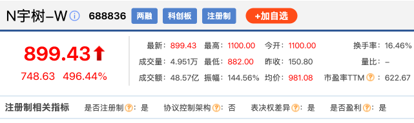
Yushu Technology, recognized as the 'first humanoid robot stock,' experienced a remarkable debut on the STAR Market, opening at 1,100 yuan per share. This represents a 629% increase from its initial public offering price, leading to a total market valuation of approximately 444.9 billion yuan. The significance of this debut lies in Yushu Technology's position as a global leader in high-performance general-purpose robotics, which includes both quadruped and humanoid robots. Despite the impressive rise in operational revenue, the company faced challenges with net profits due to increased research and development, as well as sales expenses. Looking ahead, investors and industry watchers will be keen to observe how Yushu Technology manages its operational costs while maintaining its growth trajectory in the competitive robotics market. No further timeline was disclosed at the time of publication.
Humanoid Robots Quadruped Robots Robotics Industry IPO Technology
Yushu Technology's STAR Market Debut Makes Founder a Billionaire with Rapid Growth
Yushu Technology's stock opened at 1,100 yuan per share, soaring 629.44% from its issue price of 150.80 yuan, reaching a market capitalization of 444.9 billion yuan. This IPO marks the most profitable new stock since the full registration system was implemented in A-shares, with a potential profit of 474,600 yuan for a single subscription of 500 shares. The rapid IPO process took just 104 days, setting a record for the STAR Market. Founder Wang Xingxing, born in 1990, held a 33.36% stake before the IPO, translating to a net worth of 20.35 billion yuan at the issue price. Following the stock surge, his wealth has exceeded 120 billion yuan. The executive team is predominantly composed of individuals born in the 1990s, highlighting a youthful leadership. Yushu Technology reported revenue of 1.152 billion yuan in the first half of 2026, a 48.54% increase year-on-year, with a net profit of 274 million yuan. However, the company faces challenges with rising R&D and sales expenses impacting profitability. The future of humanoid robots in industrial applications remains uncertain, with answers expected in upcoming financial reports.
Humanoid Robots IPO Artificial Intelligence Robotics Market Growth
China Achieves Milestone with First Pediatric Dual Artificial Heart Surgery Using Aerospace Technology
A pediatric patient at Tianjin Taida International Cardiovascular Hospital underwent the world's first surgery involving dual fully-implantable artificial hearts. These hearts were custom-engineered from Aerospace Taixin magnetically levitated pumps, marking a significant advancement in pediatric cardiac care. This achievement highlights the growing capabilities of Chinese firms in the ventricular assist device (VAD) market, with five companies now holding six approved products. The use of aerospace-derived technology in medical applications demonstrates the potential for innovation in healthcare, particularly in addressing complex pediatric conditions. Looking ahead, the success of this surgery may pave the way for further advancements in artificial heart technology and its applications in children. No further timeline was disclosed at the time of publication.
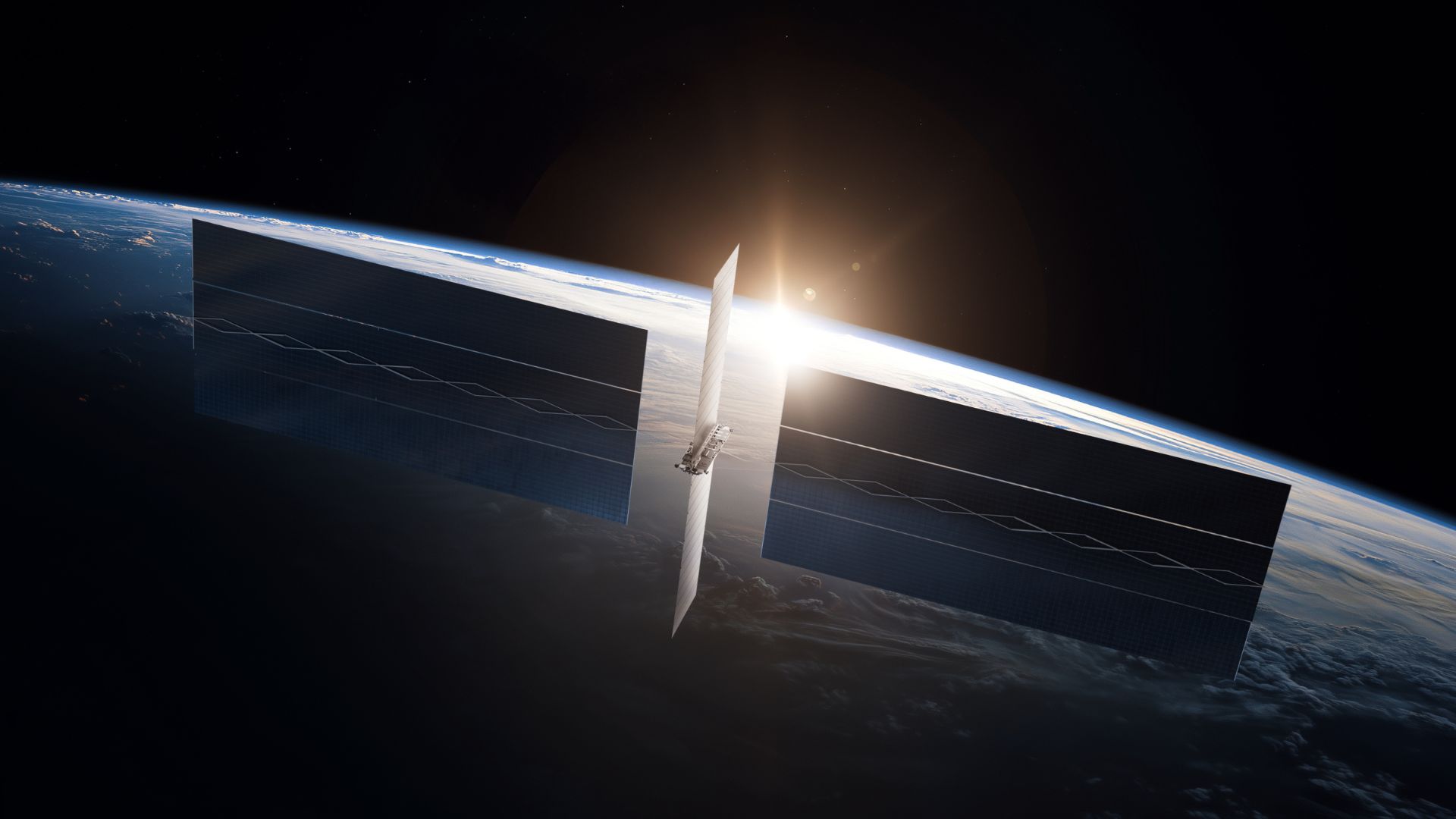
SpaceX and Nvidia Collaborate on Starmind AI1 Satellite with Rubin Chips for Orbital Computing
SpaceX and Nvidia have announced a partnership to develop the Starmind AI1 satellite, which will utilize Nvidia's Rubin GPUs and Vera CPUs for AI computing in low Earth orbit. This initiative aims to create a vast network of satellites, potentially reaching one million, forming a distributed AI supercomputer in space. The significance of this project lies in its potential to revolutionize AI processing capabilities beyond Earth, leveraging the advantages of solar energy and high-speed laser communication between satellites. SpaceX's commitment to using Nvidia's technology underscores the importance of this collaboration in advancing space computing. Looking ahead, prototype testing for the Starmind AI1 satellite is set for early 2027, with mass production anticipated later that year, contingent on regulatory approvals. The project could reshape the landscape of orbital infrastructure, significantly expanding the current satellite population and enhancing data processing capabilities in space.
AI and Robotics Space
SpaceX's Starship Successfully Lands at Sea After 13th Launch with New Videos
SpaceX's Starship completed its 13th launch on July 24, successfully landing its upper stage in the ocean. The flight achieved significant milestones, including deploying 20 next-gen Starlink satellites and reigniting a Raptor engine in space before a soft splashdown off Western Australia. This successful landing is crucial for SpaceX as it aims to develop a rapidly reusable system for various missions, including astronaut moon landings. The upper stage, measuring 171 feet, showcased impressive maneuvers during its descent, aided by Starlink satellites that provided real-time video footage. Looking ahead, SpaceX must address challenges related to the Starship heatshield and meet specific goals before participating in the Artemis III mission next year, which may involve lunar landings during Artemis IV. No further timeline was disclosed at the time of publication.
Launches & Spacecraft Space Exploration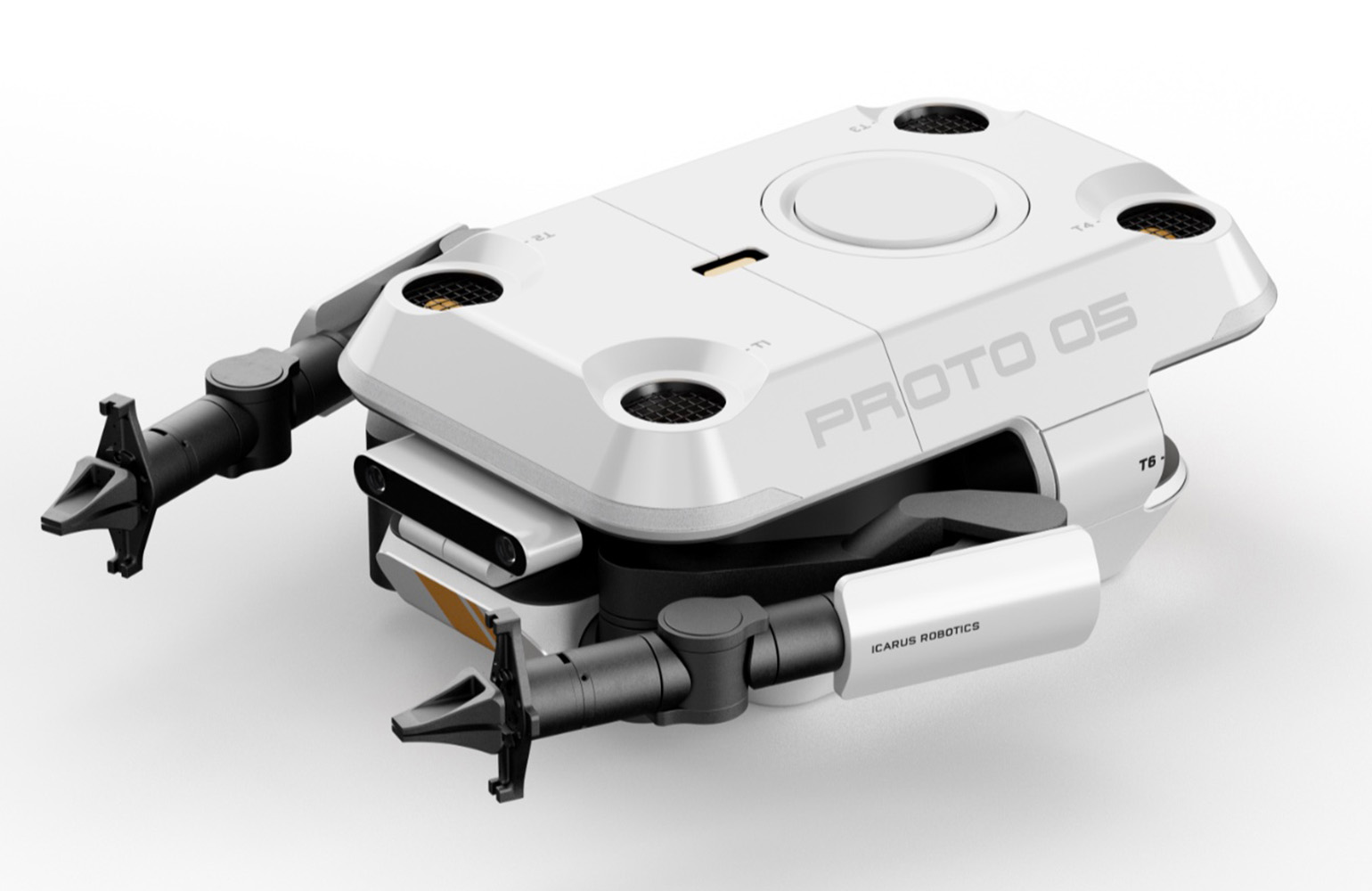
Icarus Robotics Selects KULR Technology for JOY Space Robot's Power System
Icarus Robotics has announced KULR Technology Group as the battery supplier for its autonomous free-flying robot, JOY, which is set to launch to the International Space Station (ISS) in early 2027. KULR will provide its KULR ONE Space (K1S) battery systems, engineered to NASA safety standards, ensuring reliable operation aboard the ISS. The partnership is significant as KULR’s battery technology has already been validated during the Artemis II lunar mission, which enhances the approval process with NASA. Icarus co-founder Ethan Barajas emphasized the importance of flight heritage in the space sector, stating that proven components expedite the approval process, crucial for a startup like Icarus. Looking ahead, JOY, powered by embodied AI, aims to assist astronauts with routine tasks and infrastructure maintenance, allowing them to concentrate on more critical research objectives. No further timeline was disclosed at the time of publication.
Aerospace Batteries / Power Supplies Markets / Industries News Technologies Icarus
SpaceX Proposes 1 Million AI Satellites to Address Ground Data Center Constraints
On January 30, 2026, SpaceX filed with the FCC to launch up to 1 million AI compute satellites, positioning orbital data centers as a solution to the increasing demand for AI computing power. Ground data centers are facing significant challenges, with energy consumption projected to reach approximately 1,050 TWh in 2026, making them the fifth-largest electricity consumer globally. The demand for new data center capacity is outpacing the growth of power generation infrastructure, leading to a critical bottleneck in the grid system. The significance of this initiative lies in the structural constraints faced by ground data centers, including power delivery limitations, high water consumption, and local opposition to new projects. The Uptime Institute's 2026 outlook identifies power as the primary constraint on data center growth, with capacity clearing prices in the PJM grid skyrocketing to $329.17/MW, driven by data center expansion. Additionally, cooling requirements are becoming increasingly unsustainable, with facilities consuming vast amounts of water, further complicating their operational viability. Looking ahead, SpaceX's orbital AI compute initiative aims to circumvent these challenges by leveraging the advantages of space, such as continuous solar power and minimal local opposition. The first AI prototypes are expected to launch in early 2027, with operational deployments planned for 2028. No further timeline was disclosed at the time of publication.

Starmind's Orbital Compute vs. Terrestrial Data Centers: Analyzing Resource Advantages
Starmind's orbital compute technology presents a significant advantage over traditional ground-based data centers by eliminating constraints related to land, water, and grid permitting. While terrestrial data centers are currently cheaper and faster to construct, with U.S. data center spending reaching $85.3 billion in 2026, Starmind's approach focuses on addressing the growing resource limitations faced by hyperscale facilities. The significance of Starmind's technology lies in its ability to sidestep the increasing challenges of land and water usage. For instance, a 100 MW data center can consume approximately 530,000 gallons of water daily for cooling, while Starmind's AI1 utilizes deployable liquid radiators that require no water. This structural advantage could resonate with investors as the demand for AI computing continues to escalate, potentially leading to annual water withdrawals of up to 1.7 trillion gallons by 2027. Looking ahead, Starmind's next milestones include the launch of AI1 prototypes scheduled for early 2027. However, the technology's claims regarding cooling efficiency and operational reliability remain unverified until real flight data is available. As the industry evolves, the competition between orbital and terrestrial solutions will become increasingly relevant, particularly in the context of resource management and sustainability.

Tesla's Optimus Robots to Support Starmind Satellite Production, Not Maintenance
Tesla's Optimus robots will not be used to repair Starmind satellites in orbit, as confirmed by recent statements from Elon Musk. Instead, these robots are intended to assist in the construction and operation of the Terafab chip manufacturing facility in Texas. The AI1 satellites, designed to disintegrate upon reentry, highlight the company's swap-and-replace strategy rather than traditional maintenance practices. This approach is significant as it reflects a broader trend in satellite management, where mass-produced satellites are replaced rather than repaired. The economics of servicing missions are prohibitive, with the cost of launching a replacement satellite being significantly lower than conducting a repair mission. This model aligns with SpaceX's operational history, where rapid replacement of satellites is more efficient than attempting to maintain them in orbit. Looking ahead, the focus will remain on the production capabilities of the Gigasat factory, which is expected to support the continuous replacement of satellites. No further timeline was disclosed at the time of publication, but the demand for rapid satellite turnover suggests a robust future for Optimus robots in terrestrial manufacturing rather than in-space servicing.

Yushu Technology Unveils Dex5-S Dexterous Hand Featuring 22 Degrees of Freedom Priced at 39,900 Yuan
Yushu Technology has officially launched the Dex5-S, a new dexterous hand product designed to replicate human hand proportions with a 1:1 scale. This product features a highly biomimetic structure with 22 degrees of freedom, enhancing robotic capabilities for complex and precise tasks. The thumb and little finger each possess five degrees of freedom, while the index, middle, and ring fingers have four each, with the little finger also incorporating a rolling degree of freedom for increased flexibility. The Dex5-S measures 102×187×26 mm and weighs 620 grams, constructed from durable aluminum alloy. It integrates 22 motors for direct and reverse drive, utilizing a dual encoder control scheme. The device supports a wide voltage range of 15V to 65V, with a peak power of 200W. It can handle a single-hand load of 1 kg and a maximum load of 2 kg. To meet high real-time control demands, the Dex5-S is equipped with Gigabit Ethernet, USB, and high-speed 485 communication interfaces, achieving a maximum communication baud rate of 6 Mbps and a control frequency of up to 1000 Hz. In addition to the standard version, Yushu Technology has also introduced the Dex5-S Pro, starting at 39,900 Yuan. The integration of high degrees of freedom, control frequency, and visual interfaces enhances the dexterous hand's performance in embodied intelligent scenarios, particularly in industrial and research tasks requiring precision. This launch addresses the operational capabilities of robots, complementing Yushu's previous advancements in humanoid robotics and motion control.
Dexterous Hands Robotics Industrial Automation AI Mechatronics
AgiBot and Chimelong to Deploy Over 300 Robots at Hengqin Spaceship Park Starting September 24
AgiBot and Chimelong Group are set to deploy over 300 robots at Chimelong Spaceship Park in Hengqin, beginning September 24. These robots will be utilized across more than 100 interaction points, enhancing visitor experiences through shows, guiding services, retail, and hotel operations. This deployment is significant as it represents a major investment in automation technology within the entertainment sector. By integrating robots into various functions, AgiBot and Chimelong aim to improve operational efficiency and elevate guest interactions, showcasing the potential of robotics in enhancing customer service. Looking ahead, the successful implementation of these robots could pave the way for further automation initiatives in similar venues. No further timeline was disclosed at the time of publication.
Starlink's Financial Impact: Investing Through SpaceX's SPCX IPO
Starlink, a division of SpaceX, went public on June 12, 2026, as part of SpaceX's IPO on Nasdaq under the ticker SPCX. In 2025, Starlink generated $11.4 billion in revenue, accounting for 61% of SpaceX's total revenue, and is the only segment producing operating profit. This significant revenue contribution highlights Starlink's role as a key driver for SpaceX, especially as it transitions from consumer to enterprise clients, which are expected to yield higher average revenue per user (ARPU). The enterprise and government segment alone generated $1.81 billion in Q2 2026, marking a 108% year-over-year increase. Looking ahead, the focus will be on how Starlink continues to evolve within SpaceX's financial structure, particularly as it supports the company's overall profitability amidst losses in other segments. No further timeline was disclosed at the time of publication.
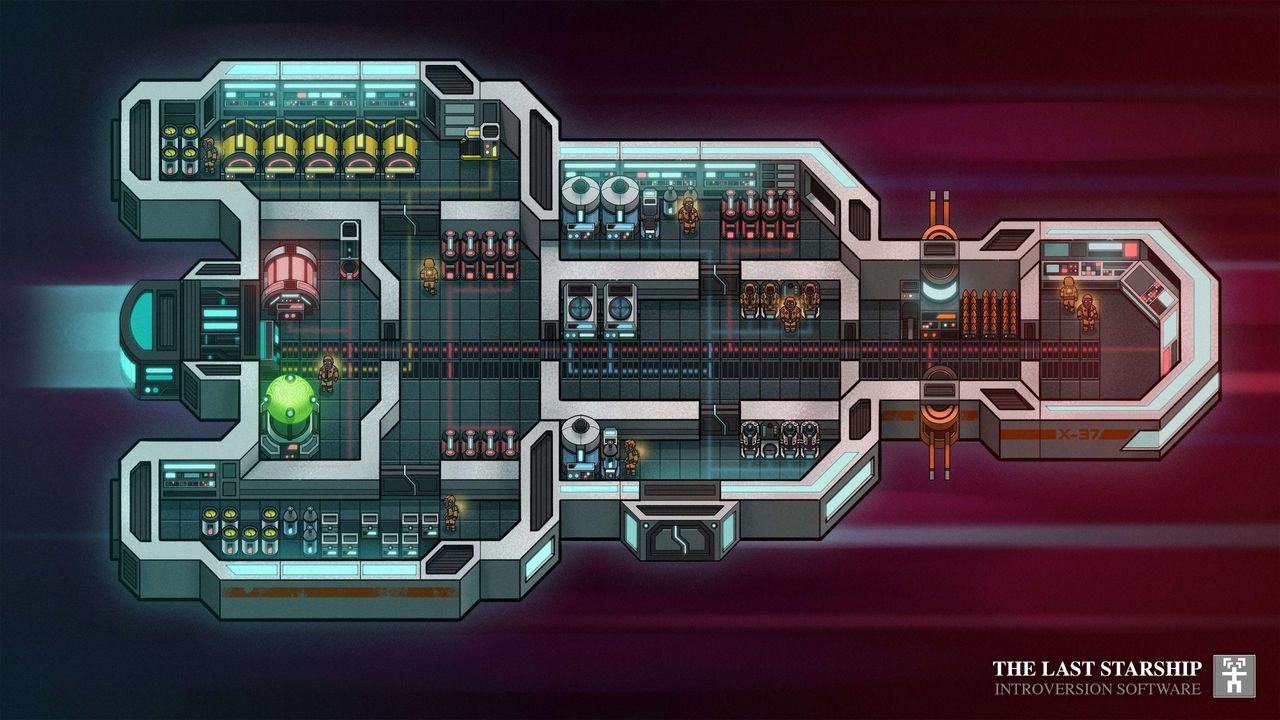
Introversion Software Launches 'The Last Starship' 1.0 for PC on February 6, 2026
Introversion Software released 'The Last Starship' 1.0 for PC on February 6, 2026, after nearly three years in early access. This 2D space construction and simulation game allows players to design, build, and upgrade their own starships while managing an interstellar shipping and trading conglomerate. The game emphasizes strategic planning and resource management in the vastness of space, offering players a chance to explore colorful solar systems, discover rare resources, and engage in various missions. Players can choose different paths, from becoming a pirate hunter to running a mining operation, highlighting the game's flexibility and depth. As players navigate the galaxy, they experience a sense of pride in their accomplishments and the operational success of their starship. The game’s engaging mechanics and immersive environment make it a noteworthy title for space game enthusiasts. No further timeline was disclosed at the time of publication.
Space Games Entertainment
OPEN MIND Partners with FANUC to Enhance 5-Axis Technology for Aerospace Manufacturing
OPEN MIND has joined the FANUC 5-Axis Integrated Technology Initiative, aimed at enhancing manufacturing processes. This collaboration focuses on improving efficiency, accuracy, and repeatability in the production of complex parts. The initiative is particularly significant for the U.S. aerospace market, where precision and reliability are critical. By leveraging advanced 5-axis technology, manufacturers can achieve better outcomes in their production lines, ultimately leading to higher quality products. As the initiative progresses, stakeholders should monitor developments in technology integration and its impact on manufacturing practices. No further timeline was disclosed at the time of publication.

GoPro Acquired by Starman Holding for $285 Million, Expanding into Defense and Aerospace
GoPro has been acquired by Starman Holding for $285 million, marking a significant shift for the company. Previously known for consumer action cameras, GoPro's CEO Nick Woodman now positions the company as a leader in imaging and optical solutions for national security, focusing on defense and aerospace sectors. This acquisition comes shortly after YouTuber Mark 'Markiplier' Fischbach became GoPro's largest shareholder, holding 8.5% of the company. Starman Holding's CEO Charles Tebele emphasized the merger's potential to combine GoPro's optical expertise with Starman's manufacturing capabilities, aiming to bring critical component production back to the U.S. Looking ahead, GoPro plans to maintain its consumer product lines while exploring new opportunities in defense and aerospace consulting. The deal is expected to close by the end of the year, although further details regarding the transition and shareholder plans remain undisclosed.
Cameras Gadgets News Tech
Star Catcher Industries and Aethero Partner to Enhance Space-Based Computing Power
Star Catcher Industries and Aethero have formed a partnership to enhance high-performance computing and AI capabilities in orbit by addressing power limitations. Aethero will utilize Star Catcher's upcoming orbital energy grid to access additional power on demand, enabling spacecraft to manage increased computing loads without extensive onboard energy systems. This collaboration is significant as it aims to support the growing demand for space-based data centers and content distribution networks, driven by the increasing volume of satellite-generated data. By processing data in orbit, the need for extensive ground communications is reduced, alleviating potential bottlenecks. Looking ahead, Aethero plans to deploy its NxA-ECM compute module during its Titan mission in October, which will facilitate advanced computing in low Earth orbit. Star Catcher's innovative power-beaming technology is expected to allow spacecraft to generate up to 10 times more power on demand, enhancing operational efficiency and expanding the capabilities of satellite missions. No further timeline was disclosed at the time of publication.
AI and Robotics Space
Hubble Space Telescope Captures Stunning Image of Chandelier Cluster
The Hubble Space Telescope has captured a breathtaking image of the Chandelier Cluster, also known as NGC 6723, located 27,000 light-years away in the Milky Way galaxy. This globular star cluster is renowned for containing some of the oldest stars in the galaxy, with many being over 10 billion years old. The significance of the Chandelier Cluster lies in its composition of ancient stars, making it a vital subject for astronomers studying the early universe. Globular clusters like this one are massive, often containing tens of thousands to millions of stars, and are easier to spot than smaller clusters due to their brightness and density. For amateur astronomers and skywatchers, the Chandelier Cluster can be observed with binoculars or telescopes, nestled in the constellation Sagittarius. Discovered in 1826 by British astronomer James Dunlop, this cluster continues to be a point of interest for those exploring the night sky. No further timeline was disclosed at the time of publication.
Astronomy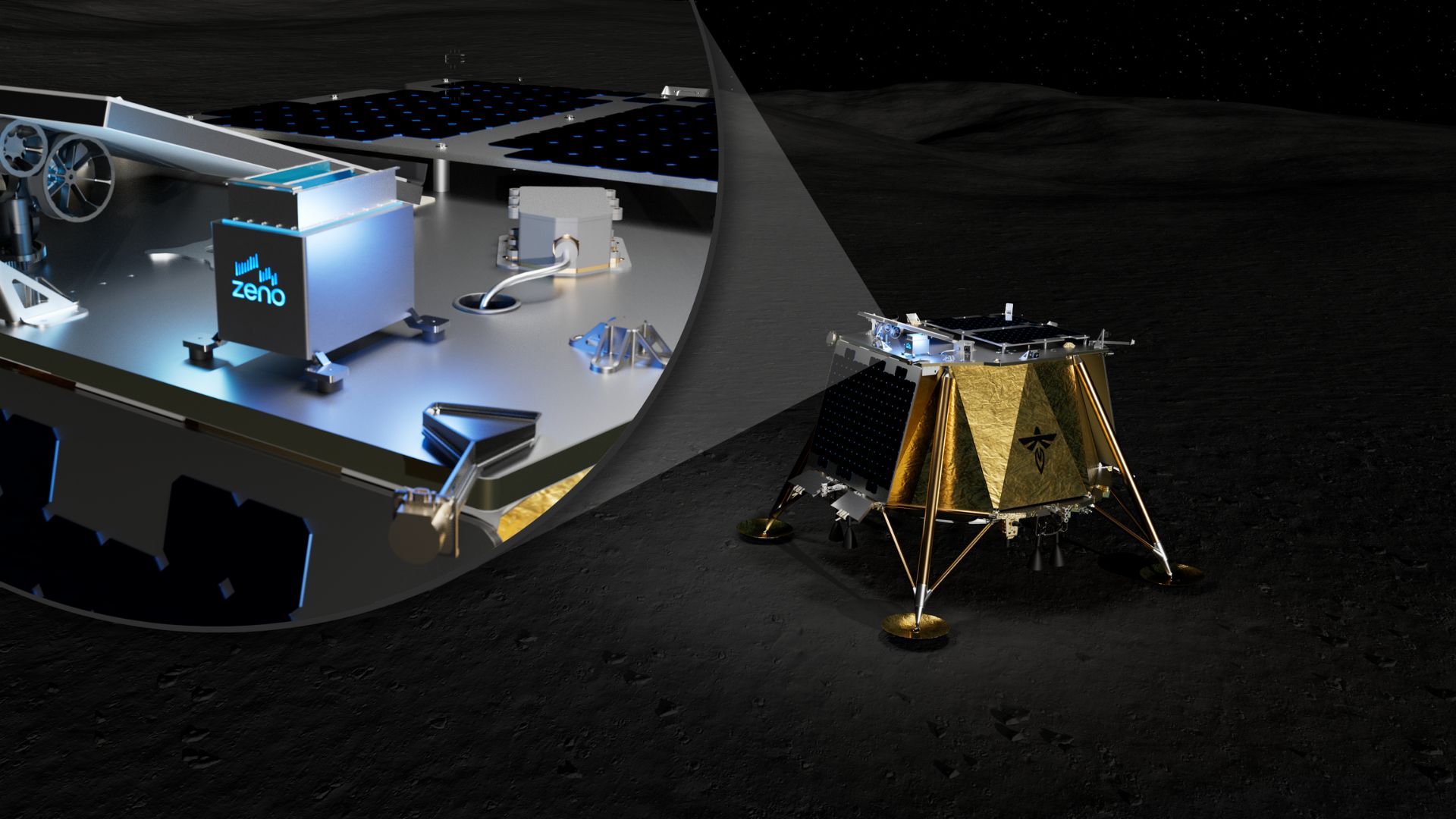
Firefly Aerospace to Test Nuclear-Powered Heating Technology on Moon by 2028
Firefly Aerospace plans to send a nuclear-powered heating technology to the Moon in 2028, aiming to test spacecraft survival during the lunar night’s extreme cold. This initiative involves Zeno Power Systems' Survive-the-Night Package, which will be launched aboard the Blue Ghost mission, addressing a significant challenge for lunar exploration. The importance of this experiment lies in its potential to ensure spacecraft can operate beyond the lunar day, where temperatures can plummet below minus 275°F. As solar-powered systems face limitations after sunset, the nuclear heating solution could be crucial for sustaining operations during the two-week lunar night, especially in permanently shadowed regions that never receive sunlight. Looking ahead, the demonstration will provide valuable data on the performance of nuclear heating technology in harsh lunar conditions. This information is vital as NASA and commercial entities aim to establish long-term lunar infrastructure and conduct missions in areas with extreme thermal environments. No further timeline was disclosed at the time of publication.
Space
Former Huawei CTO Li Yin Establishes Startup Focused on World Models Technology
Li Yin, the former CTO of Huawei's Pangu model, has launched a startup named Xirang Kaiwu Technology, focusing on world models. The company, registered on July 1, 2026, in Shenzhen, has an initial capital of 1 million yuan and a valuation of 1.5 billion yuan following its recent funding round. Li holds a 55% stake, making him the largest shareholder and controlling person. The startup aims to develop world models that enable AI to learn and predict the physical world's temporal and spatial evolution, providing a simulation training foundation for embodied intelligence and autonomous driving. During his tenure at Huawei, Li highlighted the challenges of insufficient training data and fragmented task scenarios as significant barriers to the commercialization of embodied intelligence. Li's departure is part of a broader trend, with several key figures from Huawei's Pangu model team leaving to pursue their ventures. Notably, in March 2026, Wang Yunhe, another leader in the Pangu model, founded Yuanlilv Dong, focusing on AI agents. The world model sector has seen over 20 new startups registered in the first seven months of 2026, with Li being the sixth Huawei executive to enter the embodied intelligence field this year.
World Models Embodied Intelligence AI Autonomous Driving
SpaceX Plans Lunar Factories with Robotic Assistance for Starmind Satellite Production
During SpaceX's quarterly earnings call on August 4, Elon Musk announced plans to establish factories on the moon, utilizing robots for heavy lifting. This initiative aims to support the production of Starmind AI satellites, with a goal of deploying a million-satellite constellation in Earth's orbit and beyond. Musk emphasized the significance of off-Earth manufacturing, stating that robots will play a crucial role in scaling up lunar production. The factories will focus on creating essential components like solar panels and radiators for the Starmind satellites, which are expected to revolutionize space intelligence capabilities. Looking ahead, Musk's vision includes launching locally manufactured Starmind satellites from the moon using electromagnetic mass drivers. While specific details about the robotic workforce remain undisclosed, the use of Tesla's Optimus robots is anticipated. No further timeline was disclosed at the time of publication.
The moon Astronomy Solar System
Katalyst Space Technologies Develops Space Tug in Nine Months to Save NASA Telescope
Katalyst Space Technologies, a startup based in Arizona, has developed a space tug named LINK within nine months to rescue NASA's Swift Observatory, which is at risk of re-entering Earth's atmosphere. The telescope, valued at approximately $500 million, has been descending rapidly due to solar activity, and without intervention, it is expected to fall in October 2023. The significance of this mission extends beyond the Swift Observatory. If successful, it will demonstrate that commercial spacecraft can capture government satellites without pre-designed interfaces, a capability that could also be crucial for the Hubble Space Telescope, which is facing similar orbital decay. Katalyst's efforts highlight the growing need for on-orbit servicing as Earth's orbit becomes increasingly congested with space debris. The LINK spacecraft, weighing about 425 kilograms and equipped with three robotic arms and ion thrusters, is currently en route to the Swift Observatory. The team will spend weeks checking LINK's systems before approaching the satellite to devise a safe capture plan. If all goes well, the Swift Observatory may resume its cosmic observations by September 2023.
Space Robotics Satellite Rescue Commercial Spaceflight Space Debris Management
Lockheed Martin and Venus Aerospace Collaborate on Advancing RDRE Rocket Technology
Lockheed Martin has entered into a joint technology development agreement with Venus Aerospace to explore and enhance Rotating Detonation Rocket Engine (RDRE) technology. This collaboration aims to support the development of future long-range precision fires systems. The partnership is significant as it focuses on advancing rocket technology that could improve the efficiency and effectiveness of military operations. RDRE technology is known for its potential to provide higher performance and reduced fuel consumption, making it a critical area of research for defense applications. Looking ahead, stakeholders will be keen to monitor the progress of this collaboration and its implications for future military capabilities. No further timeline was disclosed at the time of publication.
News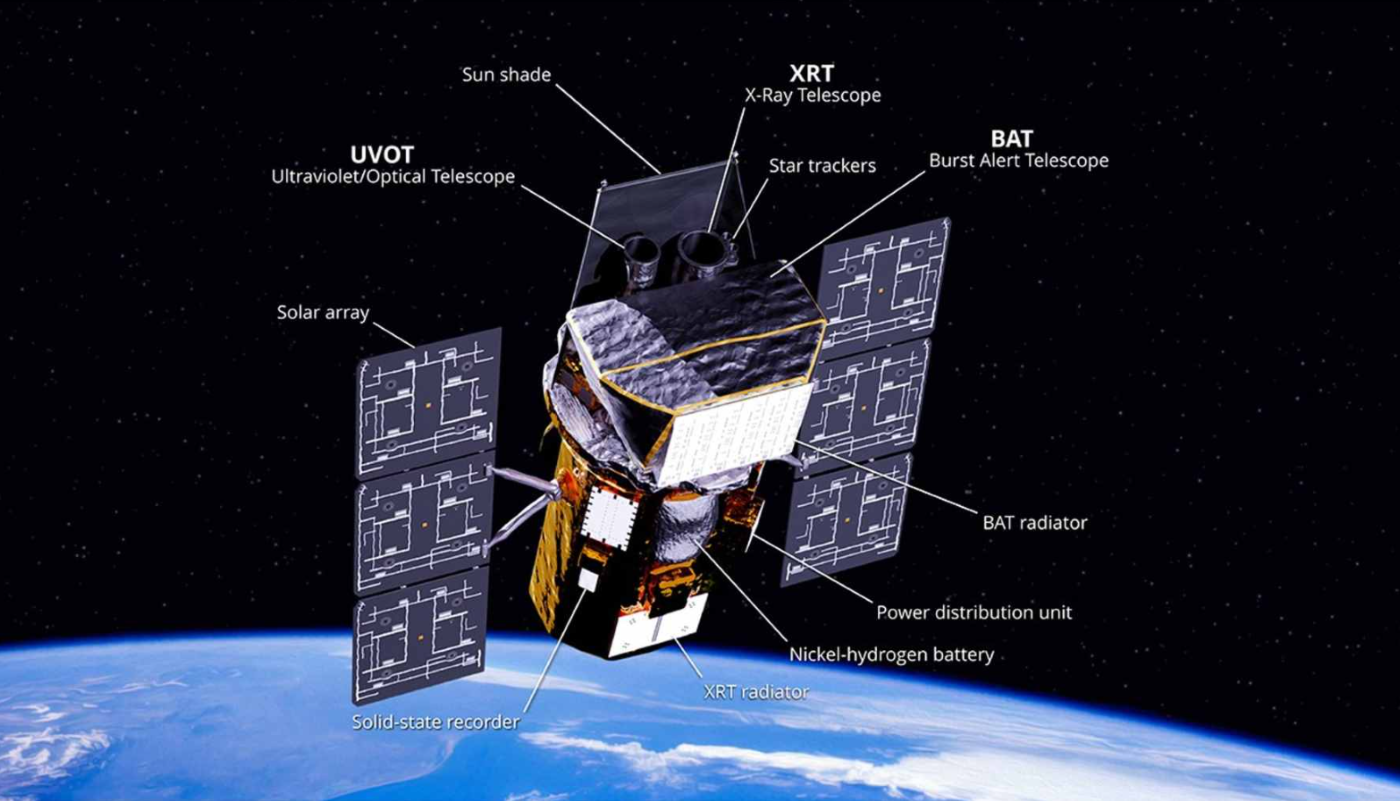
Katalyst Space Technologies Launches Space Tug to Save NASA's Swift Observatory
Katalyst Space Technologies, a startup based in Arizona, has developed a space tug named LINK to rescue NASA's Swift Observatory, which is at risk of re-entering the atmosphere. Launched on July 3 aboard a Northrop Grumman Pegasus XL rocket, LINK aims to prevent the $500 million satellite from burning up in October due to accelerated orbital decay caused by solar activity. The Swift Observatory has been a vital asset for NASA since its launch in 2004, providing rapid responses to astronomical events. However, its orbit has deteriorated from approximately 600 kilometers to about 360 kilometers. Katalyst was awarded a $30 million contract in September 2025 to design and launch LINK within ten months, compressing a typical two to three-year testing cycle into weeks. The mission's success could demonstrate that commercial spacecraft can capture government satellites without designated docking interfaces, which is crucial for future missions, including potential interventions for the Hubble Space Telescope. As space becomes increasingly congested with debris, the ability to repair satellites rather than discard them is becoming essential.
Space Robotics Satellite Rescue Commercial Spaceflight NASA Technology
U.S. Army Partners with Auriga Space to Develop Electromagnetic Counter-Drone Technology
The U.S. Army has entered a three-year partnership with Auriga Space to develop electromagnetic (EM) counter-drone technology. This collaboration aims to create a high-speed defense system against enemy Unmanned Aerial Systems (UAS) using Auriga's innovative propulsion methods, which rely on electricity and magnetic levitation rather than traditional chemical propellants. This partnership is crucial as military forces face the economic challenge of countering inexpensive drones with costly missiles. Current air defense systems struggle to balance effectiveness and affordability, making the development of sustainable counter-drone solutions a top priority. Auriga's EM technology promises to provide a cost-effective alternative, enabling rapid and repeatable launches from a compact system. Looking ahead, both organizations will share expertise and data to refine the EM-based counter-drone technology for field deployment. The focus will be on overcoming the limitations of existing counter-drone methods, with the potential for a significant shift in military air defense strategies. No further timeline was disclosed at the time of publication.
Military
KULR Technology Group Chosen by Icarus Robotics for Space Station Robotic Platform
KULR Technology Group, Inc. has been selected by Icarus Robotics to provide its KULR ONE Space battery for the JOY autonomous free-flying robotic platform. This platform is set to be deployed on an upcoming mission to the International Space Station. The collaboration is significant as it highlights KULR's role in advancing energy systems for critical applications in space and robotics. The JOY platform represents a step forward in autonomous space robotics, showcasing the potential for innovative technologies in extraterrestrial environments. Looking ahead, the deployment of the JOY platform aboard the International Space Station will be a key milestone for both KULR and Icarus Robotics. No further timeline was disclosed at the time of publication.
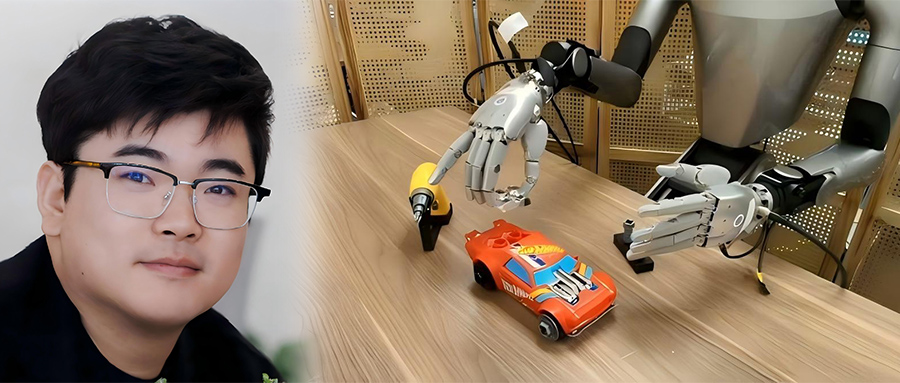
Harbin Institute of Technology Professor Establishes PHANES AI to Advance Tactile Robotics
Professor Yang Shuo from Harbin Institute of Technology (Shenzhen) has founded PHANES AI, focusing on human data, tactile perception, and world model research. The startup aims to enable humanoid robots to perform agile full-body movements. A key challenge identified is the gap in current training data, where visual cues do not capture the tactile feedback necessary for successful robotic operations. This initiative is significant as it addresses the limitations of existing robotic training methodologies, which rely heavily on visual data without incorporating tactile information. Recent studies, including NVIDIA's EgoScale, highlight the importance of first-person human operation data in training robots for complex tasks. By leveraging large amounts of human data combined with minimal real-world data, PHANES AI seeks to enhance the success rate of robots in intricate operations. Looking ahead, PHANES AI plans to develop innovative methods for collecting and scaling tactile data through its EgoTouch system, which integrates visual and tactile information. The startup's approach aims to bridge the gap between visual perception and physical interaction, ultimately improving the capabilities of humanoid robots in real-world applications. No further timeline was disclosed at the time of publication.
Humanoid Robots Tactile Perception Robotics AI Data-Centric AI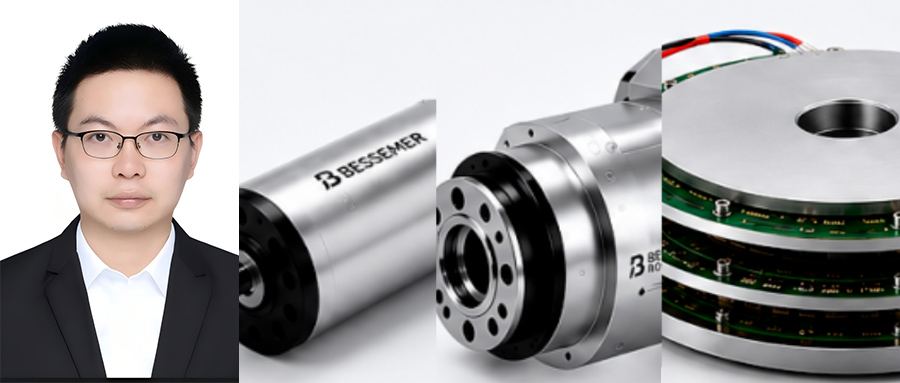
Bessemer Technology Secures Angel Funding for Motor Innovations in Robotics
Bessemer (Shanghai) Technology, founded by Assistant Professor Zhu Wenjun from Xi'an Jiaotong-Liverpool University, has successfully raised millions in angel funding from the Pudong AI Seed Fund. Established in 2025 with a registered capital of 2 million yuan, the company holds two patents and aims to optimize motor technology and establish mass production lines with the new funding. This funding is significant as it marks a shift in investment focus towards core components like joint motors, which have been underdeveloped in China. While many domestic motor technologies remain in the experimental phase, Bessemer is building a complete chain from electromagnetic simulation to standardized hardware, addressing the gap between laboratory innovations and industrial production. Looking ahead, Bessemer's product line includes the E series and S series motors, designed for humanoid robots and medical devices, which could disrupt the market by offering lighter, more efficient alternatives to traditional motors. No further timeline was disclosed at the time of publication for upcoming product launches or additional funding rounds.
Motor Technology Robotics Angel Investment High-Tech Startups
SpaceX falls below IPO closing price, losing $400 billion; UK PM Starmer resigns; SK Hynix surpasses Samsung in market value.
On June 22, UK Prime Minister Keir Starmer announced his resignation from the leadership of the Labour Party, stating he would continue to serve as Prime Minister until a successor is chosen. Starmer acknowledged the party's concerns about his ability to lead them into the next election and accepted the feedback he received. In South Korea, semiconductor giant SK Hynix surpassed Samsung Electronics in market capitalization for the first time in 25 years, with a total value of approximately 207.97 trillion won, outpacing Samsung by about 18.85 trillion won. This shift marks a significant change in the Korean stock market, where Samsung had held the top position since 1999. Meanwhile, Samsung Electronics has rolled out ChatGPT and Codex to all its employees in South Korea, aiming to enhance AI adoption within the company. This deployment is one of OpenAI's largest enterprise-level initiatives to date, covering various operational areas including research and development, manufacturing, and marketing. In the United States, SpaceX's stock has seen a significant decline, dropping 16% and falling below its initial public offering price. The company is now planning to issue bonds to raise at least $20 billion to repay a transitional loan and support general corporate purposes. Lastly, former U.S. Federal Reserve Chairman Alan Greenspan passed away at the age of 100, leaving behind a legacy of significant influence on U.S. economic policy during his tenure from 1987 to 2006.
Chinese Startup Fangqi Technology Secures Angel Round Funding for Robotic Brain Development
Fangqi Technology, a startup founded by a Tsinghua University PhD, has successfully completed an angel round of funding worth millions. The company aims to transform skills into marketable products by developing a robotic brain that utilizes semantic world models to bridge the gap between physical and semantic knowledge. This innovative approach is significant as it addresses a critical challenge in robotics and AI, potentially enhancing the capabilities of intelligent systems. The importance of Fangqi Technology's work lies in its potential to revolutionize how robots understand and interact with the world. By focusing on embodied intelligence, the startup is positioning itself to meet the growing demand for advanced robotic solutions across various industries. This funding round reflects investor confidence in the company's vision and the broader trend of integrating semantic understanding into robotic applications. Looking ahead, Fangqi Technology's progress in developing its robotic brain will be closely monitored, especially as it seeks to commercialize its technology. The success of this venture could pave the way for new advancements in robotics and AI, making it a key player in the evolving landscape of intelligent manufacturing and automation. No further timeline was disclosed at the time of publication.
Robotics Automation AI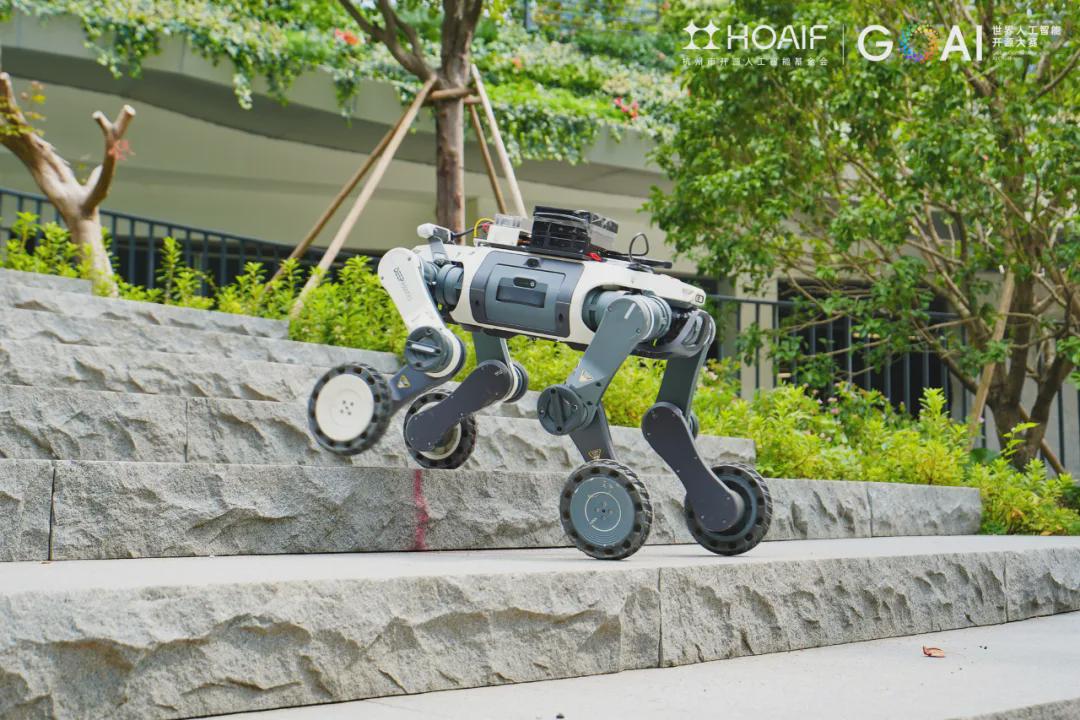
Competition in Embodied Intelligence: Openness Drives Innovation with Cloud Deep Technology's Robot
The GOAI World AI Open Source Competition featured teams using the Cloud Deep Technology's Cat S10 robot to tackle real-world terrain challenges. The competition emphasized practical problem-solving over theoretical presentations, allowing diverse teams to develop algorithms and deploy solutions on the same robotic platform. This approach highlights the importance of collaboration and openness in advancing embodied intelligence. By providing access to their mature product, Cloud Deep Technology encourages innovation and collective progress in the industry, moving from individual success to broader possibilities for all participants. Looking ahead, the competition showcased various strategies, including autonomous navigation and reinforcement learning, emphasizing the need for reliable solutions in real-world applications. No further timeline was disclosed at the time of publication.
Embodied Intelligence Robot Competitions Algorithm Development Real-World Applications
Ema Secures $77 Million Funding to Automate Corporate Processes with AI Technology
Ema, a startup specializing in AI-driven automation for HR, IT, and finance, has successfully raised $77 million in a Series B funding round. This investment, led by Creaegis, along with contributions from existing investors like Accel and Prosus, elevates Ema's total funding to $140 million and significantly increases its valuation since its last round in 2024. The significance of this funding lies in Ema's ambition to disrupt traditional enterprise software and IT services by deploying its innovative 'AI employees' technology. This approach allows businesses to automate multi-step processes across existing applications, potentially reducing reliance on conventional software products, including SaaS offerings. Looking ahead, Ema is positioned to expand its market presence, having already secured over 50 enterprise deals and more than 1 million active users. With a remarkable 50-fold revenue growth over the past two years and a net dollar retention rate of around 180%, the startup is set to continue its trajectory in the competitive landscape of enterprise automation.
Enterprise Startups AI Accel section 32 AI agents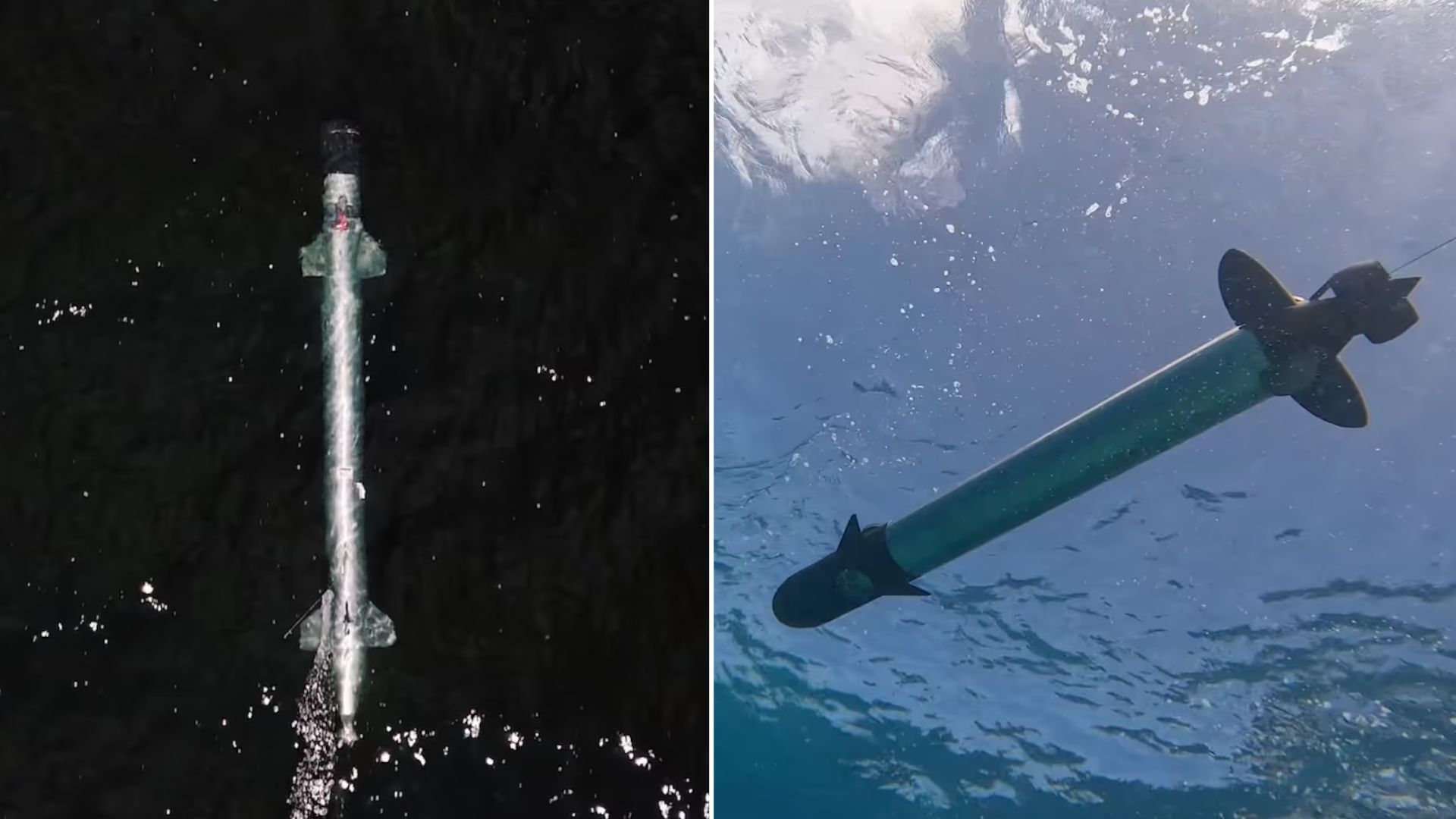
Taiwan Collaborates with U.S. Startup Vatn Systems on 200 nm Submarine Drone Technology
Taiwan has entered into a partnership with U.S. defense startup Vatn Systems to develop autonomous underwater vehicles (AUVs) aimed at enhancing maritime surveillance and defense capabilities. The agreement, signed with the National Chung-Shan Institute of Science and Technology (NCSIST), focuses on AI-enabled command-and-control systems and establishing a local supply chain for AUV technology. This collaboration is significant as it combines Vatn's expertise in undersea autonomy with Taiwan's industrial capabilities, allowing for the development of affordable AUVs like the Skelmir S12. These vehicles can perform various missions, from seabed mapping to mine countermeasures, without the risks associated with manned vessels, thus expanding Taiwan's underwater capabilities. Looking ahead, the partnership not only aims to enhance Taiwan's defense but also supports dual-use applications in critical infrastructure inspection and offshore industries. The initiative is part of a broader strategy by NCSIST to develop indigenous underwater technology while collaborating with foreign firms, including ongoing efforts with Anduril Industries and the Huilong program for local AUV development.
Military
Shield AI and GE Aerospace Adapt 1990s Thrust-Vectoring Tech for X-BAT Drone's Vertical Flight
Shield AI and GE Aerospace have successfully integrated a 1990s thrust-vectoring technology, the Axisymmetric Vectoring Exhaust Nozzle (AVEN), with the GE F110-GE-129E engine for the X-BAT unmanned combat aircraft. This innovative approach allows the X-BAT to take off and land vertically without the need for a runway. The adaptation of AVEN, originally developed for improving fighter maneuverability, represents a significant advancement in controlling aircraft during vertical flight. Unlike traditional aircraft that rely on aerodynamic surfaces, the X-BAT's propulsion system becomes crucial for maintaining control during vertical operations, utilizing thrust vectoring to redirect engine exhaust. As Shield AI continues to develop the AI-piloted X-BAT, the integration of AVEN could enable operations from diverse locations, enhancing the aircraft's versatility. The teams have conducted extensive testing, including integration and engine light-off testing at GE Aerospace’s facility in Ohio. No further timeline was disclosed at the time of publication.
Military
CATL Backs RoboParty in 500 Million Yuan Funding for Open-Source Bipedal Humanoid Development
RoboParty has successfully raised nearly 500 million yuan through angel and Pre-A funding rounds, with CATL exclusively participating in the Pre-A round. The startup, founded by 22-year-old Huang Yi from Harbin Institute of Technology, focuses on developing an open-source embodied platform featuring the RPO robot. This investment is significant as it highlights the growing interest in robotics and humanoid technology, particularly in the context of open-source development. CATL's involvement underscores the potential for collaboration between battery technology and robotics, which could lead to innovative solutions in the field. Looking ahead, the emphasis will be on how RoboParty leverages this funding to advance its RPO robot and expand its open-source platform. No further timeline was disclosed at the time of publication.
Industry
China Achieves 3D Mapping of Typhoon Noul Using Drone Swarm Technology
China has successfully created a three-dimensional map of Typhoon Noul from its inception to its conclusion using a swarm of drones. This innovative approach marks a significant advancement in meteorological technology, showcasing the capabilities of drone swarms in real-time environmental monitoring. The development is crucial as it enhances the accuracy of weather predictions and disaster response strategies, potentially saving lives and resources during severe weather events. By employing drone technology, China demonstrates its commitment to leveraging advanced tools for better understanding and managing natural disasters. Looking ahead, the implications of this technology could extend beyond meteorology, influencing various sectors that rely on real-time data collection and analysis. No further timeline was disclosed at the time of publication.
AI and Robotics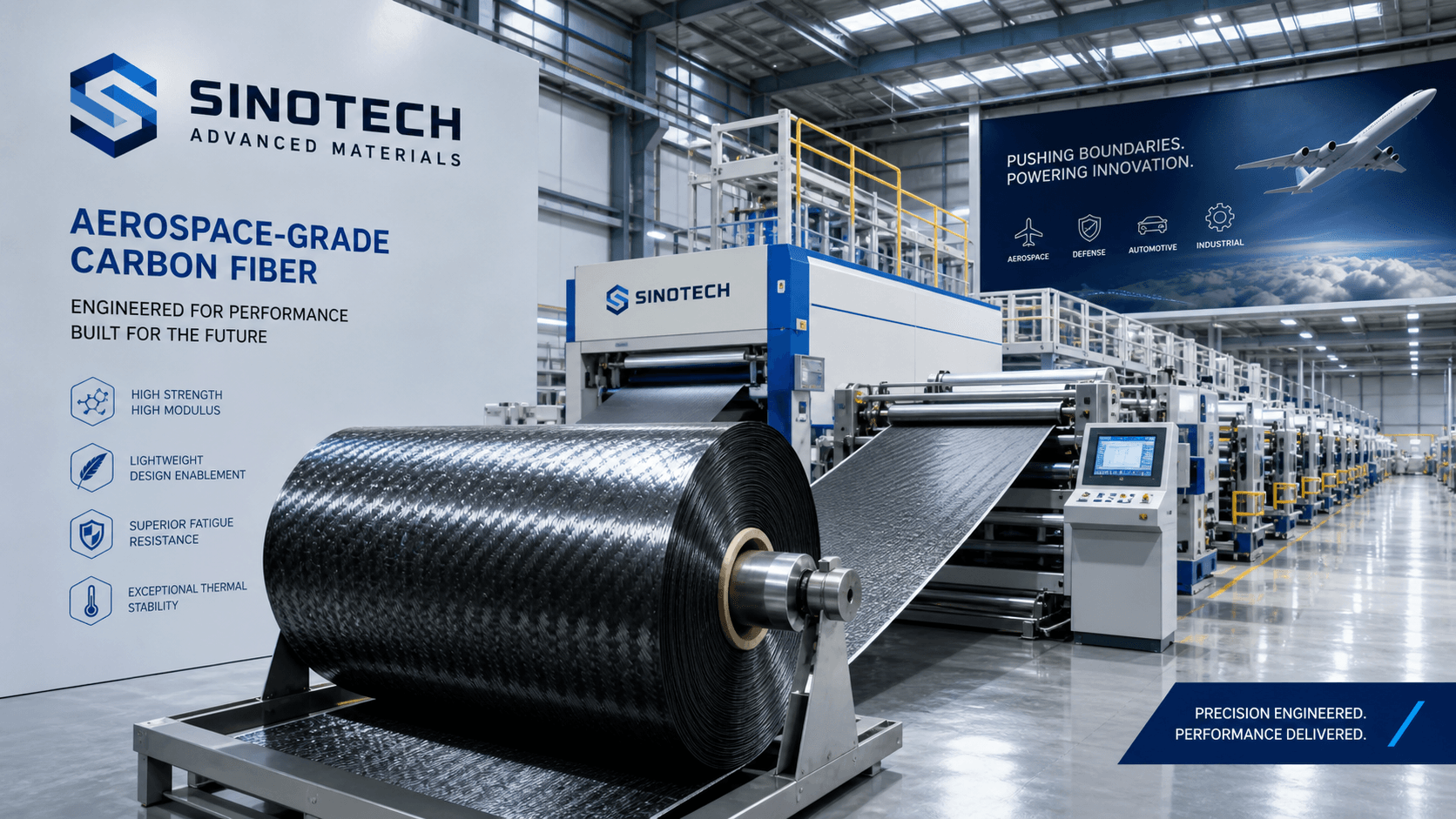
Sinotech Achieves T1100-Grade Carbon Fiber Breakthrough with 5,000-Ton Capacity
Sinotech has successfully developed T1100-grade carbon fiber through both wet and dry-jet wet spinning methods, establishing a 5,000-ton aerospace-grade production capacity. This advancement positions Sinotech to compete with Toray, a leading player in the high-end carbon fiber market. The significance of this breakthrough lies in its potential to disrupt the existing dominance of Toray in the high-end carbon fiber sector. By achieving T1100-class technology, Sinotech not only enhances its production capabilities but also opens new avenues for applications in aerospace and other industries that require high-performance materials. Looking ahead, industry observers will be keen to see how Sinotech's advancements will influence market dynamics and whether it can successfully penetrate the high-end carbon fiber market traditionally held by Toray. No further timeline was disclosed at the time of publication.
Technology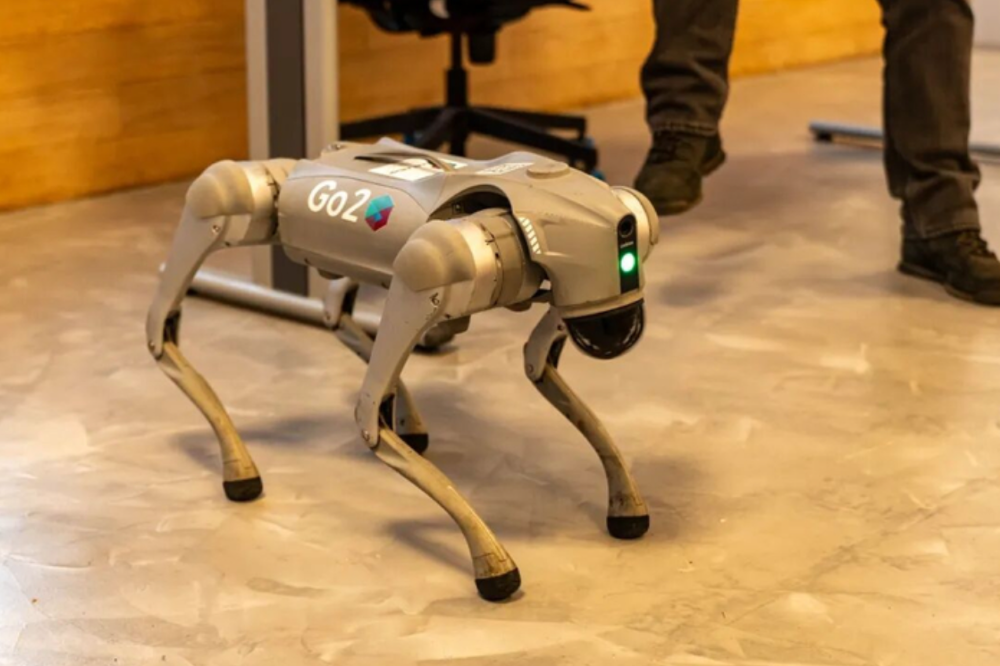
Yushu Technology Sets Record for Fastest IPO Approval on STAR Market
Yushu Technology has made history by completing a 104-day approval process for its initial public offering (IPO) on the STAR Market, marking it as the first humanoid robot company to be listed in A-shares. The company, which has demonstrated significant revenue growth and holds a leading market share in both humanoid and quadruped robotics, plans to utilize the funds raised from the IPO to further advance its robotics development. This move comes as Yushu faces stiff competition from established industry giants, including Tesla, in the rapidly evolving robotics sector.
Humanoid Robots Robotics Development IPO Market Growth
HKU professor's startup Yisheng Technology secures hundreds of millions in angel funding to develop memory systems for robots.
TranscEngram, a robotics startup focused on developing autonomous intelligence, has successfully secured hundreds of millions in angel funding. The investment round saw participation from a diverse group of industry and state-owned enterprises, including Charoen Pokphand Group’s China National Pharmaceutical, Pudong Venture Capital, and several others. Founded in September 2023 by leading AI experts, including Professor Ma Yi from the University of Hong Kong, TranscEngram aims to create a unified system for robots that mimics human cognitive processes through a "brain + cerebellum" architecture. This innovative approach seeks to advance the field of explainable embodied intelligence by enabling robots to learn through a closed-loop of perception, prediction, and interaction. The newly acquired funds will primarily support the development of advanced models for embodied control and physical world modeling, as well as the establishment of research and industrial bases in Shenzhen and Shanghai. The company’s technology promises to enhance robots' capabilities in self-correction and continuous evolution, moving towards commercial applications. TranscEngram's unique memory system allows robots to learn from vast amounts of data without relying on fixed programming, significantly improving their performance in multi-tasking scenarios. The startup is currently focusing on high-end service sectors, such as hotel operations and flexible manufacturing in aerospace, aiming to automate and optimize these industries. With research and data centers established in major cities, TranscEngram is collaborating with leading robotics firms to integrate its innovative solutions into existing production processes, enhancing efficiency and adaptability in real-world applications.
Robotics needs a service framework.
RSF defines a common language for robot service capability, lifecycle operations, certification pathways, and service-provider networks.
Join the RobotToday community on LinkedIn
Daily robotics news, in-depth analysis, conference highlights, and discussions with professionals worldwide.







