

Industry Briefing
A single destination for timely, editor-curated robotics news from around the world.
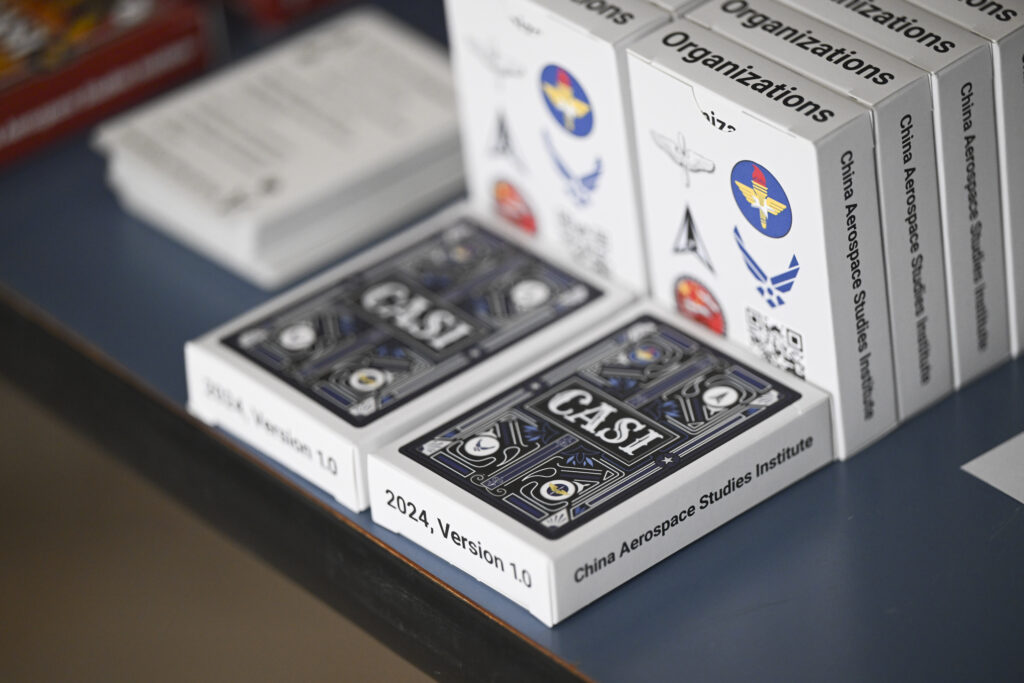
Air Force Confirms Continuation of China Aerospace Studies Institute Amid Civilian Staff Cuts
The Air Force has announced that it will eliminate civilian staff roles at the China Aerospace Studies Institute (CASI) but will not close the organization. An Air Force spokesperson stated that military service members will take over the institute's mission, which focuses on studying Chinese airpower. Affected civilian employees will remain in their positions until further notice and will be considered for reassignment. This decision comes as part of a broader civilian restructure within the Air Force’s Air Education and Training Command. CASI serves as a key think tank that publishes research on China's military capabilities, aiming to inform U.S. military strategy and policy. The institute's latest publication discusses how technologies intended for space exploration may enhance military operations in the Pacific region. As the Air Force navigates these changes, questions arise regarding similar research initiatives within the Army and Navy. While the Naval War College confirmed no anticipated changes at its China Maritime Studies Institute, the status of the Army's China Landpower Studies Center remains unclear. No further timeline was disclosed at the time of publication.
Air Warfare Global Air Education and Training Command Air Force Asia China
US Space Force Deploys Space Control Weapons in Orbit, Air Force Secretary Confirms
The US Space Force has officially launched 'space control weapons' into orbit, marking a significant acknowledgment from Air Force Secretary Troy Meink. During a keynote address at the Air and Space Forces Association conference, Meink emphasized the importance of these weapons in defending against evolving threats from adversaries. This announcement highlights a shift in the US government's stance on discussing orbital weaponry, which has historically been a sensitive topic due to concerns about a potential arms race in space. The deployment of space control weapons is part of a broader strategy to ensure the United States can protect its interests in space. Meink noted that these weapons could include both kinetic and non-kinetic systems, although specific details were not disclosed. The discussion around space control is crucial for establishing deterrence against nations like China and Russia, which have been developing their own orbital weapon capabilities. Looking ahead, the Space Force is also preparing to launch space-based interceptors as part of the Golden Dome initiative, aimed at countering missile threats from orbit. Additionally, the first air-moving target indication satellites are set to be launched this month, enhancing the US's ability to monitor air-based adversary platforms globally. No further timeline was disclosed at the time of publication.
Air Warfare Space AFA 2026 Air Force airborne moving target indication (AMTI) Anduril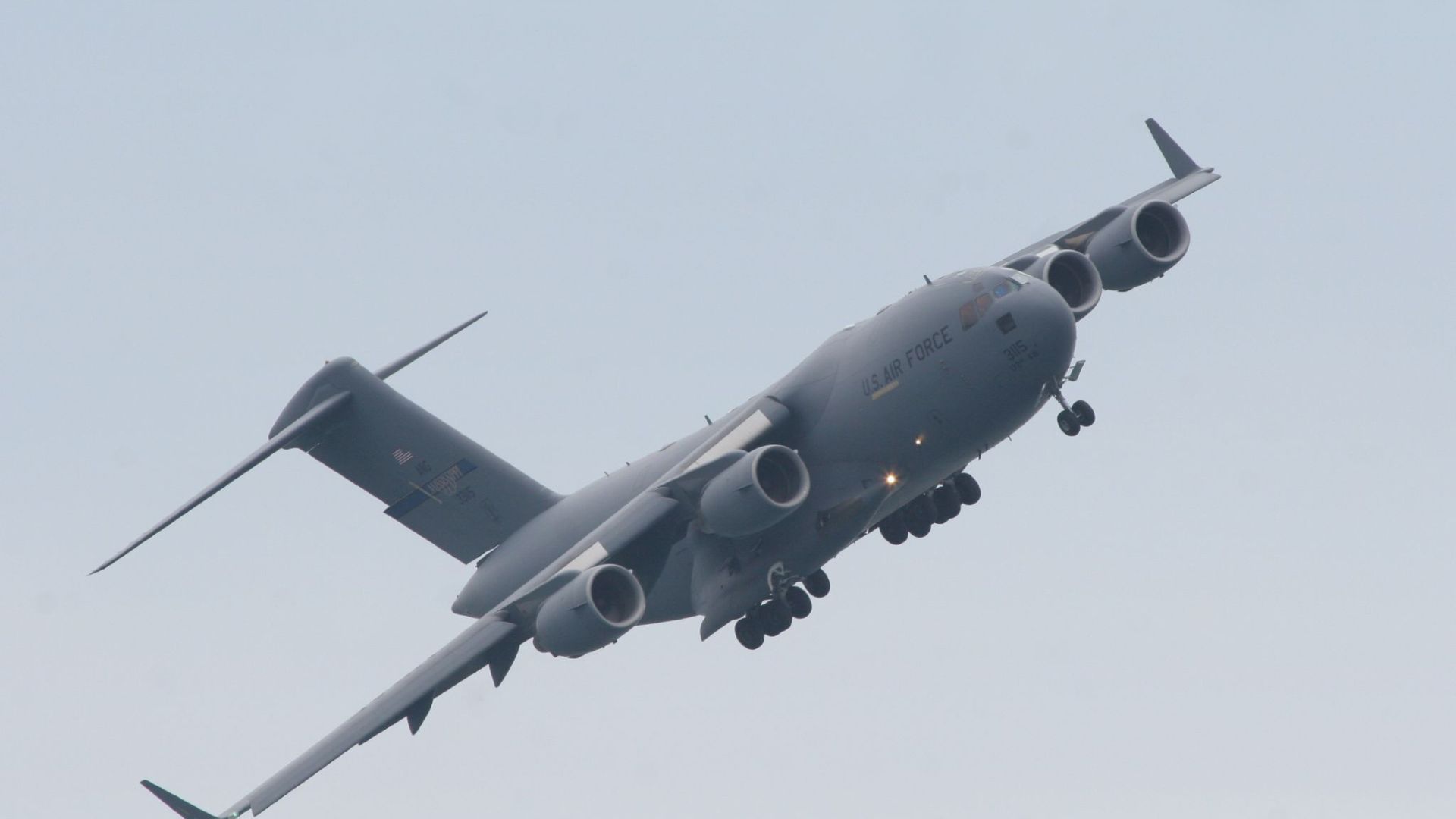
U.S. Air Force C-17 Globemaster Returns from Antarctica Due to Russian Aerospace Activity
A U.S. Air Force C-17 Globemaster transport aircraft was forced to turn back from its mission to Antarctica due to a warning about potentially hazardous Russian aerospace activity. The aircraft, operating under the call sign ICE28, departed from Christchurch, New Zealand, on August 18 but was redirected after receiving a NOTAM regarding a planned Russian missile launch. This incident underscores the risks associated with aviation in remote regions like the Southern Ocean, where emergency landing options are severely limited. The warning was issued by New Zealand's Civil Aviation Authority after being informed by Russia's State Air Traffic Management Corporation about the potential hazards in international airspace. The flight was part of the U.S. Air Force's winter fly season, which is crucial for transporting researchers and equipment to Antarctica ahead of the summer research season. No further timeline was disclosed at the time of publication.
Military
Icarus Robotics Co-Founder Jamie Palmer Discusses Robotic Labor Force for Space
Icarus Robotics, founded in 2024, is developing a robotic labor force for space, integrating embodied artificial intelligence with human-in-the-loop control. The aim is to automate routine tasks in orbit, enhancing astronauts' efficiency by allowing them to focus on scientific research rather than repetitive jobs like cargo handling and equipment inspection. This initiative is significant as it addresses the growing need for labor in commercial space stations and lunar infrastructure, where intelligent robotic workers could play a crucial role. By automating essential tasks, Icarus Robotics not only improves operational efficiency but also supports the broader commercial space economy, including future missions to the Moon and Mars. Looking ahead, Icarus Robotics plans to test its technology aboard the International Space Station, with co-founder Jamie Palmer emphasizing the importance of real-world testing over simulation. The company is focused on overcoming technical challenges to achieve fully autonomous operations in space, which will be vital for the future of space exploration and commercial endeavors.
Features Space artificial intelligence astronaut assistance Autonomous robots autonomous systems
Air Force Maintains China Aerospace Studies Institute Despite Director's Concerns
The Air Force has asserted that the China Aerospace Studies Institute (CASI) will continue its operations without civilian personnel. However, Brendan Mulvaney, the director of CASI, expressed skepticism about this claim, stating that the institute's functionality without civilian staff is 'not credible.' This situation highlights the ongoing debate regarding the viability of military think-tanks and their reliance on civilian expertise. Mulvaney's comments suggest that the Air Force's position may overlook critical operational needs, raising questions about the future effectiveness of CASI in providing insights on aerospace developments in China. Observers should monitor how the Air Force addresses these concerns moving forward. The ongoing discussions around CASI's operational structure may influence its ability to contribute meaningfully to U.S. defense strategies regarding China. No further timeline was disclosed at the time of publication.
Air Warfare Air Education and Training Command Air Force Asia China civilian workforce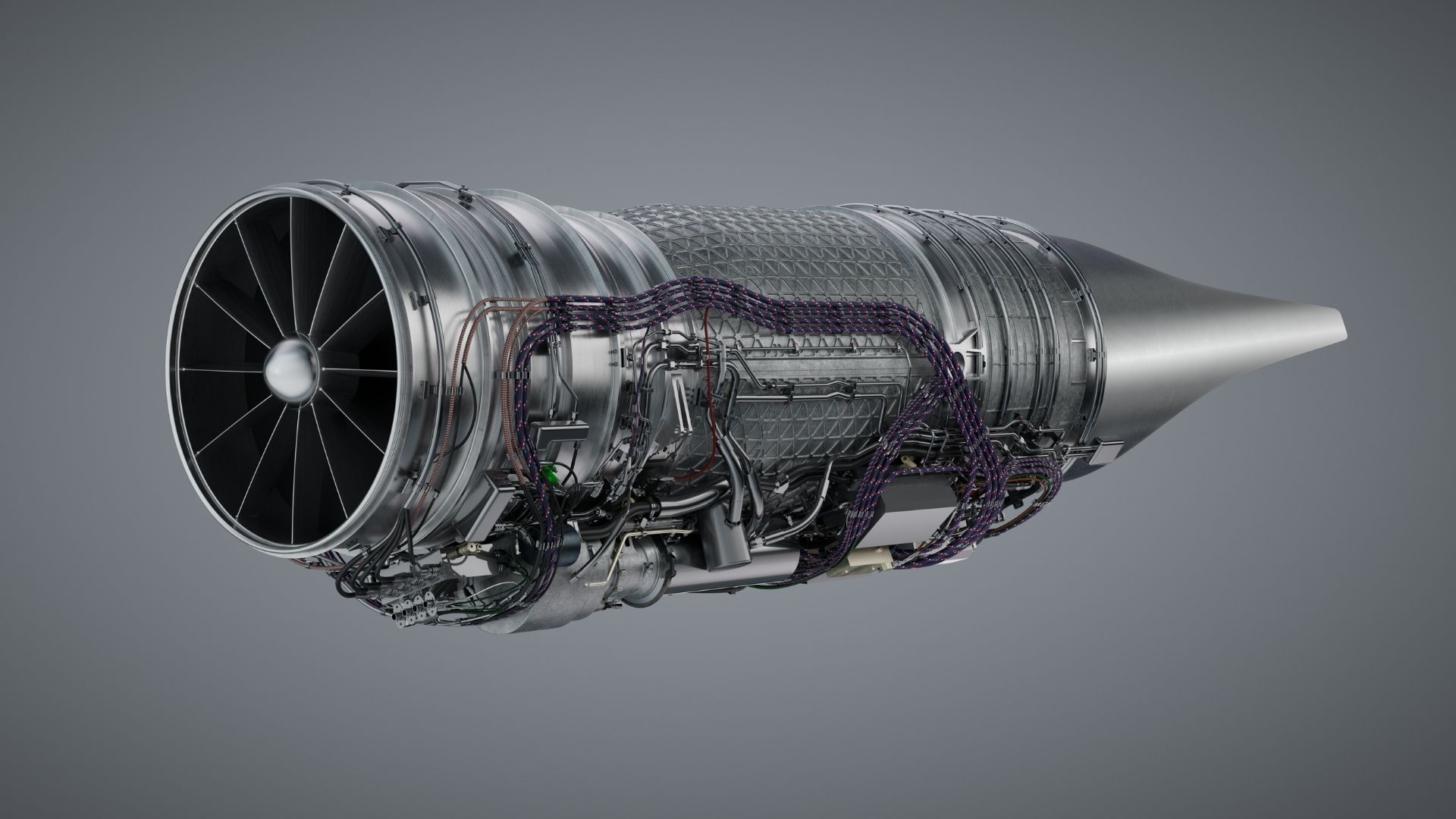
GE Aerospace Advances in XA102 Engine Development for U.S. Air Force Program
GE Aerospace is progressing towards the assembly of its XA102 adaptive cycle engine, a crucial component for the U.S. Air Force's Next Generation Adaptive Propulsion (NGAP) program. The company is currently collaborating with suppliers to procure hardware and test components in preparation for the assembly of the first XA102 test asset. This initiative builds on GE's previous XA100 engine program, introducing a digitally driven design and manufacturing approach. Notably, GE is employing model-based definition (MBD) to streamline the process, allowing for a machine-readable digital model that integrates engineering, manufacturing, and inspection, potentially reducing errors and accelerating the transition from design to hardware. While the XA102 is not yet operational, its development signifies a shift towards physical engine hardware, leveraging insights from the XA100 program. The successful implementation of this digital approach could enhance the aerospace industry's ability to adapt to future propulsion needs, particularly as military aircraft evolve to accommodate advanced technologies and systems.
Military
US Space Force Engages Leonardo DRS for Advanced Space Sensor Development
The US Space Force has selected Leonardo DRS to develop a new space sensor aimed at detecting, identifying, tracking, and targeting fast-moving threats. This initiative is part of the broader effort to enhance tactical responsiveness in space operations, particularly under the VICTUS HAZE mission framework. This development is significant as it addresses the increasing need for advanced surveillance and threat detection capabilities in space, especially given the growing complexity of space operations and the potential for conflicts in orbit. The optimized sensor system is expected to achieve uplink speeds of 1.25 Mbps and downlink speeds of 100 Mbps, enhancing communication and operational efficiency. Looking ahead, the advancements in space sensor technology will be crucial for future military satellite networks, with Redwire also investing in phased array antennas to improve data links. No further timeline was disclosed at the time of publication.
Space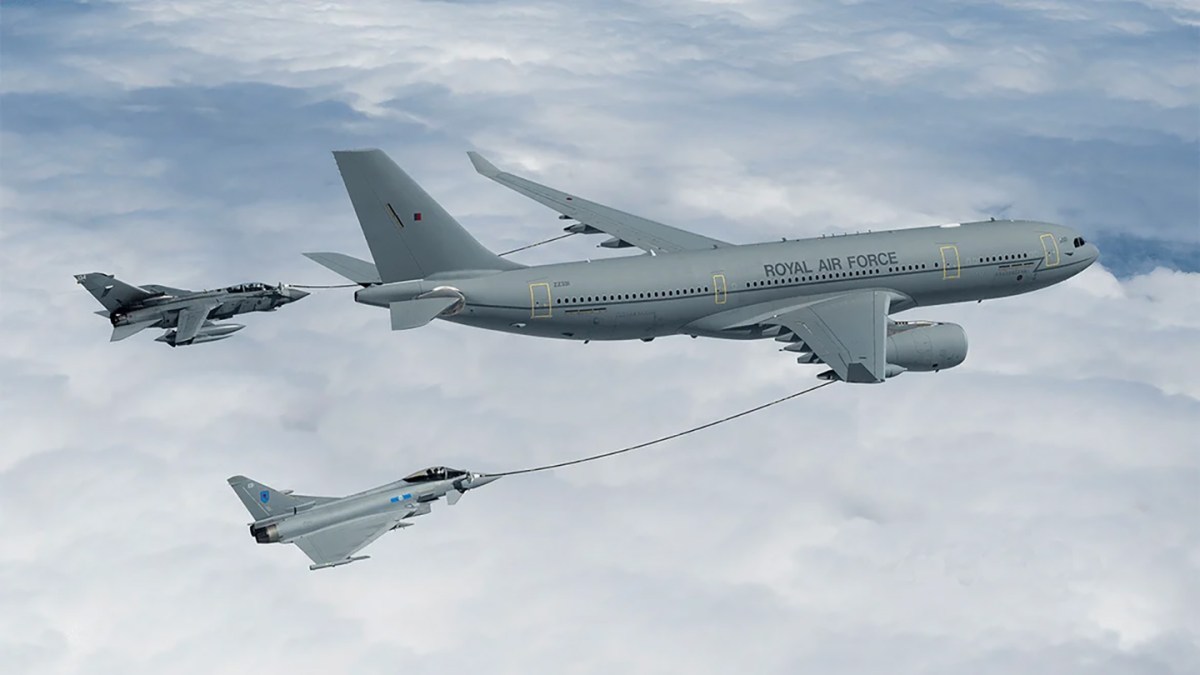
Royal Air Force Deploys Voyager Tanker to Support Saudi Arabia Against Houthi Attacks
The Royal Air Force (RAF) is deploying a Voyager aerial refueling jet to assist Saudi Arabia in defending against Houthi attacks from Yemen. This marks the first known international military support specifically aimed at countering the Houthi threat, which has escalated since the summer. This deployment is significant as it highlights the UK's commitment to Saudi Arabia amidst ongoing regional tensions. While the RAF's action involves only one tanker, it underscores the urgency of the situation, especially as other allies have not yet provided military assistance to the Kingdom in its fight against the Houthis. Looking ahead, the RAF's Voyager will operate from a UK air base in Cyprus and is set to begin air-to-air refueling operations shortly. The Ministry of Defense emphasized the importance of preventing Houthi success, as it poses a threat to stability in the Middle East and could lead to economic repercussions in the UK, including rising energy prices and supply disruptions.
Air Air Forces Around The Globe Iran Middle East News & Features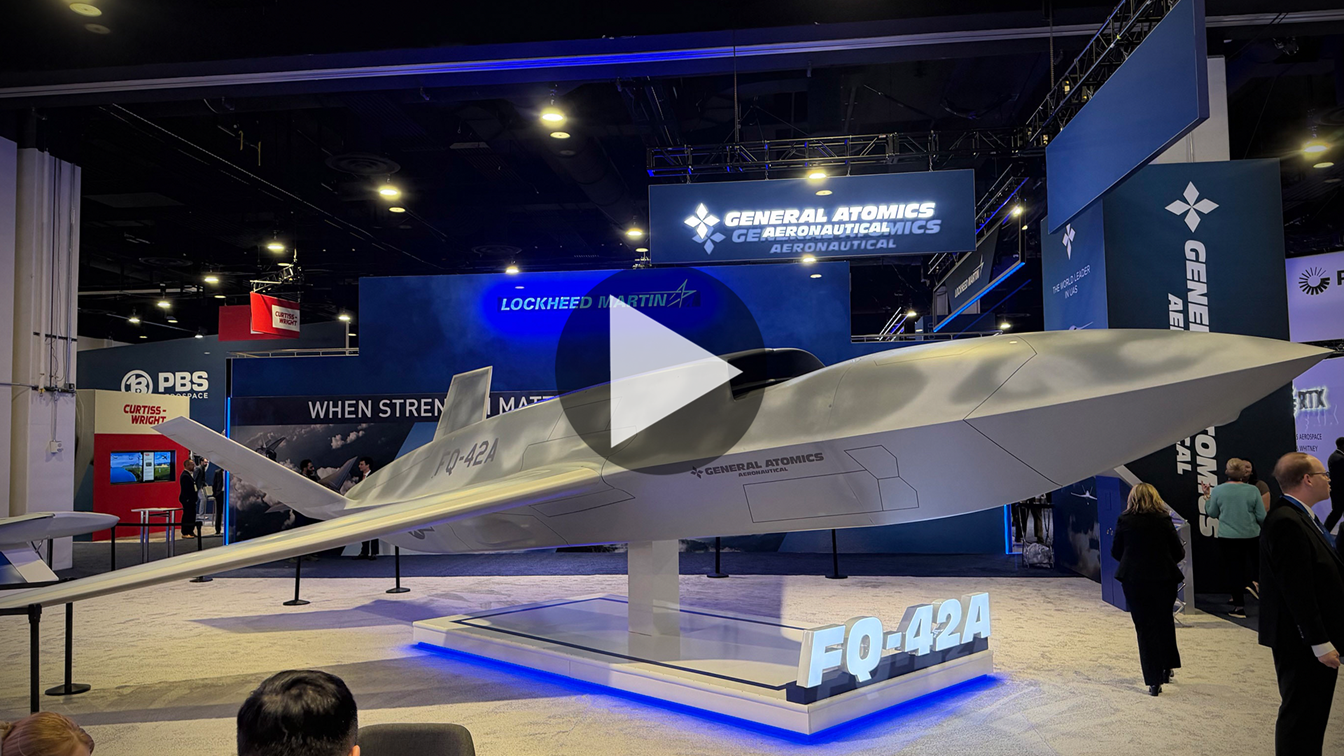
Highlights from the Air and Space Forces Association Conference in National Harbor, Maryland
This week’s episode of The Break Out features Deputy Editor Lee Ferran and Air Warfare Reporter Michael Marrow discussing key highlights from the Air and Space Forces Association’s Air, Space and Cyber conference held in National Harbor, Maryland. The conference showcased significant developments and surprising announcements that are crucial for industry stakeholders. The insights shared by Ferran and Marrow provide valuable context for understanding the evolving landscape of air and space forces. Viewers can also enjoy a guided tour of the show floor led by Breaking Defense Multimedia Director Daniel Woolfolk, highlighting various systems and displays. No further timeline was disclosed at the time of publication.
Air Warfare Space AFA 2026 Air Force Break Out Video Business & Industry
Cape Canaveral Space Force Station to Receive Anti-Drone Security Enhancements
The Cape Canaveral Space Force Station is set to undergo a significant security overhaul aimed at countering small drone threats. This initiative is part of a broader effort to enhance security across various U.S. spaceports, which are increasingly viewed as critical and busy locations that require advanced protective measures. Current air-defense systems are not adequately equipped to detect and neutralize low-flying drones, necessitating these upgrades. The importance of this upgrade cannot be overstated, as Cape Canaveral is a vital site for U.S. space operations, with approximately 109 launches recorded last year. The potential for drone attacks poses a serious risk, as even a small drone could cause substantial damage to rockets or critical infrastructure, disrupting operations significantly. The Joint Interagency Task Force 401 will implement these enhancements, integrating advanced technologies to improve detection and response capabilities. Looking ahead, the Space Force plans to ramp up launch operations to around 1,000 annually by 2030, making the need for robust security measures even more pressing. The collaboration with the Air Force for operational support personnel is crucial to ensure the effectiveness of these upgrades. No further timeline was disclosed at the time of publication.
Innovation Military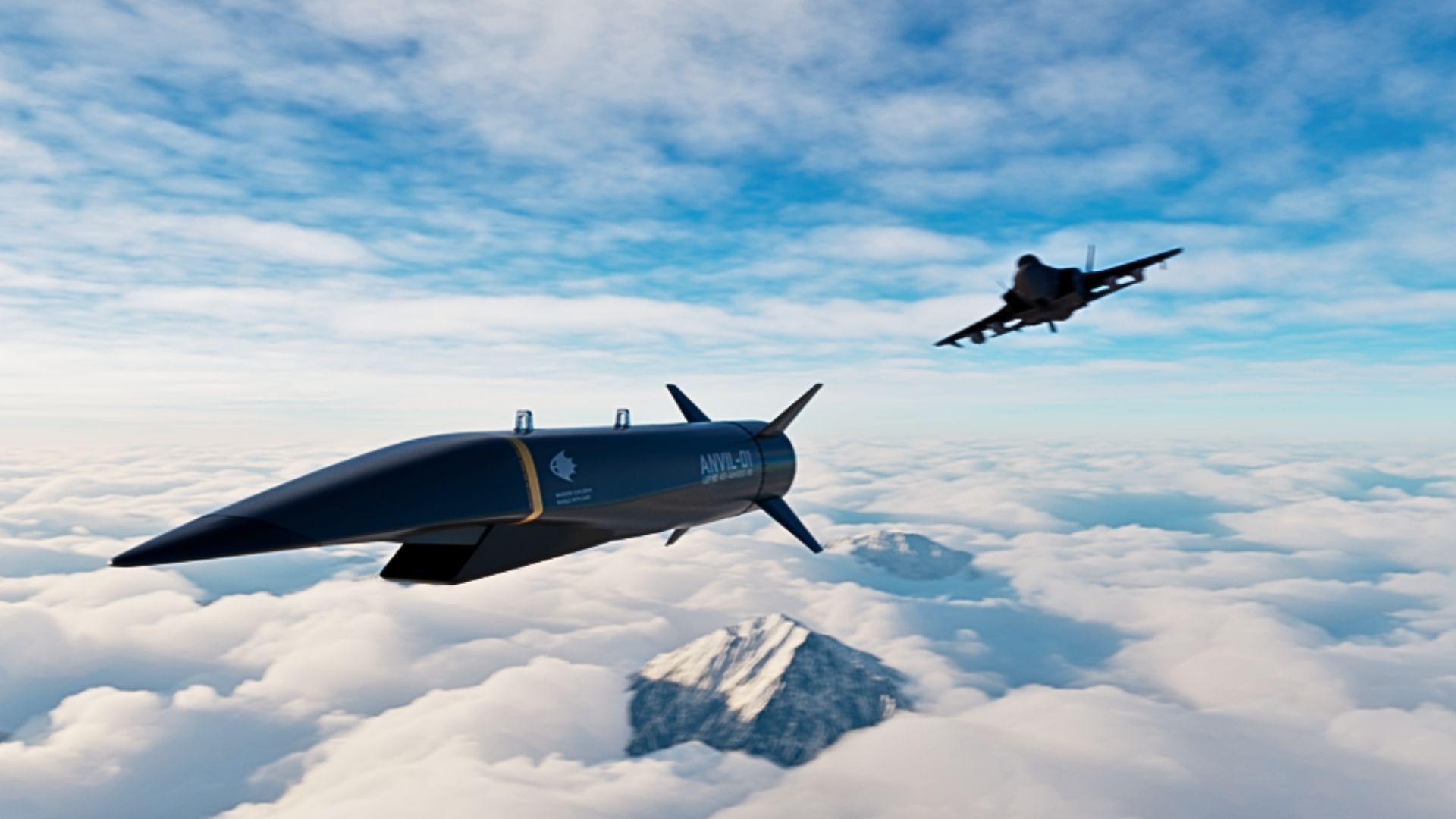
VulcanForms and Specter Aerospace Collaborate to Enhance U.S. Hypersonic Manufacturing with 3D Printing
VulcanForms and Specter Aerospace have announced a partnership to establish a dedicated manufacturing operation in the U.S. for airbreathing hypersonic weapons. This collaboration aims to address the significant challenge of scaling production for hypersonic systems, which include munitions, interceptors, and cruise missiles. The partnership combines Specter's expertise in hypersonic vehicle development with VulcanForms' advanced metal additive manufacturing capabilities. As demand for hypersonic weapons increases, the companies are leveraging existing production-ready facilities while assessing potential locations for a new dedicated manufacturing site. The planned operation will focus on comprehensive manufacturing and integration processes, essential for producing complete hypersonic weapon systems. The complexity of hypersonic technology necessitates precise manufacturing tolerances and specialized materials, making additive manufacturing a valuable approach. No further timeline was disclosed at the time of publication.
Military
Tesla's Optimus Robots to Support Starmind Satellite Production, Not Maintenance
Tesla's Optimus robots will not be used to repair Starmind satellites in orbit, as confirmed by recent statements from Elon Musk. Instead, these robots are intended to assist in the construction and operation of the Terafab chip manufacturing facility in Texas. The AI1 satellites, designed to disintegrate upon reentry, highlight the company's swap-and-replace strategy rather than traditional maintenance practices. This approach is significant as it reflects a broader trend in satellite management, where mass-produced satellites are replaced rather than repaired. The economics of servicing missions are prohibitive, with the cost of launching a replacement satellite being significantly lower than conducting a repair mission. This model aligns with SpaceX's operational history, where rapid replacement of satellites is more efficient than attempting to maintain them in orbit. Looking ahead, the focus will remain on the production capabilities of the Gigasat factory, which is expected to support the continuous replacement of satellites. No further timeline was disclosed at the time of publication, but the demand for rapid satellite turnover suggests a robust future for Optimus robots in terrestrial manufacturing rather than in-space servicing.

Vertex Aerospace secures $500m Air Force C-12 support contract
Vertex Aerospace has secured a significant contract with the US Air Force, valued at up to $500 million, to provide contractor logistic support services for the C-12 fleet. This firm-fixed-price, indefinite-delivery/indefinite-quantity contract underscores the company's commitment to supporting military aviation operations. The agreement aims to enhance the operational readiness and maintenance of the C-12 aircraft, which are essential for various missions within the Air Force. The contract reflects the ongoing collaboration between Vertex Aerospace and the military, ensuring that the C-12 fleet remains efficient and reliable.
News
Rocket Lab launches US Space Force mission with less than 17 hours' notice — a new record
Firefly Aerospace successfully launched the Victus Nox mission for the U.S. Space Force on the night of September 14, just 27 hours after receiving the launch order. This rapid response underscores the company's commitment to providing timely and efficient launch services for national defense purposes. The mission took place at a designated launch site, showcasing Firefly's capabilities in supporting military operations through advanced space technology. The swift execution of this launch reflects the growing emphasis on agility and responsiveness in the realm of space operations, particularly for defense initiatives.
Launches & Spacecraft Space Exploration
GE Aerospace secures US Air Force contract for GE426 engine
The US Air Force has awarded a contract to GE Aerospace to conduct the preliminary design review of the GE426 engine. This collaboration marks a significant step in the development of the engine, which is expected to enhance the capabilities of the Air Force's fleet. The contract highlights the USAF's commitment to advancing its technological edge and ensuring operational readiness. The preliminary design review is a critical phase that will assess the engine's design and performance specifications, paving the way for further development and eventual production. This initiative reflects the Air Force's ongoing efforts to modernize its equipment and maintain a competitive advantage in aerial operations.
News
GITAI Selected by U.S. Space Force for Space-Based Interceptor Program
GITAI has unveiled its latest innovation, a satellite platform equipped with a robotic arm designed for on-orbit operations. This development, which showcases GITAI's commitment to advancing space technology, aims to enhance the efficiency and capabilities of satellite missions. The announcement was made in October 2023, highlighting the company's ongoing efforts to revolutionize the way satellites are operated in space. By integrating robotic technology into satellite systems, GITAI seeks to address the growing demand for more versatile and autonomous operations in the increasingly crowded orbital environment. The platform is expected to facilitate a range of tasks, from maintenance to assembly, thereby reducing the need for human intervention and lowering mission costs. This breakthrough positions GITAI at the forefront of the aerospace industry, as it continues to push the boundaries of what is possible in space exploration and satellite management.
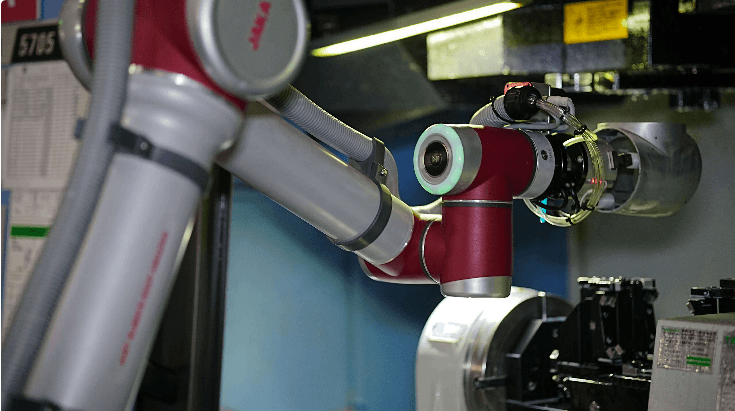
Advanced Robotics Technology in Collaborative Workspaces: Force Limiting and Sensing
In a significant advancement for manufacturing, JAKA is revolutionizing collaborative workspaces through the integration of advanced robotics technology. The company’s focus on industrial collaborative robots (cobots) allows for safe and efficient interaction between machines and human operators, essential in today’s fast-paced production environments. By employing force limiting and sensing capabilities, JAKA's robots can detect unexpected interactions and adjust their movements accordingly, enhancing workplace safety and productivity. The JAKA Pro5 model exemplifies this innovation, specifically designed for loading and unloading tasks. It minimizes reliance on manual labor while ensuring consistent quality through simple programming interfaces that enable rapid setup for various production line tasks. This flexibility allows teams to adapt the robots quickly, optimizing efficiency and precision in machine tending. JAKA recognizes that the successful adoption of robotics hinges on factors such as production complexity and workspace layout. Their cobots are engineered to address these challenges, providing scalable operations that accommodate delicate handling requirements and reduce product damage risks. By integrating these intelligent systems, JAKA not only improves operational standards but also frees up human resources for more strategic roles, fostering a collaborative environment that enhances overall productivity. As industries increasingly embrace advanced robotics, JAKA’s commitment to safety, adaptability, and efficiency positions it at the forefront of transforming manufacturing practices, ultimately driving sustainable productivity improvements.
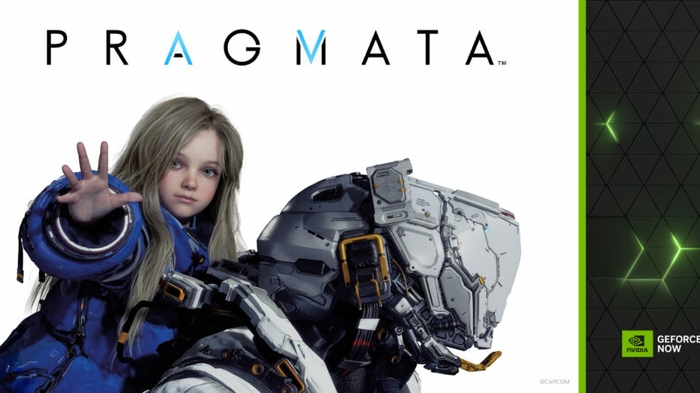
No Need for Space Gear — Capcom’s ‘PRAGMATA’ Joins GeForce NOW on Launch Day
Capcom's highly anticipated sci-fi action adventure game, PRAGMATA, will be available on GeForce NOW on its global launch date. Players can immerse themselves in a futuristic experience set in a cold lunar station without needing any special equipment. This release marks a significant moment for both the game and the cloud gaming platform, allowing gamers to access the title seamlessly from their devices. The collaboration between Capcom and GeForce NOW underscores the growing trend of cloud gaming, providing players with immediate access to new releases and enhancing the gaming experience.
Robotics needs a service framework.
RSF defines a common language for robot service capability, lifecycle operations, certification pathways, and service-provider networks.
Join the RobotToday community on LinkedIn
Daily robotics news, in-depth analysis, conference highlights, and discussions with professionals worldwide.







