

Industry Briefing
A single destination for timely, editor-curated robotics news from around the world.
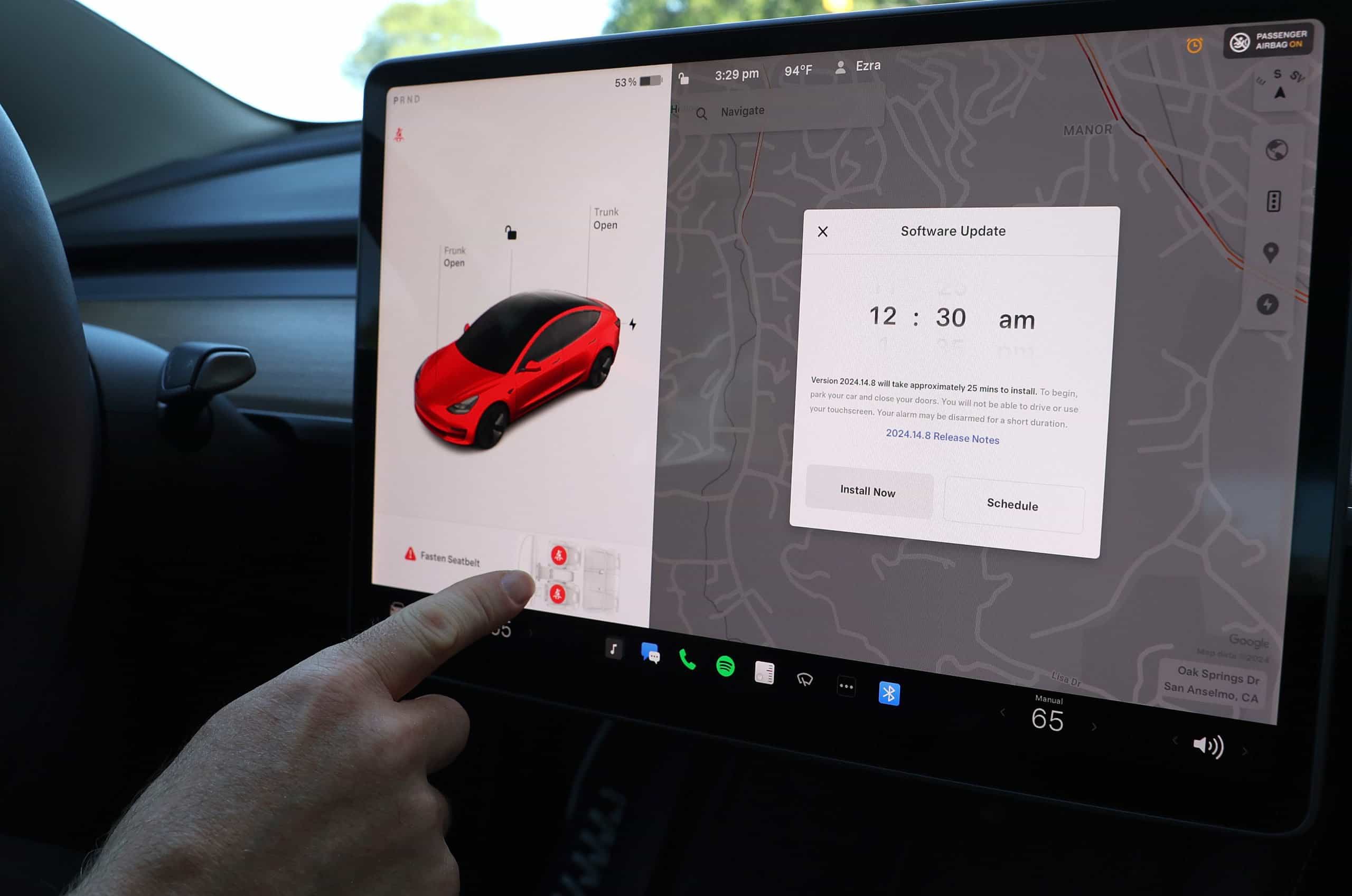
Tesla's New Software Update Enables Collision Avoidance Without Full Self-Driving Activation
Tesla has announced the rollout of its v14.3.9 software update, which allows vehicles to steer away from imminent collisions even if the driver has not activated Full Self-Driving (FSD). This feature aims to enhance safety and is part of a broader strategy to increase FSD subscriptions, which have seen a 56% year-over-year growth, reaching 1.48 million. The update is significant as it provides non-subscribers a glimpse into FSD capabilities, potentially driving future subscriptions. Elon Musk's recent comments on slowing AI development contrast with the aggressive push for FSD, which has contributed to an 18% decline in TSLA stock this year. The new active safety feature is expected to improve vehicle demand, as CFO Vaibhav Taneja noted that FSD is a key factor in consumer interest. Looking ahead, Tesla's strategy to transition FSD access to monthly subscriptions highlights the importance of user experience in driving monetization. The company aims to leverage emergency interventions to showcase the software's value, which could lead to increased adoption among non-subscribers. No further timeline was disclosed at the time of publication.

CBS News Reporter Experiences London's Inaugural Self-Driving Taxi Service
London has officially launched its first self-driving taxi service, with Uber operating 15 autonomous vehicles. Each vehicle requires a supervisor to be present during rides. CBS News reporter Leigh Kiniry tested the service alongside Wayve co-founder and CEO Alex Kendall, who highlighted the AI technology behind these robotaxis in the historic Westminster area. This development marks a significant milestone in the integration of autonomous vehicles into urban transportation systems. The presence of a supervisor in each vehicle underscores the cautious approach being taken to ensure safety and reliability as self-driving technology is introduced to the public. The collaboration between Uber and Wayve showcases the potential for AI-driven solutions in enhancing mobility. Looking ahead, it will be important to monitor the performance and public reception of these self-driving taxis. As more data is gathered from these initial operations, further advancements in autonomous technology may emerge. No further timeline was disclosed at the time of publication.

MIT and Motional Develop CW-Net to Enhance Understanding of Self-Driving Car Decisions
Researchers from MIT and Motional have created a new method called Concept-Wrapper Network (CW-Net) to help humans predict when self-driving cars might make mistakes. This method translates the opaque decision-making processes of deep learning models into understandable concepts, improving situational awareness for drivers and passengers. The significance of CW-Net lies in its ability to provide clear explanations of an autonomous vehicle's decisions, such as identifying an 'approaching stopped vehicle' or being 'close to a cyclist.' This transparency can enhance safety and trust in autonomous vehicles, as it allows users to better anticipate potential errors and understand the vehicle's behavior. Future developments to watch include the broader implementation of CW-Net in autonomous vehicle systems, which could lead to improved safety measures and user trust. The research, published in Nature, highlights the importance of reliable and predictable technology in the development of self-driving cars.
Research Artificial intelligence Machine learning Computer science and technology Robotics Autonomous vehicles
Researchers Develop Language Model System for Personalized Self-Driving Car Requests
Researchers at Delft University of Technology (TU Delft) have created a system that allows passengers to influence the driving style of autonomous vehicles using natural language requests. This system utilizes a large language model (LLM) to interpret user instructions, such as adjusting speed or smoothness based on individual preferences, while maintaining safety through a motion-planning algorithm. The significance of this development lies in its potential to enhance user experience in self-driving cars by making them more adaptable to personal preferences. By allowing passengers to communicate their needs in everyday language, the system aims to bridge the gap between human driving styles and autonomous vehicle behavior, ensuring a smoother and more comfortable ride. Looking ahead, the researchers plan to further refine the system and explore its applications in real-world scenarios. The system's interactive nature, which allows for continuous adjustments based on passenger feedback, could pave the way for more personalized and user-friendly autonomous driving experiences. No further timeline was disclosed at the time of publication.
Autonomous-vehicles Journal-watch Large-language-models
AI and Self-Driving Labs to Transform Semiconductor Materials Discovery Process
The semiconductor industry is facing significant challenges as it approaches physical limits in material performance, particularly as linewidths shrink below 2 nanometers. Traditional methods of discovering new semiconductor materials are outdated, often taking 10 to 20 years to bring a new material from the lab to market. This slow pace is due to the linear approach of hypothesis formation, synthesis, and characterization, which does not keep up with the complex requirements of modern materials. The need for new materials is critical for advancing device and chip architectures, especially as conventional materials like copper are becoming inadequate. Innovations such as hafnium oxide (HfO2) have previously enabled breakthroughs, but the current methods for material discovery have not evolved. Robotics and automation present a solution to these bottlenecks, offering the potential to accelerate the discovery process significantly. As the industry continues to evolve, companies that embrace automation in materials discovery will likely gain a competitive edge. The reluctance of some firms to adopt these technologies could result in them falling behind as first movers capitalize on the efficiencies and innovations that AI and self-driving labs can provide. No further timeline was disclosed at the time of publication.
Autonomous Vehicles Computing Materials advanced materials ai artificial intelligence
Strutt, Founded by Former DJI Executive, Secures Pre-A+ Funding for Self-Driving Wheelchair
Strutt, a company founded by former DJI executive Hong Xiaoping, has successfully completed Pre-A+ funding, raising nearly $100 million. The company’s product, the Strutt EV1, has already begun overseas production and delivery, with plans to launch in the Chinese market in the second half of 2026. The EV1 is a Level 2 autonomous driving device designed in the form of a wheelchair, featuring advanced sensors for smart obstacle avoidance and navigation. The significance of Strutt's development lies in its innovative approach to mobility solutions, addressing the gap in transportation needs for distances ranging from hundreds of meters to several kilometers. Hong Xiaoping describes the EV1 as a combination of a Hummer and Waymo, aiming to provide a practical solution for users with limited mobility. The device is equipped with a robust four-wheel drive chassis and can navigate various terrains, with a top speed of 13 km/h and a range of 32 km. Looking ahead, Strutt plans to enhance its product line with iterations that include robotic arms to assist users in daily tasks such as opening doors and picking up items. The company aims to establish itself as a leader in personal mobility solutions, integrating physical AI into everyday life. No further timeline was disclosed at the time of publication.
Self-Driving Technology Mobility Solutions Assistive Devices Robotics
KAIST and Stanford Develop Self-Wearing Clothing Using Soft Robotics Technology
Researchers from KAIST and Stanford University have developed a self-wearing garment that can automatically dress a person in about 10 seconds without assistance. This innovative clothing utilizes soft robotics technology, specifically vine robots driven by air pressure, allowing the garment to adapt to the wearer's body shape as it 'grows' onto them. This advancement is significant as it addresses the limitations of traditional robotic dressing solutions, which often require external mechanical arms and complex control systems. The new approach allows for movement during the dressing process, making it more accessible for individuals with mobility challenges, such as the elderly or disabled. Future applications of this technology could extend beyond personal clothing to various fields, enhancing independence for those with physical limitations. No further timeline was disclosed at the time of publication.
Soft Robotics Wearable Technology Assistive Devices Emergency Response
Leap Motor Introduces Fully Self-Developed Embodied Intelligent Robot at Technology Day
On September 16, Leap Motor announced the completion of its fully self-developed embodied intelligent robot during its 2026 Technology Day. The company has independently mastered all core components, including motors, controllers, batteries, perception algorithms, and computing platforms. This comprehensive self-research system allows Leap Motor to transfer its automotive technology chain into the robotics sector, achieving internal closed-loop for most core components. This development is significant as it positions Leap Motor to explore scalable applications that can generate commercial value, moving beyond mere laboratory prototypes or demonstrations. The overlap in technology stacks between automotive and robotics provides a logical foundation for this transition. Leap Motor's simultaneous release of various technologies, such as the MM-i multi-modal hybrid electric drive and the LEAP 5.0 new mobile space architecture, directly correlates with core robotic components, enhancing its manufacturing capabilities. Looking ahead, Leap Motor aims to leverage its extensive self-research and manufacturing capabilities to expand its high-level intelligent driving across all vehicle models. The company's focus on finding commercially viable scenarios for its robotics business is crucial, especially as it navigates the challenges of balancing resources across its automotive and robotics divisions. The success of its robotics initiative will depend on its ability to identify paying customers and viable applications in real-world settings.
Robotics Automotive Technology AI Manufacturing Embedded Systems
Examining the Origins of Haptic Sensing Technology and Its Development Challenges
In the field of robotic haptic sensing, significant breakthroughs have emerged from years of technical accumulation and engineering capabilities. Leading haptic sensor companies have focused on multi-dimensional tactile perception, high-precision torque calculation, and heterogeneous array calibration, establishing a comprehensive intellectual property system. Their efforts have demonstrated that there are no shortcuts in haptic sensing; each aspect must be meticulously developed to create truly usable products. The emergence of new companies in 2026, which quickly introduce concepts like 'magnetized flexible materials' and 'exclusive replaceable electronic skin,' raises concerns. While their product images appear polished and their technical jargon comprehensive, comparisons with open-source projects like ReSkin and AnySkin reveal significant similarities in magnetic circuits, PCB designs, and algorithms. This suggests that some newcomers are attempting to simplify the complex development process into mere replication of existing technologies. To understand the implications of 'open-source rebranding,' it is essential to clarify the technological lineage of ReSkin, AnySkin, and eFlesh. The foundational work by Waseda University's Sugano Laboratory laid the groundwork for magnetic tactile skin technology, influencing subsequent developments by Meta AI and NYU. As these technologies evolve, the focus on low-cost, modular manufacturing continues to shape the future of haptic sensing applications.
Haptic Sensors Open Source Technology Robotics Innovation Technology Transparency
Tesla Reports Safety Data Ahead of Critical EU Vote on Full Self-Driving Technology
Tesla, Inc. (NASDAQ:TSLA) announced that its Full Self-Driving (FSD) technology recorded 4.1 times fewer collisions than manually driven vehicles in five European countries. This data, derived from over 100 million kilometers of driving between April and August, comes as Tesla intensifies lobbying efforts for broader FSD deployment ahead of an EU vote. The findings indicate three highway collisions and nine non-highway collisions for FSD-equipped cars, compared to 137 and 490 for manually driven vehicles. The significance of this data lies in its potential to influence EU regulators as they consider wider FSD approval. Tesla's recent sales recovery, with second-quarter deliveries reaching a record 480,126 and revenue hitting $28.2 billion, adds urgency to this push. The company aims to leverage its safety statistics to bolster public and regulatory confidence in FSD, especially as it faces scrutiny over the validity of its comparisons. Looking ahead, the outcome of the EU vote could have substantial implications for Tesla's market position and financial health. Approval would not only enhance FSD's market potential but also impact Tesla's valuation, which increasingly relies on AI-driven revenue streams. However, the company still faces challenges, including regulatory hurdles and competition from established autonomous driving operators like Waymo and Baidu's Apollo Go.

JAKA Robotics Addresses Patent Claims, Highlights Self-Development in Robotics Technology
On September 2, JAKA Robotics issued an official statement regarding overseas patent litigation, asserting that it does not infringe on the opposing party's patents based on comprehensive technical tracing and patent comparison analysis. This confidence stems from over a decade of the company's full-stack self-developed technology system. The performance of a robot is rooted in hundreds of precision components, including reducers, servo systems, and controllers, which directly influence the machine's accuracy, load capacity, and reliability. As Chinese robotics companies accelerate their entry into the global market, the originality of technology and intellectual property rights are becoming critical competitive factors, making JAKA's self-development path significant in this context. Looking ahead, JAKA Robotics aims to enhance its general intelligent robot capabilities, evolving from collaborative robots to embodied intelligent robots. The company has successfully integrated core components and developed over 60 self-developed collaborative robots in its production base, achieving a closed-loop verification of its technological strength. No further timeline was disclosed at the time of publication.
Collaborative Robots Humanoid Robots AI Robotics Technology
Modular Self-Reconfigurable Robots Adapt to Various Tasks with MSRCR Technology
A research team has introduced a modular self-reconfigurable robot named MSRCR, capable of adapting its shape for different tasks. This robot can mimic various movements, such as slithering like a snake or crawling with limbs, by reconfiguring its modules. Each module can bend and connect with others, allowing for versatile motion strategies. The significance of this development lies in its potential to revolutionize robotics by enabling a single robot to perform multiple functions without the need for extensive re-engineering. This approach mirrors industrial logic, where tasks dictate design, but with the added flexibility of modularity. The MSRCR robot can change its form dynamically, enhancing its utility in diverse applications. Looking ahead, the research team has conceptualized an 'evolutionary diversification tree' to illustrate the various movement strategies derived from different biological organisms. This innovative robot design could pave the way for more adaptable and efficient robotic systems. No further timeline was disclosed at the time of publication.
Modular Robotics Self-Reconfigurable Robots Robotic Algorithms Bionic Robotics
Waymo Advances Robotaxi Goals with Custom 5 nm Chip for Self-Driving System
Waymo has made significant strides in its robotaxi expansion, recently launching its sixth-generation Ojai robotaxi for riders in Los Angeles, Phoenix, and San Francisco. This next-gen vehicle is designed to be more cost-effective in terms of production, operation, and maintenance, which is essential for the company's profitability aspirations. A key component of this advancement is Waymo's custom 5 nm ASIC chip, engineered to process vast amounts of data from the Ojai's 13 high-fidelity cameras. The chip boasts over 1,000 TOPS of computing performance, comparable to Nvidia’s DRIVE AGX Thor processor, enhancing the system's efficiency and performance in complex urban environments. Waymo's collaboration with partners like AMD, Micron, and Nvidia underscores its commitment to innovation in self-driving technology. As the company continues to refine its systems, attention will be on how these developments impact the competitive landscape of autonomous vehicles and the ongoing investigation into potential security risks associated with lidar sensors from China.
Transportation Tesla Uber Waymo wayve robotaxis
Bedrock Robotics Introduces Autonomous Driving Technology for Construction Equipment
Bedrock Robotics is implementing autonomous driving technology in construction by retrofitting excavators and heavy machinery with advanced sensors and software. The company’s CEO, Boris Sofman, highlighted the significance of these innovations during a discussion on Bloomberg Tech, emphasizing the potential to mitigate the skilled labor shortage in the industry. This development is crucial as the construction sector faces increasing demand for data centers and infrastructure projects, which creates a pressing need for efficient and effective solutions. By integrating AI-driven autonomous equipment, Bedrock Robotics aims to enhance productivity and speed up construction processes across the United States. Looking ahead, the company has initiated its first paid commercial deployments, marking a significant milestone in its journey. No further timeline was disclosed at the time of publication.
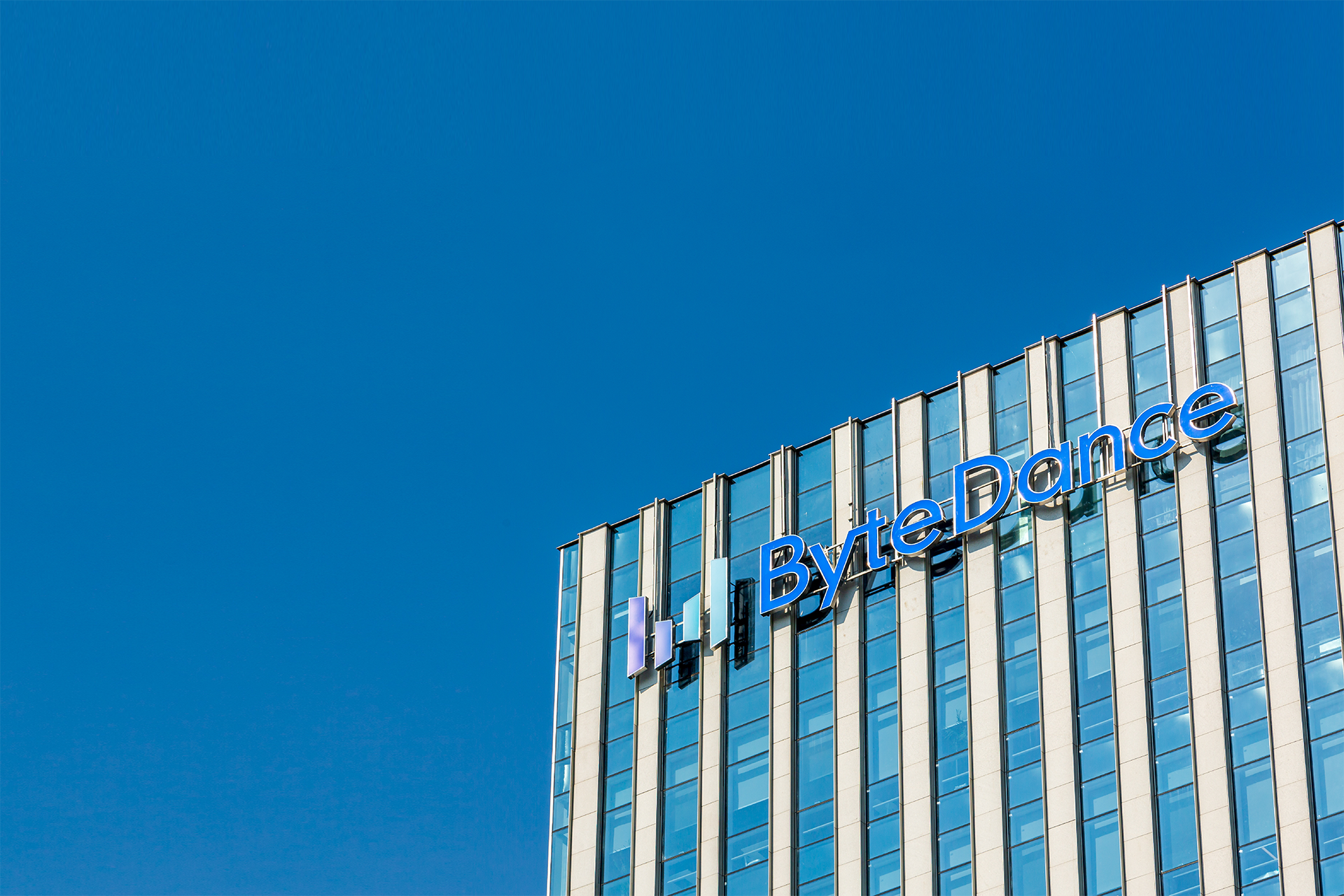
ByteDance Investigates Autonomous Driving Technology for Unmanned Logistics Solutions
ByteDance is currently investigating autonomous driving technology aimed at unmanned logistics, as reported by Chinese media. This initiative is being developed by the world model team within Seed, ByteDance's AI research unit, and is linked to Volcengine’s automotive industry line. The significance of this exploration lies in ByteDance's commitment to advancing large model research, which includes initial forays into physical AI. However, the company has clarified that it does not intend to establish a smart driving business, indicating a focus on research rather than commercial deployment. Looking ahead, it will be important to monitor ByteDance's developments in this area, particularly how their research may influence the logistics sector. No further timeline was disclosed at the time of publication.
News Feed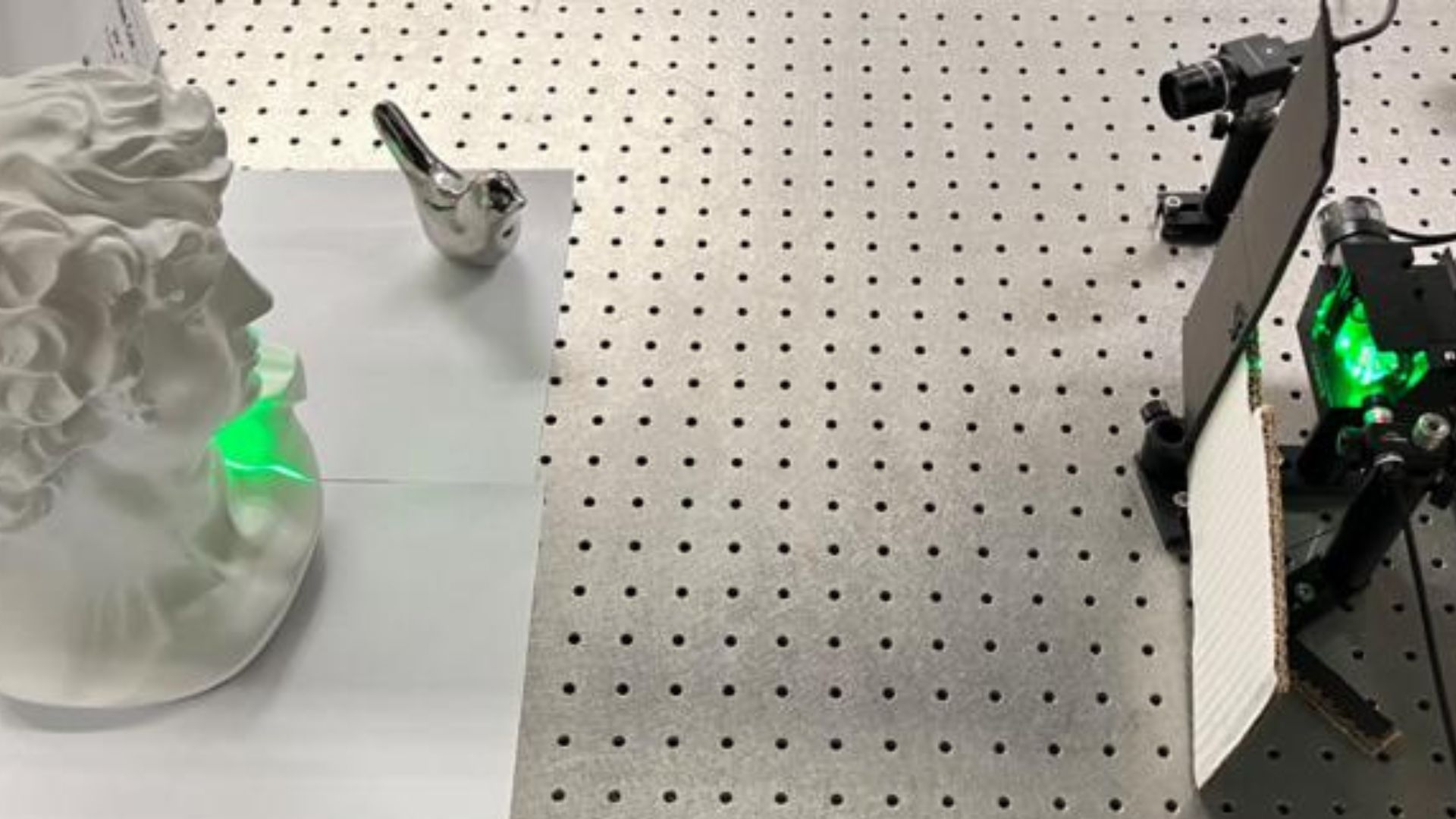
3D-sensing technology could improve self-driving cars and robotic surgery
Researchers at the University of Arizona have made significant strides in 3D-sensing technology, which could revolutionize how autonomous vehicles navigate complex urban environments. This breakthrough was announced recently, showcasing the potential to enhance safety and efficiency in city driving. The team developed an advanced system that utilizes sophisticated algorithms and sensors to interpret real-time data from the surrounding environment, enabling vehicles to better understand and respond to dynamic conditions on busy streets. By improving the accuracy of spatial awareness, this technology aims to reduce accidents and improve traffic flow, addressing the growing challenges of urban mobility. The research highlights the university's commitment to innovation in transportation technology, with implications that could extend beyond self-driving cars to various applications in robotics and smart city infrastructure.
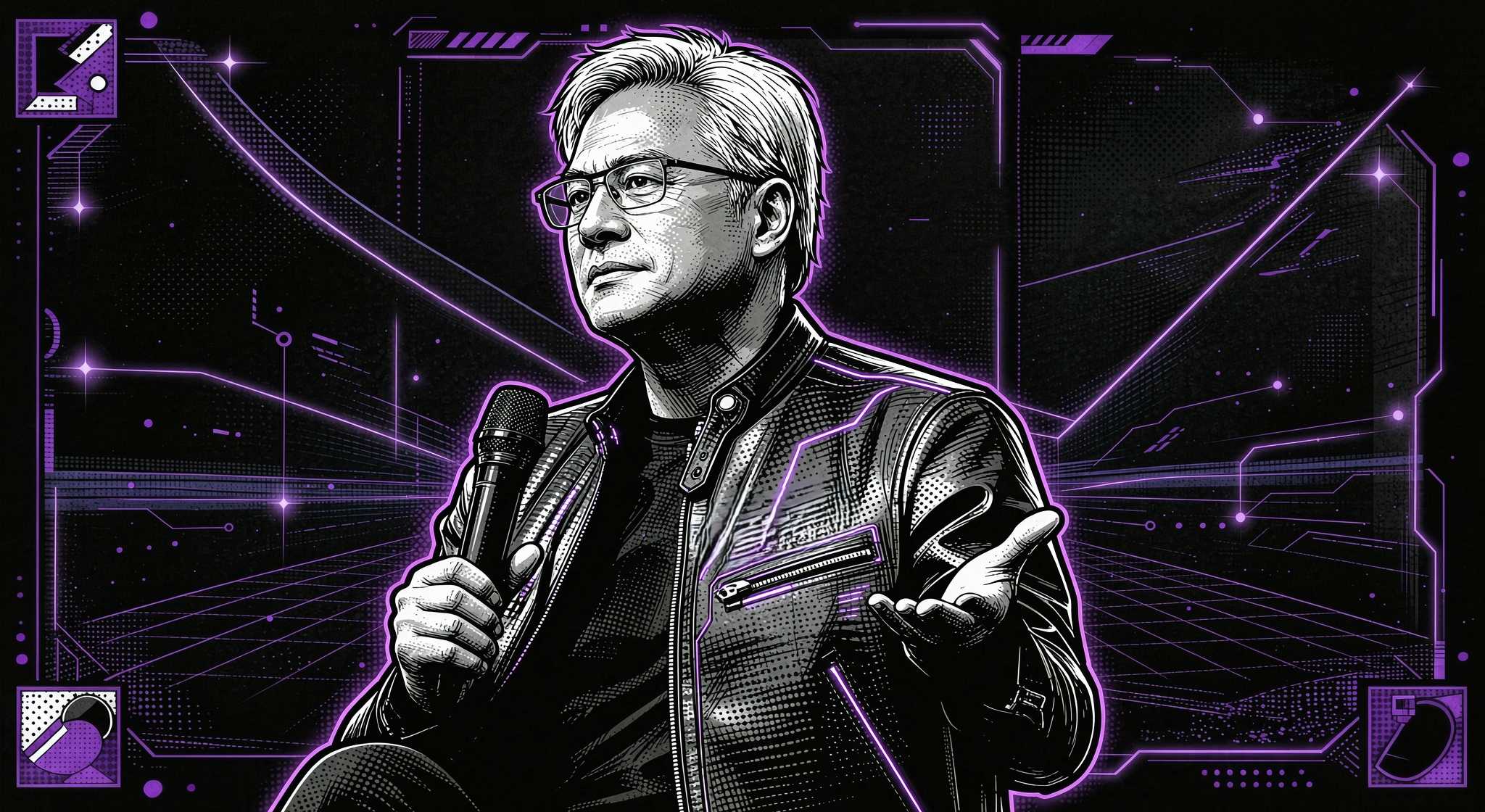
NVIDIA's Jensen Huang Predicts Full Self-Driving Capabilities for All Moving Entities Amid Robotics Challenges
Jensen Huang stated that all moving entities will eventually possess autonomous capabilities, extending beyond vehicles to include robots and construction machinery. This assertion aligns with Tesla's concept of full self-driving (FSD) but emphasizes a broader application across various mobile platforms. Huang highlighted NVIDIA's comprehensive approach to physical AI, which encompasses simulation and deployment, utilizing tools like Isaac Sim for robot training and Jetson Thor for edge deployment. The significance of this development lies in the overlapping technological foundations between autonomous driving and embodied intelligence. As talent migrates from the autonomous driving sector to robotics, approximately 50% of the foundational technologies can be transferred. However, challenges remain due to the complexity of robotic operations compared to the structured environments of autonomous vehicles, which primarily navigate roads and interact with limited entities. Looking ahead, Huang's vision underscores the need for robots to excel in operational tasks, not just mobility. While the capabilities from autonomous driving can be adapted, the intricate nature of robotic manipulation and interaction presents substantial hurdles. Until these challenges are addressed, the full realization of physical AI's potential remains incomplete.
Autonomous Driving Robotics AI Machine Learning
Ron Baron Advocates for Tesla Stock Investment, Citing Self-Driving Software Growth
Ron Baron, founder of Baron Capital, expressed strong confidence in Tesla stock during a CNBC interview, emphasizing the potential of the company's self-driving software as a key factor for future growth. His firm holds approximately $5 billion in Tesla shares, highlighting its significant investment in the electric vehicle market. Baron noted that Tesla's Full Self-Driving (FSD) system is rapidly gaining traction, with a reported annual growth rate of 55%. Despite Tesla's own figures showing a 56% increase in active FSD subscriptions, Baron believes that the company's market share is expanding due to traditional automakers slowing their electric vehicle initiatives. Looking ahead, Tesla's upcoming delivery report will be crucial in determining if the demand for FSD and record deliveries can sustain momentum amid a contracting US EV market. No further timeline was disclosed at the time of publication.
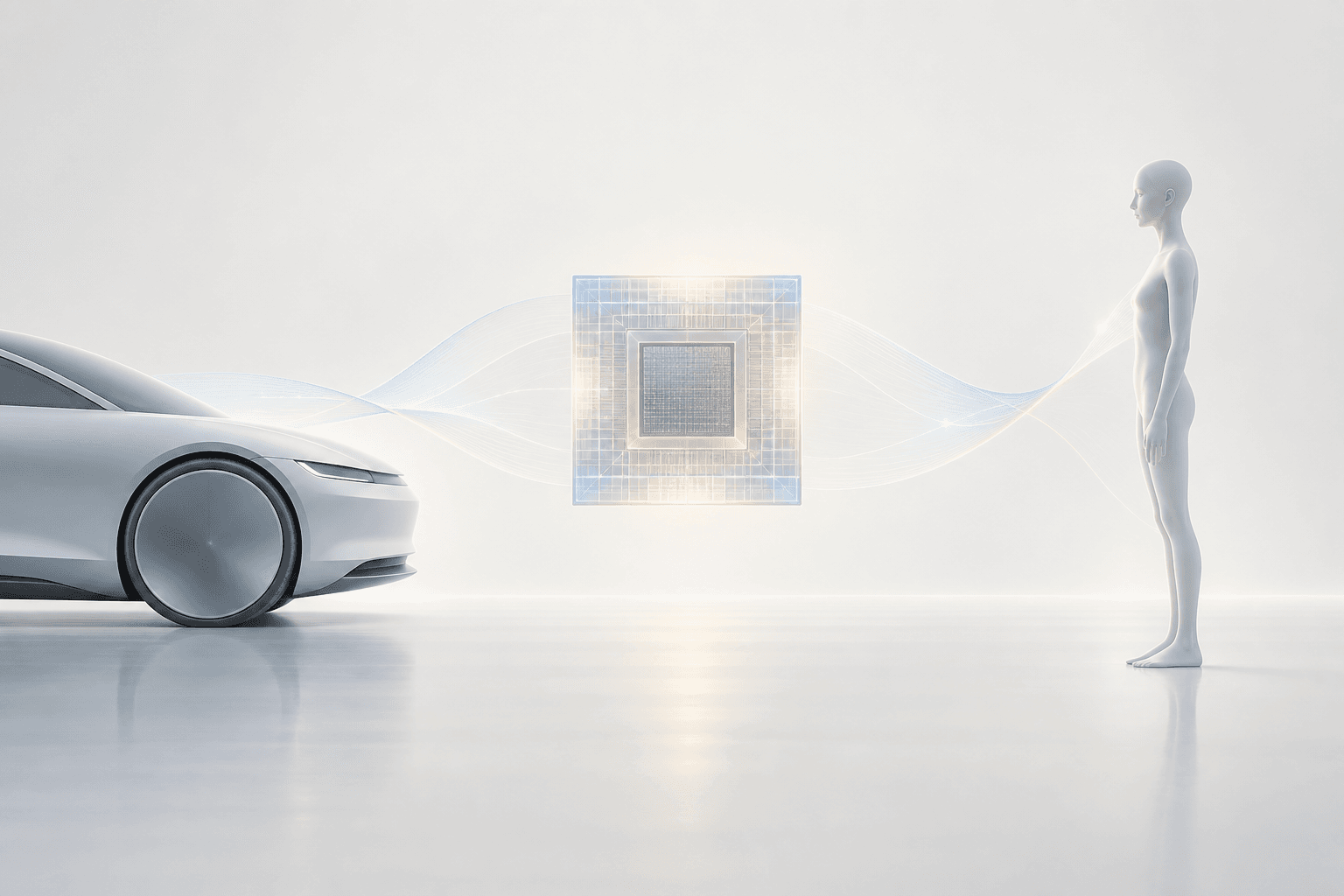
XPeng Expands Turing AI Chip Technology from Electric Vehicles to Humanoid Robots
XPeng is advancing its self-developed Turing AI silicon by integrating it into humanoid robots, moving beyond its initial application in intelligent electric vehicles. This initiative is part of a broader Physical AI stack, showcasing XPeng's commitment to diversifying its technology applications. The significance of this development lies in the potential for enhanced AI capabilities in humanoid robots, leveraging the power of the Turing chips. With configurations cited at approximately three on-device Turing chips, the total processing power reaches around 2,250 TOPS, indicating a robust foundation for complex AI tasks. Looking ahead, industry observers should monitor XPeng's progress in the humanoid robotics sector and the performance of its Turing AI chips in real-world applications. No further timeline was disclosed at the time of publication.
Tesla's Full Self-Driving System Testing in France Could Boost Revenue
Tesla (TSLA) is currently undergoing testing of its Full Self-Driving (FSD) system on public roads in France, with a review expected to conclude by mid-to-late September. An EU-wide approval vote could occur as early as October 6, which is significant as it may lead to increased sales and revenue from existing vehicles in Europe. The potential approval of FSD could allow Tesla to activate the feature through software updates, generating high-margin revenue without the need for additional vehicle production. This is particularly important as automotive margins face pressure, making software revenue a more attractive option than reducing vehicle prices. France's shift from opposition to testing indicates a more favorable stance towards FSD, which is crucial for EU approval that requires support from at least 15 member states. Tesla's FSD Supervised has shown a significant reduction in collisions compared to manually driven vehicles, suggesting its potential as a driver-assistance system. No further timeline was disclosed at the time of publication.

iRobot Unveils Roomba Max 875 with SealForce Technology for Enhanced Carpet Cleaning
iRobot has introduced its latest flagship robot vacuum, the Roomba Max 875, featuring innovative SealForce technology designed to improve carpet cleaning efficiency. This new system enhances suction by creating a better seal around the cleaning head, allowing for deeper dirt extraction from carpets, as confirmed by iRobot's chief engineer, Adam Pope. The significance of the Roomba Max 875 lies in its advanced capabilities, which include a powerful 35,000 Pa suction and a new vane-type blower motor that moves 20 liters of air per second. This model, priced at $1,199, also includes a self-cleaning mop system with a heated mist feature, showcasing iRobot's commitment to innovation under its new ownership by Picea Robotics. Looking ahead, iRobot plans to release a midrange version, the Roomba Plus 678 Combo, which incorporates similar technology but with slightly reduced specifications. Both models are compatible with smart home systems like Amazon Alexa and Google Home, and are currently undergoing Matter certification. No further timeline was disclosed at the time of publication.
IFA 2026 News Robot Smart Home Tech
Dubai Future Foundation and Oxa Launch SHIFFT for Autonomous Logistics at Ports and Airports
Dubai Future Foundation (DFF) and Oxa have unveiled SHIFFT, a joint venture aimed at establishing Dubai as a leader in autonomous logistics. This initiative will integrate self-driving technology into a comprehensive logistics solution, enhancing productivity and safety in operations at ports and airports. The significance of SHIFFT lies in its potential to transform Dubai's logistics sector, contributing to the city's goal of doubling foreign trade volume by 2033. By deploying Oxa's advanced self-driving software and fleet management systems, SHIFFT aims to improve operational resilience and efficiency, aligning with Dubai's Research, Development, and Innovation (RDI) Programme. Looking ahead, SHIFFT plans to initiate its first scalable commercial deployment in Dubai by the end of 2027. This venture not only promotes autonomous mobility but also seeks to create high-tech jobs and bolster Dubai's position as a regional hub for research and development in logistics.
Autonomous Vehicles News airports autonomous logistics autonomous mobility autonomous vehicles
SpaceX IPO Provides Indirect Investment Opportunity in Starmind Project
Starmind does not have a standalone stock or ticker; investors can gain exposure through SpaceX (ticker: SPCX), which began trading on Nasdaq after its IPO on June 12, 2026. Starmind is integrated within SpaceX, contributing to the company's AI and space initiatives, and its performance directly influences SPCX shares. The significance of Starmind lies in its role as a division of SpaceX, which encompasses other projects like Starlink and Starship. As of early July 2026, SPCX shares are trading between $149 and $150, significantly lower than their 52-week high of $225.64. The project’s milestones, such as AI1 prototype updates, can impact SpaceX's stock performance, making it essential for investors to monitor these developments closely. Looking ahead, the early 2027 launch of AI1 prototype satellites is a critical milestone that could provide verifiable data affecting Starmind's valuation and, consequently, SPCX stock. No further timeline was disclosed at the time of publication, but the upcoming events will be pivotal for investors tracking the relationship between Starmind and SpaceX's stock performance.

SpaceX's $1.75 Trillion Valuation Driven by Starmind's Future Potential
Starmind is a pivotal element in SpaceX's estimated $1.75 trillion IPO valuation, despite currently generating no confirmed revenue. The stock price reflects optimistic projections regarding AI infrastructure growth, which Starmind has yet to substantiate. As of early July 2026, SpaceX's stock has decreased from its 52-week high of $225.64 to around $150, indicating market skepticism about future execution. The significance of Starmind lies in its potential to transform SpaceX's revenue model beyond traditional launch services. Goldman Sachs has shifted its focus from Starlink subscriber growth to the prospects of AI revenue, including orbital computing, as a cornerstone of SpaceX's long-term valuation. This marks a substantial change in how analysts view the company's growth trajectory, necessitating rates exceeding its historical 33% growth. Looking ahead, the credibility of Starmind as a growth narrative will be crucial for maintaining investor confidence. Analysts have noted a considerable divergence in price targets, reflecting uncertainty about the value of the Starmind and xAI initiatives. No further timeline was disclosed at the time of publication regarding specific milestones for these projects.

SpaceX's Starmind Project: Supplier Strategy and Chip Manufacturing Plans for 2026
SpaceX's Starmind project, aimed at deploying up to 1 million AI satellites, was filed with the FCC on January 30, 2026. The initiative is designed to minimize reliance on external suppliers, with CEO Elon Musk stating that current chip production capabilities only meet 2% of the projected needs. The first satellite, AI1, is set for prototype launches in early 2027, featuring a 70-meter wingspan and a modular payload system that allows for interchangeable chips from various suppliers. The significance of Starmind lies in its ambitious supply chain strategy, which seeks to transition from external hardware suppliers to a fully integrated Musk-owned facility by 2028. The Gigasat manufacturing site in Bastrop, Texas, is expected to be operational by the end of 2027, with plans for high-volume production of the D3 chip, specifically designed for space applications. This approach aims to consolidate chip manufacturing processes under the Terafab joint venture, which has an estimated initial investment of $55 billion. Looking ahead, the next milestone for Starmind is the launch of AI1 prototypes in early 2027, while the full-scale chip production at Terafab is projected to ramp up significantly thereafter. However, analysts express skepticism regarding the feasibility of achieving Musk's ambitious compute goals, which may require substantial investment and time to establish the necessary manufacturing capabilities.
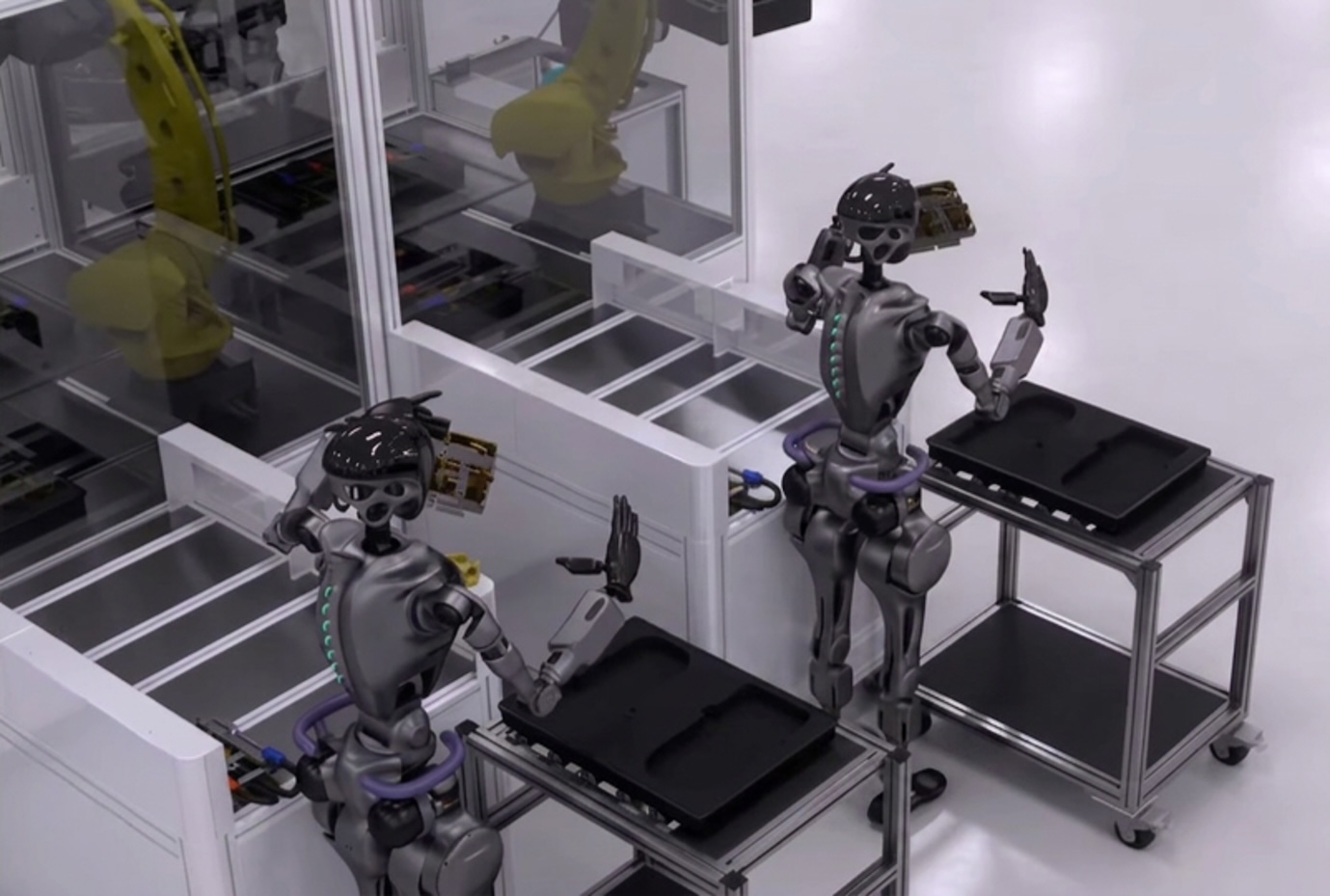
SpaceX Proposes 1 Million AI Satellites to Address Ground Data Center Constraints
On January 30, 2026, SpaceX filed with the FCC to launch up to 1 million AI compute satellites, positioning orbital data centers as a solution to the increasing demand for AI computing power. Ground data centers are facing significant challenges, with energy consumption projected to reach approximately 1,050 TWh in 2026, making them the fifth-largest electricity consumer globally. The demand for new data center capacity is outpacing the growth of power generation infrastructure, leading to a critical bottleneck in the grid system. The significance of this initiative lies in the structural constraints faced by ground data centers, including power delivery limitations, high water consumption, and local opposition to new projects. The Uptime Institute's 2026 outlook identifies power as the primary constraint on data center growth, with capacity clearing prices in the PJM grid skyrocketing to $329.17/MW, driven by data center expansion. Additionally, cooling requirements are becoming increasingly unsustainable, with facilities consuming vast amounts of water, further complicating their operational viability. Looking ahead, SpaceX's orbital AI compute initiative aims to circumvent these challenges by leveraging the advantages of space, such as continuous solar power and minimal local opposition. The first AI prototypes are expected to launch in early 2027, with operational deployments planned for 2028. No further timeline was disclosed at the time of publication.
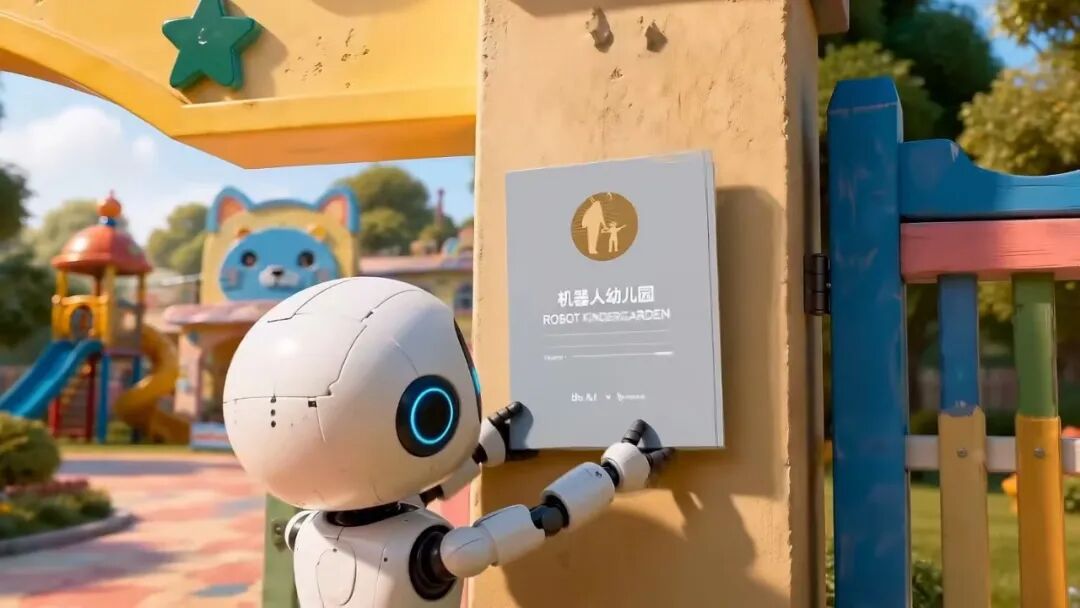
Sutton partners with Tianshan Technology to launch "Robot Kindergarten," using tactile perception to enable robots' self-learning abilities in the real world.
Sutton has announced a collaboration with Tianshan Technology to introduce "Robot Kindergarten," an innovative initiative aimed at enhancing robots' self-learning capabilities through tactile perception. This partnership seeks to bridge the gap between artificial intelligence and real-world applications by allowing robots to learn from their interactions with the environment. The launch of Robot Kindergarten is set to take place in the coming months, with the aim of revolutionizing how robots adapt and respond to various stimuli. By leveraging advanced sensory technology, the project aspires to create more autonomous and intelligent robotic systems, ultimately paving the way for broader applications in industries such as education, healthcare, and manufacturing.
Robotics Automation AI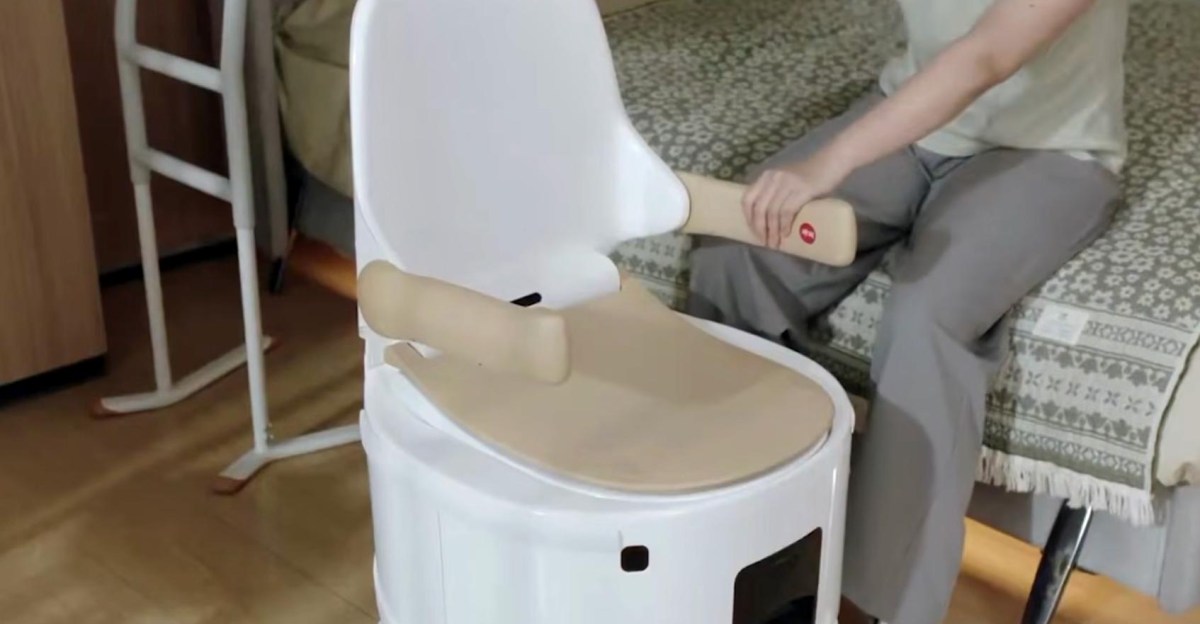
This robotic self-driving toilet comes to you
At a recent expo in Shanghai dedicated to elderly care, assistive devices, and rehabilitation medicine, the Chinese company Yueban unveiled an innovative smart toilet that autonomously moves to its users. The Xiaoban toilet aims to enhance accessibility for individuals facing mobility challenges, particularly the elderly. This groundbreaking design addresses the needs of those with limited movement, offering a solution that promotes independence and comfort in personal hygiene. The introduction of the self-driving toilet reflects a growing trend in technology aimed at improving the quality of life for aging populations.
Gadgets News Tech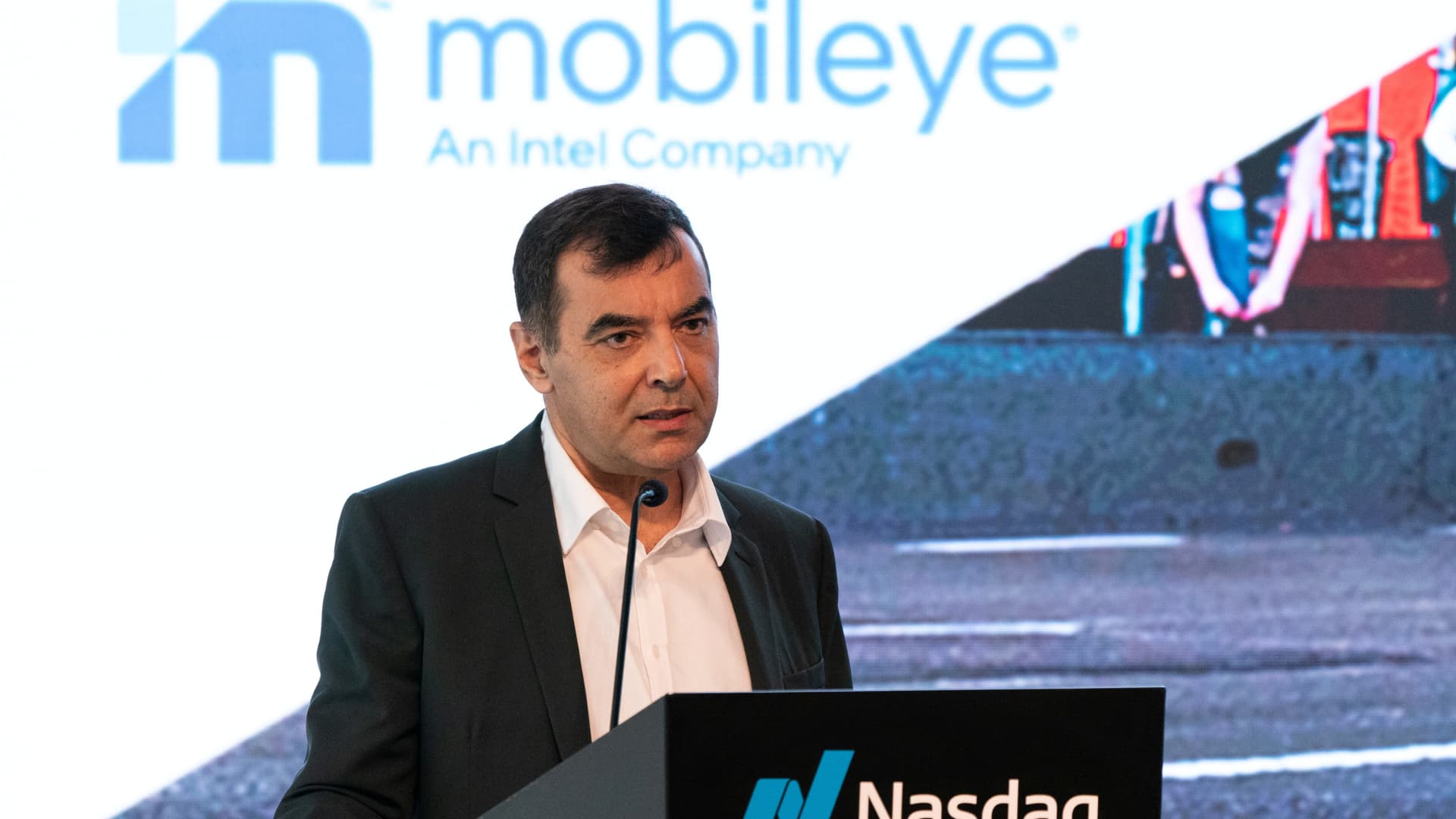
Self-driving tech supplier Mobileye targets U.S. robotaxi launch in 2027
Mobileye Global, a leading supplier of self-driving technology, announced on Tuesday its plans to launch a robotaxi service. This initiative marks a significant step in the company's efforts to expand its presence in the autonomous vehicle market. The service is expected to operate in urban areas, providing a new transportation option for city dwellers. Mobileye aims to enhance mobility and reduce traffic congestion through this innovative service, leveraging its advanced technology to ensure safety and efficiency. The launch of the robotaxi service reflects the growing demand for autonomous transportation solutions and the company's commitment to leading the industry in self-driving capabilities.
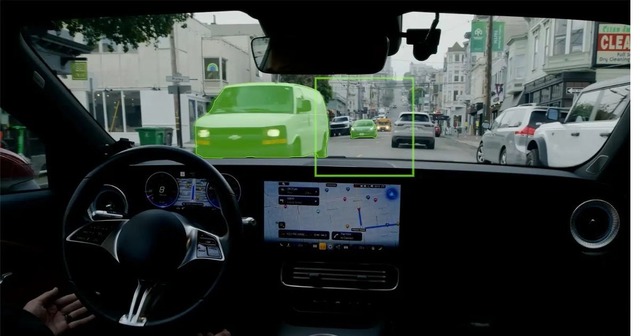
NVIDIA unveils 320 billion-parameter self-driving model "Alpamayo 2 Super" to accelerate Level 4 robo-taxi development.
NVIDIA announced a significant expansion of its open AI model family, "NVIDIA Alpamayo," aimed at developing safe Level 4 robotic taxis. The announcement was made during the NVIDIA GTC Taipei event held on June 1, 2026, in Taipei, Taiwan. This initiative reflects NVIDIA's commitment to advancing autonomous vehicle technology, enhancing safety and efficiency in transportation. The expansion of Alpamayo is expected to play a crucial role in the future of urban mobility, as the company seeks to address the growing demand for innovative transportation solutions.
US engineers make ‘artificial eyes’ to improve vision in robots, self-driving cars
Researchers at Penn State University have developed an innovative device inspired by the human eye, aimed at enhancing the vision capabilities of self-driving cars. This groundbreaking technology was unveiled recently as part of ongoing efforts to improve the safety and reliability of autonomous vehicles. The device mimics the eye's ability to adapt to varying light conditions, which is crucial for navigating complex environments. The motivation behind this advancement stems from the challenges faced by self-driving cars in low-light situations, where traditional sensors often struggle to provide accurate data. By integrating this eye-inspired technology, the researchers hope to significantly reduce the risk of accidents and improve the overall performance of autonomous systems. This development is part of a broader initiative to advance automotive technology and ensure that self-driving cars can operate effectively in diverse conditions. The research team utilized a combination of advanced materials and optical engineering to create a device that can dynamically adjust its sensitivity, much like the human eye does when transitioning from bright to dim environments. As the automotive industry continues to push towards fully autonomous vehicles, innovations like this are essential for addressing safety concerns and building public trust in self-driving technology. The research findings are expected to contribute to future advancements in vehicle design and functionality, paving the way for safer roads.
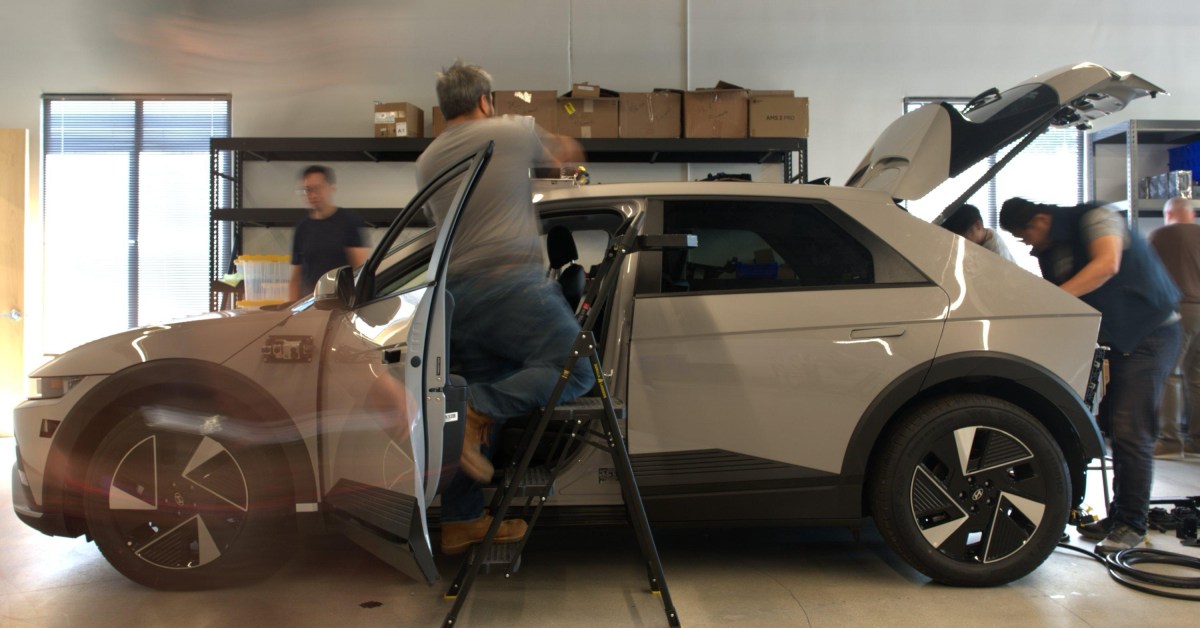
Uber is deploying its own self-driving cars again, just not as robotaxis
Uber has reintroduced its autonomous vehicles to the streets as part of its new Autonomous Vehicle (AV) Lab initiative. This project aims to gather data for its numerous robotaxi partners. The vehicles will be equipped with standard self-driving technology, including cameras, lidar, and radar. However, these cars will not be functioning as fully operational robotaxis during this phase. The decision to restart testing comes as part of Uber's strategy to enhance its data collection capabilities and improve the performance of its autonomous driving systems. The initiative is expected to contribute to the development of safer and more efficient self-driving technology in the future.
Autonomous Cars News Ride-sharing Transportation Uber
Tesla rolls out supervised Full Self-Driving in China in wider global push
Tesla has officially launched its Full Self-Driving system, known as FSD Supervised, in various countries and regions globally, including China. This rollout encompasses over a dozen markets across North America, Asia-Pacific, and Europe. The introduction of this advanced driver-assistance technology signifies Tesla's ongoing efforts to extend its reach beyond the United States, aiming to enhance driving safety and convenience for users worldwide. The deployment of FSD Supervised is part of Tesla's broader strategy to innovate and lead in the autonomous driving sector, leveraging its technology to meet the growing demand for advanced driving solutions.
News Feed
Tesla launches Full Self-Driving in Lithuania
Tesla has announced the rollout of its Full Self-Driving (Supervised) driver assistance software in Lithuania, making it the second European country to implement the system following its provisional approval in the Netherlands last month. The Dutch regulatory body, RDW, granted this approval for public road use on April 10, and Lithuania's Transport Safety Administration has since recognized this certification. This move aligns with RDW's efforts to seek EU-wide acceptance of the technology, which other member states can adopt based on the Dutch approval. While Belgium is anticipated to be the next country to authorize the system, with testing already underway in the Flanders region, Tesla CEO Elon Musk remains optimistic about broader EU approval despite some skepticism from regulators in Nordic countries. The RDW conducted extensive testing of the Full Self-Driving system over a year and a half on both test tracks and public roads before granting its approval. Tesla has also been conducting tests in various other European nations over the past year, further demonstrating its commitment to advancing autonomous driving technology in the region.
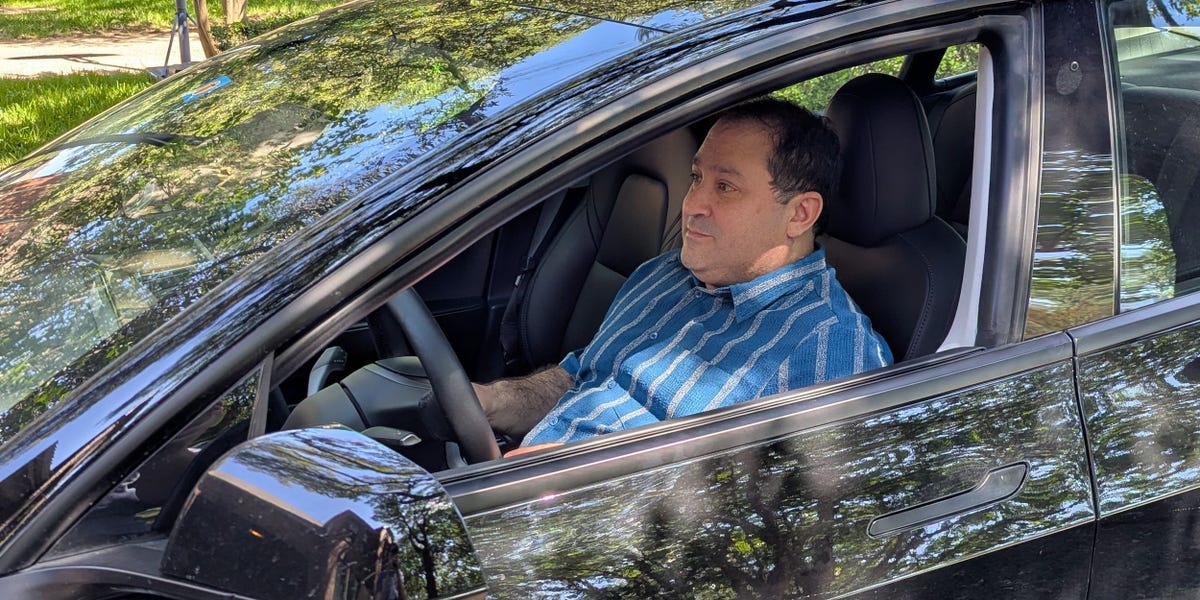
This tech exec sued Tesla over its Full Self-Driving promises — and won
Tesla's recent decision to roll back features of its Full Self-Driving (FSD) system has led to significant frustration among long-time owners of the vehicle. Many of these customers invested thousands of dollars in the promise of fully autonomous driving capabilities. The changes have raised concerns about the reliability and value of the technology, especially for those who anticipated a more advanced driving experience. This situation has unfolded in the wake of ongoing developments in autonomous vehicle technology, prompting discussions about consumer expectations and corporate accountability. As Tesla navigates the complexities of software updates and regulatory scrutiny, the impact on customer satisfaction and trust remains a critical issue for the company.
Tech Transportation tesla fsd robotaxis oracle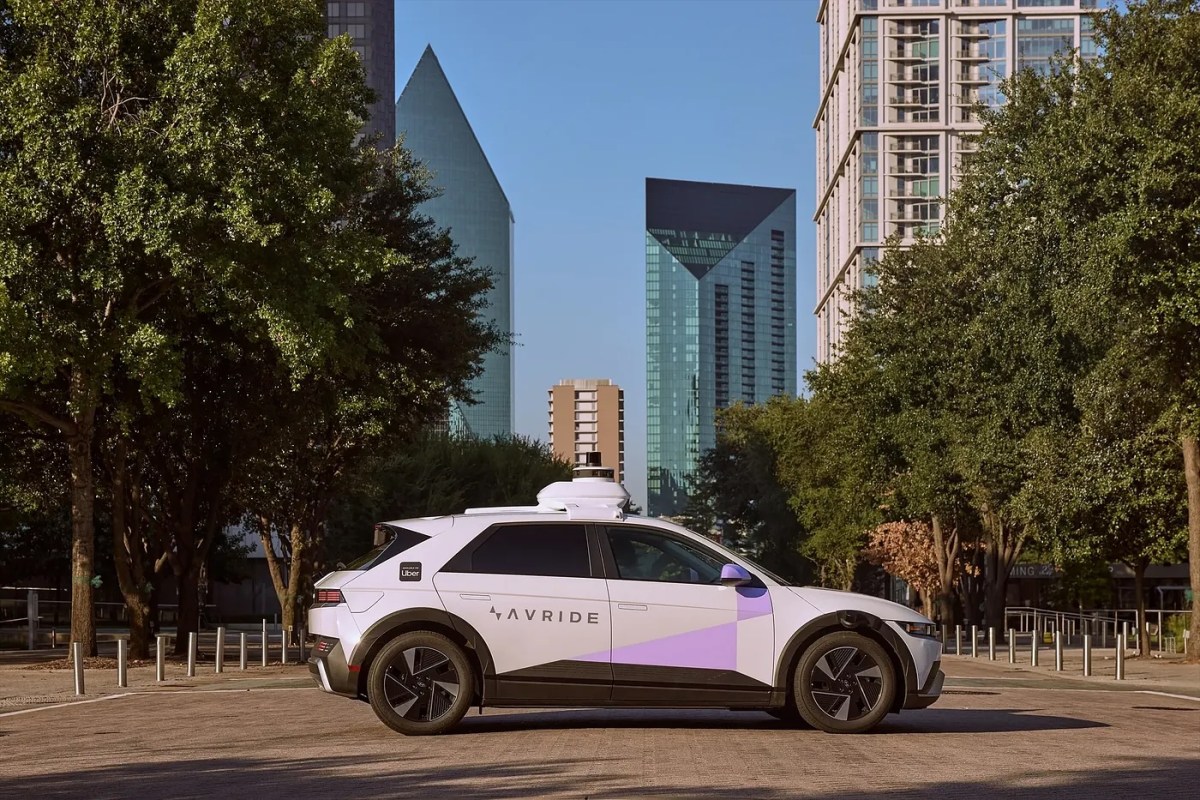
Uber partner Avride is under investigation for self-driving crashes
The National Highway Traffic Safety Administration (NHTSA) has launched an investigation into Avride following reports of over a dozen crashes associated with the ride-sharing service, which have resulted in one minor injury. The inquiry aims to assess the safety protocols and operational practices of the company in light of these incidents. The investigation underscores the agency's commitment to ensuring the safety of transportation services and addressing any potential risks to passengers and other road users. The timeline for the investigation has not been specified, but it reflects growing scrutiny of ride-sharing companies as they expand their operations across various regions.
Transportation autonomous vehicles avride avs nhtsa robotaxis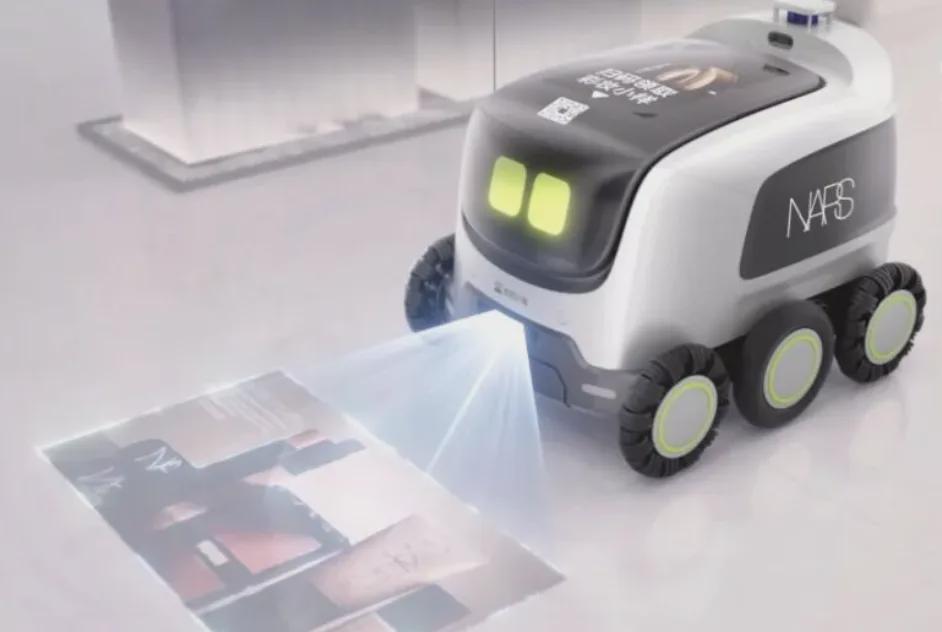
YouTime Technology Secures Hundreds of Millions in Series B Funding, Expanding from L4 Visual Autonomous Driving to Humanoid Robots
YouTime Technology, a company focused on L4 low-speed autonomous driving, has successfully raised hundreds of millions of RMB in a Series B funding round, with Qianhai Ark leading the investment. This funding, finalized recently, aims to facilitate the company's transition to embodied intelligence and advance the development of multimodal AI agents. Additionally, the capital will enhance the visual navigation capabilities of their humanoid robots, positioning YouTime Technology for significant growth in the autonomous driving sector.
Autonomous Driving Humanoid Robots AI Technology Computer Vision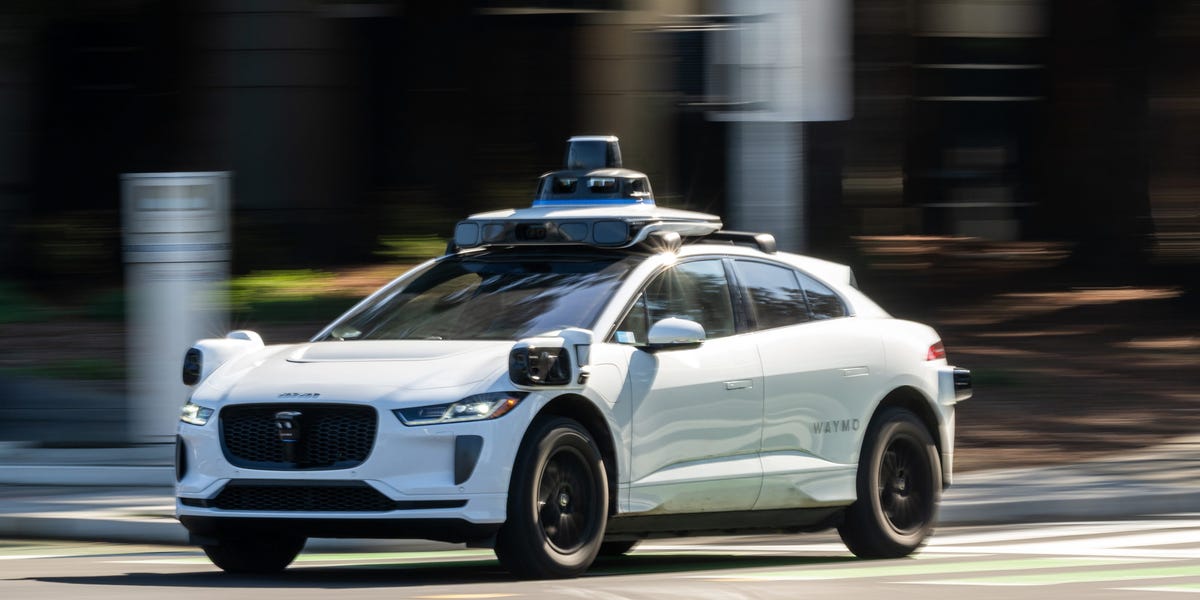
Big money is betting the self-driving future belongs to a small club
The Autonomous Vehicle sector has experienced a significant surge in investment, marking the highest level of capital influx in over a decade. However, this financial boost has predominantly favored a select group of companies, leading to a concentration of funding within the industry. This trend highlights a shift in investor confidence and strategic focus, as stakeholders seek to back firms with proven potential for innovation and market impact. The influx of capital is expected to accelerate advancements in technology and infrastructure, further shaping the future of transportation.
Transportation robotaxi funding
Hyundai Motor, Kia and NVIDIA Expand Strategic Partnership for Next-Generation Autonomous Driving Technology
NVIDIA has announced an expanded collaboration with Hyundai Motor Company and Kia Corporation to enhance the development of next-generation autonomous driving technologies. This partnership will leverage the NVIDIA DRIVE Hyperion™ platform, which is designed to support the creation of advanced autonomous vehicles. The announcement was made today, signaling a significant step forward in the automotive industry’s push towards fully autonomous driving solutions. This collaboration aims to combine NVIDIA's cutting-edge technology with Hyundai and Kia's automotive expertise to accelerate innovation in self-driving capabilities.
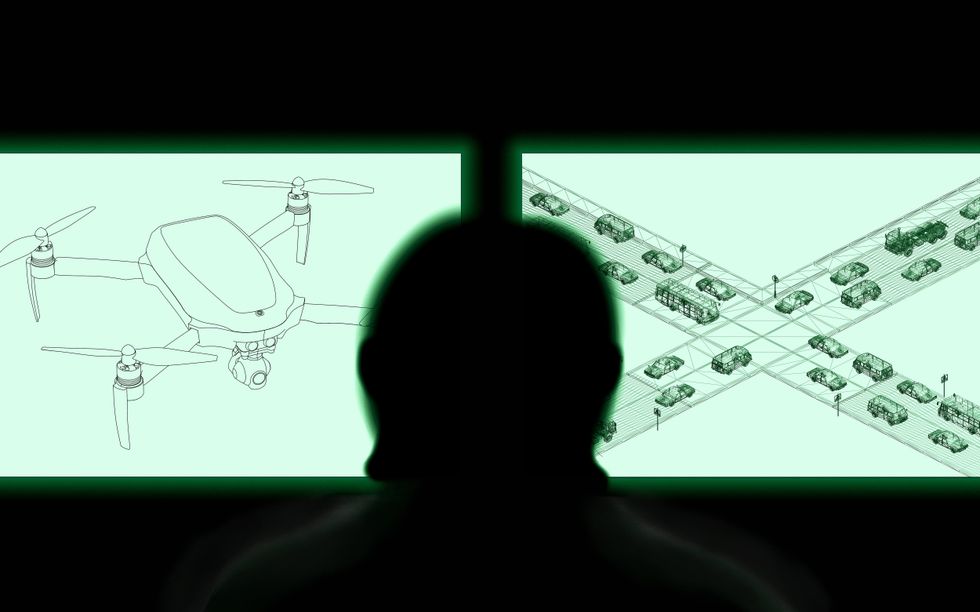
What Military Drones Can Teach Self-Driving Cars
Self-driving cars are facing significant challenges in navigating common driving scenarios, such as construction zones and interactions with pedestrians, often leading to unpredictable behavior and traffic disruptions. To mitigate these issues, companies in the autonomous vehicle sector employ human operators to remotely supervise and intervene when necessary. This practice, reminiscent of military operations with unmanned aerial vehicles (UAVs), has revealed that self-driving firms have not fully adopted critical lessons learned from decades of military experience. A recent analysis highlights the importance of addressing latency issues, as communication delays can severely impact the effectiveness of remote control. Historical data shows that early UAV operations suffered from high accident rates due to similar challenges. Furthermore, poor interface design and operator workload management have been identified as key factors contributing to errors in both military drone operations and self-driving car supervision. The military's extensive experience underscores the necessity for rigorous training programs and robust contingency planning, areas where self-driving companies currently lack transparency and standards. Incidents, such as the 2025 San Francisco power outage that left Waymo vehicles immobilized, illustrate the potential dangers of inadequate emergency protocols. As the self-driving industry continues to evolve, it is crucial for these companies to learn from military drone operations to enhance safety and reliability. A comprehensive paper on these findings will be presented at the 2026 IEEE International Conference on Human-Machine Systems in Singapore.
Drones Military-robots Self-driving-cars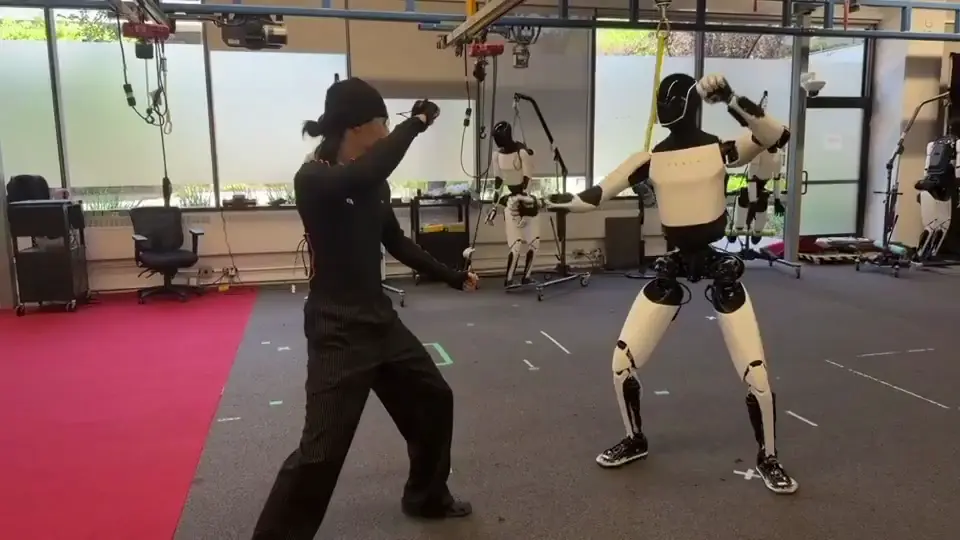
Tesla Optimus Shows Off Kung Fu Moves, as AI Lead Highlights Unified Self-Driving Brain
Tesla's humanoid robot, Optimus, showcased its capabilities in a recent video by engaging in a sparring match with a human, revealing impressive speed and fluidity. The demonstration, which has garnered attention for its innovative approach to robotics, was accompanied by insights from Ashok Elluswamy, the lead for the Optimus project. He emphasized the company's strategic initiative to integrate the artificial intelligence models used for Optimus with those powering Tesla's self-driving vehicles. This move aims to enhance the functionality and efficiency of both technologies, reflecting Tesla's commitment to advancing AI in various applications.
Optimus Tesla AI Ashok Elluswamy Elon Musk robotics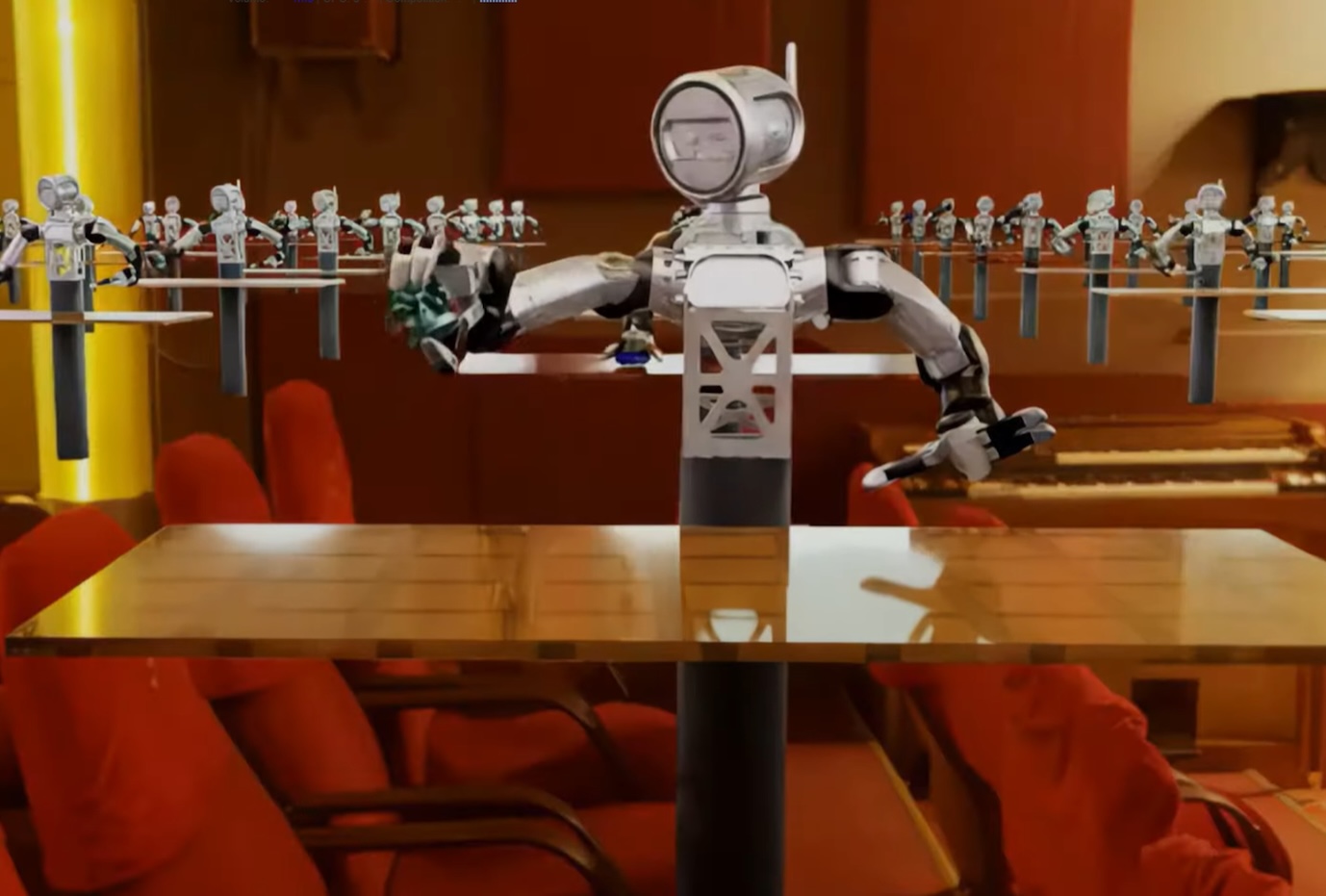
China’s Waymo rival Pony.ai slashes self-driving stack cost by 70%
Pony.ai, a leading autonomous vehicle company, has announced that its latest generation of robotaxis will be priced 20% to 30% lower than those offered by its US competitor, Waymo, a self-driving unit of Alphabet. This pricing strategy, revealed by CEO James Peng, aims to enhance the company's competitive edge in the rapidly evolving autonomous transportation market. The announcement comes as Pony.ai continues to expand its operations and refine its technology, positioning itself as a cost-effective alternative in an industry dominated by major players. By leveraging advancements in artificial intelligence and vehicle design, Pony.ai seeks to attract a broader customer base and accelerate the adoption of self-driving services.
News Up and Comers Highlight Mobility Unmanned vehicles
Chinese self-driving truck startup Inceptio eyeing US IPO: report
Inceptio, a Chinese developer of self-driving trucks, is considering an initial public offering (IPO) in the United States, aiming to raise between $100 million and $200 million this year, according to sources familiar with the situation. This potential move comes amid a resurgence of investor interest in technology listings, particularly following the positive market reception of companies like Pony.ai and WeRide, both of which focus on autonomous vehicle technology. The decision reflects a broader trend of renewed optimism in the robotics and autonomous driving sectors, as investors look to capitalize on advancements and growth opportunities in this rapidly evolving industry.
News FeedRobotics needs a service framework.
RSF defines a common language for robot service capability, lifecycle operations, certification pathways, and service-provider networks.
Join the RobotToday community on LinkedIn
Daily robotics news, in-depth analysis, conference highlights, and discussions with professionals worldwide.







