Industry Briefing
A single destination for timely, editor-curated robotics news from around the world.
Runway Unveils Praxis-1, a Generalist Action Model for Robotics Applications
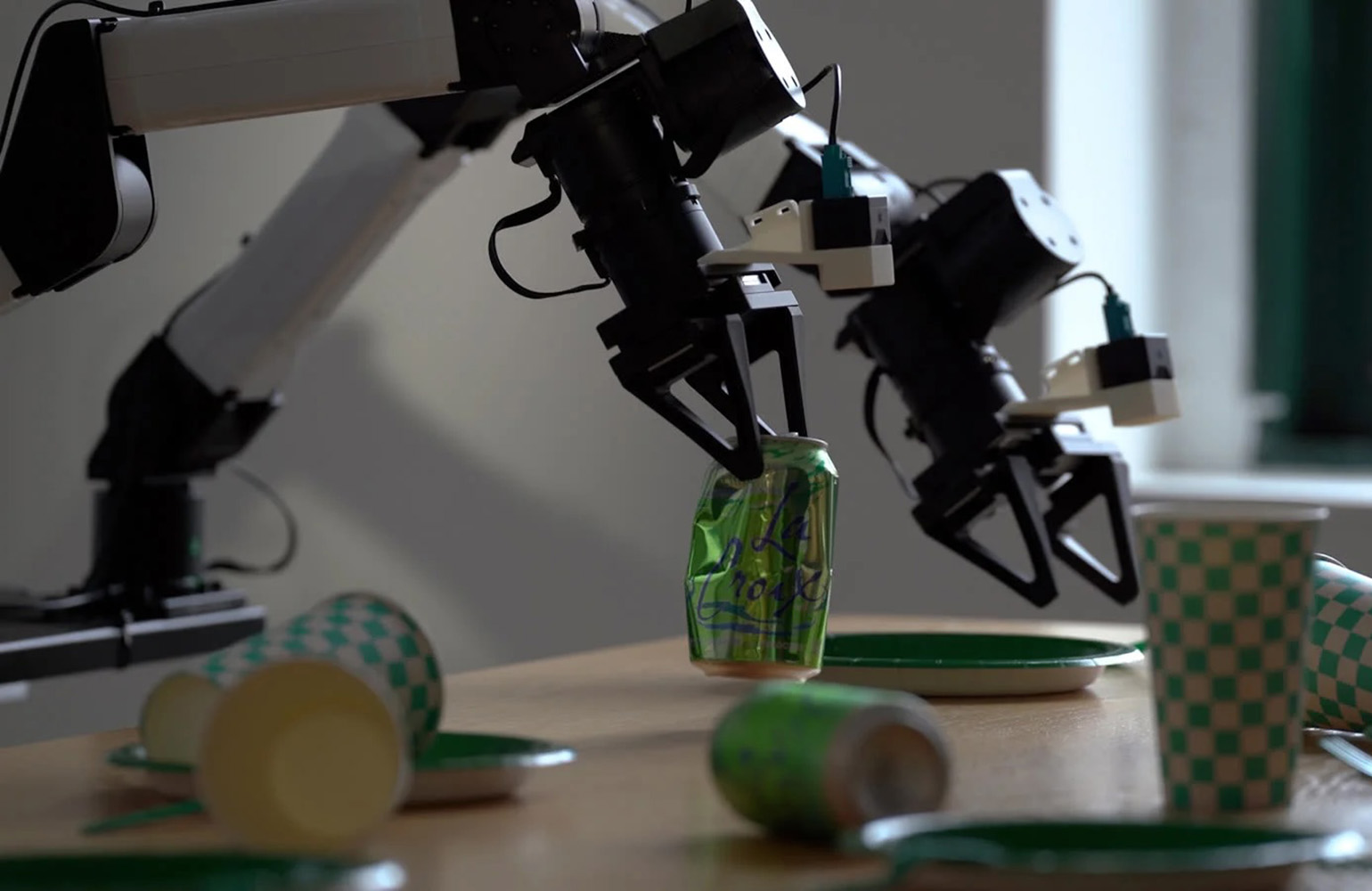
Runway AI Inc. has introduced Praxis-1, an open-weight world action model designed to enhance robotic control through video pretraining. The company is currently testing Praxis-1 across various embodiments and environments to identify and address potential gaps before its general release. The significance of Praxis-1 lies in its ability to learn primarily from third-person video, which alleviates the challenges associated with the scarcity and cost of robot data collection. According to Kamil Sindi, Runway's CTO, the model's performance improves with increased video input, allowing it to understand object behavior and task execution without relying heavily on robot demonstrations. Looking ahead, Runway plans to publicly release Praxis-1 in the coming months after thorough testing with early partners. The model aims to provide a versatile policy framework for robotics developers and researchers, capable of functioning across diverse environments and embodiments, thereby addressing the current limitations in robotics training data.
6-Axis Arms / Manipulators Artificial Intelligence Artificial Intelligence / Cognition Controllers Design / Development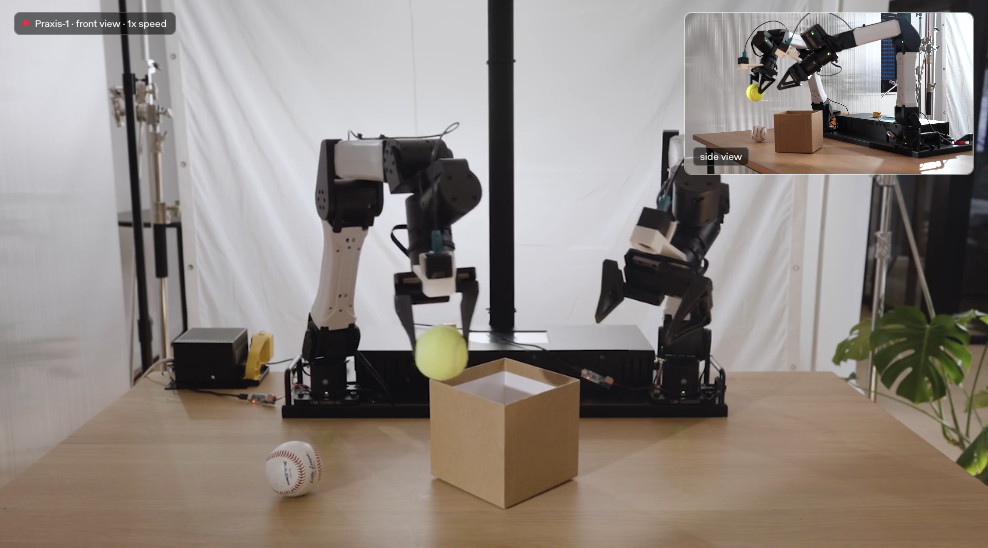
Runway Expands into Robotics with Praxis-1 Open-Weight AI Model for Physical Control
Runway, a prominent developer of generative AI video technology, is venturing into robotics with the introduction of Praxis-1, an open-weight AI model. This model is designed to leverage knowledge gained from video to control physical robots, allowing developers to download and adapt it independently rather than relying solely on Runway's servers. The significance of Praxis-1 lies in its potential to revolutionize how robots learn and operate. By utilizing vast amounts of ordinary video data instead of solely relying on expensive and time-consuming robot-generated training data, Runway aims to enhance the learning process for robots. This approach could provide robots with a better understanding of object behavior and physical interactions, giving them a competitive edge in the rapidly evolving robotics market. Looking ahead, Runway is currently testing Praxis-1 with partners such as Noble Machines, Standard Bots, and Ultra Robotics across various robot hardware types. The company plans to make the model publicly available in the coming months, marking a significant step in its expansion beyond generative video technology into the physical AI and robotics sector.
Vogue World Milan Features Robots on Runway, Sparking Mixed Reactions
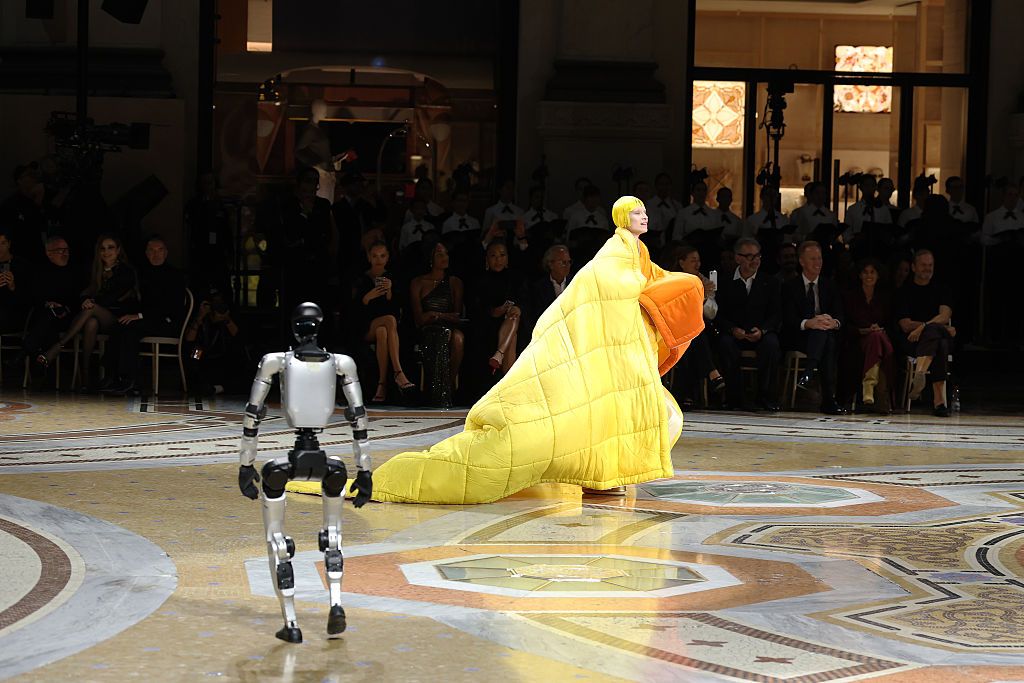
Vogue World concluded its Milan edition this week with a performance featuring humanoid robots from the Chinese company Unitree. The act, titled The Age of Intelligence, showcased the robots dancing to Gigi D’Agostino’s 'L’Amour Toujours,' which drew significant attention away from the fashion presented at the event. The inclusion of robots in a show that was marketed as a celebration of Italian craftsmanship and the human touch raised eyebrows, particularly given the current socio-economic climate. Critics expressed concerns about the implications of technology on employment and the growing influence of tech elites in the fashion industry, especially as Vogue prepares for its next edition in San Francisco. Looking ahead, the upcoming Vogue World San Francisco is expected to continue this trend of blending fashion with technology. However, the reception of the robots at the Milan event suggests that there may be pushback against this integration, reflecting broader societal anxieties about automation and its impact on livelihoods. No further timeline was disclosed at the time of publication.
Media & Entertainment Fashion vogue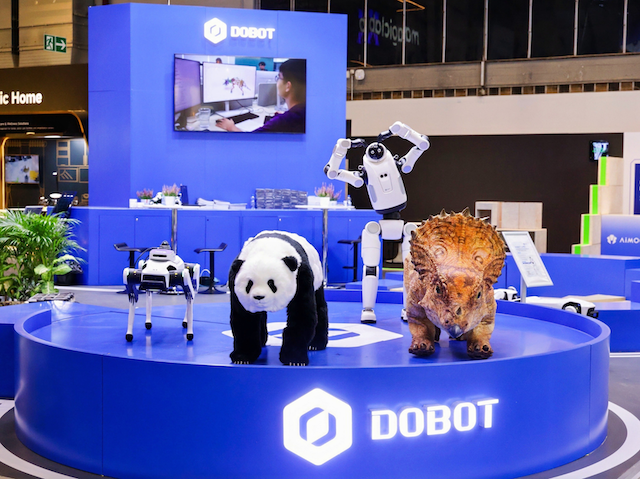
DOBOT Showcases Innovative Robotics at IFA Berlin 2026 with Consumer-Focused Products
DOBOT Robotics is presenting its diverse robotics portfolio at IFA Berlin 2026, featuring products like the Rover X1 robotic dog and DOBOT LUMO humanoid robot. This event marks a significant shift towards consumer-oriented robotics, showcasing how these technologies can enhance everyday experiences. The importance of this exhibition lies in DOBOT's commitment to expanding robotics beyond industrial applications. By introducing robots designed for entertainment, education, and interaction, DOBOT aims to make robotics more accessible and engaging for the general public. Looking ahead, the focus will be on how DOBOT continues to innovate in the consumer robotics space. With products like the panda-inspired Pandabo and the dinosaur-themed Rover X1 Auton Roamer Sinoceratops, the company is set to redefine the role of robotics in daily life. No further timeline was disclosed at the time of publication.
cobot welding robotic welding welding robot welding automation 6D Touch Positioning Through Arc Seam Tracking
Kratos Defense's Valkyrie Drone Completes Successful Flight with F-35 Fighters
The US military is advancing towards integrating uncrewed aircraft with advanced fighter jets, specifically the F-35 and F/A-18. Kratos Defense & Security Solutions has showcased its XQ-58A Valkyrie drone's capabilities during a recent flight test in Southern California, where it successfully operated alongside Marine Corps fighters. This demonstration is significant as it highlights the potential for autonomous aircraft to enhance mission capabilities in contested airspaces. The Valkyrie's successful launch from a zero-length system and its ability to transition control between different systems underscore the importance of interoperability in military operations. Looking ahead, Kratos plans to scale production of the Valkyrie, aiming for over 150 unmanned aircraft systems by 2026. The ongoing collaboration with Northrop Grumman for the MUX TACAIR program will further adapt the Valkyrie for advanced missions, emphasizing the need for open-architecture systems in modern military aviation.
Military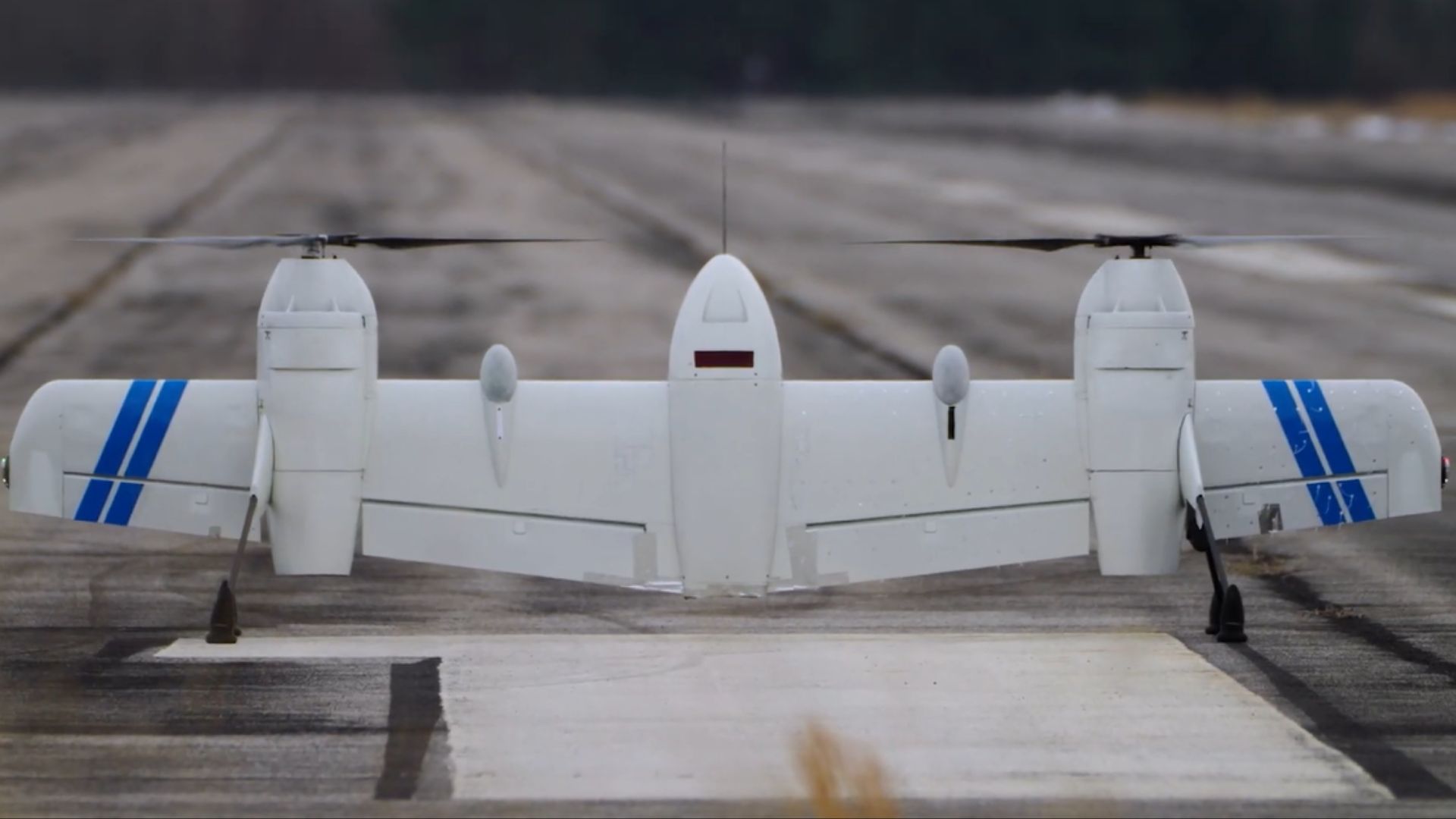
Sikorsky's Nomad 100 Drone Advances with Successful Flight Tests for Military Operations
Sikorsky has initiated flight testing for its Nomad 100 uncrewed aircraft, marking a significant milestone in the DARPA-supported Early VTOL Aircraft Demonstration (EVADE) program. The aircraft is designed for operations without runways, enabling it to launch from remote locations and support various military missions, including logistics and reconnaissance. The Nomad 100's unique rotor-blown wing architecture allows it to combine vertical lift with fixed-wing performance, providing military operators with enhanced flexibility in environments lacking prepared runways. This capability is crucial for missions in contested areas, and the aircraft can operate in adverse weather across land and maritime settings. Looking ahead, Sikorsky plans to conduct more rigorous flight evaluations at a government facility to assess the Nomad 100's performance across diverse mission profiles. The ongoing development of the aircraft aligns with Sikorsky's commitment to advancing autonomous technology for military applications, as emphasized by Rich Benton, the company's vice president and general manager.
Military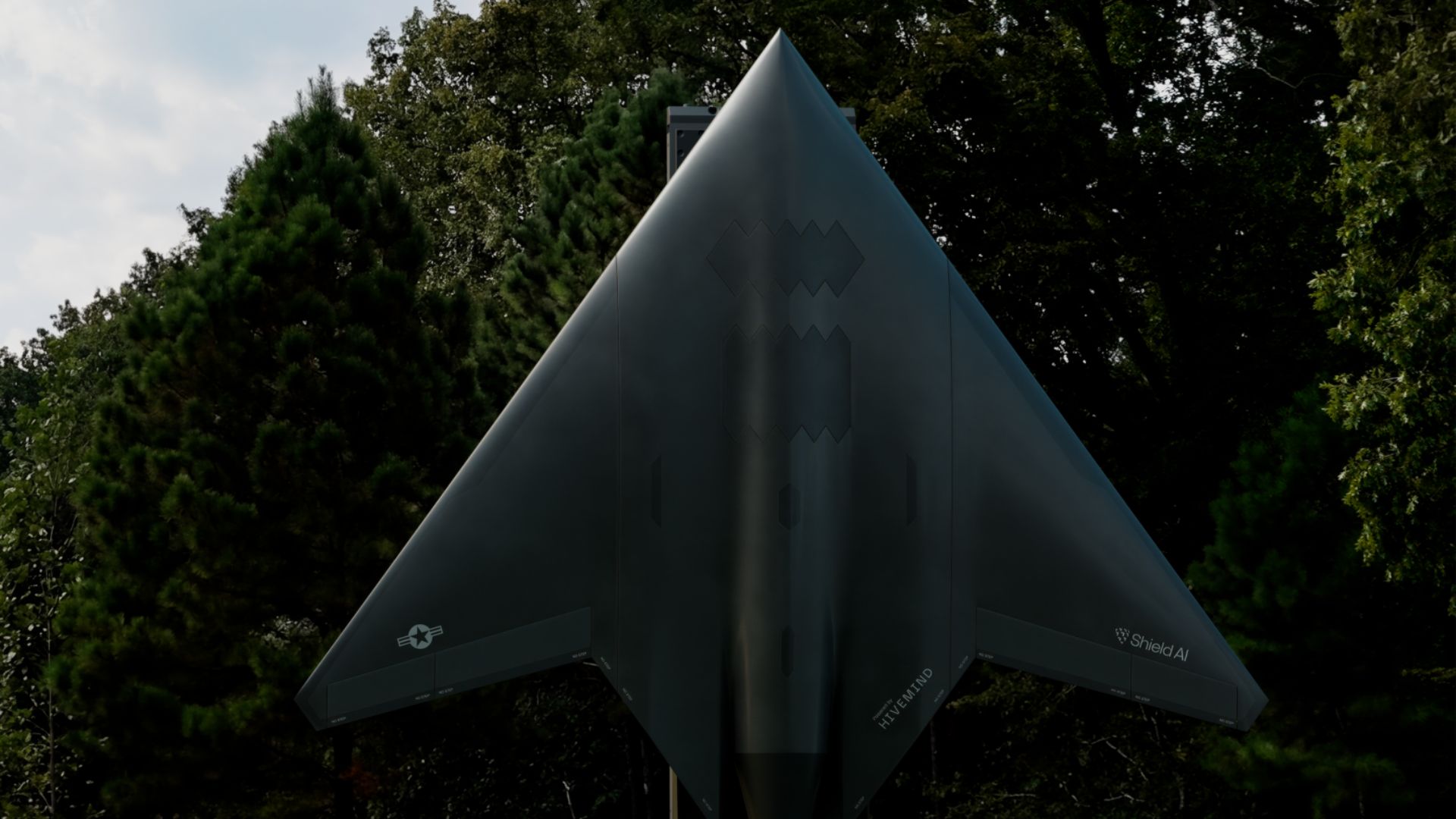
GE Aerospace and Shield AI Achieve Milestone in X-BAT Aircraft Engine Testing
GE Aerospace and Shield AI have successfully completed critical engine tests for the X-BAT unmanned strike aircraft, advancing the project towards vertical flight testing scheduled for later this year. The tests involved the integration and actuation of the Axisymmetric Vectoring Exhaust Nozzle (AVEN) on the F110-GE-129E engine, confirming the propulsion system's functionality. This achievement is significant as it marks the first fully integrated test of the nozzle and engine systems since the 1990s, showcasing the potential of the AVEN to enable vertical takeoff and landing without runways. The X-BAT is designed for deployment in areas lacking traditional airbases, enhancing operational flexibility in combat scenarios. Looking ahead, the next phase involves further ground tests of the AVEN before its installation on the X-BAT prototype for flight trials. The collaboration between GE Aerospace and Shield AI aims to refine the propulsion system, making future iterations of the X-BAT faster, lighter, and more capable for long-range missions.
Innovation Military Transportation
Vision‐Based Runway Detection and Localization for Aircraft Landing in Global Navigation Satellite System‐Denied Environments
In the May 2026 issue of the Journal of Field Robotics, researchers have published a groundbreaking study that explores advancements in autonomous robotic systems. The study, conducted by a team of engineers and scientists, focuses on enhancing the navigation capabilities of robots in complex environments. This research aims to address the growing demand for efficient and reliable robotic solutions in various industries, including agriculture, logistics, and disaster response. The findings reveal innovative algorithms that enable robots to better interpret their surroundings and make real-time decisions, significantly improving their operational efficiency. The team conducted extensive field tests to validate their models, demonstrating the robots' ability to navigate challenging terrains while avoiding obstacles and adapting to dynamic conditions. This research is particularly timely as industries increasingly rely on automation to boost productivity and safety. By advancing the technology behind autonomous navigation, the study contributes to the broader goal of integrating robots into everyday tasks, ultimately transforming how businesses operate and respond to emergencies. The implications of this work could lead to more widespread adoption of robotic systems, paving the way for a future where robots play a crucial role in enhancing human capabilities.
RESEARCH ARTICLE
Geekplus Powers Live Warehouse Robotics for Immersive, Shoppable Fashion Runway
Geekplus is set to sponsor an innovative event, the world's first AI-driven, immersive, shoppable fashion runway, scheduled for February 26, 2026, in Manchester, UK. This groundbreaking showcase will demonstrate the fusion of robotics and e-commerce, with Geekplus' autonomous mobile robots executing real-world warehouse operations. The event aims to emphasize the critical role of automation in shaping the future of retail, offering attendees a unique experience that blends fashion with cutting-edge technology.
Warehouse Robotics E-commerce Fashion Technology Retail Automation
Robots on the Runway
In a groundbreaking fashion show, robots showcased their capabilities by strutting, spinning, and dancing alongside human models, merging the realms of art and engineering. This unique event aimed to explore the potential for coexistence between humans and machines, featuring robots adorned in metallic fabrics and sculptural garments. The performance, held at the Robotics Institute at Carnegie Mellon University, highlighted the innovative intersection of technology and artistic expression, prompting audiences to reconsider the future of collaboration between robotics and human creativity.
Announcements ResearchRobotics needs a service framework.
RSF defines a common language for robot service capability, lifecycle operations, certification pathways, and service-provider networks.
Join the RobotToday community on LinkedIn
Daily robotics news, in-depth analysis, conference highlights, and discussions with professionals worldwide.