

Industry Briefing
A single destination for timely, editor-curated robotics news from around the world.
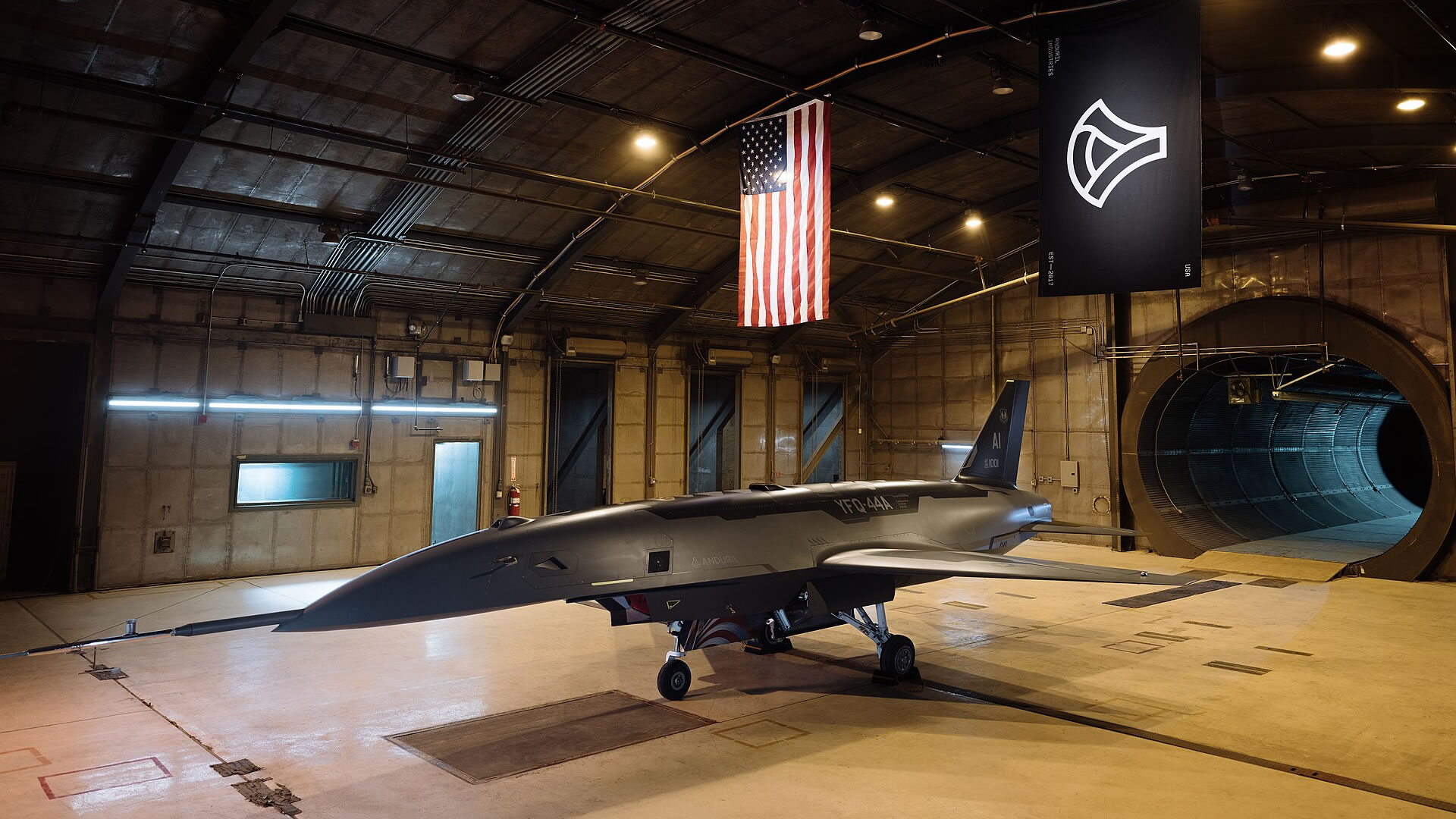
US Air Force Receives First Collaborative Combat Aircraft for Autonomous Warfare Trials
The United States Air Force (USAF) has received its first two Collaborative Combat Aircraft (CCA) designs, the YFQ-44A 'Fury' and YFQ-42A 'Vengeance', at Creech Air Force Base, Nevada. These aircraft will be tested for their operational capabilities alongside crewed fighters in contested airspace. The introduction of CCAs is significant as they are designed to be semi-autonomous and provide a cost-effective solution for missions in high-risk environments. They can carry payloads for offensive and defensive actions, allowing crewed aircraft like the F-35 to operate more safely while coordinating with the CCAs. Moving forward, the USAF will focus on operational experimentation with the CCAs, determining logistics such as the number of personnel required for operation and the optimal handling of multiple CCAs by a single pilot. No further timeline was disclosed at the time of publication.
AI and Robotics Military
South Korea's Air Force Welcomes First Locally Developed KF-21 Fighter Jet
South Korea has officially inducted the KF-21 fighter jet into its air force, marking a significant milestone for the nation's defense industry. This development showcases South Korea's growing capabilities in military aviation and its commitment to enhancing national security. The introduction of the KF-21 is crucial as it represents a leap forward in South Korea's defense technology, reducing reliance on foreign military equipment. This advancement is expected to bolster the country's defense posture amid regional security challenges. Looking ahead, the KF-21's operational deployment will be closely monitored, as it could influence defense strategies in the region. No further timeline was disclosed at the time of publication.
Air Warfare Global Air Force Asia Indo-Pacific KF-21
Air Force Maintains China Aerospace Studies Institute Despite Director's Concerns
The Air Force has asserted that the China Aerospace Studies Institute (CASI) will continue its operations without civilian personnel. However, Brendan Mulvaney, the director of CASI, expressed skepticism about this claim, stating that the institute's functionality without civilian staff is 'not credible.' This situation highlights the ongoing debate regarding the viability of military think-tanks and their reliance on civilian expertise. Mulvaney's comments suggest that the Air Force's position may overlook critical operational needs, raising questions about the future effectiveness of CASI in providing insights on aerospace developments in China. Observers should monitor how the Air Force addresses these concerns moving forward. The ongoing discussions around CASI's operational structure may influence its ability to contribute meaningfully to U.S. defense strategies regarding China. No further timeline was disclosed at the time of publication.
Air Warfare Air Education and Training Command Air Force Asia China civilian workforce
Royal Australian Air Force Achieves Key Milestones in Air Surveillance Capabilities
The Royal Australian Air Force (RAAF) has announced significant advancements in its air surveillance and reconnaissance capabilities. This enhancement comes with the confirmation of key milestones across three crucial aircraft fleets, marking a pivotal moment for Australia's defense operations. These developments are vital as they strengthen Australia's ability to monitor and respond to aerial threats, ensuring national security. The RAAF's progress in upgrading its aircraft fleets underscores the commitment to maintaining a robust defense posture in an increasingly complex geopolitical landscape. Looking ahead, stakeholders will be keen to observe further advancements in the RAAF's capabilities and any additional milestones that may be achieved. No further timeline was disclosed at the time of publication.
News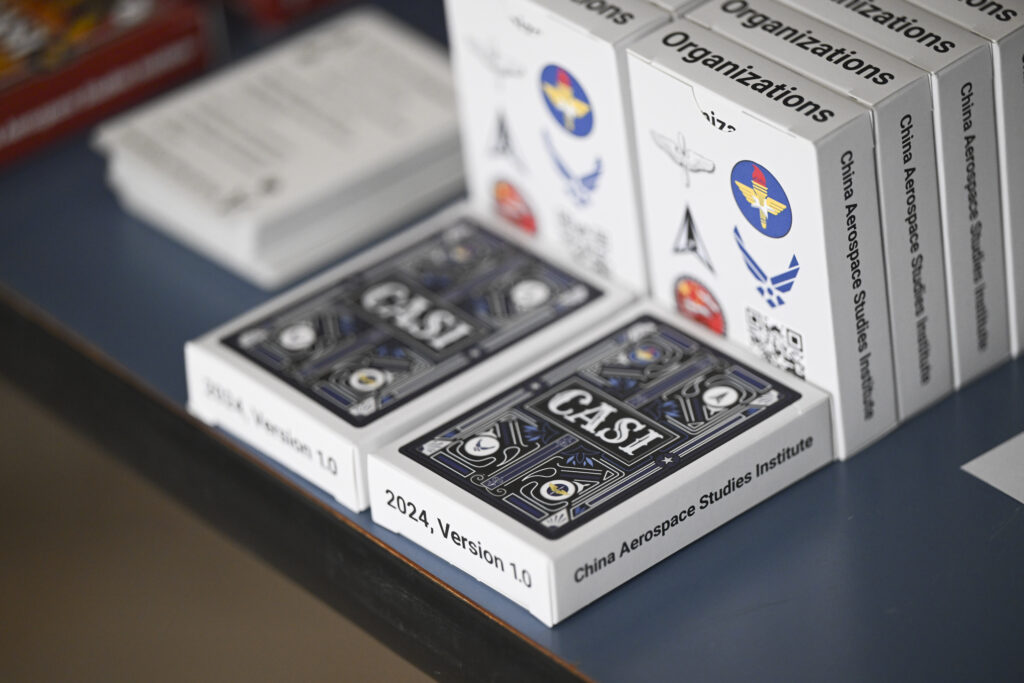
Air Force Confirms Continuation of China Aerospace Studies Institute Amid Civilian Staff Cuts
The Air Force has announced that it will eliminate civilian staff roles at the China Aerospace Studies Institute (CASI) but will not close the organization. An Air Force spokesperson stated that military service members will take over the institute's mission, which focuses on studying Chinese airpower. Affected civilian employees will remain in their positions until further notice and will be considered for reassignment. This decision comes as part of a broader civilian restructure within the Air Force’s Air Education and Training Command. CASI serves as a key think tank that publishes research on China's military capabilities, aiming to inform U.S. military strategy and policy. The institute's latest publication discusses how technologies intended for space exploration may enhance military operations in the Pacific region. As the Air Force navigates these changes, questions arise regarding similar research initiatives within the Army and Navy. While the Naval War College confirmed no anticipated changes at its China Maritime Studies Institute, the status of the Army's China Landpower Studies Center remains unclear. No further timeline was disclosed at the time of publication.
Air Warfare Global Air Education and Training Command Air Force Asia China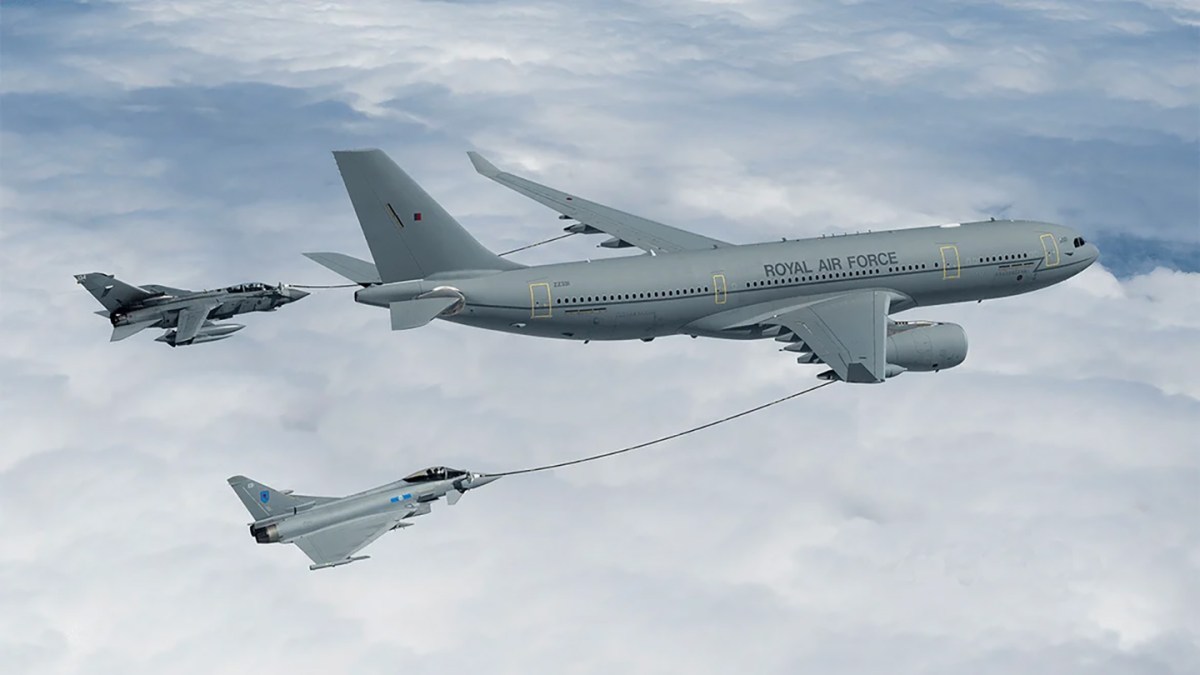
Royal Air Force Deploys Voyager Tanker to Support Saudi Arabia Against Houthi Attacks
The Royal Air Force (RAF) is deploying a Voyager aerial refueling jet to assist Saudi Arabia in defending against Houthi attacks from Yemen. This marks the first known international military support specifically aimed at countering the Houthi threat, which has escalated since the summer. This deployment is significant as it highlights the UK's commitment to Saudi Arabia amidst ongoing regional tensions. While the RAF's action involves only one tanker, it underscores the urgency of the situation, especially as other allies have not yet provided military assistance to the Kingdom in its fight against the Houthis. Looking ahead, the RAF's Voyager will operate from a UK air base in Cyprus and is set to begin air-to-air refueling operations shortly. The Ministry of Defense emphasized the importance of preventing Houthi success, as it poses a threat to stability in the Middle East and could lead to economic repercussions in the UK, including rising energy prices and supply disruptions.
Air Air Forces Around The Globe Iran Middle East News & Features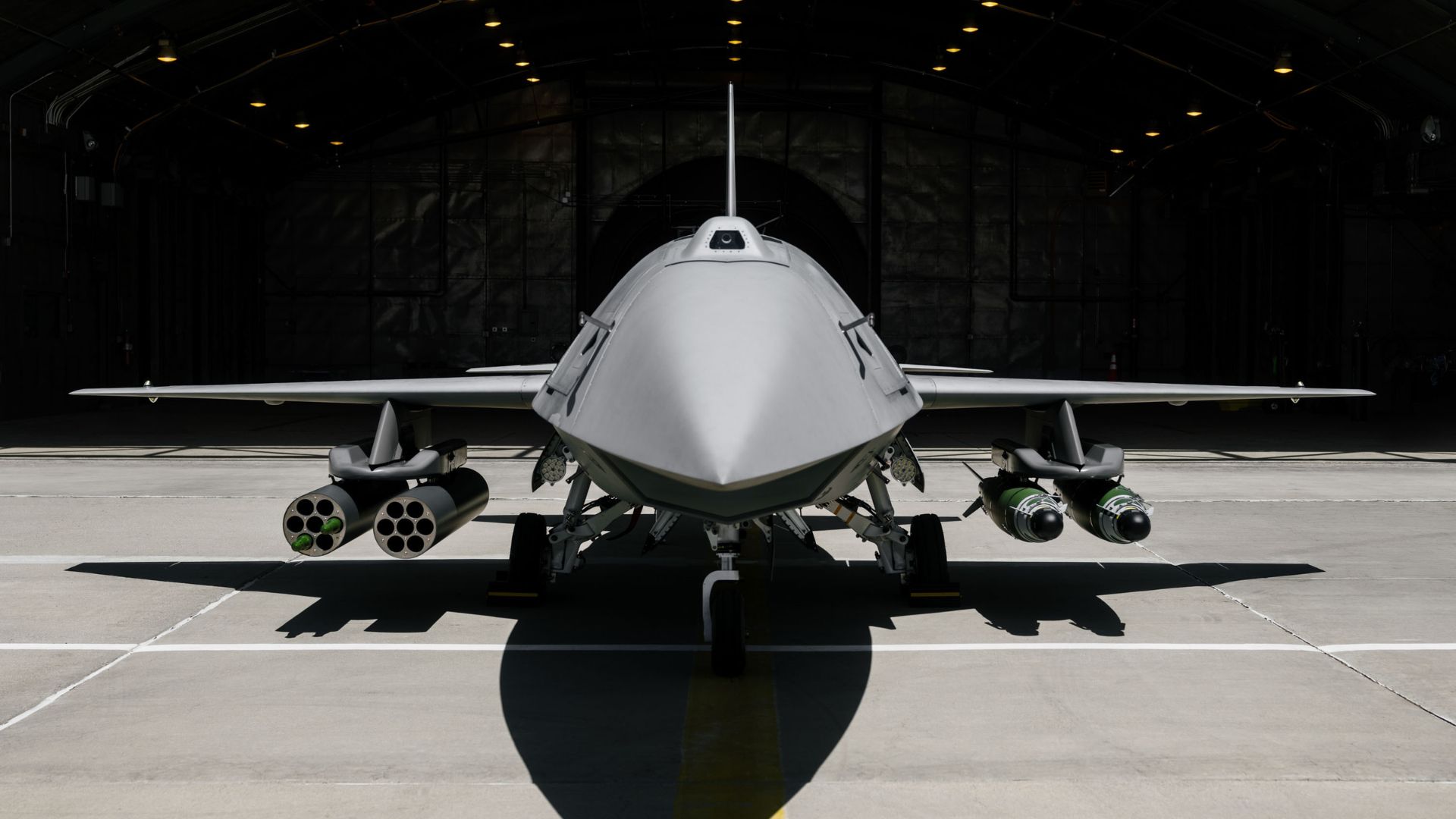
Anduril Industries Unveils Weapon Configurations for FQ-44A Fury Drone for US Air Force
Anduril Industries has released new images of its FQ-44A Fury uncrewed combat aircraft during weapons fit checks, showcasing its capability to carry guided bombs, rocket pods, and other external munitions. This development is part of the U.S. Air Force’s Collaborative Combat Aircraft (CCA) program, aimed at integrating uncrewed aircraft with crewed fighters. The FQ-44A Fury, previously known as YFQ-44A, was selected by the Air Force in April 2024 as one of the first aircraft for the CCA initiative. The program seeks to enhance mission flexibility by allowing uncrewed aircraft to operate alongside existing fighter jets, such as the F-22 and F-35, without the need for additional pilots. Looking ahead, the Air Force plans to acquire at least 500 CCA aircraft, with an initial order of 100 to 150. The specific number of FQ-44s versus YFQ-42As has not been disclosed. No further timeline was disclosed at the time of publication.
Military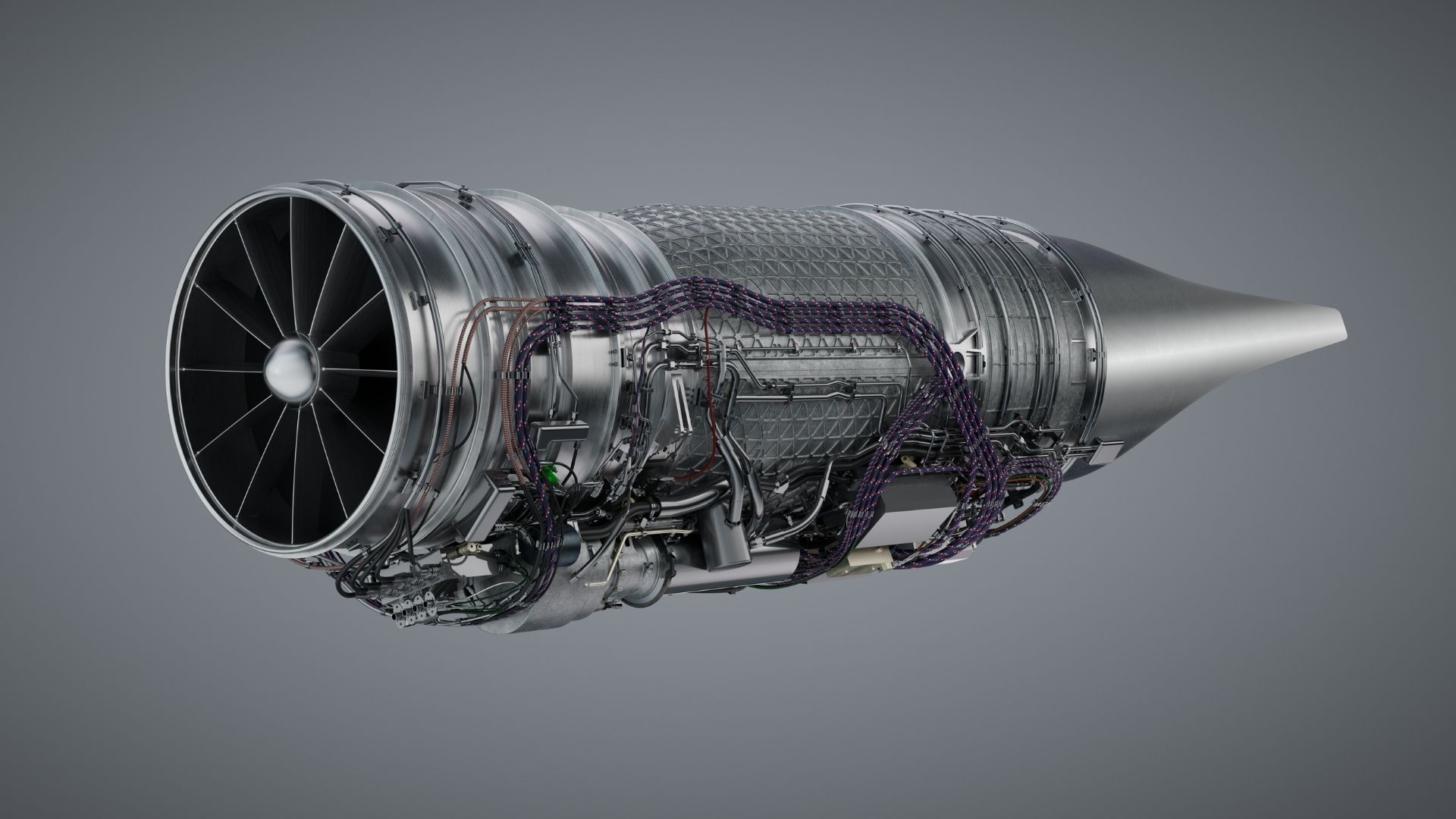
GE Aerospace Advances in XA102 Engine Development for U.S. Air Force Program
GE Aerospace is progressing towards the assembly of its XA102 adaptive cycle engine, a crucial component for the U.S. Air Force's Next Generation Adaptive Propulsion (NGAP) program. The company is currently collaborating with suppliers to procure hardware and test components in preparation for the assembly of the first XA102 test asset. This initiative builds on GE's previous XA100 engine program, introducing a digitally driven design and manufacturing approach. Notably, GE is employing model-based definition (MBD) to streamline the process, allowing for a machine-readable digital model that integrates engineering, manufacturing, and inspection, potentially reducing errors and accelerating the transition from design to hardware. While the XA102 is not yet operational, its development signifies a shift towards physical engine hardware, leveraging insights from the XA100 program. The successful implementation of this digital approach could enhance the aerospace industry's ability to adapt to future propulsion needs, particularly as military aircraft evolve to accommodate advanced technologies and systems.
Military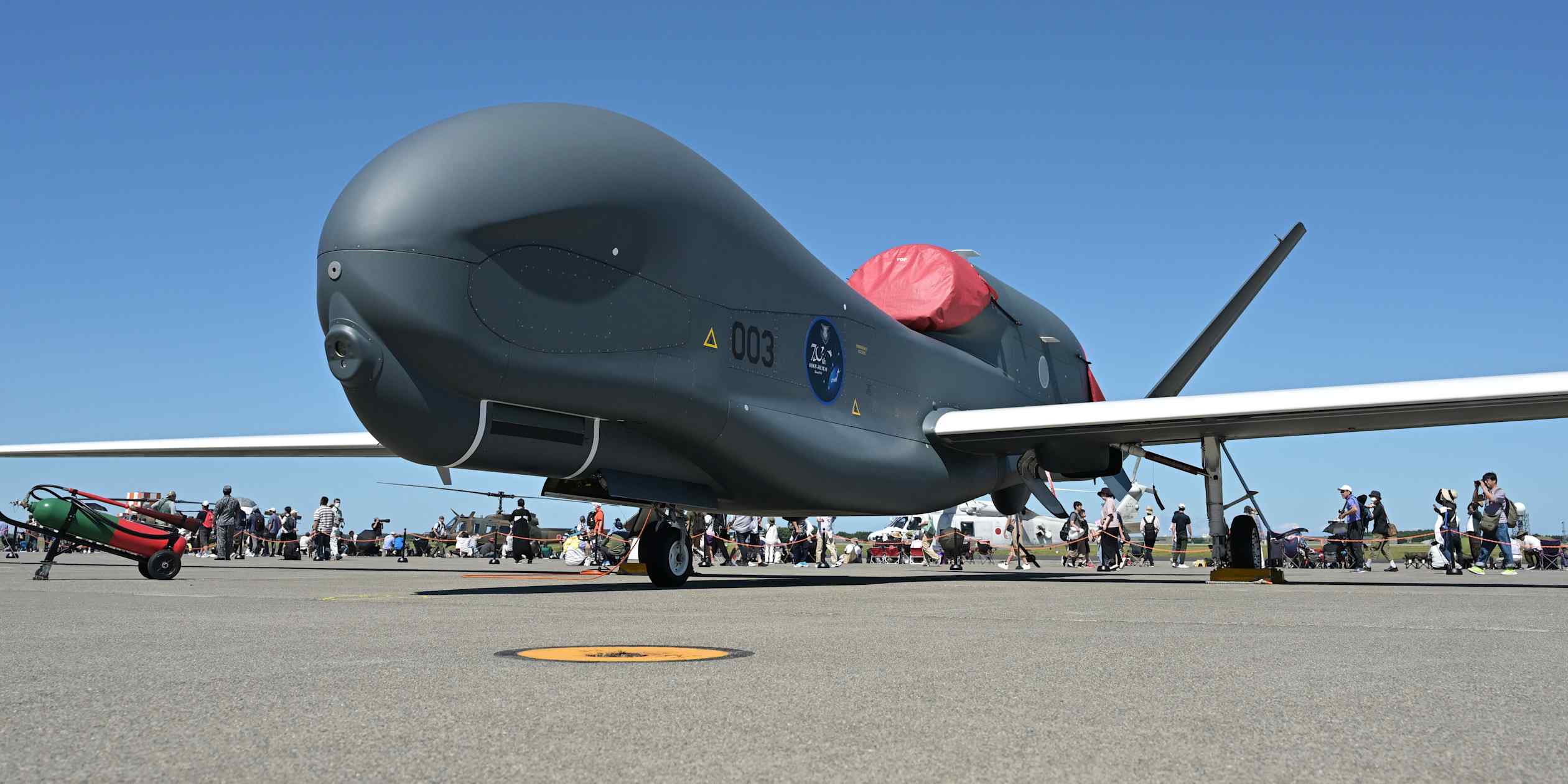
Japan Air Self-Defense Force Confirms Crash of Global Hawk Drone Off Tottori Coast
The Japan Air Self-Defense Force (JASDF) has confirmed that its Global Hawk RQ-4B unmanned reconnaissance drone crashed after losing ground contact. The confirmation came after debris was found floating off the coast of Tottori prefecture, identified as belonging to the drone. This incident is significant as it raises concerns about Japan's surveillance capabilities and overall defense posture. The loss of the Global Hawk, known for its advanced reconnaissance capabilities, may impact Japan's ability to monitor regional threats effectively. Moving forward, the JASDF has dispatched an investigation team to determine the cause of the crash. No further timeline was disclosed at the time of publication.
U.S. Air Force Leader in Europe to Implement NATO's New Air Defense Strategy
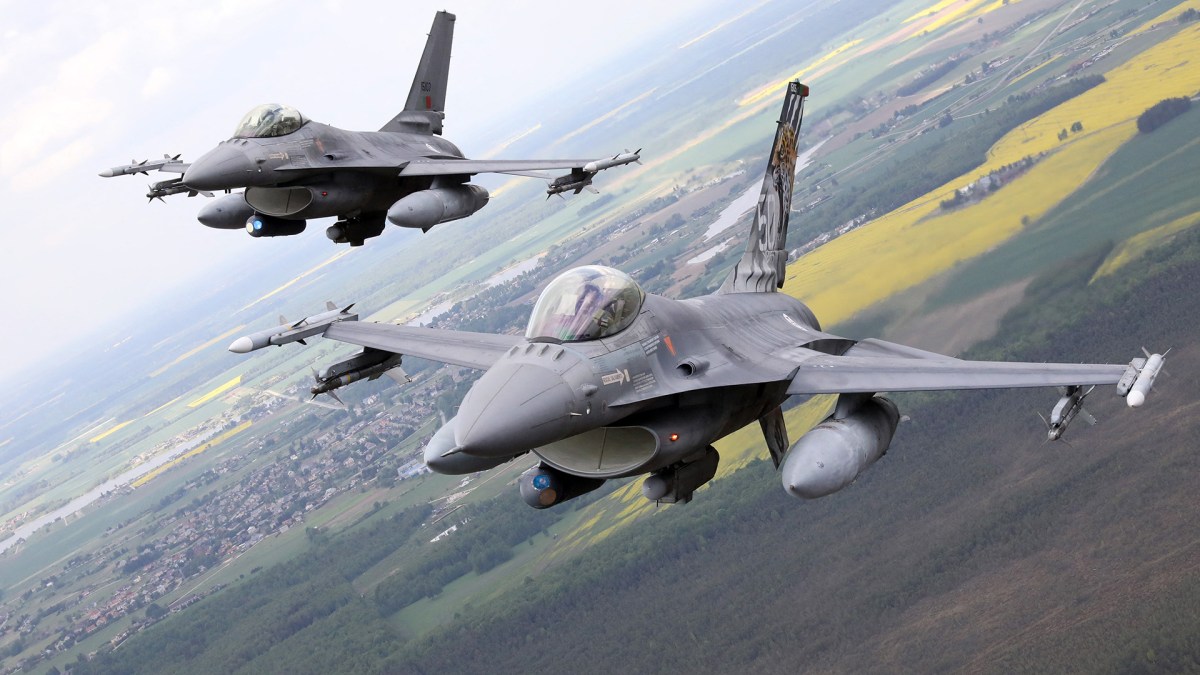
The top U.S. Air Force officer in Europe, Lt. Gen. Jason T. Hinds, has been assigned to implement NATO's new air defense plans aimed at countering threats from cruise missiles and drones. This directive follows a recent incident where NATO had to intercept a drone that entered Lithuanian airspace, highlighting ongoing security concerns amid Russian aggression in Europe. The significance of this initiative lies in NATO's response to increasing hybrid threats from Russia, particularly in light of the ongoing conflict in Ukraine. European Commission President Ursula von der Leyen emphasized that such incidents are indicative of a broader pattern of Russian provocations, testing NATO's readiness and resolve. Lt. Gen. Hinds noted that the Enhanced Vigilance Activity (EVA) Eastern Sentry and Standing Defense Plan 12000 are crucial for providing member nations with the necessary capabilities to defend their airspace. Looking ahead, NATO aims to enhance its integrated air and missile defense systems, which currently rely heavily on air power to counter drone threats. Lt. Gen. Hinds expressed the need for more efficient and cost-effective solutions, such as lower-cost interceptors. No further timeline was disclosed at the time of publication.
Air Air Force Munitions Air Forces Air-To-Air Around The Globe Europe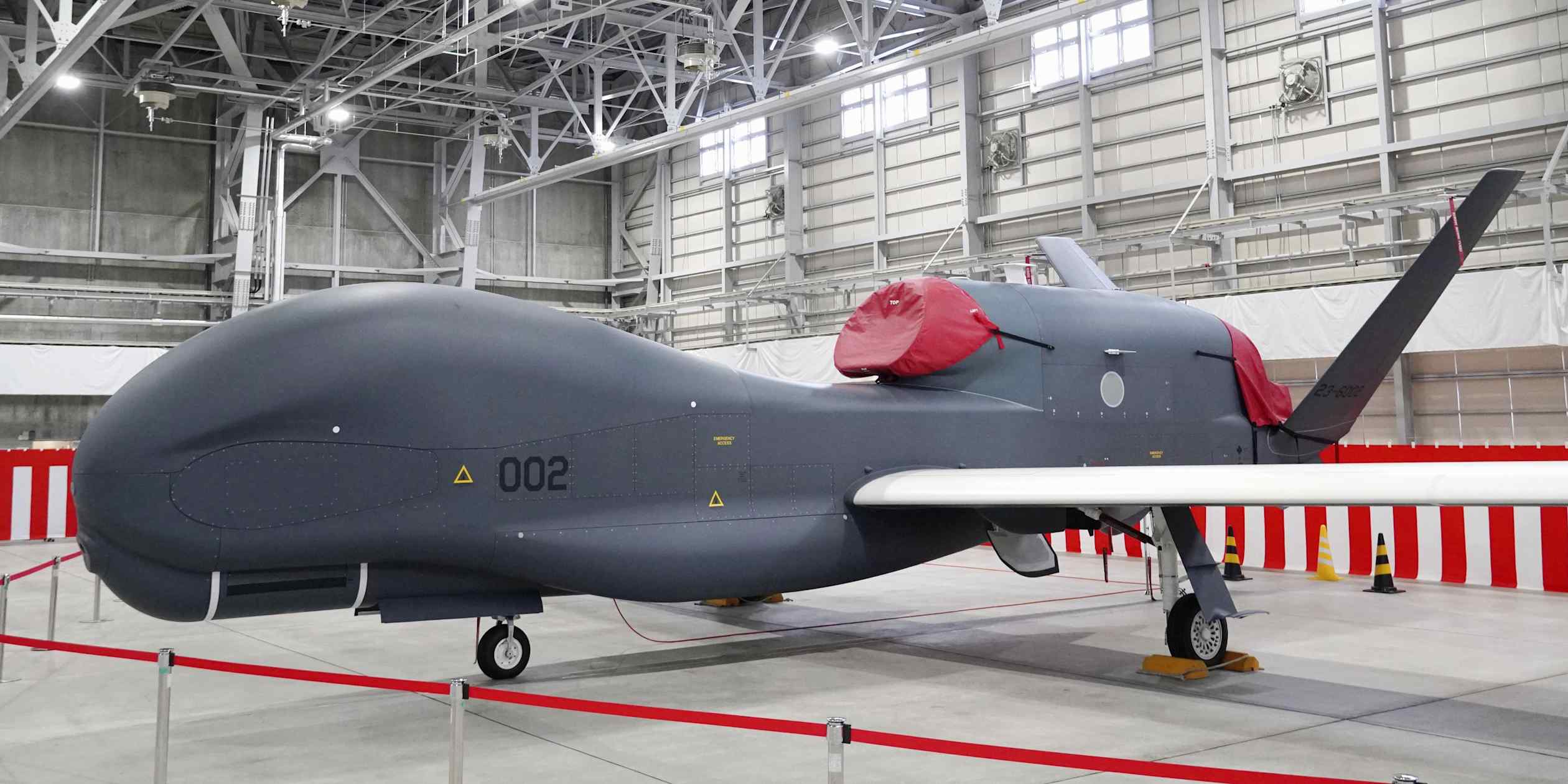
Japan Air Self-Defense Force Loses Communication with Global Hawk Drone in Tottori
The Japan Air Self-Defense Force reported the loss of communication with a Global Hawk unmanned reconnaissance drone operating off the coast of Tottori prefecture. The aircraft is now considered missing, prompting an active search operation in the area. This incident highlights the challenges faced by military forces in maintaining operational control over advanced unmanned systems. The loss of the Global Hawk drone raises concerns regarding the reliability of communication systems and the potential implications for surveillance operations in the region. As the search continues, it will be important to monitor the developments surrounding the recovery efforts and any findings related to the incident. No further timeline was disclosed at the time of publication.

US Space Force Deploys Space Control Weapons in Orbit, Air Force Secretary Confirms
The US Space Force has officially launched 'space control weapons' into orbit, marking a significant acknowledgment from Air Force Secretary Troy Meink. During a keynote address at the Air and Space Forces Association conference, Meink emphasized the importance of these weapons in defending against evolving threats from adversaries. This announcement highlights a shift in the US government's stance on discussing orbital weaponry, which has historically been a sensitive topic due to concerns about a potential arms race in space. The deployment of space control weapons is part of a broader strategy to ensure the United States can protect its interests in space. Meink noted that these weapons could include both kinetic and non-kinetic systems, although specific details were not disclosed. The discussion around space control is crucial for establishing deterrence against nations like China and Russia, which have been developing their own orbital weapon capabilities. Looking ahead, the Space Force is also preparing to launch space-based interceptors as part of the Golden Dome initiative, aimed at countering missile threats from orbit. Additionally, the first air-moving target indication satellites are set to be launched this month, enhancing the US's ability to monitor air-based adversary platforms globally. No further timeline was disclosed at the time of publication.
Air Warfare Space AFA 2026 Air Force airborne moving target indication (AMTI) Anduril
US Air Force Conducts Sentinel Dragon 26-02 Exercise to Test Nuclear Missile Readiness
The US Air Force executed a four-day exercise named Sentinel Dragon 26-02 from August 4 to 7, 2026, to evaluate its nuclear missile force's readiness under unexpected conditions. The drill involved a simulated drone threat and the recapture of a missile launch facility, testing the transition from routine operations to high-pressure scenarios without prior notice. This exercise is significant as it emphasizes the necessity for a nuclear deterrent to maintain constant readiness, as highlighted by Maj. Gen. Colin Connor of the 20th Air Force. The lack of traditional preparation time forced operational units to rely on their command-and-control systems and adapt to unforeseen challenges, showcasing their ability to perform under pressure. Looking ahead, the exercise's focus on integrating security forces with air units and managing complex scenarios indicates a shift towards a more cohesive operational approach. The results will likely influence future training and operational strategies, particularly in how the Air Force prepares for potential threats involving unmanned aerial vehicles. No further timeline was disclosed at the time of publication.
Military
Italian Air Force Places Order for Two MQ-9A Block 5 Reaper Drones
The Italian Air Force (ItAF) has placed an order for two MQ-9A Block 5 Reaper Remotely Piloted Aircraft (RPA) from GA-ASI. This acquisition highlights the ItAF's commitment to enhancing its aerial capabilities with advanced drone technology. The MQ-9A Block 5 Reaper is known for its versatility and advanced features, making it a significant addition to the ItAF's fleet. This order reflects the growing trend among military forces worldwide to integrate unmanned systems into their operations for improved surveillance and combat effectiveness. Looking ahead, the integration of these drones into the Italian Air Force's operations will be crucial for their strategic objectives. No further timeline was disclosed at the time of publication.
News
U.S. Air Force Requests Anti-Aircraft Gun Systems for Global Base Defense
The U.S. Air Force is actively seeking anti-aircraft gun systems to enhance the defense of its overseas air bases against drones and cruise missiles. This Request for Information (RFI) is part of a broader initiative to improve ground-based air defenses, a role traditionally held by the Army, as the Air Force currently lacks such systems. This initiative is crucial as recent conflicts have highlighted vulnerabilities in the U.S. air defense capabilities for foreign installations, particularly in light of potential threats from adversaries like China and Russia. The RFI emphasizes the need for a Ground-Based, Medium-Caliber Gun Weapon System that can effectively engage subsonic cruise missiles and unmanned aircraft systems, ensuring persistent defense for U.S. Air Force operations. Looking ahead, the Air Force aims for these systems to be rapidly deployable and transportable, utilizing its fleet of transport aircraft. The evaluation will focus on the cost-effectiveness of munitions and the integration of advanced sensors for reliable target acquisition. No further timeline was disclosed at the time of publication.
Land Air Air Forces Short-Range Air Defense Systems (SHORADS) U.S. Air Force
Air Force Accelerates Replacement of MQ-9A Reaper Drone Amid Combat Losses
The U.S. Air Force is expediting the replacement of the MQ-9A Reaper drone following significant losses in recent operations against Iran. Lt. Gen. Christopher Niemi highlighted that the accelerated timeline is a response to the concerning depletion of the Reaper fleet, with at least 45 units lost since February's Operation Epic Fury. This urgency underscores the Air Force's need for a new unmanned aircraft, with plans for the Mass Modular Aircraft (MMA) program initiated in July. The Pentagon aims to develop a drone with a one-way range of 8,000 nautical miles and modular capabilities, targeting 20 mission-ready units by fiscal 2031. However, officials are now exploring options to expedite this timeline. Looking ahead, the Air Force intends to procure at least 180 MMA drones, with cost targets set at approximately $10 million each. The DIU aims to prototype within a year and achieve large-scale deployment within three years. The evolving landscape of drone warfare necessitates rapid adaptation and innovation in unmanned systems.
Air Warfare Air Force collaborative combat aircraft Defense Innovation Unit DIU Drones General Atomics
Lufthansa Aviation Training Chosen for German Air Force Initial Flight Training Program
Lufthansa Aviation Training (LAT) has been awarded the contract to deliver Initial Flight Training (IFT) for new pilots of the German Air Force. This training program is set to commence in February 2027 at LAT's facility located in Rostock-Laage. This selection is significant as it underscores the German Air Force's commitment to enhancing its pilot training capabilities through a partnership with a reputable aviation training provider. The program aims to equip new pilots with essential skills and knowledge required for their roles in the military. Looking ahead, the focus will be on the successful implementation of the training program and the potential for future collaborations between LAT and the German Air Force. No further timeline was disclosed at the time of publication.
News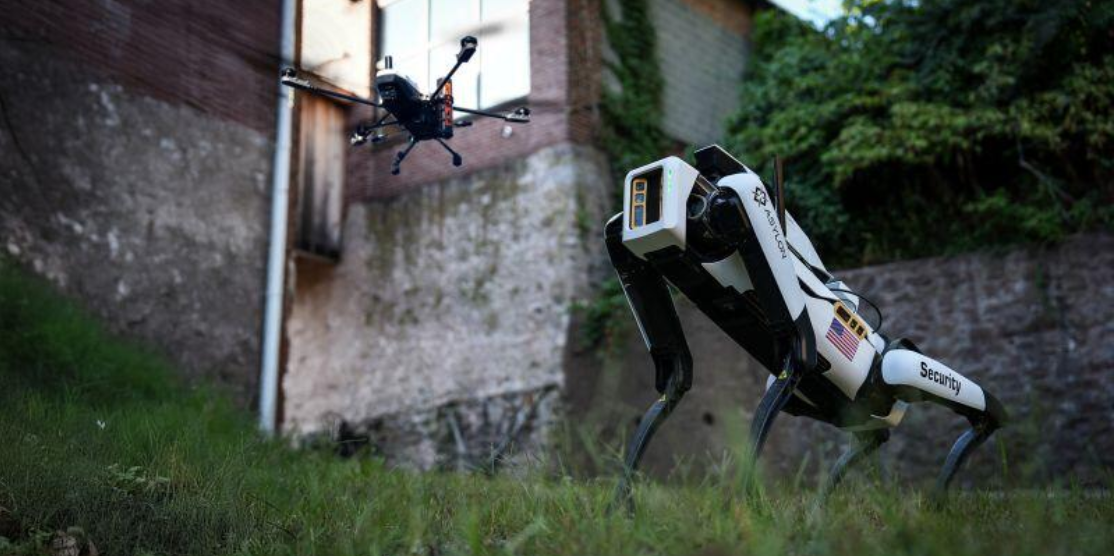
U.S. Air Force Transforms Aircraft Inspections with Asylon's Robot Dog and Drones
The U.S. Air Force's Warner Robins Air Logistics Center has awarded Asylon a Phase III SBIR contract to advance the MARIA system, integrating the Guardian drone and DroneDog robot dog for automated aircraft inspections. This system allows for rapid digital mapping of aircraft, significantly reducing inspection time from days to hours while eliminating the risks associated with manual high-altitude checks. The collaboration between the DroneDog and Guardian drone enables comprehensive inspections, identifying anomalies and defects autonomously. The data is transmitted in real-time to the DroneIQ platform, allowing maintenance personnel to review results through 2D workflows or 3D digital twin views. The system's core value lies in its speed and consistency, ensuring that inspections cover the same points each time, thus minimizing the randomness of manual checks. Currently programmed for the Lockheed C-5 and C-130 aircraft, the long-term goal is to expand the system's capabilities across all Warner Robins aircraft types and the broader Air Force logistics framework. Asylon aims to enhance the MARIA system with advanced AI anomaly detection and explore humanoid fleet management for concurrent maintenance tasks.
Robotic Inspection Aerospace Technology Drone Technology Automation Military Logistics
Saab Unveils Loyal Wingman Drone Series for Swedish Air Force Development
Saab has announced the development of three unmanned aircraft, designated A1, A2, and A3, aimed at creating a loyal wingman fighter system for the Swedish Air Force. The A1 will serve as a supersonic demonstrator powered by an AI-driven GE F414 engine, while the A2 will include an internal weapons bay. Both models are expected to take flight within the next four years, with the A1 anticipated to fly in just 15 months. The significance of this development lies in its potential integration with the Gripen system, as highlighted by Swedish Defense Minister Pål Jonson. He emphasized the importance of having an unmanned wingman component that can conduct deep operations alongside the manned platform. The A3 model, which may become the primary sales product, could enter service within ten years, contingent on government funding decisions. Looking ahead, Saab's loyal wingman initiative reflects a broader trend towards mixed squadrons of manned and unmanned assets, as noted by Brig. Gen. Niclas Magnusson. The Swedish parliament is expected to make critical decisions regarding Sweden's fighter aircraft capabilities between 2028 and 2030, with ongoing studies and technology development supporting this initiative.
Air Warfare Air Force CCA collaborative combat aircraft Drones Europe
Kairos Power Initiates NuCAMP to Develop Advanced Nuclear Workforce in America
Kairos Power has launched the Nuclear Center for Advanced Manufacturing and Precast (NuCAMP) to address the workforce challenges in advanced nuclear reactor construction. This initiative is in collaboration with several institutions, including Oak Ridge National Laboratory and the University of Tennessee–Knoxville, and will be based at Kairos Power's Reactor Demonstration Campus in Oak Ridge, Tennessee. The establishment of NuCAMP is crucial as the U.S. aims to deploy advanced nuclear reactors, which necessitate a skilled workforce capable of adhering to stringent manufacturing and construction standards. The center will focus on workforce training, manufacturing development, and collaboration, with an initial exploratory phase lasting 12 months to identify necessary technologies and training programs. Looking ahead, NuCAMP will explore advanced manufacturing technologies such as precast concrete construction and additive manufacturing to enhance nuclear construction processes. The initiative aims to bridge the gap between innovative techniques and regulatory standards, ensuring the successful integration of these technologies into the nuclear industry. No further timeline was disclosed at the time of publication.
Energy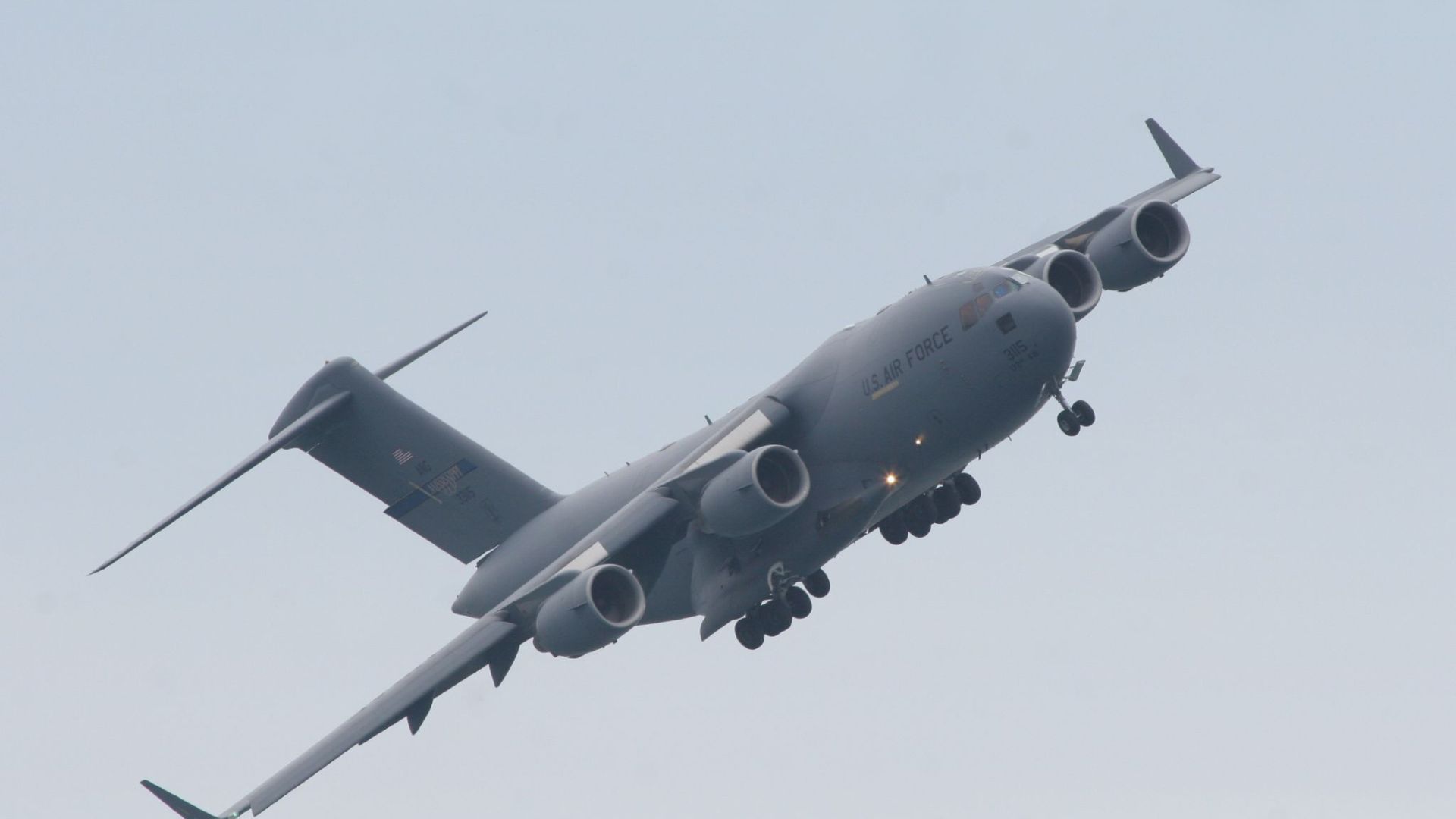
U.S. Air Force C-17 Globemaster Returns from Antarctica Due to Russian Aerospace Activity
A U.S. Air Force C-17 Globemaster transport aircraft was forced to turn back from its mission to Antarctica due to a warning about potentially hazardous Russian aerospace activity. The aircraft, operating under the call sign ICE28, departed from Christchurch, New Zealand, on August 18 but was redirected after receiving a NOTAM regarding a planned Russian missile launch. This incident underscores the risks associated with aviation in remote regions like the Southern Ocean, where emergency landing options are severely limited. The warning was issued by New Zealand's Civil Aviation Authority after being informed by Russia's State Air Traffic Management Corporation about the potential hazards in international airspace. The flight was part of the U.S. Air Force's winter fly season, which is crucial for transporting researchers and equipment to Antarctica ahead of the summer research season. No further timeline was disclosed at the time of publication.
Military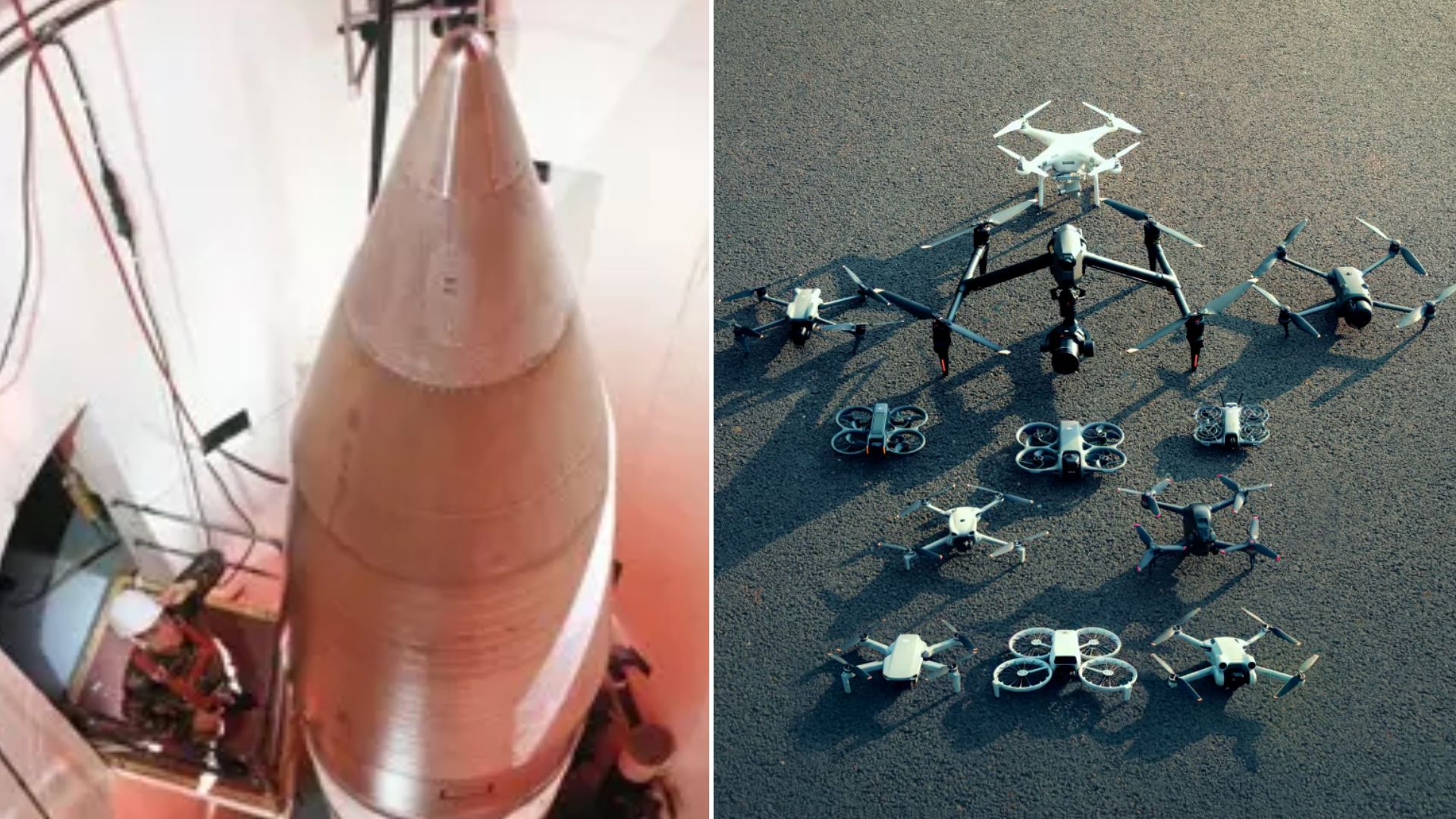
U.S. Air Force Plans to Acquire DJI Drones for Counter-Drone Training at Missile Base
The U.S. Air Force intends to purchase DJI drones for counter-drone training at F.E. Warren Air Force Base, which is part of the Minuteman III missile system. This initiative, led by the 90th Missile Security Operations Squadron, aims to enhance personnel's ability to detect and neutralize drone threats in the vicinity of the base. This procurement is significant as DJI drones dominate the commercial market, accounting for 80% to 85% of global sales, making them ideal for realistic training scenarios. The Air Force's decision to use these drones, despite existing restrictions on Chinese technology, highlights the need for effective training against prevalent drone threats, especially given the 350 reported incursions over U.S. military installations in 2024. Looking ahead, the Air Force plans to modify the acquired drones with RIZER software to ensure data security while allowing personnel to train against the unique characteristics of DJI systems. No further timeline was disclosed at the time of publication.
Military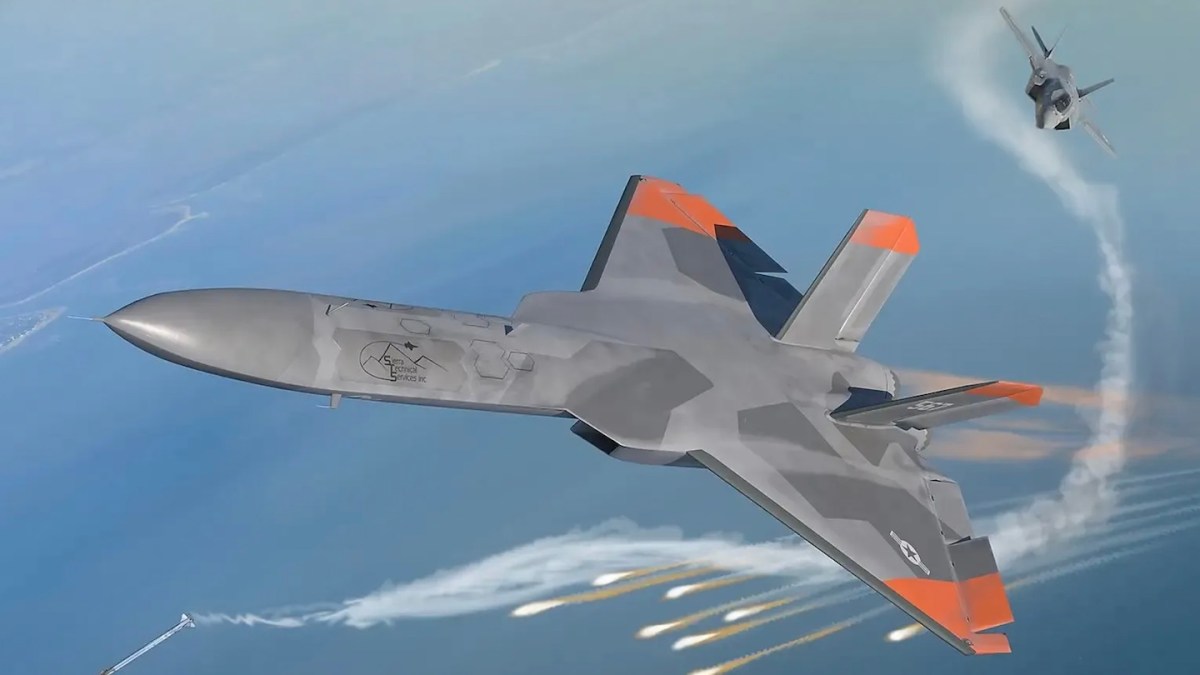
U.S. Air Force Seeks New Family of Expendable Target Drones for Diverse Threat Simulation
The U.S. Air Force is pursuing a new family of aerial targets designed to replicate a wide range of airborne threats, including stealth fighters and UAV swarms. This initiative aims to create realistic yet cost-effective targets that can be routinely used and destroyed during testing, as outlined in a recent Request for Information (RFI). The Air Force's requirements emphasize the need for these targets to be inexpensive and simple to manufacture, allowing them to be treated as expendable. This marks a shift from existing aerial targets like the QF-16, which is based on a converted fighter aircraft. The new targets are expected to leverage commercial technologies and manufacturing methods to enhance scalability and reduce costs. The proposed systems will cater to various threat categories, with specific requirements for advanced fighter aircraft, including supersonic capabilities and advanced radar cross-section profiles. Responses to the RFI are due by September 28, and the Air Force is particularly interested in non-traditional solutions that can offer advantages over legacy systems.
Air Air Forces Drones News & Features U.S. Air Force
Parsons Secures $70 Million Contract for US Air Force Base Support in Europe and Africa
Parsons has been awarded a task order valued at $70 million to support air base defense systems for the US Air Forces in Europe and the Air Forces Africa region. This contract underscores Parsons' commitment to enhancing military infrastructure and security in critical regions. The significance of this contract lies in its potential to bolster defense capabilities across European and African bases, ensuring that the US Air Force can maintain operational readiness in these strategic areas. By providing advanced support for air base defense systems, Parsons plays a crucial role in safeguarding military assets and personnel. Looking ahead, it will be important to monitor how Parsons implements this contract and the impact it has on air base security in Europe and Africa. No further timeline was disclosed at the time of publication.
News
US Air Force to Shortlist Six Companies for Collaborative Combat Aircraft Program
The US Air Force (USAF) is advancing its Collaborative Combat Aircraft (CCA) program, aiming to select up to six companies from a pool of nine competing for the next generation of AI-enabled combat drones. These drones, designed to operate alongside crewed fighter aircraft, will enhance capabilities without replacing human pilots. This initiative is significant as it reflects a global trend towards integrating autonomous systems into military operations, thereby increasing firepower while minimizing risks to pilots. The CCA program focuses on developing drones that act as 'loyal wingmen' to aircraft like the F-35 and future Next Generation Air Dominance (NGAD) fighter, with the competition currently in the concept refinement stage. Looking ahead, the USAF will evaluate various aircraft concepts over the next 10 months, with the potential for unsuccessful bidders to re-enter the competition in later phases. Additionally, the USAF is investing in new aircraft engines to support future drone designs, ensuring multiple propulsion options are available for the next generation of autonomous combat aircraft. No further timeline was disclosed at the time of publication.
Military
U.S. Air Force Enhances $500M Counter-Drone Shield with New Multi-Sensor Technology
The U.S. Air Force is enhancing its counter-drone capabilities by integrating Teledyne FLIR Defense’s Argus XL platform into AeroVironment’s Titan Multi-Sensor system. This initiative is part of a three-year, $500 million contract under the Domestic Shield Program, aimed at protecting military installations from aerial threats. This expansion is significant as it strengthens the layered counter-unmanned aircraft system (UAS) coverage across domestic sites, addressing the growing concern of small unmanned aircraft that pose risks to sensitive locations. The Argus XL platform enhances detection and tracking capabilities, allowing operators to respond more effectively to potential threats. Looking ahead, the integration of Argus XL is expected to improve operational efficiency and situational awareness for military users. The system's ability to incorporate third-party sensors and adapt to emerging threats will be crucial as drone technology continues to evolve. No further timeline was disclosed at the time of publication.
Military
Air Force to Initiate Concept Refinement for MQ-9A Reaper Replacement Next Fiscal Year
The Air Force is set to begin a concept refinement stage for a new competition aimed at replacing the MQ-9A Reaper early in the next fiscal year. This initiative signifies a strategic move to enhance the capabilities of unmanned aerial systems within the military. The replacement of the MQ-9A Reaper is crucial as it reflects the Air Force's commitment to modernizing its drone fleet and adapting to evolving operational requirements. The upcoming competition is expected to attract various industry players, fostering innovation in unmanned aerial technology. As the Air Force progresses with this initiative, stakeholders should monitor developments closely, particularly regarding the selection criteria and potential candidates for the new system. No further timeline was disclosed at the time of publication.
Air Warfare Air Force Anduril collaborative combat aircraft Drones General Atomics
U.S. Air Force Advances Collaborative Combat Aircraft Program with Nevada Exercise
The U.S. Air Force conducted a multi-day Agile Combat Employment exercise at Creech Air Force Base, Nevada, advancing its Collaborative Combat Aircraft (CCA) program into real-world conditions. Led by the Collaborative Combat Aircraft Experimental Operations Unit, the exercise tested semi-autonomous uncrewed aircraft alongside manned platforms to develop tactics for future combat missions. This exercise is significant as it marks a transition from controlled testing to operational use, allowing crews to operate the aircraft and gather vital data for integrating uncrewed systems into frontline operations. Air Force Chief of Staff Gen. Ken Wilsbach emphasized the importance of CCA in achieving air superiority in contested environments, highlighting the need for rapid fielding of affordable mass. Looking ahead, the Air Force aims to refine tactics and procedures for CCA integration based on insights gained from the exercise. No further timeline was disclosed at the time of publication, but the focus on operational testing and the involvement of warfighters suggest a commitment to accelerating the CCA program's development and deployment in combat scenarios.
Military
Air Force Plans Next-Generation Engine Integration Activities by 2030
The Air Force anticipates that a next-generation engine will be ready for aircraft integration by the end of the decade, following years of delays. John Sneden, chief of the Air Force’s propulsion directorate, indicated that the Next Generation Adaptive Propulsion (NGAP) program will involve building and testing prototypes from GE Aerospace and Pratt & Whitney, with integration activities expected around 2030. This development is significant as the NGAP program aims to enhance military propulsion capabilities, potentially offering a more fuel-efficient and powerful engine for various aircraft, including the F-47. The program's platform-agnostic design allows for integration into existing aircraft, which could provide the Air Force with advanced propulsion options in the future. Looking ahead, the Air Force is requesting approximately $514 million for the NGAP initiative in fiscal 2027, with funding expected to peak at nearly $906 million in FY28. No specific aircraft has been confirmed for the NGAP engine, but the technology could lead to significant advancements in military aviation capabilities over the next decade.
Air Warfare Air Force Engine Core Upgrade (ECU) F-35 F-35 Block 4 modernization F-47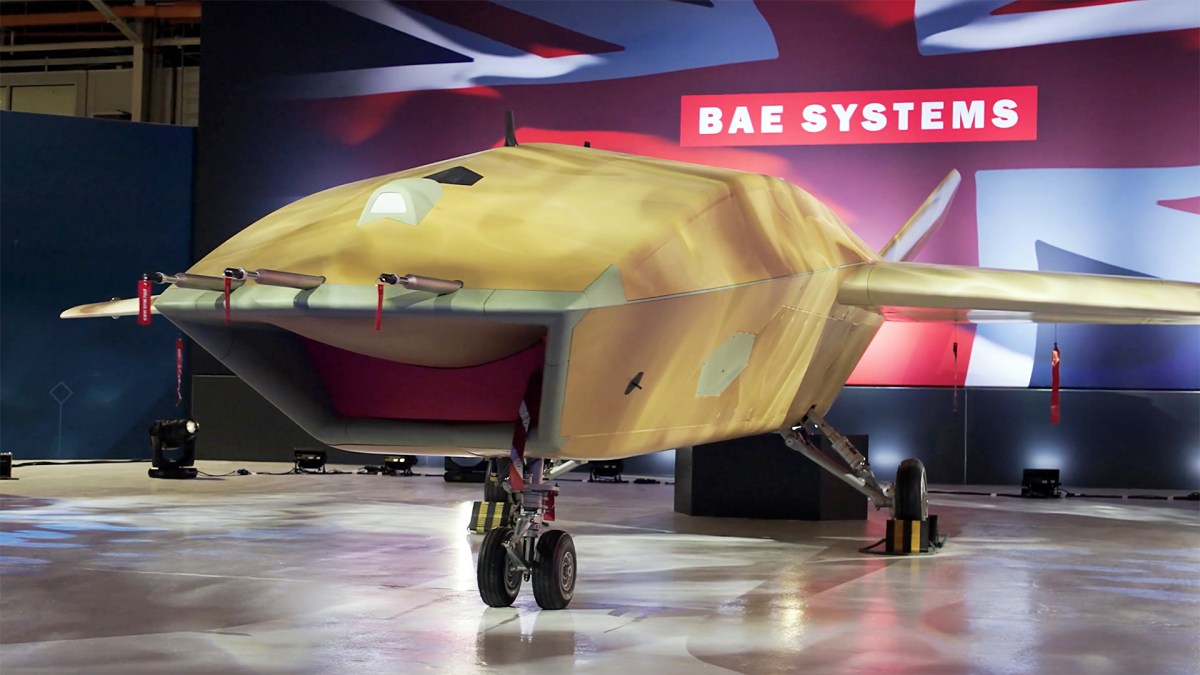
BAE Systems Unveils Brontanax Fighter Drone for UK Royal Air Force's Collaborative Combat Program
BAE Systems has introduced the Brontanax, a new collaborative combat aircraft (CCA) drone designed for the U.K. Royal Air Force. This unveiling coincides with the launch of the Storm Fighter program, aimed at establishing Europe’s first sixth-generation air force. The Brontanax prototype was showcased at the Farnborough International Airshow, attended by the U.K. Defense Secretary Wes Streeting. The significance of the Brontanax lies in its role as an operational prototype, built in secret at BAE Systems’ Warton facility. It is set for ground testing before flight trials in U.K. airspace, with potential participation in a NATO exercise as early as next year. This development reflects the U.K.'s commitment to advancing its military capabilities and integrating new technologies into its air force. Looking ahead, the Brontanax is expected to inform the design of future drones accompanying the U.K. F-35 and Tempest combat jets. While specific performance details remain undisclosed, the drone features a stealthy design with advanced aerodynamics, suggesting a focus on operational versatility and mission capability in various combat scenarios. No further timeline was disclosed at the time of publication.
Air Air Forces Around The Globe Collaborative Combat Aircraft Europe News & Features
Palladyne AI Secures Additional $2.9 Million from U.S. Air Force for STRATFI Contract
Palladyne AI has announced that the U.S. Air Force has exercised an option on its STRATFI contract, adding $2.9 million in funding. This brings the total contract value to over $10.6 million, indicating the Air Force's satisfaction with Palladyne IQ™ embodied AI architecture for autonomous robotic systems. The additional funding underscores the U.S. Air Force's confidence in Palladyne AI's capabilities in delivering advanced autonomous solutions. Palladyne AI specializes in embodied AI-powered collaborative autonomy, advanced avionics, and UAVs, making it a key player in defense and industrial technology sectors. Looking ahead, the continued investment in Palladyne AI's technologies suggests a growing demand for autonomous robotic systems within military applications. No further timeline was disclosed at the time of publication.
Air Force Suspends F-16 Ejection Seat Competition for 90 Days
The U.S. Air Force has announced a 90-day suspension of the competition for new ejection seats for the F-16 aircraft. This decision comes after the Air Force previously indicated plans to reopen the Next Generation Ejection Seat program, raising questions about the future of the procurement process. This suspension is significant as it sets the stage for a final decision regarding the competition for the ejection seats, which are critical for pilot safety during emergencies. The outcome of this decision could impact the timeline and direction of the Air Force's efforts to enhance the safety features of the F-16 fleet. As the Air Force evaluates its options, stakeholders will be watching closely for any developments regarding the Next Generation Ejection Seat program. No further timeline was disclosed at the time of publication.
Air Warfare Air Force B-1 Collins Aerospace f-15 f-16
Air Force One Developments, Drone Wingman Competition, and GCAP's Future Insights
The White House is updating plans for the president's Qatari-donated Air Force One, as discussed by Breaking Defense's Aaron Mehta and Valerie Insinna. This evolution highlights the importance of modernizing presidential transport in response to current geopolitical dynamics. Additionally, there is an increasing trans-Atlantic competition to develop drone wingmen that can assist human pilots, which signifies a shift in military strategy towards integrating unmanned systems into traditional air operations. Looking ahead, Ottawa is expected to join the Global Combat Air Programme (GCAP) as an observer, marking a significant step in international defense collaboration. No further timeline was disclosed at the time of publication.
Air Warfare Global Air Force Air Force One Business & Industry CCA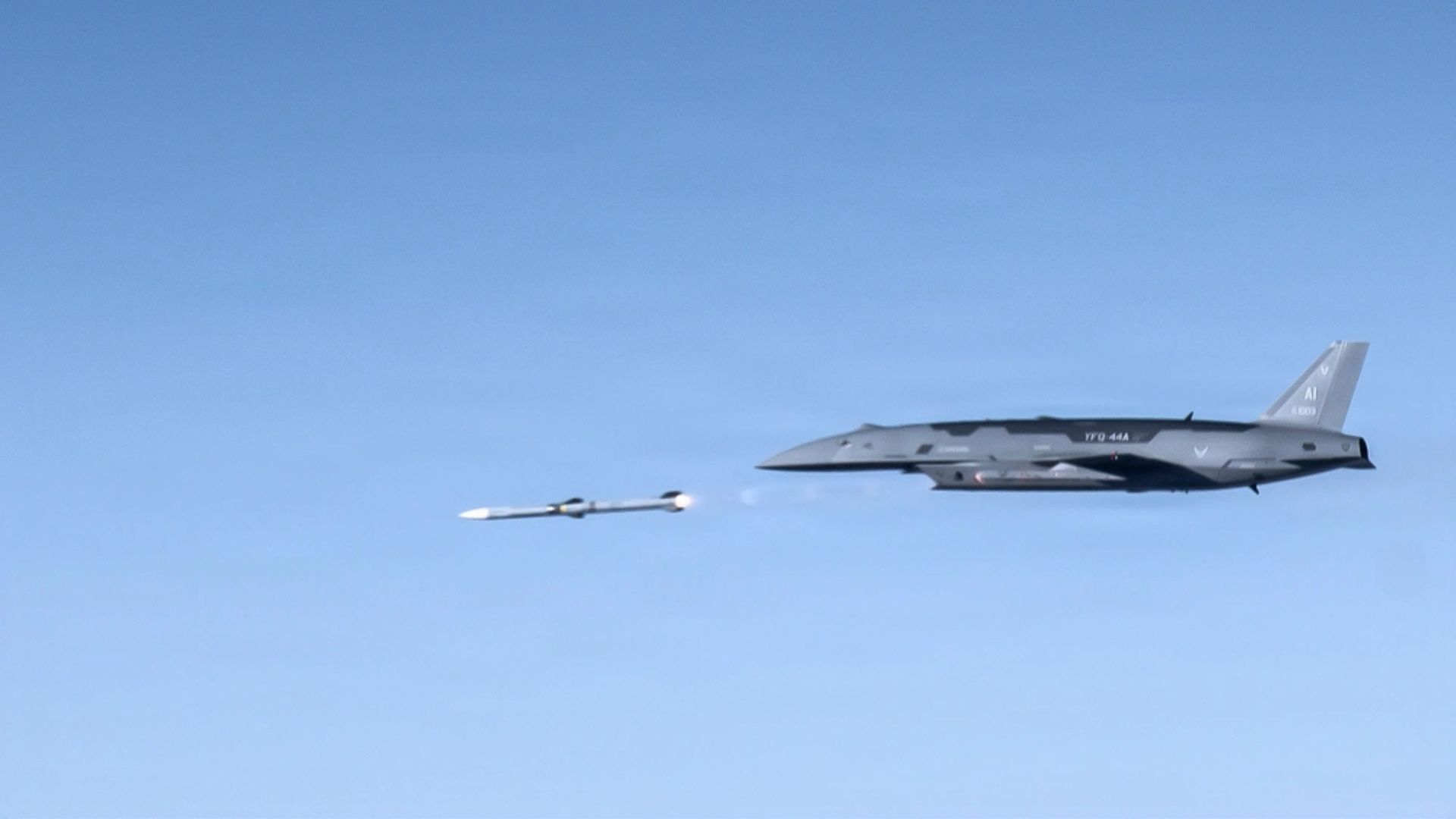
U.S. Air Force Conducts First Missile Launch from Anduril's YFQ-44A Drone
The U.S. Air Force successfully executed its inaugural missile launch from a Collaborative Combat Aircraft (CCA) on June 15, 2026. The Anduril-developed YFQ-44A drone fired an AIM-120 medium-range air-to-air missile at a digital target in California’s Mojave Desert, marking a significant advancement in the development of semi-autonomous drones capable of operating alongside piloted fighter jets. This milestone is crucial as it demonstrates the Air Force's commitment to enhancing its combat capabilities through the use of Collaborative Combat Aircraft. The YFQ-44A autonomously managed most mission steps, with a human operator providing the final launch approval, adhering to U.S. policy on lethal weapon control. This test signifies a shift from previous trials, where operators controlled the drone's flight, showcasing the aircraft's ability to execute complex tasks independently. Looking ahead, the Air Force aims to further develop and test these semi-autonomous aircraft, ultimately enhancing U.S. airpower. The CCA program seeks to deliver combat-ready drones that can operate effectively in challenging environments, with the potential for real mission deployment on the horizon. No further timeline was disclosed at the time of publication.
Military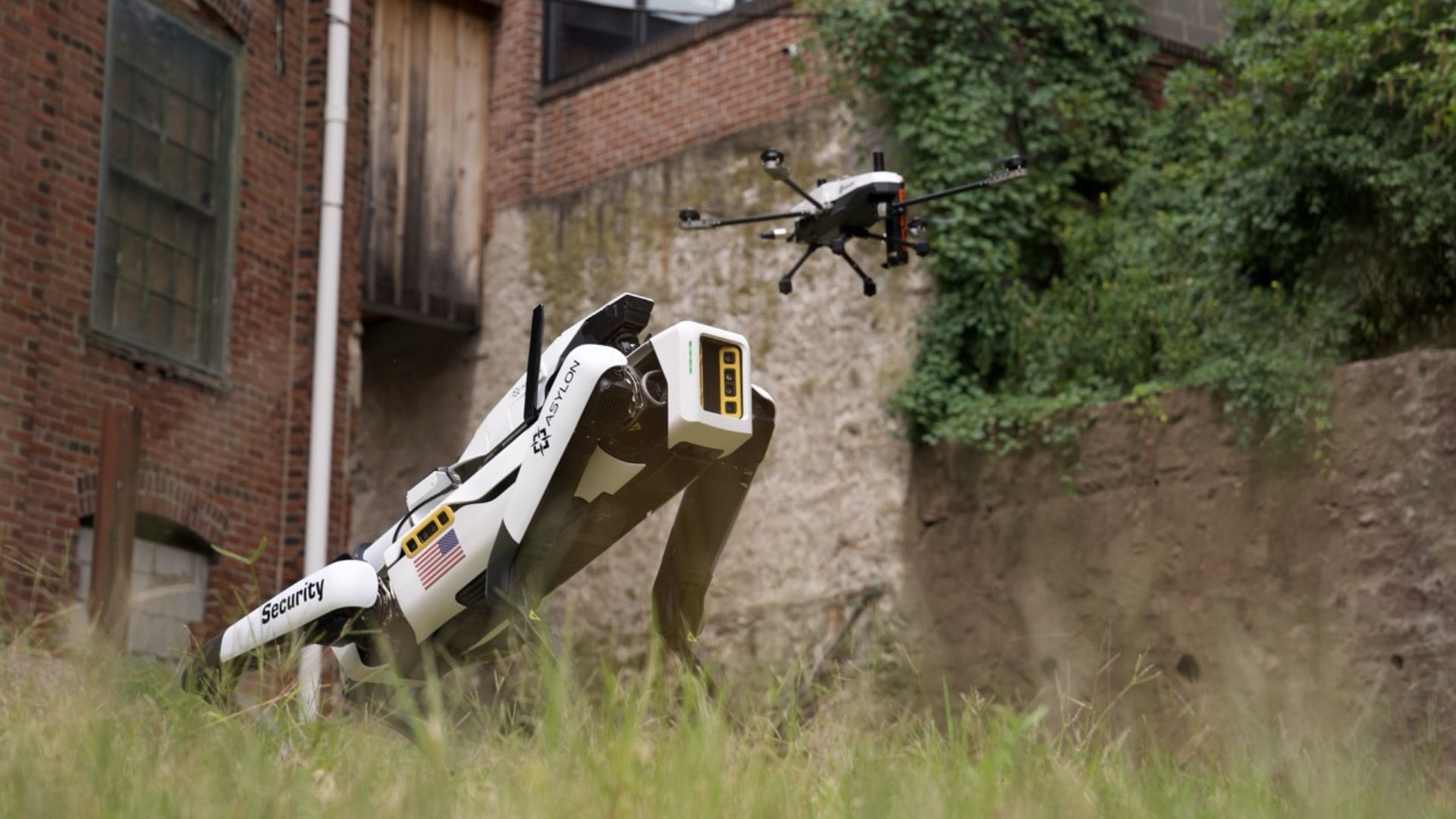
Asylon's MARIA System Enhances Aircraft Inspections for U.S. Air Force
Asylon has secured a Phase Three contract with the U.S. Air Force's Warner Robins Air Logistics Complex to deploy its Multi-modal Autonomous Robotics for Inspection of Aircraft (MARIA) system. This initiative aims to streamline aircraft inspections by integrating air and ground robotic platforms, significantly reducing the time for general visual inspections while enhancing consistency in maintenance tasks. The MARIA system combines Asylon's Guardian unmanned aircraft with the DroneDog Q-UGV, utilizing the Range autonomy software and DroneIQ command-and-control system for efficient inspection management. The significance of this deployment lies in its potential to transform aircraft maintenance operations. By automating inspections, the MARIA system not only improves inspection quality but also mitigates the risks associated with labor-intensive tasks. The integration of imagery, LiDAR data, and telemetry into a single platform allows maintenance personnel to make informed decisions quickly, thereby enhancing aircraft readiness without increasing manpower demands. This project marks a pivotal shift in how the Air Force approaches maintenance, leveraging autonomous technologies to optimize operational efficiency. Looking ahead, the success of the MARIA deployment at Warner Robins could lead to broader adoption of these technologies across military maintenance organizations. No further timeline was disclosed at the time of publication, but the ongoing collaboration between Asylon and the Air Force may pave the way for future advancements in defense sustainment operations, particularly in the realm of autonomous inspections and maintenance support.
Military
FTS Introduces TAHR, a New Air-Droppable Light Combat Vehicle for German Special Forces
FTS has unveiled the TAHR, a light combat vehicle designed for German Special Forces. This innovative vehicle can be air-dropped, with two units fitting inside a Chinook helicopter, enhancing operational flexibility. The introduction of the TAHR is significant as it addresses the need for versatile and deployable combat solutions in modern warfare. Its air-droppable capability allows for rapid deployment in various terrains, which is crucial for special operations. Looking ahead, the focus will be on the operational testing and integration of the TAHR within the German Special Forces. No further timeline was disclosed at the time of publication.
Global Land Warfare Army Europe Germany Israel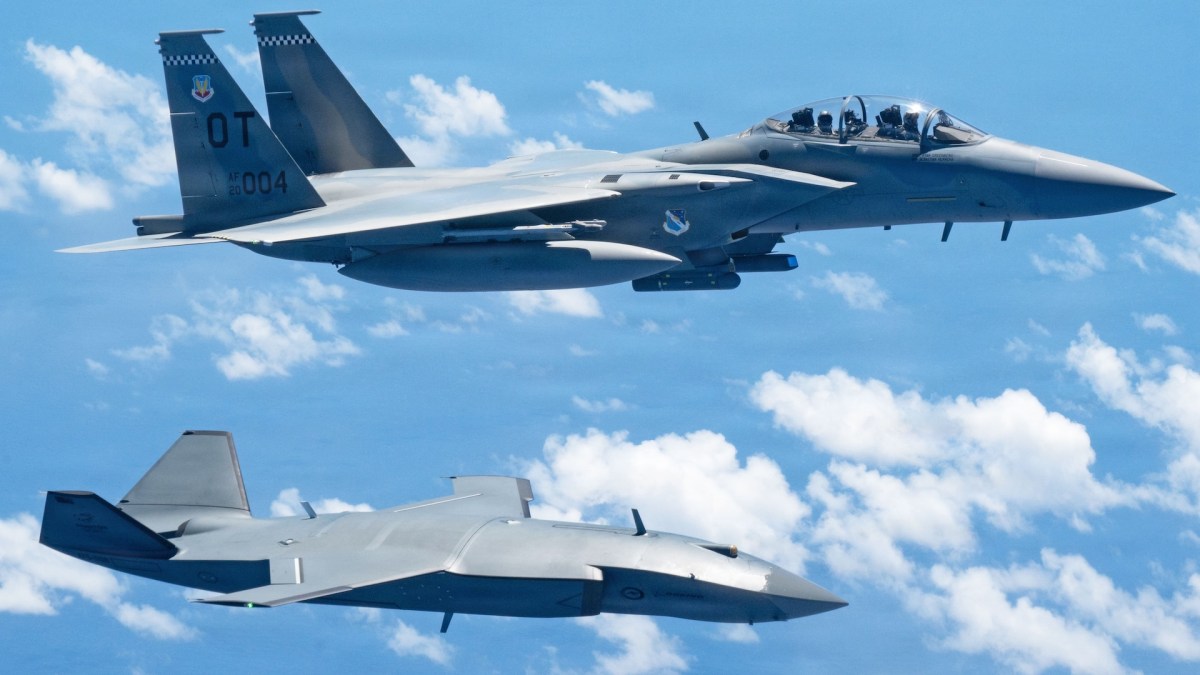
US Air Force Prepares for European Allies' Involvement in Collaborative Combat Aircraft Development
Senior leaders from the U.S. Air Force in Europe report that NATO allies are increasingly interested in participating in the development of collaborative combat aircraft (CCAs). This interest comes as many of these countries also pursue their own fighter and drone programs. The U.S. Air Force is optimistic that CCAs will enhance the alliance's overall capabilities, particularly in light of shrinking fleets of crewed combat aircraft among NATO allies. The significance of CCAs is underscored by the current geopolitical climate, with rising tensions with Russia and new threats emerging. Autonomous aircraft could provide NATO with additional combat capabilities without necessitating a larger number of crewed aircraft stationed in Europe. Lt. Gen. Jason T. Hinds and Chief Master Sgt. Joshua J. Wiener highlighted the potential for at least 500 CCAs to be operational by 2032, with growing interest from European nations such as Germany, Sweden, and the Netherlands. Looking ahead, the U.S. Air Force is utilizing two operational scenarios to illustrate how CCAs could integrate into NATO's force structure: defensive and offensive missions. Allies are keen to incorporate CCAs into their military strategies, indicating a collaborative future in defense capabilities. No further timeline was disclosed at the time of publication.
Air Around The Globe Collaborative Combat Aircraft Europe NATO News & Features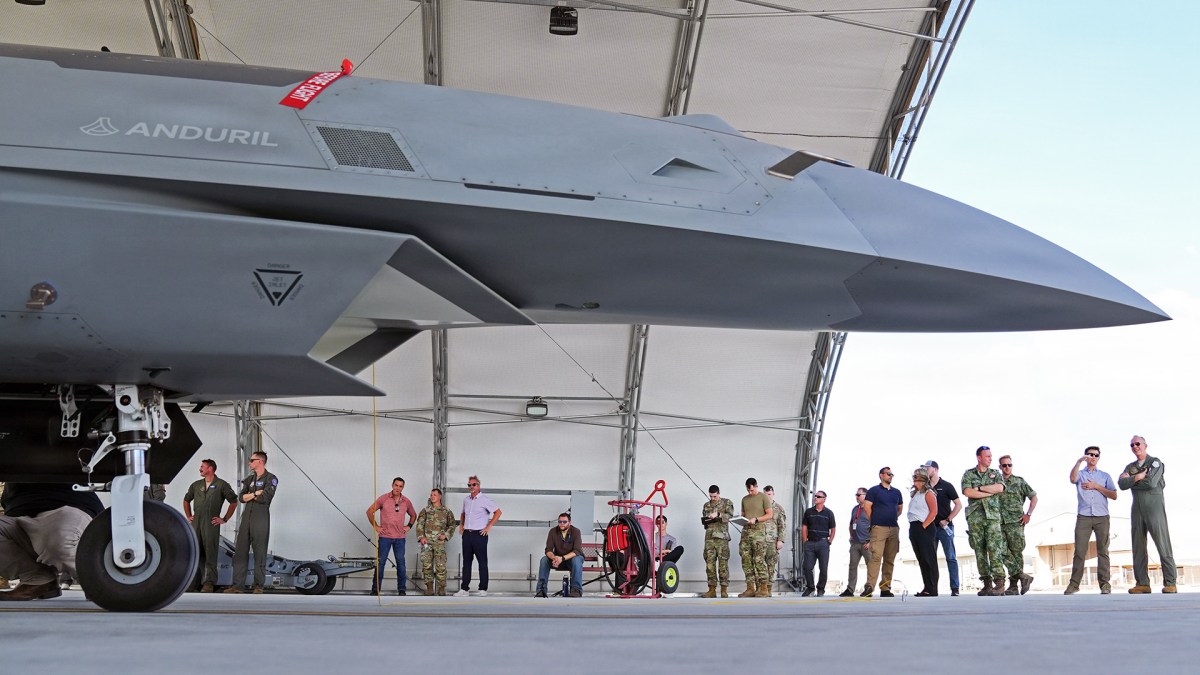
US Air Force Plans to Deploy 500 Collaborative Combat Aircraft by 2032
The U.S. Air Force has set a target to have at least 500 Collaborative Combat Aircraft (CCA) operational by 2032. This ambitious plan includes an equal number of Massed Modular Aircraft (MMA) drones to replace the MQ-9 Reapers. Secretary of the Air Force Troy Meink announced these updates during a keynote speech at the Air & Space Forces Association’s 2026 conference. This initiative is significant as it marks a substantial increase from previous plans, which aimed for over 150 CCAs by the end of the decade. The Air Force is also focusing on reducing costs, with plans to field 100 MMAs by 2029 at a lower price point than current manned aircraft. The FQ-42 and FQ-44 drones, now officially named Vengeance and Fury, are already in production and will perform missions similar to those of manned fighters. Looking ahead, the Air Force is still determining how these CCAs will be integrated into operations. The establishment of a dedicated Experimental Operations Unit (EOU) aims to facilitate the development and testing of these aircraft. No further timeline was disclosed at the time of publication.
News & Features Air Collaborative Combat Aircraft Drones Q-9 Unmanned
Rethinking Air and Missile Defense Due to Concurrent Attacks on US Bases
Recent attacks on US bases during the Iran conflict have highlighted vulnerabilities in air-and-missile-defense systems. Despite high overall effectiveness, these incidents reveal significant gaps that need to be addressed to enhance security measures. The implications of these vulnerabilities are critical for national defense strategies. As threats evolve and become more sophisticated, it is essential for military planners to reassess current defense capabilities and consider upgrades or new technologies to mitigate risks. Looking ahead, the focus will likely shift towards developing more robust air-and-missile-defense systems. Continuous evaluation and adaptation will be necessary to counteract emerging threats effectively. No further timeline was disclosed at the time of publication.
Air Warfare air and missile defense Air Force AMD strategy Counter UAS Counter UAS cUAS
Royal Air Force Enhances Counter-Drone Capabilities with Saab's Giraffe 1X Radars
Saab UK has successfully supplied its Giraffe 1X radar systems to the Royal Air Force (RAF) to combat the rising threat from uncrewed aerial systems (UAS). This delivery is significant as it enhances the RAF's capabilities in counter-drone defense, addressing a growing concern in modern military operations regarding UAS threats. Looking ahead, the integration of the Giraffe 1X radars into the RAF's defense strategy will be crucial in maintaining airspace security. No further timeline was disclosed at the time of publication.
News
Royal Air Force Launches Storm Chrome and Storm Fire Drone Programs
The Royal Air Force has announced plans to develop two new drones: Storm Chrome, an electronic warfare drone, and Storm Fire, a long-range, one-way attack drone. This initiative was revealed by Air Chief Marshal Harv Smyth, highlighting the RAF's commitment to advancing its drone capabilities. The introduction of Storm Chrome and Storm Fire is significant as it reflects the increasing importance of drone technology in modern warfare. These developments aim to enhance the RAF's operational effectiveness and adaptability in electronic warfare and attack scenarios, ensuring that the UK remains at the forefront of military innovation. Looking ahead, the Royal Air Force's focus on these drone programs indicates a strategic shift towards integrating advanced unmanned systems into their operations. No further timeline was disclosed at the time of publication.
Air Warfare Air Force collaborative combat aircraft Defence Investment Plan Drones Europe
Royal Air Force introduces low-cost precision weapon to counter drones
The Royal Air Force (RAF) has officially rolled out the Advanced Precision Kill Weapon System (APKWS), a cutting-edge precision-guided munition designed to enhance its capabilities in addressing contemporary threats, particularly uncrewed aerial systems. This strategic introduction comes as military forces worldwide adapt to the evolving landscape of warfare, where drones and other unmanned technologies pose significant challenges. The deployment of APKWS is expected to improve the RAF's operational effectiveness and precision in combat scenarios. This initiative reflects the RAF's commitment to maintaining a technological edge and ensuring readiness against emerging threats in modern warfare.
News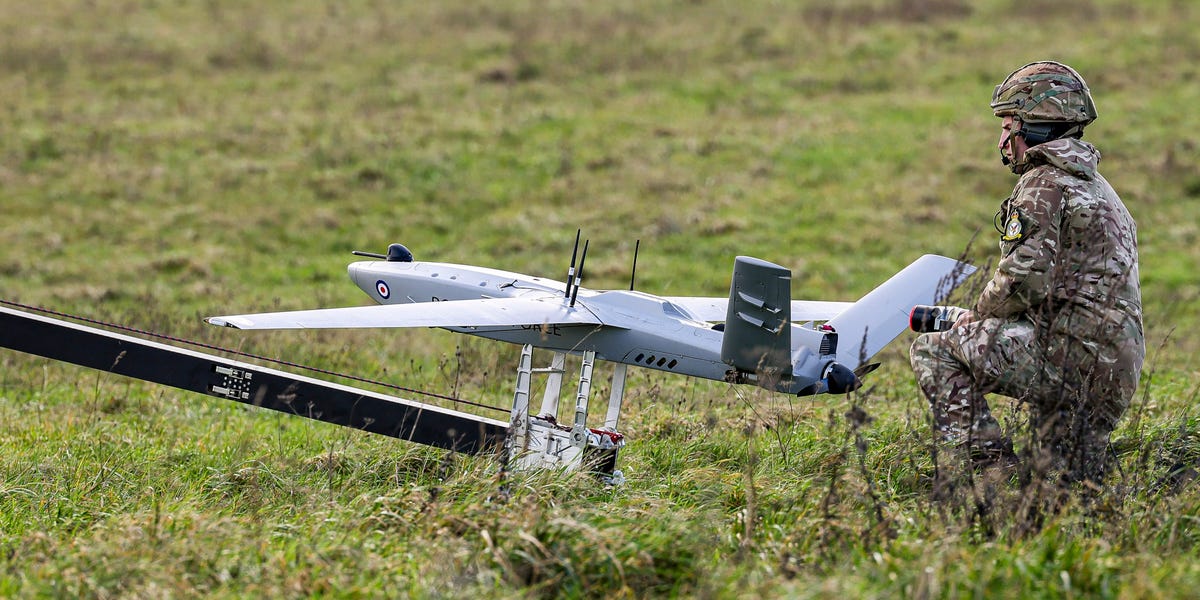
Britain thought AI-powered ‘robot fighter jets’ were years away. The Royal Air Force chief says the future is already here.
The head of the Royal Air Force has announced that the integration of uncrewed aircraft into the military is progressing more rapidly than anticipated. In an interview with Business Insider, the official emphasized the growing importance of these advanced technologies in modern warfare. The comments come as the RAF accelerates its efforts to enhance operational capabilities through the use of unmanned systems. This shift reflects a broader trend within military organizations worldwide, as they adapt to evolving threats and seek to leverage cutting-edge innovations for strategic advantage. The move towards uncrewed aircraft is expected to reshape air operations, enabling more efficient and effective missions in the future.
Military & Defense royal-air-force ai drones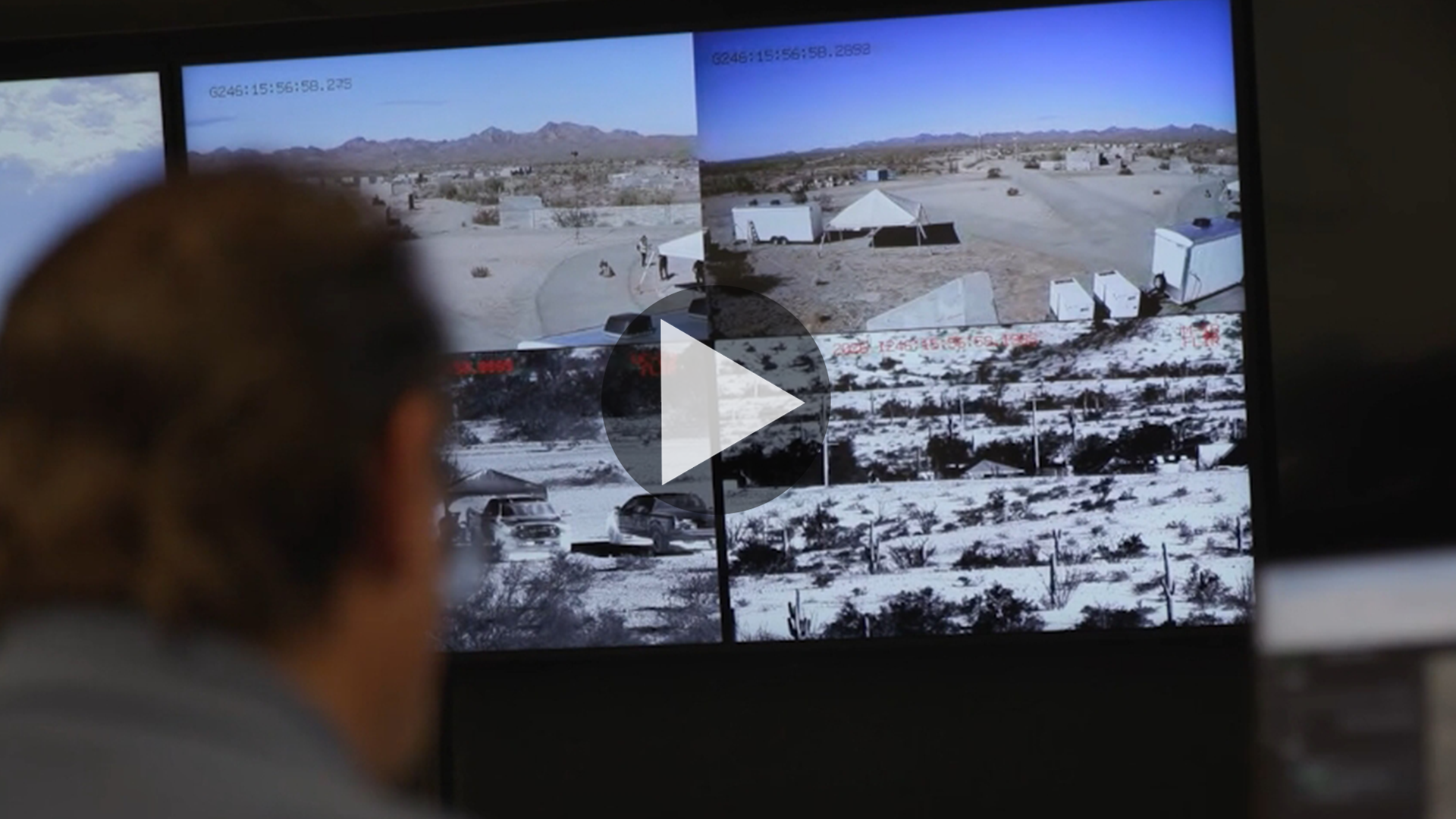
US Military and Industry Test Drone Countermeasures at Southern Border
In a recent episode of The Break Out, Army reporter Carley Welch highlighted the US military's collaboration with industry partners at Falcon Peak in Yuma, Arizona. They conducted extensive tests on equipment aimed at detecting and countering drone incursions along the southern border. This initiative is significant as it addresses the growing concern over drone threats in border security, showcasing the military's proactive approach to enhancing national defense capabilities. The collaboration with industry partners indicates a strategic move to leverage advanced technology in counter-drone operations. Looking ahead, it will be important to monitor the outcomes of these tests and any subsequent implementations of the technology. Additionally, developments at the China Aerospace Studies Institute, where civilian roles are being cut while military personnel remain, may also impact future military strategies and operations.
Air Warfare Air Force Asia Break Out Video C-UAS CASI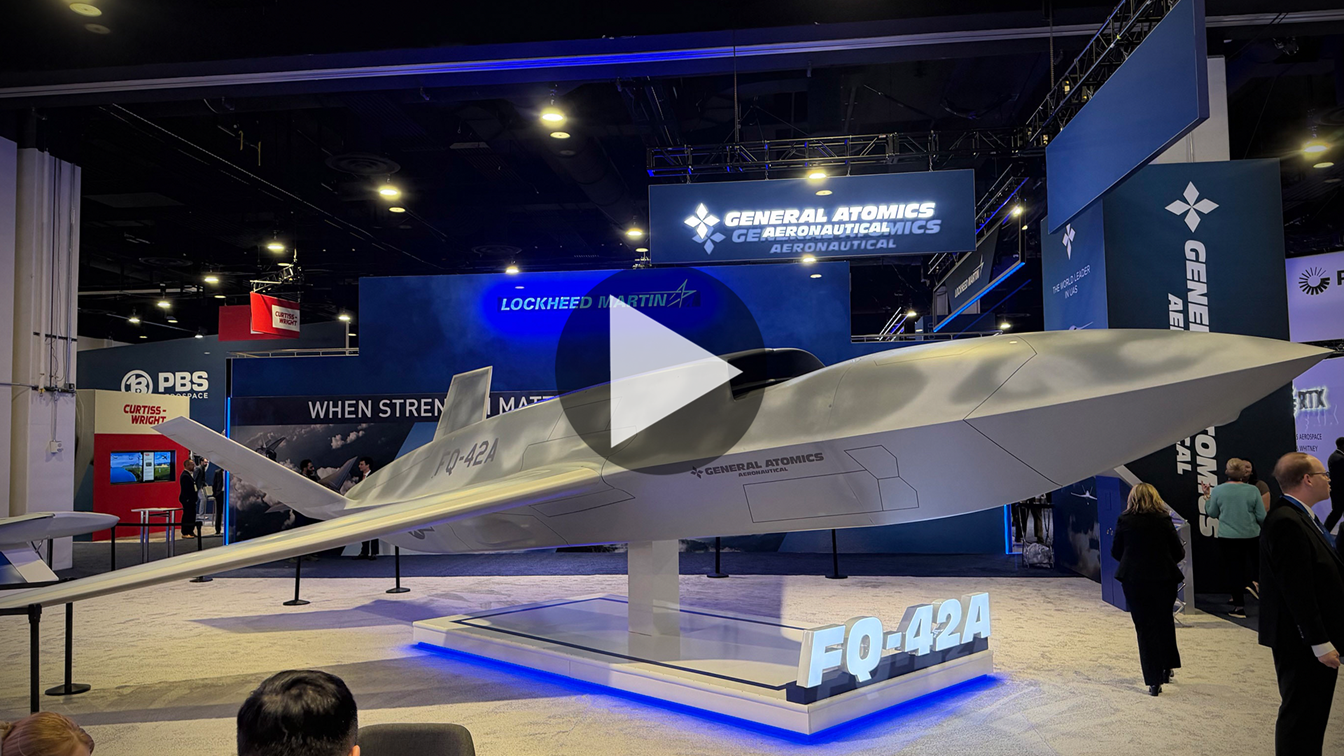
Highlights from the Air and Space Forces Association Conference in National Harbor, Maryland
This week’s episode of The Break Out features Deputy Editor Lee Ferran and Air Warfare Reporter Michael Marrow discussing key highlights from the Air and Space Forces Association’s Air, Space and Cyber conference held in National Harbor, Maryland. The conference showcased significant developments and surprising announcements that are crucial for industry stakeholders. The insights shared by Ferran and Marrow provide valuable context for understanding the evolving landscape of air and space forces. Viewers can also enjoy a guided tour of the show floor led by Breaking Defense Multimedia Director Daniel Woolfolk, highlighting various systems and displays. No further timeline was disclosed at the time of publication.
Air Warfare Space AFA 2026 Air Force Break Out Video Business & Industry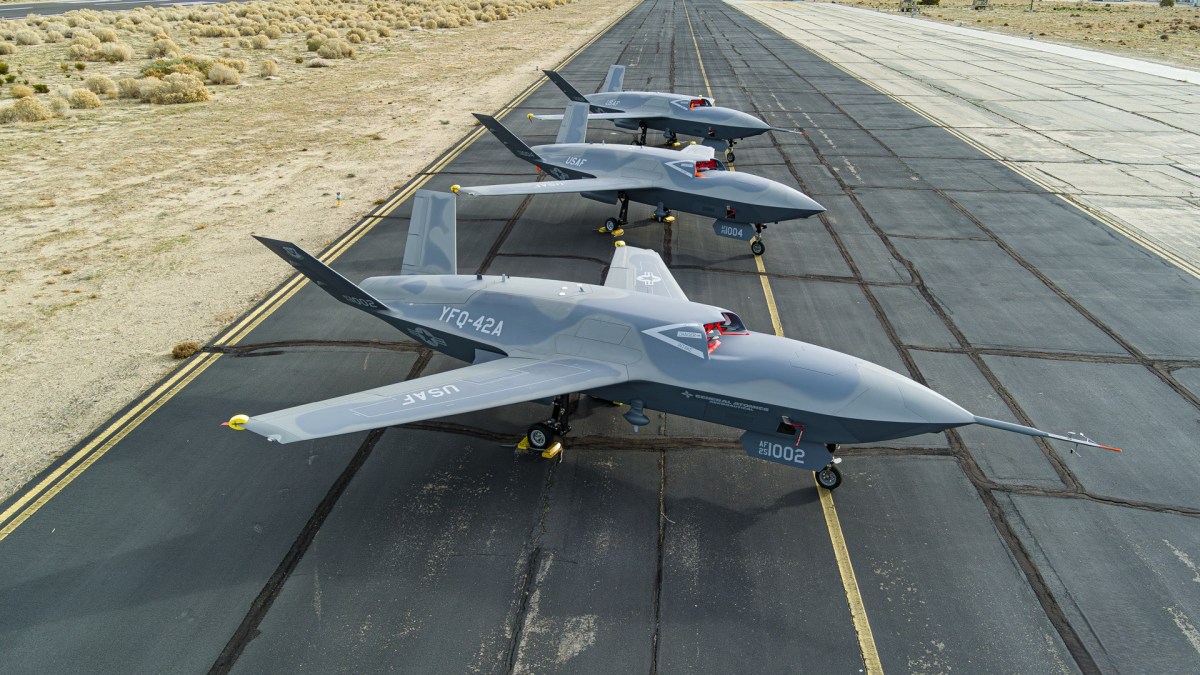
U.S. Air Force's Collaborative Combat Aircraft to Participate in December Emerald Flag Exercise
The U.S. Air Force's Collaborative Combat Aircraft (CCA) will make their debut in a large-force employment exercise, Emerald Flag, in December. This marks a significant milestone in operationalizing these drones, as Lt. Col. Lyndon Bartlett emphasized the importance of integrating CCAs into real-world scenarios. Emerald Flag, which began in 2020, focuses on enhancing aerial networking and command capabilities, crucial for future CCA operations. The exercise will serve as a foundational step in building trust in autonomous systems, which is vital for their tactical deployment. The Air Force's initial CCA fleet will include General Atomics FQ-42A Vengeance and Anduril FQ-44 Fury drones. Looking ahead, the outcomes of the Emerald Flag exercise will provide valuable insights into the operational capabilities of CCAs, including their deployment and maintenance in diverse environments. No further timeline was disclosed at the time of publication.
Air Air Forces Collaborative Combat Aircraft Drones News & Features U.S. Air Force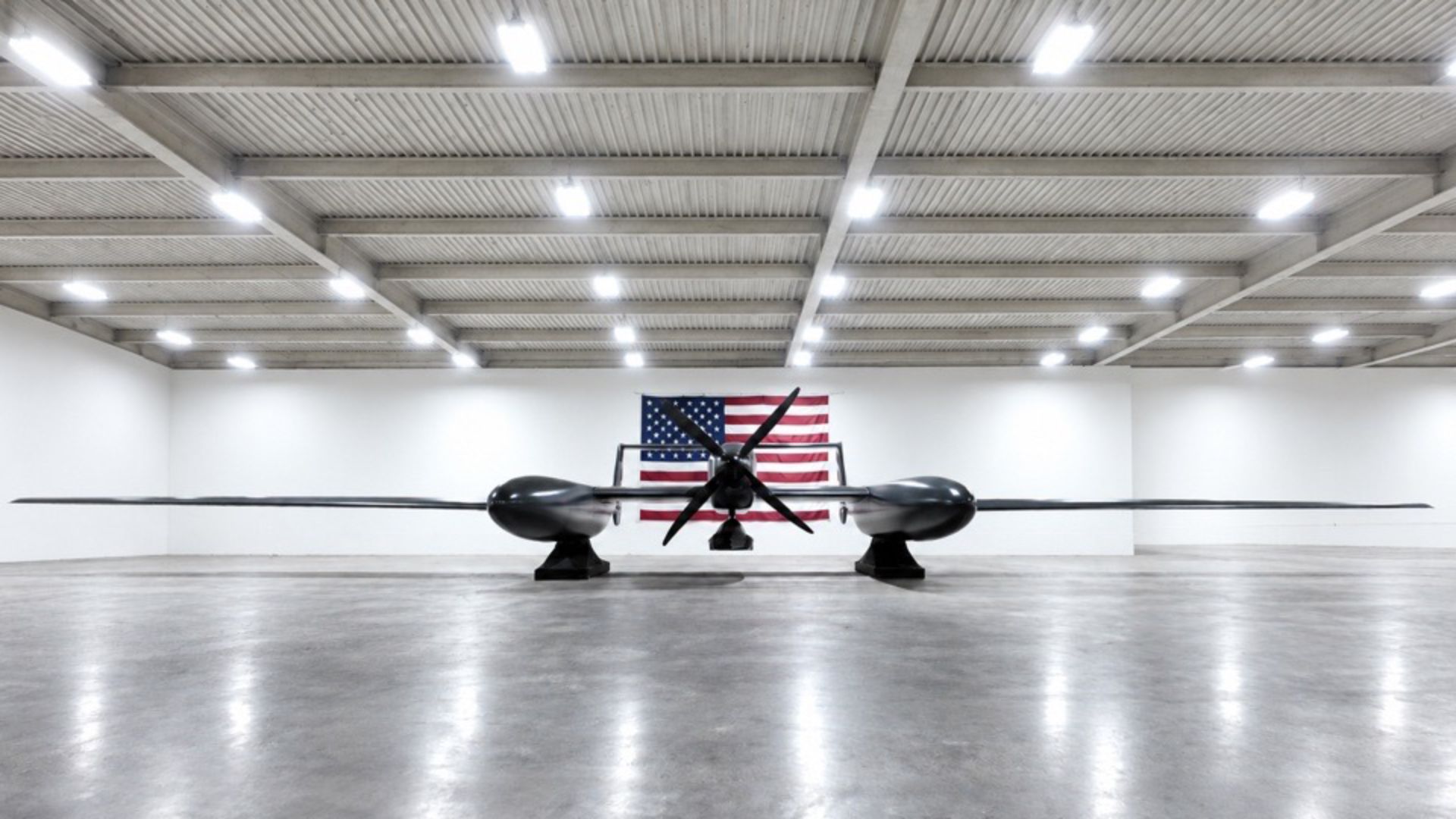
Swarm Aero Introduces Gamera Drone with 10,357-Mile Range for U.S. Air Force Replacement
Swarm Aero has launched its Gamera drone, a long-range uncrewed aircraft aimed at replacing the MQ-9A Reaper for the U.S. Air Force. The Gamera features a 72-foot wingspan and an impressive unrefueled range of up to 10,357 miles, designed for the Pentagon's Massed Modular Aircraft program, which seeks cost-effective solutions for intelligence and strike missions. This development is significant as it addresses the need for a lower-cost, attrition-tolerant aircraft, with the Gamera capable of carrying at least 2,800 pounds of payload, including advanced weaponry. Its innovative design includes two parallel fuselages and a unique engine placement, enhancing its operational capabilities while allowing for modular payload adjustments as mission requirements evolve. Looking ahead, Swarm Aero's Gamera is positioned to revolutionize drone operations with its autonomous swarm capabilities, allowing a single operator to control multiple aircraft. The company has been developing this technology since 2022 and aims to meet the Air Force's target price of approximately $10 million per aircraft, significantly lower than the MQ-9A's cost, which can reach $50 million depending on configuration.
Military
U.S. Air Force Aims for $10 Million MQ-9 Reaper Successor with MMA Program
The U.S. Air Force is targeting a unit price of approximately $10 million for a drone to succeed the MQ-9A Reaper, significantly lower than the current $30 million to $50 million cost of a fully equipped Reaper. The new drone, named the Massed Modular Aircraft (MMA), is being developed amid concerns over recent Reaper losses in operations against Iran. This initiative is crucial as the Air Force seeks to enhance its intelligence, surveillance, and reconnaissance (ISR) capabilities while reducing costs. Lt. Gen. Christopher Niemi emphasized that the MMA should perform similar missions as the MQ-9A, with specific requirements including a speed of at least 200 knots and a combat radius of 2,300 nautical miles. The goal is to achieve a unit cost that is closer to half that of the Collaborative Combat Aircraft (CCA). Looking ahead, the Air Force acknowledges that trade-offs will be necessary to meet the lower cost target for the MMA. Niemi indicated that while the MMA will likely resemble the MQ-9, it will utilize proven technologies to drive down costs. No further timeline was disclosed at the time of publication.
Air Air Forces News & Features Q-9 U.S. Air Force Unmanned
US Air Force's Collaborative Combat Aircraft Program Needs New Focus on HVAA Protection
The U.S. Air Force's next-generation Collaborative Combat Aircraft (CCA) program must prioritize the protection of high-value airborne assets (HVAA) to ensure air superiority in potential conflicts with China. Current air combat strategies emphasize firepower but overlook the vulnerabilities of AEW and refueling aircraft, which are critical for modern warfare. As the People's Liberation Army Air Force (PLAAF) enhances its capabilities, the U.S. risks falling behind if it does not adapt its approach. The Air Force's traditional focus on fighter superiority may leave HVAA exposed, undermining long-range air-to-air kill chains and ceding advantages to the PLAAF. A shift towards integrating CCAs that can defend HVAA could mitigate these risks and enhance overall combat effectiveness. Looking ahead, the Air Force's strategy must evolve to address the firepower-versus-protection dilemma. By developing CCAs that prioritize endurance and missile payloads for HVAA defense, the U.S. can better position itself against the growing threat from the PLAAF. No further timeline was disclosed at the time of publication.
Air Warfare Opinion Air Force Asia CCA China
U.S. Forces Target Iranian Oil Tankers in New Retaliatory Strikes
The U.S. military has conducted strikes on two Iranian oil tankers in response to attacks by Tehran on vessels in the Strait of Hormuz. This new 'tanker-for-tanker' strategy marks a shift from previous U.S. actions, which primarily focused on enforcing a naval blockade against Iran. The strikes were carried out by U.S. Central Command (CENTCOM) as part of a broader effort to deter Iranian aggression against commercial shipping and U.S. personnel. This escalation in hostilities comes after a month-long pause in military actions between the U.S. and Iran. The Iranian government has claimed civilian casualties from the strikes, leading to retaliatory missile and drone attacks on U.S. facilities in Bahrain, Iraq, Jordan, and Kuwait. The U.S. strategy, reportedly approved by former President Trump, aims to prevent Iran from enhancing its military capabilities that threaten maritime safety in the region. Looking ahead, the effectiveness of the U.S. strikes in reducing Iranian threats to shipping in the Strait of Hormuz will be crucial. CENTCOM indicated that the recent actions have temporarily lowered the threat levels for commercial vessels. No further timeline was disclosed at the time of publication.
News & Features Around The Globe Iran Middle East Persian GulfRobotics needs a service framework.
RSF defines a common language for robot service capability, lifecycle operations, certification pathways, and service-provider networks.
Join the RobotToday community on LinkedIn
Daily robotics news, in-depth analysis, conference highlights, and discussions with professionals worldwide.







