Industry Briefing
A single destination for timely, editor-curated robotics news from around the world.
Recent Investment Surge in Deep-Sea Robotics Sector Highlights Industry Growth
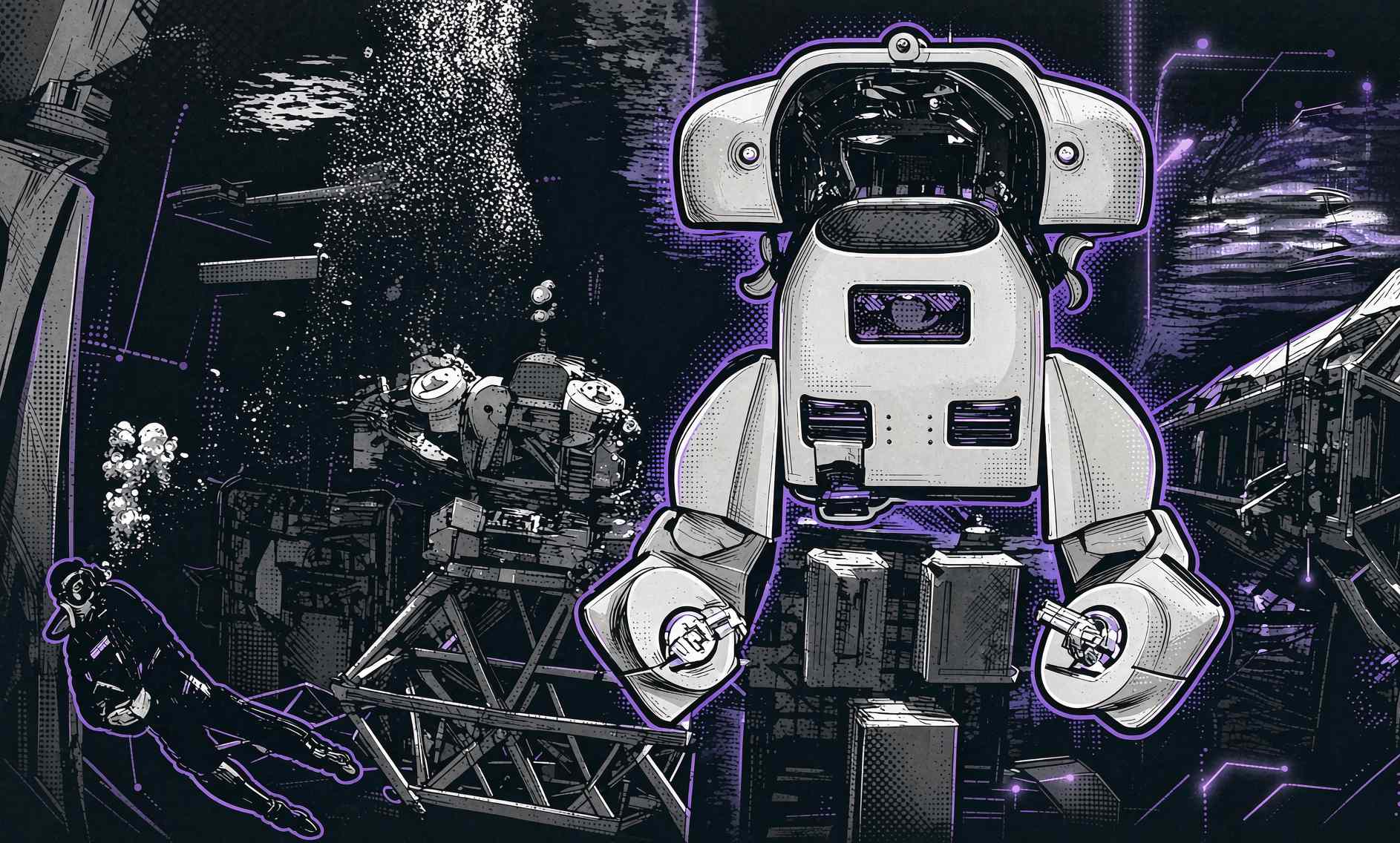
The deep-sea robotics sector has recently seen a surge in investment, with Gongzhi Ocean announcing nearly 100 million yuan in angel funding from several investors including Zhongxin Zhidi and Lihe Financial. Founded in 2024, Gongzhi Ocean focuses on high-end underwater propulsion equipment and bionic underwater vehicles, with its core product, 'Hetu,' being the industry's first integrated underwater robot for detection operations. This influx of capital is significant as it reflects the ongoing demand for underwater operations driven by the rapid development of China's marine economy. The market for underwater robots is expected to grow from 3.5 billion yuan in 2022 to 5.16 billion yuan by 2024, with an annual growth rate exceeding 20%. The competition is shifting from merely selling equipment to providing comprehensive services that reduce operational costs in tasks such as hull cleaning and seabed exploration. Looking ahead, the focus will be on how these companies can translate laboratory technology into reliable, maintainable, and scalable operational capabilities in real marine environments. The successful application of these robots in practical scenarios will be more telling than any financing news, as it will demonstrate their effectiveness in various underwater tasks.
Underwater Robotics Marine Technology Investment Trends Autonomous Systems
Wang Xingxing Proposes 'Two 80%' Standard for Robotics Industry Advancement
On August 19, 2026, Yushu Technology debuted on the STAR Market, experiencing a surge of over 600% in its opening, with a market valuation exceeding 440 billion yuan. The following day, founder Wang Xingxing delivered a keynote speech at the 2026 World Robotics Conference, titled 'From Exhibits to Products: The Next Decade of Humanoid Robotics,' focusing solely on technology rather than stock prices. Wang introduced a quantifiable critical point for the emergence of embodied intelligence: a robot operating in 80% unfamiliar environments should be able to complete approximately 80% of tasks through voice or text commands. This standard transforms the previously conceptual metric of 'generalization capability' into a measurable target, which was frequently referenced by executives at the conference. Analysts noted that the capital market is now pricing based on shipment volume, order quality, technical convergence, and data feedback loops rather than just imaginative generalization. Wang also addressed a key technical challenge: the discrepancy between AI models and the real physical world, which leads to a significant drop in task success rates when environments change. He revealed Yushu Technology's ongoing research into a physical AI robot self-evolution V1.0 scheme, which aims to align AI model inputs and outputs with the real world, believing this issue will be resolved in the coming years.
Embodied Intelligence Robotics AI Development Automation Technology
Industry Pushes Back Against Bill Gates' Proposal for Robotics and AI Taxation
Bill Gates has revived his proposal for a tax on robotics and AI, arguing it could mitigate job displacement and fund retraining programs. He emphasizes that AI will rapidly impact various sectors, including law and manufacturing, potentially leading to fewer jobs without proper policies. The idea, first introduced in 2017, has faced criticism for its economic efficiency, with South Korea being the only country to implement such a tax. The proposal has sparked significant debate within the industry, with organizations like the International Federation of Robotics (IFR) opposing the tax. They argue that taxing production tools rather than profits could hinder competitiveness and productivity, especially as manufacturers increasingly rely on robots to address labor shortages. Gates acknowledges both the benefits and risks of AI, highlighting its potential to improve lives while also raising concerns about societal impacts. As discussions continue, stakeholders are urged to consider the implications of AI and robotics on employment and economic structures. No further timeline was disclosed at the time of publication.

China's Robotics Industry Achieves Key Milestone at Two Major Events
From August 19 to 23, two significant robotics events were held simultaneously in Beijing, marking a pivotal moment for China's robotics industry. The World Robot Conference showcased advancements, with robots like the Galaxy Universal G1 performing complex tasks such as making breakfast and playing table tennis, demonstrating enhanced dynamic perception and real-time decision-making capabilities. The Second World Humanoid Robot Competition featured 666 teams and 2,056 robots from 16 countries, expanding its events from 26 to 51, including practical scenarios like food service and emergency response. The competition highlighted the industry's shift towards real-world applications, with the goal of aligning robotics with everyday tasks. Looking ahead, China's robotics industry is projected to exceed 300 billion yuan in revenue by 2025, with a 24.5% year-on-year growth expected in the first half of 2026. Despite these advancements, challenges remain in adapting embodied intelligence technologies to real-world applications, indicating a critical area for future development.
Robotics Humanoid Robots AI Automation Industry Innovation
Robotics Industry Transitions from Demonstrations to Real-World Applications
The 2026 World Robotics Conference, held in Beijing from August 19 to 23, showcased a significant shift in the robotics industry from mere demonstrations to practical applications. With 373 companies exhibiting over 3,000 products, including more than 150 new releases, the event highlighted the industry's focus on real-world problem-solving. This transition is underscored by the introduction of 'Procurement Day' and the launch of the 'Global Robot Application Exploration Program.' Innovations such as the Tian Gong Omni humanoid robot and the Ant Lingbo 'robot pharmacist' demonstrate the industry's commitment to integrating robotics into everyday tasks, moving beyond the showcase mentality. Looking ahead, industry leaders emphasize the need for large-scale production and the evolution of AI models to meet real-world challenges. The conference signaled a pivotal moment for the robotics sector, indicating a move towards high-quality, scalable solutions that address genuine operational needs.
Robotics Industrial Automation AI Healthcare Robotics Manufacturing Solutions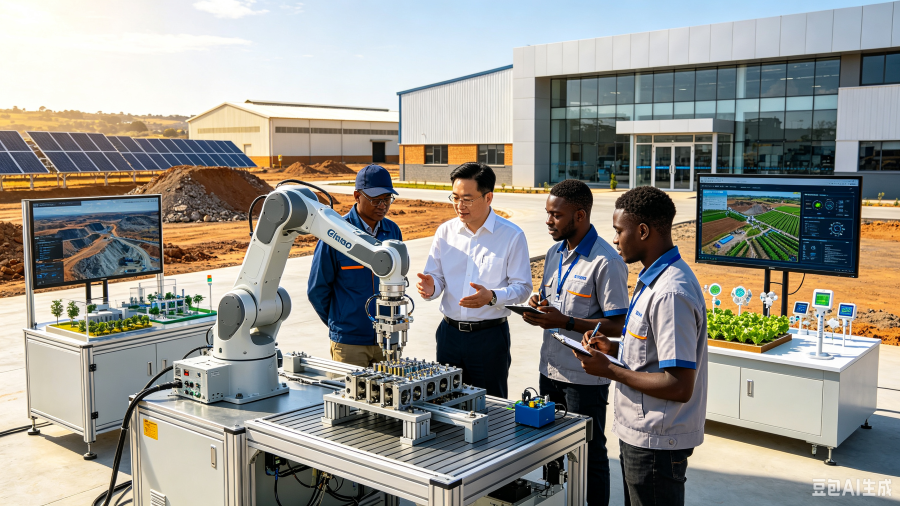
China's Robotics Industry Presents New Opportunities for Africa's Development
As China's humanoid robots begin to perform tasks in factories and warehouses, South African media highlights that this robotics revolution could benefit Africa. The rapid growth of China's robotics sector offers significant development opportunities for African nations in agriculture, healthcare, mining, and manufacturing. According to the International Federation of Robotics, China is expected to install approximately 295,000 new industrial robots in 2024, accounting for 54% of the global total. South African media describes China's robotics development model as a quick cycle of experimentation, cost reduction, and commercial deployment, driven by industrial demand, substantial R&D investment, and strong manufacturing capabilities. The article emphasizes that as African countries collaborate with China in robotics, moving beyond mere imports to assembly, maintenance, and training, they can cultivate new industrial capacities. This partnership could enable Africa to learn from China's long-term investments in manufacturing and innovation, creating a favorable window for collaboration as the continent seeks industrial breakthroughs.
Robotics Automation Agriculture Technology Healthcare Technology Manufacturing
US Robotics Industry Faces Challenges Amid Ban on Chinese Humanoid Robots
The US government has imposed a ban on Chinese humanoid robots, a move aimed at protecting the nascent American robotics industry. Brendan Carr, chairman of the FCC, emphasized that this action is one of the strongest technology-security measures in recent history, as Chinese manufacturers dominate approximately 85% of the global humanoid market. This ban raises questions about the effectiveness of isolating the US robotics sector from competition. While it is intended to foster growth in an industry that lacks established players, critics argue that such protectionist measures may hinder innovation and development. Evan Beard, CEO of Standard Bots, supports the ban, citing security concerns related to foreign-subsidized machines potentially being used for espionage. Looking ahead, the implications of this ban on the US robotics landscape remain to be seen. The exemption for federal government purchases indicates a complex approach to technology security, suggesting that the government may continue to leverage foreign technology while restricting it from the general public. No further timeline was disclosed at the time of publication.

FCC's Ban on Foreign Robots Initiates U.S. Robotics Industry Protection Measures
The U.S. Federal Communications Commission (FCC) has officially added foreign-produced connected mobile robots to its 'covered list,' prohibiting their commercial sale in the U.S. This action is not only a national security measure but also opens a policy gap for protecting the U.S. robotics industry. The definition of 'advanced robotic equipment' encompasses nearly all connected mobile robots, including humanoid robots, quadrupeds, warehouse platforms, delivery robots, autonomous forklifts, and even vacuum robots. The ban is not absolute, as previously authorized models like the Unitree G1 and Roomba remain unaffected. Certain manufacturers may obtain conditional approvals for exceptions. The critical factor is the definition of 'foreign production,' which could include products made by U.S. companies overseas while excluding products made by foreign companies in the U.S. The FCC's decision aims to mitigate risks associated with data breaches and remote control vulnerabilities posed by these robots. The robotics industry has strongly opposed the ban, particularly researchers reliant on Unitree robots. However, the author argues that current import rules for research are overly lenient. The FCC's initiative creates market certainty for U.S. manufacturers to develop safe and affordable robotic systems, shifting the landscape of investment and innovation in the sector. No further timeline was disclosed at the time of publication.
Robotics National Security Market Regulation Manufacturing
Leju Unveils Dual Ecosystem Engine for Trillion-Yuan Robotics Industry at National Competition
On August 1, 2026, at the Shougang Ice Curling Center in Beijing, 213 humanoid robot teams competed for top honors at the 28th China Robotics and Artificial Intelligence Competition (CRAIC). This event is significant not only for showcasing robotics but also for establishing standards and ecosystems in the industry. Leju is transforming the competition into a platform that elevates the focus from individual robots to broader industry standards. The year 2026 is recognized as a pivotal moment for the commercialization of humanoid robots, yet the industry faces a critical talent shortage, particularly in robotics, with a gap of 4.5 million skilled workers. Leju's approach emphasizes practical training through real-world scenarios, moving beyond simulations to create authentic industrial environments for competitors. This shift allows participants to conduct pressure tests on their robots in realistic settings, preparing them for future production lines. Leju's strategy is supported by the OpenLET community, which fosters an ecosystem encompassing training, data sharing, and talent development. With over 70 member organizations and 10,000 developers, the community aims to address the fragmented nature of the humanoid and embodied intelligence industries. The CRAIC 2026 features various competitions that reflect real industrial needs, pushing technology from demonstration to reliable operation, ultimately shaping the future of the robotics sector.
Humanoid Robots AI Robotics Competitions Talent Development Industrial Automation
US FCC Bans Foreign Robots, Favoring Tesla but Threatening Domestic Robotics Industry
The U.S. government has implemented a ban on foreign-manufactured advanced robots, including humanoid and quadruped models, citing national security concerns. This regulation, enacted by the Federal Communications Commission (FCC) on July 28, restricts new models from entering the U.S. market, impacting not only Chinese products but also those from allies like Japan, South Korea, and Germany. Exemptions apply to small toy robots, fixed industrial arms, and medical surgical robots. This ban is seen as a move to protect and promote the domestic robotics industry, with Tesla potentially emerging as a significant beneficiary. The company's Optimus robot, which has not yet been widely released, may gain a near-exclusive advantage in the U.S. market as competitors are sidelined. Local companies such as Agility Robotics and Figure AI are also expected to benefit from this policy, which some experts warn could stifle innovation by limiting access to lower-cost platforms from China. Looking ahead, the long-term effects of this ban on the U.S. robotics industry remain uncertain. While Tesla's Optimus may thrive without external competition, experts caution that this could hinder the overall competitiveness of the U.S. robotics sector. No further timeline was disclosed at the time of publication.
Humanoid Robots Robotics Industry AI Innovation Market Regulation
Highline Commerce Expands Operations in Industry City with Ultra Robotics Support
Highline Commerce, a third-party logistics provider, has expanded its operations to 60,000 square feet in Industry City, Brooklyn, as of July 23, 2026. This expansion is part of a growing trend where logistics firms and robotics startups are establishing a presence in the area to meet the demands of the booming e-commerce sector. The e-commerce market in New York City is rapidly growing, with 2.5 million packages delivered daily. Highline Commerce is now utilizing humanoid robots from Ultra Robotics to fulfill up to 30% of its clients' orders, highlighting the increasing integration of robotics in logistics to enhance efficiency and meet consumer demands. As the competition in the retail tech space intensifies, the collaboration between Highline Commerce and Ultra Robotics may set a precedent for future logistics operations. Observers should watch for further developments in automation technologies and their impact on the logistics landscape in New York City.

Highline Commerce Expands in Industry City, Utilizing Ultra Robotics for E-commerce Fulfillment
Highline Commerce, a third-party logistics provider, has expanded its operations to 60,000 square feet in Industry City, Brooklyn. This growth allows the company to fulfill up to 30 percent of its clients' orders using humanoid robots from Ultra Robotics, another tenant in the area. With e-commerce booming in New York City, Highline Commerce supports over 200 brands by providing essential distribution services. The significance of this expansion lies in the strategic positioning of Industry City as a hub for logistics and retail technology. New York has become a critical location for moving retail goods, with Amazon operating over 40 facilities in the region. Highline Commerce's growth reflects a shift in the narrative of New York as a manufacturing and fulfillment center, moving beyond its historical role as merely a sales market. Looking ahead, Highline Commerce's innovative use of humanoid robots in its fulfillment process marks a notable trend in the logistics sector. As the company continues to scale, it will be important to monitor how this integration of robotics influences efficiency and competitiveness in the rapidly evolving e-commerce landscape. No further timeline was disclosed at the time of publication.
Business Industry 3pl automation Brooklyn e-commerce
Finalists for the CIIF Robotics Award Showcased at the 26th China International Industry Fair
On September 9, the 26th China International Industry Fair (CIIF) hosted the presentation of finalists for the CIIF Robotics Award. This event was organized by the CIIF Robotics Exhibition Department in collaboration with the Shanghai Robotics Industry Association, ensuring a thorough evaluation process to select benchmark products in the industry. A total of 36 products from 36 companies across the country were nominated for the award. The significance of this event lies in its role in promoting innovation and excellence in robotics. Among the finalists is FANUC's new generation of heavy-duty industrial robots, designed for automation scenarios with a load capacity ranging from 120kg to 300kg. This series emphasizes performance upgrades, energy efficiency, and reduced operational costs, aiming to enhance production efficiency and support the transition to high stability and intelligent automation in industrial production. Looking ahead, the competition highlights the advancements in robotics technology, including the MOTOMAN NEXT from Yaskawa, which integrates AI capabilities for improved operational efficiency. No further timeline was disclosed at the time of publication, but the ongoing developments in robotics are expected to drive significant changes in manufacturing processes and automation solutions in the near future.
Industrial Robotics Automation Technology AI Robotics Collaborative Robots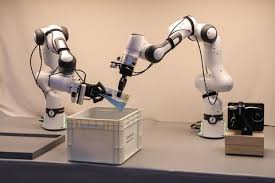
Tactile Sensing Technology Sees Significant Growth in Robotics Sector
Tactile sensing technology is gaining prominence in the robotics industry as humanoid robots transition from exhibition spaces to factory floors. Since 2026, funding in the tactile sensing sector has exceeded 7 billion yuan, with the penetration rate of tactile sensors in commercial humanoid dexterous hands rising from 20% to over 60% this year. This rapid growth is notable within the robotics components sector, highlighting a shift in robotic applications. While visual-language-action models have enhanced robots' environmental understanding and task planning, precision assembly and flexible grasping require tactile feedback for effective force control and slip detection. According to Qianjue Robotics founder Ma Daolin, tactile sensing is essential for high-precision industrial operations. The evolution of technology supports this need, as Qianjue Robotics' VTLA model integrates tactile modalities into traditional frameworks, enabling real-time perception of deformation, texture, and force distribution during contact. Their comprehensive tactile solution expands sensing from fingertips to palms, achieving a sensor density of 125 points per square centimeter and a force accuracy of 0.03 Newtons. As hardware costs decrease and data accumulation accelerates, tactile sensing is becoming a necessary capability in real-world operational scenarios.
Tactile Sensors Humanoid Robots Robotics Technology Industrial Automation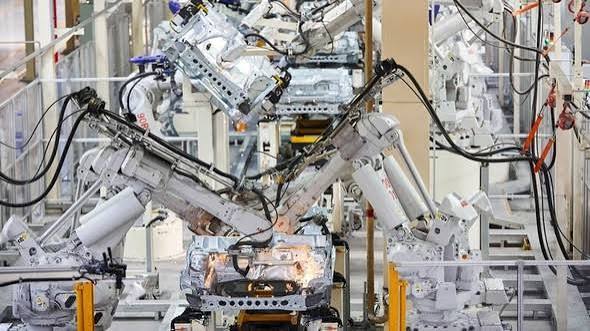
Power Shift in the Global Robotics Industry as Traditional Leaders Face Challenges
In 2026, a significant power shift is occurring within the global robotics industry, particularly impacting the Chinese market. The four major foreign companies, Fanuc, Yaskawa, ABB, and KUKA, known as the 'Four Families,' are experiencing unprecedented challenges, while domestic brands have gained a market share exceeding 55% in industrial robotics. Fanuc's share has dropped to 9%, highlighting a dramatic change in the competitive landscape. This shift is crucial as it marks the decline of established players who once dominated over 60% of the Chinese industrial robotics market. The rise of domestic brands, particularly in collaborative and welding robots, indicates a growing trend towards local innovation and manufacturing capabilities. ABB's strategic retreat, including the planned sale of its robotics business, underscores the urgency of this transformation. Looking ahead, the robotics industry is witnessing the emergence of new players and innovative technologies. Companies like Tianji Intelligent and Yushu Technology are making strides in capital markets, while cross-industry giants like Xiaomi and Midea are integrating robotics into their operations. The ongoing power transfer suggests that the industry is entering a new phase, with the balance of power shifting towards domestic manufacturers and innovators.
Industrial Robots Vacuum Robots Automation Chinese Robotics Market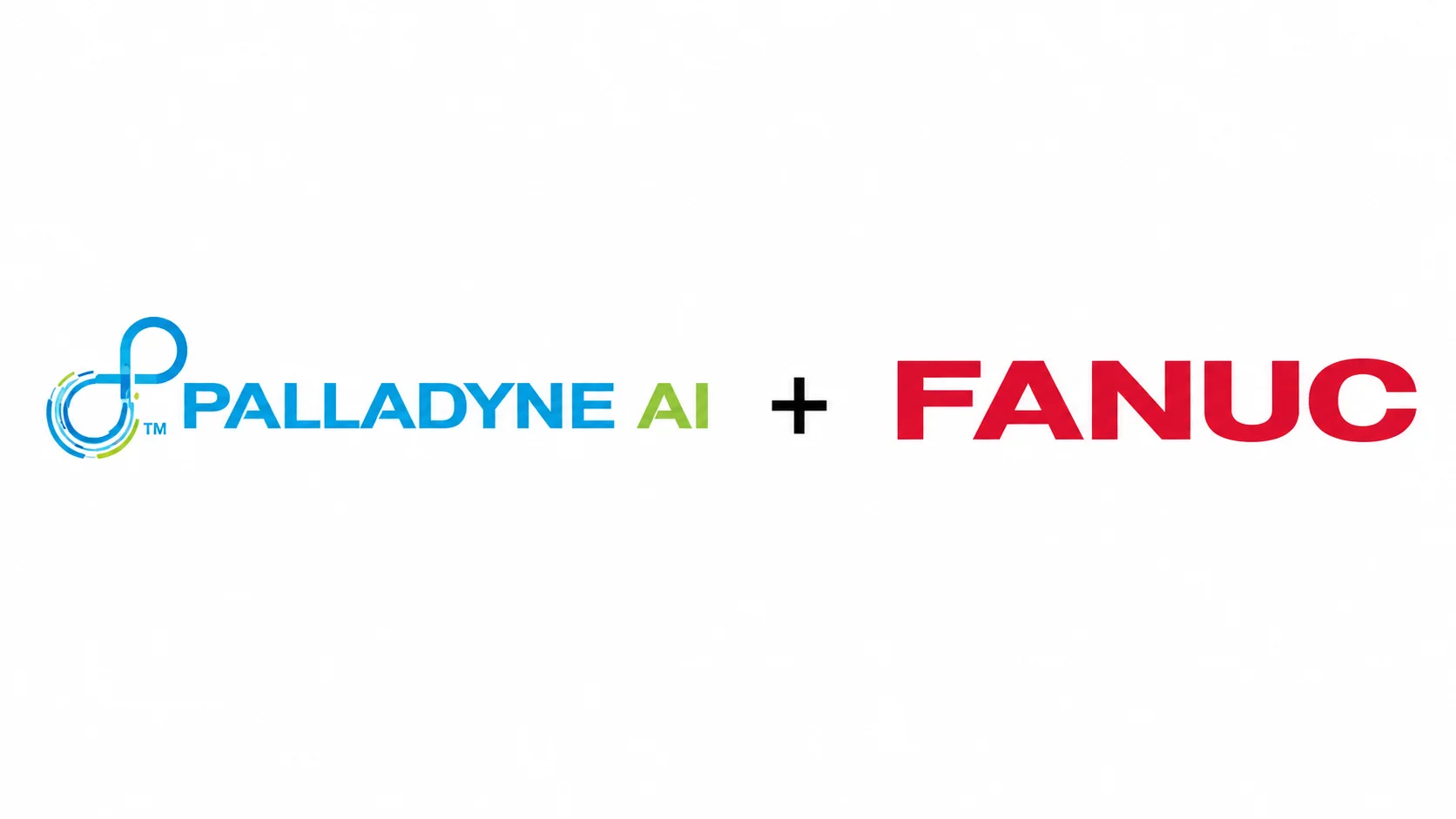
Palladyne AI and Fanuc America Collaborate on AI-Enhanced Robotics for Industry
Palladyne AI and Fanuc America have established a strategic partnership to advance AI-driven robotic automation tailored for manufacturing, warehousing, and logistics sectors. This collaboration aims to integrate Fanuc's industrial robots with Palladyne IQ, focusing on enhancing motion planning, adaptive behavior, and human-assisted learning capabilities. The significance of this partnership lies in addressing challenges faced by manufacturers and logistics operators, such as skilled labor shortages and the need for increased productivity. By combining their technologies, the companies aim to create more adaptable robotic systems that can efficiently respond to dynamic environments, ultimately streamlining deployment processes across various operations. Looking ahead, the collaboration will also emphasize joint customer validation and the development of standardized deployment workflows, which are expected to simplify the introduction of robotic automation. No further timeline was disclosed at the time of publication.
AI AI Funding & Investment Capital Markets Robotics automation Fanuc
NVIDIA's Acquisition of Hugging Face: Impact on Robotics and AI Development
On September 3, NVIDIA announced its acquisition of Hugging Face for $11.9 billion, with up to $1 billion allocated for talent retention. Hugging Face, known for its extensive open-source AI resources, has 18 million developers, 3 million models, and 500,000 datasets. This acquisition marks a significant shift in the AI landscape, particularly for the robotics sector, which heavily relies on Hugging Face's resources. The acquisition is crucial as Hugging Face has developed a robust data infrastructure for embodied intelligence, including the LeRobot framework and 181 standardized robot datasets. Many robotics companies utilize Hugging Face for their training processes. Despite previous refusals of NVIDIA's investment offers, Hugging Face's leadership recognized the challenges of remaining independent in a competitive market dominated by major tech players. Looking ahead, the acquisition raises questions about Hugging Face's future direction under NVIDIA's ownership. As the robotics industry evolves, stakeholders will be keen to observe how this integration affects the availability and development of AI models and datasets critical for robotics applications. No further timeline was disclosed at the time of publication.
AI Robotics Machine Learning Data Management
KUKA Achieves Security Level 2 Certification for Robotics Automation Solutions
KUKA has successfully attained Security Level 2 certification, showcasing its dedication to cybersecurity in automation solutions. This certification is crucial as manufacturers increasingly adopt connected technologies, emphasizing the need for secure robot controllers and operating systems to mitigate cybersecurity risks. As the industry evolves, KUKA's achievement highlights the importance of reliable operations in protecting critical production assets.

Xpeng Experiences Executive Departures Amid Robotics Talent Migration
In recent years, China's tech talent has been migrating from the internet to new energy and now to embodied intelligence. Following a trend that began around 2015, top talent in autonomous driving and AI architecture is increasingly moving to robotics companies. Xpeng has become a focal point in this talent shift, with key executives leaving the company, including former Vice President of Products Chen Yonghai and former Vice President of Autonomous Driving Li Liyun. Despite the executive exodus, Xpeng's robotics division has attracted significant investment, securing over $900 million in its first funding round, resulting in a post-money valuation exceeding $6.3 billion. This funding round, led by IDG Capital with participation from Gao Rong Capital, Tencent, and Alibaba, set a record for the largest single round of private equity financing in China's embodied intelligence sector. The juxtaposition of executive departures and substantial capital investment highlights the contrasting narratives surrounding Xpeng's robotics initiatives. Looking ahead, the ongoing talent migration may continue to impact Xpeng's operational capabilities, as at least six core executives have departed within a year, covering critical areas such as autonomous driving and AI infrastructure. No further timeline was disclosed at the time of publication.
Robotics AI Automotive Industry Talent Migration
Kingsoft Cloud Advances Robotics Innovation with Embodied Intelligence Solutions
The 2026 World Robot Conference was successfully held in Beijing, focusing on embodied intelligence and humanoid robot technologies. Kingsoft Cloud participated, showcasing its advancements in embodied intelligence and cloud services. Song Ye, General Manager of Internet Solutions at Kingsoft Cloud, emphasized that cloud computing is essential for industrial intelligence, helping manufacturers innovate in core robotics applications. Kingsoft Cloud addresses challenges in the robotics sector, such as high R&D costs and slow deployment, by offering a comprehensive computing cluster platform and simulation services tailored for various robot enterprises. Their robust computing resources support model development and real-time inference, ensuring efficient and stable cloud-based services for robotics. The company is committed to enhancing its presence in the embodied intelligence sector, providing essential support for the high-quality development of the domestic industry. As the field of embodied intelligence and humanoid robots continues to grow, Kingsoft Cloud's contributions are crucial for accelerating innovation and efficiency in this evolving market.
Embodied Intelligence Robotics Innovation Cloud Computing AI Model Development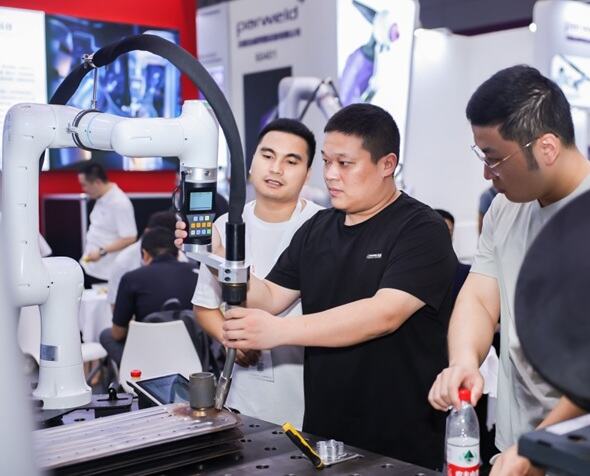
ROKAE Robotics Showcases AI-Driven Welding Innovations at Key Industry Exhibitions
In the summer of 2026, ROKAE Robotics made significant strides in the welding and intelligent manufacturing sectors by showcasing advanced AI-enabled solutions at two major events. At the Transformer Green Welding Conference in Changzhou, ROKAE's Marketing Director, Zi Lilong, presented insights on enhancing transformer manufacturing through intelligent welding technologies, emphasizing the need for greener and more efficient processes. The company's participation continued at the Beijing Essen Welding & Cutting Fair in Shenzhen, where ROKAE displayed its full-joint force-controlled collaborative welding robots. These robots, designed for various welding applications, demonstrated ROKAE's commitment to innovation and excellence in welding technology, attracting considerable attention from industry professionals. Looking ahead, ROKAE Robotics is poised to further influence the welding landscape with its cutting-edge solutions. The company's focus on integrating AI with collaborative robotics positions it as a leader in intelligent manufacturing. No further timeline was disclosed at the time of publication.
Yifei Technology Reports Strong Growth Amidst Shifts in the Robotics Industry
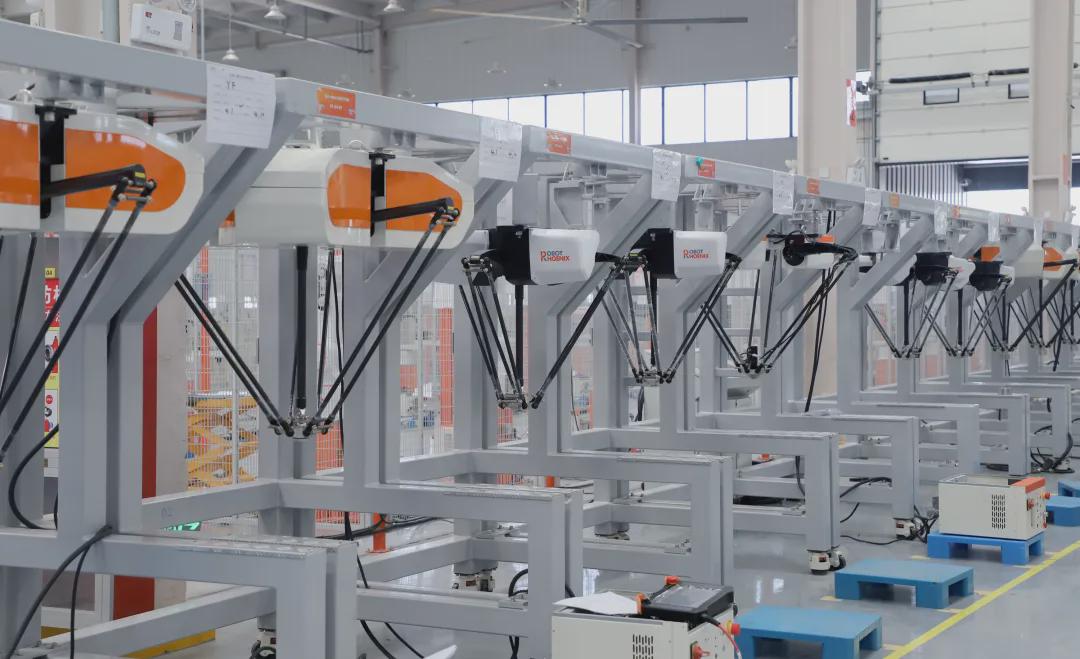
Yifei Technology has released its mid-term performance report for 2026, marking its first financial disclosure since its listing on the Hong Kong Stock Exchange on May 18. The company achieved a revenue of 186 million yuan, reflecting a 58% year-on-year increase, with overseas revenue soaring by 318.5% to 22.6 million yuan, accounting for 12.1% of total income. The significance of this growth lies in the evolving landscape of the robotics industry, where local companies are reclaiming market share from foreign brands in sectors such as automotive and electronics. As general-purpose robots become more mature and competitive, the focus has shifted from merely selling robots to integrating them into complex manufacturing environments, which presents unique challenges. Looking ahead, Yifei Technology is not only increasing its focus on core products like embodied intelligence and controllers but is also expanding into new areas such as vision systems and humanoid robots. The company’s strategic partnerships, such as with MiR in South Korea and Swarm Robotics in Saudi Arabia, highlight its commitment to enhancing local operations and adapting to specific industrial conditions.
Industrial Robots Global Expansion Automation Solutions Robotics Technology
Intel Report Highlights Robotics Readiness Gap Amid Evolving Industry Expectations
Intel's report reveals a significant gap in robotics readiness among organizations, as highlighted by John Healy, Intel's VP of industrial and robotics. While companies are moving towards integrating robotics into daily operations, many are still relying on outdated systems and lack the necessary training to manage intelligent robots effectively. The transition from fixed tasks to intelligent interaction is reshaping the robotics landscape, but it also uncovers a stark reality: 26% of manufacturing leaders are unprepared to manage robots by 2030. This gap is more pronounced in sectors like smart cities and defense, which face a 48% preparedness gap. As robotics deployment accelerates, organizations must address challenges related to workforce training, safety, and operational scaling. Companies that successfully navigate these issues will be better positioned to implement robotics effectively, moving beyond pilot programs to full integration into their operations. No further timeline was disclosed at the time of publication.

WRC 2026: A Sensor's Two Decades of Support for China's Robotics Sector
The 2026 World Robot Conference (WRC) commenced on August 19 in Beijing, showcasing over 300 exhibitors and more than 2,000 exhibits. Key players like Zhejiang humanoid NAVIAI WA2 and others highlighted the importance of 'embodied intelligence' through measurable physical metrics. The event emphasized the need for advanced sensors, with Yuli Instruments' new C-series six-dimensional force sensors gaining attention for their role in robotics. Yuli Instruments has established itself as a leader in sensor technology, having achieved UL certification and collaborated with ABB for over 15 years. Their products, which include over 1,000 types of sensors, are designed to withstand the demanding conditions of industrial applications. The company’s commitment to a fully autonomous production system and international testing standards has garnered trust from global clients, making it a key player in the robotics supply chain. As the industry evolves, the focus is shifting towards force perception as a critical factor for operational success in robotics. The ability to maintain stability on uneven surfaces and perform delicate tasks without damaging components is becoming essential. The increasing reliance on Yuli Instruments' sensors within the ABB ecosystem indicates a growing recognition of their importance in achieving reliable robotic performance.
Robotics Sensor Technology Industrial Automation Humanoid Robots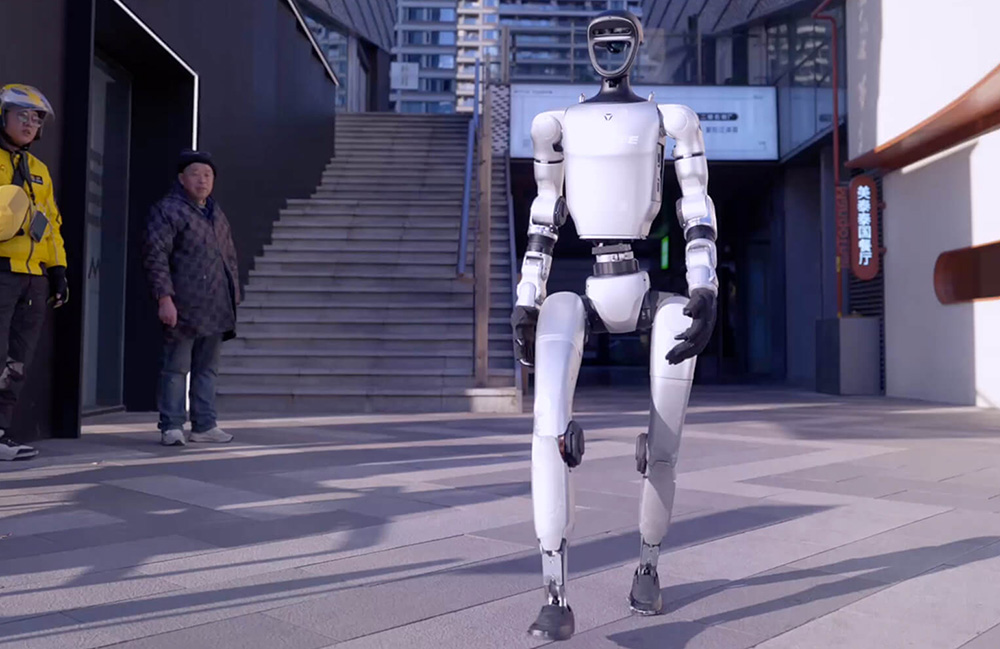
Unitree Robotics Achieves 460% IPO Surge, Impacting Humanoid Robot Market
Unitree Robotics made a significant entrance on Shanghai’s STAR Market, closing its first trading day with a remarkable 460% increase. The company raised approximately $905 million through its initial public offering, marking it as the first major legged robotics firm to go public. Founded in 2016, Unitree is renowned for its affordable quadruped and humanoid robots, which are predominantly utilized in research labs worldwide. The IPO represents a pivotal moment for Unitree, which has rapidly expanded its sales from five humanoid robots in 2023 to an impressive 5,215 projected for 2025. Despite this growth, approximately 70% of these sales are directed towards universities and research institutions, raising concerns about the robots' viability in industrial applications. Industry experts emphasize the need for Unitree to prove the operational durability of its robots in challenging environments to sustain its market position. Looking ahead, Unitree faces hurdles in the U.S. market due to recent FCC restrictions on imports of foreign-produced robots, including humanoids. This regulatory challenge could hinder the company's ability to sell future models in the U.S. Investors are now tasked with assessing whether Unitree can transition from one-off sales to a sustainable business model amidst these obstacles. No further timeline was disclosed at the time of publication.
Earnings Financial Humanoids Investments News Robots / Platforms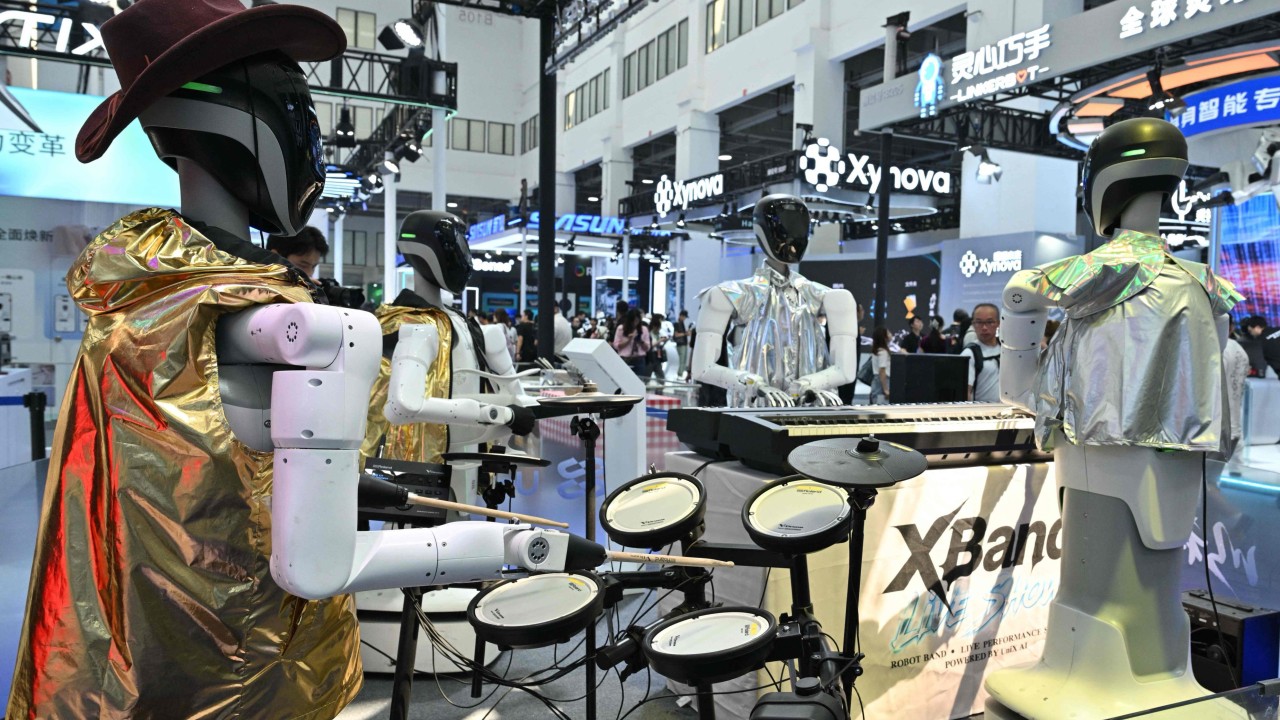
China's Robotics Industry Faces Critical Juncture as Firms Shift from Stunts to Real-World Applications
At the World Robot Conference in China, the focus shifted from impressive robotic displays to the urgent need for real-world applications. Executives and investors expressed a pragmatic outlook, emphasizing the necessity for robotics firms to transition from small-scale trials to large-scale deployments. This change is crucial as the robotics industry faces increasing pressure to deliver tangible returns on investments. Xu Xiaolan, president of the Chinese Institute of Electronics, highlighted that the industry is at a 'critical juncture' where the core goal is to push applications into sectors such as logistics, healthcare, and emergency response. Looking ahead, the competition will intensify as firms must prioritize reliability, autonomy, and economic value over mere performance. No further timeline was disclosed at the time of publication.
Yushutech's IPO Soars 629% on 'Super Day' of Robotics Industry Amid WRC Launch
On August 19, the robotics industry experienced a significant event dubbed 'Super Day' as Yushutech officially listed on the STAR Market, witnessing a remarkable surge of 629% in its stock price, reaching a market capitalization of 444.9 billion yuan. Concurrently, the 2026 World Robot Conference (WRC) commenced in Beijing, featuring over 300 companies and more than 2,000 exhibits, showcasing 150 new products. This dual occurrence highlights the growing momentum in the humanoid robotics sector, transitioning from conceptual narratives to tangible performance metrics. Yushutech's IPO price was set at 150.80 yuan per share, opening at 1,100 yuan, with a peak dynamic PE ratio exceeding 800 times. The company reported revenues of 1.699 billion yuan in 2025, with a net profit of 278 million yuan, and a market share of 32.4% in humanoid robot shipments, leading globally. Looking ahead, the WRC's focus has shifted from showcasing technical prowess to practical applications, with companies like Yushutech and others unveiling functional robots. The first valuation benchmark for the humanoid robot sector has been established, which is crucial for upcoming IPOs of companies like Zhiyuan and Leju. The industry is now emphasizing operational capabilities over mere demonstrations, as evidenced by the significant shipment growth of humanoid robots, which increased by 272% in the first half of the year.
Humanoid Robots Robot Industry Market Trends Technology Innovation
Agility Robotics Enters SPAC Deal Valued at $2.5 Billion Amid Industry Shift
On June 24, Agility Robotics Inc. announced a definitive business combination agreement with Churchill Capital Corp XI, a SPAC, valuing Agility at a $2.5 billion pre-money equity valuation. This transaction is significant as it reflects a growing trend among robotics companies to pursue non-traditional paths to public markets, particularly in light of labor shortages and the increasing need for automation. The deal is expected to generate approximately $620 million in gross transaction proceeds, including $200 million from a private placement of public equity led by Foxconn. As traditional IPO routes become more challenging, de-SPAC transactions may offer a viable alternative for robotics firms seeking capital and public market access. The transaction is anticipated to close in 2026, pending shareholder approval and regulatory reviews. Agility's move follows a similar path taken by Serve Robotics Inc., which completed a reverse merger with Patricia Acquisition Corp. in July 2023. As the robotics industry evolves, stakeholders should monitor how these financial strategies impact the growth and deployment of robotics technologies in various sectors.
Analysis Autonomous Mobile Robots (AMRs) Financial Humanoids Investments Mergers & Acquisitions
Bao'an Accelerates Development of Embodied Intelligence in Robotics Industry
In western Shenzhen, an artificial intelligence and robotics industry cluster valued at nearly 60 billion yuan is rapidly emerging. Bao'an, leveraging the Qianhai-Bao'an Embodied Intelligence Port, is establishing a complete ecosystem for embodied intelligence, from 'brain' to 'body'. The region's core advantage lies in a supply chain system that allows entrepreneurs to bring designs and see prototypes within three days. This ecosystem facilitates rapid development for robotics startups, with core components available within five kilometers. The first national AI application pilot base for mobile terminals is located here, along with a global robotics development service center. Companies can seamlessly transition from selection to mass production, significantly reducing time and costs. Bao'an has opened over 500 application scenarios across various industries, providing real-world environments for robotics testing. Companies like Valeo and Xiwangda have reported substantial improvements in production efficiency and defect rates. With over 600 AI and robotics firms, Bao'an is not just chasing trends but transforming the 'robot craze' into industrial capability, focusing on practical applications before expanding further.
Robotics Artificial Intelligence Supply Chain Industrial Automation
SemiAnalysis Report Reveals Yushu Technology's Strategy to Lead Global Robotics Market
A report by SemiAnalysis on the day of Yushu Technology's IPO indicates that the company is replicating the successful hardware growth paths of BYD and DJI, potentially positioning itself to dominate the global robotics industry. The report highlights Yushu's impressive cost structure, estimating the material cost of its G1 robot at just $8,976. Despite a price drop in overseas markets from over $50,000 to $27,300, the company maintains a gross margin of 67%. Yushu has evolved from a quadruped robot company three years ago to a leader in the humanoid robot market, with plans to deliver its 10,000th humanoid robot soon. Looking ahead, Yushu's revenue is projected to grow by 335.36% year-on-year by 2025, with a gross margin nearing 60%. The company plans to invest approximately 2.02 billion yuan in embodied model research and development. No further timeline was disclosed at the time of publication.
Humanoid Robots Robotics Industry Supply Chain Management Cost Structure AI Technology
Shifts in Robotics Investment Focus on Core Components Amid Market Changes
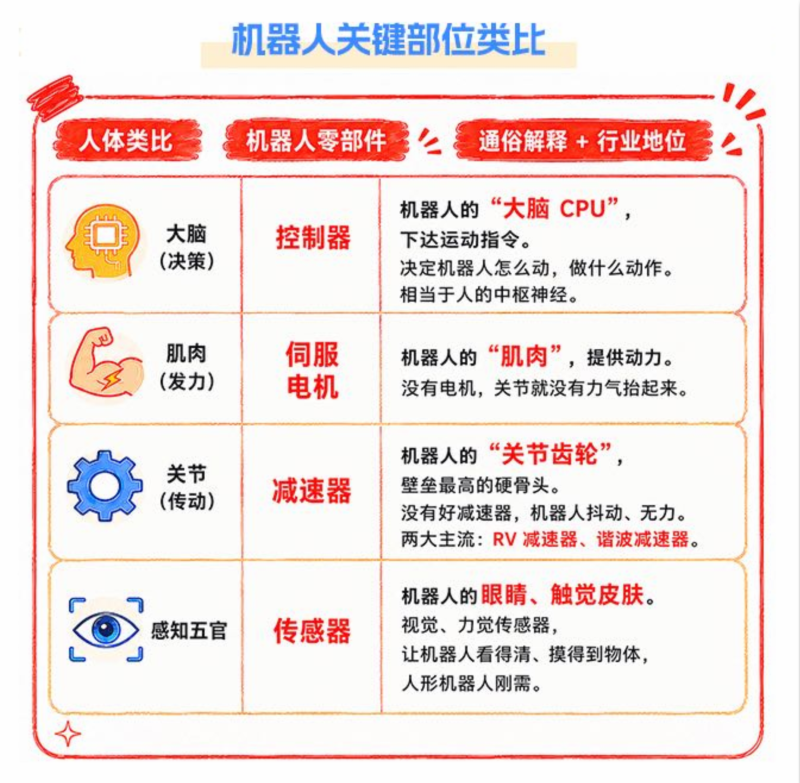
Since 2026, the robotics capital market has shifted focus from complete machines to core components such as chips, sensors, and actuators. This change reflects a move from concept validation to mass production, as investors seek more certainty in their investments. In July alone, 13 out of 52 financing events in the robotics sector were in core components, indicating a significant rise in interest. The importance of core components is underscored by the realization that relying solely on imported parts can severely impact profitability for humanoid robots. As domestic supply chains struggle to keep pace, companies with substantial funding may still find themselves at the mercy of foreign manufacturers. This shift highlights that competition in the robotics industry is evolving beyond just complete machines to encompass the entire supply chain. One notable player in this space is Tao Shi Intelligent, established in 2024, which has developed a unique orthogonal drive technology for reducers. With a focus on high precision and compact design, the company has successfully integrated its products into the supply chains of major firms like Foxconn. As demand for dexterous hands rises, Tao Shi Intelligent is poised to capitalize on this trend, having signed agreements for 100,000 joint modules with various robotics companies.
Robotics Core Components Supply Chain Investment Trends
U.S. FCC Expands Robot Ban, Impacting Foreign Robotics Industry and Supply Chains
On July 28, the U.S. Federal Communications Commission (FCC) expanded its 'Covered List' to include mobile robots over 2 kilograms and certain power inverters, effectively banning new imports from foreign countries. This decision, driven by the Department of Defense, aims to mitigate risks associated with advanced robotic devices, which the FCC claims pose cybersecurity threats to U.S. national security. The implications of this ban are significant for the robotics industry, particularly for companies in allied countries that may face restrictions similar to those imposed on Chinese technology. The FCC's definition of 'advanced robotic devices' includes mobile systems with onboard sensing and autonomy, while existing certified devices remain unaffected. The U.S. government emphasizes the need for a domestic supply chain to ensure economic and military independence from foreign manufacturers. As the robotics community reacts, some American companies may benefit from reduced competition, while others express concerns about the potential for third-country buyers to continue relying on Chinese products. The deadline for foreign companies to submit applications for FCC authorization is set for January 1, 2028, raising questions about future developments in the industry.
Federal-communications-commissio China Robot-policy Robotics-security Us-department-of-defense
Trump Administration's Ban on Foreign Humanoid Robots Could Impact U.S. Industry
The Trump administration recently imposed a ban on new imports of foreign-made humanoid robots to the United States, citing national security concerns. This ban primarily affects Chinese manufacturers, as they are the leading non-U.S. producers of humanoid robots. However, the immediate impact on these companies may be limited since many have not yet penetrated the U.S. market. This ban could have significant implications for the U.S. robotics industry, particularly for domestic manufacturers who may face challenges in scaling production and reducing costs. The absence of competition from low-cost Chinese humanoid robots may hinder market education and limit promotional opportunities that have previously benefited U.S. companies. Industry experts have noted that the risks associated with AI and data competition in humanoid robots were already anticipated by many players in the sector. Looking ahead, if the ban remains in place, U.S. humanoid-robot manufacturers will need to adapt quickly to maintain their market position. The long-term effects of this policy could slow the commercialization of humanoid robots in the U.S., as companies may struggle to innovate without the competitive pressure from foreign manufacturers. No further timeline was disclosed at the time of publication.
Factory / Robotics
Yuejiang's Financial Report Emphasizes Embodied Intelligence for Robotics Industry Advancement
Yuejiang Technology (02432.HK) recently released its half-year financial report, showcasing significant revenue growth in collaborative robots and embodied intelligence-related businesses. This increase reflects not only the company's successful strategic transformation but also the industry's shift from technological accumulation to commercial realization. The growth drivers stem from an optimized product structure, with traditional industrial collaborative robots maintaining steady growth while a new generation of embodied intelligence products emerges as a key growth engine. By integrating perception, decision-making capabilities, and reinforcement learning technologies, Yuejiang is carving out a unique competitive path distinct from traditional industrial robot manufacturers, redefining the value boundaries of robotics. Yuejiang's practices offer valuable insights for similar companies facing homogenization pressures in the robotics sector. The company's integrated model of hardware, software, and services may become the mainstream paradigm in the future. Positive feedback from the capital market, reflected in rising stock performance and investor interest, supports Yuejiang's strategic transformation, paving the way for further R&D investments and market expansion. No further timeline was disclosed at the time of publication.
Collaborative Robots Embodied Intelligence Robot Industry AI Solutions
Chinese Robotics Leader Tianzhihang Aims to Enter Global Orthopedic Supply Chain
On July 16, Tianzhihang, a leading Chinese orthopedic surgical robot company, announced a suspension of trading as it plans to acquire a controlling stake in Shanghai MicroPort Orthopedics through a share issuance. This transaction is expected to constitute a significant asset restructuring. This move marks a pivotal shift for a Chinese robotics firm attempting to penetrate the global orthopedic industry, which has been dominated by international giants for decades. The acquisition signifies a strategic transition from merely producing robots to integrating into the global supply chain, focusing on the entire ecosystem of implants, consumables, and services. As the domestic orthopedic robot market grows, competition intensifies, leading to price pressures. By 2025, 40 domestic companies are expected to have their orthopedic surgical robots approved for market entry. However, with increasing competition, the focus is shifting from merely selling equipment to establishing a comprehensive business model that includes ongoing revenue from consumables and services.
Orthopedic Robotics Medical Devices Global Supply Chain Healthcare Technology
Taiwan's Robotics Industry to Follow Unique Path Distinct from China's Approach
Taiwan is set to enhance its robotics sector, focusing on strengthening its AI technology supply chain while addressing the challenges posed by an aging population. This initiative, led by Taiwan's top technology official Wu Cheng-wen, aims to differentiate Taiwan's approach from China's military-oriented robotics development. The emphasis on building a robust AI supply chain is crucial for Taiwan as it seeks to position itself as a leader in advanced robotics. By prioritizing societal needs, such as support for an aging society, Taiwan's strategy reflects a commitment to innovation that aligns with its democratic values, contrasting sharply with China's focus on military applications. Looking ahead, industry observers will be keen to see how Taiwan's robotics initiatives evolve and whether they can effectively compete with China's advancements. No further timeline was disclosed at the time of publication.

EF Robotics Launches First Joint Module Selection Platform for Robotics Industry
EF Robotics has introduced the first joint module selection platform in China, aiming to innovate in a market focused on mass production and cost reduction. The platform addresses the limitations of current mainstream planetary and harmonic joints, which affect the performance of embodied robots. EF Robotics emphasizes the need for technological breakthroughs to enhance the industry's future. The joint module selection platform is designed to streamline the process for industry participants, allowing them to find suitable suppliers and optimal joint integration solutions without the hassle of manual searches. EF Robotics leverages its extensive customization experience and a robust supply chain to provide clients with verified components and tailored solutions. Looking ahead, EF Robotics aims to collaborate with various suppliers in the robotics sector, including motor and reducer manufacturers. The company is committed to advancing technology and expanding its database to support the ongoing development of the joint selection platform, which represents a significant step in enhancing the capabilities of embodied intelligence in robotics.
Joint Modules Humanoid Robotics Supply Chain Innovation AI Technology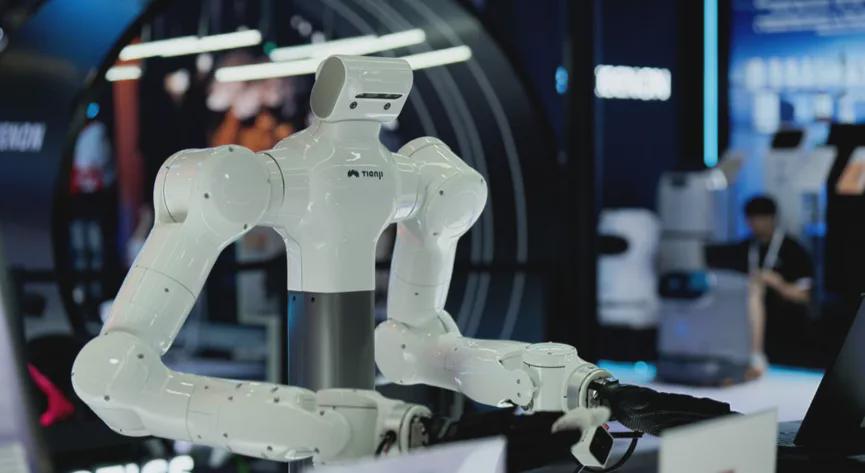
At WAIC 2023, Robotics Companies Pursue Divergent Strategies for Industry Advancement
At the WAIC 2023, the AI and robotics sectors have become increasingly intertwined, with robotics taking center stage. Various robotic technologies, including humanoid and dual-arm robots, were prominently displayed, showcasing their capabilities and advancements. This year marked a shift in focus from generative AI to the robotics industry, highlighting the evolution of robots and their functionalities. The event revealed a divergence among robotics companies. Some continue to emphasize the capabilities of robots, demonstrating their speed, precision, and fluidity in performing tasks, which captivates public and investor interest. In contrast, companies like Tianji focus on the stability and safety of robotic operations, emphasizing the interaction between AI models and physical environments, thus addressing the practical applications of robotics in real-world scenarios. This shift in focus from capability to foundational infrastructure signifies a critical transition in the robotics industry. As companies recognize that the limitations to robotics deployment may lie in the supporting infrastructure rather than the robots themselves, the industry is poised for a redefinition of what it means for robots to operate effectively in various environments, including factories and homes. No further timeline was disclosed at the time of publication.
Robotics AI Industrial Automation Physical Intelligence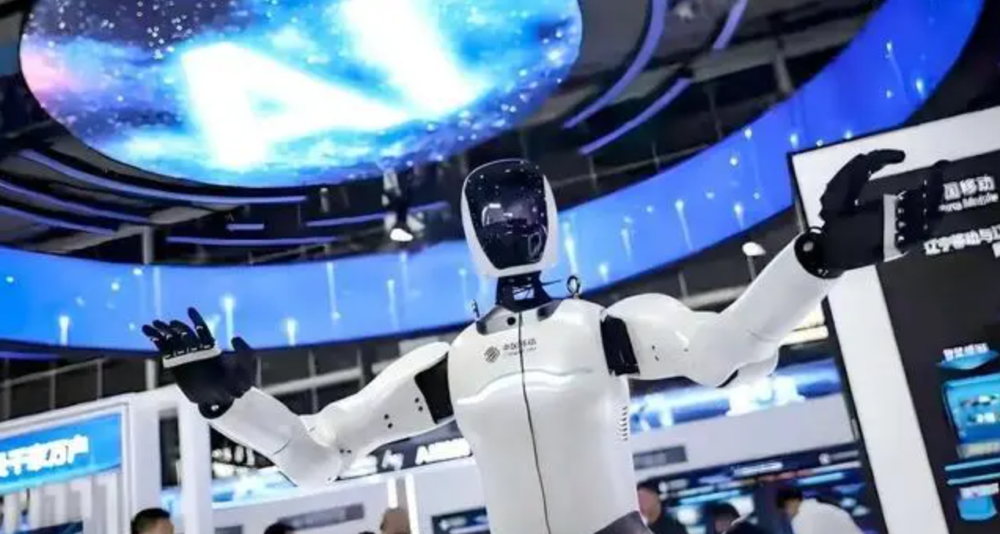
Investors Focus on Emerging Robotics Innovators Amid Rapid Industry Growth
In the spring of 2025, Yushu Technology gained significant attention with its humanoid robot, 'Yang BOT,' igniting interest in the embodied intelligence sector. This industry is not just about Yushu but encompasses numerous potential innovators. According to IT Juzi data, funding in China's embodied intelligence sector surpassed 10 billion yuan in 2024, rising to 45.3 billion yuan in 2025, and reaching 93.5 billion yuan in the first half of 2026. Despite the surge in investment, the industry has yet to achieve stable profitability. For instance, UBTECH's revenue grew from 1.047 billion yuan in 2023 to 1.981 billion yuan in 2025, but it faced cumulative losses exceeding 3 billion yuan due to high R&D expenditures. Yushu Technology itself acknowledged that its humanoid robots are primarily used for research and education rather than as productivity tools. The path to real industrial applications remains challenging. As competition intensifies, many companies are shifting focus to consumer markets. UBTECH's 'U World U1' series, launched in June, aims to provide emotional companionship, with over 13,000 orders. However, consumer feedback highlights issues like poor battery life and weight. To transition from labs to households, the sector must overcome hurdles related to technology, cost, and user experience. With Yushu Technology's upcoming IPO and others like Zhiyuan and Qianxun also pursuing public offerings, the race for sustainable business models is accelerating.
Embodied Intelligence Robotics Startup Investment Commercialization IPO
Actuate 26 Robotics Developer Conference Reveals Speaker Lineup with Industry Leaders
Foxglove has announced the speaker lineup for Actuate 26, its annual robotics developer conference, featuring leaders from Wayve, Aurora, Physical Intelligence, and more. The event will take place on August 18-19, 2026, at Fort Mason in San Francisco, showcasing technical talks, keynotes, and hands-on programming. This conference is significant as it aims to gather over 1,000 attendees from various sectors deploying robots, including autonomous vehicles, drones, and industrial automation. The participation of industry leaders highlights the growing interest and advancements in robotics and AI technologies. As the event approaches, attendees should look forward to insights from top experts in the field and opportunities for networking and collaboration. No further timeline was disclosed at the time of publication.

NVIDIA and SEGA Showcase Full-Stack AI and Robotics Innovations in Japan
NVIDIA and its partners in Japan are demonstrating advancements in AI and robotics, highlighting the country's role as a global technology hub. The collaboration with SEGA marks over 30 years of partnership, bringing the new VIRTUA FIGHTER CROSSROADS to NVIDIA's RTX Spark superchip, enhancing gaming experiences on Windows PCs. This collaboration is significant as it showcases how NVIDIA's technologies are integrated into gaming, emphasizing the evolution of graphics and AI capabilities. The RTX Spark superchip aims to provide gamers with innovative experiences while maintaining the legacy of SEGA's iconic franchises, illustrating the synergy between AI and gaming. Looking ahead, the NVIDIA RTX Spark ecosystem is expected to expand further, offering new opportunities for gamers and developers alike. No further timeline was disclosed at the time of publication.
BigWave Robotics Partners with Space Factory to Deploy Humanoid Robots in Construction by 2026
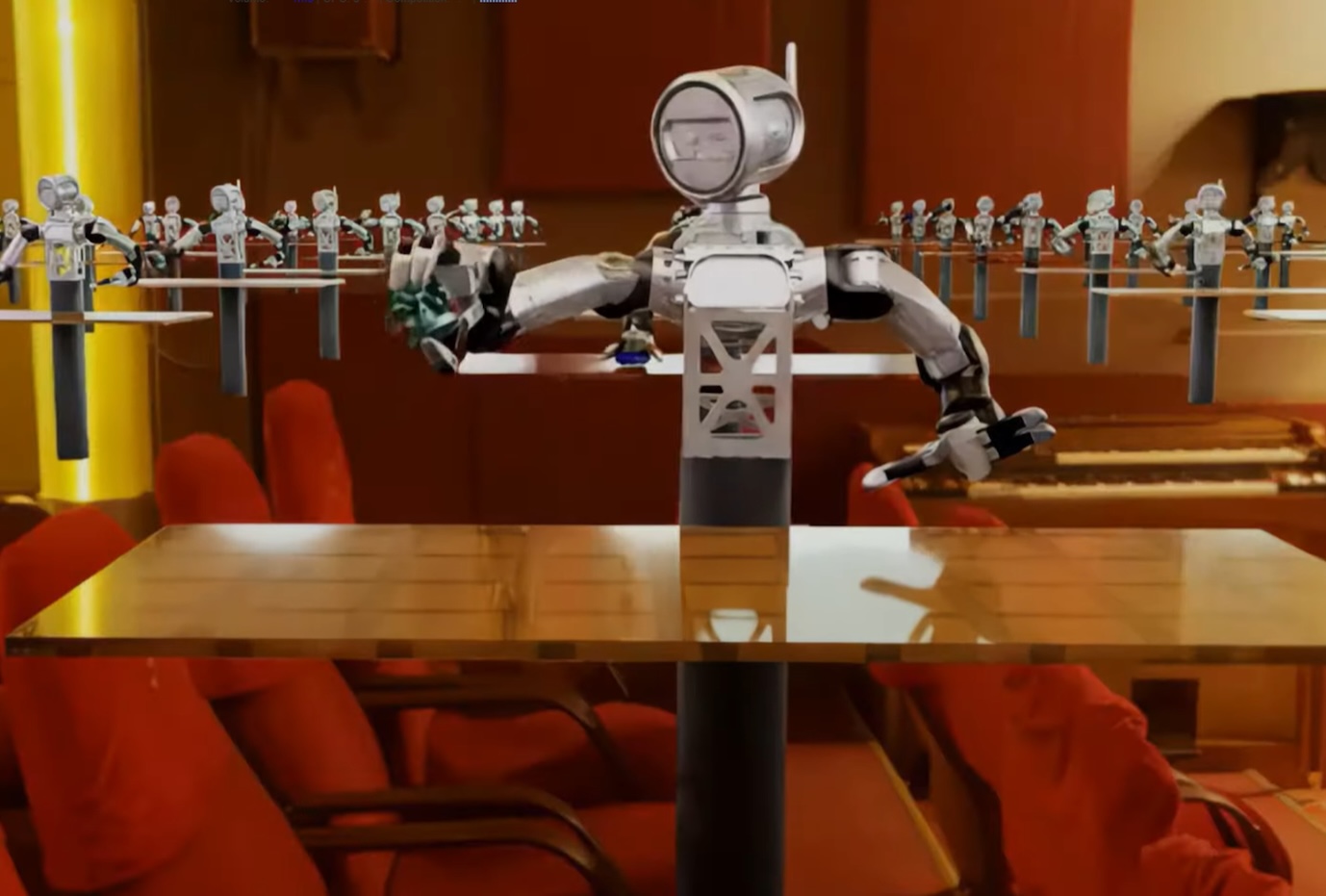
BigWave Robotics, a South Korean AI company, has announced a partnership with modular housing manufacturer Space Factory to deploy humanoid robots in housing production starting in 2026. This initiative marks a significant shift in the construction industry, which has traditionally relied on human expertise, as robots begin to automate complex tasks such as insulation installation. The entry of humanoid robots into the construction sector is crucial as it addresses labor shortages and enhances production efficiency amid rising housing demands. Modular housing, which involves factory prefabrication and on-site assembly, is increasingly seen as a solution to expedite housing construction, and the integration of robotics is expected to further advance this trend towards smart manufacturing. Looking ahead, the success of humanoid robots in various industries will depend on their cost, reliability, and efficiency. While BigWave Robotics is focusing on the construction sector, the broader implications of this technology could lead to its application in logistics, energy maintenance, and public facility management, marking a new era in industrial automation.
Humanoid Robots Construction Automation Smart Manufacturing Modular Housing AI Technology
Monumental's CEO Discusses Robotics Potential in Construction Industry
In a recent episode of Lexicon, Salar al Khafaji, founder and CEO of Monumental, highlighted the overlooked potential of robotics in the construction industry. He emphasized the challenges of deploying autonomous robots on unpredictable building sites and the need for specialized machines to address rising construction costs and housing shortages. Al Khafaji pointed out that construction has not received the technological attention it deserves, despite its significant economic and social impact. He believes that the industry is vast and underappreciated by tech founders, which is why he pivoted from data visualization to focus on tangible impacts in construction. Monumental has developed autonomous robots capable of transporting materials and constructing brick walls on commercial sites. However, al Khafaji noted that real-world deployment presents unique challenges, such as varying environmental conditions that affect sensors and computer vision systems. No further timeline was disclosed at the time of publication.
AI and Robotics Innovation
Humanoid Robotics Industry Expected to Achieve 26 Million Annual Shipments by 2040
A recent report from Berg Insight indicates that the humanoid robotics sector is poised for significant long-term commercial growth. This growth is expected to culminate in annual shipments reaching 26 million units globally by 2040. The anticipated increase in shipments highlights the rising demand for humanoid robots across various applications, signaling a shift in market dynamics. As the industry evolves, it is crucial for stakeholders to adapt to these changes and explore new opportunities in humanoid robotics. Looking ahead, industry participants should monitor advancements in technology and shifts in consumer preferences that could influence the trajectory of humanoid robot adoption. No further timeline was disclosed at the time of publication.
BBC Explores China's Robotics Industry and Its Impact on Global Manufacturing
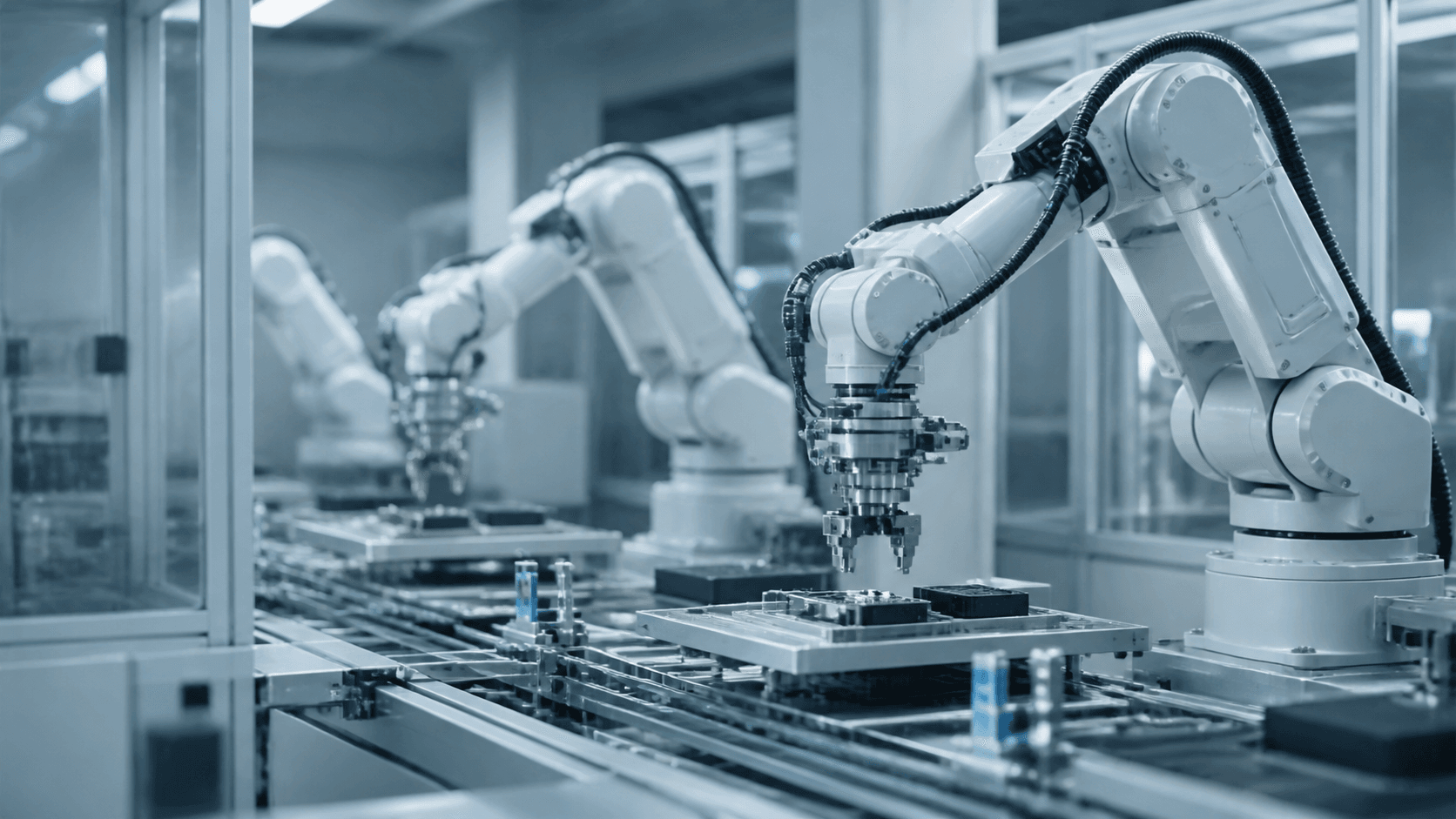
The BBC recently investigated China's robotics sector, highlighting the significant transformation brought about by over two million industrial robots. This exploration spanned from vocational training environments to active manufacturing facilities, showcasing the extensive integration of robotics in production processes. This development is crucial as it underscores China's pivotal role in the global manufacturing landscape, where the adoption of industrial robots is enhancing efficiency and productivity. The shift towards automation is not only changing how products are made but also influencing labor dynamics and economic strategies worldwide. Looking ahead, it will be important to monitor how these advancements in robotics will continue to evolve and affect both local and international markets. The ongoing integration of robotics in various sectors may lead to further innovations and shifts in manufacturing practices. No further timeline was disclosed at the time of publication.
2026 WRC Highlights Robotics Industry's Shift Towards Data-Driven Intelligence
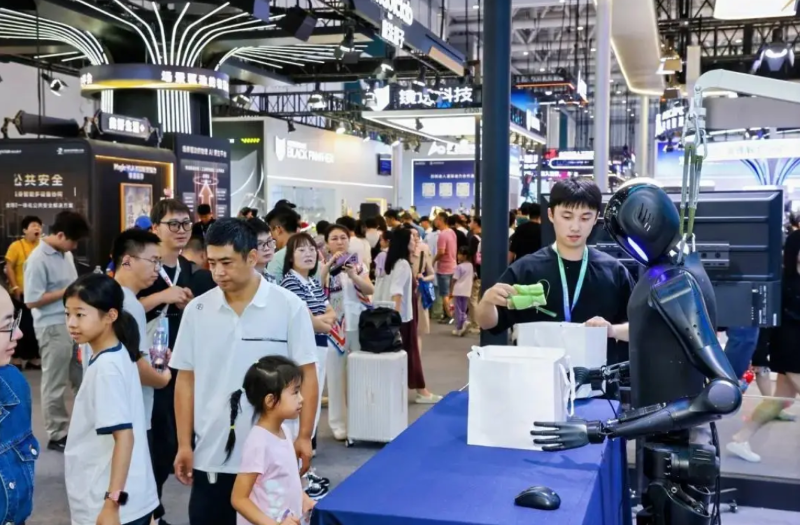
The 2026 World Robot Conference (WRC) opened in Beijing on August 19, showcasing over 2,000 exhibits from more than 300 companies, including 150 new products. Notable demonstrations included TianGong Omni's pole walking and Yaskawa's cable assembly robots. However, the event highlighted a critical shortage of high-quality training data for robots, with only 22 types of embodiments and over one million real trajectories available publicly. The significance of this shortage lies in the growing demand for robots to prove their capabilities through real-world experience rather than mere demonstrations. The conference emphasized the importance of data-driven embodied intelligence, marking 2026 as a pivotal year for this sector. Companies are increasingly focusing on gathering extensive human behavior data, with Lightwheel Intelligent and JD.com leading efforts to collect millions of hours of data to enhance robotic training. Looking ahead, the robotics industry is witnessing a shift towards creating a robust data ecosystem to support robotic learning. The emergence of companies like Mifeng Technology, which showcased its MEgo Gripper and MEgo View, reflects a trend towards data collection without traditional robotic embodiments. No further timeline was disclosed at the time of publication.
Robotics Data-Driven Intelligence AI Training Industrial Automation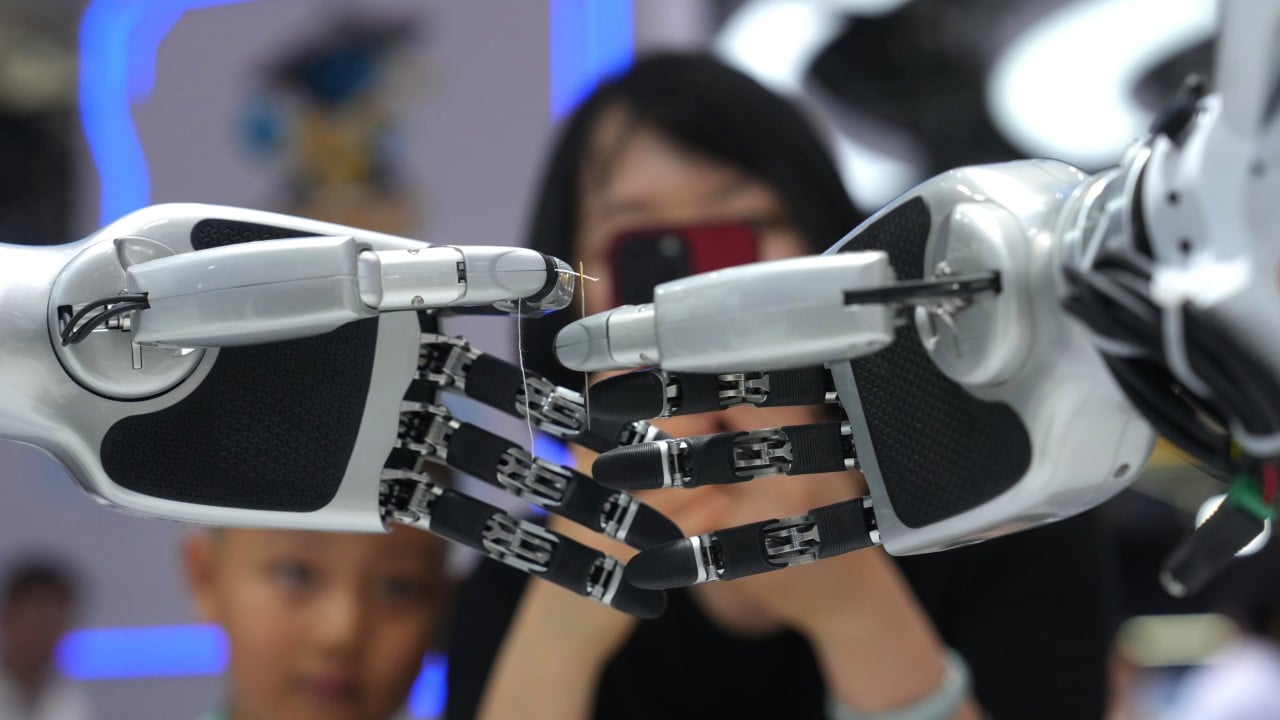
Chinese Robotics Industry Shifts Focus from Humanoid Designs to Practical Applications
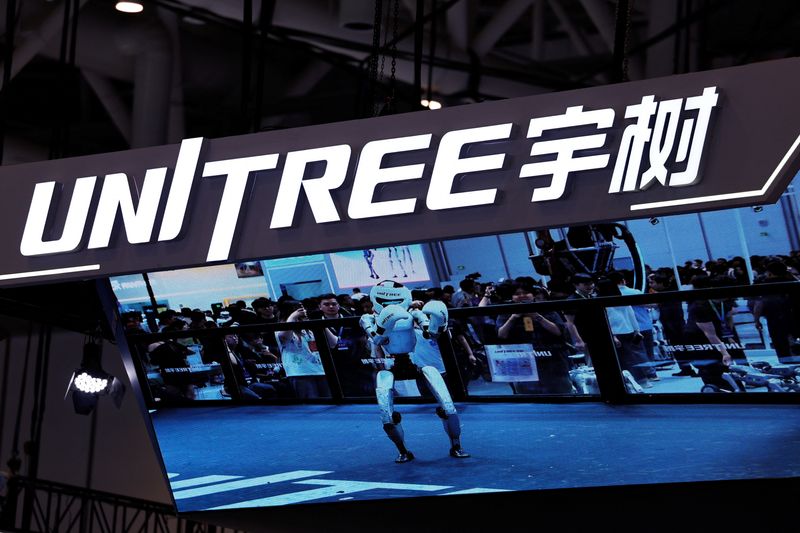
The robotics industry is witnessing a transition from showcasing humanoid robots to practical deployments. At Unitree Robotics' booth, bipedal robots demonstrated impressive skills in activities like table tennis and combat, showcasing advancements in speed and balance. However, other exhibitors highlighted robots that efficiently sorted parcels and moved materials, emphasizing functionality over form. This shift is significant as it reflects a growing preference for robots that can perform specific tasks effectively. Yang Li, a senior engineer at X Square Robot, questioned the necessity of bipedal designs, noting that their two-armed WALL-B model sorted 1,816 packages in a controlled test, outperforming the bipedal Figure 03 robot from Figure AI, which managed 1,248 parcels per hour. This trend indicates a move towards more practical robotic solutions in various industries. Looking ahead, the focus on efficiency and task-oriented designs is likely to continue shaping the robotics landscape. With companies like AI2 Robotics showcasing versatile wheeled robots capable of making coffee and ice cream, the industry may prioritize robots that can adapt to different functions over traditional humanoid forms. No further timeline was disclosed at the time of publication.
Unitree CEO Predicts 'ChatGPT Moment' for Robotics Industry Following IPO
Unitree's CEO, Wang Xingxing, stated that the robotics industry is approaching a 'ChatGPT moment' for robot intelligence, following the company's significant IPO in Shanghai. This event underscores China's ambition to lead in AI-powered machines, despite a recent 11% drop in share prices after an initial surge. The CEO emphasized that advancements in embodied intelligence could enable robots to perform around 80% of tasks in unfamiliar environments through simple voice or text commands. This potential breakthrough is seen as a critical tipping point for the robot industry, which is expected to experience explosive growth as AI capabilities evolve. Wang cautioned that while a major leap in robot software could occur in two to three years, it may take up to ten years for full realization. As the largest producer of robot dogs and the second-largest maker of humanoid robots, Unitree's developments will be closely watched as the industry progresses towards this pivotal moment.

Unitree CEO Predicts 'ChatGPT Moment' for Robotics Industry Amid IPO Surge
Unitree's CEO, Wang Xingxing, announced that the robotics industry is approaching a 'ChatGPT moment' for robot intelligence, following the company's significant IPO in Shanghai. This event underscores China's aspirations to lead in AI-powered robotics, despite a recent 11% drop in share prices after an initial surge. The CEO emphasized that advancements in embodied intelligence could allow robots to perform up to 80% of tasks in unfamiliar environments using simple voice or text commands. This potential breakthrough is seen as a critical tipping point for the robotics sector, which is gaining momentum with strong support from the Chinese government. Wang cautioned, however, that a substantial leap in robot software capabilities may take two to ten years to materialize. As the industry evolves, stakeholders should monitor developments in AI-driven robotics and the impact of Unitree's innovations on market dynamics. No further timeline was disclosed at the time of publication.

Emergence of Mixed-SKU Depalletizing in Robotics Industry
A notable trend in the robotics industry is the rise of mixed-SKU depalletizing. This advancement is largely attributed to the ongoing improvements in 3D vision systems, which enhance robots' capabilities in identifying and managing pallets with various products. The significance of this trend lies in its potential to streamline operations in warehouses and distribution centers. As robots become more adept at handling mixed-SKU pallets, businesses can expect increased efficiency and reduced labor costs, ultimately transforming supply chain logistics. Looking ahead, the continued evolution of 3D vision technology will be crucial for the widespread adoption of mixed-SKU depalletizing. Companies should monitor advancements in this area to stay competitive and leverage the benefits of automation in their operations. No further timeline was disclosed at the time of publication.
Robotics needs a service framework.
RSF defines a common language for robot service capability, lifecycle operations, certification pathways, and service-provider networks.
Join the RobotToday community on LinkedIn
Daily robotics news, in-depth analysis, conference highlights, and discussions with professionals worldwide.