


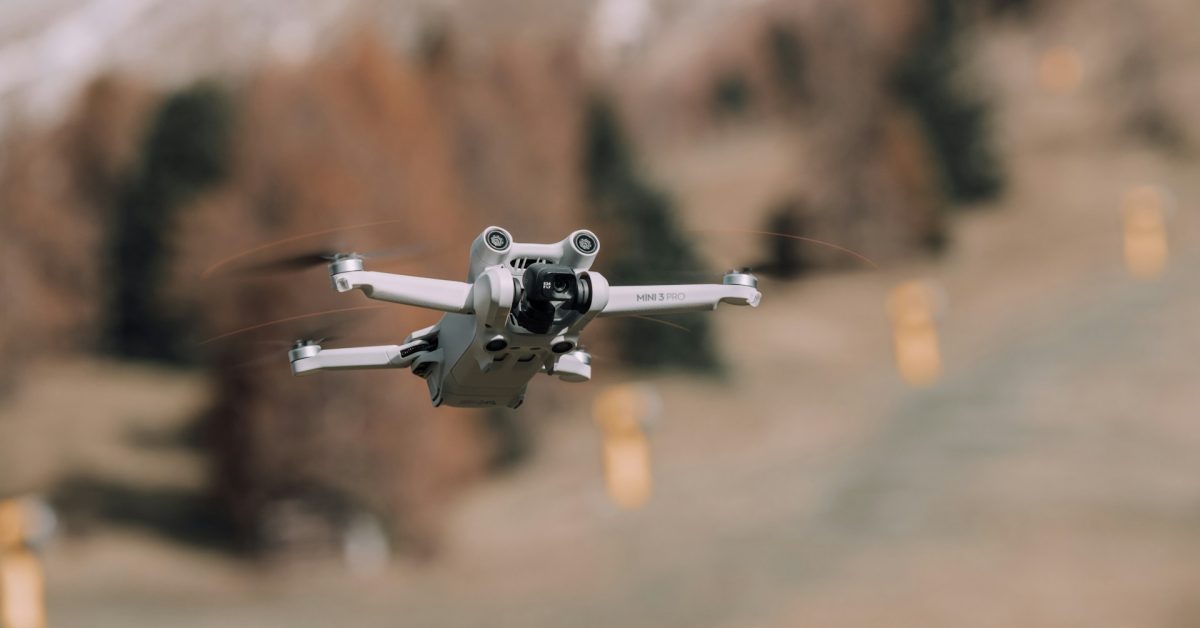
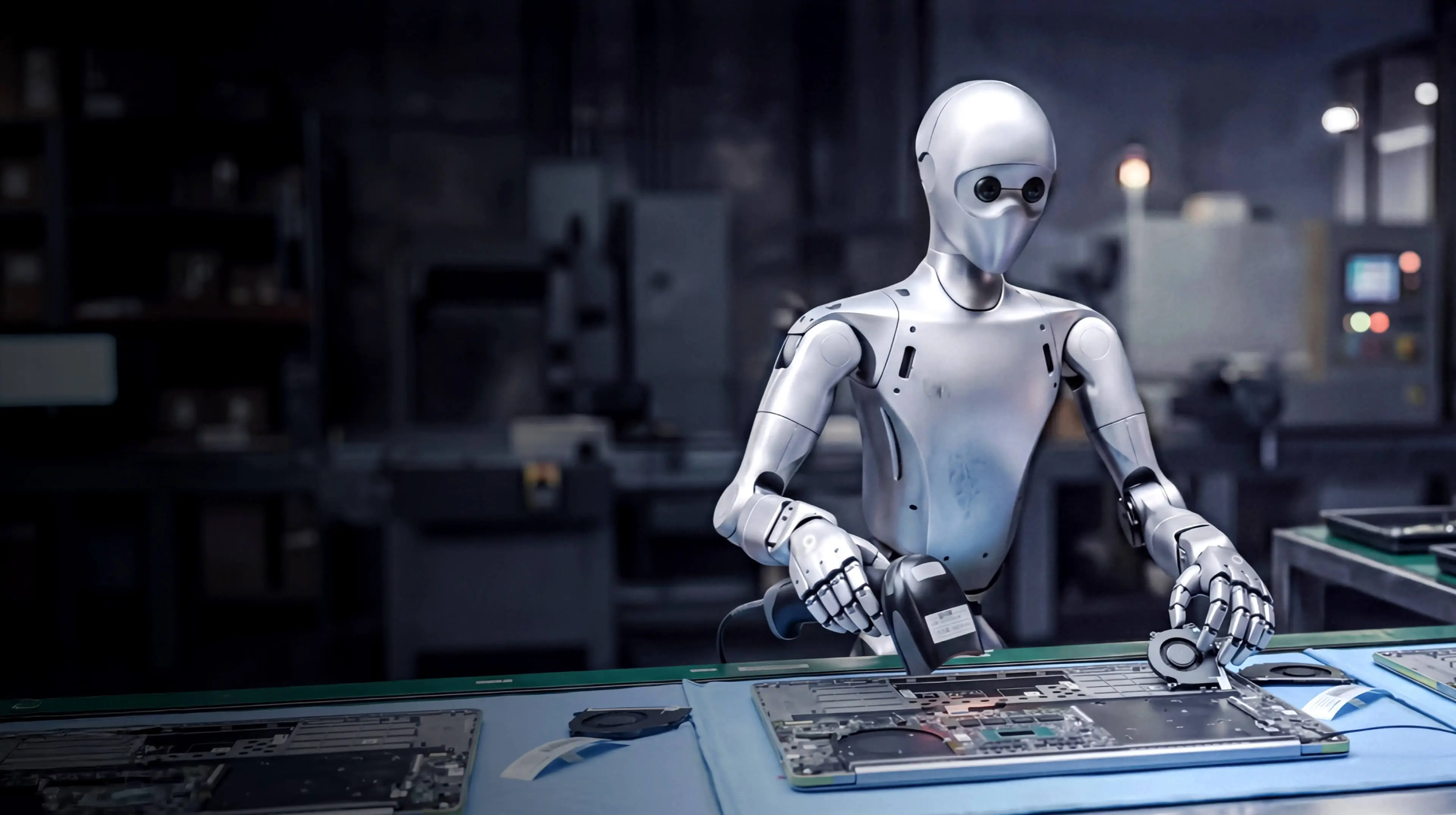
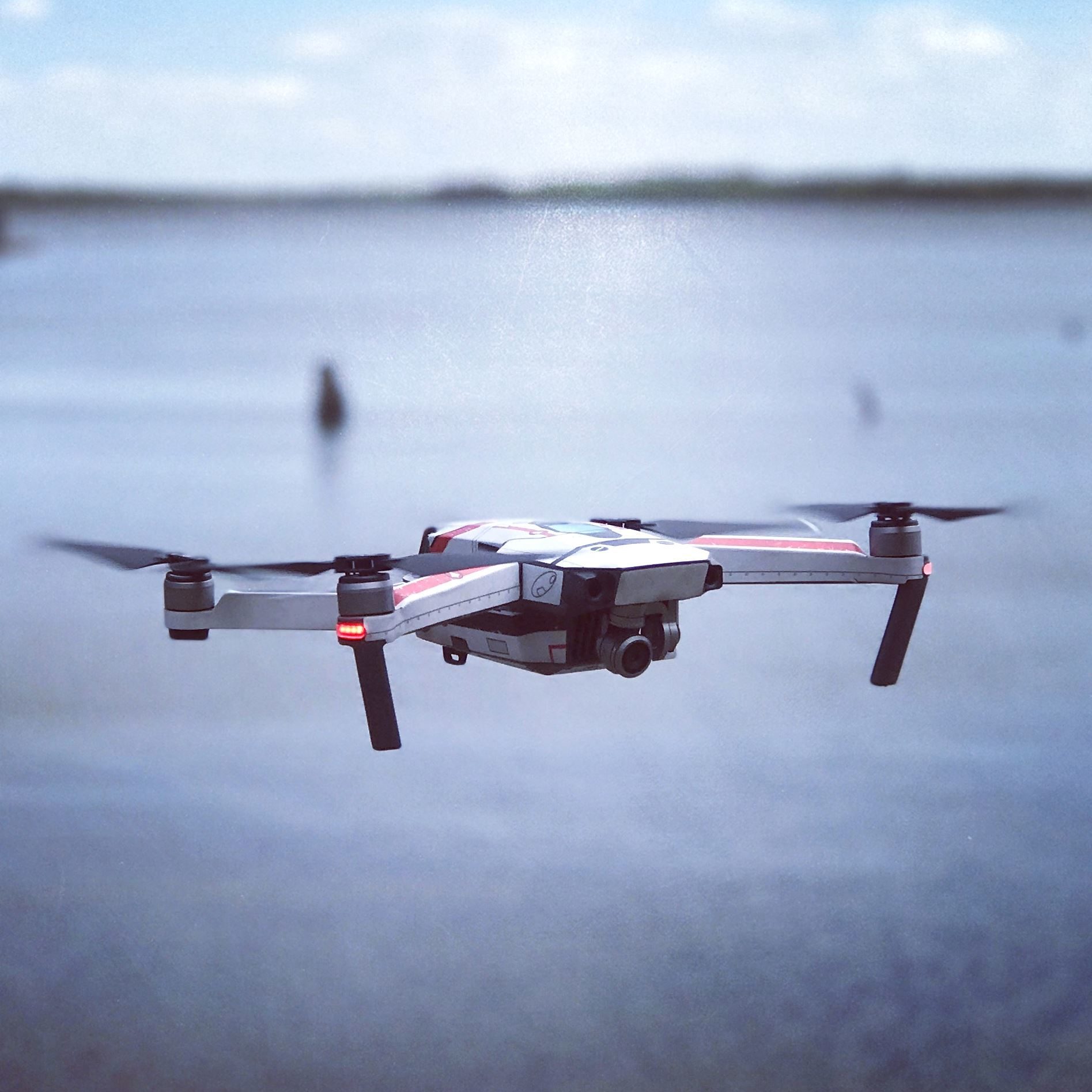
The U.S. Federal Communications Commission (FCC) has officially added foreign-produced connected mobile robots to its 'covered list,' prohibiting their commercial sale in the U.S. This action is not only a national security measure but also opens a policy gap for protecting the U.S. robotics industry. The definition of 'advanced robotic equipment' encompasses nearly all connected mobile robots, including humanoid robots, quadrupeds, warehouse platforms, delivery robots, autonomous forklifts, and even vacuum robots.
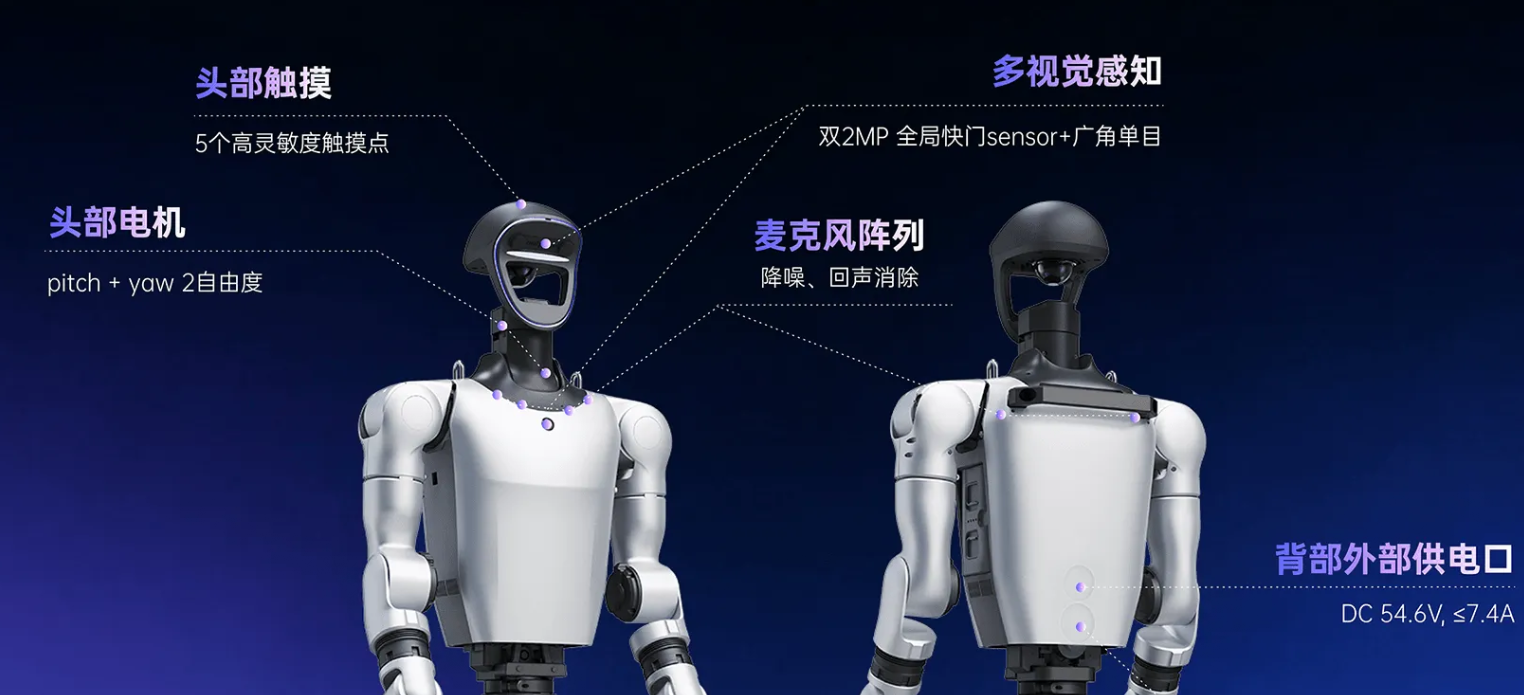
The ban is not absolute, as previously authorized models like the Unitree G1 and Roomba remain unaffected. Certain manufacturers may obtain conditional approvals for exceptions. The critical factor is the definition of 'foreign production,' which could include products made by U.S. companies overseas while excluding products made by foreign companies in the U.S. The FCC's decision aims to mitigate risks associated with data breaches and remote control vulnerabilities posed by these robots.
The robotics industry has strongly opposed the ban, particularly researchers reliant on Unitree robots. However, the author argues that current import rules for research are overly lenient. The FCC's initiative creates market certainty for U.S. manufacturers to develop safe and affordable robotic systems, shifting the landscape of investment and innovation in the sector. No further timeline was disclosed at the time of publication.
Editor's Note
The FCC's recent ban on foreign robots highlights a significant shift in U.S. policy towards protecting domestic industries. This move reflects growing concerns over national security and the need to safeguard technological advancements from foreign influence. As the robotics sector adapts to these regulations, the implications for supply chains and innovation dynamics will be critical to monitor.




























Leave a comment