


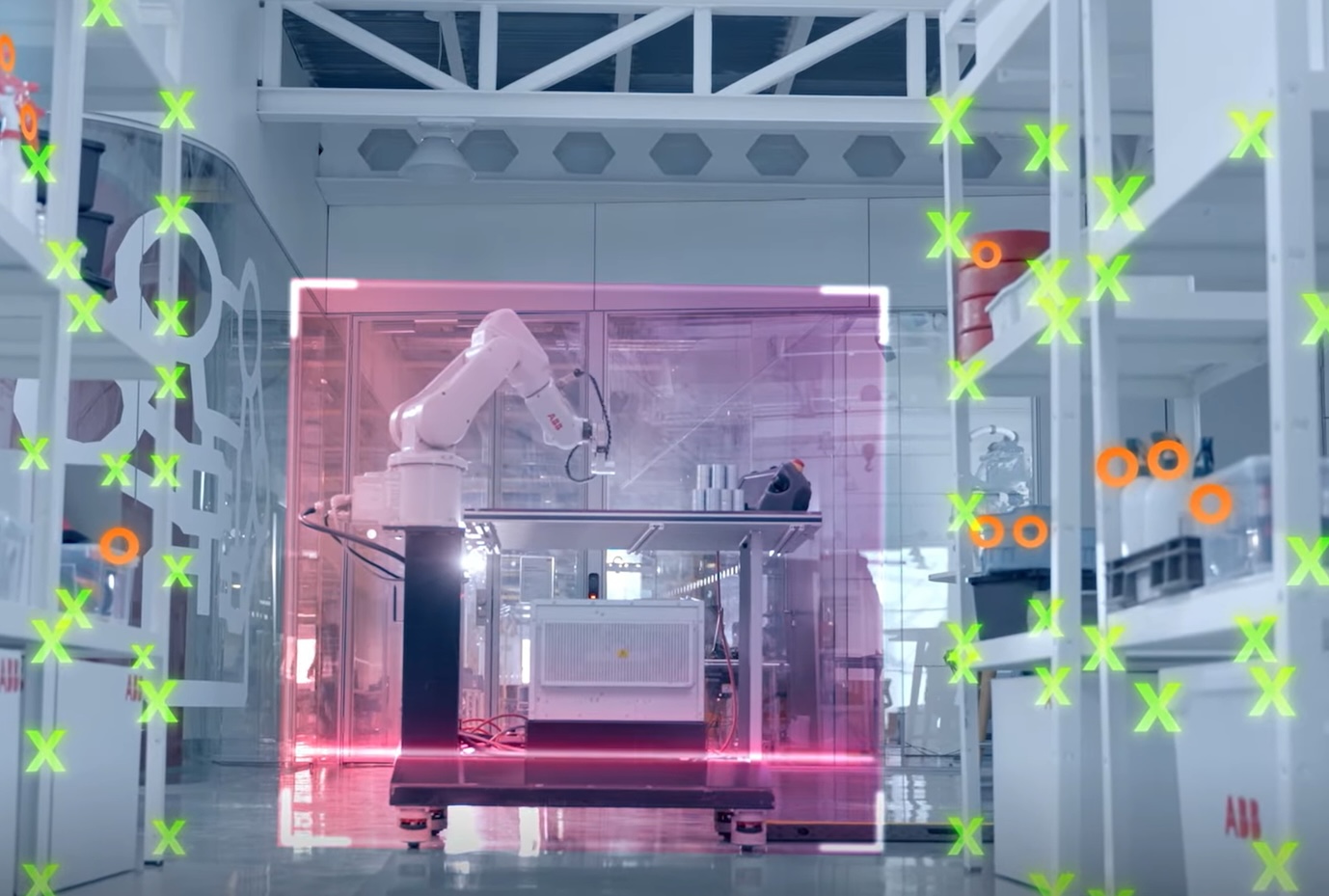
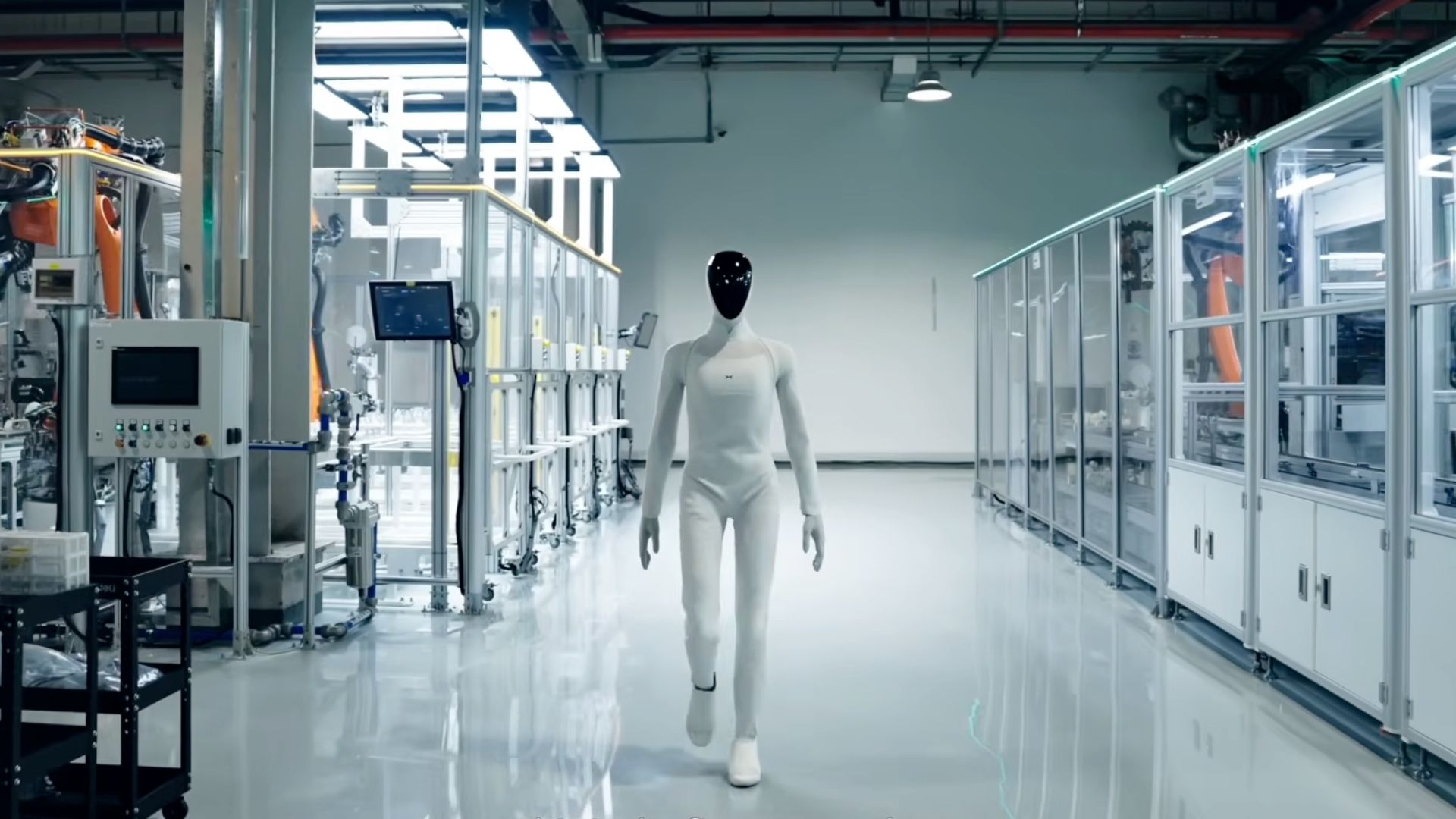
The U.S. government has implemented a ban on foreign-manufactured advanced robots, including humanoid and quadruped models, citing national security concerns. This regulation, enacted by the Federal Communications Commission (FCC) on July 28, restricts new models from entering the U.S. market, impacting not only Chinese products but also those from allies like Japan, South Korea, and Germany. Exemptions apply to small toy robots, fixed industrial arms, and medical surgical robots.
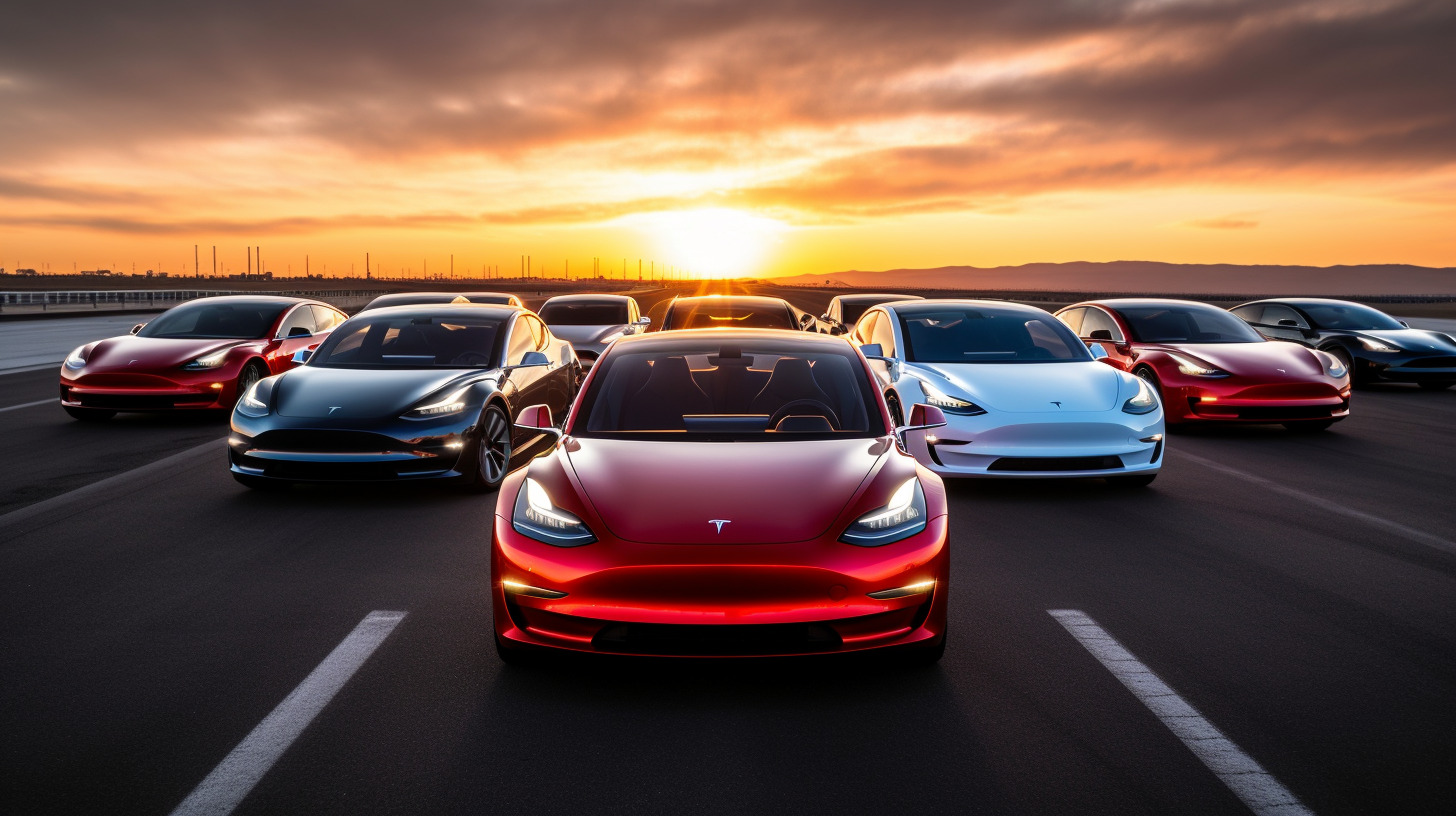
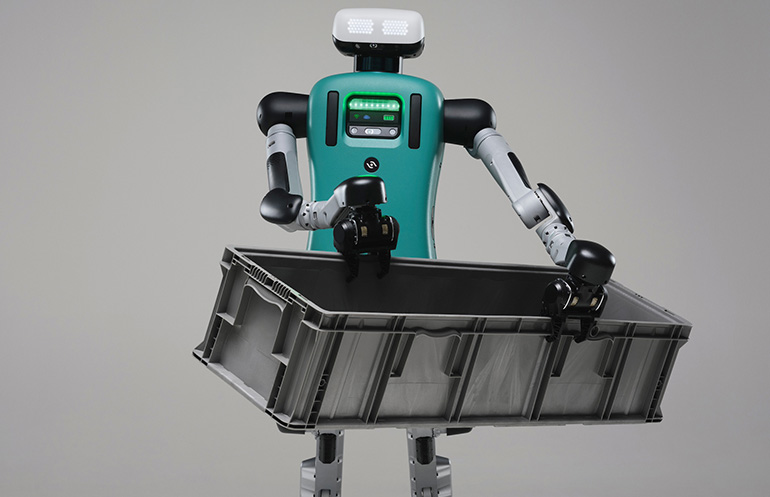
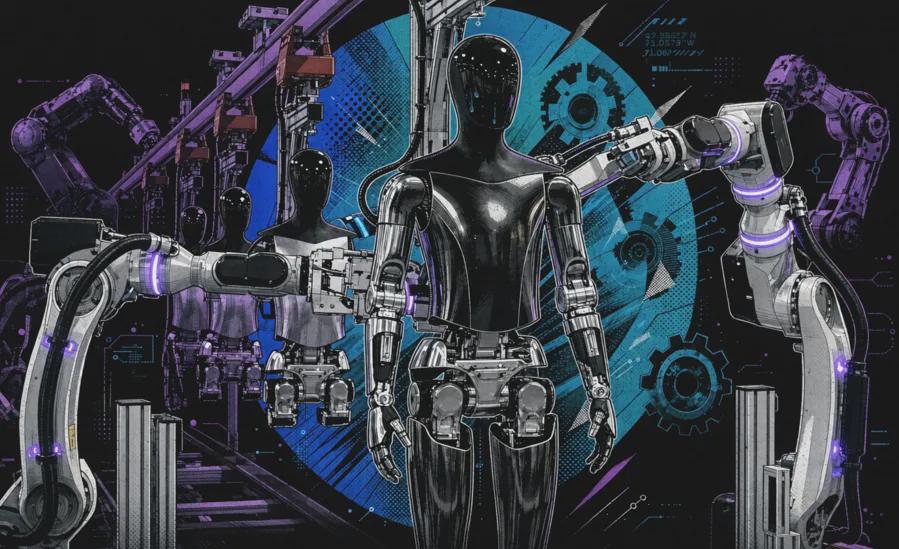
This ban is seen as a move to protect and promote the domestic robotics industry, with Tesla potentially emerging as a significant beneficiary. The company's Optimus robot, which has not yet been widely released, may gain a near-exclusive advantage in the U.S. market as competitors are sidelined. Local companies such as Agility Robotics and Figure AI are also expected to benefit from this policy, which some experts warn could stifle innovation by limiting access to lower-cost platforms from China.
Looking ahead, the long-term effects of this ban on the U.S. robotics industry remain uncertain. While Tesla's Optimus may thrive without external competition, experts caution that this could hinder the overall competitiveness of the U.S. robotics sector. No further timeline was disclosed at the time of publication.
Editor's Note
The recent FCC ban on foreign robots raises critical questions about the balance between national security and innovation in the robotics sector. While protecting domestic manufacturers like Tesla may seem beneficial in the short term, the potential stifling of competition and access to global innovations could have detrimental effects on the U.S. robotics landscape in the long run. Stakeholders should monitor the implications of this policy closely.























Leave a comment