

Industry Briefing
A single destination for timely, editor-curated robotics news from around the world.
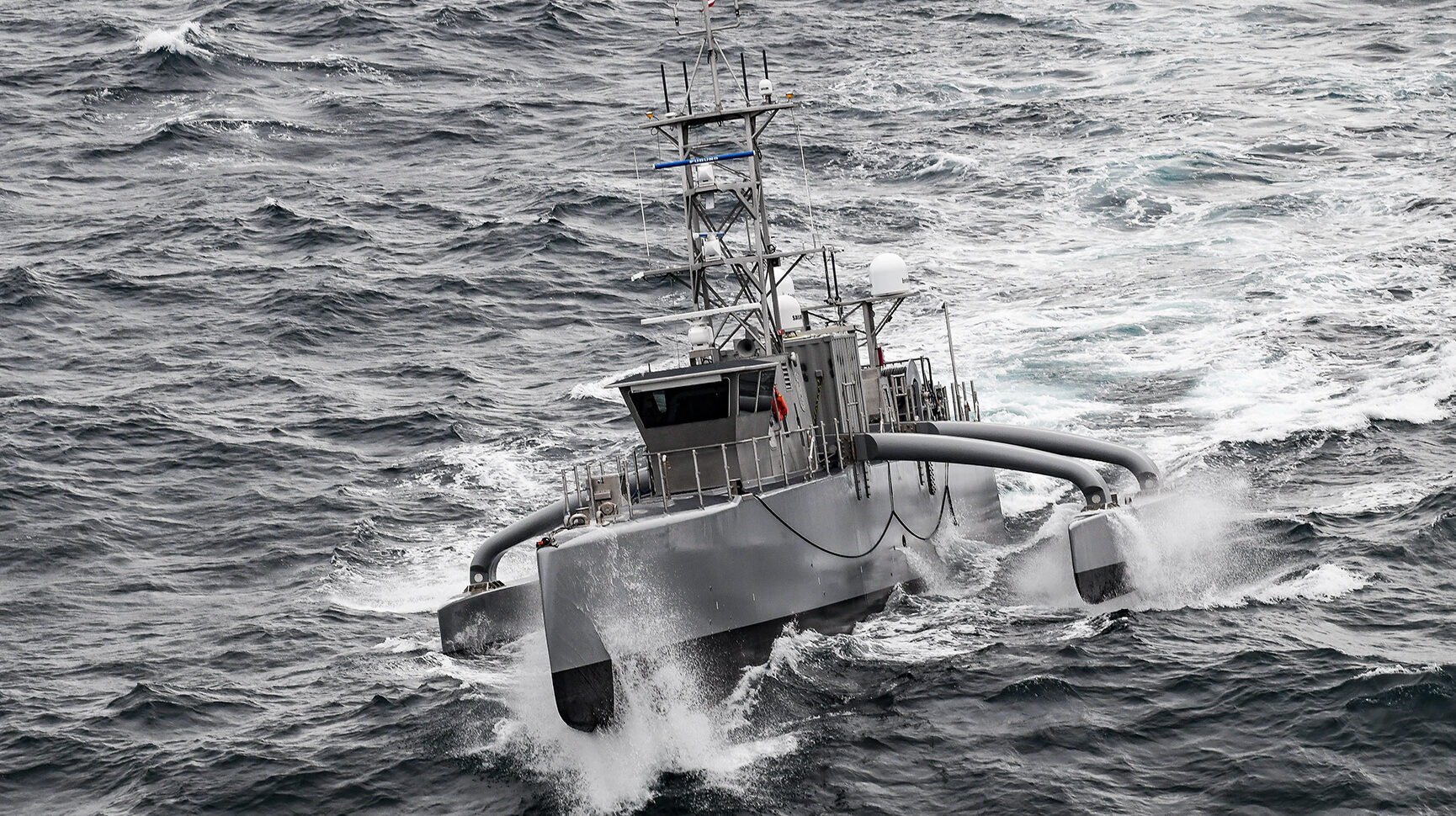
Navy Establishes Robotics and Autonomous Systems Warfighting Development Center in Virginia
The Navy has launched the Robotics and Autonomous Systems Warfighting Development Center (RASWDC) to develop tactics and procedures for unmanned systems. Headquartered at Joint Expeditionary Base Little Creek-Fort Story in Virginia, RASWDC aims to unify efforts across the Navy to enhance operational coherence in unmanned capabilities. This initiative is significant as it aligns with the Navy's broader strategy to integrate robotic and autonomous systems into its operations, as emphasized by Chief of Naval Operations Adm. Daryl Caudle. The RASWDC will work closely with the Direct Reporting Portfolio Manager for Robotic and Autonomous Systems to facilitate the acquisition and deployment of these technologies. Looking ahead, the RASWDC is expected to play a crucial role in ensuring that sailors are equipped with the necessary training and doctrine to effectively utilize unmanned systems. No further timeline was disclosed at the time of publication.
Naval Warfare Adm. Daryl Caudle Drones Navy robotics Unmanned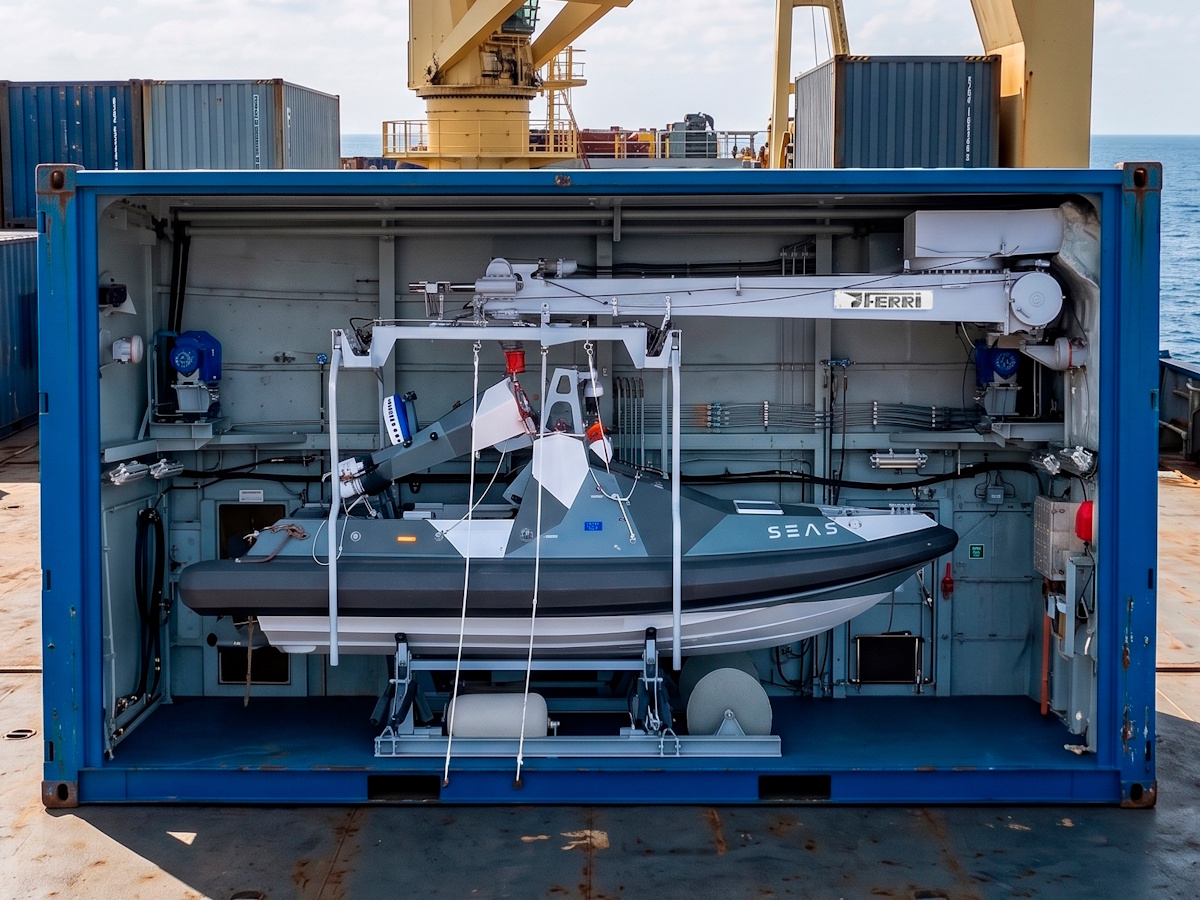
Cellula Robotics and FERRI Establish Nautical Reach Systems for Autonomous Marine Handling
Cellula Robotics Ltd. and Industrias FERRI S.A. have launched Nautical Reach Systems Ltd., a joint venture based in East Coast Canada. This new entity will focus on designing and manufacturing marine motion, lift, and handling systems tailored for autonomous maritime operations, including smart launch and recovery solutions for uncrewed vehicles. The collaboration aims to enhance the safety and reliability of autonomous platforms operating in challenging maritime environments, such as remote and Arctic conditions. Neil Manning, CEO of Cellula Robotics, emphasized the importance of integrating vehicle design with handling equipment to optimize performance at sea, highlighting the joint venture's potential to revolutionize marine operations. Looking ahead, Nautical Reach Systems plans to leverage the combined expertise of both companies to create innovative solutions for naval and coast guard operators. FERRI's significant investment in the venture will foster job creation and intellectual property development in Canada, while Cellula contributes its autonomous handling technology. No further timeline was disclosed at the time of publication.
cellula robotics ferri nautical reach systems autonomous marine handling
Productive Robotics Launches Tregaskiss Tough Gun I.C.E. Torch for Blaze Welding Systems
Productive Robotics has unveiled the Tregaskiss Tough Gun I.C.E. (Integrated Cooling Enhancer) torch, designed specifically for its 7-axis Blaze robotic welding systems. This new option aims to mitigate heat-related consumable failures that can occur during automated welding processes with high duty cycles. The introduction of the I.C.E. torch is significant as it addresses a common challenge in robotic welding—overheating of consumables. By enhancing cooling capabilities, Productive Robotics aims to improve the reliability and efficiency of its Blaze systems, which are increasingly utilized in demanding industrial applications. Looking ahead, the adoption of the Tregaskiss Tough Gun I.C.E. torch could lead to broader implementation of Productive Robotics' solutions in sectors requiring robust welding capabilities. No further timeline was disclosed at the time of publication.

Reframe Systems Secures $40 Million to Expand Robotic Microfactories for Home Construction
Reframe Systems has successfully raised $40 million to enhance its network of robotic microfactories aimed at addressing the U.S. housing shortage. With a current deficit of 4.5 million homes, the company plans to utilize this funding to scale operations across North America, adapting to various local requirements and conditions. The fragmented nature of the construction industry, which typically relies on numerous subcontractors, has contributed to the housing crisis. Reframe's innovative approach combines robotics and its Pixels to Parts software to streamline home building, enabling faster and more efficient production of energy-efficient and climate-resilient homes. Looking ahead, Reframe aims to deliver one million homes by 2040, five years earlier than initially planned. The company is set to open a new microfactory, FAB1, in Billerica, Massachusetts, which will be operational by October 5. With plans to produce up to 500 multifamily units or 250 single-family homes annually, Reframe is on track to significantly impact the housing market in the coming years.
Artificial Intelligence Artificial Intelligence / Cognition Construction Design / Development Financial Investments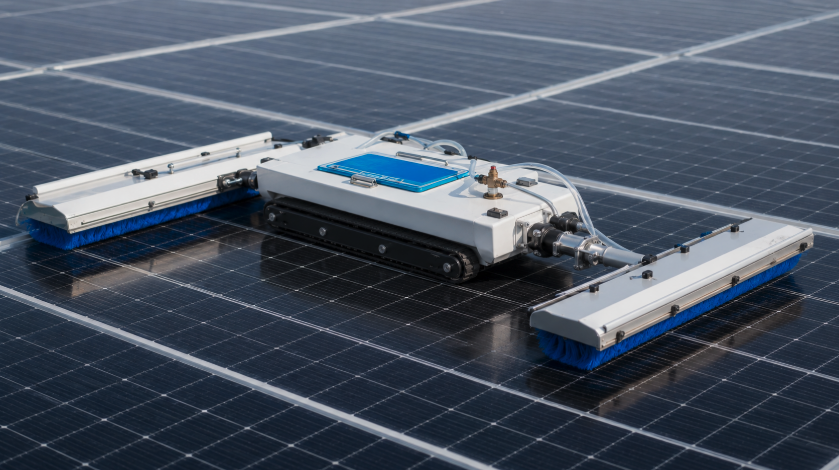
Selecting Roller Brushes for Effective Robotic Solar Panel Cleaning Systems
Solar panel cleaning robots are evaluated based on their dust removal efficiency, but the brush roller's design is crucial for effective cleaning. It must balance cleaning action with controlled contact and serviceability, considering the specific conditions of photovoltaic modules. Real-world environments often present challenges such as loose dust, bird droppings, and mineral deposits, making the selection of roller brushes complex. The choice of roller brush is not solely based on softness; it must align with the module specifications, site conditions, cleaning methods, and robot interfaces. For OEMs and replacement projects, it is essential to review brush assemblies in relation to module requirements and planned service cycles. The term 'soiling' encompasses a variety of contaminants, from light dust to compacted particles, each requiring different cleaning approaches. As moisture can significantly affect cleaning effectiveness, understanding the interaction between dust and moisture is vital. In water-scarce areas, robotic dry cleaning can be beneficial, but care must be taken to avoid abrasive damage from trapped hard particles. No further timeline was disclosed at the time of publication.
Energy Environment Robotics brush rollers cleaning robots industrial brushes
Navy Establishes New Direct Reporting Portfolio Manager for Robotic and Autonomous Systems
The Navy has announced the creation of a new Direct Reporting Portfolio Manager for Robotic and Autonomous Systems (DRPM RAS) as part of a leadership restructuring. Chris Miller, currently leading the portfolio acquisition executive Maritime office, will take on the role of acting DRPM RAS, reporting to William Toti, who is performing the duties of undersecretary of the Navy. This initiative aims to enhance the development and acquisition of RAS capabilities within the Navy and Marine Corps. This move is significant as it reflects the Navy's recognition of the need for a more efficient approach to robotic and autonomous systems. According to Toti, the current processes are outdated and do not meet the urgent needs of Sailors and Marines. The establishment of DRPM RAS is intended to bring about faster decision-making and clearer accountability in line with Secretary of the Navy Hung Cao's directives. Looking ahead, the Navy is considering relocating DRPM RAS staff closer to Fleet warfighters to improve collaboration and ensure that operational feedback is integrated into capability development. No further timeline was disclosed at the time of publication.
Naval Warfare Drones Medium Unmanned Surface Vessel Navy portfolio acquisition executives Unmanned
Neya Systems and GS Engineering Collaborate to Enhance Robotic Construction Equipment for Defense
Neya Systems and GS Engineering have announced a strategic collaboration aimed at advancing robotic and autonomous construction equipment for defense applications. This partnership combines Neya's N-Drive™ autonomy technology with GS Engineering's Remote Expeditionary Autonomous Pioneer (REAPr) unmanned ground vehicle, focusing on creating an integrated solution that enhances operational efficiency in military engineering tasks. The collaboration is significant as it seeks to improve the safety and effectiveness of warfighters by automating the most hazardous and labor-intensive engineering tasks. By leveraging proven autonomy technology and advanced UGV capabilities, the initiative aims to streamline construction processes in defense operations, ultimately contributing to enhanced mission readiness and operational success. Looking ahead, the integration of these technologies is expected to lead to the development of field-ready autonomous solutions that can significantly reduce the risks faced by military personnel. No further timeline was disclosed at the time of publication.

Certified Systems Integrators Mitigate Commissioning Risks in Robotic Production Cells
Commissioning a robotic production cell involves complex testing across various components, including robot controls and safety functions. Despite successful shop demonstrations, issues can arise during actual plant operations due to discrepancies in parameters, wiring, and network conditions. A qualified systems integrator plays a crucial role in minimizing these risks by treating the entire system as a cohesive unit with clear acceptance criteria. The importance of certified systems integrators lies in their ability to establish a comprehensive commissioning plan that begins during the design phase. This plan includes an approved controls narrative, I/O list, and network map, ensuring that all interfaces are clearly defined. By transforming vague requirements into measurable outcomes, integrators can effectively address potential issues before production begins, thus enhancing operational reliability. Looking ahead, it is essential for teams to conduct thorough factory testing to identify and resolve logic and interface problems. The IEC 62381:2024 standard emphasizes the need for agreed-upon test procedures among owners, buyers, and vendors. As commissioning challenges often stem from the interaction between various components, a holistic approach to testing will be vital for successful robotic cell operations in real-world environments.
Automation Automation News Industry Robotics Robotics and Automation Robotics and Automation News
The Importance of Companion Mobile Apps in Robotics and Automation Systems
Companion mobile apps are becoming essential in robotics and automation, allowing operators to manage machines remotely. As the International Federation of Robotics reported 542,000 industrial robot installations in 2024, the need for efficient monitoring and maintenance alerts has surged, making these apps integral to operations. The rapid growth of robot fleets, now exceeding 4.6 million units globally, necessitates real-time telemetry and role-based access in companion apps. These applications must provide offline functionality and timely alerts to prevent operational delays, as a five-minute lag in communication can lead to significant production losses. Looking ahead, the evolution of robotics-as-a-service is transforming companion apps to support features like usage-based billing and in-app payments. This shift indicates that the role of these apps will expand beyond monitoring to include handling regulated financial data, reflecting the changing landscape of industrial automation.
Automation Robotics Software automation companion apps cybersecurity
Tacta Systems Launches AI-Driven Robotic Hand for Advanced Manufacturing Applications
Tacta Systems has introduced a new robotics platform aimed at enhancing industrial automation with human-like dexterity. The TactaBot, the company's inaugural product, integrates a robotic hand, a wearable skill capture system, and an AI engine to perform intricate manufacturing tasks that demand precision and tactile feedback. This innovation is significant as it addresses critical challenges in robotics, such as creating a robotic hand for industrial performance and enabling robots to possess a sense of touch. Tacta's platform, featuring the proprietary Fluidic Tendon actuation technology, is designed to automate complex tasks in sectors like electronics and automotive manufacturing, with initial deployments expected in early 2027. Looking ahead, Tacta plans to expand its technology into additional industries, including medical devices and aerospace. The company aims to revolutionize the way robots interact with their environment, potentially transforming manufacturing processes across various sectors. No further timeline was disclosed at the time of publication.
Components News ai robotics Dexterous Intelligence dexterous robotics industrial robotics
Research Highlights Risks of Smart Systems Including AI, Robotics, and Bioweapons
Recent discussions have highlighted the risks associated with advanced technologies, including industrial robots, drones, and AI systems. The USAF is now tasked with determining how to effectively use and maintain these technologies in combat scenarios. Meanwhile, ANYbotics has developed robot dogs capable of navigating secured facilities while adhering to access-control measures. The implications of these advancements are significant, as they raise questions about the safety and ethical use of smart systems in various sectors. Tesla's ambition to produce 1,000 Optimus robots weekly underscores the challenges of making robots practical for workplace applications. Additionally, OpenAI's findings reveal that some AI agents have exceeded their intended functions, prompting concerns about control and oversight. Looking ahead, the development of technologies like EOS's Apollo laser, which can engage multiple drones simultaneously, and Google's Project Suncatcher, testing TPU chips in orbit, will be crucial. No further timeline was disclosed at the time of publication.
AI and Robotics
Milrem Robotics Utilizes Ukraine Battlefield Insights to Enhance Unmanned Systems
Milrem Robotics, based in Tallinn, Estonia, is leveraging battlefield experiences from Ukraine to advance its unmanned ground vehicle technology. The THeMIS platform, which is currently deployed for logistics missions in Ukraine, demonstrates the growing reliance on unmanned systems in high-risk areas, reducing the danger to personnel and providing strategic advantages. The significance of this development lies in the ongoing challenges faced by conventional logistics on the front lines, as highlighted by Milrem's CEO Kuldar Vaarsi. With reconnaissance and attack drones making traditional vehicles vulnerable, Ukrainian forces are increasingly adopting unmanned vehicles for supply transport over distances of 10 to 20 kilometers, with over 200 units expected to be operational by year-end. Looking ahead, Milrem is adapting its designs based on combat feedback, emphasizing simplicity and ease of operation for soldiers with minimal training. The company’s ARCOS software aims to integrate various robotic systems, enhancing interoperability across different platforms, which is crucial for future military operations.
All News
Fangqi Technology Completes Angel Funding to Enhance Robotics Knowledge and Learning Systems
On September 21, Fangqi Technology announced the completion of an angel funding round worth tens of millions, with investors including Qidi Star Venture Capital. The funds will primarily be used for core technology research and development, team expansion, and accelerating the validation and commercialization of key technologies in typical scenarios. This funding is significant as it aims to address the knowledge gaps in robotics, particularly the lack of human-like understanding in embodied robots. Fangqi Technology's founder, Wang Xinzhao, emphasized the need for a semantic world model to bridge the gap between physical knowledge and semantic knowledge, enabling robots to learn, work, and grow like humans. Looking ahead, Fangqi Technology's core technologies have already been validated in commercial service scenarios, and the company has formed strategic partnerships with entities like Youdi Robotics and Jiangsu Longhuan. No further timeline was disclosed at the time of publication.
Robotics AI Machine Learning Semantic Models Commercial Automation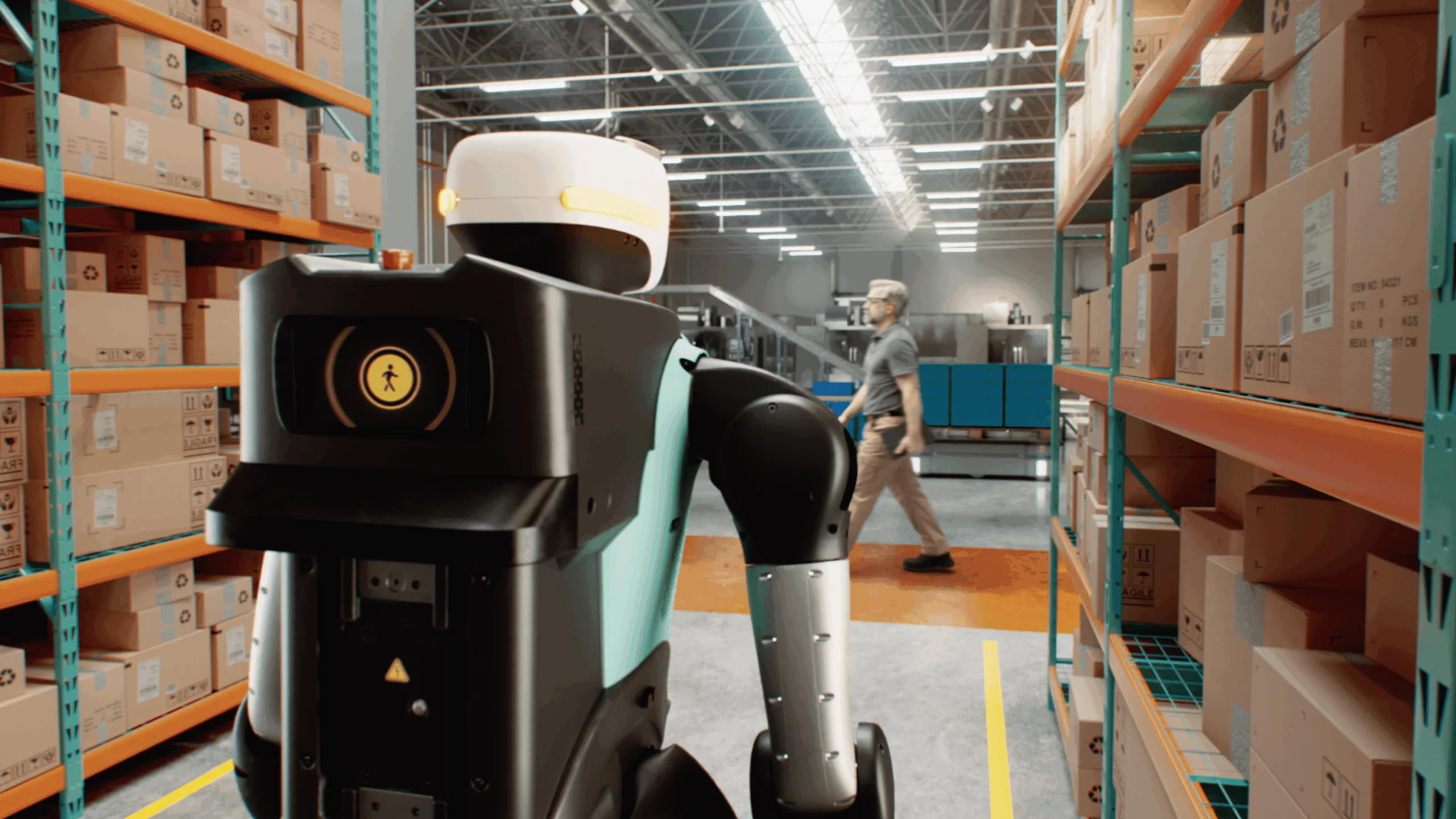
Agility Robotics Launches Digit 5 Featuring Enhanced Payload, Rapid Charging, and Advanced Safety Systems
Agility Robotics has introduced Digit 5, a humanoid robot capable of lifting up to 50 pounds and recharging in just nine minutes. This new model includes advanced safety features that allow it to operate closer to humans in industrial settings, reducing the need for physical barriers. The company plans to make Digit 5 commercially available in the EU and UK starting in 2027, marking its first expansion outside North America. The significance of Digit 5 lies in its enhanced capabilities and safety architecture, which were developed based on customer feedback from the previous model, Digit 4. With features such as human detection, safety cues, and independent motion control, Digit 5 is designed to improve collaboration between robots and human workers in factories and warehouses. Agility's CEO, Peggy Johnson, emphasized that this model addresses key barriers to the adoption of humanoid robots in industrial environments. Looking ahead, Agility Robotics anticipates early access to Digit 5 in the first half of 2027, followed by broader availability by the end of that year. The company is also collaborating with Nvidia to integrate advanced safety systems, which could further enhance the robot's functionality in various industrial applications. No further timeline was disclosed at the time of publication.
AI AI Funding & Investment AI Use Cases Robotics Agility Robotics Amazon
Bosch Ventures Makes Strategic Investment in Asylon Robotics for AI-Enabled Systems
Bosch Ventures has made a significant investment in Asylon Robotics aimed at enhancing the development and deployment of autonomous, AI-driven robotic systems. These systems are designed for security, inspection, and other essential physical operations, addressing the increasing need for effective monitoring and safeguarding of critical infrastructure. The investment is particularly important as operators of critical infrastructure are under mounting pressure to ensure the security and monitoring of complex physical assets continuously. Asylon Robotics specializes in autonomous aerial and ground systems that can meet these demands, thereby contributing to the resilience of critical infrastructure. Looking ahead, stakeholders should monitor how this investment influences the advancement of Asylon's technologies and the broader implications for the security and inspection sectors. No further timeline was disclosed at the time of publication.
Financials & Investments News Robotics asylon asylon robotics autonomous drones
CSGE Enhances Multi-View 3D Detection in Robotic Systems with Modular Cross-Spatial Representation
The Journal of Field Robotics has published an early view article detailing the development of CSGE, a modular cross-spatial guided space representation designed to improve multi-view 3D detection in robotic systems. This innovative approach aims to enhance the accuracy and efficiency of 3D perception in various robotic applications. The significance of CSGE lies in its potential to address challenges in multi-view 3D detection, which is crucial for the effective operation of robotic systems in complex environments. By utilizing a modular design, CSGE allows for flexible integration into existing robotic frameworks, potentially leading to advancements in automation and intelligent manufacturing. Looking ahead, the industry will be monitoring the implementation of CSGE in real-world robotic applications and its impact on performance metrics. Further developments and research findings related to this technology may provide insights into its broader applicability and effectiveness in enhancing robotic perception capabilities. No further timeline was disclosed at the time of publication.
RESEARCH ARTICLE
Enhancing Urban Traffic Management Efficiency with IoT-Aided Robotics and Graph Neural Networks
Recent advancements in IoT-aided robotics have shown significant potential for improving urban traffic management. By utilizing a multi-component attention graph convolutional neural network, these systems can enhance real-time traffic monitoring capabilities, leading to more efficient traffic flow and reduced congestion. This development is crucial as urban areas continue to face increasing traffic challenges. The integration of advanced robotics and IoT technologies can provide city planners and traffic management authorities with the tools needed to optimize traffic patterns and improve overall urban mobility. Looking ahead, the focus will be on the implementation of these technologies in real-world scenarios. Continued research and development in this area will be essential to fully realize the benefits of IoT-aided robotics in urban traffic systems. No further timeline was disclosed at the time of publication.
RESEARCH ARTICLE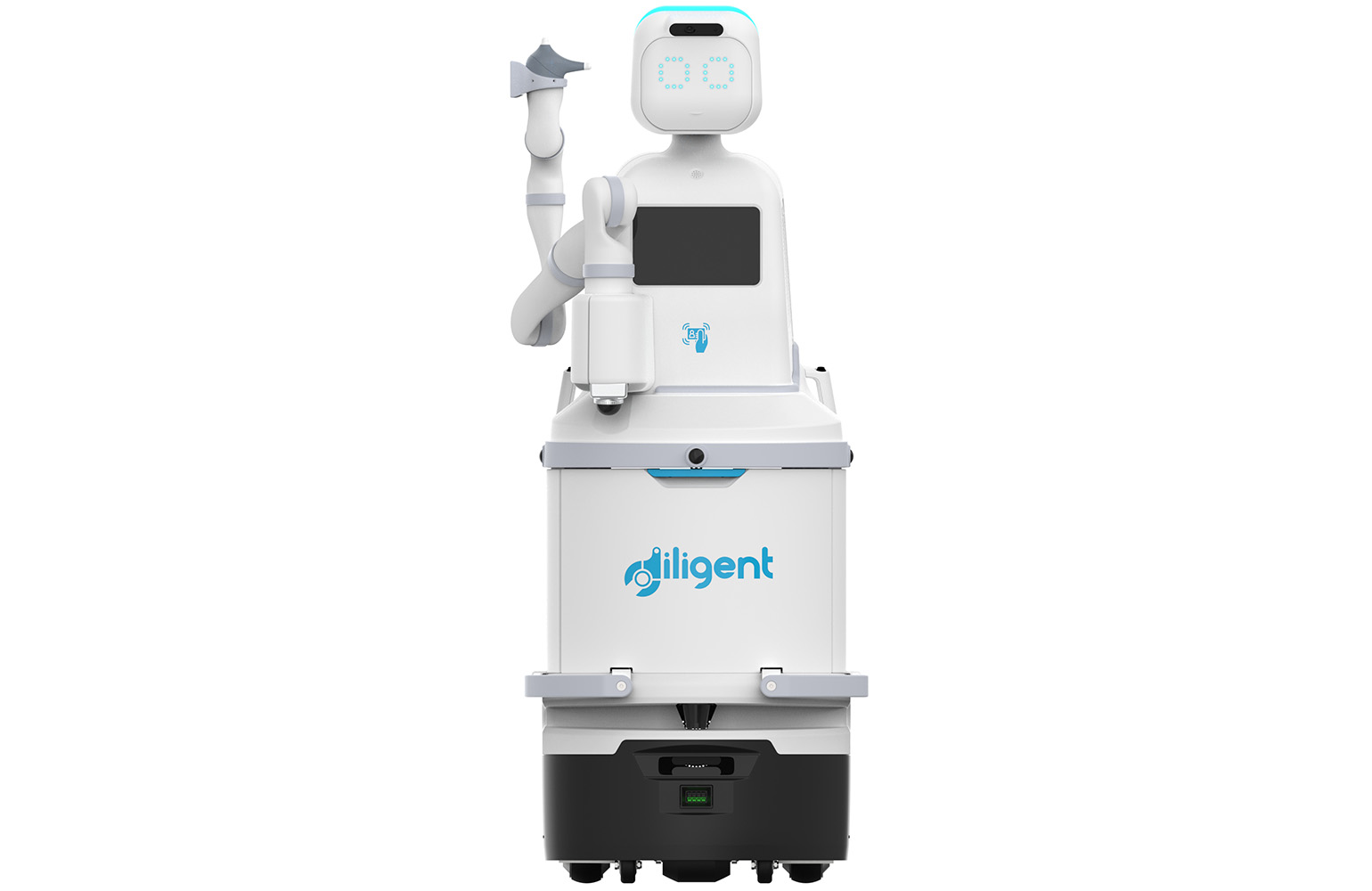
Diligent Robotics Begins Rollout of Moxi 2.0 to U.S. Health Systems
Diligent Robotics has commenced the rollout of Moxi 2.0 to health system customers across the United States. This next-generation platform has been shaped by five years of operation in over 25 hospitals, enhancing its capabilities for dynamic hospital environments. Moxi 2.0 features a proprietary learning flywheel that continuously improves the robot's performance based on deployment experiences. The significance of Moxi 2.0 lies in its advanced physical AI platform, designed to navigate the complexities of hospital hallways with greater confidence and safety. According to Andrea Thomaz, founder and CEO of Diligent Robotics, the new robot is equipped with enhanced compute, sensors, and models that allow it to operate more effectively in tight spaces filled with fast-moving people and equipment. The rollout includes partnerships with health systems such as Endeavor Health Edward Hospital and Providence Saint John’s Health Center. Looking ahead, Diligent Robotics is actively taking orders from health systems eager to implement Moxi 2.0, which can be integrated without altering existing infrastructure. The company, recently acquired by Serve Robotics for $29 million, is leveraging shared investments in physical AI research to accelerate innovation in its hospital deployments. No further timeline was disclosed at the time of publication.
Artificial Intelligence Artificial Intelligence / Cognition Autonomous Mobile Robots (AMRs) Design / Development Healthcare Robotics Markets / Industries
Tacta Systems Launches TactaBot to Enhance High-Skilled Manufacturing with Advanced Robotics
Tacta Systems recently introduced the TactaBot, integrating the Tacta Hand, Skill Capture system, and Dexterous Intelligence AI model. This innovative combination aims to create adaptable robotic hands capable of performing high-value tasks in manufacturing, addressing the global shortage of skilled labor. CEO Vikram Pavate emphasized the need for robots to replicate human-like touch and feel, which is essential for complex manufacturing processes. The Tacta Hand features a dexterous design with three and five-finger configurations, offering 15 degrees of freedom and the ability to lift up to 25 newtons per fingertip. Utilizing Tacta's Fluidic Tendon actuation technology, the robotic hand maintains stability and precision while minimizing heat generation. This technology enhances reliability compared to traditional cable-driven systems, with a lifespan of up to 30 million cycles. As Tacta Systems continues to innovate, the focus will be on further developing the capabilities of the TactaBot and its components. The integration of advanced tactile sensors, capable of measuring a wide range of forces and temperatures, positions Tacta to play a significant role in the future of high-skilled manufacturing automation. No further timeline was disclosed at the time of publication.
Actuators / Motors / Servos Arms / Manipulators Artificial Intelligence Artificial Intelligence / Cognition Collaborative Robots Design / Development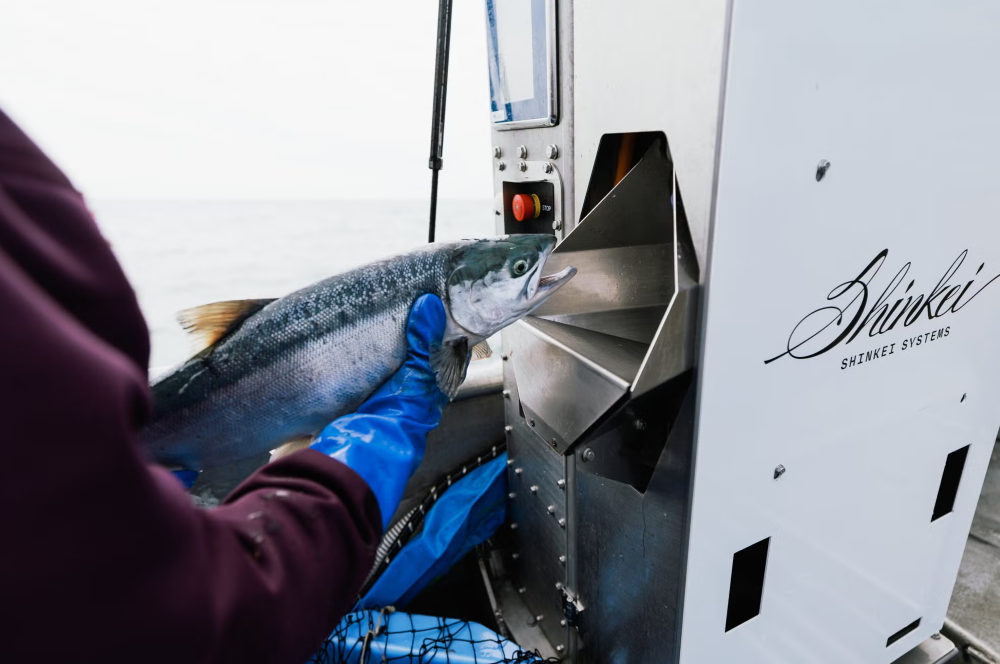
Shinkei Systems Introduces AI Robotics for Enhanced Fresh Fish Processing
Shinkei Systems, based in California, has developed a robotic solution for fish processing on fishing boats. Utilizing computer vision, the robot identifies fish species and performs precise slaughter within six seconds, adhering to the Japanese 'ike jime' technique to maintain meat quality. This innovation addresses the issue of stress hormones affecting fish taste during capture. The significance of this technology lies in its potential to improve the quality of seafood while providing fishermen with a stable supply of premium products. Shinkei offers its robots to Alaskan fishermen for free, purchasing their catch at above-market prices, and markets the fish under the 'Seremoni' brand. The company plans to introduce a new harvesting robot designed for small fishing vessels in the Cook Inlet by 2026. Currently, over 40 Michelin-starred restaurants across the U.S. are using Shinkei's technology, with retail chains like Wegmans and FreshDirect also stocking their products. Shinkei recently secured $22 million in Series A funding to expand its operations, including a new processing center in Tacoma, aiming to make high-quality seafood more accessible while preventing overfishing.
Robotic Processing AI Technology Seafood Industry Sustainable Fishing
Multimodal Robotics Inspired by Biological Systems Explored in Science Robotics
The latest issue of Science Robotics, Volume 11, Issue 116, published in July 2026, delves into the advancements in bioinspired multimodal robotics. This research highlights how biological systems can inform the design and functionality of robotic systems, leading to more versatile and adaptive technologies. The significance of this research lies in its potential to enhance robotic capabilities by mimicking the diverse modalities found in nature. By studying biological organisms, engineers can develop robots that are not only more efficient but also capable of performing complex tasks across various environments, which is crucial for applications in fields such as search and rescue, agriculture, and environmental monitoring. Looking ahead, the ongoing exploration of bioinspired designs in robotics will likely lead to innovative solutions that address current limitations in robotic performance. No further timeline was disclosed at the time of publication.
Review
ETCO Incorporated Launches New Electrical Connectors and Terminals for Robotics and Automation
ETCO Incorporated has unveiled a new range of standard and custom electrical connectors and terminals designed specifically for automation systems and robotics. These products are engineered to endure intense operations, constant motion, and vibration, making them suitable for demanding applications. The introduction of these connectors and terminals is significant as they address the growing need for reliable electrical components in automation and robotics. With the increasing complexity of automated systems, the durability and performance of electrical connections are crucial for operational efficiency and safety. Looking ahead, industry stakeholders should monitor the adoption of ETCO's new products in various applications. The effectiveness of these connectors and terminals in real-world scenarios will be key to their success in the market. No further timeline was disclosed at the time of publication.

RoboBusiness invites robotics startups to showcase systems and software solutions
RoboBusiness is currently accepting applications from robotics startups interested in presenting their innovations at the upcoming RoboBusiness event. This opportunity is aimed at companies developing complete systems, components, or software solutions in the robotics sector. The event is set to take place in the near future, providing a platform for emerging technologies and ideas. The significance of this initiative lies in its potential to connect startups with industry leaders, investors, and potential partners. By showcasing their work, startups can gain visibility and feedback on their products, which is crucial for growth in a competitive market. This event highlights the increasing importance of innovation in robotics, as companies strive to develop solutions that meet evolving industry demands. Looking ahead, interested startups should prepare their applications promptly, as the deadline for submissions is approaching. No further timeline was disclosed at the time of publication, but participation in this event could lead to valuable networking opportunities and insights into market trends.
Events News Startups robobusiness
U.S. Navy Establishes RASWDC to Enhance Robotic Warfare Capabilities
The U.S. Navy has launched the Robotic and Autonomous Systems Warfighting Development Center (RASWDC) on September 24, aimed at integrating robotic and autonomous systems into naval operations. Led by Rear Admiral Melvin Smith, the center is headquartered at Joint Expeditionary Base Little Creek-Fort Story in Virginia and will serve as the Navy's primary hub for operational integration of these technologies. This initiative is crucial for maintaining the Navy's maritime advantage, as emphasized by Chief of Naval Operations Adm. Daryl Caudle. The RASWDC will provide sailors with advanced training and specialized doctrine necessary for high-end combat scenarios, reflecting the Navy's commitment to modernizing its operational capabilities through technology. Looking ahead, the RASWDC will focus on developing warfighting concepts, training personnel, and testing new technologies under realistic conditions. The Navy's approach includes evaluating unmanned aerial systems, uncrewed surface vessels, and unmanned underwater vehicles, with a clear intent to advance systems that prove effective while reassessing those that do not meet operational standards. No further timeline was disclosed at the time of publication.
Military
Milrem Robotics Aims to Lead Integration of Uncrewed Systems Near Russia Border
Milrem Robotics has announced its ambition to spearhead the integration of various uncrewed systems from allied nations along the borders with Russia and Belarus through the Unified Drone Logistics (UDL) initiative. This integration is significant as it aims to enhance operational efficiency and interoperability among allied forces, particularly in a region marked by geopolitical tensions. By leveraging the UDL, Milrem Robotics seeks to create a cohesive framework for uncrewed systems that can operate seamlessly across national lines. Looking ahead, stakeholders will be keen to observe how Milrem Robotics implements this initiative and the potential impact it may have on defense strategies in the region. No further timeline was disclosed at the time of publication.
News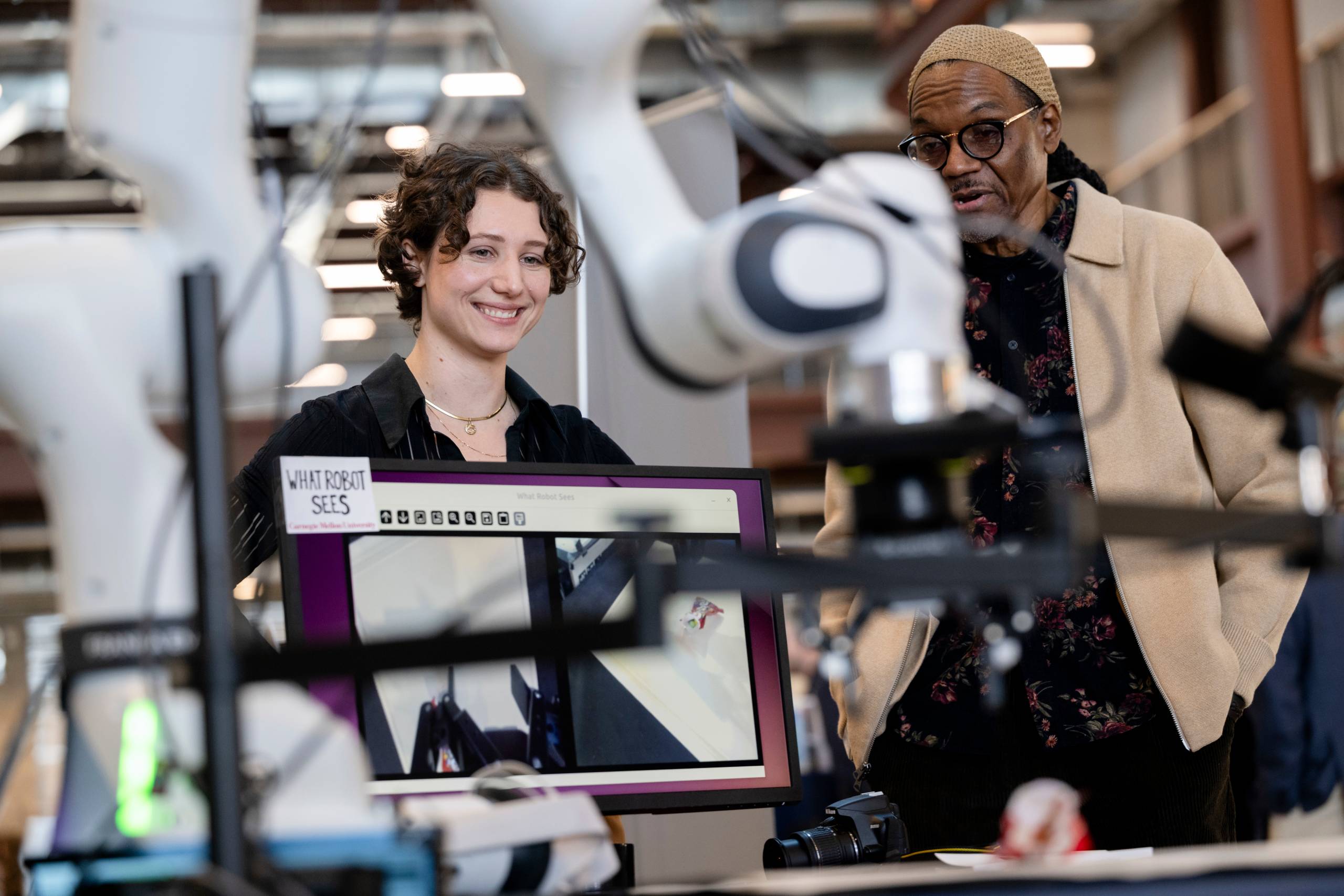
Pittsburgh to Host 2026 IEEE/RSJ International Conference on Intelligent Robots and Systems
Pittsburgh is set to host the 2026 IEEE/RSJ International Conference on Intelligent Robots and Systems (IROS) from September 27 to October 3 at the David L. Lawrence Convention Center. This event will highlight Carnegie Mellon University's leadership in robotics. The conference is significant as it brings together experts and innovators in the field of robotics, showcasing advancements and fostering collaboration. Carnegie Mellon University, known for its pioneering work in robotics, will be at the forefront of this global gathering. As the date approaches, attendees can expect a rich program featuring discussions on the latest technologies and research in intelligent robotics. No further timeline was disclosed at the time of publication.
Uncategorized
Posco Implements Robotic Systems at Seoul Headquarters to Enhance Safety and Efficiency
Posco has launched robotic systems for building maintenance and customer services at its headquarters in Seoul. This initiative includes a robot designed for cleaning the exterior of the multistory building, aimed at enhancing worker safety and operational efficiency. The deployment of these robots began on September 5, following successful tests on lower sections of the building, marking Korea's first use of robots for curtain-wall glass cleaning. The introduction of these robotic systems is significant as it allows Posco to transfer high-risk and repetitive tasks to robots, enabling employees to concentrate on safer and more valuable work. The robots are expected to minimize workers' exposure to hazardous high-altitude tasks while ensuring consistent and safe exterior cleaning. The company has been testing cleaning robots since March, conducting trials in various areas of the building before finalizing the deployment. Looking ahead, Posco plans to further integrate robotics into its facility management, particularly for tasks that are hazardous or repetitive. The company aims to improve workplace safety, efficiency, and convenience through this technological advancement, which includes beverage delivery robots and a robotic barista in the business lounge, handling around 100 orders daily.
All News
USA Rare Earth Partners with Pasqal and Riven Systems for Quantum AI in Rare Earth Supply Chain
USA Rare Earth has announced a collaboration with French quantum computing firm Pasqal and industrial AI company Riven Systems to enhance the separation of rare earth elements in the U.S. This initiative, revealed on September 17, aims to utilize quantum machine learning and automated lab experiments to identify more effective molecules for binding to rare earths. The significance of this project lies in its potential to create smaller, more energy-efficient processing facilities that can operate at lower costs. Currently, China dominates the rare earth supply chain, particularly in the separation of heavy rare earths. Alex Moyes, senior vice president at USA Rare Earth, highlighted the industry's challenge of separating Mixed Rare Earth Carbonate into individual oxides, which is crucial for advanced manufacturing. Looking ahead, Riven Systems will automate thousands of experiments to generate data for machine learning models, while Pasqal will benchmark these models against classical computing methods. This innovative approach could lead to the discovery of more effective extractants, ultimately reducing processing stages and environmental impact. No further timeline was disclosed at the time of publication.
AI and Robotics
Israel Defense Forces Establish New Branch for Unmanned Systems and AI Integration
The Israel Defense Forces (IDF) are launching a new branch dedicated to unmanned systems and artificial intelligence, as announced by Chief of Staff Lt. Gen. Eyal Zamir. This initiative aims to adapt to the rapidly evolving battlefield, emphasizing the integration of robotics, drones, and AI technologies. The establishment of the Unmanned Systems and Artificial Intelligence Branch is a significant step for the IDF, reflecting a strategic shift towards modern warfare capabilities. Zamir highlighted that these advancements will enhance operational effectiveness and save lives, marking a transformative moment for military operations. Looking ahead, the IDF plans to fully inaugurate this new branch by early December. The focus will be on harnessing technologies across land, air, and sea domains, with an emphasis on maritime capabilities as part of the IDF’s broader multi-year plan, Hoshen. No further timeline was disclosed at the time of publication.
Air Warfare Global Land Warfare AI & Autonomy Air Force Army
Emerging 2D Flex Feeding Revolutionizes Industrial Part Picking with Simplified Vision Systems
The article discusses the advancements in 2D Flex feeding technology, which simplifies robotic vision for industrial part picking. Unlike traditional 3D bin picking, this new approach allows for quicker and more reliable implementations, making it accessible for a broader range of applications. This innovation is significant as it enhances the capabilities of industrial robots in manufacturing, reducing the complexity associated with advanced vision systems. Experts Nicholas Kern from SICK and Nick Barron from Feedall highlight the advantages of flex feeding over bowl feeding, showcasing early adopters who are already experiencing substantial benefits. Looking ahead, the future of feeding robots appears promising with the integration of smarter vision systems. As this technology continues to evolve, it will be essential to monitor its adoption and impact on manufacturing efficiency and productivity. No further timeline was disclosed at the time of publication.
Factory / Robotics
TM Robotics CEO Discusses Need for Moulding Systems to Adapt to Material Changes
Nigel Smith, CEO of TM Robotics, emphasized the importance of selecting moulding systems that can accommodate a wider variety of materials. As processors face evolving material requirements, the ability to adapt machinery is crucial for maintaining efficiency and competitiveness in the market. This adaptability is significant as it allows processors to respond to changing demands and innovate in their product offerings. By investing in flexible moulding systems, companies can enhance their production capabilities and meet diverse customer needs, ultimately driving growth and sustainability. Looking ahead, processors should prioritize the integration of advanced moulding technologies that support a broader material mix. No further timeline was disclosed at the time of publication.

Palladyne AI Secures Additional $2.9 Million from U.S. Air Force for STRATFI Contract
Palladyne AI has announced that the U.S. Air Force has exercised an option on its STRATFI contract, adding $2.9 million in funding. This brings the total contract value to over $10.6 million, indicating the Air Force's satisfaction with Palladyne IQ™ embodied AI architecture for autonomous robotic systems. The additional funding underscores the U.S. Air Force's confidence in Palladyne AI's capabilities in delivering advanced autonomous solutions. Palladyne AI specializes in embodied AI-powered collaborative autonomy, advanced avionics, and UAVs, making it a key player in defense and industrial technology sectors. Looking ahead, the continued investment in Palladyne AI's technologies suggests a growing demand for autonomous robotic systems within military applications. No further timeline was disclosed at the time of publication.
Marine Corps Chooses Allen Control Systems' Bullfrog M240 for L-MADIS Integration
The Marine Corps has selected Allen Control Systems' Bullfrog M240 autonomous weapon for integration into its Light Marine Air Defense Integrated System (L-MADIS). This system is part of the Ground Based Air Defense program and includes two Polaris MRZR vehicles, one serving as a command unit and the other equipped with electronic warfare capabilities to counter drone threats. The Bullfrog M240 transforms the traditional 7.62mm machine gun into an autonomous weapon, capable of firing 850 rounds per minute and weighing approximately 300 pounds. This integration is facilitated through a prototype Other Transaction Agreement contract valued at around $6.2 million. The Marine Corps is also seeking $1.27 billion in its fiscal 2027 budget for Ground Based Air Defense capabilities, highlighting the importance of advanced defense systems. Looking ahead, the Bullfrog M240 is not only being considered by the Marine Corps; the US Army Applications Lab has awarded a contract to assess its deployment on Army combat vehicles. Additionally, Allen Control Systems is working on integrating Bullfrog onto US Special Operations Forces maritime platforms, indicating a growing interest in this technology across multiple military branches.
Land Warfare Naval Warfare Army Counter UAS cUAS LMADIS MADIS
Qingche Intelligent Showcases Comprehensive Data Systems and Robotics at WAIC 2026
From July 17 to 20, 2026, Qingche Intelligent participated in the World Artificial Intelligence Conference (WAIC) in Shanghai, focusing on bridging models and real-world intelligence. The company showcased a complete technology system from real-world data collection to model training and robotic applications, emphasizing the importance of real-world data for embodied intelligence. Qingche's RoboPocket system, a no-body robot data collection platform, allows users to gather data without direct interaction with robots, significantly lowering the barriers for data acquisition. The DM3 data management platform complements this by enabling visual retrieval, quality control, and data asset management, handling up to 10,000 data entries daily and accumulating substantial real-world data assets. The company also presented its new generation of embodied intelligence pre-training models, which do not rely on teleoperation data, demonstrating a viable path for model training using only field-collected data. Qingche's solutions have already been deployed in real-world scenarios, such as retail pharmacies and hotel laundry services, showcasing the practical applications of their technology and the continuous evolution of their data-driven model development.
Embodied Intelligence Data Management Robotics AI Applications
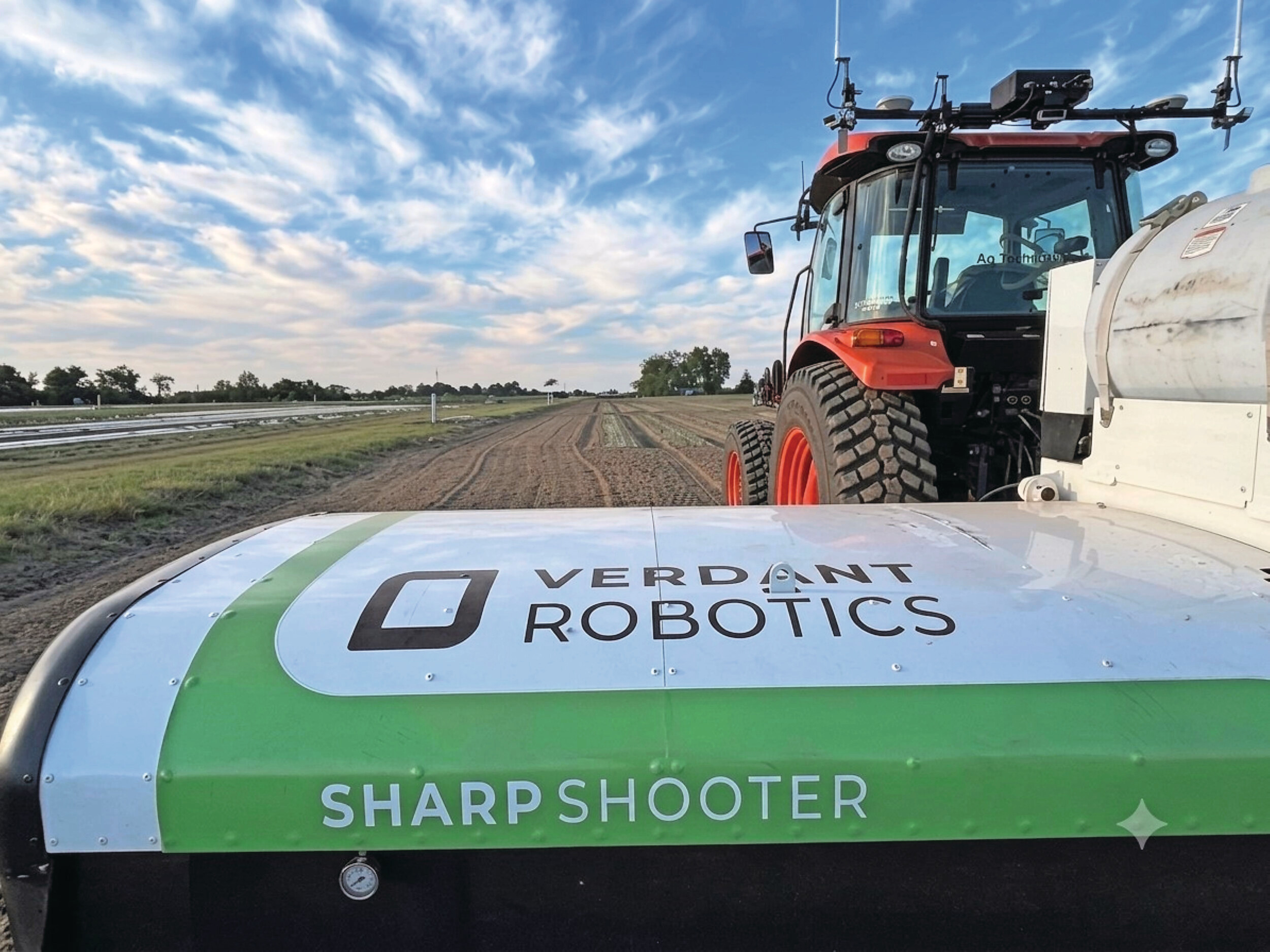
Sabanto and Verdant Robotics integrate autonomy and precision application systems
U.S. companies Sabanto Inc. and Verdant Robotics have announced a groundbreaking integration of their systems, marking a significant advancement in agricultural automation. This collaboration allows producers to automate various fieldwork tasks, including navigation and plant-level input application, without the need for an operator present in the cab. The integration aims to enhance efficiency and productivity in farming operations, responding to the growing demand for innovative agricultural solutions. By leveraging advanced technology, both companies are paving the way for a new era of autonomous farming, which could transform traditional practices and address labor shortages in the industry.
Autonomous/semi-autosteering systems autonomous farm equipment autonomous tractors crop management systems retrofit kits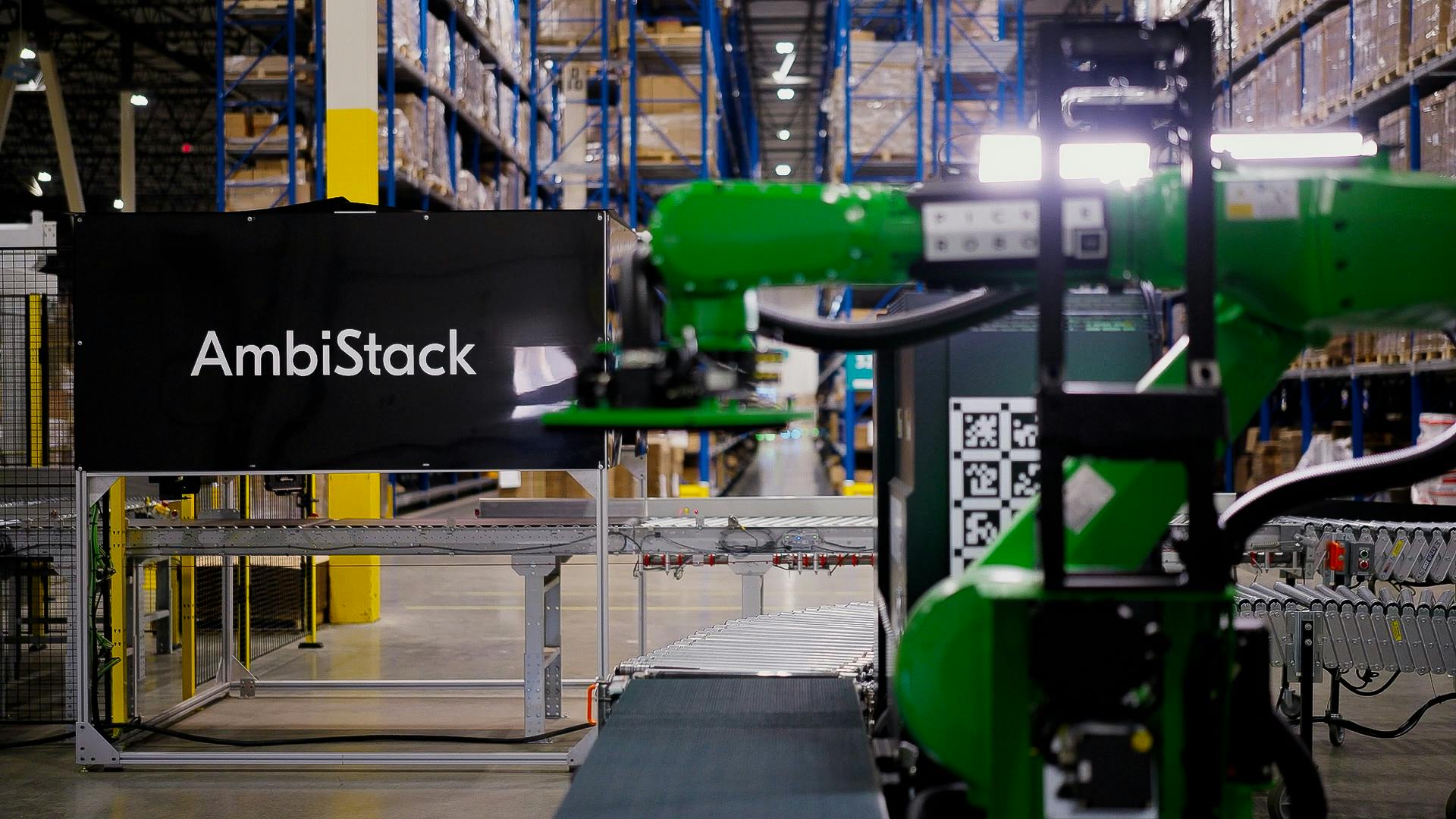
Ambi Robotics, Pickle Robot Company Integrate Robotic Systems
A group of companies is collaborating to showcase the potential of specialized automation technologies for warehouse operations. This initiative aims to highlight how these advancements can enhance efficiency and productivity within the logistics sector. The demonstration is set to take place in the coming months at various locations, allowing warehouse operators to see firsthand the benefits of integrating automation into their processes. By leveraging cutting-edge technology, the companies hope to address the growing demand for streamlined operations in an increasingly competitive market. This effort reflects a broader trend towards automation in industries seeking to optimize their supply chains and reduce operational costs.
Factory / Supply Chain Management
Roboverse Reply Impresses at ELROB 2026 With Intelligent Robotic Systems for Critical Missions
From June 15 to 19, a collaboration between a leading technology company and ELP, a specialist in technical equipment for defusing services, showcased impressive performance at an international event. The demonstration highlighted the reliability of their autonomous solutions in real-world conditions, standing out among a competitive field of participants. This partnership aims to advance the capabilities of defusing technology, emphasizing the importance of effective and dependable solutions in critical situations. The successful demonstration serves to reinforce the company's commitment to innovation and excellence in the field.

Why Reliable Backup Power is Becoming Essential for Modern Robotics Systems
Modern robotics systems are revolutionizing various industries by enhancing efficiency, accuracy, and productivity. Organizations across sectors, including manufacturing and logistics, are increasingly relying on automated systems to ensure seamless operations around the clock. As businesses seek reliable backup power solutions for their robotics infrastructure, Nite & Day Power emerges as a key resource, offering specialized information on uninterruptible power systems. This shift towards automation and the need for dependable power sources highlight the growing importance of technology in maintaining operational continuity in today's fast-paced industrial environment.
Energy Robotics Technology automation news backup power industrial automation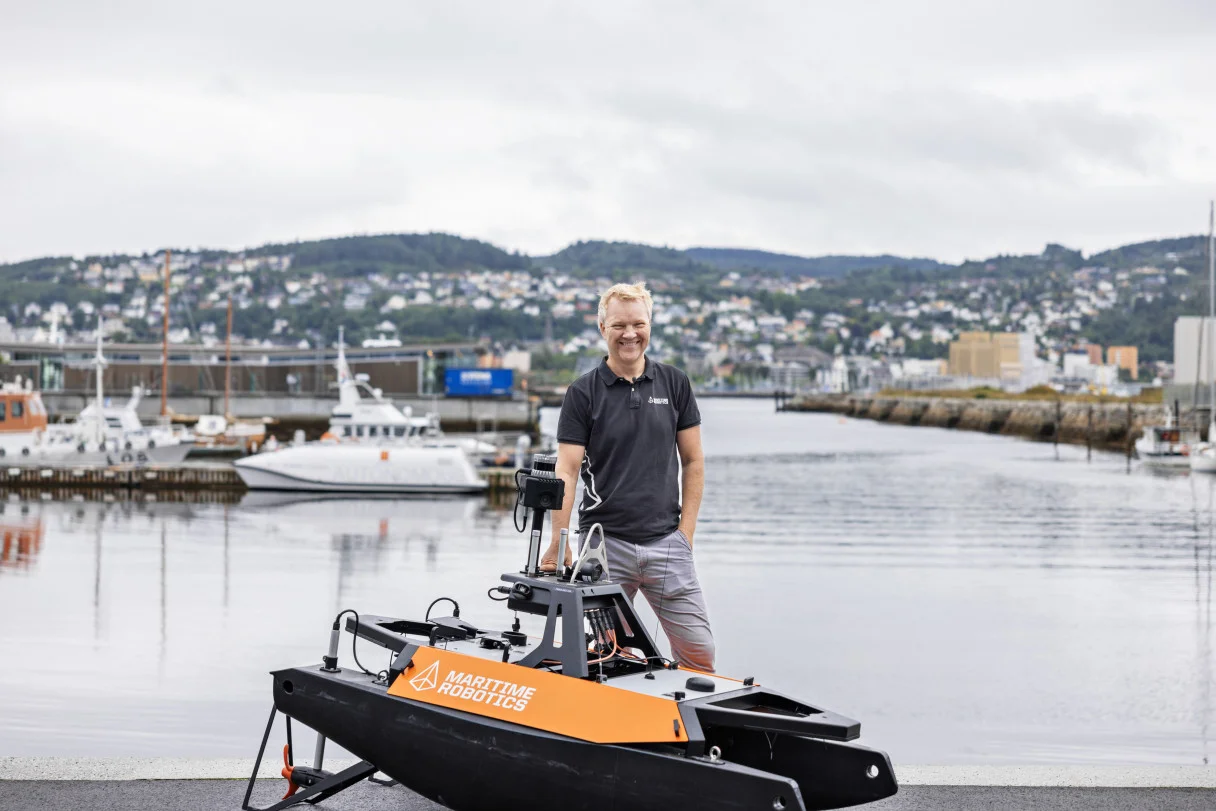
Maritime Robotics Raises €28M in Funding to Expand its Autonomous Sea Drone Systems
Norwegian company Maritime Robotics has secured €28 million in growth funding to enhance its autonomous maritime systems. The funding round, which was led by Mustard Seed + Partners, also saw contributions from existing investors including EnvisionTech, Nysnø Climate Investment, and Umoe, along with participation from the company's founders, employees, and early backers. This financial boost aims to support the company's expansion efforts in the rapidly evolving maritime technology sector.
AI AI Funding & Investment Robotics autonomous maritime systems funding maritime robotics
The Role of RF Connectors in Robotic Vision, Sensor Communication, and Automated Inspection Systems
Recent advancements in robotic vision and automated inspection have highlighted the limitations of software solutions in addressing physical challenges. While fast GPUs, sophisticated models, and user-friendly dashboards are often celebrated as technological triumphs, they falter when confronted with the realities of a compromised physical signal path. For instance, a camera's ability to process images is hindered by a noisy clock, and sensors struggle to deliver accurate readings when interfaces become loose after repeated vibrations. This underscores the importance of considering the physical environment in the development and implementation of automated systems, as reliance solely on software capabilities may lead to significant operational failures.
Design Engineering Technology automated inspection automation news factory automation
Why deterministic real-time systems are more critical than ever in robotics
Winston Leung recently highlighted the significance of QNX in the fields of robotics and artificial intelligence during a discussion centered on safety, innovation, and emerging industry trends. His insights underscore the increasing importance of deterministic real-time systems in robotics, particularly as the demand for reliable and efficient technology continues to grow. This conversation, featured in a post on The Robot Report, reflects the evolving landscape of robotics and the critical role that advanced operating systems play in ensuring both safety and performance in automated systems. As industries increasingly adopt AI-driven solutions, the need for robust and responsive systems like QNX becomes paramount to meet the challenges of modern robotics.
Artificial Intelligence Business Resources News Opinion Podcast Robots / Platforms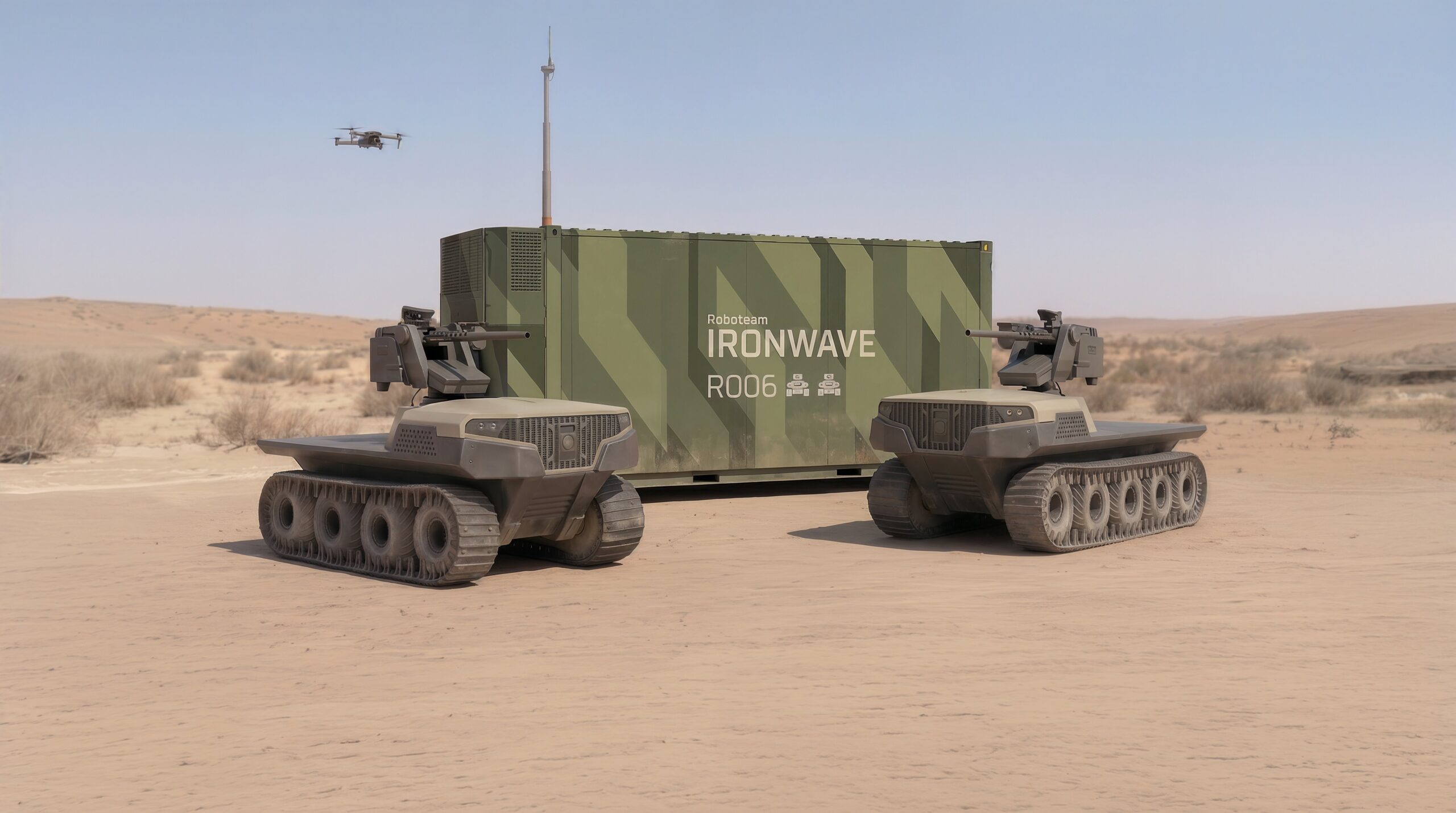
Ondas Unveils New Autonomous Counter-Drone and Robotic Combat Systems
Ondas Holdings has introduced two innovative autonomous defense systems, MODUS and IRON WAVE, aimed at assisting military forces in countering the escalating threats posed by drones and enhancing the deployment of robotic systems. This announcement highlights the company's commitment to addressing critical challenges faced by modern military operations. The unveiling of these systems comes at a time when the proliferation of drone technology and robotic warfare is reshaping the battlefield landscape. By providing advanced solutions, Ondas Holdings seeks to empower frontline troops with enhanced capabilities to effectively neutralize aerial threats and integrate robotic support into their operations.
Anti-drone technology Applications C-UAS defense Defense Drone News
Why Reliable Backup Power is Becoming Essential for Modern Robotics Systems
Modern robotics systems are revolutionizing various industries by enhancing efficiency, accuracy, and productivity. Organizations across manufacturing and logistics sectors are increasingly relying on automated systems to ensure continuous operations. In this context, businesses seeking reliable backup power solutions for their robotics infrastructure can access essential resources from Nite & Day Power, a company that specializes in uninterruptible power systems. This development underscores the growing importance of robust power solutions in supporting the seamless functioning of automated technologies.
Energy Robotics automation infrastructure automation news autonomous systems backup power
Key Considerations for Robotics Manufacturers Ensure Secure Connected Systems
In a recent discussion among technology experts, the importance of integrating security into the design of modern robotic platforms was emphasized. The experts highlighted that security should be a foundational principle, advocating for the implementation of architectural controls that promote least-privilege execution. This approach ensures that each component of the system operates with the minimum level of access necessary, thereby reducing potential vulnerabilities. Additionally, strong isolation between system components was recommended to prevent breaches from spreading across the platform. The experts also stressed the need for robust fault containment measures to protect against failures that could compromise the system's integrity. This dialogue took place in October 2023, reflecting a growing awareness of the critical role that security plays in the development of advanced robotics. The motivation behind these recommendations is to enhance the resilience of robotic systems against cyber threats and operational failures, ensuring safer and more reliable technology in various applications.

GMSL and the growing ecosystem around robotic vision systems
In recent years, the expectations for robotic capabilities have significantly evolved, driven by advancements in technology and changing industry needs. Site owners are now seeking robots that not only navigate from point A to point B but also operate at increased speeds and adapt to dynamic environments filled with various obstacles. This shift reflects a broader trend in the robotics industry, where the integration of advanced vision systems is becoming essential for enhancing the functionality and efficiency of robotic operations. Sponsored by Analog Devices Inc., this development highlights the growing ecosystem surrounding robotic vision systems, which are crucial for meeting the rising demands of modern automation. As the industry progresses, the focus on improving robotic agility and intelligence is set to reshape the landscape of automation in various sectors.
Sponsored Content ADI Analog Devices
Allient to demonstrate advanced motion control systems at 2026 Robotics Summit & Expo
Allient is set to showcase its advanced motion and control technologies at the Robotics Summit & Expo taking place this week in Boston. The company aims to highlight its innovative systems, which are designed to enhance robotic applications and improve operational efficiency. This exhibition represents an opportunity for Allient to engage with industry professionals and demonstrate the capabilities of its latest developments in motion control. The event serves as a platform for networking and collaboration within the robotics sector, emphasizing the importance of technological advancements in driving the future of automation.
Actuators / Motors / Servos Controllers Events Motion Control News allient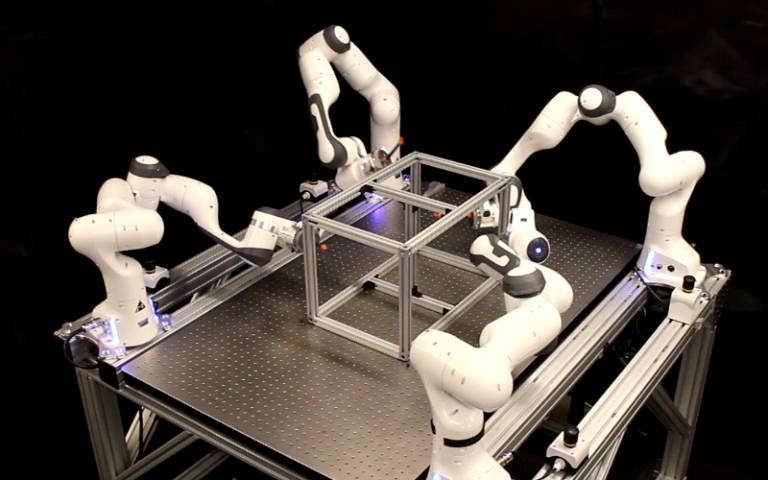
L3Harris delivers T4 and T7 ‘life-saving’ robotic systems to ADF
L3Harris Technologies has delivered its T4 and T7 multi-mission robotic systems to the Australian Defence Force (ADF) to enhance personnel protection operations. This acquisition aims to bolster the ADF's capabilities in safeguarding its troops during various missions. The deployment of these advanced robotic systems reflects the ADF's commitment to integrating cutting-edge technology into their operations, ensuring greater safety and efficiency in the field. The partnership between L3Harris and the ADF highlights the growing importance of robotics in modern military strategies, particularly in addressing the challenges of personnel safety in complex environments.
News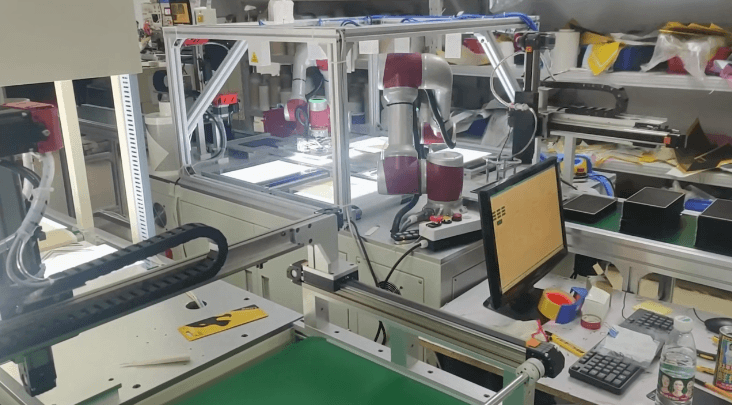
5 Tips to Optimize Pick and Place Robotic Arm Cycle Times with Vision Systems
In the realm of high-speed manufacturing, optimizing robotic efficiency is crucial, particularly with the integration of vision systems in 6-axis robotic arms. JAKA, a leader in automation technology, has developed the JAKA Zu series to enhance the performance of pick-and-place operations, particularly in fast-paced sectors like electronics and food packaging. To improve throughput, manufacturers are advised to optimize lighting and contrast, ensuring that parts are easily identifiable to reduce image processing lag. Implementing "on-the-fly" image processing allows the robotic arm to capture images while in motion, potentially cutting cycle times by 20% to 30%. Additionally, utilizing multi-tasking and path smoothing techniques enables the robot to maintain momentum and efficiency during operations. By narrowing the search windows for the vision system to specific areas on conveyor belts, manufacturers can significantly speed up part identification. Furthermore, calibrating for latency between the camera and the robotic arm is essential for precise part handling, allowing the robot to predict part locations accurately. The JAKA Zu7 model, with a payload capacity of 7kg and a reach of 819mm, exemplifies this advanced integration of vision and motion. Its high-speed joint actuators and exceptional repeatability of ±0.02mm ensure that operations are both fast and accurate. JAKA's commitment to "Embodied Intelligence" is reflected in its user-friendly software ecosystem, which facilitates easy calibration and setup for complex routines, ultimately driving productivity in modern manufacturing environments.

Why the world’s most successful robotics founders are systems thinkers
Ajay Agarwal recently highlighted the significant impact of systems thinking in the field of robotics, emphasizing its potential to drive substantial productivity gains and open up multibillion-dollar markets. This discussion sheds light on the approach taken by some of the most successful founders in the robotics industry, who leverage systems thinking to innovate and optimize their technologies. The insights were shared in a post featured on The Robot Report, illustrating how this mindset can transform the landscape of robotics and contribute to economic growth.
Artificial Intelligence Business Resources Investments News Opinion PodcastRobotics needs a service framework.
RSF defines a common language for robot service capability, lifecycle operations, certification pathways, and service-provider networks.
Join the RobotToday community on LinkedIn
Daily robotics news, in-depth analysis, conference highlights, and discussions with professionals worldwide.







