Industry Briefing
A single destination for timely, editor-curated robotics news from around the world.

T800 Humanoid Robot Showcases Combat Skills at World Robot Conference 2026
During the 2026 World Robot Conference, the T800 humanoid robot captivated audiences with its combat skills, showcasing punching, dodging, and flying kicks. The event featured a fighting competition between two robots named 'Doujiang' and 'Luzhu,' part of the world's first industrial-grade humanoid robot fighting league, which attracted over 200 teams and offered a total prize pool of 14 million yuan. Zhao Tongyang, founder and CEO of Zhongqing, emphasized that combat-related investments account for less than 10% of the company's focus, with the majority directed towards integrating robots into homes and factories. He explained that mastering physical capabilities through combat is essential for robots to serve humans effectively, as agility and strength are crucial for handling unexpected scenarios. The T800 has already begun operations in the Luxshare Precision factory in Suzhou, handling material loading and transportation tasks. Zhongqing also introduced the EngineAI Awaken, a brain-inspired intelligent engine, which allows for rapid deployment and high success rates in robotic actions. Zhao predicts a significant breakthrough in embodied intelligence within three years, aiming for mass production of humanoid robots to make them commonplace in households.
Humanoid Robots Robotics Competitions AI Technology Industrial Automation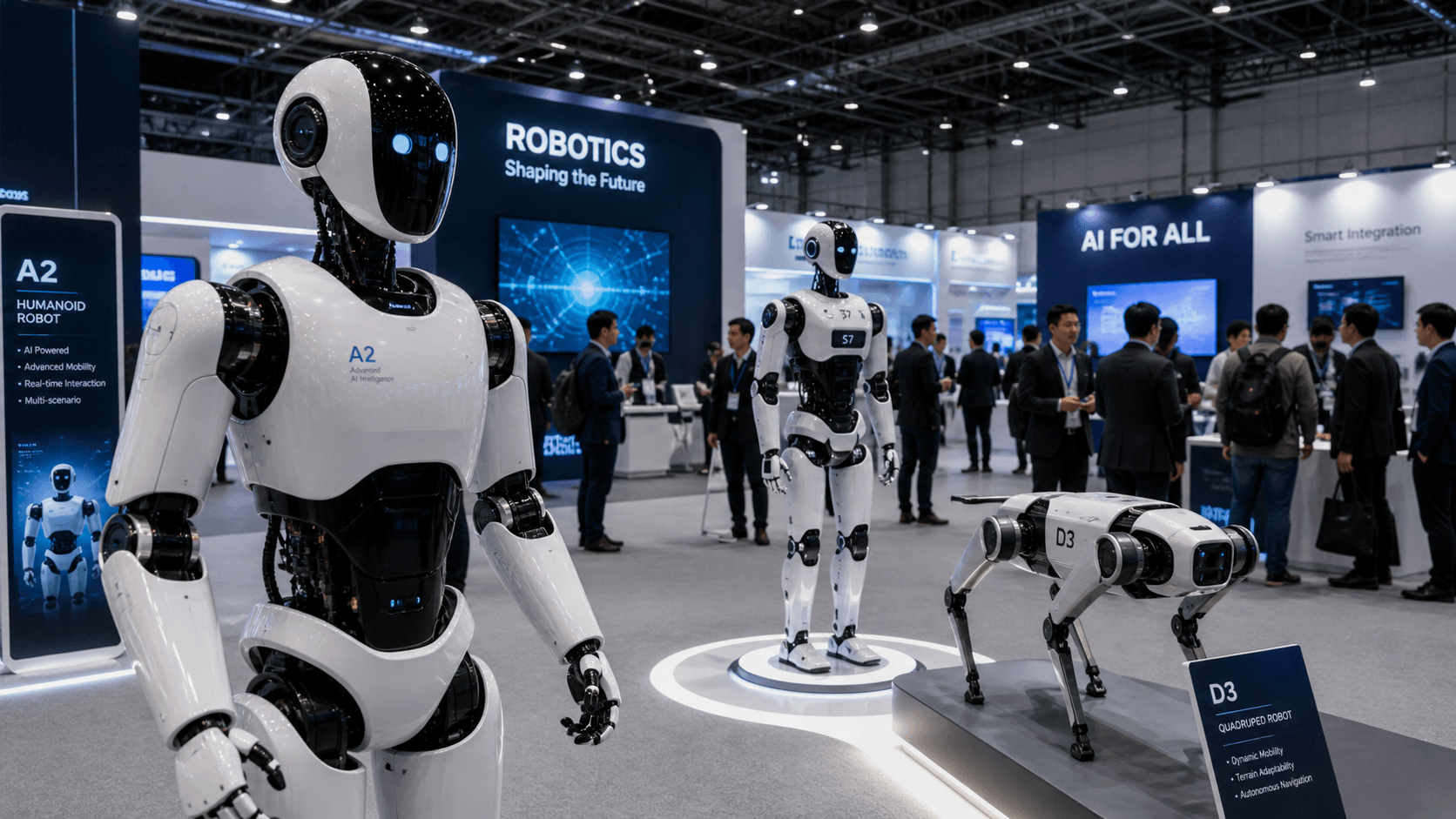
Global Humanoid Robot Shipments Surge Nearly 300% in H1 2026 Amidst Industry Evolution
During the 2026 World Robot Conference, attendees witnessed robots performing tasks such as grasping cups and folding clothes. However, significant advancements in robotics are occurring beneath the surface. Global shipments of humanoid robots reached over 22,000 units in the first half of 2026, marking an increase of nearly 300%. Despite this growth, only about 20% of these robots are being utilized in smart manufacturing and warehousing sectors, highlighting a competitive race among companies to enhance generalization and copying capabilities. This surge in humanoid robot shipments indicates a growing interest and investment in robotics technology, particularly in applications that extend beyond traditional roles. The limited adoption in smart manufacturing and warehousing suggests that while the market is expanding, the integration of these robots into more complex environments remains a challenge. Companies are focusing on developing robots that can generalize tasks and replicate human abilities, which is crucial for broader acceptance in industrial applications. Looking ahead, it will be important to monitor how companies address the challenges of integrating humanoid robots into smart manufacturing and warehousing. The ongoing evolution of robotics technology, particularly in terms of generalization and adaptability, will be key to unlocking new opportunities in various sectors. No further timeline was disclosed at the time of publication.

Robots Acquire New Skills from One Video in Just 29 Seconds
Recent advancements in robotics have demonstrated that robots can learn new skills from a single video in just 29 seconds. This capability is crucial for enabling robots to operate effectively in dynamic environments, where adaptability is essential. Traditional robotic systems often struggle to perform tasks outside their initial training, highlighting the significance of this breakthrough. The ability for robots to quickly learn from minimal input not only enhances their functionality but also reduces the time and resources required for training. This development could lead to more efficient deployment of robots in various applications, making them more versatile and responsive to real-world challenges. As industries increasingly adopt robotic solutions, the demand for such adaptable systems is likely to grow. Looking ahead, it will be important to monitor how this technology evolves and its potential integration into existing robotic platforms. The implications for manufacturing, logistics, and service sectors could be substantial, as robots become more capable of learning and adapting on the fly. No further timeline was disclosed at the time of publication.
Robotics
Developing Vision-Driven Reactive Soccer Skills for Humanoid Robots
A recent study published in Science Robotics explores the development of vision-driven reactive soccer skills for humanoid robots. The research focuses on enhancing the robots' ability to perceive and respond to dynamic environments, which is crucial for effective participation in soccer games. This advancement is significant as it addresses the challenges faced by humanoid robots in real-time decision-making and adaptability during sports activities. By improving these skills, researchers aim to enhance the robots' performance in competitive scenarios, potentially paving the way for more sophisticated applications in robotics and AI. Looking ahead, the implications of this research could extend beyond soccer, influencing various fields where real-time interaction and adaptability are essential. No further timeline was disclosed at the time of publication.
Research Article
UK SMEs Lag in Robot Adoption Due to Skills Shortage, Not Funding Issues
The robotization process in the UK manufacturing sector is experiencing a significant stagnation, with three-quarters of SMEs not utilizing any robots, according to Make UK. The UK's robot density stands at 112 units per 10,000 manufacturing workers, which is about half the EU average and well below the global average of 151 units. Despite over a decade of government funding and skill programs, the situation remains largely unchanged. The primary issue is not financial but rather a lack of skilled professionals who can effectively implement and operate robotic systems. While manufacturers often assume that funding is the main barrier, the real challenge lies in programming robots, integrating them with existing systems, and ensuring they meet specific operational requirements. The shortage of robotics engineers proficient in ROS2 (Robot Operating System) exacerbates this problem, leaving many manufacturers with limited options. As a result, many medium-sized manufacturers either hire costly system integrators or abandon the idea of automation altogether. The infrastructure for robot development has not been designed for the existing workforce, which already possesses software capabilities. The emergence of ROS2-based platforms offering browser-based development environments and simulation tools could help bridge this gap, but the current tools available in the UK are still inadequate for empowering workers to utilize robotics effectively.
Robotics Manufacturing Automation Skills Development Industrial Technology
China's National Robot Vocational School: Merging Simulation with Practical Skills Training
The National Robot Vocational School in Hangzhou has officially opened, focusing on bridging the gap between simulated training and real-world applications. This facility, known as a national-level vocational skills training ground, aims to enhance the practical capabilities of robots by addressing the challenges faced when transitioning from laboratory success to real-world performance. The significance of this initiative lies in its innovative dual-driven testing model, combining real-world scenarios with virtual simulations. With over 140 robots and more than 40 application-oriented training scenarios, the school enables precise data collection and model training, facilitating the development of robots capable of performing tasks in various sectors, including power inspection and logistics. Looking ahead, the robots trained at this facility have already begun to be deployed in real-world settings, such as traffic management and hazardous environment inspections. The implementation of local regulations supporting the development of embodied intelligent robots further underscores the importance of this initiative in advancing practical robotics applications in China.
Robotics Training Embodied Intelligence AI Applications Automation Vocational Education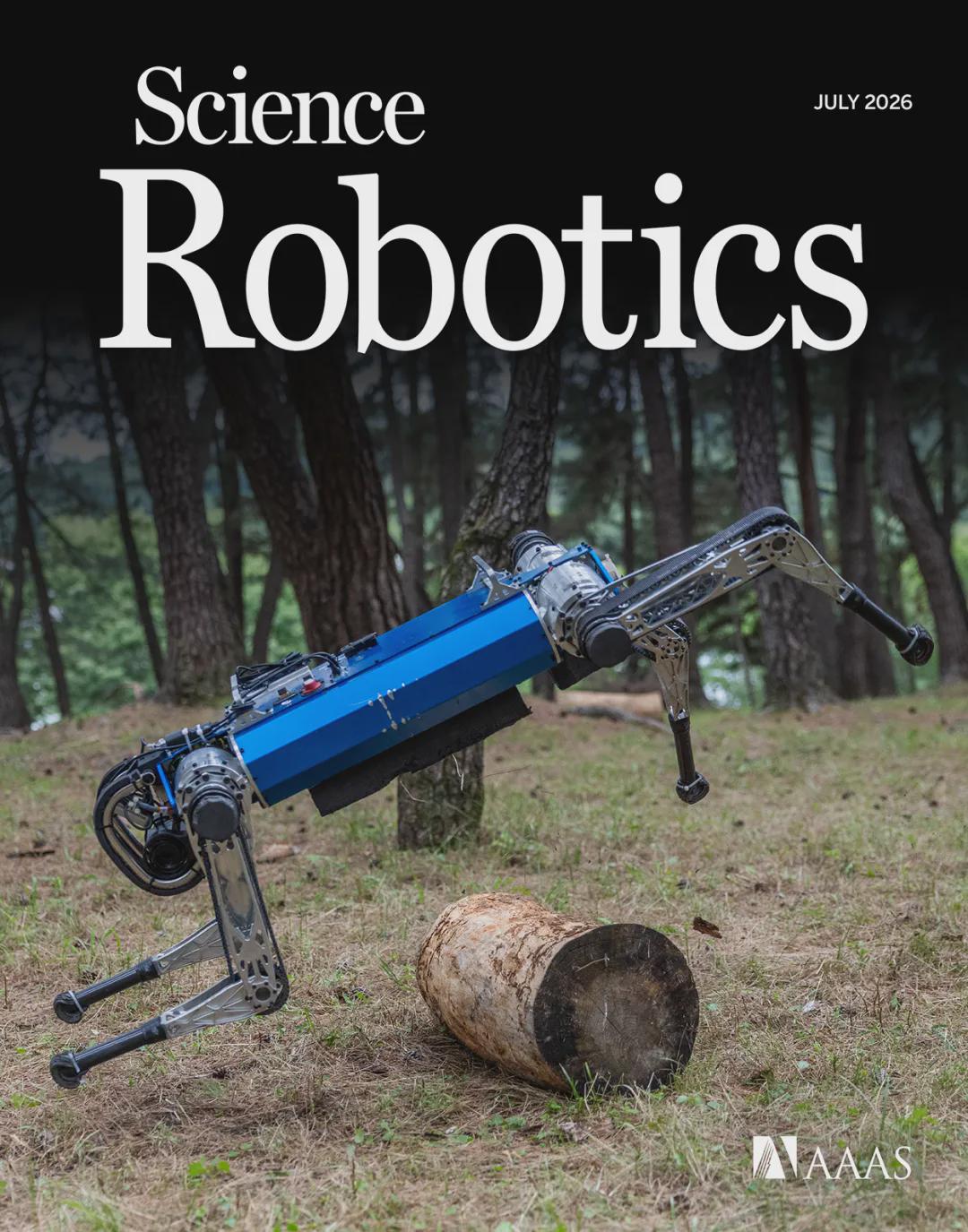
KAIST's HOUND Robot Reaches 6m/s Speed Using 2D Data for Advanced Parkour Skills
KAIST and Korea University researchers have developed the KAIST HOUND robot, achieving a peak speed of 6m/s while autonomously navigating complex terrains. This advancement showcases the robot's ability to seamlessly switch gaits, such as trotting and bounding, based on environmental conditions without external support. The significance of this achievement lies in the innovative APT-RL framework, which utilizes a simplified 2D dynamics model to generate extensive motion data. This approach allows the robot to learn and adapt its movements in real-world 3D environments, overcoming traditional limitations of motion capture and reinforcement learning strategies. Looking ahead, the research team has demonstrated the robot's capability to handle various scenarios, including jumping and maintaining balance under challenging conditions. Future developments may focus on enhancing the perception system to support high-speed operations, as the current sensing technology has limitations in effective range.
Quadrupedal Robots Robotics Research Reinforcement Learning AI Autonomous Systems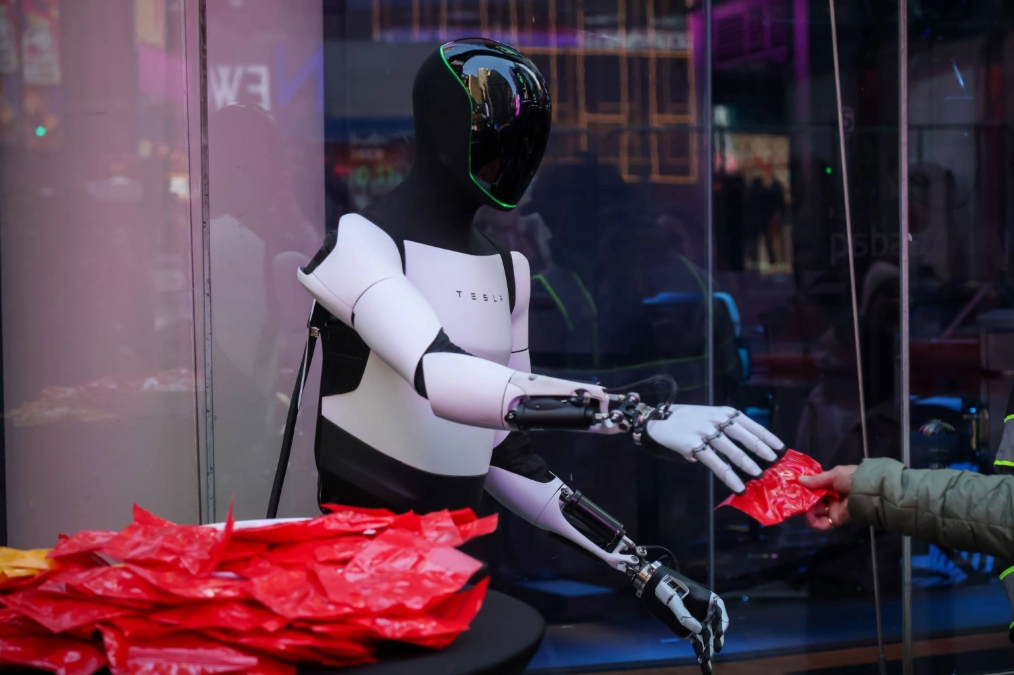
China's Robots Learning Human Skills Through Real-World Simulations
In a discreet industrial park in suburban Beijing, a humanoid robot is meticulously stacking bags of chips on a shelf. Nearby, workers are filming their actions of folding sheets and handling cushions, which will serve as 'textbooks' for the robots. China is undertaking a significant initiative to transition robots from laboratories to simulated environments like supermarkets, factories, and homes to learn human skills, and the scale of this 'internship' is rapidly expanding. This initiative is crucial as robots need to understand the physical world's rules, such as how to hold an egg without breaking it or catch a cup of water before it slips off a tray. Unlike the U.S., which relies on data purchasing and low-cost data collection in countries like India and Vietnam, China has established at least 64 data collection and training centers nationwide, with over 20 more under construction. At the Beijing Humanoid Robot Innovation Center, more than 120 robots are being trained across 30 scenarios in six major sectors, forming a comprehensive 'robot training network' across the country. As hardware advancements continue, Chinese robotics companies are focusing on enhancing their AI capabilities. Yushu Technology is preparing for an IPO, pledging nearly half of its $610 million fundraising to AI model development. By mid-2026, funding in China's embodied intelligence sector has already exceeded 90 billion yuan, five times that of the previous year. With plans to deploy over 1,000 humanoid robots in factories this year and more than 10,000 by 2027, China is leveraging its organizational capabilities to collect data at scale, positioning itself advantageously in the race towards general intelligence.
Humanoid Robots AI Robotics Training Data Collection Automation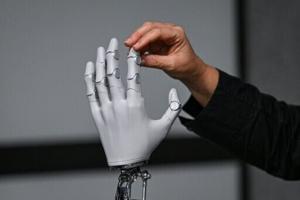
Spirit AI's CEO Predicts Rapid Evolution of Robot Intelligence for Global Expansion
Spirit AI's CEO, Han Fengtao, announced that robots are now capable of performing office tasks that were unimaginable just six months ago, including delivering paper and shredding documents. This significant advancement highlights the rapid evolution of robotic capabilities in the workplace. The CEO emphasized that the development of smarter robot brains is accelerating, forecasting a transformative 'ChatGPT moment' within the next three years. This prediction underscores the potential for robotics to revolutionize various industries through enhanced intelligence and functionality. Currently, Spirit AI has deployed several hundred robots across China, aiming for large-scale adoption and eventual global expansion. Industry watchers should keep an eye on the company's progress and the broader implications of advanced robotic intelligence in the coming years. No further timeline was disclosed at the time of publication.
Luming's NexCore Achieves Two Golds and a Silver at World Robot Games
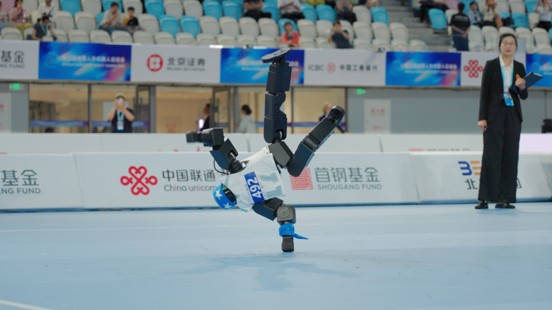
On August 27, the second World Robot Games concluded, with Luming Robotics winning gold in cheerleading and securing both gold and silver in breakdancing. Luming ranked fourth in the overall gold medal tally. The event showcased humanoid robots from around the globe, testing their movement, collaboration, and task adaptability through diverse competitions. Luming's success is attributed to its Lumos NexCore technology, which supports continuous data collection, model training, skill assessment, and deployment optimization. This enables robots to acquire and enhance new movement skills, facilitating stable performance in high-dynamic movements, complex actions, and multi-robot collaboration. The cheerleading event required multiple robots to perform synchronized dance routines, emphasizing the need for coordination and timing. Luming's robots excelled, demonstrating their ability to decompose complex tasks and execute them collaboratively. As robots transition from individual tasks to multi-robot coordination, these capabilities will be essential for applications in complex environments like factories. No further timeline was disclosed at the time of publication.
Humanoid Robots Robot Skills Evolution Multi-Robot Collaboration AI Robotics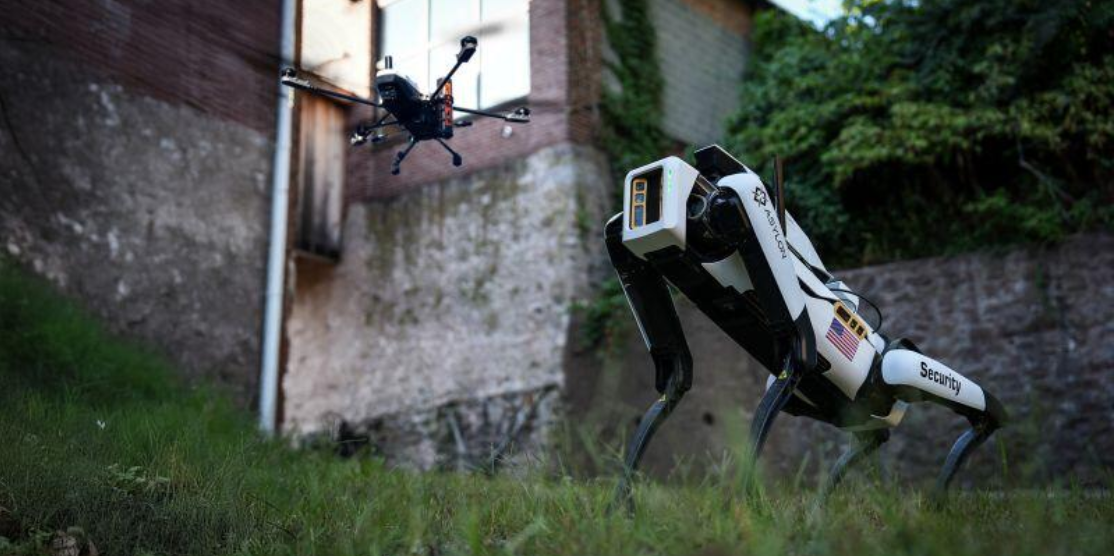
U.S. Air Force Transforms Aircraft Inspections with Asylon's Robot Dog and Drones
The U.S. Air Force's Warner Robins Air Logistics Center has awarded Asylon a Phase III SBIR contract to advance the MARIA system, integrating the Guardian drone and DroneDog robot dog for automated aircraft inspections. This system allows for rapid digital mapping of aircraft, significantly reducing inspection time from days to hours while eliminating the risks associated with manual high-altitude checks. The collaboration between the DroneDog and Guardian drone enables comprehensive inspections, identifying anomalies and defects autonomously. The data is transmitted in real-time to the DroneIQ platform, allowing maintenance personnel to review results through 2D workflows or 3D digital twin views. The system's core value lies in its speed and consistency, ensuring that inspections cover the same points each time, thus minimizing the randomness of manual checks. Currently programmed for the Lockheed C-5 and C-130 aircraft, the long-term goal is to expand the system's capabilities across all Warner Robins aircraft types and the broader Air Force logistics framework. Asylon aims to enhance the MARIA system with advanced AI anomaly detection and explore humanoid fleet management for concurrent maintenance tasks.
Robotic Inspection Aerospace Technology Drone Technology Automation Military Logistics
BBC Explores China's Robotics Industry and Its Impact on Global Manufacturing
The BBC recently investigated China's robotics sector, highlighting the significant transformation brought about by over two million industrial robots. This exploration spanned from vocational training environments to active manufacturing facilities, showcasing the extensive integration of robotics in production processes. This development is crucial as it underscores China's pivotal role in the global manufacturing landscape, where the adoption of industrial robots is enhancing efficiency and productivity. The shift towards automation is not only changing how products are made but also influencing labor dynamics and economic strategies worldwide. Looking ahead, it will be important to monitor how these advancements in robotics will continue to evolve and affect both local and international markets. The ongoing integration of robotics in various sectors may lead to further innovations and shifts in manufacturing practices. No further timeline was disclosed at the time of publication.
Generalist AI's GEN-1.5 Robot Learns Tasks from 3 to 12 Seconds of Demonstration
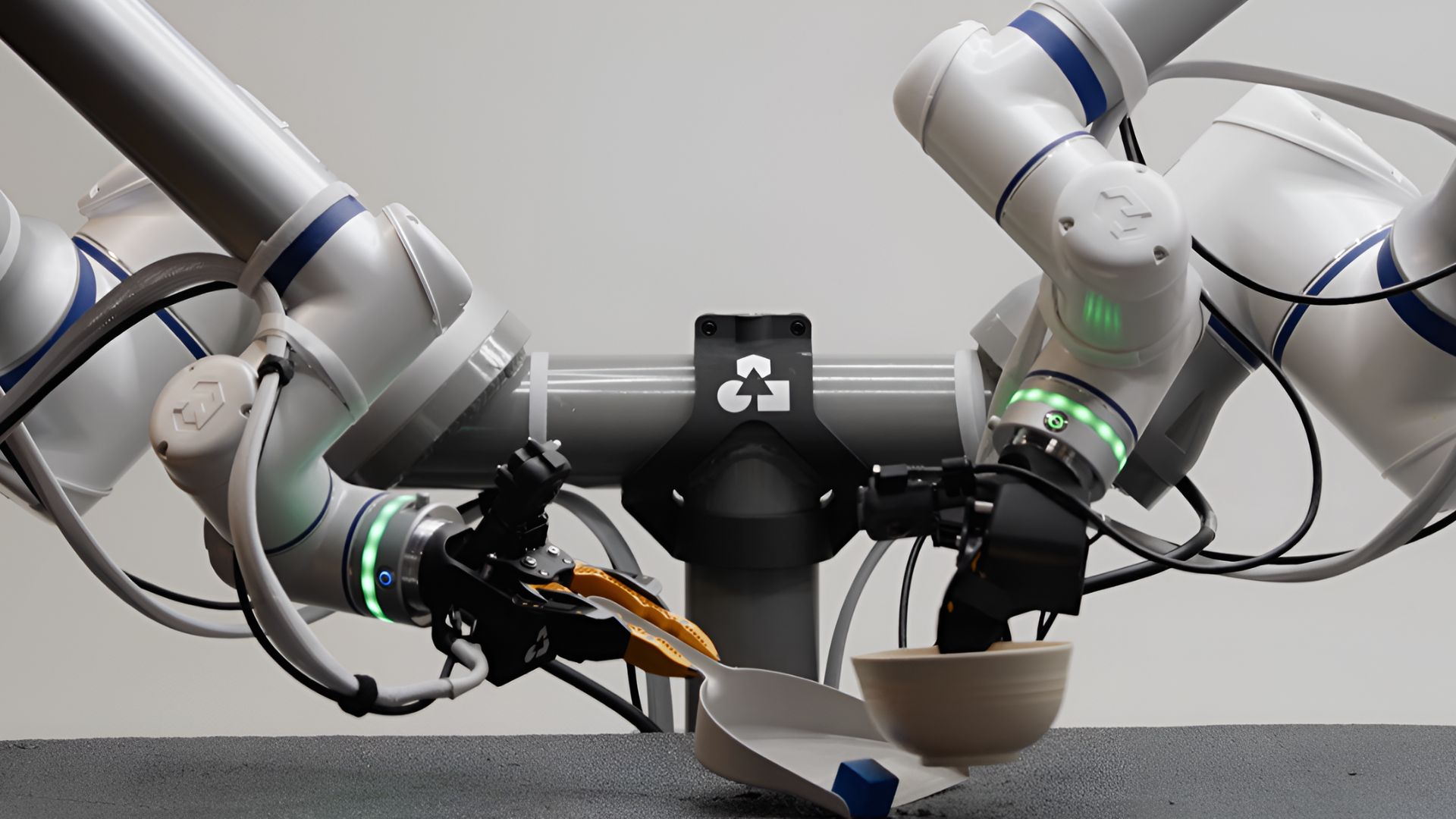
Generalist AI has developed a new robot foundation model, GEN-1.5, capable of learning physical tasks from a single demonstration lasting just 3 to 12 seconds. This innovative approach allows the robot to attempt tasks immediately without requiring gradient updates or fine-tuning, marking a significant advancement in robotics. The importance of GEN-1.5 lies in its ability to infer task requirements from short sensorimotor demonstrations, achieving an average success rate of 59% across 10 physical tasks with just one demonstration. When provided with five minutes of task-specific data, its success rate increased to 83%, showcasing the model's efficiency and adaptability in learning. Looking ahead, GEN-1.5's capability to combine physical prompts and generalize beyond specific actions presents exciting possibilities for future applications in robotics. The model's performance in adapting to new tasks with minimal data and steps indicates a shift in how robots can be trained and utilized in various environments. No further timeline was disclosed at the time of publication.
AI and Robotics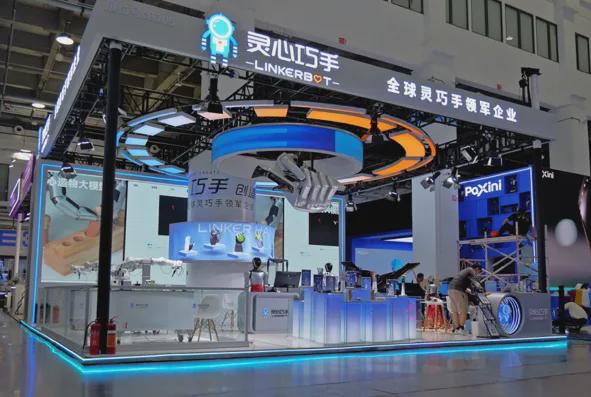
WRC 2026: Showcasing Advanced Dexterous Operations and Flexible Skills in Robotics
The 2026 World Robot Conference (WRC 2026) will take place in Beijing from August 19 to 23, focusing on the theme of 'Human-Machine Symbiosis and Integrated Production and Demand.' The event will feature over 300 intelligent enterprises showcasing innovations that drive global robotics industry trends and technological collaboration. Leading company Lingxin Qiaoshou will present its fully automated robotic arm production line, Linker Hand series dexterous hands, and the Lingxin Robot Band, emphasizing practical applications over mere demonstrations. This year's conference shifts the spotlight from flashy demonstrations to real-world applications, highlighting the importance of dexterous operations in modern industrial settings. Lingxin Qiaoshou's exhibition aims to demonstrate the transition of dexterous operations from laboratory settings to real industrial scenarios, showcasing the company's commitment to advancing flexible production capabilities. The exhibition has already attracted significant attention from industry professionals and media outlets, underscoring its relevance in the robotics landscape. Looking ahead, the advancements presented at WRC 2026, particularly in the areas of visual recognition and dexterous manipulation, are expected to enhance the adaptability of automated production lines in various industrial environments. Lingxin Qiaoshou's innovations could lead to more efficient manufacturing processes, reducing costs and increasing versatility in production. No further timeline was disclosed at the time of publication.
Robotic Arms Dexterous Manipulation Industrial Automation AI in Robotics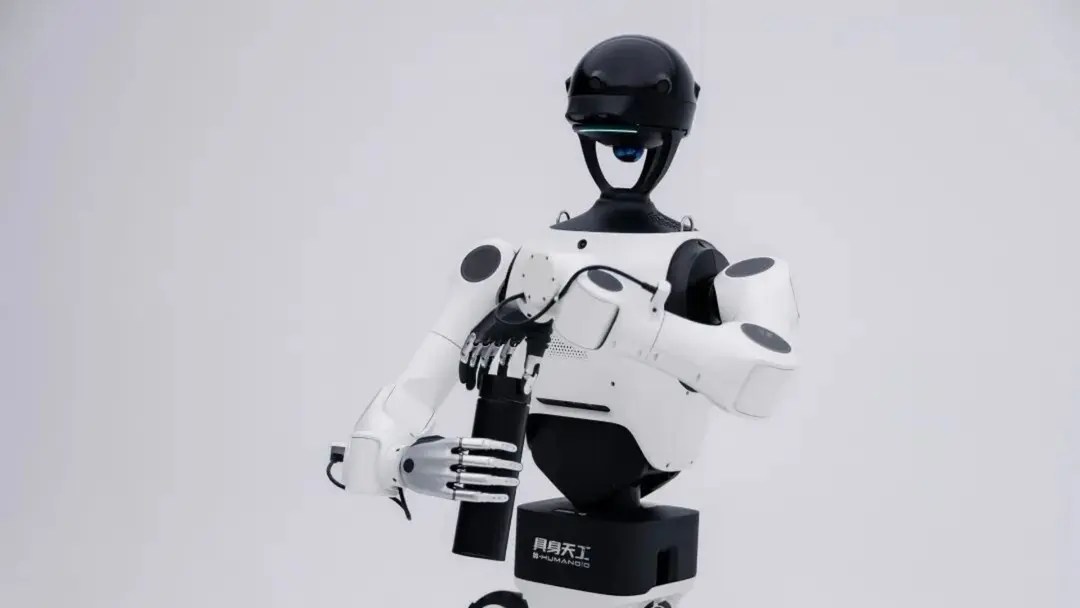
Humanoid Robots Showcase Skills in Hotel and Library Tasks at World Humanoid Robot Games
Humanoid robots are currently being tested in practical environments during the second World Humanoid Robot Games (WHRG) in China. These competitions assess robots on tasks such as tidying living spaces, folding clothes, and delivering parcels, with a scoring system that emphasizes real-world applicability. Robots are evaluated on their performance in various scenarios, including hotel service tasks at the Beijing Continental Grand Hotel, where they must efficiently transport luggage and replenish supplies. The significance of these competitions lies in their focus on practical applications rather than traditional speed and height challenges. By simulating real-world tasks, the WHRG aims to enhance the robots' capabilities in handling unstructured environments, which is crucial for their future deployment in everyday settings. The scoring system penalizes mistakes that could occur in a household, ensuring that only the most capable robots excel. Looking ahead, the WHRG features additional events that test robots in library settings and dexterous-hand tasks. As the competition progresses, observers will be keen to see how these humanoid robots adapt to complex environments and the implications for their use in service industries. No further timeline was disclosed at the time of publication.
AI and Robotics
Bioxtreme's Plaxtreme System Transforms Stroke Rehabilitation with Robotics
Bioxtreme's Plaxtreme system utilizes Error Augmentation-based technology to enhance upper limb rehabilitation for stroke survivors. With a stroke occurring every 40 seconds in the U.S., the need for effective rehabilitation solutions is critical. Robotic rehabilitation systems are emerging as essential tools that can accelerate neuroplasticity and personalize therapy, addressing the challenges of traditional rehabilitation methods. The significance of this advancement lies in its potential to reshape stroke recovery. Traditional rehabilitation often struggles with limitations in intensity and frequency, but robotic devices can provide controlled, repeatable movements that enhance motor learning. By increasing the number of repetitions and offering precise feedback, these systems help patients rebuild neural pathways disrupted by strokes, making rehabilitation more effective. Looking ahead, the integration of robotics in stroke rehabilitation is set to grow. The approach of error augmentation, which emphasizes recognizing and correcting movement errors, is particularly promising. As healthcare systems face increasing demands for neurological care, the role of robotics in enhancing recovery processes will likely expand, offering new hope for stroke survivors seeking to regain their independence.
Healthcare Robotics Markets / Industries News Rehabilitation / Therapeutic Systems Robots / Platforms Bioxtreme
Robot 'Dongfang Yu' Transforms Health Assessments for the Elderly in Beijing
A robot named 'Dongfang Yu' is actively working in the internal medicine ward of Xuanwu Hospital in Beijing. Developed by a neurology team, it recently excelled at the Beijing Smart Health Robot Application Competition. The robot is set to pilot in community hospitals by the end of the year, addressing delays in elderly health assessments. The significance of 'Dongfang Yu' lies in its ability to autonomously conduct comprehensive evaluations across five dimensions: movement, cognition, nutrition, perception, and psychology, without the need for healthcare personnel. This innovation aims to standardize assessments and provide personalized intervention plans, enhancing elderly care in both hospitals and nursing facilities. Looking ahead, 'Dongfang Yu' is already operational in health institutions in Yunnan and Sichuan, receiving positive feedback. The development team envisions it as a remote assistant for doctors, helping to bridge gaps in primary healthcare and improve access to quality medical resources. No further timeline was disclosed at the time of publication.
Elderly Care Healthcare Robotics Health Assessment Technology AI in Medicine
Lumos Nexcore System Advances Scalable Production of Robot Skills for Industry Applications
Lumos Robotics has introduced the Lumos Ego Vue dual-camera first-person skill experience interface and the Lumos data pipeline for automated skill production. These innovations address the challenge of enabling robots to continuously learn from real-world experiences and convert human operational knowledge into reusable skills, essential for scaling industry applications. The significance of these developments lies in their ability to enhance embodied intelligence by creating a comprehensive infrastructure that connects real-world experiences with skill understanding and model training. This integration is crucial for robots to operate effectively in complex industrial environments, where understanding task logic and physical interactions is vital. Looking ahead, the Lumos Ego Vue system aims to facilitate the transition from single-task training to sustainable learning and scalable applications in various sectors, including manufacturing and logistics. No further timeline was disclosed at the time of publication.
Robot Skill Production Embodied Intelligence Automation Technology Data Processing Industrial Robotics
Innovations in Domestic Surgical Robots Face Industry Challenges Amid Rapid Evolution
Recent advancements in surgical robotics, including ultra-remote 5G-assisted surgeries and single-port minimally invasive robots, are redefining precision in modern surgical medicine. However, as the industry progresses towards large-scale delivery, many research teams face harsh realities in engineering, struggling with the production of critical components like fatigue-resistant screws and high-rigidity cables. The innovation of high-end medical devices is not a solo endeavor, as the Chinese surgical robot industry transitions from prototype validation to deep autonomous innovation. The gap between laboratory success and stable mass production remains significant, with teams encountering structural challenges in achieving the extreme physical requirements for components, which include high tensile strength and stringent biocompatibility. To overcome the difficulties of transitioning from prototype to mass production, collaboration across the entire value chain is essential. This includes integrating core components, high-end materials, surface treatment processes, and complete system engineering, rather than relying solely on individual manufacturers or suppliers to address these complex challenges.
Surgical Robots Medical Devices Supply Chain Collaboration Precision Manufacturing
Autonomous Robots Revolutionizing Polar Science in the Arctic and Antarctic Regions
The British Antarctic Survey reports that autonomous vehicles are significantly transforming polar science. These robots operate beneath Antarctic sea ice, on Greenland glaciers, and in remote areas, gathering crucial data without human operators. Their deployment allows scientists to explore dangerous and inaccessible environments, enhancing research on glaciers, oceans, wildlife, and climate processes. The importance of these autonomous robots lies in their ability to monitor and collect data over extended periods, which was previously unimaginable. Dr. Alex Brearley from the British Antarctic Survey highlights the convenience of controlling these gliders remotely from Cambridge while they operate thousands of miles away in Antarctica. This technology enables researchers to gain insights into complex phenomena like internal tsunamis caused by glacier ice calving. Looking ahead, the continued integration of autonomous vehicles in polar research will likely expand the scope and depth of scientific exploration in these extreme environments. No further timeline was disclosed at the time of publication.
Features Science aerial drones antarctica arctic Autonomous robots
Robotics Revolutionizes Precision in Cataract Surgery with Advanced Technologies
Cataract surgery, long regarded as one of the most mastered surgical procedures, is entering a new phase with the introduction of robotics and high-precision lasers. Innovative platforms like the Polaris robot and solutions developed by Keranova assist surgeons with unmatched precision, enhancing the safety of the procedure. Robotic systems can achieve movements as precise as 5 microns, significantly improving surgical accuracy on delicate ocular structures. The integration of robotics in cataract surgery exemplifies the convergence of artificial intelligence, medical robotics, and high-precision imaging. While these technologies are still being deployed in many facilities, they herald a new generation of safer, more reproducible, and personalized ophthalmic surgery. With cataract surgery being the most performed surgical procedure globally, the demand for improved surgical productivity is critical, especially as the aging population increases the number of required interventions. As robotic platforms and next-generation lasers become more mature and accessible, they have the potential to transform the management of millions of cataract patients worldwide. The World Health Organization reports that cataracts affect over 94 million people, making advancements in surgical technology vital for addressing disparities in access to care, particularly in regions like sub-Saharan Africa.
À la une IA Industrie Robotique Santé automatisation médicale
OSARO's Derik Pridmore Discusses Evolution of Warehouse Robotics and AI Impact
In Episode 255 of The Robot Report Podcast, Derik Pridmore, co-founder and CEO of OSARO, discusses the evolution of warehouse robotics. He highlights the transition from limited perception systems to adaptable AI-driven automation, emphasizing the importance of hardware-agnostic design and continuous learning. Pridmore explains that the future of robotics hinges on balancing specificity, reliability, and safety, rather than just flashy demonstrations. OSARO, founded in 2015, specializes in AI software for industrial automation, providing integrated perception and control software for robotic deployment in warehouses. Listeners should watch for ongoing advancements in AI-driven automation and how they will shape the warehousing sector. No further timeline was disclosed at the time of publication.
Artificial Intelligence Autonomous Mobile Robots (AMRs) Humanoids Logistics News Opinion
NVIDIA's CEO Jensen Huang Discusses AI and Robotics Market Evolution
During a nearly hour-long conversation at YC Startup School, NVIDIA CEO Jensen Huang discussed entrepreneurship, AI transformation, and management philosophy. He made a surprising assertion that the 'ChatGPT moment' for robotics occurred several years ago, recalling the first time NVIDIA generated a video of finger movements, realizing that AI in the physical world was on the verge of a breakthrough. Huang revealed that NVIDIA's physical AI business, which includes autonomous driving, is nearing a valuation of $10 billion. He predicts this sector will become one of the largest industries globally, with a target of reaching $100 billion in the near future. Huang emphasized that NVIDIA has even open-sourced its autonomous driving stack to support various applications, including agriculture and logistics. Addressing concerns about AI replacing human jobs, Huang countered that while AI may automate specific tasks, it will not eliminate jobs. He cited data showing that while programming tasks are being automated, software engineering positions are growing at a rate of 10% annually. Huang encouraged young people to focus on foundational sciences and develop system thinking skills, which he believes will be essential in the future job market.
Physical AI Robotics AI Transformation Entrepreneurship
Hippo Harvest Secures Over $30 Million in Series C Funding for Agricultural Robotics Expansion
In July 2026, Hippo Harvest, a California-based agricultural technology company, announced the completion of a $30 million Series C funding round led by Cox Farms, with participation from Congruent Ventures and Hawthorne Food Ventures. This funding, combined with a previous $21 million Series B round in February 2024, brings the total raised to over $51 million in just two years. This funding is crucial for Hippo Harvest as it plans to expand its greenhouse operations from 1 acre to a new facility covering 30 acres, while also advancing technology iterations and channel development. The indoor agriculture sector has faced significant challenges, with many companies struggling, yet Hippo Harvest has managed to attract substantial investment by leveraging its innovative technology. The company utilizes AI and robotics to equalize greenhouse planting costs with those of outdoor farming, achieving USDA organic certification for its products. With a focus on resource efficiency, Hippo Harvest's systems reportedly reduce water usage by 92% compared to traditional methods, making it a notable player in the agricultural robotics space. No further timeline was disclosed at the time of publication.
Agricultural Robotics Indoor Farming AI Technology Greenhouse Automation
Robots Begin Collective Grasping Practices to Enhance Physical Interaction Skills
In recent years, the robotics industry has witnessed a surge in advancements related to physical capabilities, with companies showcasing robots that can perform complex movements. This year, Sudu Technology demonstrated its robots' ability to grasp unfamiliar objects and manipulate flexible materials, captivating audiences at exhibitions. Zero Dimension took this further by inviting attendees to challenge their robots with various items, while Yuanli Intelligent used six differently configured robots to assemble a Great Wall from 81,920 miniature blocks over 15 hours. These demonstrations highlight a shift in focus within the industry from merely proving that robots can move to demonstrating their ability to perform tasks effectively. Sudu Technology aims to explore whether robotic capabilities can grow through simulation data and scaling, while Zero Dimension seeks to establish a scaling law for physical interactions based on real-world data. Yuanli Intelligent is investigating whether a single model can sustain performance over extended, complex tasks. As the industry evolves, the fundamental challenge remains: enabling robots to adapt to a changing environment rather than forcing the environment to accommodate robots. The renewed emphasis on grasping capabilities reflects a critical step towards achieving embodied intelligence, as it encompasses various skills such as perception, judgment, and execution in dynamic settings. This capability is closely tied to commercial applications in logistics, manufacturing, and retail, making it a vital area of focus for future developments.
Robotic Grasping Embodied Intelligence Automation Technology AI Robotics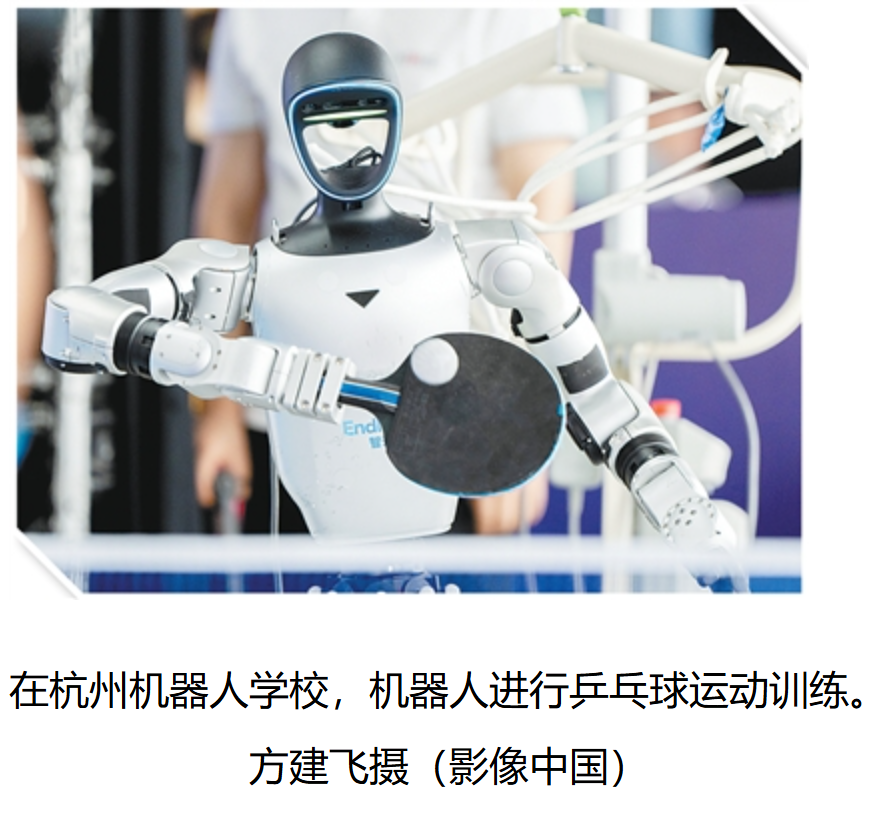
RoboCup 2026 Highlights Evolution of Robot Athletes from Sports to Industry
At RoboCup 2026 in Incheon, South Korea, two fully autonomous humanoid robots participated in the first complete 11-on-11 match, marking a significant leap in robotics from mere mobility to cognitive capabilities. This event featured 364 teams and nearly 3,000 researchers, showcasing the intricate development of robotic athletes. The successful performance of these robots hinges on a trifecta of capabilities: hardware design, cognitive decision-making, and motion control. Innovations such as Boston Dynamics' Atlas robot, which has transitioned to an all-electric system, enhance fluidity and endurance. Meanwhile, advancements in artificial intelligence, including reinforcement learning and imitation learning, are enabling robots to master complex tasks and sports skills. As robots demonstrate improved athleticism, they are poised to tackle more challenging tasks in diverse environments. For instance, a robot recently completed a half marathon in 50 minutes and 26 seconds, surpassing human records. Looking ahead, robots with refined movement and endurance will play crucial roles in future projects, such as constructing lunar research stations, while also enhancing applications in manufacturing and medical procedures.
Robotics AI Sports Technology Industrial Automation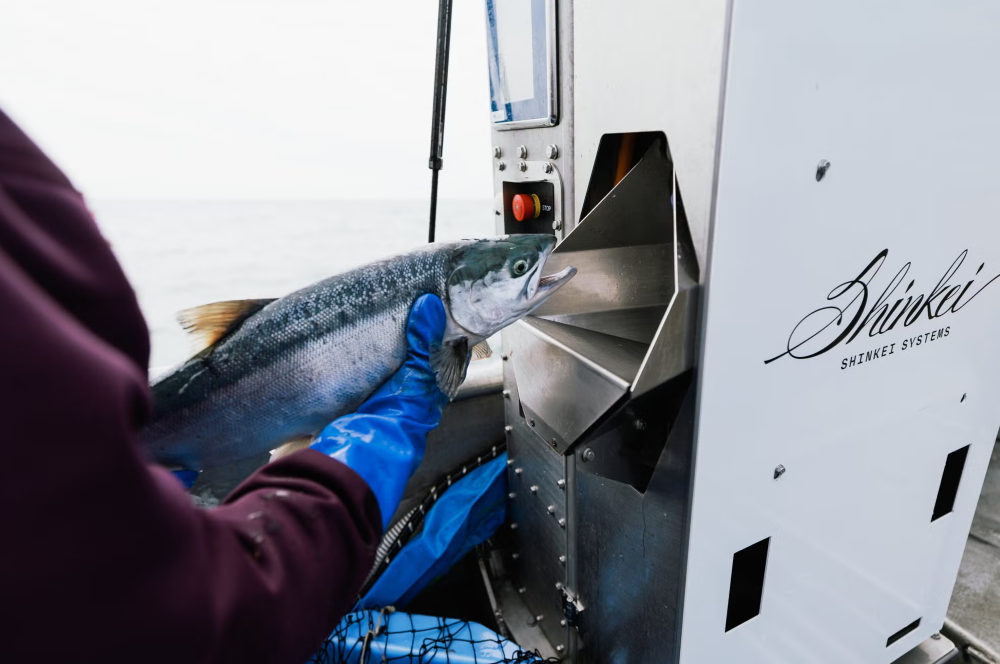
Shinkei Systems Introduces AI Robotics for Enhanced Fresh Fish Processing
Shinkei Systems, based in California, has developed a robotic solution for fish processing on fishing boats. Utilizing computer vision, the robot identifies fish species and performs precise slaughter within six seconds, adhering to the Japanese 'ike jime' technique to maintain meat quality. This innovation addresses the issue of stress hormones affecting fish taste during capture. The significance of this technology lies in its potential to improve the quality of seafood while providing fishermen with a stable supply of premium products. Shinkei offers its robots to Alaskan fishermen for free, purchasing their catch at above-market prices, and markets the fish under the 'Seremoni' brand. The company plans to introduce a new harvesting robot designed for small fishing vessels in the Cook Inlet by 2026. Currently, over 40 Michelin-starred restaurants across the U.S. are using Shinkei's technology, with retail chains like Wegmans and FreshDirect also stocking their products. Shinkei recently secured $22 million in Series A funding to expand its operations, including a new processing center in Tacoma, aiming to make high-quality seafood more accessible while preventing overfishing.
Robotic Processing AI Technology Seafood Industry Sustainable Fishing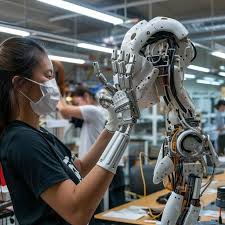
AI-Powered Robot Chef Theo Transforms Japanese Cake Baking Industry
The Japanese confectionery manufacturer Juchheim has introduced an AI cooking robot named Theo, which is revolutionizing the traditional method of making Japanese ring cakes. By utilizing cameras and image sensors, Theo learns the baking techniques from skilled artisans, mastering new skills in just days and autonomously determining optimal cooking conditions. This innovation is particularly significant as Japan faces a severe labor shortage in the food service industry, with a job-to-applicant ratio of 2.31 reported in February 2023. Juchheim's president, Hideo Kawamoto, stated that Theo will greatly assist the industry in overcoming the challenges posed by a dwindling workforce. The integration of deep learning technology is redefining the transmission of artisanal skills that were once considered difficult to articulate. Following its exhibition at the 2025 Osaka Kansai Expo, Theo is currently being utilized by approximately 20 companies nationwide, with plans to expand to 100 by the end of the fiscal year. As AI rapidly learns and replicates techniques that took artisans decades to master, this development represents a crucial experiment in preserving craftsmanship in an aging society.
AI Cooking Robots Culinary Technology Food Industry Automation Labor Shortage Solutions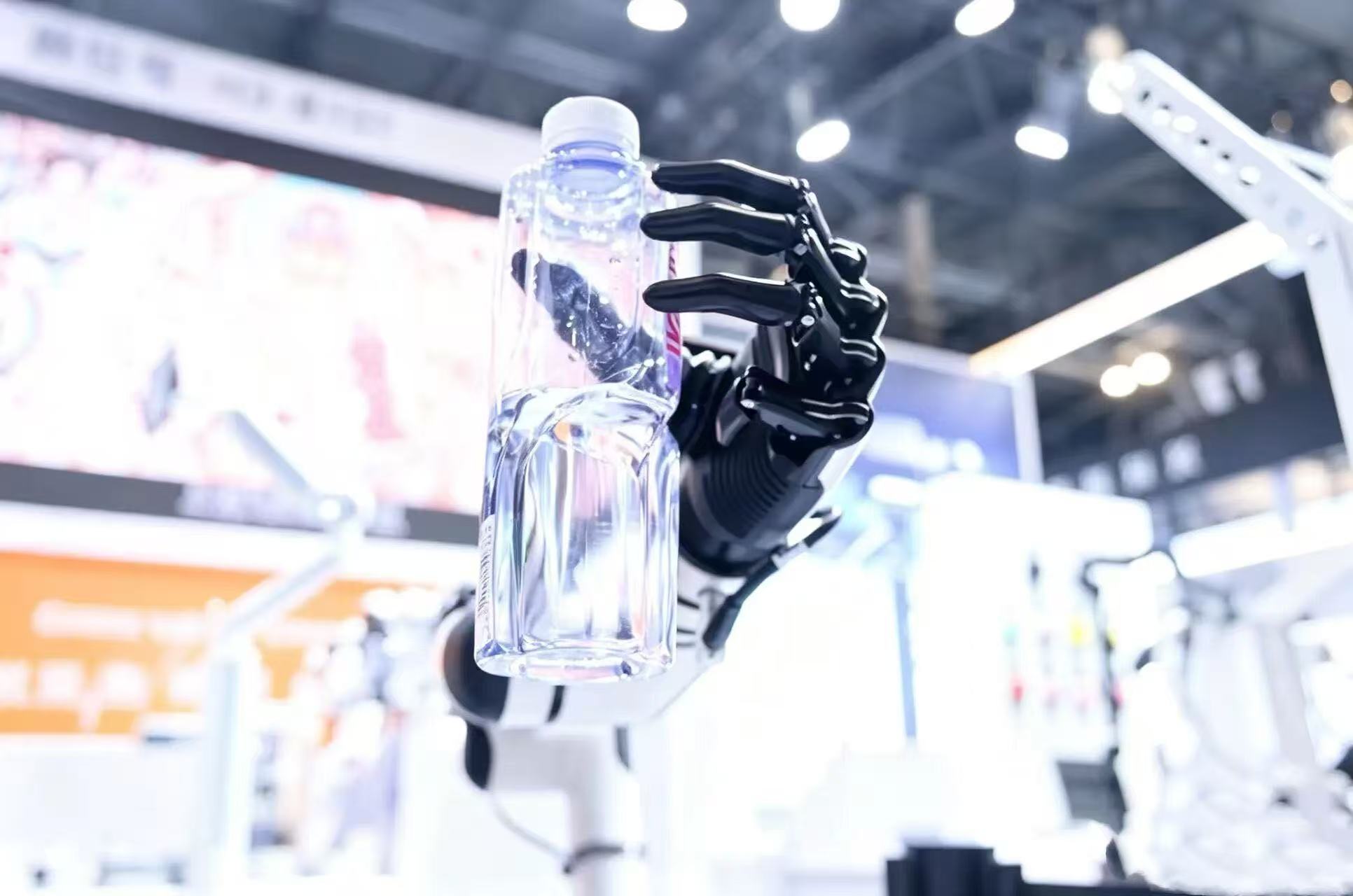
The Advancements in Dexterous Hands for Robotics and Their Implications
At the 2026 WAIC, a notable shift in robotics was observed as manufacturers increasingly focused on developing dexterous hands. Over the past two years, the industry has seen a surge in the complexity of these hands, with degrees of freedom increasing from six to twelve, sixteen, or even more. The ability of a robotic hand to perform tasks such as solving a Rubik's Cube or threading a needle has become a key benchmark for technological capability. As more dexterous hands demonstrate impressive capabilities, the industry must now address critical questions about their operational continuity, scalability, repairability, and the data they generate to enhance future performance. Companies like Aoyi Technology are expanding their product boundaries beyond mere actuators to include tactile-enabled devices like ROHand and OpenArm, integrating data collection and training tools into a cohesive system. This evolution signifies a shift from merely creating human-like hands to developing hands that can engage in a robotic learning loop. The industry's future hinges on whether these hands will become high-end toys or genuine industrial products, with reliability emerging as a core performance metric alongside flexibility and load capacity.
Dexterous Hands Robotics Technology Industrial Automation Sensor Technology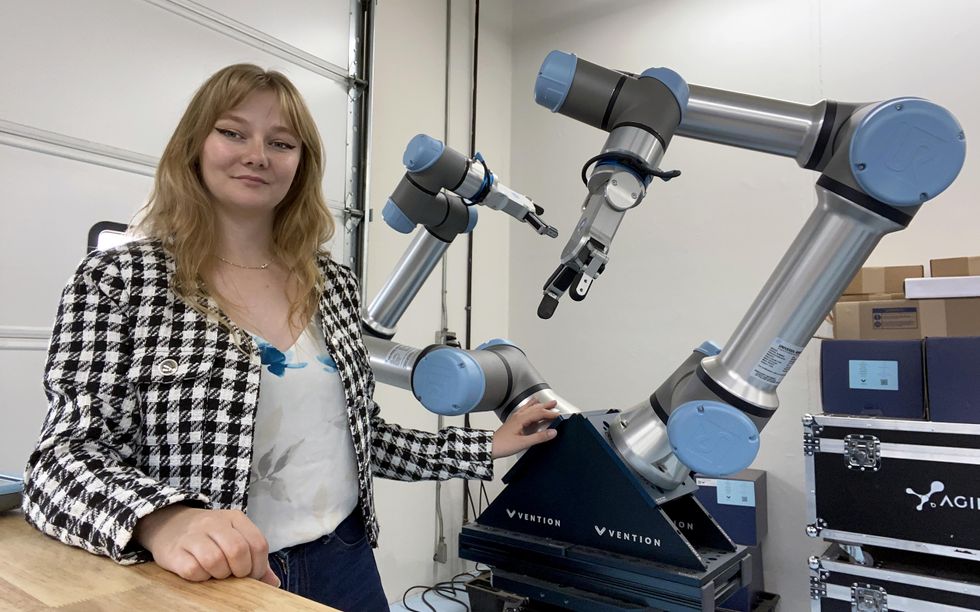
Graduate Student Develops NASA Robot Assembly Algorithm for Satellite Antennas
Sarah Downs, a graduate student at Texas A&M University, has developed an algorithm for NASA that enables robots to assemble satellites in space. This algorithm addresses the classic peg-in-hole problem by allowing robots to insert antennas accurately into designated spots. Downs's work is significant as it enhances the capabilities of robots operating in the challenging environment of outer space. The importance of Downs's research lies in its potential to improve satellite assembly processes, which are critical for space missions. By creating a robot that can perform tasks without relying on vision systems, Downs addresses the challenges posed by the harsh conditions of space where cameras may fail. This innovation could lead to more reliable and efficient satellite deployment in future missions. Looking ahead, Downs plans to continue her research on satellite assembly and manipulation at a larger scale. As she progresses in her Ph.D. studies, her work will likely contribute to advancements in robotics that could transform how satellites are constructed and maintained in orbit. No further timeline was disclosed at the time of publication.
Type-ti Ieee-member-news Robots Nasa Student-member Satellites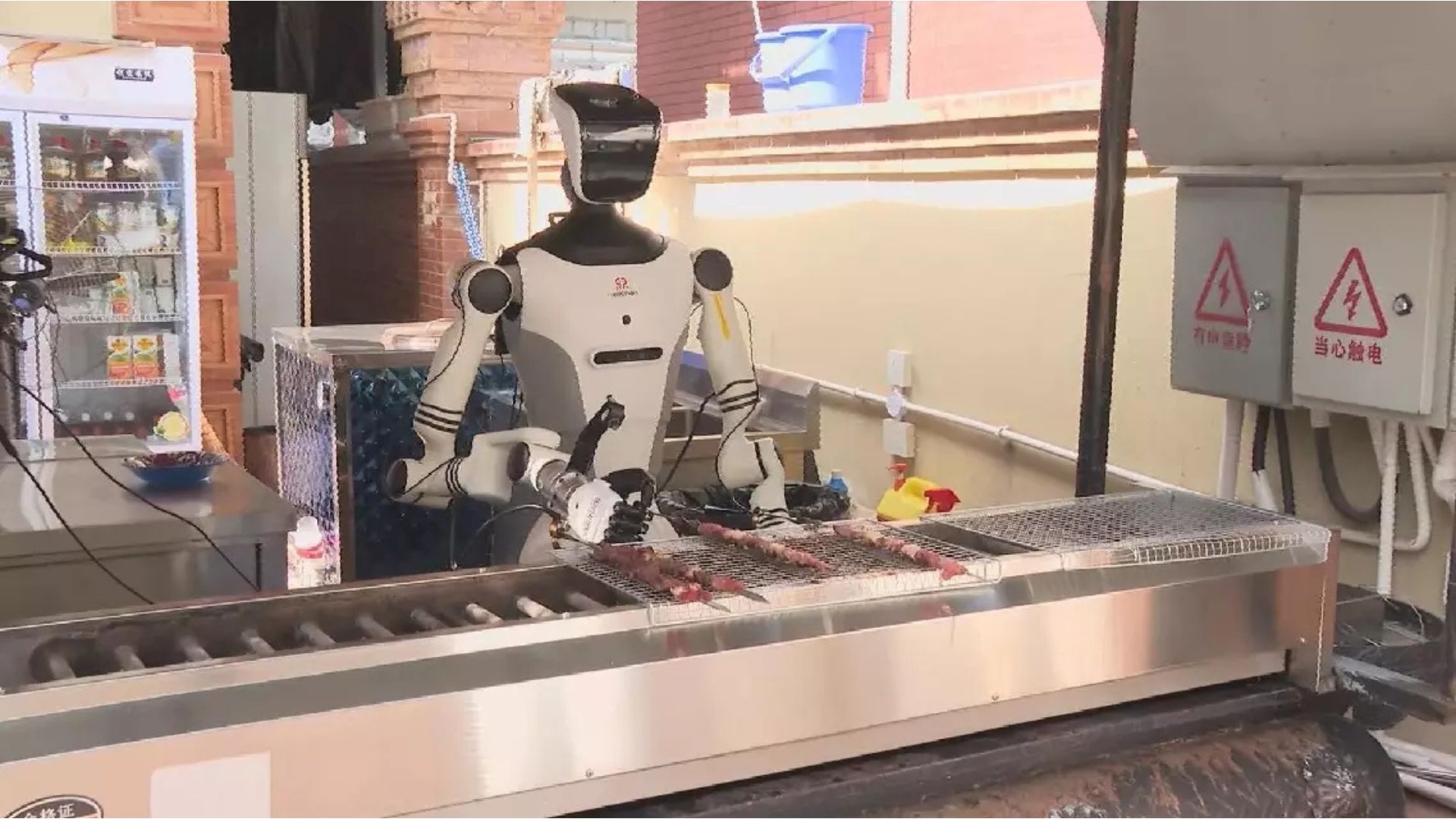
Humanoid Robot Showcases Cooking Skills in Live Demo of Xinjiang Dishes
A humanoid robot demonstrated its culinary abilities by preparing traditional Xinjiang dishes during a live show in Yining City, China. The robot successfully grilled kebabs and skewered meat, showcasing its coordination and force control after less than a week of specialized training, although it still lagged behind experienced chefs. This demonstration is significant as it highlights the advancements in embodied artificial intelligence and robotic dexterity, particularly in complex tasks like food preparation. The event took place on July 15, emphasizing the potential for humanoid robots to tackle real-world challenges that require precision and adaptability. Looking ahead, the demonstration served as a precursor to the second World Humanoid Robot Games in Beijing, scheduled for August 22 to 26. This event will further showcase the progress in humanoid robotics and their applications in various sectors beyond manufacturing, such as hospitality and healthcare.
AI and Robotics
Humanoid Robots Poised to Revolutionize Service Sector, Not Manufacturing Lines
The humanoid robot industry is shifting focus towards service applications by 2026, as evidenced by Robot.com's R-noid robot, which can be deployed in just 8 to 12 weeks. This rapid deployment is particularly suited for commercial kitchens, warehousing logistics, and chain hotels, rather than traditional manufacturing environments. This shift is crucial due to the high turnover rates in the service industry, with the restaurant sector experiencing over 300% annual turnover and hotel housekeeping positions facing similar challenges. Traditional industrial robots cannot address these issues, as they require extensive planning and facility modifications, which are not feasible for service businesses. The R-noid robot's ability to integrate into existing workflows without requiring renovations makes it an attractive solution for service operators. As deployment times decrease, the return on investment for businesses facing high turnover becomes more appealing, making humanoid robots a viable option for addressing the pressing needs of the service industry.
Humanoid Robots Service Automation Restaurant Technology Warehouse Logistics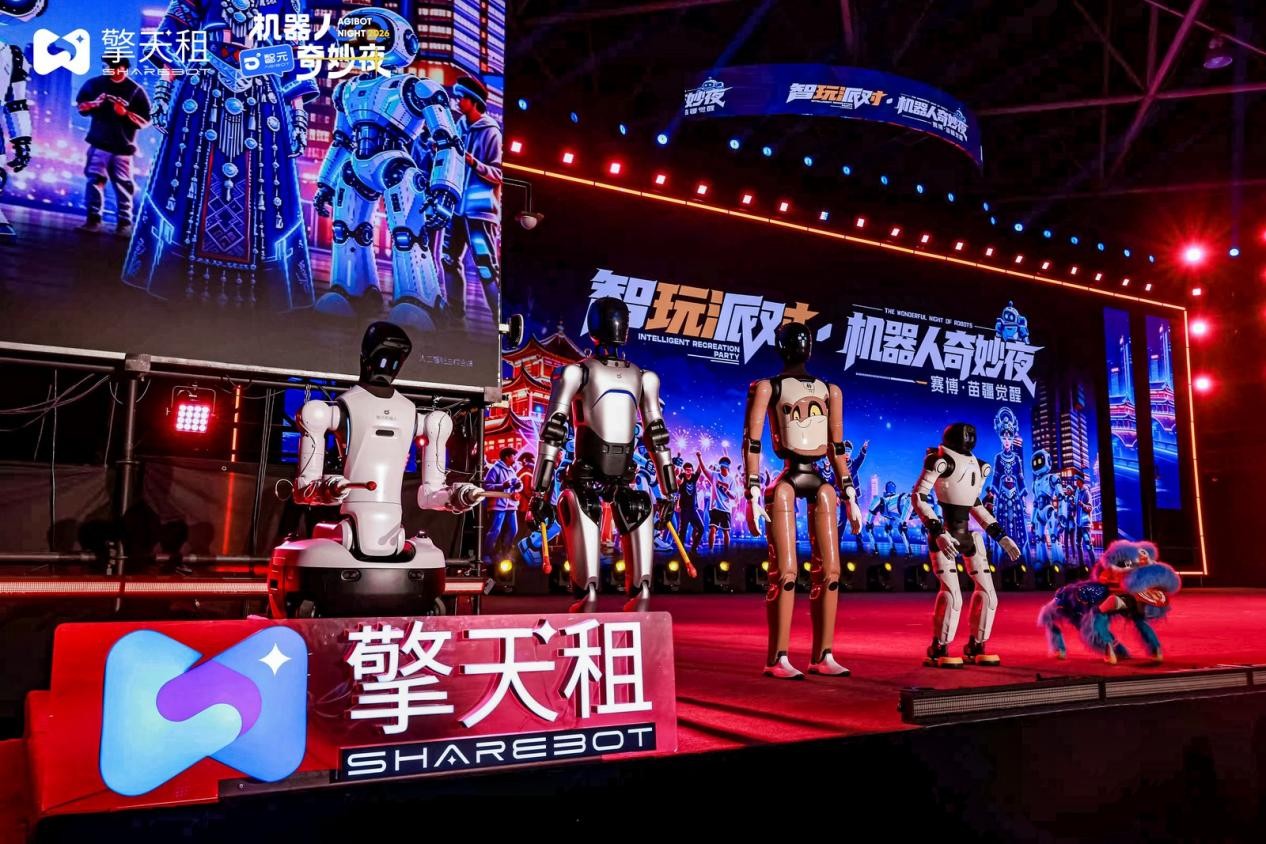
Robot Night Spectacle Debuts in Guiyang: A Revolutionary 'RaaS + Cultural Tourism' Model
The world's first 'Robot Night Spectacle' RaaS product, created by Qingtian Rental, made its stunning debut at the Guiyang International Exhibition Center. This groundbreaking event featured over a hundred robots and was co-hosted by Shenzhen Yancheng and Lingji Yidong, showcasing a diverse range of performances including dance, martial arts, and fashion shows. This event is significant as it marks a milestone in the RaaS industry, transforming the perception of robots from isolated appearances in commercial areas to a large-scale, cohesive performance. The 'Robot Night Spectacle' achieved several breakthroughs, including being the first large-scale RaaS cultural tourism product and demonstrating advanced robot group control technology in a commercial performance setting. Looking ahead, the project will run for 37 consecutive days starting July 11 in Guiyang, representing a major commercial deployment of Qingtian Rental's RaaS products. This initiative not only validates the efficiency of large-scale robot control but also aims to replicate the success of the 'Robot Night Spectacle' across China, enhancing the integration of AI and intelligent experiences in traditional cultural tourism.
Robot as a Service Cultural Tourism Robotics Technology Interactive Experiences
Robotic Hands Prices Plummet from 100,000 to 10,000 Yuan, Humanoid Robots Enter Homes
In a robotics lab in Shenzhen, engineer Huang Junlin is training a six-degree-of-freedom robotic hand for home use. Unlike industrial applications, home scenarios demand higher standards for weight, cost, and usability, prompting a significant reduction in humanoid robot costs. The robotic hand, a crucial and complex component, previously priced at 100,000 Yuan, now costs around 10,000 Yuan due to advancements in supply chain maturity and technology breakthroughs. The reduction in price is pivotal as it opens the door for consumer-grade humanoid robots, with the global market projected to exceed 20 billion Yuan by 2026. In 2025, the market is expected to reach 17 billion Yuan, with a shipment volume of approximately 18,000 units, marking a year-on-year growth of over 500%. China's share is anticipated to surpass 50%, with shipments expected to rise to 62,500 units by 2026, indicating a robust demand for humanoid robots. The surge in consumer humanoid robots is catalyzing the formation of a new supply chain ecosystem, including advancements in bionic skin, tactile sensors, and flexible materials. A new materials company in Jiaxing has developed third-generation electronic skin capable of multimodal perception and real-time feedback. As robotic hands become more affordable and tactile sensing technology advances, the integration of humanoid robots into homes may occur sooner than anticipated, marking the beginning of a revolution in robotics.
Humanoid Robots Robotic Hands AI Technology Consumer Robotics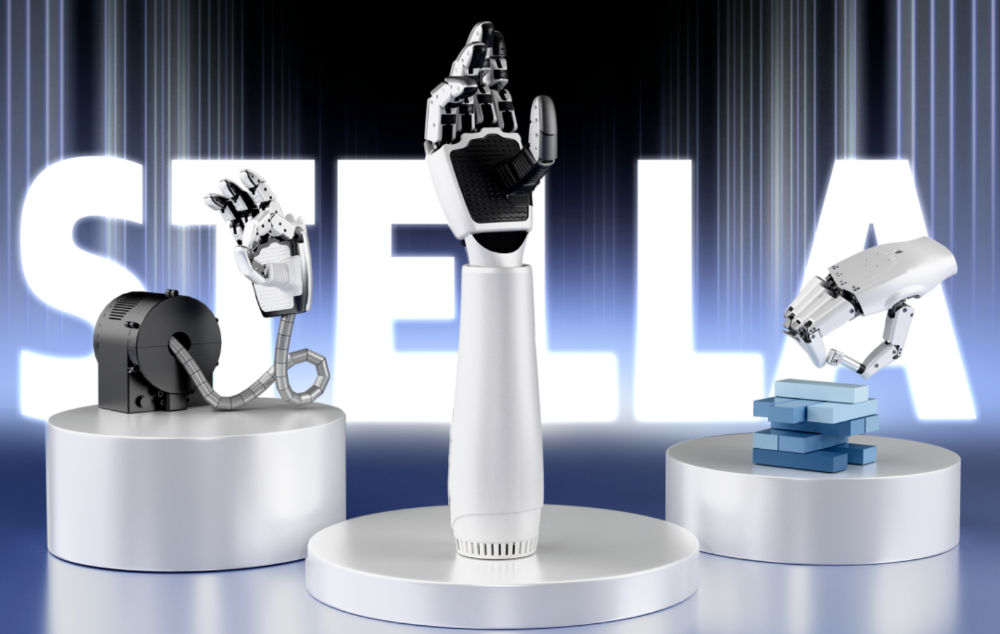
Shenzhen Company Stella-Robot Introduces Affordable Robotic Hands with High Performance
At the 2026 World Artificial Intelligence Conference, Shenzhen-based Stella-Robot unveiled its innovative robotic hands, the Pantheon Hand 20 and Gaia Hand 20. The Pantheon Hand 20, weighing only 290 grams, can grip up to 50 kilograms, thanks to its unique 'drive separation' technology that relocates the drive unit away from the hand itself. This breakthrough in design allows for a lightweight yet powerful robotic hand, making advanced robotics more accessible. The Gaia Hand 20 features a modular design with a quick-change joint system, enabling easy repairs without returning the entire unit. Priced at 16,999 yuan, the affordability of these products marks a significant shift in the robotics market, previously dominated by high-cost alternatives. Stella-Robot's products are already being utilized in top universities and research institutions, indicating their potential impact on the field of embodied intelligence. As the cost of robotic hands drops from the millions to tens of thousands, the company is poised to democratize advanced robotic capabilities for developers everywhere. No further timeline was disclosed at the time of publication.
Robotic Hands Modular Robotics AI Technology Automation Precision Engineering
BeingBeyond Unveils Being-M0.7: A Revolutionary Humanoid Robot for Mobility and Dexterity
On July 15, BeingBeyond officially launched the Being-M0.7, the world's first full-body mobile operation implicit world action model (Latent WAM). This model enables robots not only to 'see' the world but also to 'understand' how it operates, facilitating full-body movements and dexterous actions. It connects visual perception with physical interaction, allowing robots to exhibit human-like coordination. The significance of Being-M0.7 lies in its ability to learn from over 10,000 hours of human first-person video pre-training, enabling it to predict physical changes based on implicit visual and motion information. Before executing commands, the model learns three core capabilities: visual context understanding, future state prediction, and implicit representation of humanoid kinematics. This foundational understanding precedes its ability to control movements. Looking ahead, BeingBeyond's advancements in implicit world action models are noteworthy. The Being-M0.7 expands the capabilities of previous models, transitioning from desktop dexterous tasks to full-body mobile operations. Future demonstrations will likely showcase the robot's understanding of physical interactions and its ability to perform complex tasks autonomously, marking a significant step in humanoid robotics development.
Humanoid Robots Robotic Mobility AI Machine Learning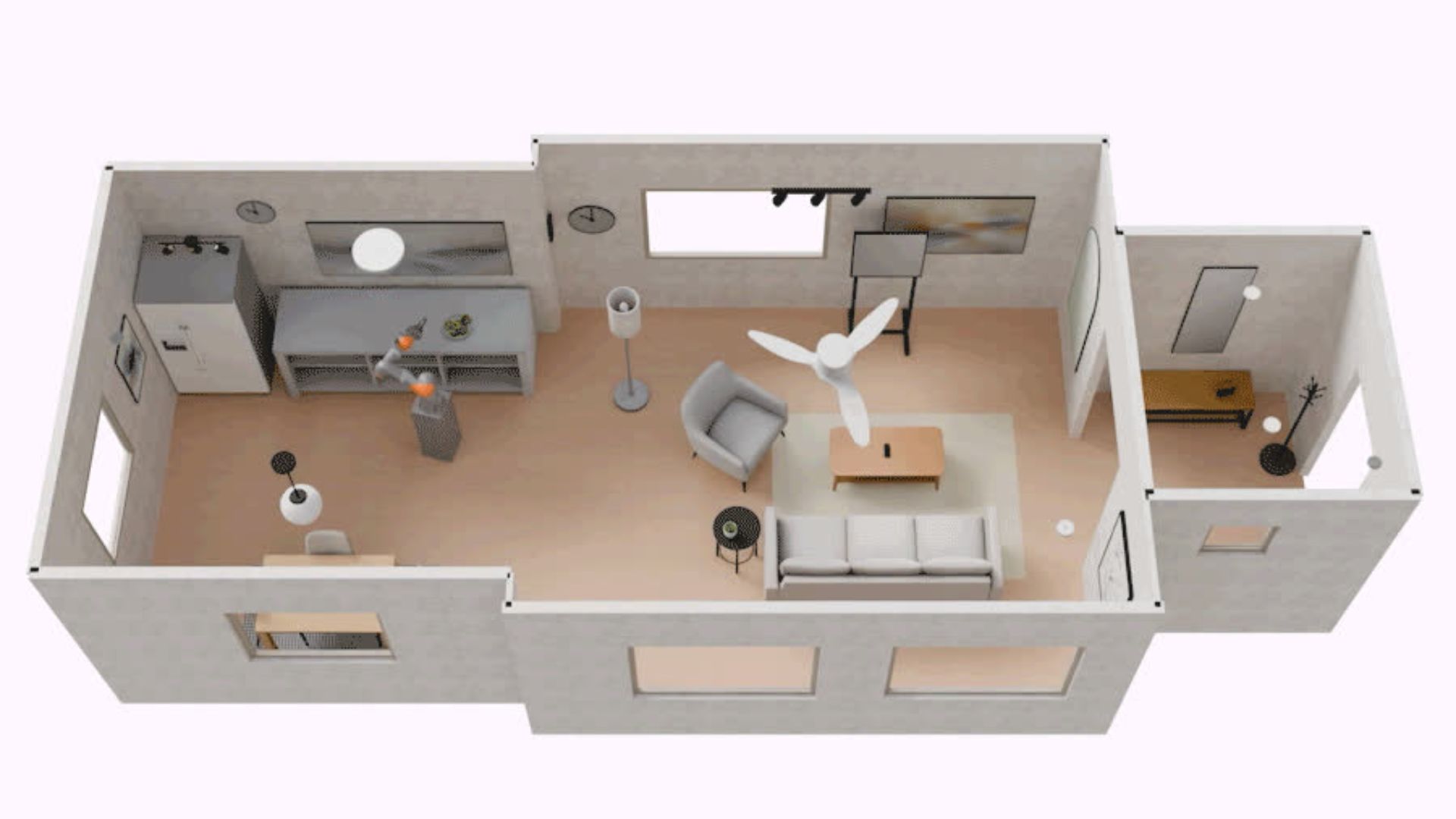
MIT Develops SceneSmith: AI System for Creating Realistic 3D Training Environments for Robots
Researchers at MIT have developed SceneSmith, an AI-powered platform that generates realistic 3D indoor environments for robot training. This innovative system utilizes three collaborative AI agents to create detailed virtual spaces, enabling robots to practice everyday tasks safely and efficiently before real-world deployment. The significance of SceneSmith lies in its ability to reduce the costs and time associated with traditional robot training methods. By providing a virtual setting that mimics real-life environments such as kitchens and offices, robots can learn to interact with various objects without the need for extensive human supervision or physical trials. Looking ahead, SceneSmith has already generated over 1,300 virtual environments, allowing robots to practice tasks like placing fruit on plates and opening cabinets. Researchers have tested robot control programs in 100 different environments, achieving over 99 percent agreement between AI evaluations and human reviewers. No further timeline was disclosed at the time of publication.
AI and Robotics
Fleet-Capable Downward Drilling Robot Launches with 10x Speed Advantage
A new fleet-capable downward drilling robot has been launched, achieving drilling speeds up to 10 times faster than traditional methods. This innovation has significantly reduced construction timelines by an impressive 190 weeks across 26 major projects, marking a substantial advancement in construction technology for data centers. The introduction of this robot is significant for the construction industry, particularly in the data center sector, where efficiency and speed are critical. Media outlets, including Fast Company, have highlighted the robot's potential to transform construction processes, emphasizing its ability to drastically accelerate project timelines and improve overall productivity. Looking ahead, industry professionals are keen to observe the robot's performance in upcoming projects and its impact on construction efficiency. No further timeline was disclosed at the time of publication regarding future deployments or additional features planned for this innovative technology.

Pudu Robotics unveils next-gen semi-humanoid "PUDU D7," featuring embodied AI for autonomous evolution through tasks.
Pudu Robotics, a leading Chinese robotics company, has announced the launch of its next-generation semi-humanoid robot, the PUDU D7, designed specifically for manufacturing and industrial environments. This innovative robot aims to enhance operational efficiency and productivity within various sectors by automating tasks that traditionally require human intervention. The announcement was made recently, highlighting the company's commitment to advancing robotic technology in industrial applications. The PUDU D7 is expected to streamline workflows, reduce labor costs, and improve safety in workplaces, reflecting the growing trend of automation in the industry.

Advancements in Humanoid Locomotion Control Explored in Science Robotics
The article published in Science Robotics discusses the evolution of humanoid locomotion control, highlighting significant advancements in this field. It emphasizes the importance of developing more efficient and adaptable control systems for humanoid robots, which can enhance their functionality in various environments. This evolution is crucial as it addresses the challenges faced by humanoid robots in navigating complex terrains and performing tasks that require agility and balance. Improved locomotion control can lead to better integration of humanoid robots in real-world applications, such as healthcare, service industries, and disaster response. Looking ahead, researchers are expected to focus on refining these control systems further, potentially incorporating artificial intelligence to enhance adaptability. No further timeline was disclosed at the time of publication.
Review
Yiyou Technology Secures Over $28 Million in Series B Funding for Joint Technology
On August 13, Yiyou Technology, a leading integrated servo joint company in China, announced the completion of over 200 million yuan in Series B financing. This round saw participation from 12 institutions, including prominent investors such as Samsung Ventures and Guofang Venture Capital. This marks the third round of financing for Yiyou Technology this year, with total funding exceeding 500 million yuan. The significance of this funding lies in Yiyou Technology's innovative PHU-F joint module, which can detect torque changes as low as 0.01Nm at an 8kHz frequency. This technology enables robots to have a tactile sense, allowing them to perceive the force they exert. The company has established the world's first fully automated production line for robotic joints, with an annual capacity of 100,000 units, expandable to 300,000 units. Looking ahead, Yiyou Technology has secured over 1.5 million joint orders for 2026, a 15-fold increase compared to the total shipments in 2025. Their client list includes over 500 companies globally, extending their business reach to regions such as Japan, North America, and Southeast Asia. No further timeline was disclosed at the time of publication.
Robotic Joints Automation Technology Funding and Investment Industrial Robotics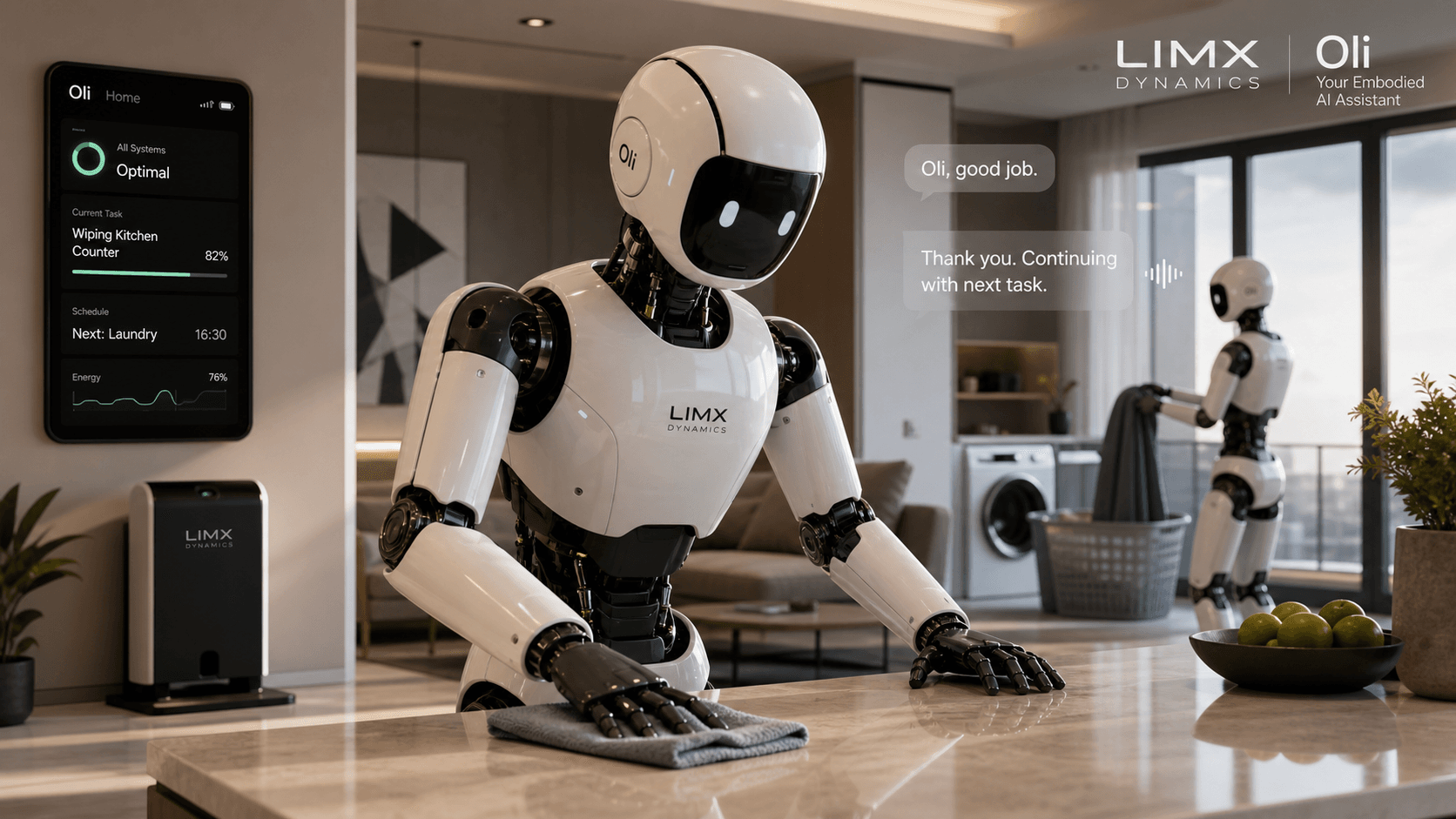
LimX Dynamics Unveils New Demo Showcasing Oli Robot's Household Chores Skills
LimX Dynamics has released a demonstration video featuring its Oli robot performing household chores for three minutes without interruption. This achievement follows a significant funding round of $200 million, which enhances the company's position in the humanoid robotics sector. The demonstration highlights the capabilities of the Oli robot, positioning it as a competitor to Silicon Valley's Figure. This development is crucial as it signifies the advancements in China's humanoid robotics, showcasing that they can rival established players in the market. Looking ahead, industry observers will be keen to see how LimX Dynamics leverages this funding and demonstration to further enhance the capabilities of the Oli robot. No further timeline was disclosed at the time of publication.
Technology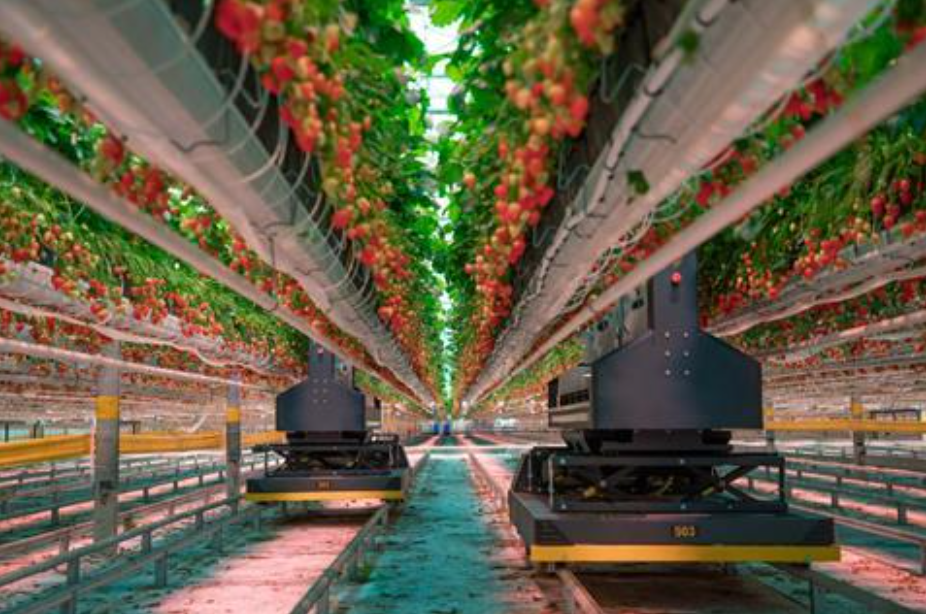
Dogtooth Technologies Secures £14 Million for AI-Powered Strawberry Harvesting
UK-based Dogtooth Technologies has successfully raised over £14 million in funding to enhance its AI-driven strawberry picking robots. The financing, provided by 24 Haymarket, EMV Capital, and ACF Investors, along with a grant from Innovate UK, aims to accelerate the deployment of these robots in both the UK and international markets. The company has already established a fleet of approximately 70 robots operating on commercial farms in the UK and Australia, harvesting tens of tons of fruit each season. The significance of this funding lies in addressing the ongoing labor shortages in agriculture, which have made robotic harvesting a necessity rather than a luxury. Dogtooth's robots utilize advanced computer vision and precision mechanical arms to autonomously navigate complex growing environments, identify ripe fruit, and perform harvesting without damage. This technology allows for continuous operation, even in cooler night conditions, thereby extending the shelf life of harvested produce. Looking ahead, Dogtooth Technologies is poised to expand its market presence, having recently delivered systems to Dyson Farming, a UK indoor berry producer. As the global horticultural industry grapples with seasonal labor shortages and rising costs, the successful deployment of these agricultural robots could signal a shift towards more widespread adoption of embodied intelligence in farming. No further timeline was disclosed at the time of publication.
Agricultural Robotics AI Technology Fruit Harvesting Embodied Intelligence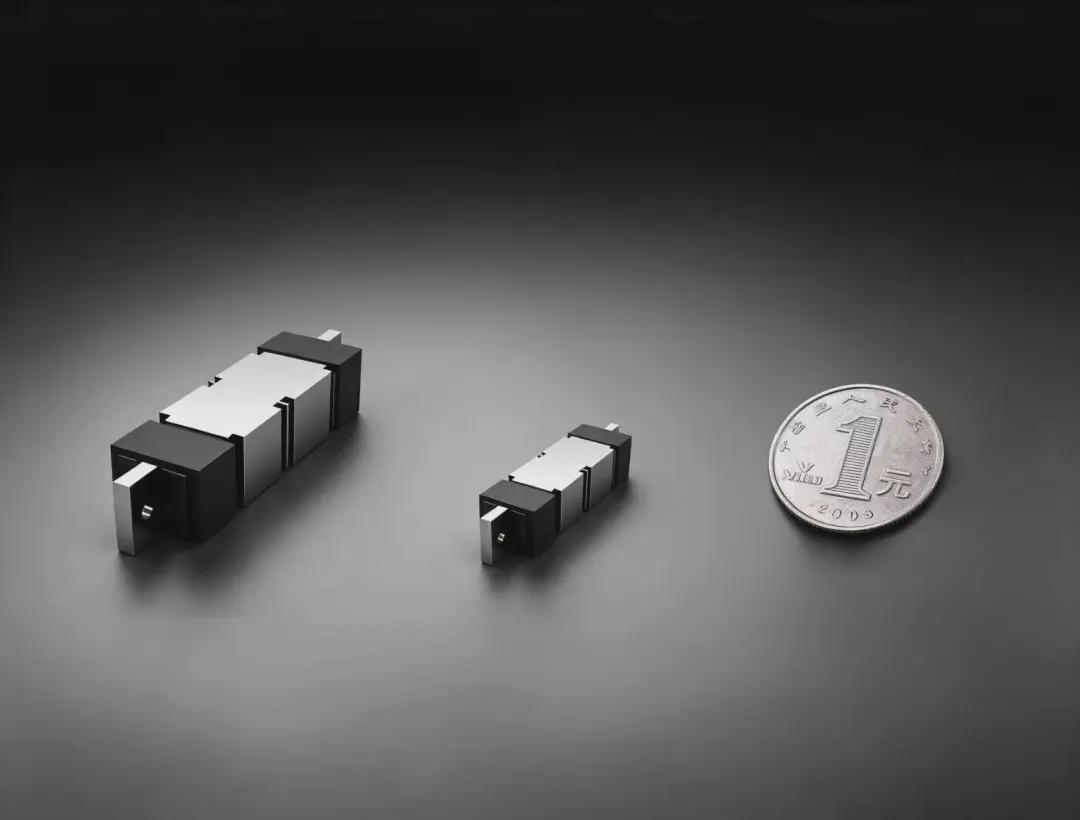
Revolutionizing Robotics with Artificial Tendons: A New Era of Embodied Intelligence
Suzhou Zhixingjian Robot Technology Co., Ltd. has unveiled a groundbreaking development in robotics with its creation of artificial tendons designed to replace conventional motor systems. This innovative technology, which mimics biological tendons, significantly improves the weight, precision, and energy efficiency of robotic hands. By integrating these biomimetic tendons, the company aims to usher in a new era of lightweight and highly functional robotics, enhancing the capabilities of embodied intelligence. The advancements are expected to broaden the applications of robotic systems across various industries, marking a pivotal shift in the field of robotics.
Artificial Tendons Robotics Embodied Intelligence Biomimetic Technology Actuation Systems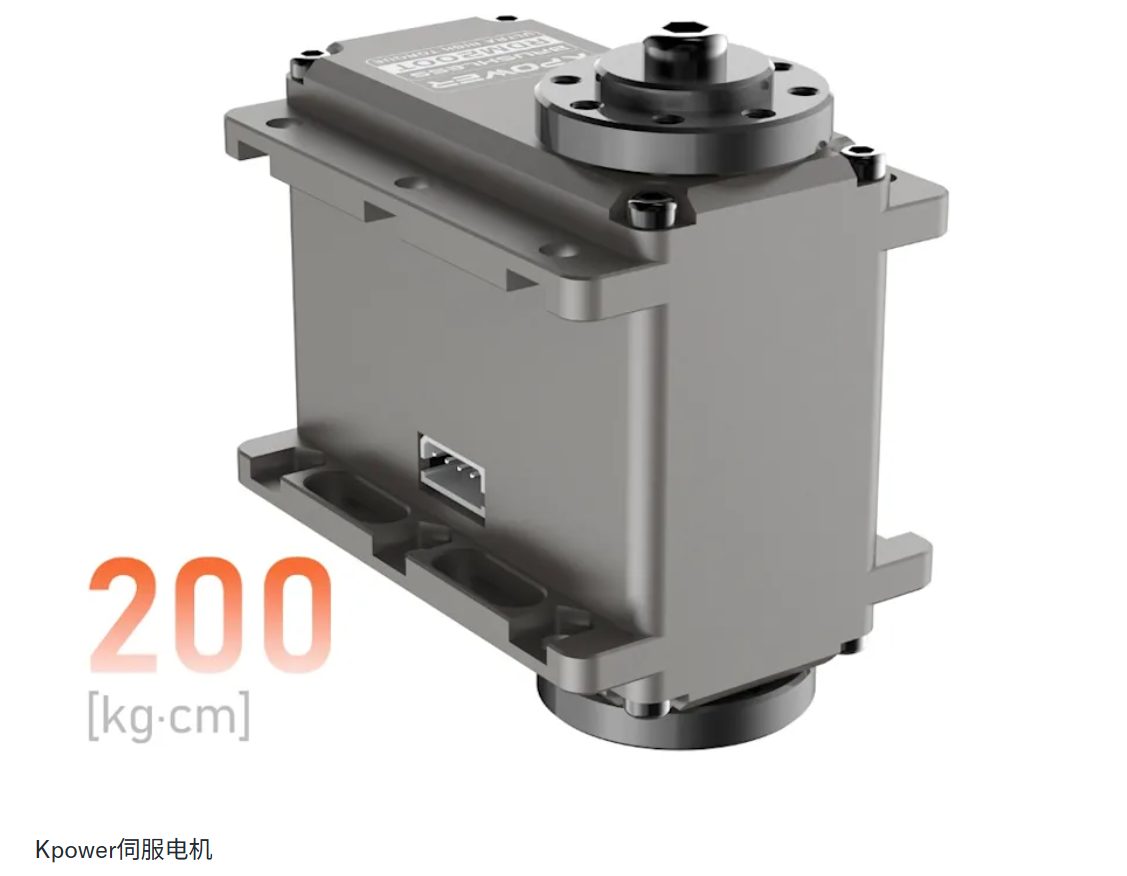
Kpower Secures Patent for Side-Output Robot Servo Motor, Revolutionizing Lightweight Robot Joints
Kpower has secured a patent for its cutting-edge side-output robot servo system, which effectively tackles significant challenges in the robotics industry, including cantilever force defects and intricate assembly processes. This innovative technology not only extends the lifespan of servo motors by more than 60% but also minimizes vertical height, making it particularly suitable for humanoid robot joints. The company aims to offer a reliable and compact solution for the lightweight robotics sector, thereby reinforcing its competitive edge in the precision drive technology market.
Servo Motors Robotics Automation Manufacturing Technology
How Roomba started a robot revolution
In the early days of robotic vacuum technology, the Roomba was characterized by its simplicity and limited functionality. These devices navigated homes by randomly bumping into obstacles while attempting to clean, often ceasing operation once their batteries depleted or their dust containers filled. Despite these shortcomings, the Roomba gained popularity among consumers for its convenience, marking a significant step in the evolution of home cleaning appliances. As technology has advanced, newer models have incorporated sophisticated navigation systems and improved suction capabilities, reflecting the growing demand for more efficient and user-friendly cleaning solutions.
Gadgets Podcasts Smart Home Tech Version History
Robot Revolution Brewing: Cainiao's ZeeBot Climbing Robots Transform Global Warehousing
Cainiao, the logistics arm of Alibaba, has introduced over 100 ZeeBot climbing robots at its European fulfillment center, significantly enhancing operational efficiency. This deployment, announced recently, aims to triple floor efficiency and double labor productivity within the facility. The initiative is part of Cainiao's broader strategy to leverage advanced automation technologies to streamline logistics and meet the growing demands of e-commerce in Europe. By integrating these robots into their operations, the company seeks to optimize space utilization and improve the speed of order processing, ultimately enhancing service delivery to customers.
Technology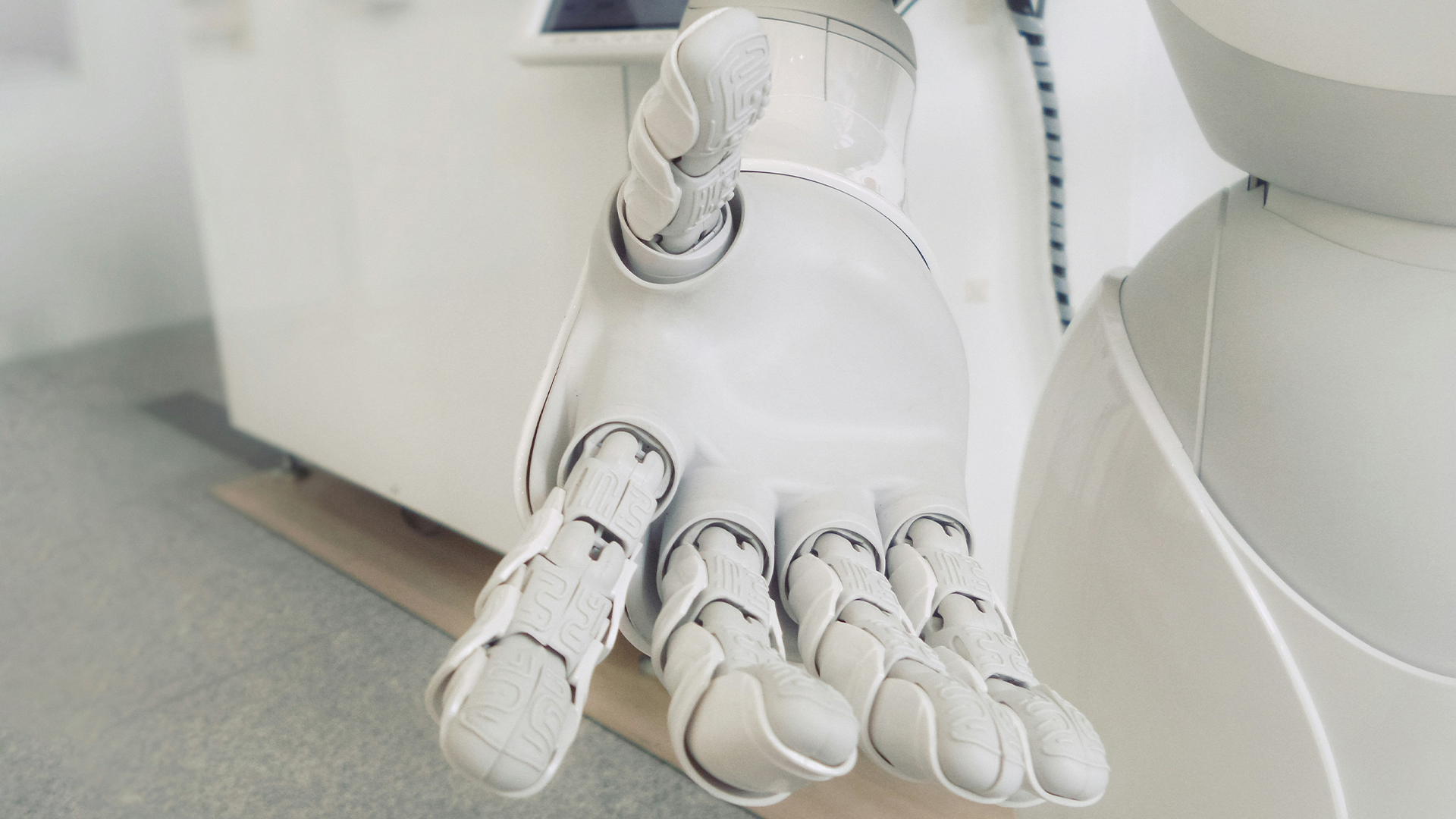
MIT’s ultrasound wristband could teach humanoid robots human hand skills
Researchers have developed an innovative wearable device aimed at enhancing the dexterity of humanoid robots, potentially allowing them to perform tasks with greater human-like precision. This breakthrough was announced in October 2023, as scientists continue to explore ways to improve robotic functionality and interaction in various settings. The device integrates advanced sensors and actuators, enabling robots to mimic the intricate movements of human hands. The motivation behind this development stems from the increasing demand for robots in industries such as healthcare and manufacturing, where fine motor skills are essential for tasks like surgery or assembly. By equipping robots with this new technology, researchers hope to bridge the gap between human and robotic capabilities, leading to more effective collaboration in the workplace. The project highlights the ongoing advancements in robotics and the potential for these machines to take on more complex roles in society.
AI and Robotics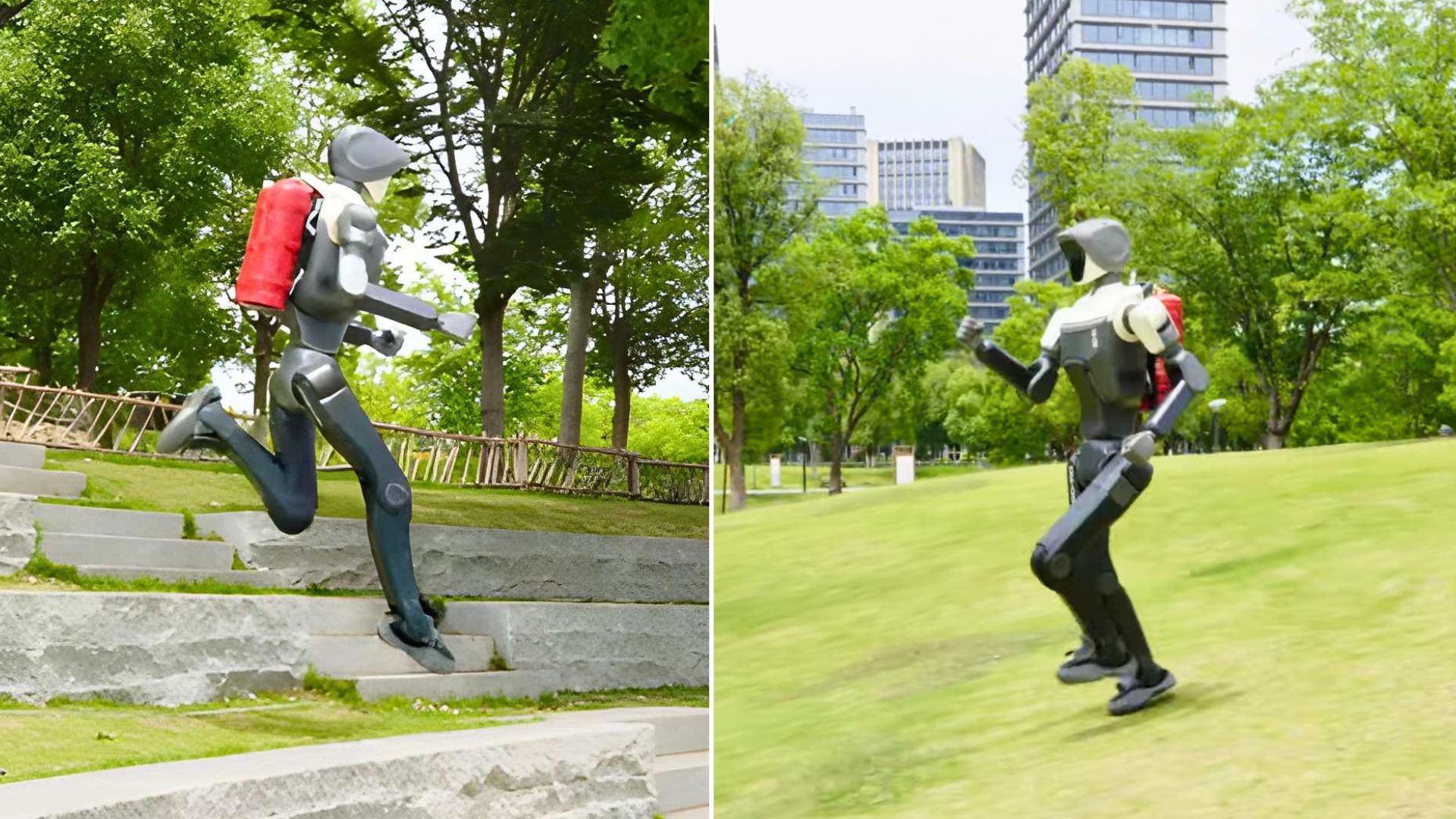
Video: New humanoid robot shows firefighting skills while tackling tough terrain
Deep Robotics, a Chinese robotics company, has unveiled a new video that highlights the advanced capabilities of its latest robotic innovations. The video, released recently, demonstrates the robots' enhanced functionalities and applications in various sectors. This showcase aims to illustrate the company's commitment to pushing the boundaries of robotics technology and to attract potential investors and partners. By presenting these advancements, Deep Robotics seeks to position itself as a leader in the rapidly evolving field of robotics, emphasizing its role in addressing complex challenges across industries.

NVIDIA Enables the Next Era Of Physical AI Research With Agent Skills For Autonomous Vehicles, Robotics And Vision AI
At the Computer Vision and Pattern Recognition (CVPR) conference, NVIDIA is showcasing innovative physical AI agent skills aimed at accelerating the development of autonomous vehicles, robotics, and vision AI systems. This unveiling comes as researchers and developers face significant challenges in advancing physical AI, particularly in creating more capable and efficient systems. By introducing these new skills, NVIDIA seeks to enhance the capabilities of AI agents, ultimately facilitating faster progress in the field. The event highlights NVIDIA's commitment to driving advancements in AI technology, which is crucial for the future of autonomous systems.
Robotics needs a service framework.
RSF defines a common language for robot service capability, lifecycle operations, certification pathways, and service-provider networks.
Join the RobotToday community on LinkedIn
Daily robotics news, in-depth analysis, conference highlights, and discussions with professionals worldwide.