


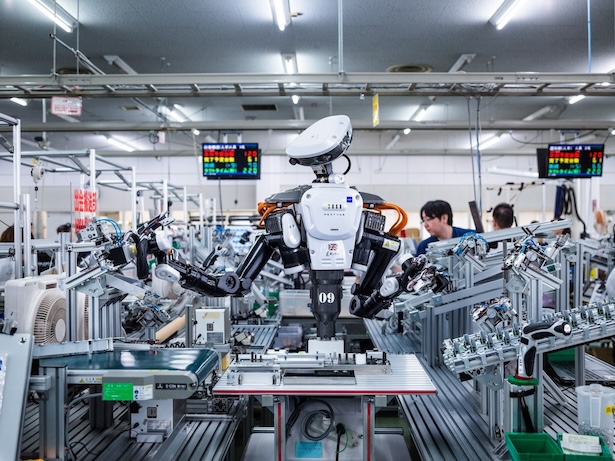
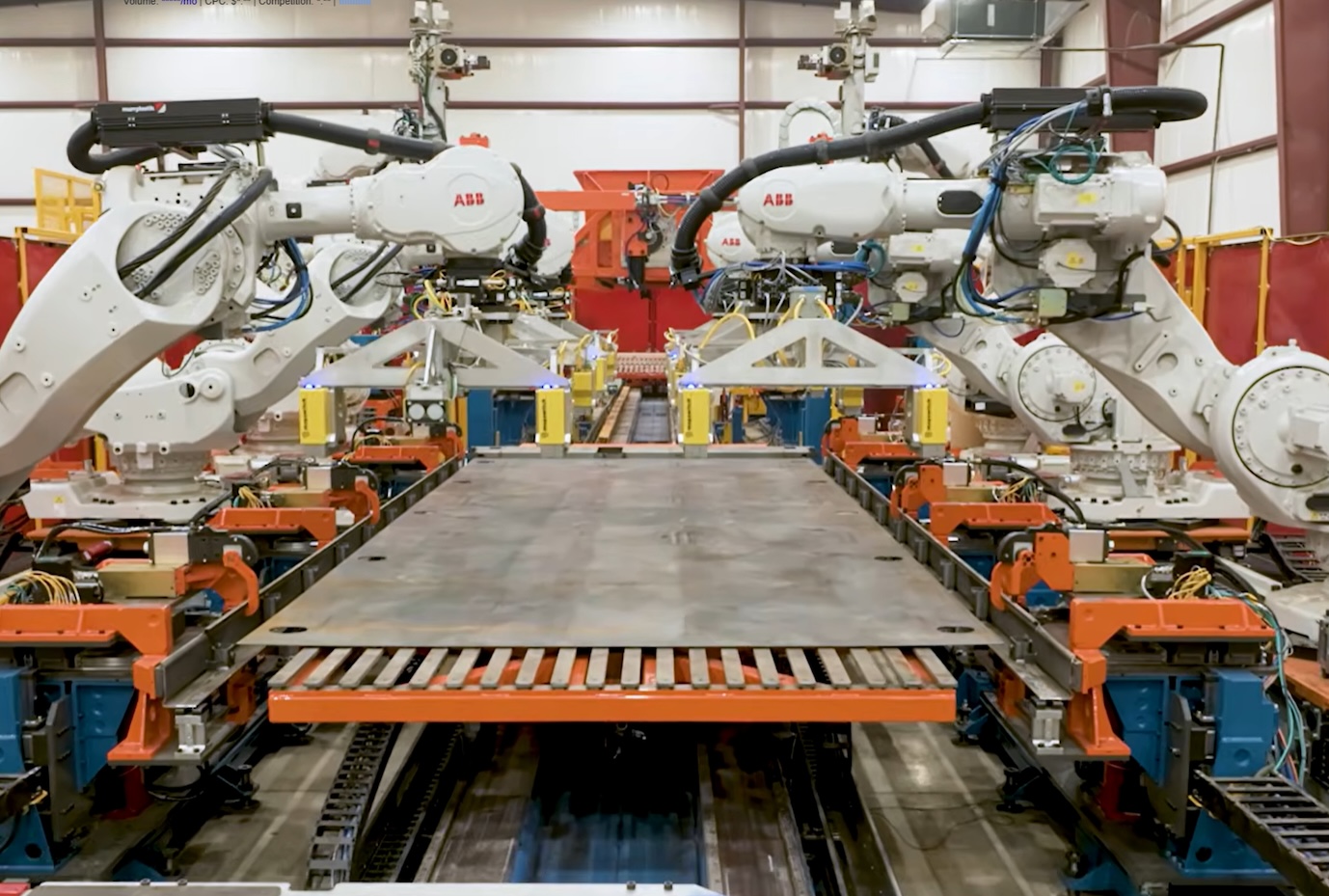
The robotization process in the UK manufacturing sector is experiencing a significant stagnation, with three-quarters of SMEs not utilizing any robots, according to Make UK. The UK's robot density stands at 112 units per 10,000 manufacturing workers, which is about half the EU average and well below the global average of 151 units. Despite over a decade of government funding and skill programs, the situation remains largely unchanged.
The primary issue is not financial but rather a lack of skilled professionals who can effectively implement and operate robotic systems. While manufacturers often assume that funding is the main barrier, the real challenge lies in programming robots, integrating them with existing systems, and ensuring they meet specific operational requirements. The shortage of robotics engineers proficient in ROS2 (Robot Operating System) exacerbates this problem, leaving many manufacturers with limited options.
As a result, many medium-sized manufacturers either hire costly system integrators or abandon the idea of automation altogether. The infrastructure for robot development has not been designed for the existing workforce, which already possesses software capabilities. The emergence of ROS2-based platforms offering browser-based development environments and simulation tools could help bridge this gap, but the current tools available in the UK are still inadequate for empowering workers to utilize robotics effectively.
Editor's Note
The stagnation in robot adoption among UK SMEs highlights a critical skills gap in the manufacturing sector. While funding initiatives have been implemented, the lack of trained professionals capable of integrating and programming robotic systems remains a significant barrier. Addressing this skills shortage is essential for enhancing automation and improving productivity in the industry.






























Leave a comment