

Industry Briefing
A single destination for timely, editor-curated robotics news from around the world.
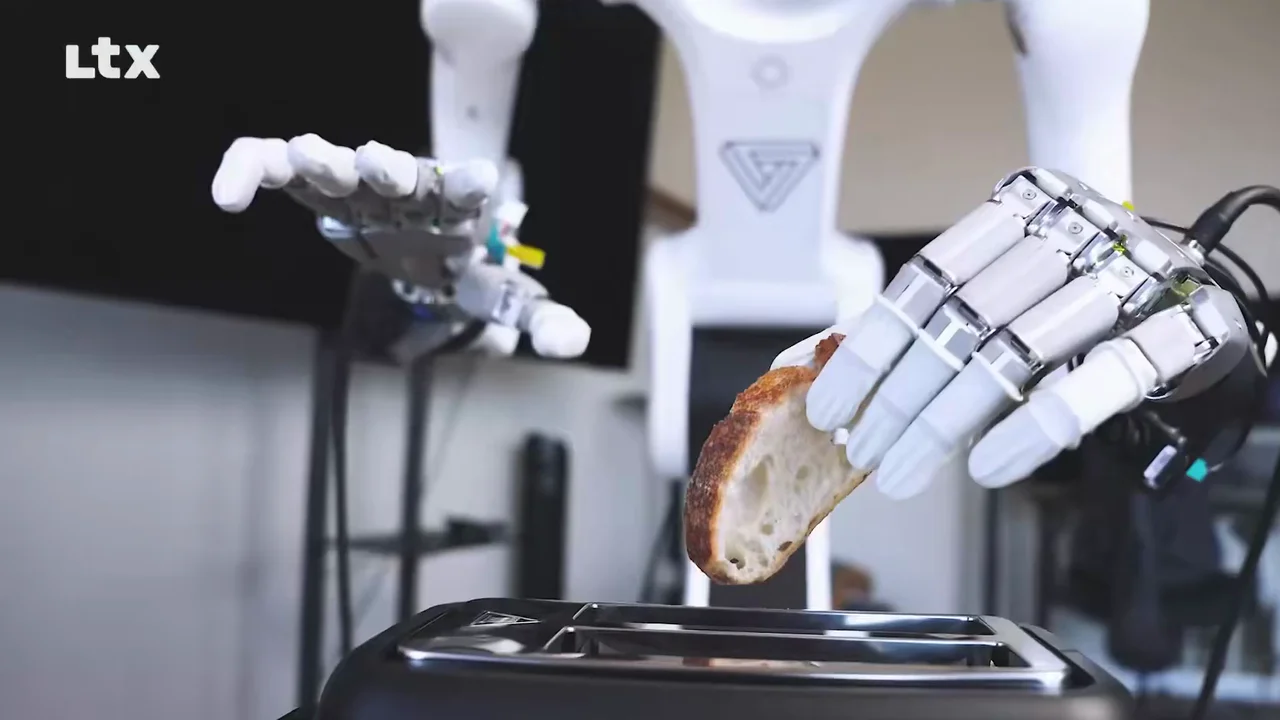
Markov Robotics Innovates Dexterous Manipulation with Video-Based Policy on LTX-2.5
Markov Robotics has introduced a novel approach to dexterous manipulation using a video model as the policy for its LTX-2.5 robot. This method allows the robot to understand object interactions in real-time, enhancing its ability to perform tasks in unfamiliar environments. By leveraging a world model that incorporates physical knowledge, the robot can adapt its grip based on the object's characteristics, such as applying gentle pressure for fragile items like glass and firmer grip for sturdier objects like rocks. This innovation addresses a significant challenge in robotics, where the development of effective software has not kept pace with advancements in hardware. Markov's approach emphasizes the importance of policies in robotic performance, suggesting that the future of dexterous manipulation lies in integrating high-fidelity sensory data with video-based expectations. The company's method of using a head cam to capture scenes and generate action videos represents a shift in how robots can learn and execute tasks. Looking ahead, the robotics community will be watching how Markov's techniques influence the broader field, particularly as more organizations explore world models for robotic applications. The effectiveness of this approach and its potential to streamline the training process for robots could set new standards in the industry. No further timeline was disclosed at the time of publication.
LTX Markov Robotics
Robotics Sector Sees Intensive Policy Developments in First Half of 2026
In the first half of 2026, China's robotics and embodied intelligence sector experienced a surge in policy activity. From January to June, key governmental bodies, including the Central Committee and the Ministry of Industry and Information Technology, issued 19 core guiding documents, marking a significant shift from conceptual guidance to standardized, comprehensive implementation. This policy momentum is crucial as it indicates the sector's elevation to a national strategic priority, evidenced by its inclusion in high-level documents. Notably, the integration of robotics into the agricultural modernization plan and the emphasis on AI in manufacturing signal a broader commitment to advancing the industry. Looking ahead, the establishment of a comprehensive standard system for humanoid robots and embodied intelligence, along with the introduction of industry benchmarks, will be pivotal for scaling the sector. The clear policy direction and structured standards suggest a robust framework for future growth and innovation in robotics.
Robotics Embodied Intelligence Policy Development Standardization Industry Growth
South Korea's Ambitious Industrial Policy Aims to Lead in AI and Semiconductors
The South Korean government, under President Lee Jae Myung, has initiated a comprehensive industrial policy to enhance its competitiveness in semiconductors, AI infrastructure, and robotics. This strategy, reminiscent of the Heavy and Chemical Industry drive from the 1970s, aims to address market failures and bolster national security through targeted investments and regulatory support. The significance of this initiative lies in its potential to transform South Korea into one of the top three global powers in AI while reinforcing its leadership in semiconductor manufacturing. With over 1,500 trillion won ($1 trillion) in planned investments from both the government and major firms like Samsung Electronics and SK Hynix, this marks the largest industrial initiative since the previous drive. Looking ahead, the challenges of securing necessary resources and managing investment cycles in the semiconductor industry could pose significant hurdles. The government’s commitment to mobilizing capital through new financing vehicles will be crucial in navigating these complexities and achieving its ambitious goals.
All News
FCC Updates Drone Policy with New Exemptions and Compliance Framework
The Federal Communications Commission (FCC) has added Exedy Globalparts Corporation’s Ayre CX and Parallel Flight Technologies’ Firefly UAS to its list of exempt uncrewed aircraft systems (UAS). This update, released on July 24, introduces new policy language that indicates a shift in how the U.S. government will manage trusted drone manufacturers moving forward. This change is significant as it removes fixed expiration dates for Conditional Approvals, allowing exemptions to remain valid as long as companies comply with their approved onshoring plans. Previously, approvals were set to expire on December 31, 2026, but the new policy emphasizes ongoing compliance with U.S. national security requirements, reflecting a more permanent approach to drone approvals. Looking ahead, the FCC's evolving Conditional Approval program suggests a transition towards a framework that prioritizes trusted supply chains and domestic manufacturing commitments. No further timeline was disclosed at the time of publication.
communications Drone News Drone News Feeds Drones in the News News US Government
New Interactive World Simulator Enhances Robot Policy Training and Evaluation
A new Interactive World Simulator has been developed to improve robot policy training and evaluation by replacing traditional methods with a learned, action-conditioned video prediction model. This simulator allows for efficient data generation and scalable policy evaluation, addressing long-standing challenges in robot learning. The significance of this development lies in its ability to reduce the time and costs associated with data collection and evaluation. By enabling demonstrations to be collected within the simulator, the process becomes more reproducible and less prone to the issues faced in real-world settings, such as hardware failures and environmental changes. Looking ahead, the simulator has been trained on diverse manipulation tasks, showcasing its capability to accurately predict robot interactions. No further timeline was disclosed at the time of publication.

Crypto Industry Faces Uncertainty as Clarity Act Vote Approaches in September
The crypto market structure bill, known as the Clarity Act, is approaching a crucial vote in September, with doubts about its passage before the midterm elections. The bill aims to establish a regulatory framework for digital assets, dividing oversight between the SEC and CFTC, but many industry leaders express pessimism regarding its chances of success. The significance of the Clarity Act lies in its potential to provide much-needed regulatory clarity for the crypto industry, which has invested heavily in political contributions to influence favorable legislation. Despite the uncertainty surrounding the bill, the SEC and CFTC have shown a more accommodating stance towards crypto, indicating a shift in regulatory attitudes even without comprehensive legislation. Looking ahead, the industry is preparing to navigate the regulatory landscape without the Clarity Act, as executives believe that ongoing SEC and CFTC rulemaking can still offer some level of certainty. The upcoming procedural vote on September 15 will be pivotal, as bipartisan support is necessary to advance the bill, with unresolved issues still needing consensus among lawmakers.

OSARO's Derik Pridmore Discusses Evolution of Warehouse Robotics and AI Impact
In Episode 255 of The Robot Report Podcast, Derik Pridmore, co-founder and CEO of OSARO, discusses the evolution of warehouse robotics. He highlights the transition from limited perception systems to adaptable AI-driven automation, emphasizing the importance of hardware-agnostic design and continuous learning. Pridmore explains that the future of robotics hinges on balancing specificity, reliability, and safety, rather than just flashy demonstrations. OSARO, founded in 2015, specializes in AI software for industrial automation, providing integrated perception and control software for robotic deployment in warehouses. Listeners should watch for ongoing advancements in AI-driven automation and how they will shape the warehousing sector. No further timeline was disclosed at the time of publication.
Artificial Intelligence Autonomous Mobile Robots (AMRs) Humanoids Logistics News Opinion
Nvidia CEO Jensen Huang Advocates for Open-Weight AI Models Amid U.S. Policy Concerns
Nvidia CEO Jensen Huang has publicly supported a coalition of over 20 technology companies advocating for open-weight artificial intelligence models. This joint letter, which includes major firms like Microsoft and Meta, warns that new U.S. restrictions could undermine national competitiveness rather than enhance security. The signatories argue that open-weight models foster innovation, bolster cybersecurity, and maintain U.S. leadership as Chinese AI capabilities grow. The significance of this movement lies in its potential impact on U.S. AI development and security. Open-weight models allow developers to access and inspect model weights, promoting transparency and collaboration. Huang emphasized that both open and closed models play crucial roles in AI's evolution, with open models enhancing safety and technological advancement. The letter's release coincides with heightened scrutiny of Chinese AI advancements, particularly following the introduction of the Kimi K3 model by Moonshot AI. Looking ahead, the ongoing debate over U.S. policies on AI access will be critical. Huang's remarks suggest a push for American companies to utilize Chinese AI models, countering fears of security risks. The coalition's letter also calls for a focus on actual intellectual property theft rather than broad restrictions on open-weight AI development. No further timeline was disclosed at the time of publication.
AI and Robotics
National Resilience Strategy Connects the Dots Behind U.S. Drone Policy
The White House has unveiled a new National Resilience Strategy that integrates commercial drones into its broader initiative aimed at bolstering U.S. manufacturing, infrastructure, and supply chain resilience. Although the strategy mentions the commercial drone industry only once, this reference highlights the Administration's perspective on the role of drones in enhancing national capabilities. The strategy reflects an effort to address vulnerabilities in the supply chain and improve overall resilience in response to various challenges. By recognizing the potential of commercial drones, the White House aims to leverage this technology to strengthen critical sectors of the economy.
Drone Manufacturing Drone News Drone News Feeds News Policy US Government
Policy Support and Mass Production Drive Humanoid Robot ETF as the Sector Enters a Critical Phase
China's humanoid robotics sector is transitioning from policy development to mass production, marking a significant shift in the industry. In response to this evolution, the Guozheng Robot Industry Index ETF has been introduced, providing investors with targeted exposure to the core supply chain of this burgeoning market. This move comes as the demand for advanced robotics continues to grow, driven by technological advancements and increasing applications across various sectors. The ETF aims to capitalize on the momentum of the industry, allowing stakeholders to invest in the future of robotics as China positions itself as a leader in this field.
Industry Robotics
From “Predictable Surprise” to Policy Priority: The Push for Faster Counter-Drone Deployment
A recent incident involving a thwarted drone attack aimed at a UFC event on the White House grounds has underscored the growing challenges posed by evolving drone threats in the United States. This disruption has reignited discussions among state, local, and tribal security officials regarding the urgency of enhancing counter-drone capabilities. As the frequency and sophistication of drone-related threats increase, there is a pressing need for more effective and rapid response strategies to ensure national security. The incident highlights the critical gap between the pace of technological advancements in drone capabilities and the current response measures in place, prompting calls for policy changes to prioritize faster deployment of counter-drone systems.
C-UAS DL Exclusive Drone News Drone News Feeds Drones in the News Feature 1
SASC’s $1.14T defense policy bill creates combatant command for drones
Members of the Senate Armed Services Committee (SASC) approved a significant piece of legislation on Wednesday, advancing the bill with an 18-9 vote. This decision reflects the committee's ongoing efforts to address critical defense issues and enhance military readiness. The approval comes amid increasing concerns about national security and the need for updated military policies. The committee's action is a crucial step in the legislative process, paving the way for further discussions and potential amendments before the bill is presented to the full Senate for consideration.
Air Warfare Congress Land Warfare Naval Warfare Pentagon 2027 NDAA
South Africa Has AI Leverage. Its Draft Policy Leaves It Unused
South Africa is positioned uniquely in the global landscape of artificial intelligence (AI) governance due to its substantial reserves of platinum-group metals, which are essential for semiconductor manufacturing. This strategic advantage, coupled with the country’s status as the largest data center market in Africa, places it at the center of a geopolitical contest between Chinese and American tech companies vying for influence over AI infrastructure on the continent. The urgency for South Africa to establish a robust AI policy has intensified following the withdrawal of a draft policy that failed to address critical governance issues. Minister of Communications and Digital Technologies Solly Malatsi's decision to withdraw the draft came after concerns were raised about inaccuracies within the document. In response, a new independent panel has been formed to revise the policy, led by experts from various institutions, although no timeline for completion has been established. As major investments from companies like Microsoft and Huawei are underway, South Africa faces a pivotal choice: to negotiate terms that ensure data sovereignty and technology transfer or to accept standard commercial terms that could lead to dependency on foreign infrastructure. The outcome of these negotiations will not only impact South Africa but could also set a precedent for AI governance across the African continent. Without a clear policy framework, the country risks losing its leverage in a rapidly evolving technological landscape.
Ai Artificial-intelligence Microsoft South-africa Huawei Ai-policy
Industrial Policy and Wright’s Law: A New Perspective on Building the U.S. Drone Industry
At the AUVSI XPONENTIAL 2026 conference this week, Brendan Stewart, Senior Vice President of Regulatory and Government Affairs at Red Cat Holdings, presented a comprehensive analysis on the future of the U.S. drone industry. He emphasized that revitalizing this sector will necessitate a long-term industrial policy, increased manufacturing capacity, and a commitment to patience from stakeholders. Stewart's insights highlight the critical steps needed to ensure sustainable growth and competitiveness in the drone market, underscoring the importance of strategic planning and investment in technology and infrastructure.
Applications Blue UAS defense DL Exclusive Drone News Drone News Feeds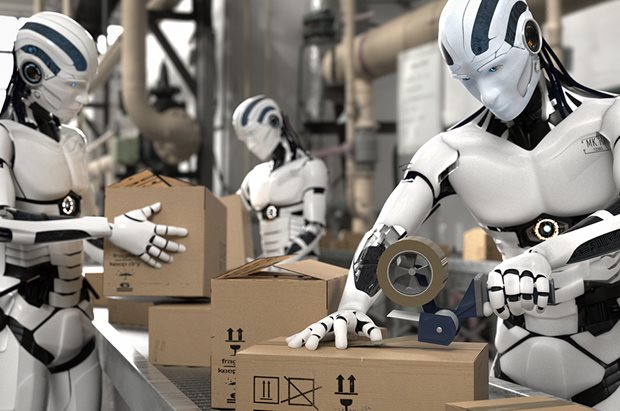
RAPTOR: A foundation policy for quadrotor control
In May 2026, a groundbreaking study published in Science Robotics highlights advancements in robotic technology that could revolutionize various industries. Researchers from leading universities and tech companies collaborated to develop a new generation of robots capable of performing complex tasks with enhanced precision and efficiency. This innovation aims to address labor shortages and improve productivity in sectors such as manufacturing, healthcare, and logistics. The study showcases robots equipped with advanced artificial intelligence and machine learning algorithms, enabling them to adapt to dynamic environments and learn from their experiences. The research team conducted extensive testing in real-world scenarios to demonstrate the robots' capabilities, revealing significant improvements in operational speed and accuracy compared to previous models. The motivation behind this development stems from the increasing demand for automation in response to global economic challenges and the need for more efficient workflows. By integrating these sophisticated robots into various industries, the researchers believe they can not only alleviate workforce pressures but also enhance safety and reduce operational costs. As industries continue to evolve, the findings from this study could pave the way for widespread adoption of robotic solutions, ultimately transforming how businesses operate and interact with technology. The implications of this research extend beyond mere automation, suggesting a future where humans and robots work collaboratively to achieve greater outcomes.
Research Article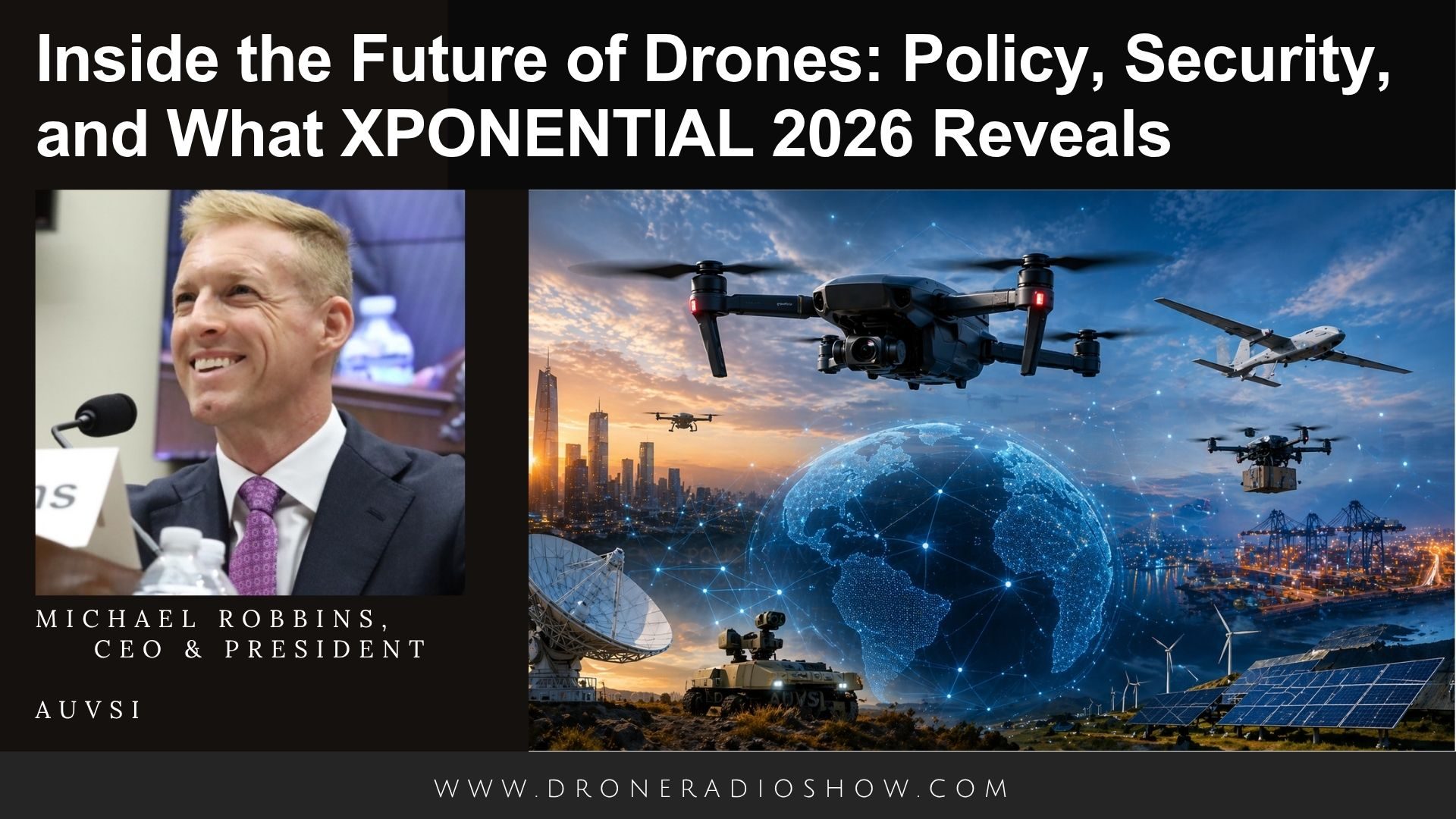
Inside the Future of Drones: Policy, Security with Michael Robbins, CEO and President of AUVSI on the Drone Radio Show
In a recent episode of the Drone Radio Show, Michael Robbins, CEO and President of the Association for Uncrewed Vehicle Systems International (AUVSI), engaged in a discussion with host Randy Goers about the pivotal factors influencing the uncrewed systems industry. The conversation highlighted key issues such as supply chain security, regulatory challenges, and the increasing impact of defense priorities on the sector's evolution. Robbins provided insights into how these elements are shaping the future of autonomy in the industry. Additionally, the dialogue included a preview of XPONENTIAL 2026, an upcoming event focused on advancements in drone technology and policy. This discussion underscores the complexities and opportunities that lie ahead for the uncrewed systems landscape.
Drone News Drone News Feeds Dual Use News Podcast US Government
Import AI 446: Nuclear LLMs; China's big AI benchmark; measurement and AI policy
As artificial intelligence continues to evolve, questions arise about the potential for AIs to experience emotions such as jealousy. Researchers in the field of AI and cognitive science are exploring the implications of advanced machine learning systems, particularly those trained on vast datasets, to understand whether these systems could develop complex emotional responses similar to humans. This inquiry has gained traction in recent months, with discussions intensifying around the ethical and philosophical ramifications of AI emotions. The investigation into AI jealousy is particularly relevant as developers strive to create more sophisticated and autonomous systems. Experts argue that while current AI lacks the capacity for genuine emotions, the rapid advancements in technology could lead to scenarios where AIs exhibit behaviors that mimic jealousy, particularly in competitive environments or when they perceive threats to their operational efficiency. This exploration is taking place in various research institutions and tech companies worldwide, with findings expected to influence future AI design and implementation. The motivation behind this research stems from a desire to ensure that as AI systems become more integrated into daily life, they do not inadvertently develop harmful behaviors or biases. By understanding the potential for emotional responses in AIs, researchers aim to create guidelines that promote ethical AI development and usage. As the conversation around AI emotions evolves, it raises critical questions about the nature of intelligence and the ethical considerations of creating machines that could potentially experience feelings akin to jealousy.

Imagination as Policy: 1X Director Daniel Ho on Leveraging the World Model Flywheel
In a recent episode of the Robo Papers podcast, Daniel Ho, the Director of Evaluations at 1X, discussed the innovative use of video generation technology in robotics. He highlighted how this advancement enables humanoid robots to execute tasks without the need for extensive, robot-specific training data, a process known as zero-shot learning. This development, which leverages the concept of "imagination" in machines, marks a significant step forward in the field of robotics, potentially transforming how robots are trained and utilized across various applications. The conversation sheds light on the future of humanoid capabilities and the implications of integrating advanced AI techniques in robotic systems.
1X-technologies US World-Models embodied-ai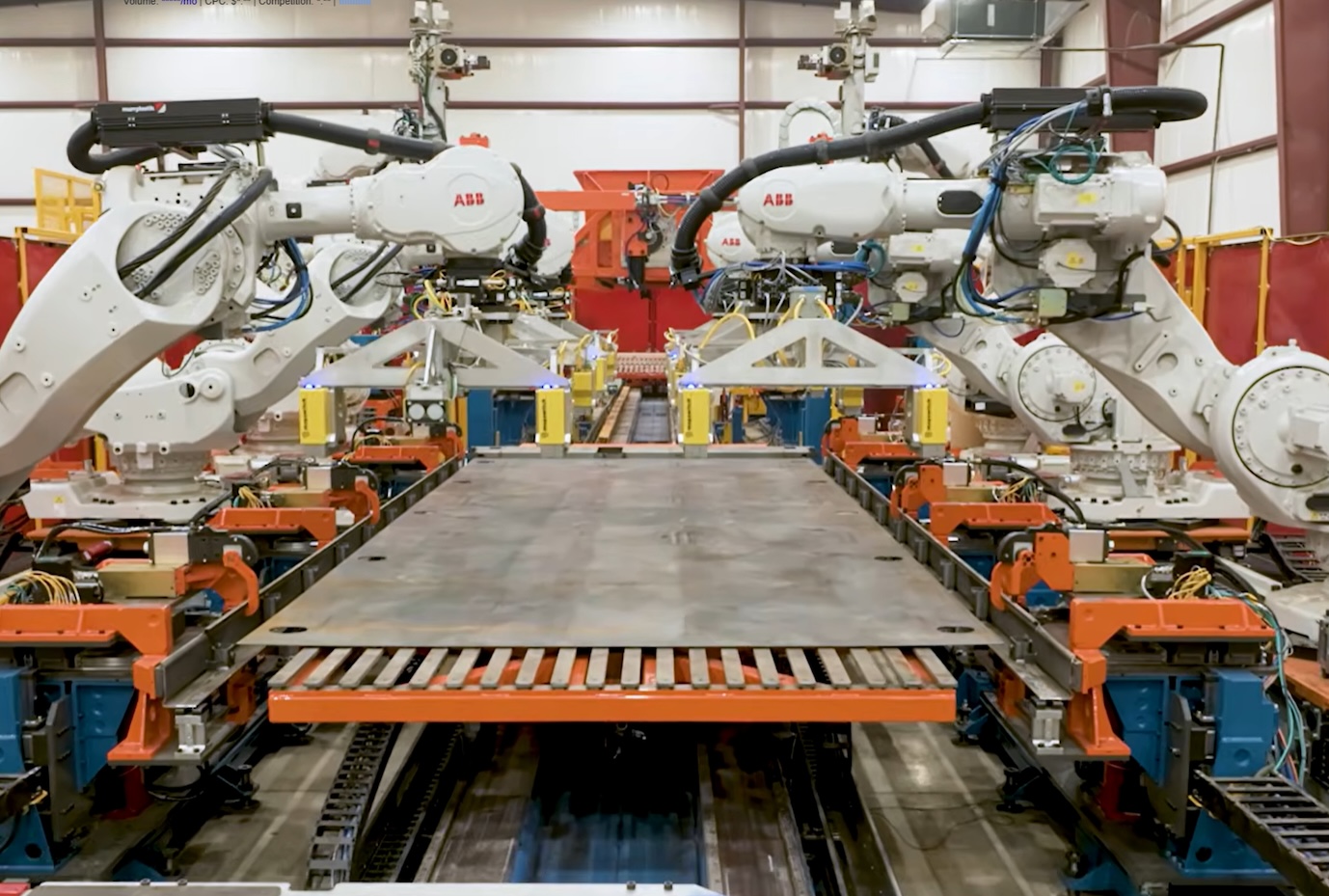
DJI implements mandatory 9 pm off-duty policy to tackle excessive overtime culture
DJI's new policy mandating employees to leave the office by 9 PM has ignited significant discussion on the Chinese social media platform Weibo. Implemented on February 27, this directive includes measures such as forcibly turning off office lights in Shanghai to ensure compliance. The decision comes in response to prior criticisms regarding the company's culture of excessive overtime, where core research and development teams frequently worked past 11 PM. The policy aims to address concerns about employee well-being and work-life balance, reflecting a shift in the company's approach to labor practices amidst ongoing scrutiny.
Heavy Hitters Content and entertainment E-commerce and New Retail Highlight NewsRobotics needs a service framework.
RSF defines a common language for robot service capability, lifecycle operations, certification pathways, and service-provider networks.
Join the RobotToday community on LinkedIn
Daily robotics news, in-depth analysis, conference highlights, and discussions with professionals worldwide.







