Industry Briefing
A single destination for timely, editor-curated robotics news from around the world.
Panasonic Aims for Humanoid Robot Production by 2029, Emphasizing Battery Safety
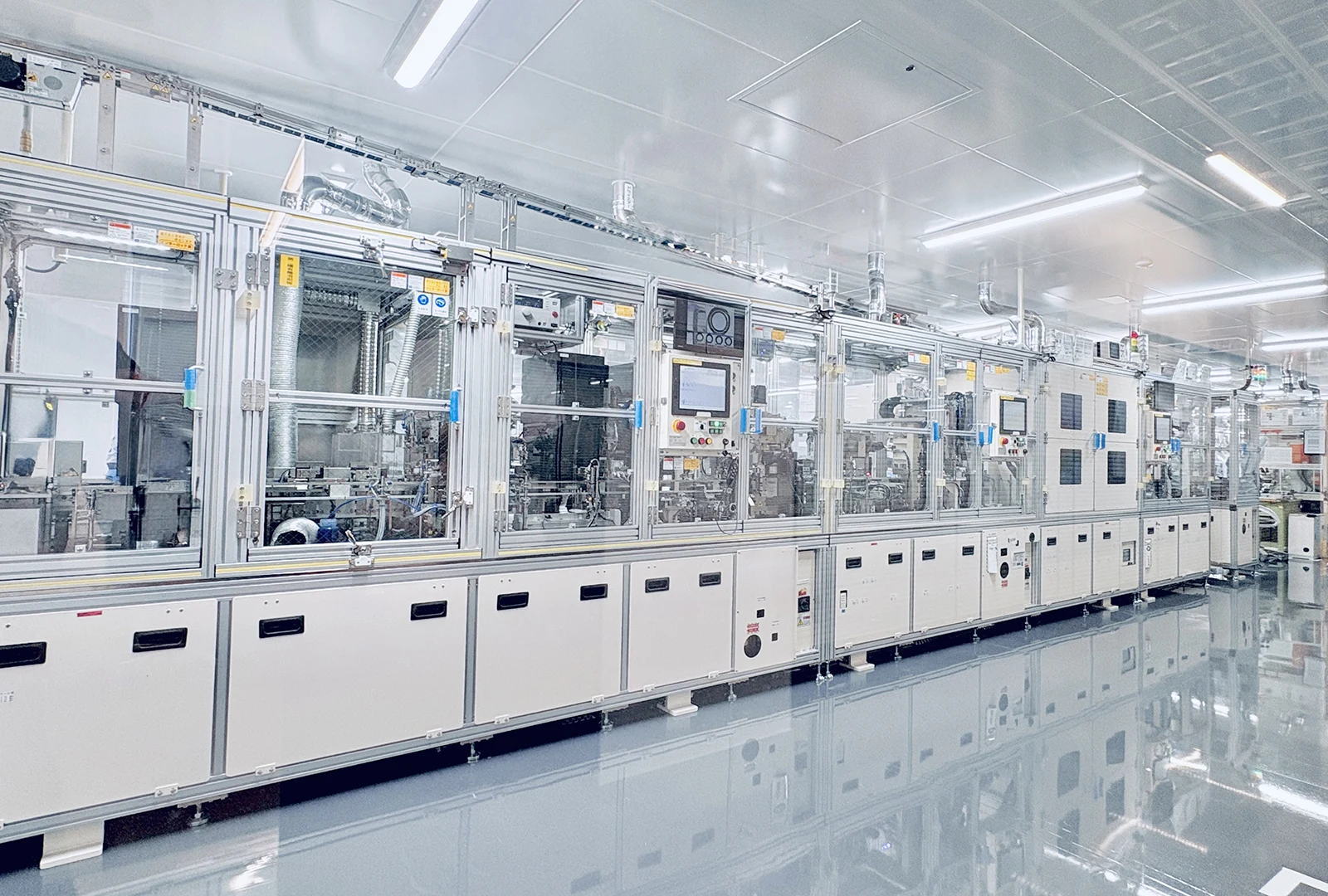
Panasonic Holdings has announced its intention to develop humanoid robots, with production slated to begin by 2029, as stated by Chief AI Officer Akira Sakakibara. The company plans to target factory production lines and warehouses, although the project is still in its early stages. Research and development on necessary AI models and technologies has commenced, but specific achievements remain undisclosed. The significance of this initiative lies in Panasonic's focus on battery safety, which Sakakibara believes is crucial for overcoming barriers to the adoption of humanoid robots. He noted that Panasonic Energy's batteries have not been linked to serious fire incidents, positioning the company to potentially lead in safer humanoid robotics. Panasonic's existing components for humanoid robotics, such as power-management devices and sensors, provide a solid foundation for this new venture. Looking ahead, the next milestone to observe will be the unveiling of a robot design or a working demonstration that showcases the capabilities of the planned humanoids. No further timeline was disclosed at the time of publication.
Panasonic Japan
Panasonic Plans to Develop Humanoid Robots, Targeting Production by 2029
Panasonic Holdings has announced its intention to develop humanoid robots, as confirmed by Akira Sakakibara, the company's chief AI officer, in a recent interview. The Japanese technology firm aims to commence production of these robots by the year 2029, focusing on their application in plants and warehouses. This initiative is significant as it highlights Panasonic's strategic move to leverage its existing battery business in the robotics sector. The development of humanoid robots could enhance operational efficiency in various industrial settings, aligning with the growing trend of automation and AI integration in manufacturing processes. Looking ahead, industry observers will be keen to see how Panasonic's plans unfold and whether they can successfully integrate their battery technology into the design and functionality of these humanoid robots. No further timeline was disclosed at the time of publication.

Panasonic's Unique Robot Nicobo Achieves Sales of Over 10,000 Units
Panasonic has launched a distinctive home robot named Nicobo, weighing 1.5 kg and priced at 65,000 yen, with over 10,000 units sold since its release in 2023. The robot features a knitted exterior and interacts with users through basic Japanese, responding based on its mood, unlike typical obedient home robots. The significance of Nicobo lies in its design philosophy, which aims to bring joy and emotional richness to users rather than merely serving practical functions. The project was initiated in response to societal issues related to digital stress and violence on social media, with the goal of creating a robot that fosters positive interactions and emotional connections. Looking ahead, Panasonic plans to enhance Nicobo's capabilities by integrating a large language model into its cloud services, although it will maintain its child-like communication style. This approach reflects Japan's unique perspective on robotics, focusing on emotional companionship rather than convenience, positioning the country as a leader in the development of 'weak robots' that prioritize user engagement.
Home Robots Emotional AI Social Robotics Consumer Electronics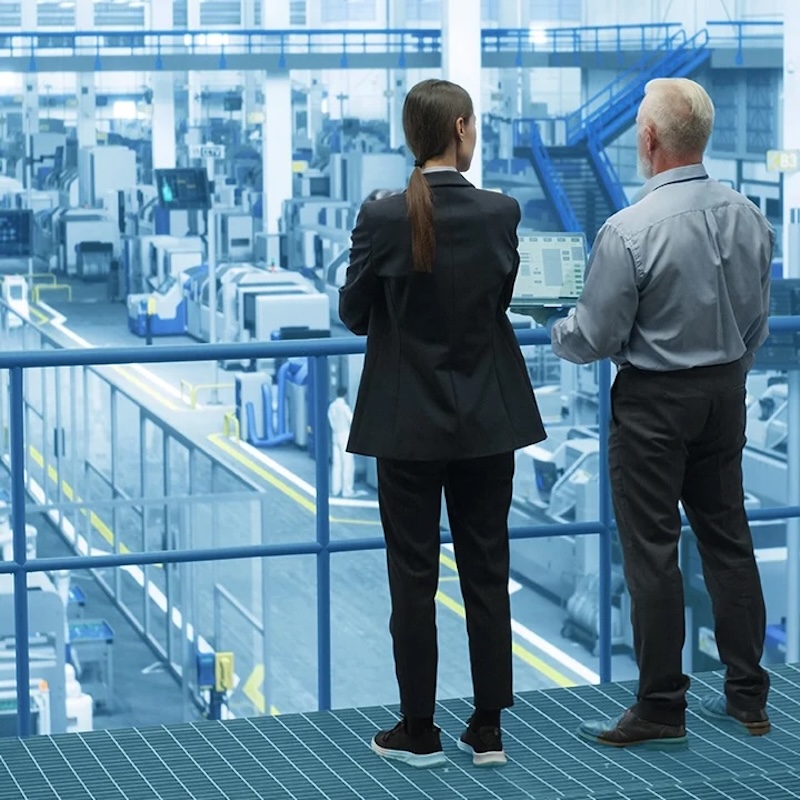
Panasonic Connect's Scott Zerkle Discusses AI's Role in Smart Manufacturing Transformation
Panasonic Connect is at the forefront of transforming manufacturing systems as electronics become smaller and more complex. The company offers smart manufacturing solutions that integrate surface-mount technology (SMT), robotics, AI analytics, and connected factory platforms. Through its Gemba Process Innovation strategy, Panasonic Connect aims to enhance productivity and operational resilience in factories. The increasing complexity of electronics, particularly in vehicles and industrial systems, is reshaping production line design and operations. Scott Zerkle, associate director of technical operations at Panasonic Connect North America, emphasizes that AI's primary value lies in supporting factory workers through predictive maintenance and defect detection, rather than replacing them. He highlights the need for manufacturers to connect data across various production elements to foster continuous improvement. Looking ahead, Zerkle predicts that the next significant advancement in smart manufacturing will involve integrating AI tools with data from machines and materials. This integration will enable factories to learn from their production history, ultimately enhancing efficiency and adaptability in high-mix production environments. No further timeline was disclosed at the time of publication.
Communications Computing Digital Automation Features Manufacturing ai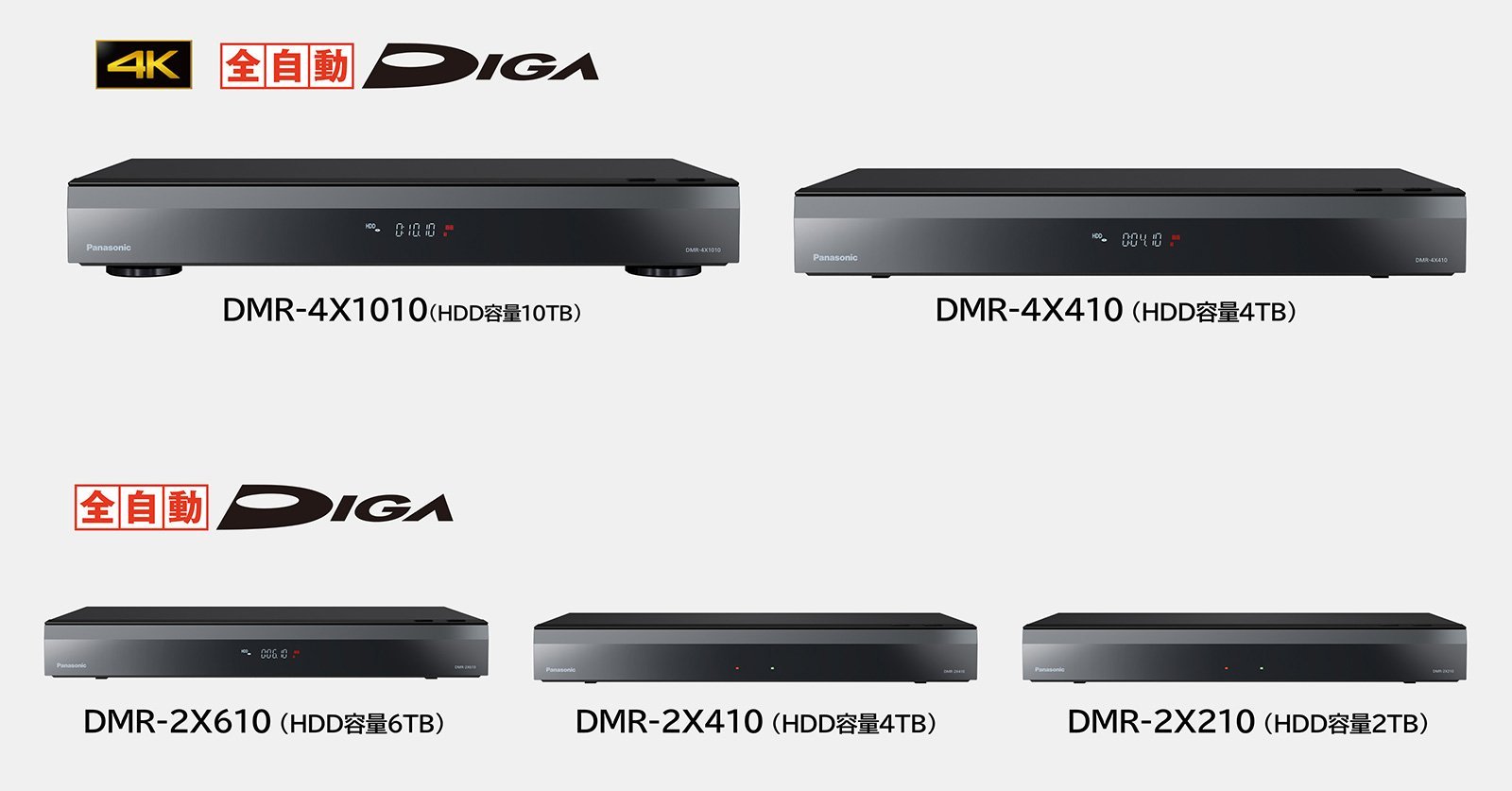
Panasonic Launches New DIGA Blu-ray Recorders with Cloud Storage for Recorded Programs
On September 14, Panasonic announced the upcoming release of five models of its Blu-ray disc recorder, DIGA, capable of saving recorded programs to the cloud via Microsoft’s OneDrive and Google Drive. This feature ensures that programs remain accessible even if the internal HDD fails. The new 'cloud recording' function allows users to dub recorded programs from the internal HDD to the cloud automatically after recording. Users can access their cloud-stored programs through the DIGA app from anywhere. However, to utilize this service, users must set up the app and have an account with a compatible cloud service, which may incur monthly fees. The lineup includes models with varying HDD capacities, ranging from 2TB to 10TB, with the ability to save up to 10TB in the cloud. Panasonic's cloud recording service is subject to conditions, and it does not guarantee permanent storage, as playback may be affected by cloud service outages or discontinuation.
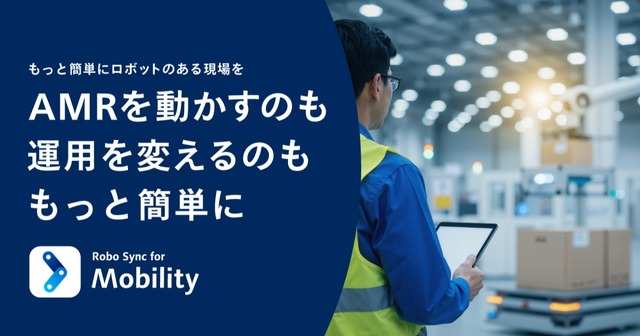
Panasonic Connect Launches Robo Sync for Mobility to Manage AMRs and Equipment This Fall
Panasonic Connect Group announced the launch of its autonomous mobile robot (AMR) control service, Robo Sync for Mobility, set to begin this fall. This service aims to support the introduction and operation of AMRs in logistics and manufacturing environments by integrating multiple manufacturers' AMRs and surrounding equipment for streamlined workflow management. The significance of this service lies in its ability to address the growing interest in AMR utilization amid labor shortages and rising costs in logistics and manufacturing. By providing a unified management system, Robo Sync for Mobility facilitates the ongoing use of AMRs, allowing for easier adjustments to workflows and quicker troubleshooting during operational disruptions. Looking ahead, Panasonic Connect plans to enhance the service by expanding compatibility with additional manufacturers and equipment, improving dashboard and log analysis features, and developing AI-driven operational support capabilities. No further timeline was disclosed at the time of publication.
Robotics needs a service framework.
RSF defines a common language for robot service capability, lifecycle operations, certification pathways, and service-provider networks.
Join the RobotToday community on LinkedIn
Daily robotics news, in-depth analysis, conference highlights, and discussions with professionals worldwide.