Industry Briefing
A single destination for timely, editor-curated robotics news from around the world.
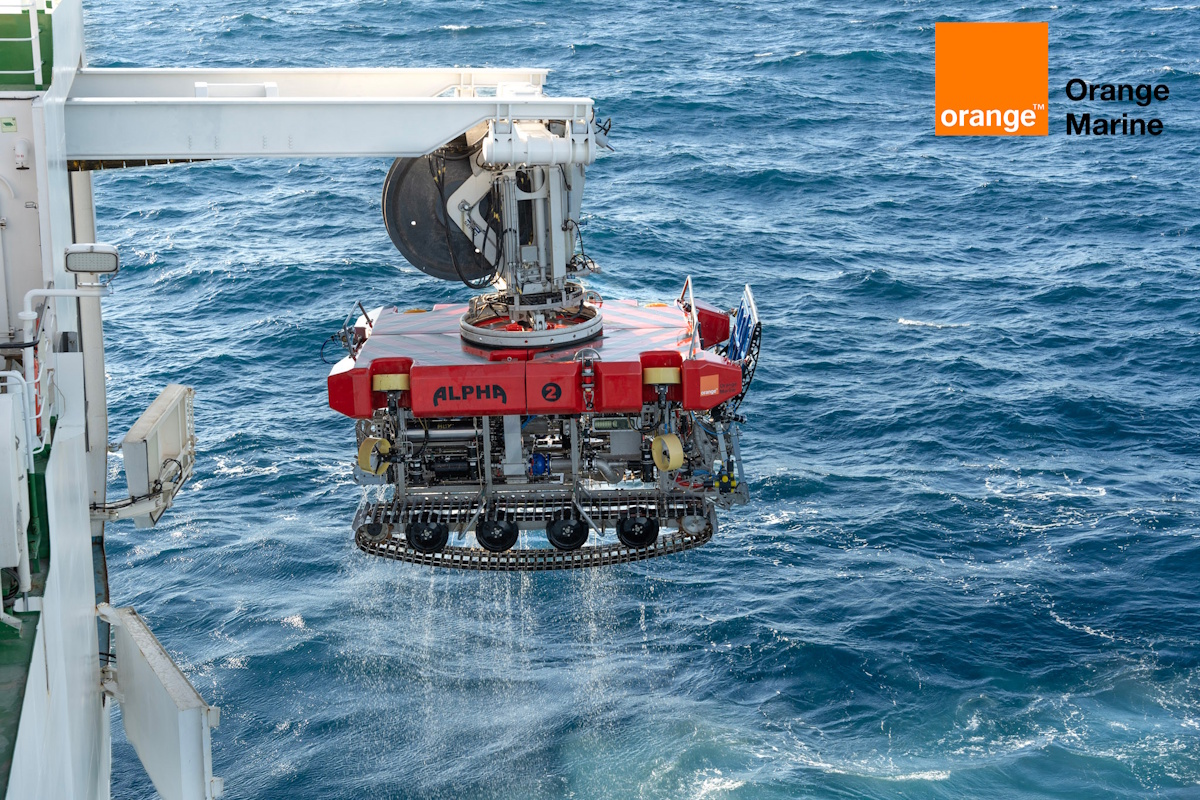
Global Marine Collaborates with Orange Marine for Advanced Alpha ROV on New Vessel
Global Marine has partnered with Orange Marine to supply a next-generation Alpha Remotely Operated Vehicle (ROV) for its new cable maintenance vessel, currently under construction. This collaboration merges Global Marine's extensive subsea cable maintenance experience with Orange Marine's specialized vehicle manufacturing expertise. The Alpha ROV is designed to meet the rigorous demands of telecommunications and power subsea cable operations, featuring 450 kW of power and the capability to operate at depths of 3,000 meters. This advanced vehicle will enhance Global Marine's operational flexibility and efficiency in subsea cable inspection, maintenance, and repair tasks. The new ROV will be deployed on a hybrid-powered cable maintenance vessel, set for delivery in Q4 2029, which signifies a substantial investment in fleet modernization. This initiative positions Global Marine to better support long-term maintenance agreements and capitalize on the growing subsea cable market, as noted by CEO Simon Hibberd.
global marine partnership orange marine alpha rov cable maintenance vessel
Key Elements for Effective Collaboration in Global Teams Across Cultures
Seven critical elements influence the effectiveness of global teams working across various time zones, languages, and cultural norms. These elements include communication strategies, cultural awareness, and the use of technology to bridge gaps between team members. Understanding these factors is essential for organizations aiming to enhance collaboration among diverse teams. By focusing on these elements, companies can improve team dynamics, increase productivity, and foster a more inclusive work environment. Looking ahead, organizations should prioritize the development of these key elements to ensure successful collaboration in an increasingly globalized workforce. No further timeline was disclosed at the time of publication.
391433 391435 391436 391440 391441 391501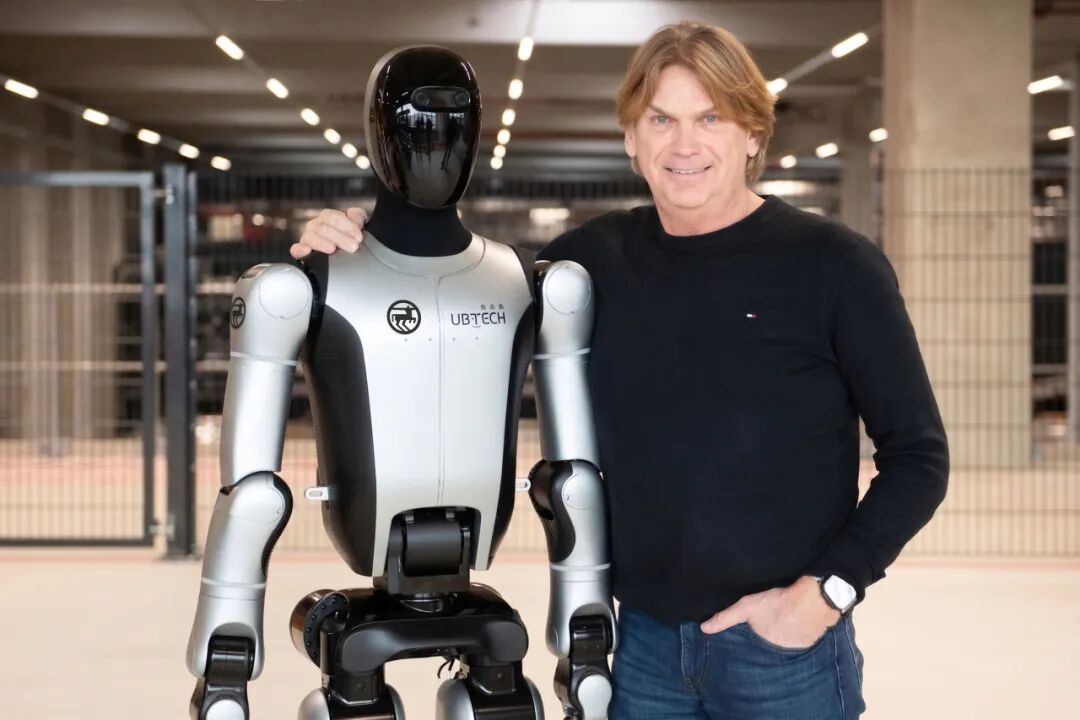
UBTECH Collaborates to Enhance Global Reach of Humanoid Robots in European Retail Logistics
UBTECH has announced partnerships aimed at accelerating the deployment of humanoid robots in European retail logistics environments. This initiative is part of UBTECH's broader strategy to expand its global footprint and enhance operational efficiencies in logistics through advanced robotics technology. The significance of this collaboration lies in its potential to transform retail logistics by integrating humanoid robots, which can streamline operations, reduce labor costs, and improve service delivery. As the demand for automation in logistics grows, UBTECH's efforts may set a precedent for the adoption of robotics in various sectors across Europe. Looking ahead, industry stakeholders should monitor UBTECH's progress in deploying these humanoid robots and the impact on logistics operations. The effectiveness of these robots in real-world applications will be crucial in determining the future of robotics in retail logistics. No further timeline was disclosed at the time of publication.

Robot Kindergarten Launches with Seven Research Topics and Global Partner Recruitment
The Robot Kindergarten has officially opened, introducing seven collaborative research topics aimed at advancing the field of robotics. This initiative is significant as it seeks to foster innovation and collaboration among various stakeholders in robotics, enhancing the ecosystem for future developments. The importance of this launch lies in its potential to attract global ecological partners, which could lead to significant advancements in robotics research and application. By focusing on collaborative efforts, the Robot Kindergarten aims to create a vibrant community that drives technological progress and addresses industry challenges. Looking ahead, the recruitment of global partners will be crucial for the success of the Robot Kindergarten. Stakeholders should monitor the development of research projects and partnerships that emerge from this initiative, as they may shape the future landscape of robotics and intelligent systems. No further timeline was disclosed at the time of publication.
Robotics Automation AI
Tech Professionals Leverage Connectivity Tools for Global Collaboration
Tech professionals are increasingly distributed across various countries and time zones, with companies employing cybersecurity experts in one location and software developers in another. This trend is facilitated by the internet, which 74% of the global population utilizes, enabling borderless work and collaboration. The rise of remote work and digital collaboration tools has transformed the tech industry, allowing professionals to work from anywhere. Reliable mobile connectivity is essential for these workers, with solutions like the Holafly eSIM providing seamless coverage before arrival in a new country. The eSIM's Always On feature ensures uninterrupted connectivity, crucial for remote presentations and system check-ins. As the demand for specialized talent grows, companies are increasingly hiring based on skills rather than location. This shift has led to a rise in global mobile engineering roles, presenting new opportunities and unique cybersecurity challenges for tech workers operating across borders. No further timeline was disclosed at the time of publication.
Internet Technology cloud computing cloud infrastructure cybersecurity digital nomads
China's Robotics Industry Transitions from Collaborative to General Intelligence, Reshaping Global Competition
The global robotics industry is undergoing a profound transformation driven by technological evolution. As artificial intelligence integrates deeply with mechanical engineering, the technology trajectory is rapidly shifting from early 'collaborative robots' to more autonomous 'general intelligent robots'. In this transformation, Chinese robotics companies are particularly noteworthy, demonstrating unprecedented positive growth due to a complete industrial chain, increased R&D investment, and a deep understanding of application scenarios. According to MIR DATABANK, China's collaborative robot shipments are expected to reach nearly 27,000 units in the first half of 2026, marking a year-on-year increase of 40.58%. By 2025, domestic brands had already captured over 90% of the market share for collaborative robots, a figure that continues to rise. This rapid growth in China's collaborative robot industry is creating significant competitive pressure on global leaders, impacting market share and intensifying the struggle for technological dominance. Looking ahead, MIR will release the 'White Paper on the Development of China's General Intelligent Robot Industry' during the 2026 China International Industrial Expo. This document aims to clarify the evolution of technology and market trends, addressing industry pain points related to concept confusion and classification ambiguity. It will also analyze core technologies and provide insights into the competitive landscape, offering a neutral reference for industry stakeholders as China's general intelligent robot sector continues to evolve.
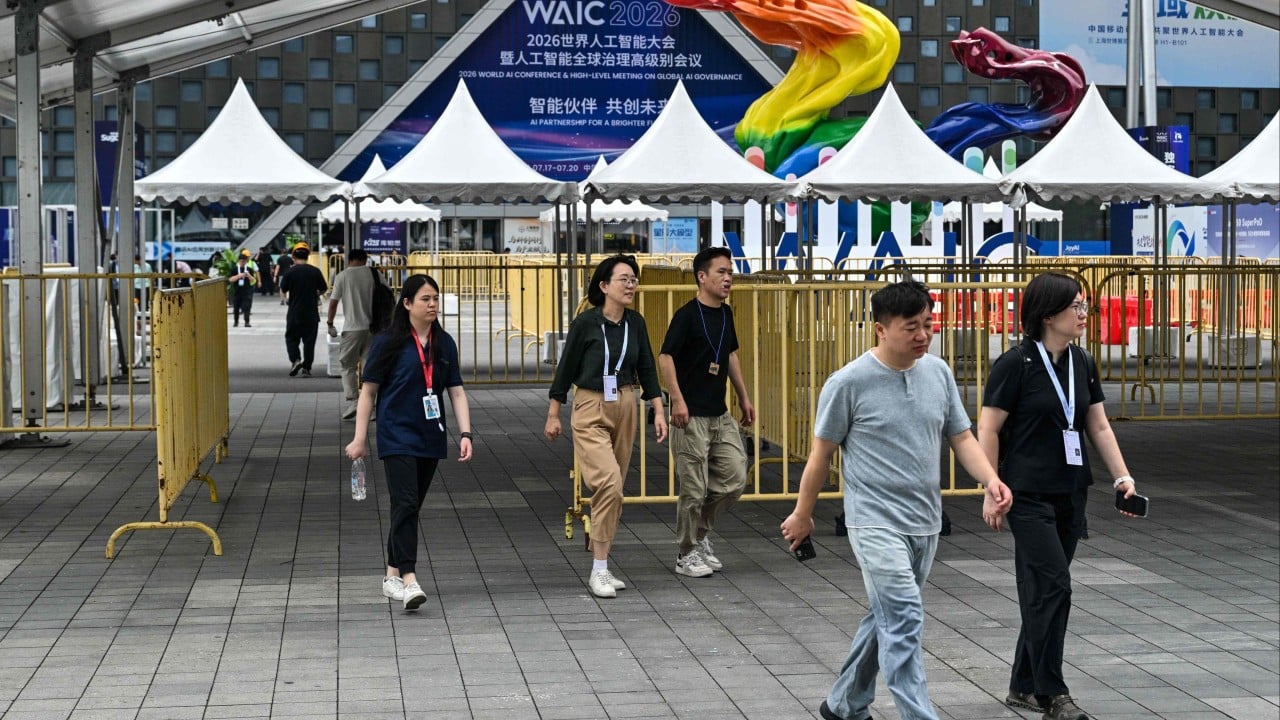
China's WAIC Highlights AI Advancements Amid US Rivalry and Global Collaboration Efforts
The World AI Conference (WAIC) in Shanghai is set to showcase China's ambition to compete in the AI sector, particularly in models, chips, and robotics. This event occurs against the backdrop of increasing technological rivalry with the US, which has imposed restrictions limiting China's access to advanced computing chips. China's government has prioritized technological self-reliance, accelerating the development of domestic alternatives in both hardware and software. Foreign ministry spokesman Lin Jian emphasized that China opposes ideological divisions and technological blockades, aiming to use WAIC to foster exchanges and consensus while promoting AI benefits to developing countries. This year's WAIC will serve as a critical indicator of China's progress in transforming AI model advancements into a comprehensive industrial ecosystem. Observers should pay attention to how China plans to influence global AI governance, safety standards, and international collaboration as AI technology increasingly integrates into the physical world.
SpaceX Proposes 1 Million AI Satellites to Address Ground Data Center Constraints
On January 30, 2026, SpaceX filed with the FCC to launch up to 1 million AI compute satellites, positioning orbital data centers as a solution to the increasing demand for AI computing power. Ground data centers are facing significant challenges, with energy consumption projected to reach approximately 1,050 TWh in 2026, making them the fifth-largest electricity consumer globally. The demand for new data center capacity is outpacing the growth of power generation infrastructure, leading to a critical bottleneck in the grid system. The significance of this initiative lies in the structural constraints faced by ground data centers, including power delivery limitations, high water consumption, and local opposition to new projects. The Uptime Institute's 2026 outlook identifies power as the primary constraint on data center growth, with capacity clearing prices in the PJM grid skyrocketing to $329.17/MW, driven by data center expansion. Additionally, cooling requirements are becoming increasingly unsustainable, with facilities consuming vast amounts of water, further complicating their operational viability. Looking ahead, SpaceX's orbital AI compute initiative aims to circumvent these challenges by leveraging the advantages of space, such as continuous solar power and minimal local opposition. The first AI prototypes are expected to launch in early 2027, with operational deployments planned for 2028. No further timeline was disclosed at the time of publication.
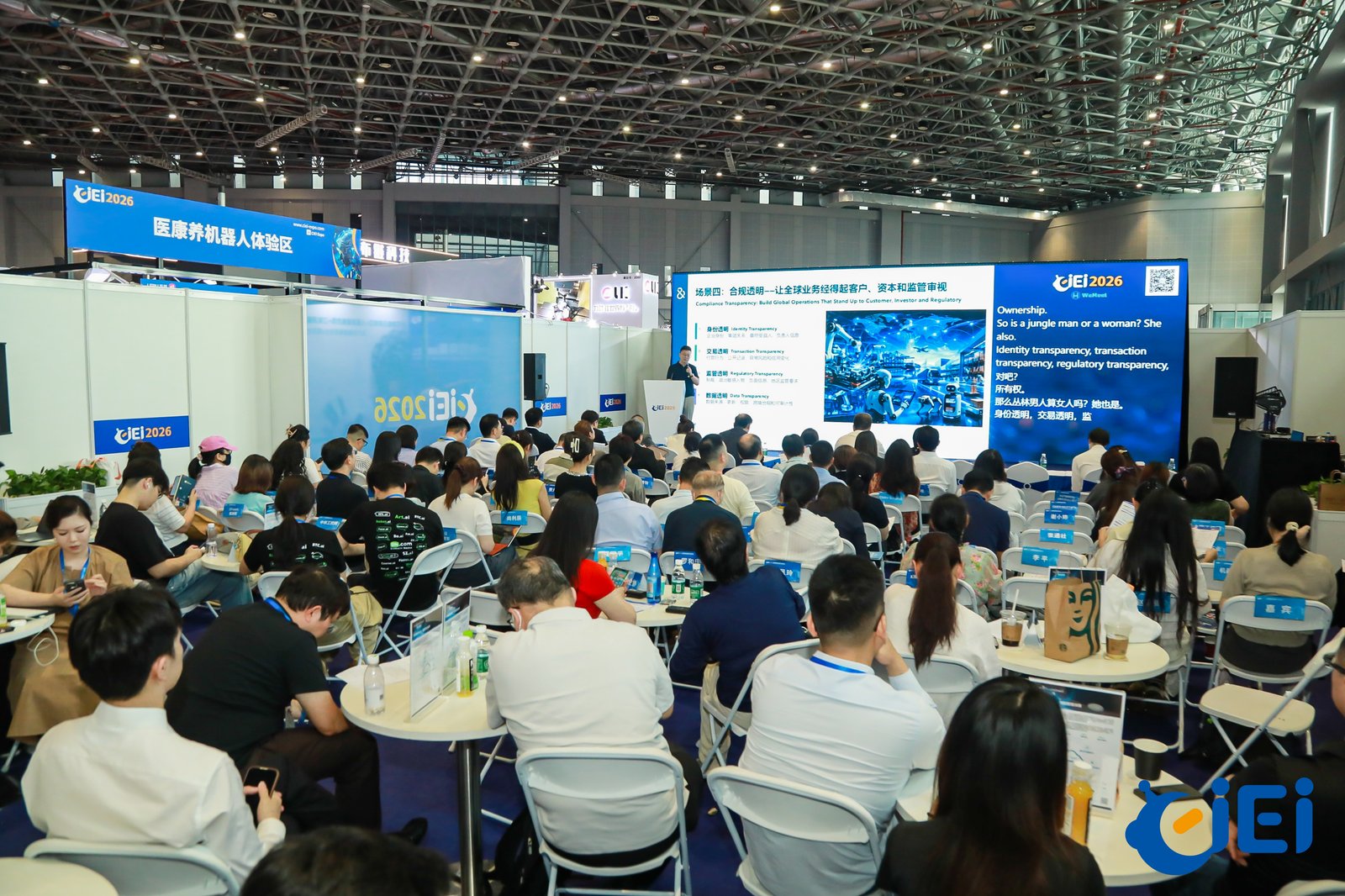
Successful Global Embodied Intelligence Industry Collaboration Conference Held in Shanghai
On July 3, 2026, nearly 200 representatives from around the world convened in Shanghai for the Global Embodied Intelligence Industry Collaboration Conference. The event aimed to strengthen international cooperation and align global demand with China's supply in the rapidly evolving embodied intelligence sector. Attendees explored various policies, financial support mechanisms, and trade opportunities designed to promote high-quality export growth. The conference highlighted the importance of collaboration in addressing the growing needs of the industry and fostering innovation on a global scale.
Embodied Intelligence International Trade Industry Collaboration Global Supply Chain Technology Innovation
As AI Reshapes Global Energy Systems, Melbourne Leads Through Engineering Collaboration
As artificial intelligence (AI) rapidly expands, it is driving a significant increase in global electricity demand, presenting urgent challenges for energy systems. Melbourne, Australia, is positioning itself as a leader in addressing these issues, with a focus on the infrastructure necessary to support AI's growth. By 2035, data centers in Australia are expected to consume up to 11 percent of the nation's electricity, raising concerns about generation and system reliability. The University of Melbourne is at the forefront of this initiative, with interdisciplinary research aimed at developing energy systems that can meet the demands of AI. The Melbourne Energy Institute is exploring how various energy technologies interact, while facilities like the Smart Grid Lab allow for real-time simulations of power systems. This integrated approach is essential for designing resilient and efficient energy systems that can adapt to new patterns of demand. Victoria's advanced energy ecosystem, which includes renewable generation and battery storage, is crucial for balancing digital growth with sustainability. The collaboration between researchers, industry, and policymakers is vital for creating future energy systems that are affordable and resilient. Looking ahead, Melbourne will host the IEEE PES Generation Transmission and Distribution Asia 2027 Conference, bringing together global experts to address the evolving challenges in power systems. This event underscores Melbourne's commitment to fostering international collaboration and innovation in energy solutions, reinforcing its role as a key player in the global energy transition.
Artificial-intelligence Australia Energy-systems University-of-melbourne Ai-data-centers Power-grid
TARA to Attend CIEI 2026 Global Embodied Intelligence Industry Collaboration Conference
The Thai Automation and Robotics Association (TARA) has announced its involvement in the upcoming CIEI 2026 conference, where it will highlight Thailand's 'Thailand 4.0' initiative and explore opportunities within Southeast Asia's embodied intelligence sector. Scheduled to take place in 2026, the conference aims to foster international collaboration while offering valuable insights into regional market needs and supportive policies for the automation and robotics industry. TARA's participation underscores its commitment to advancing technological innovation and enhancing Thailand's position in the global market.
Automation Robotics Embodied Intelligence Southeast Asia Industry Collaboration
From Collaborative Leader to Embodied Intelligence Pioneer: Yuejiang's 25-Year Journey to Become the Global Leader in Collaborative Robot Shipments!
In 2025, Yuejiang Technology achieved a remarkable 31.7% increase in revenue, solidifying its position as the leading global supplier of collaborative robots. The company successfully shipped over 100,000 units, reflecting its commitment to innovation in the field of embodied intelligence. By drawing on its extensive manufacturing expertise, Yuejiang Technology aims to address the practical needs of various industries, driving advancements in automation and robotics. This growth underscores the company's strategic focus on developing solutions that enhance productivity and efficiency in real-world applications.
Collaborative Robots Embodied Intelligence Industrial Automation Robotics Technology
AGIBOT Wins GLOMO Award at MWC 2026 and Announces New Global Collaborations
AGIBOT has been honored with the GLOMO Award for Best Private Network Solution at the Mobile World Congress (MWC) 2026, held in Barcelona. This accolade highlights the company's innovative EasyOn 5G-A-RobotNet solution, which aims to revolutionize the deployment of robotics technologies. In conjunction with this recognition, AGIBOT announced strategic global partnerships with major players such as China Mobile and Joybuy. These collaborations are designed to enhance the implementation and reach of AGIBOT's advanced robotics solutions, further solidifying its position in the industry.
Robotics Artificial Intelligence Telecommunications Technology Partnerships Mobile Networking![Asia’s Global Launchpad: BEYOND BGlobal Summit Connects Startups with Capital and Corporates [New Speakers and Topics Announced!]](/assets/images/default_feed_18.jpg)
Asia’s Global Launchpad: BEYOND BGlobal Summit Connects Startups with Capital and Corporates [New Speakers and Topics Announced!]
The BGlobal Summit will debut at the BEYOND Expo 2025 on May 22, marking a significant opportunity for startups and scale-ups aiming for international growth. This event is designed to serve as a launchpad for brands looking to establish a global presence from the outset. It will convene influential leaders, technology innovators, and cross-border facilitators to collaboratively explore the future of global commerce, innovation, and brand development. The summit aims to foster connections and provide insights that empower emerging businesses to navigate the complexities of international markets effectively.
Events BEYOND EXPO 2025 overseas expansionRobotics needs a service framework.
RSF defines a common language for robot service capability, lifecycle operations, certification pathways, and service-provider networks.
Join the RobotToday community on LinkedIn
Daily robotics news, in-depth analysis, conference highlights, and discussions with professionals worldwide.