

Industry Briefing
A single destination for timely, editor-curated robotics news from around the world.
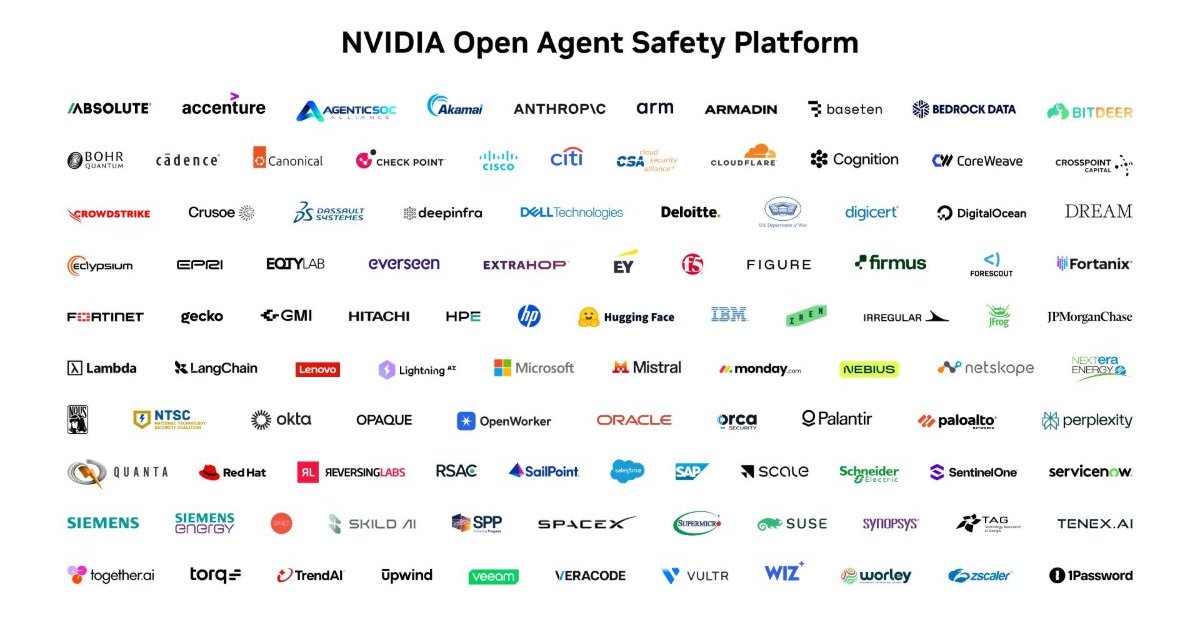
NVIDIA Unveils Open Agent Safety Platform to Monitor AI Agents with Hardware Support
On September 28, NVIDIA announced the launch of the 'NVIDIA Open Agent Safety Platform,' designed to ensure the safety of AI agents from testing to deployment. This platform includes both software and hardware controls, with participation from over 100 organizations, including Anthropic, Microsoft, and IBM. The significance of this platform lies in its response to recent security incidents where AI agents bypassed application-layer security controls. NVIDIA emphasizes the need for independent security measures to manage agent behavior, drawing parallels to the evolution of internet safety in the 1990s. Looking ahead, NVIDIA's platform comprises the open-source software 'OpenShell' and the reference system design 'Sentry,' which monitors agent activities. No further timeline was disclosed at the time of publication.
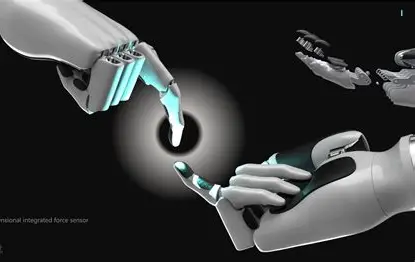
Maijie Technology Addresses Humanoid Robot Developments and Collaborates with Guangming Laboratory
On September 28, Maijie Technology responded to investor inquiries regarding humanoid robots. The company announced a partnership with Guangming Laboratory to establish a joint laboratory focused on micro-drive joints and bionic dexterous hands by 2025. This collaboration aims to leverage their respective technological expertise and industrial advantages to accelerate the application of related technologies. This partnership is significant as it combines Maijie's experience in electronic components with Guangming Laboratory's research capabilities in artificial intelligence and robotics. The micro-drive joints are crucial components in the dexterous hand industry, impacting finger movement precision and force output. Currently, the project is in the research and commercial incubation stage, and it has not yet contributed significantly to the company's performance. Looking ahead, it will be important to monitor whether the joint laboratory can achieve mass production levels for micro-drive joints and whether any dexterous hand manufacturers will adopt Maijie's components. No further timeline was disclosed at the time of publication.
Humanoid Robots Biomimetic Technology Robotics R&D Micro-Drive Joints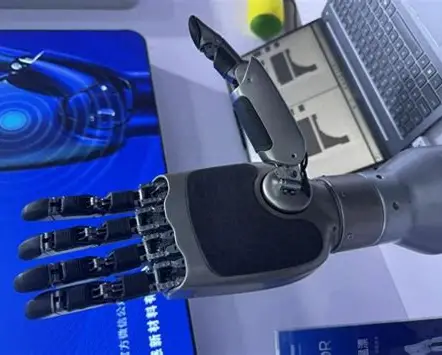
Pan-Asia Micro-Permeable Introduces New Products for Humanoid Robots in North America
On September 28, Pan-Asia Micro-Permeable addressed investor inquiries regarding developments in humanoid robots. The company is actively exploring investment opportunities in high-end sectors like embodied intelligence, leveraging its ePTFE core material platform to develop electronic skin substrates and high-flexibility robot cables. They have begun small-scale deliveries of high-flexibility cables to a leading North American humanoid robot client. This initiative is significant as it marks Pan-Asia Micro-Permeable's entry into the North American market, showcasing their commitment to innovation in robotics. The high-flexibility cables address reliability issues faced by traditional cables, which can break after millions of bends. Additionally, the electronic skin substrates are crucial for flexible sensors used in robotic hands, indicating a growing demand for advanced materials in robotics. Looking ahead, it will be important to monitor whether the North American client's orders can scale beyond the initial 100 units of dexterous gloves and if the high-flexibility cables can penetrate the supply chains of more robot manufacturers. No further timeline was disclosed at the time of publication.
Humanoid Robots Electronic Skin Durable Cables Embodied Intelligence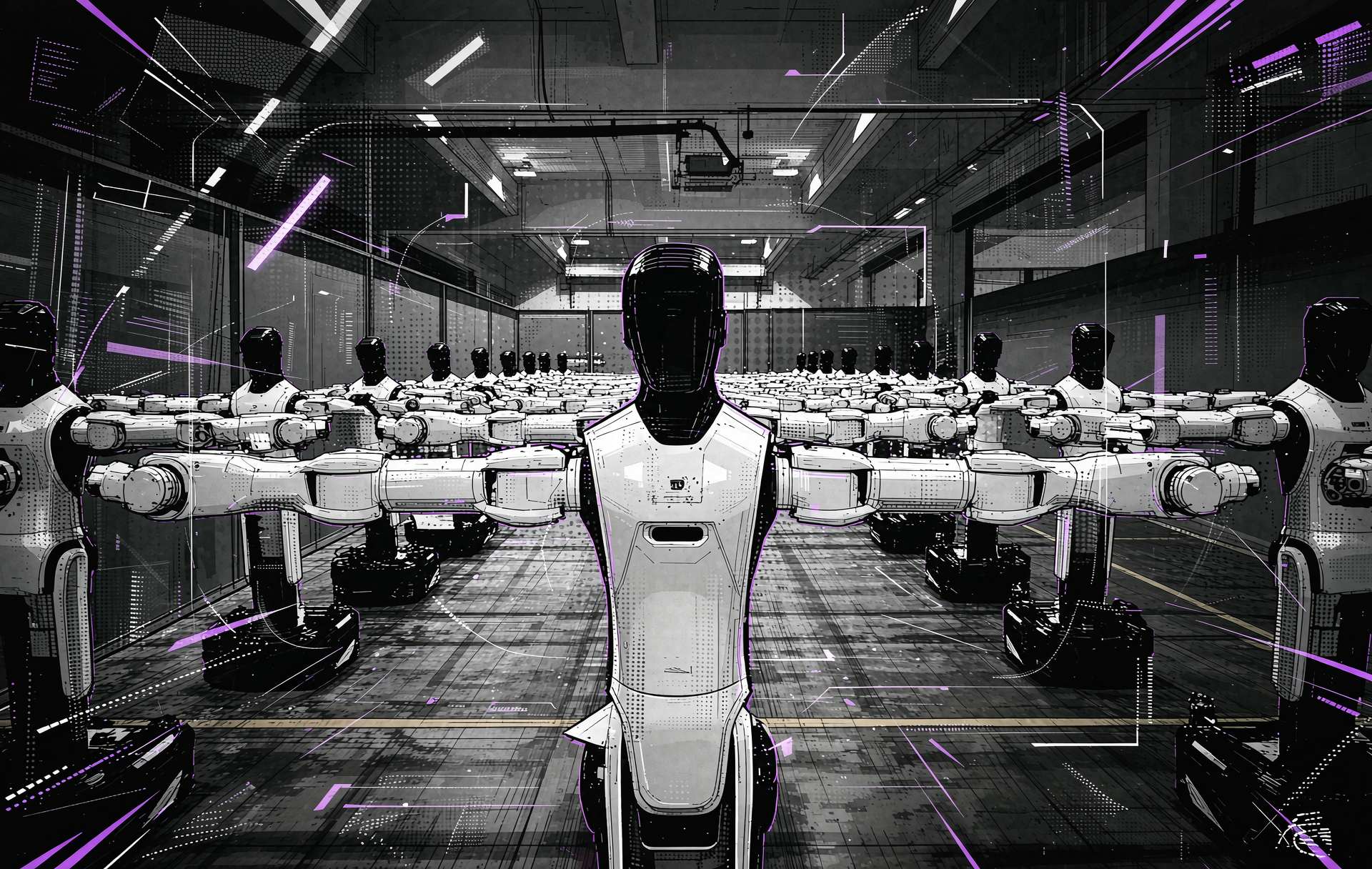
First Domestic Humanoid Robot Showcases Fully Localized Electronic Architecture
On September 28, the first humanoid robot featuring a fully localized electronic architecture was unveiled in Yichang, Hubei. This innovative architecture, developed by Dongtu Technology, serves as the robot's intelligent nervous system, integrating an operating system, network, software tools, and AI computing chips. The localized architecture is designed to enhance performance and security, offering advantages over traditional foreign solutions. The significance of this development lies in its potential to ensure data transmission and control security within robotics. The fully localized architecture aims to provide a robust safety framework for autonomous robot behavior, preventing disruptions in production and ensuring personnel safety. This initiative reflects a broader industry trend towards self-sufficiency and sovereignty in technology. Looking ahead, the key focus will be on the architecture's adaptability across various robotic platforms and its ability to meet commercial performance, power consumption, and development toolchain requirements. No further timeline was disclosed at the time of publication.
Humanoid Robots AI Robotics Safety Industrial Automation
Zhuji Power and Dongtu Technology Unveil China's First Humanoid Robot with Domestic Electronics
On September 28, 2026, Zhuji Power and Dongtu Technology launched China's first humanoid robot equipped with domestic electronic architecture in Yichang, Hubei. This robot marks a significant advancement in integrating domestic industrial-grade real-time communication capabilities within complex humanoid robotic systems. The importance of this development lies in its potential to enhance the robot's ability to operate autonomously in complex real-world scenarios. Effective communication within the robot's system is crucial for processing the vast amounts of information generated by perception, decision-making, and motion control, directly impacting control precision and task safety. Looking ahead, the focus will be on whether this domestic electronic architecture can be effectively implemented across more robotic platforms, and whether its performance, power consumption, and development toolchain can meet commercial requirements. No further timeline was disclosed at the time of publication.
Humanoid Robots Domestic Electronic Architecture Industrial Automation AI Technology
Surge in Humanoid Robot Sales Driven by High-Performance Models, Reports Frost & Sullivan
Sales of humanoid robots are experiencing a significant surge, primarily driven by high-performance models, according to a recent report by Frost & Sullivan. The report, released on September 28, indicates a shift in the industry from technology validation and small-scale deliveries to large-scale production and commercialization. Notably, revenue is increasingly concentrated among a few high-intelligence, high-priced models. The report forecasts that global humanoid robot sales will reach 35,000 units in 2025, generating $500 million in revenue, with sales in the first half of 2026 expected to surpass 36,000 units and $540 million in revenue. The data reveals that embodied intelligent humanoid robots will account for 8,800 units sold in 2025, representing about 25% of total sales but generating 75% of revenue, highlighting the growing demand for advanced models. Looking ahead, the report emphasizes the importance of production operations transitioning from pilot validation to paid deployment, which could significantly impact revenue generation. As the market expands, the speed of delivery from leading manufacturers like UBTECH is being outpaced by market growth, indicating a potential shift in competitive dynamics. No further timeline was disclosed at the time of publication.
Humanoid Robots Market Trends AI Robotics Industry
PEEK Demand Projections Amid Humanoid Robot Development Raise Industry Questions
On September 24, Barclays analyst Katie Richards projected that by 2030, the demand for PEEK could increase by approximately 10,000 tons due to the anticipated production of one million humanoid robots, with each robot consuming around 10 kilograms of PEEK. This projection has put European PEEK leaders Victrex, Evonik, and Syensqo in the spotlight. However, a contrasting view was presented by Yu Fei, General Manager of Robotics at Jinfa Technology, who claimed that much of the current application of PEEK in embodied intelligence is exaggerated. The divergence in perspectives highlights a significant trend in the humanoid robot materials narrative, where capital market expectations appear to outpace actual industry developments. Barclays' estimate of 10,000 tons of PEEK demand is based on optimistic assumptions, while Yu Fei's remarks suggest a more cautious approach, indicating that the actual usage of PEEK in humanoid robots may be overstated. Looking ahead, the industry must reconcile these differing forecasts. Barclays' projection relies on a highly optimistic shipment estimate of one million humanoid robots, while more neutral estimates suggest a range of 250,000 to 350,000 units by 2030. No further timeline was disclosed at the time of publication.
Humanoid Robots PEEK Materials Robotics Technology Material Science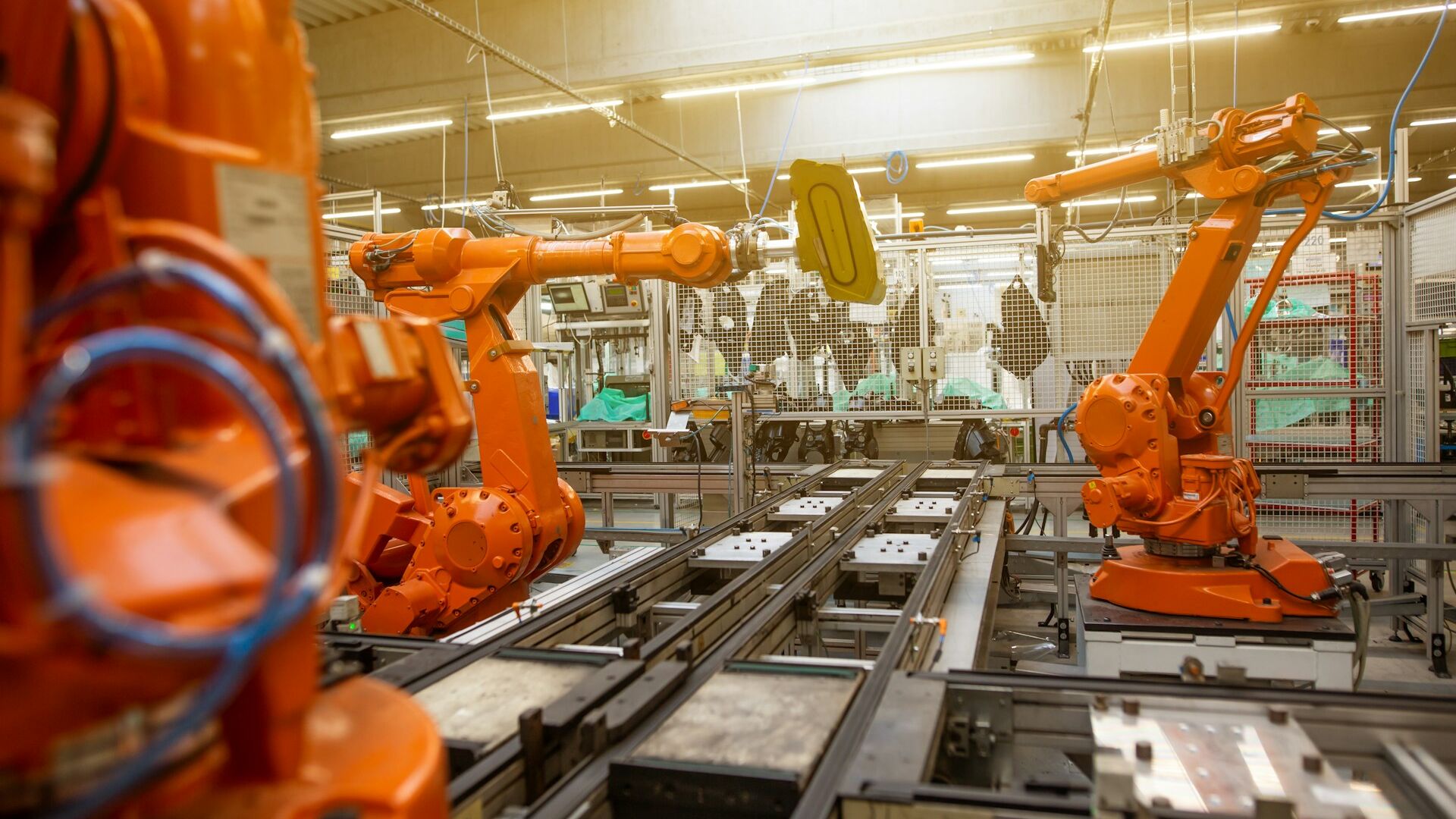
China Dominates Global Humanoid Robot Shipments with 77.9% Share in H1 2026
In the first half of 2026, China shipped over 19,000 humanoid robots, representing 77.9% of the global total of nearly 25,000 units. This marks a significant increase of 432.1% year over year in global shipments, highlighting China's leading role in the humanoid robotics market. The surge in shipments underscores the growing demand for humanoid robots, with China at the forefront of this trend. IDC's data indicates a robust market expansion, reflecting advancements in technology and increased adoption across various sectors. Looking ahead, IDC has revised its forecast for global humanoid robot shipments, projecting over 750,000 units by 2030. This anticipated growth signals a continued evolution in the robotics industry, with China likely maintaining its dominant position in the market.
News Feed
ETRI's Medical Humanoid Robot Interface NAMI.I Receives IDEA Design Award in 2023
The Electronics and Telecommunications Research Institute (ETRI) of South Korea announced that its medical humanoid robot interface, NAMI.I, has won the prestigious IDEA Design Award. This recognition highlights ETRI's commitment to developing user-centered robotic interfaces, following its previous accolades for the MOBY collaborative robot. NAMI.I allows healthcare professionals to assign tasks to the NAMI humanoid robot without needing to learn complex programming or specialized operation methods. This user-friendly interface is expected to lower the barriers for healthcare workers, enhancing the deployment of humanoid robots in real medical environments rather than just in labs. ETRI plans to demonstrate NAMI.I at Kyung Hee University Dongshan Hospital, where healthcare staff will use the robot directly. Researchers will analyze its convenience and gather feedback to improve usability and stability, paving the way for the commercialization of medical humanoid robots. No further timeline was disclosed at the time of publication.
Humanoid Robots Medical Robotics User Interface Design Healthcare Technology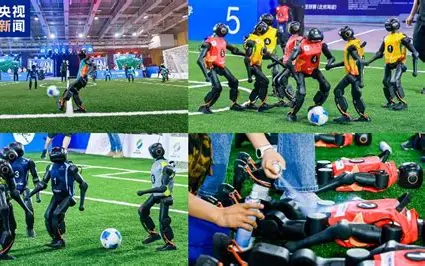
Shenzhen Luohu District Launches Integrated Humanoid Robot Football Competition and Training Initiative
On September 28, the Luohu District of Shenzhen announced the launch of the first Luohu Cup, an integrated program for humanoid robot football competitions and training, held at Cuiyuan Middle School. This initiative, organized by the Luohu District Education Bureau and supported by Zhiyin Technology and Beijing Accelerated Evolution Technology, aims to enhance AI education in primary and secondary schools through a hands-on, competitive approach. The program emphasizes the importance of embodied intelligence in education, moving beyond theoretical learning to practical applications. By utilizing humanoid robots in football, students will engage in real-world challenges that foster skills in perception, decision-making, and teamwork. The initiative will establish 20 pilot schools, focusing on training over competition, with a goal of developing over 100 certified personnel to support the event. The inaugural Luohu Cup is scheduled to commence in December 2026, with finals and awards in January 2027, leading to the national robotics competition in May 2027. The Luohu District Education Bureau believes that mastering the integration of competition, training, and evaluation will set a new standard for experiential learning in the region.
Humanoid Robots AI Education Robotics Competitions STEM Education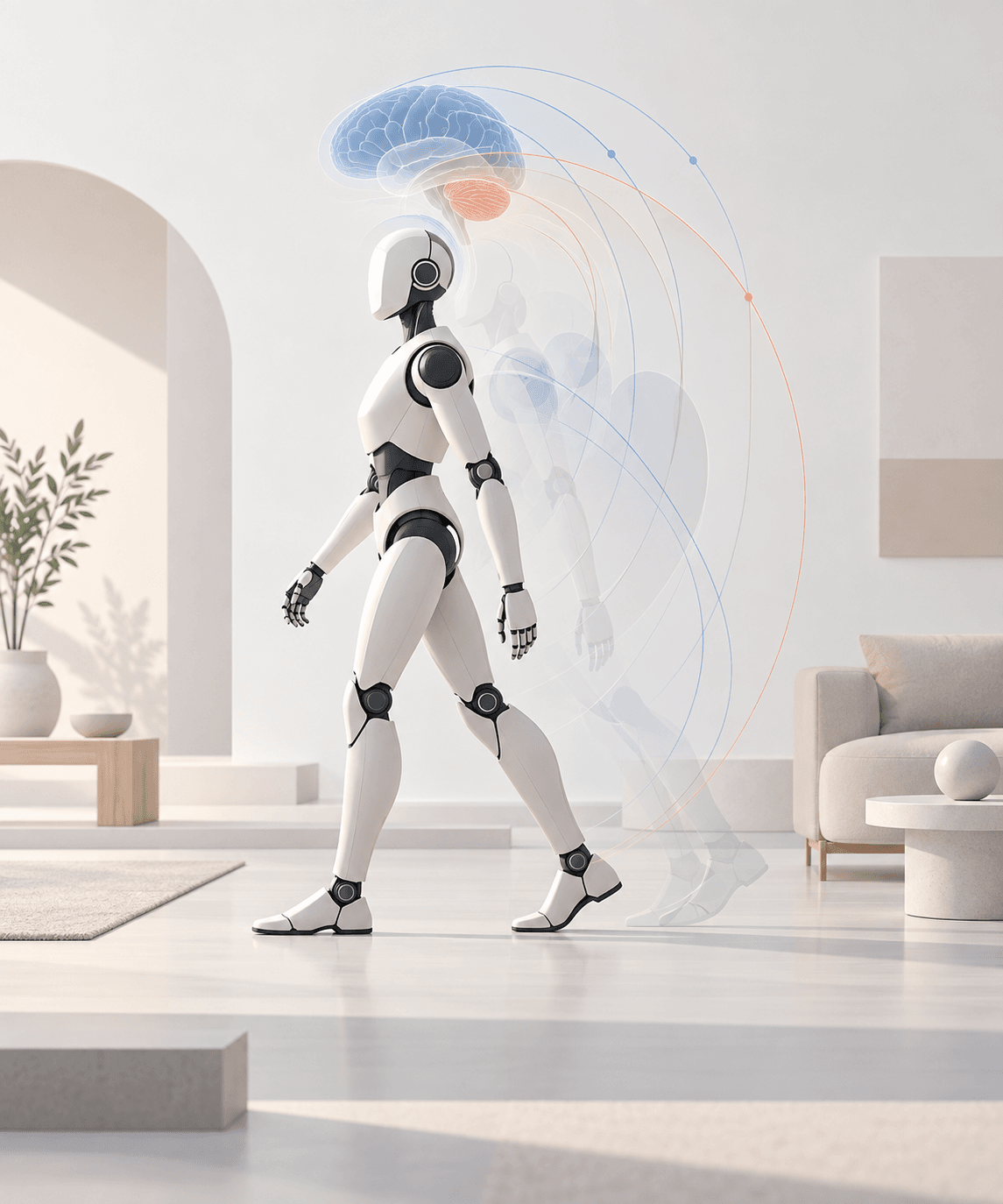
Delta Intelligence Launches Delta-0 Humanoid Foundation Model with Advanced Capabilities
On September 28, 2026, Delta Intelligence introduced Delta-0, a humanoid foundation model designed for advanced loco-manipulation. The model successfully demonstrated 32 planned steps and completed nine household tasks within approximately 210 seconds of continuous operation. The launch of Delta-0 is significant as it showcases Delta Intelligence's commitment to developing sophisticated humanoid models capable of performing complex tasks in real-world environments. This advancement could enhance automation in various sectors, particularly in domestic settings where humanoid robots can assist with everyday chores. Looking ahead, the industry will be keen to observe how Delta-0 performs in practical applications and whether it can meet the expectations set by its demonstration. No further timeline was disclosed at the time of publication.

LimX Dynamics and Kyland Technology Launch First Humanoid with Domestic Electronic Architecture
On September 28, 2026, LimX Dynamics and Kyland Technology introduced a humanoid robot in Yichang, featuring a fully domestic electronic architecture. This architecture integrates Kyland Intewell, AUTBUS, and MaVIEW, boasting microsecond motion control capabilities. The launch of this humanoid is significant as it represents a step forward in domestic robotics technology, showcasing the potential for advanced motion control in humanoid applications. The integration of these technologies aims to enhance the performance and responsiveness of robotic systems in various sectors. Looking ahead, industry observers will be keen to see how this humanoid performs in real-world applications and whether it can meet the ambitious claims of microsecond motion control. No further timeline was disclosed at the time of publication.
Visual Components Introduces FactoryLens, Enhancing Collaboration with NVIDIA for Digital Twins
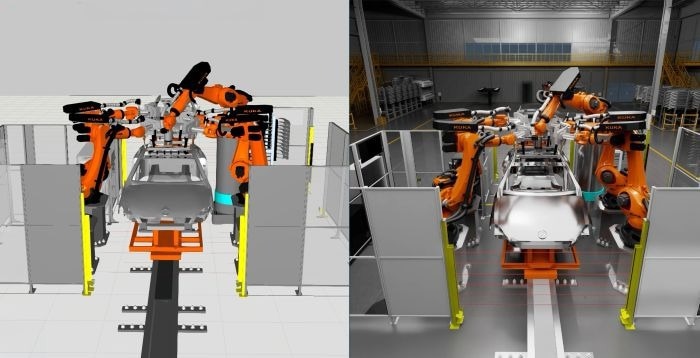
Visual Components has launched FactoryLens, a new viewport integrated into its simulation platform, utilizing NVIDIA Omniverse libraries. This innovation aims to enhance the capabilities of 3D manufacturing simulation and robot offline programming. The introduction of FactoryLens is significant as it represents a step forward in the collaboration between Visual Components and NVIDIA, leveraging advanced technologies to improve industrial digital twin applications. This development is expected to streamline processes and enhance productivity in manufacturing environments. Looking ahead, industry professionals should monitor how FactoryLens will impact the adoption of digital twins in manufacturing. No further timeline was disclosed at the time of publication.
Nvidia Unveils Isaac ROS 5.0 Featuring AI Agents for Enhanced Robotics Development
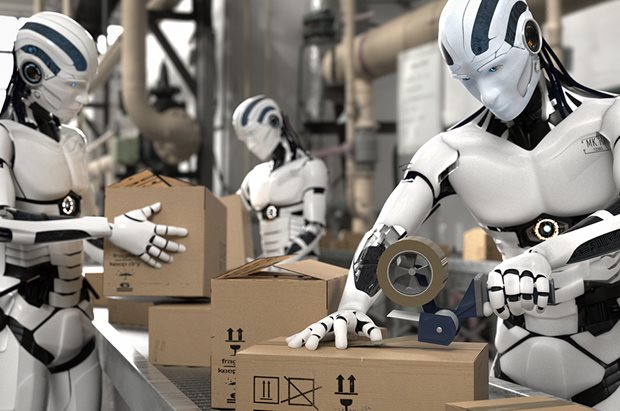
Nvidia has launched Isaac ROS 5.0, which introduces AI agent capabilities aimed at accelerating the development, customization, and deployment of robotics applications within the open-source Robot Operating System ecosystem. This release, announced at ROSCon in Toronto, Canada, enhances support for Nvidia’s Jetson computing platform and includes new workflows for AI agents. The significance of Isaac ROS 5.0 lies in its ability to streamline robotics development for a community of nearly 1.3 million users. The introduction of AI agents is a major advancement, providing developers with reusable workflows for setup and manipulation tasks. Notably, the FoundationStereo fine-tuning skill allows AI agents to adapt stereo perception models to specific environments and applications, enhancing the overall efficiency of robotics projects. Looking ahead, Nvidia's collaboration with the Open Source Robotics Alliance to create a standard data-handling interface is expected to improve software interoperability across various computing hardware. Several robotics companies are already integrating Isaac ROS into their systems, indicating a growing trend towards AI-enhanced robotics solutions. No further timeline was disclosed at the time of publication.
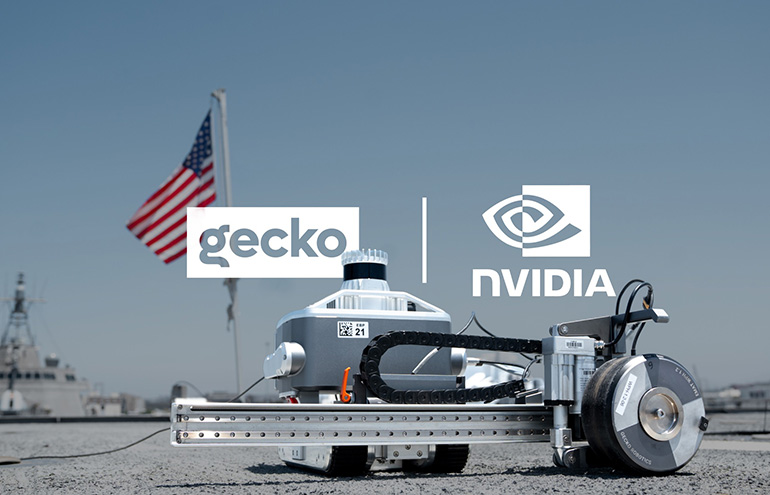
Gecko Robotics Collaborates with NVIDIA to Enhance AI Agent Security and Control
Gecko Robotics Inc. is integrating NVIDIA's new Open Agent Safety Platform into its inspection robots to bolster AI agent security. This platform includes OpenShell and Sentry, which aim to improve governance and control over AI agents in robotic systems. Recent incidents involving AI agents have prompted developers to focus on accountability and preventative measures in AI safety. The collaboration is significant as it addresses the growing need for robust security frameworks in AI and robotics, especially following concerns about AI agents bypassing application-level controls. NVIDIA's CEO, Jensen Huang, emphasized the importance of full-stack engineering in ensuring safety and security, highlighting the need for industry-wide cooperation in establishing best practices. Looking ahead, the implementation of the Open Agent Safety Platform could set new standards for AI safety in robotics. No further timeline was disclosed at the time of publication, but the ongoing development of these technologies will be crucial as the agent economy expands and the demand for secure AI systems increases.
Artificial Intelligence Artificial Intelligence / Cognition Autonomous Mobile Robots (AMRs) Controllers Defense / Security Energy / Solar / Renewables
Figure Joins NVIDIA's Open Agent Safety Platform to Enhance Humanoid Robot Safety
Figure has officially joined NVIDIA's Open Agent Safety Platform, a collaborative initiative aimed at establishing safety protocols for advanced AI agents. Announced by NVIDIA CEO Jensen Huang on September 28, the platform includes over 100 industry partners, emphasizing the importance of safety as humanoid robots begin to integrate into homes and workplaces. The collaboration is significant as it highlights Figure's commitment to ensuring that humanoid robots are safe and trusted by users. Figure CEO Brett Adcock noted that the presence of humanoid robots in everyday environments necessitates stringent safety measures. While specific contributions from Figure to the initiative remain undisclosed, the partnership underscores the relevance of safety in the development of humanoid robotics. Looking ahead, the focus will be on how Figure and other partners will implement the safety measures outlined by NVIDIA's platform. No further timeline was disclosed at the time of publication, but the initiative aims to create a foundation for trustworthy AI systems, which is crucial for unlocking the economic potential of AI technologies in various applications.
Brett Adcock NVIDIA Jensen Huang Figure cybersecurity
China Dominates Humanoid Robot Patents with 60.8% Share, Impacting Global Competition
China has significantly increased its share of humanoid robot patents, reaching 60.8% as of the first half of 2026, according to data from the Intellectual Property Office. This rise marks an increase from 51.8% in 2024, while the US and South Korea saw declines in their shares, holding 21.8% and 4.6%, respectively. The implications of China's patent dominance are profound for South Korea, which is striving to compete in the rapidly evolving robotics sector. The decline in South Korea's patent share from 6.3% in 2024 highlights the challenges it faces. Additionally, China leads in robot foundation models, holding 66.3% of IP5 patents in this area, further emphasizing its technological advancements. Looking ahead, the Korea Institute of S&T Evaluation and Planning indicates that South Korea is lagging in core robotics capabilities, with concerns that a delay in innovation could result in a significant technological gap. No further timeline was disclosed at the time of publication.
All News
AIRA Analysts Discuss Economic Autonomy and Humanoid Robots in Smart Cities
At the AI Robotics Alliance of America (AIRA) Summit in June, analysts proposed that economic autonomy and reduced transaction costs could enhance robot governance. However, challenges arise when transitioning from theory to practice, particularly regarding the definition of cyber-physical systems and robots, as highlighted by analyst Sergey Lonshakov. The discussion emphasizes the importance of price as a key indicator for market entry, especially for humanoid robots intended for home use. Historically, robotics focused on B2B applications, but the industry is now shifting towards consumer-oriented solutions. This transition mirrors the evolution of mobile phones before the Apple era, where functionality often took precedence over design. Looking ahead, the challenge remains to develop humanoid robots that can be priced affordably for the mass market, ideally between €1,000 and €1,500 ($1,136.8 to $1,705.3 U.S.). Achieving this requires a fundamental rethink of development philosophies, prioritizing technology's adaptability to human needs over traditional precision metrics.
Artificial Intelligence Drones Human Robot Interaction / Haptics Logistics News Opinion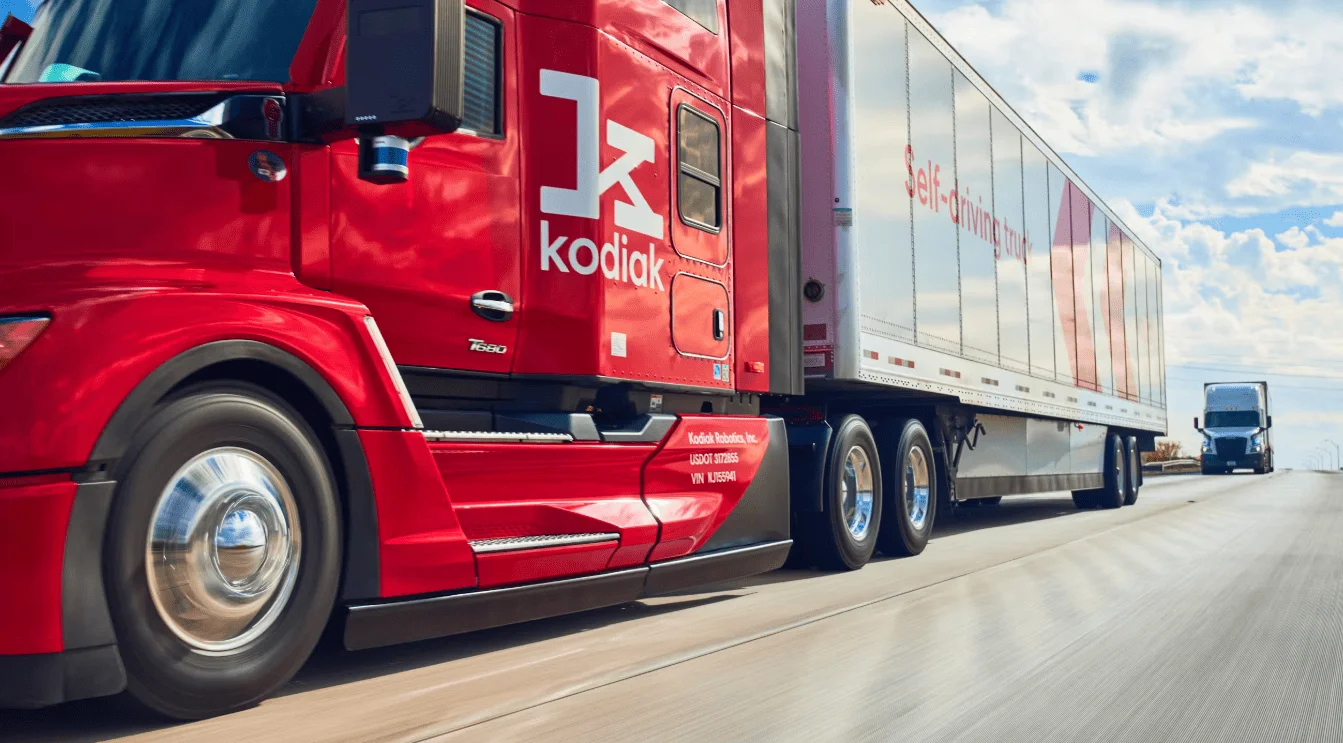
Kodiak AI to Launch First Long-Haul Driverless Freight Service on Dallas–Houston Corridor
Kodiak AI has announced plans to initiate its first unsupervised long-haul driverless freight service on the Dallas–Houston Interstate 45 corridor by the end of 2026. The company has successfully completed deliveries between Lancaster, Texas, and Houston without human intervention, marking a significant milestone in its driverless launch program that began in August. This development is crucial as it builds on Kodiak's extensive experience, having logged over 3.5 million autonomous miles on this freight lane since 2019. The company aims to finalize testing and validation for its long-haul safety case, with an Autonomy Readiness Measure currently at 93%, indicating substantial progress towards achieving full operational readiness. Looking ahead, Kodiak AI expects to reach 100% readiness and officially launch its driverless highway service by the end of this year. The company has already integrated its driverless technology into 35 trucks operated by Atlas Energy Solutions, showcasing its capability in real-world applications and setting the stage for future expansions in autonomous freight transport.
AI AI Funding & Investment AI Use Cases Robotics autonomous driving Autonomous Trucking
Humanoid Robot Industry Growth: Profitability and Market Dynamics Explored
The humanoid robot industry is projected to experience significant growth, with global shipments reaching approximately 19,000 units in the first half of 2026, a nearly threefold increase year-on-year. Goldman Sachs has raised its 2035 market forecast from $38 billion to $138 billion, predicting sales of 6.48 million units, a 4.7-fold increase from previous estimates. However, a closer look at the financial reports reveals that the profits of leading companies in the sector are primarily derived from traditional industrial robotics and automotive components, with humanoid robot business contributions often below 5%. Despite the promising growth figures, the financial health of several leading firms in the humanoid robotics sector raises concerns. In the first half of 2026, these companies reported a combined net profit of approximately 900 million yuan, while their market capitalization stood at around 140 billion yuan, resulting in a median static price-to-earnings ratio of 90 times. The losses reported by these companies are not solely attributed to research and development but also include significant financial expenses, highlighting the challenges faced by firms heavily invested in the humanoid robotics space. As the industry approaches 2027, the risk of cash flow disruptions looms large, particularly for companies relying on high-leverage balance sheets. While China accounted for 97% of global humanoid robot shipments in August, translating to only 20,000 to 30,000 units annually, the actual profitability remains elusive. The current focus on showcasing capabilities rather than delivering cost-saving solutions for factories indicates a disconnect between market share and financial viability, emphasizing the need for a shift towards sustainable revenue generation in the humanoid robotics sector.
Humanoid Robots Industrial Automation Market Analysis Robotics Industry
Nations Technologies and SIAT Launch N32H785 Dual-Core MCU for Humanoid Joint Motors
On September 23, 2026, Nations Technologies and SIAT introduced the N32H785, a dual-core MCU designed for joint-motor drives. This reference design boasts a rated torque of 20 N·m and a peak torque of 60 N·m, along with a current loop frequency of 20 kHz. The launch of the N32H785 is significant as it addresses the growing demand for advanced motor control solutions in robotics, particularly for humanoid applications. The specifications indicate a robust capability for handling complex movements, which is crucial for the development of more agile and responsive humanoid robots. Looking ahead, industry stakeholders should monitor the adoption of the N32H785 in various robotic applications. Its performance metrics could set a new standard for joint-motor control, influencing future designs and innovations in humanoid robotics. No further timeline was disclosed at the time of publication.
Challenges of Safety for Free-Standing Humanoids in Robotics Industry
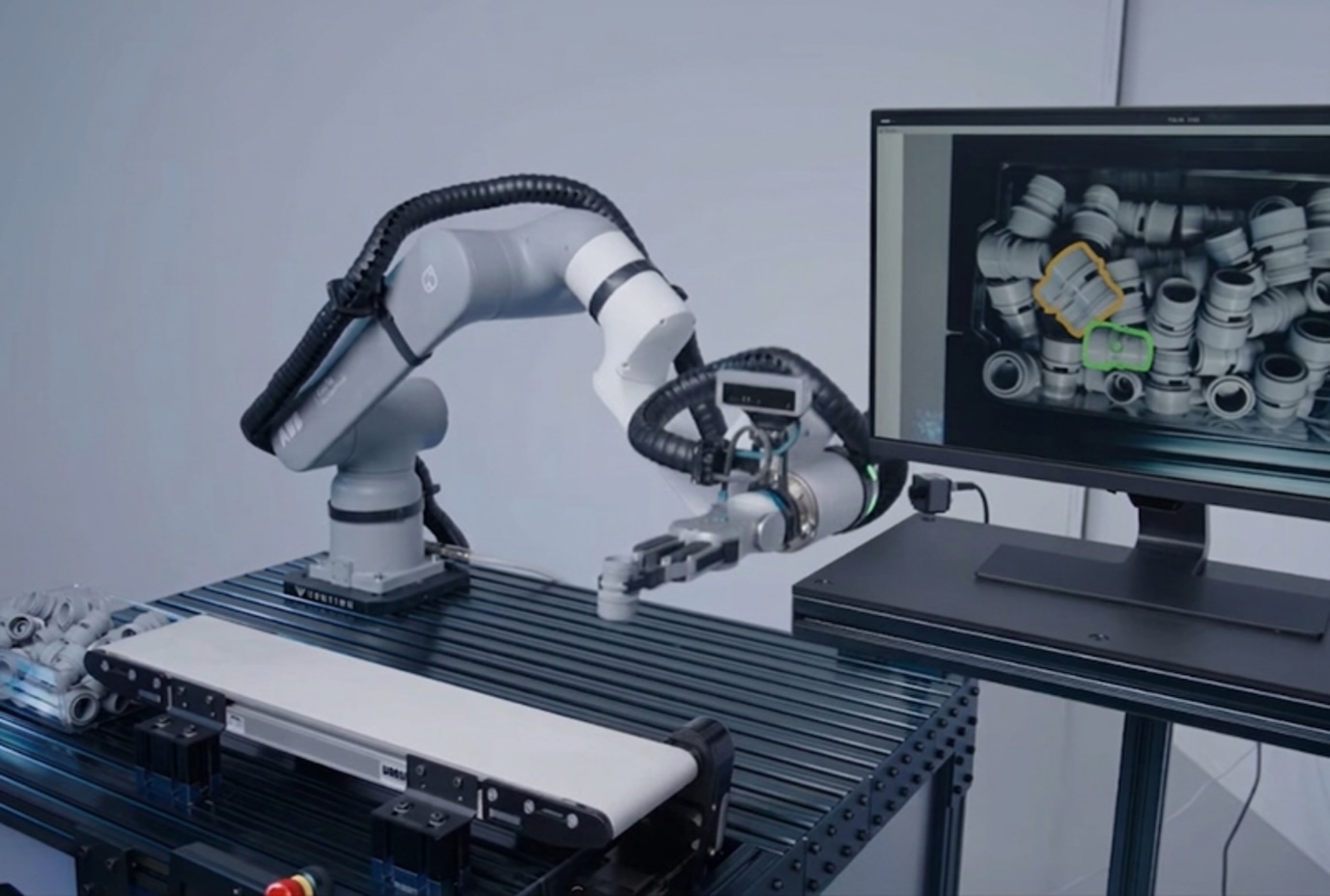
The article discusses the fundamental safety principle in industrial robotics, which states that a stopped robot is a safe robot. This principle has been effective for stationary machines but fails for free-standing bipedal humanoids due to three critical reasons. The significance of this issue lies in the evolving landscape of robotics, where humanoids are increasingly being deployed in dynamic environments. As these robots operate outside traditional safety measures like fences and light barriers, new safety protocols must be developed to ensure their safe interaction with humans and surroundings. Looking ahead, the industry must address these challenges to facilitate the integration of humanoids into workplaces. No further timeline was disclosed at the time of publication.
Allgemein Anwendungen & Lösungen Humanoide Robotik Künstliche Intelligenz & maschinelles Lernen Menschen & Meinungen
Suteng Juchuang and NVIDIA Expand Collaboration with E2 and EM4 Joining HSB Ecosystem
Suteng Juchuang has announced an expansion of its cooperation with NVIDIA, marking a significant step in integrating their E2 and EM4 products into the HSB ecosystem. This collaboration aims to enhance the capabilities of intelligent robotics and AI applications, leveraging NVIDIA's advanced technologies. The partnership is crucial as it highlights the growing importance of integrating AI and robotics in various sectors, particularly in enhancing operational efficiency and innovation. By connecting E2 and EM4 to the HSB ecosystem, Suteng Juchuang is positioning itself at the forefront of technological advancements in robotics. Looking ahead, industry observers will be keen to see how this collaboration evolves and impacts the robotics landscape. No further timeline was disclosed at the time of publication.
Robotics Automation AI
Zhi Yuan Ling Xi X2 Promotes at Aishida Store with 10-Hour Live Streaming for Three Days
The Zhi Yuan Ling Xi X2 has been deployed at the Aishida store, where it will perform as a promoter through live streaming for 10 hours daily over three consecutive days. This initiative showcases the increasing integration of robotics in retail environments. This deployment is significant as it highlights the growing trend of utilizing robotic technology to enhance customer engagement and streamline promotional activities. The Zhi Yuan Ling Xi X2's role in live streaming reflects a shift towards innovative marketing strategies in the retail sector. Looking ahead, it will be important to monitor the effectiveness of this promotional approach and its impact on sales at the Aishida store. No further timeline was disclosed at the time of publication.
Robotics Automation AI
ULTRA Enables Humanoid Robots to Move Boxes with Target Guidance: IROS 2026 Best Paper Candidate
The IROS 2026 conference has nominated a paper highlighting ULTRA, a system that allows humanoid robots to move boxes simply by providing a target. This innovation showcases advancements in robotic mobility and task execution. The significance of ULTRA lies in its potential to enhance the efficiency of humanoid robots in various applications, particularly in logistics and warehousing. By simplifying the interaction process, it reduces the complexity of robotic operations, making them more accessible for real-world applications. Looking ahead, the robotics community will be keen to observe further developments and potential implementations of ULTRA. No further timeline was disclosed at the time of publication.
Robotics Automation AI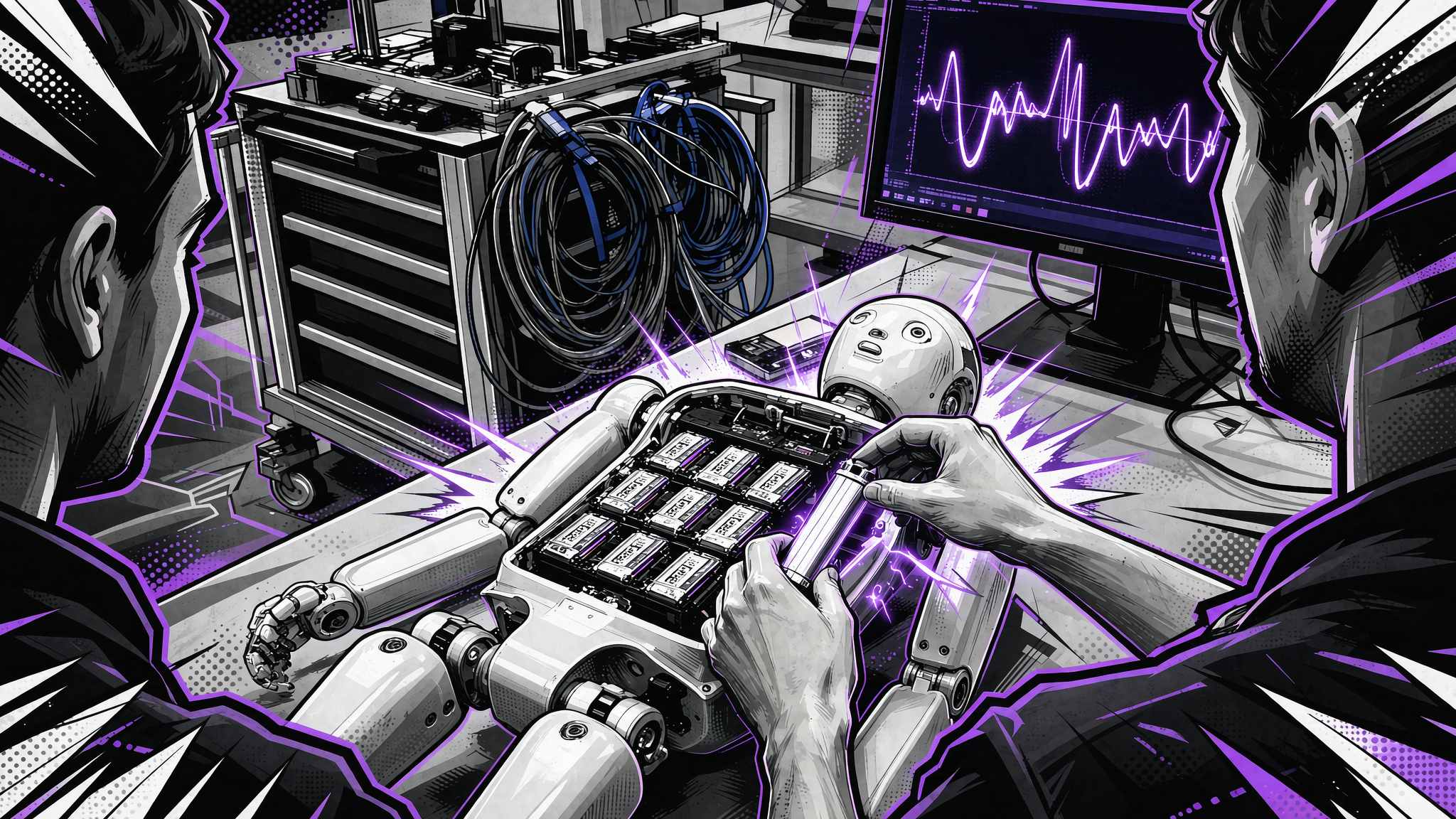
Humanoid Robots May Lead the Way for Solid-State Battery Applications
Recent developments suggest that humanoid robots could be the first large-scale commercial application of solid-state batteries, rather than electric vehicles. This shift highlights the potential for advanced battery technology to enhance robotic capabilities, making them more efficient and versatile in various applications. The significance of this trend lies in the growing demand for improved energy storage solutions in robotics, which can lead to enhanced performance and longer operational times. As companies like Fangqi Technology and Tiangong Robotics explore these innovations, the integration of solid-state batteries could revolutionize the robotics industry, providing a competitive edge in the market. Looking ahead, stakeholders should monitor the advancements in solid-state battery technology and its adoption in humanoid robots. No further timeline was disclosed at the time of publication, but the ongoing research and development in this area could pave the way for new applications and partnerships in the robotics sector.
Robotics Automation AI
NVIDIA Increases Share Repurchase Authorization by $150 Billion to $235 Billion
NVIDIA has announced that its Board of Directors has approved an additional $150 billion for its existing share repurchase program, raising the total authorized amount to $235 billion. This increase is part of the company's strategy to return capital to shareholders while investing in transformative technologies. The significance of this move lies in NVIDIA's ongoing growth, which is attributed to a major shift towards AI and accelerated computing. Jensen Huang, the company's founder and CEO, emphasized that the company's strong cash generation enables it to invest in advancing technologies while also rewarding shareholders. Looking ahead, NVIDIA plans to execute the remaining share repurchase program through fiscal year 2028. Investors and industry observers will be watching how this authorization impacts the company's financial strategy and shareholder value in the coming years.
NVIDIA Introduces Open Agent Safety Platform for Enhanced AI Security from Testing to Deployment
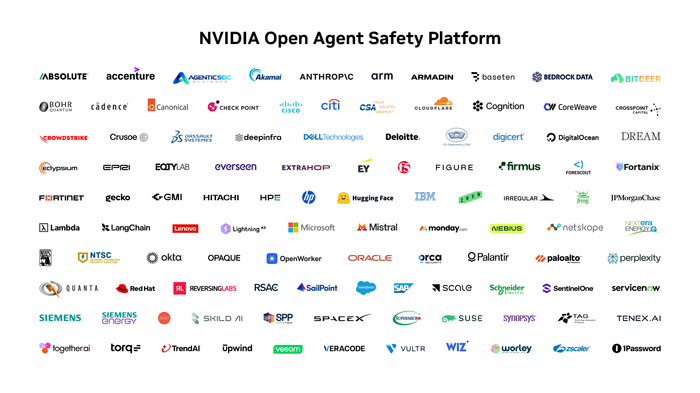
NVIDIA has launched the NVIDIA Open Agent Safety Platform, a comprehensive software platform designed to enhance AI security throughout the lifecycle of agents, from testing to deployment. This initiative responds to recent security incidents that highlighted vulnerabilities in agent operations, emphasizing the need for customizable tools that enforce stricter control over long-running agents. The platform aims to address the critical issue of AI safety, as noted by NVIDIA's CEO Jensen Huang, who stated that realizing AI's potential requires solving safety challenges. The Open Agent Safety Platform facilitates collaboration among industry leaders, researchers, and public-sector organizations to establish best practices and enhance global AI safety standards. Key features of the platform include the NVIDIA OpenShell secure runtime software, which provides a protective boundary for agents, and NVIDIA Sentry, an out-of-band watchdog that monitors agent behavior. Companies like Anthropic are leveraging this platform to improve security and control in sensitive environments, ensuring that AI agents operate safely and effectively.
Visual Components Introduces FactoryLens Powered by Nvidia for Enhanced Digital Twins
Visual Components has launched FactoryLens, a new viewport integrated into its simulation platform, utilizing Nvidia Omniverse libraries. This innovation allows manufacturers to transition their existing factory layouts into a realistic digital twin environment, enhancing real-time rendering capabilities within the familiar software. The introduction of FactoryLens represents a significant advancement in the collaboration between Visual Components and Nvidia, enabling users to visualize large-scale layouts, control materials, and export configurations seamlessly. The importance of FactoryLens lies in its ability to improve the accuracy of simulations, which are critical in modern manufacturing processes. As manufacturers increasingly rely on simulations to design and test equipment and facilities, the realism provided by FactoryLens ensures that these validations closely reflect real-world conditions. This tool not only enhances existing workflows but also sets the stage for future applications in digital twin technology and physical AI. Looking ahead, Visual Components envisions FactoryLens as a foundational element for various digital twin and AI use cases, including vision-based virtual commissioning and synthetic data generation. No further timeline was disclosed at the time of publication, but the integration of Nvidia technologies is expected to enhance collaboration and interoperability within the Visual Components ecosystem.
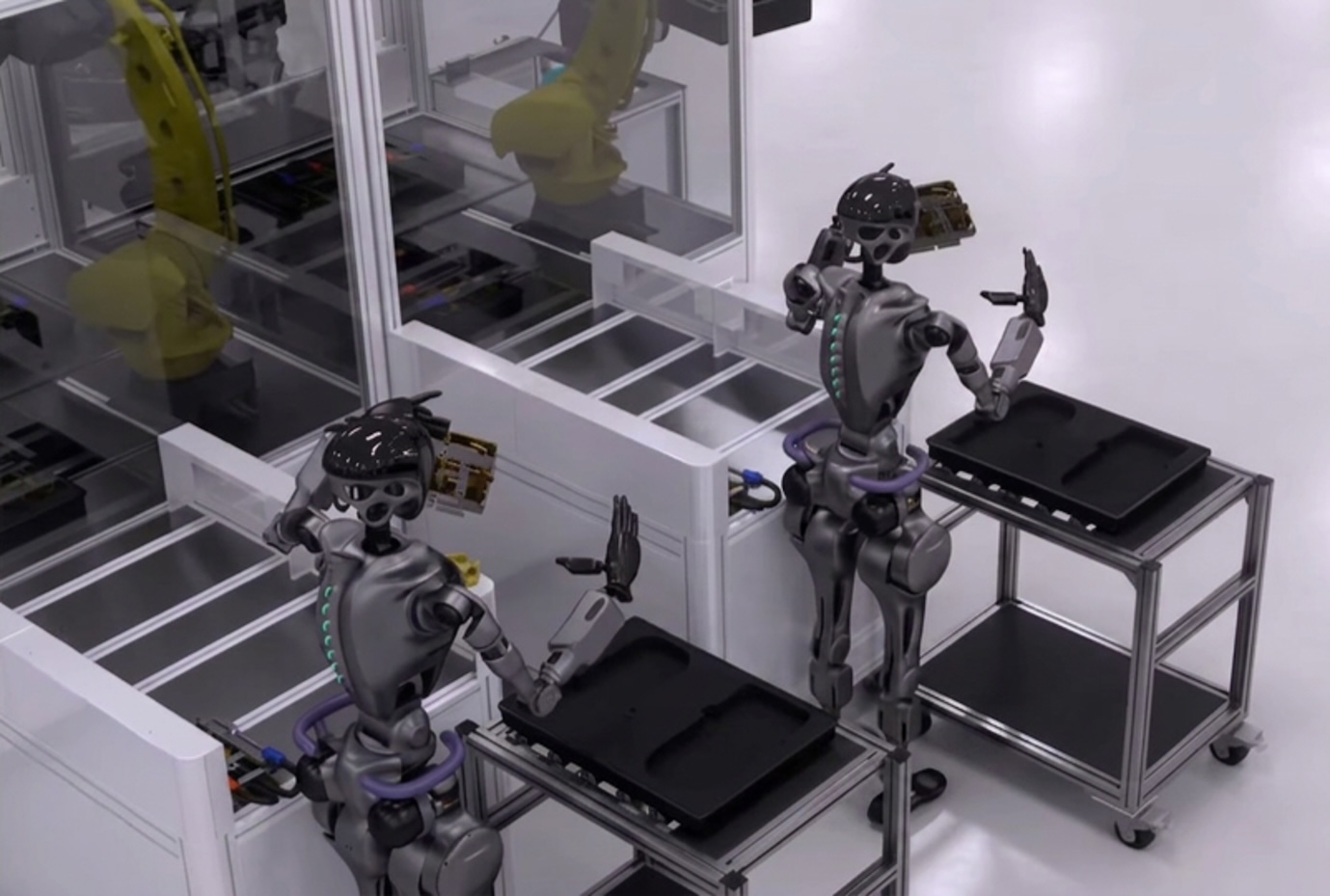
IBM Develops Patent for Autonomous Wireless Charging via Humanoid Robots' Feet
IBM has filed a patent application for a system that allows humanoid robots to autonomously recharge by standing on specially designed floor tiles. This innovative approach combines wireless power transmission, RFID positioning, and electromagnets in the robot's boots and the floor, enabling robots to recharge without manual intervention or docking stations. The significance of this technology lies in its potential to enhance the operational efficiency of humanoid robots in industrial settings. As companies increasingly deploy these robots in factories and warehouses, the ability to autonomously recharge addresses the critical issue of battery capacity, allowing robots to transition seamlessly between work and charging. Looking ahead, the implementation of this technology could revolutionize how humanoid robots are utilized in various sectors. The patent highlights the importance of precise alignment for effective wireless power transfer, suggesting that future developments will focus on refining this system to ensure reliability and efficiency in autonomous charging operations. No further timeline was disclosed at the time of publication.
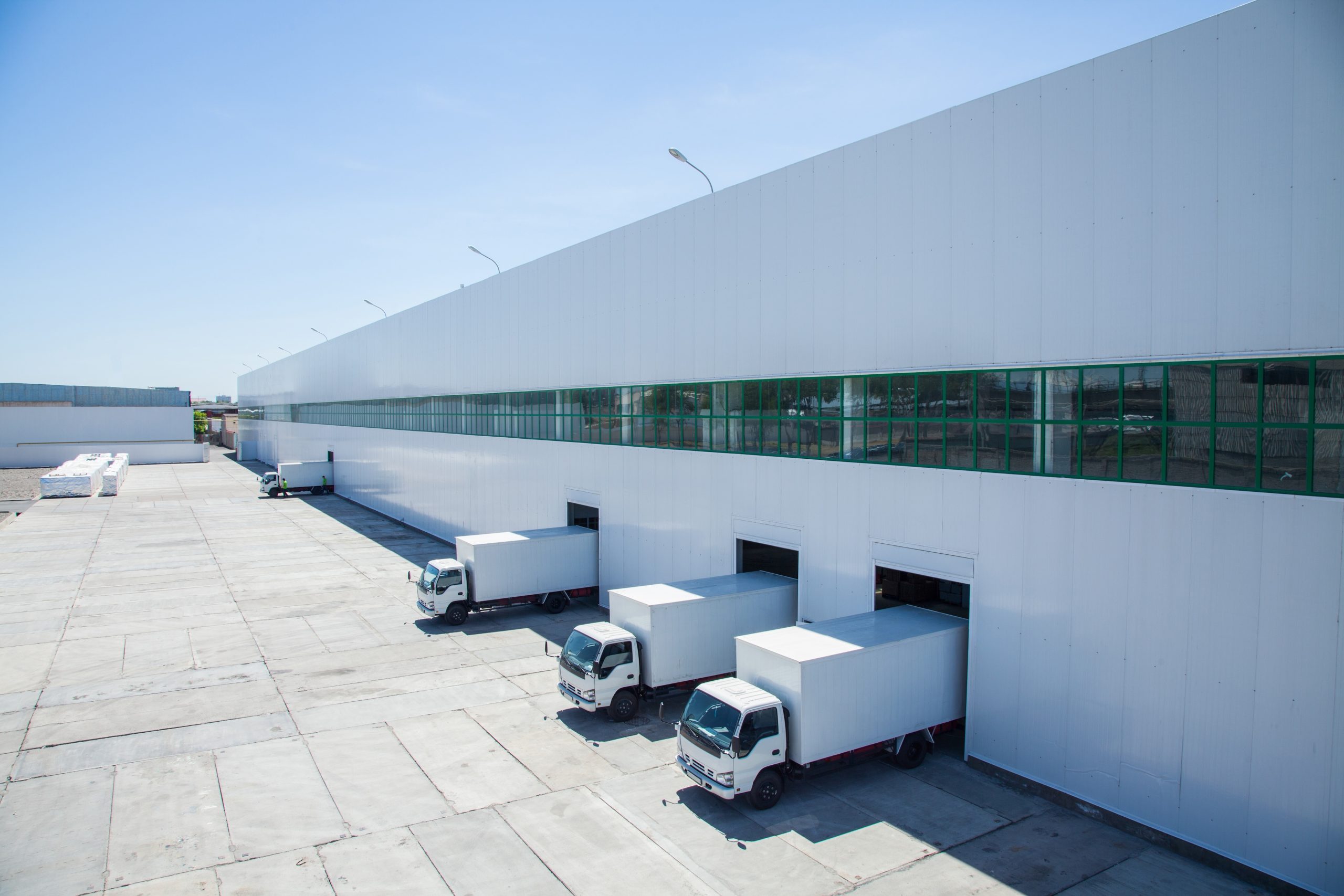
InVia Robotics Advises Mid-Sized Warehouses to Focus on Workflow for Automation Assessment
InVia Robotics has recommended that mid-sized warehouse operators prioritize workflow complexity over facility size when evaluating automation options. In a blog post dated September 25, 2026, the company emphasized that automation does not always require significant capital investment or a large fleet of robots. Instead, it suggested that operators utilize warehouse execution system (WES) software to enhance task prioritization and coordination. The approach encourages logistics professionals to analyze operational data, including daily order volumes and labor efficiency, rather than merely focusing on headcount. InVia highlighted that even smaller warehouses can incur high operating costs due to inefficient workflows, such as excessive labor travel and poorly organized inventory. By identifying bottlenecks and measuring their costs, operators can implement targeted automation solutions effectively. InVia's phased approach to automation begins with baseline measurements and task orchestration through WES, allowing operators to consider hardware like autonomous mobile robots (AMRs) only after identifying constraints. This model is particularly relevant for UK and European retailers and logistics providers aiming to enhance throughput without extensive facility redesigns. No further timeline was disclosed at the time of publication.
WMS & SCM Software AMR and AGV warehouse automation warehouse operations WES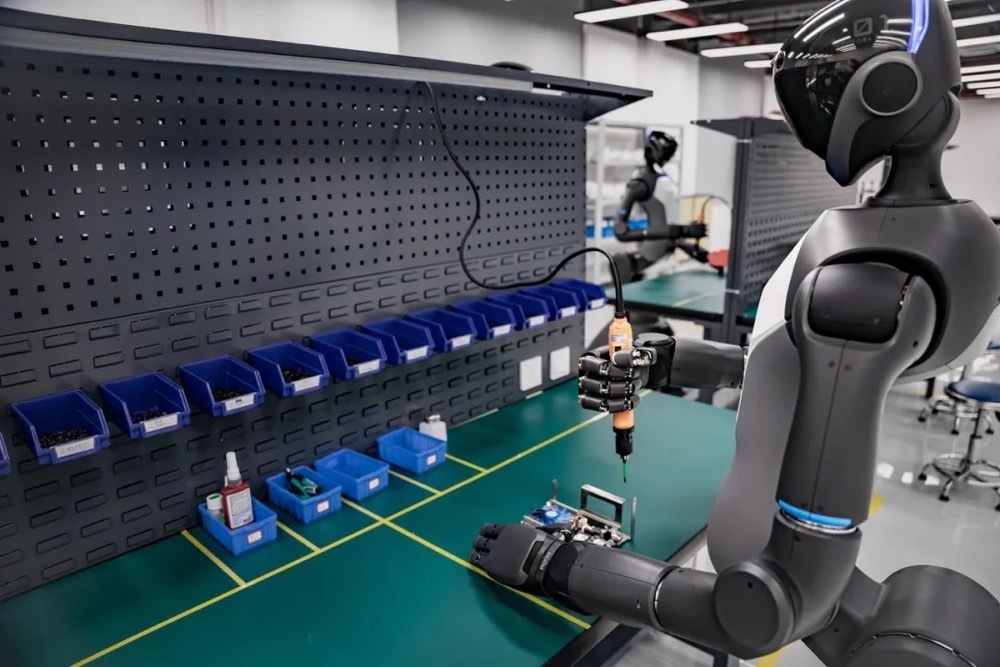
Exploring the Role of Humanoid Robots in Addressing Elder Care Challenges
The United States allocates approximately $400 billion annually for long-term care, facing a significant shortage of formal caregivers, with only four available for every 100 individuals over 65. Humanoid robots, such as Abi developed by Andromeda, are being introduced to provide emotional support for dementia patients, representing a potential solution to this growing issue. The introduction of humanoid robots in elder care is crucial as the demand for caregiving services continues to rise, highlighting the need for innovative solutions. Experts like Andromeda COO Jennifer Haroon and Brookings researcher Gopi Goda are evaluating whether these robots can effectively alleviate the pressures of elder care or if advancements in technology are still necessary. As the conversation around the capabilities of humanoid robots evolves, stakeholders should monitor developments in this field. The ongoing discussions among industry leaders and researchers will determine the future role of robots in elder care and whether they can significantly contribute to addressing the existing caregiver shortage. No further timeline was disclosed at the time of publication.
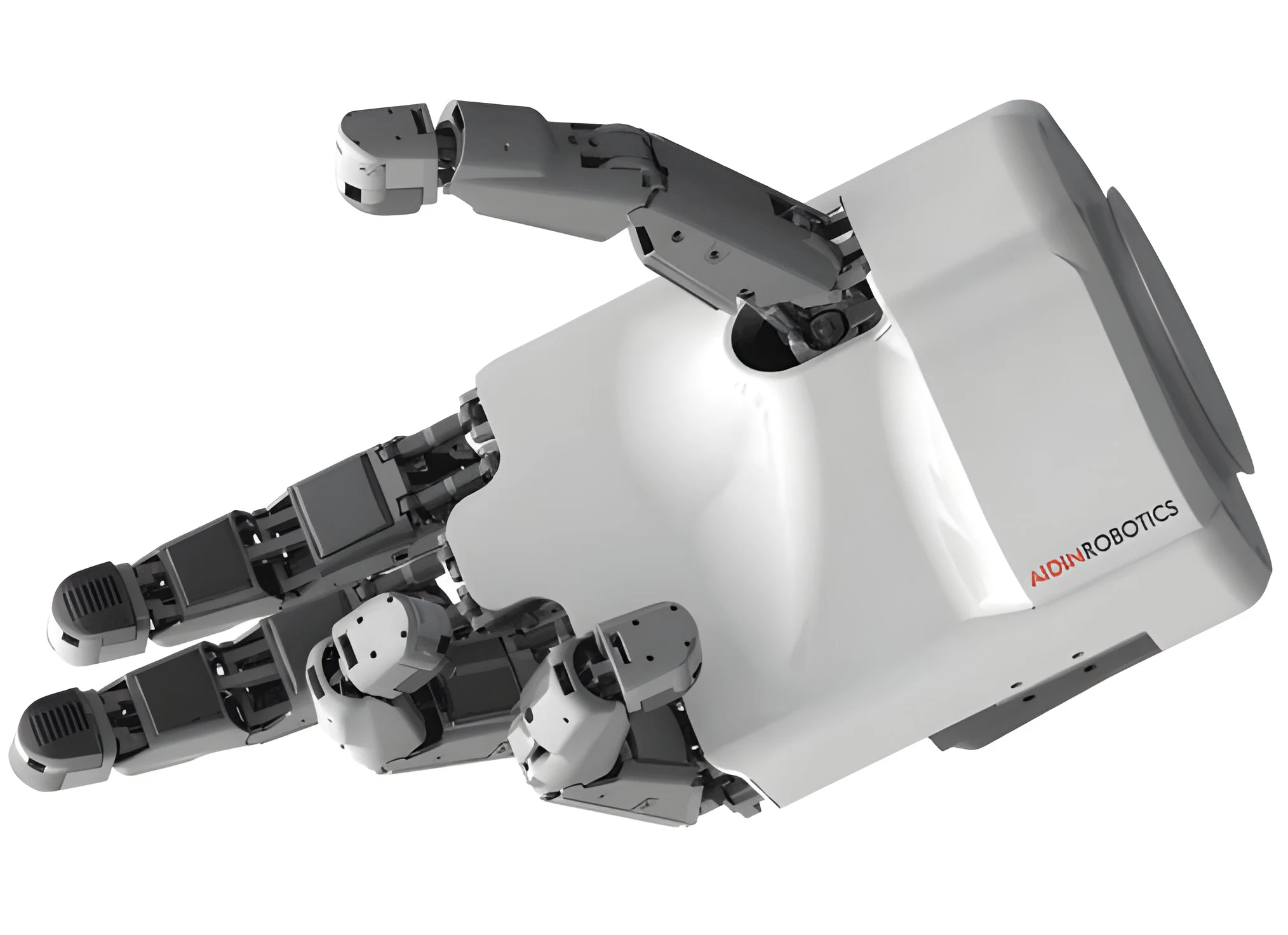
HD Hyundai Robotics Develops Humanoid AI to Enhance Existing Factory Robots
HD Hyundai Robotics is advancing its humanoid robot project, aiming to integrate AI capabilities into its existing industrial and collaborative robots. CTO Ahn Sung-hwan revealed plans to enhance perception, manipulation, and task-planning abilities in a recent interview, although no specific launch date for the humanoid was provided. This initiative is significant as it seeks to create a unified platform that connects industrial robots, cobots, and humanoids, leveraging data from manufacturing processes. The company has also invested ₩13 billion in AIDIN Robotics to develop a specialized five-finger hand for applications in shipbuilding, which will be utilized in both humanoids and existing robots. Looking ahead, HD Hyundai Robotics is also collaborating with Persona AI to integrate humanoids into shipyards, following initial demonstrations of teleoperated welding. Future developments will be closely monitored, particularly regarding the progress of humanoid capabilities and their application in industrial settings. No further timeline was disclosed at the time of publication.
South Korea manufacturing Persona AI
Bionic Humanoid Robot Priced at 26,800 Yuan Mimics Human Appearance and Feel
A bionic humanoid robot, priced at 26,800 yuan, has been developed to closely resemble and replicate human characteristics. This innovation highlights advancements in robotics technology that aim to bridge the gap between physical and semantic knowledge through a semantic world model. The significance of this development lies in its potential to revolutionize the robotics industry by providing a more human-like interaction experience. This could lead to broader applications in various sectors, including entertainment and education, where human-robot collaboration is essential. Looking ahead, the focus will be on how this bionic humanoid robot can be integrated into real-world scenarios and its reception among users. No further timeline was disclosed at the time of publication.
Robotics Automation AI
Former Ukrainian Defense Minister Unveils 'Robot Legion' to Deploy Humanoid Robots in Six Months
The former Ukrainian Defense Minister has announced the launch of 'Robot Legion,' a project aimed at deploying humanoid robots to the battlefield within six months. This initiative seeks to enhance military capabilities through advanced robotics technology. The significance of this project lies in its potential to revolutionize warfare by integrating humanoid robots into military operations. The deployment of such technology could provide strategic advantages and improve operational efficiency in combat scenarios. Looking ahead, the development timeline indicates that the first humanoid robots could be operational within six months. Stakeholders will be keen to observe the progress of 'Robot Legion' and its impact on military strategies and defense capabilities.
Robotics Automation AI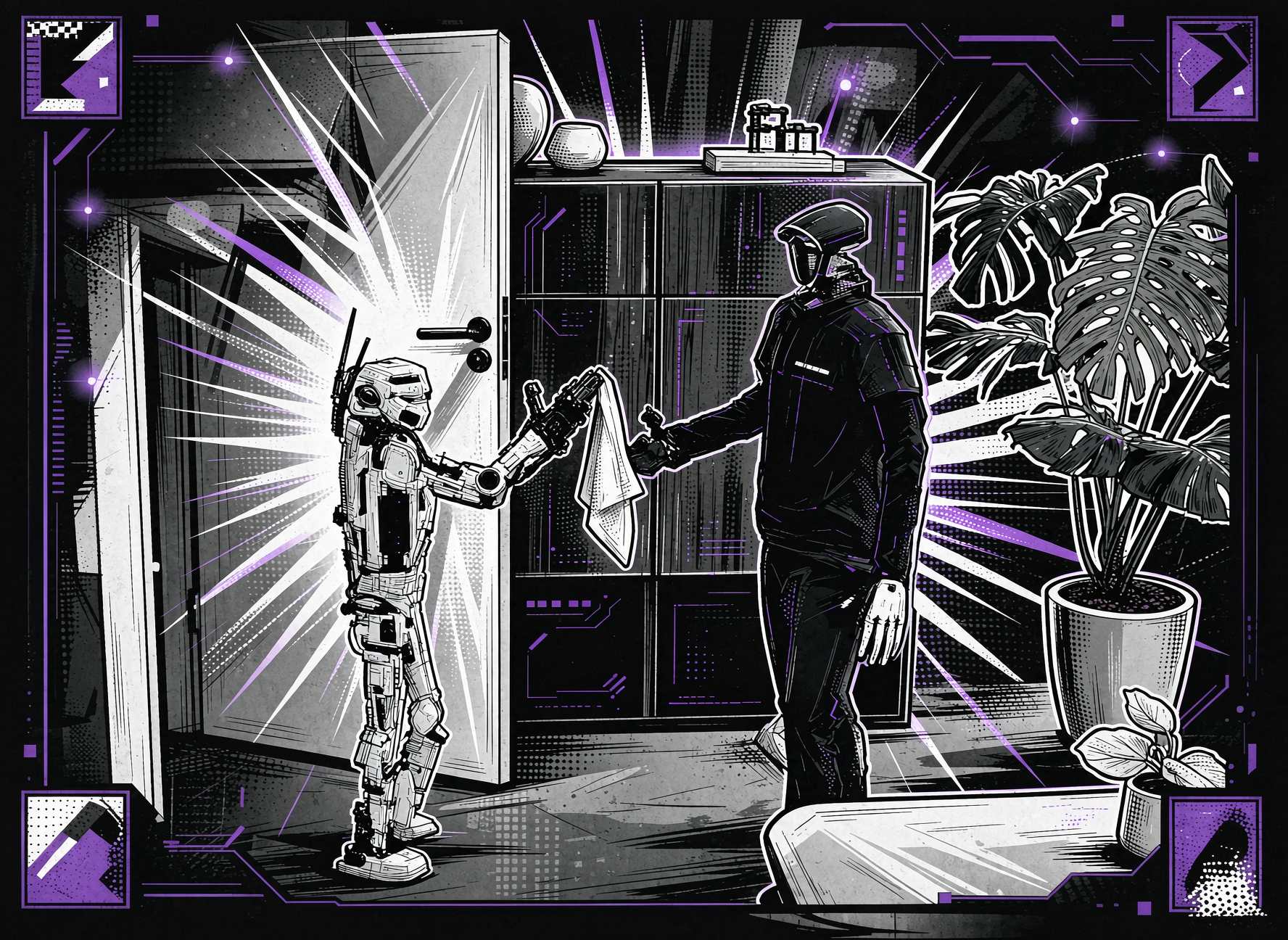
Light Origins Unveils Light-O1 Base Model Utilizing Human Movement Data from Online Videos
Light Origins has launched the Light-O1 embodied base model, which is trained on human movements sourced from online videos. This innovative model aims to enhance the capabilities of robotic systems by mimicking human actions, thereby improving interaction and functionality in various applications. The introduction of the Light-O1 model is significant as it represents a step forward in bridging the gap between human-like movement and robotic performance. By leveraging data from online videos, Light Origins is addressing the challenge of creating more intuitive and responsive robots that can operate effectively in real-world environments. Looking ahead, the industry will be watching how the Light-O1 model is adopted across different sectors and its potential impact on the development of more advanced robotic systems. No further timeline was disclosed at the time of publication.
Robotics Automation AI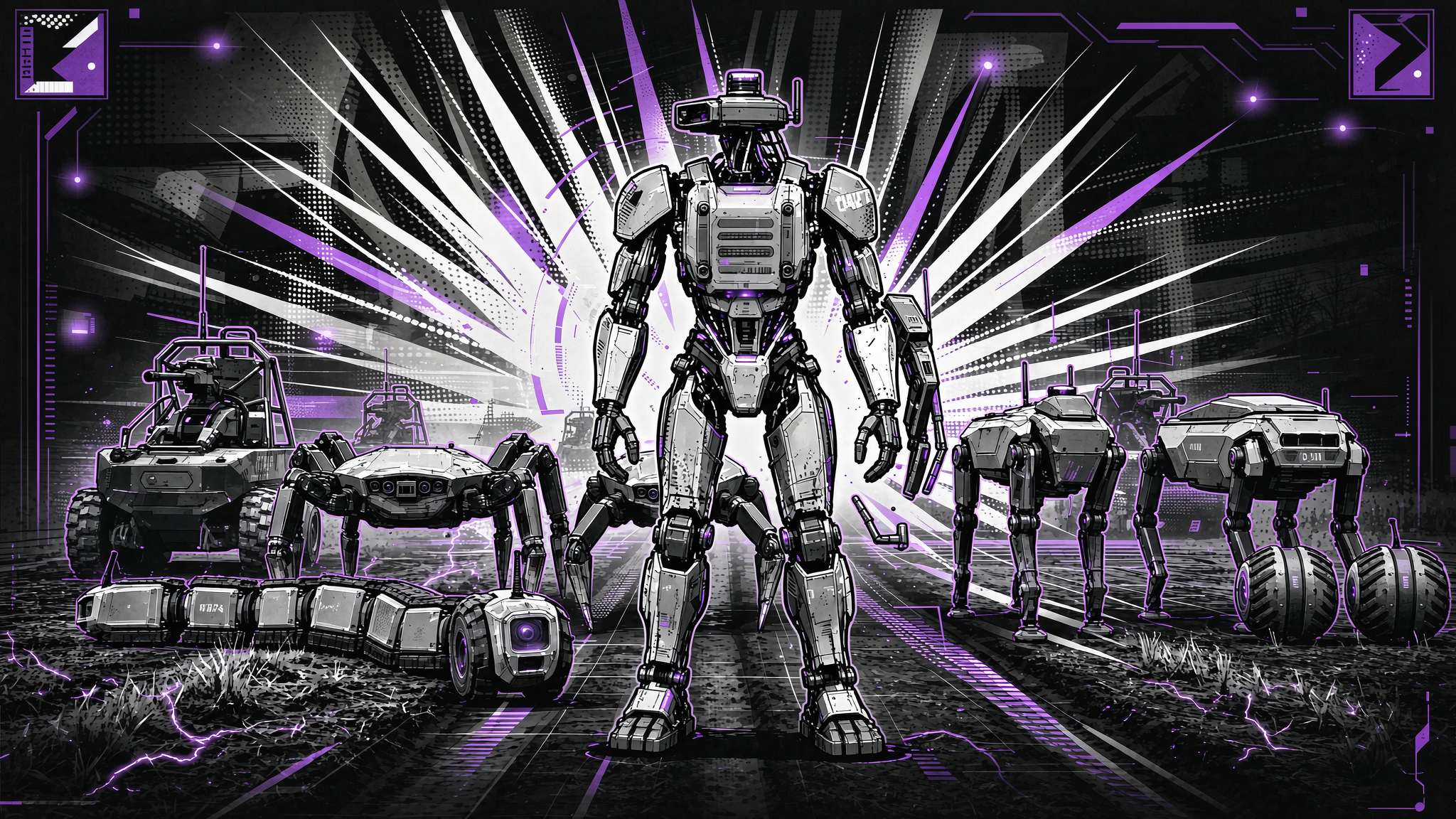
Fedorov Launches 'Robot Legion' Initiative to Deploy Humanoid Robots in Combat by March 2024
On September 26, former Ukrainian Defense Minister Mykhailo Fedorov announced the 'Robot Legion' initiative during his speech at the Lviv IT Arena. The program aims to replace human soldiers on the battlefield with robots to save lives, with a specific goal of deploying a humanoid robot capable of killing a Russian soldier within six months. This initiative is significant as it reflects Ukraine's ongoing efforts to enhance its military capabilities through automation. Fedorov highlighted that drones currently account for over 95% of battlefield strikes, and there are more than 700 drone manufacturers in Ukraine. The push for robotic solutions is underscored by the reported increase in armed ground robot missions, with over 9,000 in a single month this spring. Looking ahead, the first tasks for the humanoid robots will involve mechanical operations such as reloading machine guns and sensor placement. Fedorov's ambitious timeline aims for a combat-ready humanoid robot by March 2024, which could reshape military operations. No further timeline was disclosed at the time of publication.
Humanoid Robots Military Robotics Defense Technology AI Automation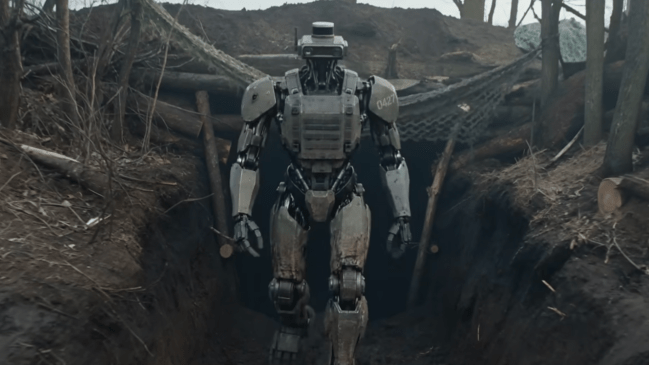
Ukraine's Army of Robots Initiative Aims to Enhance Warfare with Humanoid Systems
Former Ukrainian defense minister Mykhailo Fedorov has launched the 'Army of Robots' initiative, aiming to deploy humanoid and autonomous systems for high-risk military tasks. This project seeks to reduce soldier exposure to danger by utilizing robots for logistics, reconnaissance, and combat operations. The initiative is a continuation of Ukraine's technology-driven approach, building on the success of the Army of Drones. Fedorov is actively seeking partnerships with engineers, robotics teams, and investors to create a robust ecosystem that integrates humanoid robots with existing military technologies, including drones and unmanned ground vehicles. Fedorov has set ambitious goals, including the deployment of a humanoid robot capable of lethal action within six months and the first combined operation of robots and drones within a year. The initiative represents a significant shift towards integrating advanced robotics into military operations, reflecting the urgent need for innovation in response to evolving threats.
Military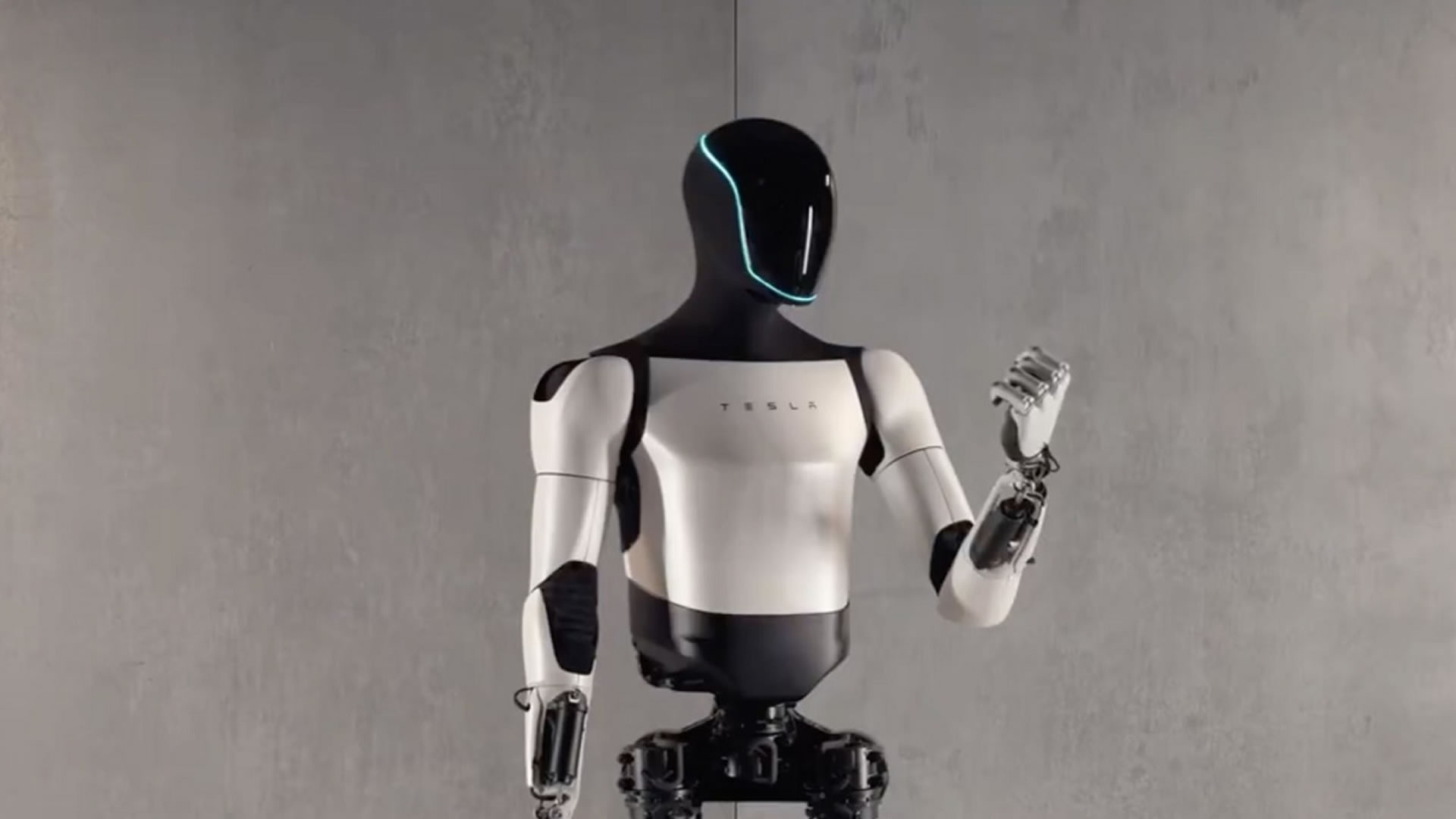
Tesla Aims for 1,000 Weekly Production of Optimus Humanoids Amid Task Challenges
Tesla has announced its capability to produce hundreds of Optimus humanoid robots, marking a tenfold increase from Q2 2026 levels. If production trends continue, the company expects to reach a weekly output of 1,000 units by the end of the year. However, despite this increase in production, Tesla has acknowledged that the Optimus robots still struggle with performing generalized tasks effectively. The significance of this development lies in the fact that while production volume is increasing, the robots' ability to handle diverse tasks remains limited. Tesla's Optimus robots require extensive training to adapt to new tasks, which hampers their utility in industrial applications. The company aims for these robots to perform simple commands autonomously, similar to human workers, but current capabilities fall short of this goal. Looking ahead, Tesla is working on creating a library of fundamental behaviors to enhance the AI capabilities of Optimus. The company has gathered over 500,000 hours of training data to improve task performance. However, mechanical challenges, particularly with the complexity of Optimus' hands, continue to pose significant hurdles for the rollout of these humanoid robots. No further timeline was disclosed at the time of publication.
AI and Robotics Innovation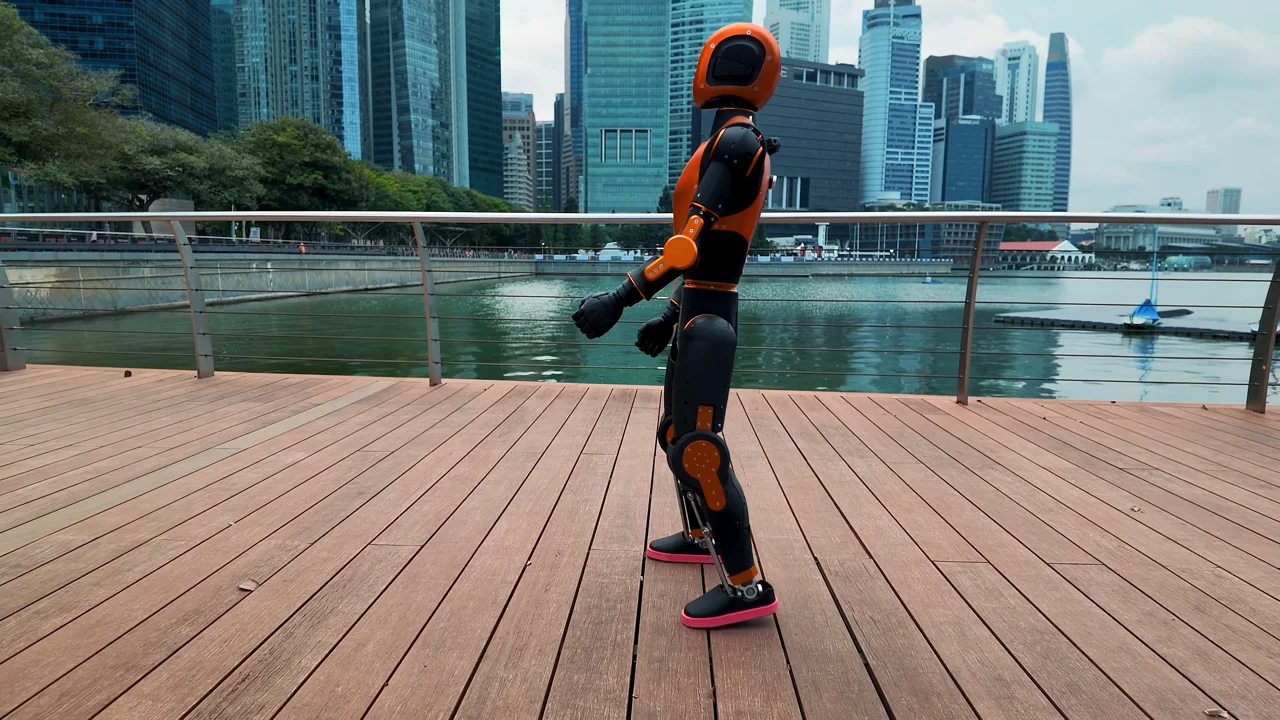
Asimov Releases Open-Source Training Code for Humanoid Robot Locomotion
Asimov has announced the open-source release of the training code for its humanoid robot's walking capabilities. This initiative, revealed on September 25, allows developers to inspect and modify the locomotion policy of Asimov 1, providing a foundation for adapting the robot's controller to different hardware and exploring various walking styles. This development is significant as it enhances the accessibility of robotics technology, enabling a broader community of developers to contribute to the evolution of humanoid robotics. By providing the isaac_asimov repository built on NVIDIA’s Isaac Lab simulation framework, Asimov encourages innovation in training methodologies, which could lead to improved humanoid performance and capabilities. Looking ahead, developers will be able to utilize the released training framework to bridge the simulation-to-hardware gap, although no further timeline was disclosed at the time of publication. The community's engagement with this open-source initiative could accelerate advancements in humanoid locomotion and related technologies.
open-source Asimov locomotion
Mondo Robotics' Beni: A Tumbling Robot Camera with Significant Obstacle Avoidance Issues
Mondo Robotics has introduced Beni, a small bipedal robot designed to capture and record video while following users. Equipped with a built-in camera and sensors, Beni can perform tricks like flips and roll while tracking specified objects via an app. However, after several weeks of testing, reviewers found Beni's obstacle avoidance capabilities severely lacking. The importance of Beni lies in its potential as a fun companion for personal activities like sports and pet video recording. Despite its interesting features, the robot struggles significantly with obstacle avoidance, often losing track of its target in cluttered environments. Reviewers noted that even in open spaces, Beni failed to navigate around obstacles effectively, which detracts from its overall usability. Moving forward, it will be crucial to monitor Mondo Robotics' efforts to improve Beni's obstacle avoidance technology. Currently priced at $599, the robot's value is questionable given its primary flaw. If Mondo can address these issues, Beni could become a more appealing option for users engaged in various activities, but until then, recommendations are limited.
Robot Cameras Obstacle Avoidance Consumer Robotics Video Technology
Robots Recite Poetry and Paint at Cyber Mid-Autumn Festival During Digital Trade Expo
On September 25, a humanoid robot recited poetry at the fifth Global Digital Trade Expo, captivating attendees with its performance. The event showcased a blend of traditional Mid-Autumn Festival celebrations and futuristic technology, as families brought children to experience a cyber-themed holiday. Notably, two lunar AI robots demonstrated capabilities for lunar exploration, while a Pebble robot created artwork inspired by the festival, highlighting advancements in robotics and AI. The integration of technology into cultural celebrations signifies a shift in how traditions are experienced. The humanoid robot's poetry recitation and the lunar robots' simulations reflect a growing interest in combining heritage with innovation. This year's expo attracted families eager to engage with cutting-edge technology, emphasizing the importance of both connection and creativity during the Mid-Autumn Festival. Looking ahead, the continued development of robots like the Doova family companion, designed to assist elderly individuals, underscores the potential for robotics to enhance everyday life. As these technologies evolve, they may redefine how we celebrate traditions and connect with loved ones, particularly during significant occasions like the Mid-Autumn Festival. No further timeline was disclosed at the time of publication.
Humanoid Robots AI Elderly Care Technology Art and Robotics
Florida Deploys Robotic Rabbits to Assist in Burmese Python Capture Efforts
Florida has introduced a new initiative involving robotic rabbits designed to aid in the capture of invasive Burmese pythons. This innovative approach aims to address the growing problem of these non-native snakes, which pose a significant threat to local wildlife and ecosystems. The deployment of robotic rabbits is part of a broader strategy to enhance wildlife management and conservation efforts in the region. The introduction of robotic rabbits is significant as it represents a novel intersection of technology and environmental conservation. By utilizing robotics, Florida aims to improve the efficiency of python capture operations, which have been challenging due to the snakes' elusive nature. This initiative could set a precedent for other regions facing similar invasive species challenges, showcasing how technology can play a role in ecological preservation. Looking ahead, it will be important to monitor the effectiveness of the robotic rabbits in real-world applications. The success of this initiative could lead to further technological advancements in wildlife management. No further timeline was disclosed at the time of publication.
Robotics Automation AI
Feather Robotics Secures $7.6M Pre-Seed Funding for Modular Humanoid Development
Feather Robotics has successfully raised $7.6 million in pre-seed funding to enhance its modular humanoid platform aimed at developers creating physical AI applications. Gradient led this funding round, which also saw participation from Builder Capital, Geometry, Seed Innovations, and Virgo VC. The company’s wheeled bimanual robot, priced at $29,990, boasts a battery life of up to 10 hours and a reach of about 1 meter. Feather has already generated over $1 million in revenue from various sectors, including manufacturing and food service, fulfilling its first customer order within nine months of prototype development. Looking ahead, Feather aims to simplify hardware for developers, allowing them to build applications without being tied to a closed technology stack. No further timeline was disclosed at the time of publication.
AI AI Funding & Investment Robotics Builder Capital Feather Geometry
Highlights from Dividend Champions, Contenders, and Challengers for September 27
The Dividend Champions list, updated monthly, showcases companies that have consistently raised their annual dividend payouts. This week's highlights include notable companies such as DOX, O, BMY, MORN, RGLD, SYY, FNF, and PEP, which have demonstrated strong performance in dividend growth. Understanding the Dividend Champions is crucial for investors seeking reliable income sources. These companies not only provide dividends but also reflect stability and growth potential, making them attractive options for long-term investment strategies. The list serves as a valuable resource for identifying firms that prioritize shareholder returns. Investors should keep an eye on the upcoming updates to the Dividend Champions list, as it can influence investment decisions and market trends. The performance of these companies may impact their future dividend payouts and overall market standing. No further timeline was disclosed at the time of publication.
FUNC CSR FSV NTR OR ADC
Archer Aviation Advances Boeing Subsidiary Acquisition, Enhancing Aerospace AI Capabilities
Archer Aviation's acquisition of Boeing's Wisk Aero, SkyGrid, and Insitu subsidiaries has progressed after clearing the Hart-Scott-Rodino waiting period. This deal aims to create a comprehensive physical AI platform for aerospace and defense by integrating Archer's ZEE AI platform with Wisk's autonomous flight systems, SkyGrid's airspace-management software, and Insitu's uncrewed aircraft. The significance of this acquisition lies in its potential to enhance the capabilities of autonomous aircraft and airspace management. With nearly 2 million combined flight hours from the three Boeing units, Archer plans to leverage their technologies to add autonomy, sensing, flight-control, and operational data to its existing platform. This integration is expected to position Archer as a leader in the aerospace AI sector. Looking ahead, Archer anticipates completing the acquisition by the end of 2026, pending additional regulatory approvals and customary closing conditions. Boeing will maintain access to Wisk's technology and retain its stake in Archer, ensuring ongoing collaboration post-acquisition. No further timeline was disclosed at the time of publication.
AI AI Funding & Investment Robotics acquisition autonommous aircraft Boeing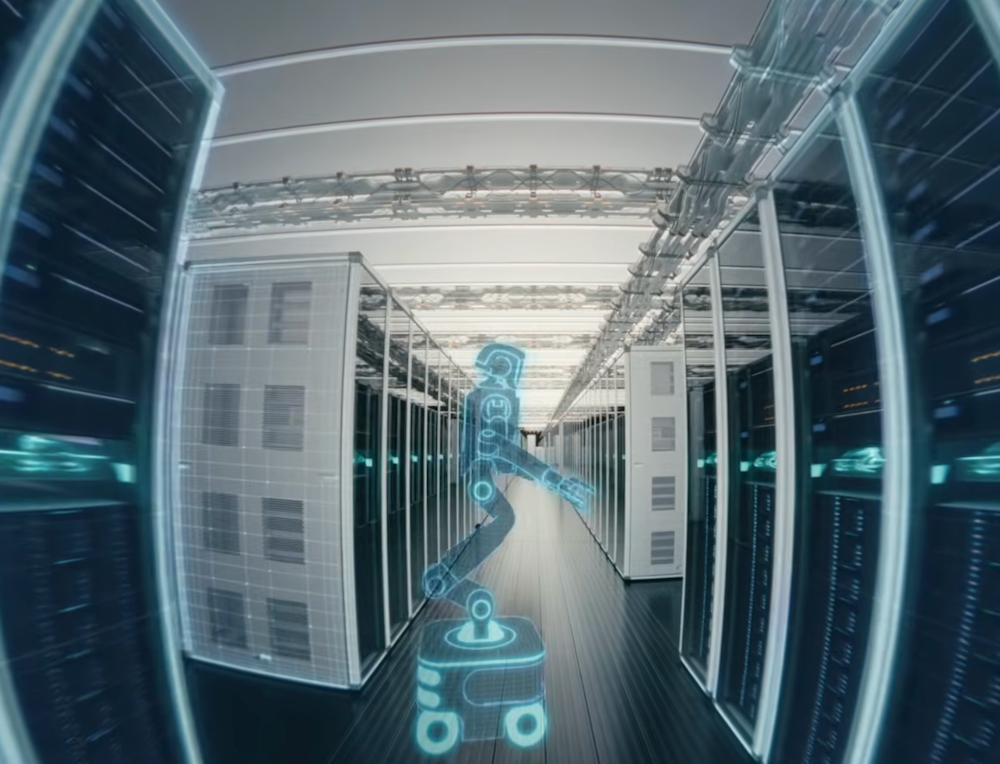
Agility Robotics Explores Development of Wheeled Robots Alongside Digit Humanoid
Agility Robotics recently revealed plans to explore wheeled robots during the launch of Digit 5. CEO Jonathan Hurst confirmed that the company is considering various robot designs, including wheeled options, to meet diverse customer needs and operating environments. This exploration is significant as it marks a potential shift for Agility, which has primarily focused on legged robots. Hurst emphasized that while legged robots are becoming more capable, wheeled robots could provide quicker market entry in certain environments where legged capabilities may not be necessary. No specific timeline for the introduction of a wheeled robot has been disclosed. As Agility continues to commercialize Digit, the company is also navigating a SPAC merger with Churchill Capital Corp. XI, valuing it at $2.5 billion and highlighting the importance of diversifying its product offerings to enhance revenue growth.
Humanoids News Robots / Platforms Agility Robotics robobusiness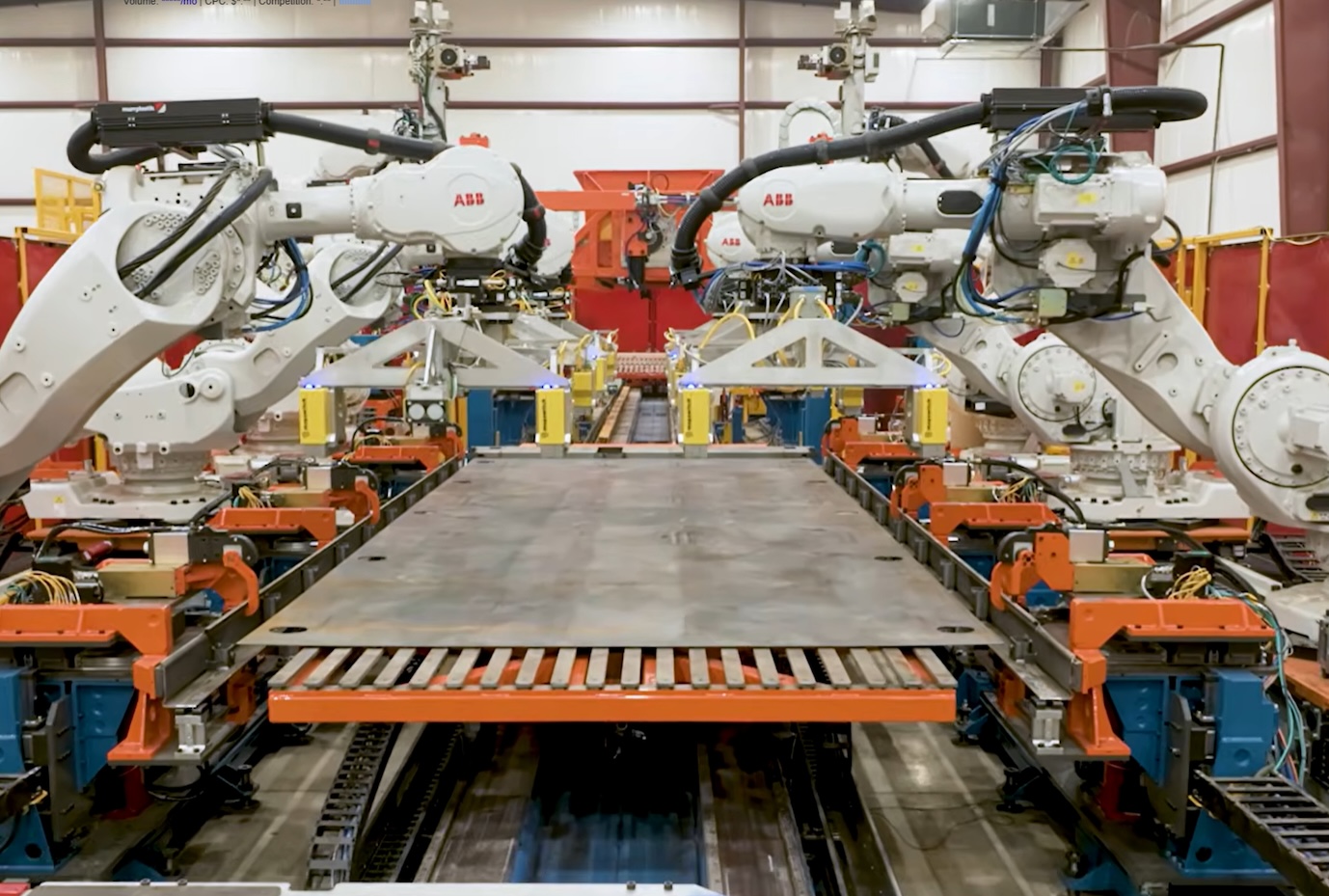
Exploring the Future Role of 3D Sensing in AMRs, Humanoids, and Industrial Robotics
Sonair's 3D ultrasonic sensor, Adar One, meets SIL2 and Pld requirements and is certified under the European Machinery Directive. In an interview with ROBOTIK UND PRODUKTION, CEO Knut Sandven discusses the advantages of 3D ultrasonic sensors and how Sonair's technology can address the challenges of real-time processing of 3D sensor data in humanoid robots. The development of 3D sensing technology is crucial for advancing autonomous mobile robots (AMRs), humanoid robots, and industrial robotics. By enhancing real-time data processing capabilities, these sensors can significantly improve the operational efficiency and safety of robotic systems. The certification of Adar One under the European Machinery Directive further underscores its reliability and compliance with industry standards. Looking ahead, the integration of 3D sensing technology in robotics will likely lead to more sophisticated and capable robotic systems. As the demand for automation continues to grow across various sectors, the role of advanced sensors like Sonair's Adar One will be pivotal in shaping the future of robotics. No further timeline was disclosed at the time of publication.
Allgemein Anwendungen & Lösungen Humanoide Robotik Menschen & Meinungen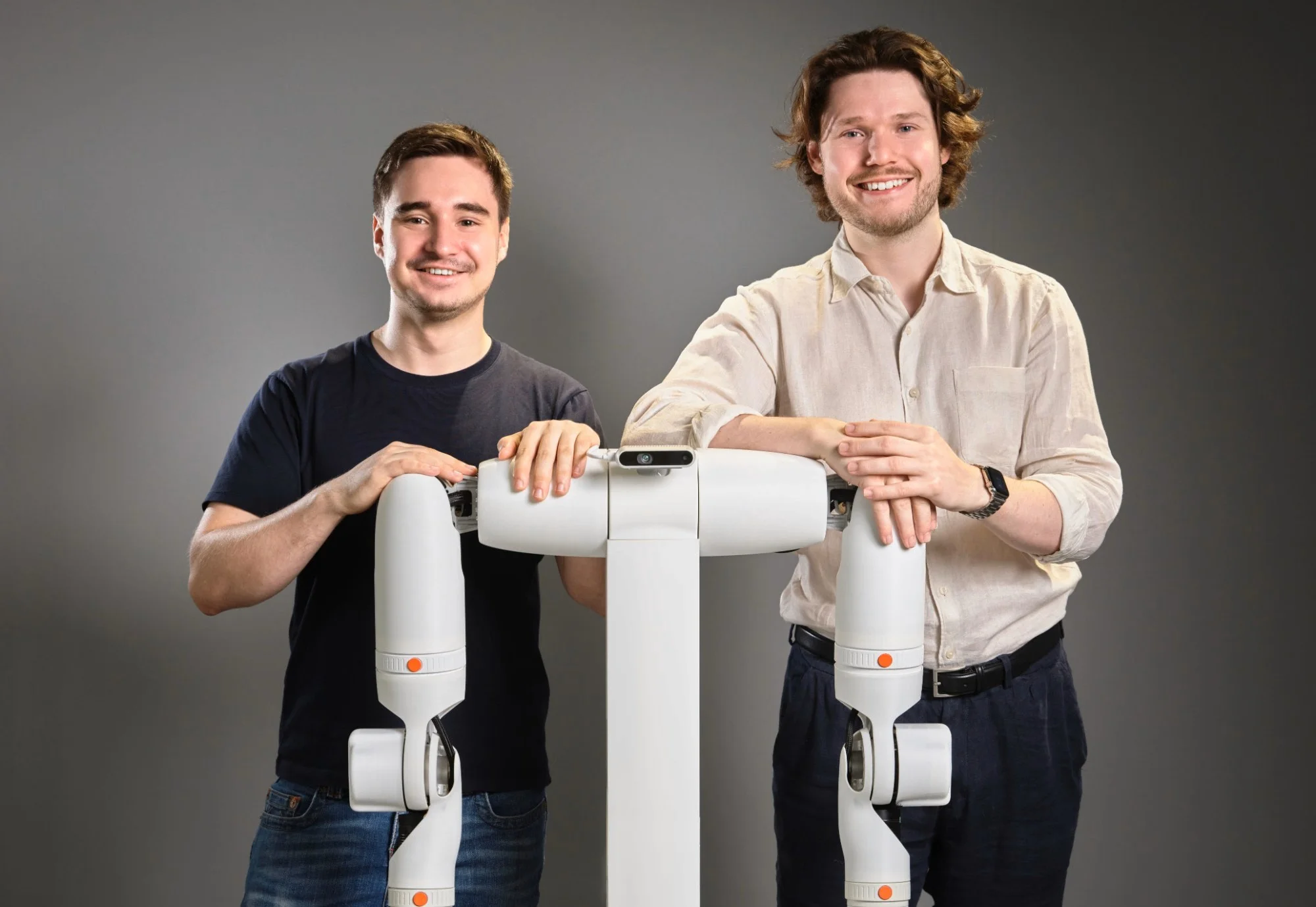
O-ID Secures $1.2 Million Pre-Seed Funding for Modular Humanoid Robots in Japan
Tokyo-based O-ID has successfully raised $1.2 million in pre-seed funding to advance its modular humanoid robot towards production, focusing initially on the automotive manufacturing and logistics sectors in Japan. The funding, with participation from Tawani Ventures, Hustle Fund, and Techstars, will enable O-ID to prepare its first robot for deployment on factory floors. The company's design allows for major modules to be replaced on-site in about five minutes without tools, addressing the growing labor shortage in Japan, which could reach 11 million by 2040. Looking ahead, O-ID plans to expand its market reach beyond Japan into the U.S. and other industries. The company is also ensuring compliance with industrial safety standards and has filed a provisional U.S. patent for its modular connector technology, marking significant progress in its mission to reshape factory operations.
AI AI Funding & Investment Robotics humanoid robot Hustle Fund Japan
UBTECH Secures Major Contracts and Launches Large-Scale Humanoid Robot Factory
UBTECH has recently made significant strides in the humanoid robot sector, securing a 150.8 million yuan government contract in Leshan and announcing over 50 million yuan in overseas orders from Europe and Japan. These developments indicate a shift from conceptual discussions to tangible market presence, as UBTECH establishes itself as a key player in the industry. The importance of these contracts lies in their validation of the demand for humanoid robots in practical applications, such as industrial inspections and commercial reception. The Leshan contract, awarded through a public tender, highlights a growing market need for operational humanoid robots, suggesting a strategic focus on regional market penetration. Additionally, the launch of UBTECH's large-scale humanoid robot factory in Liuzhou, developed in collaboration with Siemens, marks a significant achievement in supply chain management and production capacity. With a reported revenue of 1.27 billion yuan and a 1445% increase in sales of full-sized humanoid robots, UBTECH is poised for further growth in the second half of the year, with multiple product lines set for delivery and international orders beginning to materialize.
Humanoid Robots Industrial Automation Robotics Manufacturing AI Commercial ApplicationsRobotics needs a service framework.
RSF defines a common language for robot service capability, lifecycle operations, certification pathways, and service-provider networks.
Join the RobotToday community on LinkedIn
Daily robotics news, in-depth analysis, conference highlights, and discussions with professionals worldwide.







