

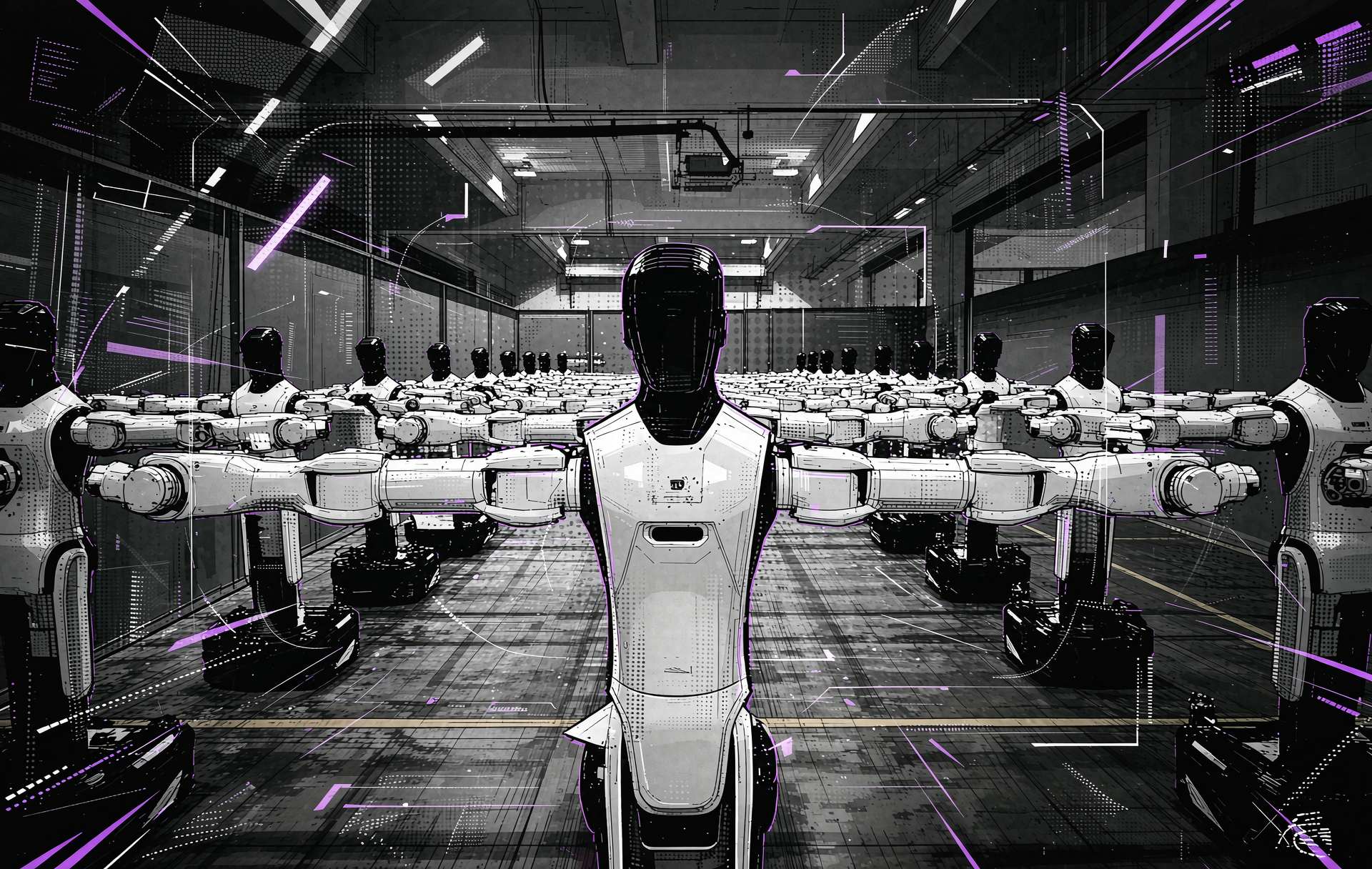
On September 28, the first humanoid robot featuring a fully localized electronic architecture was unveiled in Yichang, Hubei. This innovative architecture, developed by Dongtu Technology, serves as the robot's intelligent nervous system, integrating an operating system, network, software tools, and AI computing chips. The localized architecture is designed to enhance performance and security, offering advantages over traditional foreign solutions.
The significance of this development lies in its potential to ensure data transmission and control security within robotics. The fully localized architecture aims to provide a robust safety framework for autonomous robot behavior, preventing disruptions in production and ensuring personnel safety. This initiative reflects a broader industry trend towards self-sufficiency and sovereignty in technology.
Looking ahead, the key focus will be on the architecture's adaptability across various robotic platforms and its ability to meet commercial performance, power consumption, and development toolchain requirements. No further timeline was disclosed at the time of publication.
Editor's Note
The introduction of a fully localized electronic architecture in robotics marks a significant shift towards self-reliance in technology. This development addresses critical concerns regarding supply chain security and system controllability, which are essential as the industry moves towards large-scale deployment and integration into industrial applications. The implications for safety and sovereignty in robotic operations are profound, potentially reshaping the competitive landscape.































Leave a comment