

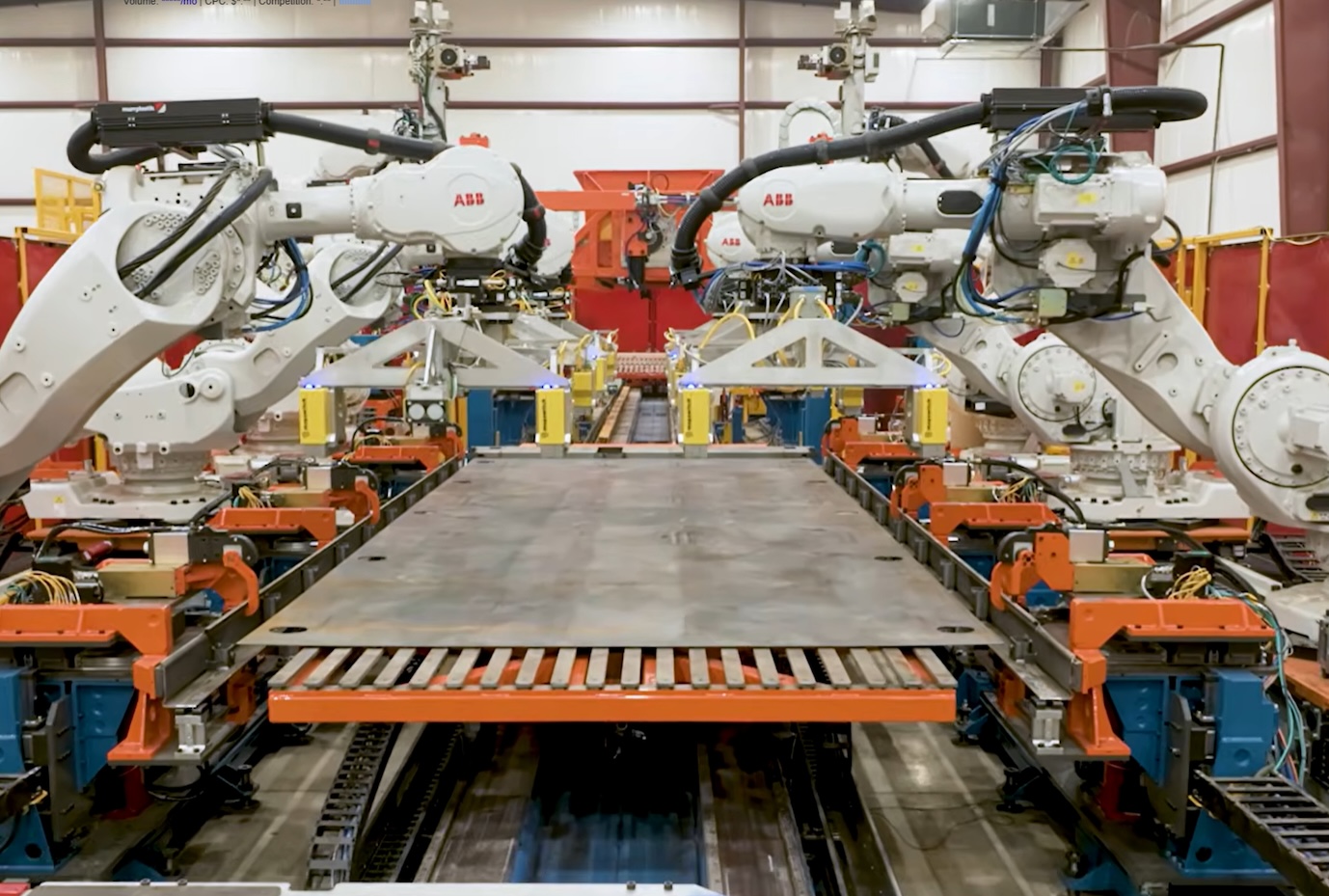
Sonair's 3D ultrasonic sensor, Adar One, meets SIL2 and Pld requirements and is certified under the European Machinery Directive. In an interview with ROBOTIK UND PRODUKTION, CEO Knut Sandven discusses the advantages of 3D ultrasonic sensors and how Sonair's technology can address the challenges of real-time processing of 3D sensor data in humanoid robots.
The development of 3D sensing technology is crucial for advancing autonomous mobile robots (AMRs), humanoid robots, and industrial robotics. By enhancing real-time data processing capabilities, these sensors can significantly improve the operational efficiency and safety of robotic systems. The certification of Adar One under the European Machinery Directive further underscores its reliability and compliance with industry standards.
Looking ahead, the integration of 3D sensing technology in robotics will likely lead to more sophisticated and capable robotic systems. As the demand for automation continues to grow across various sectors, the role of advanced sensors like Sonair's Adar One will be pivotal in shaping the future of robotics. No further timeline was disclosed at the time of publication.
Editor's Note
The integration of advanced 3D sensing technology is becoming increasingly important in the robotics sector, particularly for enhancing the capabilities of AMRs and humanoid robots. As companies like Sonair innovate with products such as the Adar One sensor, the industry may see significant advancements in real-time data processing and operational efficiency. This trend could influence procurement strategies and investment decisions in robotics and automation.



























Leave a comment