Top News

Industry Briefing

A single destination for timely, editor-curated robotics news from around the world.

Kinova launches KIMA medical robotic arm

Kinova launches KIMA medical robotic arm

Kinova has introduced KIMA, a medical robotic arm specifically designed for clinical applications, marking a significant departure from traditional industrial robotics. This innovative device was developed entirely from the ground up, emphasizing its tailored functionality for healthcare settings. The launch of KIMA reflects Kinova's commitment to advancing medical technology and enhancing patient care through robotics.

Actuators / Motors / Servos Collaborative Robots Healthcare Robotics Markets / Industries Motion Control News
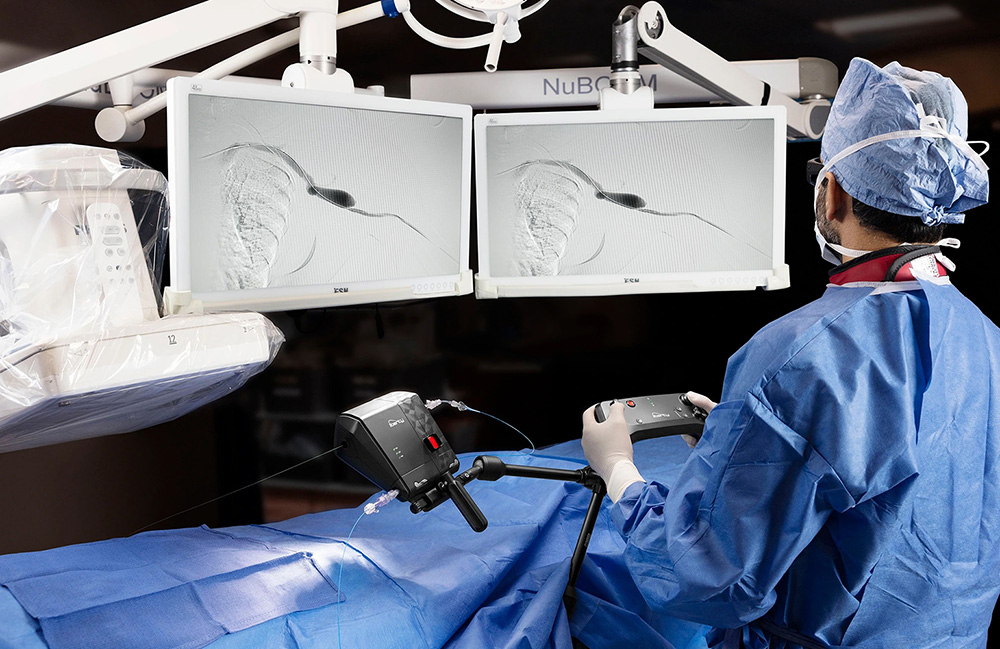
Microbot Medical to expand veteran access to robotic surgery with LIBERTY

Microbot Medical to expand veteran access to robotic surgery with LIBERTY

Microbot Medical has announced a partnership with Lovell Government Services, which will serve as its service-disabled veteran-owned small business vendor. This collaboration aims to enhance access to robotic surgery for veterans through federal programs. The initiative underscores Microbot's commitment to expanding healthcare options for those who have served in the military. The partnership is set to facilitate the integration of innovative robotic surgical technologies into veteran healthcare services, thereby improving treatment outcomes and accessibility.

Healthcare Robotics Markets / Industries News Robots / Platforms Surgical / Interventional Systems government

AI Health Startup Wants to Assist Half of Latin American Doctors

AI Health Startup Wants to Assist Half of Latin American Doctors

A healthcare startup supported by Andreessen Horowitz is aiming to deploy its AI assistant to reach 950,000 of Latin America's 1.9 million doctors by the end of 2027. This initiative seeks to address the significant shortage of medical professionals in the region's overburdened health systems. By leveraging advanced technology, the company hopes to enhance healthcare delivery and improve patient outcomes across various countries in Latin America. The ambitious plan reflects a growing trend of integrating artificial intelligence into healthcare to alleviate systemic challenges and optimize resources in a region facing increasing demand for medical services.

Storage Capacity for Healthcare Logistics

Storage Capacity for Healthcare Logistics

Movianto, a division of Yusen Logistics that focuses on pharmaceutical and healthcare logistics, has completed a significant expansion of its facility in Aalst, Belgium. The enhancement has nearly doubled the temperature-controlled pallet storage capacity from 14,000 to 25,000. This newly extended site is now fully operational, providing increased storage space for a variety of pharmaceutical and medical products across different temperature ranges, including ambient (15–25°C), refrigerated (2–8°C), and frozen (–20°C). The expansion aims to better meet the growing demands of the healthcare sector and improve the efficiency of logistics services in the region.

Cold Chain Logistics Storage & Racking Warehousing bonded hub Movianto pallet storage
Therapist-exoskeleton-patient interaction for gait therapy

Therapist-exoskeleton-patient interaction for gait therapy

In a groundbreaking study published in the June 2026 issue of Science Robotics, researchers have unveiled a new robotic system designed to enhance surgical precision. This innovative technology, developed by a team of engineers and medical professionals, aims to improve patient outcomes in complex surgical procedures. The study highlights the system's ability to integrate advanced imaging techniques with real-time data analysis, allowing surgeons to navigate intricate anatomical structures with unprecedented accuracy. Conducted at a leading medical research facility, the trials demonstrated a significant reduction in operation time and postoperative complications compared to traditional methods. The motivation behind this development stems from the increasing demand for minimally invasive surgical options, which promise quicker recovery times and less trauma for patients. By leveraging cutting-edge robotics and artificial intelligence, the team has created a tool that not only assists surgeons but also enhances their decision-making capabilities during operations. As the medical community continues to embrace technological advancements, this robotic system represents a significant step forward in the field of surgery, potentially transforming how procedures are performed in the future. The researchers are optimistic that further refinements and clinical trials will lead to widespread adoption in hospitals worldwide, ultimately benefiting countless patients.

Research Article
Stop chasing identical outcomes in HRI replication: Learn from the differences

Stop chasing identical outcomes in HRI replication: Learn from the differences

In a groundbreaking study published in the June 2026 issue of Science Robotics, researchers from leading universities have unveiled a new robotic system designed to assist in complex surgical procedures. This innovative technology aims to enhance precision and reduce recovery times for patients undergoing surgery. The research team, comprised of experts in robotics and medicine, conducted extensive trials to evaluate the system's effectiveness. Their findings indicate that the robotic assistant can significantly improve surgical outcomes by minimizing human error and providing surgeons with advanced tools for intricate tasks. The development of this robotic system comes in response to the growing demand for more efficient and safer surgical methods, driven by an increase in minimally invasive procedures. By integrating artificial intelligence and machine learning, the robot is capable of adapting to various surgical environments and techniques, thereby expanding its applicability across different medical specialties. The trials took place in several hospitals, where the robotic system was tested alongside traditional surgical methods. Results showed a marked improvement in patient recovery rates and overall satisfaction with the surgical experience. As the healthcare industry continues to evolve, this robotic innovation represents a significant step forward in the integration of technology into medical practice, promising to transform the future of surgery and patient care.

Focus
Ukraine-Russia drone war turns UGVs into medevac lifeline

Ukraine-Russia drone war turns UGVs into medevac lifeline

In eastern Ukraine, the ongoing conflict has intensified the use of unmanned ground vehicles (UGVs) as vital medical evacuation tools. On April 26, a soldier from Ukraine's 32nd Brigade, Roman Kryshnya, suffered severe injuries when an FPV drone struck the vehicle he was in, resulting in the death of the driver and leaving Kryshnya with a critically damaged arm. This incident underscores the increasing dangers faced by soldiers on the front lines, where traditional evacuation methods are becoming increasingly risky due to drone warfare. As the conflict continues, UGVs are being adapted to transport the wounded safely away from the battlefield, highlighting the evolving nature of military tactics in response to new threats.

Top Computer Vision Development Company Options for 2026

Top Computer Vision Development Company Options for 2026

Selecting the appropriate computer vision development company is crucial for ensuring compatibility with the specific environment in which the model will operate. This could range from camera system-on-chips (SoCs) and cloud-based software as a service (SaaS) products to medical devices and live video systems. Among the available options, SQUAD stands out as a robust choice for edge hardware and smart camera products. Meanwhile, Intellias and Softeq are recognized as strong contenders for embedded AI solutions. As the industry evolves, companies must carefully assess their needs to align with the right technology partner.

Components Computing Technology AI development artificial intelligence automation news
NASA, UNOS and LifeNet Complete Successful BVLOS Drone Flights Carrying Human Kidneys

NASA, UNOS and LifeNet Complete Successful BVLOS Drone Flights Carrying Human Kidneys

A groundbreaking study involving the United Network for Organ Sharing (UNOS), NASA Langley Research Center, and LifeNet Health has successfully demonstrated the transportation of human kidneys via drone beyond visual line of sight (BVLOS). This significant advancement in transplant logistics was achieved through a collaborative research effort aimed at exploring innovative methods for organ delivery. The successful flights represent a promising step forward in enhancing the efficiency and speed of organ transportation, potentially improving outcomes for transplant patients. The research highlights the role of drone technology in addressing logistical challenges in the medical field, particularly in urgent situations where timely organ delivery is critical.

Applications BVLOS Drone News Drone News Feeds Healthcare Medical Delivery
The tenured engineers of 2026

The tenured engineers of 2026

Ten faculty members at the Massachusetts Institute of Technology (MIT) have been awarded tenure, marking a significant milestone in their academic careers. This decision, announced recently, affects five different units within the School of Engineering, highlighting the institution's commitment to fostering academic excellence and innovation. The tenure grants are intended to recognize the contributions and potential of these faculty members, who have demonstrated exceptional research and teaching capabilities. By securing tenure, these educators will gain increased job security and the opportunity to pursue long-term projects that can further advance their fields. This announcement underscores MIT's ongoing efforts to support its faculty and enhance its educational environment.

Awards, honors and fellowships Faculty Aeronautical and astronautical engineering Civil and environmental engineering Electrical engineering and computer science (EECS) Mechanical engineering
Deep learning co-design helps scientists project 28-layer 3D images without crosstalk

Deep learning co-design helps scientists project 28-layer 3D images without crosstalk

Engineering researchers at the University of California, Los Angeles (UCLA) have unveiled a groundbreaking three-dimensional printing technology that significantly enhances the production of complex structures. This innovative method, introduced in October 2023, aims to revolutionize various industries by allowing for the rapid and precise fabrication of intricate designs that were previously difficult or impossible to achieve. The researchers' motivation stems from the growing demand for more efficient manufacturing processes that can produce high-quality components while minimizing waste and time. By leveraging advanced materials and techniques, the team has demonstrated that their new approach can streamline production workflows and reduce costs, making it an attractive option for sectors such as aerospace, automotive, and biomedical engineering. This development not only showcases the potential of 3D printing technology but also emphasizes UCLA's commitment to leading research in engineering and technology. The researchers plan to further refine their technique and explore its applications across various fields, aiming to set new standards in manufacturing efficiency and innovation.

Science
Defining Autonomy for Wellness Robots in Senior Care

Defining Autonomy for Wellness Robots in Senior Care

A recent examination highlights the potential of socially assistive wellness robots in enhancing senior wellness across seven key dimensions. This analysis, aimed at addressing the escalating senior care crisis, underscores the challenges posed by demographic shifts, workforce shortages, and gaps in daily wellness programming that traditional care models face. The study defines wellness robots distinctly from companion and medical devices, emphasizing their unique features and functions. It introduces a framework for measuring the autonomy of these robots using the Care Robot Autonomy Scale (CRAS), a six-level scale inspired by the SAE J3016 driving standard, which assesses four critical care dimensions. Furthermore, the research outlines a roadmap for achieving full autonomy in wellness robots, detailing necessary technical capabilities, clinical evidence, and a phased approach leading into the early 2030s. This comprehensive analysis aims to inform stakeholders about the transformative role of wellness robots in senior care and the urgent need for innovative solutions in the face of growing demands. A free whitepaper summarizing these findings is available for download.

Type-whitepaper Wellness-robots Autonomous-robots Robotics
Precise aggressive aerial maneuvers with sensorimotor policies

Precise aggressive aerial maneuvers with sensorimotor policies

In a groundbreaking study published in the June 2026 issue of Science Robotics, researchers from leading universities have unveiled a new robotic system designed to assist in complex surgical procedures. This innovative technology aims to enhance precision and reduce recovery times for patients undergoing surgery. The research team, comprised of experts in robotics and medicine, conducted extensive trials over the past two years to refine the system's capabilities. The trials were held at various hospitals, allowing for real-world testing and feedback from surgical teams. The motivation behind this development stems from the increasing demand for minimally invasive surgical options, which can lead to better patient outcomes. By integrating advanced robotics with surgical techniques, the team hopes to address challenges faced by surgeons, such as limited visibility and dexterity during operations. The robotic system employs state-of-the-art sensors and AI algorithms to assist surgeons in real-time, providing them with enhanced control and accuracy. Initial results from the trials indicate a significant reduction in surgery time and improved patient recovery rates, suggesting that this technology could revolutionize surgical practices. As the medical community anticipates further advancements, the researchers are optimistic about the potential for widespread adoption of this robotic system in operating rooms around the world, paving the way for a new era in surgical care.

Research Article
Octopus-inspired robotic arm uses distributed tactile sensors for adaptive grip

Octopus-inspired robotic arm uses distributed tactile sensors for adaptive grip

Engineers have successfully created a robotic arm inspired by the sensory capabilities of the octopus. This innovative development aims to enhance robotic dexterity and adaptability in various applications, including medical procedures and complex manufacturing tasks. The project, which has been in the works for several years, showcases the potential of biomimicry in advancing technology. Researchers conducted extensive studies on the octopus's unique nervous system and flexible limbs to replicate its remarkable ability to manipulate objects with precision. The robotic arm is designed to mimic these characteristics, allowing for greater flexibility and sensitivity compared to traditional robotic systems. This breakthrough, unveiled at a technology conference earlier this month, represents a significant step forward in robotics, potentially transforming how machines interact with their environment and perform intricate tasks.

"BioGeometry" secures hundreds of millions in strategic funding to create a "microscopic world model" in life sciences.

"BioGeometry" secures hundreds of millions in strategic funding to create a "microscopic world model" in life sciences.

AI-native biotechnology company BaiAo Geometry has successfully secured several hundred million yuan in strategic financing, with investments led by the Shanghai Biomedical Innovation Transformation Fund, Guoke Investment, Dacheng Wisdom, and Xinglian Capital, alongside follow-on investments from GaoRong Capital and the Index AI Industry Innovation Fund. The funds will primarily support the ongoing development of their life sciences micro-world model, GeoFlow, and the advancement of their proprietary drug pipeline. Artificial intelligence is rapidly evolving along two main trajectories: digital AI, represented by large language and multimodal models, and physical AI, exemplified by autonomous vehicles and humanoid robots. Life AI is emerging as a promising frontier, a sentiment echoed by leading global investors and scientists. BaiAo Geometry's GeoFlow model, launched in 2024, aims to understand and design molecular interactions at an atomic level, enabling the creation of novel molecules that have never existed in nature. The company has iterated GeoFlow multiple times, achieving significant advancements in protein structure prediction and de novo design capabilities. By applying Test-Time Scaling technology, BaiAo Geometry enhances the success rate of protein designs without the need for extensive retraining. This innovation allows for the rapid generation and optimization of high-affinity binding molecules, significantly reducing the time and cost associated with traditional drug discovery processes. BaiAo Geometry has established over 20 business development collaborations with domestic and international pharmaceutical companies, focusing on high-specificity antibody design and vaccine development. The company is currently working on the next iteration of GeoFlow, which aims to expand modeling from individual molecules to entire molecular systems, further revolutionizing drug development in the biotechnology sector.

Eating fried potatoes three times a week increases diabetes risk by 20%, study finds.

Eating fried potatoes three times a week increases diabetes risk by 20%, study finds.

Researchers from Harvard University and the University of Cambridge have conducted a study examining the impact of potato consumption and cooking methods on the risk of developing type 2 diabetes. The findings will be published in the British Medical Journal (The BMJ) in September 2025. This research draws on data from three cohort studies conducted in the United States, alongside a meta-analysis of prospective cohorts, to assess how different levels of potato intake may influence diabetes risk. The motivation behind this study stems from the increasing prevalence of type 2 diabetes and the need to understand dietary factors that could mitigate this health issue. By analyzing various preparation methods and consumption patterns, the researchers aim to provide insights that could inform dietary guidelines and public health recommendations.

West China Hospital Develops MicroSpine: A 2mm Robotic Arm System for Minimally Invasive Spinal Surgery

West China Hospital Develops MicroSpine: A 2mm Robotic Arm System for Minimally Invasive Spinal Surgery

Researchers at Sichuan University West China Hospital have developed a groundbreaking MicroSpine surgical robot, which utilizes three 2mm robotic arms housed within an 8mm sheath. This innovative technology has successfully demonstrated 100% accuracy in achieving posterior spinal target access during preclinical testing. The advancement aims to enhance precision in spinal surgeries, potentially improving patient outcomes and reducing recovery times. The development of this robotic system marks a significant step forward in minimally invasive surgical techniques, showcasing the hospital's commitment to advancing medical technology and improving surgical practices.

Technology
3D-printed devices could streamline the production of drug-delivery microparticles

3D-printed devices could streamline the production of drug-delivery microparticles

A new development in particle production technology has emerged, utilizing cost-effective devices that can be constructed in just a few hours. These innovative devices employ electrospray emitter technology to efficiently generate three-layered particles on a large scale. This advancement is poised to enhance manufacturing processes across various industries by providing a faster and more economical method of particle creation. The introduction of these devices marks a significant step forward in the field, potentially leading to improved applications in pharmaceuticals, materials science, and other sectors that rely on precise particle engineering.

Research 3-D printing Additive manufacturing Electronics Medical devices Drug delivery
Airbus debuts U145 autonomous helicopter drone with no cockpit for military missions

Airbus debuts U145 autonomous helicopter drone with no cockpit for military missions

Airbus Helicopters has unveiled a new autonomous aircraft derived from its widely-used H145 platform, marking a significant advancement in aviation technology. The announcement was made during the International Paris Air Show, which took place from June 19 to June 25, 2023. This innovative aircraft aims to enhance operational efficiency and safety in various sectors, including medical transport, search and rescue, and logistics. The motivation behind this development stems from the growing demand for unmanned aerial vehicles that can perform complex missions with minimal human intervention. By leveraging advanced automation and artificial intelligence, Airbus Helicopters seeks to address challenges in urban air mobility and improve response times in critical situations. The aircraft is designed to operate in diverse environments, showcasing its versatility and potential for integration into existing air traffic systems. Through rigorous testing and collaboration with regulatory bodies, Airbus aims to ensure that the new autonomous H145 meets safety standards and can be deployed effectively in real-world scenarios. This initiative reflects Airbus Helicopters' commitment to innovation and its vision for the future of aviation, where autonomous systems play a crucial role in enhancing air transport capabilities.

H-Bot for loads up to 10 kg

H-Bot for loads up to 10 kg

The H-Bot portal robot from Rollon is designed to deliver high precision, dynamic performance, and versatility while maintaining a compact structure. This innovative robot is capable of handling loads of up to 10 kilograms, making it particularly suitable for applications in the medical technology sector. With its expansive working range, the H-Bot is positioned to meet the demands of various tasks within healthcare environments, enhancing efficiency and effectiveness in medical operations.

Allgemein
Can surgical robots fly? SS Innovations discusses challenges, solutions

Can surgical robots fly? SS Innovations discusses challenges, solutions

SS Innovations, a robotics developer, is concentrating its efforts on enhancing emergency medical care in active war zones and other challenging environments. The company is exploring the feasibility of deploying surgical robots in these high-stress situations, addressing the unique challenges posed by such settings. This initiative aims to improve the speed and effectiveness of medical interventions in areas where traditional healthcare access is limited or compromised. By leveraging advanced robotics technology, SS Innovations seeks to provide critical support to medical personnel and improve patient outcomes in emergencies. The ongoing discussions around this innovative approach highlight the potential for surgical robots to revolutionize emergency care in some of the most dangerous locations worldwide.

Defense / Security Drones Healthcare Robotics Markets / Industries News Robots / Platforms
BayCare Expands Autonomous Hospital Delivery with New Relay Robots at Winter Haven Hospitals

BayCare Expands Autonomous Hospital Delivery with New Relay Robots at Winter Haven Hospitals

In response to the ongoing healthcare labor shortage, a new initiative has been launched to expand the use of robotic technology in hospitals. This expanded fleet of robots is designed to automate non-clinical logistics, allowing healthcare professionals to focus more on direct patient care. By streamlining tasks such as inventory management and supply delivery, the robots aim to enhance efficiency within medical facilities. This initiative is particularly timely as healthcare systems face increasing pressure to optimize resources and improve patient outcomes. The deployment of these robots is expected to significantly reduce the burden on nursing staff, ultimately prioritizing nurse-to-patient interaction and enhancing the overall quality of care.

Microrobots Repair Spinal Cord

Microrobots Repair Spinal Cord

Spinal cord injuries pose significant challenges for individuals, leading to severe physical and emotional repercussions. Recent studies highlight the urgent need for improved treatment and rehabilitation methods to support those affected. As awareness grows, healthcare professionals and researchers are collaborating to develop innovative therapies and technologies aimed at enhancing recovery and quality of life for patients. This initiative is particularly crucial given the increasing incidence of such injuries due to accidents and sports-related incidents. By focusing on cutting-edge research and comprehensive care strategies, the medical community aims to mitigate the long-term effects of spinal cord injuries and empower individuals on their path to recovery.

Petal Surgical adds more funding for incisionless surgical robot

Petal Surgical adds more funding for incisionless surgical robot

Petal Surgical has announced additional funding to enhance its innovative incisionless surgery method, which aims to revolutionize surgical care. This advanced technique is designed to make treatments safer, more accessible, and less traumatic for patients globally. The company believes that this approach could set a new standard in the medical field, potentially transforming the way surgeries are performed. The funding will support the development and deployment of their surgical robot, furthering their mission to improve patient outcomes and expand the reach of advanced surgical options.

Financial Healthcare Robotics Investments Markets / Industries News Surgical / Interventional Systems
Army Medical Brigade Expands Drone Use for Battlefield Resupply

Army Medical Brigade Expands Drone Use for Battlefield Resupply

The U.S. Army’s 44th Medical Brigade is enhancing its battlefield medical operations by expanding the use of drones to deliver critical supplies more efficiently and safely. This initiative, announced by the XVIII Airborne Corps, reflects a broader military strategy to incorporate unmanned systems into logistics and sustainment efforts. The program aims to reduce the risk to soldiers while ensuring timely access to essential medical resources in combat situations. By leveraging drone technology, the Army seeks to improve operational effectiveness and support its personnel in high-stakes environments.

Applications Delivery Drone News Drone News Feeds Medical News
Cambridge’s new robot could help solve millions of years old evolution mystery

Cambridge’s new robot could help solve millions of years old evolution mystery

A team of scientists from Cambridge University has unveiled a groundbreaking robot designed to assist in unraveling complex biological processes. This innovative technology, introduced on October 15, 2023, aims to enhance research in the field of genetics and molecular biology. The robot operates by automating intricate laboratory tasks, which traditionally required significant human intervention, thereby increasing efficiency and accuracy in experiments. The motivation behind this development stems from the growing need for advanced tools that can accelerate scientific discovery and improve the understanding of genetic disorders. By streamlining repetitive tasks, the robot allows researchers to focus on more critical aspects of their studies, potentially leading to faster breakthroughs in medical research. The team utilized cutting-edge artificial intelligence and machine learning algorithms to program the robot, enabling it to adapt and learn from its environment. This adaptability is expected to make the robot a valuable asset in various research settings, paving the way for more innovative approaches to tackling biological challenges. As the scientific community continues to seek solutions to pressing health issues, this robot represents a significant step forward in leveraging technology to enhance research capabilities and outcomes.

Stanford’s new iISM microscope images living cells at 120-nanometer resolution

Stanford’s new iISM microscope images living cells at 120-nanometer resolution

Researchers at Stanford University have developed an innovative microscope that can image nanostructures within living cells, marking a significant advancement in cellular imaging technology. This breakthrough was announced in October 2023 and aims to enhance our understanding of cellular processes at the nanoscale. By enabling scientists to observe these structures in real-time, the new microscope offers insights into cellular functions and interactions that were previously difficult to study. The motivation behind this development is to provide a more detailed view of cellular mechanisms, which could lead to advancements in medical research and treatments. The microscope employs advanced imaging techniques that allow for high-resolution visualization of nanostructures, paving the way for new discoveries in biology and medicine.

NVIDIA, Foxconn and Taiwan Medical Centers Bring Agentic and Physical AI to ‘Healthy Taiwan’

NVIDIA, Foxconn and Taiwan Medical Centers Bring Agentic and Physical AI to ‘Healthy Taiwan’

NVIDIA has announced a collaboration with Foxconn and prominent medical centers in Taiwan to implement AI-driven health systems in the region. This initiative aims to enhance healthcare services by deploying NVIDIA-powered special agent workforces. The partnership reflects a growing trend towards integrating advanced technology in medical practices, responding to the increasing demand for efficient and innovative healthcare solutions. The deployment is expected to take place in the coming months, marking a significant step in Taiwan's transition to modernized health systems that leverage artificial intelligence for improved patient care and operational efficiency.

Light-activated gel could impact wearables, soft robotics, and more

Light-activated gel could impact wearables, soft robotics, and more

Researchers at the Massachusetts Institute of Technology (MIT) have made significant strides in the field of ionotronics, a burgeoning area of study focused on the transfer of data via ions. This innovative approach aims to create a connection between traditional electronics and biological tissues, potentially revolutionizing the way information is processed and transmitted in various applications. The advancements were announced in October 2023, highlighting the ongoing efforts to enhance the integration of electronic systems with biological environments. By harnessing the unique properties of ions, the team at MIT is exploring new methods to facilitate communication between electronic devices and living organisms, paving the way for future developments in medical technology and bioengineering.

Pea-sized liquid-metal pump helps soft robots become lighter, portable, and more agile

Pea-sized liquid-metal pump helps soft robots become lighter, portable, and more agile

Engineers at the University of Bristol have created a groundbreaking pea-sized liquid-metal pump that has the potential to revolutionize various industries. This innovative device, designed to be compact and efficient, could serve as a replacement for traditional pumps in applications ranging from medical devices to robotics. The development was announced recently, showcasing the university's commitment to advancing engineering technology. The motivation behind this invention stems from the need for more versatile and efficient pumping solutions that can operate in tight spaces and under varying conditions. By utilizing liquid metal, the pump offers enhanced performance and adaptability compared to conventional materials. The engineering team achieved this breakthrough through a combination of advanced materials science and innovative design techniques, allowing for the creation of a pump that is not only small but also highly effective. As industries seek to improve efficiency and reduce energy consumption, this new liquid-metal pump could play a crucial role in meeting those demands. With its potential applications still being explored, the University of Bristol's development marks a significant step forward in pump technology, promising to influence a wide range of fields in the near future.

Brighter MRI signals

Brighter MRI signals

Researchers at MIT have developed advanced MRI sensors capable of sensitively detecting target molecules within the brain and body. This breakthrough, announced in October 2023, aims to enhance medical imaging techniques, potentially leading to earlier diagnosis and better monitoring of various health conditions. The innovative sensors utilize cutting-edge technology to improve the accuracy and efficiency of molecular detection, which is crucial for understanding complex biological processes and developing targeted therapies. By refining the imaging process, the team hopes to provide healthcare professionals with more precise tools for patient care, ultimately improving treatment outcomes.

Research Imaging Biological engineering Brain and cognitive sciences Magnetic resonance imaging (MRI) Sensors
AI Model Spots Hidden Heart Failure from ECGs

AI Model Spots Hidden Heart Failure from ECGs

Researchers have developed a deep learning model capable of detecting heart failure through electrocardiograms (ECGs). This innovative approach utilizes NT-proBNP labels to enhance detection accuracy across diverse patient populations. The study, which aims to improve early diagnosis and treatment of heart failure, highlights the potential of artificial intelligence in medical diagnostics. By analyzing ECG data, the model can identify patterns indicative of heart failure, thereby facilitating timely intervention. The findings underscore the importance of integrating advanced technology into healthcare to address critical conditions like heart failure, which affects millions worldwide. This breakthrough could significantly impact patient outcomes by enabling healthcare providers to make more informed decisions based on precise data analysis.

Pea-size liquid-metal pump runs robot butterfly on under 0.1 V

Pea-size liquid-metal pump runs robot butterfly on under 0.1 V

Engineers at the University of Bristol have developed a groundbreaking liquid-metal pump that promises to enhance the portability and agility of future soft robotics and wearable devices. This innovative technology, detailed in a recent publication in the journal Nature Communications, utilizes a low-voltage power source, which could revolutionize robotic systems across various applications, including robotic legs and haptic gloves utilized in medical and industrial environments. The advancement aims to address the growing demand for more efficient and versatile robotic solutions in diverse fields.

Robotics
Continuum Robotics for Research

Continuum Robotics for Research

Continuum robots, known for their continuously deformable structures, are paving the way for innovative applications across various fields, particularly in medical technology, inspection tasks in confined spaces, and critical human-robot interactions. These advancements highlight the potential of continuum robotics to enhance operational efficiency and safety in environments where traditional robotic systems may fall short. The ongoing research and development in this area aim to further explore and expand the capabilities of these versatile robots, promising significant benefits for industries that rely on precision and adaptability.

Allgemein Lösungen
Extreme dynamic symmetry enables omnidirectional and multifunctional robots

Extreme dynamic symmetry enables omnidirectional and multifunctional robots

In a groundbreaking study published in the May 2026 issue of Science Robotics, researchers have unveiled a new robotic system designed to assist in complex surgical procedures. This innovative technology aims to enhance precision and reduce recovery times for patients undergoing surgery. Conducted at a leading medical research facility, the study highlights the collaboration between engineers and medical professionals to develop a robot capable of performing intricate tasks with minimal human intervention. The research team, motivated by the need for improved surgical outcomes and efficiency, utilized advanced algorithms and machine learning techniques to train the robot. Over a series of trials, the system demonstrated remarkable accuracy in simulated environments, suggesting its potential for real-world applications in operating rooms. As healthcare continues to evolve, this robotic system represents a significant advancement in surgical technology, promising to transform the way surgeries are performed and ultimately improve patient care. The findings underscore the importance of interdisciplinary collaboration in driving innovation in medical robotics, paving the way for future developments in the field.

Research Article
Embodied or virtually represented: Navigating the embodiment debate in human-robot interaction

Embodied or virtually represented: Navigating the embodiment debate in human-robot interaction

In a groundbreaking study published in the May 2026 issue of Science Robotics, researchers have unveiled a new robotic system designed to enhance surgical precision. This innovative technology, developed by a team of engineers and medical professionals, aims to improve patient outcomes in minimally invasive procedures. The research was conducted at a leading medical institution, where the team tested the robotic system in various surgical scenarios. The motivation behind this development stems from the increasing demand for advanced surgical techniques that can reduce recovery times and minimize complications. By integrating advanced algorithms and real-time imaging, the robotic system allows surgeons to perform intricate tasks with greater accuracy than traditional methods. Initial trials have shown promising results, indicating a significant reduction in surgical errors and improved overall efficiency in the operating room. As the medical community continues to seek ways to enhance surgical practices, this new technology represents a significant step forward in the quest for safer and more effective medical interventions. The team plans to conduct further studies to refine the system and explore its applications across different types of surgeries.

Focus
Fusing LiDAR and vision to generate high-quality reconstructions

Fusing LiDAR and vision to generate high-quality reconstructions

In a groundbreaking study published in the May 2026 issue of Science Robotics, researchers have unveiled a new robotic system designed to enhance surgical precision. This innovative technology, developed by a team at a leading university, aims to reduce the risks associated with complex surgical procedures. The research, conducted over the past two years, involved extensive testing and collaboration with medical professionals to ensure the system meets clinical needs. The robotic system employs advanced algorithms and real-time imaging to assist surgeons during operations, allowing for greater accuracy and control. This development comes in response to the increasing demand for minimally invasive surgical techniques that promise quicker recovery times and fewer complications for patients. The team conducted trials in various surgical settings, demonstrating the system's effectiveness in improving outcomes across different types of procedures. By integrating cutting-edge robotics with traditional surgical methods, the researchers hope to set a new standard in the field, ultimately benefiting both surgeons and patients alike. As the medical community continues to explore the potential of robotics in healthcare, this study represents a significant step forward in the quest for safer and more efficient surgical practices. The implications of this research could lead to widespread adoption of robotic assistance in operating rooms around the world, transforming the landscape of surgical care.

Editors' Choice
Seed-sized magnetic robot switches between five surgical tools in under one second

Seed-sized magnetic robot switches between five surgical tools in under one second

Researchers at Nanyang Technological University (NTU) Singapore have unveiled a groundbreaking seed-sized surgical robot designed to enhance precision in minimally invasive surgeries. This innovative device, which measures just a few millimeters, has the potential to revolutionize surgical procedures by allowing for targeted interventions within the human body. The development was announced on October 15, 2023, during a presentation at the university's annual technology showcase. The motivation behind this advancement stems from the need for improved surgical techniques that reduce recovery times and minimize complications associated with traditional surgery. By utilizing advanced robotics and miniaturization technologies, the team at NTU aims to provide surgeons with a tool that can navigate complex anatomical structures with greater accuracy. The surgical robot operates through a combination of remote control and autonomous navigation, enabling it to perform intricate tasks while being guided by a surgeon. This dual functionality ensures that while the robot can operate independently, it remains under the expert oversight of medical professionals, enhancing both safety and efficacy. As the medical community continues to seek innovative solutions to improve patient outcomes, this development represents a significant step forward in the field of robotic surgery, promising to make procedures less invasive and more effective in the near future.

'5-in-1' seed-sized surgical robot switches tools in under one second

'5-in-1' seed-sized surgical robot switches tools in under one second

Researchers at Nanyang Technological University in Singapore have created a miniature robot, comparable in size to a seed, capable of maneuvering across soft and uneven surfaces. This innovative device can perform five distinct surgical functions wirelessly, marking a significant advancement in the field of medical robotics. The development aims to enhance the precision of surgeries and medical treatments, potentially transforming how such procedures are conducted in the future. By enabling more accurate and adaptable interventions, this technology could improve patient outcomes and expand the possibilities for minimally invasive surgeries.

Robotics
New microscopy method speeds 3D brain scans while using fewer measurements

New microscopy method speeds 3D brain scans while using fewer measurements

Researchers at the University of Hong Kong have unveiled an innovative microscopy technique that enhances the ability to reconstruct detailed images of biological samples. This breakthrough, announced on October 15, 2023, aims to significantly improve the visualization of cellular structures, which is crucial for advancements in medical research and diagnostics. By utilizing advanced imaging algorithms and high-resolution optics, the team has managed to achieve unprecedented clarity and depth in imaging, allowing scientists to observe intricate cellular processes in real-time. This development is expected to facilitate a deeper understanding of diseases at the cellular level, potentially leading to more effective treatments. The researchers believe that this technique could revolutionize the field of microscopy, making it a vital tool for biologists and medical professionals alike.

Rare 19th-century dental prosthetic that a wealthy person wore found in Portugal

Rare 19th-century dental prosthetic that a wealthy person wore found in Portugal

A groundbreaking study has revealed the first documented fixed bone dental bridge, providing significant insights into ancient dental practices. Conducted by a team of researchers, the study was published in October 2023 and focuses on a remarkable archaeological find. The dental bridge, discovered in a burial site, dates back to a time when such advanced dental solutions were previously thought to be non-existent. This finding not only sheds light on the medical knowledge of ancient civilizations but also highlights the importance of dental health in historical contexts. The researchers utilized advanced imaging techniques to analyze the structure and composition of the bridge, demonstrating how early humans addressed dental issues. This discovery opens new avenues for understanding the evolution of dental care and the cultural practices surrounding it.

New AI body map reveals obesity’s hidden attack on facial nerves

New AI body map reveals obesity’s hidden attack on facial nerves

A team of scientists has developed an advanced AI-powered system capable of scanning and mapping the entire body of a mouse with remarkable precision. This innovative technology has revealed unexpected findings regarding the effects of obesity. In addition to its well-known impact on metabolism, the research indicates that obesity may also harm facial sensory nerves associated with touch and sensation. Furthermore, the study highlights that obesity triggers extensive inflammation throughout the body. These discoveries contribute to a deeper understanding of the health implications of obesity and underscore the potential of AI in biomedical research.

Small Industrial Robots Pros and Cons: An Honest Review for Lean Automation

Small Industrial Robots Pros and Cons: An Honest Review for Lean Automation

In a bid to enhance manufacturing efficiency through "Lean Automation," many producers are turning to small industrial robots, such as the JAKA MiniCobo, which offers a compact solution to traditional bulky systems. These mini robot arms, designed to fit in tight spaces, provide a low-risk entry into automation, allowing manufacturers to maximize productivity while minimizing waste. The JAKA MiniCobo, weighing just 9.4 kg and featuring a 580 mm reach with a 1 kg payload, is particularly suited for delicate tasks in sectors like electronics and medical services. Its integrated intelligent drive module simplifies installation, eliminating the need for bulky control cabinets and enabling a plug-and-play experience. While small robots offer advantages such as energy efficiency, lower total cost of ownership, and safer operation near human workers, they also face limitations. Most can handle payloads under 2 kg and may struggle with high-torque tasks due to their lightweight construction. Additionally, they require careful management in high-temperature environments to prevent overheating. The JAKA MiniCobo exemplifies the principles of Lean Automation by reducing space and complexity while maintaining precision, making it an attractive option for manufacturers looking to streamline operations.

‘Like a flowing material’: Robot swarm uses physics, not commands to self-organize

‘Like a flowing material’: Robot swarm uses physics, not commands to self-organize

Engineers at Cornell University have unveiled an innovative robotic system that mimics the behavior of flowing liquids. This groundbreaking development, announced in October 2023, aims to enhance the versatility and adaptability of robots in various applications. By incorporating principles of fluid dynamics, the team has created a robot capable of navigating complex environments with unprecedented ease. The motivation behind this project stems from the desire to improve robotic mobility and functionality, particularly in scenarios where traditional rigid robots struggle. The researchers utilized advanced algorithms and soft materials to enable the robot to change shape and move fluidly, allowing it to overcome obstacles and traverse challenging terrains. This new robotic system has the potential to revolutionize fields such as search and rescue, environmental monitoring, and even medical applications, where flexibility and adaptability are crucial. The team's findings highlight the importance of interdisciplinary approaches in robotics, merging concepts from engineering, biology, and physics to create more efficient and capable machines.

Selecting a Collaborative Robot Cobot for Small Parts Assembly

Selecting a Collaborative Robot Cobot for Small Parts Assembly

In the evolving landscape of electronics and medical device manufacturing, the introduction of collaborative robots, or cobots, is transforming small parts assembly. Traditionally reliant on manual labor or rigid machinery, this sector now benefits from the advanced capabilities of cobots, which combine the precision of a six-axis robot arm with sophisticated safety sensors. This innovation allows manufacturers to automate intricate tasks while maintaining human oversight. The assembly of small components, such as connectors and micro-screws, requires sub-millimeter accuracy, which traditional robots often lack. Cobots, however, utilize force-torque feedback to ensure components are correctly positioned, preventing damage to sensitive electronics. Their compact design enables them to operate alongside human workers on crowded workbenches without the need for bulky safety barriers, facilitating a hybrid workflow where robots handle repetitive tasks while humans focus on quality control. Manufacturers frequently changing product designs find cobots particularly advantageous due to their ease of programming. The JAKA Zu5, a leading model in this field, offers a payload capacity of 5 kg and a working radius of 954 mm, making it ideal for standard assembly tasks. With a remarkable repeatability of ±0.02 mm, the Zu5 ensures precision in placing even the smallest components. Additionally, its lightweight design allows for easy relocation across different production stations. JAKA emphasizes user-friendly automation, replacing complex coding with a wireless app that enables control of the robot from any mobile device. By integrating the JAKA Zu5 into assembly lines, manufacturers can achieve a balance of machine accuracy and human flexibility, enhancing productivity in high-mix production environments.

Cross-link collective: Entangled robotic matter with cohesive motion

Cross-link collective: Entangled robotic matter with cohesive motion

In a groundbreaking study published in the May 2026 issue of Science Robotics, researchers have unveiled a new robotic system designed to assist in complex surgical procedures. This innovative technology, developed by a team of engineers and medical professionals, aims to enhance precision and reduce recovery times for patients undergoing surgery. The research was conducted at a leading medical institution, where the team tested the robotic system in various simulated surgical scenarios. The results demonstrated significant improvements in accuracy compared to traditional methods, showcasing the potential for robots to support surgeons in high-stakes environments. The motivation behind this development stems from the increasing demand for advanced surgical techniques that can minimize invasiveness and improve patient outcomes. By integrating robotics into the operating room, the researchers hope to address challenges such as human error and variability in surgical performance. The robotic system operates through a combination of advanced algorithms and real-time imaging, allowing it to adapt to the unique conditions of each surgical procedure. This adaptability is crucial for ensuring that the technology can be effectively utilized across a range of operations. As the medical field continues to evolve, this research marks a significant step towards the future of surgery, where robotic assistance could become a standard part of the surgical toolkit, ultimately benefiting patients and healthcare providers alike.

Research Article
New heat-pressed silk material outperforms wood, rivals Kevlar and carbon fiber

New heat-pressed silk material outperforms wood, rivals Kevlar and carbon fiber

A team of researchers from Tufts University, Imperial College London, and the University of Michigan has unveiled a groundbreaking development in the field of biomedical engineering. This innovation, announced on October 15, 2023, focuses on creating a new type of biodegradable material that could significantly enhance medical implants and devices. The research aims to address the growing concern over the environmental impact of traditional plastic implants, which can take centuries to decompose. By utilizing advanced materials science, the team has engineered a substance that not only meets the necessary medical standards for safety and efficacy but also naturally breaks down in the body over time, reducing the need for surgical removal. This advancement is expected to revolutionize the way medical professionals approach implantable devices, offering a sustainable alternative that aligns with the increasing emphasis on eco-friendly practices in healthcare. The findings were published in a peer-reviewed journal, highlighting the collaborative efforts of the researchers and their commitment to addressing both health and environmental challenges. As the medical community continues to seek innovative solutions, this new biodegradable material stands out as a promising step towards more sustainable healthcare practices. The research team plans to conduct further studies to explore the full potential and applications of this material in various medical fields.

Single-molecule tracker illuminates workings of cancer-related proteins

Single-molecule tracker illuminates workings of cancer-related proteins

A team of researchers has developed advanced microscopy and nanotechnology techniques to monitor the activity of individual proteins in real-time. This innovative approach allows scientists to gain unprecedented insights into protein dynamics, which are crucial for understanding various biological processes and diseases. The research, conducted in a state-of-the-art laboratory, aims to enhance the understanding of cellular mechanisms and potentially lead to breakthroughs in medical treatments. By tagging proteins with custom-built nanotechnology, the team can visualize and track their movements and interactions, providing valuable data that could inform future studies in biochemistry and molecular biology. This work represents a significant advancement in the field, promising to deepen our comprehension of life at the molecular level.

Research Proteins Cells Chemistry Imaging Cancer
Microbot Medical Inc. (MBOT) Shareholder/Analyst Call Transcript

Microbot Medical Inc. (MBOT) Shareholder/Analyst Call Transcript

Microbot Medical Inc. held a conference call on May 18, 2026, at 3:00 PM EDT to discuss its first-quarter earnings and recent developments. During the call, Harel Gadot, the company's Co-Founder, President, CEO, and Chairman, along with Chief Medical Officer Juan Diaz-Cartelle, provided insights into the company's performance, reporting an earnings per share of -$0.05, which exceeded expectations by $0.02, despite revenue falling short by $395,000 at $105,000. The event featured contributions from medical professionals, including Dr. Charles Briggs, a vascular surgeon at Tampa General Hospital, and Dr. Zachary Bercu, an interventional radiologist at Emory Healthcare. Both shared their experiences using Microbot's LIBERTY system, highlighting its practical applications in interventional radiology. The conference call was accessible via a live webcast, which will be archived on the company's website for future reference. This initiative aims to keep stakeholders informed about the company's progress and the ongoing development of its medical technologies.

MBOT SA Transcripts
Chinese Surgical Robots Surpass Da Vinci in Domestic Market Share, Expanding into Global Remote Surgery

Chinese Surgical Robots Surpass Da Vinci in Domestic Market Share, Expanding into Global Remote Surgery

China's surgical robot industry has achieved a significant milestone, with the MicroPort MedBot Toumai surpassing the Da Vinci system in domestic market share from January to May 2026. This development marks a pivotal moment for the country's medical technology sector, showcasing its rapid advancements and growing competitiveness in the global market. Additionally, the MicroPort MedBot Toumai is leading the way in remote surgery, expanding its reach across multiple countries. This progress reflects China's commitment to innovation in healthcare technology and its ambition to establish a strong presence in the international surgical robotics arena.

News
RobotToday Initiative

Robotics needs a service framework.

RSF defines a common language for robot service capability, lifecycle operations, certification pathways, and service-provider networks.