

Industry Briefing
A single destination for timely, editor-curated robotics news from around the world.

TechCrunch Founder Summit 2026: Key Details for Founders and Investors
The TechCrunch Founder Summit is set for November 4, 2026, in Boston, where founders at various stages will connect with top venture capitalists and seasoned entrepreneurs. This event aims to provide tactical insights on building and scaling companies, focusing on critical areas such as fundraising, AI-native building, and leadership. This summit is crucial for founders as it addresses the complex challenges of starting and growing a business, including fundraising, hiring, and marketing. Participants will benefit from intimate breakout sessions and networking opportunities through the Braindate app, fostering connections between founders and investors. Attendees should note that the event runs from November 1-7, 2026, with various side events to enhance community engagement. Ticket prices vary, with discounts available for investors and founders. No further timeline was disclosed at the time of publication.
AI Startups Venture TechCrunch Founder Summit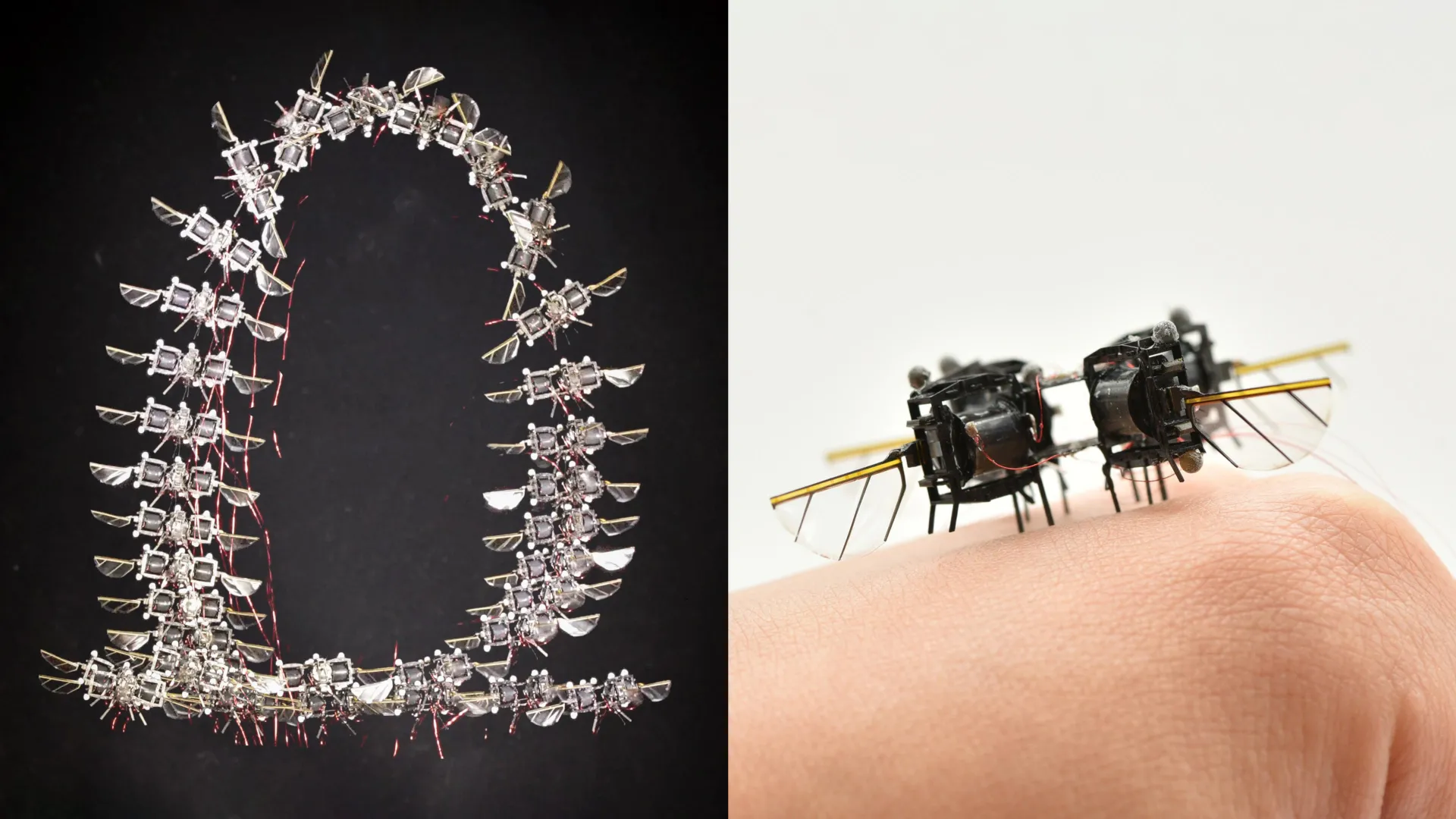
MIT Develops AI-Controlled Flying Robot Achieving 450% Speed Increase
Researchers at MIT have unveiled a new AI-based controller for tiny flying robots, enhancing their speed and agility significantly. This advancement allows these insect-scale robots to perform complex aerial maneuvers, such as body flips, with a speed increase of approximately 450% and acceleration boost of about 250% compared to previous models. The significance of this development lies in the potential applications of these agile robots in search and rescue operations, particularly in navigating through confined spaces in disaster scenarios where larger drones may struggle. The bioinspired control framework enables the robots to mimic the flight performance of insects, making them suitable for challenging environments. Looking ahead, the research team aims to further refine the robot's capabilities, enhancing its robustness and maneuverability. No further timeline was disclosed at the time of publication.

9th China Robot Summit in Hangzhou Showcases 35 Leading Robotics Companies
The 9th China Robot Summit, themed 'Intelligent Connectivity and Empowering All Scenarios,' gathered 35 companies and institutions to explore the evolving robotics industry. The event highlighted advancements in perception, execution, control, and system integration, showcasing a more complete robotics supply chain. This summit is significant as it marks a shift in the robotics industry from isolated capabilities to comprehensive system solutions. Companies like Yuli Instruments and Lingxi Robotics presented technologies that enhance robots' sensory and operational abilities, emphasizing the need for integrated solutions in real-world applications. Looking ahead, the focus will be on how these companies continue to innovate and collaborate within the robotics ecosystem. No further timeline was disclosed at the time of publication.
Robotics Industry Automation Technology AI and Machine Learning Robotic Systems Sensor Technology
Ninth China Robot Summit Commences in Hangzhou to Discuss the 'Robot+' Era
On September 17, the Ninth China Robot Summit opened in Hangzhou, focusing on the theme 'Intelligent Connection New Ecology, Empowering All Scenarios - The Intelligent Change and Quality Change of the Robot+ Era.' The event was hosted by the China Electromechanical Integration Technology Application Association and featured participation from various institutions, including Zhejiang University and the Hangzhou Robotics Innovation Center. The summit highlighted the rapid transition of the robotics industry from mere technology demonstration to large-scale application, with 2026 projected as the year for mass production of humanoid robots. Key initiatives announced included the launch of the 'China Industry-University-Research Cooperation Promotion Association for Health Robots' and the '2026 China Embodied Intelligence Industry Overseas Research Report,' which outlines a five-layer framework for strategic decision-making and a four-stage development roadmap. Experts presented on topics such as embodied intelligence in smart manufacturing and the full chain from perception to control. The summit is expected to attract over 50 associations and research institutions, more than 500 industry experts, and over 2,000 representatives, alongside 35 exhibiting companies across five major exhibition areas, including industrial and service robots.
Robotics Smart Manufacturing Industry Collaboration Innovation Platforms
Zoox's 100-Robotaxi Limit in Nevada Set to Expire, Enabling Fleet Expansion
Zoox, the Amazon-owned company, is poised to expand its fleet of custom-built robotaxis in Las Vegas as a regulatory cap limiting its operations to 100 vehicles is set to expire on September 25. This change, confirmed by both the Nevada Transportation Authority and a Zoox spokesperson, allows for greater flexibility in scaling its commercial services amid increasing competition from other companies like Waymo, Tesla, and Uber. The expiration of the 100-vehicle limit is significant as it comes at a time when the demand for autonomous ride-hailing services is rising. Zoox currently operates approximately 100 robotaxis across four U.S. cities, with the majority in Las Vegas and San Francisco. The company recently began charging for rides in Las Vegas after receiving a temporary exemption from federal safety standards, which is crucial given its unique vehicle design that lacks traditional controls. Looking ahead, Zoox plans to gradually increase its fleet size to meet the growing demand in Las Vegas and other markets. However, it remains to be seen how quickly the company will capitalize on this regulatory change. With competitors like Waymo already launching services in the area, the race to dominate the robotaxi market in Las Vegas is intensifying.
Transportation zoox
MIT Researchers Develop Robotic Lab for Autonomous Laser Experimentation
MIT researchers have created a robotic laboratory capable of autonomously assembling and conducting laser experiments. This innovative setup utilizes advanced robotics to enhance the efficiency and precision of scientific research, marking a significant advancement in automation technology. The development is crucial as it demonstrates the potential of robotics to transform traditional laboratory environments, enabling faster experimentation and data collection. This aligns with the growing trend of integrating automation in research settings to improve productivity and reduce human error. Looking ahead, it will be important to monitor how this robotic lab influences research methodologies and the broader implications for automation in scientific fields. No further timeline was disclosed at the time of publication.
AI and Robotics
9th China Robot Summit Scheduled for September 2026 in Hangzhou
The 9th China Robot Summit will take place from September 16 to 18, 2026, in Hangzhou, focusing on the theme 'Intelligent Connectivity in a New Ecosystem: Empowering All Scenarios - The Intelligent Transformation and Quality Change of the Robot Era.' The summit will highlight cutting-edge topics such as embodied intelligence, large models, and the robotics industry ecosystem. This event will gather top industry experts and representatives from leading companies at the Future Technology City Academic Exchange Center in Hangzhou. Key activities will include a main forum, authoritative releases, and thematic discussions, providing a platform for rich exchanges of ideas and insights in the robotics field. Attendees are encouraged to register early due to limited availability. Transportation options from Hangzhou Xiaoshan International Airport and other local stations to the venue have been detailed for convenience. No further timeline was disclosed at the time of publication.
Robotics Artificial Intelligence Industry Ecosystem Technology Summit
NVIDIA Highlights AI Factory Efficiency and Energy Optimization at AI Infra Summit
Ian Buck, NVIDIA's vice president of hyperscale and high-performance computing, presented on AI factory efficiency at the AI Infra Summit held at the Santa Clara Convention Center. The event attracted over 8,000 attendees, a significant increase from 3,500 last year. Buck emphasized the need for AI infrastructure to evolve as agentic AI workloads demand enhanced performance and efficiency. NVIDIA is addressing these challenges with a comprehensive AI factory platform that includes Vera Rubin systems, Dynamo inference software, and advanced networking technologies. The focus has shifted from peak performance to optimizing tokens per megawatt, with NVIDIA DSX MaxLPS achieving up to 1.4 times more tokens through factory-wide power optimization. This approach aims to enhance efficiency and maximize value from energy consumption. Emerald AI, a partner of NVIDIA, is set to implement NVIDIA DSX Flex for its grid-responsive power management software. This system will autonomously adjust energy consumption based on real-time grid signals, allowing AI factories to optimize their energy use while maintaining workload performance. No further timeline was disclosed at the time of publication.

Google Partners with Mitti Labs for Major Rice-Methane Carbon Credit Agreement
Google has entered into a significant agreement to purchase 1 million carbon credits from Indian startup Mitti Labs, marking the largest publicly announced deal for methane reduction in rice farming. This four-year contract will encompass rice farms across Karnataka, Andhra Pradesh, and Telangana, covering approximately 100,000 hectares at peak delivery. The collaboration is crucial as Google strives to achieve net-zero emissions by 2030, amidst rising greenhouse gas emissions. The project incentivizes farmers to implement practices that reduce flooding duration in rice fields, thereby cutting methane emissions by about 50% and conserving water usage by around 40%, without compromising crop yields. Looking ahead, Mitti Labs aims to expand its operations significantly, leveraging the Google agreement to enhance its capacity to engage with large corporate buyers. The startup, which has already saved over 500 billion liters of water, plans to increase its farmer partnerships from 100,000 to millions by 2030, supported by the credibility of working with a major player like Google.
Climate Startups Google Mitti Labs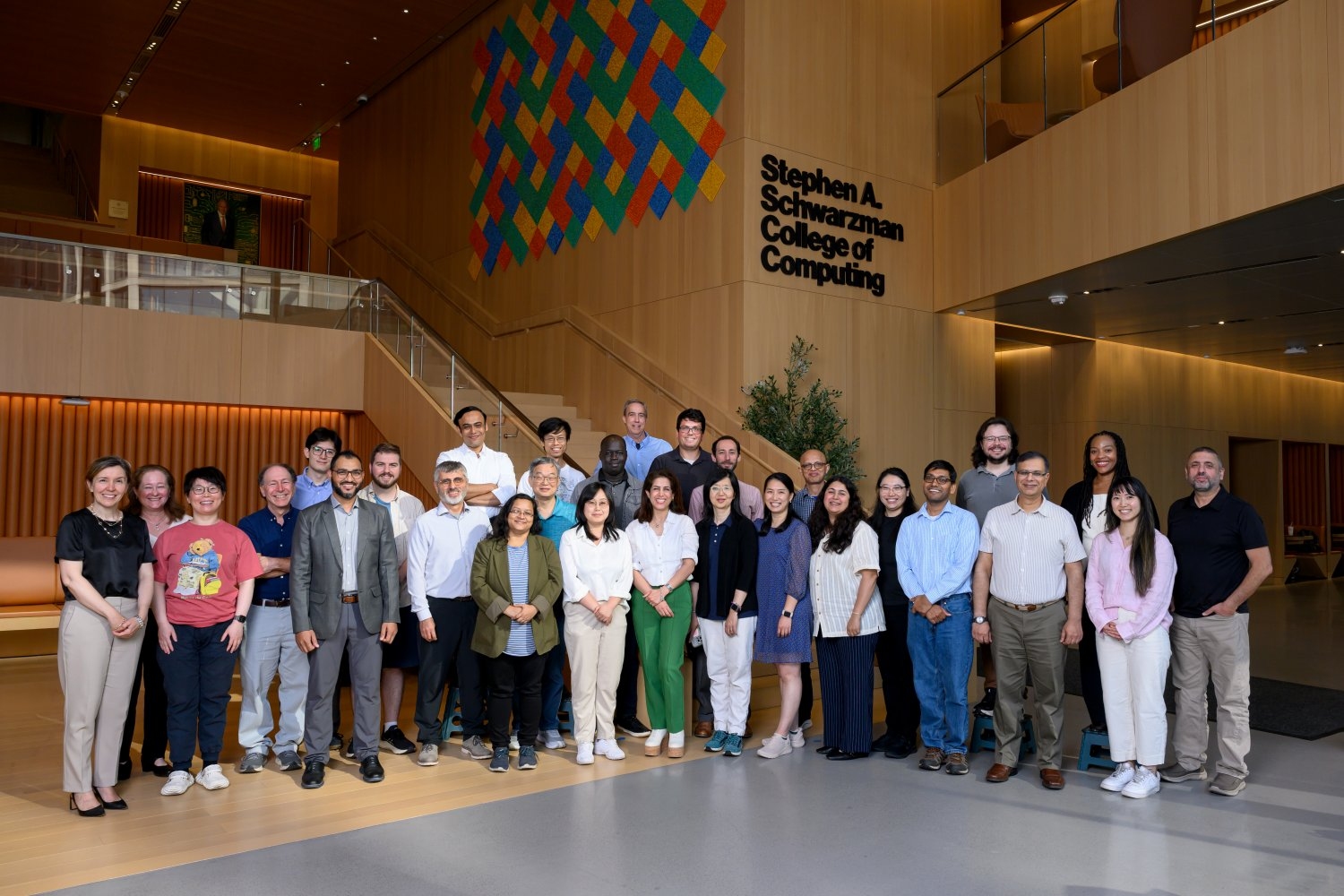
MIT Schwarzman College of Computing Initiates AI Educators Pilot to Enhance Teaching Across Disciplines
This summer, the MIT Schwarzman College of Computing hosted the inaugural AI Educators Pilot, a weeklong workshop designed to enhance the teaching of artificial intelligence across various disciplines. Faculty from institutions in Greater Boston, South Carolina, West Virginia, and Texas participated, exploring how to adapt AI and machine learning concepts for their classrooms. The initiative aims to broaden AI education by training instructors, empowering students to think critically about AI rather than merely using the technology. Dan Huttenlocher, the college's dean, emphasized the importance of equipping educators with the necessary tools to foster this critical thinking in students, while Saurabh Amin highlighted the collaborative effort involved in creating rich educational materials. Participants engaged in hands-on activities and discussions about integrating AI into their curricula, with feedback from the workshop set to inform future iterations of the program. No further timeline was disclosed at the time of publication.
Special events and guest speakers Classes and programs Education, teaching, academics Computer science and technology Artificial intelligence Machine learning
Over 30 Companies Participate in the 9th China Robotics Summit in Hangzhou
The 9th China Robotics Summit took place on September 17-18 in Hangzhou, featuring over 30 companies and institutions. The event highlighted advancements in robotics, including humanoid, quadruped, industrial, service, and special robots, showcasing the industry's shift from basic functionalities to real-world applications. This summit is significant as it reflects the evolving landscape of robotics, where competition now hinges on comprehensive industrial collaboration rather than isolated components or algorithms. The focus has shifted towards the integration of AI, cloud computing, and advanced sensors, which enhance robots' capabilities in understanding environments and executing tasks. Looking ahead, the industry is expected to continue evolving, with an emphasis on how robots perceive their surroundings, understand tasks, and make decisions. The integration of key components such as dexterous hands, sensors, and precision manufacturing systems will play a crucial role in enhancing product performance and production efficiency.
Robotics AI System Integration Industrial Automation Supply Chain
MIT Team Demonstrates Under-Ice Communication with ROV in Arctic Testing
In September 2026, a research team from MIT's Lincoln Laboratory conducted a field test in Utqiaġvik, Alaska, where an underwater remotely operated vehicle (ROV) successfully transmitted data through approximately 3.6 feet of Arctic ice. This marks a significant step toward establishing a large-scale underwater sensor network in the Arctic. The importance of this breakthrough lies in the limitations of traditional radio signals in seawater, which quickly attenuate and are ineffective for underwater communication. The team utilized a magnetic field communication system, employing a modem developed by Norwegian startup Havguard, achieving a data transmission rate of about 1.2KB/s. While this rate may seem modest compared to Wi-Fi or 5G, it suffices for the low bandwidth needs of Arctic sensor networks. Looking ahead, MIT aims to deploy some sensors via air drop by 2028, integrating them with the underwater modem to create a comprehensive system. The technology's potential applications span climate monitoring, coastal resilience, and military surveillance, highlighting the strategic value of autonomous underwater robots as Arctic ice melts and new shipping routes emerge. No further timeline was disclosed at the time of publication.
Underwater Robotics Arctic Research Sensor Networks AI in Robotics
Ninth China Robot Summit Set for September to Explore Industry Trends
The Ninth China Robot Summit will take place from September 16 to 18, 2026, at the Academic Exchange Center in Hangzhou Future Science and Technology City. The summit, themed "Intelligent Connection New Ecology, Empowering All Scenarios - The Intelligent Change and Quality Change of the Robot + Era," is organized by the China Electromechanical Integration Technology Application Association and aims to gather global expertise to explore new paths for high-quality development in the robotics industry. This annual event is significant for the robotics sector, attracting leading figures and innovative researchers from various fields. Notable attendees include prominent academics and industry leaders, such as professors from the Chinese Academy of Sciences and Nankai University, who have made substantial contributions to robotics technology and research, including advancements in intelligent perception, control technologies, and autonomous robots. As the summit approaches, attention will be on the discussions and insights shared by these experts, which could shape future trends in robotics and automation. No further timeline was disclosed at the time of publication.
Robotics Industry Artificial Intelligence Automation Smart Manufacturing
9th China Robot Summit Scheduled for September 2026 in Hangzhou with Key Themes and Guests
The 9th China Robot Summit is set to take place from September 16 to 18, 2026, in Hangzhou's Future Science City Academic Exchange Center. The summit will focus on the theme 'Intelligent Connectivity New Ecology, Empowering All Scenarios - The Intelligent Change and Quality Change of the Robot + Era', organized by the China Electromechanical Integration Technology Application Association. This event marks a significant moment for the Chinese robotics industry as it transitions from experimental phases to mass production, particularly for humanoid robots. The summit will gather industry leaders, founders of unicorn companies, and key players in the supply chain to discuss critical paths from capital frenzy to commercial realization, making it a vital platform for insights and resource connections. Attendees can expect a comprehensive agenda featuring keynote speeches, roundtable discussions, thematic forums, and exhibitions. The registration deadline is September 11, 2026, and the summit promises to offer unprecedented inspiration and opportunities for researchers, corporate decision-makers, and investors alike. No further timeline was disclosed at the time of publication.
Robotics Industry Technology Innovation Industry Summit Exhibitions Networking
Microsoft to Set Monthly Cloud Gaming Limits for Xbox Game Pass Subscribers Starting November
Microsoft's Xbox division announced that starting in November, Xbox Game Pass subscribers will face monthly limits on cloud gaming hours. This decision comes after years of offering unlimited access, as the company aims to balance usage with rising operational costs. Game Pass Ultimate subscribers will receive 15 hours of cloud gaming, while Premium and Essential subscribers will have access to 10 and 5 hours, respectively. The move is part of Microsoft's strategy to adapt its business model in response to increasing demand for cloud gaming services and the associated costs. Xbox stated that the new limits will help maintain service reliability and performance while allowing continued investment in the platform. The company acknowledged that this change may lead to higher costs for some players. Looking ahead, it will be important to monitor how these changes affect subscriber retention and overall user experience. Additionally, Microsoft has indicated that users who exceed their allotted hours will have the option to purchase extra gaming time. No further timeline was disclosed at the time of publication.

Registration Now Open for the 9th China Robot Summit Featuring Distinguished Keynote Speakers
The 9th China Robot Summit will take place from September 16 to 18, 2026, at the Academic Exchange Center in Hangzhou Future Technology City. The summit, themed 'Intelligent Connectivity in a New Ecosystem: Empowering All Scenarios - The Intelligent Transformation and Quality Change of the Robot Era,' is organized by the China Electromechanical Integration Technology Application Association and aims to explore new paths for high-quality development in the robotics industry. This annual event is significant for the robotics sector, attracting leading figures and pioneering researchers who have made substantial contributions to advanced manufacturing and robotics. Notable attendees include experts from various prestigious institutions, including the National Natural Science Foundation and Harbin Institute of Technology, who will share their insights and experiences in the field. As the summit approaches, it is expected to foster discussions that will shape the future of the robotics industry. No further timeline was disclosed at the time of publication.
Robotics Artificial Intelligence Industry Innovation Smart Manufacturing
Logistik Schmitt Strengthens Partnership with Infios Through Yard Management Solution Deployment
Logistik Schmitt is enhancing its collaboration with Infios by deploying the Infios Yard solution at its Rastatt site, improving visibility and efficiency in yard operations. This Yard Management System (YMS) project extends their successful partnership, which has already seen Infios Warehouse Management support logistics processes at various Logistik Schmitt facilities. The deployment is significant as it addresses the complex logistics needs of the automotive sector, where Logistik Schmitt provides tailored solutions for production supply and distribution. The Infios Yard solution optimizes yard operations by offering real-time visibility over trailer movements and improving process stability, thus enabling more efficient material flow management across approximately 450 daily movements at 150 gates. Looking ahead, Logistik Schmitt and Infios plan to continue their collaboration to further enhance operational performance in automotive manufacturing. No further timeline was disclosed at the time of publication.
Logistics Insight
Mitsubishi Heavy and NEC Collaborate on Defense Drones and AI Systems
Mitsubishi Heavy Industries and NEC announced their partnership to develop domestic defense drones and AI-driven command and control systems. This collaboration aims to enhance Japan's defense capabilities amid increasing global reliance on drone technology in combat scenarios. The significance of this partnership lies in its potential to strengthen Japan's defense industry and reduce dependence on foreign technology. As drones become integral to modern warfare, the collaboration between these two major Japanese companies could position Japan as a key player in the defense drone market. Looking ahead, it will be important to monitor the progress of this collaboration and its impact on Japan's defense strategy. No further timeline was disclosed at the time of publication.
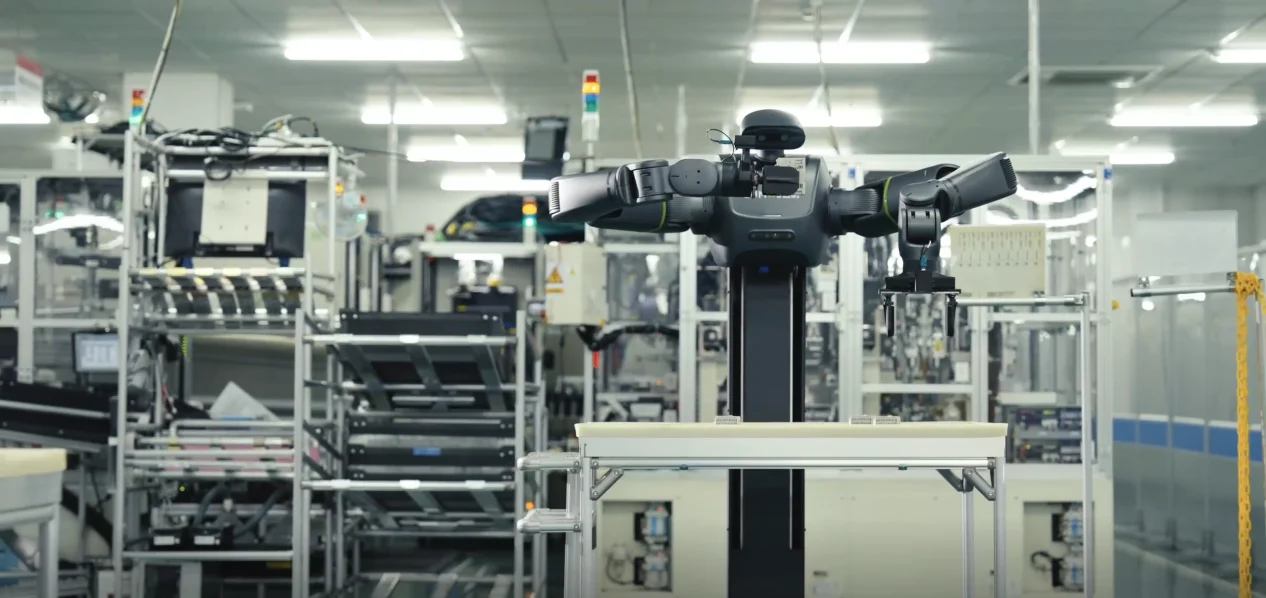
Lumos Robotics Launches MOS 2 Mobile Manipulator for Mitsubishi Factory Operations
Lumos Robotics has introduced the MOS 2, a dual-arm mobile manipulator designed for mass-production environments. Unlike traditional humanoid robots, the MOS 2 is marketed as an 'AI Worker' and is currently operational at Mitsubishi Electric's manufacturing lines, performing tasks such as surface defect inspection and intralogistics. The significance of the MOS 2 lies in its ability to enhance operational stability in industrial settings, addressing the needs of manufacturers who prioritize efficiency over acrobatics. With a payload capacity of 50 kilograms and advanced features like multimodal vision, the robot is engineered to adapt quickly to various tasks, minimizing downtime during retooling. Looking ahead, the MOS 2's successful deployment at Mitsubishi Electric, which began in 2025, highlights the growing trend of integrating robotics into high-mix manufacturing. No further timeline was disclosed at the time of publication.
MOS2 Lumos Robotics Market China
Mitsubishi Electric Showcases Integrated Manufacturing and Educational Solutions at IMTS 2026
At IMTS 2026, Mitsubishi Electric US, Industrial Automation will showcase the synergy of integrated CNC, robotics, automation, and digital technologies. This demonstration aims to illustrate how these technologies can enhance manufacturing performance, boost flexibility, and establish a robust foundation for future growth. The significance of this demonstration lies in its potential to transform manufacturing processes. By highlighting the integration of various technologies, Mitsubishi Electric emphasizes the importance of adopting advanced solutions to remain competitive in the evolving industrial landscape. Looking ahead, industry stakeholders should monitor the advancements in connected manufacturing solutions presented by Mitsubishi Electric. These innovations could play a crucial role in shaping the future of manufacturing and automation. No further timeline was disclosed at the time of publication.

9th China Robot Summit in Hangzhou to Highlight Innovations and Industry Connections
The 9th China Robot Summit is set to take place from September 17 to 18 at the Future Technology City Academic Exchange Center in Hangzhou. This event will gather key players from the robotics industry, including manufacturers, core component suppliers, and research institutions, providing a platform for product showcases, technical exchanges, and industry connections. The summit emphasizes the importance of establishing a 'position in the industry' for robotics companies, which is determined by customer choices and recognition from upstream and downstream partners. Unlike previous exhibitions that focused on product launches and brand exposure, this summit aims to facilitate direct understanding of products through live demonstrations, allowing customers and partners to assess technological capabilities and real-world applications. As companies seek to expand their market reach and validate their solutions, the summit serves as a vital venue for connecting products, demands, and collaboration opportunities. Attendees will include industry professionals, academic researchers, application units, investors, and other stakeholders interested in the development of the robotics sector. No further timeline was disclosed at the time of publication.
Robotics Industry Innovation Exhibition Technology Showcase
MIT's MouthPad: A $1,400 Tongue-Controlled Mouse for Users with Disabilities
MIT Media Lab's Augmental has launched the MouthPad, a $1,400 tongue-controlled mouse designed for users with disabilities. This innovative device, resembling a custom retainer, allows users to control a cursor by moving their tongue, enabling interaction with computers and mobile devices without the need for hands. The MouthPad addresses a significant gap in assistive technology by providing a solution for individuals with conditions like spinal cord injuries and ALS who cannot use their hands. It offers a unique alternative to traditional input devices, allowing for greater independence in tasks such as note-taking and gaming, as highlighted by user experiences. Looking ahead, the MouthPad's performance metrics, such as the information transfer rate of 10.47 bits/s achieved by a user, suggest it is competitive with existing technologies. However, its applicability is limited to users with some tongue and head control. As feedback continues to shape its development, the device is poised to enhance the lives of many individuals with disabilities.
Assistive Technology Human-Computer Interaction Tongue-Controlled Devices Disability Aids
MIT's Julia Language Transforms Scientific Programming with High Performance and Ease of Use
In 2009, a group of MIT researchers initiated a project to develop Julia, a high-performance programming language aimed at simplifying complex mathematical operations for scientists and engineers. This initiative arose from frustrations with existing programming languages that were slow and inflexible, requiring extensive rewrites for efficiency. Julia has since gained over 1 million users globally, being utilized in diverse fields from aerospace to astronomy. The significance of Julia lies in its ability to facilitate scientific applications without requiring users to be expert programmers. Its unique just-in-time compilation method enhances performance, making it a preferred choice among multidisciplinary teams. JuliaHub co-founder Viral Shah emphasizes the goal of empowering scientists and engineers to express their ideas effectively while achieving optimal software performance. Recently, JuliaHub launched Dyad 3.0, an AI platform designed to expedite the development of complex physical systems. This tool allows engineers to automate the design process, exemplified by its capability to design aircraft based on uploaded data and documents. The ongoing evolution of Julia and its applications continues to address the needs of researchers and engineers in various industries.
Programming Software Startups Artificial intelligence Innovation and Entrepreneurship (I&E) Computer Science and Artificial Intelligence Laboratory (CSAIL)
Invitation to Exhibit at the 9th China Robot Summit: Discover Industry Opportunities in September
The 9th China Robot Summit is set to gather 373 companies and showcase over 3,000 products, with 48 state-owned enterprises participating for the first time. The event highlights the importance of integrating robots into a complete industrial collaboration network, which includes stable core component supply and partnerships across the value chain. Participation in specialized robot exhibitions allows companies to enhance their visibility within the industry, connect with potential partners, and reach target customers. As the event approaches, interested exhibitors are encouraged to seize the final registration opportunities. The summit will also leverage over 100 media resources for pre-event promotion, on-site reporting, and post-event coverage to ensure significant exposure for new technologies and brands. The summit will feature discussions on the development of the robot industry in Hangzhou, including the release of an action plan for the city's robot industry. It aims to connect high-growth robotics companies with investors and address the growing importance of standards and regulations in emerging fields such as humanoid robots and embodied intelligence. No further timeline was disclosed at the time of publication.
Robotics Industry Exhibition Collaboration Technology Innovation
Yushu Technology Founder Highlights Humanoid Robots' Limitations at World Robot Conference
At the World Robot Conference, the founder of Yushu Technology addressed the limitations of humanoid robots, stating their efficiency is only 30% to 50% of human capabilities. He emphasized that the company's ongoing 'physical AI self-evolution' is still in the research phase, far from large-scale application. This candid assessment contrasts with typical expectations for a newly listed company, where founders often project optimism. Instead, he highlighted significant challenges, including the robots' inability to adapt to new environments, which drastically reduces task success rates. Looking ahead, he suggested that for robots to reach a 'ChatGPT moment,' they must operate effectively in 80% of unfamiliar scenarios using voice commands, a milestone that could take two to ten years to achieve. No further timeline was disclosed at the time of publication.
Humanoid Robots AI Robotics Technology Startup Innovation
MIT Develops Bifur-Circuits for Shape-Shifting Smart Devices and Furniture
MIT has introduced a groundbreaking system known as 'bifur-circuits,' which enables physical objects to change shape seamlessly. These 3D-printed modular metamaterials maintain continuous electrical conductivity despite bending, twisting, or reconfiguring. Unlike traditional metamaterials that are limited to rigid forms, MIT's innovation allows objects to snap into various stable configurations without losing power or signal, having been tested through over 10,000 compressions with no conductivity loss. This advancement is significant as it opens up new possibilities for interactive applications, including rehabilitation tools, adaptive soft-robotics grippers, and reconfigurable emergency shelters that can adapt to changing environments after disasters. Marwa AlAlawi, the lead author and mechanical engineering graduate student, emphasized that this technology could simplify the manufacturing of complex mechanical assemblies by utilizing repeating units, thereby embedding intrinsic intelligence into hardware. Looking ahead, the potential applications of these sensing metamaterials are vast, with examples like a chair that transforms into a storage table while providing real-time configuration data. No further timeline was disclosed at the time of publication.
AI and Robotics
Legged Robots Learn Dynamic Movements Through Motion-Imitation Framework
Legged robots, which mimic the movements of animals or humans, are being enhanced through a motion-imitation framework that teaches them dynamic movements such as cartwheels and backflips. This advancement addresses the challenge of reliably replicating complex whole-body movements in a short time frame. The ability to perform intricate movements is crucial for legged robots, especially in home environments or populated areas where dynamic tasks are common. By improving their motion capabilities, these robots can become more effective in navigating and interacting within these spaces, potentially increasing their utility in everyday applications. Looking ahead, the continued development of motion-imitation frameworks could lead to even more sophisticated movement capabilities for legged robots. No further timeline was disclosed at the time of publication.
Robotics
Data Collection Challenges in Robotics: Addressing Physical Limitations and Gaps
Since the beginning of the year, major companies and startups have significantly increased their investment in data collection. Companies like Qianxun Intelligent, Lingqiao Intelligent, and Lingchu Intelligent have announced ambitious targets for collecting millions of hours of data. Meanwhile, Guanglun Intelligent has completed a financing round of 1 billion yuan, becoming the world's first embodied data unicorn. JD.com has unveiled a comprehensive infrastructure for embodied intelligent data collection, planning to mobilize 600,000 people for crowdsourced data gathering across 64 training sites in 27 cities. This surge in data collection efforts highlights the industry's focus on building data sets, annotation teams, and simulation environments. However, a critical physical limitation is being overlooked: most teams simplify data collection to perception-level image and point cloud gathering, neglecting the essential motion data from the interaction between robots and physical environments. According to the Guizhou Provincial Big Data Bureau, only 500,000 hours of compliant data from real physical interactions currently exist in China, while the China Electromechanical Integration Technology Application Association estimates that commercializing robotics requires at least tens of millions of hours of data support, indicating a gap exceeding 99% based on a conservative estimate of 10 million hours. The current challenges in real-world data collection stem from structural constraints that create a physical ceiling. While virtual environments can generate training data at low cost, the gap between simulation and reality is widening as model complexity increases. The AI Index Report 2026 from Stanford HAI reveals that robot manipulation success rates drop from 89.4% in simulated environments to just 12% in real home settings. This discrepancy underscores the need for real physical interaction data, as many robots struggle in unstructured environments like stairs and uneven surfaces, which are crucial for embodied intelligence applications. Continuous data collection is necessary for iterative algorithm development, yet many data collection vehicles are designed for specific scenarios, leading to high costs and inefficiencies in cross-environment deployments.
Data Collection Embodied Intelligence Robotics Simulation Physical Interaction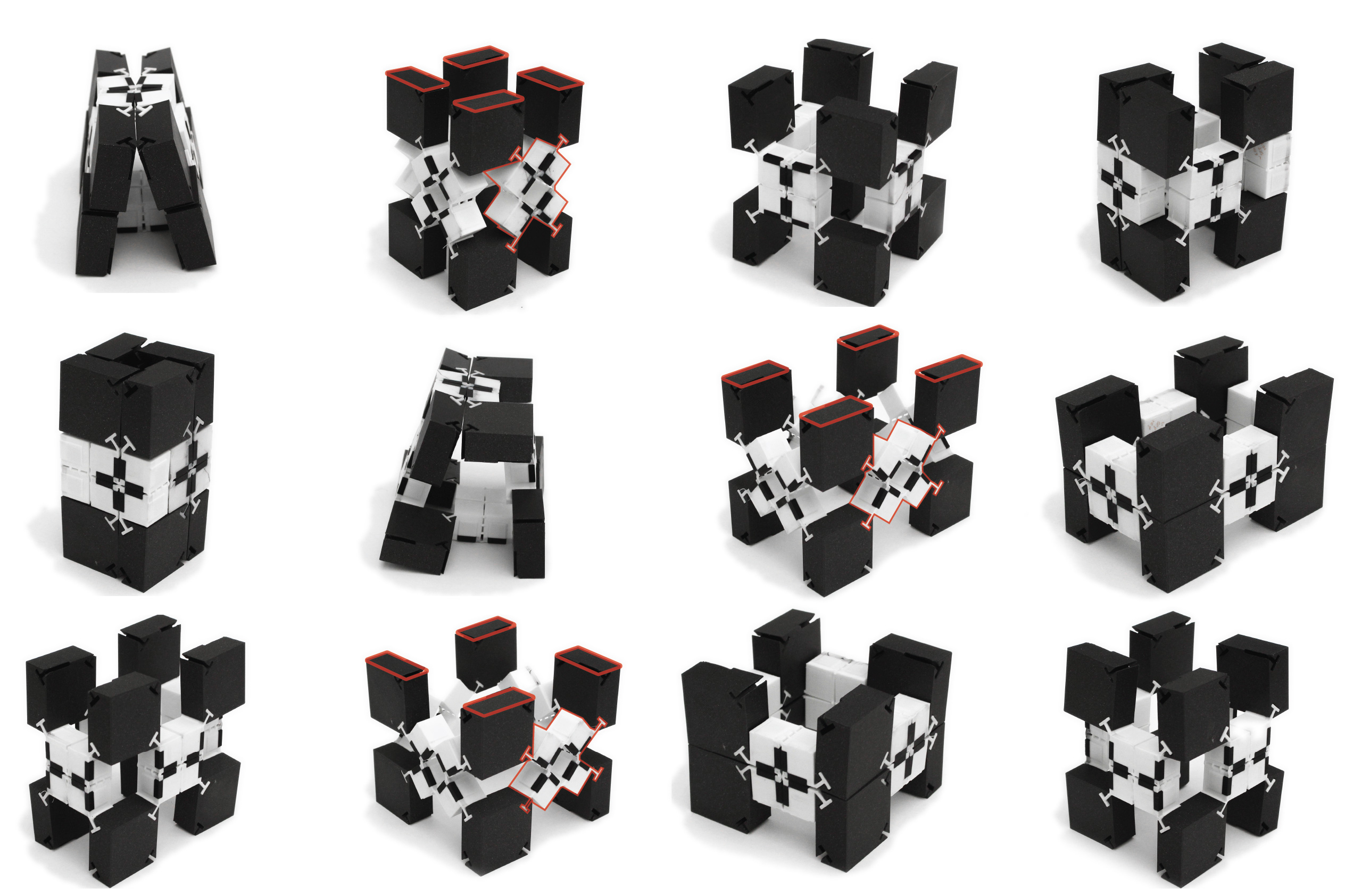
MIT Develops Modular System for Shape-Changing Smart Devices with Bifur-Circuits
MIT engineers have developed a new set of modular components, termed 'bifur-circuits,' that enable the creation of reconfigurable smart devices. These components maintain electrical connections regardless of the shape the device takes, allowing for innovative designs such as assistive furniture and adaptable robotic grippers. The significance of this development lies in its potential to revolutionize the design of interactive devices that can sense their own configurations without external wiring. This modularity could lead to advancements in various applications, including smart furniture that aids in recovery and antennas that adjust their frequencies based on environmental changes. Looking ahead, the research team plans to present their findings at the ACM Symposium on User Interface Software and Technology. The implications of their work suggest a future where mechanical metamaterials can be utilized to embed intrinsic intelligence into hardware, expanding the possibilities for smart device design and functionality.
Research Materials science and engineering Maker movement Human-computer interaction Electronics Computer science and technology
Nissan-Mitsubishi Alliance Faces Uncertain Future After Disappointing Decade
As Nissan Motor approaches the 10th anniversary of its investment in Mitsubishi Motors, the partnership has shown minimal progress, leading to speculation about potential changes. The end of the lockup period for Nissan's stake raises questions about possible divestment and the entry of new partners like Honda or Foxconn. The significant decline in Mitsubishi Motors' market capitalization, which has fallen approximately 40% since Nissan's investment in October 2016, underscores the challenges faced by both automakers. This lackluster performance highlights the need for strategic shifts to regain competitiveness in the evolving automotive landscape. Looking ahead, industry observers will be watching for any announcements regarding Nissan's stake and potential partnerships. No further timeline was disclosed at the time of publication, but the situation remains fluid as both companies seek to redefine their strategies in a rapidly changing market.
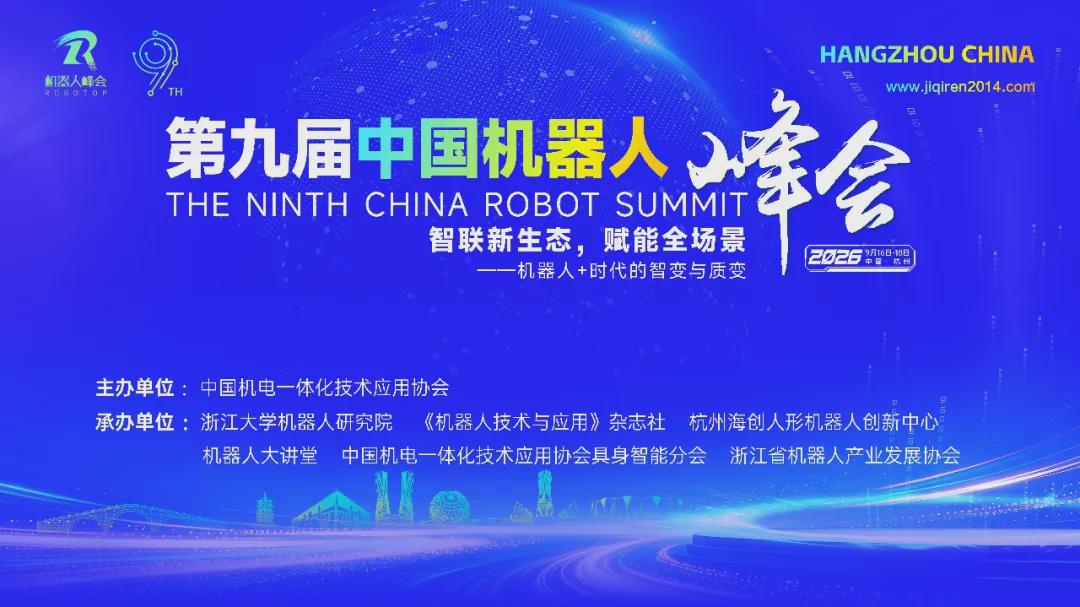
The 9th China Robot Summit Set to Begin in Hangzhou This September, Welcoming Exhibitors
The 9th China Robot Summit is scheduled to take place in Hangzhou this September, inviting exhibitors to showcase their innovations. This event aims to highlight advancements in robotics and intelligent manufacturing, providing a platform for industry leaders to connect and share insights. The significance of the summit lies in its potential to drive collaboration and investment in the robotics sector. As the industry continues to evolve, the summit serves as a critical venue for discussing trends and challenges, particularly in the context of recent funding developments and market dynamics. Looking ahead, attendees can expect to see a diverse range of exhibitors and presentations that will explore the future of robotics and intelligent systems. No further timeline was disclosed at the time of publication.
Robotics Automation AI
UK Army Commander Highlights Limitations of Ground Robots in Complex Battlefield Exercises
As military forces worldwide seek to learn from the Ukraine conflict, unmanned ground vehicles (UGVs) are being rapidly integrated into operations. However, a former frontline commander of the UK Army recently concluded that these machines are not always the right tools for the job. During a high-intensity exercise called 'Fusion Program Apex 6' at the National Training Center in California, UGVs were put to the test alongside troops from the UK and US. Colonel John Black from the Yorkshire Regiment noted that despite testing various use cases, significant challenges emerged regarding the practical application of ground robots in combat. Heavy logistical burdens were identified, as many mid-sized UGVs require trailers or flatbed trucks for transport, complicating battlefield mobility. Additionally, energy supply issues, including the need for extra batteries or fuel, further complicate operations. The exercise revealed that ideal operational ranges often fall short in complex terrains, with obstacles confusing most UGVs. Furthermore, maintaining stable remote control connections in a battlefield environment poses significant challenges. Black emphasized that while UGVs may address specific battlefield pain points, they are not universal solutions. The core value of such tests lies in understanding how unmanned systems can integrate into existing combat networks, potentially transforming the nature of warfare.
Unmanned Ground Vehicles Military Robotics Logistics Technology Autonomous Systems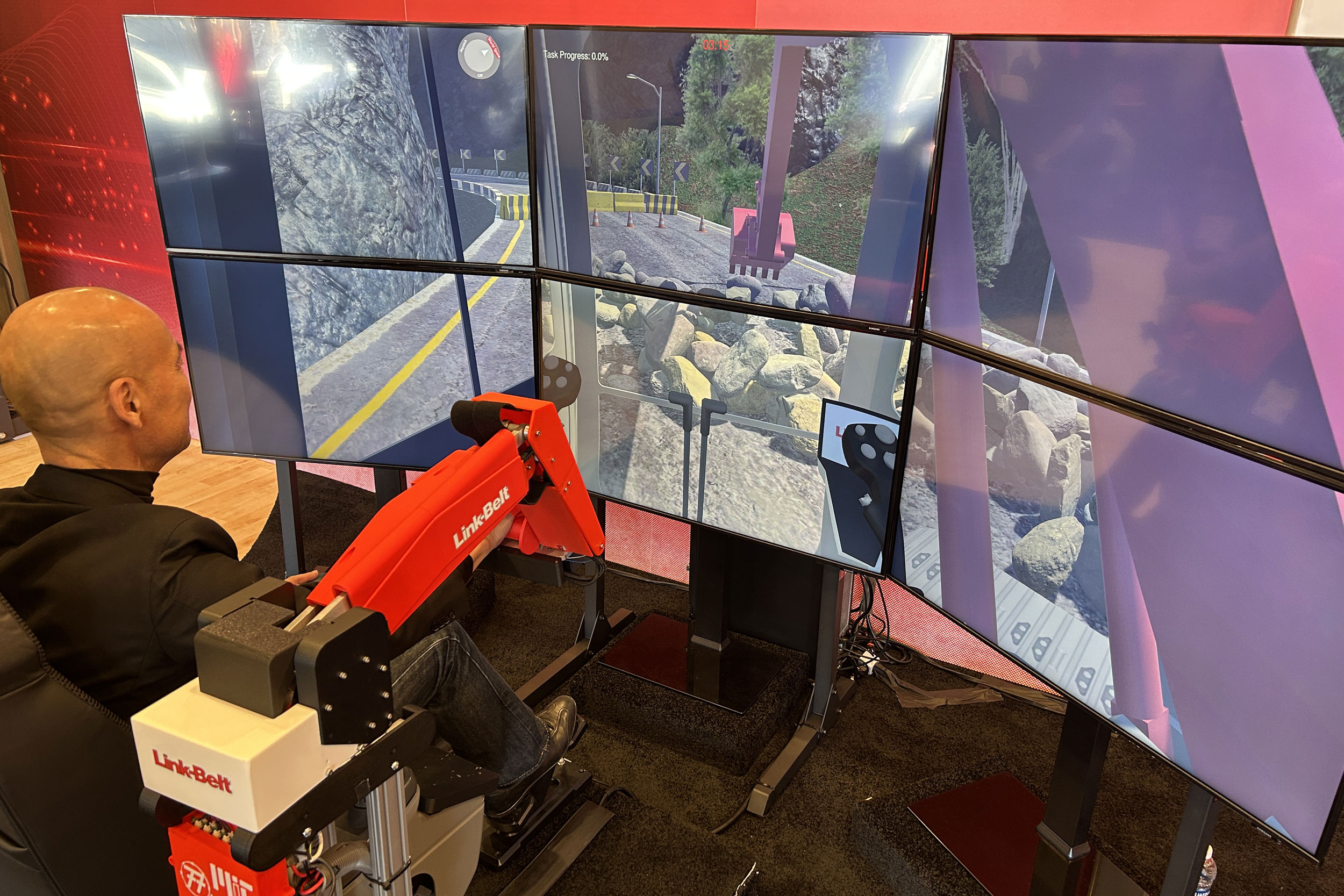
MIT Engineers Develop Intuitive Controller to Enhance Excavator Operator Training
MIT engineers have designed a new training interface for excavator operators, replacing traditional joysticks with a miniature excavator arm controller. This innovative approach aims to simplify the complex mental mapping required to operate heavy machinery, potentially reducing the training time significantly. The new controller allows trainees to use their own arm movements to control a digital excavator displayed on an immersive six-screen setup. This method not only enhances the intuitive operation of the machine but also opens possibilities for remote operation in challenging environments, according to Hermano Krebs, a principal research scientist at MIT. The research team, which includes collaborators from Sumitomo Heavy Industries, aims to address the growing need for skilled excavator operators, particularly in Japan, where the workforce is aging. The World-Space Interface represents a significant advancement in operator training and human-robot interaction, with the potential to revolutionize how excavators are operated both on-site and remotely.
Research Construction Industry Human-computer interaction Assistive technology Augmented and virtual reality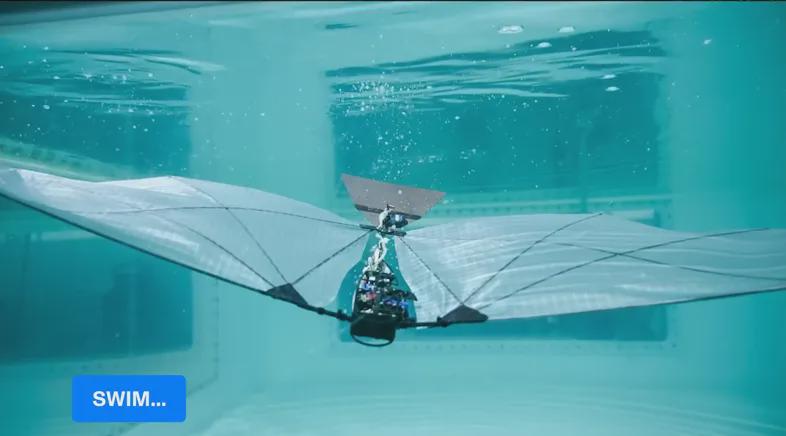
MIT Develops 250-Gram Robotic Bird Capable of Swimming and Flying
MIT has unveiled a groundbreaking 250-gram robotic bird that can seamlessly transition between swimming and flying. This innovative design utilizes a unique 'water-to-air switching' mechanism, making it as simple as flapping its wings. The development represents a significant advancement in robotics, showcasing the potential for versatile applications in various environments. The importance of this robotic bird lies in its ability to operate efficiently in both aquatic and aerial settings. This dual functionality could revolutionize how robots are deployed for tasks such as environmental monitoring, search and rescue operations, and wildlife observation. The lightweight design enhances maneuverability, allowing for more agile movements in diverse conditions. Looking ahead, industry experts will be monitoring the potential applications of this technology in real-world scenarios. The implications for robotics in both land and water environments are vast, and further developments from MIT could lead to even more sophisticated robotic systems. No further timeline was disclosed at the time of publication.
Robotics Automation AI
Intermittent Swimming Enhances Energy Efficiency in Fish-Inspired Robotic Movements
A collaborative research team from EPFL, Duke University, and Instituto Superior Tecnico has developed a robotic platform named ZBot, inspired by larval zebrafish, to explore the energy efficiency of intermittent swimming. This study highlights the advantages of bout-and-glide swimming, which alternates active propulsion with passive gliding, potentially optimizing energy use in robotic systems. The significance of this research lies in its potential to extend operational time for robots while reducing battery load, leading to lighter and more durable designs. By mimicking natural locomotion strategies evolved over billions of years, the ZBot aims to replicate the energy-saving mechanisms observed in aquatic organisms, making it a valuable tool for future robotic applications. Future developments will focus on further refining the ZBot's capabilities and understanding the neural control mechanisms behind intermittent swimming. No further timeline was disclosed at the time of publication.

Concerns Arise Over High Repair Costs and Limited Service for Consumer Robots
Recent discussions have highlighted the high repair costs and limited service options for consumer robots, particularly in the case of humanoid robots and robotic dogs. Users have reported significant expenses for repairs, such as a $30,000 bill for a humanoid robot that suffered a minor fall, leading to a complex repair process involving precision adjustments and recalibration. This situation is concerning as it underscores the challenges faced by consumers in maintaining their robotic investments. With warranty periods typically ranging from one to one and a half years, many repairs fall outside of warranty coverage, especially when deemed as user-induced damage. The high costs associated with repairs can deter potential buyers and raise questions about the long-term viability of consumer robotics. Looking ahead, the industry must address these repair and service challenges to enhance consumer confidence. As more users engage with robotic technology, the demand for affordable and accessible repair services will likely increase. No further timeline was disclosed at the time of publication.
Consumer Robots Robot Repair Services Maintenance Costs Third-Party Services
MIT Chosen to Lead New NSF Materials Research Science and Engineering Center
The National Science Foundation (NSF) has appointed MIT to establish and lead a new Materials Research Science and Engineering Center (MRSEC) dedicated to advancing materials technologies for medical imaging, sustainable metals production, and next-generation semiconductors. The center is expected to receive $18 million in funding over six years, uniting 16 research groups from nine departments across four institutions, including five MIT departments and three collaborating universities. This initiative is significant as it aims to enhance medical diagnostics through improved X-ray detectors, which could lead to better cancer detection and reduced radiation exposure. Additionally, the center will investigate high-temperature sulfur-based molten materials to innovate metal and semiconductor production, potentially increasing efficiency and access to critical materials. The funding will also support a shared laboratory for testing magnetic materials under extreme conditions, available to both academic and industry users. Looking ahead, the MRSEC is part of a broader $108 million NSF investment in six research centers exploring various scientific challenges. The center builds on nearly 60 years of interdisciplinary materials research at MIT, fostering collaboration across disciplines to address complex issues in materials science and engineering. No further timeline was disclosed at the time of publication.
Research Funding Materials science and engineering Chemistry Physics Earth and atmospheric sciences
Unitree Robotics' IPO Oversubscribed Amid Concerns Over Humanoid Robot Limitations
Unitree Robotics' initial public offering (IPO) in Shanghai saw an overwhelming response, being oversubscribed by more than 5,500 times by retail investors. This surge in demand, which resulted in 9.8 million orders, reflects a strong optimism regarding potential stock gains and the growing demand for robots in China, despite concerns over a US import ban. The IPO raised 6.1 billion yuan (approximately US$900 million), indicating significant investor interest in the robotics sector. However, only a minuscule 0.018 percent of the orders will be fulfilled, even after the company increased the number of shares available to retail investors by 50 percent. This situation highlights the intense competition and high expectations surrounding the robotics market in China. Looking ahead, it will be important to monitor how Unitree Robotics navigates the challenges posed by international trade restrictions and the limitations of humanoid robots. No further timeline was disclosed at the time of publication.

Recent Advances in Electronic Skin Enhance Touch and Proximity Sensing for Robotics and Prosthetics
Recent developments in miniaturized and portable electronics have led to a surge in demand for self-powered sensing technologies. Triboelectric nanogenerators (TENGs) are at the forefront of this trend, gaining significant attention for their ability to create highly sensitive tactile sensors. These advancements are crucial for enhancing the functionality of robots and prosthetics, enabling them to better interact with their environments. The importance of TENGs lies in their potential to revolutionize how robots and prosthetics sense touch and proximity. As these devices become more sensitive and adaptable, they can significantly improve user experience and operational efficiency. This is particularly relevant in applications where precise tactile feedback is essential, such as in robotic surgery or prosthetic limbs that require fine motor control. Looking ahead, the continued development of TENGs and similar technologies will be critical. The industry should monitor advancements in miniaturization and flexibility of electronic components, as these will play a vital role in the integration of advanced sensing capabilities into everyday devices. No further timeline was disclosed at the time of publication.
Robotics
9th China Robotics Summit Scheduled for September 2026 in Hangzhou
The 9th China Robotics Summit is set to take place from September 16 to 18, 2026, in Hangzhou. This event aims to highlight advancements in robotics technology, particularly in humanoid robots and intelligent systems, amidst the ongoing integration of robotics with AI and IoT. The summit will feature five exhibition areas showcasing the latest innovations across the entire robotics industry chain. This summit is significant as it aligns with China's 'Robot+' Action Plan, which emphasizes the importance of robotics in the future industrial landscape. The event will gather over 2,000 experts, scholars, and industry leaders, fostering collaboration and innovation in various sectors, including manufacturing, healthcare, and smart services. The focus will be on high-quality development and the integration of robotics into the digital economy. Attendees can expect a comprehensive program, including an academic forum, entrepreneur dialogues, and vertical sub-forums covering diverse topics. The opening ceremony will witness the signing of 27 major smart manufacturing projects, with a total investment of 20.35 billion yuan. No further timeline was disclosed at the time of publication.
Robotics Artificial Intelligence IoT Industry Innovation
Firmus Secures $2 Billion Commitments to Expand AI Factory in Australia and Asia-Pacific
Firmus has announced that it has secured $2 billion in funding commitments aimed at accelerating the expansion of its AI factory operations across Australia and the Asia-Pacific region. This significant investment underscores the growing interest and demand for AI technologies in these regions, highlighting Firmus's strategic position in the market. The funding will enable the company to enhance its capabilities and infrastructure to meet the increasing needs of its clients. Looking ahead, stakeholders will be keen to observe how Firmus utilizes this funding to scale its operations and the potential impact on the AI landscape in Australia and Asia-Pacific. No further timeline was disclosed at the time of publication.
Artificial Intelligence Investments News AI infrastructure Australia Firmus
MIT Lincoln Laboratory: A Legacy of National Security Innovation Over 75 Years
On July 26, 1951, the U.S. Air Force, Army, and Navy established Project Lincoln, leading to the creation of MIT Lincoln Laboratory, which has been pivotal in developing the nation's air defense system, SAGE. Seventy-five years later, the laboratory continues to innovate in national security technology, collaborating with government, industry, and academia. The significance of Lincoln Laboratory's contributions is profound, as it has not only protected military personnel and the U.S. homeland but also advanced societal safety. Innovations in radar and optical systems have provided critical space situational awareness, while military satellite communications have evolved from mere concepts to essential tools for global connectivity in military operations. Looking ahead, Lincoln Laboratory is poised to continue its legacy of innovation, with ongoing projects aimed at enhancing missile defense, aviation safety, and the development of technologies for drones and advanced air mobility systems. No further timeline was disclosed at the time of publication.
History of science Technology and society Invention Government Collaboration Radar
Rising Tensions Over AI and Robotics Ahead of Xi-Trump Summit in Washington
In the lead-up to President Xi Jinping's scheduled summit with US President Donald Trump in September, trade and technology disputes have intensified between China and the United States. Key issues include disagreements over Chinese artificial intelligence models, new US restrictions on advanced robotics, and an expanded blacklist related to forced labor. These emerging tensions are significant as they highlight the ongoing challenges in US-China economic relations, particularly in the technology sector. The disputes reflect broader concerns regarding intellectual property, trade practices, and the competitive landscape in advanced technologies, which are critical for both nations' economic futures. Looking ahead, stakeholders should monitor how these disputes evolve and their potential impact on the summit discussions. The outcomes could influence future trade policies and cooperation in technology development between the two countries. No further timeline was disclosed at the time of publication.

Mitsubishi Motors to Collaborate with Highlanders for Humanoid Robot Production by 2027
Mitsubishi Motors has announced a partnership with Highlanders, a robotics startup incubated by the University of Tokyo, to commence mass production of humanoid robots at its Kyoto factory by early 2027. The production facility will utilize previously idle space originally designated for engine manufacturing, with an initial monthly output target of 1,000 units, fully funded by Mitsubishi Motors. This collaboration marks the first instance of a Japanese automotive company signing an agreement with a humanoid robotics firm for mass production. Mitsubishi has already made a strategic investment in Highlanders and plans to provide additional funding in the future. The upcoming robots will stand approximately 1.75 meters tall and will feature AI-driven autonomous control, enabling them to assess their surroundings and perform tasks such as stable walking and object manipulation. The robots will initially be deployed within Mitsubishi's own factories for tasks like component handling and engine assembly, continuously collecting data to improve operational precision through software updates. Mitsubishi's chairman, Takao Kato, emphasized that this partnership aims to establish a new industrial foundation for human-robot collaboration, while Highlanders' representative, Hiroya Nagaoka, highlighted the significance of this collaboration in achieving their company's goals.
Humanoid Robots AI Manufacturing Automation Robotics Automotive Industry
U.S. FCC Imposes Import Limits on Humanoid and Mobile Robots Amid Security Concerns
The U.S. government has announced restrictions on imports of certain humanoid and mobile robots, citing national security risks. The Federal Communications Commission (FCC) stated that foreign-made advanced robotic devices could create vulnerabilities in the supply chain and pose cybersecurity threats to critical infrastructure. An exemption exists for robots and power inverters that receive conditional approval from the U.S. Department of War or Department of Homeland Security. This ruling reflects a growing concern over the dominance of foreign-subsidized robotics in the U.S. market, particularly following the loss of production capabilities to China. Industry leaders, such as Evan Beard, CEO of Standard Bots, have expressed strong support for these measures, emphasizing the need for the U.S. to lead in robotics technology. The FCC's actions are seen as a significant step in safeguarding American interests in the robotics sector. Looking ahead, the implications of these restrictions on the robotics industry will be closely monitored, especially as companies like Unitree pursue public offerings and as domestic manufacturers seek to expand. No further timeline was disclosed at the time of publication.
Analysis Autonomous Mobile Robots (AMRs) Batteries / Power Supplies China Humanoids News
MIT and Broad Institute Develop U-STORM for Breakthrough Super-Resolution Imaging
Researchers at MIT and the Broad Institute have created a revolutionary super-resolution imaging technology called U-STORM, enabling visualization of molecular structures with sub-angstrom precision. This advancement allows for data collection three orders of magnitude beyond traditional fluorescent dyes, while simplifying the imaging process significantly. The significance of U-STORM lies in its use of upconverting nanoparticles (UCNPs) that blink indefinitely under near-infrared excitation, overcoming limitations of conventional imaging techniques. This innovation not only enhances localization precision to 0.6 Å but also reduces experimental complexity by allowing simultaneous multicolor imaging with a single laser. Looking ahead, the research team aims to expand the color palette and improve the brightness and size of the nanoparticles. U-STORM is poised to revolutionize high-precision molecular imaging in laboratories globally, providing a more accessible and powerful tool for studying complex biological systems.
Research Microscopy Chemistry Chemical engineering Nanoscience and nanotechnology School of Science
MIT Aims to Develop Technologists as Nurse Practitioners for Advanced Manufacturing
The Massachusetts Institute of Technology (MIT) is addressing the skills gap in advanced manufacturing through its Technologist Advanced Manufacturing Program (TechAMP). This initiative, led by John Liu, aims to create a new workforce category akin to nurse practitioners, who can integrate advanced technologies into manufacturing processes. The importance of this program lies in its potential to enhance productivity in the manufacturing sector, particularly in aerospace and submarine industries. Supported by corporate partners like GE Vernova and Siemens, TechAMP is designed for experienced technicians, providing them with leadership training and hands-on experience to meet the evolving demands of the industry. Looking ahead, MIT plans to expand the TechAMP program beyond its current Northeast locations, with recruitment for the second cohort set to begin in September. The program's success will depend on its ability to adapt to the needs of a diverse workforce, as highlighted by Liu's discussions with international training organizations about preparing workers for technological advancements in manufacturing.

Fudan University Scholar Ding Wenchao Named to MIT TR35 China List for Innovations in Robotics
Ding Wenchao, a young researcher at Fudan University's Institute of Intelligent Robotics and Advanced Manufacturing, has been recognized in the 'Inventor' category of the 2025 MIT TR35 China list at the age of 32. Previously, he contributed to the development of an autonomous driving predictive decision-making system at Huawei, which achieved mass production in the millions. Ding is now transferring data-driven methods from autonomous driving to the robotics sector, focusing on embodied intelligence to enhance industrial applications. His team developed the SenseHub wearable data collection suite, enabling robots to learn from real human operations, resulting in a dataset of over one million hours. They specifically targeted the challenging task of precise automotive wiring assembly, achieving a Guinness World Record for effective assembly. While the TR35 selection committee recognized Ding's innovative methodologies and industrial validation capabilities, challenges remain in achieving consistent production rates and validating cross-scenario transferability. The committee emphasized the importance of addressing the complexities of physical interactions in robotics, highlighting Ding's commitment to tackling these core challenges.
Robotics Industrial Automation Data Collection AI Innovation
Mitsui Fudosan Establishes AI Development Center Near TSMC's Kumamoto Facility
Mitsui Fudosan, a Japanese real estate developer, plans to establish a physical AI hub in Kumamoto prefecture. This center aims to foster collaboration between Japanese and Taiwanese companies to innovate next-generation semiconductor technologies for applications in robotics, industrial equipment, and automobiles. The initiative is significant as it seeks to enhance the semiconductor landscape, particularly in the context of rising AI demands. By bridging companies from Japan and Taiwan, Mitsui Fudosan aims to accelerate the development of advanced technologies that are crucial for various industries, including robotics and automotive. Looking ahead, the establishment of this AI hub may lead to increased partnerships and technological advancements in semiconductor development. No further timeline was disclosed at the time of publication.

MIT Researchers Selected for Funding in US Department of Energy’s Genesis Mission Phase I
MIT researchers have been chosen to participate in the U.S. Department of Energy’s Genesis Mission, with 15 collaborative projects receiving funding under Genesis Phase I. This national initiative aims to create a powerful integrated science discovery platform that leverages AI, supercomputing, and quantum systems to drive advancements in energy and scientific discovery. The Genesis Mission is significant as it fosters collaboration between universities, industry, and national laboratories, aligning research efforts with national priorities. Ian A. Waitz, MIT’s vice president for research, emphasized the importance of this initiative in catalyzing innovation for the benefit of both the nation and the world. Looking ahead, projects that demonstrate promising pathways for transformative capabilities may receive further funding from the DOE. Six projects will be led by MIT principal investigators, while MIT researchers will also contribute to nine additional projects led by other institutions, showcasing a robust collaborative effort in advancing scientific capabilities.
Funding Artificial intelligence Quantum computing Laboratory for Nuclear Science Plasma Science and Fusion Center Research Laboratory of ElectronicsRobotics needs a service framework.
RSF defines a common language for robot service capability, lifecycle operations, certification pathways, and service-provider networks.
Join the RobotToday community on LinkedIn
Daily robotics news, in-depth analysis, conference highlights, and discussions with professionals worldwide.







