Industry Briefing
A single destination for timely, editor-curated robotics news from around the world.

NIO enhances smart driving education; Ren Shaoqing states innovation will reshape competition.
On June 18, NIO announced the rollout of its latest world model software across multiple vehicle platforms, including eight NT2.0 models, four NT2.5 models, and six NT3.0 models. This update allows NIO to run the same complex autonomous driving code on different generations of chips, addressing a common industry challenge where software updates were often limited to the latest hardware, leaving older vehicle owners at a disadvantage. The initiative stems from a long-term effort by NIO's team, led by Ren Shaoqing, who began exploring solutions in 2020. NIO developed an AI infrastructure that bridges gaps between different chip architectures, enhancing vehicle processing speeds with an AI compiler and automating deployment processes with AI agents. This innovation has significantly reduced deployment times from days to just a couple of hours. NIO's approach includes running the latest models in a "shadow mode" on production vehicles to gather valuable data without interfering with user driving. This data is used to train smarter models, creating a feedback loop that enhances the software's performance. The company has reported a substantial increase in its autonomous driving capabilities, attributing this to a shift in understanding the development cycle of physical AI. As the industry evolves, NIO has restructured its autonomous driving team to focus on foundational research and innovation, positioning itself to leverage advancements in large model technology and closed-loop reinforcement learning. The company aims to enhance its competitive edge by continuously improving its algorithms and data systems, ultimately striving for a more robust autonomous driving experience.

Sequoia and Alibaba-backed embodied AI company secures hundreds of millions in new funding.
Noematrix, a company specializing in embodied intelligence, has recently secured hundreds of millions in funding, led by Wuxi Data Group, with participation from Shanghai Jiao Tong University's AI Future Fund, Shanghai Chuangzhi Technology Co., and Yicun Capital. This marks the latest financing round for Noematrix, which has attracted investments from several notable firms, including Prosperity7 Ventures and Alibaba, since its establishment in November 2023. The company focuses on the autonomous development of foundational models and systems for embodied intelligence, having launched its core product, Noematrix Brain. This product is part of a comprehensive hardware and software ecosystem that spans data collection, model training, deployment, and application in embodied robotics. The industry narrative surrounding embodied intelligence is shifting from merely executing tasks to ensuring robots can operate stably in real-world environments. Noematrix aims to enhance model robustness by integrating real-world and simulated data into its training processes, utilizing its proprietary data collection devices to gather diverse datasets from various environments. Noematrix's robots have already begun commercial deployment in pharmacies, addressing longstanding labor challenges in the sector by automating order fulfillment. The company has partnered with several leading pharmacy chains, achieving significant order volumes. Following this funding round, Noematrix plans to accelerate the development of its general-purpose embodied intelligence models, targeting applications in retail and hospitality sectors.
Massachusetts awards $2 million to six local robotics companies
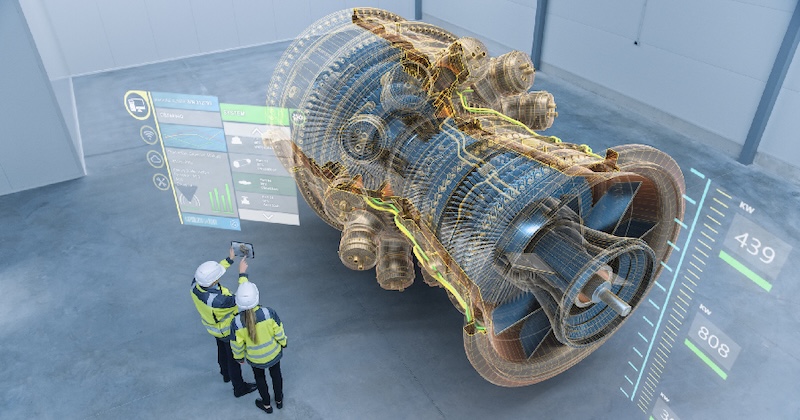
The Healey-Driscoll Administration of Massachusetts, in collaboration with the Innovation Institute of the Massachusetts Technology Collaborative, has allocated nearly $2 million to support six organizations focused on advancing robotics innovation within the state. This funding, part of the Massachusetts Robotic Digital Twin Initiative, aims to enhance commercialization opportunities for robotics hardware developers by providing greater access to digital twin technologies. The initiative is designed to foster growth in the robotics sector, positioning Massachusetts as a leader in technological advancement and innovation.
Design Digital Automation News Technology automation news autonomous vehicles
Amazon AI exec predicts first 'commercially useful' quantum computers in 5-7 years
In a rapidly evolving landscape, major technology companies such as Microsoft, Google, and IBM are intensifying their efforts in the field of quantum computing. This surge in competition is driven by the potential of quantum technology to revolutionize computing power and solve complex problems beyond the capabilities of classical computers. As of October 2023, these industry leaders are investing heavily in research and development, aiming to secure a competitive edge in what many consider the next frontier of computing. The race involves not only advancements in hardware but also the development of software and algorithms tailored for quantum systems. This strategic push reflects a broader recognition of quantum computing's transformative potential across various sectors, including pharmaceuticals, finance, and artificial intelligence. As these tech giants advance their initiatives, the implications for innovation and economic growth are significant, positioning quantum computing as a pivotal area of focus in the tech industry.

Interview with Luo Jianlan: The true scaling law of robots occurs in real deployment loops.
In the past six months, the focus of the domestic embodied intelligence sector has shifted from hardware competition to the deeper challenges that define the intelligence limits of robots. Luo Jianlan, an associate professor at Shanghai Chuangzhi Academy and chief scientist at Zhiyuan Robotics, argues against the prevailing notion that robots can replicate large language models through sheer data accumulation. He emphasizes that the core issue in embodied intelligence is not about breakthroughs in isolated components but rather the ability to create a closed-loop system in real-world deployments. Luo, who has a background in both academia and industry, including roles at Google X and DeepMind, believes that many teams in the sector are not genuinely pre-training models but are instead engaged in mid-training or fine-tuning due to the scarcity of high-quality interaction data. He asserts that true embodied intelligence requires a scalable closed-loop system, where deployment leads to data collection, which in turn enhances model capabilities. His current focus includes developing scalable online post-training infrastructure, enabling robots to learn continuously in real-world environments, and creating a world model that predicts the consequences of actions rather than merely generating video. Luo suggests that the future of embodied intelligence hinges on successfully integrating these elements into a cohesive system, with significant advancements expected in the next 12 to 18 months. He believes that the first team to effectively implement a "deployment-data-iteration" cycle in semi-structured environments like convenience stores will gain a substantial competitive edge.

Top Computer Vision Development Company Options for 2026
Selecting the appropriate computer vision development company is crucial for ensuring compatibility with the specific environment in which the model will operate. This could range from camera system-on-chips (SoCs) and cloud-based software as a service (SaaS) products to medical devices and live video systems. Among the available options, SQUAD stands out as a robust choice for edge hardware and smart camera products. Meanwhile, Intellias and Softeq are recognized as strong contenders for embedded AI solutions. As the industry evolves, companies must carefully assess their needs to align with the right technology partner.
Components Computing Technology AI development artificial intelligence automation news
Genesis AI Launches Company’s First General-Purpose Robot ‘Eno’
Genesis AI has introduced Eno, its inaugural general-purpose robot, which marks a significant advancement in robotics technology. The unveiling took place recently, showcasing Eno's innovative design that integrates proprietary hardware with GENE, the company's foundational robotics model. This combination enables Eno to execute a wide range of physical tasks, moving beyond the limitations of robots that are typically programmed for specific functions. Genesis AI aims to revolutionize the robotics landscape with this versatile approach, allowing for greater adaptability and efficiency in various applications.
AI AI Funding & Investment AI Use Cases Robotics Eno Gensis AI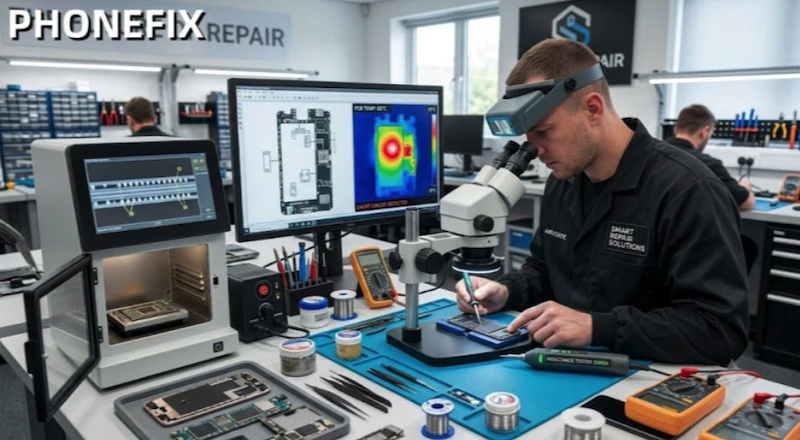
The Ultimate Bench Blueprint: Essential Phone Repair Tools for Beginners 2026
In 2026, the smartphone hardware landscape has undergone a significant transformation, making repairs far more complex than in previous years. Major manufacturers such as Apple, Samsung, and Google have developed flagship devices that resemble intricate puzzles, requiring advanced technical skills to disassemble. Unlike earlier models that allowed for simple component swaps using basic tools, today's smartphones are secured with specialized, microscopic screws and feature multi-layered logic boards, along with robust waterproof gaskets. This evolution in design reflects a growing emphasis on security and durability, posing challenges for consumers and repair technicians alike. As a result, the process of fixing a smartphone has shifted from straightforward DIY repairs to a more complicated endeavor, often necessitating professional assistance.
Engineering Industry automation news consumer electronics diagnostic tools DIYFIXTOOL
Open-source swarm robotics: Custom ESP32 MiniBots turn chess pieces into autonomous robots
A hardware developer known as 3DprintedLife has introduced an innovative open-source swarm robotics project aimed at advancing collaborative robotics technology. The announcement was made recently, showcasing the potential for multiple robotic units to work together efficiently in various applications. This initiative is designed to encourage community involvement and innovation in robotics, allowing developers and enthusiasts to contribute to and enhance the project. By providing accessible resources and documentation, 3DprintedLife hopes to foster a collaborative environment that could lead to significant advancements in the field. The project is expected to attract interest from both amateur and professional roboticists, as it emphasizes the importance of shared knowledge and collective problem-solving in technology development.
AI and Robotics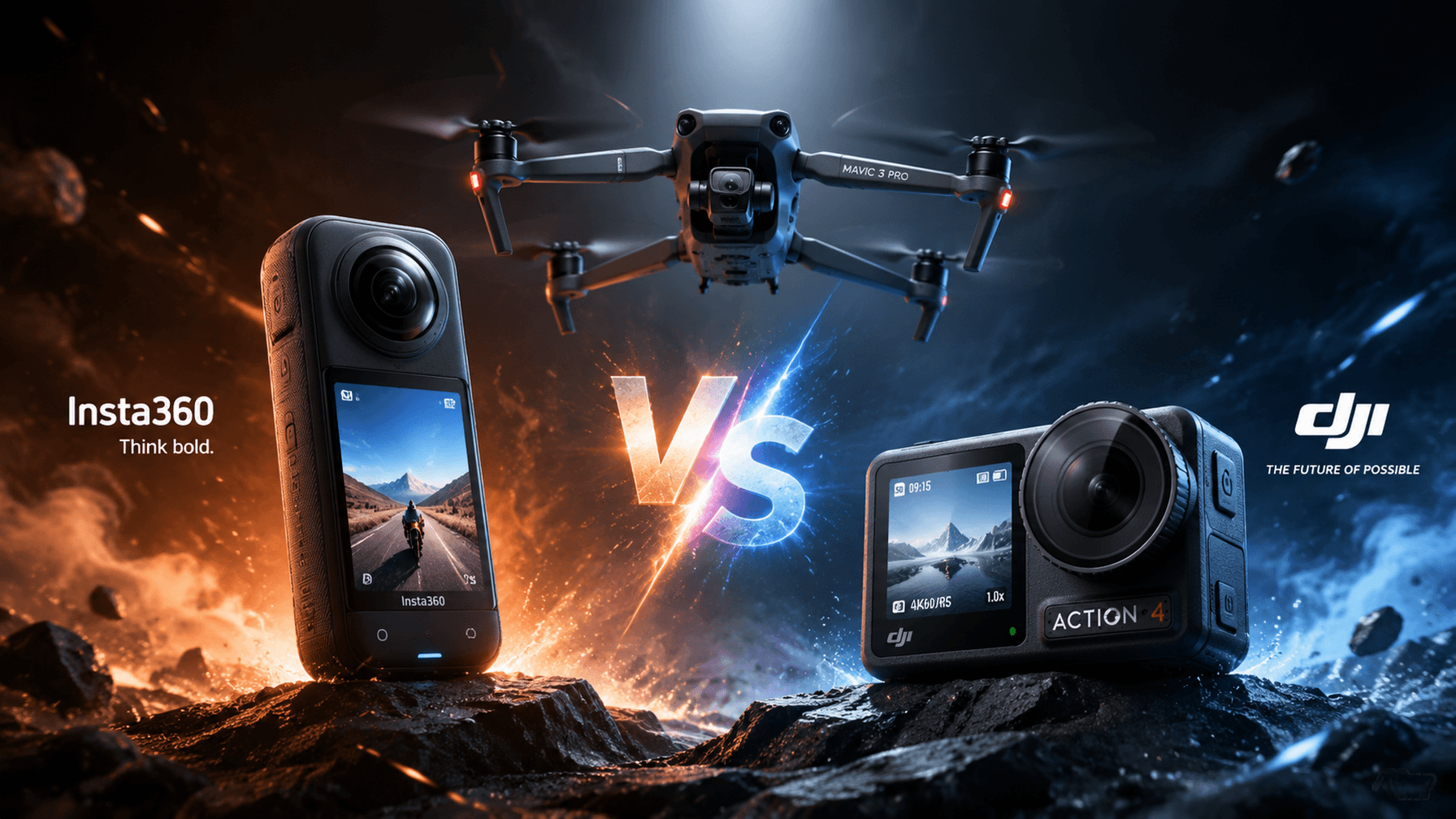
Insta360 vs DJI: The Drone Imaging War Is More Brutal Than the Food Delivery Battle
In Shenzhen, two leading companies in the drone camera industry, Insta360 and DJI, are engaged in intense competition that is transforming the landscape of imaging hardware in China. This rivalry has escalated into a series of patent lawsuits, aggressive price reductions, and a battle for top talent. As both firms strive to outmaneuver each other, the ongoing conflict is reshaping market dynamics and influencing consumer choices in the rapidly evolving technology sector. The situation reflects broader trends in innovation and competition within the Chinese tech industry, highlighting the lengths to which companies will go to secure their position in a lucrative market.
Industry Gadgets
AI Grew Four Wheels in 2026: How AIVA Is Redefining the Automobile as an Embodied Intelligence Entity
Saidou Technology, a Chinese startup, has unveiled AIVA, an innovative AI-defined vehicle brand that prioritizes artificial intelligence over traditional hardware components. This launch represents a significant shift in the automotive industry, moving away from conventional development practices. By focusing on AI integration, Saidou aims to redefine how vehicles are designed and function, potentially transforming user experiences and operational efficiencies. The introduction of AIVA comes at a time when the automotive sector is increasingly embracing advanced technologies to meet evolving consumer demands and environmental challenges.
News
LG to build Korea's first humanoid 'data factory' to train robots
LG Electronics is transforming its research and development campus in the Yangjae district of southern Seoul into South Korea's first "data factory" dedicated to humanoid robots, according to industry sources. This initiative, announced on Friday, aims to utilize hundreds of CLOiD machines that will perform everyday tasks to generate essential real-world data. As the development of humanoid robots increasingly hinges on data rather than hardware, this facility seeks to address the growing challenge of acquiring the necessary information for effective robot training. By creating a controlled environment where robots can learn from repetitive tasks, LG Electronics is positioning itself at the forefront of the competitive humanoid robotics sector.
All News
The Missing Layer in Robotics Adoption: Why Emerging Markets Need Commercialization Labs
Robotics manufacturers are increasingly focusing on emerging markets to drive growth, emphasizing the importance of local integration and support systems. As these companies seek to expand their reach, they recognize that success hinges not only on advanced hardware capabilities but also on the establishment of robust training programs, financing options, and service infrastructures. This strategic approach is essential for validating return on investment (ROI) and ensuring that local businesses can effectively adopt and utilize robotic technologies. By prioritizing these factors, manufacturers aim to create a sustainable ecosystem that fosters innovation and enhances productivity in regions that are ripe for technological advancement.
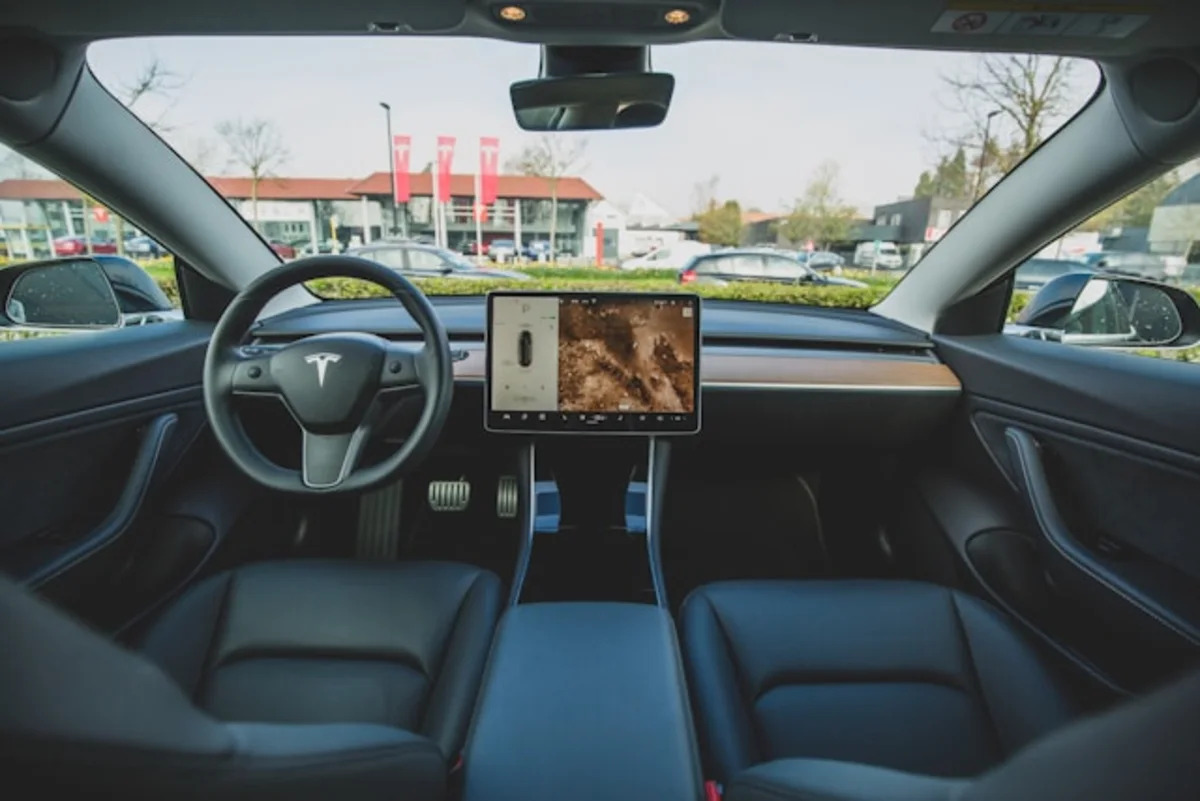
JPMorgan Echoes Why Tesla, Inc. (TSLA) is One of the Best Forever Stocks to Buy
JPMorgan has reaffirmed its positive outlook on Tesla, Inc. (NASDAQ: TSLA), highlighting the company's potential as a long-term investment. On June 7, 2026, the investment bank upgraded Tesla's stock rating from Underweight to Neutral, citing the market's underappreciation of the company's advancements in autonomous vehicles, humanoid robotics, and energy storage solutions. JPMorgan analysts predict that Tesla's share price could rise to approximately $475 by December 2027, up from a previous estimate of $145. The upgrade is attributed to Tesla's unmatched vertical integration of hardware and software at an industrial scale, which is expected to enhance manufacturing efficiency and reduce costs. The company's ongoing testing of its Optimus humanoid robot at its factories is also seen as a competitive advantage for future commercial sales. Additionally, JPMorgan remains optimistic about Tesla's expanding robotaxi service, which has grown from its initial launch in Austin to include Dallas, Houston, and the Bay Area. The bank notes that Tesla's ability to accumulate over 10 billion Full Self-Driving (FSD) miles and 9 million autonomous vehicles on the road will provide significant network effects. While acknowledging Tesla's investment potential, analysts suggest that certain AI stocks may offer greater upside with lower risk.

Cobra 600: Germany’s 620mph jet drone interceptor with IRIS-T and 155-mile range
German weapon manufacturer Diehl Defence has unveiled its latest innovation, the Cobra 600, a jet-powered interceptor drone designed to enhance aerial defense capabilities. This advanced drone is engineered to intercept and neutralize threats in real-time, showcasing Diehl Defence's commitment to cutting-edge military technology. The Cobra 600 was officially introduced during a defense exhibition held in Berlin in October 2023, where industry leaders gathered to discuss advancements in military hardware. The motivation behind the development of the Cobra 600 stems from the increasing demand for sophisticated defense systems in response to evolving aerial threats. By integrating jet propulsion technology, Diehl Defence aims to provide armed forces with a faster and more agile solution for intercepting hostile drones and other airborne threats. The drone's design emphasizes not only speed but also precision, allowing for effective engagement in various combat scenarios. The introduction of the Cobra 600 marks a significant step forward in unmanned aerial vehicle technology, reflecting a broader trend in the defense sector towards automation and enhanced operational efficiency. As military forces around the world seek to modernize their arsenals, Diehl Defence positions itself at the forefront of this transformation with its innovative approach to aerial defense.
Military
Unleash AI Innovation: The Power of NVIDIA RTX PRO 6000 Blackwell Workstation Edition Fueled by PNY-Supplied GPUs
PNY, a prominent supplier of NVIDIA RTX PRO™ 6000 Blackwell Series graphics cards, is enabling organizations to effectively address the challenges posed by contemporary AI workflows. This initiative supports a range of activities, from rapid prototyping to scalable deployment, ensuring that businesses can keep pace with the evolving technological landscape. By providing advanced hardware solutions, PNY aims to enhance productivity and innovation in various sectors reliant on artificial intelligence.
Mesoware raises $1.5 million funding to build AI-powered robots for manufacturing
Mesoware has secured $1.5 million in funding to advance its development of AI-powered robotics solutions aimed at automating manufacturing processes. The pre-seed funding round was spearheaded by Pillar VC. Joe Mattekatt, co-founder and CEO of Mesoware, emphasized the significance of this investment, stating that as hardware costs decrease and AI technology progresses, the primary challenge in robotics lies in integrating these advancements at scale. This funding will enable Mesoware to address that challenge and further its mission in the robotics industry.
Artificial Intelligence Industrial robots AI-powered robots automation news factory automation industrial robotics
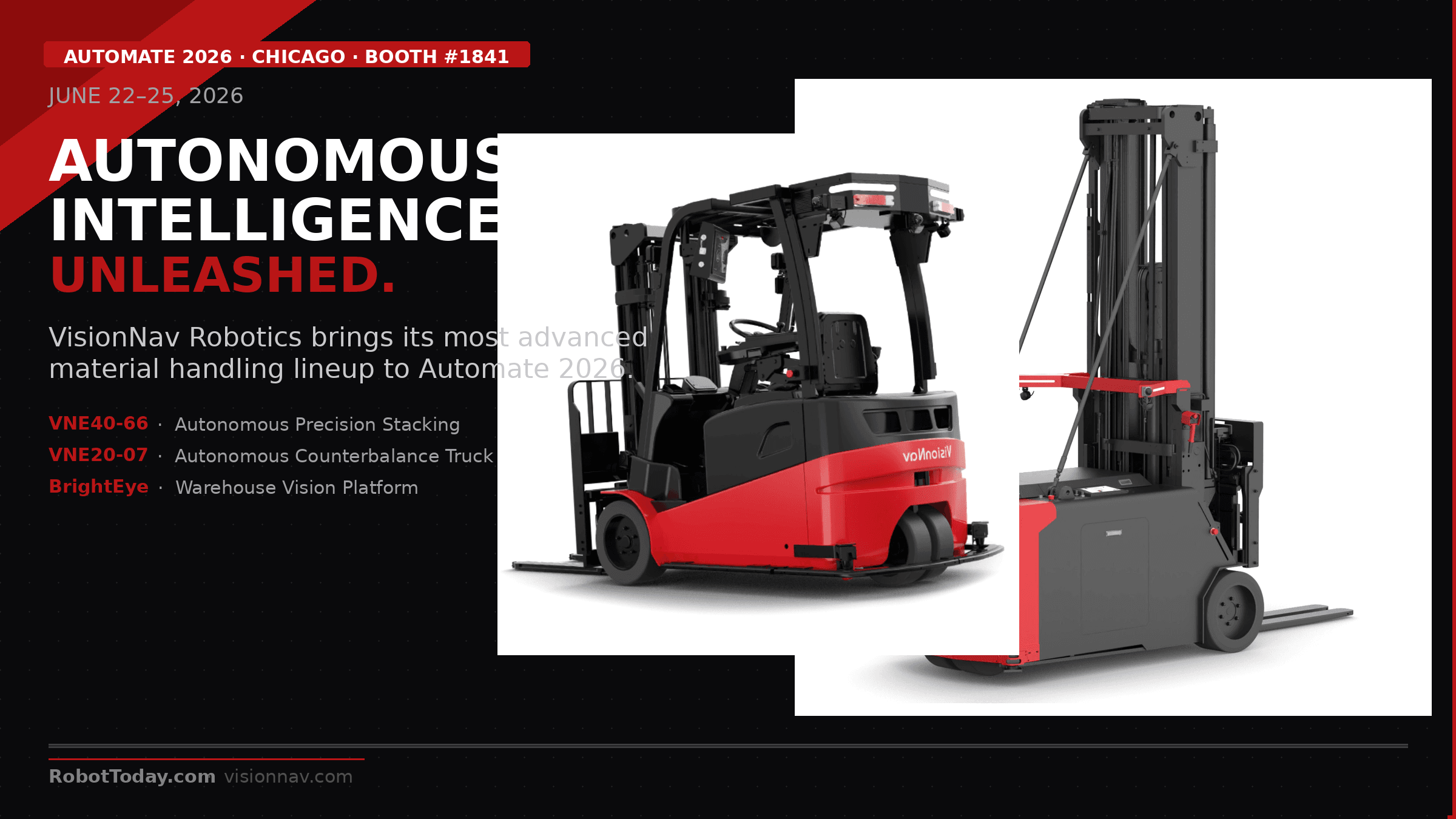
OnLogic to Showcase Practical Physical AI and Full-Facility Workload Consolidation at Automate 2026
OnLogic, a leader in industrial computing, is set to showcase its innovative edge solutions at the Automate 2026 show, taking place from June 22-25 at McCormick Place in Chicago, Illinois. Positioned at Booth 867, the company aims to highlight practical applications of Physical AI and advanced workload consolidation, moving beyond the prevalent cloud AI hype. As industries increasingly seek to implement artificial intelligence, many face challenges such as cloud latency and high bandwidth costs. OnLogic's VP of Product Engineering, Sheldon Sun, emphasizes the need for reliable edge computing to enable real-time operations in demanding environments. The company will demonstrate how its robust hardware can effectively bridge the gap between sophisticated software and the realities of modern industrial settings. Attendees can expect live demonstrations, including a forklift near-miss detection system powered by edge computing and an automated quality control inspection using advanced machine vision. OnLogic will also present a range of industrial and edge computing solutions, including the Helix 520 Series and the ultra-compact CL260 fanless computer, designed for various applications within the industrial sector. For more information on OnLogic's offerings and to engage with their team during the event, visitors are encouraged to stop by Booth 867 or visit their website.

How JPL Keeps the 13-Year-Old Curiosity Rover Doing Science
The Curiosity rover, which has been exploring Mars for 13 years, continues to operate effectively despite the challenges of its hostile environment. Since its successful landing in August 2012 at the Jet Propulsion Laboratory (JPL) in Pasadena, California, Curiosity has traveled nearly 37 kilometers, drilled into 42 rocks, and captured approximately 763,000 images. JPL engineers, including assistant team chief Alexandra Holloway, have implemented ongoing software updates and innovative solutions to keep the rover functional, even as it faces wear and diminishing power. Holloway highlighted the rover's longevity, attributing it to robust engineering and continuous maintenance efforts. While Curiosity and the younger Perseverance rover share similar hardware, Perseverance features additional capabilities for autonomous navigation, reflecting their distinct mission objectives. Curiosity's operational challenges include wheel wear from sharp rocks and power consumption from its nuclear source, which decreases over time. Engineers have developed strategies to optimize power usage, such as reducing computer activation time and parallel processing tasks. Looking ahead, Holloway noted that while Curiosity's arm may eventually fail, the rover still possesses valuable remote sensing instruments that will contribute to future Mars exploration. With its power source expected to remain viable through at least 2035, Curiosity's mission continues to yield significant scientific insights, paving the way for future missions.
Curiosity-rover Mars Jpl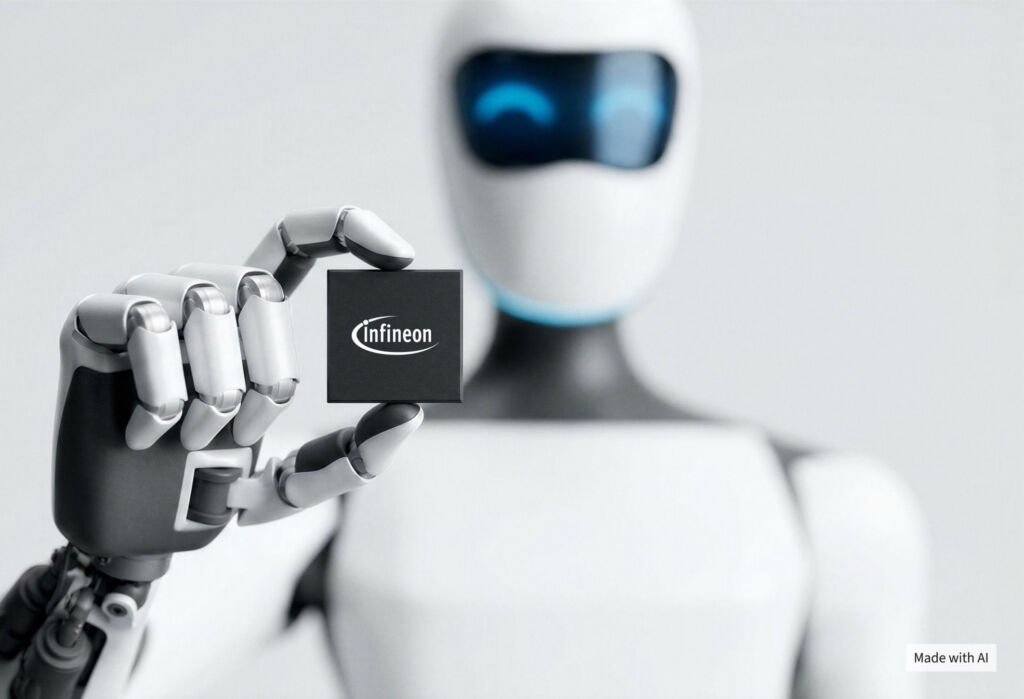
Increased Security for Physical AI
Infineon Technologies has announced the integration of its Optiga TPM SLB 9672 hardware security module into Nvidia's Jetson Thor computing platform, which is designed for robotics and autonomous systems. This collaboration aims to enhance security measures for physical artificial intelligence applications. By incorporating advanced security features, the partnership seeks to address growing concerns regarding data protection and system integrity in increasingly automated environments. The integration is expected to provide developers with robust tools to build secure and reliable robotic solutions.
Allgemein Robotersteuerung & Digital Twin Robotik
JPMorgan sets jaw-dropping Tesla stock price target
JPMorgan has significantly revised its outlook on Tesla, upgrading the stock from underweight to neutral and raising its price target from $145 to $475. This change, announced on June 5, 2026, by new analyst Rajat Gupta, follows a long-standing bearish stance from the bank under former analyst Ryan Brinkman. Gupta's new target suggests a potential upside of approximately 13% from Tesla's closing price of $418.45 the previous day. The upgrade coincided with JPMorgan CEO Jamie Dimon's invitation to Elon Musk to discuss SpaceX's planned IPO at the bank's Reagan National Economic Forum. Gupta emphasized Tesla's unique position in the physical AI sector, highlighting its vertical integration across hardware and software as a competitive advantage. He forecasts Tesla's revenue could soar to $203 billion by 2030, driven by advancements in robotaxi services, the Optimus humanoid robot, and Full Self-Driving licensing. Despite the upgrade, Tesla shares fell by about 6.6% on the day of the announcement, reflecting ongoing concerns about execution risks in new markets and the need for regulatory approvals for its ambitious projects. Gupta's cautious approach is evident in his decision not to issue a buy rating, acknowledging the uncertainties surrounding Tesla's future developments.
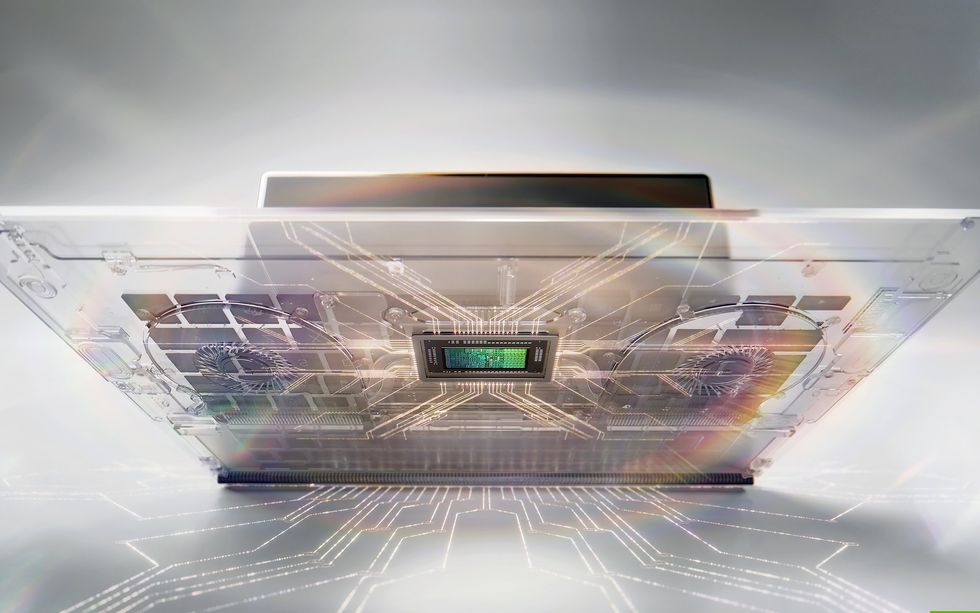
Nvidia’s AI Hardware Comes to Windows in RTX Spark PCs
At Computex 2026 in Taipei, Taiwan, Nvidia unveiled its highly anticipated RTX Spark superchip for Windows PCs, marking a significant development in the tech industry. This announcement, which comes a year later than initially expected, was made in collaboration with Microsoft, which introduced two new devices powered by the RTX Spark: the Surface Laptop Ultra and the Surface RTX Spark Dev Box. Major PC manufacturers, including Asus, Dell, Lenovo, HP, and MSI, also showcased their Windows PCs featuring the new chip. The RTX Spark is based on Nvidia's Blackwell GB10 architecture, boasting 20 Arm CPU cores, 6,144 GPU cores, and support for up to 128 gigabytes of LPDDR5X memory. While the chip is designed to consume less power than its predecessor, the DGX Spark, it is expected to maintain strong performance, particularly in gaming and professional applications. Analysts suggest that Nvidia's established presence in the GPU market, with over 90% share, will enhance the software ecosystem for RTX Spark, setting it apart from previous attempts by Qualcomm and Microsoft with their AI-focused Copilot+ PCs. As Nvidia and Microsoft aim to position RTX Spark as a viable alternative to traditional x86 chips from Intel and AMD, they face the challenge of proving its effectiveness as a general-purpose PC. The launch is seen as a strategic move to leverage AI capabilities while appealing to both creators and gamers, with Nvidia emphasizing the importance of robust software support alongside hardware advancements. RTX Spark desktop workstations are expected to be available in the third quarter of 2026, further expanding the potential applications of this new technology.
Nvidia Pcs Windows Arm Ai-hardware
Interview with Jun Wu of GMEX Robotics: ‘We provide an integrated terminal + brain closed-loop system’
As artificial intelligence continues to capture public attention, experts emphasize that the future of robotics hinges on more than just advanced software. While numerous companies are focused on creating sophisticated AI systems and foundation models, there is a growing consensus that the true challenge lies in integrating this intelligence with reliable hardware capable of functioning effectively in the physical environment. This perspective highlights the need for a holistic approach to robotics, where both software and hardware advancements are essential for achieving practical and efficient robotic solutions.
Features Robotics AI platforms ai robotics artificial intelligence automation news
Summary of Microsoft's "Build 2026" announcement: expanding development platforms, safety measures, and hardware.
At the recent Build 2026 conference, Microsoft announced significant enhancements to its development platform aimed at supporting the creation of autonomous AI agents and ensuring safety controls. The tech giant introduced a new inference model named MAI, alongside high-performance local development terminals and a roadmap for quantum computing initiatives. These advancements reflect Microsoft's commitment to advancing AI technology and improving developer tools, positioning the company at the forefront of innovation in the tech industry.
Scientists show predictable training can outperform complex robot learning data
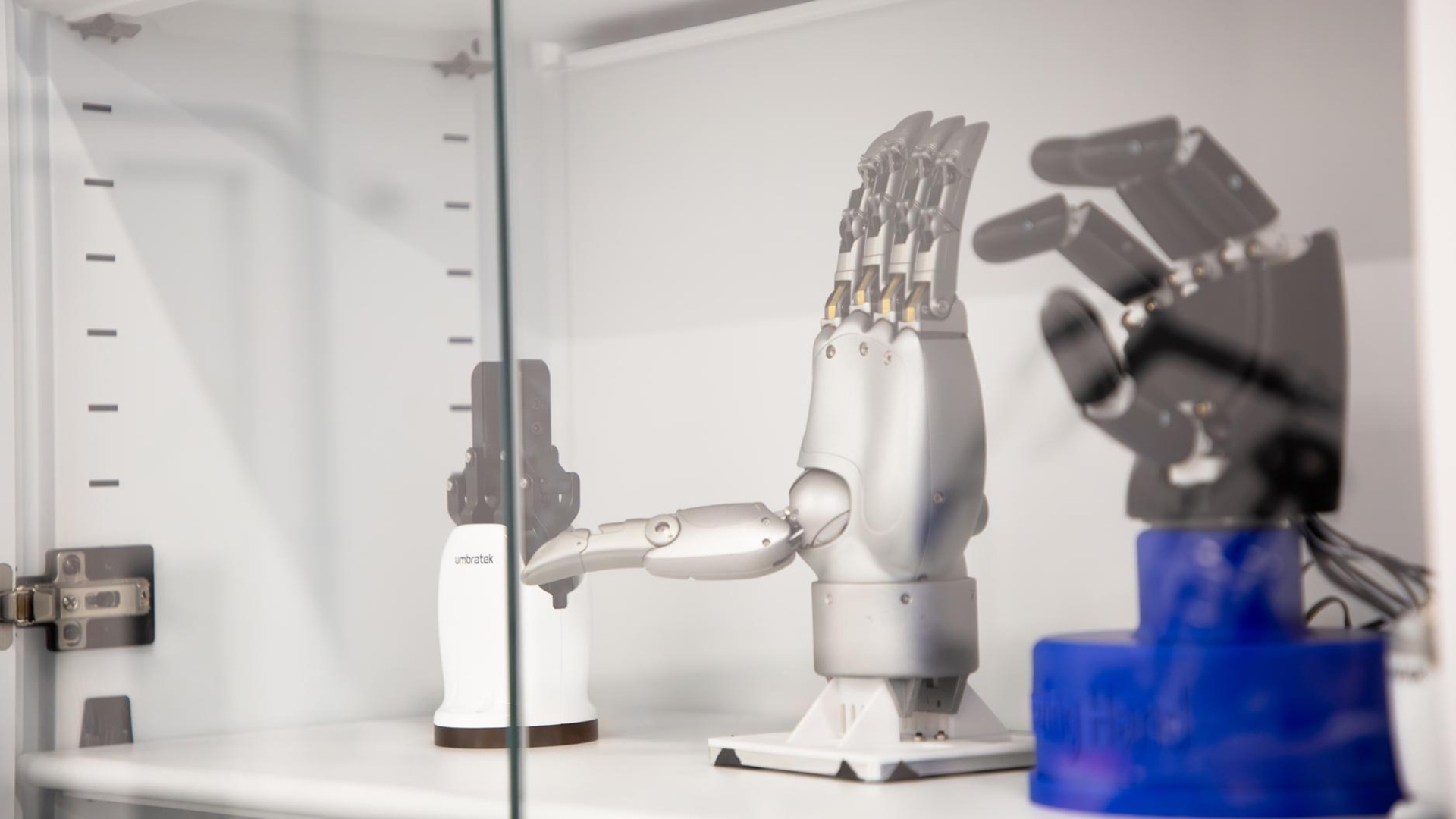
Researchers are making significant strides in developing robots capable of manipulating objects with human-like dexterity, a challenge that has long posed difficulties in the field of robotics. This advancement is crucial as it could enhance the ability of robots to perform complex tasks in various settings, including homes, hospitals, and manufacturing plants. The ongoing work, which has gained momentum in recent months, is taking place in laboratories across the globe, where teams are experimenting with advanced algorithms and machine learning techniques. The motivation behind this research stems from the increasing demand for robots that can assist in everyday tasks, improve efficiency in industrial processes, and provide support in healthcare environments. By mimicking the intricate movements of the human hand, researchers aim to create robots that can handle delicate objects and perform tasks that require precision and adaptability. To achieve this, scientists are employing a combination of innovative hardware designs and sophisticated software programming. They are utilizing sensors and artificial intelligence to enable robots to learn from their interactions with various objects, refining their skills over time. This iterative learning process is essential for developing robots that can operate effectively in unpredictable environments. As the field progresses, the implications of these advancements could revolutionize how robots are integrated into daily life, making them more versatile and capable of performing a wider range of functions. The ongoing research highlights the potential for robots to not only assist but also enhance human capabilities in numerous domains.

The Classical Advances Needed to Make Quantum Computers Tick
Quantum computers are poised to tackle problems beyond the capabilities of today's most advanced supercomputers, but their operation relies heavily on classical computing infrastructure. As the industry prepares for the anticipated scale of quantum computing, major players like Nvidia, Q-CTRL, IBM Quantum, and Google Quantum AI are developing innovative classical hardware and software solutions to support these machines. In April, Nvidia unveiled AI-based software designed to enhance the classical tasks essential for quantum computing. Sydney-based Q-CTRL has created an automatic calibration algorithm that utilizes Nvidia’s system to streamline the calibration process, which is crucial for maintaining the reliability of qubits—quantum bits that are inherently unstable and require regular adjustments. Calibration involves a meticulous two-stage process that traditionally demands significant time and expertise, prompting a push for automation. Q-CTRL's intelligent software analyzes calibration data in real-time, allowing for dynamic adjustments to improve efficiency. Additionally, quantum error correction is a critical focus, as it enables the detection and compensation of errors in qubits, a process that must occur rapidly to maintain quantum states. While AI is gaining traction in simplifying hardware control, challenges such as latency and computational expense remain. Experts suggest that a hybrid approach combining traditional and AI methods may be necessary to optimize performance. As quantum technology evolves, the demand for robust classical support will grow, necessitating new strategies to manage the increasing complexity of quantum systems.
Quantum-computers Quantum-error-correction Internal-calibration Nvidia Quantum-computing
NVIDIA Partners With Microsoft on Unified Stack for Agentic AI Deployment, From Windows Devices to Cloud to Local
NVIDIA and Microsoft have announced a significant advancement in artificial intelligence, highlighting the arrival of what they term the "agentic AI moment." This development emphasizes that realizing the full potential of AI technology necessitates not only sophisticated models but also the integration of high-speed hardware, secure operational environments, and a responsive data infrastructure. The companies are focusing on optimizing AI models for extended reasoning capabilities, which are crucial for complex decision-making processes. This collaboration aims to enhance the efficiency and effectiveness of AI applications, paving the way for more intelligent and autonomous systems in various sectors. The initiative underscores the importance of a comprehensive approach to AI development, combining cutting-edge technology with robust security measures to foster innovation.

Nvidia chases $200B CPU market with AI agent PCs from Microsoft, Dell, and HP
Nvidia is poised to revolutionize the accessibility of artificial intelligence by developing a method to deploy AI agents that are not only user-friendly but also safe and effective. This breakthrough could significantly impact various sectors, making advanced AI technology available to a broader audience. The initiative comes at a time when the demand for AI solutions is surging, with businesses and consumers alike seeking innovative tools to enhance productivity and efficiency. By leveraging its expertise in AI and machine learning, Nvidia aims to simplify the integration of these agents into everyday applications, potentially transforming how individuals and organizations interact with technology. If successful, this advancement could mark a pivotal moment in the evolution of AI, democratizing its benefits and fostering a new wave of innovation across industries.
AI Hardware TC AI PC cpus Microsoft
China establishes a venture capital fund in Hangzhou with 1 billion yuan; Tianjin opens AI sensor industrial park; Zhejiang plans
ZTO Express has established a new logistics company, Guangzhou Zhongjing Logistics Co., Ltd., in Guangzhou with a registered capital of 500 million RMB. The company, wholly owned by ZTO Express, will engage in domestic freight transportation, equipment leasing, and computer system services. OpenAI has announced its entry into the robotics sector, focusing on developing assistive robots. CEO Sam Altman stated the company is looking for engineers to create robots that can aid in building future infrastructure. The initiative, which has evolved from a world simulation research project, aims to integrate hardware and machine learning for practical applications. Nan Er, Vice President of Zhejiang Chint Electric, has been recognized as a "2026 Zhejiang Youth Technology Entrepreneur" as part of a program to support technology entrepreneurs in the region. Foxconn and French company Bull will collaborate to manufacture AI and cloud infrastructure, with an initial investment of over 120 million euros. The project will utilize facilities in both France and the Czech Republic. On June 1, new regulations for online food delivery were implemented, with Taobao Flash collaborating with various local regulatory bodies to label the first batch of "no dine-in" merchants, enhancing compliance among 60,000 restaurants this year. Muyu Group has partnered with Alibaba Cloud to develop an AI model for the livestock industry, significantly improving the efficiency of health checks for pigs. In investment news, a new venture capital fund, Guoxin Qianjiang, has been established in Hangzhou with a capital of 1 billion RMB, while Zhi Mi has opened a financing window with a pre-IPO valuation of approximately 70 billion RMB. In product developments, a new automotive brand resulting from a collaboration between Sairus and ByteDance is set to launch a hybrid vehicle this year, while Sharpa has introduced a humanoid robot equipped with advanced tactile capabilities in partnership with NVIDIA. Lastly, the Tianjin AI Sensor Industrial Park has officially opened, with ten companies signing contracts, and Shanghai is focusing on advancing core software technologies as part of its development plan. Zhejiang Province is also seeking to implement the "Spark Plan" to accelerate the application of quantum technology products.

NVIDIA unveils full-stack platform for humanoid robots, robotaxis and smart factories
NVIDIA has introduced a comprehensive range of technologies designed to enhance the development of physical artificial intelligence. The announcement was made during a recent event, showcasing the company's commitment to advancing AI capabilities. This initiative aims to address the growing demand for more efficient and powerful AI systems across various industries. By leveraging its cutting-edge hardware and software solutions, NVIDIA seeks to empower developers and researchers to create innovative applications that can operate in real-world environments. The unveiling of these technologies marks a significant step forward in the integration of AI into everyday life, highlighting NVIDIA's role as a leader in the tech industry.

OpenAI announces entry into robotics, focusing on developing assistive robots in the short term.
OpenAI CEO Sam Altman announced via social media that the company is seeking talented full-stack hardware, operations, systems, and machine learning engineers to collaborate on developing socially beneficial robots. He emphasized that artificial intelligence should assist humans in the real world. In the short term, OpenAI aims to create robots that can help technical workers build future infrastructure, while in the long term, the company envisions a future where everyone has a personal robot capable of fulfilling various needs. Altman revealed that OpenAI's world simulation research project has rapidly evolved over the past year into OpenAI Robotics, led by Aditya Ramesh. The project is making significant strides, grounded in the deep integration and collaborative design of robotics hardware and machine learning research.

New Server Hopes to Break Through AI’s “Memory Wall”
Majestic Labs, an AI hardware startup, is addressing the memory limitations of large language models (LLMs) with its upcoming server, Prometheus, set to launch in 2027. This innovative server will feature up to 128 terabytes of memory, significantly surpassing the capabilities of Nvidia’s current offerings. Co-founder Sha Rabii emphasizes that this substantial memory increase will enhance performance and efficiency, particularly as models grow larger. Prometheus employs a unique DRAM-centric architecture, utilizing LPDDR6 memory and a proprietary memory interface with miniature copper cables that allow for greater memory placement flexibility. This design aims to overcome the “memory wall” that hampers LLM performance, providing a memory bandwidth of up to 25.6 terabytes per second. To complement its memory capabilities, Prometheus will incorporate the Ignite AI processing unit, which combines ARM application cores with RISC-V vector and tensor cores on a single chip. This integration allows for seamless handling of LLM inference tasks without the need for processor handoffs. Majestic Labs is also focused on ensuring compatibility with existing AI frameworks like PyTorch and OpenAI’s Triton, allowing customers to run their models without modifications. The server, designed in compliance with the Open Compute Project, will be modular, enabling future memory upgrades. Despite the advanced technology, Majestic Labs aims to offer competitive pricing by leveraging DRAM instead of more expensive high-bandwidth memory. Rabii claims that this approach could reduce customer capital expenditures and power consumption significantly, potentially by 10 to 50 times, depending on the workload.
Memory Server Ai-accelerators Performance
Open source hardware for robotics: Democratizing robot building
In recent years, discussions surrounding open-source robotics have predominantly centered on software, particularly the Robot Operating System (ROS), which has established itself as a leading framework for robot development. However, the narrative is evolving as a diverse ecosystem of open-source hardware platforms emerges, significantly reducing barriers for developers and innovators in the field. This shift is occurring against the backdrop of a growing demand for accessible robotic solutions, driven by advancements in technology and an increasing interest in automation across various industries. The integration of open-source hardware with existing software frameworks is fostering collaboration and innovation, enabling a broader range of participants to contribute to and benefit from the robotics revolution. As this trend continues to gain momentum, it is reshaping the landscape of robotics, making it more inclusive and accessible to a wider audience.
Computing Features Robotics arduino automation news automation technology
Unitree Announces H2 Plus, an NVIDIA Isaac GR00T Reference Humanoid Robot for Academic Research
Unitree Robotics has unveiled the H2 Plus, a groundbreaking humanoid robot designed for academic research, which integrates advanced technologies from NVIDIA. Announced on June 1, 2026, the H2 Plus combines the Unitree H2 chassis with Sharpa five-fingered hands and is powered by the NVIDIA Jetson Thor, utilizing the NVIDIA Isaac GR00T development platform. This innovative reference design aims to streamline humanoid robotics research by providing a comprehensive hardware and software solution that eliminates the need for proprietary systems. The H2 Plus stands nearly six feet tall and weighs 150 pounds, featuring 31 degrees of freedom in its body and 22 in its hands, allowing for sophisticated manipulation and interaction. Equipped with multi-view sensing capabilities, including a stereo camera and wrist cameras, the robot is designed for real-world applications, enhancing its utility in various industries. Unitree's CEO, Xingxing Wang, emphasized that the H2 Plus offers developers a validated starting point for creating robotic skills, while NVIDIA's CEO, Jensen Huang, highlighted the potential economic opportunities that humanoid robots could unlock. By unifying the development process, the H2 Plus aims to accelerate advancements in physical AI, enabling researchers to transition from initial setup to skill development and practical validation more efficiently.

NVIDIA may return to the PC market with Arm SoCs "N1/N1X" hinting at future hardware for Windows.
NVIDIA and Microsoft are generating significant buzz on social media as they prepare for COMPUTEX TAIPEI 2026, scheduled for June 2026. The tech giants are hinting at developments within the "Windows on Arm" ecosystem, which is expanding across various market segments from high-end to low-end devices. This strategic focus aims to enhance the versatility and performance of Windows on Arm, positioning it as a key player in the evolving tech landscape. As anticipation builds for the event, industry experts are keen to decipher the implications of these announcements and what they may mean for the future of computing.
Robot solution provider serving Foxconn raises angel funding after six months of over 20 million revenue.
Shenzhen-based Chengwu Robotics has successfully completed its angel round of financing, backed by Taiwan's leading industrial automation and intelligent robotics firm, Chuan Technology, with Huajun Capital serving as the exclusive financial advisor. Founded in 2025, Chengwu Robotics focuses on the development of embodied intelligence technologies and product solutions for industrial applications, leveraging its integrated capabilities in hardware and software development, data collection, model training, and scene deployment. The company, led by founder Huang Jinlong, who has over a decade of experience in robotics R&D, aims to address the customization needs of non-standard industrial scenarios. Since its inception, Chengwu has delivered over ten industrial projects, generating over 20 million yuan in revenue by 2025 and serving major manufacturers, including Foxconn. Chengwu Robotics is also advancing its model development, with a focus on the Vision-Language-Action (VLA) model, which aims to enhance 3D perception and operational precision in complex environments. To address data collection challenges, the company has developed its own Egocentric-UMI data collection device and Bybot-TeleOp remote operation system, significantly reducing training and deployment times. The company is simultaneously developing a prototype upper-body robot equipped with advanced components to support its model training and industrial applications. Chengwu Robotics emphasizes its comprehensive capabilities and real-world delivery experience, positioning itself to create commercially viable solutions that meet client needs in various industrial contexts.

Today is the last day to apply to speak at TechCrunch Disrupt 2026
TechCrunch is inviting speakers to submit their session topics by the end of today for the upcoming TechCrunch Disrupt 2026 event. This opportunity allows industry experts and innovators to share their insights and contribute to discussions that will influence the future of the technology sector. By applying now, potential speakers can play a pivotal role in shaping the conversations that define the tech landscape. The event is set to take place in 2026, and submissions are encouraged to ensure a diverse range of topics and perspectives are represented.
Enterprise TC Startups Transportation Hardware Crypto
Final 24 hours to save up to $410 on your TechCrunch Disrupt 2026 ticket
TechCrunch is offering a final opportunity for attendees to secure Early Bird savings of up to $410 for its highly anticipated Disrupt 2026 event, with the deadline set for tonight at 11:59 p.m. PT. Scheduled for October, this event is expected to draw over 10,000 tech leaders from various sectors, making it one of the year's premier gatherings in the technology industry. The early registration discount aims to encourage participation and ensure that innovators and industry experts can connect and share insights. Interested individuals are urged to register promptly to take advantage of these savings before prices increase.
TC Startups Transportation Security Hardware Crypto
Alibaba, Tencent lead pivot from chatbots to embodied AI for robotics
Chinese tech companies are rapidly advancing the integration of artificial intelligence into robotics, marking a significant shift in the generative AI landscape from digital chatbots to physical autonomous systems. Last week, Alibaba Group Holding introduced its Qwen3.7-Max model, which boasts innovative “tool-calling” capabilities. This feature enables the AI to function as a digital brain, facilitating the control of robots by coordinating various physical actions, including navigation and interaction with external software and hardware components. This development reflects a broader trend within the tech industry to enhance robotic functionalities through advanced AI, aiming to improve efficiency and expand the applications of autonomous systems in various sectors.

Startup Battlefield 200 applications close today: Nominate a founder or submit your startup
Today marks the final opportunity for startups to apply or be nominated for the Startup Battlefield 200 competition. The deadline is set for 11:59 p.m. PT, after which no further applications will be accepted. This event offers participants a chance to compete for $100,000 in equity-free funding, enhance their global visibility, and establish direct connections with potential investors. The competition culminates in a launch on the prestigious TechCrunch Disrupt stage, providing a significant platform for emerging companies to showcase their innovations. Startups interested in seizing this opportunity must act quickly to ensure their participation before the deadline closes.
TC Startups Hardware Crypto Climate Fintech
TechCrunch Disrupt 2026 Early Bird ticket savings end in 3 days
Tech enthusiasts and industry professionals have just three days left to take advantage of early bird pricing for TechCrunch Disrupt 2026, with the deadline set for May 29 at 11:59 p.m. PT. This annual event, recognized as one of the most significant gatherings in the technology sector, offers attendees the opportunity to engage with leading innovators and thought leaders. After the early bird period concludes, ticket prices will increase, prompting potential attendees to secure their passes promptly to avoid higher costs. The event promises to be a pivotal occasion for networking and exploring the latest trends in technology.
TC Startups Transportation Security Hardware Crypto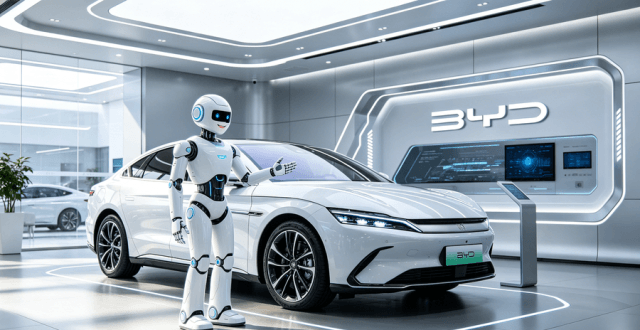
BYD Confirms Humanoid Robot Push with Seventh-Generation 'Yao-Shun-Yu' Project Targeting 4S Stores and Homes
BYD has announced its ambitious plan to develop a seventh-generation humanoid robot, aimed at enhancing operations within global 4S dealerships. This initiative, which builds on the company's extensive experience in automotive manufacturing, seeks to integrate China's hardware capabilities with advanced artificial intelligence. The project reflects BYD's commitment to innovation and its strategy to leverage its strengths in the automotive sector to meet the evolving needs of the retail environment. As the company moves forward, it aims to position itself at the forefront of the intersection between robotics and the automotive industry, potentially transforming how dealerships operate worldwide.
News
TechCrunch Disrupt 2026 Early Bird ticket rates end May 29
TechCrunch is offering a limited-time opportunity for attendees to save up to $410 on passes for its Disrupt 2026 event, set to take place in San Francisco. Interested participants are encouraged to register before the price increase deadline of May 29 at 11:59 p.m. PT. This event is positioned as a key gathering point for technology enthusiasts and industry leaders, aiming to foster innovation and networking within the tech community. By taking advantage of this early registration discount, attendees can secure their participation at a reduced rate, making it an attractive option for those looking to engage with the latest trends and developments in technology.
TC Startups Hardware Crypto Climate Fintech
6 kitchen gadgets that make adulting feel easier
A recent article highlights six innovative kitchen gadgets designed to simplify cooking and enhance the culinary experience for adults. These tools, which range from a robot that stirs soup to a bread machine that kneads dough, aim to make meal preparation more efficient and enjoyable. As the demand for convenient cooking solutions continues to rise, these gadgets cater to individuals seeking to elevate their cooking skills while managing busy lifestyles. By incorporating advanced technology, these devices not only save time but also allow users to explore new recipes and techniques in the kitchen. The article emphasizes how these gadgets can transform everyday cooking into a more engaging and rewarding activity, appealing to both novice cooks and seasoned chefs alike.
Hardware Gadgets Cooking Gadgets Kitchen gadgets robot chef evergreens
Figure AI's CEO just raised $700 million for his next big bet
Hark, a company established by Brett Adcock, the CEO of Figure AI, has successfully raised $700 million in funding. This significant investment positions Hark to compete with major players in the artificial intelligence sector, including OpenAI, Apple, Google, and Meta. The funding aims to accelerate the development of innovative AI hardware solutions, reflecting the growing demand for advanced technology in various industries. With this financial backing, Hark plans to enhance its capabilities and carve out a substantial presence in the competitive landscape of AI hardware innovation.
Tech AI Startups tech ai brett-adcock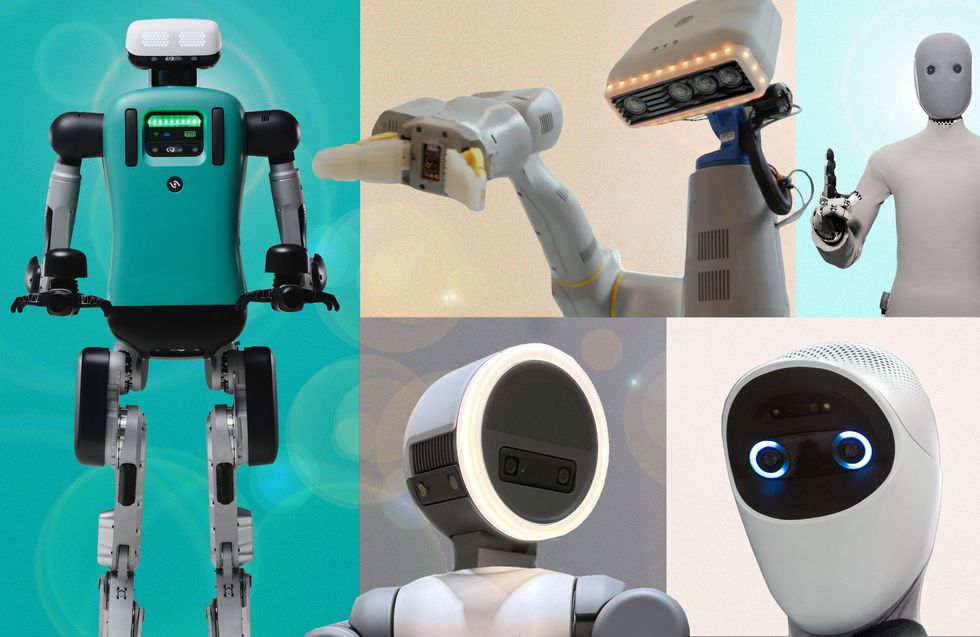
Will Robotics Have a ChatGPT Moment?
In the coming decades, billions of AI-powered robots are expected to collaborate with humans across various sectors, including factories, warehouses, elder care, disaster response, and home assistance. By 2025, investments in robotics reached a record $40.7 billion, highlighting the growing interest in this technology. Despite ambitious claims from robotics companies about humanoid robots entering homes soon, significant challenges remain in bridging the gap between current capabilities and the promises made. Experts in AI and robotics, including a professor from Oregon State University and a former Google X executive, emphasize that while AI is revolutionizing robotics, the complexity of real-world environments poses substantial hurdles. Current demonstrations of humanoid robots, such as those showcased at the 2026 Spring Festival Gala in China, often rely on scripted performances rather than genuine autonomy, revealing the limitations of existing technology. The development of general-purpose robots is hindered by the need for vast amounts of high-quality training data and the challenge of creating hardware that can safely interact with humans. As robotics evolves, the focus will shift to practical applications that address real-world needs, with an emphasis on safety and reliability. The path forward involves a series of incremental advancements rather than a single breakthrough, as AI-driven robots gradually begin to deliver tangible benefits across various industries, potentially transforming the economy and improving daily life.
Robotics Everyday-robots Agility-robotics Artificial-intelligence
Mach Industries just spent $50M to solve a major defense tech problem
Mach has announced that its recent acquisition significantly enhances the unit economics of its five vehicle programs, coinciding with the company's scaling efforts. This strategic move is expected to optimize financial performance and operational efficiency as Mach expands its production capabilities. The timing of the acquisition aligns with the company's growth trajectory, allowing it to capitalize on improved economic metrics at a crucial juncture. By integrating the new assets, Mach aims to strengthen its market position and drive profitability in an increasingly competitive landscape.
Hardware defense tech Ethan Thornton mach industries
Hellbender Secures $12.5M Seed Round to Accelerate Domestic Manufacturing of Physical AI and Launch Its On-Edge Camera Line
A robotics engineering and hardware firm has positioned itself as a key player in the realm of Physical AI by developing a foundational platform that enhances on-edge computer vision capabilities for autonomous systems. This innovative approach utilizes a robust portfolio of intellectual property to advance the field of robotics. The firm aims to revolutionize how autonomous systems perceive and interact with their environments, thereby improving their functionality and efficiency. By harnessing cutting-edge technology and data-driven insights, the company is set to make significant strides in the integration of AI within robotics, paving the way for more sophisticated and capable autonomous solutions.

Compressed AI Models Enable On-Orbit Satellite Intelligence
A team of researchers has reached a significant milestone in the field of artificial intelligence applied to Earth observation. They successfully developed a compressed AI model that operates efficiently within the constraints of satellite hardware. This breakthrough was achieved through innovative techniques that optimize the model's performance while minimizing resource consumption. The advancement is particularly timely, as the demand for effective Earth monitoring solutions continues to grow, driven by climate change and environmental management needs. By enhancing the capabilities of satellite technology, this research aims to improve data collection and analysis for various applications, including disaster response and resource management. The findings were announced recently, highlighting the potential for AI to transform how we observe and understand our planet from space.
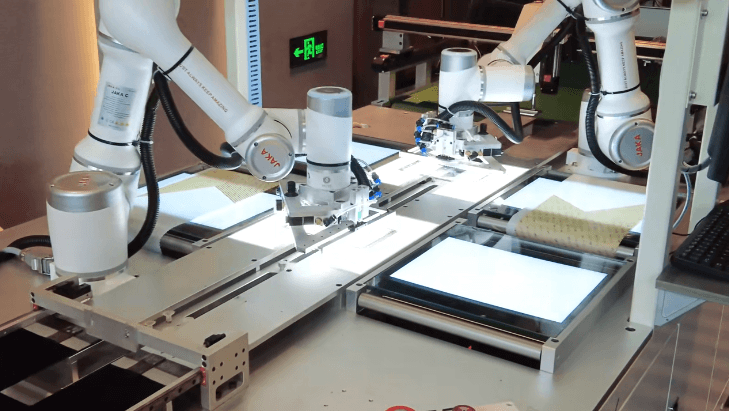
Are 6 Axis Cobot Arms Better Than Dedicated Pick & Place Machines?
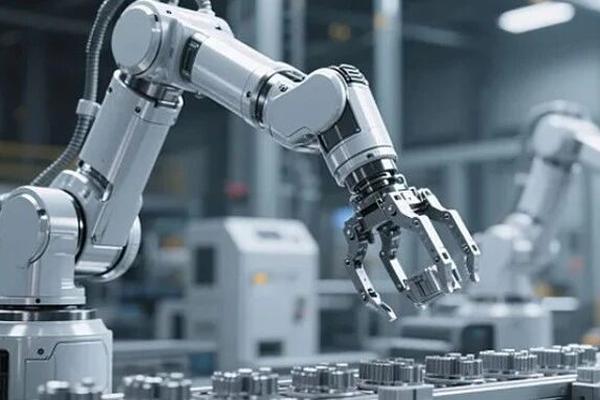
In a strategic shift towards enhanced manufacturing efficiency, companies are increasingly weighing the benefits of specialized hardware against flexible automation. Traditionally, high-speed assembly lines have relied on dedicated pick and place machines, which excel in repetitive tasks but lack adaptability. However, as product lifecycles shorten and customization becomes essential, the 6-axis robotic arm has emerged as a viable alternative, offering the flexibility needed for modern high-mix production environments. Dedicated machines, such as SCARA or Delta robots, are optimized for high-speed linear movements in fixed production runs. Their rigidity poses a challenge when product designs change, often necessitating costly retooling. In contrast, 6-axis robotic arms provide a spherical work envelope and six degrees of freedom, enabling them to perform complex tasks like inspection and screwdriving without relocating parts. This adaptability ensures that as businesses evolve, their hardware remains relevant with simple software updates. Additionally, the physical footprint of automation plays a crucial role in decision-making. Traditional machines require extensive safety guarding and rigid frames, consuming valuable space. In contrast, collaborative 6-axis systems can be integrated into existing workstations without barriers, fostering a hybrid workflow where robots handle repetitive tasks and humans focus on quality control. JAKA, a leader in this field, offers the JAKA Zu series, which combines the precision of dedicated machines with the flexibility of collaborative platforms. The JAKA Zu30, capable of managing heavy-duty material transfers, exemplifies this innovation. With a user-friendly wireless ecosystem and built-in safety features, JAKA aims to provide manufacturers with the agility and scalability needed to meet evolving market demands.
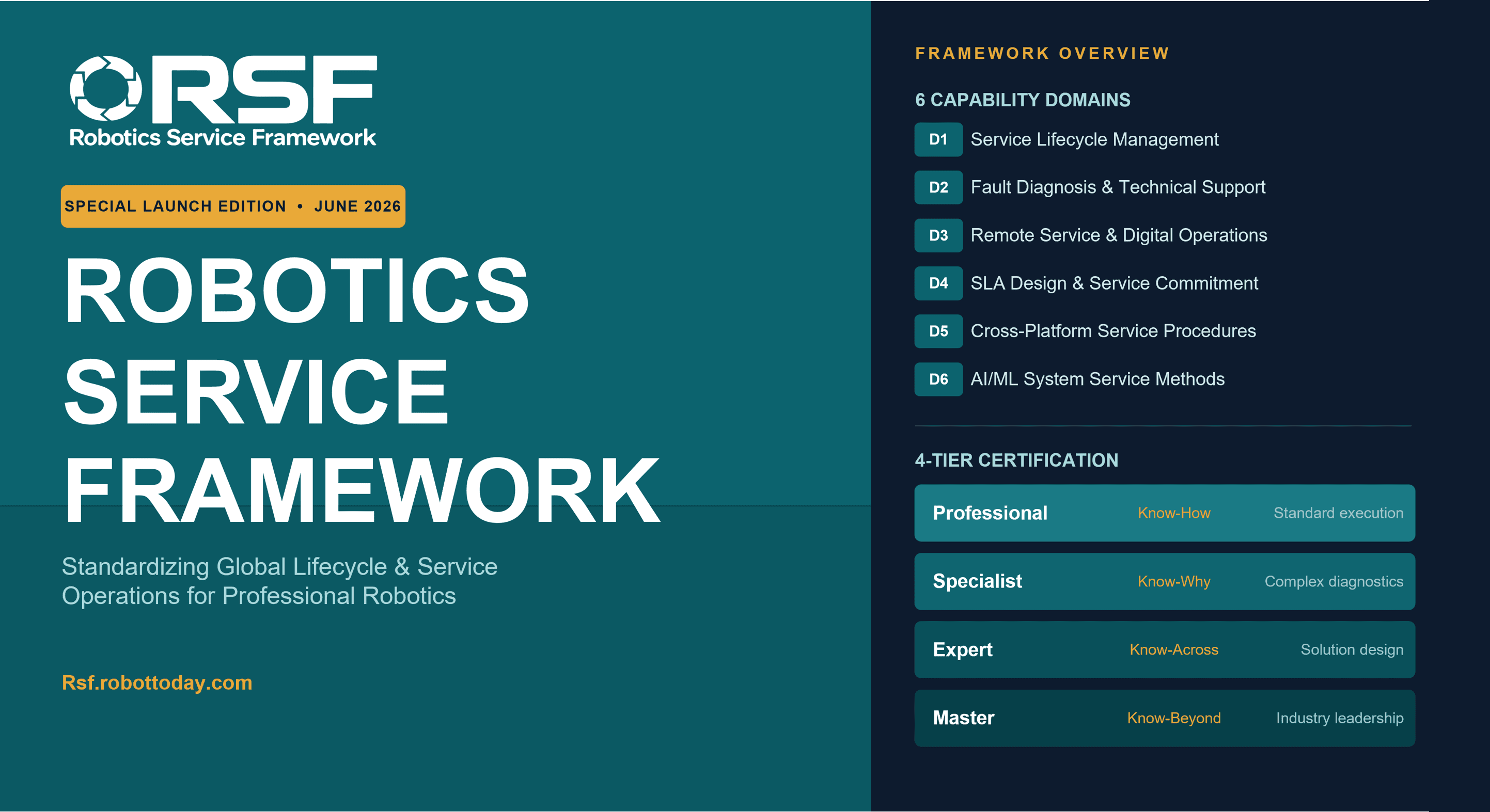
Robotics needs a service framework.
RSF defines a common language for robot service capability, lifecycle operations, certification pathways, and service-provider networks.